Help protect Africa’s  

Run and Climb for Wildlife

Run and Climb for Wildlife

Run and Climb for Wildlife


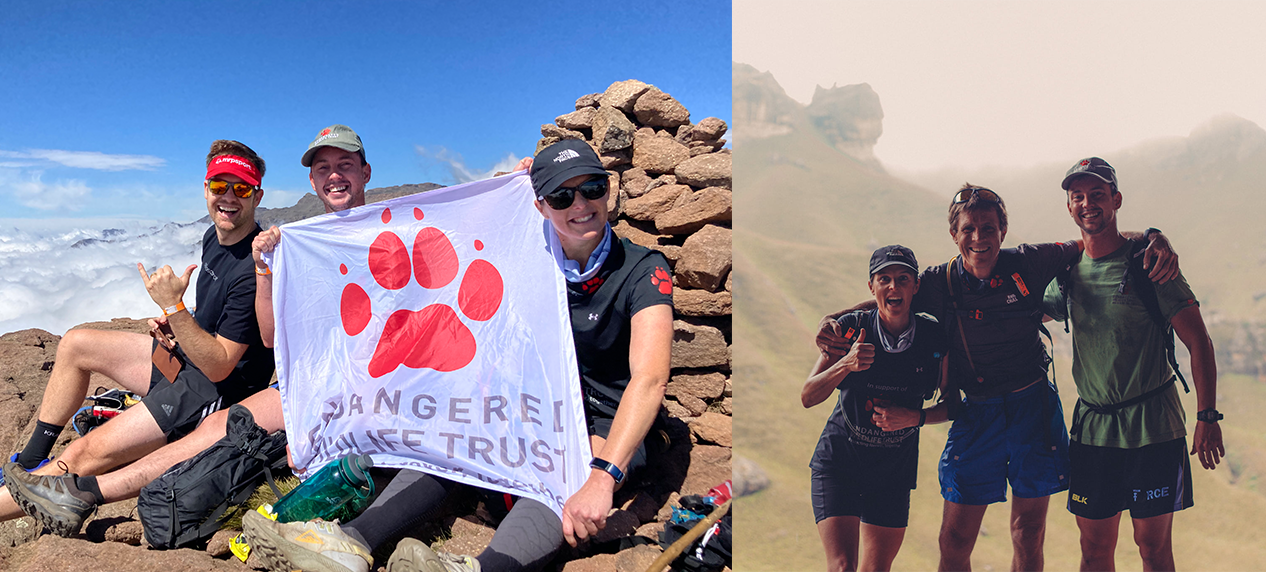
Rhino Peak Challenge participants running in Drakensberg mountains

On 19 September 2026, around 50 people who are dedicated to making a difference in nature, and the environment, will head off for the 11th Rhino Peak Challenge in the Maloti-Drakensberg Park World Heritage Site.

It is a day for making memories as ambassadors for the Endangered Wildlife Trust and Wildlife ACT take on the challenge to reach the top of the Rhino Peak – all in the name of raising money for key conservation projects.

With the race fast approaching, the EWT’s team, led by Tammy Baker,  is inviting those who love the outdoors and believe that individuals can make a difference in our natural world, to join them for an adventure aimed at making a difference.

Tammy will be taking on the Rhino Peak Challenge for the 8th year in a row. Thus far, Investec has secured two exclusive ambassador spots for the 2026 Rhino Peak Challenge.  You are invited to join up and become part of an exclusive team of 48 taking on the 21 km run / hike to rach the 3,056 m Rhino Peak.  

The Rhino Peak Challenge (RPC) is a conservation fundraiser aimed at raising funds for the EWT, Wildlife ACT and the Bearded Vulture Recovery Programme for the conservation of vultures, rhinos and cranes.    In the past decade more than R10 million has been raised through the RPC.

Tammy says beyond the physical test, the Rhino Peak Challenge offers an unforgettable weekend of adventure, camaraderie, and purpose. To secure one of these exclusive ambassador places, you have the privilege of raising a minimum of R20,000 in support of conservation. In return, you’ll enjoy a fully hosted weekend experience and the chance to be part of one of Southern Africa’s most inspiring conservation fundraising events.

Participation is deliberately limited to create a truly special experience for those involved, bringing together like-minded people who are passionate about protecting Africa’s natural heritage while making a tangible impact for conservation.

If this sounds like something you’d like to be part of, we’d love to hear from you.

To find out more, please contact Tammy at the Endangered Wildlife Trust at tammyb@ewt.org

A Roaring Success: Fourth Annual Copperleaf Golf Day Raises R350,000 for Conservation

A Roaring Success: Fourth Annual Copperleaf Golf Day Raises R350,000 for Conservation

Tales from the field:

A Roaring Success: Fourth Annual Copperleaf Golf Day Raises R380,000 for Conservation


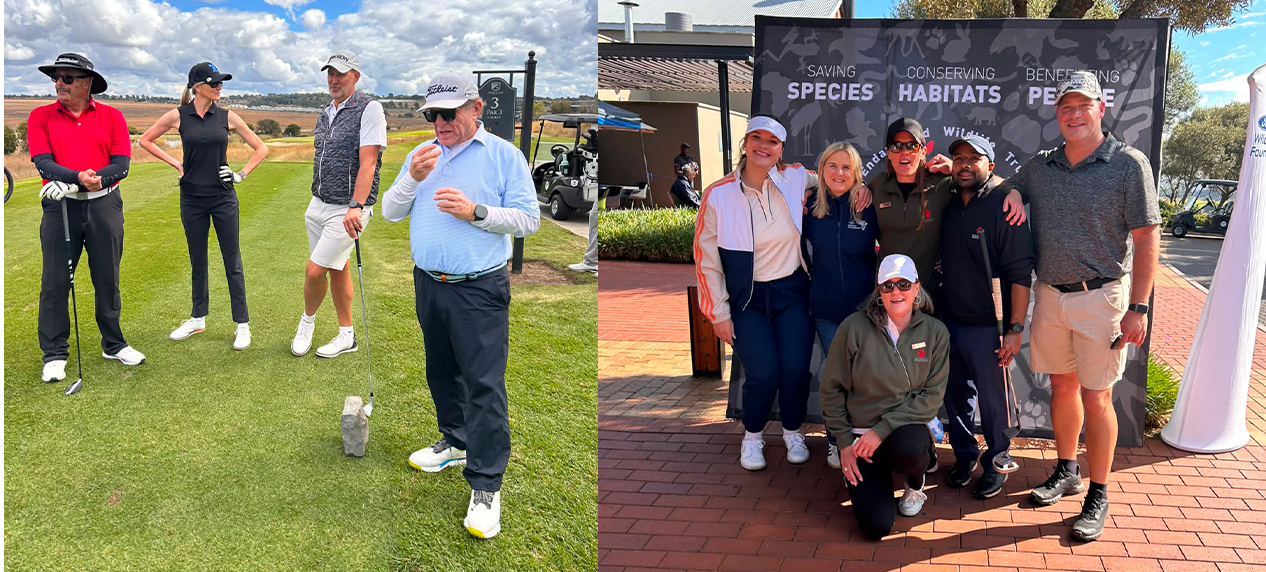
Copperleaf Golf Day conservation fundraiser golfers on course

Our 4th Annual Copperleaf Golf Day, proudly sponsored by the Ford Wildlife Foundation and supported by the Hatfield Motor Group, was nothing short of a roaring success.

On a crisp Highveld morning in May, 120 enthusiastic golfers gathered, ready to register, connect, and support conservation while enjoying a game we all love. Events like these remind us of the phenomenal power of golf, a sport that brings people together across all skill levels, fostering camaraderie without judgement, while encouraging movement and time spent in the beauty of the outdoors.

Copperleaf, an immaculate Ernie Els-designed course, provided the perfect backdrop for the day. With sweeping views of the Magaliesberg mountain range, striking aloe gardens, wide-open fairways, and pristine greens, it was a truly memorable setting. Ford vehicles, proudly displayed throughout the course, added to the sense of occasion, creating a spectacular experience for both players and sponsors.

The day culminated in a lively prize-giving ceremony, celebrating both competition and generosity. Thanks to the incredible support of our sponsors and players, we raised over R380,000.00 for vital conservation efforts.

None of this would be possible without our sponsors, and we encourage everyone to support these champions of conservation. A special thank you goes to Marataba, Madikwe Hills, aha hotels and lodges (Pilansberg), Mongena Private Game Reserve and Ritsako (Dinokeng Game Reserve)  who generously donated prizes with a combined value of R200,000.00. Beyond their contributions to the day, these partners play an integral role in conservation initiatives we are proud to be involved in. The EWT Carnivore Conservation Unit helps these properties with the management of the cheetah populations on Marataba, Dinokeng Game Reserve and Pilansberg, as well as both wild dog and cheetah metapopulations on Madikwe Private Game Reserve.

The Hatfield Motor Group once again went above and beyond – hosting fourballs, sponsoring five holes, and donating countless prizes. We are also grateful to Rhino Sandton, who contributed generously, including a R10,000.00 hole-in-one prize. While no one claimed it on the day, Rhino Sandton donated the prize value to conservation – a gesture that truly embodies the spirit of the event.

We were delighted to have golf influencer Alex Beazley join us on the course, adding to the energy and excitement of the day. A special highlight was the generous contribution from Akker van der Merwe of the Bulls, who donated a signed rugby jersey and tickets to the quarter-final — much to the delight of attendees.

The excitement of the day was enhanced by the ongoing interviews, commentary and legendary music provided by Rogues on Radio. This was generously sponsored by Ford Fourways. Rogues on Radio joined our prize giving adding some vibey tunes.

We would also like to extend our sincere appreciation to all our sponsors: Ford Wildlife Foundation | Hatfield Motor Group | Go2Africa |CMH Ford Gezina | Marataba | Madikwe Hills | aha | Mongena | Ritsako | Millstream | Mabula | Indaba Hotel | Rhino Sandton | Dream Resorts and Hotels | Go Vacation and Sense of Africa | Tourvest | Equate Advisory Group

A heartfelt thank you goes to our loyal supporters who continue to stand by us year after year:
Anchor Enginuity, RSAdvisors, Sere-med, Indwe Risk Services, N3TC, Levego, 342 Logistics, Equate Group, Intocast. Your ongoing commitment makes these events possible.

The success of this year’s golf day is a powerful reminder of what can be achieved when people come together with a shared purpose. We are deeply grateful for the support shown and look forward to continuing this momentum as we work to protect and conserve our wildlife for generations to come.

Small Bodies, Big Impact: The Blue-footed Baboon Spider and the Illegal Wildlife Trade in Smaller Species

Small Bodies, Big Impact: The Blue-footed Baboon Spider and the Illegal Wildlife Trade in Smaller Species

Small Bodies, Big Impact: The Blue-footed Baboon Spider and the Illegal Wildlife Trade in Smaller Species

By Sibongakonke Ngogodo, Wildlife in Trade legal officer


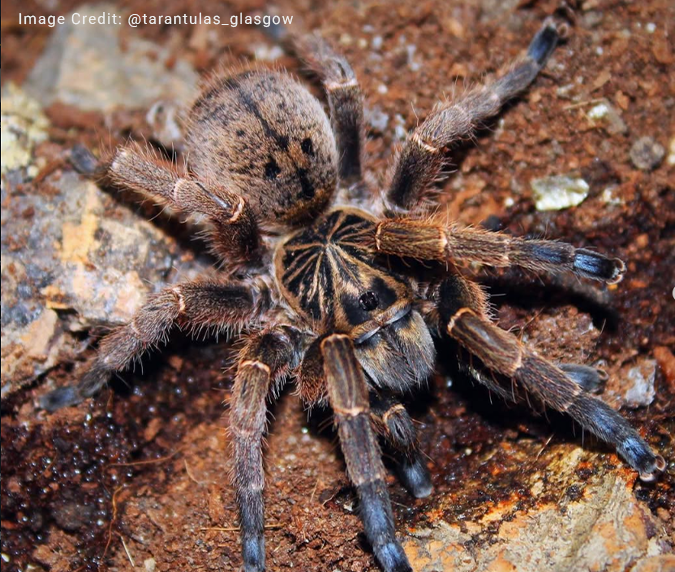
Image Credit: @tarantulas_glasgow Instagram

Image Credit: @tarantulas_glasgow Instagram

Conservation stories on the illegal wildlife trade often focus on the animals everyone already knows: rhinos, elephants, pangolins, big cats and vultures. And while these species deserve attention, many of South African’s lesser-known creatures are equally targeted.

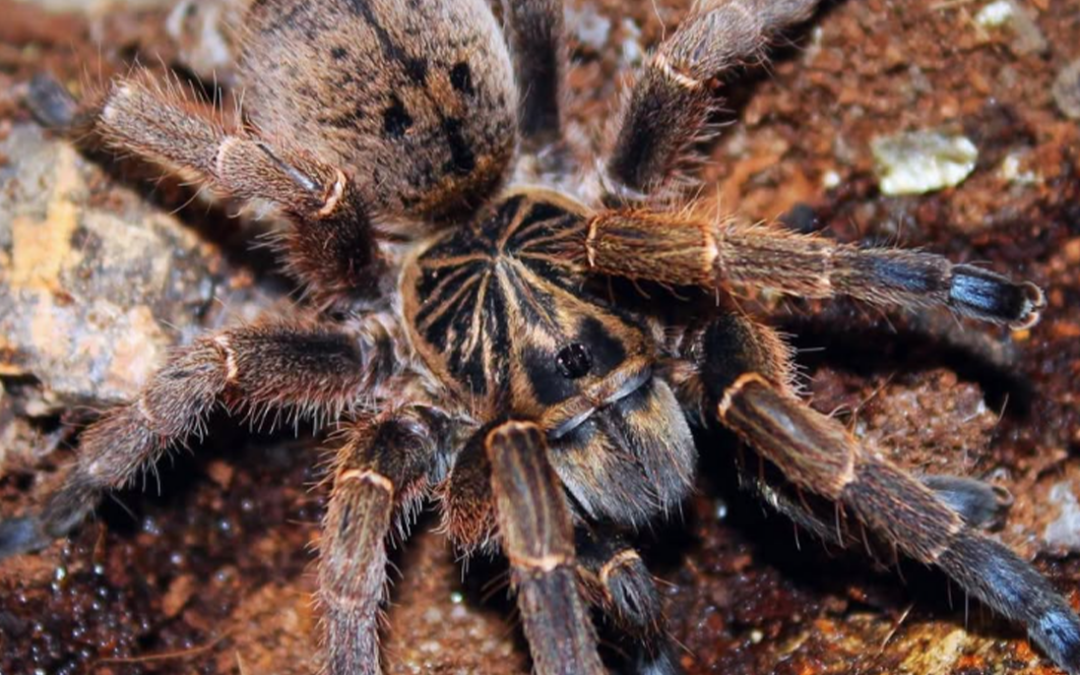
Beneath rocks, inside silk-lined burrows and across small patches of specialised habitat, smaller species are also being collected, traded and overlooked. The Blue-footed Baboon Spider (Idiothele mira) is one of those species. The species is a member of the Theraphosidae family and is endemic to  South Africa.  It spends much of its life in or near a burrow and although it is small and rarely seen due to its restricted range, its striking blue colouring and trapdoor-burrow behaviour makes it attractive to collectors in the global exotic pet trade.

Baboon spiders are ground-dwelling African tarantulas. South Africa has a rich diversity of these spiders, with SANBI noting eight genera and 44 species, many of which are endemic. The Blue-footed Baboon Spider can be recognised by the sky-blue colour on the upper surface of the end segments of its legs. Unlike many animals that move widely through the landscape, baboon spiders are generally sedentary. They spend most of their time inside their burrows and do not usually move far from them. This behaviour makes them difficult to detect, but it also makes local populations vulnerable when collectors target known sites.

Wildlife trade is often discussed through the lens of megafauna or charismatic species. This can create the impression that illegal or unsustainable trade is mainly a problem for animals with tusks, horns, scales or feathers. In reality, smaller species such as spiders, scorpions, reptiles, amphibians and insects can also be targeted because they are rare, colourful, unusual or difficult to obtain. Baboon spiders illustrate this.

Baboon spiders are also threatened by habitat loss and conservation responses are limited by gaps in knowledge about their ecology and distribution. These gaps matter because authorities cannot manage a species which they do not understand. For the Blue-footed Baboon Spider, the challenge is not only that it is small. It is also quiet, cryptic and habitat-specific. These traits allow species to disappear from a locality long before anyone realizes there was a conservation concern.

SANBI’s reports that Blue-footed Baboon Spiders appear in the international exotic pet trade with some regularity, although current rates of exploitation remain unknown. This uncertainty is important, because where exploitation levels are unknown, a precautionary approach is needed, especially for species that are slow to recover. When breeding individuals or immature individuals are permanently removed from the wild, the population’s chance of recovery after collection is poor.

Although baboon spiders, and spiders in general, may be misunderstood, they play an important role in functioning ecosystems. They are nocturnal sit-and-wait predators that feed on small invertebrates such as beetles, grasshoppers, millipedes, cockroaches, crickets and other spiders. In this way, they contribute to regulating invertebrate populations and maintaining ecological balance. Their presence also illuminates habitat quality. Their silk-lined burrow in undisturbed ground points to soil structure, shelter, prey availability and a functioning microhabitat. When these sites are disturbed or individuals are removed, the ecosystem is impacted.

The species has not been formally assessed for the International Union for the Conservation of Nature Red List of Threatened Species, which means its global conservation status is unknown.  It is illegal to capture, possess or trade in the species without a permit. Enjoying these species by viewing them in their natural habitat (if you are lucky enough to spot them) is therefore encouraged, but should be done responsibly. Sharing exact locations of rare or desirable species can unintentionally lure collectors. If you do happen to spot one of these spiders in the wild, you could contribute to further research by taking a photo of the species and sending it to SANBI or the Endangered Wildlife Trust.

The blue-footed baboon spider occupies an uncomfortable conservation position, too small for public attention, too obscure for most to recognise, yet ecologically significant and facing mounting pressures. Its plight exemplifies a broader challenge – the exploitation of species so understudied that their disappearance could go unnoticed. Yet ecosystem science demonstrates that the smallest threads are often the most critical.

Protecting species like the Blue-Footed Baboon Spider requires more than just legal listing. It requires better distribution data, responsible citizen science, careful handling of locality information, stronger awareness among the public, and continued enforcement against unlawful collection and trade. If conservation is to protect entire ecosystems, it must look beyond the animals that dominate headlines. The smallest species may be the easiest to overlook, but they are often among the clearest indicators of how much biodiversity remains hidden, vulnerable and in need of protection.


Building Resilience through Succulent Safe Spaces in South Africa’s Karoo

Building Resilience through Succulent Safe Spaces in South Africa’s Karoo

Building Resilience through Succulent Safe Spaces in South Africa’s Karoo

By Zanné Brink, Manager of the Drylands Strategic Conservation Landscape


drylands conservation South Africa succulent habitat

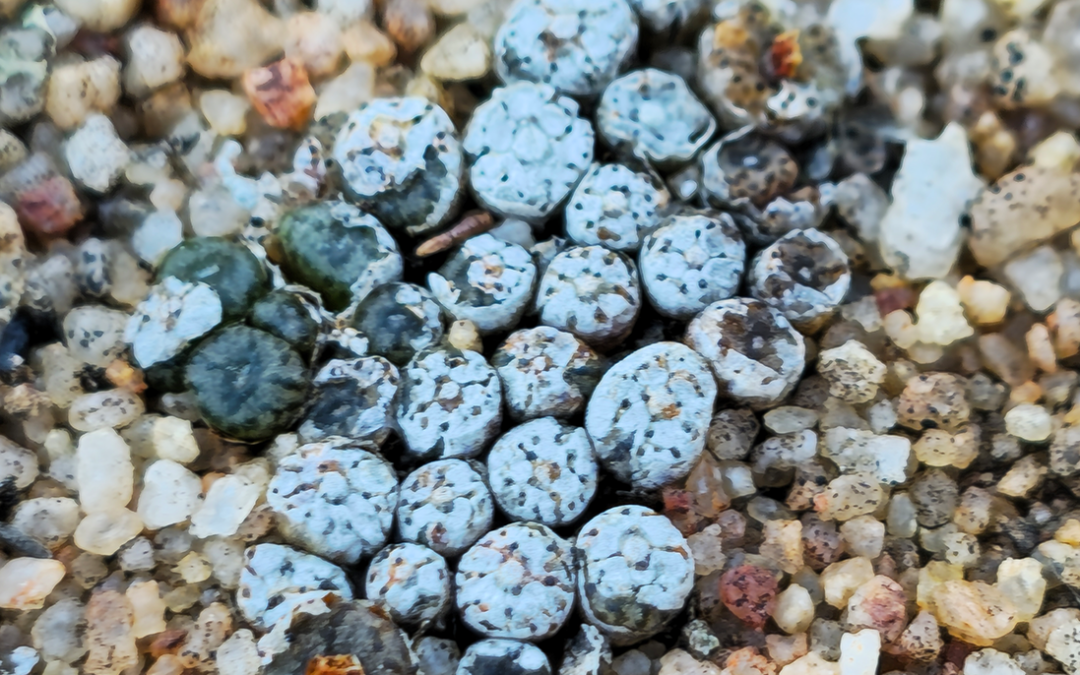
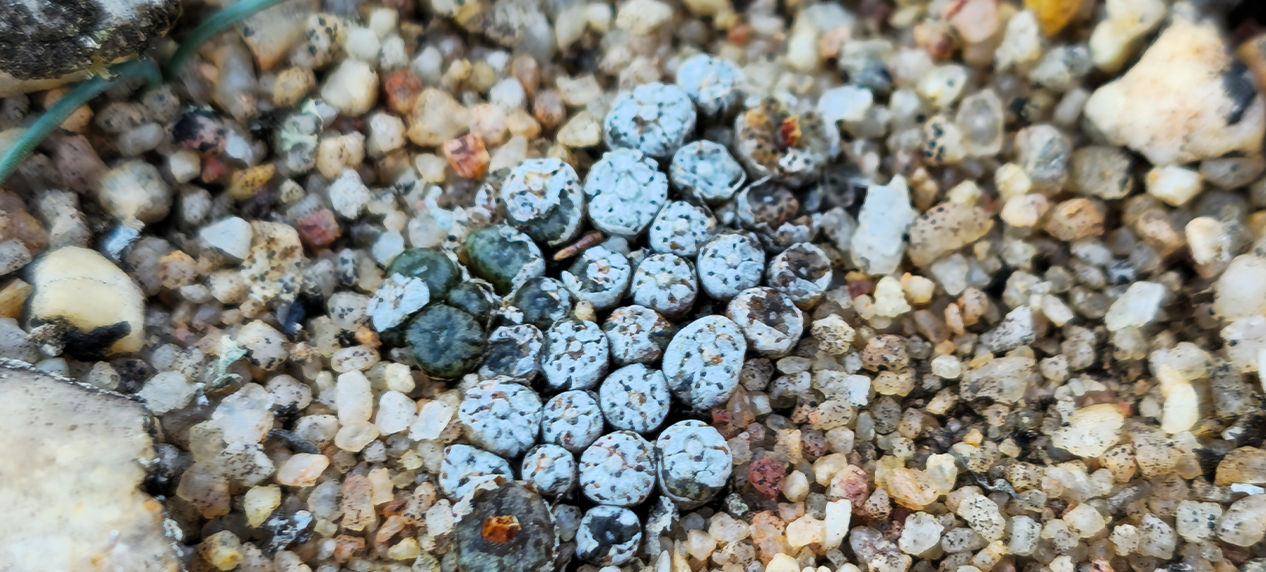
The Succulent Karoo Biome is home to a myriad of endemic succulent species which has captivated the imagination of people over time. But, but in recent years, this has resulted in overexploitation of endemic plant species.

This is due to the uniqueness of the dwarf succulent plant species that have adapted to harsh environmental conditions allowing the plants to thrive with very limited water, while providing an impressive floral bouquet when conditions are favourable. It is because of the uniqueness of the species that interest has been sparked, creating an increase in demand for succulents worldwide.

The Succulent Karoo biome spans an area of approximately 111,000 square kilometres allowing the specialist species to be found at various localities, based on the specific species’ environmental needs.  The arid regions are not just home to unique plant species, but also a myriad of adapted insect and reptile species, along with very resourceful and hardy human communities. Small communities dot the landscape, and are supported mostly through sheep farming, and more recently mining and renewable energy developments.

As is often the case, the beauty of something is often targeted to the detriment of the species.  The recent surge in flora biodiversity crime has emphasised the uniqueness of numerous species, creating an international market for species found nowhere else on Earth.  To address this, the Endangered Wildlife Trust has taken an active role in generating information gathered from within the communities impacted by plants being removed from their natural habitat – part of the Illegal Wildlife Trade Challenge Fund Evidence Project.

Armed with this valuable information, the fully funded “Building Resilience through Succulent Safe Spaces in South Africa’s Karoo” project was launched in January 2026 aimed at building resilience through the development of two Succulent Safe Spaces in South Africa’s Karoo, in collaboration and partnership with local communities and stakeholders.

A new locally appointed field officer started with community-led activities in February 2026, with the aim of developing trust and identifying role-players to enhance the project which is aimed at upskilling community members, raising awareness about the importance of endemic species within our natural environment, and how illegal harvesting damages the environment. As the field officer’s hometown is within one of the focal areas, he is spending time within the other “safe space” to not only familiarise himself with the area, but also to ensure collaborative efforts are maintained, especially in the small towns where information is mainly shared by word-of-mouth due to a lack in communication networks and infrastructure.

The project is an outflow of a feasibility study completed in 2024 and will ensure the implementation of a “Safe Space” model, which can be replicated and expanded into different areas to promote, protect and conserve the succulents of the Cape Floristic region – one of only six floral kingdoms recognised as a biodiversity hotspot.

Silent Threats: The Fight Against Wildlife Crime in Medike Reserve

Silent Threats: The Fight Against Wildlife Crime in Medike Reserve

Silent Threats: The Fight Against Wildlife Crime in Medike Reserve

By Joseph Razwinani, Medike Reserve manager


wildlife crime prevention Soutpansberg workshop SAPS conservation teams

Conservation teams, member of the SA Police Service and local community policing forums are working together to address poaching, snaring, illegal fishing, and other wildlife offences in the Soutpansberg area of Limpopo.

Wildlife crime remains one of the greatest threats facing protected areas across southern Africa, and the Medike Reserve is no exception.

While visitors experience the reserve as a place of beauty, biodiversity, and tranquillity, there is an ongoing battle behind the scenes to protect wildlife and natural resources from illegal activities, such as poaching, snaring, and unlawful fishing.

These crimes not only threaten individual animals, but also damage ecosystems, local livelihoods, tourism, and the long-term sustainability of conservation efforts in the region. Illegal resource use can reduce water quality, affect biodiversity, and weaken the natural systems that communities depend on, and, in some cases, wildlife crime also contributes to the decline and possible extinction of vulnerable species.

The Wildlife Offences Workshop

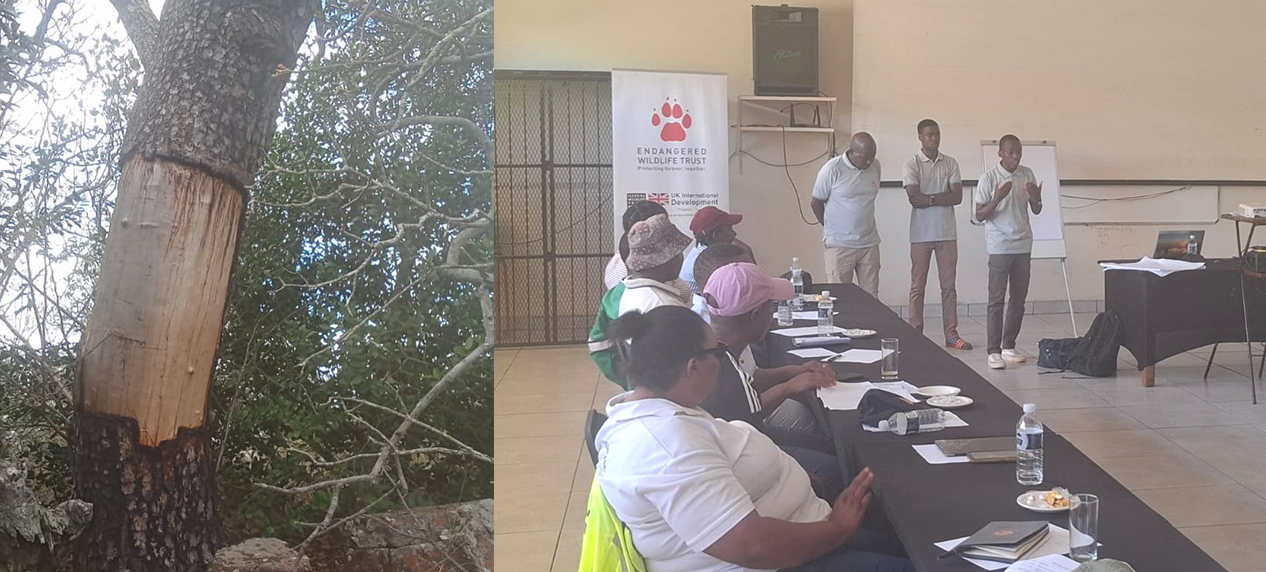
On 18 February, the Endangered Wildlife Trust (EWT), together with the Soutpansberg Protected Area/Medike Reserve (SPA/Medike), hosted a Wildlife Offences workshop at Schoemandale with members of SAPS and the Community Policing Forum (CPF).

The aim was to better understand the types of wildlife offences taking place around the Soutpansberg area and to create a platform where police, CPF representatives, and Medike field rangers could share their experiences and challenges when dealing with wildlife crime on the ground. It was also aimed at finding common ground and strengthen cooperation between all stakeholders.

SAPS and Community challenges

During the discussions, the SAPS explained that they regularly worked with landowners often receiving reports relating to stock theft, vandalism, illegal bushmeat trade and poached animals. They also dealt with cases related to the illegal transportation of wild meat during roadblocks.

Police members noted that some organised stock theft syndicates operated from as far afield as Johannesburg and worked with local individuals in the Soutpansberg area. They also reported that during roadblocks wildlife species often confiscated while being transported illegally included tortoises, snakes, and small rodents.

Although the SAPS previously worked closely with veterinary services and environmental authorities, such as the Limpopo department of economic development, environment and tourism (LEDET), they explained that limited manpower and resources had made it difficult to effectively deal with wildlife crime, especially since many officers are not wildlife crime specialists.

Members of the Community Policing Forum (CPF) acknowledged that some local community members trespassed on private game reserves and participated in poaching activities. However, they also highlighted the significant knowledge gaps related to environmental laws and protected species.

CPF members explained that tortoises sometimes entered villages, snakes were often killed unnecessarily, and owls were misunderstood due to cultural beliefs. They said many community members did not know which species were protected by law, making it difficult to report offences or prevent illegal activities.

Turning to firewood collection and fishing, CPF members admitted that many people were unaware of the laws regulating these activities, making what they were doing illegal.

Medike field rangers experience

Field rangers working in and around Medike Reserve shared the many forms of wildlife crime they have experienced.

They spoke about illegal fishing along river systems in the area which removed important aquatic species and damaged sensitive freshwater ecosystems.

Snaring remained one of the most destructive threats faced by wildlife in the area. Wire snares injured and killed a wide range of animals, including antelope, predators, birds, and smaller mammals. Rangers also raised concerns about infrastructure damage caused by trespassers and poachers entering protected areas.  In some cases, the same offenders were repeatedly caught committing similar offences.

Poaching for bushmeat, trade, or opportunistic hunting continued to place pressure on already vulnerable wildlife populations.

Illegal medicinal plant harvesting and firewood targeting threatened species were also a major  concern.

Conservation Awareness programme

A key outcomes of the workshop was the recognition if the continued lack of awareness within some communities regarding environmental legislation and the impact of wildlife crime on conservation and local livelihoods.

For example, many community members remained unaware of protected tree species or endangered animals, making it difficult for them to identify and report environmental crimes.

Highlighting the importance of increased conservation awareness, education programmes, and stronger cooperation between conservation authorities, SAPS, and local communities set the agenda for the way forward.  Key to this is community engagement.

The future

Medike Reserve has been working closely with traditional leadership structures and community organisations, including Cricket SA beneficiaries, through awareness campaigns and outreach programmes to highlight the importance of protecting natural resources.

The reserve also provides employment opportunities and internships linked to conservation work, helping create alternatives to illegal activities. Local community members continue to play an important role in reporting suspicious activities and supporting conservation efforts on the ground.

Building trust and strong relationships takes time, but positive progress is being made.

When communities see conservation as something that benefits them directly, they become our strongest partners in protecting wildlife.

As part of strengthening cooperation, SAPS and CPF members have invited Medike field rangers and conservation representatives to participate in future community imbizos and outreach programmes to speak about environmental issues and the importance of protecting the environment.

These ongoing partnerships will build stronger relationships between conservation authorities and local communities, creating a more united approach to protecting wildlife and preserving the biodiversity of the Soutpansberg area for future generations.

Hybrid Wattled X Blue crane fledges

Hybrid Wattled X Blue crane fledges

Hybrid Wattled X Blue crane fledges

By Jacquie van der Westhuizen, senior EWT field officer


Wattled Blue Crane hybrid chick Mpumalanga grassland

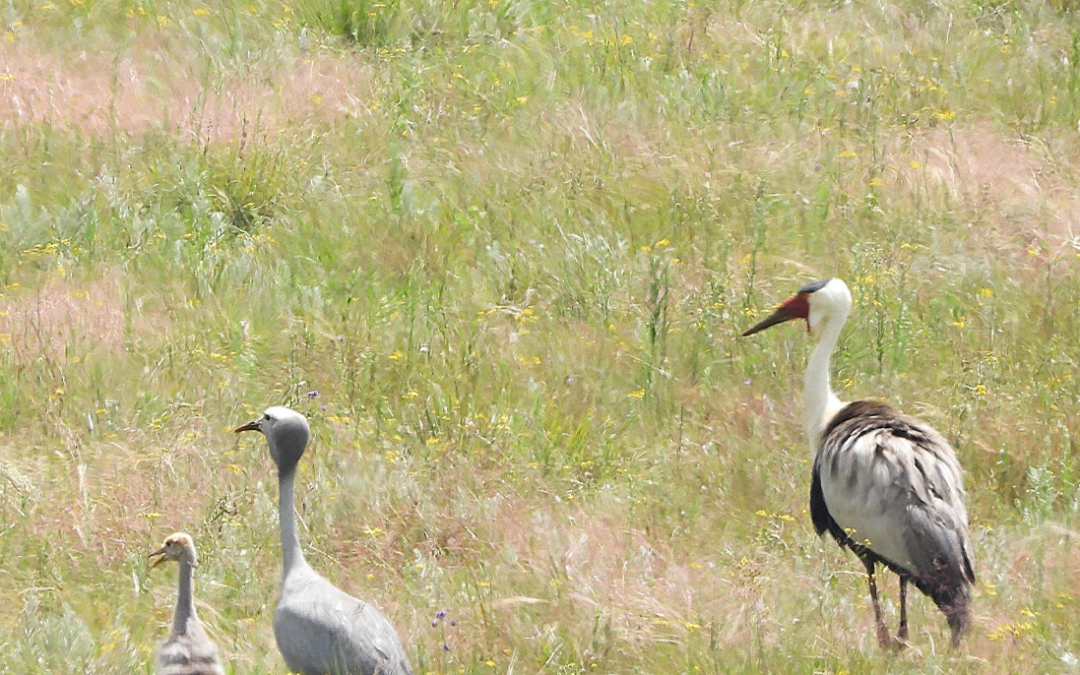
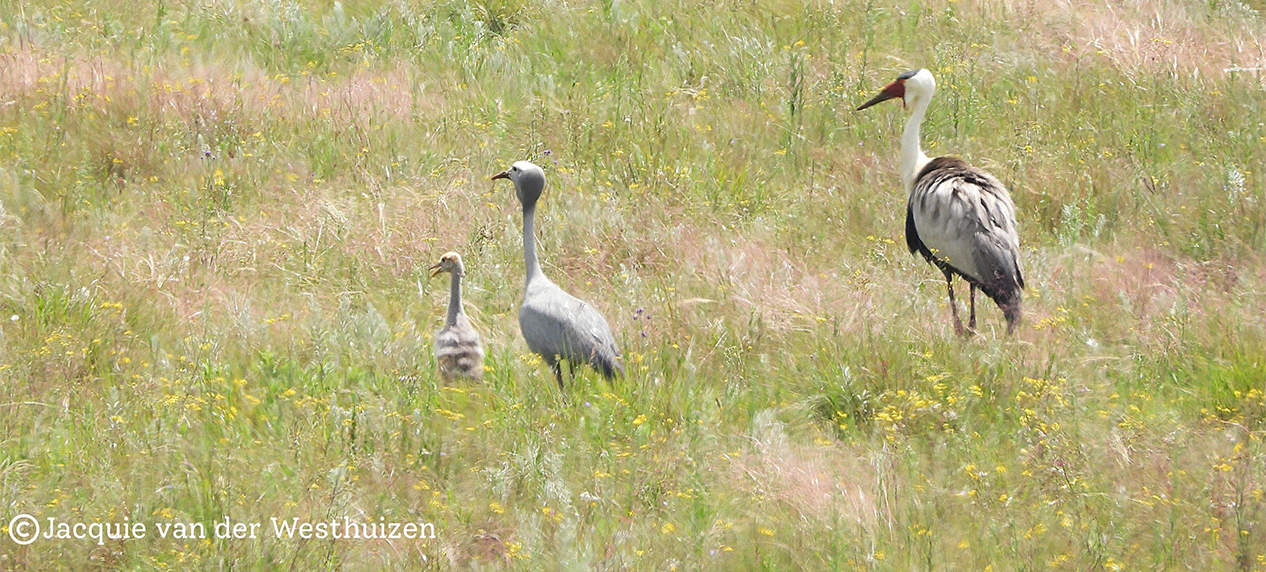
For the last couple of years, we have been getting reports of a lone Wattled Crane hanging around with some Blue Cranes in Mpumalanga.  Never in our wildest dreams did we think that a Wattled crane would pair up with one of the Blue Cranes, but the inevitable happened.

In early February I got a report from the farmer, accompanied by photo evidence, of the pair walking with, yes, a Chick!

There are not many known cases of hybridisation such as this and even less of it being documented, so I went up to Mpumalanga to see for myself.  I spent a few days monitoring, photographing and documenting the interaction between the adult Wattled and Blue crane and their chick, and their general behaviour.  At that point I guessed the chick was approximately 5-6 weeks old resembling a Wattled crane chick in looks and size.

In the normal life cycle of a Wattled crane, chicks fledge at approximately five months and, at approximately 10 months of age the parents take them to a floater flock – a group of cranes that are not yet of breeding age or have yet to pair up – and leave them there to grow up, find a mate and begin a whole new circle of life. 

During our monitoring we decided that in the event that this hybrid chick survived to adulthood and joined a floater flock, we needed to ring it so we would be able to identify him amongst a dance (flock) of cranes.  The purpose of this would be to see if it eventually paired up with another crane and bred.  We also took genetic samples as this would give us a better idea of the genetic makeup of the hybrid crane and the sex of the bird. This was done when the chick was approximately 13 – 14 weeks old, and looking more like a Blue Crane with a smaller bill and head and Blue Crane colouring.  

It has since fledged. This has meant less sightings and more difficult monitoring as the chick and his parents move around. He was last seen a few days ago (in May 2026) and, interestingly, now looks more like a Wattled Crane – lighter neck colouring, grey back and is almost as big as the Wattled crane. But, he is as fast as a Blue Crane when he runs!

In the animal kingdom, hybridised species are generally infertile, but it has been confirmed by none other than the International Crane Foundation’s (ICF) founder, George Archibald, that hybrisation between Brolga and Sarus Cranes in Australia not only occurs, but results in fertile chicks, and is actually more common than one realises.  These majestic birds are now known as Sarolga.   We have no evidence to prove this in Wattled / Blue crane hybrids as very little has ever been documented.

One of the reasons these types of hybridisations happen could be as a result of habitat loss, which in turn results in the decline of cranes in certain areas.  When crane numbers drop – in this case Wattled Crane numbers declined dramatically – the remaining few cranes start mingling with other crane species and eventually pair up.

We have seen a huge decline in the number of Wattled Cranes in Mpumalanga in the past 20 years.  This province was once home to the second largest population outside of KwaZulu-Natal.  This has resulted in the EWT / ICF partnership implementing a research project in the province to investigate the causes of the decline and how we can improve key crane habitats in the province to bring back this beautiful and iconic species.

Here’s a challenge for you, our readers:  What should we call our South African hybrid Wattled / Blue Crane?  A Watblue or a Bluewat?   Your suggestions are welcome and can be mailed to emomberg@ewt.org or jacquiev@ewt.org

Sungazers take a break from sungazing

Sungazers take a break from sungazing

Sungazers take a break from sungazing

Bradley Gibbons, senior field officer


Sungazer reptile emerging during winter sunshine

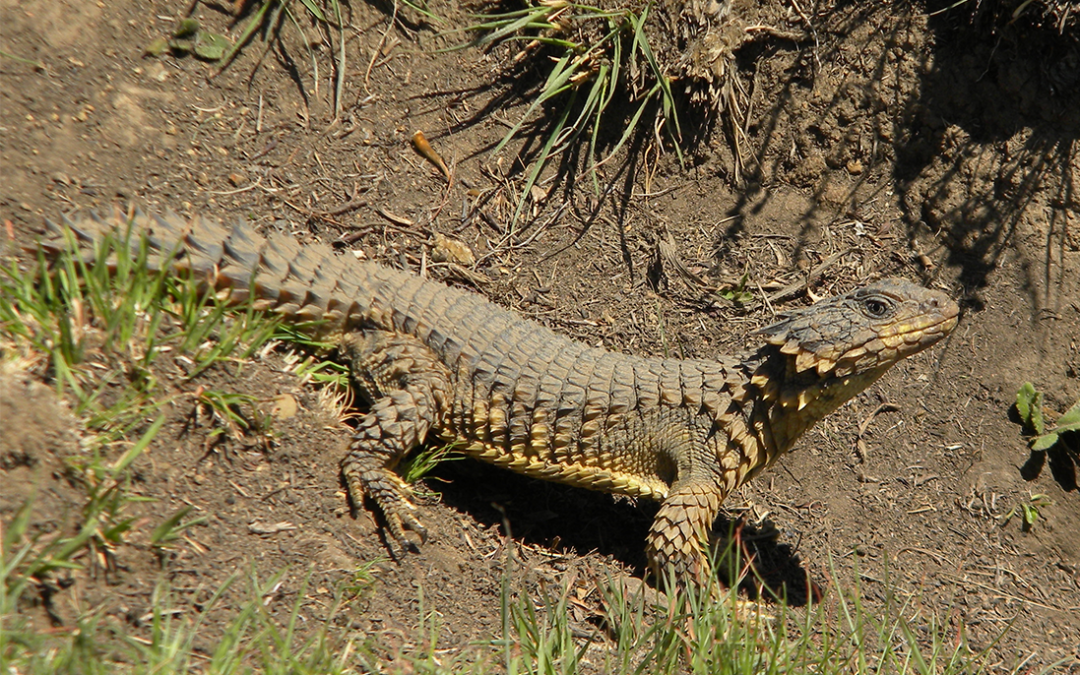
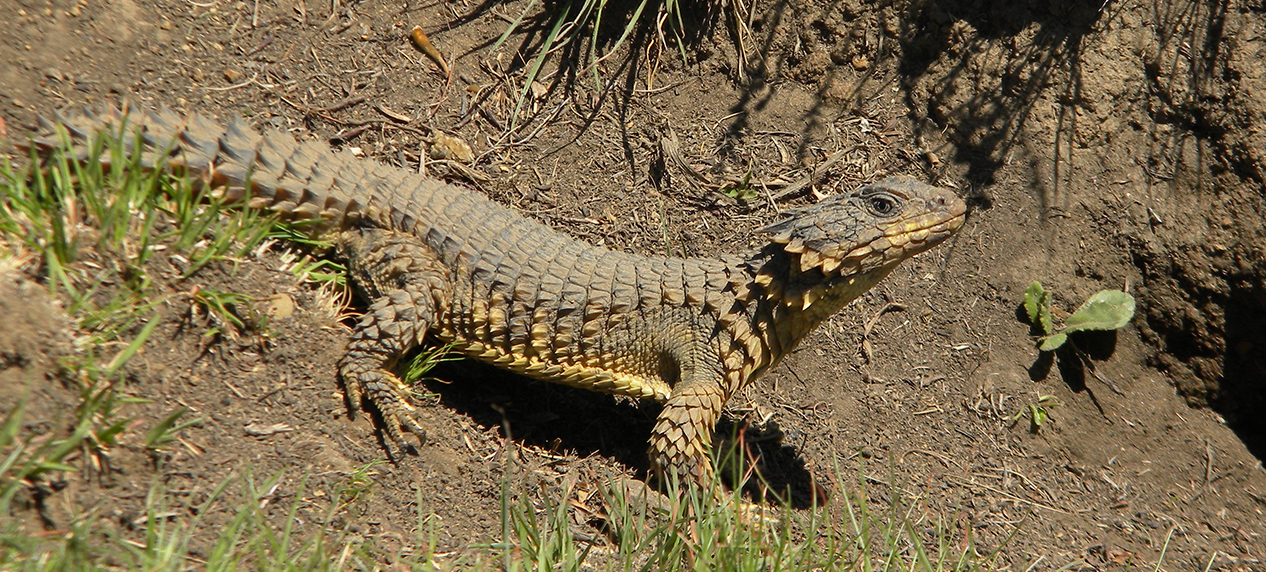
Yip, it’s that time of year again – autumn. That means that the Sungazers have decided to do what many reptiles do (and some humans wish they could do) and that is to hibernate!

The green colours in the grasslands are slowly changing and although the landscapes differ, this biome offers a different type of beauty. In the pristine areas where Sungazers live, the grasslands very often display a red colour by the grass species very aptly called red grass (scientifically, this grass is known as a Themeda species). It won’t be long until winter sets in and the winds blow the grasses like waves over a lake. Frost very often occurs on the cold winter mornings, but the snow on the high-lying majestic Drakensberg can be seen in some parts of the Harrismith district where the majority of Sungazers are found. Sometimes the sandstone mountains can also become snow-capped.

Although Sungazers generally stay in their burrows for the majority of the winter period to avoid those cold conditions, it may however be a surprise to see a Sungazer’s head appear in the grasslands during this time – but obviously on a really warm winter’s day. This could be one of those ventures to check what the weather is like outside to determine whether spring has finally arrived or not. Once it is warmer, sungazing can once again occur and the insects would have returned to be consumed. Some winters can feel really long – especially when the urge for sungazing and to consume a delicious warm meal grows stronger with each cold day endured.

With it almost being winter now, it will still be a while before the starving Sungazers can satisfy their appetite, which will probably only be at the end of September, depending on the weather conditions.

Have a great autumn and winter and remember that it is much warmer inside a burrow than what it is like outside, so stay warm like the hibernating Sungazers!

Unexpected Barn Owl tenants successfully moved to safety

Unexpected Barn Owl tenants successfully moved to safety

Unexpected Barn Owl tenants successfully moved to safety

Jenny Botha, the EWT’s community specialist


Barn owl relocation South Africa Limpopo rescue operation

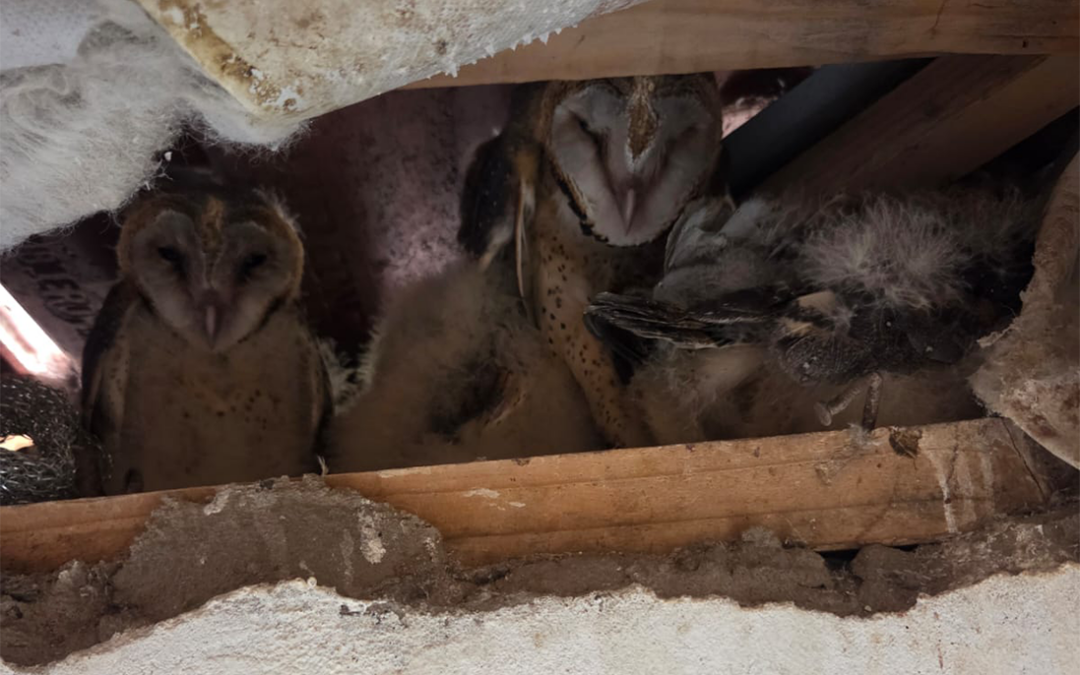
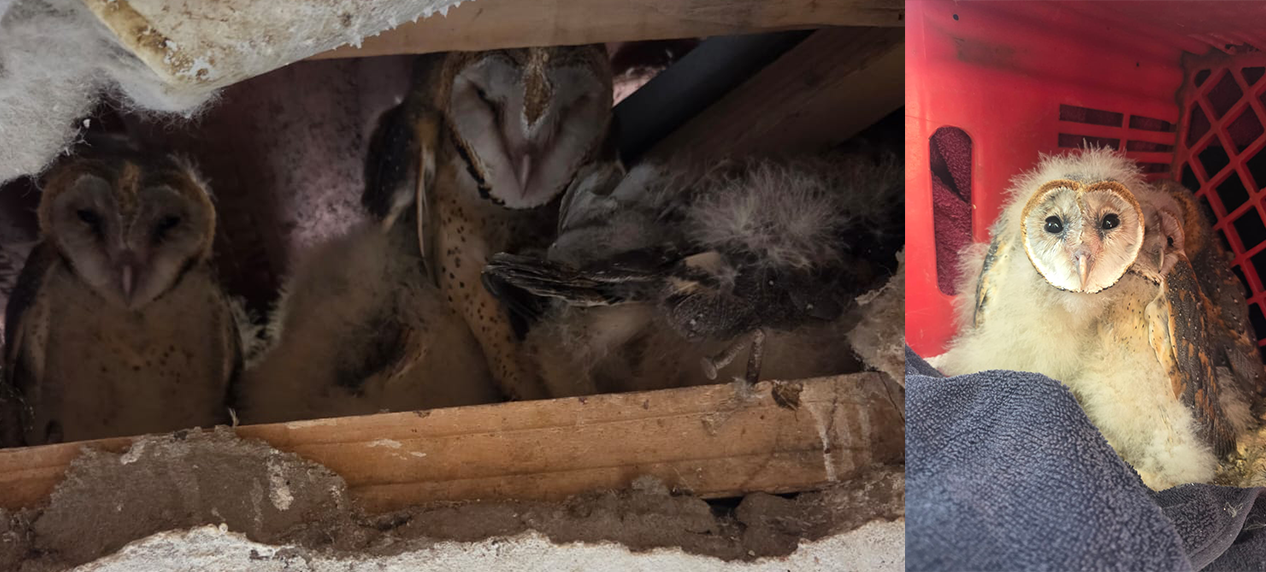
On Monday, 11 May 2026, the Endangered Wildlife Trust (EWT) received a call from a community member requesting assistance with some rather unexpected tenants who had taken up residence in the ceiling of a home in the Western Soutpansberg, Limpopo.

The family of Barn Owls was discovered during a pre-building inspection. Unfortunately. the five chicks were too young to be released into nearby natural habitat, which would have been our preferred approach. Instead, they were carefully relocated to the Moholoholo Wildlife Rehabilitation Centre, where they will be cared for until they are old enough to be safely released back into the wild.

We are extremely grateful to the community member who reached out for assistance. Too often, well-meaning attempts to “rescue” young owls can unintentionally reduce their chances of survival. For example, finding a young owl on the ground does not necessarily mean it has been abandoned. Usually, it is best to leave it where it is, ensuring only that it is safe from threats such as domestic dogs and cats.

Young Barn Owls and Eagle Owls typically leave the nest before they can fly and before they are fully independent. During this stage, they spend time in vegetation around the nest and on the ground as they explore their surroundings and build strength in their legs and wings. At this “toddler-stage”, their early efforts at flying are often brief and unsteady,  and it is important that they are protected from disturbance as far as possible.

Importantly, their parents usually stay nearby and continue to feed and care for the chicks throughout this period. As the juveniles develop their flying and hunting skills, parental support is gradually reduced until the young birds are able to catch their own prey.

It can take up to 2–3 months for juvenile owls to become fully independent and it is essential to minimise disturbance during this critical stage.

It is only necessary to intervene if a bird is injured or exposed to danger from pets, predators, or traffic. If you find a young owl on the ground, please observe them from a distance and disturb them as little as possible. Check that their parents are around and tending to them, and that the birds are safe. When in doubt, it is always best to contact a conservation organisation or vet for guidance before attempting to move the bird. They may look cute and cuddly, but it as far as possible, it is best to leave them where they are so that they have the best chance of survival.

How Sixteen Young People From Midoroni Became Guardians of Their Own Backyard

How Sixteen Young People From Midoroni Became Guardians of Their Own Backyard

How Sixteen Young People From Midoroni Became Guardians of Their Own Backyard

By Joseph Razwinani, Medike Nature Reserve and Eco-Tourism Manager


youth conservation training Limpopo Medike Nature Reserve workshop

For 16 young people from Midoroni in Limpopo, a recent visit to Medike Reserve became far more than just a day in the field. It marked the beginning of a deeper connection with the environment that surrounds their community and supports their livelihoods.

Medike Reserve hosted the day-long youth empowerment programme bringing together nine women and seven men between the ages of 22 and 29. For some participants, it was their first visit to a nature reserve, and for many it was the first opportunity to engage directly with conservation issues affecting their own landscape.

The programme aimed to address a growing challenge within the western Soutpansberg region – and area where local communities depend heavily on natural resources, yet there remains limited awareness about the long-term sustainability of these resources and the legislation protecting them. While conservation landowners actively manage and protect biodiversity on private reserves, surrounding communities often lack access to environmental education and practical conservation skills.

This gap has contributed to increasing deforestation and growing pressure on protected plant species listed under South Africa’s National Forests Act. Too often, conservation discussions are led only by specialists or enforced through regulation, leaving communities feeling disconnected from the process. The Medike programme sought to change that by placing young people at the centre of environmental stewardship.

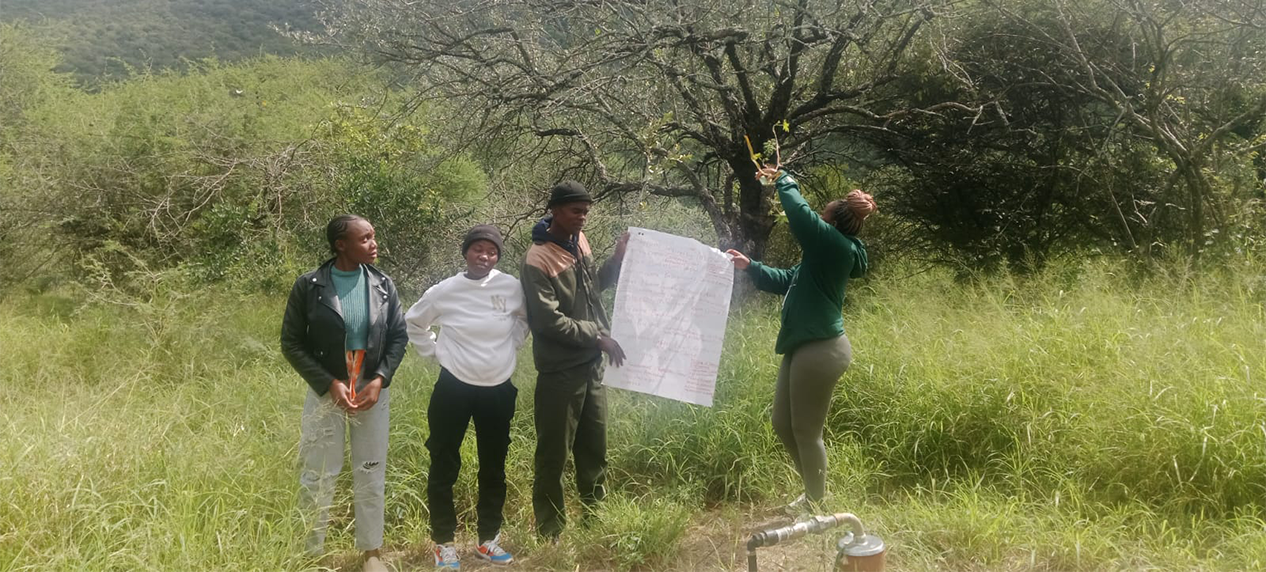
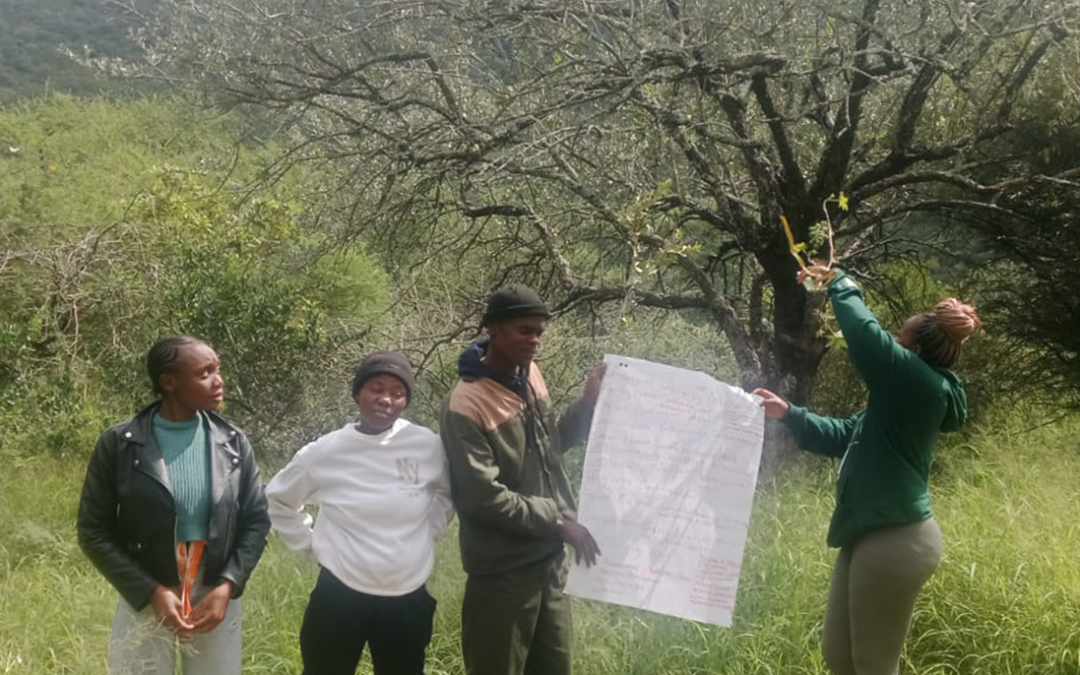
The day included presentations introducing participants to the ecological importance of the reserve and the environmental pressures facing the western Soutpansberg landscape. Participants then worked in groups to research and present information on protected species. The Medike garden served as an outdoor classroom where the youth learned to identify protected plants.

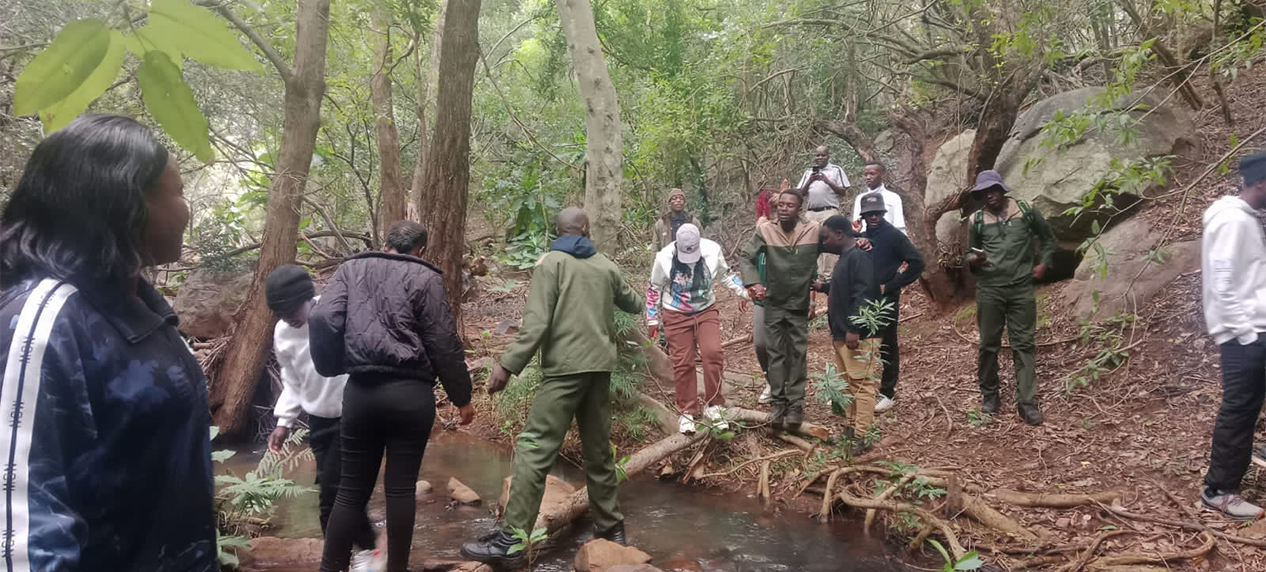
The five protected species identified around Medike garden were the Leadwood, Marula, Red Ivory, Pepperbark Tree, and Shepherd Tree. These species became a focal point for discussion and learning followed by a guided walk along the Sand River. During the walk, participants learned to identify various invasive alien species such as Prickly Pear, Lantana Camara, Syringa, Blue Gum, Castor Oil Plant, and Wild Tobacco. Through this exercise, participants learned not only how to identify invasive species, but also why these plants threaten indigenous biodiversity and local water systems.

Rangers introduced the participants to riverine ecology and demonstrated how indigenous trees stabilise riverbanks, prevent erosion, and support wildlife habitats. Discussions also explored the environmental pressures affecting the river system, including littering, unsustainable harvesting of natural resources, and fire risks linked to traditional activities in sensitive riparian zones.

Rather than focusing on blame, the conversations encouraged shared responsibility and practical solutions for protecting natural resources that communities rely on daily.

The young women and men also learned about legislation protecting indigenous flora and the importance of sustainable resource use for future generations. For many, understanding environmental law became less about restriction and more about recognising their own role in protecting the forests, rivers, and mountains surrounding their homes.
The programme’s central goal was simple but powerful: to build responsible young environmental stewards who can care for and advocate for their natural habitat within the broader community.

Through this experience long-term partnerships have been created with a group of young people who now understand and support the work being done by the EWT at Medike, and support the protection of natural resources for future generations.   They now see Medike not only as a protected area, but consider it a shared place of learning, opportunity and community stewardship.
Limpopo conservation education invasive species learning

Battle of the Bullets returns to Graaff-Reinet with a bang!

Battle of the Bullets returns to Graaff-Reinet with a bang!

Battle of the Bullets returns to Graaff-Reinet with a bang!

Danielle du Toit, Field Officer: Birds of Prey Unit


ead ammunition vulture poisoning South Africa Graaff Reinet workshop

On a sunny Friday afternoon in mid April, conservationists, landowners, hunters, and shooting enthusiasts gathered at the Graaff-Reinet Gun Club for the latest Battle of the Bullets event — a collaborative awareness campaign aimed at addressing one of the lesser-known but significant threats facing South Africa’s vultures: lead poisoning from spent ammunition.

Hosted as part of the Endangered Wildlife Trust’s ongoing Karoo Vulture Safe Zone Project, the event is a collaborative effort with BirdLife South Africa, demonstrating once again that meaningful conservation solutions are built through open dialogue, shared knowledge, and practical collaboration across sectors.

Battle of the Bullets was created to bring together all stakeholders in the lead ammunition conversation — from conservation organisations and scientists to hunters, ballistic experts, and manufacturers — to foster constructive engagement around the transition toward lead-free ammunition alternatives.

Rather than approaching the issue through conflict or criticism, the campaign creates space for transparent discussion around the latest science, emerging technologies, practical field experiences, and developments within the lead-free ammunition industry. This approach ensures that participants are equipped with the information needed to make informed decisions while contributing meaningfully to the conservation of our critically endangered vulture species.


The hidden threat: How vultures are poisoned by lead

Lead poisoning is often described as a silent killer. Unlike visible threats such as power line collisions or poisoning events, lead toxicity can affect vultures gradually and often goes unnoticed until severe physiological damage has occurred. As obligate scavengers, vultures feed almost exclusively on carcasses of dead animals.

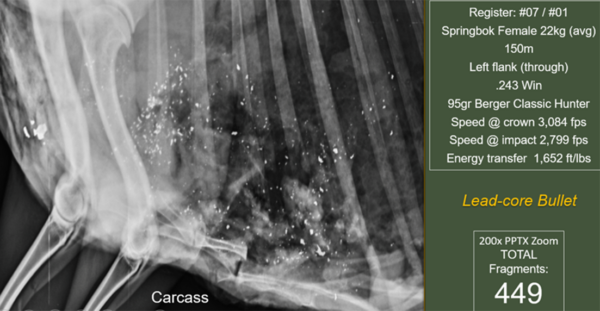
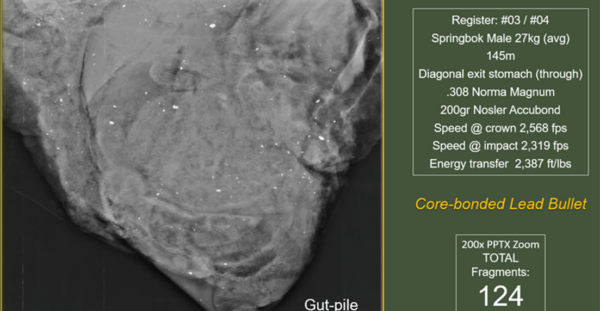
When an animal is harvested using traditional lead-based ammunition, microscopic fragments of lead can disperse throughout tissue far beyond the visible wound channel caused by the projectile. When carcasses, entrails, or gut piles are left in the veld, scavenging vultures ingest these fragments while feeding. Once consumed, lead is absorbed into the bloodstream and accumulates in vital organs and bones, causing neurological impairment, organ damage, reduced reproductive success, weakened immunity, and ultimately death in severe cases. Research by Dr Linda van den Heever of BirdLife South Africa has shown elevated blood lead levels in southern Africa’s vultures, with exposure strongly linked to fragments from spent ammunition, not other contributors such as leaded fuel contamination in soil or air particles near mines.

This is why creating lead-free landscapes is such a critical component of the Vulture Safe Zone model: reducing lead exposure at source offers one of the most effective long-term interventions for protecting scavenger populations. “Lead poisoning is a totally preventable threat to vultures,” said Dr van den Heever.


A safer environment for wildlife — and for people

The move toward lead-free ammunition is not only beneficial for vultures and other wildlife.

Lead is a highly toxic heavy metal with no known biological function in humans. Repeated exposure, including through consumption of game meat contaminated with bullet fragments, has been associated with neurological damage, developmental delays in children, cardiovascular complications, and other serious health impacts. Research globally continues to reinforce the public health advantages of reducing environmental lead exposure wherever possible.

By encouraging the adoption of lead-free alternatives, Battle of the Bullets supports healthier ecosystems, healthier wildlife, and healthier communities.


Science, collaboration, and practical solutions

A highlight of the Graaff-Reinet event was the invaluable contribution of Justin Henry and Dr Linda van den Heever of BirdLife South Africa, whose work continues to drive South Africa’s understanding of lead exposure in vultures and other terrestrial bird species.

Dr van den Heever, who leads BirdLife South Africa’s lead research initiatives, shared critical scientific insights into how lead enters scavenger food chains and the growing body of evidence linking ammunition-derived lead to vulture poisoning across southern Africa. Her ability to translate complex science into practical, accessible information once again proved instrumental in bridging the gap between research and on-the-ground implementation.

Justin Henry’s participation further strengthened the day’s collaborative focus, contributing to discussions around species conservation, stakeholder engagement, and the practical pathways toward expanding lead-free uptake within South Africa’s hunting and wildlife management sectors.

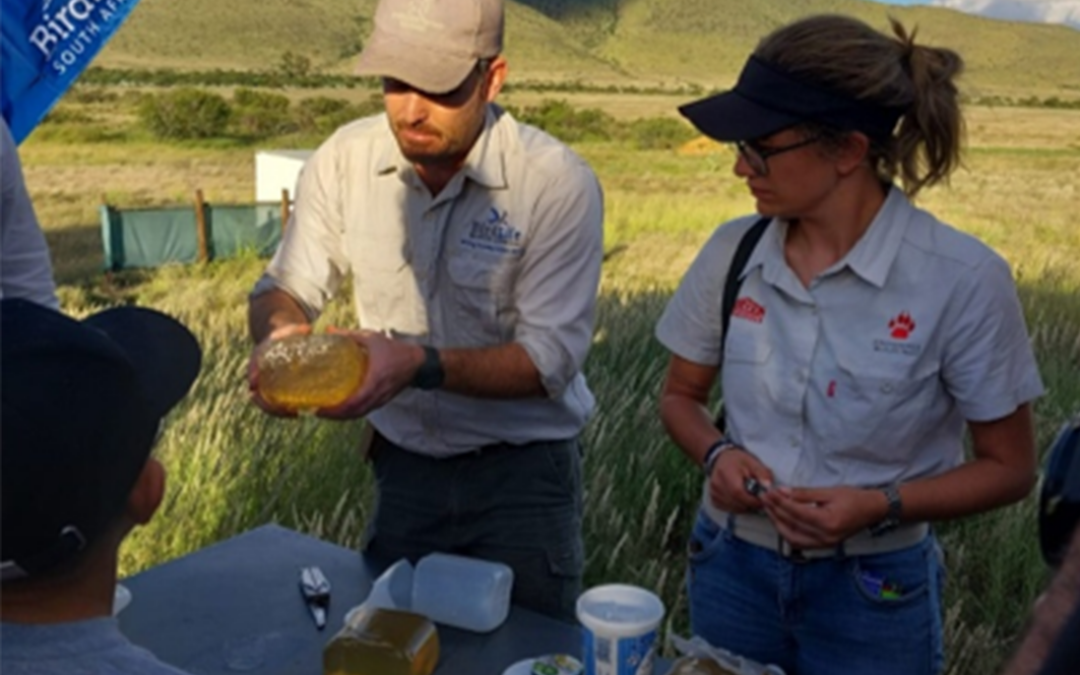
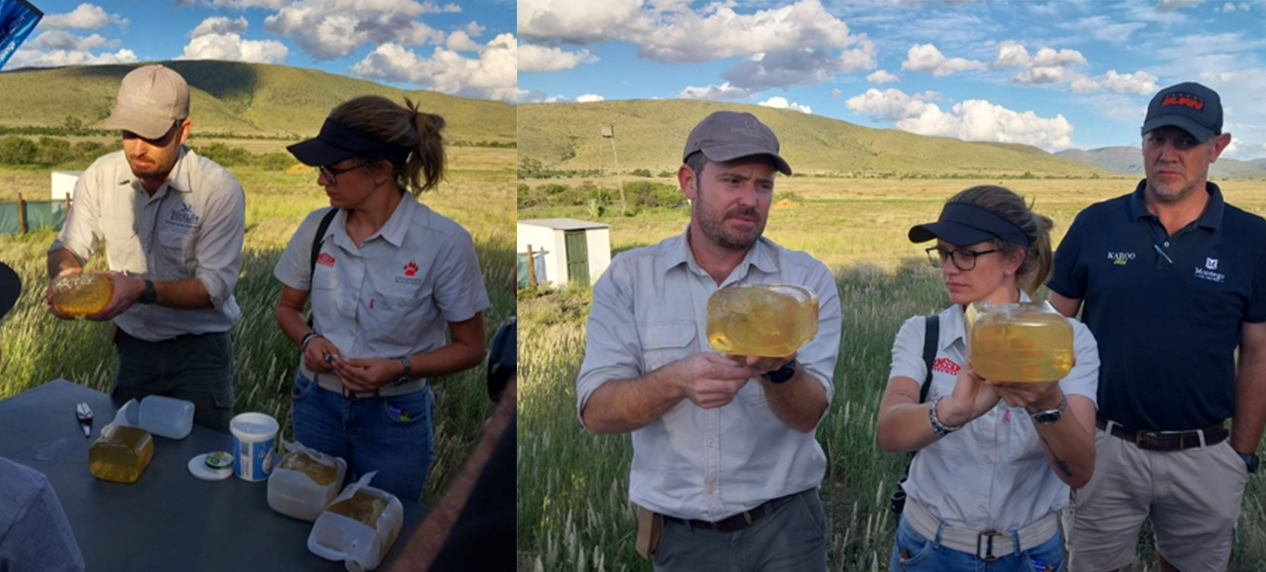
Using gelatin targets as a medium to capture the bullet and show energy distribution and impact as the bullet would in animal tissue, Justin demonstrated the effectiveness and reliability of lead–free bullets in comparison to lead bullets.

Together, their contributions — alongside those of industry representatives, ammunition experts, and local stakeholders — reinforced the campaign’s central message: effective conservation depends on partnerships, not polarisation.


Shifting the conversation, shaping the future

The success of Battle of the Bullets in Graaff-Reinet, as it has done in the other places we have held it, reflects a growing willingness across South Africa’s hunting and conservation communities to engage constructively around solutions that benefit both biodiversity and people.

Within the Karoo Vulture Safe Zone, the transition toward lead-free ammunition represents more than a technical adjustment — it is a tangible commitment to creating landscapes where vultures can feed safely, landowners can operate sustainably, and future generations can inherit healthier ecosystems.

As the campaign continues to grow, one thing is becoming increasingly clear: when science, industry, and conservation come together around shared purpose, meaningful change is not only possible — it is already underway.

** See Dr van den Heevers presentation on Lead Poisoning in South Africa’s Gyps vultures here: PowerPoint Presentation

scavenger bird lead poisoning awareness South Africa


Image Credit: NATSHOOT & CHASA, Searching for mitigations to Minimise Incidents of Secondary Lead Poisoning in South African Vultures. Els & Palos (2020). Available at: 20200701-v05_FIN_VULTURE_LEAD_POISONING_REPORT


References:

  1. Pain DJ, Cromie RL, Newth J, Brown MJ, Crutcher E, Hardman P, Hurst L, Mateo R, Meharg AA, Moran AC, Raab A, Taggart MA, Green RE. Potential hazard to human health from exposure to fragments of lead bullets and shot in the tissues of game animals. PLoS One. 2010 Apr 26;5(4):e10315. doi: 10.1371/journal.pone.0010315. PMID: 20436670; PMCID: PMC2859935.
  2. Eric J. Buenz, Gareth J. Parry. 2018. Chronic Lead Intoxication From Eating Wild-Harvested Game. The American Journal of Medicine,Volume 131, Issue 5,2018,Pages e181-e184,ISSN 0002-9343, https://doi.org/10.1016/j.amjmed.2017.11.031.
  3. Linda van den Heever, Hanneline Smit-Robinson, Vinny Naidoo, Andrew E. McKechnie. 2019. Blood and bone lead levels in South Africa’s Gyps vultures: Risk to nest-bound chicks and comparison with other avian taxa. Science of The Total Environment, Volume 669, Pages 471-480, ISSN 0048-9697, https://doi.org/10.1016/j.scitotenv.2019.03.123.