
Silent Threats: The Fight Against Wildlife Crime in Medike Reserve
By Joseph Razwinani, Medike Reserve manager
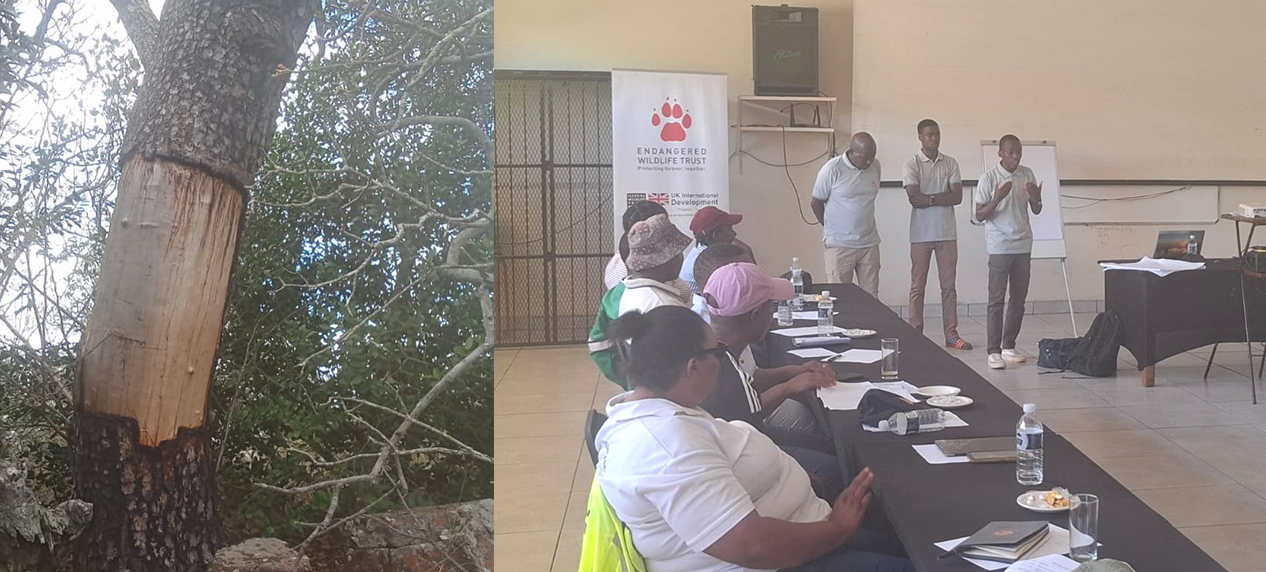
Conservation teams, member of the SA Police Service and local community policing forums are working together to address poaching, snaring, illegal fishing, and other wildlife offences in the Soutpansberg area of Limpopo.
Wildlife crime remains one of the greatest threats facing protected areas across southern Africa, and the Medike Reserve is no exception.
While visitors experience the reserve as a place of beauty, biodiversity, and tranquillity, there is an ongoing battle behind the scenes to protect wildlife and natural resources from illegal activities, such as poaching, snaring, and unlawful fishing.
These crimes not only threaten individual animals, but also damage ecosystems, local livelihoods, tourism, and the long-term sustainability of conservation efforts in the region. Illegal resource use can reduce water quality, affect biodiversity, and weaken the natural systems that communities depend on, and, in some cases, wildlife crime also contributes to the decline and possible extinction of vulnerable species.
The Wildlife Offences Workshop
On 18 February, the Endangered Wildlife Trust (EWT), together with the Soutpansberg Protected Area/Medike Reserve (SPA/Medike), hosted a Wildlife Offences workshop at Schoemandale with members of SAPS and the Community Policing Forum (CPF).
The aim was to better understand the types of wildlife offences taking place around the Soutpansberg area and to create a platform where police, CPF representatives, and Medike field rangers could share their experiences and challenges when dealing with wildlife crime on the ground. It was also aimed at finding common ground and strengthen cooperation between all stakeholders.
SAPS and Community challenges
During the discussions, the SAPS explained that they regularly worked with landowners often receiving reports relating to stock theft, vandalism, illegal bushmeat trade and poached animals. They also dealt with cases related to the illegal transportation of wild meat during roadblocks.
Police members noted that some organised stock theft syndicates operated from as far afield as Johannesburg and worked with local individuals in the Soutpansberg area. They also reported that during roadblocks wildlife species often confiscated while being transported illegally included tortoises, snakes, and small rodents.
Although the SAPS previously worked closely with veterinary services and environmental authorities, such as the Limpopo department of economic development, environment and tourism (LEDET), they explained that limited manpower and resources had made it difficult to effectively deal with wildlife crime, especially since many officers are not wildlife crime specialists.
Members of the Community Policing Forum (CPF) acknowledged that some local community members trespassed on private game reserves and participated in poaching activities. However, they also highlighted the significant knowledge gaps related to environmental laws and protected species.
CPF members explained that tortoises sometimes entered villages, snakes were often killed unnecessarily, and owls were misunderstood due to cultural beliefs. They said many community members did not know which species were protected by law, making it difficult to report offences or prevent illegal activities.
Turning to firewood collection and fishing, CPF members admitted that many people were unaware of the laws regulating these activities, making what they were doing illegal.
Medike field rangers experience
Field rangers working in and around Medike Reserve shared the many forms of wildlife crime they have experienced.
They spoke about illegal fishing along river systems in the area which removed important aquatic species and damaged sensitive freshwater ecosystems.
Snaring remained one of the most destructive threats faced by wildlife in the area. Wire snares injured and killed a wide range of animals, including antelope, predators, birds, and smaller mammals. Rangers also raised concerns about infrastructure damage caused by trespassers and poachers entering protected areas. In some cases, the same offenders were repeatedly caught committing similar offences.
Poaching for bushmeat, trade, or opportunistic hunting continued to place pressure on already vulnerable wildlife populations.
Illegal medicinal plant harvesting and firewood targeting threatened species were also a major concern.
Conservation Awareness programme
A key outcomes of the workshop was the recognition if the continued lack of awareness within some communities regarding environmental legislation and the impact of wildlife crime on conservation and local livelihoods.
For example, many community members remained unaware of protected tree species or endangered animals, making it difficult for them to identify and report environmental crimes.
Highlighting the importance of increased conservation awareness, education programmes, and stronger cooperation between conservation authorities, SAPS, and local communities set the agenda for the way forward. Key to this is community engagement.
The future
Medike Reserve has been working closely with traditional leadership structures and community organisations, including Cricket SA beneficiaries, through awareness campaigns and outreach programmes to highlight the importance of protecting natural resources.
The reserve also provides employment opportunities and internships linked to conservation work, helping create alternatives to illegal activities. Local community members continue to play an important role in reporting suspicious activities and supporting conservation efforts on the ground.
Building trust and strong relationships takes time, but positive progress is being made.
When communities see conservation as something that benefits them directly, they become our strongest partners in protecting wildlife.
As part of strengthening cooperation, SAPS and CPF members have invited Medike field rangers and conservation representatives to participate in future community imbizos and outreach programmes to speak about environmental issues and the importance of protecting the environment.
These ongoing partnerships will build stronger relationships between conservation authorities and local communities, creating a more united approach to protecting wildlife and preserving the biodiversity of the Soutpansberg area for future generations.