
Building Resilience through Succulent Safe Spaces in South Africa’s Karoo
By Zanné Brink, Manager of the Drylands Strategic Conservation Landscape
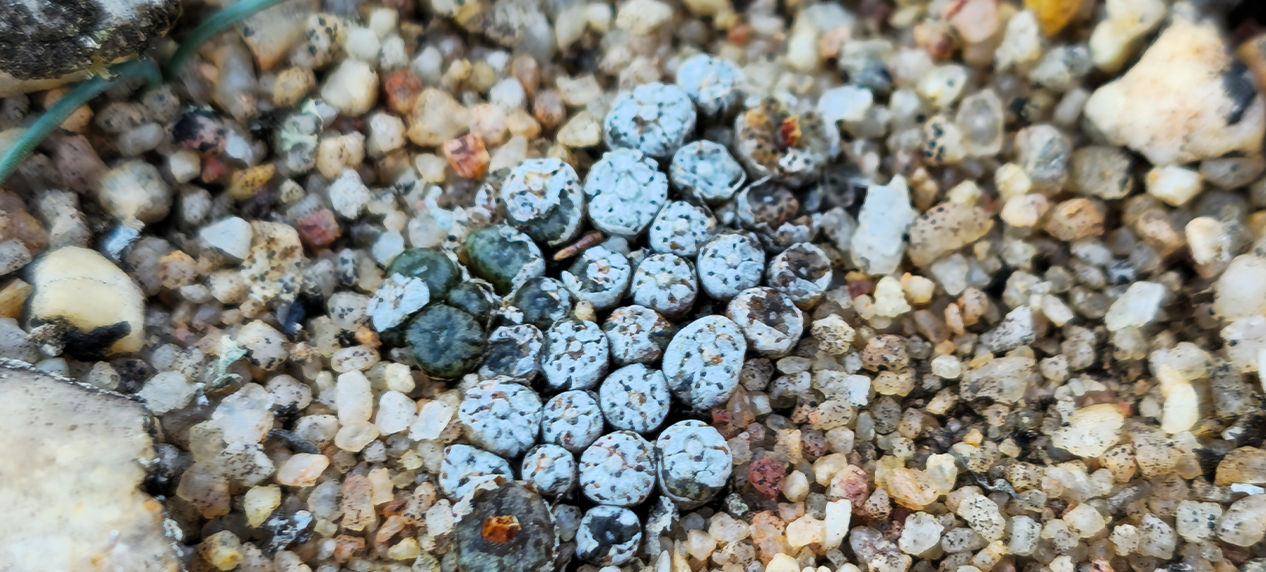
The Succulent Karoo Biome is home to a myriad of endemic succulent species which has captivated the imagination of people over time. But, but in recent years, this has resulted in overexploitation of endemic plant species.
This is due to the uniqueness of the dwarf succulent plant species that have adapted to harsh environmental conditions allowing the plants to thrive with very limited water, while providing an impressive floral bouquet when conditions are favourable. It is because of the uniqueness of the species that interest has been sparked, creating an increase in demand for succulents worldwide.
The Succulent Karoo biome spans an area of approximately 111,000 square kilometres allowing the specialist species to be found at various localities, based on the specific species’ environmental needs. The arid regions are not just home to unique plant species, but also a myriad of adapted insect and reptile species, along with very resourceful and hardy human communities. Small communities dot the landscape, and are supported mostly through sheep farming, and more recently mining and renewable energy developments.
As is often the case, the beauty of something is often targeted to the detriment of the species. The recent surge in flora biodiversity crime has emphasised the uniqueness of numerous species, creating an international market for species found nowhere else on Earth. To address this, the Endangered Wildlife Trust has taken an active role in generating information gathered from within the communities impacted by plants being removed from their natural habitat – part of the Illegal Wildlife Trade Challenge Fund Evidence Project.
Armed with this valuable information, the fully funded “Building Resilience through Succulent Safe Spaces in South Africa’s Karoo†project was launched in January 2026 aimed at building resilience through the development of two Succulent Safe Spaces in South Africa’s Karoo, in collaboration and partnership with local communities and stakeholders.
A new locally appointed field officer started with community-led activities in February 2026, with the aim of developing trust and identifying role-players to enhance the project which is aimed at upskilling community members, raising awareness about the importance of endemic species within our natural environment, and how illegal harvesting damages the environment. As the field officer’s hometown is within one of the focal areas, he is spending time within the other “safe space†to not only familiarise himself with the area, but also to ensure collaborative efforts are maintained, especially in the small towns where information is mainly shared by word-of-mouth due to a lack in communication networks and infrastructure.
The project is an outflow of a feasibility study completed in 2024 and will ensure the implementation of a “Safe Space†model, which can be replicated and expanded into different areas to promote, protect and conserve the succulents of the Cape Floristic region – one of only six floral kingdoms recognised as a biodiversity hotspot.