How Sixteen Young People From Midoroni Became Guardians of Their Own Backyard
By Joseph Razwinani, Medike Nature Reserve and Eco-Tourism Manager
For 16 young people from Midoroni in Limpopo, a recent visit to Medike Reserve became far more than just a day in the field. It marked the beginning of a deeper connection with the environment that surrounds their community and supports their livelihoods.
Medike Reserve hosted the day-long youth empowerment programme bringing together nine women and seven men between the ages of 22 and 29. For some participants, it was their first visit to a nature reserve, and for many it was the first opportunity to engage directly with conservation issues affecting their own landscape.
The programme aimed to address a growing challenge within the western Soutpansberg region – and area where local communities depend heavily on natural resources, yet there remains limited awareness about the long-term sustainability of these resources and the legislation protecting them. While conservation landowners actively manage and protect biodiversity on private reserves, surrounding communities often lack access to environmental education and practical conservation skills.
This gap has contributed to increasing deforestation and growing pressure on protected plant species listed under South Africa’s National Forests Act. Too often, conservation discussions are led only by specialists or enforced through regulation, leaving communities feeling disconnected from the process. The Medike programme sought to change that by placing young people at the centre of environmental stewardship.
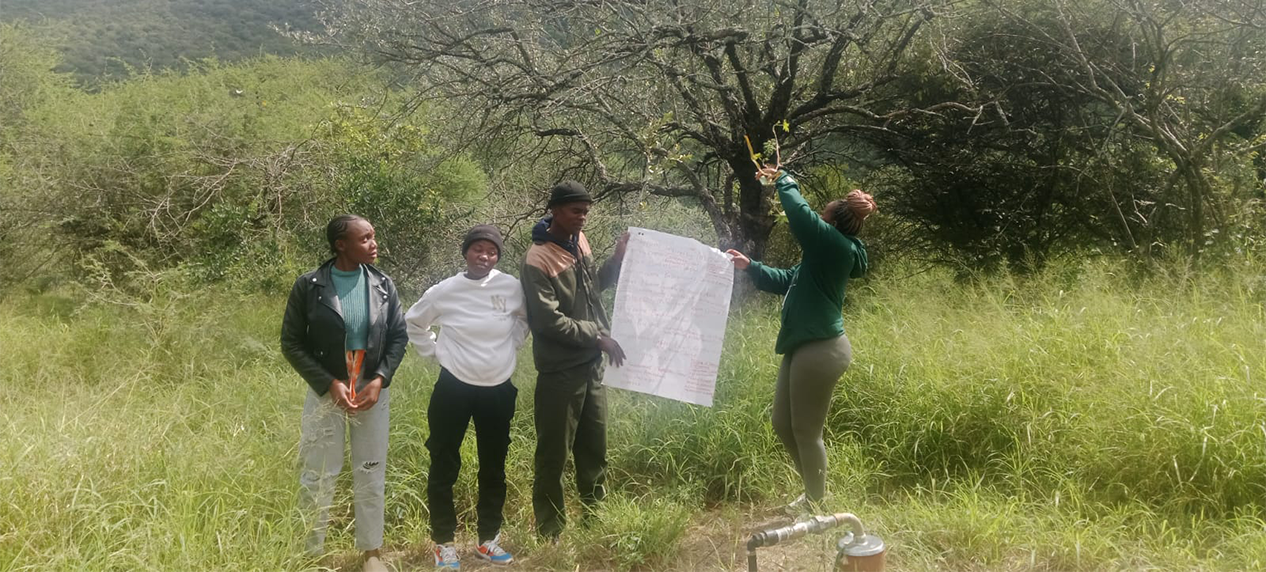
The day included presentations introducing participants to the ecological importance of the reserve and the environmental pressures facing the western Soutpansberg landscape. Participants then worked in groups to research and present information on protected species. The Medike garden served as an outdoor classroom where the youth learned to identify protected plants.
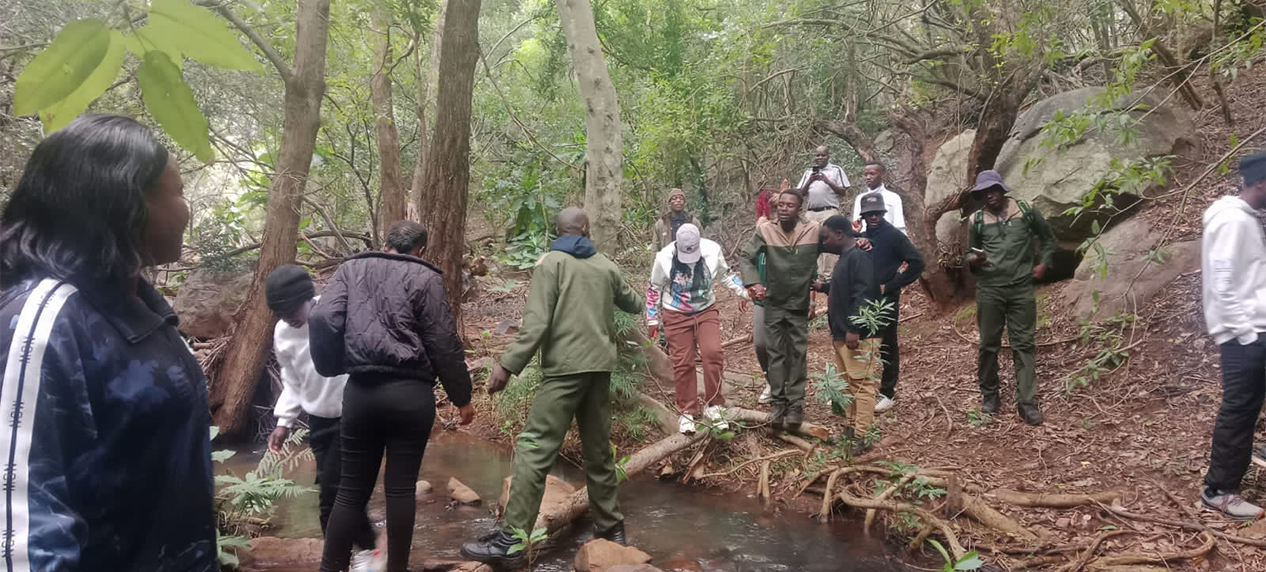
The five protected species identified around Medike garden were the Leadwood, Marula, Red Ivory, Pepperbark Tree, and Shepherd Tree. These species became a focal point for discussion and learning followed by a guided walk along the Sand River. During the walk, participants learned to identify various invasive alien species such as Prickly Pear, Lantana Camara, Syringa, Blue Gum, Castor Oil Plant, and Wild Tobacco. Through this exercise, participants learned not only how to identify invasive species, but also why these plants threaten indigenous biodiversity and local water systems.
Rangers introduced the participants to riverine ecology and demonstrated how indigenous trees stabilise riverbanks, prevent erosion, and support wildlife habitats. Discussions also explored the environmental pressures affecting the river system, including littering, unsustainable harvesting of natural resources, and fire risks linked to traditional activities in sensitive riparian zones.
Rather than focusing on blame, the conversations encouraged shared responsibility and practical solutions for protecting natural resources that communities rely on daily.
The young women and men also learned about legislation protecting indigenous flora and the importance of sustainable resource use for future generations. For many, understanding environmental law became less about restriction and more about recognising their own role in protecting the forests, rivers, and mountains surrounding their homes.
The programme’s central goal was simple but powerful: to build responsible young environmental stewards who can care for and advocate for their natural habitat within the broader community.
Through this experience long-term partnerships have been created with a group of young people who now understand and support the work being done by the EWT at Medike, and support the protection of natural resources for future generations.  They now see Medike not only as a protected area, but consider it a shared place of learning, opportunity and community stewardship.