Listening for the Voices: Connecting Traditional Knowledge and Conservation in South Africa
By Kutlwano Mokgoro, Legal Officer in the Wildlife in Trade Unit
Across the country, an important journey is unfolding – one centred not on wildlife sightings or field surveys, but on listening.
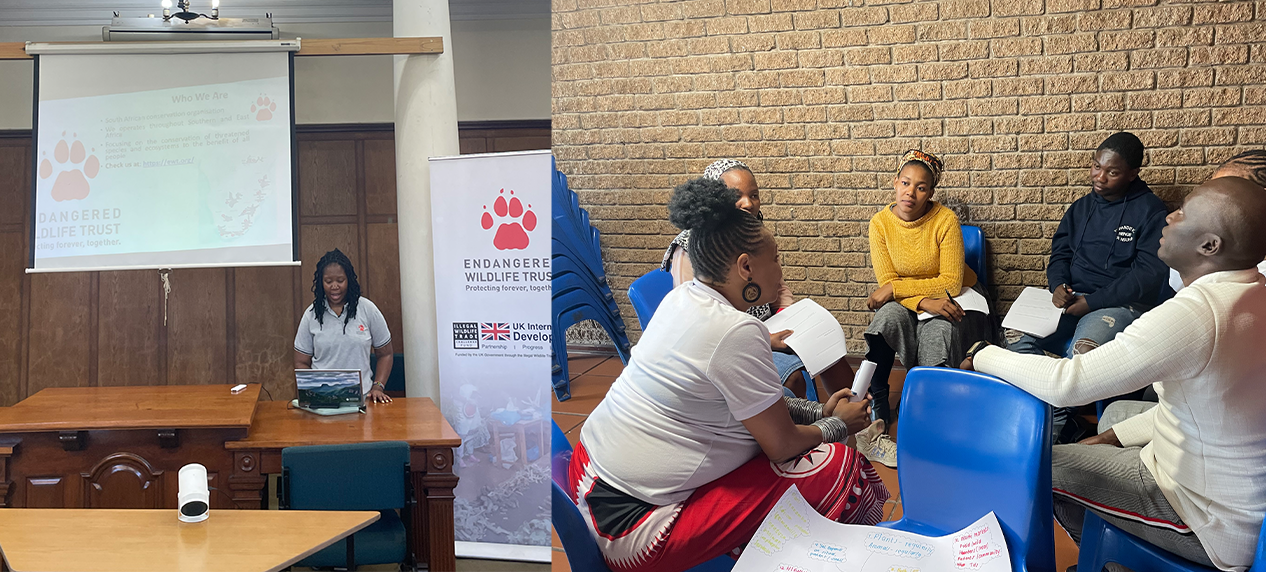
Through the Voices of Indigenous Communities on Environmental Sustainability (VOICES) Project, Gogo Nomsa Sibeko of Nature Speaks and Responds and I have been travelling to communities across the country in search of voices – voices of knowledge, experience, and wisdom rooted in traditional healing practices.
What is the Voices Project?
The VOICES Project seeks to better understand the realities faced by traditional healers in South Africa when accessing and using natural resources for traditional medicine. At its core, the project creates a respectful and safe space for healers to speak about their work, their knowledge systems, and the challenges they face in continuing practices that have been part of African healing traditions for generations.
These conversations provide valuable insights into the intersection between cultural heritage, community health, and environmental governance.
Traditional medicine remains a crucial part of healthcare for many communities. Central to its healing properties, however, is access to the natural resources used in Muthi. These include both plants and wildlife derivatives that have long held cultural and medicinal significance.
Through VOICES, we will host workshops across all 9 provinces, bringing together traditional healers eager to have their voices heard. In Tshwane, 15 traditional healers joined the discussion, sharing their experiences and perspectives. In Brakpan, the conversation expanded further with 19 participants, and in Soweto, 10 traditional healers gathered to contribute their voices to the project. Our conversation is continuing in Limpopo.
In each location, traditional healers have welcomed the project team with open arms, eager not only to share their knowledge, but also to listen, learn, and engage in dialogue about conservation and environmental governance.
Healing Resources and Conservation Challenges
Many of the species used in traditional medicine are listed under international and national conservation frameworks, including the Convention on International Trade in Endangered Species of Wild Fauna and Flora (CITES) and South Africa’s Threatened or Protected Species (TOPS) Regulations.
Traditional healing practices rely on derivatives from animals such as lions, leopards, rhinos, and elephants, as well as plants widely used in traditional medicine. These include species such as the African Potato, African Ginger, and Pineapple Lily.
Because many of these resources fall under conservation regulations, healers often feel vulnerable and excluded from the systems that govern the very resources they rely on to treat and heal their communities.
Bridging the Gap Through Dialogue
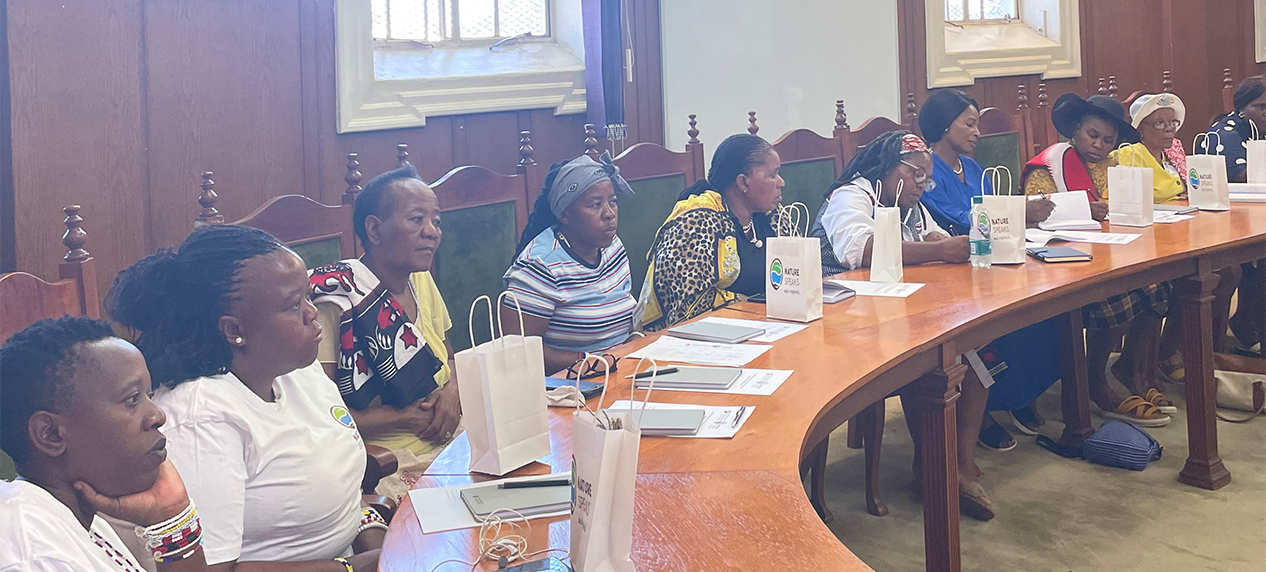
One of the most revealing preliminary findings from the VOICES Project has been that traditional healers are eager to engage with environmental governance systems, even when they feel those systems have historically excluded them.
Workshops have shown a genuine willingness among healers to learn about conservation laws, protected species regulations, and the frameworks that govern harvesting and trade.
Yet one issue consistently emerges as a major concern: permits.
Permits are crucial for healers, as they allow the lawful harvesting and use of certain species without fear of penalties or discrimination. However, through discussions in communities across Gauteng, the project team has learned that many healers simply do not know where or how to obtain these permits.
This knowledge gap highlights a significant disconnect between environmental governance systems and the communities affected by them.
The Importance of Listening
By travelling to communities and listening directly to healers, the VOICES Project is helping to illuminate these challenges while fostering mutual understanding between conservation actors and traditional healers.
Importantly, the project does not position healers as passive recipients of information, but as knowledge holders and partners in conversations about sustainability, heritage, and community wellbeing.
As the Project continues its journey across South Africa, its mission remains simple but powerful: to listen, to learn, and to ensure that the voices of traditional healers are heard in conversations about conservation and environmental governance. The insights gathered through the project will be consolidated into a report to be published on the EWT’s LAWS (Land, Air, Water and Species) platform and formally shared with the Department of Forestry, Fisheries and the Environment. In doing so, the project aims to inform more inclusive, practical, and culturally responsive policy and regulatory approaches – particularly in relation to permitting systems and access to medicinal resources – while recognising traditional healers as key stakeholders in the sustainable use and conservation of biodiversity.