
Science snippet
Signals from the Skies: What Injured Raptors Tell Us About Our Changing World
By Erin Adams and Lizanne Roxburgh, conservation planning science unit
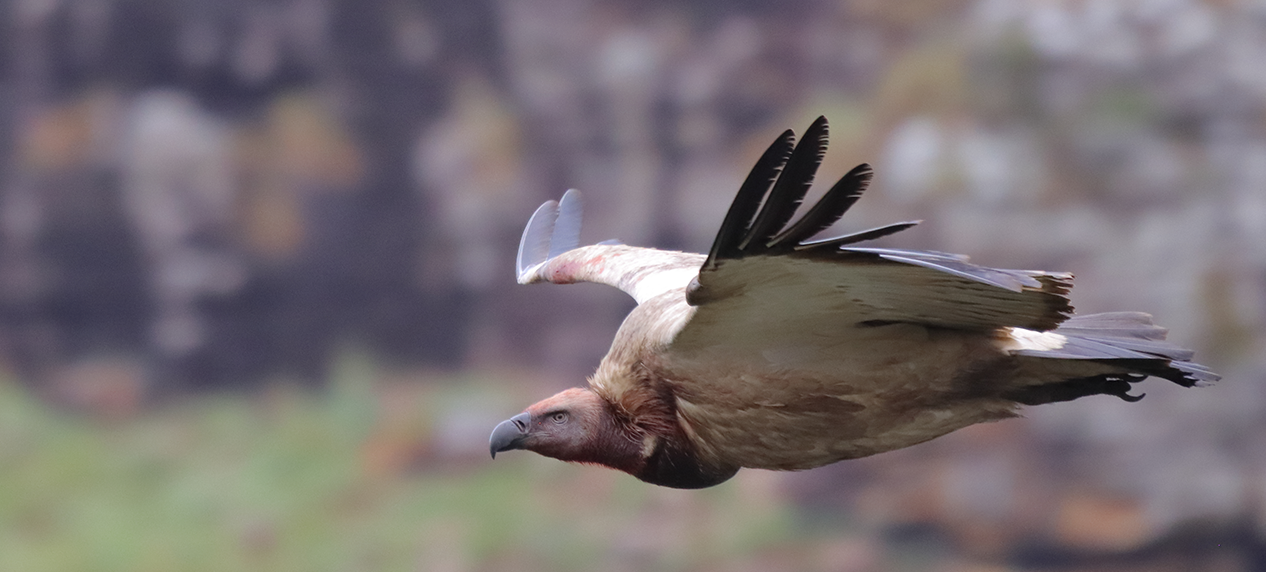
As cities and infrastructure continue to expand, wildlife is increasingly affected by human activities. These impacts can be direct, such as deliberate persecution, or indirect, through the growth of energy networks and transport systems that leads to accidental mortalities on infrastructure. Understanding how and why animals are injured or killed is an essential step in improving conservation efforts.
One group particularly affected by human expansion is raptors. Raptors consist of birds of prey such as hawks, eagles, kites, harriers, vultures, falcons, and owls. Raptors play an important role in ecosystems because their presence reflects environmental health, and many species also provide valuable services, such as removing carcasses through scavenging. In a recent publication co-authored by EWT scientists*, researchers examined data from wildlife rehabilitation centres around the world to better understand the most common causes of raptor injury and death.
The researchers analysed just under 150,000 wildlife rehabilitation admissions recorded globally between 1989 and 2023. These records included 148 raptor species from multiple continents. For each admission, information was collected on the rehabilitation centre, species, age of the animal (adult, non-adult, or unknown), country and continent, and the year of admission.
Each admission was also classified by injury type (human-related, natural, or unknown) and by the specific cause of injury, where possible. Human-related causes included factors such as habitat destruction, poisoning, vehicle collisions, or contact with infrastructure. Natural causes included events like severe weather, disease, or falls from nests. The final outcome, or fate, of each bird was also recorded, including whether it was released back into the wild, died or was euthanised, remained in permanent care, or had an unknown outcome.
The scientists found that owls made up the largest proportion of admissions, accounting for just over 34% of all records, followed by falcons (24%) and Buteo hawks (22%). This pattern may reflect the ability of these groups to live in or near urban environments.
Overall, 41% of admissions were listed as having an unknown cause, while 39% were linked to human activities and 20% to natural causes. Among the human-related cases, the most frequent causes were unspecified trauma, vehicle collisions, and injuries related to electrical infrastructure or gas flaring.
In terms of outcomes, approximately 57% of admitted raptors died or were euthanised. Around 44% were successfully rehabilitated and released back into the wild, while just under 2% remained in permanent care.
This study highlights how vulnerable raptors are to the pressures associated with urban expansion. The high proportion of cases that do not result in release underscores the seriousness of these threats. As human development continues to grow, it is increasingly important to implement effective conservation strategies that reduce risks to raptors and promote safer shared landscapes for both people and wildlife.
* Panter, C. T., Bullock, H. E., Brown, M., Mori, D., & Thompson, L. J. (2026). Taking the pulse of the world’s raptors—A systematic quantitative review of wildlife rehabilitation centre admissions. Biological Conservation, 316, 111746. https://doi.org/10.1016/j.biocon.2026.111746