Donate today: support our k9's 
 mission

South Africa’s Threatened Species XI: A World Cup Starting Lineup You Can’t Afford to Lose

South Africa’s Threatened Species XI: A World Cup Starting Lineup You Can’t Afford to Lose

The Soccer World Cup

South Africa’s Threatened Species XI: A World Cup Starting Lineup You Can’t Afford to Lose


Formation: 4-4-2 | Manager: Mother Nature | Status: Urgently needs your support

Announcer:  Oliver Cowan, Conservation and Data Scientist (and keen Bafana Bafana supporter)

The FIFA World Cup has given us no shortage of dream teams, fantasy XIs, and heated debates about who deserves to wear the shirt. But, as football fever grips the globe, we’d like to propose a starting lineup that makes the Messi vs Ronaldo  debate look trivial by comparison (it’s Messi, by the way). This is South Africa’s Threatened Species XI – eleven species that represent some of the most extraordinary wildlife on the planet, all of them fighting for survival against a very unforgiving opposition.

All eleven feature on South Africa’s Regional Red List of Threatened Species. The squad includes one Critically Endangered, seven Endangered, and two Vulnerable players, and is captained by one lion-hearted wildcard who leads the team by example. The bad news? Unlike a football team, there are no substitutes waiting in the wings; however, with your support the Endangered Wildlife Trust is actively working towards safeguarding their futures.

The Lineup 

South Africa threatened species XI conservation football lineup concept

Goalkeeper: Samango Monkey (Cercopithecus albogularis schwarzi) – Endangered

Every great team needs a goalkeeper who makes the impossible look routine, and the Samango Monkey delivers in spades. Five effective limbs – four plus a tail a third of its total body length – give this forest-dwelling primate a range and agility that makes the goal look very, very small from the opposition’s perspective. A communicator of rare skill, the Samango reads danger before anyone else sees it coming and lets the whole team know about it loudly. The team clown between the sticks, and absolutely indispensable.

Right Back: African Wild Dog (Lycaon pictus) – Endangered

Energy. Loyalty. An 80% hunt success rate that puts every other predator on the continent to shame. The African Wild Dog is the perfect right back: relentless in covering ground, utterly committed to the team cause, and possessed of a work rate that simply does not stop. Painted Wolves, as they are also known, are Africa’s second most endangered carnivore, having disappeared from 25 of the 39 countries they once roamed. Fewer than 1,400 breeding individuals remain. The EWT’s own African Wild Dog programme has secured over 1.5 million hectares of safe space for the species across southern Africa – proof that conservation investment pays dividends.

Centre Back (Captain): Lion (Panthera leo melanochaita) – Least Concern (SA) / Vulnerable (global)

Not every captain needs to be the most embattled player in the dressing room. Sometimes the armband belongs to the one who has been to the brink and come back – the one who knows what the fight costs and what it looks like to win it. South Africa’s Lion population, decimated by hunting and habitat loss through the 19th and 20th centuries, has been managed so effectively that it now stands at around 2,007 mature wild individuals and is classified as Least Concern on South Africa’s Regional Red List of Threatened Species. That is a conservation achievement of genuine significance, and it earns the Lion its captaincy.

But the captain does not let the team forget the wider picture. Globally, the Southern Lion (P. l. melanochaita) is Vulnerable, its range having contracted by 33% over three generations. Emerging threats – the lion bone trade, poaching, retaliatory killing – require continued vigilance. This is not a species that has been saved. It is a species that is being saved, one protected area and one community engagement at a time. The armband is a reminder of both how far we have come and how much further there is to go.

Wildlife conservation storytelling Red List species South Africa

Centre Back: Secretary Bird (Sagittarius serpentarius) – Endangered

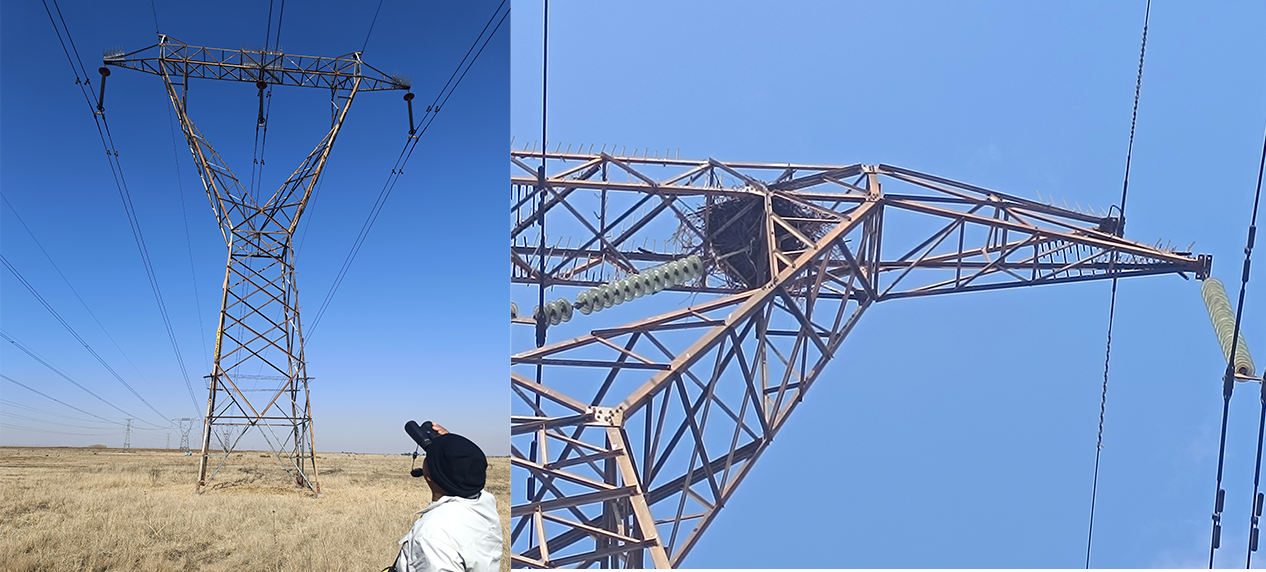
The Secretary Bird strides the pitch on impossibly long legs with an authority that brooks no dissent, organising the defensive line with quiet, imperious calm. But cross it, and you discover that those elegant legs can deliver a stomp carrying up to 195 Newtons of force – enough to kill a cobra in a single strike. Uplisted from Vulnerable to Endangered in the 2025 BirdLife South Africa Red Data Book, this iconic raptor is declining across its range.

Left Back: African Penguin (Spheniscus demersus) – Endangered (regional) / Critically Endangered (global)

The most stylish player on the pitch, and that tuxedo is absolutely non-negotiable. What the African Penguin offers beyond impeccable dress sense is surprising toughness – capable of swimming at 20 km/h and covering enormous distances in pursuit of sardines and anchovies. Regionally Endangered in South Africa thanks to focused local conservation efforts, but uplisted to Critically Endangered globally by the IUCN in October 2024, with fewer than 10,000 breeding pairs remaining. A landmark High Court ruling in March 2025 secured 10-year fishing exclusion zones around six key breeding colonies. A rare piece of good news for a species that badly needed it.

Defensive Midfielder: Lappet-faced Vulture (Torgos tracheliotos) – Critically Endangered (SA) / Endangered (global)

Every great team has a player who does the jobs nobody else wants. The Lappet-faced Vulture is Africa’s largest vulture and the enforcer of this midfield – cleaning up, breaking up play, and doing the filthy, essential work that keeps the whole ecosystem functioning. There is no glamour in what it does. There is also no team without it. Uplisted to Critically Endangered in the 2025 BirdLife South Africa Red Data Book, decimated by poisoning, collisions with energy infrastructure, and habitat loss. Vultures are irreplaceable. So is this player.

Cheetah sprinting in open grassland, Leopard resting in tree branch habitat

Centre Midfielder: Leopard (Panthera pardus) – Vulnerable

The maverick you simply cannot drop, no matter how many team meetings he skips. Famously solitary – don’t expect him at the post-match dinner – but the quality on the ball is undeniable. The Leopard is the most adaptable of the big cats, equally at home in dense bush, open savanna, rocky koppies, or suburban fringes; day or night; alone or outgunned. Regionally Vulnerable, with 68% of suitable habitat falling outside protected areas and ongoing pressure from retaliatory killing and illegal harvest for cultural regalia.

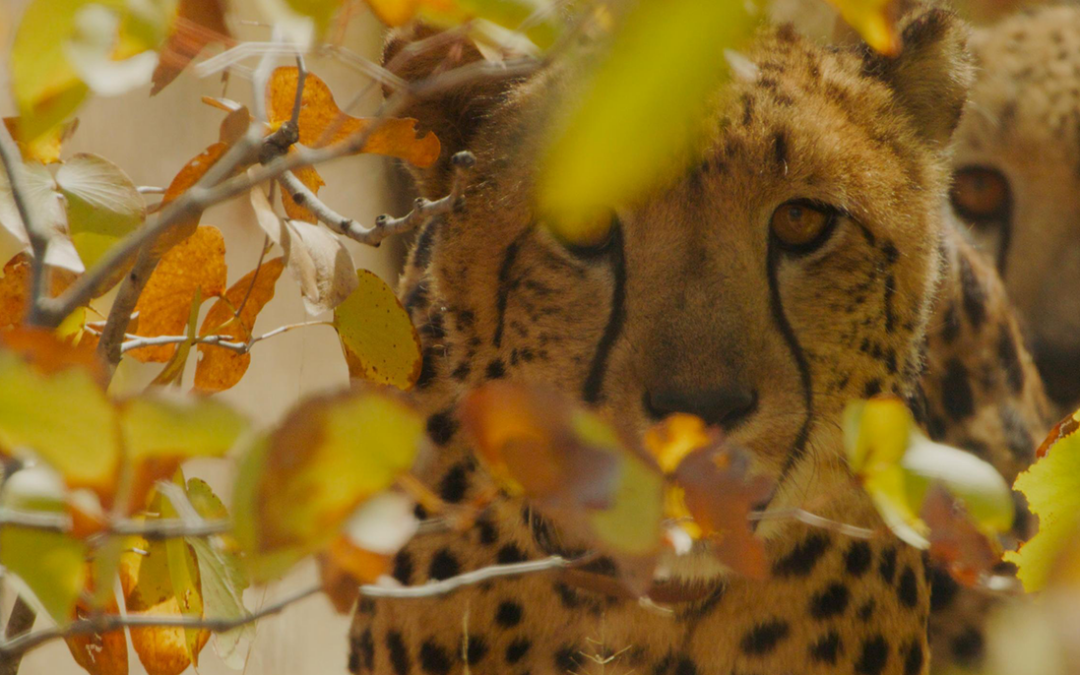
Right Wing: Cheetah (Acinonyx jubatus) – Vulnerable

There is nothing subtle about what the Cheetah brings to this team. Zero to 96 km/h in under three seconds. No defensive line on Earth handles that. The trade-off – it offers very little tracking back – is one the manager has long since accepted, because when the Cheetah gets the ball in behind, it is simply over. Regionally Vulnerable and under sustained pressure from habitat fragmentation, human-wildlife conflict, and loss of prey. A luxury player in the truest sense: irreplaceable, spectacular, and frighteningly easy to take for granted.

Left Wing: Riverine Rabbit (Bunolagus monticularis) – Endangered

Where the Cheetah relies on blistering pace, its winger counterpart on the opposite flank is all about skill. The Riverine Rabbit is elusive, deceptively explosive from a standing start, and almost impossible to pin down in tight spaces. A flagship species of the Karoo, threatened by habitat degradation and climate change. Every time the Riverine Rabbit gets the ball and ghosts past a defender, it is worth savouring. There may not be many more chances.

Albany adder rare snake Eastern Cape habitat

Striker: Albany Adder (Bitis albanica) – Endangered

We’ve gone with the classic ‘big man, little man’ formation up front. If the Martial Eagle is the target man who fills the box, the Albany Adder is the striker who nobody sees coming – until it is far too late. South Africa’s most endangered snake and one of the rarest reptiles on Earth, the Albany Adder has an entire known range within the Algoa Bay area of the Eastern Cape. Less than 20 individuals have ever been recorded in the wild since the species was first described in 1937. It is virtually unfindable, and when it does strike, it does so with a precision that leaves no doubt. The EWT has led active conservation efforts for this species for years, just don’t bother asking for a photo – there are almost none.

Striker: Martial Eagle (Polemaetus bellicosus) – Endangered

The ideal striking partner for its diminutive front-line companion. A 1.9-metre wingspan keeps defenders occupied and goalkeepers permanently unsettled, creating the space that allows the Albany Adder to do what it does best. Deadly when given a sniff of goal. Occupies vast territories bud sadly declining even inside South Africa’s largest protected areas, with reporting rates in Kruger National Park having dropped by over 50% in the past two decades. Uplisted to Endangered in the 2025 BirdLife South Africa Red Data Book.

The Final Whistle

This team has everything: pace, power, elegance, industry, genius, and grit. It also has something no football team should ever have – a genuine risk of not making it to the next tournament.

South Africa’s 2025 mammal and bird Red Lists of Threatened Species make sobering reading. Twenty percent of the region’s mammals are now threatened with extinction. Thirty-nine bird species were uplisted in this year’s assessment alone. The threats are well understood: habitat loss, climate change, poisoning, persecution, and the relentless pressure of a growing human footprint on a finite natural world.

But the same science that documents the decline also points the way forward. The African Penguin’s court victory. The African Wild Dog population’s recovery. The Hartmann’s Mountain Zebra’s downlisting after genuine population gains. Conservation works – when it is funded, when it is evidence-based, and when people care enough to demand it.

These 11 species are worth caring about. Not just because they are extraordinary animals, but because the health of South Africa’s biodiversity – and ultimately the health of the ecosystems that sustain all of us – depends on keeping them in the game.

Support the squad. Learn the names and tell the story.

  •  
South Africa threatened species XI conservation football lineup concept
Following the Vultures of Badingilo

Following the Vultures of Badingilo

In the Field

Following the Vultures of Badingilo

By Kyle Walker, field officer, Birds of Prey and Carnivore Conservation Units


Field researchers conducting vulture conservation in Badingilo National Park

There are few places that make you feel quite as small as the vast landscapes of South Sudan. Endless horizons stretch across open savannas, floodplains, and scattered acacia trees, creating a wilderness that feels untouched by time.

It was here in African Parks’ Badingilo National Park, that the EWT’s Gareth Tate and Kyle Walker embarked on an adventure with a simple goal: to catch and fit satellite tracking units to vultures and learn more about their secret lives.

The plan sounded straightforward enough. By tagging 15 vultures, we hoped to gain valuable insights into their movements, breeding behaviour, habitat use, and the challenges they face. As with most field expeditions, however, the journey quickly became about much more than the original objective.

Over the course of the mission, we successfully tagged 15 vultures of three species: four Rüppell’s Vultures, two White-headed Vultures, and nine White-backed Vultures, all of which are listed as Critically Endangered on the IUCN Red List of Threatened Species. Every bird was handled with care, ensuring minimal stress before being released back into the skies. Watching a newly-tagged vulture disappear over the horizon is a moment that never loses its magic.

Of course, fieldwork rarely follows a script.

One of our ambitions was to extend the expedition into Boma National Park, but poor weather had other plans. After a brief flight, it became clear that conditions would not allow a safe landing. We turned back to Badingilo and focused on catching the remaining five vultures. It was another reminder that flexibility is just as important as preparation.

African Parks collaboration wildlife tracking expedition

Operating in Badingilo also highlighted the realities of conservation in one of Africa’s most remote protected areas. With few roads crossing the landscape, travel often relies on fixed-wing aircraft and helicopters. Distances that appear manageable on a map can become major logistical challenges on the ground.

Those challenges were brought into sharp focus by our aging Unimog. After faithfully carrying us across rough tracks along the White Nile River, it finally broke down far from camp. We found ourselves sitting beside the road waiting for assistance, surrounded by an immense wilderness that seemed to stretch forever. Out here, schedules are suggestions and patience becomes an essential field skill.

Adding to the adventure was a heightened security alert during our stay, a reminder that conservation work in remote regions often involves navigating far more than wildlife management.

Yet some of the most memorable moments had little to do with vultures.

Among the camp’s residents were a young Sitatunga and a Tiang calf, both eagerly awaiting their evening milk feeds. After long days in the field, these small routines became highlights, reminding us of the individual animals whose futures depend on healthy ecosystems.

One evening, we spent the night beside a village on the Nile River, gathered around a fire with community members beneath a sky filled with stars. Stories, laughter, and a shared dislike for mosquitoes, quickly turned strangers into friends.

The next day, the villagers came to see the vultures up close as we processed them. Although Hooded Vultures are a common sight around many communities, few people had ever seen some of the larger vultures at arm’s length. Curiosity turned into fascination as people asked questions and learned about the birds’ remarkable lives.

Through conversations with local communities and rangers, we also gained a deeper appreciation for the region’s cultural heritage. We learned about the Dinka and Murle people and their historic cattle-herding routes across these vast grasslands. Long before satellite tags and GPS units arrived, people had been reading and navigating this landscape for generations.

Now, with the fieldwork complete, the next chapter begins. The trackers are already revealing how these vultures move across South Sudan’s wilderness. As the data accumulates, it will help identify important habitats, movement corridors, and conservation priorities for the species.

But beyond the maps and data, this expedition left us with something equally valuable: a renewed appreciation for the people who make conservation possible. The African Parks rangers who guided us, the communities who welcomed us, the partners who supported the journey, and the birds that inspired it all, are part of the same story.

Looking back, Badingilo was far more than a tagging expedition. It was an adventure shaped by unexpected challenges, extraordinary landscapes, campfire conversations, breakdowns in the middle of nowhere, orphaned antelope waiting for their evening milk, and unforgettable encounters with wildlife.

As the vultures continue their journeys across the skies of South Sudan, their trackers will help us follow along, revealing stories that were previously hidden from view.

For now, we leave Badingilo with gratitude – for the birds, for the people, and for the privilege of being part of their story.

Conservation team releasing tagged vulture into wild

The Future Wears School Shoes | Inspiring the next generation of wildlife guardians.

The Future Wears School Shoes | Inspiring the next generation of wildlife guardians.

In the Field

The Future Wears School Shoes 

Inspiring the next generation of wildlife guardians.
Dr Kerushka Pillay, Senior Science Officer in the Conservation Planning and Science Unit


Youth conservation education South Africa learners visiting Endangered Wildlife Trust headquarters

This Youth Day, I had the privilege of welcoming learners from our neighbouring Bradford School to the Endangered Wildlife Trust (EWT) headquarters for a morning of exploration, learning, and conservation. Despite the chilly winter mornings, the learners arrived bright-eyed, enthusiastic, and eager to discover what happens behind the scenes at a NPO conservation organisation.

As we toured the EWT’s Conservation Campus, the children (grades 1-3) were introduced to the many people who contribute to conservation success, from scientists, field officers, and dog handlers to communications specialists, finance staff, managers, and executives. It was a valuable reminder that conservation is truly a team effort. During our discussion on wildlife and biodiversity, I posed a simple question: “What would happen if there were no animals in the world?” 

The responses were insightful and heartfelt. Learners spoke about the loss of bees and the impact on food production, such as no more Coco Pops for breakfast, while others reflected on the sadness of a world without their beloved pets. Their answers demonstrated a remarkable understanding of how deeply connected people and nature are. The excitement continued with an animal charades game, a sensory nature walk through our urban conservation campus exploring the various biomes of South Africa, and a visit to the river and wetlands. Along the way, learners whispered into the Great Elephant’s ear, sharing promises to protect nature and care for the environment.

One of the highlights was a conservation K9 demonstration by Cliantha Kay and Keisha, a six-year-old Belgian Malinois, who amazed the learners with her ability to detect pangolin scales. As the learners departed with certificates, gifts, and plenty of hugs, I was reminded that the future of conservation begins at the grassroots level. South Africa’s youth are often encouraged to become influencers, entrepreneurs, or athletes, but perhaps some of our future conservationists were among these learners. Their curiosity, passion, and optimism are exactly what our sector needs to protect threatened species and ecosystems for generations to come.

Run and Climb for Wildlife

Run and Climb for Wildlife

Run and Climb for Wildlife


Rhino Peak Challenge participants running in Drakensberg mountains

On 19 September 2026, around 50 people who are dedicated to making a difference in nature, and the environment, will head off for the 11th Rhino Peak Challenge in the Maloti-Drakensberg Park World Heritage Site.

It is a day for making memories as ambassadors for the Endangered Wildlife Trust and Wildlife ACT take on the challenge to reach the top of the Rhino Peak – all in the name of raising money for key conservation projects.

With the race fast approaching, the EWT’s team, led by Tammy Baker,  is inviting those who love the outdoors and believe that individuals can make a difference in our natural world, to join them for an adventure aimed at making a difference.

Tammy will be taking on the Rhino Peak Challenge for the 8th year in a row. Thus far, Investec has secured two exclusive ambassador spots for the 2026 Rhino Peak Challenge.  You are invited to join up and become part of an exclusive team of 48 taking on the 21 km run / hike to rach the 3,056 m Rhino Peak.  

The Rhino Peak Challenge (RPC) is a conservation fundraiser aimed at raising funds for the EWT, Wildlife ACT and the Bearded Vulture Recovery Programme for the conservation of vultures, rhinos and cranes.    In the past decade more than R10 million has been raised through the RPC.

Tammy says beyond the physical test, the Rhino Peak Challenge offers an unforgettable weekend of adventure, camaraderie, and purpose. To secure one of these exclusive ambassador places, you have the privilege of raising a minimum of R20,000 in support of conservation. In return, you’ll enjoy a fully hosted weekend experience and the chance to be part of one of Southern Africa’s most inspiring conservation fundraising events.

Participation is deliberately limited to create a truly special experience for those involved, bringing together like-minded people who are passionate about protecting Africa’s natural heritage while making a tangible impact for conservation.

If this sounds like something you’d like to be part of, we’d love to hear from you.

To find out more, please contact Tammy at the Endangered Wildlife Trust at tammyb@ewt.org

Building connections at the Generation Earthshot Leadership Programme, Brazil

Building connections at the Generation Earthshot Leadership Programme, Brazil

Building connections at the Generation Earthshot Leadership Programme, Brazil

By Lesego Mthethwa, field officer, Carnivore Conservation Unit


Endangered Wildlife Trust representative at Generation Earthshot Leadership Programme


In November 2025 I had the privilege of representing the Endangered Wildlife Trust (EWT) at the Generation Earthshot Leadership Programme in Rio de Janeiro, Brazil—an experience that offered far more than leadership training. It was a profound personal and professional journey that connected me with 75 young climate leaders from Brazil, South Africa, and Asia, each bringing unique perspectives on justice, resilience, and the urgent need for climate action.

The programme was designed as a fully immersive, in-person experience, ensuring that every interaction, whether in workshops, discussions, or networking, fostered deep learning and authentic connection. From the outset, it was clear that this was not simply a conference; it was a space for transformation.

Building Connections Across Continents

Early in the programme, we spent time connecting and reconnecting—getting to know one another not just as participants, but as emerging leaders rooted in our communities. One of the most meaningful sessions involved café-style conversations with climate leaders from varied sectors. These small-group dialogues were intimate and eye-opening, giving us the chance to speak honestly about leadership, community impact, and the realities of climate justice. Despite our different backgrounds, a powerful common thread emerged: the shared desire to drive change with purpose and urgency.

We also explored leadership through a completely different lens at the Maracanã Stadium, an iconic symbol of Brazilian culture. The setting reminded us that leadership takes many forms and is shaped by our experiences, identities, and the communities we serve.

Learning to Tell Our Stories

A dynamic YouTube Digital Storytelling Workshop taught us how to use narrative to inspire action. As someone working in conservation, this session was invaluable as our work often hinges on our ability to communicate clearly, passionately, and persuasively.

We had a rare opportunity to engage directly with Earthshot Prize Finalists, innovators whose solutions are already shaping a regenerative and climate-positive future. Hearing their stories reminded us that impactful climate action is already happening and that collaboration is key to scaling it.

Our immersive visits to learn how communities across Rio are responding to climate challenges proved to be the most inspiring parts of the programme as they offered real-world examples of resilience, community knowledge, and innovation. Each organisation approached climate issues differently, but all shared one thing: hope grounded in action.

A Global Platform for Youth Leadership

After reflecting on all we had learned, our final day took us to the 2025 Earthshot Prize Summit: Impact Assembly. This event brought together global leaders, innovators, funders, and activists to accelerate solutions at scale. It was empowering to be part of a space where youth voices were not only welcomed but amplified.

During Earthshot Hour, we connected with broader members of the Earthshot community enforcing my realisation that being surrounded by influential changemakers underscores the importance of young leaders in shaping the climate agenda.

The programme culminated in the Earthshot Prize Awards Night, an unforgettable celebration honouring 15 groundbreaking environmental solutions. With presenters such as Cafu, Rebeca Andrade, Sebastian Vettel, and Txai Suruí, and performances by artists including Anitta, Gilberto Gil, Kylie Minogue, Seu Jorge, and Shawn Mendes, the evening became a humbling and deeply affirming moment as I walked the green carpet alongside leaders from around the world.

Generation Earthshot Leadership Programme participants in Brazil

Reflections

The Generation Earthshot Leadership Programme reminded me that leadership is not a title—it is a responsibility shaped by courage, community, and conviction. I left Brazil inspired, better equipped, and deeply committed to contributing to a future where Africa’s young leaders play a central role in shaping climate resilience.

This experience strengthened my belief that our generation has the willingness, the passion, and the power to create meaningful change, and that organisations like EWT are vital in turning that potential into lasting impact.

A highlight of my Rio trip outside the conference?   It was my visit to the imposing statue of Christ the Redeemer, a moment that deeply touched the Christian in me and grounded the entire experience in gratitude.