Donate today: support our k9's 
 mission

The passion and insights of EWT Youth about conservation

The passion and insights of EWT Youth about conservation

The passion and insights of EWT Youth about conservation


June 16, 2026, marked the historic 50th anniversary of the 1976 Soweto Uprising.  This protest by youth was a defining moment in South Africa’s journey to democracy.  While older South Africans remember the events of 16 June, not all of today’s youth are aware of its significance.

At the Endangered Wildlife Trust, most of our youth work in the field as conservationists. These are young people who are actively involved in the protection of wildlife and ecosystems contributing to a sustainable future for people and planet.

For the EWT, youth are the future leaders and decision-makers.  They are the generation that will inherit environmental challenges, which means they need to be empowered to deal with long-term sustainability concerns. Conservation is not just about wildlife; it supports livelihoods, food security and community well-being.  Having youth in our pack brings innovation, creativity and, in some instances, a fresh look and infectious passion for a future, healthy world.

Kutlwano Mokgoro, a legal officer, shared that biodiversity is the very tapestry of Earth.  “A world without animals, water or clean air would resemble the bleak, lifeless future shown in WALL-E, where Earth has become an uninhabitable wasteland covered in waste and devoid of thriving ecosystems”.

In this edition of Conservation Matters, we bring you the views of four young people working in a variety of fields provide an insight into their work, the impact they have, and the future.


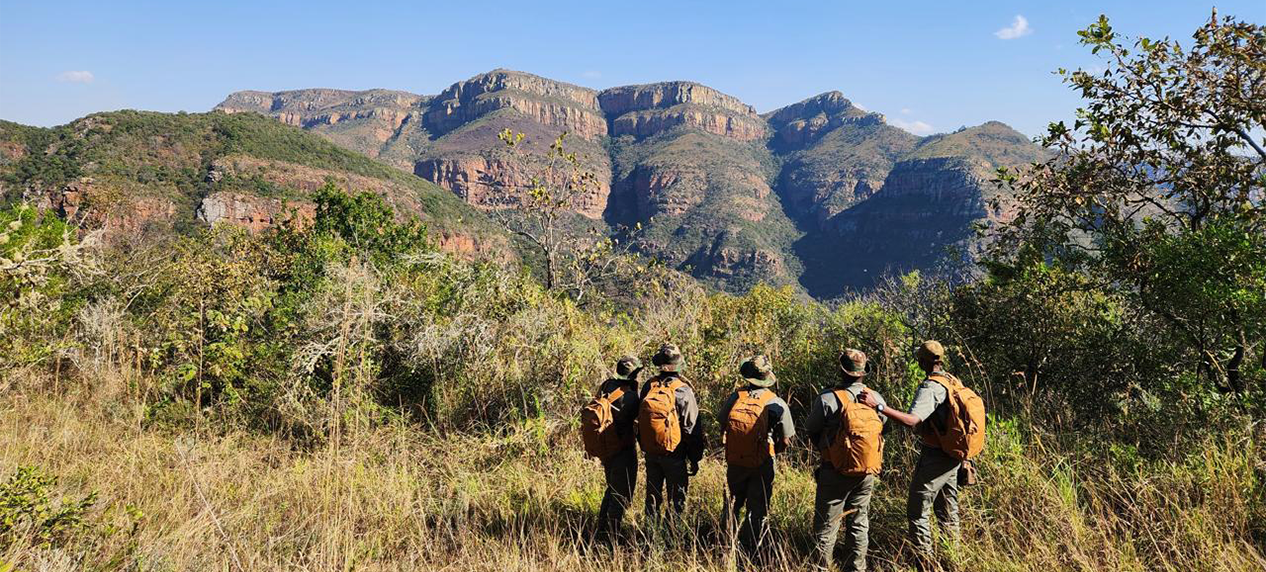
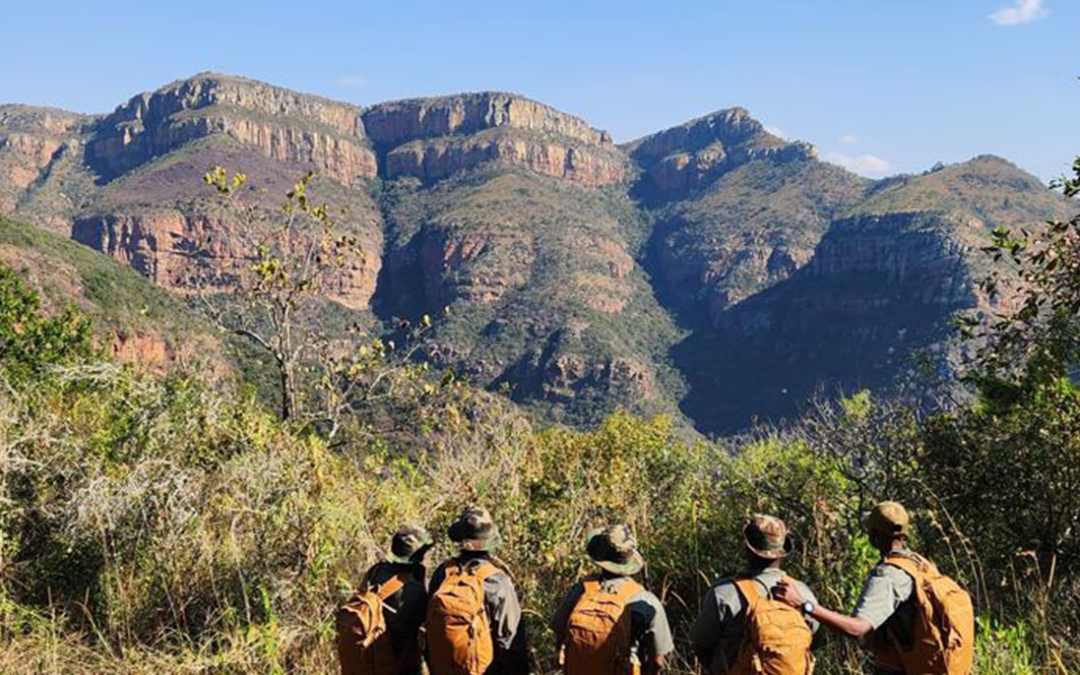
Young conservationists working in the field for the Endangered Wildlife Trust

Lindokuhle Mgwaba, field officer in the African Crane Conservation Programme

The thorn prickles, crunching, cracking, and crinkling cadence of Acacia pods prancing to the gambol of the hoofed wanderers. Phalanges dipped in mire reciting the language of the mud hoppers. The sky’s voice in anguish screams across the savanna, oh, the golo ghost of the night constantly amplifying the trauma. The blanket of consolation offered by the chorus rising in the branches and the dawn dusted in fire and glare sends the ghost to slumber. Spiritual trances traversing realms and amalgamating dialects of the earth and sky. My umbilical cord lies in the Dukuza of the thornveld.

Spiritual upbringing laid down the core principles of protecting and nourishing iMvelo. However, conservation and ecology interests were born of a range of factors: an inquisitive nature, passion, climate change, personal experiences, and sustainability. The main contributing factor is the awareness of a single reality: Spirituality and Indigenous systems were not going to survive as a single entity; they required input from multiple parties to directly and indirectly protect the very vessel on which the systems are reliant.

The younger generations are the tillers of hope in the land plagued by greed and overutilisation of natural resources. The contemporary youth are at risk of inheriting ǃGâi with a hostile climate, water scarcity, unproductive soils, biodiversity loss, polluted air, and food scarcity. Therefore, the call to action must come NOW! Earlier than any other generation before them.

Environmental awareness is the seed of all possibilities in achieving conservation goals. However, various studies have shown that it has a low success rate. That calls for a drastic change in how we view and approach awareness. It has become predictable, characterised by long PowerPoint presentations in closed doors. It is time to be more actionable, demonstrative methods, in practice lessons, maximise modern marketing strategies in the form of social media and gaming, sufficient support systems and inclusivity through integrating indigenous knowledge.

My role involves field tasks, data collection and management, wildlife and habitat monitoring, stakeholder engagement, and supporting conservation projects. These are very fulfilling tasks, but despite operational and logistical challenges associated with any role, the single most challenging aspect for me is the realisation that we are fighting a losing battle on so many fronts, definite extinctions on the horizon, immense pressure from multiple industries, volatile global political landscapes impacting funding routes, etc.

However, it’s not all doom and gloom; the role comes with exciting highlights, such as spending time in nature and observing wildlife, and most fundamentally, hearing how communities view conservation and the EWT from their perspective.

Endangered Wildlife Trust represents a platform that covers various biodiversity conservation key areas and community-based conservation.  This combination creates an interface of operating in species and habitat protection, productive agricultural systems, alleviating livelihoods, human wildlife coexistence, research, and education. These aspects are all in accordance with my values directed towards protecting indigenous systems and supporting revenues that promote sustainable productivity and improving the livelihoods of rural communities. Therefore, I would highly recommend working for the EWT on these grounds.

However, I fear that conservation careers are becoming largely unsustainable in the light of economic market fluctuations. Therefore, anyone coming in the sector needs a clear understanding of that fact and position themselves to be useful in multiple branches of the greenbelt.


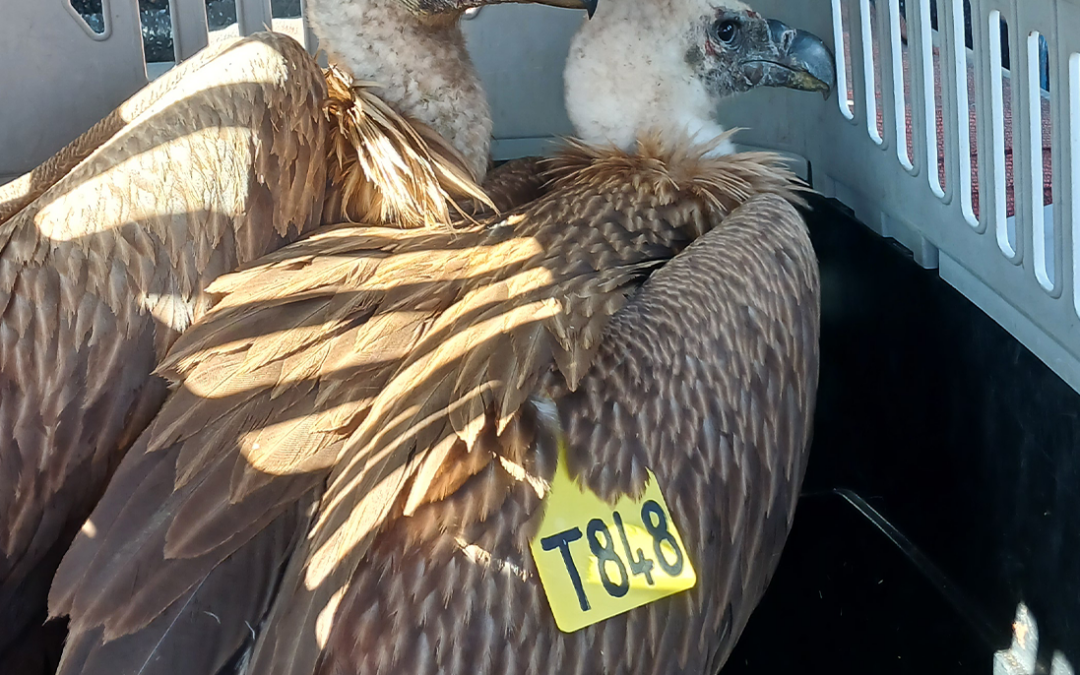
Youth in conservation tracking vultures for wildlife research

Liam Taylor, field officer in the Birds of Prey Unit

Growing up, I always wanted to work in the bush with wildlife. Reading about Gus and Margie Mills studying hyenas in the Kalahari, or Bruce Bryden confronting poaching in the Kruger, fuelled my aspirations for this lifestyle. My passion for nature is intrinsic; it is not merely a component of my career, but rather the driving force behind everything I do and care about. A world without vultures circling overhead, the evening chorus of Scops Owls and bushbabies, or the sight of fresh leopard tracks in the morning sand would feel sterile, diminished, and contrary to how our natural world should be.

As a young conservationist, I admittedly enjoy the thrill. Whether walking through Big Five country to monitor raptor nests or flying low over remote wilderness in a small aircraft, no two days are ever the same. However, conservation is about far more than adventure. Some of the most rewarding moments come from rescuing wildlife affected by human activities and seeing those animals return to the wild. Watching the movements of a rehabilitated vulture with a GPS tracker, knowing that you played a role in giving that individual a second chance, is incredibly fulfilling.

I chose to work for the Endangered Wildlife Trust because of its long-standing reputation, proven conservation impact, and commitment to protecting species and ecosystems across Africa. The EWT provides opportunities for young conservationists to contribute meaningfully to real conservation outcomes. Through the organisation’s established relationships and credibility, I have been fortunate to work alongside reserve managers, wardens, ecologists, and veterinarians, despite having far fewer years of experience than many of them.

Entering the conservation sector was not easy. Opportunities within the NGO world are limited compared to many other professions, and breaking into the field required perseverance, continuous learning, and developing a broad range of skills. Conservation also comes with daily challenges, such as watching habitats or animals die without letting that destroy your zeal and drive or dealing with wildlife poisonings in the middle of the night. Yet these challenges make the successes all the more meaningful.

I would wholeheartedly recommend both conservation as a career and the EWT as an organisation. Conservation offers the opportunity to make a tangible difference while working in some of the most remarkable places on Earth. Working for the EWT has allowed me to contribute to meaningful conservation initiatives while continuously learning from dedicated professionals who share a common goal: ensuring that future generations inherit a world rich in wildlife and natural heritage. And honestly, doing something so fun for such a good cause, is just so awesome!


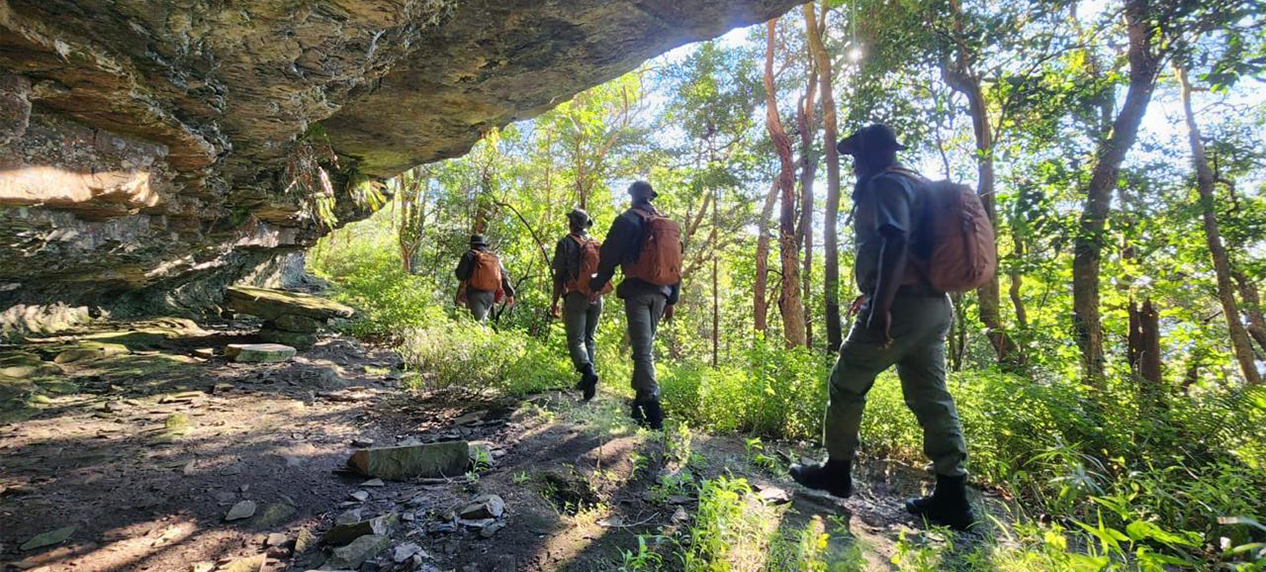
EWT youth conservation team protecting South Africa's wildlife

Kutlwano Mokgoro, legal officer in the Wildlife and Trade Unit

When people think about conservation, they often imagine scientists and rangers tracking wildlife in remote landscapes or researchers studying ecosystems. While these roles are essential, conservation requires many different abilities and professions. As a lawyer at the Endangered Wildlife Trust, I have found a way to meaningfully contribute to protecting South Africa’s natural heritage.

My decision to work for EWT was driven by a belief that environmental justice and social justice are deeply connected. Growing up as a black, young woman with a disability, I became aware of how unequal access to resources, opportunities, and healthy environments can shape people’s lives. I wanted to use my legal training to highlight some of these challenges while helping to protect biodiversity for future generations.

The law plays a crucial role in conservation. Environmental legislation provides the framework for protecting endangered species, regulating land use, combating wildlife crime, and ensuring that development takes place sustainably and responsibly. Without strong laws and effective enforcement, conservation efforts are undermined by illegal activities such as poaching, habitat destruction, and pollution.

As a lawyer, I help interpret legislation, support policy development, and ensure that conservation initiatives comply with legal requirements. In many ways, the law serves as one of conservation’s most important tools. Working at the EWT has shown me that conservation is not only about animals and ecosystems; it is also about people. Effective conservation requires collaboration between scientists, lawyers, economists, teachers, communicators, and community leaders. My role allows me to bridge legal processes and conservation goals, helping to create practical approaches that benefit both nature and society.

As someone from a background that is often underrepresented in the environmental sector, I am particularly passionate about increasing diversity in conservation. Representation matters. When young people see professionals who look like them and share similar experiences, they are more likely to believe that they too can make a difference. Being a black woman with a disability has given me a unique perspective on meaningful inclusion and participation, resilience, and the importance of ensuring that all voices are heard in decision-making processes.

I would love to see more young black people from different fields become involved in environmental issues. No matter the profession, there is a place for you in conservation. The environmental challenges we face today are complex and require multidisciplinary solutions. Protecting our planet is a collective effort and we must all answer the call.

My experience at EWT has reinforced my belief that everyone has something valuable to contribute. By bringing together diverse skills, perspectives, and lived experiences, we can build a stronger and more inclusive conservation movement for South Africa and beyond.


Field officer collecting wildlife monitoring data

Nonkululeko Makobong,  field officer in the Carnivore Conservation and Birds of Prey Units

My name is Nonkululeko Makobong, better known as Nonku, and I am a conservationist. Conservation is important to me because it helps protect the incredible wildlife and natural ecosystems that support life on Earth. Every species plays a role in maintaining healthy environments, and it is our responsibility to ensure that future generations can experience and benefit from nature just as we do today.

Youth Day reminds me of the courage and sacrifice of the young people on 16 June 1976. To me, it is not only a day of remembrance, but also a reminder that young people have the power to influence change in their communities and in the country. As a young conservationist, I see Youth Day as a reminder that creating positive change is not limited to politics. Contributing to wildlife conservation, environmental education, and protecting South Africa’s natural heritage is another way of serving my country.

Environmental awareness is especially important for young people because they will inherit the challenges facing our planet, including climate change, habitat loss, and biodiversity decline. By educating younger generations, we can inspire them to become responsible stewards of the environment and empower them to make sustainable choices.

My work as a Field Officer for the Carnivore Conservation Unit and the Birds of Prey Unit  involves monitoring wildlife, collecting field data, assisting with research projects, responding to conservation challenges, and supporting efforts to protect threatened species.

One of the biggest challenges in my daily work is balancing the needs of wildlife conservation with human activities. Working in remote areas, dealing with unpredictable weather, and tracking dangerous animals can also be demanding.

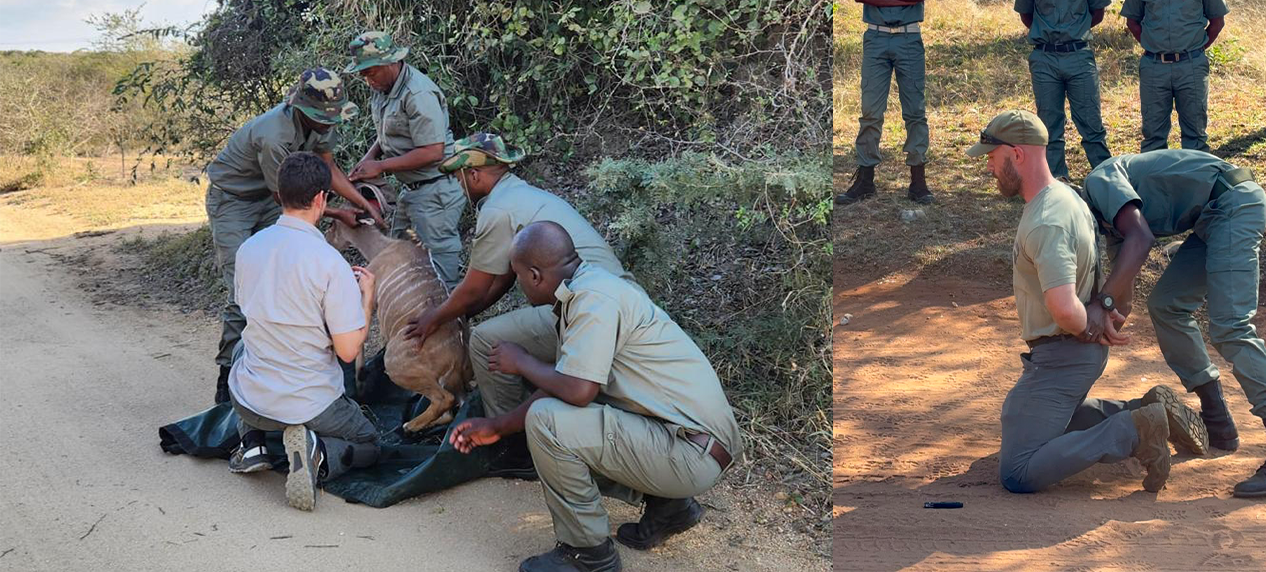
The job comes with many exciting adventures. I have participated in wildlife captures and relocations, tracked large carnivores in the field, and assisted with vulture conservation projects. Some of the more nerve-racking moments have included working close to lions and other dangerous wildlife, where safety and teamwork are essential.

I would highly recommend a career in conservation and working for the Endangered Wildlife Trust (EWT). Conservation offers the opportunity to make a real difference for wildlife and ecosystems while continuously learning and experiencing new challenges. Working for the EWT is particularly rewarding because it brings together passionate people dedicated to protecting South Africa’s biodiversity and creating a future where people and wildlife can coexist.


Young conservationists protecting endangered species

Lesego Mthethwa, field officer in the Canine Conservation Unit

For me, conservation has always been more than protecting wildlife – it is about protecting people, livelihoods, and our shared future.

I grew up with strong ties to Acornhoek, where my mother’s family relied on crops and livestock for both food and income. From an early age, I learned that caring for the environment is essential, because healthy ecosystems support healthy communities. When our environment thrives, so do our crops, livestock, and people.

This understanding shaped my passion for conservation and reinforced the importance of environmental awareness among younger generations. Young people will inherit the responsibility of protecting our natural heritage, and by connecting them to nature, we empower them to become informed decision-makers and future conservation leaders.

Today, I work as a Field Officer in the Carnivore Conservation Unit at the Endangered Wildlife Trust (EWT). While my primary focus is lion conservation, my role has expanded to include community engagement and environmental education. I also work with CSA Scouts as an Assistant Scout Leader, where I help deliver the Carnivore Culture curriculum to inspire young people to value wildlife and understand the importance of conservation.

Like many women in conservation, I face challenges every day. Being a young Black woman in a male-dominated field means I am often underestimated because of my age, size, or gender. There are times when I feel I have to work twice as hard to prove myself. However, these experiences have strengthened my determination to create space for more young women in conservation and show others that they belong in this field.

Despite the challenges, the rewards are extraordinary.

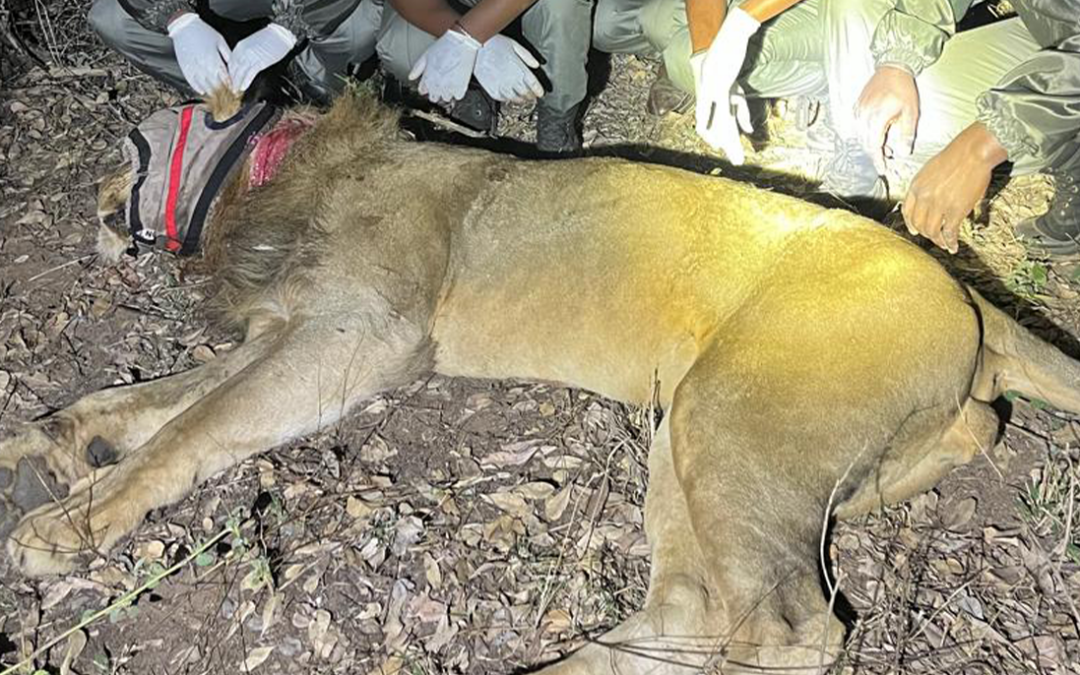
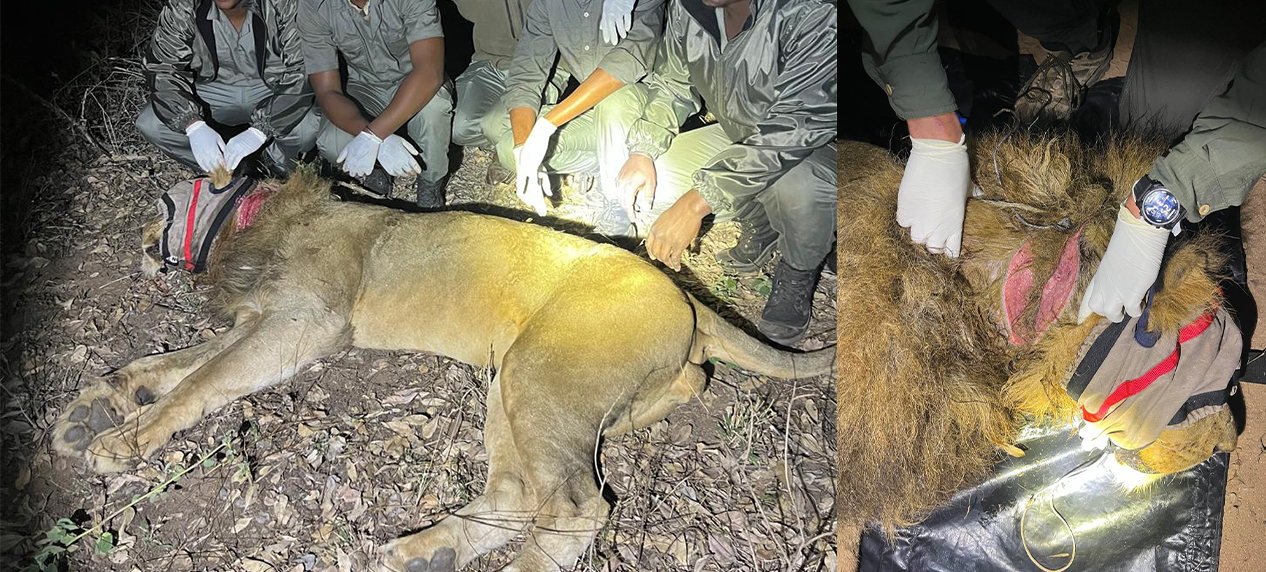
One of the proudest moments of my career was collaring my first lion in Kruger National Park. Having grown up visiting the Kruger, it was a surreal experience to move from admiring these animals as a child to actively contributing to their protection.

Another unforgettable experience came during a follow-up monitoring for that same male lion. Accompanied by two rangers, we lost the tracking signal and unexpectedly came face-to-face with the lion and his brother. For what felt like the longest ten seconds of my life, we stood eye-to-eye with the two males, unsure of what would happen next. Thankfully, they ran off, leaving us with an incredible story and an unexpected visual sighting.

I would wholeheartedly recommend conservation as a career. It brings you closer to your identity, your culture, and your environment while teaching you resilience, adaptability, and purpose.

Working for the EWT has been a dream come true. I first discovered the organisation on social media in 2017 and immediately fell in love with its work. Joining the EWT in 2024 as the first Black woman in the Carnivore Conservation Unit was both exciting and overwhelming. Although I had limited experience straight out of university, the EWT invested in my growth and gave me opportunities to succeed.

Through their support, I completed my Track and Trails course, and at just 25-years-old, I will be hosting my first girls’ empowerment camp for young women in the communities where I work.

For me, conservation is not just a career—it is a calling. It is about protecting wildlife, empowering communities, and inspiring the next generation to become custodians of our natural world.

Pollination is the story of ancient partnerships between insects and plants

Pollination is the story of ancient partnerships between insects and plants

Pollination is the story of ancient partnerships between insects and plants

By Renier Basson, senior field officer, Drylands Strategic Conservation Landscape


Native pollinators in South Africa visiting indigenous flowers

Left: Red Disa butterfly. Photo by Roy Glasspool. Right: Red Shaggy Monkey Beetle (Anisonyx militaris) pollinating a daisy in the Tankwa Karoo. Photo by Cecile Roux.

Interactions between plants and insects have evolved over the past 100 million years, resulting in the most fascinating and bizarre adaptations by both parties.

Across South Africa, these intricate relationships play out every day, often unnoticed beneath our feet or high above our heads. From beetles crawling through ancient flowers to flies carrying pollen between mountain peaks, pollination is one of nature’s most important ecological processes and underpins the survival of countless plant and animal species.

When most people think of pollination, they immediately picture the honeybee. While honeybees are undoubtedly important pollinators and contribute significantly to agriculture, they represent only a small fraction of the diversity of pollinating insects. Focusing solely on honeybee’s risks overlooking the thousands of native pollinator species that sustain South Africa’s remarkable biodiversity.

Pollination occurs when pollen is transferred from the male part of a flower to the female part, allowing fertilisation and seed production. While wind and water can move pollen in some plant species, insects are responsible for 70% of pollination events in South Africa’s flowering plants. Without pollinators, many of our wildflowers, fruit-bearing plants and agricultural crops would struggle to reproduce.

South Africa is renowned as one of the world’s biodiversity hotspots, particularly within the Cape Floristic Region. This extraordinary plant diversity is matched by an equally impressive diversity of pollinators. Bees, flies, beetles, butterflies, moths, wasps, ants, and even some insects not traditionally associated with pollination, all contribute to the movement of pollen between flowers.

Among the most fascinating examples of specialised pollination are the oil-collecting bees of the genus Rediviva. Found only in southern Africa, these remarkable bees have evolved an extraordinary relationship with flowers that produce oils rather than nectar. Female Rediviva bees use specially adapted hairs on their legs to collect floral oils, which are used to feed their larvae and line their nests. Some species possess exceptionally long front legs that perfectly match the long floral spurs of their host plants. The flowers, in turn, have evolved spur lengths that correspond closely with the leg lengths of their pollinators. This evolutionary “arms race” has produced one of the most striking examples of co-evolution anywhere in the world.

Left: Female Oil-collecting bee (Rediviva emdeom), showing the unusally long front legs. Photo by Simon van Noort (WaspWeb). Right: Glittering Monkey Beetle (Anisonyx ditus) on a Peacock Flower (Pauridia capensis). Photo by Cecile Roux.

Equally fascinating are South Africa’s long-proboscid flies in the familiy Nemestrinidae. Species such as the Mega-proboscid Tangle-veined Fly (Moegistorhynchus longirostris) possess mouthparts that are four times the length of their bodies! These flies visit flowers with extremely long nectar tubes that few other insects can access. As they feed, pollen is deposited onto specific parts of their bodies, ensuring effective pollination. Some of these plant-pollinator relationships are so specialised that the disappearance of either the plant or the fly could threaten the survival of the other.

Long-proboscid fly pollinating a tubular flower in the Cape Floristic Region

Left: A Mega-proboscid Tangle-veined Fly (Moegistorhynchus longirostris) drinking nectar from aStorksbill flower (Pelargonium sp.) Photo by Louis van Wyk. Right: Spider Monkey Beetle (Lepithrix pseudolineata) on a daisy on the West Coast. Photo by Cecile Roux.

Beetles are among the oldest pollinators on Earth and continue to play a significant role today. Before bees became dominant pollinators, many flowering plants relied on beetles for pollen transfer. Beetle-pollinated flowers are often large, robust and strongly scented, producing abundant pollen as a reward. South Africa’s proteas, water lilies and various succulent species all benefit from beetle visitation. Although beetles may appear clumsy compared to bees, their contribution to pollination should not be underestimated. One of the most important groups of pollinating beetles are the Monkey Beetles (Scarabaeidae: Hopliinae). With over 1000 species in South Africa, these small scarabs pollinate a wide range of flowers, especially daisies, mainly in the arid and semi-arid regions of the country.

Butterflies and moths also contribute significantly to pollination. Butterflies are generally active during the day, while many moths take over the night shift. Their long proboscides allow them to access nectar deep within tubular flowers. Several South African plants produce pale, strongly scented flowers that open at night specifically to attract moth pollinators. Most plants with red flowers are pollinated by birds, but the Table Mountain Beauty Butterfly (Aeropethes tulbaghia), however, is the only pollinator known to pollinate the Red Disa (Disa uniflora).

Diverse native pollinators supporting biodiversity in South Africa

Left: Shaggy Monkey Beetle (Anisonyx species) on a daisy. Photo by Cecile Roux. Right: Table Mounain Beauty (Aeropetes tulbaghia).

Wasps, often feared for their stings, are also valuable pollinators. Many species visit flowers regularly for nectar and inadvertently transfer pollen as they move between plants. Some orchids have evolved astonishing methods of attracting male wasps by mimicking the scent and appearance of female insects, tricking the males into attempting to mate with the flower and thereby transferring pollen.

World Pollinator Week in June provided an opportunity not only to celebrate pollinators, but also to reconsider which species deserve our attention. Honeybees have become the flagship species for pollinator conservation, yet many native pollinators face far greater threats while receiving far less recognition. Native bees, flies, beetles and other insects often have specialised relationships with indigenous plants that honeybees cannot replace. If these native pollinators disappear, entire ecological networks may unravel.

Habitat loss, pesticide use, invasive species and climate change are placing increasing pressure on pollinator populations. Conserving natural habitats, planting indigenous flowering plants and reducing unnecessary pesticide use can all help support pollinator communities. Importantly, conservation efforts should aim to protect the full diversity of pollinators rather than focusing exclusively on a single species.

The story of pollination in South Africa is far richer and more complex than the familiar image of a honeybee visiting a flower. It is a story of ancient partnerships, extraordinary adaptations and intricate ecological connections that have developed over millions of years.

EVERY COUNT MATTERS: South African Crane Census

EVERY COUNT MATTERS: South African Crane Census

EVERY COUNT MATTERS: South African Crane Census

By Lara Fuller, Drakensberg Project manager, African Crane Conservation Programme


Endangered Wildlife Trust crane conservation fieldwork

The Endangered Wildlife Trust (EWT) and International Crane Foundation (ICF) partnership has been working on crane conservation alongside key partners such as Ezemvelo KwaZulu-Natal Wildlife, the KwaZulu-Natal Crane Foundation, and Eskom for the past 30 years. These collaborations have resulted in significant advances in crane conservation across South Africa.

Between 1998 and 2006, a National Crane Census was conducted annually to estimate population sizes and monitor the distribution of the three crane species: Blue, Wattled, and Grey Crowned Cranes. This valuable data was collected by South African citizens, demonstrating the power of public participation in conservation.

Now, after two decades, we are restarting the Crane Census, using modern technology – in this instance WhatsApp – to make it easier than ever for people across the country to participate.

We are calling on all South Africans to assist us in this important Citizen Science initiative. It is vital that we verify whether observed increases and declines in crane populations are accurate. By working together, we can better understand these trends and contribute to meaningful conservation action.

Each crane species has unique ecological requirements, and expanding our understanding of these needs is essential for their long-term survival.

Wattled Crane

In 2025, the Wattled Crane in South Africa was downlisted from Critically Endangered to Endangered, with an estimated population of approximately 288 individuals, primarily in KwaZulu-Natal. This represents a significant conservation success.

However, this population remains critically small, and the increase has been largely confined to KwaZulu-Natal. In Mpumalanga, the breeding population has declined dramatically from 45 pairs in the 1990s to just 4 pairs in 2025.

Understanding the current distribution of Wattled Cranes across South Africa is essential to ensure continued conservation success and to support future range expansion. The South African Crane Census will play a key role in identifying populations outside of KwaZulu-Natal.

Grey Crowned Crane

The Grey Crowned Crane population in South Africa is currently considered stable, with an estimated 7,000 individuals, although the species remains classified as Endangered.

Notably, South Africa hosts the only population in Africa that is not in decline. Annual aerial surveys conducted in KwaZulu-Natal show steady population growth. However, outside of this province, very little is known. Existing data suggests that declines may be occurring elsewhere in the country.

The Crane Census will help determine whether these suspected declines are real and where conservation efforts should be focused.

Blue Crane (South Africa’s National Bird)

The Blue Crane, South Africa’s national bird, has unfortunately been uplisted to Vulnerable due to population declines in the Western Cape and potentially in the Karoo.

The current population is estimated at approximately 30,000 individuals, reflecting a 39% decline since 2010. As this species is endemic to South Africa, its global survival depends entirely on conservation efforts within the country.

There is also evidence that the Blue Crane’s range is shifting northwards from the Western Cape and westwards in the Karoo, highlighting the need to better understand how this species is adapting to changing landscapes.

The Crane Census will provide critical insights into current distribution patterns and habitat use.

Mapping crane range shifts in South Africa

Collaborative crane conservation research partnerships
Looking beyond the poacher: Are South Africa’s courts recognising the true nature of wildlife crime?

Looking beyond the poacher: Are South Africa’s courts recognising the true nature of wildlife crime?

Looking beyond the poacher: Are South Africa’s courts recognising the true nature of wildlife crime?

By Lindy Thompson, Research and Monitoring Coordinator, Birds of Prey Unit


Illegal wildlife trade investigation and prosecution

When we think about wildlife crime, we often picture individual poachers operating alone. But a new study suggests that the reality is far more complex, and that South Africa’s courts may not always be recognising the full picture.

The study, entitled “Missed signals? Are South African high courts undervaluing corruption risks and syndicate involvement in wildlife crime?” published by the British Journal of Criminology delves into this question by examining decisions by South African courts in wildlife crime-related cases.

The report highlights the importance of green and conservation criminology frameworks for addressing the complexity of environmental harms, their perpetrators and societal consequences. Both are grounded in the concept of harm, which includes illegal wildlife trade (IWT).

Researchers examined 61 illegal wildlife trade cases heard by South Africa’s High Courts and Supreme Court of Appeal between 2000 and 2024. Their goal was to understand whether judges considered the roles of organised crime and corruption when dealing with wildlife trafficking cases.

The cases involved a variety of threatened species, including cheetah, lion, Temminck’s pangolin, elephants and vultures, but abalone and rhinos dominated the records. Surprisingly, despite the widespread recognition that criminal syndicates play a major role in wildlife trafficking, fewer than half of the cases even mentioned organised crime. Of those that did, judges formally confirmed syndicate involvement in only six cases.

This finding was particularly striking for rhino-related cases. Previous research has repeatedly shown that rhino horn trafficking is often linked to sophisticated criminal networks, yet many rhino cases reviewed in the study were not analysed through an organised crime lens.

The researchers also looked for signs of corruption. Although no case included formal corruption charges, almost one-third contained indicators that corruption may have played a role. These warning signs included the involvement of public officials, members of the wildlife industry, questionable permits and documents, and the misuse of public resources.

The study highlights an important gap between what conservation scientists know about wildlife crime and how these crimes are handled within the justice system. While stronger legislation has been introduced internationally to combat wildlife trafficking, the authors argue that laws alone are not enough. Effective investigations, improved prosecution strategies and greater awareness of the organised nature of wildlife crime are equally important.

The findings also remind us that conservation is about more than protecting species in the field. Success depends on the strength of institutions, law enforcement and judicial systems that hold offenders accountable.

By examining what happens after an arrest is made, this research provides valuable insights into an often-overlooked part of conservation. Understanding how courts respond to wildlife crime could help ensure that the scale and complexity of these offences are properly recognised, and ultimately improve protection for South Africa’s wildlife.

The article can be accessed here: https://doi.org/10.1093/bjc/azag050

Planning for Flight Paths: Bird Monitoring at Energy Infrastructure

Planning for Flight Paths: Bird Monitoring at Energy Infrastructure

Focus on Wildlife in Nature

As Africa’s energy needs increase, and the continent embraces the growth and implementation of green energy, a number of innovative methods have had to be developed to reduce the negative interactions between wildlife and infrastructure.

The Endangered Wildlife Trust’s Wildlife and Infrastructure  Unit, has developed numerous innovative methods to reduce these interactions, work to positively influence utilities’ wildlife management policies, and ultimately phase out problematic processes and hardware. Through adaptive management and the development of pioneering and innovative techniques, South Africa is now recognised as a world leader in managing the burden of wildlife damage on electrical infrastructure while addressing the threats to wildlife.

This article is the first in a series of three about the work being done by the EWT to mitigate the effect of power lines on wildlife, particular birds.


Planning for Flight Paths: Bird Monitoring at Energy Infrastructure

By the Wildlife and Infrastructure team


Raptors interacting with electrical infrastructure in open landscapes

Before a single wind turbine or power line is built in South Africa, there is a crucial window in the pre-construction process to prevent bird mortalities.  This ranges from infrastructure design to mitigation measures, such as the installation of devices on power lines to reduce bird collisions. 

Among the measures incorporated in South Africa’s renewable energy expansion us ensuring that infrastructure is designed with biodiversity in mind. At the heart of this approach is pre-construction monitoring, which informs infrastructure design based on how birds use the landscape, rather than treating it as a simple regulatory requirement.

This article explains the pre-construction process, the relevant regulatory framework, and the field surveys used to map bird activity. It also explores how these insights are translated into practical design changes that minimise collision risks and protect vulnerable species.

BirdLife South Africa states in its 2025 review that of the 2,444 unique bird fatality incidents recorded at 33 Wind Energy Facilities, losses were attributed turbine collisions, power lines and other impacts. These incidents involved 202 species, of which 198 were recorded as turbine collisions.

Understanding how pre-construction monitoring and regulatory pathways shape infrastructure design is critical to preventing these losses. Notable Species of Conservation Concern include the Cape Vulture, White-backed Vulture, Verreaux’s Eagle, Martial Eagle, Black Harrier, Secretary Bird, Blue Crane, Greater Flamingo, Lesser Flamingo, Denham’s Bustard and Ludwig Bustard.

Understanding the Environmental Impact Assessment process

Wind Energy Facilities (WEF) and overhead power lines (both transmission and distribution voltage) pose collision and electrocution risks to birds.  All follow different regulatory pathways depending on project scale and environmental sensitivity.

Energy projects may require an Environmental Impact Assessment (EIA) before construction is authorised. This depends on the threshold triggered. An EIA evaluates environmental, social and economic effects through screening, scoping, baseline studies and impact assessments, using surveys and models. The findings are compiled in a report, reviewed by the public, specialists and regulators, and may be approved with conditions or declined.

Approved projects then follow an Environmental Management Programme (EMPr), a legally-binding process that dictates how a project is managed. For wind energy facilities, operational avifaunal monitoring is a standard condition of an Environmental Authorisation (EA), ensuring bird collision risks are tracked and mitigated adaptively. For transmission power lines, monitoring requirements vary based on route sensitivity and specialist recommendations, though incident reporting is typically required. Distribution lines approved through registration for exclusion, however, face no such operational oversight — a regulatory gap explored later in this article.

Desktop screening

Desktop screening begins with the Department of Forestry, Fisheries and the Environment’s Environmental Screening Tool (https://screening.environment.gov.za/screeningtool/#/pages/welcome), which assesses avifaunal sensitivity and determines whether projects require a full EIA. Distribution lines in low- to medium-sensitivity areas can proceed through registration for exclusion. Avifaunal specialists then review spatial data on raptor nests, vulture colonies, Important Bird Biodiversity Areas, collision hotspots and migration routes. This identifies where development may harm key species. For wind farms, this flags priority species and thermal lift zones. For power lines, it maps wetland crossings, bustard corridors and raptor breeding areas.

Pre-construction surveys

For wind energy facilities, once risks have been identified to avifauna during the screening process, 12-month pre-construction surveys are legally required as a standard EA condition. This extended monitoring ensures breeding seasons, migration pulses and seasonal weather patterns are captured, requiring observation across all four seasons. Surveys record species presence, migration and breeding, noting flight heights and behaviours, such as whether vultures soar at turbine-elevated heights or eagles hunt near the ground. This data informs collision-risk models that predict turbine threats.

Power line pre-construction surveys follow a different approach. Rather than continuous monthly monitoring, specialists conduct seasonal site visits (typically 2 – 4 surveys across seasons) focused on documenting raptor nests, identifying perching structures, mapping bustard and flamingo flight corridors, and assessing electrocution and collision risks at specific high-risk spans. Distribution lines approved through registration for exclusion require only desktop assessment and site verification, with no extended seasonal monitoring. This is a regulatory gap that means seasonal flight patterns may go undetected until mortalities occur.

Design changes that work

Turbine layouts are redrawn based on survey results. Verreaux’s Eagle nests earn buffer zones of at least 3.7 kilometres, the minimum distance recommended in BirdLife South Africa’s guidelines, though actual fatalities have occurred up to 7.5 kilometres from known nests. Areas where Cape Vultures soar become no-go zones, regardless of wind resource. Collision risk modelling identifies high-risk positions, which are relocated or removed. Turbines are micro-sited to avoid hotspots such as ridge edges or thermal lift zones. Environmental Authorisation conditions require these changes before construction, making bird protection legally binding.

Power line routes avoid bustard and flamingo corridors, wetlands and raptor breeding areas. Engineers specify raptor-safe poles/tower designs, with adequate separation between energised and grounded components to prevent electrocution.  Poles in raptor perching areas are insulated, and bird flight diverters mark high-risk are used where routing cannot eliminate collisions. Within wind farms, underground medium-voltage collector lines are increasingly standard practice, avoiding the electrocution trap of overhead networks. In the Northern Cape, two wind farms were installed with over-head collector lines. Over five years, these lines killed 12 Verreaux’s Eagles and three Martial Eagles through electrocution, a design flaw newer projects have corrected. For high-voltage transmission lines, however, underground cabling remains expensive, leaving mitigation reliant on routing, insulation and diverters rather than burial. These design changes prevent mortalities we will never see, the birds that would have died, but were not counted. When routes avoid wetlands, cranes and flamingos will not collide with wires. When poles are designed correctly and/or insulated, raptors will not be electrocuted.

The distribution line blind spot

“Registration for exclusion” is a streamlined National Environmental Management Act (NEMA) pathway that allows certain listed activities in low- to medium-sensitivity areas to proceed without full Competent Authority review. For distribution power lines (typically below 132kV, including municipal and Eskom Distribution infrastructure), this means projects can self-certify compliance rather than having to obtain an EA with enforceable conditions. Transmission lines (132kV and above) are excluded from this pathway and must follow full EA processes regardless of sensitivity.

While the exclusion route requires upfront specialist assessment, site verification and public participation, no operational monitoring is mandated. Distribution lines need not report bird collisions, audit mitigation effectiveness, or adapt when initial predictions prove inadequate. Critically, collector lines within wind farms undergo full EIA scrutiny of pole design, insulation and routing, while Eskom and municipal distribution lines below 132 kV bypass this oversight entirely through exclusion. Mitigation measures are not enforceable, leaving implementation to the utility’s discretion. The critical gap is that infrastructure can create risks that desktop assessments never anticipated. Poles provide perching opportunities in open landscapes, attracting raptors and corvids to areas previously flagged as low risk. Without operational monitoring, these emergent threats go undetected until mortalities accumulate.

Bird mortalities continue to occur on distribution lines below 132kV, with raptors electrocuted on poles and bustards and flamingos colliding with unmarked spans. Without operational monitoring requirements, these impacts go undocumented and unaddressed. The ongoing oversight that characterises full EAs disappears once construction begins, leaving responsibility with utilities, but no legal obligations to mitigate. This is particularly problematic for lines crossing seasonal flight paths, where post-construction bird use may differ dramatically from desktop predictions.

The Prevention Principle

The best collision is the one that never happens. Pre-construction monitoring embodies this prevention principle—design infrastructure that coexists with birds instead of threatening their survival. Yet when infrastructure proceeds through registration for exclusion, we gamble with species that cannot afford losses: Cape Vultures whose populations are declining, Verreaux’s Eagles rearing chicks near future collision zones and bustards crossing landscapes where unmarked wires cause mortalities. Smart planning is not red tape; it’s the difference between infrastructure designed around birds and infrastructure built blind to consequences.

Where full Environmental Authorisations require operational monitoring, systematic tracking reveals whether predictions prove accurate and mitigation works as intended. Sometimes monitoring uncovers surprises – species more vulnerable than anticipated or seasonal patterns missed in desktop assessments.

Article 2 explores how this adaptive management deploys targeted interventions that prevent mortalities. These safeguards apply where full EA processes are in place. For excluded infrastructure, birds pay the price of our regulatory blind spot.


Further reading