Help African Wild Dogs 

Donate today  

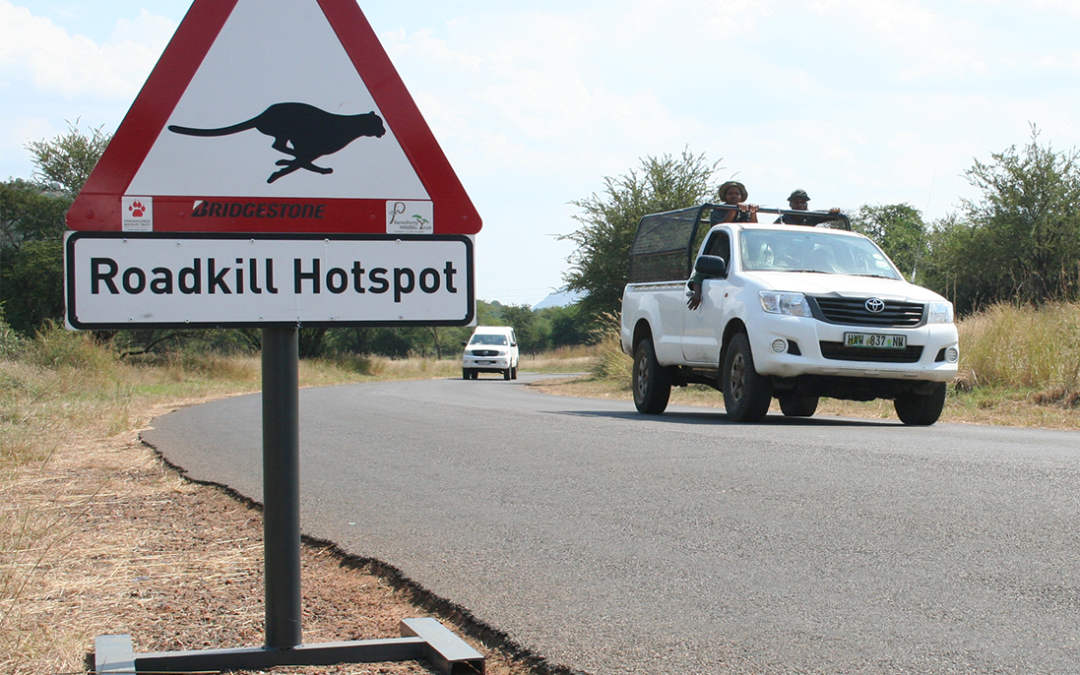
Roadkill remains a problem along South Africa’s major transport corridors

Roadkill remains a problem along South Africa’s major transport corridors


Roadkill remains a problem along South Africa’s major transport corridors

By Thabo Hlatshwayo, Wildlife and Transport Project: senior field officer, Endangered Wildlife Trust.
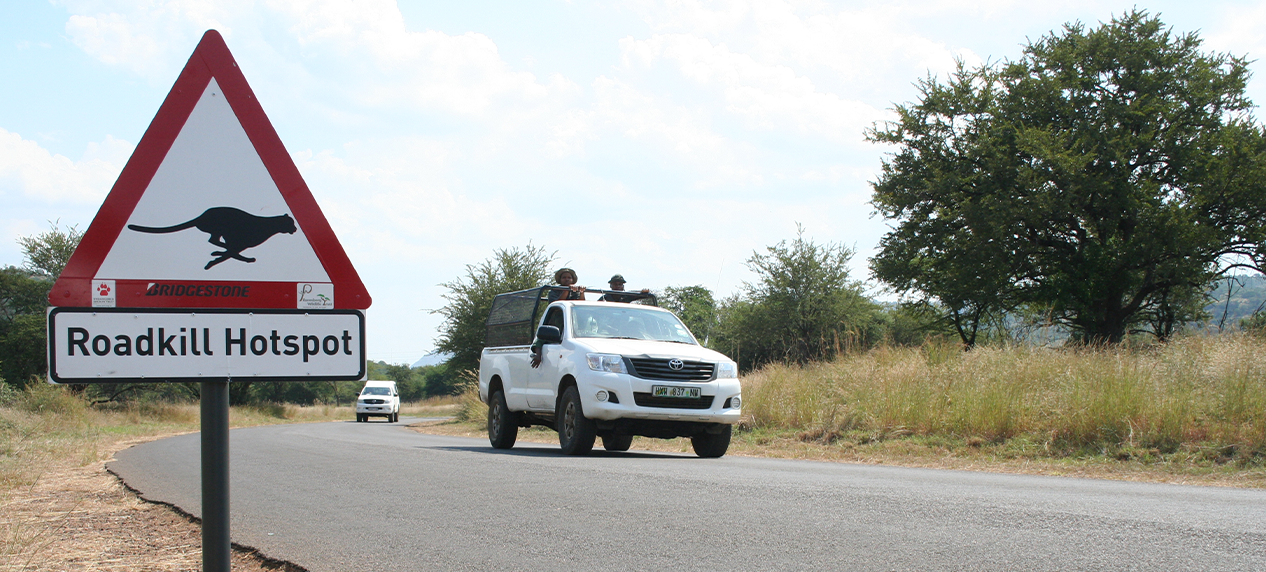
 

Although monitoring of the ecological impacts of transport infrastructure on biodiversity is still an emerging field of science in South Africa, it remains poorly supported in terms of funding. This is despite the fact that roads are responsible for the massive loss of biodiversity.

To determine the extent of roadkill in South Africa, the Endangered Wildlife Trust (EWT) has been facilitating and supporting various road ecology research since 2011. From the data that we have gathered, it is clear that roadkill is prevalent.

South Africa’s road network covers around 750,000km. Our database on roadkill for the BAKWENA N1/N4, TRAC N4 and N3 toll routes indicates that a total of 8,569 records of wildlife roadkill incidences were reported from the three toll companies combined between 2012 and 2024. This is an increase of 1,565 from the roadkill magnitude reported in 2023, meaning that these animals were victims of roadkill on the toll route in 2024.

This emphasises the need for advancing biodiversity loss accounting in the transportation sector and crafting national transportation policies that are ecologically sustainable and support just transitioning to green transportation in South Africa. Supporting research on understanding how our road systems impact threatened habitats, habitat use and movement by animals is critical.

The construction and operation of transport corridors, such as roads and railways, have a range of both direct and indirect negative impacts on wildlife and natural ecosystems. Clearing natural landscapes for the construction of transport infrastructure causes vegetation cover loss, often leading to degraded landscapes. In the 28 years up to 2008, South Africa reportedly lost 0.12% of its natural vegetation cover per year as a result of massive linear infrastructure development, including transport corridors. Thus, all these contributed to landscape fragmentation, reduced land cover and connectivity loss for wildlife. It is interesting to note that the country’s roads  stretch through sensitive habitats and wildlife hotspots, some of which are home to Threatened Species.

Habitat loss because of fragmentation is a primary threat to terrestrial biodiversity and could drive species extinction as it affects numerous endemic species. The fragmentation of a landscape limits the migration rates of species and its available habitat. Besides affecting migration patterns, it also contributes to inbreeding because species’ behavioural patterns, such as hunting, foraging, breeding and other home range activities have been disrupted. Habitat loss and fragmentation, because of transport corridors, also increases human-wildlife interactions. This leads to human-wildlife conflicts as animals are forced to cross roads for dispersal and migration. This further accelerates biodiversity loss through increased wildlife roadkill incidents, and numerous threatened species suffer the greatest risk from roadkill.

Small-to-medium sized mammals such as Serval, African Striped Weasel, Cape Clawless Otter, Honey Badger, Cape Porcupine, Cape Fox, African Wild Dog, several antelope and mongoose species are the most impacted mammal species. The reptiles that are most affected include Southern African Python, Puff Adder, Leopard Tortoises, Natal-hinged Tortoises, and Monitor Lizards. Among bird species, owls are the most affected, this includes the African Grass Owl, Barn Owl, Spotted-Eagle Owl and Marsh Owl.
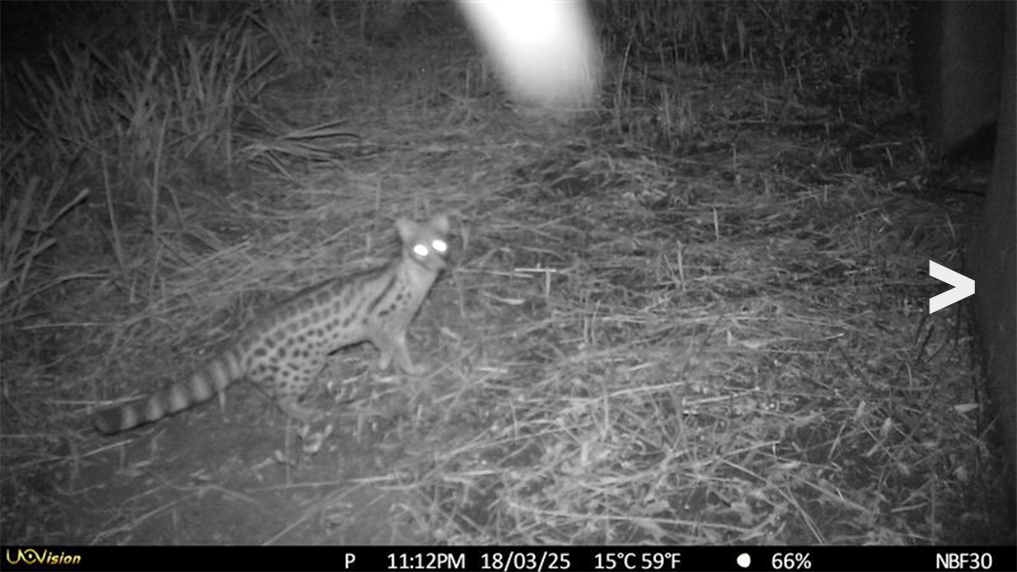
 

Genet
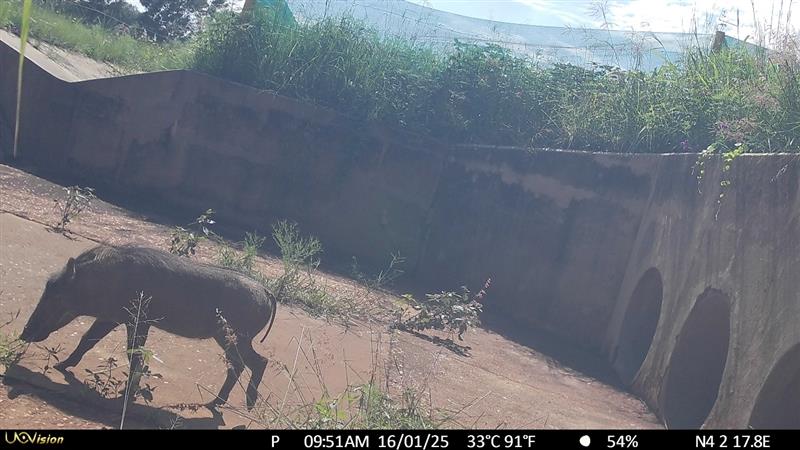
Warthog
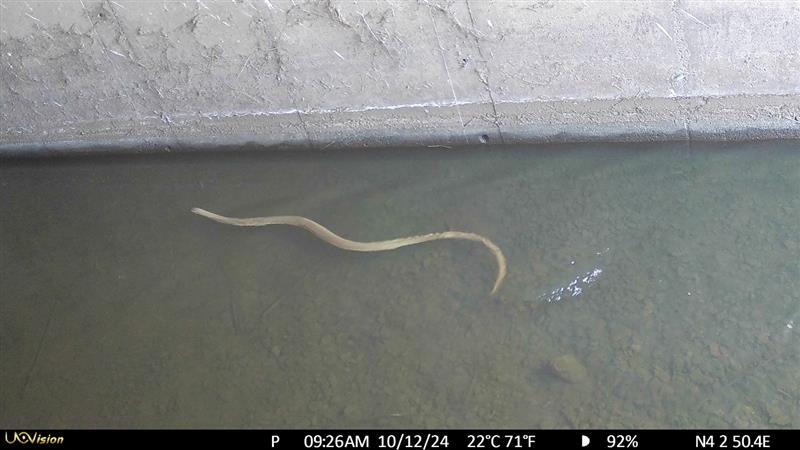
Various reptiles
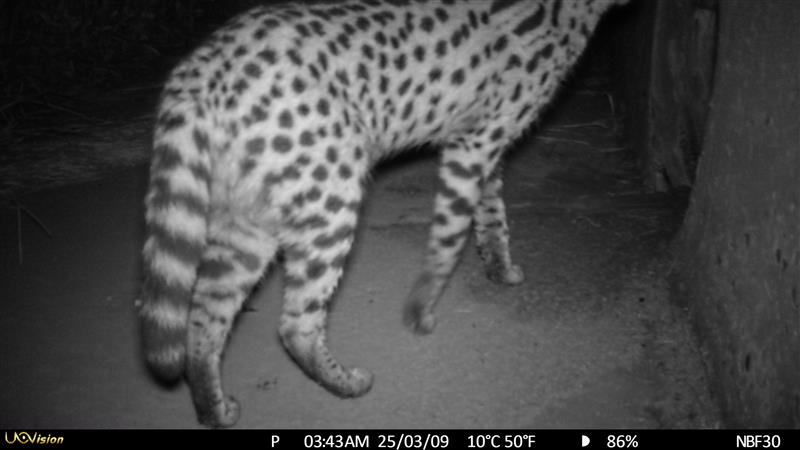
Serval
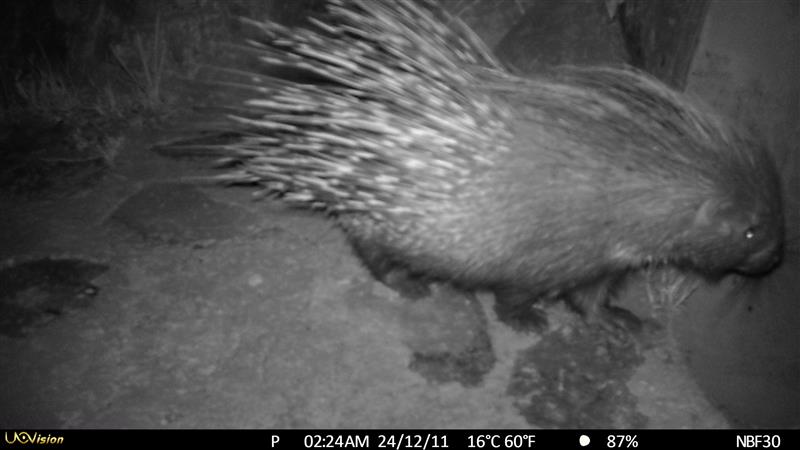
Porcupine


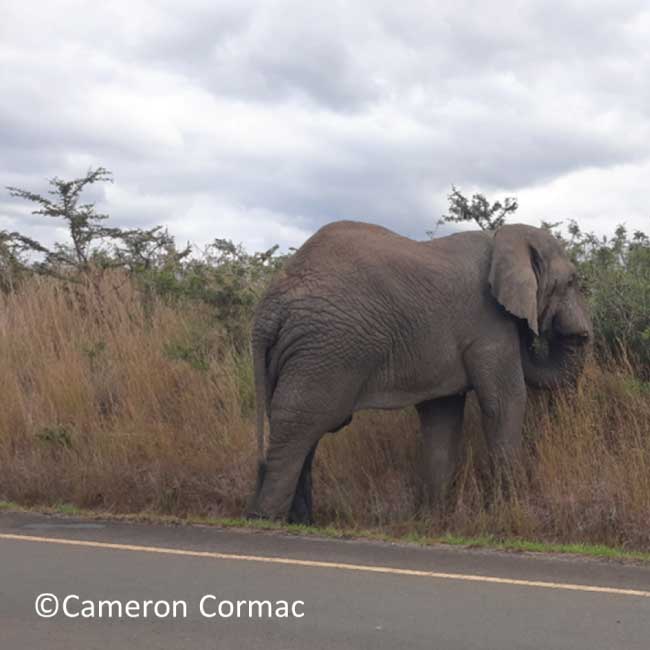
However, we do come across incidents that involve large mammals like Hippopotamus and savanna buffalo along the N4, and Greater Kudu along the Bakwena N4 and N4, as well as cows. We have also recorded incidents that involved an Elephant and a Leopard along the R40 and R71 regional roads in Hoedspruit area.

Monitoring wildlife roadkill is the first step in understanding the impacts of roadkill on threatened species. By collecting data on roadkill, we can track mortality rates and distribution patterns of the roadkill of different species (where and to what extent). Studying these elements will expand our understanding of the ecological impacts of road infrastructure and traffic on wildlife movement. These will enable us to scientifically map conservation hotspots and further develop effective mitigation strategies to reduce these threats.

As much as we talk about roadkill becoming a threat to biodiversity, it is important to understand that the landscapes fragmented by road networks that intersect animal habitats are the core drivers for wildlife roadkill incidents across the globe. Changing climatic conditions influence animal movement patterns, causing numerous species to move frequently within their landscapes in search of important ecological resources. In an environment increasingly fragmented by road infrastructure, such movements could potentially result in a deathtrap for animals due to wildlife-vehicle collisions and a lack of connectivity corridors.

The EWT and the N3 Toll Concessionaire (N3TC), Trans African Concessionaire (TRAC) and Bakwena N1/N4 have trialed several roadkill-reduction methods for reducing the negative impacts on roads and highways on biodiversity. The first was to deploy temporary roadside fencing, directing wildlife to cross safely through underpasses such as drainage culverts. Camera traps were installed in several underpass structures that are located within hotspots to monitor whether wildlife used them, and we were excited to see that several mammals did. This includes Serval (Leptailurus serval), the most common animal killed on the N3. These results indicate that underpasses are a promising and cost-friendly alternative for wildlife crossing in a global south country like South Africa.

Preliminary results indicated increasing animal activity and the use of the underpass structures, with more mammal species appearing to use the structures that are retrofitted with mesh fencing; these include Serval, Southern Reedbuck (Redunca arundinum), Cape Clawless Otter (Aonyx capensis), Honey Badger (Mellivora capensis), and Common Warthog (Phacochoerus africanus). When more animals use the underpass structures to cross the highway, animal activity adjacent to the road is reduced; hence, reducing collisions whilst improving road safety.

Because owls and other raptors tend to use signboards and safety barriers along roads to perch on while hunting prey, such as rodents and squirrels, a second roadkill-reduction method has been tested. This has seen the EWT placing raptor perches 100 m from the road to encourage owls and other birds of prey to use these as safer alternatives and to reduce hunts on the roads. Cameras on the owl perches have recorded several birds of prey species using the installed perches for feeding or perching. This includes African Grass, Barn and Spotted Eagle Owls. Our findings showed that the more owls use the installed structures for hunting and feeding, their activity on the road is reduced.

South Africa’s road and rail network is essential for our socio-economic development through travel and tourism, and the transport of food and goods. It is therefore critical that solutions are found to reduce the impact of transport infrastructure on people and wildlife without hindering our transport sector.
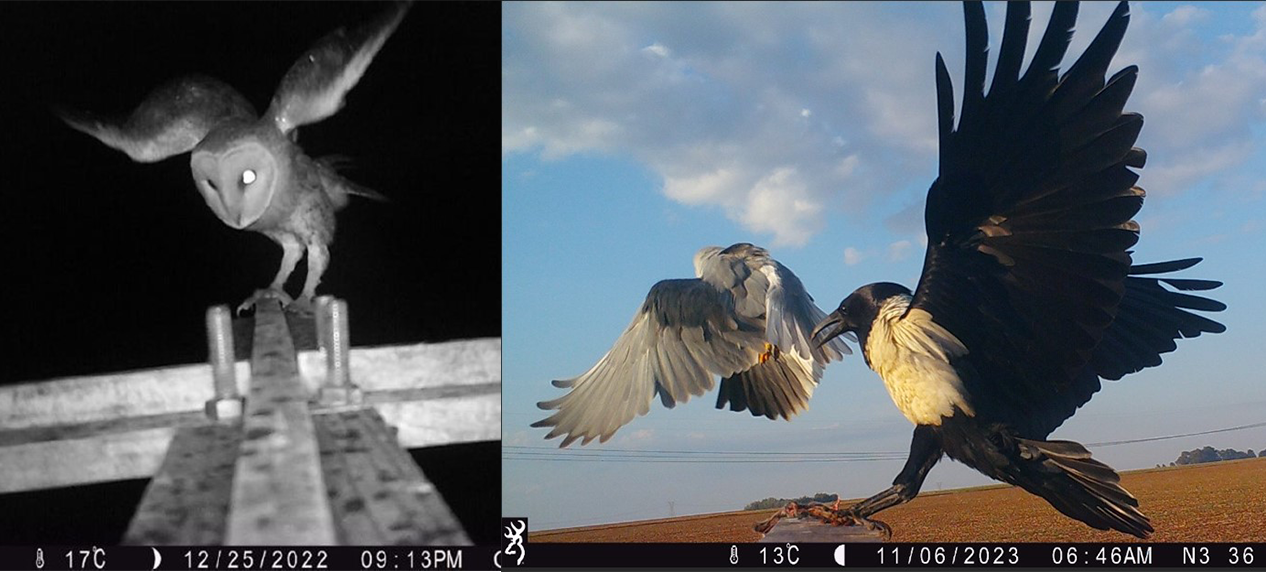
Left: Camera Trap at Raptor Perch recording a African grass owl. Right: Black winged Kite Vs Pied Crow recorded at Raptor Perch
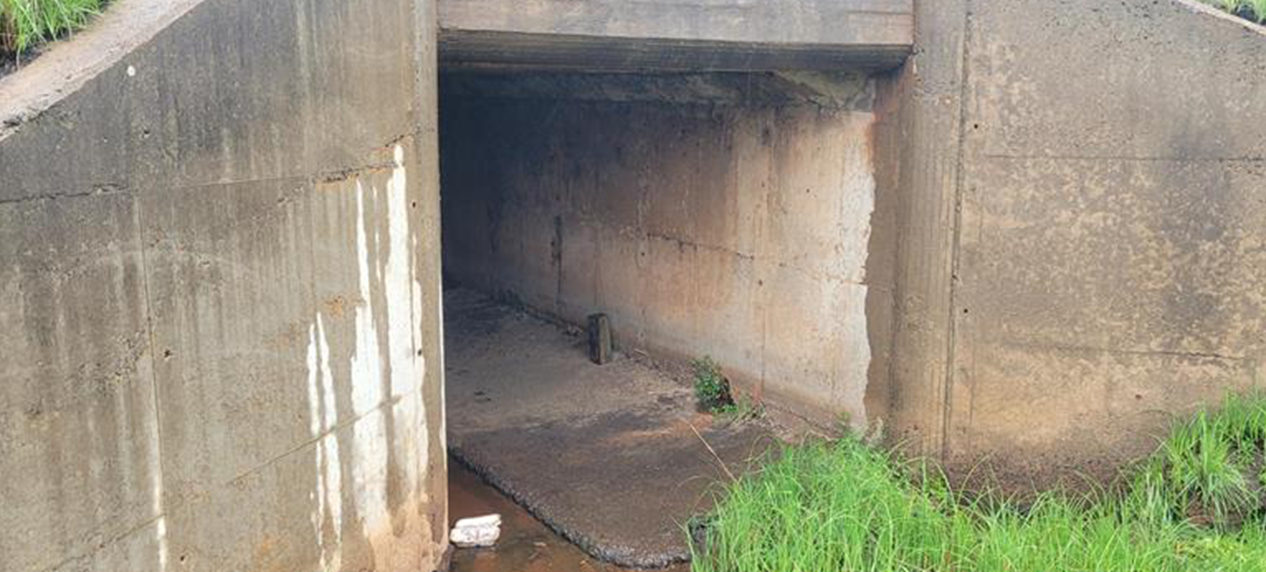
 

Modified Culverts for wildlife crossing

Wildlife and Transport Project

  • The EWT is the only African organisation with a dedicated project focusing on transport and wildlife interactions.
  • The project works across South Africa and collaborates on similar projects with colleagues worldwide.
  • Our goal is to reduce the impacts of transport infrastructure on wildlife and vice versa. We focus on improving our understanding of the threats to wildlife from transport activities and infrastructure and identifying solutions suitable to the southern African context.
  • In 2013, the EWT launched a smartphone app called “RoadWatch” – one of the first roadkill reporting apps in the world. To date, almost 30,000 data points have been reported via the app.
  • The Endangered Wildlife Trust’s National Roadkill Database for South Africa shows that mammals are the most commonly-reported roadkill (50%), followed by birds (18%), reptiles (6%), and amphibians (1%), with 24% of species being unidentifiable.
  • Large mammals, such as carnivores and antelope, are likely to cause damage or delays to trains and vehicles. Collisions with animals can be expensive with insurance claims suggesting that approximately R82.5 million is paid yearly against vehicle collisions with wild animals.
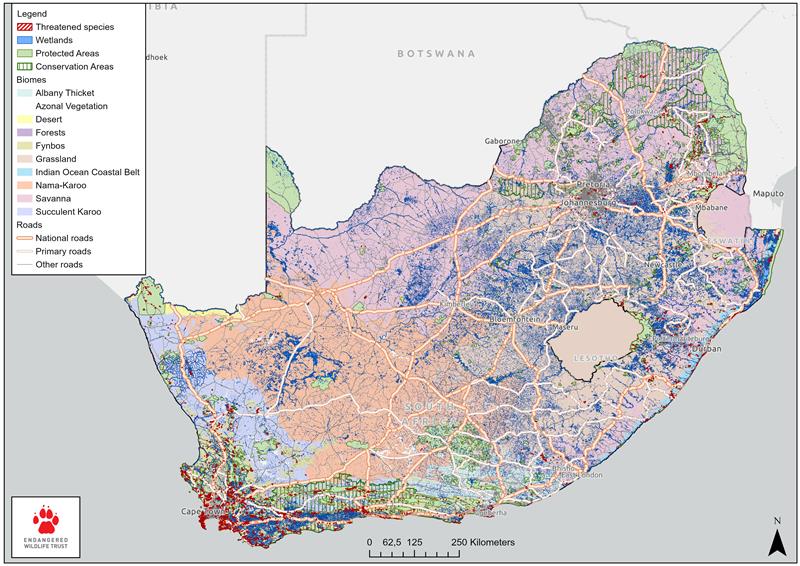
Roadkill map of South Africa

The EWT has provided support for a study that has developed a Drivers-Pressure-State-Impact-Response (DPSIR) framework of ecological connectivity in transport sustainability in South Africa. Because of the Framework, steps are being taken to help shape a sustainable transport sector that promotes robust monitoring and mapping of hotspots and the support of a consultation process to formulate policies that promote sustainable land-use planning by considering wildlife needs in green transport infrastructure planning frameworks in South Africa.
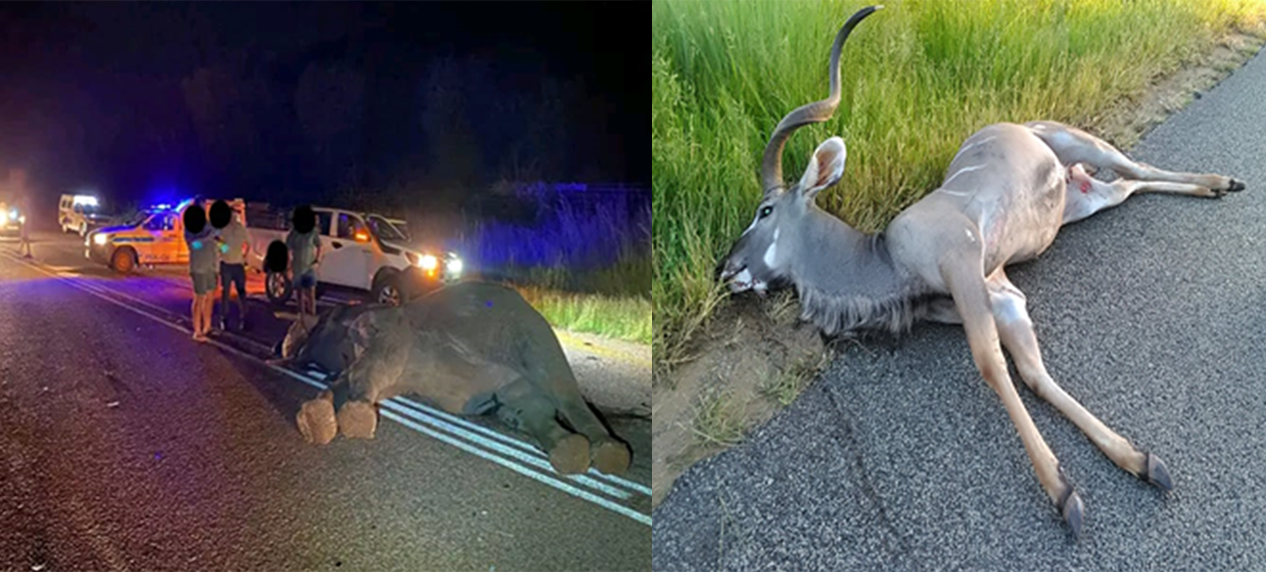
Unfortunate incidences involving large mammals
Science Snippets: Half a Century of scientific discovery

Science Snippets: Half a Century of scientific discovery

Science Snippets: Half a Century of scientific discovery

How we know where we are needed.

Erin Adams and Lizanne Roxburgh, the EWT Conservation Planning and Science Unit


The Endangered Wildlife Trust (EWT) is celebrating its 50th anniversary, and we are reflecting on our contributions to scientific discovery over this period. Formed in 1973, the EWT was made up of species-focused working groups. These groups included the Vulture Study Group, the Carnivore Working Group, and the Elephant Survey and Conservation Programme (ESCP).

In the early 1980s, the EWT focused on elephant translocation into new reserves. The ESCP played a key role in relocating elephants from conflict areas in Namibia to the Pilanesberg National Park. Another study focused on the distribution and numbers of desert elephants in north-western Namibia. Towards the end of the 1980s, the EWT started working on cranes under the Highveld Crane Group. During the 90s, the EWT’s crane work expanded throughout South Africa’s important crane strongholds.

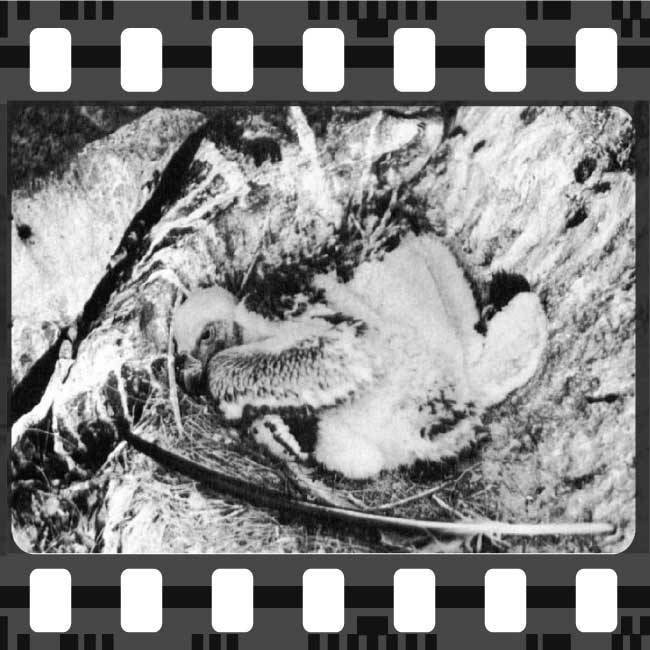
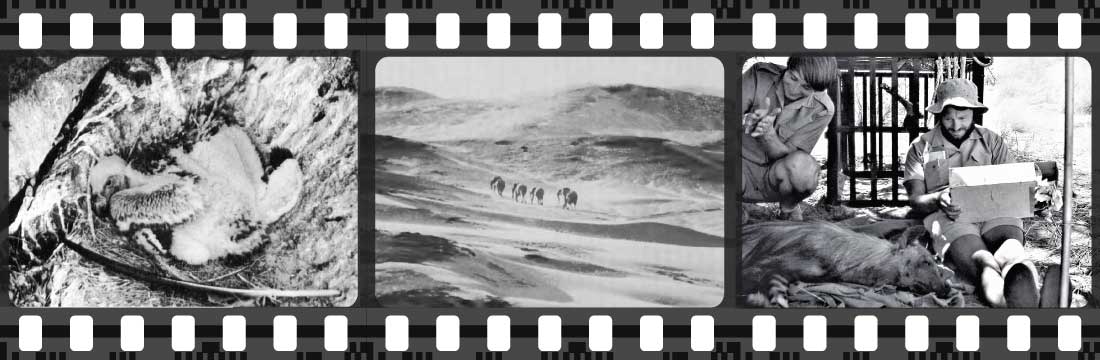
Cape Vulture-chick. Photo credit: P Richardson, P Mundy and I. Plug, 1986 (left), Desert Elephants. Photo credit: Clive Walker (center), and Gus Mills and Clive Walker conducting filed work in Kalahari National Park (right).

From the early 2000s, the EWT shifted its focus to carnivores, including Lions, Honey Badgers, Cheetahs, and Wild Dogs. Research on these species took place across southern Africa, including the Kalahari and Kruger National Parks. The EWT’s crane work has also expanded through a formal partnership with the International Crane Foundation, and the South African Crane Working Group became known as the African Crane Conservation Programme.

In the 2010s, research and publication of our results became vital for the EWT, resulting in approximately 130 publications. The species of interest expanded to include frogs, oxpeckers, Riverine Rabbits, and Ground Hornbills. The Threatened Grasslands Programme, which studied grassland ecosystems and species such as the Critically Endangered Blue Swallow and the Endangered Oribi, was also prominent during this time. Other important topics investigated were the threats to species, including road mortalities, livestock predation, wildlife poisoning, and animal-powerline collisions.

Even though it is only three years into the 2020s, the EWT has already recorded 99 publications since the start of 2020, highlighting the organisation’s commitment to conducting valuable research and ensuring the dissemination of information to our stakeholders. The focus remains on employing robust sampling techniques to benefit the survival of threatened species. The EWT provides biodiversity data for scientific research and action and reviews environmental impact assessments in South Africa. We have also studied ranchlands to understand their biodiversity and ability to sequester carbon. Furthermore, the organisation now places greater emphasis on addressing the illegal wildlife trade, the laws that protect wildlife and the environment, and the relationship between business and biodiversity. We are also expanding our focus into more cryptic but equally threatened species, such as Golden Moles, Dwarf Tortoises, Colophyton (succulents) and Colophon Beetles. Throughout its history, the EWT has consistently prioritised the conservation of vultures. These birds remain a primary focus through the Birds of Prey and the Vultures for Africa programmes.


Tale from the field – The impact of roads through Zululand’s protected areas

Tale from the field – The impact of roads through Zululand’s protected areas

TALE FROM THE FIELD

The impact of roads through Zululand’s protected areas: A two-year tale

Cameron Cormac, EWT’s Wildlife and Transport Programme and University of KwaZulu-Natal

The Zululand region of South Africa’s KwaZulu-Natal Province is home to several historically important game parks. South Africa’s conservation history has its origins in this region, with many of the country’s nature protection agencies stemming from the original parks board created to oversee South Africa’s original game parks. Rhino protection activities also originated from this area, with global rhino protection following the region’s example. Furthermore, these game parks are important to the Zulu people, as many house culturally significant locations. In addition to many of the reserves in Zululand being of historical and cultural importance, they act as a major source of income for this relatively poor region of South Africa.

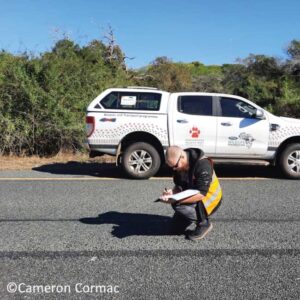
Collecting carcass information during road surveys.

My PhD research, through the University of KwaZulu-Natal, working with the Endangered Wildlife Trust and Ezemvelo KwaZulu-Natal Wildlife, examined the effects of linear infrastructure on wildlife. I spent over 1,000 hours between February 2021 and April 2023 surveying two provincial roads that pass through Hluhluwe-iMfolozi Park (HIP) and iSimangaliso Wetland Park (ISWP). These surveys aimed to determine how animals were affected by these roads, to find out what species had the highest death tolls, and how the roads could be adapted to reduce the number of animals killed on the roads.

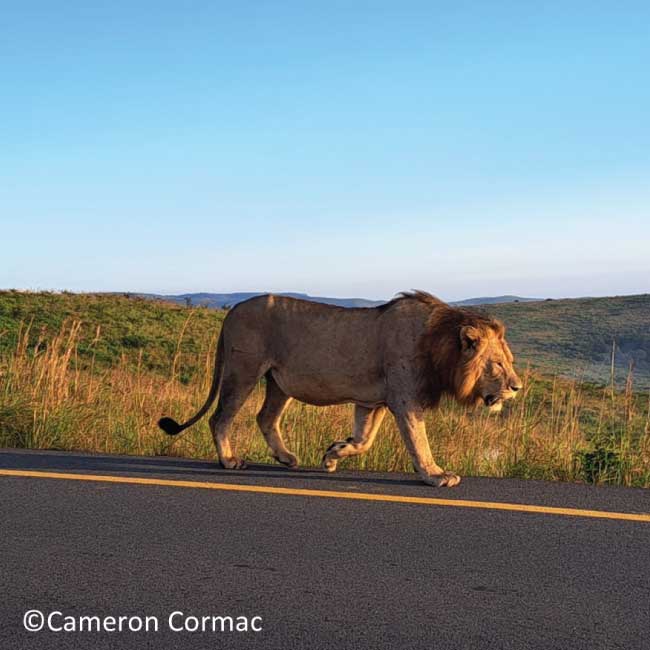
In HIP, South Africa’s oldest protected area, the R618 passes through the younger section of the reserve, which was created to serve as a corridor to conjoin the previously separate Hluhluwe and iMfolozi Parks. Currently, the road serves as the boundary between the two sections of the park, gaining the nickname ‘Corridor Road’. The R618 also joins the Zululand municipalities of Mtubatuba and Hlabisa and is the connection point for entry through HIP’s Nyalazi gate. Overall, approximately 18 km of the R618 falls within the park’s boundaries and experiences a relatively high frequency of vehicle traffic. When travelling on this road, motorists are regaled by the stunning landscapes within the mostly mountainous portion of HIP and have the chance to glimpse some of South Africa’s most iconic species, such as Lions (Panthera leo) and African Elephants (Loxodonta africana).

However, because the road is a man-made barrier across what would otherwise be a single continuous ecosystem, there are incidents of wildlife-vehicle collisions along its length. Most of these encountered during my surveys were vehicle collisions with small species (below 1 kg in body mass). However, the incidents did include animals of all sizes, from frogs as tiny as a thumbnail to fully grown bull Cape Buffalos (Syncerus caffer caffer). Over two years, I encountered many live animals on the ‘Corridor Road’, some slightly too close for comfort. However, I also found over 500 animal road mortalities. Thanks to road maintenance activities that ended in September of 2022, I saw first-hand how effective smartly placed speed bumps, a properly maintained road surface, and drivers being forced to obey speed limits can reduce animal mortalities.

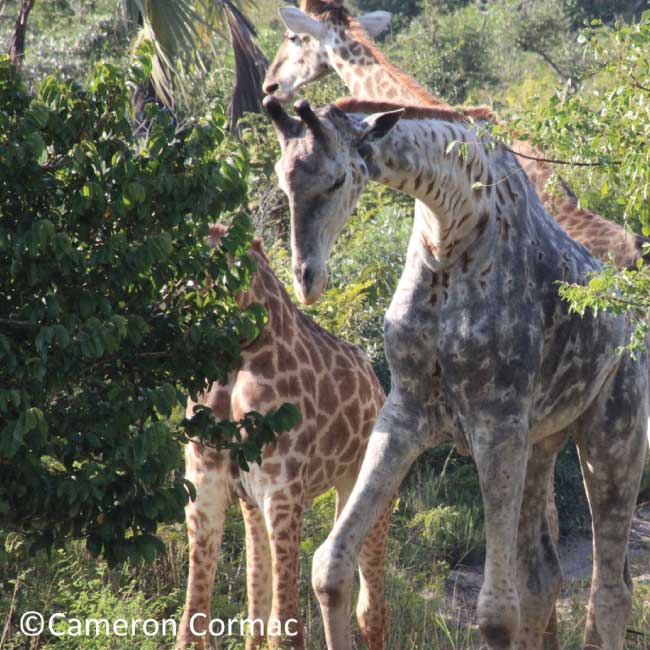
A very different tale unfolded in ISWP, one of South Africa’s largest reserves, a UNESCO World Heritage Site, and a wetland of global significance. The KwaJozana section of ISWP that borders Phinda Private Game Reserve is split by the R22, another important provincial road that is one of the main connection points between South Africa and Mozambique. Approximately 15 km of the R22 lies between the boundary fences of ISWP, although, unlike the road in HIP, there are no speed bumps, hills, scenic vistas, or large iconic mammals to entice drivers to slow down or pay attention to the road. However, a collection of various below-surface structures, such as culverts and bridges, do allow animals to cross safely and are placed roughly every 400 m. The route also passes next to, and straight through, multiple seasonal wetlands. Despite the road being monotonous in the surrounding habitat and devoid of easily visible wildlife, I had a few exciting animal sightings, such as a rare partially leucistic giraffe (Giraffa camelopardalis). However, I was often met with animal road mortalities. Over 1,000 animal mortalities were found, with multiple mass frog death events observed during the surveys in this area.

With over 1,500 collective wildlife-vehicle collisions recorded, there is an apparent need for intervention, particularly along the ISWSP section of the R22. The next step of my project is to collate all my data and determine what type of interventions would most effectively mitigate the threat of passing vehicles to animals when they attempt to cross these roads. Although the example of the newly placed speed bumps and resurfaced road in HIP provides hope, it does not take drastic enough measures to have a noticeable effect on the number of animals that die along the route. The simplest solution would be for all drivers to be more aware of their surroundings and obey the speed limit, giving crossing animals more time to avoid passing vehicles.

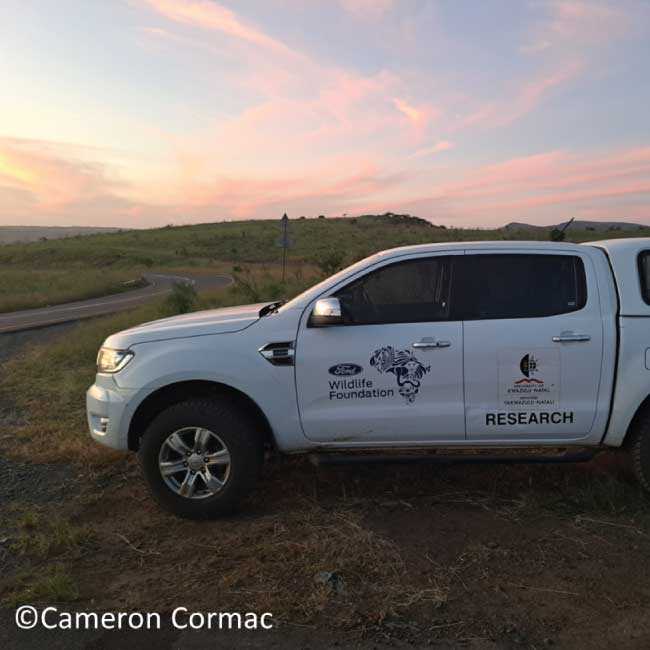
This project would not have been possible without the generous support from the Ford Wildlife Foundation and the National Research Foundation. Consider contributing to the Endangered Wildlife Trusts’ ongoing attempts to understand and reduce the threats posed by roads on South Africa’s wildlife using the EWT Road Watch South Africa app (found in the Google Play Store and the iStore). You can help conserve our wildlife by recording wildlife-vehicle collision events and uploading photographs and locations of roadkill you find along South Africa’s roads on the App.

Science Snippets: The impact of roads and powerlines on South Africa’s primates

Science Snippets: The impact of roads and powerlines on South Africa’s primates

Science Snippets: The impact of roads and powerlines on South Africa’s primates

Erin Adams and Lizanne Roxburgh, the EWT Conservation Planning and Science Unit

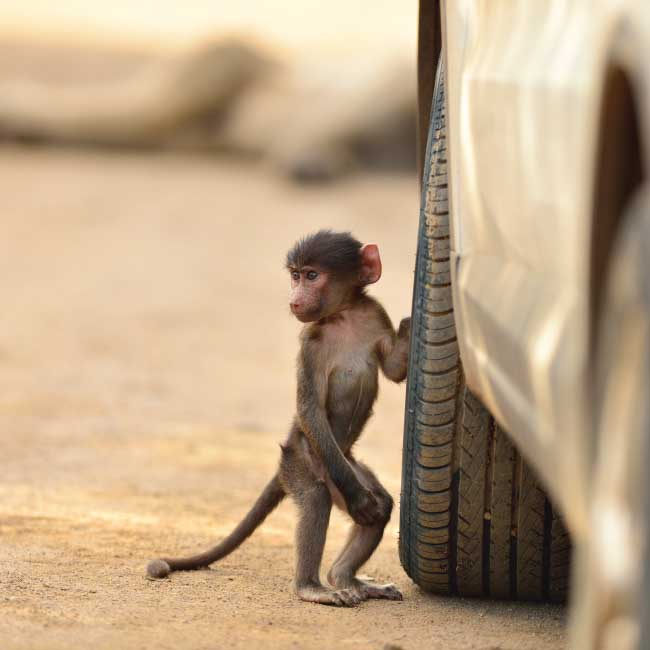
South Africa has an extensive linear infrastructure network of roads, railways and powerlines, which is essential for human connectivity. However, it is not great news for primates. Approximately 18% of the world’s primates are directly impacted by linear infrastructure. In a recent paper* co-authored by EWT scientists, the impact of linear infrastructure on South Africa’s primate species was studied.

Within South Africa, many primates are killed in road collisions and powerline electrocutions every year. To get an indication of the extent to which primates are affected by wildlife, data was collated from the EWT’s database of vertebrate roadkill**, as well as from the EWT-Eskom Central Incident Register, which is a national database of wildlife incidents on electrical infrastructure, mainly electrocutions and collisions. The focal species for this study were the Vervet Monkey (Chlorocebus pygerythrus), Chacma Baboon (Papio ursinus), Thick-Tailed Bushbaby (Otolemur crassicaudatus), Southern Lesser Bushbaby (Galago moholi), and Samango Monkey (Cercopithecus albogularis).

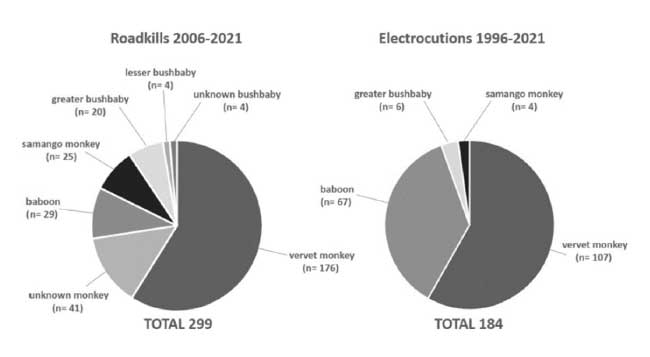
The authors found that Vervet Monkeys were most reported in both roadkill and powerline collision incidents (see the figure below). The Southern Lesser Bushbaby was least frequently reported. The data also showed that several incidents involved more than one individual. When it came to roadkill, 4% of incidents involved between two and four individuals killed in one collision, whereas in electrocution incidents, 13% of cases had between two and six individuals killed in one incident.

Graph showing the comparison of South Africa’s primate roadkill and electrocution mortalities

Comparison of South Africa’s primate roadkill and electrocution mortalities (from Linden et al. 2022)

The authors recommended that mitigation measures, such as canopy bridges across roads and better insulation of transformers and substations, be more widely implemented to help conserve South Africa’s primate populations. Although South Africa leads the African continent regarding roadkill and electrocution data collection, key information, such as GPS coordinates and the age and sex of individuals, is missing. Data collection protocols can be improved to better inform mitigation measures and understand impacts on populations. Future Red List assessments should acknowledge linear infrastructure as a more significant threat to primates.

* Linden, B., Cuozzo, F. P., Sauther, M. L., & Jonker, W. C. (2022). Impact of linear infrastructure on South Africa’s primate fauna: the need for mitigation. Folia Primatologica, 1(aop), 1-19.

** The EWT has a free road watch app available to record any roadkill sightings. This will help us identify hotspot areas as well as the species most at risk.

Hot on the heels of strong women working in conservation

Hot on the heels of strong women working in conservation

Hot on the heels of strong women working in conservation

Precious Malapane, Conservation K9 handler and anti-poaching ranger

The South African government’s theme in celebration of Women’s Day/month 2022 is “Women’s Socio-Economic Rights and Empowerment: Building Back Better for Women’s Improved Resilience”. The theme focused on strategically advancing women’s socio-economic empowerment agenda towards achieving gender equality by 2030.

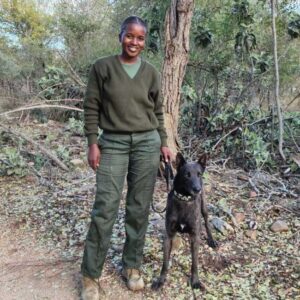
Precious and EWT Conservation K9 Ruger

The resilience of South African women has been recognised throughout our country’s history but assigned social and professional roles have often hindered women from raising their social and economic status. I am one of many women who have not let anything stand in their way. My name is Precious and I am a Conservation K9 Handler working with Ruger and Bekha, the Endangered Wildlife Trust’s Conservation K9s and strong females themselves. I am the only woman in a team of 12 rangers. I am also the only Dog Handler in the team. You might be wondering how I ended up here. This is my tale.

I grew up in a remote village off the north-eastern border of the Kruger National Park border. I was a very quiet and rather shy child. I came out of my shell when I joined a girl’s traditional dancing group at age ten, where I learned to be confident and comfortable in my skin. Attending practice every day and dancing in front of people helped me build my confidence.

I sadly lost my mother when I was just two years shy of matriculating. She was our only parent, and when we lost her, my three siblings and I started doing odd jobs around the village to survive. However, we did not let our situation get in the way of our education. I matriculated in 2014 and enrolled in the Southern African Wildlife College, where I trained as a field ranger. I was lucky enough to get an internship in the college’s K9 unit. I started working with Conservation K9s under the guidance of renowned Dog Master – Johan van Straaten, from whom I learned much. I know everything I know today because of his teachings.

My love for dogs began at a very young age when my family got one as a pet. I knew then how great dogs are. I didn’t know that they could do so much!

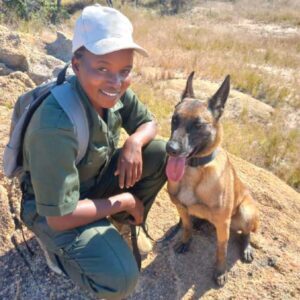
Precious with EWT Conservation K9 Bekah

I love working with dogs because they are always eager to go out and work. With them, there is no politics, social roles, or discrimination. I am just their beloved handler and trainer. I also love how they are not biased or easily swayed by external forces. Their job is to help their handler find what they are looking for, and they will not stop until they find it. And when they do, they will not leave it until the handler arrives. They have taught me to be honest and dedicated in my work.

Although I am mostly surrounded by men in my line of work, I have been fortunate to know and learn from strong women who have shaped my life and career. They have empowered me and improved my resilience both socially and economically. These are some of them:

My mother: That woman is my hero, my pillar and strength, even now in her absence. She played a huge role and did a great job as a single parent. I really love how she raised me and my siblings. I am where I am today because of her.

Theresa Sowry: The CEO of the Southern African Wildlife College. I love how involved she is on every level. You can tell she is passionate about conservation from her interaction with all students and the team at the college.

Shadi Henrico: Shadi is the Conservation Canine Project Coordinator at the Endangered Wildlife Trust. She assisted me in qualifying as a Dog Handler and trained Ruger – the dog I work with at the reserve. She also shared with me this great life I get to live now because of her willingness to help me whenever I reach out to her.

Anitjie Mkhansi: She is also a Conservation Canine handler at another private reserve. I always go to her when I face work-related challenges, and she is always keen to sit down with me and come up with solutions. Navigating work and inspiring each other as young women of the same age and in the same field makes everything easier.

Having come across all these amazing women, and in celebration of women’s month in South Africa, I encourage other women and young girls to pursue careers in conservation and dog handling because why not?

I personally believe that, as women, we can do anything we put our minds to. We are all human, after all.

With all that being said, I hope we find ways to continue liberating women from cycles of poverty and assigned social roles and giving them the resources to improve their social and economic opportunities.

We will play out of this with my favourite song – Master KG’s I am a superstar.

Keep your eyes on the Endangered Wildlife Trust’s Wild Diaries for my and Ruger’s tracking adventures.

Ruger has been sponsored by IUCN Save Our Species and co-funded by the European Union  and Bekah by Global Conservation Force