Donate today: support our k9's 
 mission

The passion and insights of EWT Youth about conservation

The passion and insights of EWT Youth about conservation

The passion and insights of EWT Youth about conservation


June 16, 2026, marked the historic 50th anniversary of the 1976 Soweto Uprising.  This protest by youth was a defining moment in South Africa’s journey to democracy.  While older South Africans remember the events of 16 June, not all of today’s youth are aware of its significance.

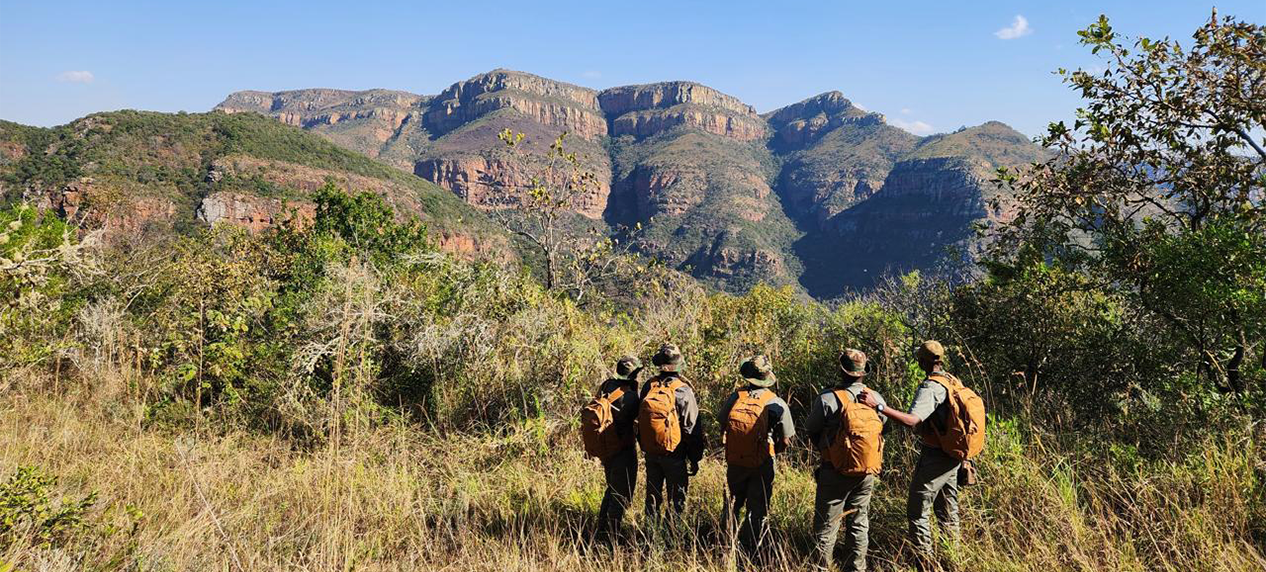
At the Endangered Wildlife Trust, most of our youth work in the field as conservationists. These are young people who are actively involved in the protection of wildlife and ecosystems contributing to a sustainable future for people and planet.

For the EWT, youth are the future leaders and decision-makers.  They are the generation that will inherit environmental challenges, which means they need to be empowered to deal with long-term sustainability concerns. Conservation is not just about wildlife; it supports livelihoods, food security and community well-being.  Having youth in our pack brings innovation, creativity and, in some instances, a fresh look and infectious passion for a future, healthy world.

Kutlwano Mokgoro, a legal officer, shared that biodiversity is the very tapestry of Earth.  “A world without animals, water or clean air would resemble the bleak, lifeless future shown in WALL-E, where Earth has become an uninhabitable wasteland covered in waste and devoid of thriving ecosystems”.

In this edition of Conservation Matters, we bring you the views of four young people working in a variety of fields provide an insight into their work, the impact they have, and the future.


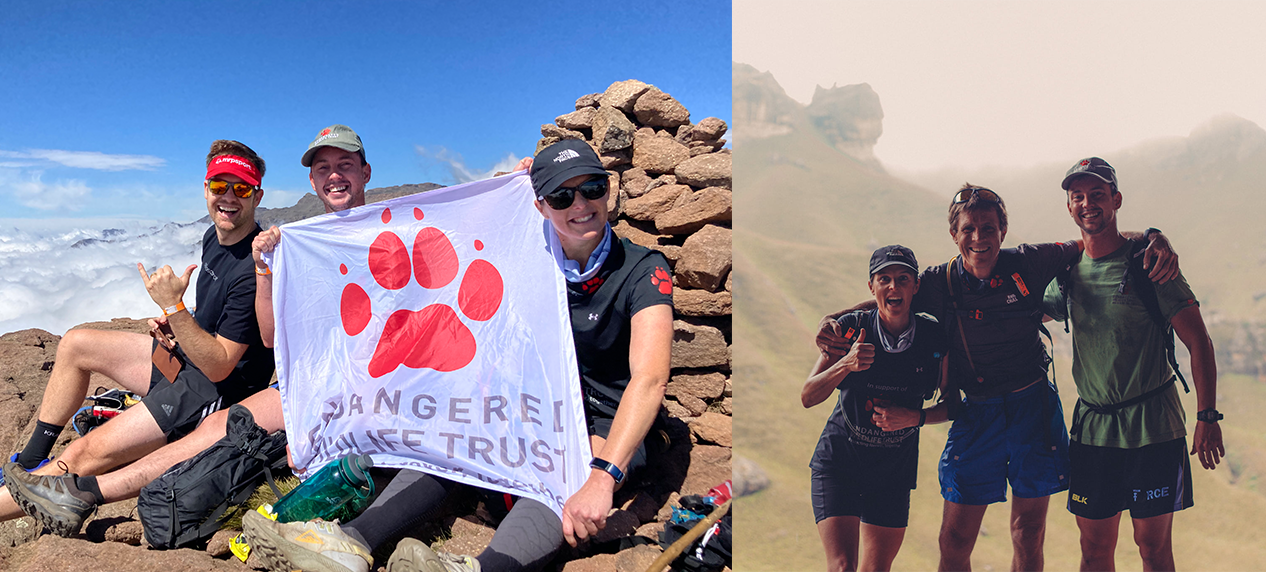
Young conservationists working in the field for the Endangered Wildlife Trust

Lindokuhle Mgwaba, field officer in the African Crane Conservation Programme

The thorn prickles, crunching, cracking, and crinkling cadence of Acacia pods prancing to the gambol of the hoofed wanderers. Phalanges dipped in mire reciting the language of the mud hoppers. The sky’s voice in anguish screams across the savanna, oh, the golo ghost of the night constantly amplifying the trauma. The blanket of consolation offered by the chorus rising in the branches and the dawn dusted in fire and glare sends the ghost to slumber. Spiritual trances traversing realms and amalgamating dialects of the earth and sky. My umbilical cord lies in the Dukuza of the thornveld.

Spiritual upbringing laid down the core principles of protecting and nourishing iMvelo. However, conservation and ecology interests were born of a range of factors: an inquisitive nature, passion, climate change, personal experiences, and sustainability. The main contributing factor is the awareness of a single reality: Spirituality and Indigenous systems were not going to survive as a single entity; they required input from multiple parties to directly and indirectly protect the very vessel on which the systems are reliant.

The younger generations are the tillers of hope in the land plagued by greed and overutilisation of natural resources. The contemporary youth are at risk of inheriting ǃGâi with a hostile climate, water scarcity, unproductive soils, biodiversity loss, polluted air, and food scarcity. Therefore, the call to action must come NOW! Earlier than any other generation before them.

Environmental awareness is the seed of all possibilities in achieving conservation goals. However, various studies have shown that it has a low success rate. That calls for a drastic change in how we view and approach awareness. It has become predictable, characterised by long PowerPoint presentations in closed doors. It is time to be more actionable, demonstrative methods, in practice lessons, maximise modern marketing strategies in the form of social media and gaming, sufficient support systems and inclusivity through integrating indigenous knowledge.

My role involves field tasks, data collection and management, wildlife and habitat monitoring, stakeholder engagement, and supporting conservation projects. These are very fulfilling tasks, but despite operational and logistical challenges associated with any role, the single most challenging aspect for me is the realisation that we are fighting a losing battle on so many fronts, definite extinctions on the horizon, immense pressure from multiple industries, volatile global political landscapes impacting funding routes, etc.

However, it’s not all doom and gloom; the role comes with exciting highlights, such as spending time in nature and observing wildlife, and most fundamentally, hearing how communities view conservation and the EWT from their perspective.

Endangered Wildlife Trust represents a platform that covers various biodiversity conservation key areas and community-based conservation.  This combination creates an interface of operating in species and habitat protection, productive agricultural systems, alleviating livelihoods, human wildlife coexistence, research, and education. These aspects are all in accordance with my values directed towards protecting indigenous systems and supporting revenues that promote sustainable productivity and improving the livelihoods of rural communities. Therefore, I would highly recommend working for the EWT on these grounds.

However, I fear that conservation careers are becoming largely unsustainable in the light of economic market fluctuations. Therefore, anyone coming in the sector needs a clear understanding of that fact and position themselves to be useful in multiple branches of the greenbelt.


Youth in conservation tracking vultures for wildlife research

Liam Taylor, field officer in the Birds of Prey Unit

Growing up, I always wanted to work in the bush with wildlife. Reading about Gus and Margie Mills studying hyenas in the Kalahari, or Bruce Bryden confronting poaching in the Kruger, fuelled my aspirations for this lifestyle. My passion for nature is intrinsic; it is not merely a component of my career, but rather the driving force behind everything I do and care about. A world without vultures circling overhead, the evening chorus of Scops Owls and bushbabies, or the sight of fresh leopard tracks in the morning sand would feel sterile, diminished, and contrary to how our natural world should be.

As a young conservationist, I admittedly enjoy the thrill. Whether walking through Big Five country to monitor raptor nests or flying low over remote wilderness in a small aircraft, no two days are ever the same. However, conservation is about far more than adventure. Some of the most rewarding moments come from rescuing wildlife affected by human activities and seeing those animals return to the wild. Watching the movements of a rehabilitated vulture with a GPS tracker, knowing that you played a role in giving that individual a second chance, is incredibly fulfilling.

I chose to work for the Endangered Wildlife Trust because of its long-standing reputation, proven conservation impact, and commitment to protecting species and ecosystems across Africa. The EWT provides opportunities for young conservationists to contribute meaningfully to real conservation outcomes. Through the organisation’s established relationships and credibility, I have been fortunate to work alongside reserve managers, wardens, ecologists, and veterinarians, despite having far fewer years of experience than many of them.

Entering the conservation sector was not easy. Opportunities within the NGO world are limited compared to many other professions, and breaking into the field required perseverance, continuous learning, and developing a broad range of skills. Conservation also comes with daily challenges, such as watching habitats or animals die without letting that destroy your zeal and drive or dealing with wildlife poisonings in the middle of the night. Yet these challenges make the successes all the more meaningful.

I would wholeheartedly recommend both conservation as a career and the EWT as an organisation. Conservation offers the opportunity to make a tangible difference while working in some of the most remarkable places on Earth. Working for the EWT has allowed me to contribute to meaningful conservation initiatives while continuously learning from dedicated professionals who share a common goal: ensuring that future generations inherit a world rich in wildlife and natural heritage. And honestly, doing something so fun for such a good cause, is just so awesome!


EWT youth conservation team protecting South Africa's wildlife

Kutlwano Mokgoro, legal officer in the Wildlife and Trade Unit

When people think about conservation, they often imagine scientists and rangers tracking wildlife in remote landscapes or researchers studying ecosystems. While these roles are essential, conservation requires many different abilities and professions. As a lawyer at the Endangered Wildlife Trust, I have found a way to meaningfully contribute to protecting South Africa’s natural heritage.

My decision to work for EWT was driven by a belief that environmental justice and social justice are deeply connected. Growing up as a black, young woman with a disability, I became aware of how unequal access to resources, opportunities, and healthy environments can shape people’s lives. I wanted to use my legal training to highlight some of these challenges while helping to protect biodiversity for future generations.

The law plays a crucial role in conservation. Environmental legislation provides the framework for protecting endangered species, regulating land use, combating wildlife crime, and ensuring that development takes place sustainably and responsibly. Without strong laws and effective enforcement, conservation efforts are undermined by illegal activities such as poaching, habitat destruction, and pollution.

As a lawyer, I help interpret legislation, support policy development, and ensure that conservation initiatives comply with legal requirements. In many ways, the law serves as one of conservation’s most important tools. Working at the EWT has shown me that conservation is not only about animals and ecosystems; it is also about people. Effective conservation requires collaboration between scientists, lawyers, economists, teachers, communicators, and community leaders. My role allows me to bridge legal processes and conservation goals, helping to create practical approaches that benefit both nature and society.

As someone from a background that is often underrepresented in the environmental sector, I am particularly passionate about increasing diversity in conservation. Representation matters. When young people see professionals who look like them and share similar experiences, they are more likely to believe that they too can make a difference. Being a black woman with a disability has given me a unique perspective on meaningful inclusion and participation, resilience, and the importance of ensuring that all voices are heard in decision-making processes.

I would love to see more young black people from different fields become involved in environmental issues. No matter the profession, there is a place for you in conservation. The environmental challenges we face today are complex and require multidisciplinary solutions. Protecting our planet is a collective effort and we must all answer the call.

My experience at EWT has reinforced my belief that everyone has something valuable to contribute. By bringing together diverse skills, perspectives, and lived experiences, we can build a stronger and more inclusive conservation movement for South Africa and beyond.


Field officer collecting wildlife monitoring data

Nonkululeko Makobong,  field officer in the Carnivore Conservation and Birds of Prey Units

My name is Nonkululeko Makobong, better known as Nonku, and I am a conservationist. Conservation is important to me because it helps protect the incredible wildlife and natural ecosystems that support life on Earth. Every species plays a role in maintaining healthy environments, and it is our responsibility to ensure that future generations can experience and benefit from nature just as we do today.

Youth Day reminds me of the courage and sacrifice of the young people on 16 June 1976. To me, it is not only a day of remembrance, but also a reminder that young people have the power to influence change in their communities and in the country. As a young conservationist, I see Youth Day as a reminder that creating positive change is not limited to politics. Contributing to wildlife conservation, environmental education, and protecting South Africa’s natural heritage is another way of serving my country.

Environmental awareness is especially important for young people because they will inherit the challenges facing our planet, including climate change, habitat loss, and biodiversity decline. By educating younger generations, we can inspire them to become responsible stewards of the environment and empower them to make sustainable choices.

My work as a Field Officer for the Carnivore Conservation Unit and the Birds of Prey Unit  involves monitoring wildlife, collecting field data, assisting with research projects, responding to conservation challenges, and supporting efforts to protect threatened species.

One of the biggest challenges in my daily work is balancing the needs of wildlife conservation with human activities. Working in remote areas, dealing with unpredictable weather, and tracking dangerous animals can also be demanding.

The job comes with many exciting adventures. I have participated in wildlife captures and relocations, tracked large carnivores in the field, and assisted with vulture conservation projects. Some of the more nerve-racking moments have included working close to lions and other dangerous wildlife, where safety and teamwork are essential.

I would highly recommend a career in conservation and working for the Endangered Wildlife Trust (EWT). Conservation offers the opportunity to make a real difference for wildlife and ecosystems while continuously learning and experiencing new challenges. Working for the EWT is particularly rewarding because it brings together passionate people dedicated to protecting South Africa’s biodiversity and creating a future where people and wildlife can coexist.


Young conservationists protecting endangered species

Lesego Mthethwa, field officer in the Canine Conservation Unit

For me, conservation has always been more than protecting wildlife – it is about protecting people, livelihoods, and our shared future.

I grew up with strong ties to Acornhoek, where my mother’s family relied on crops and livestock for both food and income. From an early age, I learned that caring for the environment is essential, because healthy ecosystems support healthy communities. When our environment thrives, so do our crops, livestock, and people.

This understanding shaped my passion for conservation and reinforced the importance of environmental awareness among younger generations. Young people will inherit the responsibility of protecting our natural heritage, and by connecting them to nature, we empower them to become informed decision-makers and future conservation leaders.

Today, I work as a Field Officer in the Carnivore Conservation Unit at the Endangered Wildlife Trust (EWT). While my primary focus is lion conservation, my role has expanded to include community engagement and environmental education. I also work with CSA Scouts as an Assistant Scout Leader, where I help deliver the Carnivore Culture curriculum to inspire young people to value wildlife and understand the importance of conservation.

Like many women in conservation, I face challenges every day. Being a young Black woman in a male-dominated field means I am often underestimated because of my age, size, or gender. There are times when I feel I have to work twice as hard to prove myself. However, these experiences have strengthened my determination to create space for more young women in conservation and show others that they belong in this field.

Despite the challenges, the rewards are extraordinary.

One of the proudest moments of my career was collaring my first lion in Kruger National Park. Having grown up visiting the Kruger, it was a surreal experience to move from admiring these animals as a child to actively contributing to their protection.

Another unforgettable experience came during a follow-up monitoring for that same male lion. Accompanied by two rangers, we lost the tracking signal and unexpectedly came face-to-face with the lion and his brother. For what felt like the longest ten seconds of my life, we stood eye-to-eye with the two males, unsure of what would happen next. Thankfully, they ran off, leaving us with an incredible story and an unexpected visual sighting.

I would wholeheartedly recommend conservation as a career. It brings you closer to your identity, your culture, and your environment while teaching you resilience, adaptability, and purpose.

Working for the EWT has been a dream come true. I first discovered the organisation on social media in 2017 and immediately fell in love with its work. Joining the EWT in 2024 as the first Black woman in the Carnivore Conservation Unit was both exciting and overwhelming. Although I had limited experience straight out of university, the EWT invested in my growth and gave me opportunities to succeed.

Through their support, I completed my Track and Trails course, and at just 25-years-old, I will be hosting my first girls’ empowerment camp for young women in the communities where I work.

For me, conservation is not just a career—it is a calling. It is about protecting wildlife, empowering communities, and inspiring the next generation to become custodians of our natural world.

Art & Wine for Conservation: Painted Wolf Wines at WTM & ILTM Africa | April 9–11

Art & Wine for Conservation: Painted Wolf Wines at WTM & ILTM Africa | April 9–11

Sip. Support. Sustain.

Welcome to the hub for our collaborative journey of art, wine, and conservation. Painted Wolf Wines, in partnership with the Endangered Wildlife Trust (EWT) and artist Leandri Erlank, brings you an inspiring initiative that supports African wild dog conservation.

Discover Painted Wolf Wines at WTM & ILTM Africa

Experience the connection between wine, conservation, and sustainable tourism at Africa Travel Week.

  • ILTM Africa: April 6–8
  • WTM Africa: April 9–11

Every sip supports the protection of Africa’s most endangered carnivore.

 
Art for Conservation: Online Auction

Bid on exclusive, conservation-inspired artworks by Leandri Erlank, created in collaboration with Painted Wolf Wines.

  • Bidding closes: 30 April 2025
  • Winners announced: 14 May 2025

Proceeds go directly to EWT’s African wild dog conservation efforts.

Why Painted Wolf Wines Supports EWT

Painted Wolf Wines is committed to conservation through sustainable land use and eco-tourism. Together with EWT, we’re funding critical projects to protect African wild dogs.

Meet the Artist: Leandri Erlank

Leandri Erlank’s art captures the beauty and vulnerability of African wild dogs. Explore her creative process and the artworks available in the auction.

News from the Field – Translocation Tales: The Carnivore Range Expansion Project

News from the Field – Translocation Tales: The Carnivore Range Expansion Project

News from the Field

Translocation Tales: The Carnivore Range Expansion Project

By Eugene Greyling, Carnivore Conservation Field Officer

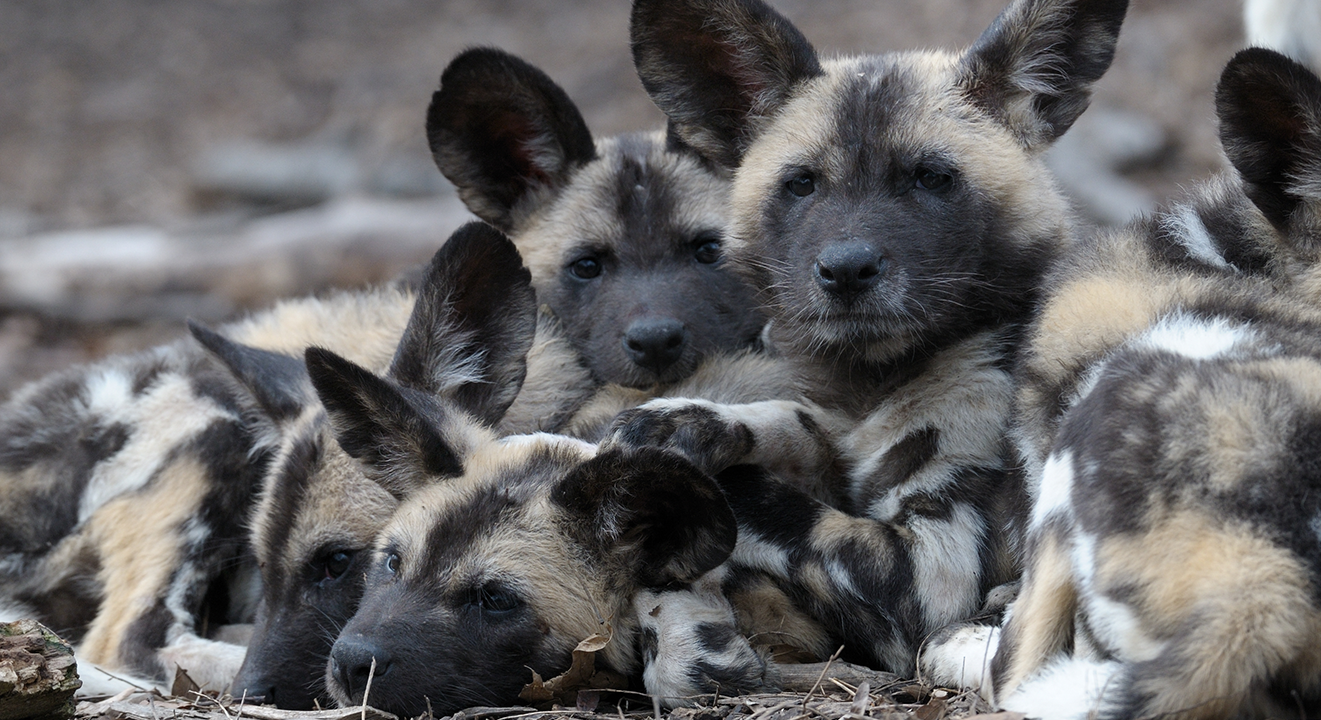
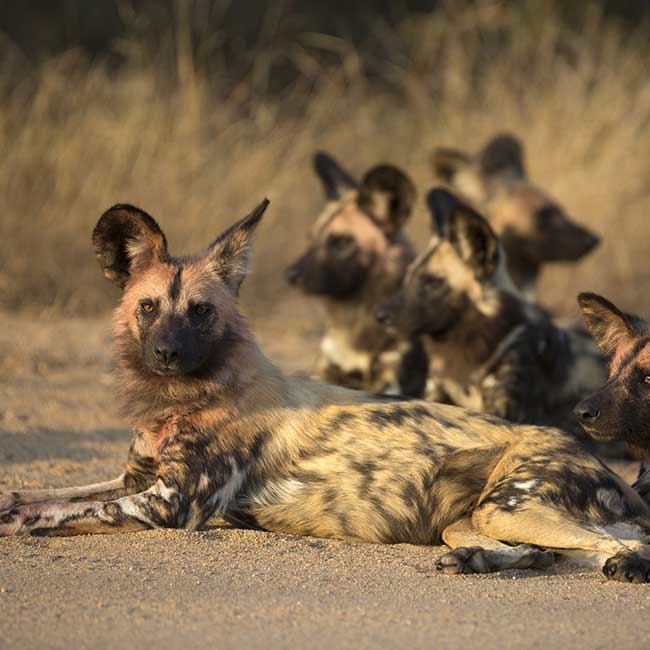
Wild dogs relaxing after being released at Mpilo Game Reserve

The general aim of the Endangered Wildlife Trust’s Carnivore Range Expansion Project, operating within the Carnivore Conservation Programme, not only includes the conservation of current carnivore populations and the maintenance of genetic integrity in areas where a lack of sufficient ecological connectivity hinders natural dispersal, but also extends to the expansion of geographical range for focal species (with a primary focus on African wild dogs Lycaon pictus and cheetahs Acinonyx jubatus).

Restoring previously extirpated or locally extinct populations, thereby recovering lost range, and securing safe space across the African continent is thus an important priority for us.

“Translocation” refers to the action of purposefully taking an organism from a suitable habitat in one area to a suitable habitat in another area. This is done to encourage threatened species to repopulate in a new area to improve the conservation status of the species and restore the functioning of the ecosystem through population restoration.

Most recently, several translocations have been undertaken by our wild dog range expansion team to reintroduce wild dogs to additional safe spaces in South Africa.

For the first time, founder packs have been introduced into Mpilo Private Game Reserve and Nambiti Private Game Reserve, in collaboration with Ezemvelo KZN Wildlife and Wildlife ACT. All introduced individuals have been fitted with tracking collars to enable daily monitoring of their movements, population and behavioural dynamics, and ecological influences and to help prevent human-wildlife conflict. The information gathered allows for informed decision-making – both at the reserve and the species level.

The pack at Mpilo PGR established well, birthing a litter of pups and curiously exploring their new environment, whilst the pack at Nambiti PGR is still adjusting and acclimatising to their new home in a boma before being released onto the reserve.

With less than 600 wild dogs found in South Africa, of only an estimated 6,600 that remain in the wild globally, every individual counts and we are immensely grateful for the commitment of these reserves to the conservation of the African Wild Dog.

Sometimes, we also need to get creative in the field, as was the case when we executed another successful wild dog translocation to Makalali Private Game Reserve in Limpopo recently.

Due to challenges faced with non-ideal weather conditions as temperatures plummeted to -3°C on the day of relocation, we opted to transport this small pack of four together in a single-compartment lion crate instead of the specially-designed wild dog crates we would generally use. By simulating a den-like environment within the crate, the wild dogs were able to keep each other warm and at rest, minimising stress throughout the journey.

If one thing is certain, it is that no day in the field is quite the same, and by being continuously challenged we continue to explore, innovate, learn, and adapt with every operation.


One of the collared female wild dogs released at Nambiti Game Reserve

How to count lions in Africa

How to count lions in Africa

Science Snippet:

How to count lions in Africa

By Lizanne Roxburgh and Erin Adams

Knowing how many individuals of a species exist in the wild is important for managing that species. It is also important to know the trend in the number of individuals in a population. Whether the number is increasing, stable or declining will have implications for what management interventions should be used to conserve that population. There are currently many methods that can be used to estimate population size, however, each have their own strengths and weaknesses.

In a recent study*, scientists from the EWT, in collaboration with researchers from other institutions, reviewed all of the methods that are used to survey lion populations across Africa. They looked at 93 different studies from 1991 to 2022. Seven broad survey methods were identified. These included spoor counts, call-ups, genetic surveys, direct observations, camera trap studies, spatially-explicit capture-recapture (SECR) for both direct observations as well as camera traps, and distance-based sampling.

Pic: Eleanor Momberg

The scientists found that the most reliable methods for estimating lion population in Africa were those that included spatially-explicit capture-recapture (SECR) analysis. SECR is a method used to model animal capture-recapture data collected with a network of “detectors.” SECR takes into account both where the individual lions were captured by the detectors (such as camera traps or through direct observations) and where they were not captured. It’s like solving a puzzle where you piece together information about where animals were detected to estimate their overall population density. Sampling techniques such as spoor counts and call-ups were found to be less reliable, as they tended to over-estimate population size.

The scientists strongly recommended that standardized methods be developed that can produce comparable estimates of the number of lions, both within and between sites and years. These methods can then be used to survey lion populations in areas where gaps in our knowledge of lion populations exist.

*Samantha K. Nicholson, David R. Mills, Erin C. Adams, David G. Marneweck, Hans Bauer, Lizanne Roxburgh, Rob Slotow. 2024. Towards effective and harmonized lion survey methodologies: A systematic review of practice across Africa. Global Ecology and Conservation.  https://doi.org/10.1016/j.gecco.2024.e02908

The Endangered Wildlife Trusts Commits to the future as it ends its 50th anniversary celebration under African skies

The Endangered Wildlife Trusts Commits to the future as it ends its 50th anniversary celebration under African skies

The Endangered Wildlife Trusts Commits to the future as it ends its 50th anniversary celebration under African skies

The Endangered Wildlife Trust ended its 50th anniversary with a gala event on 18 April 2024.


The earth-friendly event, with solar power and repurposed, natural and recyclable décor was held as a bush banquet under African stars at our Conservation Campus in Midrand, Gauteng. On arrival, guests were able to take a walk through the one-of-a-kind gardens that depict the ecosystems that the EWT works in.

We were honoured to share the evening with two of our founders, Clive Walker and James Clarke, former CEO’s, John Ledger and Nick King, present and past Trustees of the EWT Board, present EWT Board Chair Muhammed Seedat and the EWT’s CEO Yolan Friedmann.

During the evening of celebration, Yolan stated that the EWT’s 50th anniversary may not be a celebration of a “coming of age, but is one of a youthful spirit, blended with wisdom, a touch of maturity, a dash of streetsmarts, a helping of hope and a lot of energy still to be spent to realise dreams that are still big enough to scare us, in the words of Ellen Johnson Sirleaf.”

As the country’s longest-serving female CEO of a conservation organisation, Yolan said the EWT prides itself on instilling hope and not a sense of fear, loss or hopelessness when talking about our natural world.

“Instead, we prefer to show, with evidence, the difference we can all make when we work together,” said Yolan. “For 50 years, we have pushing back the tide and finding solutions; this is the thread that binds us and which continues to blur the generational lines, to form one united EWT”.

Forestry, Fisheries and the Environment Minister Barbara Creecy said during her keynote address that non-governmental and non-profit organisations, such as the EWT, play an important role in securing the future of not only our country’s rich biodiversity and conservation, but also in ensuring that communities living with wildlife outside conservation areas are able to share in the benefits of the environment.

In reference to the country’s commitment to achieving the Global Biodiversity Framework’s goal of conserving 30% of land and 30% of the sea by 2030, Creecy pointed out that South Africa may only achieve this target between 2036 to 2040, adding it may take longer in the marine environment which was less well researched and documented.

Achieving this objective created new challenges for all involved in the biodiversity and conservation fields, particularly important organisations such as the EWT which, in celebrating its 50 years of work, would be posing the question of what the fundamental issues will be in conservation in the next half a century, she said.

Addressing the issue of land restoration, transformation of the biodiversity sector, unemployment and community beneficiation – all areas which impact on the conservation estate — would require support from NGOs “because sometimes government is too big and too far away to undertake those processes properly”.

Guests were honoured with an inciteful Founders Forum facilitated by MC and radio personality Rob Vega, during which Clive Walker, John Ledger, James Clarke and Nick King shared their experiences and insights, providing all with a glimpse into the founding and growth of the EWT.

When the EWT was founded in 1973, biodiversity and conservation were not household issues, said John, who added during the discussion that biodiversity, wildlife and all components of ecosystems are outside protected areas.

Clive said it was after a hike with John that he came to realise that all people play a role in conservation.

His entry to conservation and the ultimate establishment of the EWT came about through Ian Player’s Wilderness Leadership School. “I went on a five-day walk….and realised that I would like to do something like this”.

Speaking to all who support the work of the EWT, Clive said: “All of us play a role in conservation…. Never ever underestimate the work that you do”.

Nick reminded all the conservation is not just about animals. Environment is not a fad issue; it is fundamental, and it is life, he said.

Reminiscing about his tenure as CEO of the EWT, Nick told of how the organisation has grown from a staff complement of about 40 in 2003 to more than 120 today under Yolan’s guidance.

The EWT, he said, has turned around from an organisation conserving species in the seventies to focusing on a better and healthier environment for people and everything else, which the EWT has shown is possible.

James said after witnessing the changes that have taken place in the past 50 years, “when I came here, I was overwhelmed by what I saw”.

The Minister said in a country where there are enormous demands on the fiscus and where the economy is not growing, there is a need to find a way in which conservation can be self-sustaining and self-financing, and where “developed countries, which created the climate crisis which is threatening all our well-being, must come to the party and must support developing countries, who own most of the conservation estate in the world, in our conservation objectives better”.

Referring to the issue of climate depression, she said it was when one comes to event such as the EWT’s 50th anniversary celebration and where “one sits with many, many people who have dedicated their entire lives to promoting conservation and biodiversity objectives in our country; who have made sure that endangered species have not gone extinct – in fact, on the contrary have thrived and multiplied – one realises that what this journey requires is willpower, human willpower, to make sure that the very precious, God-given environment that we have, is not destroyed and can benefit current and future generations”.

“Let me take this opportunity to say thank you for the relationship that we have enjoyed and thank you for the contribution that the EWT is making, and I have no doubt will continue to make to government’s policy and to our common struggles. I hope we will continue to work for the better of our country and for biodiversity and conservation,” she said.

Casting an eye to the future, Yolan said in 50 years the world will not be an easier place for much of the planet’s human and wildlife populations.

Because of this, the EWT needs to write a new chapter, and this book will come with new challenges and opportunities. “We owe it to the next generations of brilliant EWTers to continue in the footsteps of our giant founders and to stay connected to the dreams of what we know can be achieved tomorrow, as we sit here tonight”.

Through the launch of our Fund for the Future in our 50th year we aim to secure the EWT, our people and our impact, for the wildlife and the communities that they will serve, for decades to still come and for generations not yet born.

“This strategy will ensure that we channel our efforts into achieving targets that stretch us and will achieve high impact; that will galvanise cohesive, collective action towards achieving global, and national conservation priorities and which will benefit a maximum range of species, and humans, realistically,” she said.

Read Yolan’s address here

** The EWT would like to thank Painted Wolf Wines for their kind support in hosting our 50th anniversary gala event.