Donate today: support our k9's 
 mission

Multispecies Action Plan to conserve Bustards adopted for implementation

Multispecies Action Plan to conserve Bustards adopted for implementation

Multispecies Action Plan to conserve Bustards adopted for implementation

By Matt Pretorius, project manager in the Wildlife and Infrastructure Unit
 

bustard conservation action plan awareness campaign

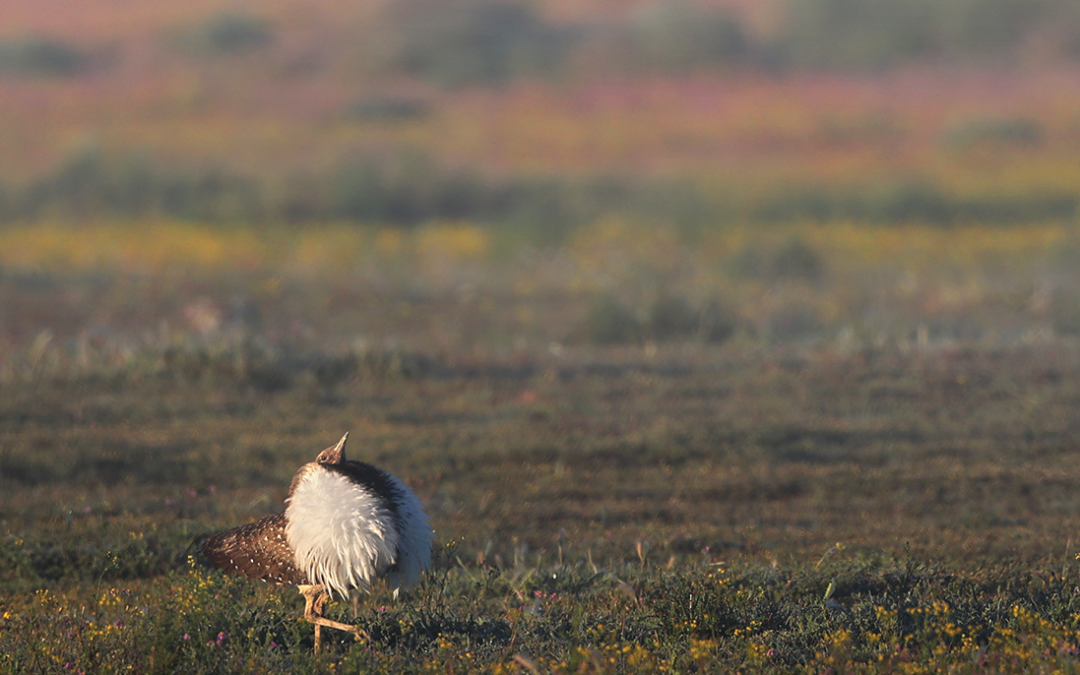
A global team of bustard experts and conservationists have developed a Multispecies Action Plan to Conserve African, Eurasian, and Australian Bustards to conserve a terrestrial species that includes one of the world’s heaviest flying birds – the Kori Bustard.

The Bustard MsAP, as it is commonly known, was recently adopted at the 15th Conference of the Parties to the Convention on the Conservation of Migratory Species of Wild Animals in Brazil – less than a year after it was workshopped in Pakistan.

With the adoption of the blueprint, the real work now starts to conserve a species threatened with extinction.

The actions proposed in the Bustard MsAP will be executed within a period of 11 years (2026 – 2037). There are several key milestones, and a mid-term progress review is planned for 2031 – one year ahead of the 17th Conference of the Parties – marking the halfway point of the Bustard MsAP’s implementation period.

Bustards Without Borders (BWB) conceptualised and developed the Bustard MsAP, with the primary mission of “catalysing actions for the sustainable conservation of bustards and their habitats, to include on-the-ground conservation activities, training, awareness, population monitoring and research as outlined in the Bustard MsAP”.

BWB is a consortium of individuals, organisations, government institutions and other stakeholders working towards sustainable bustard conservation.

We are now in the first triennium during which a draft workplan is to be finalised and implemented. The Bustard MsAP will be executed within regional subdivisions. The southern African region (region 1) includes 10 countries: Angola, Botswana, Eswatini, Lesotho, Malawi, Mozambique, Namibia, South Africa, Zambia, and Zimbabwe. In general, bustard species richness in southern Africa is high compared to the other regions across Africa, Asia, Europe and Australia, with South Africa having the highest species count (10) of any country within the global range of the family Otididae.

The southern African region boasts 11 bustard species, of which the Ludwig’s Bustard (Neotis ludwigii), classified as globally Endangered by the International Union for Conservation of Nature’s (IUCN) Red List of Threatened Species, is the most severely threatened. A recent publication summarising long-term bird road counts cites a decline of 94.3% for the Ludwig’s Bustard within the study area, the highest negative trend among the species recorded by researchers.

The primary threats to bustards include agricultural intensification, collisions with overhead cabling such as power lines, fences, wind turbines, and vehicles, habitat loss, degradation and fragmentation. These birds are also threatened by the illegal trade, mortality from anthropogenically increased predator species, human disturbance, genetic threats, climate change, and legal obstacles. Including missing or ineffective policies, laws and enforcement. A significant challenge is a lack of awareness about bustards and the threats they face. The Bustard MsAP will launch global awareness campaigns, while regional coordinators and in-country participants will promote the work of the MsAP locally.


** Matt Pretorius is a member of BWB, and is the southern African regional coordinator of the Bustard MsAP.  Matt works for the EWT’s Wildlife and Infrastructure Unit (WIN), bringing more than a decade’s worth of experience in research related to bustard movements, bustard collisions with power lines and how best to mitigate this threat. In the coming months, he will work to find and recruit suitable in-country partners in each of the different southern African range states to collectively work towards achieving the goals of the MsAP.


Link to download the Bustard MsAP: https://www.cms.int/document/multi-species-action-plan-bustards
 

More than R1.4 million raised for conservation through golf swings in 2025

More than R1.4 million raised for conservation through golf swings in 2025

More than R1.4 million raised for conservation through golf swings in 2025

By Tammy Baker


WT fundraising golf day


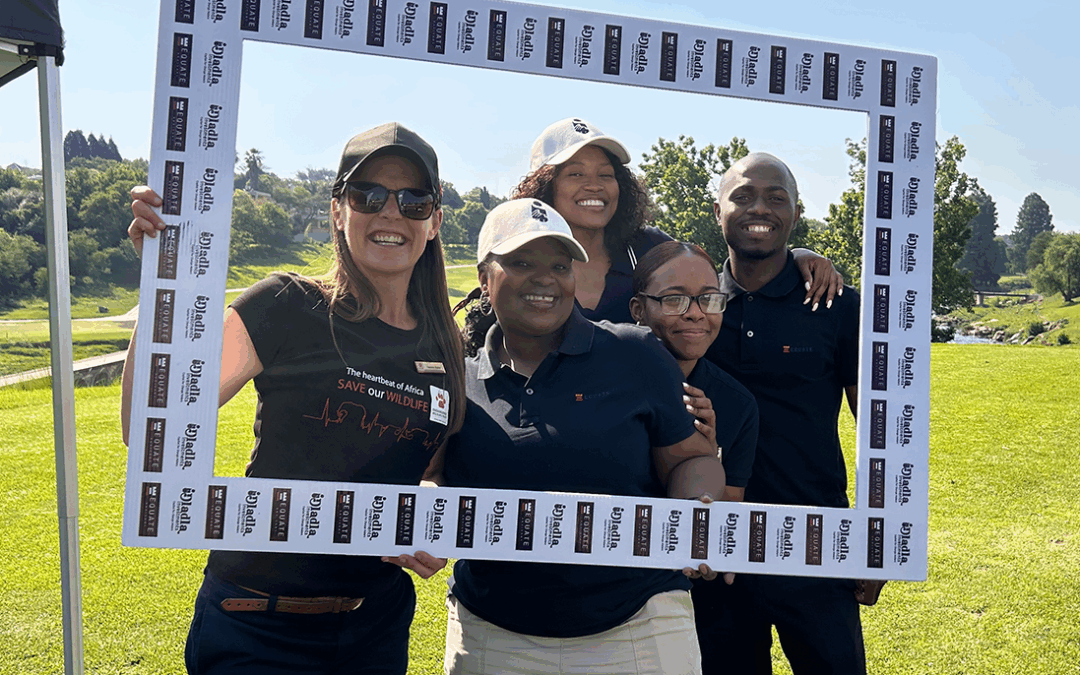
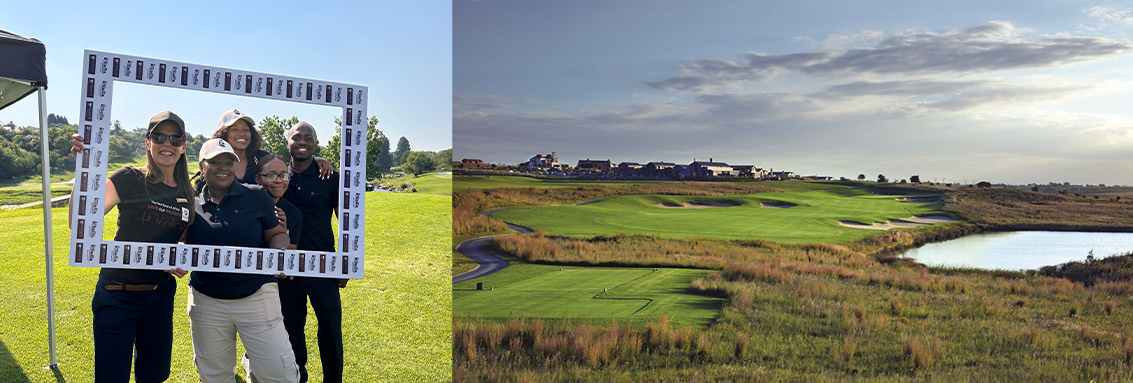
In October, the Endangered Wildlife Trust hosted our final golf day for 2025 at the Dainfern Golf Club in Johannesburg.

The event was proudly sponsored by Alexforbes, who not only sponsor, but host a number of their staff and clients at the event. The highveld weather was beautiful, the course immaculate, and all our golfers in good spirits, as one should be at a fundraising golf event.

At Dainfern, we raised over R300,000 for conservation and are extremely grateful to all of our donors for helping to make it a success. These include Alexforbes, Mongena Private Game Lodge, aha hotels, Dream Resorts and Hotels, Ritsako Game Lodge, Indaba Hotel, Fangio’s Restaurant, Seventeen Acacia’s, ReWorx’s, Rhino Sandton and Andy Cab, Ford Fourways, Painted Wolf Wines and many more.

In the past year, we have hosted four golf days across the country. The other three were at the Stellenbosch Golf Course. The Copperleaf Golf Estate in Centurion and Simbithi Golf Estate at Ballito Bay in KwaZulu-Natal.   All the days were hosted for a single cause—conservation—with two dedicated headline sponsors: Alexforbes and The Ford Wildlife Foundation, and more than 100 other sponsors. All-in-all more than 350 golfers teed off raising over R1.4 million raised for conservation.

A special thanks to the MSCTBee team who travelled from Stellenbosch to Pretoria and Ballito to join three out of the four golf days in 2025.   A special thanks also goes to each and every golfer and sponsor for helping us to raise such a meaningful contribution to our conservation work.

We are looking forward to achieving even more in 2026.

Although the game for October 2026 hasn’t been confirmed as yet, we will be teeing off at the following venues in 2026: 

Date

Venue

8 May 2026

Stellenbosch golf club

22 May 2026

Copperleaf Golf Club

16 July 2026

Simbithi Golf Estate


EWT-led Vulture Safe Zone certified in a national park

EWT-led Vulture Safe Zone certified in a national park

EWT-led Vulture Safe Zone certified in a national park

By Eleanor Momberg – Communications manager, Endangered Wildlife Trust 


EWT-led Vulture Safe Zone in Mokala National Park

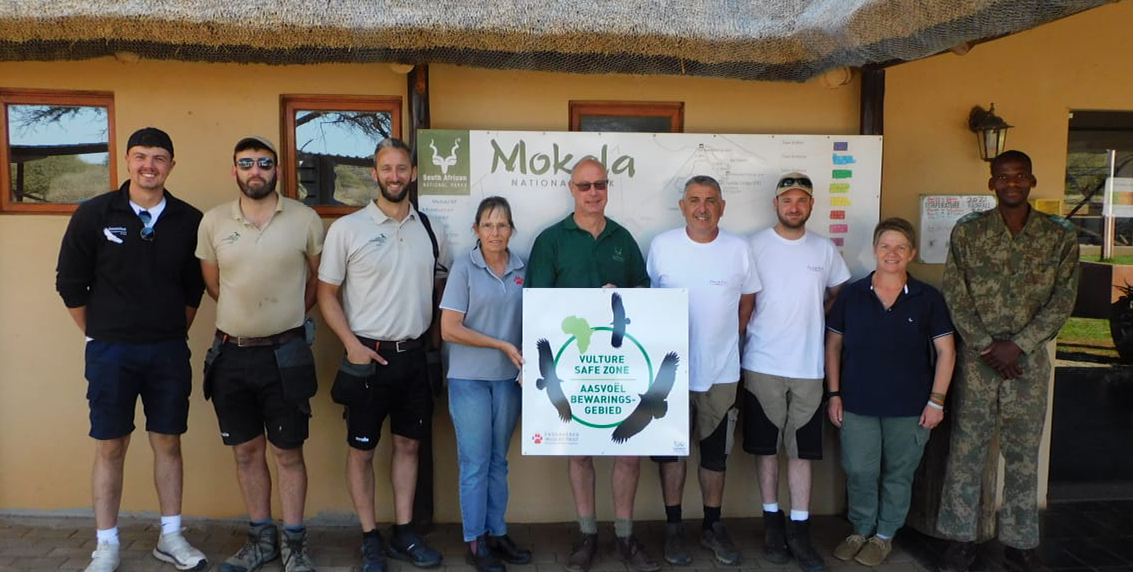
An Endangered Wildlife Trust-led Vulture Safe Zone has been certified in the Mokala National Park – a first for South Africa.

The national park, in the Northern Cape, is a stronghold for breeding White-backed Vultures (Gyps africanus).  It is the first SANParks national park to be certified a Vulture Safe Zone

“The certification is a further step in a working relationship between the Endangered Wildlife Trust (EWT) and SANParks to conserve threatened species and restore and preserve the habitats they require to survive,”  says the CEO of the EWT, Yolan Friedmann.

The EWT has been working in Mokala National Park since 2008, monitoring vultures and other raptors.  In the last three years, the EWT’s Birds of Prey team and park management have been mitigating threats to vultures and related species on the 27,500ha property with the aim to certify it as a Vulture Safe Zone (VSZ).


What is a Vulture Safe Zone?

Vulture Safe Zones are an outflow of what is commonly known as the Asian Vulture Crisis, spanning the 1980s and 1990s, which saw declines of over 99% in the population of vultures in this landscape.  Subsequent research found that the mass die-off had been caused by the veterinary NSAID (non-steroidal anti-inflammatory drug), Diclofenac. The disappearance of Vultures in India led to the ecological tipping of scales, causing the death of tens of thousands of people due to the spread of pathogens because of the decline in vultures, known as the environment’s clean-up crew.

The urgent need for action to stop the rapid decline of vulture species in Eurasia and Africa led to the development of the Multi-Species Action Plan to Conserve African-Eurasian Vultures (commonly referred to as the Vulture MsAP). Vulture Safe Zones are recognised in the Vulture MsAP as a means to encourage the responsible management of the environment by actively reducing threats to vultures in identified areas. In South Africa, the EWT has led the implementation of the Safe Zones, spanning the Karoo,  the Kalahari and the Eastern Cape.

Among the criteria for a VSZ is that the area must be poison free and carcasses may not be laced with NSAIDs, power lines are mitigated to prevent electrocutions and collisions by wildlife, breeding or roosting populations of vulture species are protected from disturbance; and that breeding and/or roosting populations are monitored annually.


The Mokala Vulture Safe Zone

Mokala is the first of many identified national parks to be certified as a Vulture Safe Zone. In partnership with Eskom, the project has ensured that all power lines are safe and, through a kind donation by the SANParks Honorary Rangers, the team was able to cover the dams with nets to prevent drownings.

Because the reserve is a stronghold for White-backed Vultures, a team led by the EWT has ringed and tagged over 1,100 vulture chicks in the park since it began working there. In October 2025 alone, 90 chicks were ringed and tagged, and 155 active nests were counted in the larger breeding area, which includes neighbouring farms.

“With the Vulture Safe Zone certification in place, Mokala National Park now has ample support to continue critical conservation efforts to protect their resident vulture populations, as well as other threatened birds of prey, including Martial Eagle and Tawny Eagle,”  said Friedmann.

** The EWT would like to thank our donors, partners and collaborators for their ongoing and much appreciated support for this important conservation initiative:  Charl van der Merwe Charitable Trust, Puy du Fou, Gauntlet Conservation Trust and Hawk Conservation Trust, as well as the SANParks Honorary Rangers  

Roadkill remains a problem along South Africa’s major transport corridors

Roadkill remains a problem along South Africa’s major transport corridors


Roadkill remains a problem along South Africa’s major transport corridors

By Thabo Hlatshwayo, Wildlife and Transport Project: senior field officer, Endangered Wildlife Trust.


Although monitoring of the ecological impacts of transport infrastructure on biodiversity is still an emerging field of science in South Africa, it remains poorly supported in terms of funding. This is despite the fact that roads are responsible for the massive loss of biodiversity.

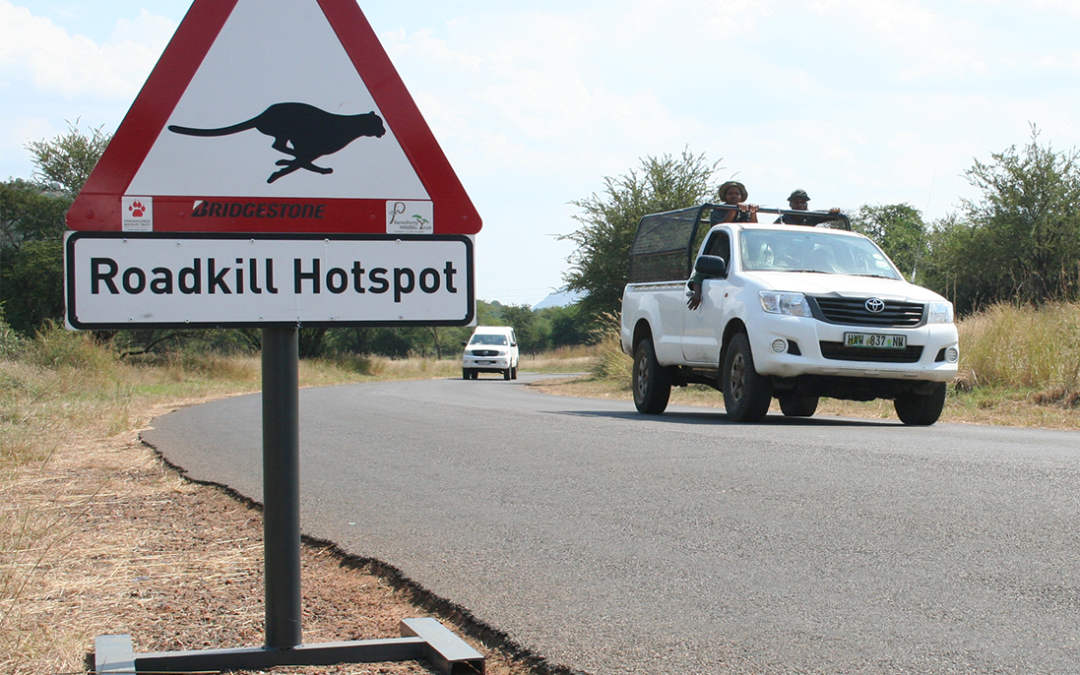
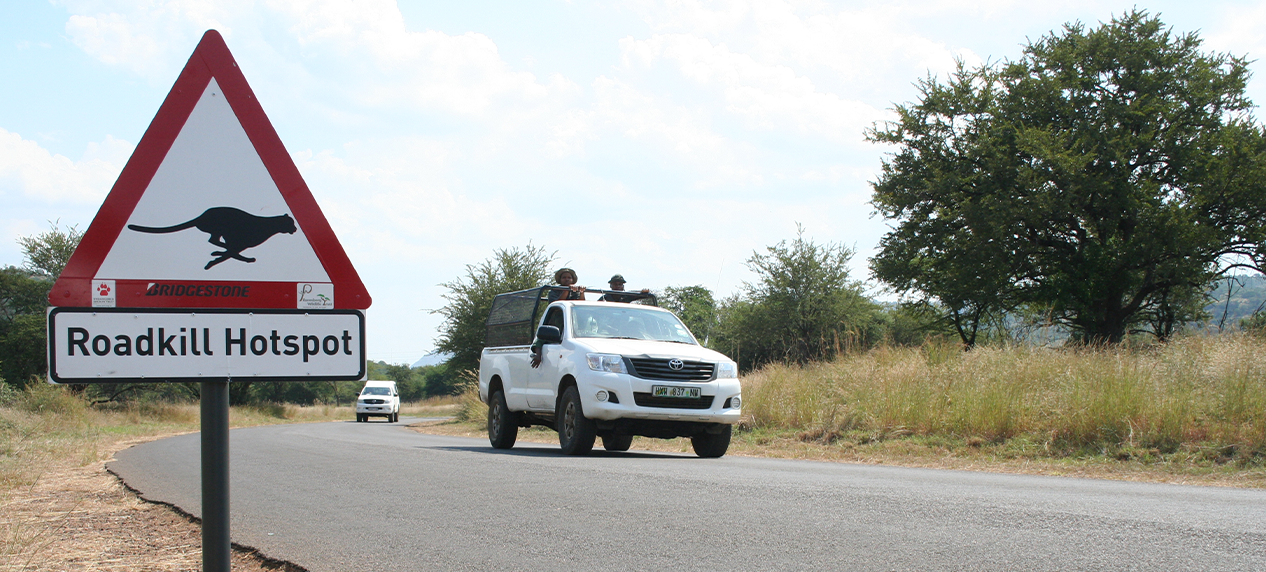
To determine the extent of roadkill in South Africa, the Endangered Wildlife Trust (EWT) has been facilitating and supporting various road ecology research since 2011. From the data that we have gathered, it is clear that roadkill is prevalent.

South Africa’s road network covers around 750,000km. Our database on roadkill for the BAKWENA N1/N4, TRAC N4 and N3 toll routes indicates that a total of 8,569 records of wildlife roadkill incidences were reported from the three toll companies combined between 2012 and 2024. This is an increase of 1,565 from the roadkill magnitude reported in 2023, meaning that these animals were victims of roadkill on the toll route in 2024.

This emphasises the need for advancing biodiversity loss accounting in the transportation sector and crafting national transportation policies that are ecologically sustainable and support just transitioning to green transportation in South Africa. Supporting research on understanding how our road systems impact threatened habitats, habitat use and movement by animals is critical.

The construction and operation of transport corridors, such as roads and railways, have a range of both direct and indirect negative impacts on wildlife and natural ecosystems. Clearing natural landscapes for the construction of transport infrastructure causes vegetation cover loss, often leading to degraded landscapes. In the 28 years up to 2008, South Africa reportedly lost 0.12% of its natural vegetation cover per year as a result of massive linear infrastructure development, including transport corridors. Thus, all these contributed to landscape fragmentation, reduced land cover and connectivity loss for wildlife. It is interesting to note that the country’s roads  stretch through sensitive habitats and wildlife hotspots, some of which are home to Threatened Species.

Habitat loss because of fragmentation is a primary threat to terrestrial biodiversity and could drive species extinction as it affects numerous endemic species. The fragmentation of a landscape limits the migration rates of species and its available habitat. Besides affecting migration patterns, it also contributes to inbreeding because species’ behavioural patterns, such as hunting, foraging, breeding and other home range activities have been disrupted. Habitat loss and fragmentation, because of transport corridors, also increases human-wildlife interactions. This leads to human-wildlife conflicts as animals are forced to cross roads for dispersal and migration. This further accelerates biodiversity loss through increased wildlife roadkill incidents, and numerous threatened species suffer the greatest risk from roadkill.

Small-to-medium sized mammals such as Serval, African Striped Weasel, Cape Clawless Otter, Honey Badger, Cape Porcupine, Cape Fox, African Wild Dog, several antelope and mongoose species are the most impacted mammal species. The reptiles that are most affected include Southern African Python, Puff Adder, Leopard Tortoises, Natal-hinged Tortoises, and Monitor Lizards. Among bird species, owls are the most affected, this includes the African Grass Owl, Barn Owl, Spotted-Eagle Owl and Marsh Owl.


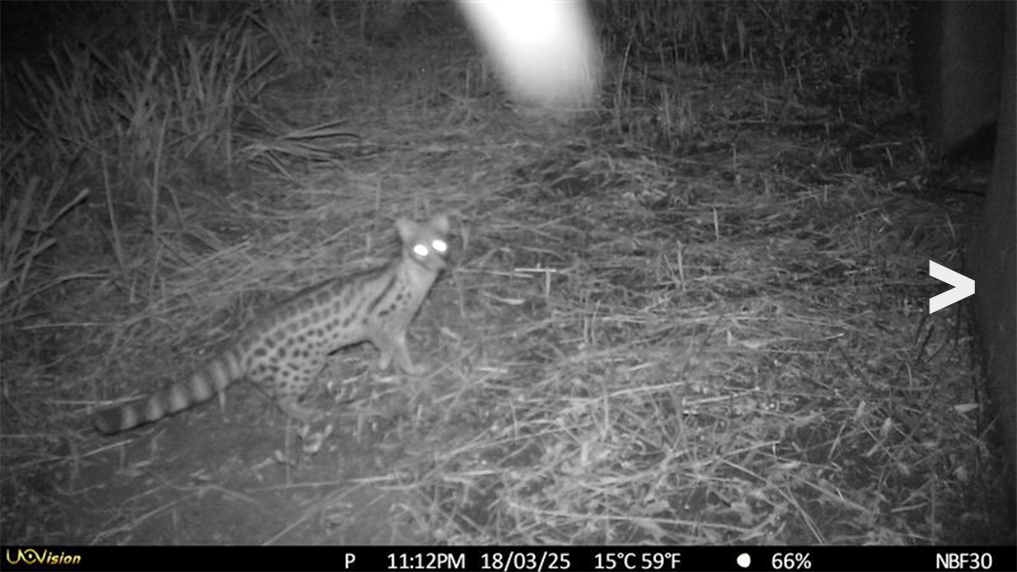
Genet
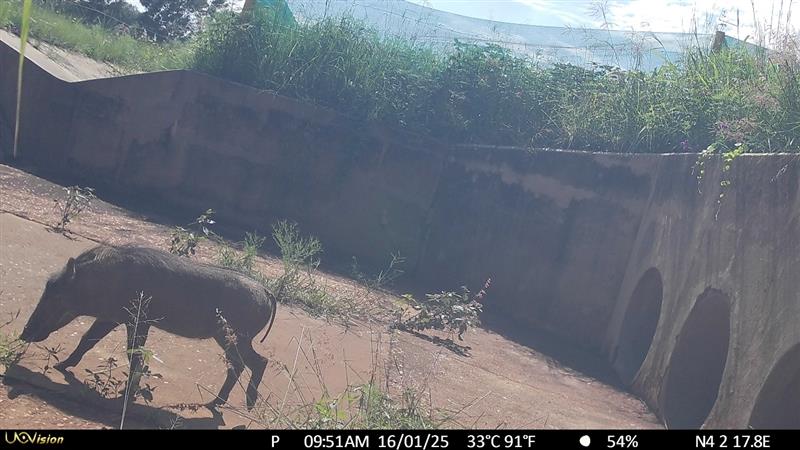
Warthog
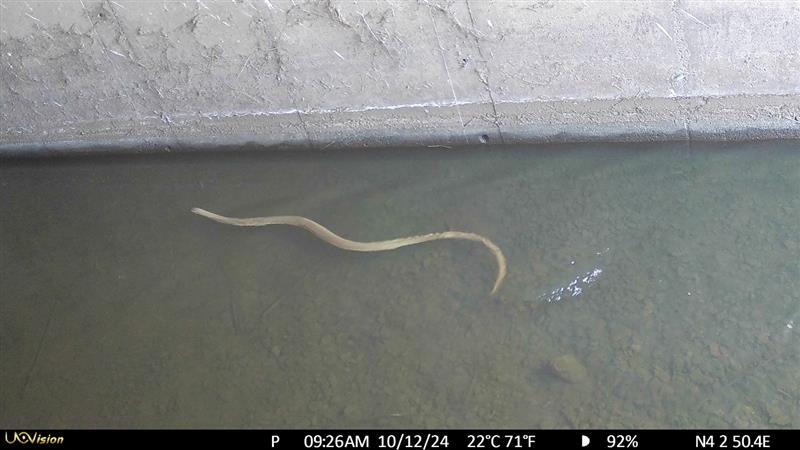
Various reptiles
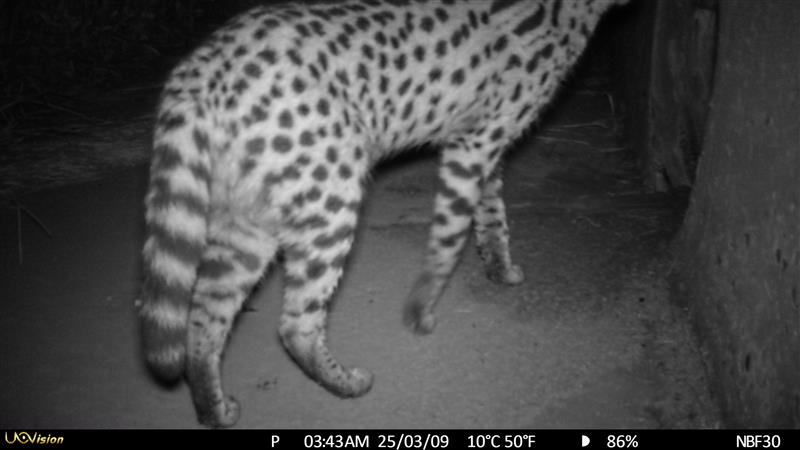
Serval
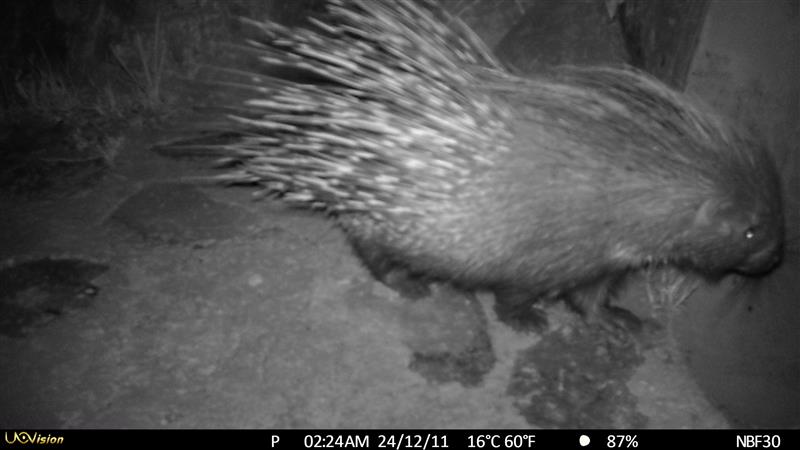
Porcupine


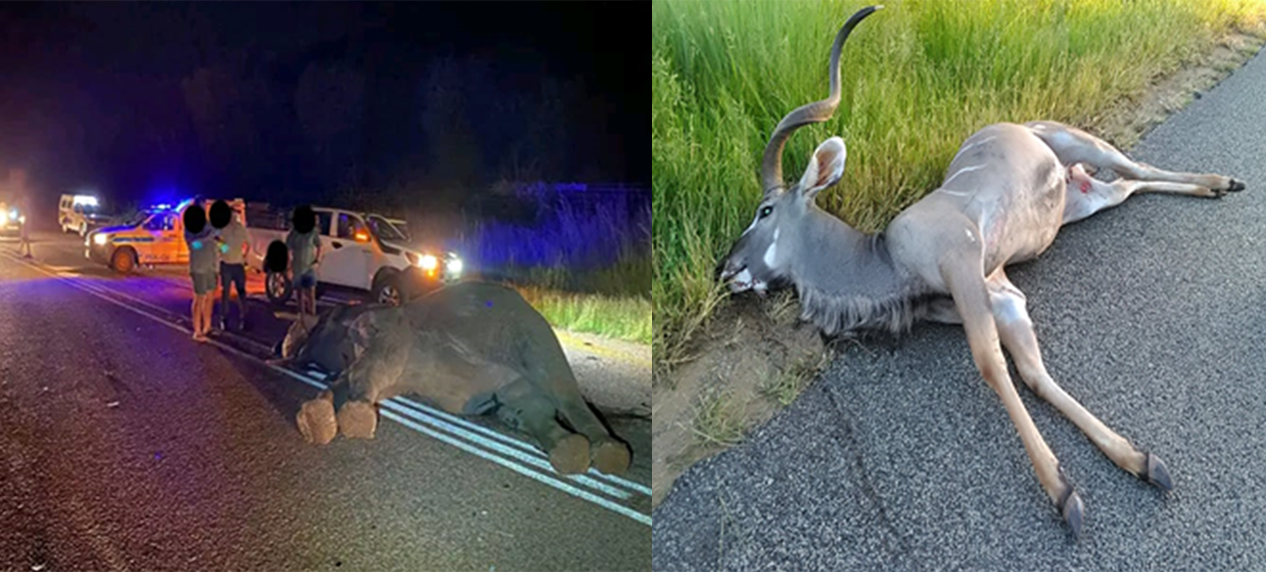
However, we do come across incidents that involve large mammals like Hippopotamus and savanna buffalo along the N4, and Greater Kudu along the Bakwena N4 and N4, as well as cows. We have also recorded incidents that involved an Elephant and a Leopard along the R40 and R71 regional roads in Hoedspruit area.

Monitoring wildlife roadkill is the first step in understanding the impacts of roadkill on threatened species. By collecting data on roadkill, we can track mortality rates and distribution patterns of the roadkill of different species (where and to what extent). Studying these elements will expand our understanding of the ecological impacts of road infrastructure and traffic on wildlife movement. These will enable us to scientifically map conservation hotspots and further develop effective mitigation strategies to reduce these threats.

As much as we talk about roadkill becoming a threat to biodiversity, it is important to understand that the landscapes fragmented by road networks that intersect animal habitats are the core drivers for wildlife roadkill incidents across the globe. Changing climatic conditions influence animal movement patterns, causing numerous species to move frequently within their landscapes in search of important ecological resources. In an environment increasingly fragmented by road infrastructure, such movements could potentially result in a deathtrap for animals due to wildlife-vehicle collisions and a lack of connectivity corridors.

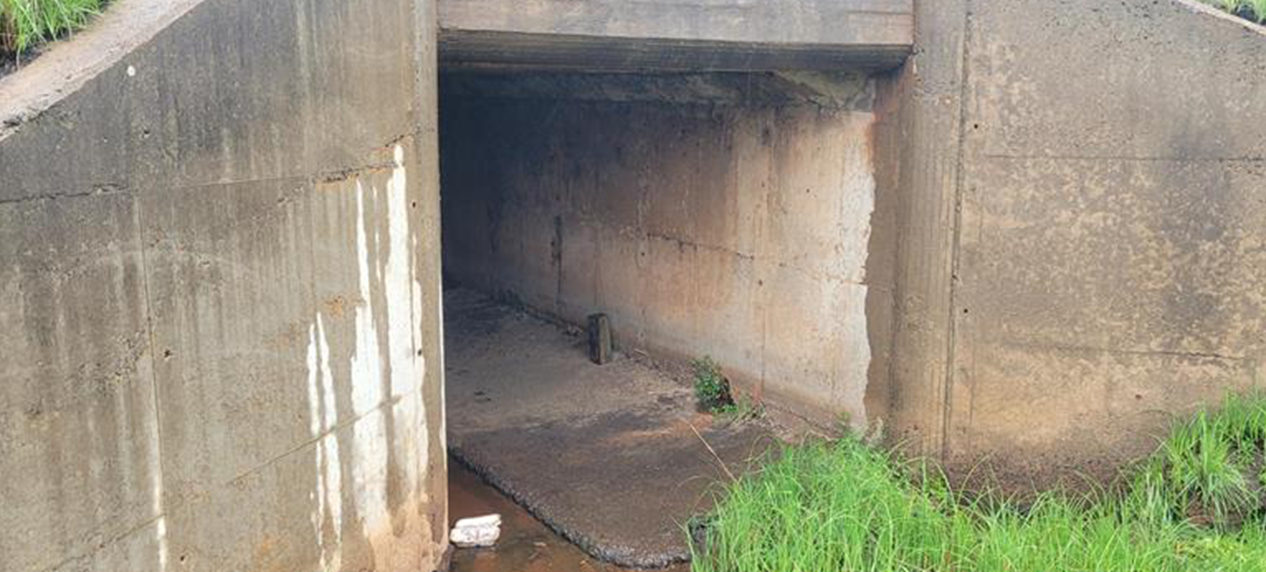
The EWT and the N3 Toll Concessionaire (N3TC), Trans African Concessionaire (TRAC) and Bakwena N1/N4 have trialed several roadkill-reduction methods for reducing the negative impacts on roads and highways on biodiversity. The first was to deploy temporary roadside fencing, directing wildlife to cross safely through underpasses such as drainage culverts. Camera traps were installed in several underpass structures that are located within hotspots to monitor whether wildlife used them, and we were excited to see that several mammals did. This includes Serval (Leptailurus serval), the most common animal killed on the N3. These results indicate that underpasses are a promising and cost-friendly alternative for wildlife crossing in a global south country like South Africa.

Preliminary results indicated increasing animal activity and the use of the underpass structures, with more mammal species appearing to use the structures that are retrofitted with mesh fencing; these include Serval, Southern Reedbuck (Redunca arundinum), Cape Clawless Otter (Aonyx capensis), Honey Badger (Mellivora capensis), and Common Warthog (Phacochoerus africanus). When more animals use the underpass structures to cross the highway, animal activity adjacent to the road is reduced; hence, reducing collisions whilst improving road safety.

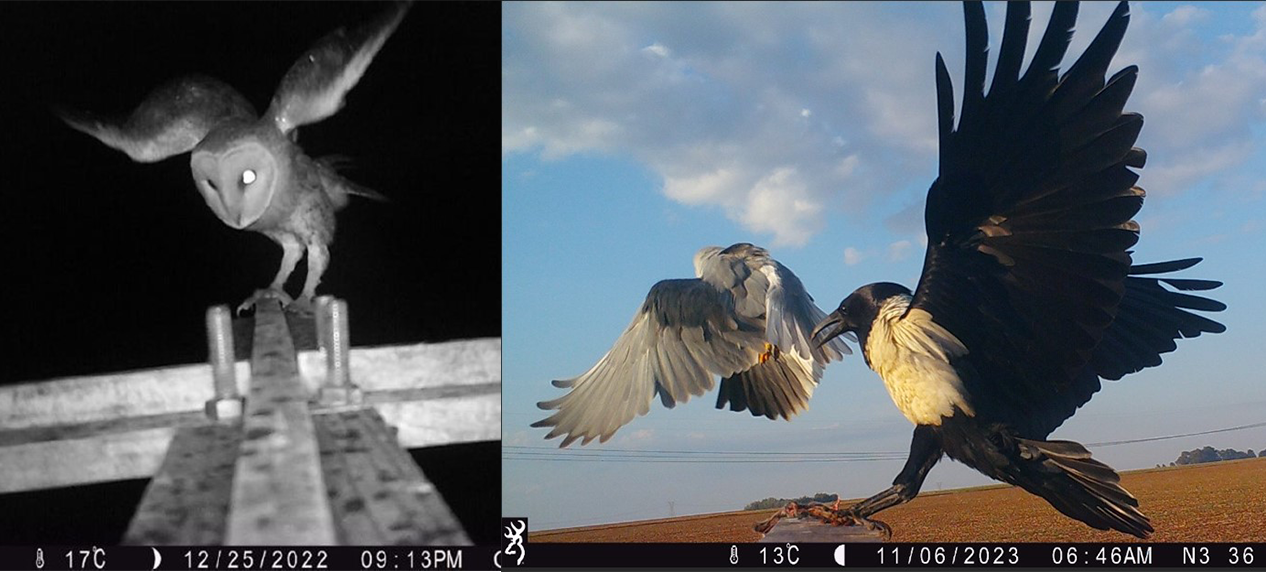
Because owls and other raptors tend to use signboards and safety barriers along roads to perch on while hunting prey, such as rodents and squirrels, a second roadkill-reduction method has been tested. This has seen the EWT placing raptor perches 100 m from the road to encourage owls and other birds of prey to use these as safer alternatives and to reduce hunts on the roads. Cameras on the owl perches have recorded several birds of prey species using the installed perches for feeding or perching. This includes African Grass, Barn and Spotted Eagle Owls. Our findings showed that the more owls use the installed structures for hunting and feeding, their activity on the road is reduced.

South Africa’s road and rail network is essential for our socio-economic development through travel and tourism, and the transport of food and goods. It is therefore critical that solutions are found to reduce the impact of transport infrastructure on people and wildlife without hindering our transport sector.

Left: Camera Trap at Raptor Perch recording a African grass owl. Right: Black winged Kite Vs Pied Crow recorded at Raptor Perch


Modified Culverts for wildlife crossing

Wildlife and Transport Project

  • The EWT is the only African organisation with a dedicated project focusing on transport and wildlife interactions.
  • The project works across South Africa and collaborates on similar projects with colleagues worldwide.
  • Our goal is to reduce the impacts of transport infrastructure on wildlife and vice versa. We focus on improving our understanding of the threats to wildlife from transport activities and infrastructure and identifying solutions suitable to the southern African context.
  • In 2013, the EWT launched a smartphone app called “RoadWatch” – one of the first roadkill reporting apps in the world. To date, almost 30,000 data points have been reported via the app.
  • The Endangered Wildlife Trust’s National Roadkill Database for South Africa shows that mammals are the most commonly-reported roadkill (50%), followed by birds (18%), reptiles (6%), and amphibians (1%), with 24% of species being unidentifiable.
  • Large mammals, such as carnivores and antelope, are likely to cause damage or delays to trains and vehicles. Collisions with animals can be expensive with insurance claims suggesting that approximately R82.5 million is paid yearly against vehicle collisions with wild animals.

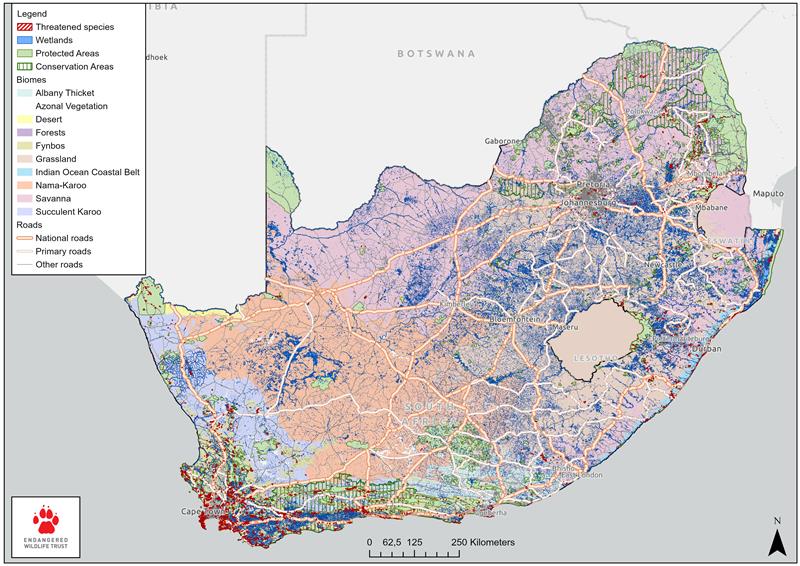
Roadkill map of South Africa

The EWT has provided support for a study that has developed a Drivers-Pressure-State-Impact-Response (DPSIR) framework of ecological connectivity in transport sustainability in South Africa. Because of the Framework, steps are being taken to help shape a sustainable transport sector that promotes robust monitoring and mapping of hotspots and the support of a consultation process to formulate policies that promote sustainable land-use planning by considering wildlife needs in green transport infrastructure planning frameworks in South Africa.

Unfortunate incidences involving large mammals

A word from the CEO May 2024

A word from the CEO May 2024

Word from the CEO

 
Yolan Friedmann, CEO

On behalf of the Endangered Wildlife Trust Board of Trustees I would like to thank those who took time out of their busy schedules to spend an evening of celebration with us as we look back on our achievements of the past 50 years of conservation in action.  Among our honoured guests were Barbara Creecy, Minister for Fisheries, Forests and the Environment,  David Freeman, First Secretary for Environment, Science, Technology, Health, and Minerals, at the U.S. Embassy Pretoria, the Chair of the EWT Board of Trustees, Muhammed Seedat, past Trustees, donors, associates, colleagues, friends and partners.  But, the guests of honour were two of the EWT founders, Clive Walker and James Clarke, and our previous CEOs Dr John Ledger and Prof Nick King.  

I used to think that 50 years was an inordinate amount of time until I too turned 50 just before the EWT did. I can now assure you that 50 is the new 21 and this was not a celebration of a coming of age, but of a youthful spirit, blended with wisdom, a touch of maturity, a dash of streetsmarts, a helping of hope and a LOT of energy still to be spent to realise dreams that are still big enough to scare us, in the words of Ellen Johnson Sirleaf.

The EWT prides itself on instilling hope, and sharing a vision of what our future can be. We do not like to instil a sense of fear, loss or hopelessness when we talk about our natural world. Instead, we prefer to show, with evidence, the difference we can all make when we work together. You’ve seen firsthand how our work, and with your support, has turned South Africa into the only country in Africa with an increasing population of Cheetah. How Wild Dogs now flourish in Malawi and Mozambique where they had previously gone extinct. How lost species like the Amatola Toad and de Winton’s Golden Mole have been rediscovered and can now be protected. How rivers can flow when invasive plants are removed and how communities can use this water for their livelihoods, their crops and their general wellbeing.

How populations of Blue Cranes and Cape Vultures have been downlisted due to concerted and targeted conservation effort, and how the Brenton Blue Butterfly was the first species to trigger the declaration of a nature reserve to save just one species. How communities now run conservation-friendly enterprises on their land, and rangers, ecowarriors and businesswomen have been borne out of rural children and their mothers. How hundreds of thousands of hectares of critical habitat are now protected, spanning biomes from the Succulent Karoo to the Soutpansberg and covering the lifegiving rivers, grasslands, wetlands, forests and deserts in between.

In 1973, the world had a human population of 3.9 billion. Fast forward to 2024 and the WWF tells us that populations of globally monitored mammals, fish, birds, reptiles, and amphibians have declined by an average of 68%. In Africa alone, the percentage is 66. Our Freshwater systems show the worst, and most rapid decline in quality and species loss. 2023 was the hottest year on record, with extreme weather events causing devastation, globally.

And the world human population has reached 8.1 billion, and is still growing. That is a more than 200% increase in the number of humans and a more than 2 thirds decrease in the number of wild animals left on our planet today. The EWT has done well over the past 50 years. But we have to do more.  

Right now, in the safe havens of our national parks and in our remote wilderness areas and mountain ranges, snares are being set, poisons are being planted and rifles are being loaded. From the African savannahs and deep into our oceans, land is being ploughed up and plastic is being dumped. Rivers are being choked and skyways are stolen from the winged creatures that really do own them.

For 50 years, we have been pushing back the tide and finding solutions; this is the thread that binds us and which continues to blur the generational lines, to form one united EWT. We have literally saved species and changed lives.

As we look to #TheNextFifty, it is important to remember that the world will not be an easier place for much of the planet’s human and wildlife populations. The EWT needs to write a new chapter now, and this book will come with new challenges and opportunities. We owe it to the next generations of brilliant EWTers to continue in the footsteps of our giant founders and to stay connected to the dreams of what we know can be achieved tomorrow.

This we can all do by leaving our future teams a legacy through the establishment of a Fund for the Future that will secure the EWT, our people and our impact, for the wildlife and the communities that they will serve, for decades to still come and for generations not yet born.  

Our Fund for the Future ensures that the EWT never faces the risk of shutting its doors and ending our story, which in many ways, has just begun. We have begun developing our Future Fit Strategy; a powerful, impactful conservation strategy, underpinned by financial security and implemented by high performing teams of the best talent.  It will ensure that we channel our efforts into achieving targets that stretch us and will achieve high impact; that will galvanise cohesive, collective action towards achieving global, and national conservation priorities and which will benefit a maximum range of species, and humans, realistically.

Our Future Fit strategy will simplify our approaches, catalyse new science, engage new partners and embrace a new way of thinking. It will take the EWT into new regions where we will support new partners, and scale our impact. And building on our strengths, it will remain firmly rooted in the core principles of the EWT which are to save species, conserve habitats and benefit people.  We WILL halt the loss of biodiversity. 

Our planet may be ailing, but our spirits are not. We are powerful, passionate and energetic. We have solutions and knowledge and we CAN turn the tide. Together we CAN protect forever.

Thank you for making our birthday so special and for being part of our story.

Yolan Friedmann,

CEO, Endangered Wildlife Trust