Help African Wild Dogs 

Donate today  

Rediscovering Lost Species: A Key to Conserving South Africa’s Biodiversity

Rediscovering Lost Species: A Key to Conserving South Africa’s Biodiversity

Rediscovering Lost Species: A Key to Conserving South Africa’s Biodiversity

Dr Oliver Cowan, Conservation Scientist – Endangered WIldlife Trust
 

Breviceps branchi | Branch’s Rain Frog


Rediscovering “Lost Species” may sound like a pursuit of idealistic adventurers or a scientific box-ticking exercise but, in reality, it is a vital part of conserving biodiversity in South Africa and giving it a fighting chance.

How do you protect something if you do not know it is still alive? South Africa is home to a rich array of biodiversity with approximately 67,000 animal species and over 20,000 plant species – many of which occur nowhere else on earth. These numbers are not static, however, and increase when new species are discovered and formally described, and decrease should a species be declared extinct. The International Union for the Conservation of Nature (IUCN), through its Red List of Threatened Species, confirms a species’ extinction only when there “is no reasonable doubt that the last individual has died“. This is determined after exhaustive surveys across the species’ known range have failed to find any individuals. But what of those species in limbo? Known as “Lost Species”, they are defined by the re:Wild organisation as species that have not been recorded for ten or more years.

Although South Africa is relatively well surveyed in comparison to many other parts of the world, species occurrence knowledge gaps still exist. This is generally attributable to either geographic reasons – remote and inaccessible areas are hard to get to – or due to a species’ behavioural ecology such that standard survey efforts are ineffective at recording the species. For example, soil-dwelling species can be challenging to find, the most energetic and swift species can be hard to capture or identify from a distance, and morphologically cryptic species can be difficult to separate from similar looking species.

But why is it important to fill these knowledge gaps? Accurate and up-to-date knowledge of where a species occurs is a key component of assessing a species’ risk of extinction which, in turn, informs land-use decision making which enhances the protection of species of conservation concern. For instance, effective spatial planning for protected area expansion and the delineation of critical or key biodiversity areas must account for the distribution of threatened species.

Similarly, legislation intended to protect species of conservation concern from further habitat loss relies heavily on this information. For example, in South Africa the scoping phase of an Environmental Impact Assessment must include a screening report that flags the presence of species of conservation concern within the proposed development footprint. However, the data which informs the screening report’s high sensitivity layer requires occurrence records from the past 20 years. It is thus entirely plausible that knowledge gaps in the form of poorly sampled regions, and/or a lack of robust extinction risk assessments, result in species slipping through the cracks, whereby they lose important habitat simply because we did not know that they were there.

Conservationists know that targeted, species-specific surveys are essential to rediscover Lost Species. Unfortunately, the financial resources, time and effort needed to support these surveys are not insignificant. Nevertheless, in recent years there has been an uptick in the rediscovery of Lost Species. These include the rediscovery of De Winton’s Golden Mole (Cryptochloris wintoni) in 2021 after it was last recorded in 1937; Pennington’s Blue Butterfly (Lepidochrysops penningtoni) – rediscovered in 2021, last recorded in 1968; the Orange-tailed Sandveld Lizard (Nucras aurantiaca) – rediscovered in 2022, last recorded in 2005; Branch’s Rain Frog (Breviceps branchii) – rediscovered in 2023, last recorded in 2008; and the Blyde Rondawel Flat Gecko (Afroedura rondavelica) – rediscovered in 2025 after 33 years.

The Orange-tailed Sandveld Lizard is a prime example of the importance of targeted surveys. This charismatic reptile had miraculously only been captured once, in 2005 near Lambert’s Bay, and subsequently incidentally photographed on a camera trap in 2011. The habitat in which the species is known to occur has undergone substantial historical transformations, mostly due to agriculture, and in more recent years, a slew of mining developments have occurred along the West Coast. Indeed, in 2022, a right to prospect for phosphate ore was granted that encompassed both known localities of the lizard. However, due to the paucity of information on this Lost Species, it was categorised as Data Deficient. The animal’s rediscovery, and the data gathered during the week-long survey, will see the species uplisted to Endangered and it will need to be accounted for during future development proposals.

Although the aforementioned species were rediscovered thanks to expert-led surveys and supported by funding awarded to conservation NGOs, the potential role of citizen scientists should not be underestimated. With just a smartphone, apps such as iNaturalist allow anyone to upload photos and locations of species they encounter to an online database where taxonomic experts or fellow citizen scientists can identify them. In recent years, a hiker posted a picture of the Cream-spotted Mountain Snake (Montaspis gilvomaculata) from the Drakensberg, 22 years after it was last recorded, and two records of the Long-tailed Forest Shrew (Myosorex longicaudatus) were verified after three decades with no sightings.

Not all Lost Species end up being found. Despite a number of targeted surveys to rediscover Eastwood’s Long-tailed Seps (Tetradactylus eastwoodae), the species has not been recorded for over 90 years and is now officially extinct. This is a stark reminder of the pressures facing biodiversity in South Africa. The continued degradation and loss of natural habitat, combined with a rapidly changing climate will undoubtedly see an upsurge in extinctions in the coming decades. Nevertheless, directing the limited resources at our disposal to best conserve our country’s biodiversity requires robust and up-to-date information on species, and the importance of rediscovering Lost Species should not be overlooked. Rediscovering these species is not just about scientific curiosity—it is about ensuring they remain part of our shared natural heritage and whether through structured surveys, bioblitzes, or a well-timed iNaturalist post, we all have a role to play.


Greater awareness and action required to address desertification and restore habitats

Greater awareness and action required to address desertification and restore habitats

Greater awareness and action required to address desertification and restore habitats

By Zanné Brink (Drylands Strategic Conservation Landscape Manager)
 

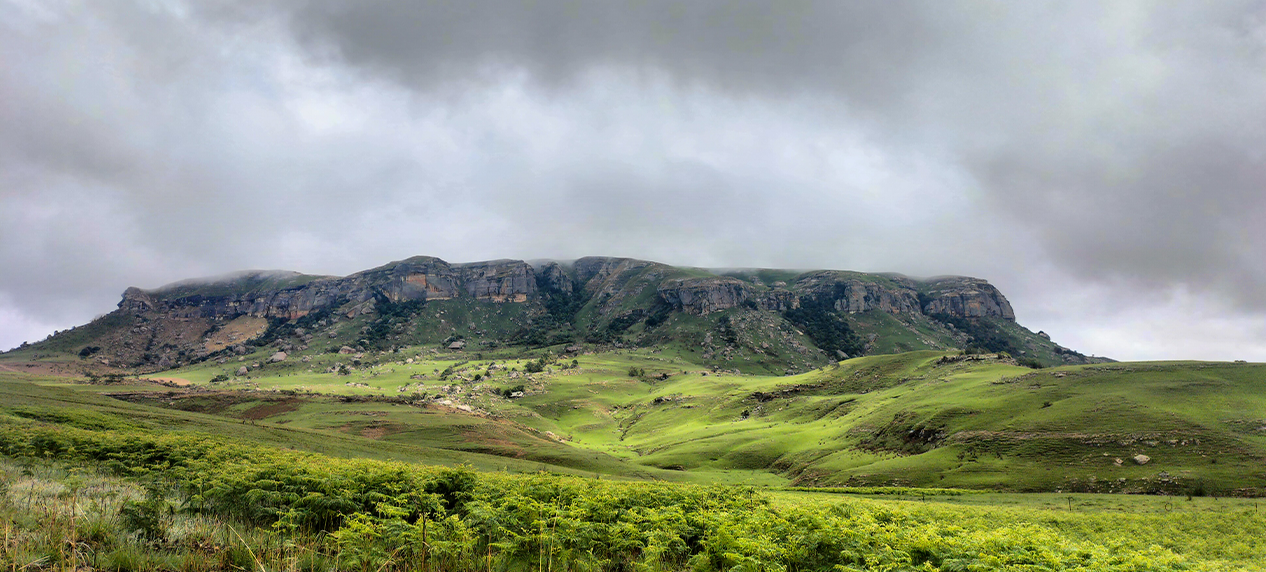
the Knersvlakte landscape

As a member of the Endangered Wildlife Trust’s Drylands Conservation Programme, I am confronted daily by the harshness of the arid regions in Western and Northern Cape and the vulnerability of the communities that live in this landscape.

It is during my interactions with communities and landowners that I often hear the words: “The land has been transformed”, or “this is degraded land”. 

But what exactly does this mean? 

Degradation, as a noun, refers to destruction or disintegration. When referring to land degradation, we speak to the process where land becomes less healthy and productive, or where the quality of the soil and environment has been reduced, due to a combination of factors, be these human activities, or destruction caused by natural disasters. 

Landscapes such as the Succulent Karoo, the Knersvlakte or the Kalahari regions are South Africa’s drylands. Each landscape holds a special beauty, hides a vast array of plant and animal species, and is a region where the unique and ancient culture of the people is expressed through their love of the land.

South Africa’s second National Action Programme to Combat Desertification, Land Degradation and the Effects of Drought states that desertification affects approximately 70% of drylands, and 73% of Africa’s agricultural lands are degraded.  Our country’s drylands cover approximately 400,000km2 – a landscape characterised by water scarcity, low and erratic rainfall, heatwaves, and occasional floods.

The United Nations Environment Programme (UNEP) states that about 91% of South Africa’s landscape is drylands, making the country susceptible to desertification. This creates several environmental challenges for South Africa in terms of food security, poverty and growing urbanisation, and is intricately linked to climate change and biodiversity loss. 

The Drylands of the northwestern part of the Western Cape and the Northern Cape are characterised by limited natural water resources and large open areas spotted with quiver trees and acacias, and where plants grow relatively low to the ground. The average annual rainfall in the landscape is between 50 to 300 mm per annum, making the arid regions very sensitive to climate variability, seriously impacting endemic plants and animals that have adapted to this environment. For the animals, survival here is dependent on evading drought or harsh periods through migration or endurance. For the plants, it is not only about durability, but also about soil, water and vegetation management.  This is a region that is constantly exposed to extreme weather and climatic occurrences, such as droughts and heatwaves, making it more vulnerable to rapid and devastating environmental change and land degradation.

In arid regions, even mismanagement that occurred 50 years ago remains visible in today’s landscape. This is a region where farming communities and town’s people speak openly about the effects of land degradation and the effects of climate change on their lives and the land, and the need to restore naturally degraded land and areas destroyed by man-made activities. They understand their exposure because of their dependence on the environment and natural resources to survive.

Natural scarring of the land caused by termites


But, it is not all doom and gloom. In this area, community-led conservation actions in collaboration with NGOs like the EWT have become the norm. Willing landowners and land custodians are working towards rehabilitation and changing historical farming practices to ensure the continued functioning of ecosystems. This restores fragile areas alongside the landscape’s cultural heritage.

Through the support of the Table Mountain Fund and the WWF Leslie Hill Succulent Karoo Fund we have been able to focus on biodiversity in areas previously overlooked, and raise awareness about the work being done in these areas as people learn more about the impact of the environment and climate change on their lives.  Through this work we are able to collaborate with the private sector, landowners, government and other NGOs to work towards adaptive management and, to a large degree, conservation through various Biodiversity Stewardship initiatives.

Awareness of endemic species allows greater understanding of the threats to species, habitats and ecosystems, resulting in a willingness to adapt management styles to ensure habitats are conserved. This is evident in areas where farmers have incorporated conservation into their management styles focusing much of their attention on how interconnected a community is with its land.  Through our work with the farming community and the community at large, the EWT has been able to assist in ensuring that unique areas and diverse endemic species are conserved and that the youth are educated about the fragility of the environment.

Best practice management is not an all-round solution for this landscape given the environmental and biological diversity of arid regions.  Examples in this landscape vary.  In some cases, minor changes to farming regimes to incorporate eco-tourism into their operations have shown success, while other properties are only suitable for farming. On the other hand, others may qualify as conservancies or protected areas.

Because a large part of South Africa is classified as semi-arid and will be severely affected by climate change and unsustainable developments and practices, greater attention needs to be given to the increased threats being faced by the Drylands. This is a landscape where the concept ‘survival of the fittest’ rings true—an area where the survival of Drylands species and ecosystems requires urgent and continuous collaborative conservation efforts to mitigate the impacts of drought, desertification and degradation.

The EWT’s efforts in the Drylands Strategic Conservation Landscape aim to promote, sustain, secure and/or restore the ecological integrity of unique Drylands biodiversity by working together with land custodians, communities and other stakeholders to conserve the habitats in which threatened, elusive and endemic species occur.  Our aim is to protect, conserve and restore our greatest heritage – the land. 

Landscape restoration methods to mitigate wind erosion, avoiding further degradation


Fighting for South Africa’s Drylands: Conservation Amid Challenges

Fighting for South Africa’s Drylands: Conservation Amid Challenges

Fighting for South Africa’s Drylands: Conservation Amid Challenges

By Eleanor Momberg (EWT Communications Manager) and Zanné Brink (Drylands Strategic Conservation Landscape manager)
 

Driving north from Cape Town towards Namibia you enter a landscape that looks dry, inhospitable and unforgiving—an area known as the Knersvlakte and Namaqualand, or the Drylands.

This is a sparsely populated region of South Africa, but a landscape that hides an extensive biodiversity and a high number of endemic species.   It is a landscape where drought and low rainfall are part of the people’s lives; an area pock-marked by the destruction of natural habitats by mining along the coast and inland.

The far reaches of the Western Cape bordering on the Northern Cape, stretching from coastal towns such as Doringbaai to north of  Brand-se-Baai inland to areas like Gamoep and Kliprand, you will find  numerous mines. This includes the Steenkampskraal Monazite Mine, an important producer of rare earth minerals, and uranium, as well as South Africa’s Radioactive Waste Disposal Facility at Vaalputs.  Many mines have closed over the years with little rehabilitation, leaving damaged habitats in the landscapes.

It is here that the Endangered Wildlife Trust’s Drylands Strategic Landscape is working closely with farmers, landowners and communities to identify critical biodiversity areas that need to be protected while addressing the existing scars in the landscape due to historical and current prospecting and mining activities.  It is vital to ensure the long-term conservation of the Succulent Karoo, as any scarring or damage to the top layer of soil will result in a form of erosion.   Through continued research and support, the EWT aims to provide landowners with scientifically-based evidence of the unique and endemic species found on their properties.  As the drylands have very little documented information on the unique biota, it will ensure further robust specialist studies can be conducted if prospecting and/or mining applications are encountered. Continued work in the arid lands through rehabilitation will ensure more site specific information is available to implement arid land rehabilitation, and provide accurate rehabilitation costs to be considered.  Because prospecting applications are increasing, it is important to ensure that landowners and land custodians understand the value of the biodiversity found on their properties, as this knowledge could inform the outcome of a prospecting or mining application.

Namaqualand and the Drylands, are landscapes of united communities encompassing people living in small towns, on farms, in shelters and isolated homesteads, all interdependent on each other for continued survival.  The community is dedicated to conserving and maintaining the veld, while also restoring degraded lands because of the dependence on the veld for survival alongside their relationship with the endemic species found here. Landowners understand that decisions made today will have an impact for 50 to 100 years, and that they must farm smart to ensure a life for future generations.

Despite numerous challenges related to the approval of prospecting and mining rights on private properties, farmers in the drylands are adamant that they will not be forgotten or overlooked.

Local farmer Mari Rossouw believes their community is often overlooked because outsiders often question why anyone would want to live in this “unforgiving landscape”. Often applicants for mineral rights further underestimate the local knowledge and the power of the community.

Kliprand farmer Sarel Visser feels the area is being exploited because of its low population density, the assumption that there will be no fight to protect arid lands.  He points out that mines in the landscape have a 10 to 15-year lifespan and are thus not viable.   Farming, tourism and conservation are the future, he argues.

“They are destroying our entire ecosystem and destroying the lives of the people in a community that lives in constant uncertainty. We are already the last generation able to farm with sheep in this area,” he says.


What are the challenges?

Namaqualand and the Knersvlakte are drought-prone, with an annual rainfall of between 150mm and 300mm.

It is a landscape bent under the pressure of prospecting and the threat of further mining that will permanently scar the landscape. Communities living here are not willing to sit back and accept prospecting applications that are either factually incorrect or badly translated into the predominant language spoken in the region—Afrikaans. The community has had to upskill to ensure applications were commented on as part of the public participation process, and then how to appeal mining applications on their farms. Further challenges include prospecting applications being approved despite containing incorrect geographical and environmental information.

Among the community’s concerns is the fact that the Matzikama municipality’s 150km coastline, bar one kilometre, is being mined, or has mining rights allocated; a lack of rehabilitation and restoration of historical mining areas; a lack of adequate rehabilitation funds built into prospecting applications; the removal/destruction of topsoil; and not being able to sustain restoration. Another concern is the lack of financial means available to landowners to create and register a protected area on their properties.

Since 2019, there have been 54 prospecting applications on properties owned by 20 farmers in the Kliprand area alone.  While all have been denied, and three are presently under appeal,  three new applications were received in mid-June 2025.

Landowners become emotional when they speak about how the soil and the micro-organisms found in topsoil die when this is removed.  In an area where plant growth is already vulnerable, the veld never fully recovers as the topsoil becomes sterile when removed.

Chair of the Knersvlakte Conservancy Kobus Visser says that if you drive over or step on a plant you can kill it.  The damage caused to certain plant species is unique to this environment because of its complexity. Rehabilitation can take up to 100 years “or never”.

Seventh generation farmer Christiaan Pool says his farm, on which Vaalputs is situated, is a clear example of this.  Areas damaged in 1974 have still not been restored to their former state.

Sarel says an area last ploughed by his father in 1967 has not fully recovered either, while Magarieta Coetzee says an area on their farm damaged by historical over-grazing more than 60 years ago has also not returned to its original state.

Drought and damaged soil, they say, also affect the feeding value of the Kraalbos (Galenia africana), which has a higher nutritional value for sheep than lucerne.

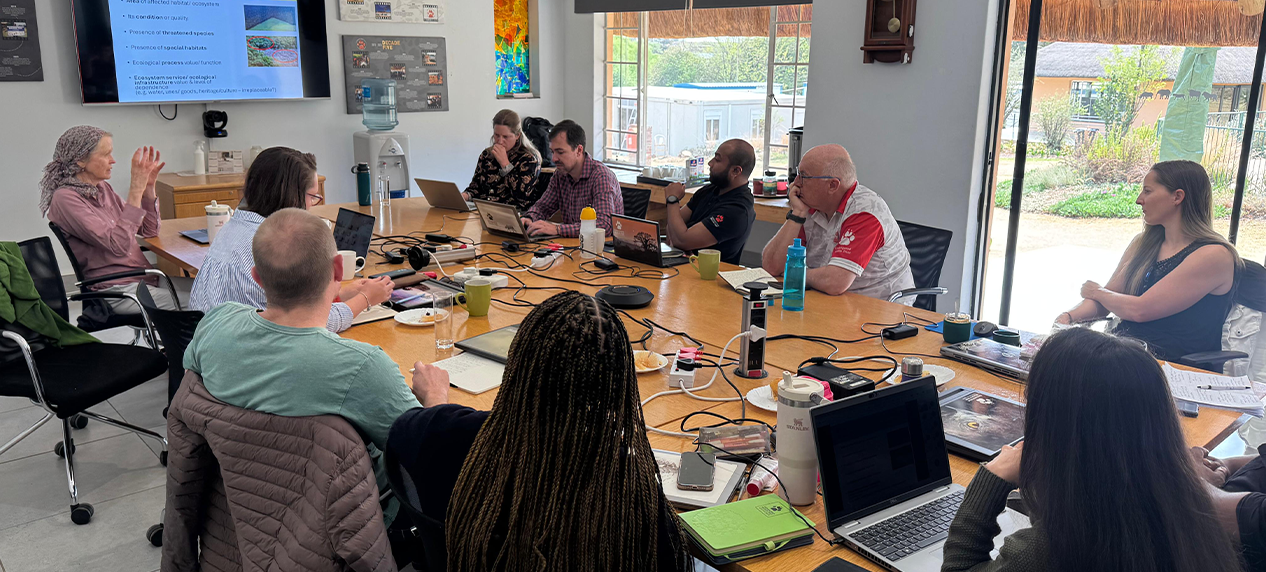
Farmers, landowners and community members gather together with the EWT to discuss solutions to the challenges facing the Drylands


Solving land degradation

Mari and a team of more than 60 local community members have been working closely with several mines and a State-Owned Enterprise in the last 24 years to rehabilitate degraded areas on the West Coast.

They have transplanted more than 4.5 million plants in degraded areas, in many instances augmenting the work being done by some of the mines. Rehabilitation costs are astronomical.

Once the sand has been stabilised, seeds of cultivars found in that particular area is transplanted, invasive alien species are controlled and rows of netting is installed for wind mitigation stabilisation.

Among these are succulents, a vegetation type largely threatened by illegal trade.  Saving these species is proving to be more difficult than previously thought “because we struggle to get the soil to a point where these plants will be able to survive,” says Mari.

They plant cultivars with strong rooting systems such as the Pelargonium, Wag ‘n Bietjie, Buchu, Papierblom, Pendoring (Pin Thorn) and Kapokbos between the rains in the winter to ensure they grow.  This, in turn, attracts birds and other small mammal species back to the area.

For Mari it is important that the aesthetic value of the environment “must remain for when we are not here anymore, in 30 years”.

Sarel believes that the longer-term employment and economic solution for this region is conservation, tourism and other land rehabilitation projects.

Johan Truter and Christiaan Pool add that conservation is the future, but that they don’t have sufficient funding to have their farms declared protected areas.   This is despite their properties already meeting the criteria for Biodiversity Stewardship in terms of vegetation units and the region’s unique biodiversity.

This community is calling for a moratorium on all prospecting in their landscape so that the EWT and other researchers can undertake a proper study of all the species found here.  In the past two years the De Winton’s Golden Mole, for instance, was rediscovered after an absence of 87 years.  The area is home to the Western (“Namaqualand”) tent tortoise (Psammobates tentorius trimeni), Speckled Dwarf Tortoise (Chersobius signatus)—two of the threatened reptile species in South Africa, the Endangered Black Harriers (Circus maurus), and a variety of Threatened and Endemic succulents and invertebrates.

It is also where the EWT is helping communities and landowners to explore alternative income streams to take the pressure off the natural resource base in terms of agricultural production. This includes the introduction of ecotourism activities that not only create jobs, but bring much-needed income to the region. In 2020 and 2024, we officially launched mountain biking,  trail running and the Via Ferrata routes on Papkuilsfontein, near Nieuwoudtville. These trails help diversify farming income through adventure tourism and balances nature-based income generation and farming activities.

Kobus Visser says to succeed as conservancies or protected areas, the Namaqua and Knersvlakte communities need to know what is on their land, thus the importance of working with NGOs such as the EWT.  It is through science and knowledge that success will be achieved, he says, pointing out that were it not for researchers such as Zanné Brink, or Renier Basson of the EWT they would not know that certain tortoise or insect species live on their farms.

He adds that the farmers have learned to live with global warming, adapting their farming practices to ensure the veld remains resilient to climate change.  The Knersvlakte Conservancy, he says, is an area that showcases this—the will of the community to establish something to ensure like-minded conservation outcomes.

“We have all our plans in place and are busy with a proposal to open an office before the end of the year. Then will be able to concentrate on physical projects to increase our knowledge, like insect surveys with the EWT,” he says.

Zanné, the EWTs Drylands Strategic Landscape manager, says continued efforts are ensured through working with provincial authorities to align provincial and national biodiversity legislation and regulations that would further ensure the safeguarding and extension of protected areas and informing Environmental Impact Assessment (EIA) practices.

“To establish a conservancy, other effective area-based conservation measures (OECMs) or a protected area, it starts with the land and the will to ensure the long-term protection of the environment. Within Namaqualand and the Knersvlakte, the community is ready for this opportunity that cannot be lost,” she says.

Caught on Camera: Insights into the Secret Life of Kloof Frogs

Caught on Camera: Insights into the Secret Life of Kloof Frogs

Science Snippet

Caught on Camera: Insights into the Secret Life of Kloof Frogs

By Erin Adams and Lizanne Roxburgh, Conservation Science and Planning Unit at the endangered wildlife trust

Kloof frog. Photo Credit Cherise Acker-Cooper

Camera traps are an essential tool for wildlife research, allowing scientists to monitor animals over long periods without disturbing them. They provide insights into behaviour, population trends, and habitat use.

While widely employed for studying larger animals, their potential for amphibian research has been overlooked, despite the alarming decline of these species—41% of the world’s amphibians and 23% of South Africa’s frog species face threats, such as habitat loss and climate change. Understanding their behaviour can guide conservation strategies to protect vulnerable populations.

To address this gap, EWT scientists* tested camera traps on the Endangered Kloof Frog (Natalobatrachus bonebergi), a species known for returning to the same breeding sites year after year. Their unique expanded toe tips allow them to climb slippery surfaces, enabling them to lay eggs on rocks, branches, and leaves above slow-moving streams. This placement ensures that once the tadpoles hatch, they can drop directly into the water below—a crucial survival strategy. Scientists aimed to document frog behaviour during both breeding and non-breeding seasons and analyse how environmental conditions influence their activities.

To gather data, researchers positioned camera traps along a stream where Kloof Frogs consistently breed. The cameras captured images between 18:00 and 06:00, when the frogs were active. Normally, camera traps are triggered to take a photo by the movement of animals, but Kloof Frogs are too small, so the cameras automatically took photos every minute. The images were analysed to categorise behaviours, measure the duration of the behaviour, and record the time of day that these activities occurred. Additionally, environmental data such as temperature, lunar phase, rainfall, and moon brightness were recorded, helping scientists understand how local conditions affect the frogs’ daily and seasonal habits.

The findings revealed that Kloof Frogs prefer cooler temperatures, with their breeding sites being significantly colder, up to 13°C lower in the morning and 10°C cooler in the afternoon, than surrounding areas. This is important as deforestation of their riparian habitat would lead to significantly higher temperatures along rivers, which would affect their behaviour and survival.

Deforestation is a threat to many other species and to ecosystem functioning, and disrupts water supplies. The breeding season lasts from September to April, but scientists noted a decline in egg-laying when the moon was at its brightest, possibly due to increased visibility to predators. This is another important finding, as any artificial light, which could mimic the moon, would reduce breeding behaviour and success in these frogs. Artificial urban light has also been shown to be a threat to many other species, including migratory birds and sea turtles.

Additionally, researchers observed female frogs returning to their egg clumps regularly to hydrate them using water stored in their bladder—a fascinating maternal behaviour. The study also captured the first recorded instance of crab predation on Kloof Frog eggs, highlighting an overlooked threat to their reproductive success.

This research demonstrates that camera traps can be an effective tool for studying amphibians, expanding conservationists’ ability to monitor species without human interference. By deepening the understanding of Kloof Frog behaviour, the findings will help predict how climate change and habitat degradation may impact the species. Ultimately, this information will aid in developing targeted conservation strategies to protect both the Kloof Frog and other threatened amphibian species.

From Science to Storytelling: EWT’s Role at the NEWF Congress

From Science to Storytelling: EWT’s Role at the NEWF Congress

From Science to Storytelling: EWT’s Role at the NEWF Congress

By Esther Matthew and Insauf De Vries, Drylands Conservation Programme, Endangered Wildlife trust

NEWF stands for Nature, Environment, Wildlife & Filmmaking. It is South African-based company working to change the narrative around wildlife documentaries and environmental storytelling to enable African stories to be told by African people. As such, the NEWF CONGRESS is the annual gathering and signature event which brings together emerging and experienced filmmakers, storytellers, scientists, conservationists, and media distributors. The perfect event to connect and engage to forge ahead on a shared mission to remove the barriers and build capacity to enable inclusion. So, this event, in partnership with the National Geographic Society, is where individuals working with nature, environment, wildlife & conservation storytellers, filmmakers, scientists, conservationists and broadcast media come together in Africa!

The NEWF Fellows Summit, which precedes the congress, is a closed event dedicated to networking, knowledge exchange and connection between attending fellows and other participants. Programming is designed to foster community and collaboration in-person.

This year, the EWT’s Drylands Conservation team’s Esther Matthew and three of our nature-course students were invited to attend the NEWF fellows’ summit and congress in Durban. Our students are based in Touws River in the Western Cape and are working with the EWT to establish their own eco-tourism businesses in the area. As such, this was the perfect opportunity for them to learn from experts in the different fields and network to create valuable collaborations.

Furthermore, Esther was invited to join the Match Made in Science panel at the congress, to talk about her research using scent detection dogs for conservation projects. From finding Giant African Bullfrogs underground to helping train South Africa’s first succulent plant detection dogs, Esther’s work uses conservation dogs to uncover some of the country’s most threatened and elusive species. Her groundbreaking efforts have earned her recognition as a National Geographic Society Explorer. As such this opportunity to highlight our work was a brilliant match of science, conservation and storytelling.

Four Paws Against Poaching: Canines in Conservation at Pilanesberg

Four Paws Against Poaching: Canines in Conservation at Pilanesberg

Four Paws Against Poaching: Canines in Conservation at Pilanesberg

By Fudhail Marriday –  Canine Handler, Canine conservation unit, Endangered Wildlife trust

My name is Fudhail, and I’m proud to serve as a canine handler at Pilanesberg National Park, partnered with my four-legged colleague, Remi — a dedicated conservation dog with a nose for protecting wildlife. Together, we form part of the K9 conservation unit, using a mix of training, instinct, and a lot of dog hair to protect this beautiful reserve.

Life has a way of surprising you — and in my case, it came with paws, floppy ears, and an incredible skill set. What started as an unexpected opportunity turned into a passion. There’s something deeply rewarding about making a real difference, even if it means getting dirty, sweating buckets, or being outsmarted by a dog on occasion (Remi keeps me humble).

Our daily routine is anything but ordinary. From controlling access at the park’s four gates. Remi and I are constantly on the move. We conduct fence patrols, presence patrols, and work closely with rangers on stop-and-search missions inside the park. Remi’s nose is a powerful tool — capable of detecting hidden wildlife contraband long before any human could spot it.

We also do public demos, showing off the skills that make these dogs such valuable assets in conservation, from tracking scents to detecting hidden items with uncanny precision. These demonstrations aren’t just for show, they are an important tool for raising awareness about the threats our wildlife faces and the role working dogs play in combating them. Remi gets the spotlight; I just try to keep up.

At the end of the day, this work isn’t just about protecting wildlife — it’s about partnership, purpose, and sometimes picking ticks off your teammate. Remi and I wouldn’t have it any other way.

Taking Flight: Mpumalanga’s Cheetah Population Is Taking Shape

Taking Flight: Mpumalanga’s Cheetah Population Is Taking Shape

Taking Flight: Mpumalanga’s Cheetah Population Is Taking Shape

By Olivia Sievert, Cheetah Range Expansion Project Coordinator, Endangered Wildlife Trust


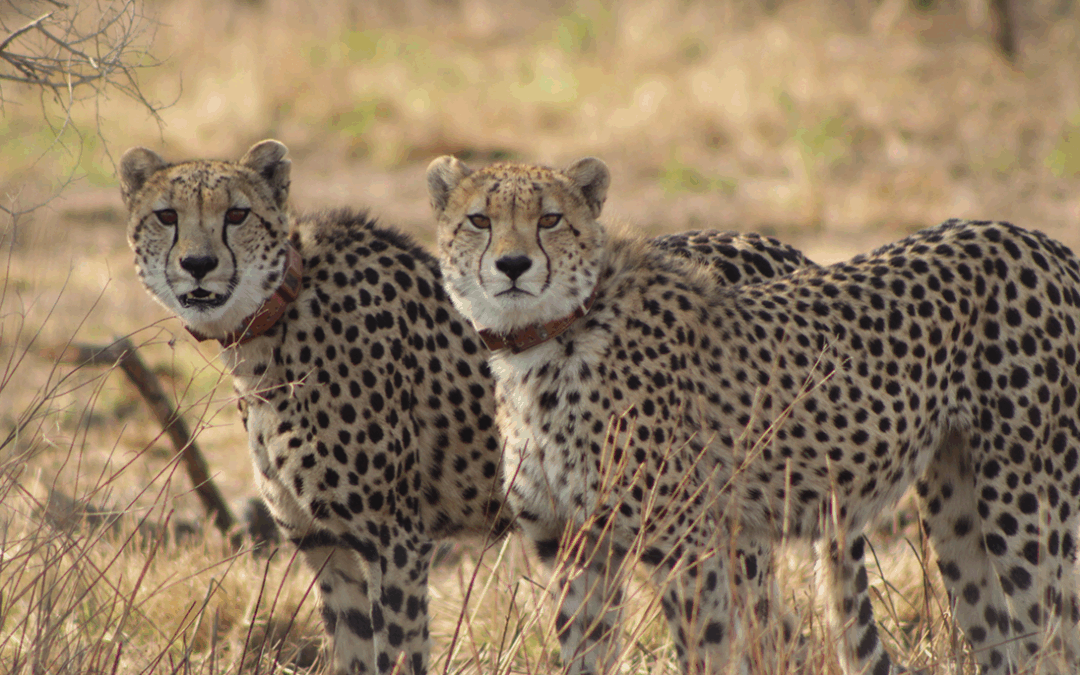
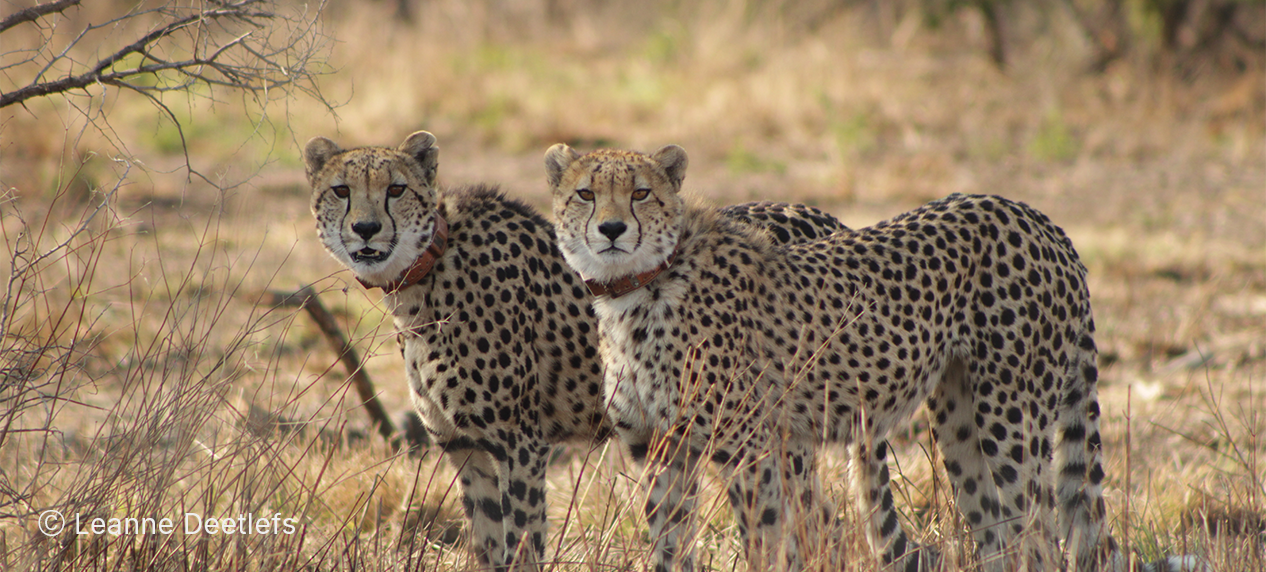
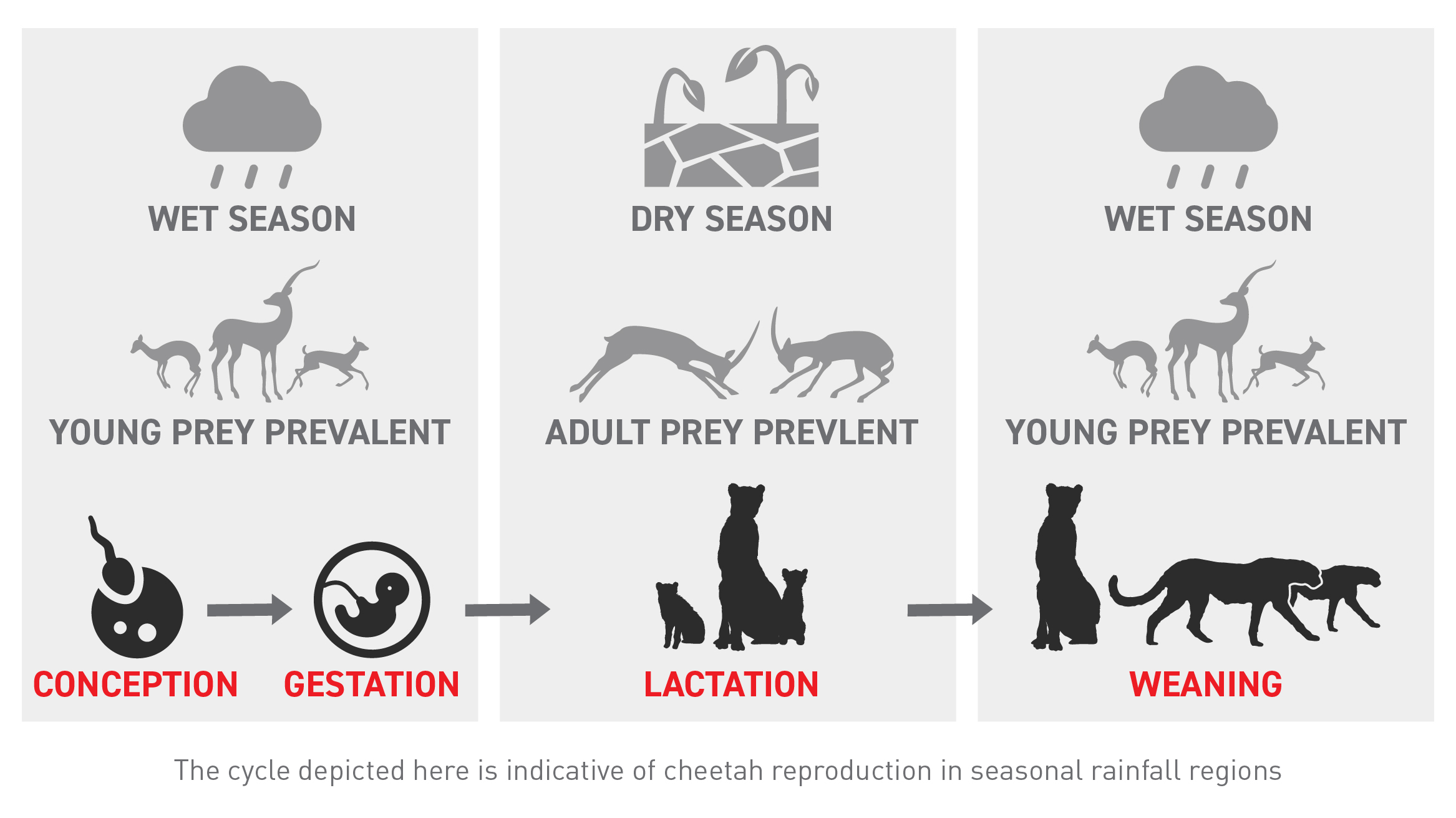
What would’ve been a gruelling 30-hour, 3,000km road trip turned into a smooth few hours in the sky, all thanks to the incredible support from The Bateleurs and volunteer pilot Nick Lincoln!The adventure kicked off over the Freedom Day long weekend. While most were soaking up the sun or enjoying time with family, myself and Bateleurs pilot, Nico were hard at work at Rand Airport in Gauteng, determined to figure out how to fit a cheetah crate into a Piper Cherokee. The mission? To relocate a female cheetah from Buffelsdrift Game Reserve near Oudtshoorn to Ukuzwana in Mpumalanga, a vital step in building a new breeding population there.

After hours of removing nearly every seat from the plane, we hit a snag: the crate would fit… but just not through the doors. A frustrating setback, but a lesson learned!

Enter hero of the day, The Bateleurs’ pilot Nick Lincoln, who quickly offered to help. Plans were reshuffled, vets and provincial officials rebooked, and by Tuesday, I was on a flight with Nick and the crate heading to Oudtshoorn via Durban.

Wednesday brought much-needed rain to the region, great for the Karoo, not so great for flying with a cheetah. But with a lucky break in the weather, we were able to safely sedate the female, load her up, and take off. The breathtaking flight over Lesotho was our reward for a hard day’s work, and within 5.5 hours of darting her, we were touching down at Piet Retief Airport, greeted by the waiting Ukuzwana team.

With both a coalition of males and a female now successfully reintroduced, the new breeding population in Mpumalanga is officially taking shape. This milestone would not have been possible without the incredible teamwork and dedication from so many. We are deeply grateful to Ikhala Veterinary Clinic and Wildest Vet for their expert care, to Buffelsdrift Game Reserve and Lalibela Game Reserve for generously donating cheetahs to the project, and to the various provincial offices, especially Mpumalanga Tourism and Parks Agency for their tireless efforts to restore cheetah to this region. Most importantly, our heartfelt thanks go to the Ukuzwana Witbad Foundation for creating the safe space these cheetahs so desperately need to thrive.

A very special thank you to The Bateleurs for your ongoing support of our work, especially of these critical translocations. We truly couldn’t have done this without you.

We’re filled with hope and excitement for what’s to come and look forward to sharing updates as this cheetah population settles and grows!


Nandi’s Journey: Lessons from a Wattled Crane’s Rehabilitation

Nandi’s Journey: Lessons from a Wattled Crane’s Rehabilitation

Nandi’s Journey: Lessons from a Wattled Crane’s Rehabilitation

By Jacquie van der Westhuizen, Drakensberg field officer for the African Crane Conservation Programme, EWT and ICF partnership

Left: This was the X-ray taken showing her broken leg just under the left “knee” Right: Nandi sees himself in a mirror and thinks it’s another wattled crane.


Nandi, in Zulu, means pure, pristine and enduring power. This couldn’t be more descriptive of what Wattled Cranes need to survive.  In an ideal world, a pristine habitat would’ve guaranteed longevity, and the power to endure would have cemented the survival success of the cranes. But we do not live in an ideal world, and things are not perfect.

In August 2024, we received a distraught call from a dedicated Wattled Crane farmer, who had restored his wetland to encourage Wattled Crane breeding, to inform us that his six-week-old Wattled Crane chick was not mobile. We went out to check on the chick with Brent Coverdale of Ezemvelo KwaZulu-Natal Wildlife to assess the problem.  As an Endangered species, every bird matters.  Once we determined that the chick was unable to walk, we decided to take it to the FreeMe Wildlife Rehabilitation Centre in Howick.

After having X-rays done, it was discovered that the chick had a serious fracture in one leg, very close to the growth plate. Dr Margie Roach determined that surgery would not be possible. In some ways, this was a good thing because as the chick grew, the break repaired itself in a process where the growth plate pushes out soft cartilage, which later hardens into bone.  This, in effect, repaired the break under the careful eye of the FreeMe team.

Nandi’s leg healed perfectly and straight.  You would never say she had had a broken leg!  While at the rehabilitation centre, Nandi was raised using the isolation rearing method, which prevents a crane chick from imprinting on humans.  However, she was still habituated to people, and so a team of 10 or so people met to discuss her future.

By then, Nandi had not seen another Wattled crane since she was six weeks old. She had been taught how to eat, forage and fly by a surrogate crane in the form of a human in a crane suit. In addition, she had not had much flight practice. Although the flight tunnel at FreeMe was available to her, there was not enough space for a true flight.

Wattled Cranes need to spend at least three to four years in the non-breeding flock to ensure that they learn about survival from the older birds. Although Nandi was from KwaZulu-Natal, we decided that because she was not flight fit and still had a naive outlook on life, it would be better to integrate her into a floater flock that was not too intimidating and where she would not face the variety of threats present in the local landscape.  A decision was made to move her to a pristine wetland in Mpumalanga to live with a bird that had been living alone for a decade or so.

Nandi was fitted with a backpack tracker and colour rings and released close to the wild crane when she was almost nine months old. Having none of this, the wild crane moved off to the top end of the wetland and kept his distance.

After her release, we monitored her every day, arriving at approximately 6.30 am with bated breath, hoping she had survived the night and hoping by some miracle that the two cranes were together.

Eleven days after releasing Nandi, we arrived at the wetland and to our absolute amazement, the two cranes were together.  Words cannot describe the feelings of overwhelming joy we felt after everything Nandi had been through.  My first call was to Lara Fuller, my colleague in the African Crane Conservation Programme, at about 6.45 am to tell her and the rest of the team the good news!

We watched them closely, monitoring the interactions between the two.  The wild crane’s mate had died a few years ago, and it had been alone in the wetland since.  So we weren’t sure how it would react to a new crane either.   The motive for releasing Nandi with the wild crane was not for them to pair up—firstly, Nandi was too young (Wattled cranes only start breeding between the ages of three and six), and secondly, we did not know the sex of the wild crane.  We hoped this was the start of a floater flock.

From their behaviour, it became apparent that the wild crane had become the parent, with Nandi following it everywhere.  Our daily observations were important for our crane research, as this was the first time that a rehabilitated wattled crane had been released back into the wild. This meant that everything she/they did was new and undocumented.

One night, we left them after dark; the wild crane looked like he had put Nandi to bed.  She had settled herself into a patch of long reeds in the wetland, with the wild crane looking on. Then it left and went to its normal roosting spot a few hundred metres from her.

The next morning, there was no sign of Nandi. The wild crane was also looking for her.  It was the saddest thing to see.  Nandi’s tracker had not moved for hours.   Tragedy had struck, and after searching for her, we found her.  She had been killed by a predator, most likely a caracal—we deduced this from the bite pattern. Predators are known to have a significant impact on the survival of crane chicks, estimated at a 50% mortality rate.


Disappointment for everyone involved.

Although the outcome was not what we had hoped for, we now have a greater understanding of how to improve techniques for future crane rehabilitation. Unfortunately, as the species has increased over the last two decades, we are likely to see more and more birds being brought into landscapes not ideal for the species and succumbing to possible threats.

Perhaps one of Nandi’s greatest legacies will be the inspiration that she brought to those working in conservation in Mpumalanga. Her loss has inspired further work within this region and may form a new strategy in the South African landscape to expand the Wattled Crane range in Mpumalanga.

Nandi’s quiet endurance may be her species’ future!


Lara Fuller (Drakensberg Project Coordinator) in a crane suit, walking Nandi to the wetland

Biodiversity is Everyone’s Business: Aligning Sustainability with Growth

Biodiversity is Everyone’s Business: Aligning Sustainability with Growth

Biodiversity is Everyone’s Business: Aligning Sustainability with Growth

By Catherine Kühn – Biodiversity Disclosure Project Manager, Endangered Wildlife trust


Marking the International Day for Biological Diversity in May was a reminder to all that business and biodiversity are deeply interconnected.

The theme this year was “Harmony with Nature and Sustainable Development”.

When ecosystems are damaged through harmful practices such as pollution, land degradation, and extraction of resources, the services they provide, such as clean water, fertile soil, timber, and crop pollination, are also affected.

Biodiversity loss is accelerating, driven by climate change, unsustainable land use, and overexploitation. Humanity has already exceeded six of the nine planetary boundaries, which provides a glaring narrative that if we don’t make significant changes to how we operate, our future is at serious risk. Biodiversity is deeply linked to the long-term resilience of businesses across all sectors. The loss of healthy ecosystems can disrupt supply chains, compromise resource availability and product quality, and expose companies to increased operational costs, regulatory pressures, and reputational risk.

In 2022, 196 countries, including South Africa, adopted the United Nations Convention on Biological Diversity’s Kunming-Montreal Global Biodiversity Framework (KM-GBF), a global framework with 23 targets aimed at halting and reversing biodiversity loss by 2030, and a goal to achieve “Living in Harmony with Nature” by 2050. For the first time in history, a global agreement in the form of Target 15 of the GBF calls on businesses and financial institutions to assess, disclose, and reduce their biodiversity-related risks, dependencies, and impacts, while promoting sustainable production and increasing positive contributions to nature. This marks a critical shift: biodiversity is no longer just a conversation about conservation; it is now a business mandate.

The Endangered Wildlife Trust supports this shift by working closely with South African businesses across sectors to understand their biodiversity risks, dependencies and impacts. The EWT’s Biodiversity Disclosure Project’s Biodiversity and Business Action Plan (BBAP) captures insights from South African companies, highlighting that while many businesses acknowledge biodiversity is important, most are still at the beginning stages of their biodiversity mainstreaming journey.

From many of the discussions held with South African businesses, we have been able to pinpoint some meaningful progress being made by leading companies. Some companies have started assessing and disclosing how their operations impact ecosystems and species, an essential first step in their commitment to transparent disclosure. Businesses are calling for practical tools and best practice guidance to help embed biodiversity into governance and operations. Others are recognising the need to invest in capacity-building, ensuring informed biodiversity decision-making across teams, from operational staff to executive leadership and boardrooms. And many others are exploring how investment strategies, incentives, and financial planning can support their nature-positive commitments and goals.

These shifts signal a broader realisation: Investment in biodiversity now means business resilience in the future. And in South Africa, the private sector has a critical role to play. With businesses managing or owning more than 25% of the country’s land. This is more than twice the land under formal conservation. That means that private enterprises play a critical role in identifying and managing land for biodiversity and are uniquely positioned to be part of the solution. From mining and energy operations restoring degraded land, to agricultural producers adopting regenerative practices, to retailers rethinking sourcing and packaging, each action brings us one step closer to restoring harmony with nature.

Biodiversity–deemed a global responsibility by the Convention on Biological Diversity–isn’t just about the pretty fynbos, or the lush savanna grasslands with roaming giraffe, wildebeest, and the odd African leopard hiding out in the Acacia tree; it’s about protecting the natural systems we all rely on and building a future where people, nature, and business can thrive in harmony.

Conservation Ego: The Cost of Disunity in Saving Africa’s Vultures

Conservation Ego: The Cost of Disunity in Saving Africa’s Vultures

Conservation Ego: The Cost of Disunity in Saving Africa’s Vultures

Kish Chetty, Executive: Head of Sustainability, Endangered Wildlife Trust


In the high-stakes world of conservation, one would hope that the shared goal of protecting our planet’s biodiversity would foster unity, cooperation, and mutual respect among organisations. Yet, the reality often tells a very different story. Across South Africa and globally, the conservation NGO sector is grappling with a deep-rooted problem: ego.


This ego manifests in unconstructive competition, persistent undercutting, and the co-opting of one organisation’s hard-won successes for another’s fundraising agenda. At best, this erodes trust, and at worst, it actively undermines the impact we are all striving for.

A recent tragic event in the Kruger National Park illustrates this challenge all too clearly. The mass poisoning of vultures, iconic species already teetering on the edge of extinction, demanded an immediate, coordinated, and skilled response. The Endangered Wildlife Trust (EWT), in partnership with SANParks and a handful of collaborators, was at the forefront of this effort. Our teams worked tirelessly to neutralise the poisoning site, rescue affected birds, collect evidence, and support law enforcement.

This was not a media stunt.  This was the grim, emotionally taxing, and technically demanding work of conservation triage.

And yet, other organisations, absent from the actual response, quickly began using the incident in their fundraising and communication campaigns. Photos and headlines were repurposed to tell stories in which they played no part. This is not only disingenuous, it is dangerous. It distorts public understanding, dilutes the visibility of the real work being done, and redirects much-needed funding away from those doing the actual work.

This behaviour is not unique to vultures, nor to this particular incident. It is systemic, and it is slowing our collective progress toward national and international conservation goals. If we are to solve the complex, transboundary challenges facing nature, we must  raise the bar for what collaboration really means in conservation:

  • Recognise and respect each other’s roles: Organisations have different strengths; some focus on field operations, others on policy, education, or innovation. Collaboration means leveraging those strengths rather than duplicating efforts or competing for the spotlight
  • Share credit, not just blame: When success is achieved, recognition should be distributed fairly. When things go wrong, responsibility should be shared. Trust is built in both moments.
  • Create and commit to joint strategies: Conservation partners should be aligning shared goals, defining clear roles, and working from integrated plans, especially when dealing with complex issues like wildlife poisoning, climate change, or habitat loss.
  • Be transparent with funders and the public: Clearly communicate your role in partnerships. Don’t overstate impact or appropriate the work of others. Funders should require evidence of collaboration and impact, not just compelling marketing.
  • Invest in relationship building: True partnerships take time. They require communication, humility, and a willingness to listen and adapt. Technical expertise matters – but so does trust.

If we are serious about saving species and ecosystems, we need to be equally serious about how we work together. Collaboration is not a buzzword, it is a prerequisite for success. But collaboration only works when the partners involved are reputable, ethical, and truly committed to long-term outcomes over short-term recognition.

The EWT has, for over five decades, led vulture conservation in Africa. We are not just responders to poisoning incidents.. We are leaders in developing tools and technologies for monitoring, reducing threats from power infrastructure, working with the wind energy sector, protecting habitats, shaping legislation, and delivering training to hundreds of conservation professionals.

We do this not because it is easy or popular, but because it is necessary. We do it in partnership with those who share our commitment to integrity, evidence-based action, and enduring impact.

The conservation sector doesn’t need more heroes. It needs more humility. More collaboration. And more accountability—to each other, to funders, and most of all, to the species we claim to serve.

It’s time to set egos aside and get back to what really matters.