Donate today: support our k9's 
 mission

Raptors in Decline: What One Researcher’s Roadside Observations Revealed

Raptors in Decline: What One Researcher’s Roadside Observations Revealed

Raptors in Decline: What One Researcher’s Roadside Observations Revealed

By Ronelle Visagie, Birds of Prey Unit
 

Left: Jackal Buzzards in Middelburg district. Right: Data tracking

Left: Jackal Buzzards in Middelburg district. Right: Data tracking

A study of long-term road surveys undertaken by Ronelle Visagie, field officer in the Birds of Prey Unit, has been referenced in a new research report revealing widespread declines in South Africa’s raptors and other large birds.  Ronelle co-authored the report published by the University of Cape Town.

How did the survey come about?  Here is Ronelle’s story:

I was recently asked to share the story behind a study I co-authored that revealed widespread declines in raptor numbers across South Africa. The data behind the research came from an unexpected source: the many kilometres I’ve driven while working for the Endangered Wildlife Trust (EWT).

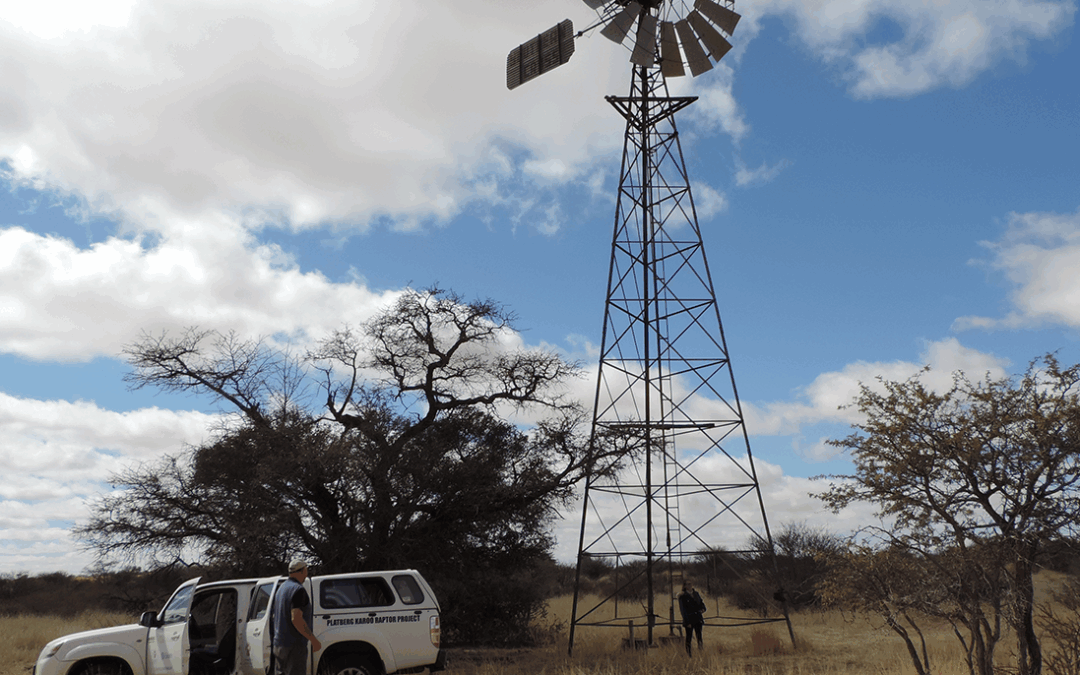
My work involves a lot of time on the road. I regularly travel long distances to investigate power line incidents involving birds, and in 2019 I began monitoring 400 vulture nests in the Kalahari. From my home to Askam—where that fieldwork begins—is about 600 km. Much of the monitoring takes place along the Kuruman and Molopo Rivers and near Van Zylsrus. I’ve also spent years travelling through the region for the Vulture Safe Zone project.

Because I often drove the same long routes, I started looking for something productive to do while travelling. I realised that I could record the raptors I saw along the roads. Using the CyberTracker app on my phone, I began logging every bird of prey I encountered. The system is simple and effective: it allows you to record the species, age class and behaviour of each bird, while automatically storing the GPS coordinates.

From that point on, every work trip became an opportunity to collect data. Whenever I drove anywhere, I recorded the raptors I saw along the way. I also noted roadkills, which can provide insight into wildlife populations and threats. Interestingly, I’ve noticed that roadkills seem to have decreased over time, possibly because people increasingly collect them for food.

Over the years, the kilometres added up. Between 2009 and 2025, I drove over 500,000 km for my work with the EWT. Along the way, I built up a large dataset of roadside raptor observations.

A few years ago, I presented this dataset at the EWT’s Birds of Prey Conference in Swadini, Limpopo. In the audience was Assistant Professor Arjun Amar from the University of Cape Town. After the talk, he approached me and asked whether one of his students, Santiago Zuluaga, could analyse the data and develop it into a scientific paper.
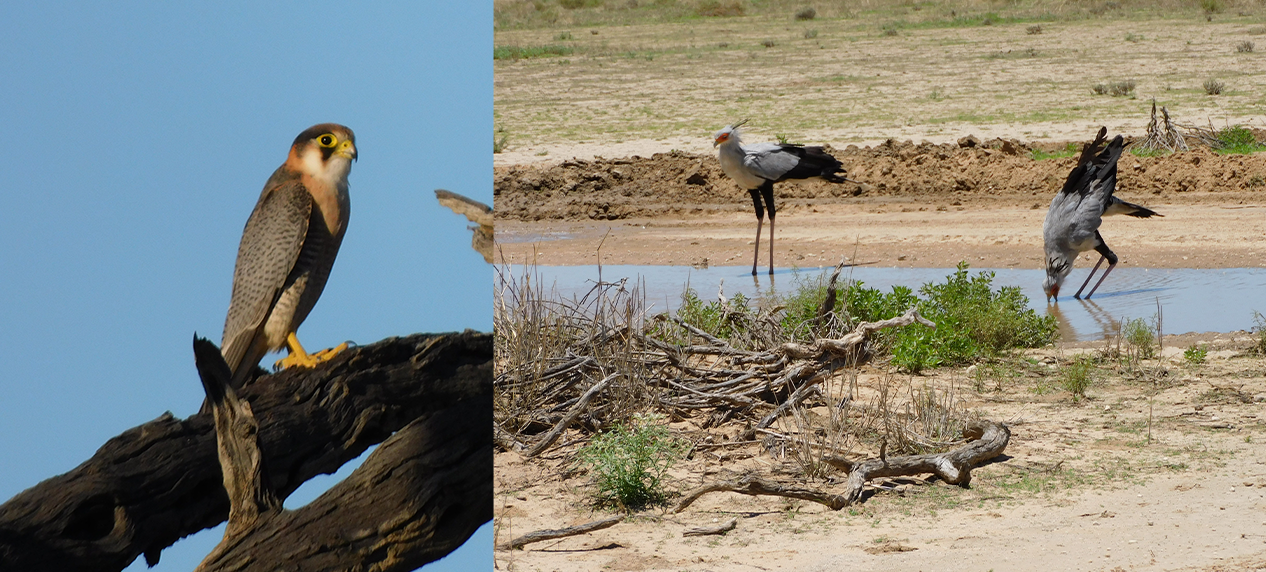
Red-necked Falcon in KNP and Secretary birds drinking water in the road

Left: Red-necked Falcon in KNP. Right: Secretary birds drinking water in the road

The results were sobering. The analysis showed that half of the raptor species I recorded had declined over the study period.

This matters because raptors play a critical role in ecosystems. They help regulate populations of animals such as rodents and dassies, preventing these species from becoming overly abundant. Vultures perform an equally essential service by removing carcasses from the landscape, helping to limit the spread of disease.

Some of the declines we observed are likely linked to human activities. In parts of the Northern Cape and Free State, certain raptors are persecuted because they occasionally catch chickens or lambs. Poisoning is also a growing threat, and unfortunately poisons are often easy to obtain. Owls appear to be particularly affected by this.

Addressing these challenges requires working with the people who share the landscape with these birds. When I travel through farming areas, I spend time talking with farmers to understand their concerns and look for ways to help reduce conflict. I also visit schools to talk to children about why raptors are important and the threats they face.

Studies like this help highlight the scale of the problem. Raptors are declining, and yet they provide vital services that keep ecosystems functioning. The more we understand these trends, the better we can work together to protect these remarkable birds.

The article can be accessed here: https://doi.org/10.1016/j.biocon.2026.111764.
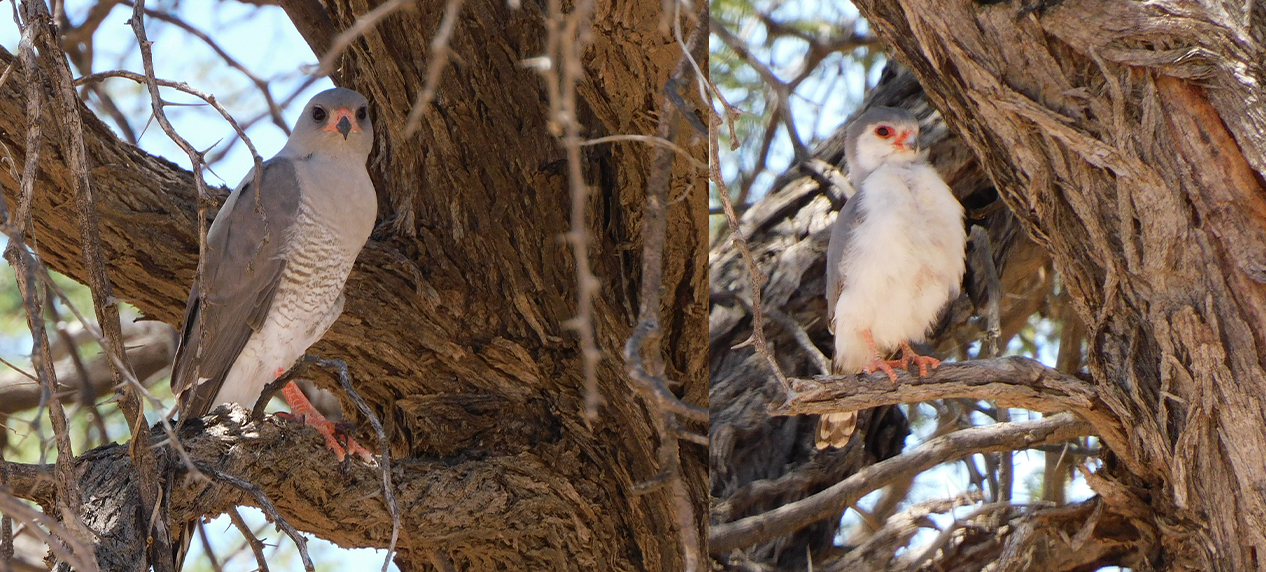
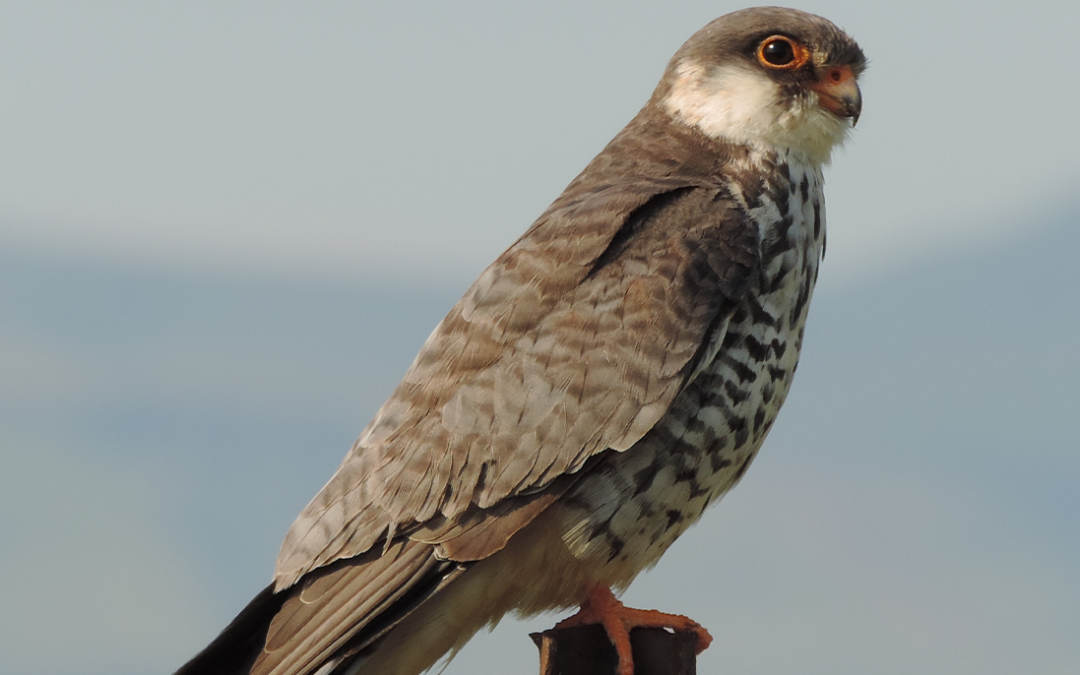
Left: Gabar Goshawk in KNP. Right: Pygmy Falcon in KNP
Left: Gabar Goshawk in KNP. Right: Pygmy Falcon in KNP
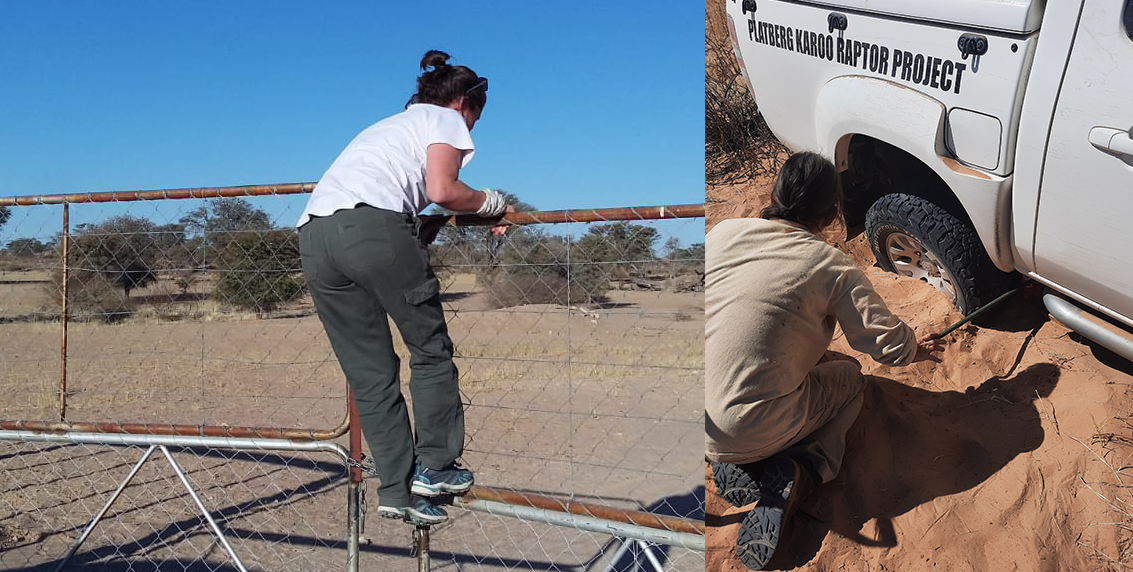
Challenged by Dunes, Gates and Antbear Holes in the Kalahari: August 2020

Challenged by Dunes, Gates and Antbear Holes in the Kalahari: August 2020

Snippets from staff

Challenged by Dunes, Gates and Antbear Holes in the Kalahari: August 2020

Danielle du Toit, field officer, Birds of Prey unit


Kalahari fieldwork with EWT team


“This is not going so well,” Ronelle laughed. We were in the since-retired EWT Mazda with over 400 000km on the odometer, held together by cable ties and no 4×4. This isn’t a problem unless you are halfway up a steep dune surrounded by thorny vegetation with no idea what’s over the crest. I looked over at Ronelle, my grip on the ‘Oh Hell!’ handle above the window tightening. My first experience of fieldwork, and my mentor was laughing maniacally as my mind imagined becoming a permanent feature of this dune.  The back wheels spun, whipping us to the side. Through my window, the thorn bushes approached far faster than any plant has the right to move. No sooner had I made peace with my impending doom than Ronelle took control once more, and we crested the dune. She was self-professed and categorically proved to be “her mother’s wildest child”.

The next day, we found a Dorper lamb on the roadside being sized up by a murder of crows. With no sign of its mother, it would be dead within the hour. Catching the wobbly-legged creature was anything but graceful—like chasing a ping-pong ball that bounces away every time you try to grab it. Ronelle said there was a farm gate up the road where we could turn in to go to the homestead. Upon arrival, the two–two-metre-high double gate was locked, and the house was over the hill, a fair distance away. I offered to climb over and take it there, and Ronelle would hold the lamb until I was over. No stranger to clambering over gates, I hooked my toe into the wire netting and pulled myself up.

What proceeded, however, was the most humiliating performance I have ever given. The two gates, similar to double doors, were held together by a loosely looped chain with a lock on it. What this led to was an act of physical comedy I couldn’t script if I tried. Every move I made sent both gates flapping wildly. It was like riding a mechanical bull after a few beers. The harder I tried to climb, the more the gate fought back. My legs shook, which only seemed to fuel the demon-possessed thing even more. I landed on the other side with weak knees, exhausted. Ronelle slipped the lamb through the gap.

Feeling like Little Bo-Peep after a few rounds with Mike Tyson, I started up the hill. I don’t doubt that the lamb looked at me, concerned with who was going to end up saving who. When I arrived at the house, I was panting, thirsty, sweaty and smelling like livestock. Following the noise coming from the shed, I found a group of workers. When they spotted me, terror flickered in their eyes. To be fair, I looked like something out of a fever dream: a sweaty white woman clutching a lamb, hair like I’d run through a bush backwards, and black lamb excrement smeared up my arm. Between pants and questionable Afrikaans, I explained how I’d ended up there. I held out the lamb, but the group stepped back in unison. Repulsed by the smell? Or, baffled by my mangled grammar, assumed witchcraft? One man elbowed a younger guy forward. He crept up, snatched the lamb from my arms, and hurried back to safety. I thanked them; they nodded, still looking bewildered, and left. Aware that Ronelle had been waiting, I began to run. By the time I reached the devil gate again, my lungs hated me, and the only thing that got me through the satirical repeat performance of climbing over the gate was pride.

vehicle stuck in Kalahari antbear hole

Later that week, we set out to monitor White-backed Vulture nests. Ronelle went off the beaten track, navigating her way through bushes and avoiding antbear holes. On our way back, she reversed carefully to avoid the thorny branches behind us, but only remembered the antbear holes when we found ourselves chassis deep in one. Attempting the normal way of getting unstuck: She reversed slightly, quickly changed into first gear, swung the steering, and gunned the gas but that only served to deepen the hole we were in. From the canopy, she pulled out a plank, a spade, textured plastic slats and a 4-ton jack.

More than an hour later, having tried everything short of lifting the vehicle out with our bare hands, we were no closer to getting out than when we started. We thought we had solved the issue when we saw that the undercarriage was resting on a sizable bush, assuming that was what was preventing movement. Leatherman in hand, I wiggled under the vehicle and cut away at the branches. When that failed, I attacked it with the spade. By the time I crawled out, I had sand in my sinuses, thorns in my hands, and the vague sense I’d lost my dignity under there. Ronelle kept laying brush for traction, and we tried again with no luck. I suggested calling the farmer for help. Ronelle—strong-willed and allergic to asking for assistance—cracked on.

I gave up on trying to impress her, leaned against the car, and picked thorns out of my hands. It took another hour before she relented. She made the call, and our cavalry arrived in the form of three farm workers and a Datsun bakkie that had survived the 1980s by sheer spite. They had us out in minutes, moving with the ease of people who’d done this many times before. Our earlier efforts looked embarrassingly futile.

Through the dune bashing, tangoing with farm gates and attempting the dig to China, the Kalahari blessed us with the opportunity to experience it most truly and live to tell the tale. When I remember the Kalahari, I remember seemingly impossible challenges that we overcame with laughter and blind determination and it is a lesson that I have taken with me five years down the line.

EWT field officer navigating Kalahari dunes

Counting Lions: EWT Surveys Decline in Kruger’s Northern Pride

Counting Lions: EWT Surveys Decline in Kruger’s Northern Pride


Counting Lions: EWT Surveys Decline in Kruger’s Northern Pride

By Marnus Roodbol

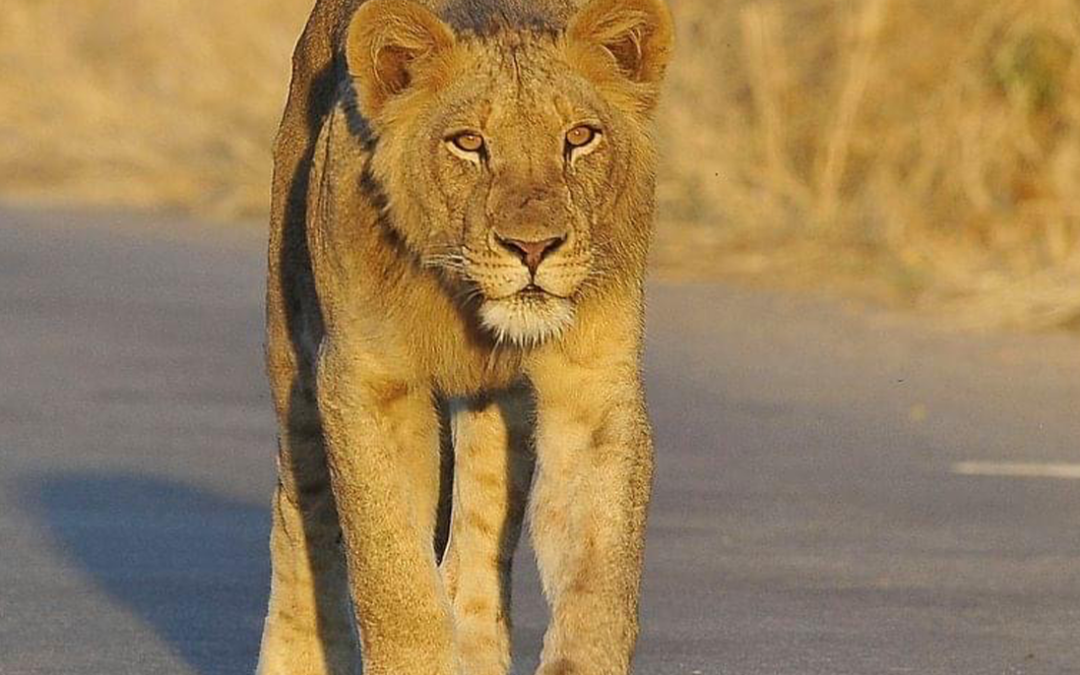
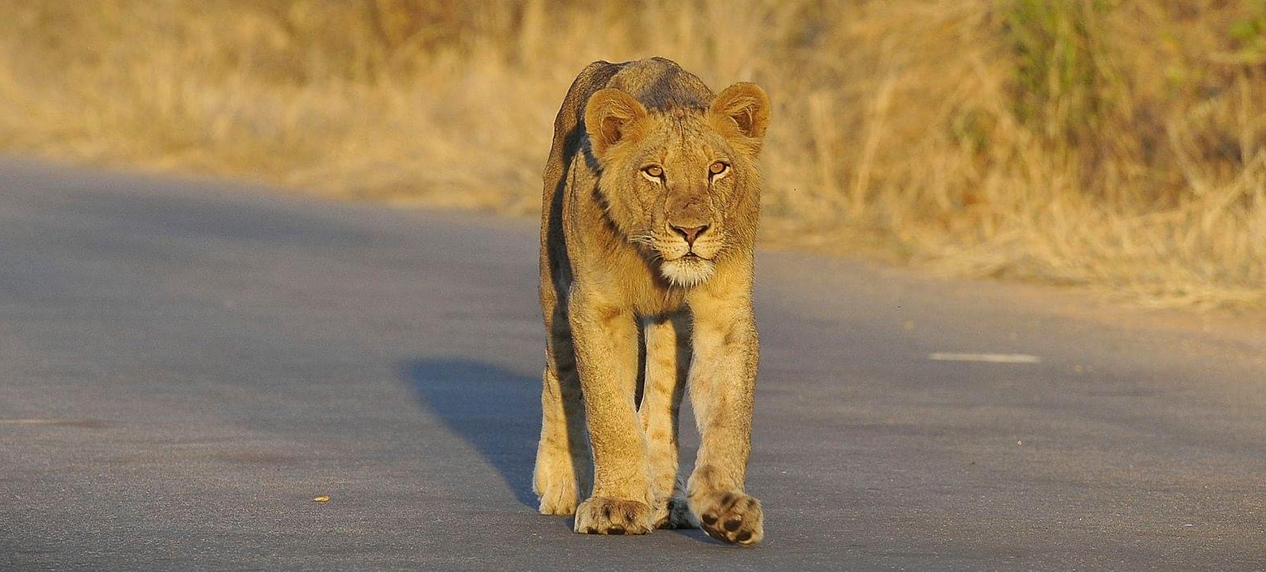
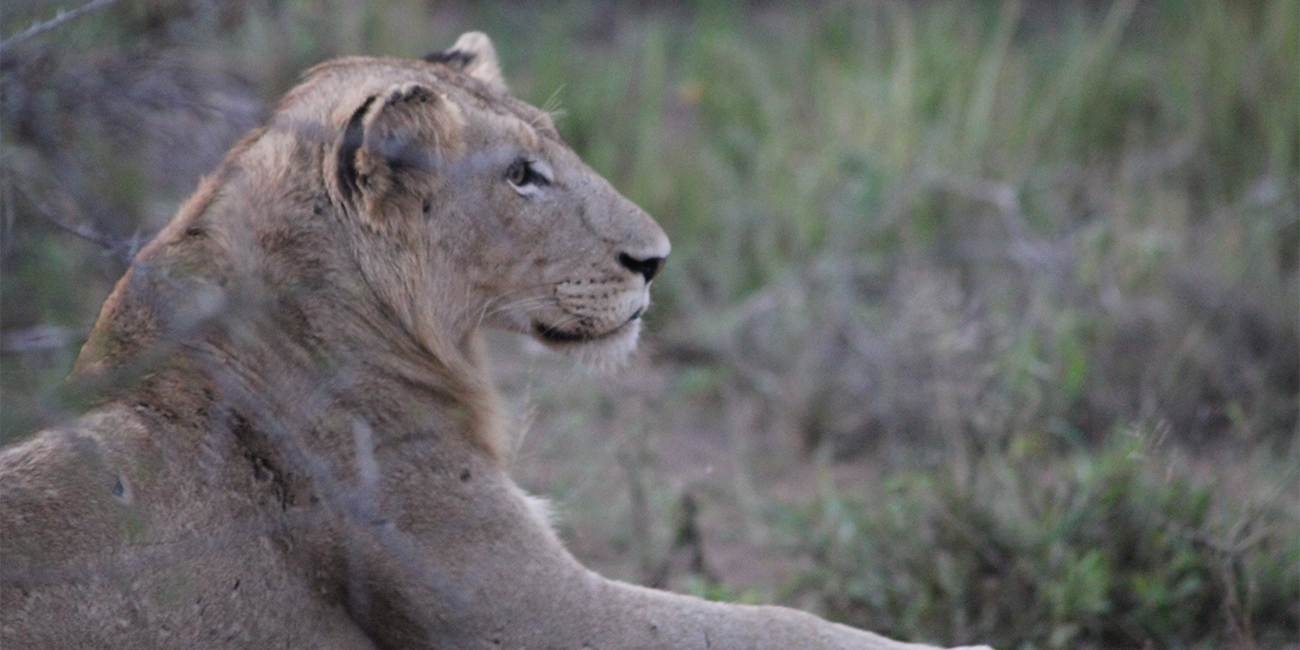
Juvenile Lion – KNP. Image by M Roodbol


The Great Limpopo Transfrontier Conservation Area (GLTFCA), which includes Kruger National Park, in South Africa, and Limpopo National Park, in Mozambique, is one of the last ten Lion strongholds in Africa. While these strongholds occur in formally protected areas and contain a stable or increasing population, indications are that the lion population in the northern reaches of the Kruger National Park are declining because of targeted poisonings and poaching.

In partnership with SANParks and the Lion Recovery Fund, the Endangered Wildlife Trust (EWT) has been monitoring lions across the landscape to understand their movements, habitat use and what measures are needed to alleviate threats to the iconic species.

From 17 September to 1 December 2023, a team from the EWT conducted a lion population survey in the Nxanatseni north region of the Kruger National Park. Spanning 5162 square kilometres, the area spanned the Pafuri, Vlakteplaas, Punda Maria, Shangoni, Woodlands and Shingwedzi sections of the Park.

Two field protocols – search encounter and camera traps – were used to collect data. These were designed to obtain high quality photographs that the team could zoom into and be able to individually identify lions through their unique whisker spots. All photographs taken of lions were inspected to try and identify individuals roaming the area.

Because it is not feasible to find every lion in the landscape, methods were used enabling the team to estimate the number of lions based on a sample of that population. To do this, advanced spatial capture-recapture models that are widely used for large carnivores globally were used. Due to the fact that lions less than one year old tend to suffer high mortality, they were excluded from the analysis.

Results

The EWT team drove 10,006 km and deployed camera traps for 2,684 trap nights over the survey period. Using the combined dataset, it was estimated that there were 105 lions in Nxanatseni North.

Our survey represents the fifth estimate of lions in the Nxanatseni North region of Kruger: In 2005, a call-up survey estimated 283 lions; a 2008 call-up survey with reduced sampling estimated 75 lions; the 2005 survey was replicated in 2015 and estimated a population of 119 lions and in 2023, the estimate was 122 lions. The EWT’s estimate of 105 lions is similar to the latter two surveys.

All were conducted in the same region and are estimates of lions over the age of one year. This represents a possible 63% decline over the 18 years separating the surveys. The precise reasons for this have not been investigated, but anecdotal evidence suggests that there has been an increase in targeted poaching of lions, coupled with increased levels of general bushmeat poaching.

Our results show that lion density is lowest in the Pafuri and Punda Maria sections, areas that are thought to suffer from relatively high levels of snaring, poisoning, and general poaching.

The results also provide a clear signal that distance to water is an important factor explaining the variation in lion density across the landscape. Lion density was highest close to water. In recent times, artificial waterholes have been switched off in Kruger National Park, and this will likely have had an impact on lion numbers in the Nxanatseni North region, which has a semi-arid climate. Worth noting is that while lions are not dependent on water, their primary prey species typically are.

Conservation approaches typically encompass a range of approaches aimed at safeguarding their habitats, mitigating human-lion conflicts, combating poaching and illicit wildlife trade, and fostering harmonious coexistence between lions and local communities.

Identifying trends in lion numbers and demographics remains crucial for their conservation, as is investigating the factors that drive those trends.

We recommend that future conservation efforts are coupled with regular population monitoring in this region to inform conservation actions and assess their effectiveness, taking an adaptive management approach.


** The EWT would like to thank SA National Parks for permission of carry out the survey, AHA Hotels and Lodges for their logistical support and the Lion Recovery Fund for their generous support.

How to count lions in Africa

How to count lions in Africa

Science Snippet:

How to count lions in Africa

By Lizanne Roxburgh and Erin Adams

Knowing how many individuals of a species exist in the wild is important for managing that species. It is also important to know the trend in the number of individuals in a population. Whether the number is increasing, stable or declining will have implications for what management interventions should be used to conserve that population. There are currently many methods that can be used to estimate population size, however, each have their own strengths and weaknesses.

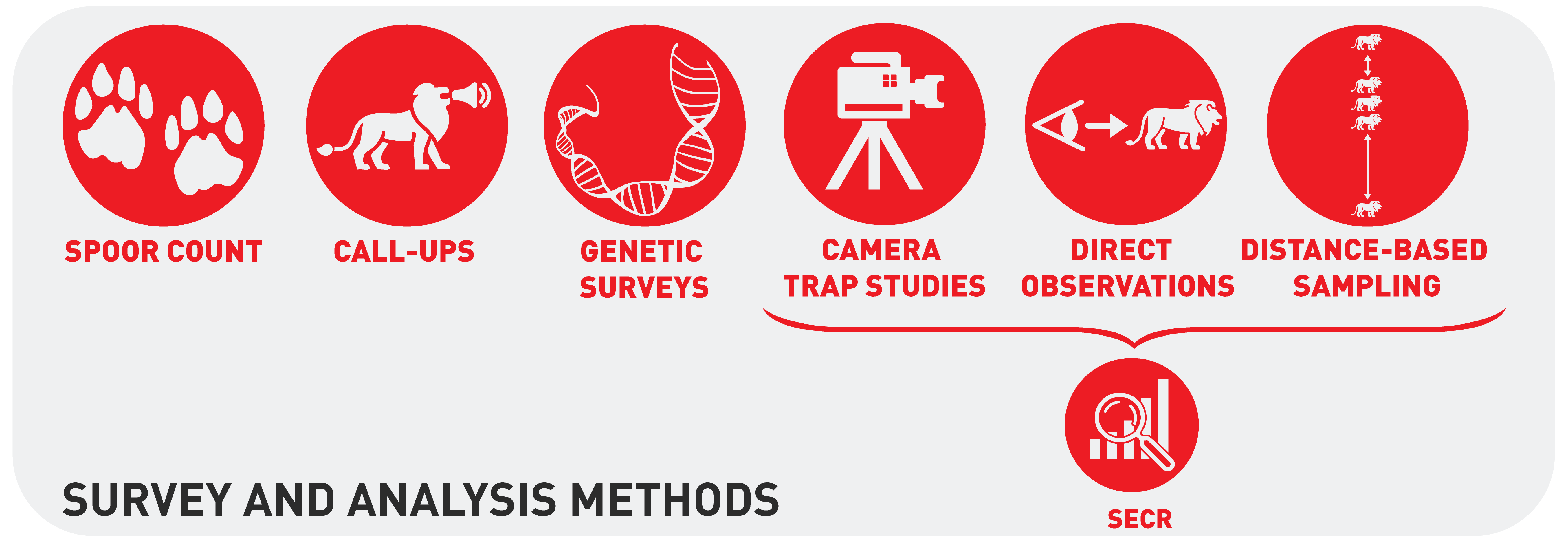
In a recent study*, scientists from the EWT, in collaboration with researchers from other institutions, reviewed all of the methods that are used to survey lion populations across Africa. They looked at 93 different studies from 1991 to 2022. Seven broad survey methods were identified. These included spoor counts, call-ups, genetic surveys, direct observations, camera trap studies, spatially-explicit capture-recapture (SECR) for both direct observations as well as camera traps, and distance-based sampling.

Pic: Eleanor Momberg

The scientists found that the most reliable methods for estimating lion population in Africa were those that included spatially-explicit capture-recapture (SECR) analysis. SECR is a method used to model animal capture-recapture data collected with a network of “detectors.” SECR takes into account both where the individual lions were captured by the detectors (such as camera traps or through direct observations) and where they were not captured. It’s like solving a puzzle where you piece together information about where animals were detected to estimate their overall population density. Sampling techniques such as spoor counts and call-ups were found to be less reliable, as they tended to over-estimate population size.

The scientists strongly recommended that standardized methods be developed that can produce comparable estimates of the number of lions, both within and between sites and years. These methods can then be used to survey lion populations in areas where gaps in our knowledge of lion populations exist.

*Samantha K. Nicholson, David R. Mills, Erin C. Adams, David G. Marneweck, Hans Bauer, Lizanne Roxburgh, Rob Slotow. 2024. Towards effective and harmonized lion survey methodologies: A systematic review of practice across Africa. Global Ecology and Conservation.  https://doi.org/10.1016/j.gecco.2024.e02908

Wild Dogs rescued from snares

Wild Dogs rescued from snares


Wild Dogs rescued from snares

By Ronja Haring, field officer, Carnivore Conservation Programme


The dangers emanating from snaring for bushmeat and the importance of monitoring wildlife for threat mitigating was again highlighted during the most recent call-out by the EWT’s Carnivore Conservation Programme’s field officers.

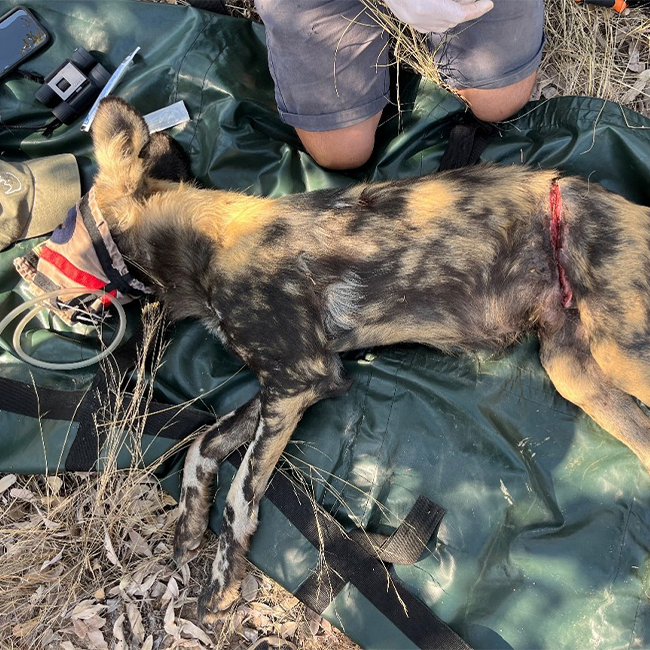
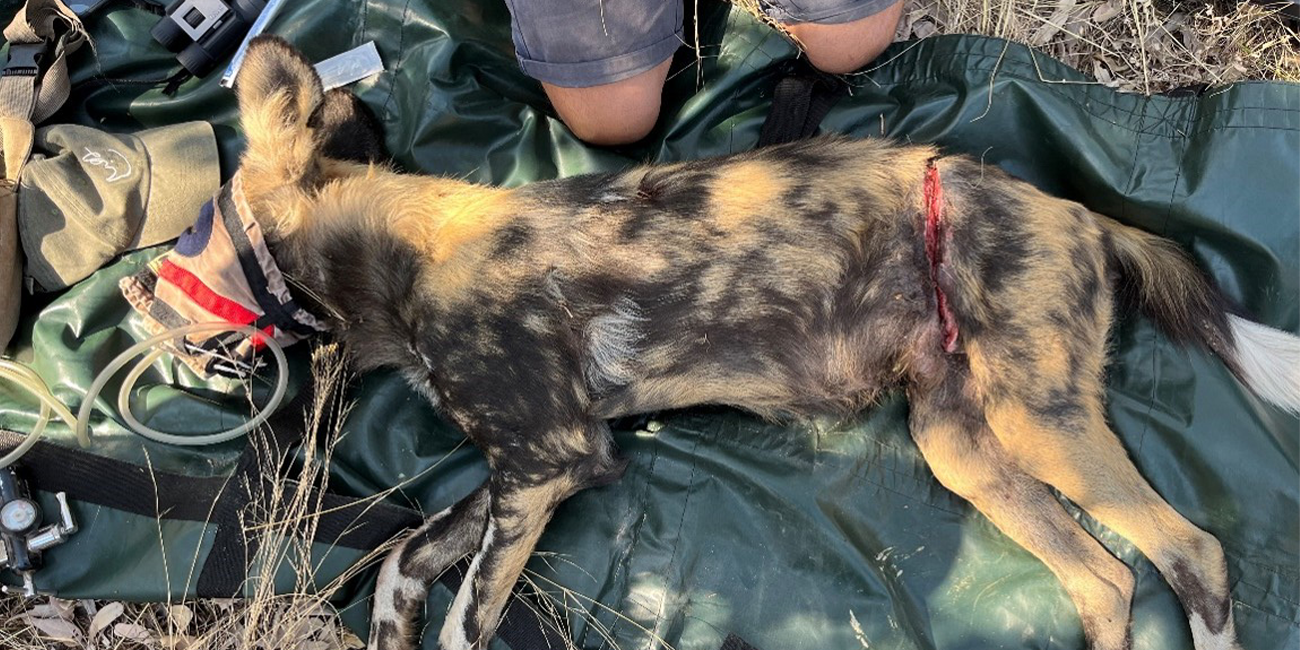
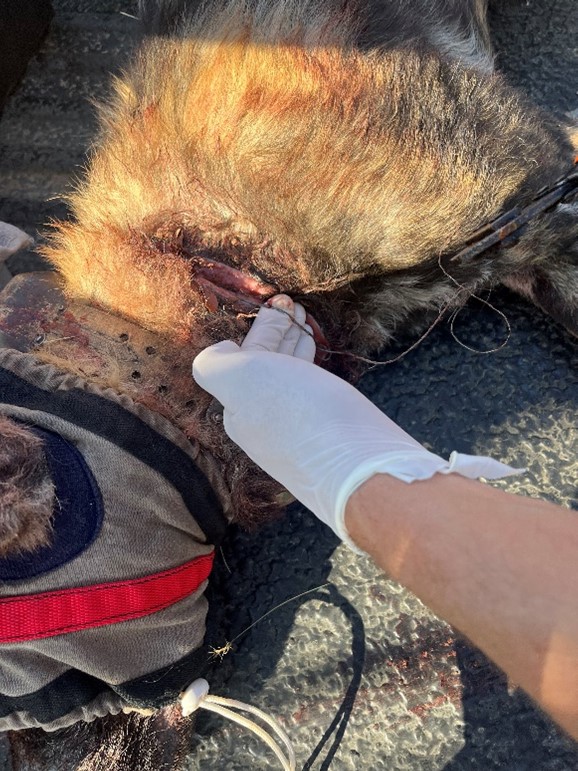
We were informed that a Wild Dog with a snare around its waist had been spotted outside the western boundary of the Kruger National Park. The dog is from one of the dispersal packs that we monitor closely and due to the GPS collar, we were able to track them down without delays.

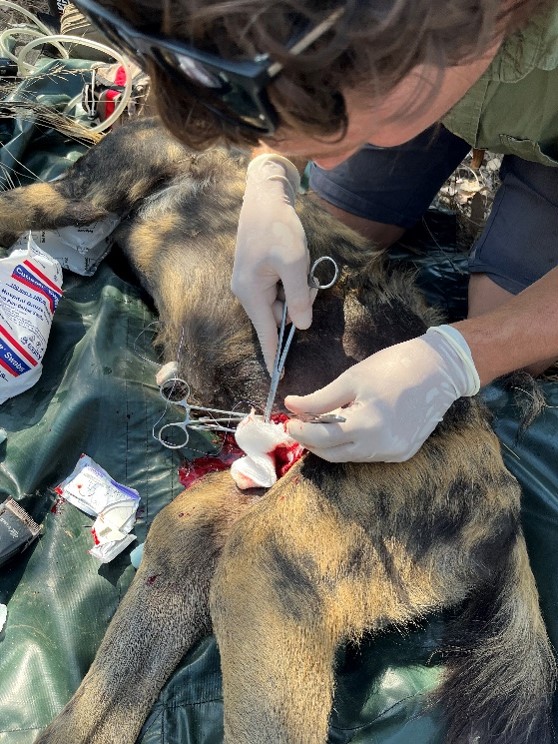
Fortunately, we could dart and free him of the snare. Although the snare cut deep and some stitches had to be put in place, no vital organs were injured.

Alarmingly though, we realised that he was not the only dog with a snare. We struggled to make out how many of the five dogs in this pack were affected as our window to act was closing. So we promised to return soon to treat the remaining dogs. 

Shortly after, we were back in the field to continue where we had left off. Once we located the dogs, we grabbed our binoculars and had a close look at each individual. It is easy to spot the big, slashing wounds. But in the beginning fresh wounds from snares are difficult to sport because they are sometimes so subtle, even though they rarely stay that way. Often, once the snare has broken through the skin, which serves as a natural protective barrier, severe damage is caused in a short time. 

We were soon facing the fact that this mission wouldn’t be an easy one because three  more dogs had to be caught and treated. Strategically and with enormous patience, we managed to dart all three of them in one go.  

Considering that 4 of the 5 dogs were affected, the entire pack could have easily been wiped out. Dedicated to protecting our endangered wildlife, we will do everything in our power to mitigate these threats and respond to emergencies.

The dogs treated by a veterinarian in the veld are all recovering well.