Help protect Africa's 

Threat Reduction Rangers spring into action to save snared lion

Threat Reduction Rangers spring into action to save snared lion

In the field:

Threat Reduction Rangers spring into action to save snared lion
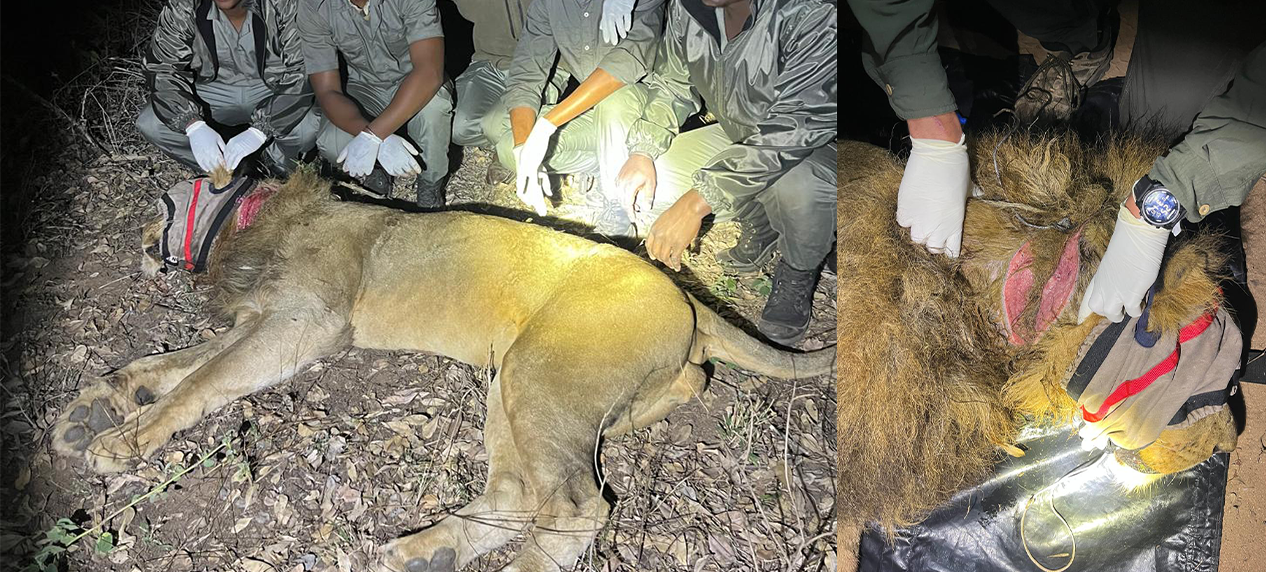
 

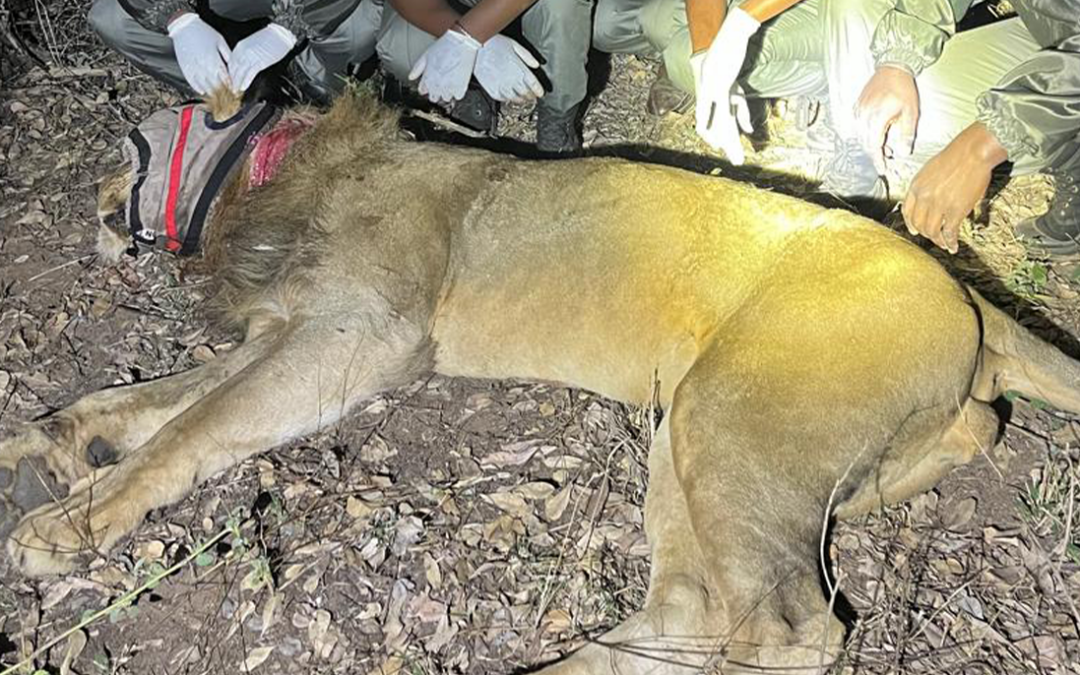
EWT Threat Reduction Rangers assisting a veterinarian during the rescue of a snared male lion.

The EWT’ s new Threat Reduction Team in July spent a Friday night assisting with the rescue and treatment of a male lion caught in a snare.

The lion, from one of neighbouring reserves, had been missing for about a week before reserve staff managed to locate him and noticed the severe snare around his neck. The Threat Reduction Team sprung into action and managed to locate the lion.  Once darted by a vet, the rescue became a team effort with everyone helping to move the lion to a safe area, hold drips, clean and treat the wound, and assist throughout the procedure.

The snare was extremely serious, and the intervention came just in time. Thanks to the team’s efforts, this magnificent lion will be a whole lot more comfortable and should make a full recovery.

“What makes this even more meaningful is that, after spending the last few days learning about wildlife crime and the devastating impacts of snaring, our new Threat Reduction Team witnessed firsthand why their work matters. Experiences like these leave a lasting impression and reinforce the importance of what we do every day to protect South Africa’s wildlife.

“I couldn’t be prouder of this team. They were professional, observant, eager to help, and genuinely engaged throughout the operation. This is exactly the kind of commitment and teamwork that will make a real difference in tackling wildlife crime,”  said Derek van der Merwe, manager of the EWT’ s Carnivore Conservation Unit.
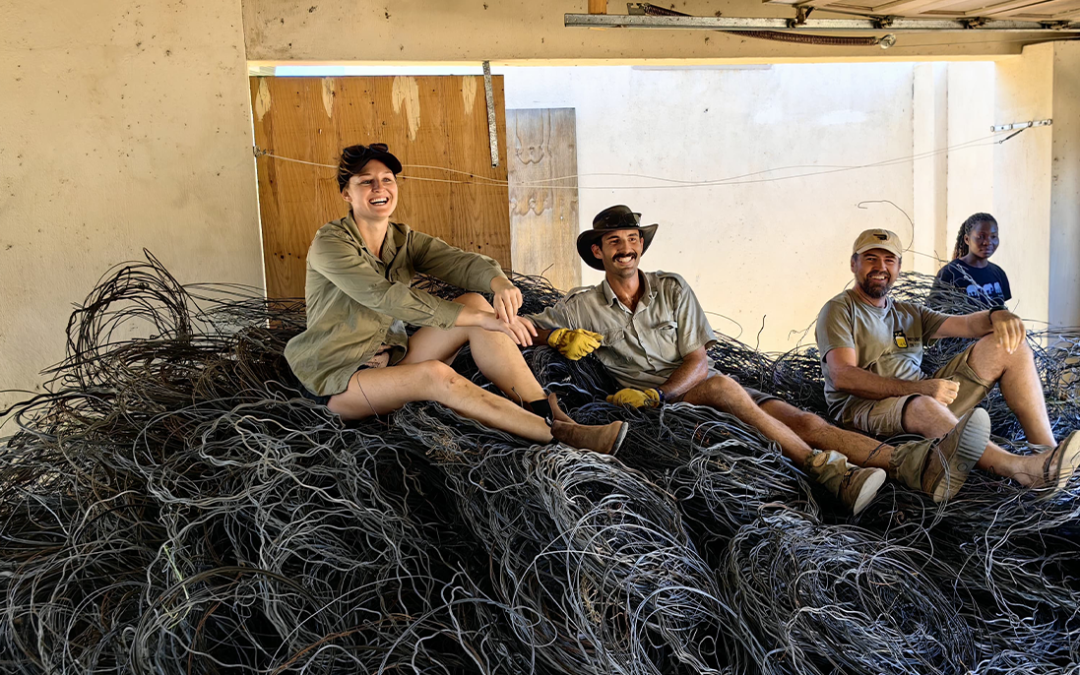
Turning Traps into Hope: Poacher’ s Snares Repurposed for Conservation

Turning Traps into Hope: Poacher’ s Snares Repurposed for Conservation


Turning Traps into Hope: Poacher’ s Snares Repurposed for Conservation

By John Davies


Across much of Africa, snaring of wildlife is on the rise, driven by a combination of poverty, bushmeat demand, and organized wildlife crime. With economic hardships pushing more people toward illegal hunting for sustenance or profit, snares have become the weapon of choice—they are cheap, easy to set, and devastatingly effective. However, they do not discriminate, often trapping unintended species, including elephants, lions, and wild dogs. Many animals suffer prolonged, agonising deaths, while those that survive can be left with severe injuries that compromise their ability to hunt or evade predators.

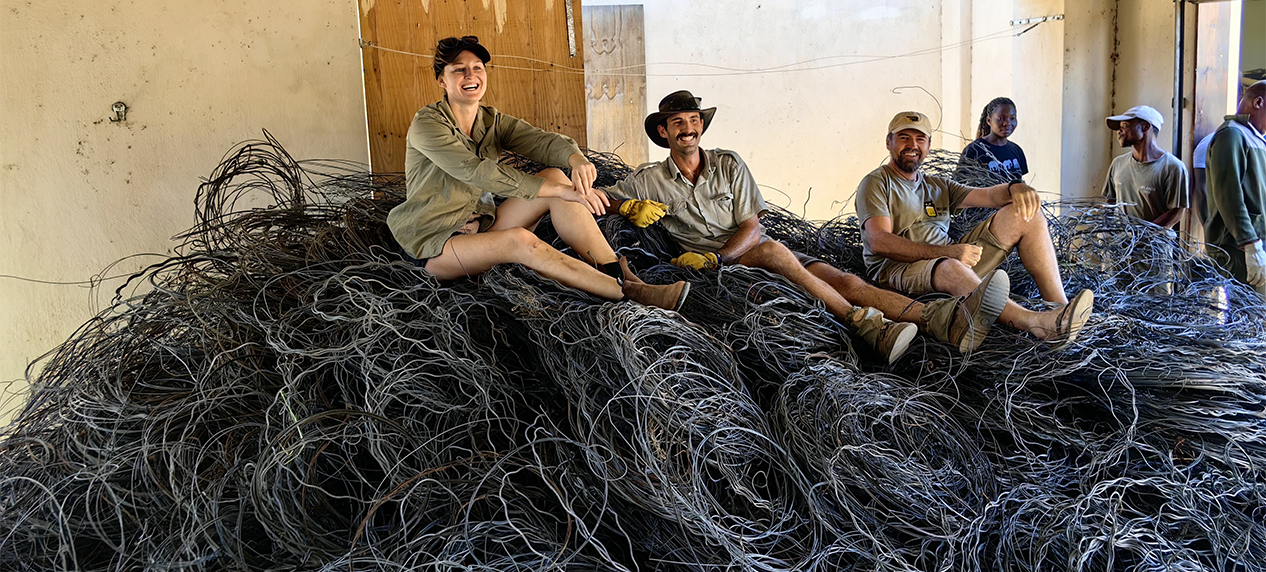
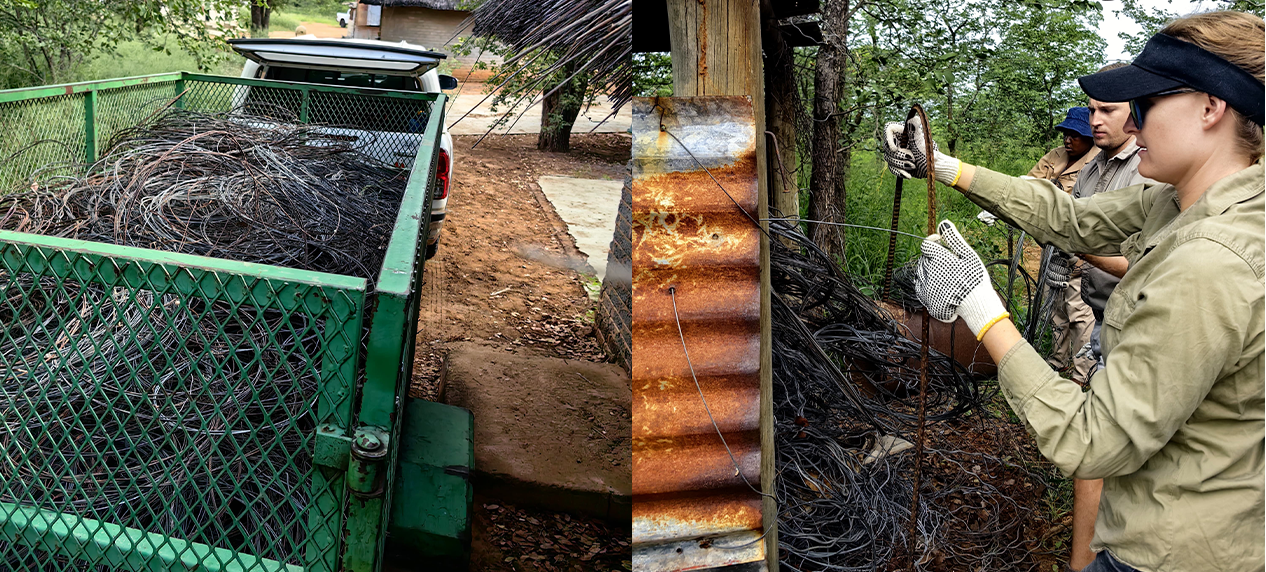
In a significant step toward protecting South Africa’ s wildlife, the Endangered Wildlife Trust (EWT) recently removed 3.5 tons of wire snares from a protected area in the Lowveld region of South Africa, forming a critical buffer zone along Kruger National Park’ s western boundary. These snares had been stockpiled over the last five years and had been removed during routine patrols by reserve anti-poaching teams.

Instead of being discarded, the snares have been given a second life through a partnership with Down2theWire, a local initiative that transforms confiscated poaching materials into handcrafted jewellery. This innovative project not only raises awareness about the devastating effects of snaring, but also provides funding for conservation efforts generated through the sale of jewellery and other products made from snares. Profits from the jewellery sales will be reinvested into anti-poaching initiatives, supporting rangers, education programs, and community-driven conservation efforts.

This initiative underscores the importance of sustainable solutions in wildlife conservation, proving that even the most destructive tools can be reshaped into symbols of resilience and protection.

As wildlife crime continues to challenge conservationists, creative collaborations like this offer a beacon of hope. Consumers can now play a direct role in the fight against poaching—one bracelet at a time.