Help protect Africa's 

Looking beyond the poacher: Are South Africa’s courts recognising the true nature of wildlife crime?

Looking beyond the poacher: Are South Africa’s courts recognising the true nature of wildlife crime?

Looking beyond the poacher: Are South Africa’s courts recognising the true nature of wildlife crime?

By Lindy Thompson, Research and Monitoring Coordinator, Birds of Prey Unit
 

Illegal wildlife trade investigation and prosecution

When we think about wildlife crime, we often picture individual poachers operating alone. But a new study suggests that the reality is far more complex, and that South Africa’s courts may not always be recognising the full picture.

The study, entitled “Missed signals? Are South African high courts undervaluing corruption risks and syndicate involvement in wildlife crime?” published by the British Journal of Criminology delves into this question by examining decisions by South African courts in wildlife crime-related cases.

The report highlights the importance of green and conservation criminology frameworks for addressing the complexity of environmental harms, their perpetrators and societal consequences. Both are grounded in the concept of harm, which includes illegal wildlife trade (IWT).

Researchers examined 61 illegal wildlife trade cases heard by South Africa’s High Courts and Supreme Court of Appeal between 2000 and 2024. Their goal was to understand whether judges considered the roles of organised crime and corruption when dealing with wildlife trafficking cases.

The cases involved a variety of threatened species, including cheetah, lion, Temminck’ s pangolin, elephants and vultures, but abalone and rhinos dominated the records. Surprisingly, despite the widespread recognition that criminal syndicates play a major role in wildlife trafficking, fewer than half of the cases even mentioned organised crime. Of those that did, judges formally confirmed syndicate involvement in only six cases.

This finding was particularly striking for rhino-related cases. Previous research has repeatedly shown that rhino horn trafficking is often linked to sophisticated criminal networks, yet many rhino cases reviewed in the study were not analysed through an organised crime lens.

The researchers also looked for signs of corruption. Although no case included formal corruption charges, almost one-third contained indicators that corruption may have played a role. These warning signs included the involvement of public officials, members of the wildlife industry, questionable permits and documents, and the misuse of public resources.

The study highlights an important gap between what conservation scientists know about wildlife crime and how these crimes are handled within the justice system. While stronger legislation has been introduced internationally to combat wildlife trafficking, the authors argue that laws alone are not enough. Effective investigations, improved prosecution strategies and greater awareness of the organised nature of wildlife crime are equally important.

The findings also remind us that conservation is about more than protecting species in the field. Success depends on the strength of institutions, law enforcement and judicial systems that hold offenders accountable.

By examining what happens after an arrest is made, this research provides valuable insights into an often-overlooked part of conservation. Understanding how courts respond to wildlife crime could help ensure that the scale and complexity of these offences are properly recognised, and ultimately improve protection for South Africa’s wildlife.

The article can be accessed here: https://doi.org/10.1093/bjc/azag050
Collaborative Action to Address South Africa’ s Snaring Crisis

Collaborative Action to Address South Africa’ s Snaring Crisis


The EWT pledges less talk and more action to address South Africa’ s snaring crisis at the inaugural Snare Mitigation Symposium

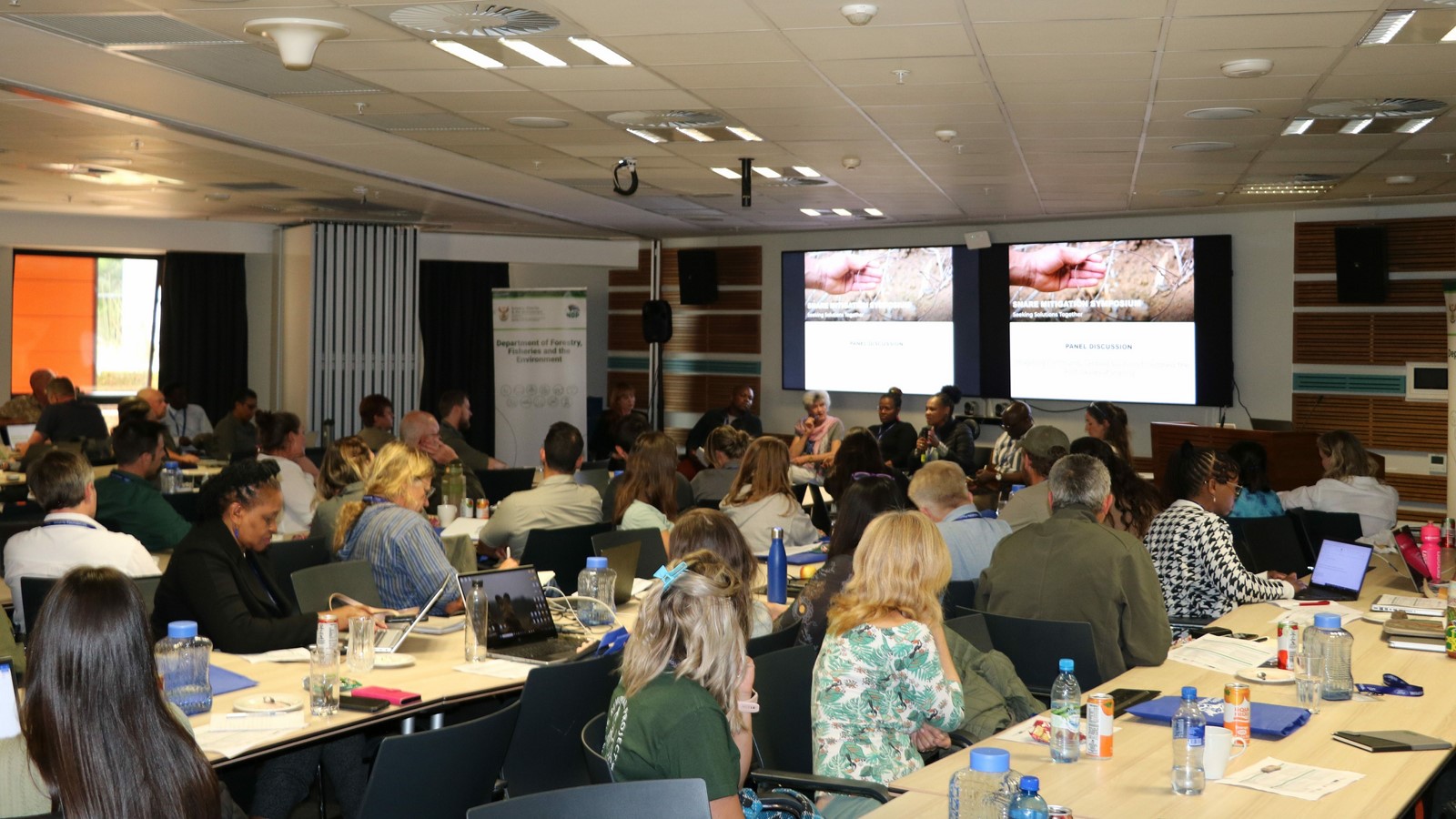
140 delegates attended the inaugural Snare Mitigation Symposium

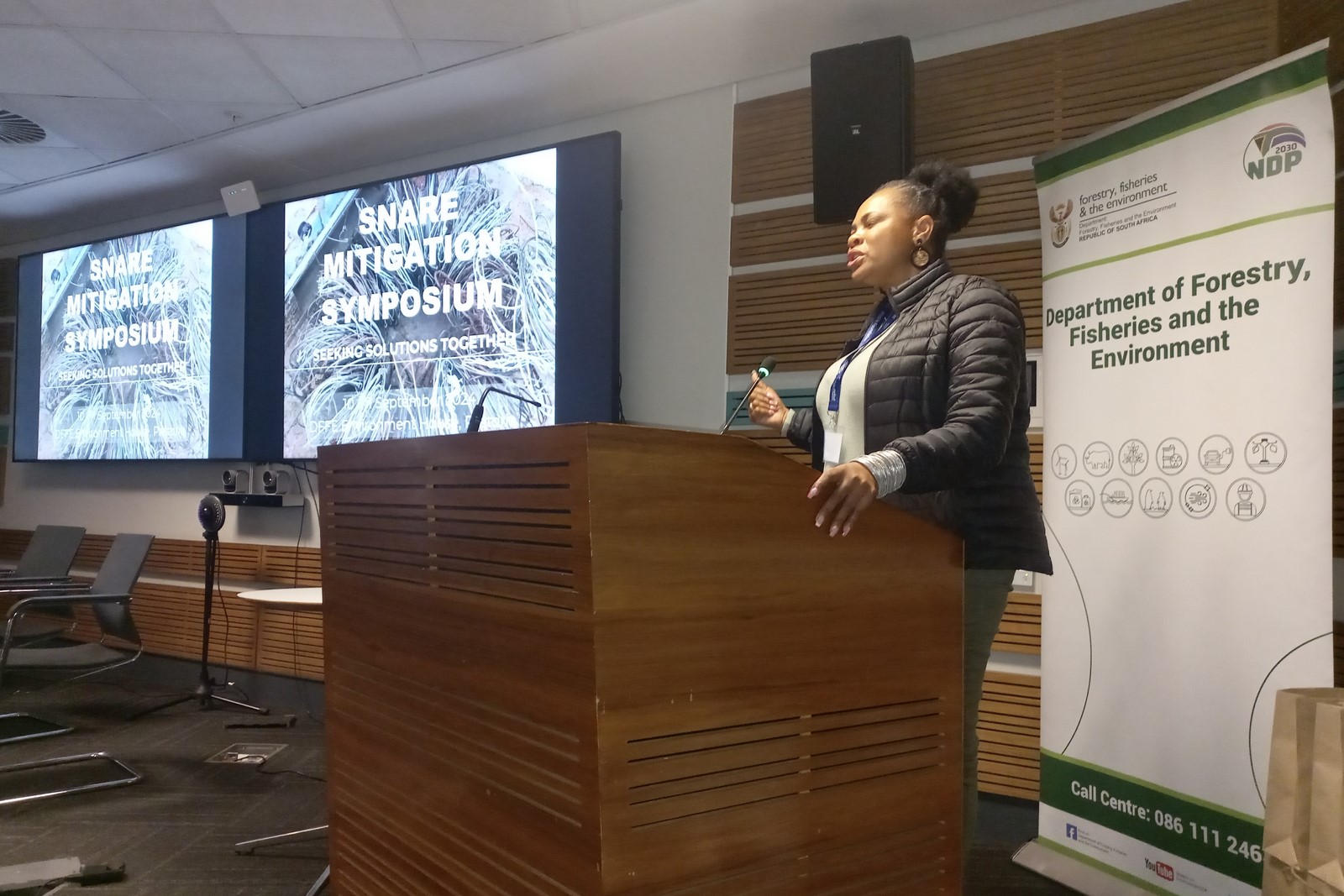
Twenty-two speakers presented at the Snare Mitigtation Symposium

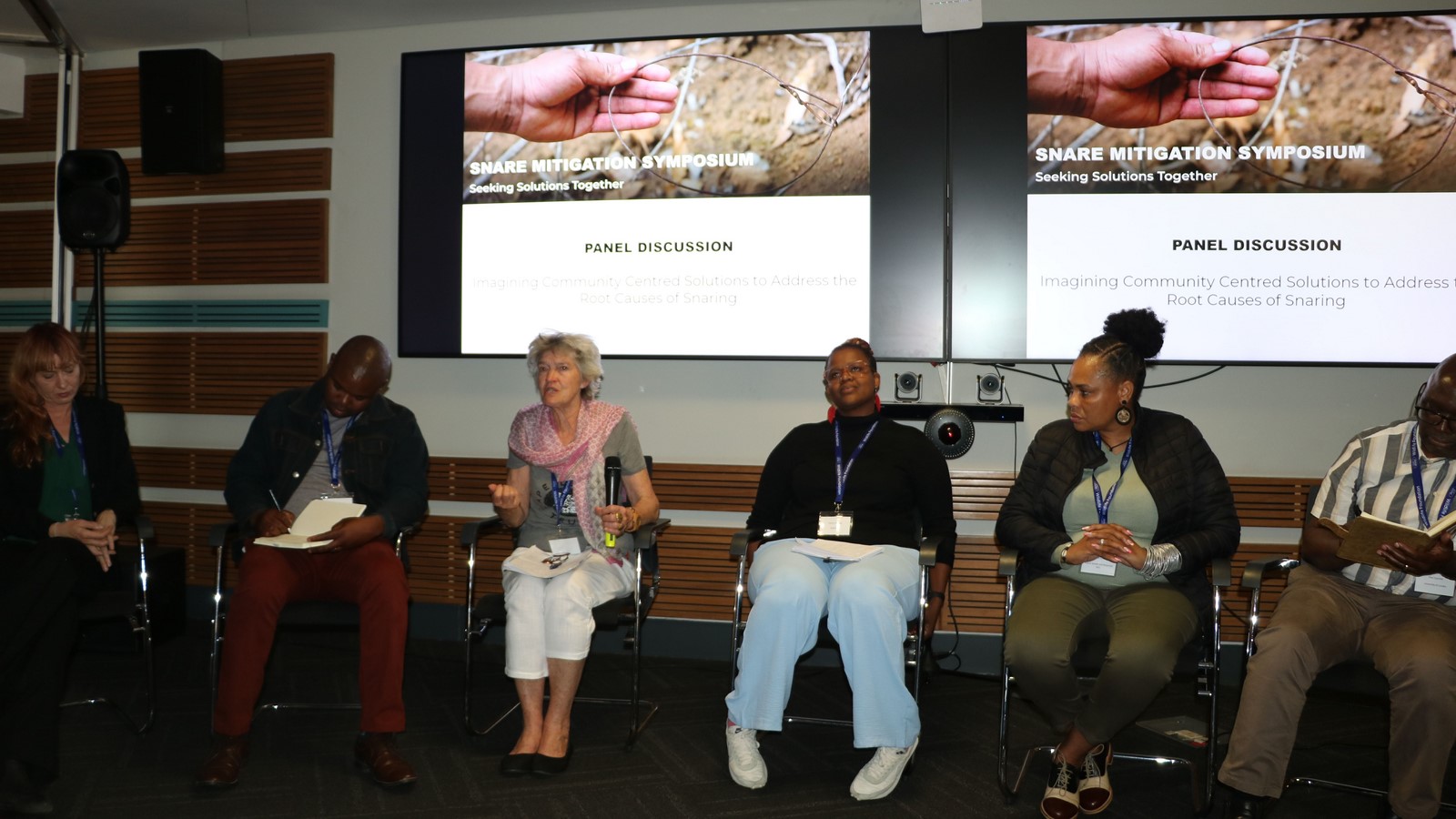
One of the Snare Mitigation Symposium panel discussions

WARNING: SENSITIVE IMAGES BELOW


The importance of less talk and more action to address the snaring crisis in South Africa is key to the conservation of all species.

This, and the need for greater collaboration and partnerships to address the negative impacts from the illegal snaring of wildlife, were among the outcomes of the inaugural two-day national Snare Mitigation Symposium in Pretoria.

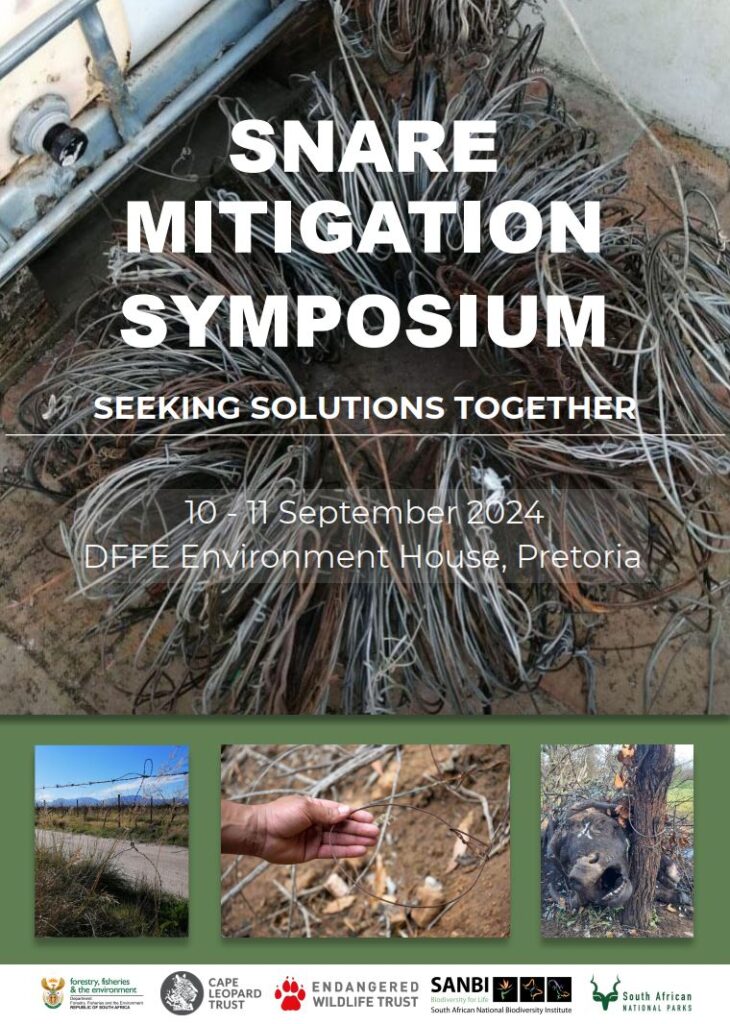
The meeting of 140 delegates delved into the impacts, drivers and solutions to this increasing threat to wildlife and the economy. Co-led by the Department of Forestry, Fisheries and the Environment (DFFE), the Cape Leopard Trust (CLT), the Endangered Wildlife Trust (EWT), the South African National Biodiversity Institute (SANBI) and South African National Parks (SANParks), the inaugural Snare Mitigation Symposium was held at Environment House on 10 and 11 September 2024.

It brought together leading experts in wildlife crime, government officials and representatives of numerous stakeholders across the sector to examine the multifaceted aspects of the snaring crisis. The purpose was to understand existing and potential new complexities, and to share experiences and knowledge to reduce the problem both inside and outside conservation areas, in order to identify and co-create workable solutions for the benefit of people and the environment.

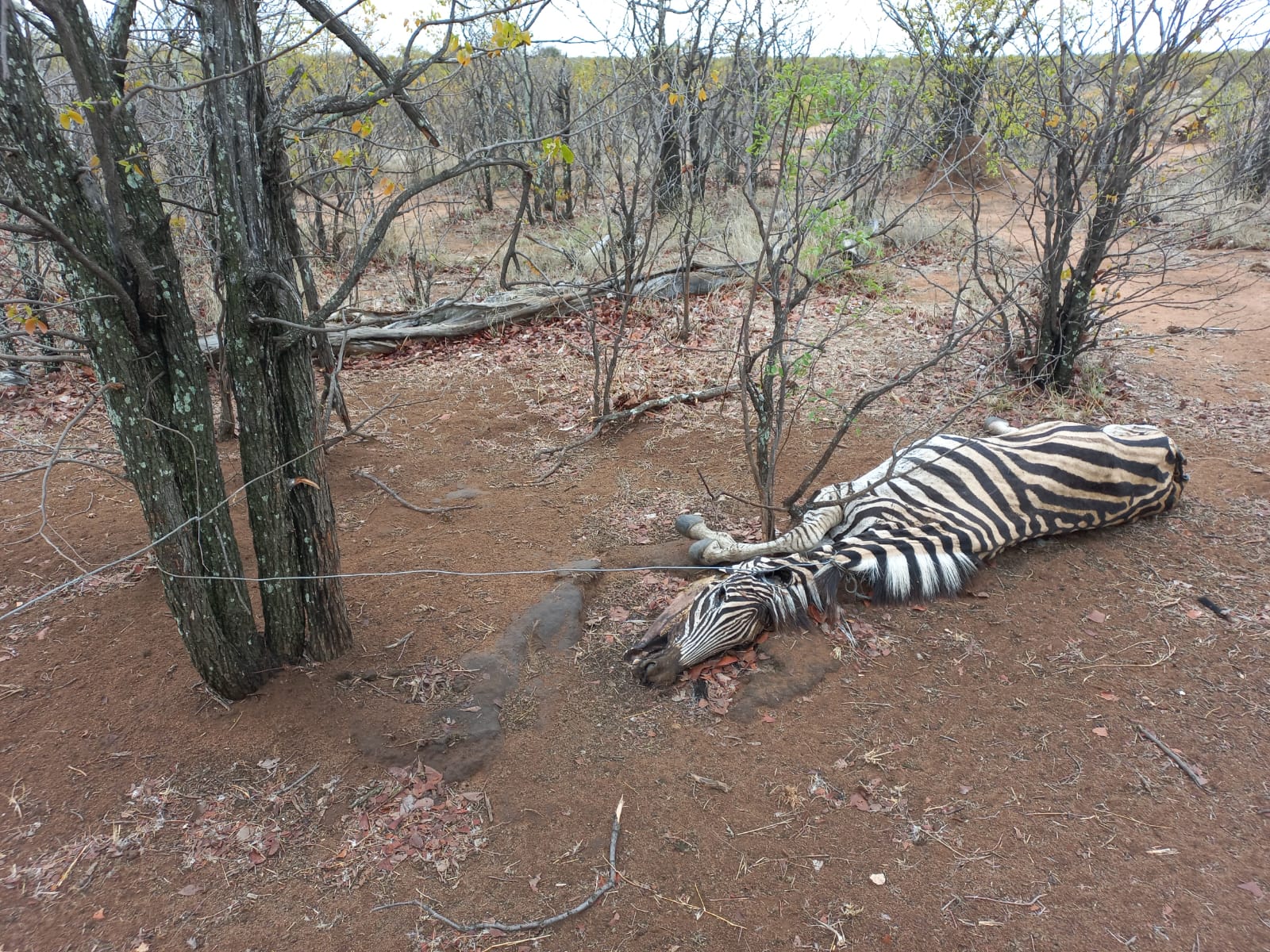
Snaring is motivated by complex socio-economic and cultural drivers and the symposium explored snaring from a myriad of angles and viewpoints. Information gained highlighted that animals are snared largely for personal or commercial use and is occurring at unsustainable rates across all provinces and in diverse landscapes. Sadly, many species including leopard, lion, hyena and other predators are killed as by-catch in snares originally set for bushmeat.

A key insight from the symposium is that we need more community interaction amongst stakeholders towards achieving positive outcomes for this threat to wildlife. Communities living with wildlife, and those linked to snaring, need to form an integral of the solutions being proposed, and to be undertaken, to address snaring.

No solution will be credible without the involvement of the relevant community voices in co-development of solutions. Solutions need to be diverse, purposely inclusive and tailored to, and by, the people living in the affected areas. Technological advances were showcased to improve snare detection and data collection.

Among the legal solutions highlighted by Ashleigh Dore, the EWT’ s Wildlife and Law Project Manager, the need for legal reform to ensure laws applicable to snaring are the same across the country. Ashleigh also introduced a restorative justice approach to respond to snaring. Restorative justice is a holistic, inclusive and problem solving approach to justice that involves all parties involved in or impacted by the crime to (1) identify and respond to harm from the crime and (2) prevent reoffence.

Senior Conservation Manager Lourens Leeuwner, during his presentation on the threats of snaring countrywide, highlighted the results of the EWT’ s recent project and proof of concept to determine whether anti-poaching dogs could be used for snare detection. The Canine Conservation Unit had spent several days testing techniques to detect snares in a farming and conservation area in Limpopo. Using two EWT anti-poaching canines, Ruger and Kisha, the team set snares in the veld before sending out rangers to find the items. While rangers only found some of the snares placed for the test, the canines had, in all cases, successfully tracked the scent of the person who had planted the snares and other items, finding most of the snares. As further proof that this technique works, the dogs were taken on a routine patrol of a farm that has problems with poachers using snares to catch wildlife. During this patrol, Ruger discovered a snare that had been planted by a real-life poacher. While there is a lot more work that needs to be done, this is proof that the concept works – an extra tool in the arsenal to combat poaching.


Among the key decisions adopted as outcomes included further research on the drivers and alternative livelihood solutions, more cohesive legislation to address snaring and other wildlife crimes, more centralised reporting and monitoring to ascertain the extent of the problem, and creating a greater understanding of the impact of snaring not only on biodiversity, but also on the economy and well-being of communities.

At a workshop following the event, the host organisations strategised next steps related to key themes and action points identified during the symposium that will include a wide range of stakeholders. Looking to the future, greater teamwork and communication between State, private sector and civil society will be cultivated to find sustainable long-term solutions for both people and wildlife.


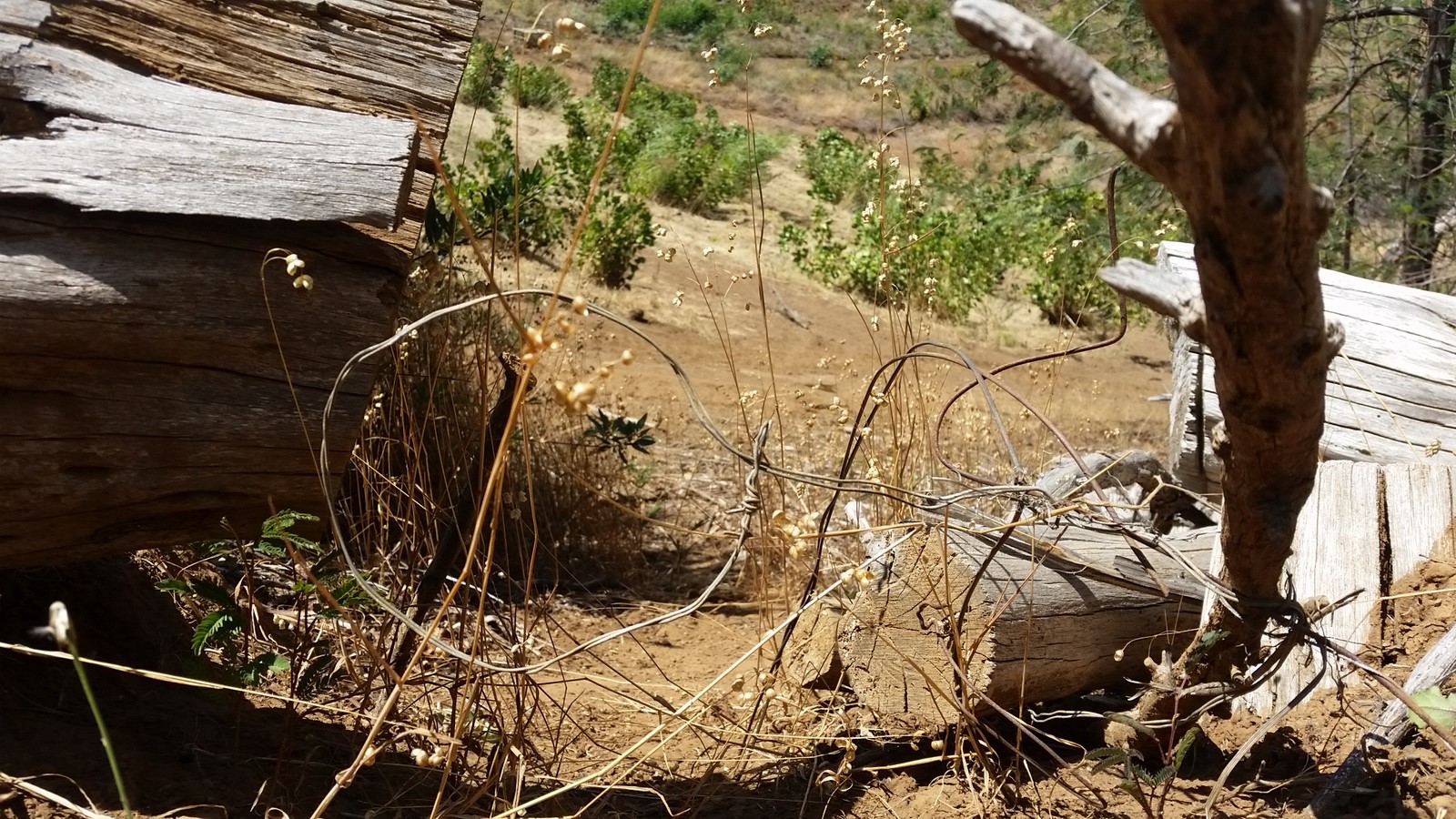
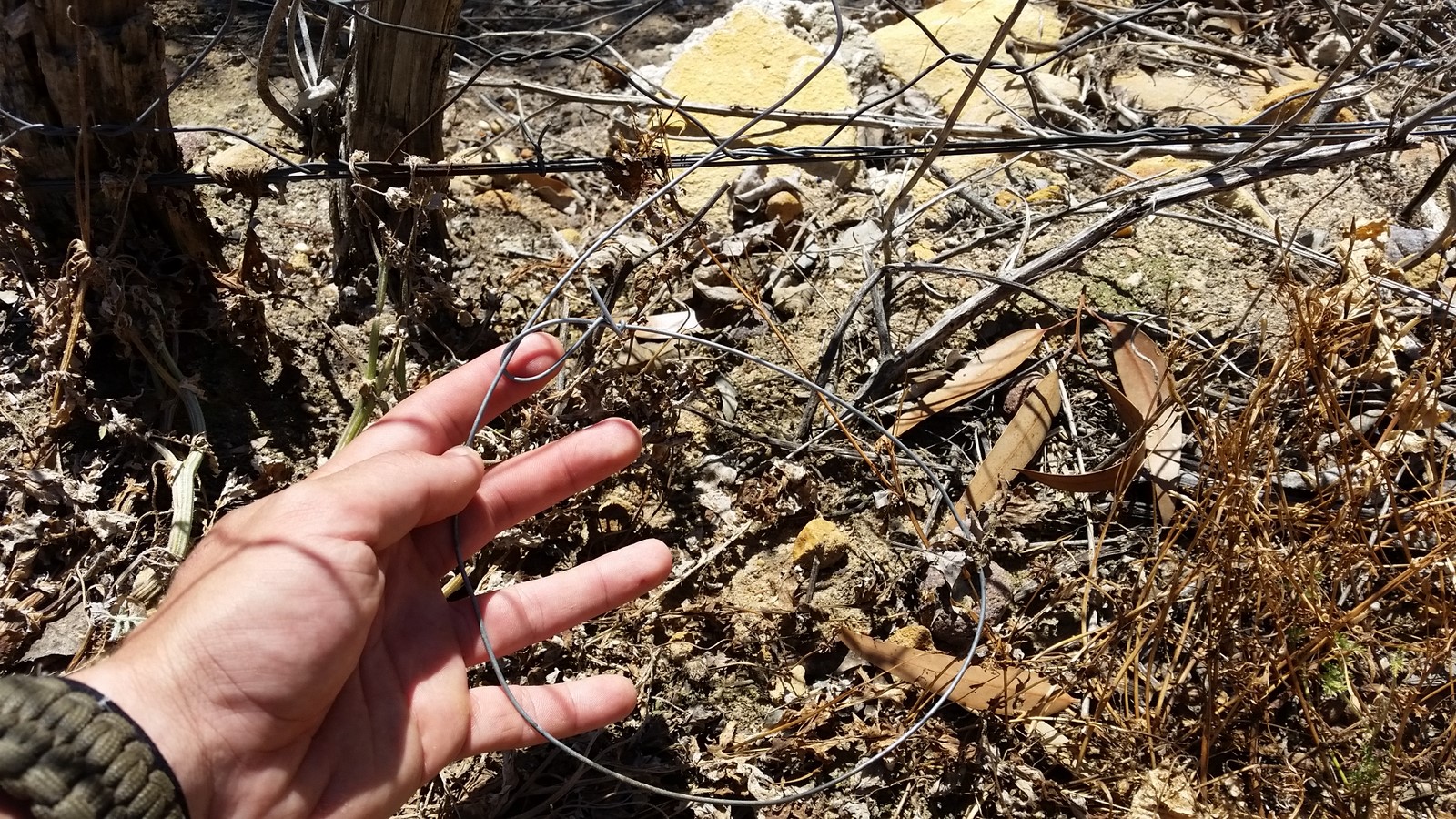
A wire snare set to catch animals by the neck. ©Cape Leopard Trust

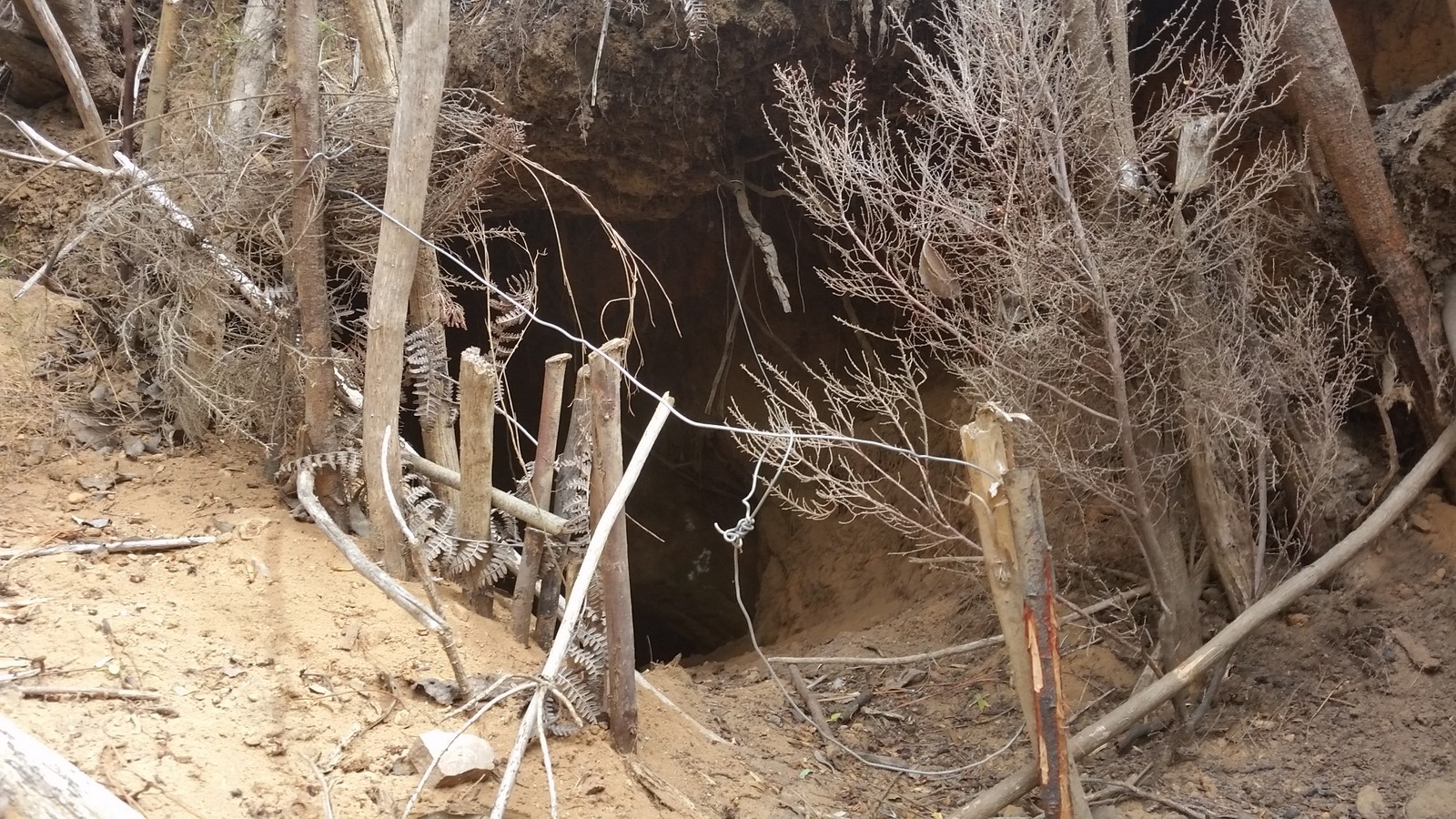
A snare setup in front of an animal burrow. ©Cape Leopard Trust

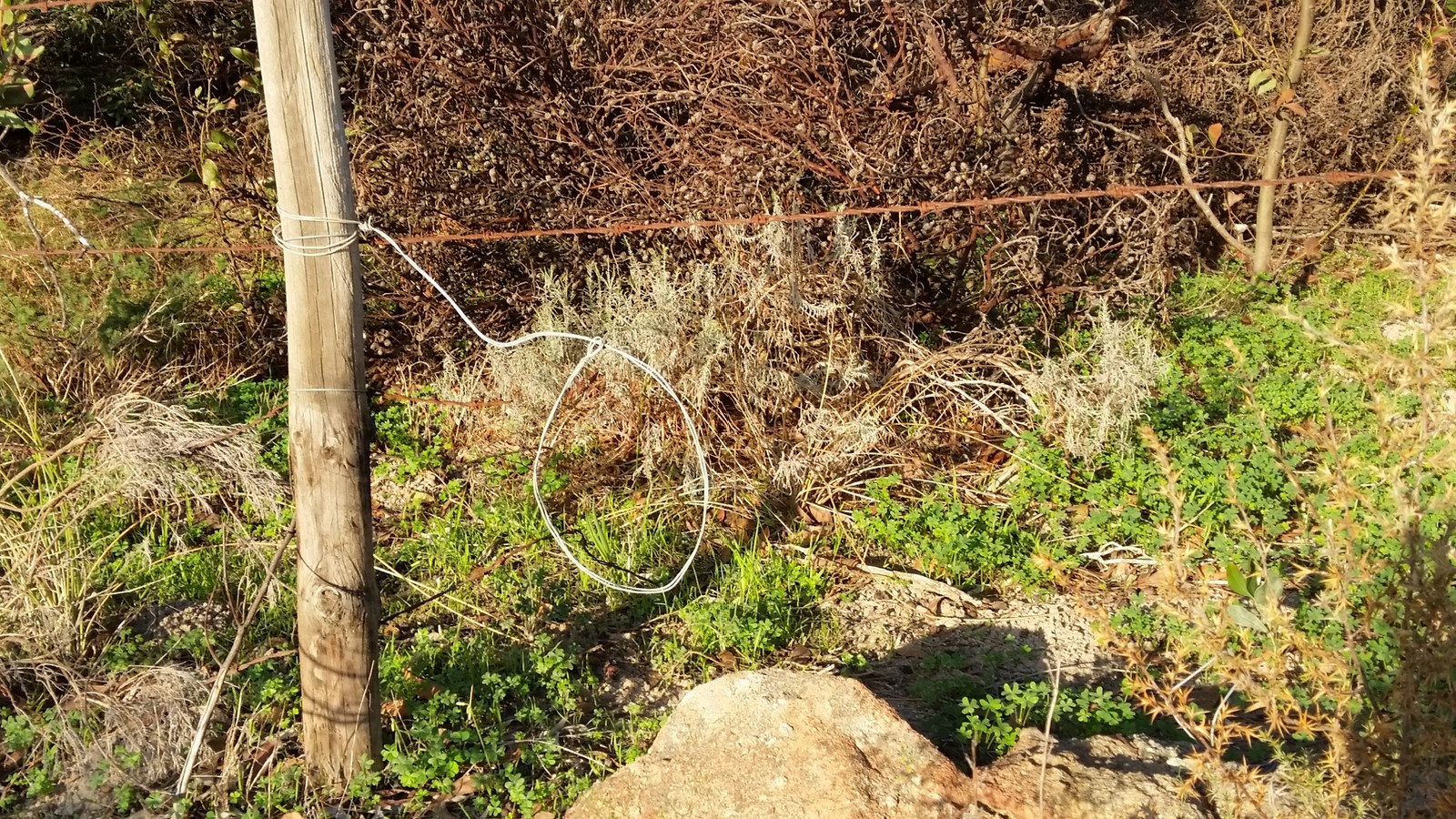
A wire snare along a fence line where many animals move. ©Cape Leopard Trust

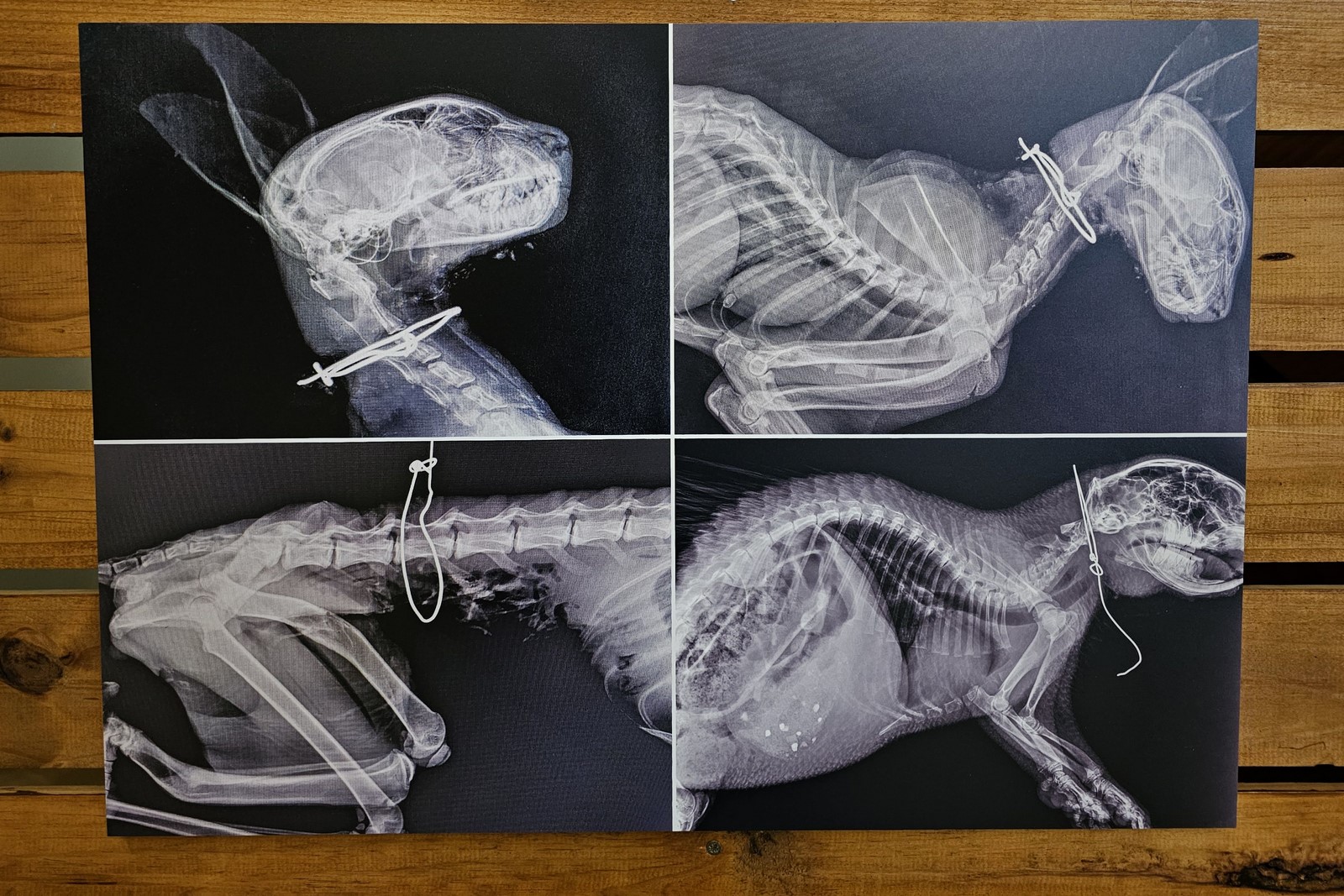
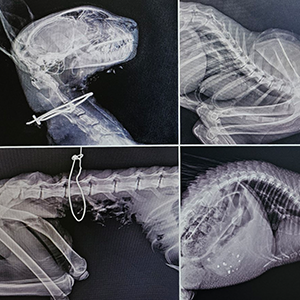
X-ray photos of a caracal and porcupine killed by snares. ©COGH SPCA

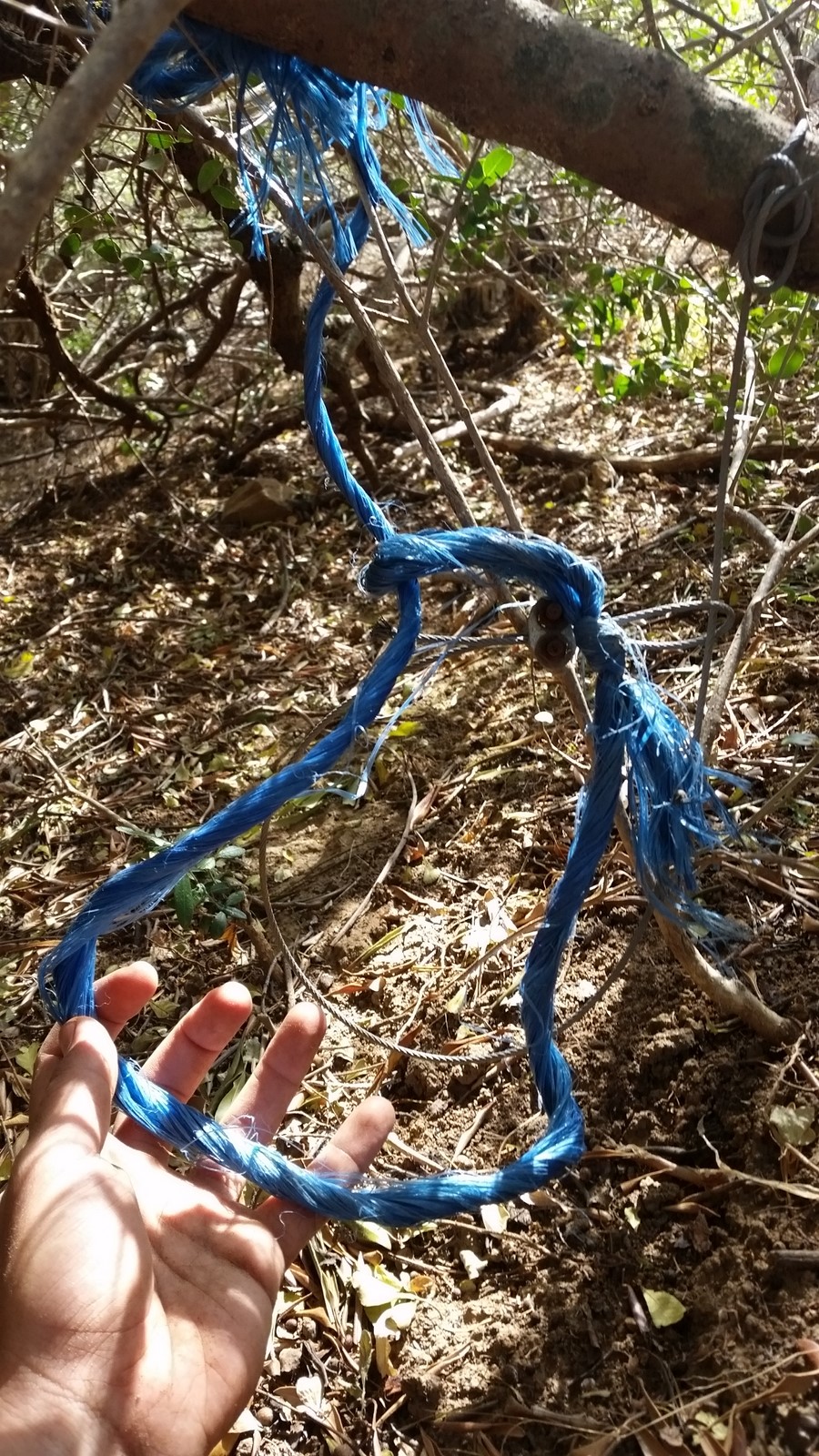
Most snares are made from wire but rope and cable are also used. ©Cape Leopard Trust

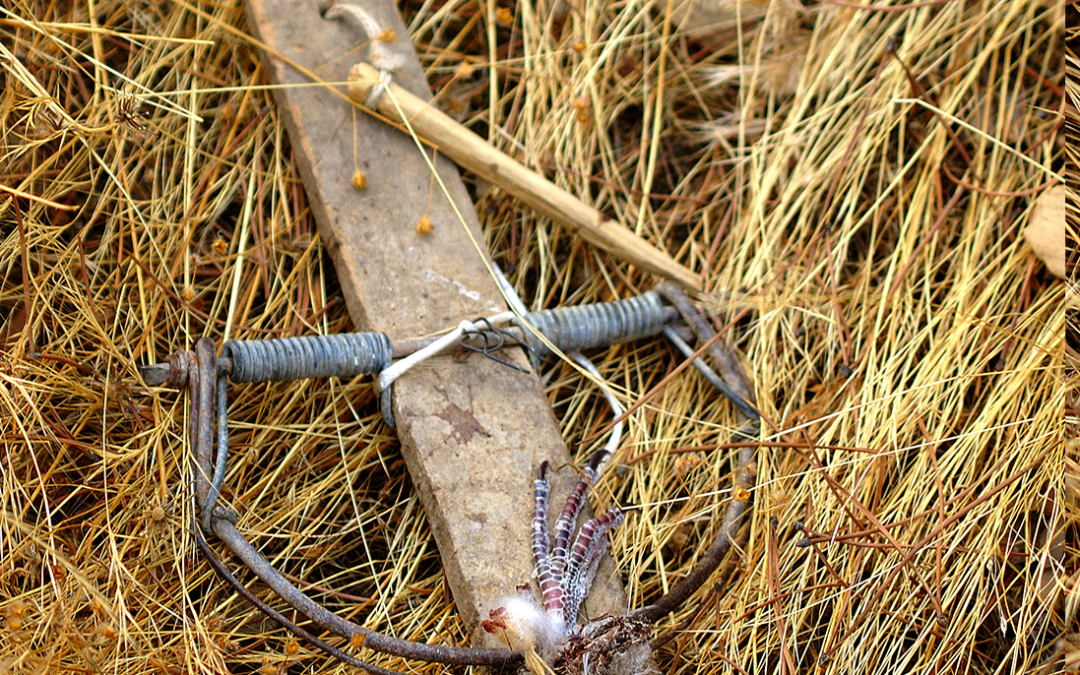
An example of a wire snare. ©Cape Leopard Trust

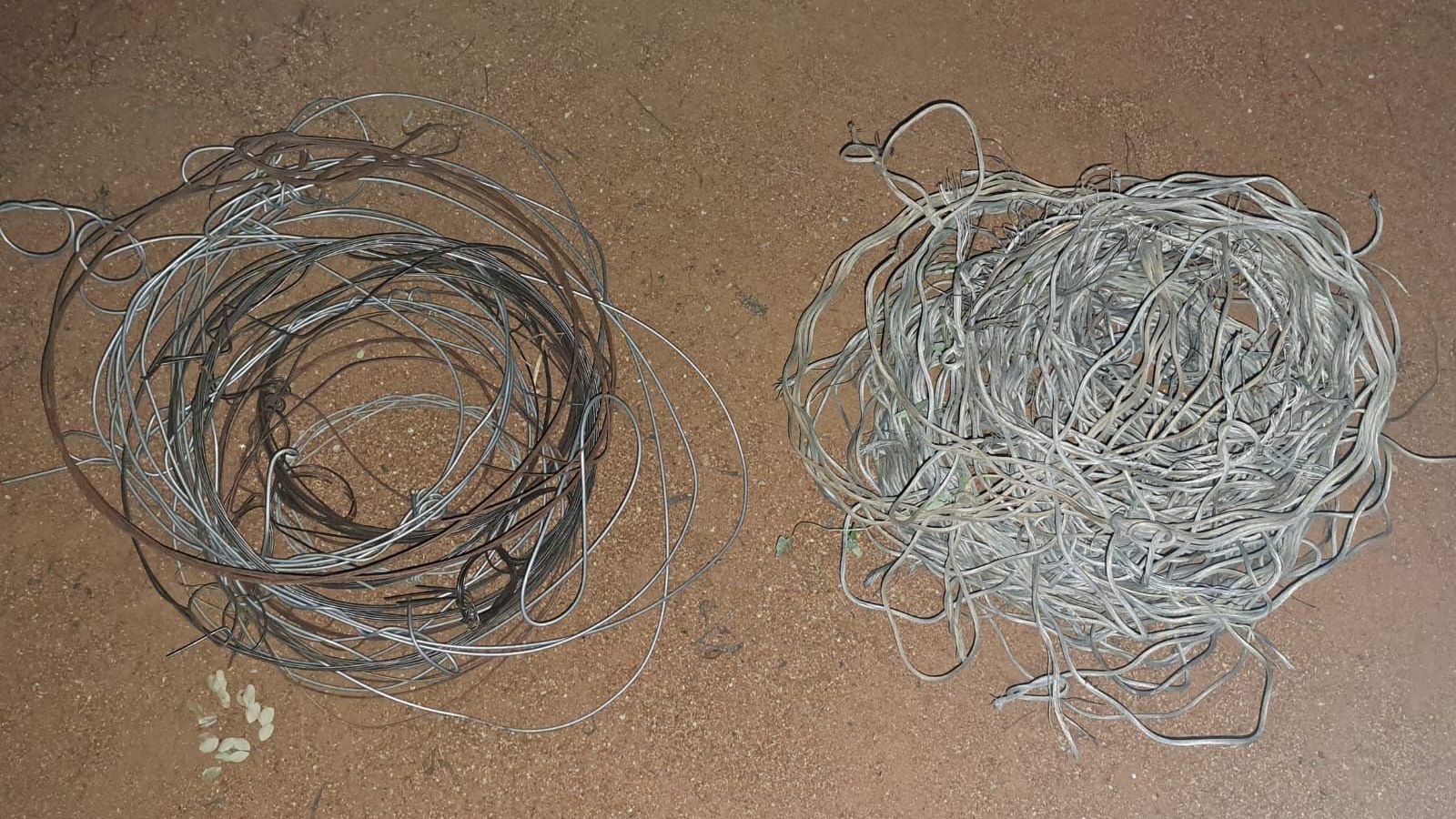
Collected snare material ©Endangered Wildlife Trust

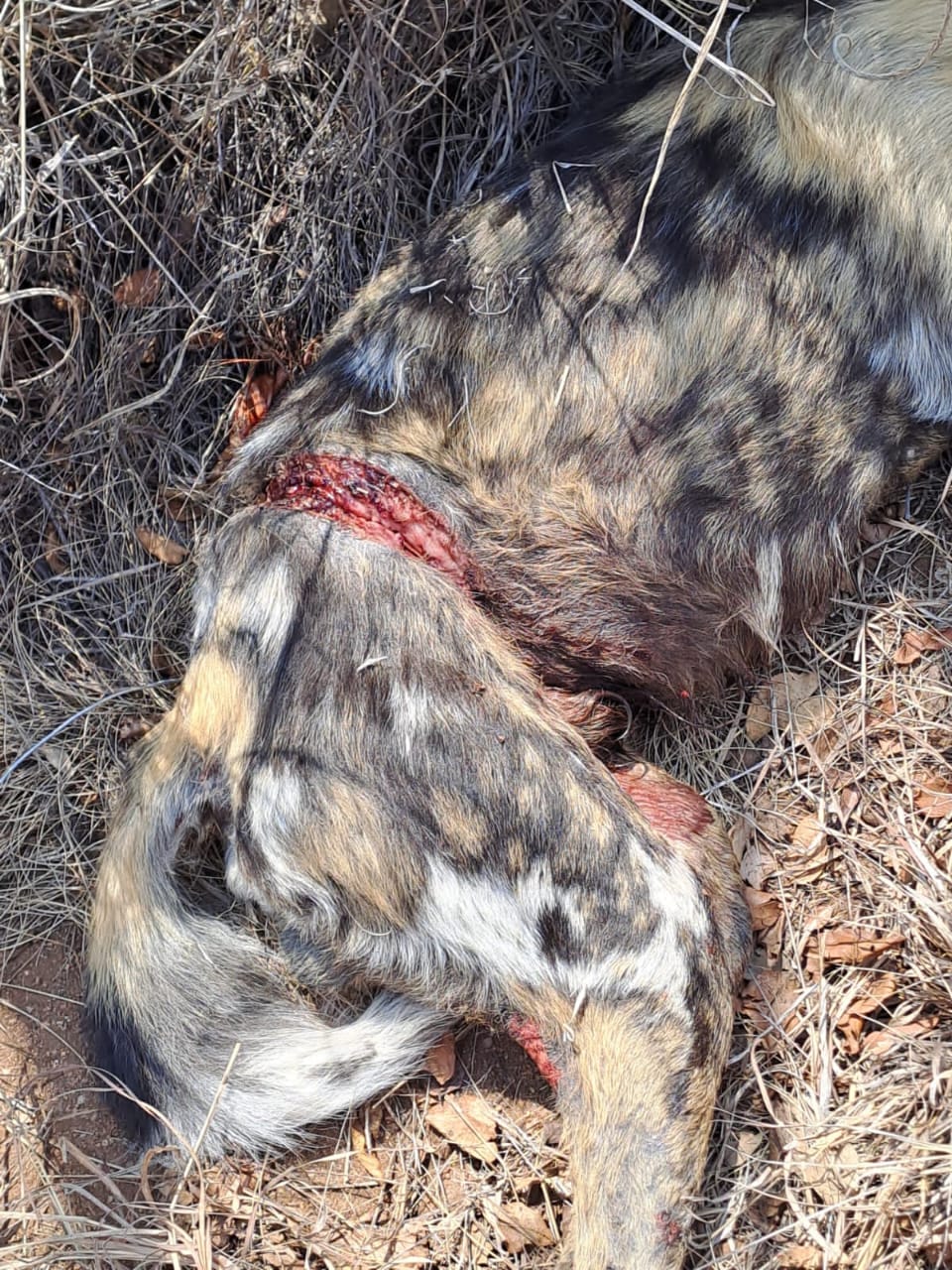
African wild dog found dead in snare ©Endangered Wildlife Trust

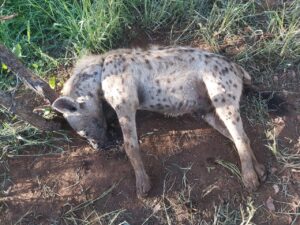
Spotted hyena found dead in snare ©Endangered Wildlife Trust

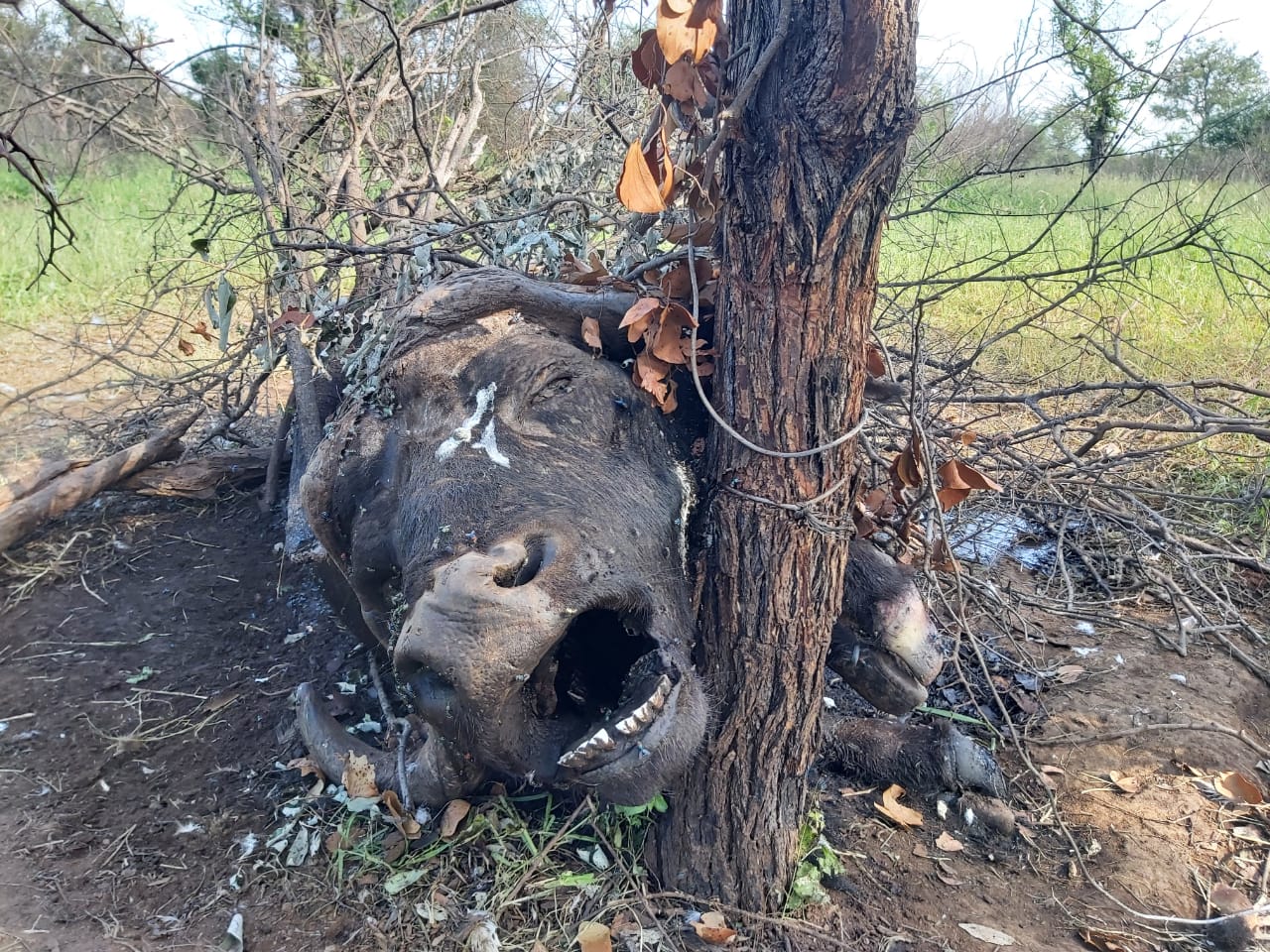
Buffalo found dead in snare ©Endangered Wildlife Trust