Some of our fascinating science saturday posts
SOME OF OUR FASCINATING SCIENCE SATURDAY POSTS

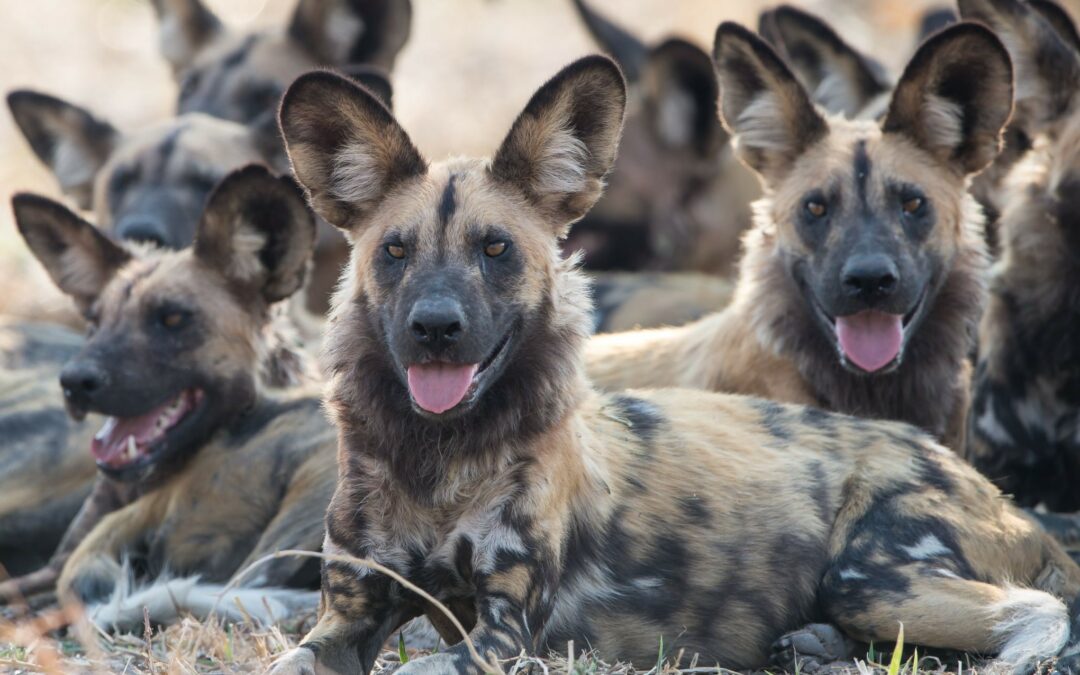
Samantha Nicholson, Lion Database Coordinator, EWT Conservation Science Unit
Carnivore species that overlap in their use of space, food or habitat are called sympatric carnivores, and competition for resources between these species can lead to conflict and death. To avoid this, species have adapted a wide range of different behavioural mechanisms to share resources, and to survive in their shared environment.
Spatial partitioning is one such mechanism, where one species will avoid an area based on another carnivore’s presence or population density. For example, among large carnivores, Lions will kill African Wild Dogs when they come into close contact, and as a result, Wild Dogs will actively spatially avoid areas where there is high Lion activity or density. Small carnivores will exhibit the same behaviour in avoidance of other carnivores. An example of this is Cape Foxes, which spatially avoid jackal core areas when foraging as they are often killed by jackals. However, some species will not exhibit this behaviour, even though there is competition. For example, neither Black-footed Cats nor Bat-eared Foxes avoid jackal core areas, even though jackals frequently kill them.
In this study, we set out to investigate the spatial relationship between Black-backed Jackals and large carnivores, to determine whether jackals use spatial partitioning at different scales to coexist with Lions and Wild Dogs. Our study was conducted in Venetia Limpopo Nature Reserve (VLNR) in Limpopo Province (South Africa). At the time of the study (2008) VLNR had a wide array of large carnivore species including Lion, Leopard, Cheetah, Spotted Hyena, Brown Hyena and Wild Dog. VLNR is a small reserve enclosed by an electrified predator-proof fence. Radio collars were fitted to three jackals from three different family groups to obtain location data. One jackal actually moved to another family group during the course of the study, which gave us data for an additional family group. At least one male and two females from each of the three Lion prides, and one dog from the single Wild Dog pack were collared.
Using the location data obtained from the collars, we calculated the annual home-range sizes of the study animals, as well as their core areas. We then compared the overlap between the three species at the home-range level (hereafter, broadscale) and the core areas (hereafter, fine scale). We found that the annual home-range sizes for the jackal groups ranged between 2.7 and 9.0 km2 while the annual home range of the pack of Wild Dogs was 339.5 km2. The annual home ranges of the three Lion prides ranged between 112.8 and 208.5 km2. Our data showed that the extent of spatial partitioning between jackals and both Wild Dogs and Lions depended on the scale at which we were looking. At the broadscale, jackals did not exhibit spatial partitioning with either of the large carnivores, meaning that there was extensive overlap between home ranges. However, when we looked at the fine scale, we found that jackals did appear to exhibit spatial partitioning. This was to be expected as both Wild Dogs and Lions kill jackals if presented with the opportunity.
Nonetheless, our study yields the first evidence of spatial partitioning between jackals and two large carnivores, and we hope future researchers will examine spatial partitioning between these species under a variety of environmental conditions across Africa, to help build a more complete understanding of their interactions.
Reference: Kamler, J. F., Nicholson, S. K., Stenkewitz, U., Gharajehdaghipour, T. & Davies-Mostert, H. T. 2020. Do black-backed jackals exhibit spatial partitioning with African wild dogs and lions? African Journal of Ecology.
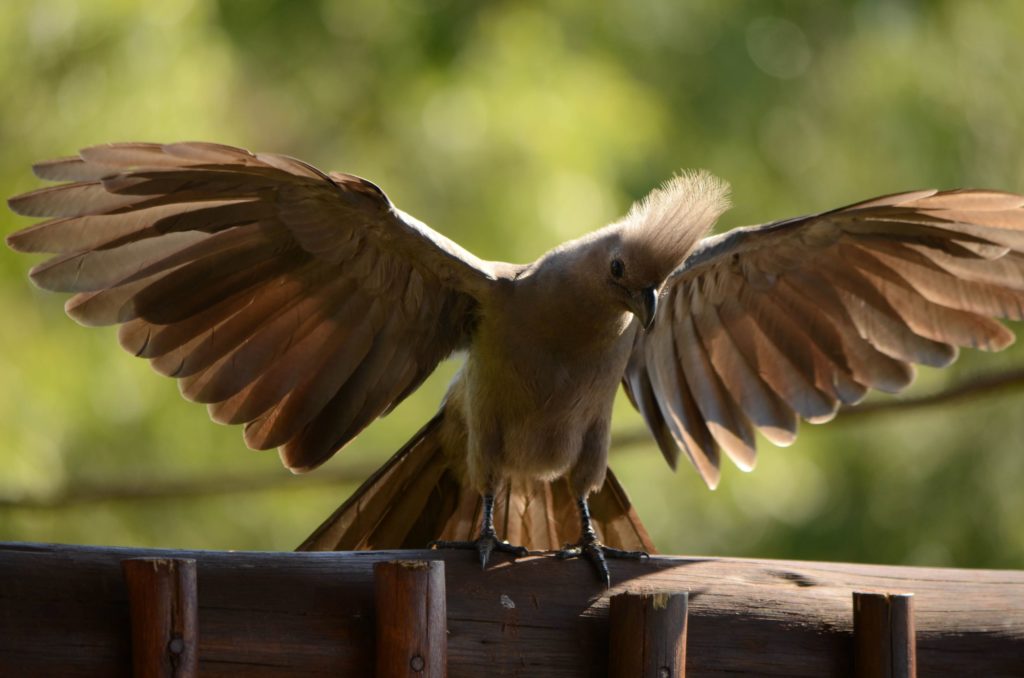
Dominic Henry, Ecological Modelling Specialist, EWT Conservation Science Unit (CSU)
Reference: Chamberlain, D.E., Reynolds, C., Amar, A., Henry, D.A.W., Caprio, E. & Batáry. 2020. Wealth, water and wildlife: landscape aridity intensifies the urban Luxury Effect. Global Ecology & Biogeography. https://onlinelibrary.wiley.com/doi/full/10.1111/geb.13122
Biodiversity plays an important role in urban ecosystems and restricted access to it can profoundly affect human wellbeing. Unfortunately, urban dwellers rarely have equal access to biodiversity. Ecologists studying urban ecosystems have in many cases revealed a pattern whereby wealthier neighbourhoods in many cities have higher levels of biodiversity than poorer areas – a phenomenon that scientists have called the “Luxury Effect”. The Luxury Effect is indicative of environmental injustice, as the benefits associated with biodiversity are not shared equitably across society.
A new study published in Global Ecology & Biogeography by an international team of scientists from the University of Turin in Italy, the University of Cape Town and the University of Witwatersrand in South Africa, and the Centre for Ecological Research in Hungary, and co-authored by EWT staff member Dominic Henry, conducted a meta-analysis (an analysis that combines the results of multiple scientific studies) to determine the generality of the Luxury Effect and identify factors that drive variation in this pattern. The authors tested the Luxury Effect across 96 studies from around the world that examined the relationship between socioeconomic status and biodiversity.
The authors found that there was a significant positive relationship between terrestrial biodiversity (including the abundance and species richness of plants, birds, reptiles and insects) and the level of wealth in a city, confirming the existence of a global luxury effect. An interesting finding was that this relationship was far more prominent in the drier regions of the world suggesting that the Luxury Effect could partly be driven by water availability. Wealthier people living in more arid regions may invest more in water features, such as ponds or swimming pools, or in irrigation of their gardens and parks. Alternatively, wealthier areas may be associated with wetter areas within these arid landscapes, with higher property prices associated with lakes, rivers, or other wetland features.
The relevance of this finding in a South African context is profound given how city planning under the apartheid government fell along racial lines. Within cities, most black South Africans continue to live on the periphery in areas where the land is degraded, and often within close proximity to industrial sites where access to clean air and water are limited. Understanding the finer details of the mechanisms that drive and maintain the Luxury Effect can help with the creation of more equitable cities in the future. Acknowledging that access to biodiversity is an incredibly important part of our lives can help facilitate the management of urban areas to make access to the benefits of biodiversity more equal across the socioeconomic spectrum.
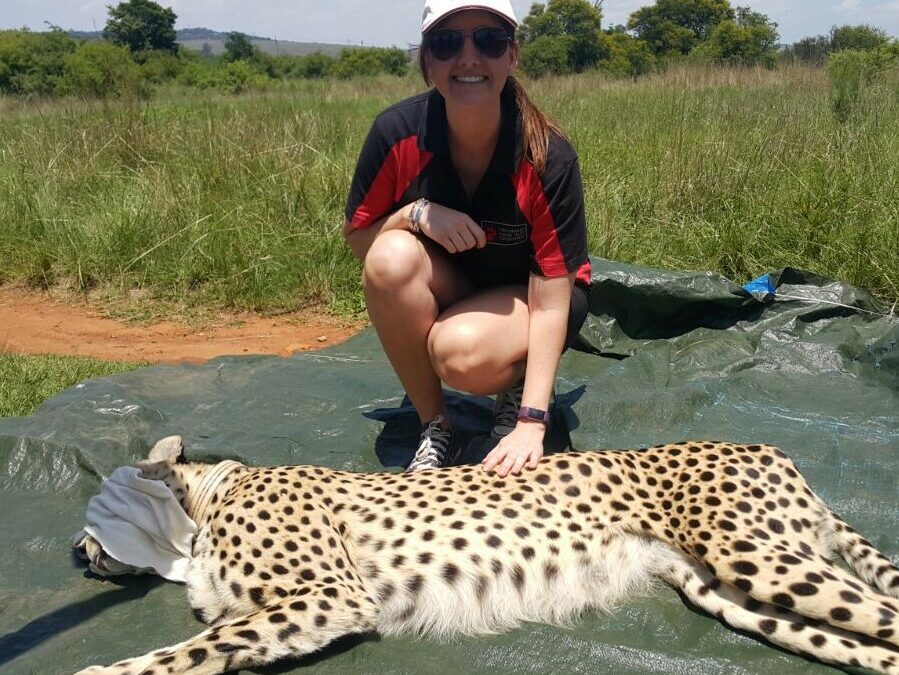
Dr Lizanne Roxburgh, Senior Scientist, Conservation Science Unit
lizanner@ewt.org.za
Young South Africans are the conservation champions of tomorrow. They will become the next generation of soldiers and explorers in the frontlines, fighting to conserve our biodiversity and promoting a more sustainable tomorrow. Critical to effective conservation practice is robust science, and ensuring that the scientific methods we use in all of our projects are rigorous and defendable, is the role of the EWT’s Conservation Science Unit. In celebration of Youth Day, and to provide inspiration to other aspiring conservation scientists, we would like to showcase the young scientists in our unit, and the exciting career paths they have ahead of them. However, we recognise that our team of hard-working young scientists were privileged to attend universities and had opportunities to enjoy South Africa’s wildlife and natural environments while growing up, which are opportunities that are not yet given to all South African youth.
My journey to conservation began at a young age, inspired by cross-country family road trips to South Africa’s diverse and spectacular protected areas. A passion and wonder for the natural world were instilled in me during Drakensberg hikes beneath Cathedral Peak, and hippo-watching through small red plastic binoculars with my feet dangling off the edge of a wooden bird hide. During a family camping trip, I remember sleeping with my head outside of the little triangular tent, just to hear the captivating sounds of the night more clearly. After waking up with my eye swollen shut, looking as if I had crept straight out of a horror movie, I only wondered with fascination, which crawling creature had bitten me in the night. My graduate and postgraduate education in biology and environmental science took me to the Universities of Cape Town, Pretoria, and Wits. I began working for the EWT as a nervous, yet enthusiastic volunteer, and now, as a conservation scientist, I aim to assist teams to develop, monitor, and implement impactful and effective conservation projects. Although I committed to hard work and dedication throughout my education and career in the conservation field, I also deeply understand that much of my story is one of privilege, access, and opportunity. If we hope to combat the enormous and increasing threats to biodiversity that the conservation community faces in this country, it is critical that all young South Africans are provided with the opportunity to access, appreciate, and understand South Africa’s splendour of wildlife and natural spaces.
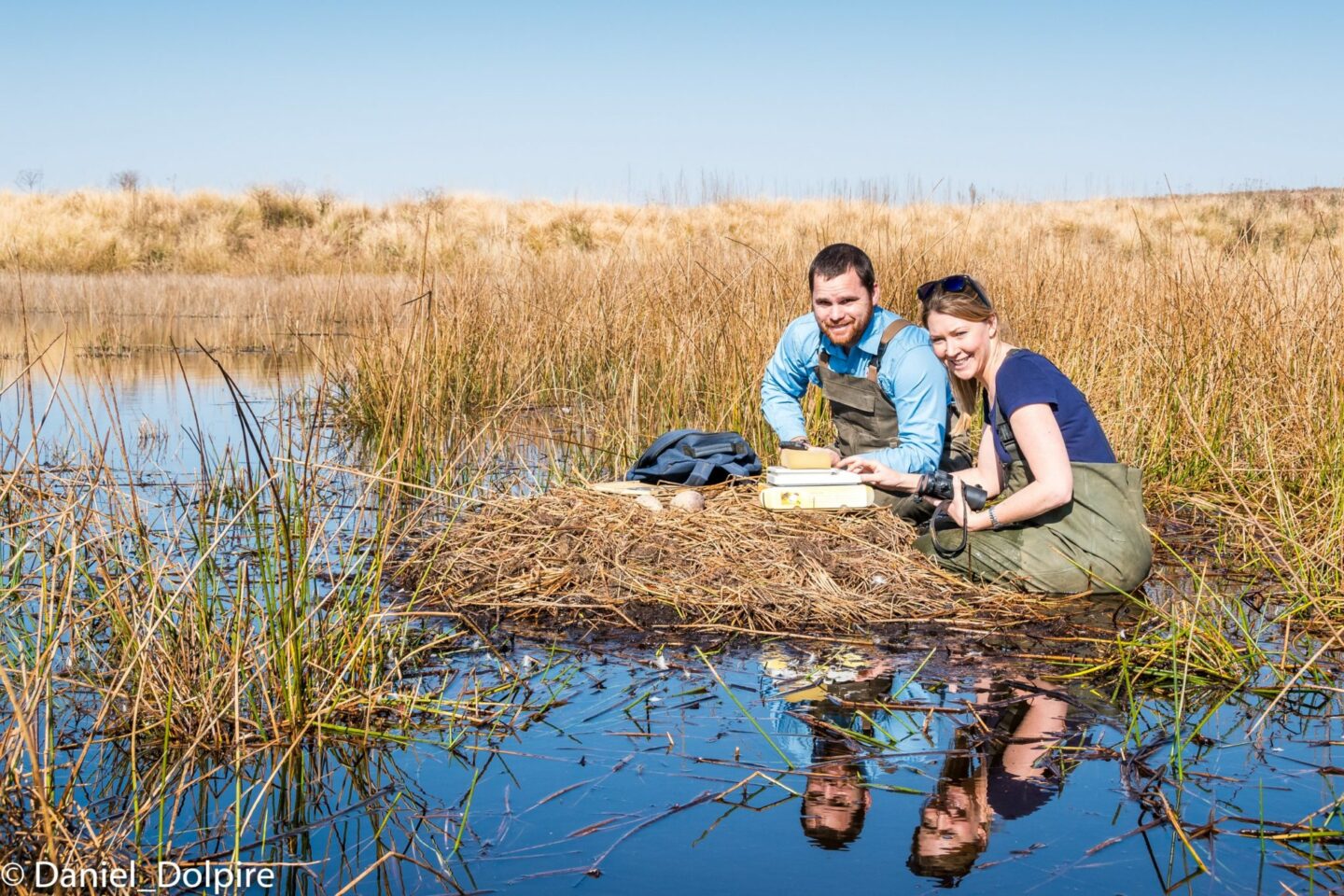
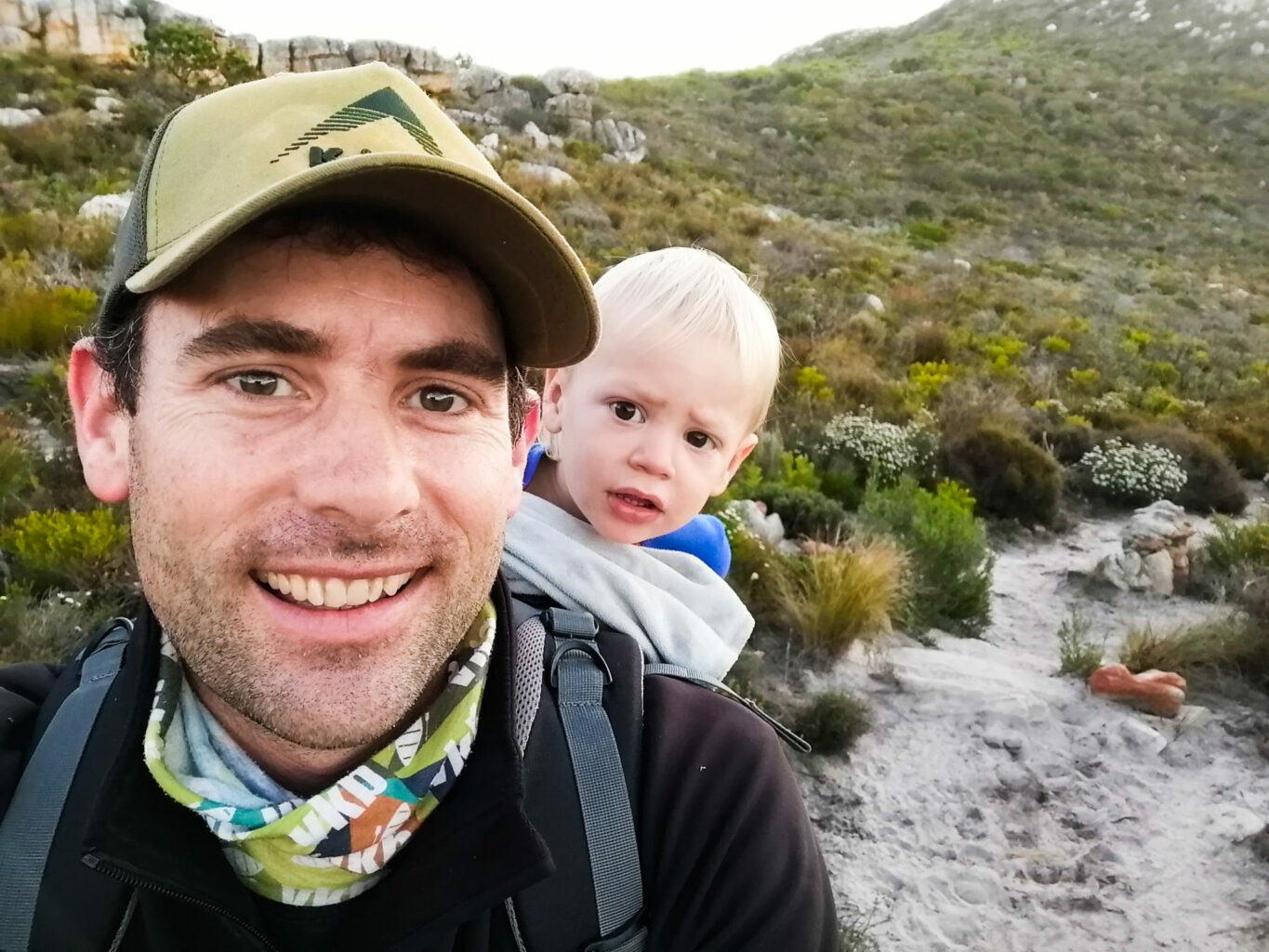
In a misguided attempt to pursue a respectable career in the financial sector, I started a Business Science degree at the University of Cape Town (UCT) in 2003. After a year and half of learning about rands and cents, following this trajectory no longer made sense (to me at least). I thought about places and times in my life where I found joy and contentment, and quickly realised that growing up on a farm had primed me for being happiest outdoors. I met with a prominent entomologist and Science Faculty student advisor who encouraged me to immediately move faculties and start a degree in Ecology. Little did I know that this meeting would lead me towards a fascinating and fulfilling career as an ecologist. During my studies, I developed a strong passion for birds and birding, and after my Honours degree, I took a year off to work as a field guide in a game reserve. I was lured back to the UCT by an offer to start a Master’s degree (which I later upgraded to a PhD) working on the movement ecology of southern African waterbirds, conducting fieldwork at 60 sites within the protected areas of Zululand). As an avid birder, this was an opportunity I couldn’t pass up. I developed an affinity for working with large datasets that led me to take a deep dive into learning quantitative ecology techniques. I then took up a postdoctoral fellowship at the Centre for Statistics in Ecology, Environment and Conservation (SEEC), in which I used statistical models to quantify patterns of species richness of birds, reptiles, mammals, scorpions, butterflies, grasshoppers, and plants in a part of the Karoo that is threatened by shale-gas exploration. This gave me a deep appreciation for biodiversity in very sensitive ecosystems. After 13 years at UCT I decided to leave academia and take up a position at the EWT as an Ecological Modelling Specialist. While I am still involved in research, my primary work now involves developing models that quantify the distribution of threatened species of reptiles, amphibians, mammals, and butterflies. These models are used to inform land-use decision making and aid responsible infrastructure development. I derive a deep sense of satisfaction knowing that I can use the skills I have learned during my scientific training to address real world conservation issues.
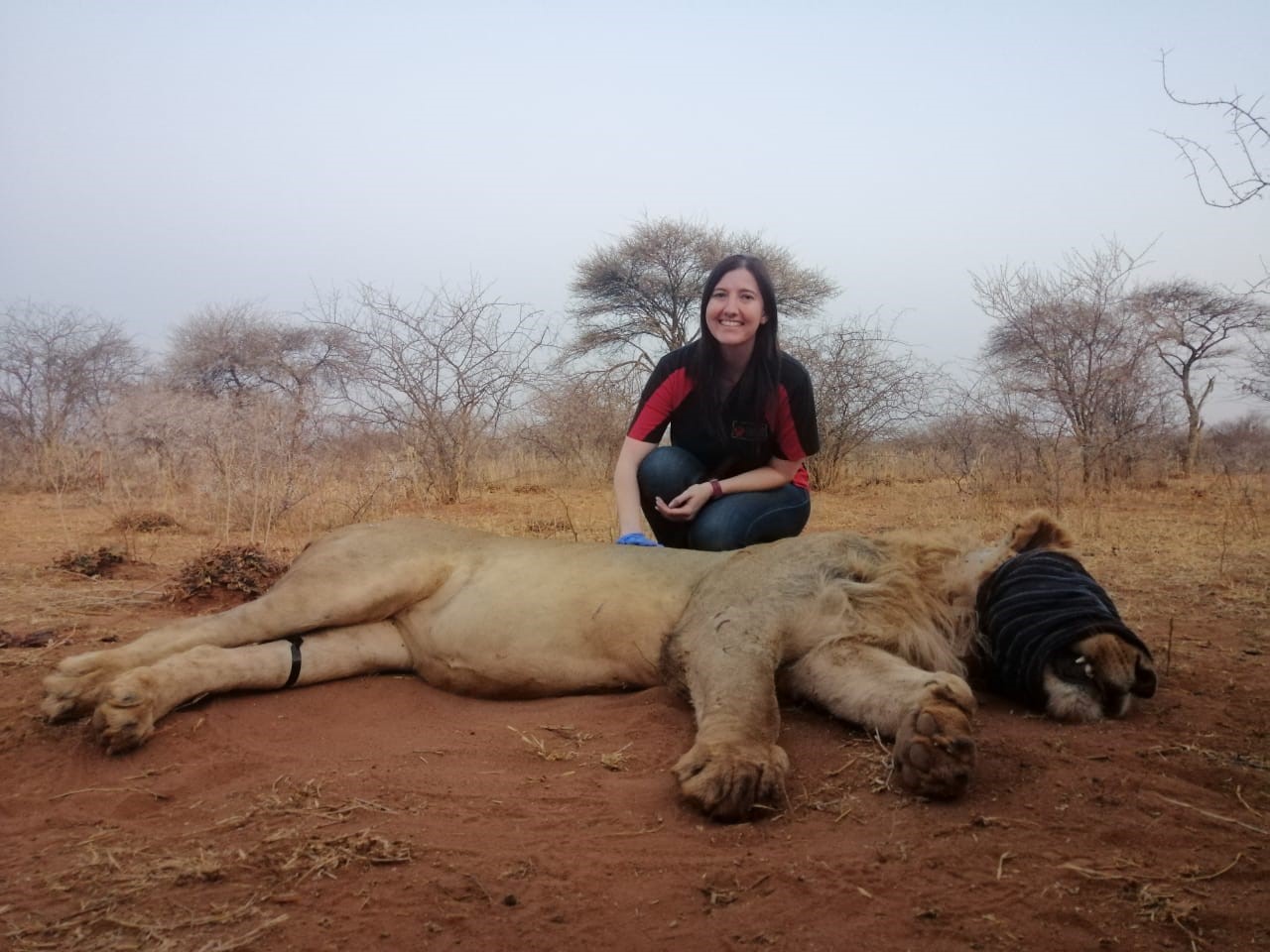
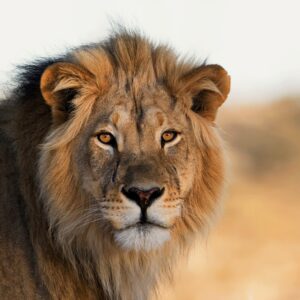
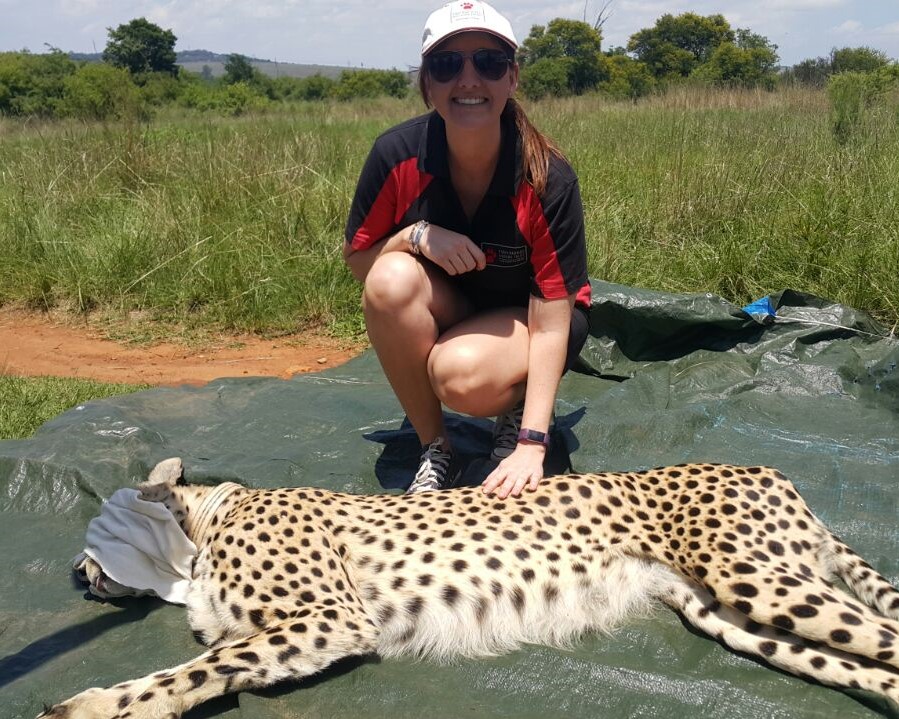
Ever since I can remember I knew I wanted to work with wild animals. For most of my primary school days I dreamt of becoming a game ranger and spending every day in the bush and being with wildlife. I then started to learn about how many species were threatened with extinction and I knew I wanted to do something to help conserve them, specifically large carnivores. In high school I came across the term ‘Zoologist’ and thought “well ok, that’s what I will be”, and off to university I went. In 2014 I graduated with my Master of Science degree with distinction in Zoology. I then began working at the Endangered Wildlife Trust as a Conservation Science Intern, and in 2018 I was appointed as the project coordinator for the global African Lion Database (ALD) initiative. This unique project aims to develop a platform to consolidate lion population and distribution data from across the African continent. This will allow us to better understand the distribution, conservation status, and population trends of this iconic African cat. I consider myself incredibly lucky to be able to have a career that contributes to species conservation.
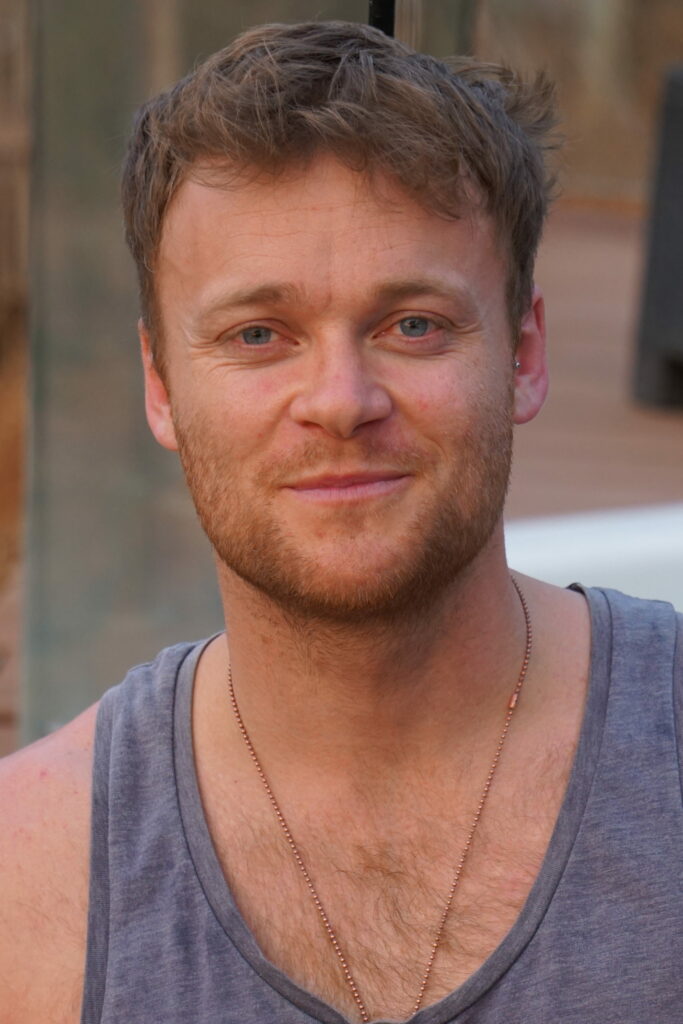
I have always been fascinated by how things work and why things are the way that they are. As a child I would want to know, for example, why flowers were different shapes and sizes. I was drawn to science as a way of understanding nature better. As my scientific curiosity increased through adolescence, so too did my comprehension that not only could science help me understand the world, but it could also be used to help correct the damage we humans have inflicted on the environment. This led me to the decision to study ecology and environmental science after I finished school. I have never regretted this decision and, after a long adventure in academia, I was fortunate to be offered a job with EWT’s Conservation Science Unit upon completing my PhD. Currently, I am working on a nation-wide project to increase the protection of species and habitats of conservation concern. I feel so fortunate to be able to combine the skills I learned in my academic career with my lifelong passion for nature, to assist in applied conservation practices that protect and safeguard our wondrous biodiversity.
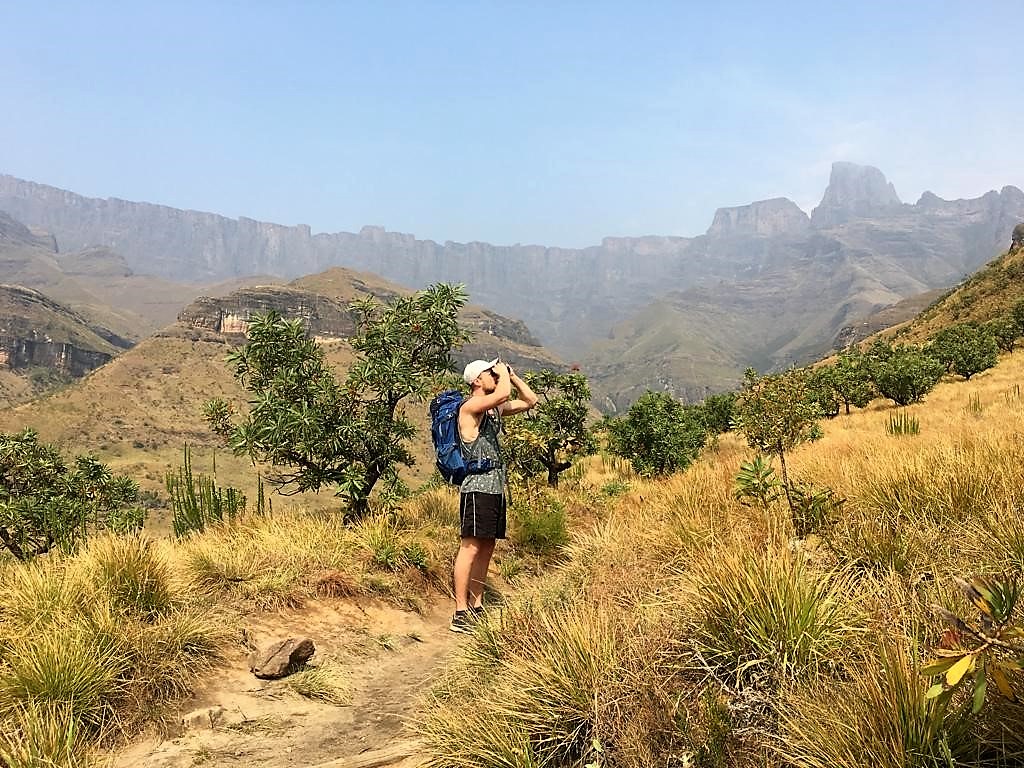

If ever given the choice of holiday destination, it always has and always will be the African bush. There is nothing better for me than spending time in nature – watching, listening, and learning from the great teacher herself, Mother Nature. Therefore, when considering career options, I felt I had to work with wildlife, and science was an obvious choice. However, having an innately logical mind and a knack for Geographical Information Systems (GIS), I looked for a niche where wildlife conservation and GIS could meet. At the Endangered Wildlife Trust, I have been able to do just that, creating maps that show species distributions and their habitats. I also assist in the writing of research papers that aim to identify and test the effectiveness of potential mitigation measures to address the threats that power lines present to our iconic African bird species. I am eager to see where this career path takes me and look forward to growing into the role of a true wildlife conservationist of Africa. For more information about the CSU, please contact us here.
Lizanne Roxburgh, Senior Scientist, EWT Conservation Science Unit
lizanner@ewt.org.za
There is increasing concern globally about the effects of maritime vessel collisions with marine animals. A vehicle collision is defined as an impact between any part of a watercraft, typically a bow or propeller, and a live marine animal. Collisions often result in injury or death of an animal, and may also cause serious damage to the vessel, and injury or even death to the people on board. There is extensive and growing use of the world’s oceans by both commercial and recreational vehicles, and concern about the impact this has on marine life.
To-date, most scientific publications on maritime vessel collisions have focused on the collisions between large vessels and large whales, such as right, blue and humpback whales. In this new publication, co-authored by EWT staff member Claire Patterson-Abrolat, the authors compiled information on collisions with all marine animals, to obtain a more holistic understanding of what species are affected. They also evaluated whether our knowledge of vessel strikes with whales can assist in understanding and mitigating vessel strikes with smaller species. Lastly, they provided recommendations for priority actions to address essential information gaps.
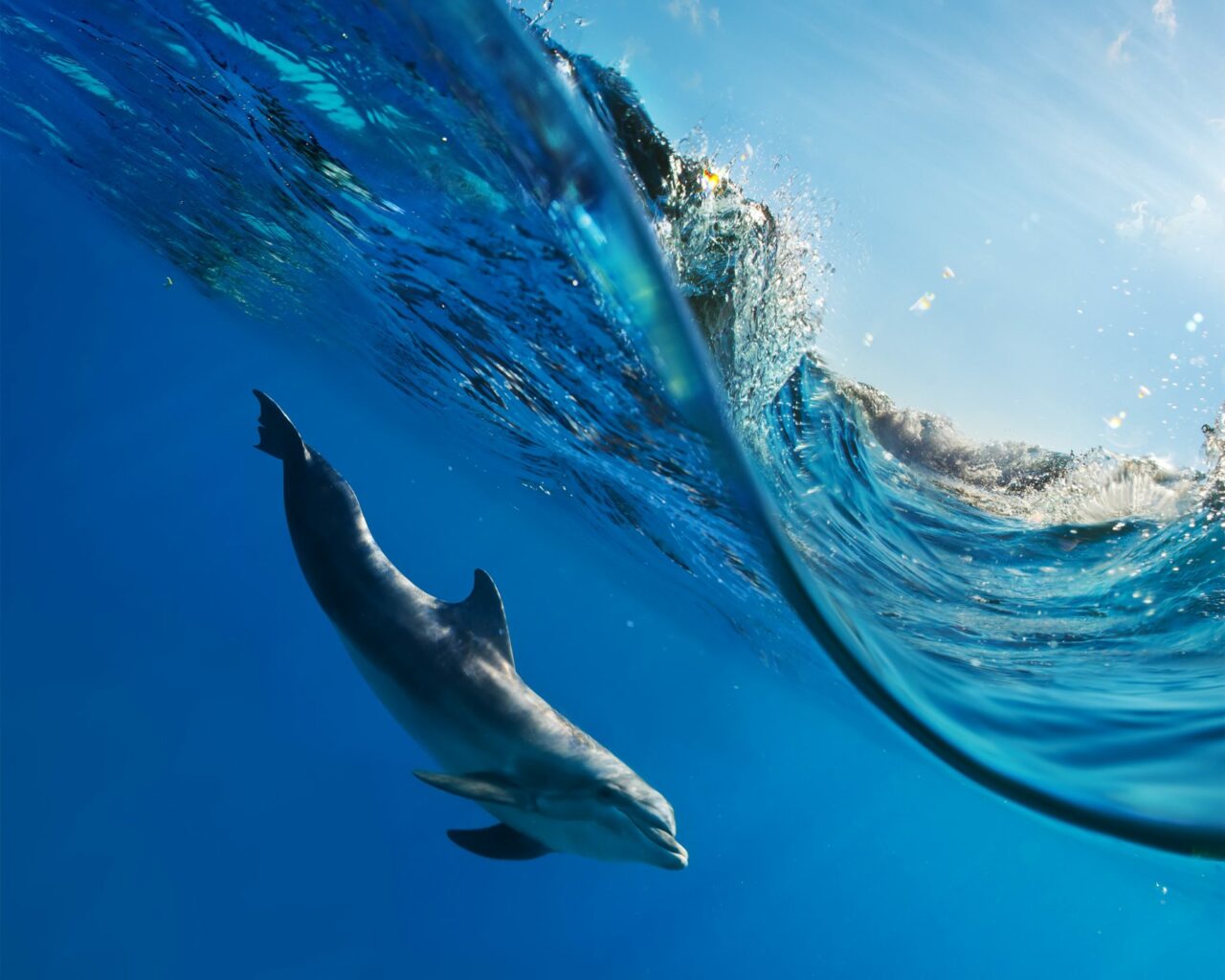
The authors found that at least 75 marine species are affected, including smaller whales, dolphins, porpoises, dugongs, manatees, whale sharks, sharks, seals, sea otters, sea turtles, penguins, and fish. They found that collision incidents with smaller species were scarce, but this is likely a result of reporting biases, where smaller collision incidents are not reported.
The authors reviewed various mitigation measures that aim to reduce the risk of collisions between vessels and marine animals. These were mostly developed with a focus on whales, but some of these have proved effective for smaller animals. The effective measures include re-routing away from high risk areas, and speed restrictions. However, many studies have reported that particularly smaller vessels tend to ignore these restrictions, and that both education of boat skippers as well as better monitoring by law enforcement needs to be done.
Lastly, the authors recommend that an international database of vessel strikes for smaller species is established, so that we can gain a better understanding of where high-risk areas are for smaller species. This would be a valuable first step towards the mitigation of collisions with smaller species. However, we also need to move beyond just reporting mortalities, to really understand the impact of these deaths on populations of marine animals, many of which are already at risk of extinction.
Reference: Schoeman RP, Patterson-Abrolat C and Plön S. 2020. A Global Review of Vessel Collisions with Marine Animals. Frontiers in Marine Science. 7:292. doi: 0.3389/fmars.2020.00292
For more information, please contact Lizanne Roxburgh here.