The Green List: A Framework for Measuring Species Recovery and Conservation Impact

The Green List: A Framework for Measuring Species Recovery and Conservation Impact


The Green List: A Framework for Measuring Species Recovery and Conservation Impact

By Dr Samantha Nicholson – senior carnivore scientist, Endangered Wildlife Trust.
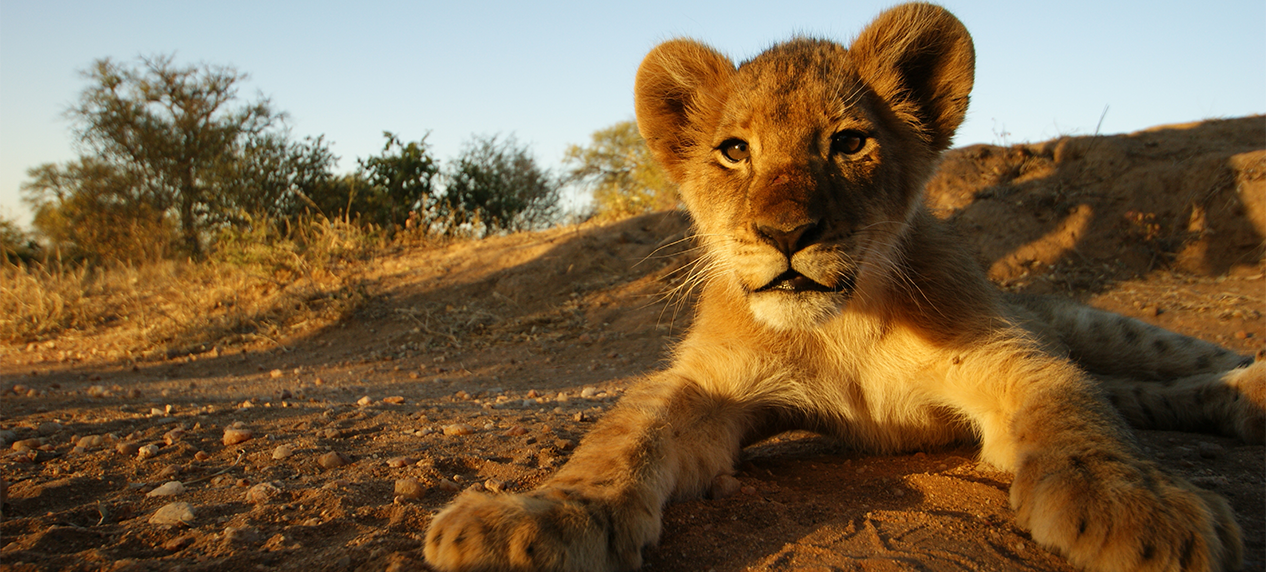
Conservation efforts are essential for conserving species, and it is important to focus on how species can recover and thrive over time with such efforts. The IUCN Green Status of Species is a new tool that works alongside the Red List to track species’ recovery and measure the impact of conservation actions. In this article, we’ll explore how the Green Status is helping shape a more optimistic approach to conservation, starting with the lion, which was recently assessed for the first time.

The IUCN Red List of Threatened Species is globally recognised as the standard for assessing the extinction risk of species. However, an optimistic approach to species conservation is also essential, providing a roadmap for recovery and measuring the impact that conservation efforts have had on that species’ status. To complement the Red List, the IUCN Green Status of Species was developed to assess species recovery and the impact of conservation efforts.

The Green Status works alongside the Red List by evaluating how species populations are recovering and tracking the effectiveness of conservation actions. These assessments are crucial, offering a clear measure of recovery and the success of conservation initiatives. While the Red List highlights species that are threatened, the Green Status provides an additional perspective by measuring how much a species has and can recover. This helps identify successful conservation strategies and areas where further efforts are needed. By monitoring a species’ recovery, Green Status assessments allow conservationists to celebrate successes, maintain support for conservation projects, and adjust strategies for better outcomes. They also emphasise the importance of long-term conservation planning to ensure that species not only avoid extinction but also thrive and reach sustainable population levels. Furthermore, the Green Status contributes to a more comprehensive understanding of biodiversity conservation by emphasising both the prevention of decline and the restoration of species to healthy populations.

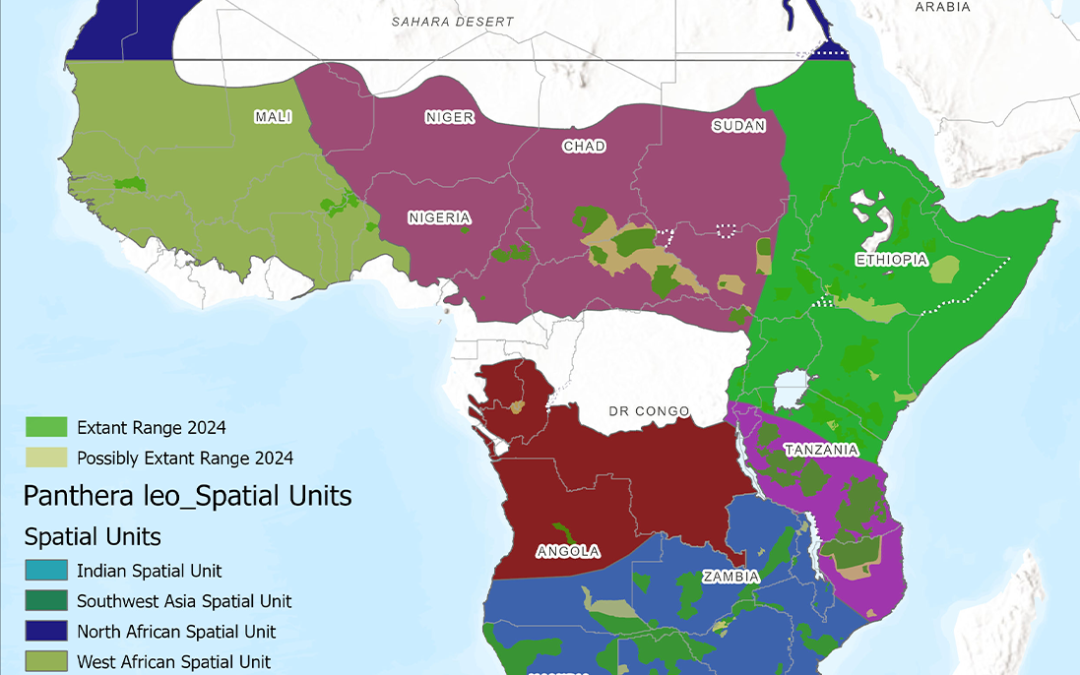
In 2024, the lion’s (Panthera leo) Green Status was assessed for the first time. The assessment revealed that the species requires intensified conservation efforts. The lion’s recovery score was 30%, classifying it as “largely depleted.” We broke the indigenous range of the species into ten spatial units – a spatial unity being a distinct geographic area or boundary (Figure 1). The species is most likely absent in two of its ten spatial units, likely viable in one, and present in the remaining seven. This reflects a significant decline from historical levels. While lions may still exist in some areas, their numbers are far lower than before, and they face substantial survival threats.
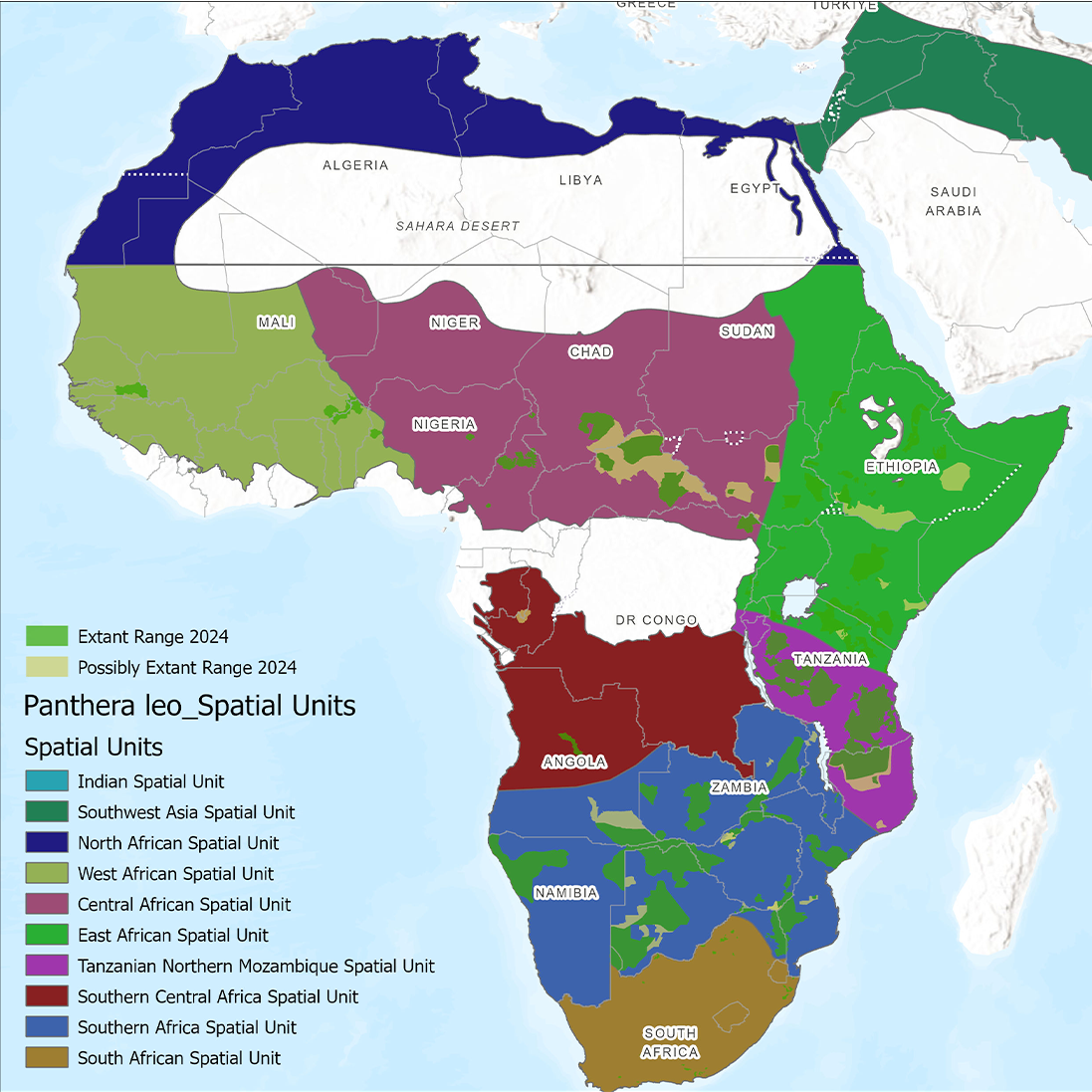
 

Figure 1. Map of the indigenous range of the Lion delineated into ten spatial units. Current range is based on the latest Red List Assessment (Nicholson et al. 2024): Extant range = Green; Possibly Extant Range = Light Yellow Green. Spatial units are as follows: Light Blue = Indian; Dark Green = Southwest Asia; Dark Blue = North African; Yellow-Green = West African; Pink = Central African; Bright Green = East African; Purple = Tanzanian Northern Mozambique; Red = Southern Central Africa; Blue = Southern Africa; Olive Brown = South African.


A key component of the Green List is determining a species’ “Conservation Legacy,” which compares its current Green Score to what it would be if no past conservation efforts had taken place. The lion, despite its depleted state, has a High Conservation Legacy, indicating that without past conservation actions—such as protected areas and legal protections—its population would have declined even further. The species’ conservation dependence is classified as “Medium,” meaning that its long-term survival and recovery rely moderately on continued conservation efforts. While lions may not face immediate extinction without these actions, they would experience significant population declines and escalating threats across their range. Without ongoing conservation measures like protected areas, legal protections, and active management, the lion is expected to be extirpated from three spatial units within the next decade. This highlights the urgent need for sustained conservation efforts to prevent further declines and ensure the species’ survival.

The Green Status evaluation shows that human activities are obstructing the lion’s ecological functionality across its range, with significant declines in many areas and extinction in North Africa and Southwest Asia. However, the assessment also emphasises that conservation efforts have helped prevent the species’ extinction in regions such as West and Southern Central Africa, South Africa, and India. To preserve the remaining populations, intensified conservation actions are critical, especially as human settlements continue to expand across the lion’s habitat.

The Green Status assessment of the lion highlights the critical need for continued and strengthened conservation efforts to safeguard this species. While the lion’s population has dramatically declined and has vanished from parts of its former range, conservation measures such as protected areas and legal safeguards have played a key role in preventing its extinction in certain regions. Despite these successes, the species’ medium conservation dependence suggests that sustained and enhanced actions are crucial for its long-term survival.

As human development increasingly impacts lion habitats, it is essential to not only protect existing conservation areas but also to actively manage and expand them. Additionally, increasing funding and support for Conservation organisations working in the field is vital to ensure that these efforts are effectively implemented and scaled. Conservation organisations provide expertise, conduct vital research, and mobilize local communities, all of which are crucial for species recovery. Without these resources, vital conservation work may struggle to achieve lasting results. The Green Status approach is a powerful tool for measuring progress and identifying areas where further action is needed. Ultimately, the lion’s future underscores the importance of long-term commitment, adequate funding, and global collaboration in protecting biodiversity for future generations.


Nicholson, S., Aebischer, T., Asfaw, T., Bauer, H., Becker, M., Bertola, L., Breitenmoser, U., Carlton, E., Fraticelli, C., Henschel, P., Hunter, L., Laguardia, A., Loveridge, A., Ndiaye, M., Roy, S., Sogbohossou, E., Scott, C., Strampelli, P. & Venkataraman, M. 2024. Panthera leo (Green Status assessment). The IUCN Red List of Threatened Species 2024: e.T15951A1595120251. Accessed on 31 March 2025.
 

A new sand frog discovered in Mozambique

A new sand frog discovered in Mozambique


New Species Discovery: Sand Frog Adds to Mozambique’s Biodiversity

Eleanor Momberg (Communications manager, Endangered Wildlife Trust)

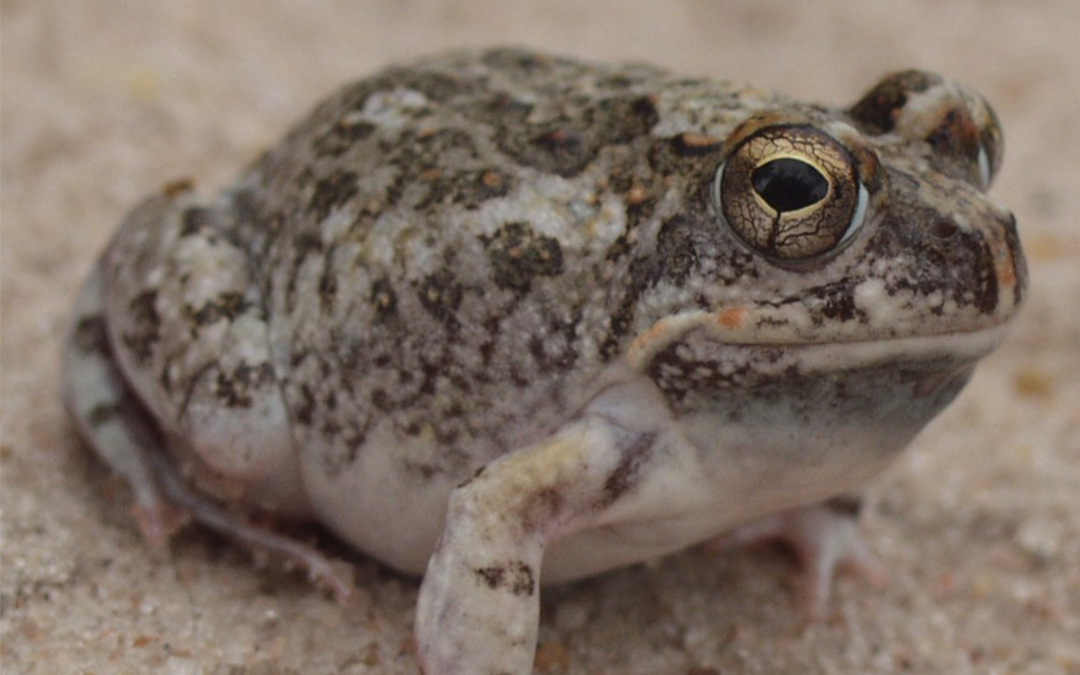
An Endangered Wildlife Trust ecologist recently joined two other South African researchers to confirm the discovery of a new sand frog species in the genus Tomopterna in Mozambique’s Banhine National Park.

A small collection of frogs from inland of Beira, Mozambique, in December 1991 included two specimens of Tomopterna that differed morphologically and genetically from all previously known species. In subsequent years a series of Tomopterna specimens was collected from Banhine National Park. Genetic results indicated that the Banhine specimens were genetically closely related to those collected near Beira, and that these sequences differed substantially from all previously sequenced Tomopterna species.

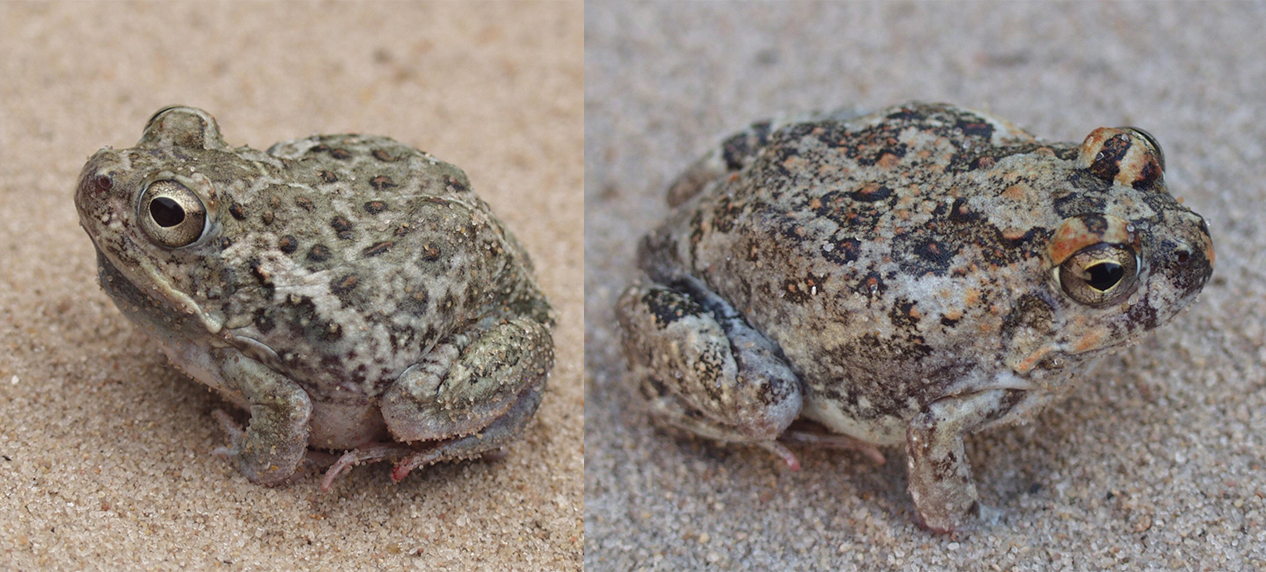
In findings published in ZOOTAXA, EWT ecologist Darren Pietersen, North West University’s Alan Channing and the SA Medical Research Council’s Abeda Dawood describe this new frog species, which they name Tomopterna banhinensis after the type locality, as a species that can be distinguished from all other described species of sand frogs by several characters.

These include that the males grow to a maximum size of 43 mm, that all individuals have two pairs of divided tubercles under the first finger, more than three phalanges free of webbing on the fourth toe, a continuous glandular ridge below the tympanum, a distinct tympanic membrane, the nostrils being situated closer to the snout tip than to the eye, the absence of an outer metatarsal tubercle, the presence of small dorsal warts, the absence of (or only weak) vomerine teeth, and barring on the limbs.

This description adds a further amphibian to the list of Mozambican frogs, which has increased significantly in recent years.

According to the published research, there are presently 18 recognised species within the genus Tomopterna.

The research shows that the species of sand frogs are very similar in overall morphology, no doubt the reason why so many cryptic species were unrecognised, or synonymised with the Cryptic Sand Frog (T. cryptotis) – which was believed to be a single widespread taxon.

Sand frogs are widely distributed in sub-Saharan Africa, excluding the rainforests of central Africa. They are usually found on sandy soils, although the Eastern Beaded Sand Frog (T. pulchra) and Natal Sand Frog (Tomopterna natalensis) are prone to inhabit more rocky habitats.

While this species is presently only known from Banhine National Park and the area around Beira in Mozambique, it is likely to be more widespread than present records suggest, occurring widely across the Mozambique plain, possibly including extreme south-eastern Zimbabwe (specifically Gonarezhou National Park), to which the sandveld and drainage systems of Banhine National Park are linked.

The research paper states that the discovery of many cryptic sand frog species using DNA sequencing suggests that there are more frog species waiting to be described. Sand frog species often occur sympatrically, but the high diversity of Tomopterna, up to five species, on the coastal plain of Mozambique is remarkable.


Research published by:

ALAN CHANNING1, DARREN W. PIETERSEN2,3 & ABEDA DAWOOD4
1Unit for Environmental Sciences and Management, North-West University, Potchefstroom 2520, South Africa.
2Department of Zoology and Entomology, University of Pretoria, Private Bag X20, Hatfield 0028, South Africa.
3Endangered Wildlife Trust, Plot 27 & 28 Austin Road, Glen Austin AH, Midrand 1685, South Africa
4Division of Research Capacity Development, South African Medical Research Council, Private Bag X385, Pretoria 0001, South Africa.


African Canines in Conservation Conference

African Canines in Conservation Conference

The Endangered Wildlife trust and partners are excited to reveal that we are planning our first African Canines in Conservation Conference for March 2025. The event will be hosted at the EWT’s conservation campus in Midrand (Gauteng) and will have a predominant focus on the use of dogs for conservation research projects, and all the other aspects associated with it. There will also be one session aimed at other applications for scent detection dogs, that will allow for speakers outside of the conservation field. The preliminary dates for the conference are 18 and 19 March, where the aim of the conference is to bring around 100 people from different backgrounds together to share experiences and knowledge, and to allow for networking and establish collaboration opportunities.


We are pleased to announce our keynote speakers for the event:

Full event programme at bottom of page


Kayla Fratt

Kayla Fratt is the co-founder of K9 Conservationists, a non-profit organization in the United States, and the host of a podcast by the same name. The organization aims to unite highly trained conservation detection dog teams with researchers to collect scientific data and to provide mentorship, education, and foster collaboration among scientists, novice handlers, and local communities. Kayla is currently a PhD student and NSF-GRFP Fellow at Oregon State University in Taal Levi’s lab. Her research there focuses on the combination of scat detection dogs and genetic methods to answer questions regarding diet and movement of sea wolves in southeast Alaska and the recolonization of pumas in El Salvador. In the past, Kayla has also worked in Kenya with cheetah scat detection dog teams and searched for jaguar and other felid scat in Guatemala. She is a Certified Dog Behavior Consultant and is committed to methods maximizes the welfare and efficacy of working dogs.


Esther Matthew

Esther completed her M.Sc. in Environmental Science. As part of her study that started in 2014, she successfully raised and trained a scent detection dog to locate Giant African Bullfrogs (Pyxicephalus adspersus) underground. Subsequently, she joined the EWT team and as the Specialist Conservation Officer has been using dogs to located elusive and Endangered species focusing on in situ conservation. She obtained national and international qualifications, and due to her work and research with detection dogs, Esther became a National Geographic Society Explorer. Focal species that she has worked on include the Critically Endangered Riverine Rabbit and De Winton’s Golden mole, as well as three of South Africa’s most rare tortoise species. Furthermore, she was also part of the EWT team who trained the first three succulent plant detection dogs for anti-poaching purposes, which already resulted in a few successful operations.


Louise Wilson
 

With over 20 years of international experience, Louise Wilson is a trailblazer for conservation detection dogs in the UK. As Managing Director of Conservation K9 Consultancy, she has trained canines to detect everything from cheetahs and hedgehogs, to water voles and invasive beetles. At the conference, she’ll share her expertise in ethical, efficient, and non-invasive wildlife surveys, drawing from her groundbreaking work across the globe.


Will Powell

Will Powell, CEO of KURU – the Conservation Dog, brings nearly 30 years of expertise in training over 3,500 dogs for humanitarian and conservation missions. Since 2014, his programs in seven African countries have fought wildlife trafficking, reduced poaching, and safeguarded endangered species. At the conference, he’ll discuss the tangible impact of canine units in protecting Africa’s wildlife, and the lessons he has learned along the way.


We are already excited about the experience and knowledge these speakers will bring to the event and will be announcing the other keynote speakers over the next few months.

It is important to note that participants living in Africa will get reduced fees (compared to international participants), and selected speakers of the event will also get discount. We also hope to have a few scholarships available for which participants can apply. We aim to make the event hybrid, where virtual participants can listen into talks, however in-person attendees will benefit through additional live demonstrations and panel discussions. So watch this space for more information and we hope to see many of you at the event in March!

Proudly sponsored by

CAREERS IN CONSERVATION – Caitlin Smith

CAREERS IN CONSERVATION – Caitlin Smith

Caitlin is an Intern with the EWT’s Conservation Planning & Science Unit. Here is a little bit about Caitlin’s journey to a career in conservation.

Job title:  Conservation Planning & Science Intern

What do you do in your day-day work? I will be assisting in the Mammal Red List project

Location: Cape Town

Where did you grow up? Cape Town

What are your hobbies/things you like to do in your spare time? Reading and baking

Any pets? None

Favourite animal and why: Giraffes, they are so beautiful and unique!

Favourite food? Chocolate

Pet peeve? Loud chewing

Why did you want to work for the EWT? Zoology is my first love, and getting a chance to learn more about mammals while assisting with Mammal Red List assessments is something I am very excited about.

What excites you about this new position? Learning how to put together Red List assessments

What are you passionate about? Many things; giraffes, chocolate, reading/watching Harry Potter

What’s the best advice you’ve ever received, and who did it come from? Just be yourself, my Mom

What is your go-to feel-good song? Any ABBA song!

Science Snippets: Half a Century of scientific discovery

Science Snippets: Half a Century of scientific discovery

Science Snippets: Half a Century of scientific discovery

How we know where we are needed.

Erin Adams and Lizanne Roxburgh, the EWT Conservation Planning and Science Unit


The Endangered Wildlife Trust (EWT) is celebrating its 50th anniversary, and we are reflecting on our contributions to scientific discovery over this period. Formed in 1973, the EWT was made up of species-focused working groups. These groups included the Vulture Study Group, the Carnivore Working Group, and the Elephant Survey and Conservation Programme (ESCP).

In the early 1980s, the EWT focused on elephant translocation into new reserves. The ESCP played a key role in relocating elephants from conflict areas in Namibia to the Pilanesberg National Park. Another study focused on the distribution and numbers of desert elephants in north-western Namibia. Towards the end of the 1980s, the EWT started working on cranes under the Highveld Crane Group. During the 90s, the EWT’s crane work expanded throughout South Africa’s important crane strongholds.

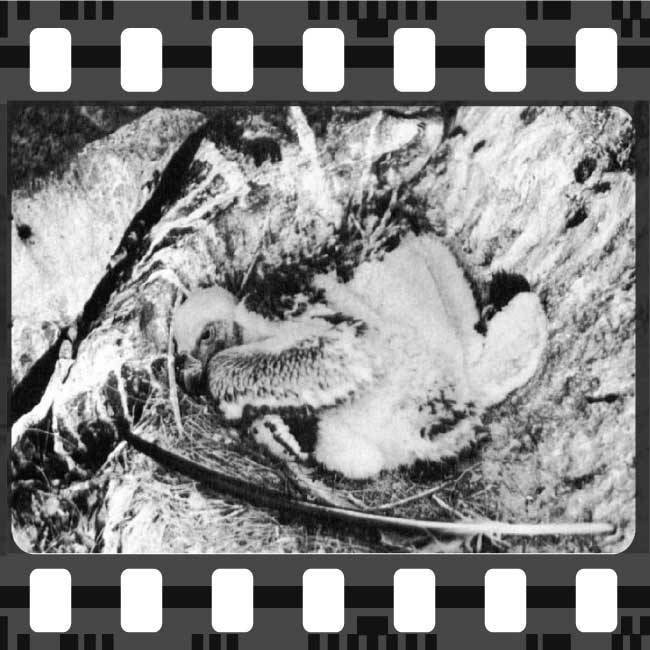
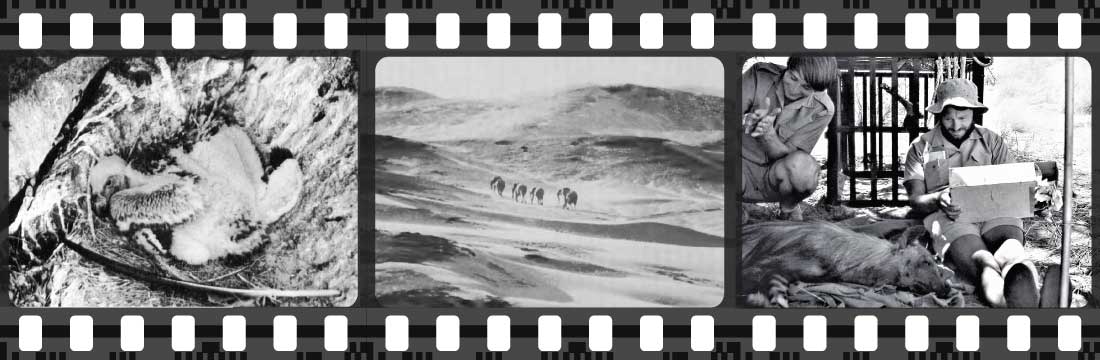
Cape Vulture-chick. Photo credit: P Richardson, P Mundy and I. Plug, 1986 (left), Desert Elephants. Photo credit: Clive Walker (center), and Gus Mills and Clive Walker conducting filed work in Kalahari National Park (right).

From the early 2000s, the EWT shifted its focus to carnivores, including Lions, Honey Badgers, Cheetahs, and Wild Dogs. Research on these species took place across southern Africa, including the Kalahari and Kruger National Parks. The EWT’s crane work has also expanded through a formal partnership with the International Crane Foundation, and the South African Crane Working Group became known as the African Crane Conservation Programme.

In the 2010s, research and publication of our results became vital for the EWT, resulting in approximately 130 publications. The species of interest expanded to include frogs, oxpeckers, Riverine Rabbits, and Ground Hornbills. The Threatened Grasslands Programme, which studied grassland ecosystems and species such as the Critically Endangered Blue Swallow and the Endangered Oribi, was also prominent during this time. Other important topics investigated were the threats to species, including road mortalities, livestock predation, wildlife poisoning, and animal-powerline collisions.

Even though it is only three years into the 2020s, the EWT has already recorded 99 publications since the start of 2020, highlighting the organisation’s commitment to conducting valuable research and ensuring the dissemination of information to our stakeholders. The focus remains on employing robust sampling techniques to benefit the survival of threatened species. The EWT provides biodiversity data for scientific research and action and reviews environmental impact assessments in South Africa. We have also studied ranchlands to understand their biodiversity and ability to sequester carbon. Furthermore, the organisation now places greater emphasis on addressing the illegal wildlife trade, the laws that protect wildlife and the environment, and the relationship between business and biodiversity. We are also expanding our focus into more cryptic but equally threatened species, such as Golden Moles, Dwarf Tortoises, Colophyton (succulents) and Colophon Beetles. Throughout its history, the EWT has consistently prioritised the conservation of vultures. These birds remain a primary focus through the Birds of Prey and the Vultures for Africa programmes.