Help African Wild Dogs 

Donate today  

Plant poaching: An underestimated threat to biodiversity 

Plant poaching: An underestimated threat to biodiversity 


Plant poaching: An underestimated threat to biodiversity 

By Esther Matthew
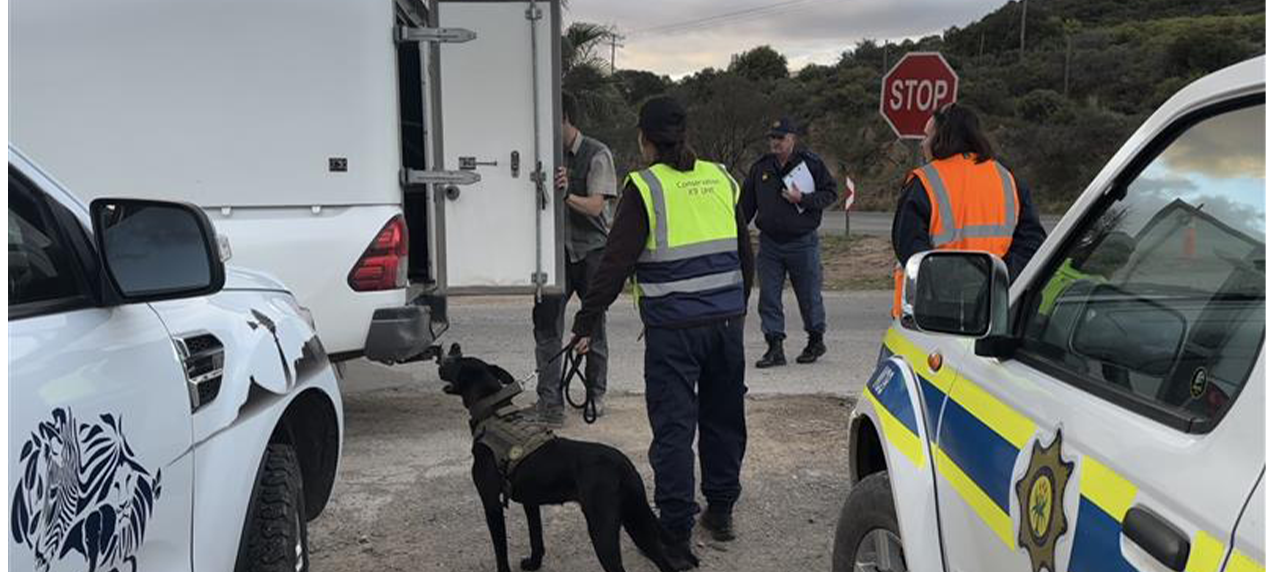
Roadblocks for illegally traded wildlife products


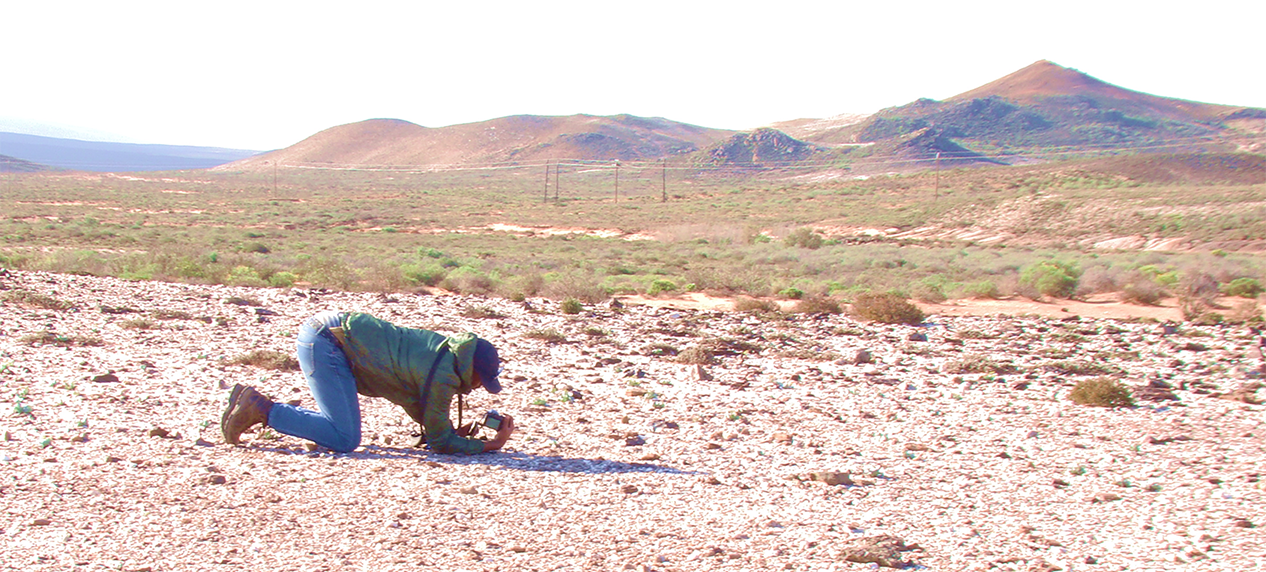
Succulent poaching has shown a marked increase in South Africa in recent years. Many of these plants will literally bring you to your knees due to their tiny size. But, once you see the details on them, you are immediately transported to world that many people often walk over without noticing.

Unfortunately, poachers have taken note of this, which has resulted in an incredible increase in the illegal harvesting of these unique plants over the last five years, with approximately half a million plants poached in a year. This is a significant problem, with some plant species already pushed to extinction in the wild.

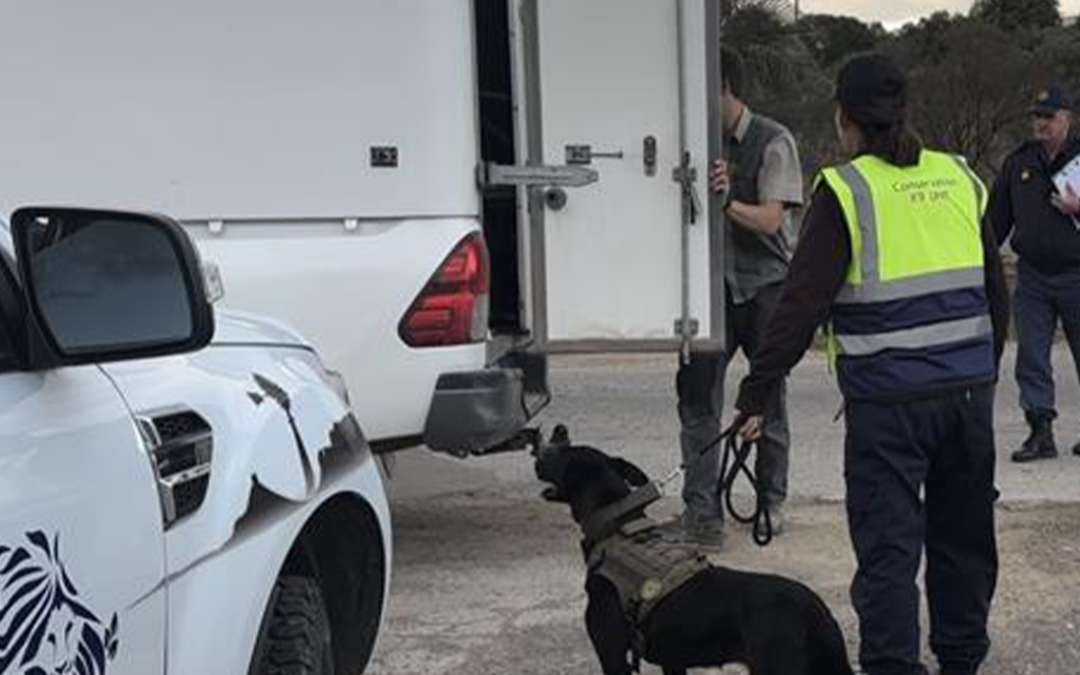
For the EWT Conservation Canine Unit and the Drylands Conservation Programme the solution to most conservation problems is getting nosy, and with that we mean using scent detection dogs to assist us in our conservation work, and in sniffing out any plants being smuggled. Dogs have an remarkable scent ability and are able even find a drop of odour in a waterbody the size two Olympic swimming pools! Keeping that in mind, our two programmes teamed up in 2023 and to train the first three scent detection dogs to help combat the succulent plant poaching problem. In joint operations, our efforts were aimed at screening vehicles at roadblocks and parcels at courier companies. In the first 2 months of working with these dogs we were able to assist the local law enforcement officials supported with four cases, resulting in nine arrests. So, it turns out being nosy is not always a bad thing, and it can even help save our endemic plants.

Thanks to the Dertour Foundation, Endangered Ink and Tourvest, we can continue the work with our dogs to help combat the poaching problem for not only plants but also a variety of other wildlife contraband
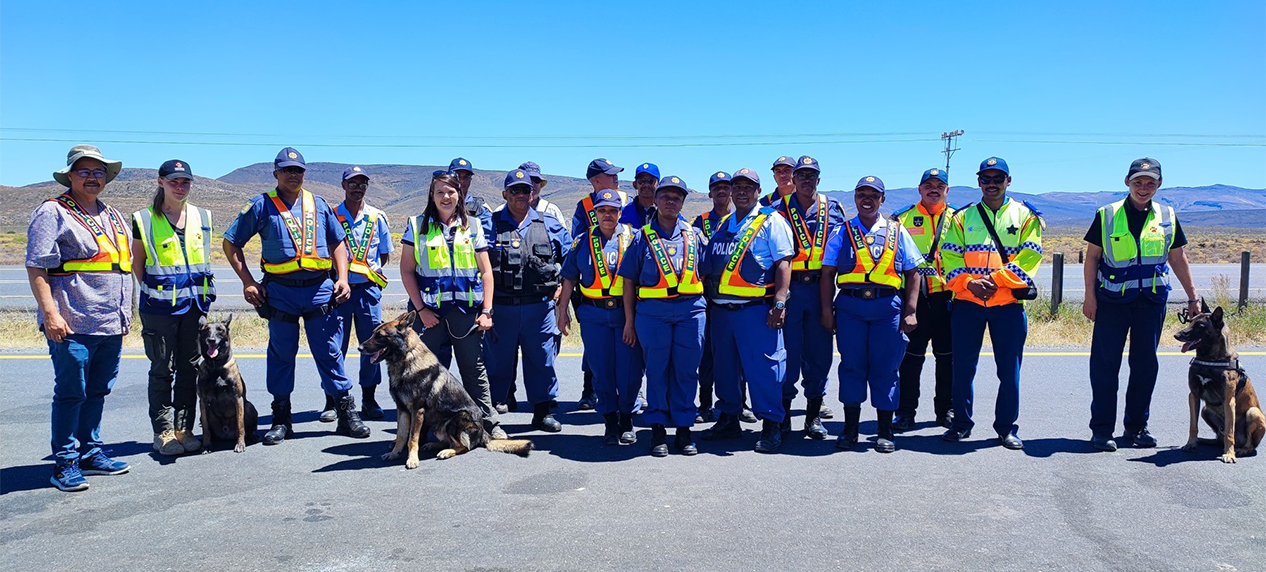
 

Roadblock with Police
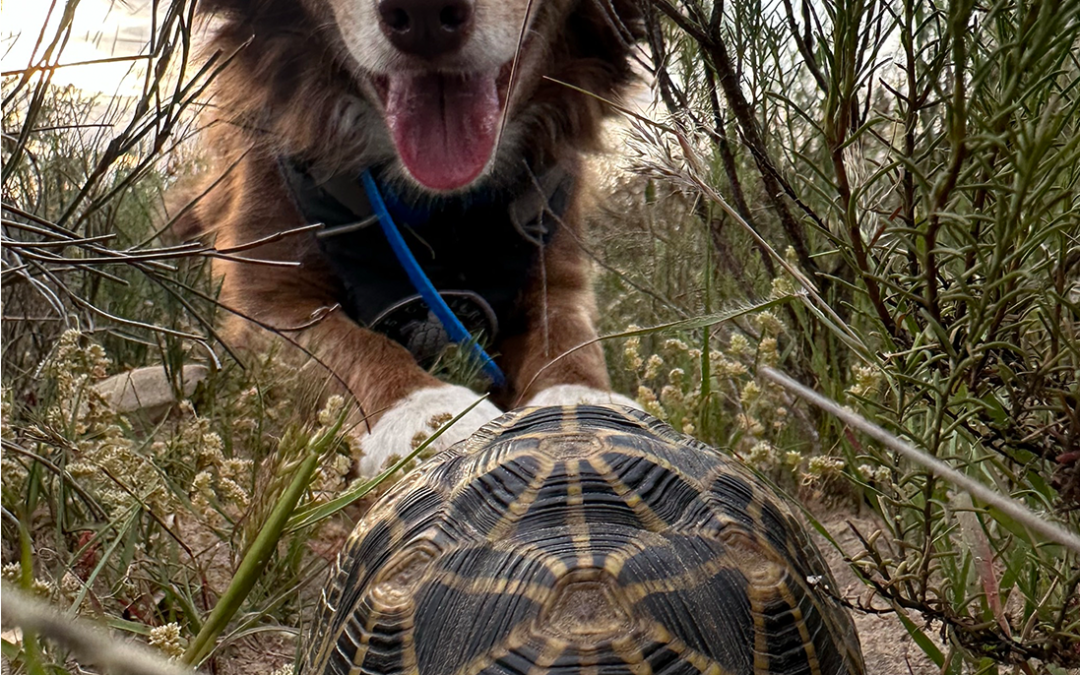
 

EWT TORTOISE CONSERVATION CANINES – NOSY FOR NATURE

EWT TORTOISE CONSERVATION CANINES – NOSY FOR NATURE


EWT TORTOISE CONSERVATION CANINES – NOSY FOR NATURE

By: Esther Matthew – Specialist Officer | Drylands Conservation Programme

Chelonians includes all tortoise, turtle, and terrapin species. For the purposes of this article, we will use the term “tortoises”.


South Africa is one of the most biodiversity-rich countries in the world and is home to no less than two of the world’s most well-known botanical “biodiversity hotspots”, the Succulent Karoo and Fynbos Biomes. However, few people are aware that South Africa also holds the title as the tortoise capital of the world. South Africa is home to no less than 13 tortoise species, most of which are endemic to the country.

The Endangered Wildlife Trust (EWT), in partnership with the Turtle Conservancy (TC) launched tortoise conservation research projects over the last two years to locate viable populations and implement conservation action for three of South Africa’s most Endangered tortoises in the dryland areas of South Africa, including the Karoo, which is home to nine of the 13 tortoise species found in South Africa.

There are five species of dwarf tortoise globally, four of which occur in the South African Karoo and one in Namibia. As their name implies, dwarf tortoises rank amongst the smallest of the tortoise species. South Africa also has one Critically Endangered tortoise species, called the Geometric Tortoise. Unfortunately, over the last 20 years researchers have started to notice an alarming decline in population numbers for all of three of the country’s Endangered tortoise species. This significant impact can be attributed to factors like habitat loss, poaching, and crow predation that has been specifically being observed.

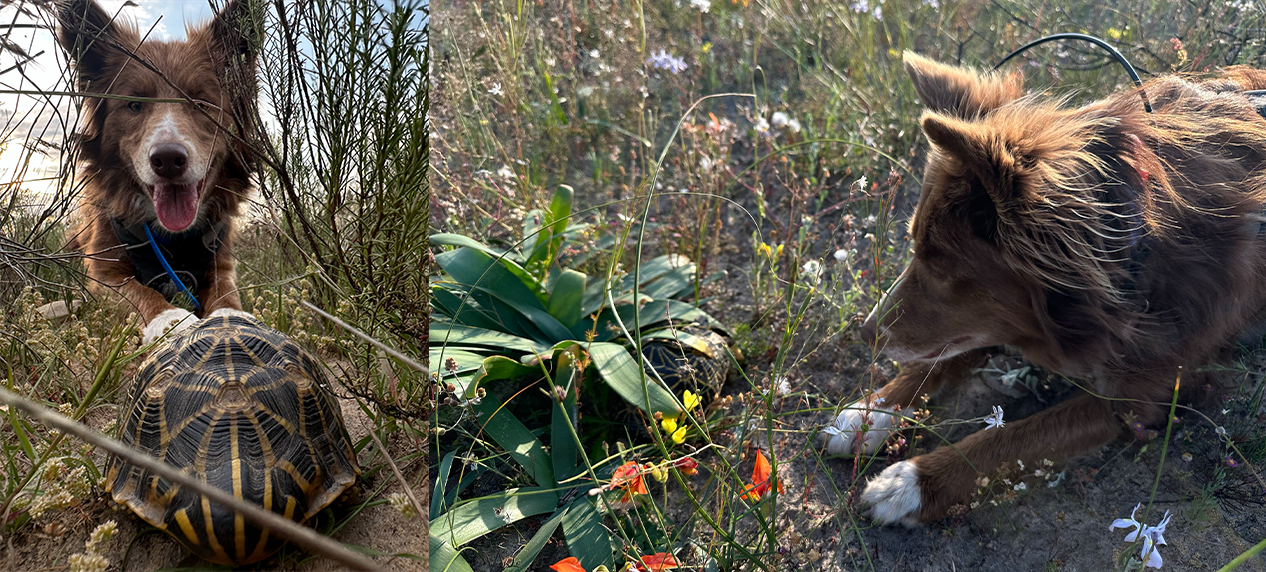
Certainly, the human teams have struggled to find a single viable population of both the Karoo and the Speckled Dwarf Tortoise over the last two years of extensive surveys. More than 20 surveys have yielded depressingly few live animals, and in most cases only shell fragments are to be found. All these species are elusive and well camouflaged, making it difficult for even the well-trained eye to spot. As such, it has been vital for us to look at other survey methods, such as using scent detection dogs.

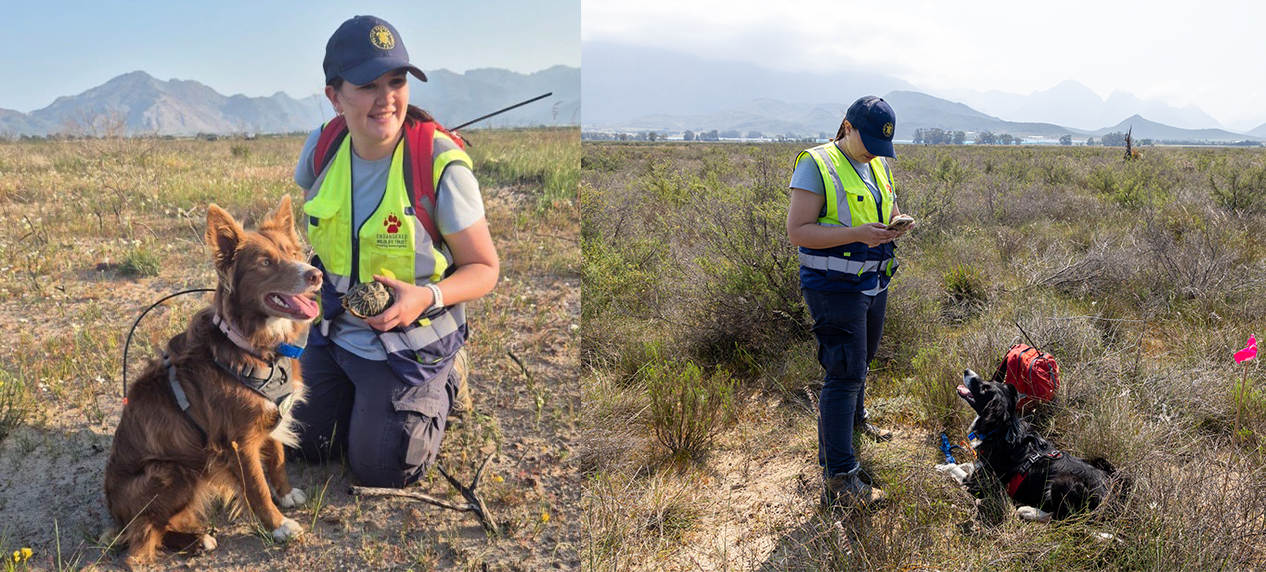
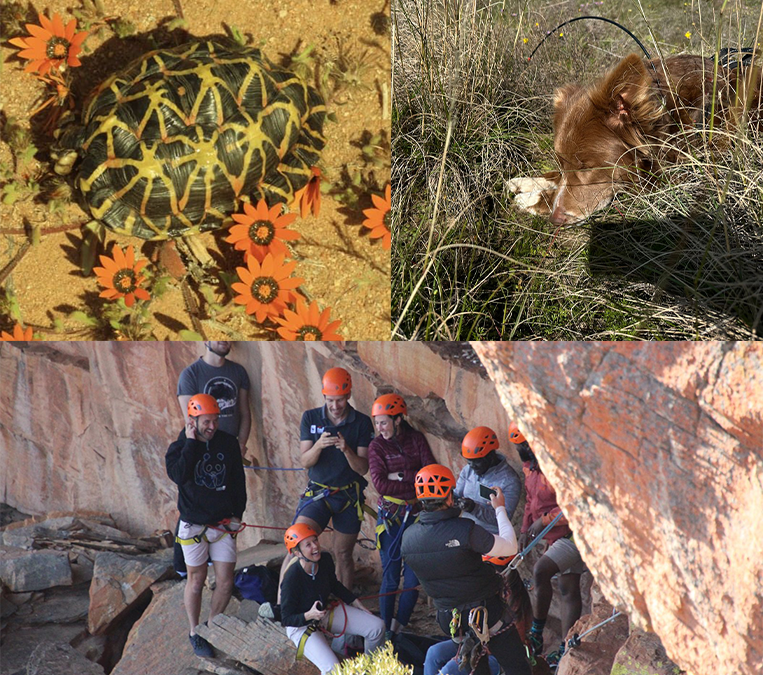
The EWT’s Drylands Conservation Programme, therefore, started training scent detection dogs to assist with tortoise fieldwork projects. Two Border collies, Delta and Dash, have been assisting our team in the field to help locate tortoises with a little guidance from their handler Esther Matthew. Delta has been contributing to this research for the last two years, while Dash only recently started helping after passing his certification. The dogs have helped increase the number of finds, with Delta almost setting a record of six tortoises found in 50 minutes for one of the species. The detection dogs make our search efforts a lot more efficient as we are able to move faster and find hidden tortoises we would likely have missed. Their assistance in the field contributes to data collection for species distribution mapping and monitoring the survival of species in the wild. We can’t wait to see how their “nose work” will continue to benefit the conservation of these unique tortoise species.

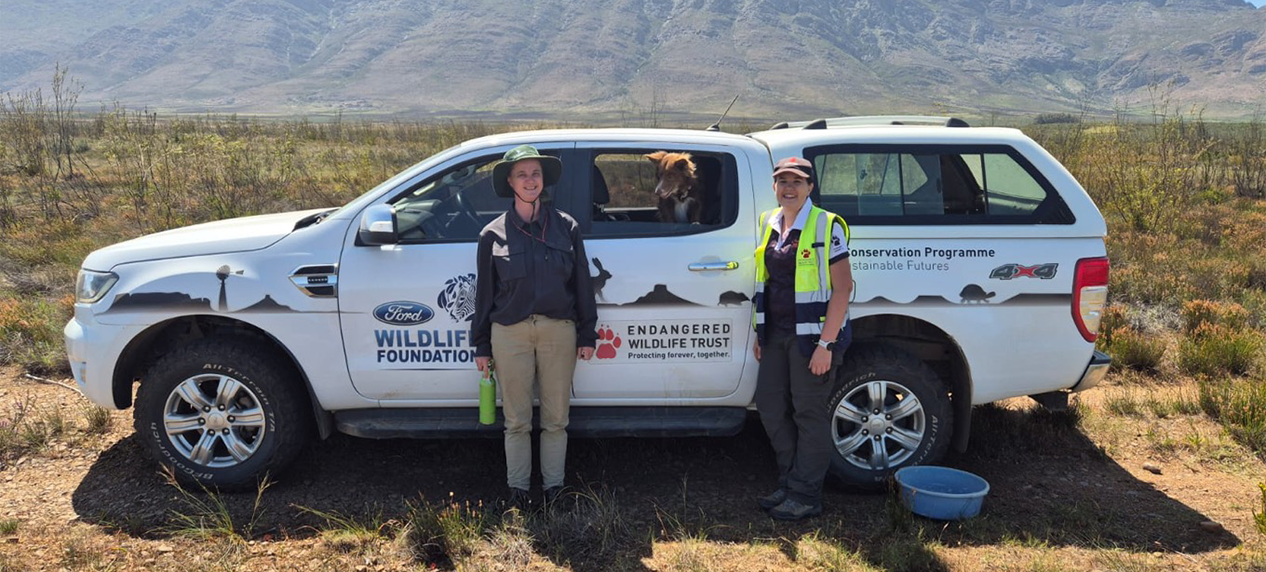
The EWT tortoise conservation work is supported by Turtle Conservancy, Dwarf Tortoise Conservation, Rainforest Trust and the IUCN NL. A special word of thanks to Ford Wildlife Foundation for the vehicles that safely gets our staff and working dogs to the remote locations across the Western- and Northern Cape, where we conduct our vital tortoise surveys.


Please note, that landowner permission and valid permits from relevant conservation authorities in each province are always required for the use of conservation detection dogs. Additionally, all tortoises are protected species and listed under the Convention on International Trade in Endangered Species (CITES) as well as provincial legislation such as the CapeNature Conservation Ordinance of 1974 and National Environmental Management: Biodiversity Act 10 of 2004. As such, it is illegal to collect any tortoise species in South Africa, and they may not be kept as pets without a permit. However, please report sightings of these rare species to us at ewt@ewt.org.za.


EWT Exploring Peru

EWT Exploring Peru


EWT Exploring Peru


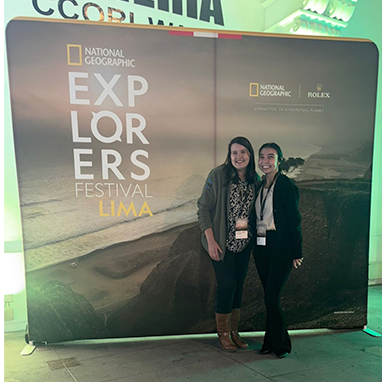
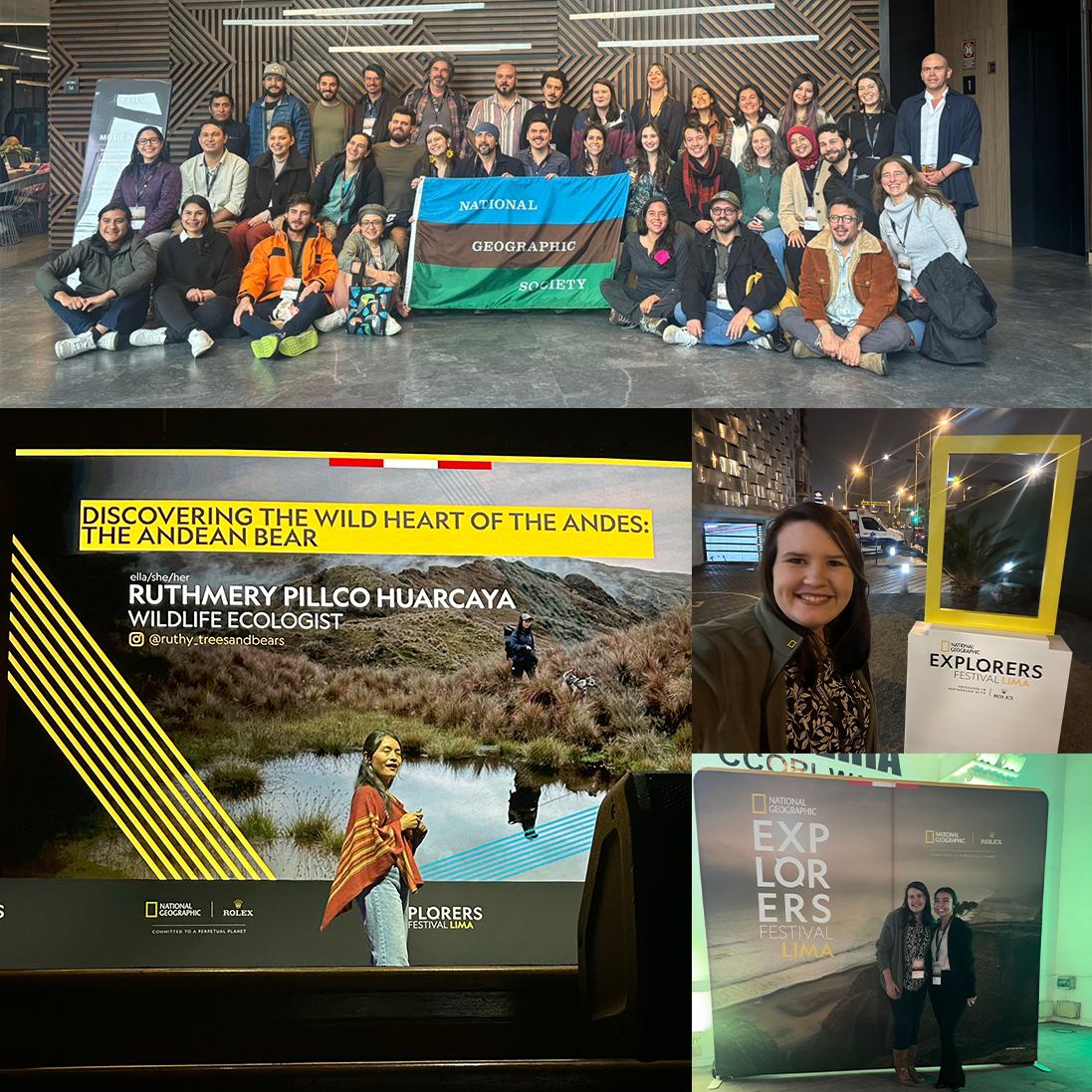
Esther Matthew, the EWT’s Senior Specialist Conservation Officer, became a National Geographic Society Explorer in 2018 for her work with a scent detection dog to help conserve the Critically Endangered Riverine Rabbit. A few months ago, Esther was selected as one of three explorers to serve as a hub coordinator for the Southern Africa Hub. The hub includes all explorers form South Africa, Lesotho, Eswatini, Mozambique, Namibia, Zimbabwe and Botswana.

As part of her new role, she received the incredible opportunity to attend a hub coordinator training workshop and Explorer Festival in Lima, Peru! Esther expressed her excitement, saying, “It was an amazing opportunity and experience I will never forget!”. This marked her first visit to South America and her attendance at an international Nat Geo Explorer Festival. The festival showcased the remarkable National Geographic explorer project in the Amazon, along with many other fascinating topics. Esther represented EWT and the Southern Africa hub at the event, where she met many explorers from around the world. She returned with more knowledge about coordinating groups and established many valuable networking contacts.
The EWT is proud to have three National Geographic Explorers on our staff. Alongside Esther, the other two explorers are Kulani Nyakane, Field Officer of our Carnivore Conservation Programme and Dr Gareth Tate, Programme Manager of the EWT’s Birds of Prey Programme.

DCP showcasing Projects and “furries” with Funders

DCP showcasing Projects and “furries” with Funders


DCP showcasing Projects and “furries” with Funders.


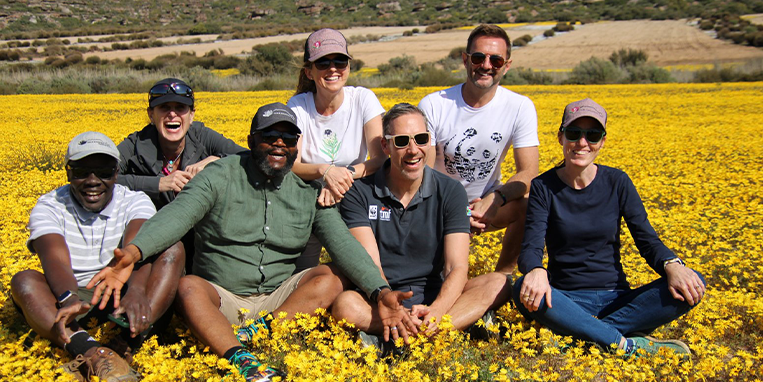
On the weekend of 31 August and 1 September, the DCP team enjoyed the company of the Table Mountain Fund (TMF) Board and officials at Papkuilsfontein Farm in the Northern Cape. TMF is funding the project: Fynbos on the Edge, which is aimed at exploring and developing opportunities to diversify the farming income, through making the overall business model more sustainable from a financial, agricultural, and ecological perspective. Diversifying and growing income from a single agricultural income to a tourism income targeting a range of visitor profiles is aimed at taking pressure off the natural resources, particularly the natural rangeland. The Papkuilsfontein Farm is located on the Bokkeveld Plateau and is the stage for a phenomenal flower display during August and September. On arrival on the farm, the Board members were introduced to the Van Wyk family, who are the 6th generation who bravely took the step to sign a Protected Environment Stewardship Agreement and enter into diversifying their agricultural income through developing remarkable eco-tourism products such as mountain biking, hiking routes and the Via Ferrata on the farm. The group enjoyed hikes, the Via Ferrata and sundowners on the cliffs before returning to their respective destinations.

Esté and Delta mesmerized the Rainforest Trust Board on 8 September on the Worcester Geometric Reserve. Delta, being the star of the day, ensured that her nose and loving persona captured the imagination of the group of Board members before she was put to work to locate, and indicate, live geometric tortoises. This range restricted species is endemic to the winter rainfall region of the south-western Cape and is listed as one of the top 25 most endangered tortoises (and turtles) in the world. The species face threats such as habitat loss due to urban and agricultural expansion, fragmentation of existing habitat leading to isolated populations, invasive alien vegetation and animals, such as feral pigs, and too frequent fires. The risk of poaching of specimens from the wild is also a significant potential threat. Delta ensured that some of the guests on the day saw a Geometric tortoise for the first time in their lives.

Projects made possible by Table Mountain Fund and Rainforest Trust.


EWT Drylands Conservation team participates in 2024 Fynbos Forum

EWT Drylands Conservation team participates in 2024 Fynbos Forum


EWT Drylands Conservation team participates in 2024 Fynbos Forum

By Dr Samantha Mynhardt and Insauf De Vries

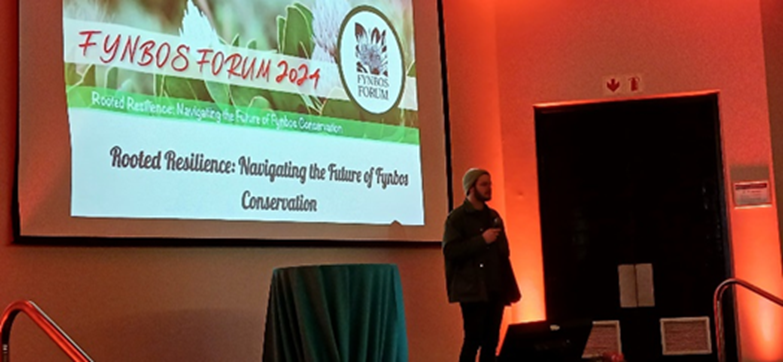
Renier Basson speaking about insects and fynbos conservation

Members of the EWT’s Drylands Conservation Programme (DCP) participated in this year’s Fynbos Forum in Stellenbosch earlier this month, sharing information about efforts to conserve golden moles and insects, and the partnership with communities to promote tourism in areas rich with Fynbos.

The forum, first held in 2020, is an affiliation of natural scientists, researchers, planners, managers, landowners and stakeholders that meet annually to discuss the collaborative production of knowledge that underpins regional conservation efforts in the Fynbos biome in South Africa. As a transdisciplinary regional learning network, the forum supports discussions on management issues and research results, and formulates priorities for future research and conservation management actions required to ensure the conservation and sustainability of Fynbos ecosystems.

Notable keynote speakers included Dr. Jasper Slingsby from the University of Cape Town, who spoke about BioSCape – The Biodiversity Survey of the Cape, and Rupert Barnard and Michelle de Bruyn from non-profit, Wild Restoration. They spoke about the collaborative action network for invasive clearing groups in the Greater Cape Floristic Region and the power of partnerships in conservation.

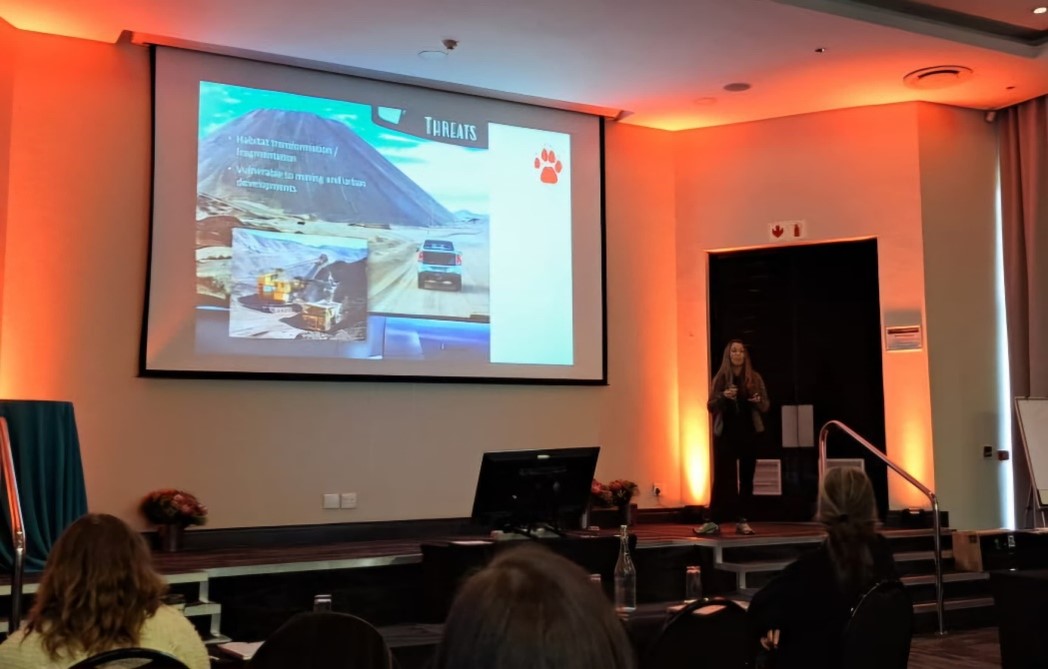
From the EWT’s DCP team, Dr Samantha Mynhardt presented a talk on golden moles entitled “Conserving the Golden Moles of the South African West Coast”. Golden moles are subterranean mammals that are endemic to sub-Saharan Africa, many with restricted ranges due to poor dispersal ability. These moles are highly vulnerable to population fragmentation and isolation and continue to face ongoing threats, such as habitat transformation, mining, and agriculture. Of the 21 species, ten are listed as either Critically Endangered, Endangered or Vulnerable on the IUCN Red List. A total of 6 occur in the Drylands of South Africa, some of which overlap with the Fynbos biome. Dr Mynhardt spoke about how the EWT has been working towards the conservation of the De Winton’s- (Cryptochloris wintoni) and Van Zyl’s- (Cryptochloris zyli) Golden Moles, by developing methods to track them down in the wild, better understand their distribution, and protect their habitat. Including how, after trialing various detection methods such as thermal imaging drones, scent detection dogs and environmental DNA (eDNA), we were able to rediscover the De Winton’s golden mole in 2023 – a species that had been lost to science for over 80 years. We are using eDNA to map golden mole species distributions; an approach that has the potential to revolutionise the field of conservation science.

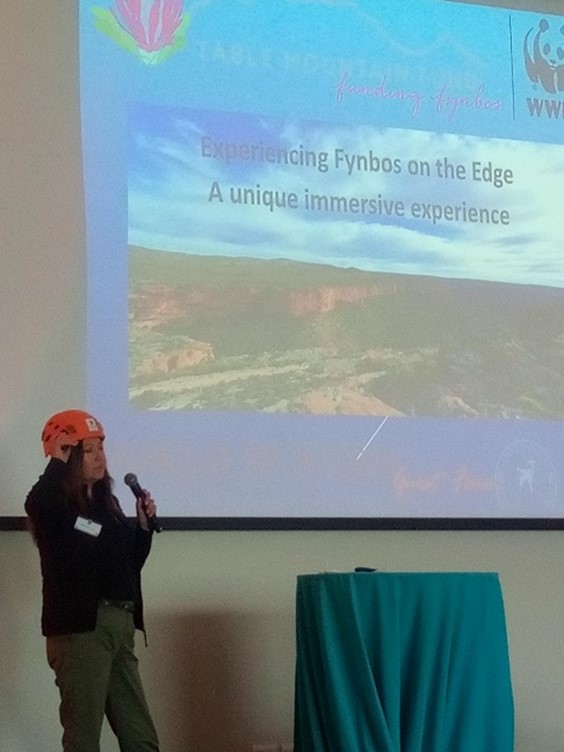
Alrie van Wyk presenting about the Papkuilsfontein initiatives

Dr Samantha Mynhardt speaks about the conservation of golden moles on South Africa’s West Coast

Team member Renier Basson presented a talk on the endemic and Endangered insects of the Fynbos highlighting unique species that are adapted to the Fynbos biome, and species that are of conservation concern. The aim of his talk was to inform the audience about the elusive biology of endemic insects , the ecological role they play, their threat status, and why they are threatened. There are approximately 9,000 Fynbos species and roughly 70% of those are endemic. Discussing threatened taxonomic groups such as Restio Grasshoppers (Betiscoides spp.), butterflies in the genera Chrysoritis, Thestor, Orachrysops and Trida, and Cape Stag Beetles (Colophon spp.), he mentioned that the biology of many of these threatened groups remain unknown, which makes decision-making in terms of conservation very challenging.

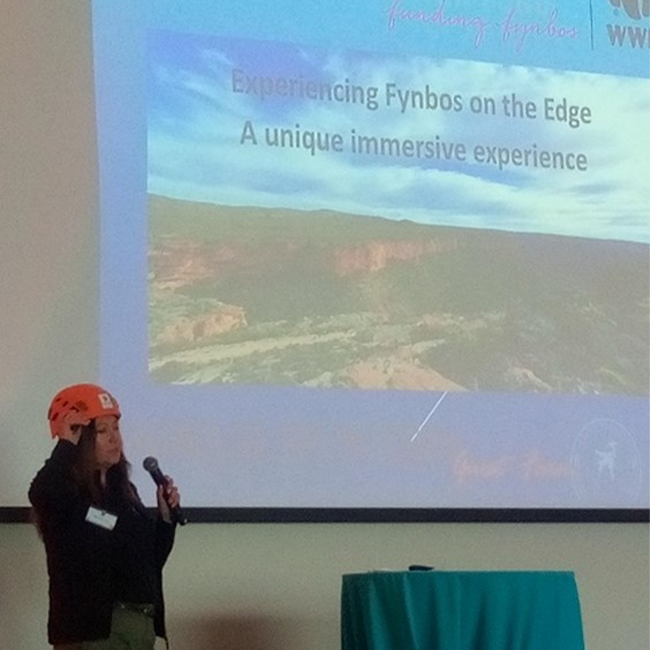
Alrie van Wyk, one of the DCP stewardship landowners, spoke about the EWT’s Via Ferrata initiative at Papkuilsfontein Guest Farm in a talk entitled “Experiencing Fynbos on the Edge”. The Via Ferrata roughly translates to iron trail – in reference to an iron cable installed along the cliffs of the Oorlogskloof Gorge at the farm. Situated on the Bokkeveld Plateau, near Nieuwoudtville, the farm contains unique Fynbos and Succulent biomes, which are both biodiversity hotspots, as well as the Nama Karoo Biome. The convergence of the various biomes results in exceptionally high biodiversity. Nieuwoudtville is known as the bulb capital of the world and is thus a popular tourist destination during the flower season. But, this season is short and, in some years, less financially beneficial due to poor flower displays. To make tourism an inclusive and sustainable future economic contributor in support of sustainable land management, partners are working together to reimagine this approach. As such the EWT-DCP team introduced the van Wyks to adventure tourism as a means to provide a much-needed opportunity to develop a sustainable income stream based on an immersive and uniquely tailored experience. This includes a Via Ferrata – a safe, guided rock-climbing experience within the Papkuilsfontein protected environment that showcases the unique Fynbos biodiversity found on the edges of the Oorlogskloof Gorge. Alrie’s presentation highlighted how this project became a pathway to community upliftment, contributed to resilience of the landscape, and allowed for financial returns to flow back into the conservation of the biodiversity on the farm. Her talk won the prize for the Best Presentation. We are extremely proud of her!

Overall, the Fynbos Forum presented a great opportunity for our team to connect with one another, and to network with the broader Western Cape conservation community. We walked away with renewed enthusiasm to contribute to future research and conservation management actions required to ensure the conservation and sustainability of Fynbos ecosystems.

The EWT projects and attendance of the event were made possible by Table Mountain Fund and Mohamed bin Zayed Species Conservation Fund.