
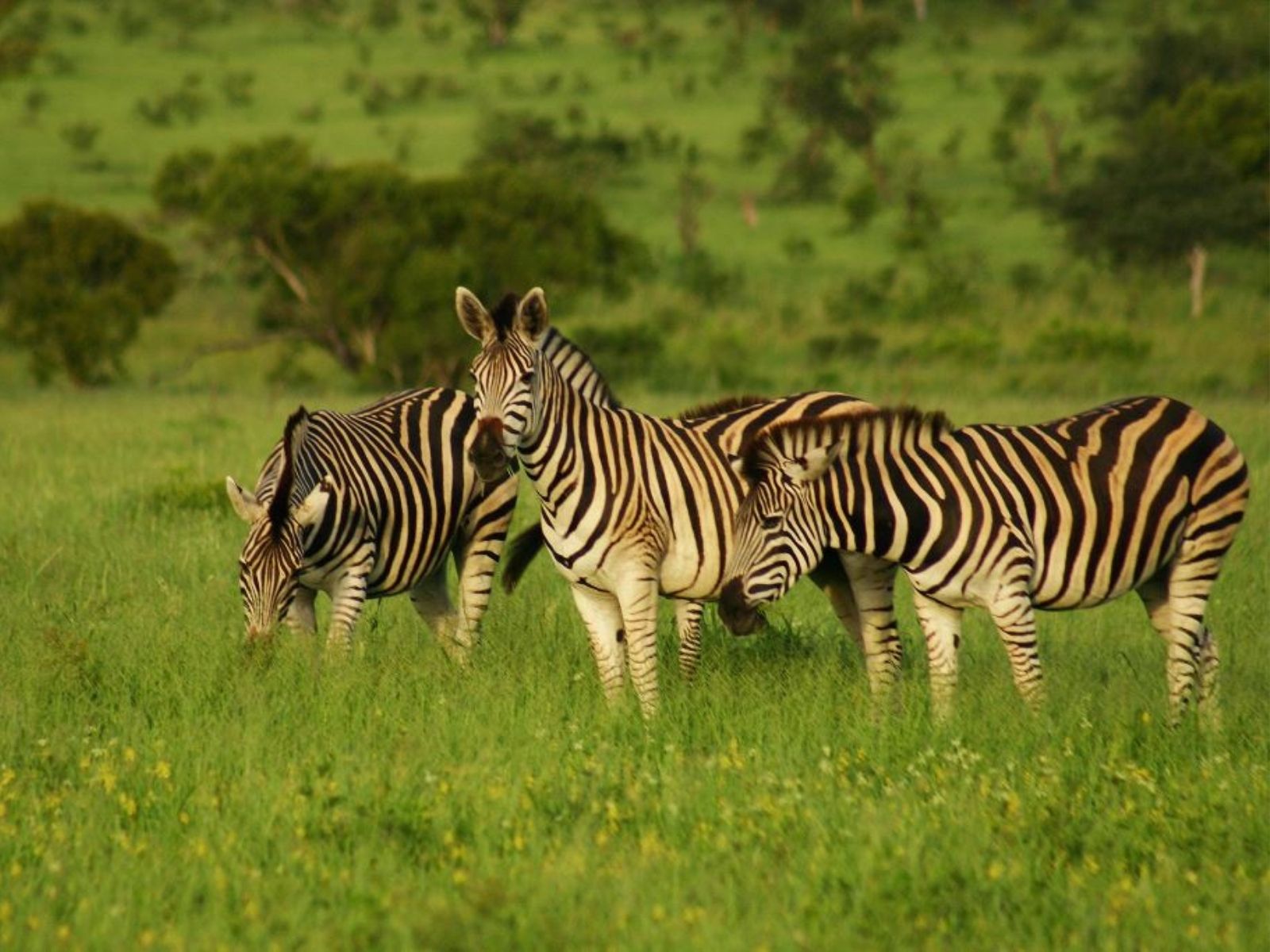
Plains Zebra
Equus quagga

2025 Red list status
Least Concern
Regional Population Trend
Stable
Change compared
to 2016
No Change
Overview
Equus quagga – Boddaert, 1785
ANIMALIA – CHORDATA – MAMMALIA – PERISSODACTYLA – EQUIDAE – Equus – quagga
Common Names: Plains Zebra, Burchell’s Zebra, Common Zebra, Painted Zebra (English), Bontsebra (Afrikaans), Idube (Ndebele, Zulu), Iqwarhashe (Xhosa)
Synonyms: Equus burchelli (Gray, 1824); Equus burchellii Schinz, 1845
Taxonomic Note:
Groves and Bell (2004) described six subspecies of Equus quagga based on craniometric taxonomic methods, which showed all subspecies to be alike, and distinctly different from Mountain Zebras (Equus zebra). The six subspecies differ from one another in morphological characteristics, such as coat patterns and colouration, body size, and the presence (or absence) of a mane (Groves & Bell 2004); however, these designations do not correspond to the genetic structure identified within the species (Pedersen et al. 2018; Larison et al. 2021), underlining the dangers of basing management units exclusively on morphological differences. Five distinct genetic units corresponding to distinct geographic regions have been identified, with an additional admixed group in Namibia and Botswana (Larison et al. 2021). These five genetic subpopulations correspond to South Africa (Kruger, Hluhluwe), Namibia (Etosha), Zambia (Luangwa), Uganda (Mburo), with the fifth group shared among Kenya and Uganda (Laikipia and Kidepo).
Following Groves and Bell (2004), six morphologically defined subspecies are listed as:
- Equus q. crawshaii (Crawshay’s Zebra) occurs in east Zambia, east of Luangwa River, Malawi, south-eastern Tanzania, and Mozambique as far south as the Gorongoza district.
- Equus q. borensis (Maneless Zebra) ranges over the northern parts of east Africa from north-west Kenya to the Karamoja district of Uganda and south-east Sudan, east of the Nile River (Boma National Park) to the northern limit of the species’ range (32 °N).
- Equus q. boehmi (Grant’s Zebra or Boehm’s Zebra) is found in Zambia, west of the Luangwa River, west to Kariba, the Shaba Province of the Democratic Republic of the Congo north to Kibanzao Plateau, Tanzania north from Nyangaui abnd Kibwezi into south-west Uganda, south-west Kenya, and east Kenya, east of the Rift Valley, into southern Ethiopia and perhaps to the Juba River in Somalia. This subspecies constitutes of over 75% of Africa’s Plain Zebra population, and the Serengeti-Mara ecosystem supports approximately 200,000 individuals (East 1997; Hack et al. 2002).
- Equus q. chapmani (Chapman’s Zebra) ranges from north-east South Africa, from about 24 °S, 31 °E, north to Zimbabwe, west into Botswana at about 19 °S, 24 °E, across the Caprivi Strip in Namibia, and into southern Angola.
- Equus q. burchellii (Burchell’s Zebra) formally occurred north of the Vaal/Orange Rivers, extending north-west via Botswana to Etosha National Park and the Kaokoveld, south-east to KwaZulu-Natal and Swaziland. It is now extinct in the middle of its range. Equus. q. antiquorum is now included in this subspecies.
- Equus q. quagga (Cape Quagga) occurred in the former Cape Province, south of the Orange and Vaal Rivers and west of the Drakensberg. This subspecies has been extinct since 1883.
Research indicates that the extinct E. q. quagga might differ morphologically from other Plains Zebra subspecies, but those differences are not sufficient to justify its classification as an independent species. Moreover, genetic evidence places it within the southernmost ESU (Pedersen et al. 2018). From north to south of their geographic range, extant Plains Zebras show a gradual decline in the contrast between dark stripes and white interspaces, and an increase in body size is noted from east to south (Lorenzen et al. 2008). The extinct Cape Quagga, which was found at the southern limit of the species’ geographic range, exhibited the extreme case of this trend in pelage colouration (Groves & Bell 2004; Lorenzen et al. 2008).
Red List Status: LC – Least Concern, (IUCN version 3.1)
Assessment Information
Assessors: Shrader, A.M.1 & da Silva, J.2
Reviewer: Landman, M.3
Institutions: 1Department of Zoology & Entomology, University of Pretoria, South Africa, 2South African National Biodiversity Institute, 3Nelson Mandela University, South Africa
Previous Assessors & Reviewers: Stears, K., Shrader, A. & Castley, G.
Previous Contributors: Relton, C., Child, M.F., Moehlman, P.D., Selier, J. & King, S.R.B.
Assessment Rationale
Plains Zebras are listed as Least Concern because they are widespread and abundant throughout the assessment region and, at present, there are no major threats affecting the population. Within South African National Parks, Kruger National Park (KNP) contains a population of between 45,918 to 57,276 individuals (2023 count) The expansion of wildlife ranches across the country is also increasing the abundance of this species. The only real threat to this species is the fragmentation of its habitat, being restricted to fenced areas, which increases its risk to drought and other disturbances. Continued protected area expansion through transfrontier conservation areas, conservancies, and stewardship schemes should be employed to enhance free movement of Plains Zebra in response to climatic variability, and changes in the availability of forage and water.
Regional population effects: Within the assessment region, migration does take place within transfrontier parks, such as KNP and the Greater Mapungubwe Transfrontier Conservation Area (TFCA). However, the remaining population is typically restricted to private, provincial and national protected areas. A degree of genetic dispersal occurs through the translocation of individuals between these protected areas via game sales. No rescue effects are necessary.
Reasons for Change
Reason(s) for Change in Red List Category from the Previous Assessment: No change
Red List Index
Red List Index: No change
Recommended Citation: Shrader AM & da Silva JM. 2025. A conservation assessment of Equus quagga. In Patel T, Smith C, Roxburgh L, da Silva JM & Raimondo D, editors. The Red List of Mammals of South Africa, Eswatini and Lesotho. South African National Biodiversity Institute and Endangered Wildlife Trust, South Africa.
Regional Distribution and occurrence
Geographic Range
This species ranges from the northern region of South Africa northwards to southern Sudan and Ethiopia, and westwards into northern Namibia and southern Angola (Hack et al. 2002). Historically, Plains Zebra exhibited a much broader range across the African continent, and fossil remains have been discovered from North Africa (Churcher & Richardson 1978). More recently, Plains Zebra ranged throughout eastern and southern Africa, with only the exception of the forest belts of Uganda (Duncan 1992), and extended southwards across the Orange and Vaal Rivers in South Africa to the Cape, with the subspecies E. q. quagga, which is now extinct (Groves & Bell 2004). The species is also now extinct in Burundi and Lesotho, and there remains a question over their presence in Angola.
Within the assessment region, the natural range of the Plains Zebra is found in the eastern Lowveld and the KwaZulu-Natal lowlands, and into the Northern Cape. Subpopulations have been widely reintroduced across their natural range, for example, in North West Province where they once occurred throughout the province (du Plessis 1969; Rautenbach 1982; Power 2014). A migratory subpopulation exists in the KNP; however, most other populations do not have sufficient area in which to migrate seasonally. Subpopulations of the species have been introduced into areas outside of its natural range including parts of the Free State, Northern Cape, Western Cape, and Eastern Cape. The Greater Mapungubwe Transfrontier Conservation Area (between South Africa, Botswana and Zimbabwe) also supports a subpopulation, and approximately 300 individuals are within the Botswana section.
Elevation / Depth / Depth Zones
Elevation Lower Limit (in metres above sea level): 0
Elevation Upper Limit (in metres above sea level): 4300
Depth Lower Limit (in metres below sea level): NA
Depth Upper Limit (in metres below sea level): NA
Depth Zone: NA
Map
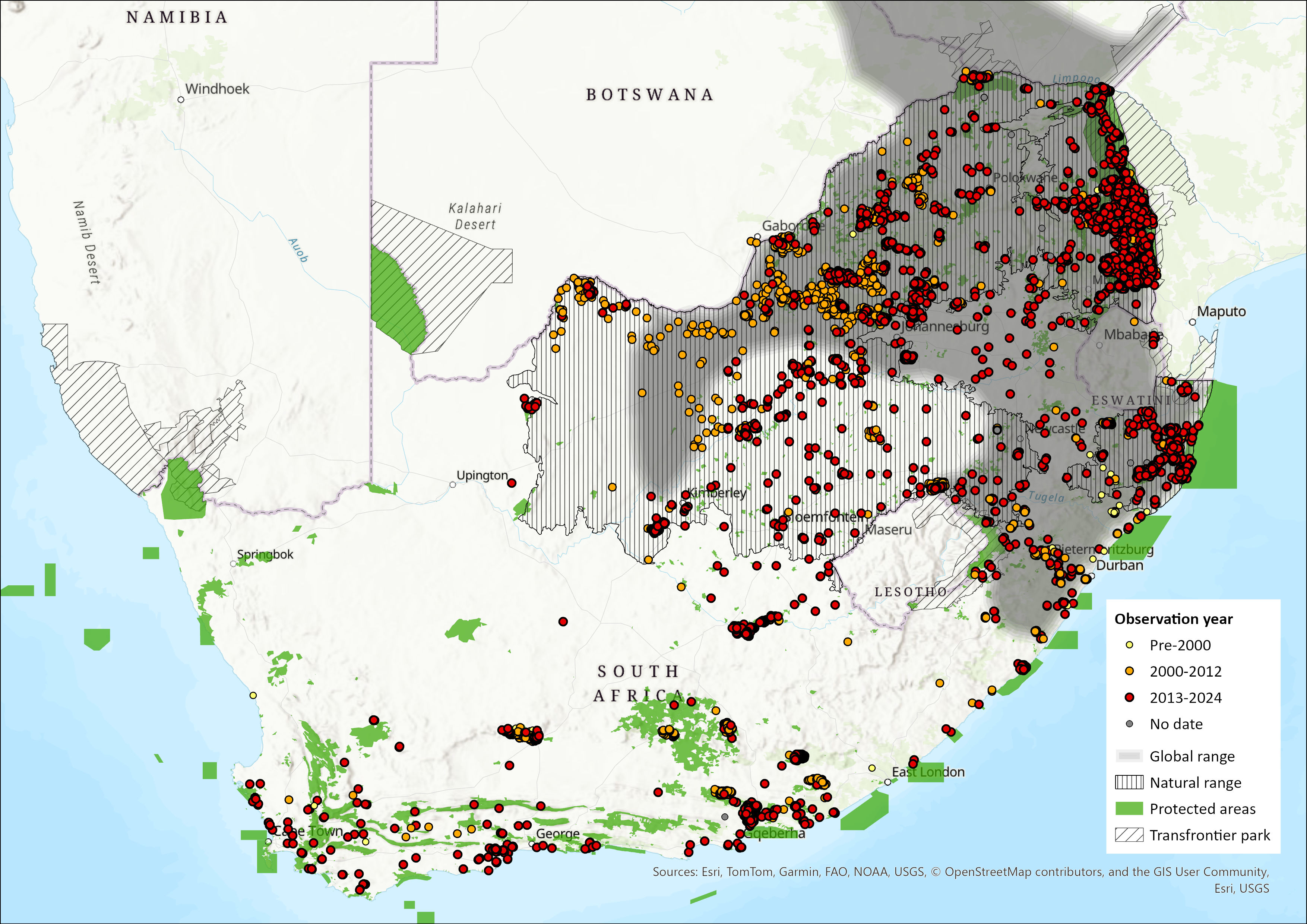 Figure 1. Distribution records for Plains Zebra (Equus quagga) within the assessment region (South Africa, Eswatini and Lesotho). Note that distribution data is obtained from multiple sources and records have not all been individually verified.
Biogeographic Realms
Biogeographic Realm: Afrotropical
Occurrence
Countries of Occurrence
| Country | Presence | Origin | Formerly Bred | Seasonality |
| Angola | Possibly Extinct | Native | – | – |
| Botswana | Extant | Native | – | – |
| Burundi | Extinct Post-1500 | Native | – | – |
| Congo, The Democratic Republic of the | Extant | Native | – | – |
| Eswatini | Extant | Native | – | – |
| Ethiopia | Extant | Native | – | – |
| Kenya | Extant | Native | – | – |
| Lesotho | Extinct Post-1500 | Native | – | – |
| Malawi | Extant | Native | – | – |
| Mozambique | Extant | Native | – | – |
| Namibia | Extant | Native | – | – |
| Rwanda | Extant | Native | – | – |
| Somalia | Extant | Native | – | – |
| South Africa | Extant | Native | – | – |
| Sudan | Extant | Native | – | – |
| Tanzania, United Republic of | Extant | Native | – | – |
| Uganda | Extant | Native | – | – |
| Zambia | Extant | Native | – | – |
| Zimbabwe | Extant | Native | – | – |
Large Marine Ecosystems (LME) Occurrence
Large Marine Ecosystems: NA
FAO Area Occurrence
FAO Marine Areas: NA
Climate change
Suggested climate change impacts in African savannas include increasing temperatures (Hulme et al. 2001), changes in rainfall patterns (Hulme et al. 2001, Dore 2005, Ayanlade et al. 2018), and an increase in woody vegetation leading to bush encroachment (Wu et al. 2016). Changes in temperature and rainfall patterns may increase the likelihood of extreme droughts (Ayanlade et al. 2018) that could negatively affect food resources and thus reduce zebra populations, which could lead to zebra being replaced in these systems by smaller less water-dependent herbivores such as springbok (Veldhuis et al. 2019). However, in Kruger National, Park, South Africa, the zebra population experienced only a minor reduction during the drought of 1992, while ruminant herbivores (e.g. Roan, sable, tsessebe) experienced progressive population declines after the onset of dry conditions (Ogutu and Owen-Smith 2003).
While foraging, zebra tend to avoid feeding in wooded areas (Valeix et al. 2009, Riginos 2015) due to an increased risk of attack from ambush predators such as lions (Hopcraft et al. 2005, Loarie et al. 2013). As a result, increases in woody vegetation from bush encroachment would likely reduce the availability of preferred open habitats for zebra. As a result, they would be forced to feed more in wooded areas where their feeding efficiency would be lower due to an increase in time spent on anti-predator behaviours (Chen et al. 2021). The long-term population implications of this, however, is unknown.
Population Information
The Plains Zebra is common, widespread and amongst the most abundant of all grazing mammals in Africa, with a total population size of 663,212 individuals estimated in 2002 (Hack et al. 2002). Recent information regarding global overall population numbers is limited. However, during the previous decades, this species has been extirpated from portions of its range (Hack et al. 2002). Within the assessment region, the population is stable or increasing, both on formally protected areas and the expansion of private wildlife ranches. While few long-term datasets area available to quantify the overall national population increase, nearly all protected areas show an increasing or stable trend. For example, despite individuals being removed for live sales across the fourteen provincial parks of the North West Province, South Africa, the population has remained relatively stable (i.e. growing 1.05%) from 2012 to 2021 (North West Parks & Tourism Board 2023). Within these parks, however, the growth rates have varied from -10% to 15.36%. For example, in the Madikwe Game Reserve, the zebra population grew 5.82% from 2012 to 2021 (1203 to 1903 individuals), while the population in Pilanesberg Game Reserve declined by 4.75% (1697 to 891 individuals) over the same period. In the Hluhluwe-iMfolozi Park, KwaZulu-Natal, South Africa the zebra population has declined from 2008, with the decline coinciding with an increase in lion and wild dog populations (le Roux et al. 2017). This raises some concerns about predator-prey dynamics within small reserves.
Within South African National Parks, there are an estimated 54,840 (eightprotected areas; 2019–2023 counts) individuals, with KNP containing the bulk of the population (45,918 to 57,276 individuals, estimated using distance sampling in 2012). Overall, there is a minimum estimate of 63,957 individuals on 32 protected areas across the country (2021–2022 counts; Endangered Wildlife Trust unpubl. Data, SANParks unpubl. Data, North West Parks & Tourism Board 2023), which equates to 17,761-29,602 mature individuals assuming a 30–50% mature population structure (using other zebra species as a guide; King and Moehlman 2016). Thus, the wild population is well established and appears to be increasing. There are three main groups:
- Kruger National Park and the Associated Private Nature Reserves: The KNP is estimated to contain around 6% of the total the free-roaming population.
- Northern KwaZulu-Natal: The Plains Zebra population was estimated to comprise 12,166 individuals. However, these data do not represent the entire population within the province as they are limited to 22 Ezemvelo-KZN Wildlife protected areas and 31 private reserves. As a result, this value better represents a minimum population estimate.
- Limpopo, North West, and Northern Cape provinces: Large numbers in private populations through the region. In the North West province alone, for example, contains 5.066 individuals on provincial reserves (North West Parks & Tourism Board 2023).
Population density ranges from estimates of 22 animals / km² in Ngorongoro (Klingel 1969), 16.6 animals / km² in Nechisar National Park, Ethiopia (Doku et al. 2007), to 0.9 animals / km² in KNP (Smuts 1976). Densities are also expected to vary seasonally in migratory regions, as not all individuals migrate (Hack et al. 2012).
| Continuing decline in mature individuals? | Qualifier | Justification |
| No | – | – |
Extreme fluctuations in the number of subpopulations: No
Continuing decline in number of subpopulations: No
All individuals in one subpopulation: No
Number of mature individuals in largest subpopulation: 15,386-25,642 individuals (using the mean population of 51284 individuals and a 30-50% mature population structure, using other zebra species as a guide; King and Moehlman 2016)
Number of subpopulations: 97
Quantitative Analysis
Probability of extinction in the wild within 3 generations or 10 years, whichever is longer, maximum 100 years: Low
Probability of extinction in the wild within 5 generations or 20 years, whichever is longer, maximum 100 years: Low
Probability of extinction in the wild within 100 years: Low
Population Genetics
Recent population genetic studies have identified the genetic structure within the species to be discordant with the identified subspecies designations (Pedersen et al. 2018; Larison et al. 2021). Five genetically distinct subpopulations (possibly ESUs) are recognized across the species range, with only a single genetic unit found within the assessment region. Considering translocations are known to occur throughout the region, all fenced properties (private or otherwise) constitute a single metapopulation.
The overall population in the region is estimated to be approximately 60,000 with the number of mature individuals unknown. However, if 30-50% of the individuals are mature (using other zebra species as a guide; King and Moehlman 2016) this results in 18,000 to 30,000 mature individuals, potentially translating to an effective population size between 1800 and 9000 individuals (assuming a Ne/Nc ratio of 0.1-0.3). If these estimates are correct, then the subpopulation is above the Ne 500 indicator. Key genetic concerns are that many animals occur in small and confined (or isolated) groups in protected areas. In some of these, abnormal strip patterns have been linked to inbreeding (Larison et al. 2021). To reduce potential inbreeding and a reduction in heterozygosity, the translocation of a harem every five years for populations <10 individuals, and every 15 years for populations <100 individuals (Bowland et al. 2001). Yet, the continuous live animal trade likely helps ensure some gene flow is maintained between populations. Accidental hybridisation with Cape Mountain Zebra where the two species overlap is of potential concern (Kotzé et al. 2017). However, this threat is likely more of a concern for the smaller Cape Mountain Zebra population.
Habitats and ecology
With the exception of a few extreme environments, such as deserts, dune forests and rain forests, Plains Zebra thrive across a broad range of habitats in Africa within both tropical and temperate climates (Duncan 1992; Hack et al. 2002; Stuart & Stuart 2007). From sea level to elevations of 4,300 m on Mount Kenya, Plains Zebra utilise open grasslands, as well as savanna woodland (Duncan 1992). In southern Ethiopia, Plains Zebra revealed a distinct preference for open grassland habitats, and habitat preference showed seasonal variability (Regassa & Yirga 2013). The dietary flexibility and its tolerance for highly fibrous grass material are the factors considered to contribute to the Plains Zebra’s broad geographic range (Schulz & Kaiser 2013).
Sward height largely affects Plains Zebra feeding patterns and, in northern Botswana, once grass height had declined to 20 cm, they moved off in pursuit of taller grasses (Joos-Vandewalle 2000). In the Hluhluwe-iMfolozi Park Zebra foraged on a range of grasses, but again, in grazing lawns of Digitaria argyograpta, Urochloa mosambicensis and Sporobolus nitens, they limited their grazing to grass swards with a height of at least 20 cm (Arsenault & Owen-Smith 2008). Within medium-tall bunch-grasslands comprised of Themeda triandra, Cymbopogon plurinodis and Heteropogon contortus, they selected for grass swards at least 10 cm tall (Arsenault & Owen-Smith 2008). The availability of water directly influences their movements and habitat selection (Estes 1991; Duncan 1992; Skinner & Chimimba 2005). A migratory subpopulation in Tanzania congregates in the Serengeti Plains during the rainy season (November to May), but migrates north-westwards during the dry season, and into Kenya’s Maasai-Mara National Reserve (Hack et al. 2002). A recent study in Namibia and Botswana described a formerly unknown migration of Equus quagga from the Chobe River (border of Botswana and Namibia) to Nxai Pan National Park (Botswana) (Naidoo et al. 2016). The round-trip migration covers a straight-line distance of 500 km, which is longer than the seasonal migratory movement of Blue Wildebeest (Connochaetes taurinus) from the Serengeti to the Maasai-Mara in East Africa (Naidoo et al. 2016). In fact, Naidoo et al. (2016) suggest that this is the longest of all documented migrations by large mammals in Africa. Within the assessment region, fences surrounding protected areas predominantly inhibit the migration of the Plains Zebra, with the exception of Greater Limpopo Transfrontier Park and Mapungubwe Transfrontier Conservation Area between Botswana, South Africa and Zimbabwe.
Plains Zebra are gregarious and highly social, forming herds comprised of one dominant stallion, several females and their offspring (i.e., a harem; Klingel 1969). Males without harems form unstable bachelor herds of up to 50 individuals or remain solitary (Klingel 1969; Hack et al. 2002). Breeding in the Plains Zebra is not considered seasonal, as young are born throughout the year (Klingel 1969). However, a peak in births occurs between December and January, and the vast majority of foals are born during the summer months (Smuts 1976).
Ecosystem and cultural services: As hindgut fermenters, Plains Zebra process their food at a faster rate than ruminants. To compensate, they eat more bulk, including vegetation that is too fibrous and low in protein for most ruminants to digest effectively. Resultantly, they have the ability to survive on poor quality vegetation providing it is abundant. The ability likely helps them survive dry periods where only low-quality grass is available. Additionally, zebra have a low relative muzzle width index, better suited for foraging in taller grass (Arsenault & Owen-Smith 2008). By feeding on taller grass they can facilitate the grazing of other herbivores that require shorter grazing grass (Anderson et al. 2024).
Plains Zebra have aided livestock farmers in reducing the predation pressure of dogs and jackals on livestock calves, because Zebra chase and deter these predators. Thus, farmers keep small herds of Zebras on their properties for this reason (K. Stears, unpublished data).
Finally, as a highly charismatic and extremely visible species, the Plains Zebra is a powerful attraction for ecotourism and a valuable species for international support of wildlife and ecosystem conservation.
IUCN Habitats Classification Scheme
| Habitat | Season | Suitability | Major Importance? |
| 2.1. Savanna -> Savanna – Dry | – | Marginal | – |
| 2.2. Savanna -> Savanna – Moist | – | Suitable | – |
| 3.5. Shrubland -> Shrubland – Subtropical/Tropical Dry | – | Marginal | – |
| 3.6. Shrubland -> Shrubland – Subtropical/Tropical Moist | – | Suitable | – |
| 4.5. Grassland -> Grassland – Subtropical/Tropical Dry | – | Suitable | – |
| 4.6. Grassland -> Grassland – Subtropical/Tropical Seasonally Wet/Flooded | – | Suitable | – |
Life History
Generation Length: 10 years
Age at Maturity: Female or unspecified: 2.5 years
Age at Maturity: Male: 5-6 years
Size at Maturity (in cms): Female: Mean total length: 283.2; Mean shoulder height: 133.7
Size at Maturity (in cms): Male: Mean total length: 278.4; Mean shoulder height: 133.8
Longevity: E. b. antiquorum: 29 years 8 months; E. b. chapmani: 29 years 6 months
Average Reproductive Age: Males 5-6 years; Females 2-5 years
Maximum Size (in cms): Mean total length (males): 284.1; Mean shoulder height: 135.8
Size at Birth: Mass: 30-35 kg
Gestation Time: 360-390 days
Reproductive Periodicity: Throughout the year, but peaks in October-November
Average Annual Fecundity or Litter Size: Single foal
Natural Mortality: Hunted by lions and spotted hyaenas. Hyaenas primarily go after the foals. Disease and drought.
Does the species lay eggs? No
Does the species give birth to live young: Yes
Does the species exhibit parthenogenesis: No
Does the species have a free-living larval stage? No
Does the species require water for breeding? No
Movement Patterns
Movement Patterns: Sedentary to Full Migrant
Congregatory: Gregarious, living in non-territorial small family groups comprising a stallion and one or more mares (i.e. harem). Males without a harem may form bachelor herds or remain solitary.
Systems
System: Terrestrial
General Use and Trade Information
Plains Zebra is popular amongst both subsistence and commercial hunters for skins, meat, and trophies. They were one of the top three most exported animal trophies in Namibia in 2012 (Di Minin et al. 2016). Live animals are frequently traded at game auctions. Trade and hunting of this species is not expected to have a severely negative impact on the population. However, the wildlife ranching industry may be artificially selecting individuals to produce desired colour morphs and/or hybridising native with exotic subspecies. Although this is not expected to impact the wild population, regulations should be established to prevent such individuals from entering formally protected areas. A worrying trend is the increasing intensity of bushmeat hunting in southern Africa (Lindsey et al. 2013), including some areas within the assessment region (Hayward 2009; Nel 2015). Presently, however, these reductions are localised and are unlikely to have an effect on the overall population.
| Subsistence: | Rationale: | Local Commercial: | Further detail including information on economic value if available: |
| Yes | – | – | – |
National Commercial Value: Yes
International Commercial Value: Yes
| End Use | Subsistence | National | International | Other (please specify) |
| 1. Food – human | true | true | – | – |
| 12. Handicrafts, jewellery, etc. | – | true | true | – |
Is there harvest from captive/cultivated sources of this species? (Not specified)
Harvest Trend Comments: (Not specified)
Threats
Across much of eastern Africa, habitat encroachment by cattle threatens the forage quality and quantity of Plains Zebra while illegal hunting can cause local declines (Hofer et al. 1996; Grange et al. 2004, 2015; Regassa & Yirga 2013). As a result, Regassa and Yira (2013) suggested the implementation of effective management policies to combat illegal settlements and encroachment by humans in the Yabello Wildlife Sanctuary of southern Ethiopia. Within the assessment region, this species is mostly restricted to protected areas. Thus, these threats are unlikely to become a major problem, although localised problems with poaching do occur in protected areas, such as in Borakalalo Nature Reserve, North West Province (North West Parks & Tourism Board 2023). Constrained movements do, however, increase the species’ vulnerability to drought (Walker et al. 1987; Georgiadis et al. 2003). This is particularly true within biomes most at risk to the effects of climate change, water scarcity, and enhanced aridity. Subpopulations have shown increases and declines associated with high and low rainfall years, respectively (Gandiwa et al. 2016). Nonetheless, following population declines associated with drought years, Plains Zebra subpopulations have demonstrated fairly rapid recoveries in population abundance to levels above those prior to the drought (Hack et al. 2002). Thus, when provided with adequate habitat and protection from overhunting, the Plains Zebra is recognised as a relatively resilient species. Nevertheless, concerns have been raised with regards to the impacts of increasing predator populations in small reserves (le Roux et al. 2017).
Equus q. antiquarum, previously considered a distinct subspecies, is currently included under the subspecies E. q. burchelli (Groves & Bell 2004). Occurring in a few isolated subpopulations in protected areas of KwaZulu-Natal, these subpopulations have been considered under threat from population isolation, and possibly the detrimental results of inbreeding (Bowland et al. 2001). Bowland et al. (2001) recognises the importance of improving management practices and the active translocation of small, isolated populations between protected areas in order to sustain genetic diversity and population viability. On the other hand, an important consideration is that the expansion of the species’ range through translocation could introduce new pathogens and parasites to populations without co-evolved resistance to them (Hack et al. 2002). Plains Zebra occur across a range of habitats, and it is probable that they have distinct adaptations to local conditions (Hack et al. 2002). Expanding its range through translocation from ecologically diverse regions may result in a decline in these particular adaptations. Consequently, the spatial scale, ecological conditions, genetics, and resistance to diseases need to be considered before translocations occur. Similarly, while wildlife ranching is considered largely beneficial for Plains Zebra conservation in South Africa, and has effectively increased the extent and abundance of the species, some concern exists over the genetic implications of selective breeding for particular colour morphs and outbreeding depression caused by mixing subspecies. Further research is required to quantify this potential threat.
Conservation
Within the assessment region, Plains Zebra occur in numerous well-managed protected areas, where KNP and its surrounding reserves protect the core free-roaming population. The majority of the reserves surrounding KNP are not fenced and allow for unrestricted movement of Plains Zebra and consequently, enhanced genetic diversity. KNP also forms part of the Greater Limpopo Transfrontier Park which allows movement over a much larger scale. The Greater Mapungubwe TFCA also allows unrestricted Plains Zebra migration between Botswana, South Africa, and Zimbabwe. Continued expansion of transfrontier conservation areas will enable this species to adapt to changing climates and environments and thus enhance the resilience of the population (for example, Bartlam-Brooks et al. 2011).
While no specific interventions are required at present, Hack et al. (2002) recommended the following conservation strategies for Plains Zebra that are relevant for the assessment region:
- Improve coverage and frequency of monitoring. Annual or biennial sampling of population abundance, location and conservation status is required in order to detect problems in their primary stages and respond effectively. This is particularly relevant for private protected areas and wildlife ranches to gather baseline information needed to develop a Biodiversity Management Plan and translocation policy.
- Improve risk assessment. A detailed and local investigation into site- and subpopulation-specific hazards, particularly with regards to mitigating potential inbreeding, hybridisation, and disease transmission on small fenced properties, is necessary.
- Quantify and manage genetic diversity, both globally and locally. Management plans may need to be specifically reviewed and implemented for genetically distinct populations.
- Investigate the economics of alternative utilisation strategies. Quantifying and comparing the economic uses of this species may guide future global management strategies, and incentivise landowners to further reintroduce subpopulations within the natural range of the species.
Recommendations for land managers
- Improve management of small subpopulations to prevent inbreeding and a loss of genetic diversity. This can be achieved through the development of a Biodiversity Management Plan and associated translocation policy. For the latter, a harem should be translocated every 5 years for a subpopulation size of c. 9 individuals, while for a population size of c.110 individuals, translocations should take place every 15 years if heterozygosity is to be maintained at more than 90% within each subpopulation over 100 years (Bowland et al. 2001).
- Remove fences to create conservancies, which allow for an increase in free-roaming subpopulations.
- Maintain accurate abundance, distribution and population structure records.
- The management of artificial waterholes plays a vital role in the population dynamics of this species. The spatial distribution of active waterpoints should vary temporally. This will create variation in habitat use and movements across the landscape, thereby sustaining landscape heterogeneity.
- In small reserves, monitor population impacts of increasing predator numbers, primarily lions and spotted hyaena.
Research priorities
- Investigating the effects of wildlife ranching, including factors associated with sexually-skewed hunting pressure and the corresponding influence on female reproduction success. It is suggested that high turnover rates of dominant, harem males can negatively influence female body condition and hormone fluctuations (Berger 1983). Research is necessary to determine whether this is the case for Plains Zebras.
- Studies into the factors regulating natural population fluctuations of Plains Zebra would aid in predicting their responses to human-induced changes to their habitats.
- Examining the spread of pathogens and parasites via harem translocations into new areas.
Encouraged citizen actions:
- Citizens can refuse to hunt artificial colour morphs and hybrids.
- Landowners could remove fences and create conservancies and corridors for this species, encouraging natural migrations and movements.
- Subpopulations outside of the species’ natural distribution (for example, Western Cape Province) could be removed.
- Private landowners, provincial and national reserves can contribute data on subpopulation numbers and structures to virtual museum platforms (for example, iNaturalist and MammalMAP) to ensure accurate assessments of species through the Red Listing process.
Bibliography
Anderson, T.M., Hepler, S.A., Holdo, R.M., Donaldson, J.E., Erhardt, R.J., Hopcraft, J.G.C., Hutchinson, M.C., Huebner, S.E., Morrison, T.A., Muday, J., Munuo, I.N., Palmer, M.S., Pansu, J., Pringle, R.M., Sketch, R. and Packer, C. 2024. Interplay of competition and facilitation in grazing succession by migrant Serengeti herbivores. Science 383: 782-788
Arsenault R, Owen-Smith N. 2008. Resource partitioning by grass height among grazing ungulates does not follow body size relation. Oikos 117: 1711–1717.
Ayanlade, A. Radeny, M., Morton, J.F. and Muchaba, T. 2018. Rainfall variability and drought characteristics in two ago-climatic zones: An assessment of climate change challenges in Africa. Science of the Total Environment 630: 728-737.
Bartlam-Brooks HLA, Bonyongo MC, Harris S. 2011. Will reconnecting ecosystems allow long-distance mammal migrations to resume? A case study of a zebra Equus burchelli migration in Botswana. Oryx 45(210–216).
Bennett, D.K. 1980. Stripes do not a zebra make. A cladistic analysis of Equus. Systematic Zoology 29: 272-287.
Berger J. 1983. Induced abortion and social factors in wild horses. Nature 303: 59–61.
Bissett C, Ferreira S, Bezuidenhout H, Smit I, Daemane E, Mokoena V, Sikhosana T. 2016. Golden Gate Highlands National Park herbivore off-take recommendations 2016: An integrated approach combining local knowledge with data derived from animal census, herbivore models, vegetation field monitoring and satellite imagery. Scientific Services, South African National Parks.
Bowland AE, Bishop KS, Taylor PJ, Lamb J, van der Bank FH, van Wyk E, York D. 2001. Estimation and management of genetic diversity in small populations of plains zebra (Equus quagga) in KwaZulu-Natal, South Africa. Biochemical Systematics and Ecology 29: 563–583.
Carbutt C, Martindale G. 2014. Temperate indigenous grassland gains in South Africa: Lessons being learned in a developing country. PARKS 20: 101-121.
Chen, A., Reperant, L., Fischhoff, I.R. and Rubenstein, D.I. 2021. Increased vigilance of plains zebras (Equua quagga) in response to more bush coverage in a Kenyan savanna. Climate Change Ecology 1: 100001.
Churcher C, Richardson M. 1978. Equidae. Pages 379–422 in Maglio V, Cooke H, editors. Evolution of African Mammals. Harvard University Press, Cambridge, USA.
Di Minin E, Leader-Williams N, Bradshaw CJ. 2016. Banning trophy hunting will exacerbate biodiversity loss. Trends in Ecology & Evolution 31: 99–102.
Doku Y, Bekele A, Balakrishnan M. 2007. Population status of plains zebra (Equus quagga) in Nechisar plains, Nechisar National Park, Ethiopia. Tropical Ecology 48: 79–86.
Dore, M.H.I. 2005. Climate change and changes in global precipitation patterns: What do we know? Environment International 31: 1167-1181.
Driver A, Sink KJ, Nel JN, Holness S, van Niekerk L, Daniels F, Jonas Z, Majiedt PA, Harris L, Maze K. 2012. National Biodiversity Assessment 2011: An Assessment of South Africa’s Biodiversity and Ecosystems. Synthesis Report. South African National Biodiversity Institute and Department of Environmental Affairs, Pretoria, South Africa.
du Plessis SF. 1969. The past and present geographical distribution of the Perissodactyla and Artiodactyla in southern Africa. M.Sc. dissertation. University of Pretoria, Pretoria, South Africa.
Duncan, P. 1992. Zebras, Asses and Horses: an Action Plan for the Conservation of Wild Equids. IUCN, Gland, Switzerland and Cambridge, UK.
East, R. 1997. Current status of Burchell’s Zebra in Africa, with additional information on Grevy’s Zebra and Cape Mountain Zebra. IUCN/SSC Equid Specialist Group.
Estes R. 1991. The Behaviour Guide to African Mammals. University of California Press, Berkeley, USA.
Ferreira S, Gaylard, A, Greaver, C, Hayes, J, Cowell C, Ellis G. 2013. Animal abundances in Parks 2012/2013. Scientific Services, SANParks, Skukuza, South Africa.
Gandiwa E, Heitkönig IM, Eilers PH, Prins HH. 2016. Rainfall variability and its impact on large mammal populations in a complex of semi-arid African savanna protected areas. Tropical Ecology 57: 163–180.
Georgiadis N, Hack M, Turpin K. 2003. The influence of rainfall on zebra population dynamics: implications for management. Journal of Applied Ecology 40: 125–136.
Grange S, Barnier F, Duncan P, Gaillard J-M, Valeix M, Ncube H, Périquet S, Fritz H. 2015. Demography of plains zebras (Equus quagga) under heavy predation. Population Ecology 57: 201–214.
Grange S, Duncan P, Gaillard J-M, Sinclair AR, Gogan PJ, Packer C, Hofer H, East M. 2004. What limits the Serengeti zebra population? Oecologia 140: 523–532.
Groves, C.P. and Bell, C.H. 2004. New investigations on the taxonomy of the zebras genus Equus, subgenus Hippotigris. Mammalian Biology 69: 182-196.
Hack, A. M., East, R. and Rubenstein, D. I. 2002. Status and Action Plan for the Plains Zebra. In: P. D. Moehlman (ed.), Equids: Zebras, Asses and Horses. Status Survey and Conservation Action Plan, pp. 43-60. IUCN, Gland, Switzerland.
Hayward MW. 2009. Bushmeat hunting in Dwesa and Cwebe Nature Reserves, Eastern Cape, South Africa. South African Journal of Wildlife Research 39: 70-84.
Hofer H, Campbell KLI, East ML, Huish SA. 1996. The impact of game meat hunting on target and non-target species in the Serengeti. Pages 117–146 in Taylor VJ, Dunstone N, editors. The Exploitation of Mammal Populations. Chapman and Hall, London, UK.
Hopcraft, J.G. Sinclair, A.R. and Packer, C. 2005. Planning for success: Serengeti lions seek prey accessibility rather than abundance. Journal of Animal Ecology 74: 559–566.
Hulme, M., Doherty, R., Ngara, T., New, M. and Lister, D. 2001. African climate change: 1900-2100. Climate Research 17: 145-168.
Joos-Vandewalle ME. 2000. Movement of migratory zebra in northern Botswana. Ph.D. Thesis. University of the Witwatersrand.
Klingel H. 1969. The social organisation and population ecology of the plains zebra (Equus quagga). Zoologica Africana 4: 249– 263.
Larison, B., Kaelin, C.B., Harrigan, R., Henegar, C., Rubenstein, D.I., Kamath, P., Aschenborn, O., Smith, T.B. and Barsh, G.S. 2021. Population structure, inbreeding and stripe pattern abnormalities in plains zebras. Molecular Ecology 30: 379-390.
le Roux, E., Clinning, G., Druce, D.J., Owen-Smith, N., Graf, J.A. and Cromsigt, J.P.G.M. 2017. Temporal changes in the large herbivore fauna oh Hluhluwe-iMfolozi Park. In. Cromsigt, J.P.G.M., Archibald, S. and Owen-Smith, N. (eds) Conserving Africa’s mega-diversity in the Anthropocene: The Hluhluwe-iMfolozi Park story. Cambridge University Press, Cambridge, UK.
Lindsey PA et al. 2013. The bushmeat trade in African savannas: Impacts, drivers, and possible solutions. Biological Conservation 160: 80–96.
Loarie, S.R., Tambling, C.J. and Asner, G.P. 2013. Lion hunting behaviour and vegetation structure in an African savanna. Animal Behaviour 85: 899–906.
Lorenzen, E. D., Arctander, P. and Siegismund, H. R. 2008. High variation and very low differentiation in wide ranging plains zebra (Equus quagga): insights from mtDNA and microsatellites. Molecular Ecology 17(12): 2812-2824.
Naidoo R, Chase MJ, Beytell P, du Preez P, Landen K, Stuart-Hill G, Taylor R. 2016. A newly discovered wildlife migration in Namibia and Botswana is the longest in Africa. Oryx 50: 138–146.
Nel P. 2015. Population estimates for large herbivores and predators in protected areas in the North West Parks Board November 2015. North West Parks Board, Mahikeng, South Africa.
North West Parks & Tourism Board 2023. Population estimates for animals under the North West Parks and Tourism Board. North West Parks and Tourism Board, Mahikeng.
Ogutu, J.O. and Owen-Smith, N. 2003. ENSO, rainfall and temperature influences on extreme population declines among African savanna ungulates. Ecology Letters 6: 12–419.
Pacifici M, Santini L, Di Marco M, Baisero D, Francucci L, Marasini GG, Visconti P, Rondinini C. 2013. Generation length for mammals. Nature Conservation 5: 89–94.
Pedersen CT, Albrechtsen A, Etter PD, Johnson EA, Orlando L, Chikhi L, Siegismund HR, Heller R. A southern African origin and cryptic structure in the highly mobile plains zebra. Nat Ecol Evol. 2018 Mar;2(3):491-498. doi: 10.1038/s41559-017-0453-7.
Power RJ. 2014. The Distribution and Status of Mammals in the North West Province. Department of Economic Development, Environment, Conservation & Tourism, North West Provincial Government, Mahikeng, South Africa.
Rautenbach IL. 1982. Mammals of the Transvaal. No. 1, Ecoplan Monograph, Pretoria, South Africa.
Regassa R, Yirga S. 2013. Distribution, abundance and population status of Burchells zebra (Equus quagga) in Yabello Wildlife Sanctuary, Southern Ethiopia. Journal of Ecology and the Natural Environment 5: 40–49.
Riginos, C. 2015. Climate and the landscape of fear in an African savanna. Journal of Animal Ecology 84: 124–133.
Schulz E, Kaiser TM. 2013. Historical distribution, habitat requirements and feeding ecology of the genus Equus (Perissodactyla). Mammal Review 43: 111–123.
Skinner J.D. and Chimimba C.T. 2005. The Mammals of the Southern African Subregion. Cambridge University Press, Cambridge, UK.
Smuts, G. L. 1976. Population characteristics of Burchell’s Zebra (Equus burchelli antiquorum, H. Smith, 1841) in the Kruger National Park. South African Journal of Wildlife Research 6: 99-112.
Stuart CT, Stuart MD. 2007. Field Guide to Mammals of Southern Africa. Random House Struik (Pty) Ltd, Cape Town, South Africa.
Valeix, M., Loveridge, A.J., Chamaillé-Jammes, S., Davidson, Z., Murindagomo, F., Fritz, H. and MacDonald, D.W. 2009. Behavioral adjustments of African herbivores to predation risk by lions: Spatiotemporal variations influence habitat use, Ecology 90: 23–30.
Veldhuis, M.P., Kihwele, E.S., Cromsigt, J.P.G.M., Ogutu, J.O., Hopcraft, J.G.C., Owen-Smith, N. and Olff, H. 2019. Large herbivore assemblages in a changing climate: incorporating water dependence and thermoregulation. Ecology Letters 22: 1536-1546.
Walker BH, Emslie RH, Owen-Smith RN, Scholes RJ. 1987. To cull or not to cull: lessons from a southern African drought. Journal of Applied Ecology 24: 381-401.