Help African Wild Dogs 

Donate today  

GETTING NOSY FOR TORTOISES – A CONSERVATION RACE

GETTING NOSY FOR TORTOISES – A CONSERVATION RACE

GETTING NOSY FOR TORTOISES – A CONSERVATION RACE

By Esther Matthew, Specialist Officer, EWT Drylands Conservation 
 

** Chelonians include all tortoise, turtle, and terrapin species. For the purposes of this article, we will use the term “tortoises”.

Few people are aware that South Africa holds the title as the tortoise capital of the world, boasting no less than 13 tortoise species, most of which are endemic.

Unfortunately, the statistics are damming, showing that tortoises are among the most imperilled vertebrate groups, with over 60% of the world’s 357 known species threatened with extinction (Lovich et al. 2018; Turtle Conservation Coalition 2018; Stanford et al. 2020). Approximately 52% of all assessed tortoise taxa have been classified as Critically Endangered, Endangered or Extinct (IUCN, 2020). South Africa’s tortoise species are no exception, with two species presently listed by the IUCN Red List of Threatened Species as Endangered, and one as Critically Endangered.

Multiple threats face the survival of South Africa’s tortoise species, including illegal collection, uncontrolled fires, habitat loss and degradation, and predicted changes in habitat due to climate change. In addition, the combination of climate change and electrical infrastructure has created the “perfect storm” of conditions favouring the growth of pied crow numbers in the shrublands of South Africa. Despite the decline in multiple species, there are not many proactive conservation plans and monitoring strategies for these defenceless South African species.

The Endangered Wildlife Trust (EWT), in partnership with the Turtle Conservancy (TC) and Mapula Trust, recently launched research projects focusing on conservation efforts for South Africa’s most Endangered tortoise species, the Geometric Tortoise (Psammobates geometricus). The species has a very restricted range compared to that of other species in the country. As such, there is a big need to find the tortoises in new locations, monitor existing populations and implement conservation actions.

Although these tortoises have a colourful pattern on their shells, the design helps them camouflage in the natural vegetation, making them difficult to find. However, the EWT’s Drylands Conservation Programme uses an innovative approach to help researchers find these animals—scent detection dogs.

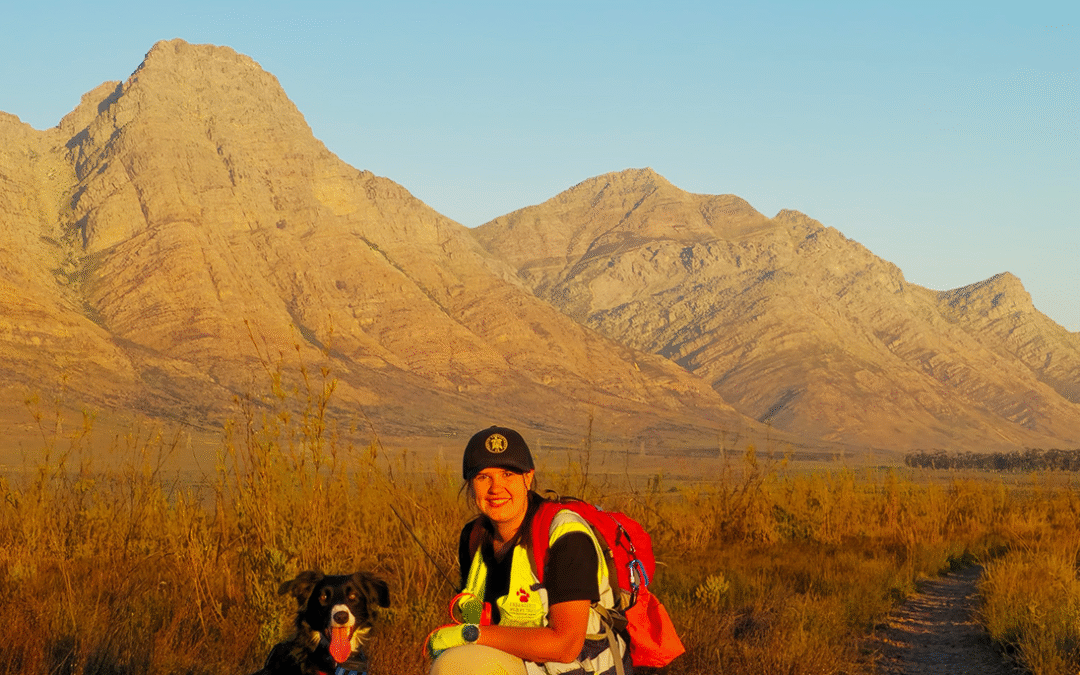
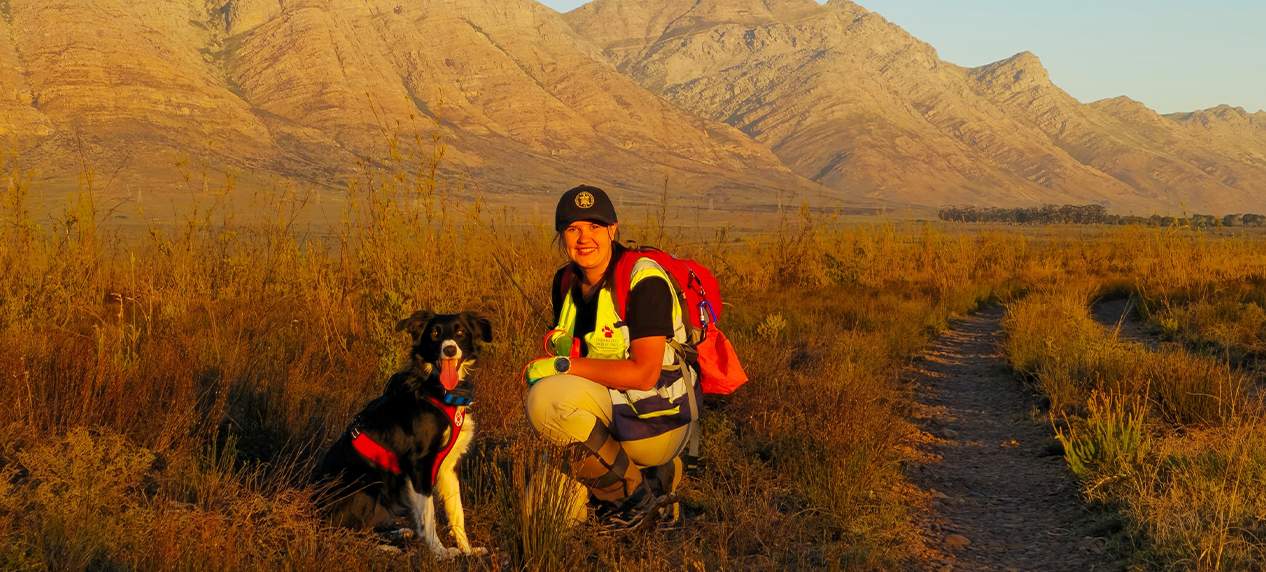
Two Border Collies, Delta and Dash, are helping their human teammates locate these tortoises. During recent surveys, the dog team was able to increase overall finds with an average of 30%, a significantly higher detection rate of live Geometric tortoises than by their human counterparts. The dog team found an average of three live tortoises, compared to the average of 0.6 per person. That means the dogs found five times the number of live tortoises than the average human, demonstrating the value of having a dog team in the field to increase our efficiency. These canines will continue to assist our field staff for long-term monitoring of the species, to inform the conservation recommendations and to possibly assist with fire rescue missions. The hope is that Delta and Dash’s impact on the conservation of rare species will increase.

Please note: All tortoises are protected species. They are listed under the Convention on International Trade in Endangered Species of Endangered Fauna and Flora (CITES), as well as provincial legislation, such as the CapeNature Conservation ordinance of 1974 and the National Environmental Management: Biodiversity Act 10 of 2004. It is illegal to collect any tortoise species in South Africa, and they may not be kept as pets without a permit.
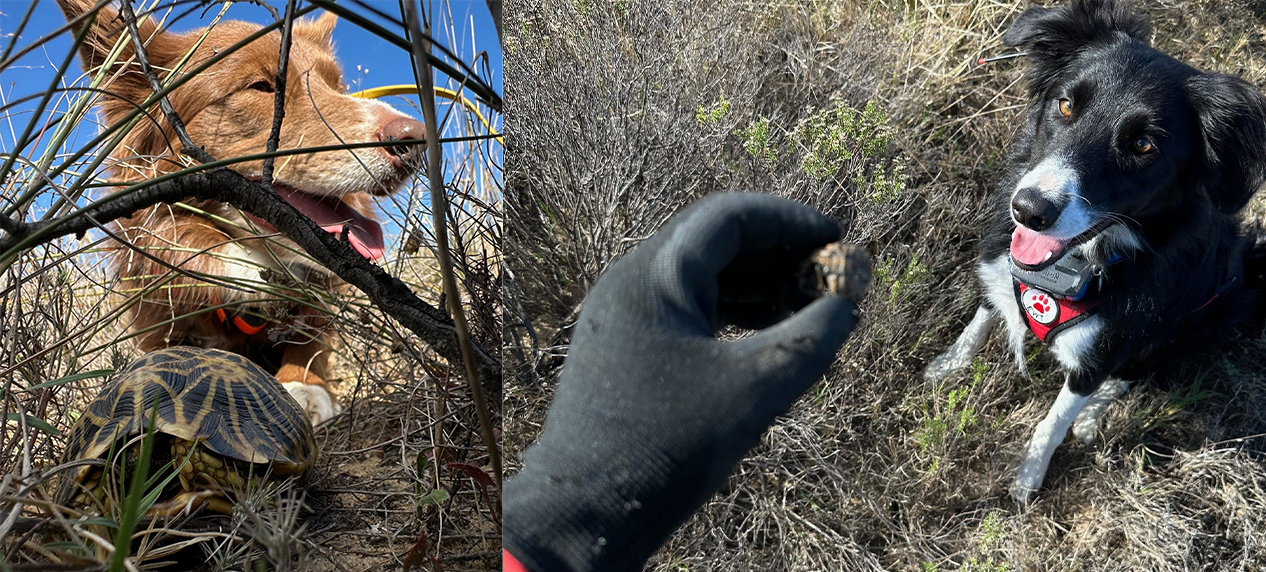
 

Conservation canines Delta (right) and Dash (left) with tortoises
Sowing Seeds of Hope – the Endangered Wildlife Trust’s Medicinal Plant Initiative

Sowing Seeds of Hope – the Endangered Wildlife Trust’s Medicinal Plant Initiative

Sowing Seeds of Hope – the Endangered Wildlife Trust’s Medicinal Plant Initiative

By Dr Jenny Botha and Phomelelo Malatji, EWT People in Conservation
 

Working with traditional healers, distributing seedlings for their own cultivation

Deep within Africa’s rich and diverse landscapes, the ancient practice of harvesting medicinal plants has long sustained traditional medicine and other cultural practices, as well as livelihoods.

Historically, cultural rituals, protocols, and practices have protected plants from over-harvesting, but, as human populations have grown and rural populations migrated to urban areas, demand has increasingly outpaced available sources of many plant species. This, together with an erosion of harvesting controls and extensive transformation habitats through other human activities, has placed considerable pressure on numerous species.

In South Africa, approximately 2,062 plant species are used for traditional medicines, with about 770 species having been recorded in markets across the country. At present, 182 species are listed on the country’s IUCN Red List of Threatened Species, and 82 are believed to be at risk of extinction in the wild.

In 2019, the Endangered Wildlife Trust (EWT) launched an integrated conservation project in Limpopo to contribute to national efforts to conserve one of our most iconic medicinal plant species, the Pepper-bark Tree (Warburgia salutaris). Since then, we have expanded the scope of the project to include additional species and geographic locations in Mpumalanga, KwaZulu-Natal, and Gauteng.


Reducing threats to wild Pepper-bark tree populations in Limpopo

The Pepper-bark tree occurs in montane forests, thickets, and woodlands in the KwaZulu-Natal, Mpumalanga, and Limpopo Provinces of South Africa. It is also found in Mozambique and eSwatini. The tree is believed to be extinct in the wild in Zimbabwe.

The bark, roots, and rootbark of the tree have long been in high demand for traditional medicine across southern Africa. More recently, many of its therapeutic properties have  been corroborated scientifically. Importantly, from a conservation perspective, its leaves were found to contain the same phytochemicals as the other plant parts that were traditionally used for medicine. The substitution of leaves for bark, roots, or rootbark significantly reduces harvesting impact.

Over the past three decades, conservationists from national and regional conservation agencies have partnered with traditional healers and the private sector to reduce harvesting pressures through cultivation. Over this period, over 80,000 seedlings have been distributed to traditional healers and community members.

The EWT’s Pepper-bark tree project incorporates collaboration with traditional healers, traders, and harvesters to increase the diversity of species that are being cultivated in many areas. In addition, we are implementing strategies alongside private and communal landowners to protect and restore habitats. A seed viability assessment has also been conducted as the species germination rates in some populations are low.


Habitat protection and restoration

To secure habitat for the Pepper-bark Tree and other species, the EWT has collaborated with the Limpopo Department of Development and Tourism (LEDET) and private landowners to secure formal protection of land through South Africa’s Biodiversity Stewardship Programme. The EWT’s team of rangers has also cleared over 70 ha of invasive alien and encroaching vegetation in Pepper-bark tree habitats, which has led to what is believed to be re-emergence of Pepper-bark tree seedlings in areas where they had not previously been seen.

We are also engaging with several communities in areas where Pepper-bark trees and other medicinal species are being intensively harvested to explore opportunities to support them to improve harvesting controls and remind people of the importance of their biocultural heritage. Harvesters frequently come from outside the area and, where possible, we invite them to join this national effort to improve the sustainability of medicinal plants for now and for future generations.

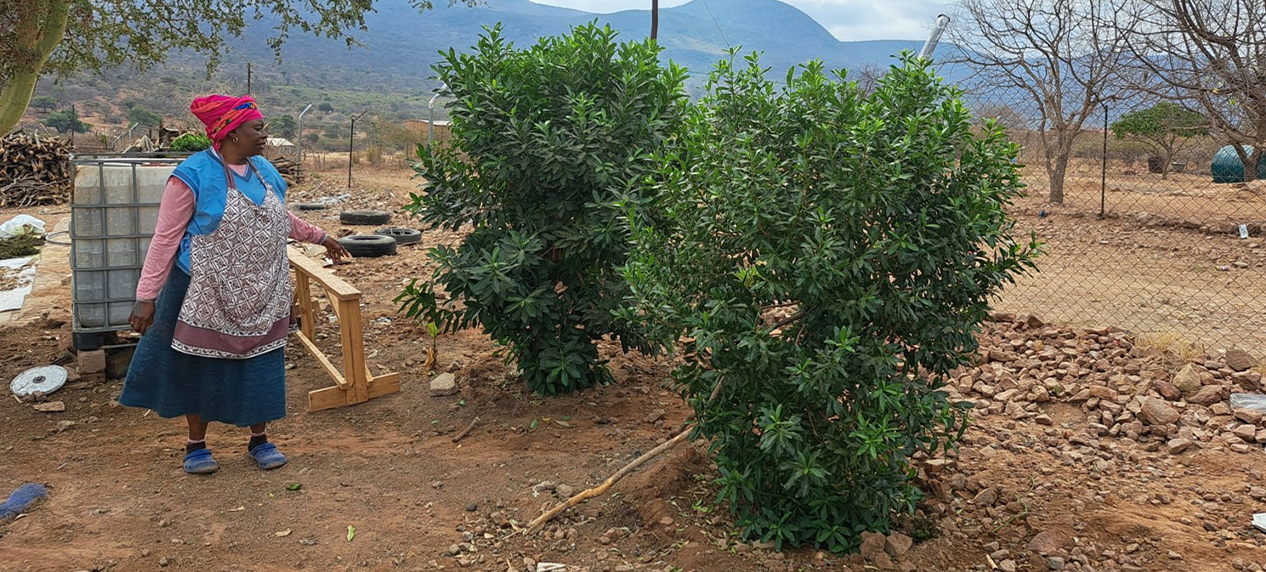
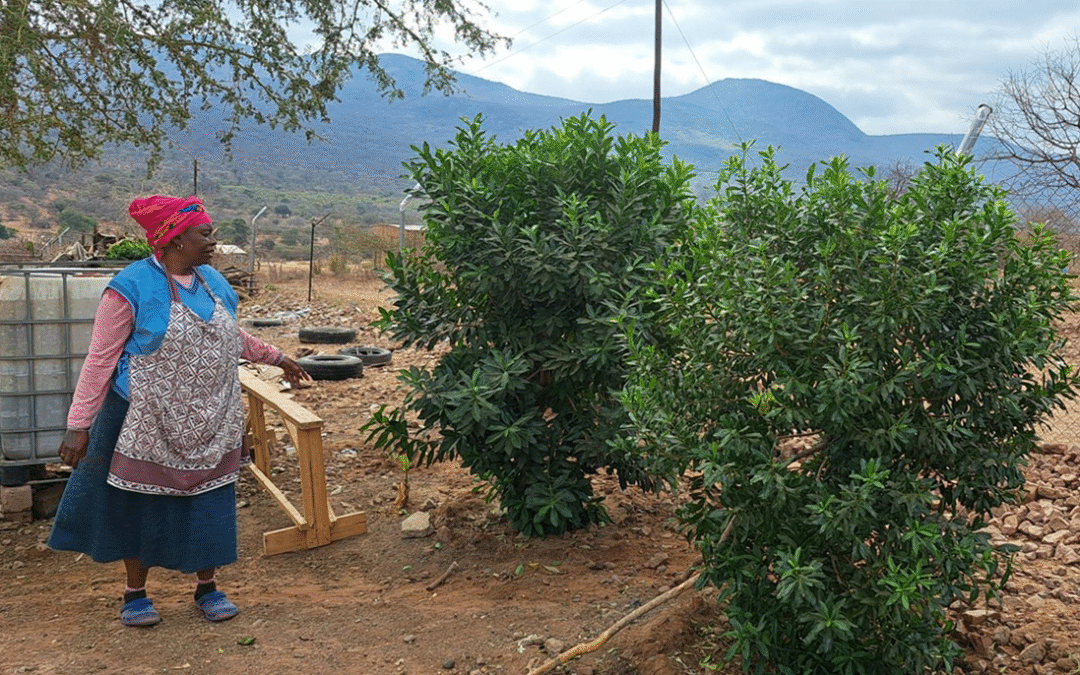
Traditional healer with Pepper-bark trees in home garden

Collaboration with traditional healers, traders, and communities to cultivate and protect wild Pepper-bark trees.

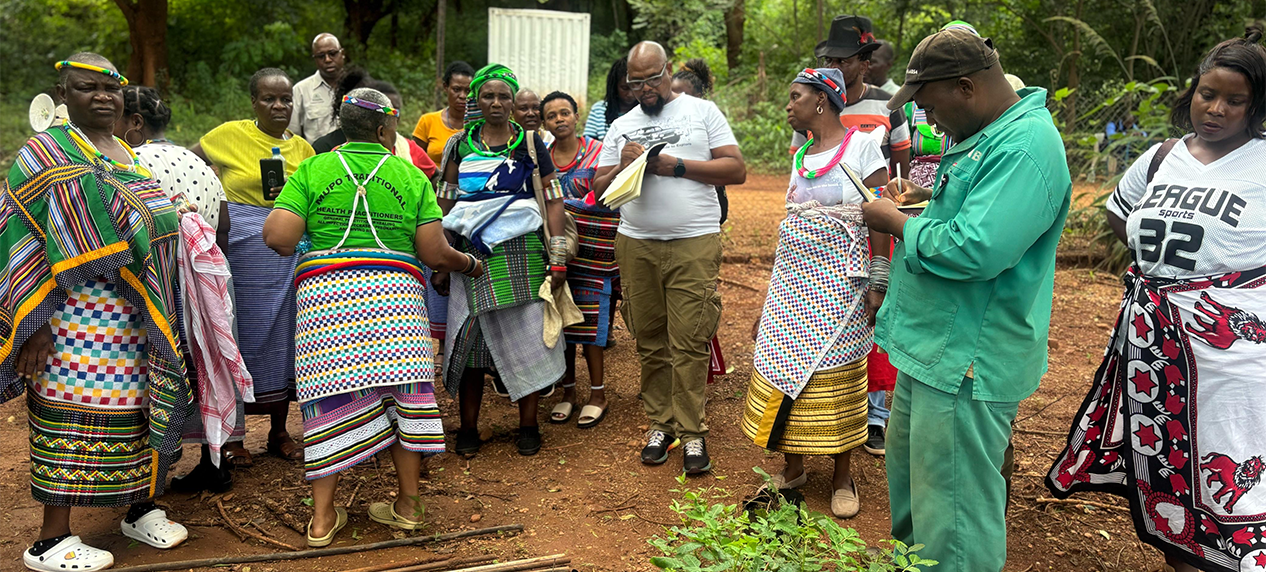
The EWT has engaged with approximately 300 traditional healers from over 20 communities in Limpopo to identify strategies to reduce threats to wild medicinal plant populations. In February and March 2025, we collaborated with the South African National Biodiversity Stewardship Institute (SANBI) to develop and implement training on the cultivation of medicinal plants. This training will gradually be implemented across all our project areas to support cultivation and lay the foundation for scaling up these production efforts over time.

Following visits to SANBI’s Thohoyandou Botanic Gardens, 205 traditional healers and harvesters attended four three-day training courses in Vhembe. The training incorporated demonstrations of various cultivation and propagation techniques, discussions on legislation and the permitting system, and engagement on challenges people are facing in accessing medicinal plants.

Each participant received a starter pack and seedlings to enable them to start cultivating immediately. Our team follows up with the groups regularly to monitor the survival of plants and any challenges that they may be experiencing. We are also in the process of sourcing additional species for them to start growing.


Planting seeds of hope

Plants have been valued for their curative powers for millennia, not only as traditional medicines, but also in conventional medicine. Achieving our goals to reduce threats to species of conservation concern at scale will clearly take time and collaborative efforts across partner organisations and sectors to enable us to synergise our resources and share the knowledge, understanding, and collective effort that is required to avert extinctions.

Critically, we need to consider the needs of the poorest consumers who depend on these plants for their health care. Many simply cannot afford more expensive alternatives and it is vital that we co-develop strategies to cultivate plants that are both affordable and aligned to the cultural protocols associated with the use of these medicines so that their therapeutic values are retained or even, in some instances, restored.


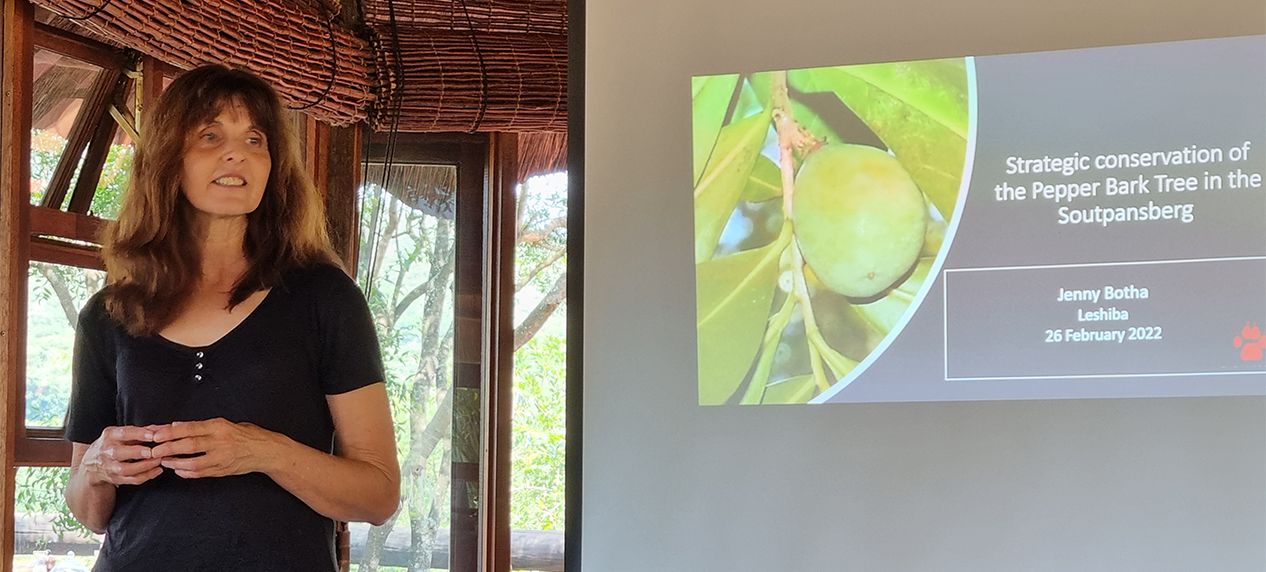
Dr Jenny Botha presenting to landowners on Pepper-bark tree conservation

Fondation Franklinia has supported the Endangered Wildlife Trust’s Pepperbark tree project over the last six years and allowed our team to implement focused conservation action to safeguard this threatened species for years to come. Through this work, we have been able to secure safe space for multiple threatened and endemic species by declaring and now expanding the Western Soutpansberg Nature Reserve. Our rangers have also recovered habitats through clearing 70 hectares of exotic Eucalyptus trees from riverine and wetland mountain areas, including restoring habitat for Pepperbark trees where we are seeing natural recruitment of the species taking place.

In addition, the support of Fondation Franklinia has allowed our team to expand on critical work with traditional healers and traders, by assisting them to cultivate their own trees and distributing seedlings in three different provinces in South Africa.

We would like to thank Fondation Franklinia again for the critical support they have provided our project over this time, and congratulations on celebrating 20 years in conservation!


**  The EWT would like to thank the Fondation Franklinia for its support of this project, and for extending support to enable us to implement the second phase.  The project is also funded by the UK Government through the Illegal Wildlife Trade Challenge Fund. In addition, SANParks, through the Kruger National Park Pepper-bark Conservation Programme, which has received support from SAPPI, ARC, SANBI, SAEON and the SANParks honorary rangers, has donated Pepper-bark trees.  The Ford Wildlife Foundation has also played a key role in the success of this and other People in Conservation projects through the provision of a Ford Ranger to the EWT’s People in Conservation Unit.

Wings and Wind: Tracking Birds to Guide Safer Wind Energy Development in Mpumalanga

Wings and Wind: Tracking Birds to Guide Safer Wind Energy Development in Mpumalanga

Wings and Wind: Tracking Birds to Guide Safer Wind Energy Development in Mpumalanga

By Matt Pretorius, Project Manager Wildlife & Infrastructure
 

Mpumalanga Province is emerging as a key area for wind energy development in South Africa.

As the country accelerates its shift towards renewable energy and gradually moves away from coal, the demand for suitable locations to build new wind farms is growing rapidly. However, some of the areas with the best wind resources in Mpumalanga are also home to threatened bird species that are prone to collisions with wind turbines.

South Africa’s energy system is under pressure. Many coal-fired power stations are old and due to be decommissioned, while past delays in the completion at large-scale power projects like Kusile and Medupi made it difficult to meet rising electricity demand. Although load-shedding has become less frequent, the need for alternative energy sources remains urgent. With other wind-rich areas reaching grid capacity, developers are now turning to Mpumalanga for new opportunities.

At the same time, conservationists have raised concerns about the impact of wind turbines on birds. Some species are particularly vulnerable to collisions with turbines, as highlighted in the recent ‘Summary of Bird Monitoring Reports from Operational Wind Energy Facilities in South Africa’ by BirdLife South Africa. Some of these species of conservation concern in Mpumalanga are endemic to the region and are listed in the 2025 Regional Red Data Book of Birds of South Africa, Lesotho and Kingdom of Eswatini (Red Data Book – BirdLife South Africa).

To address this issue, the Mpumalanga Department of Agriculture, Rural Development, Land and Environmental Affairs (DARDLEA) appointed the Endangered Wildlife Trust (EWT) in 2024 to undertake the Mpumalanga Bird Flyways Research Project. This collaborative initiative, led by DARDLEA, also involves the Mpumalanga Tourism and Parks Agency (MTPA) and Birdlife South Africa (BLSA). The aim of the partnership is to gather essential data on bird movements to understand the flyways and flight patterns of birds of conservation concern in Mpumalanga in order to ensure informed decision making with regards to renewable energy projects in the province—in particular wind energy facilities.

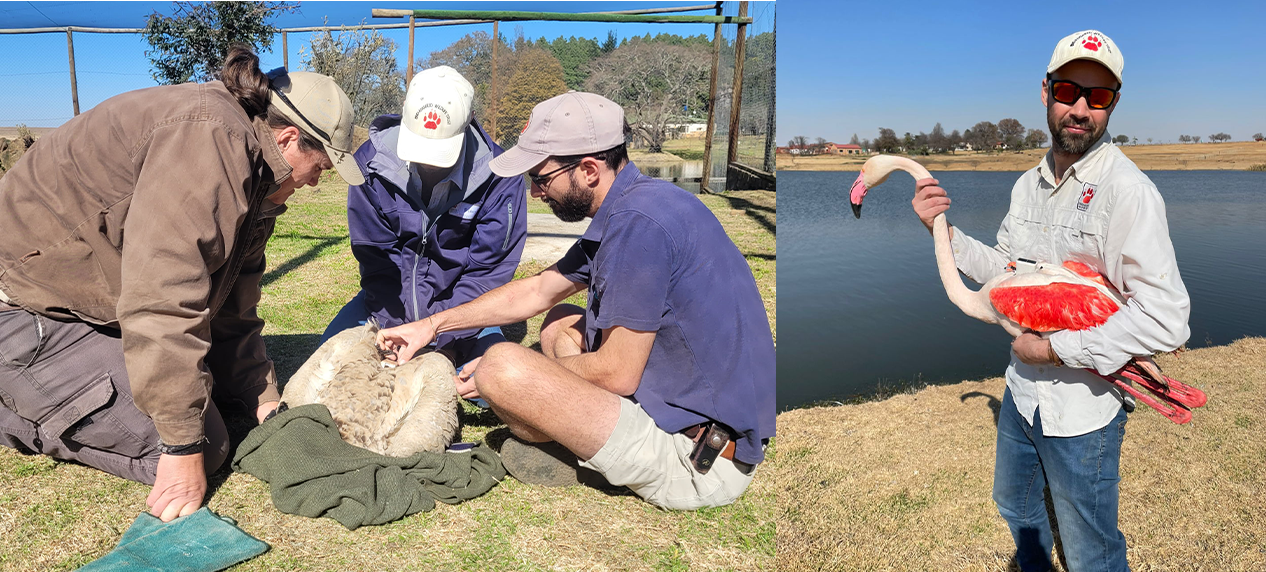
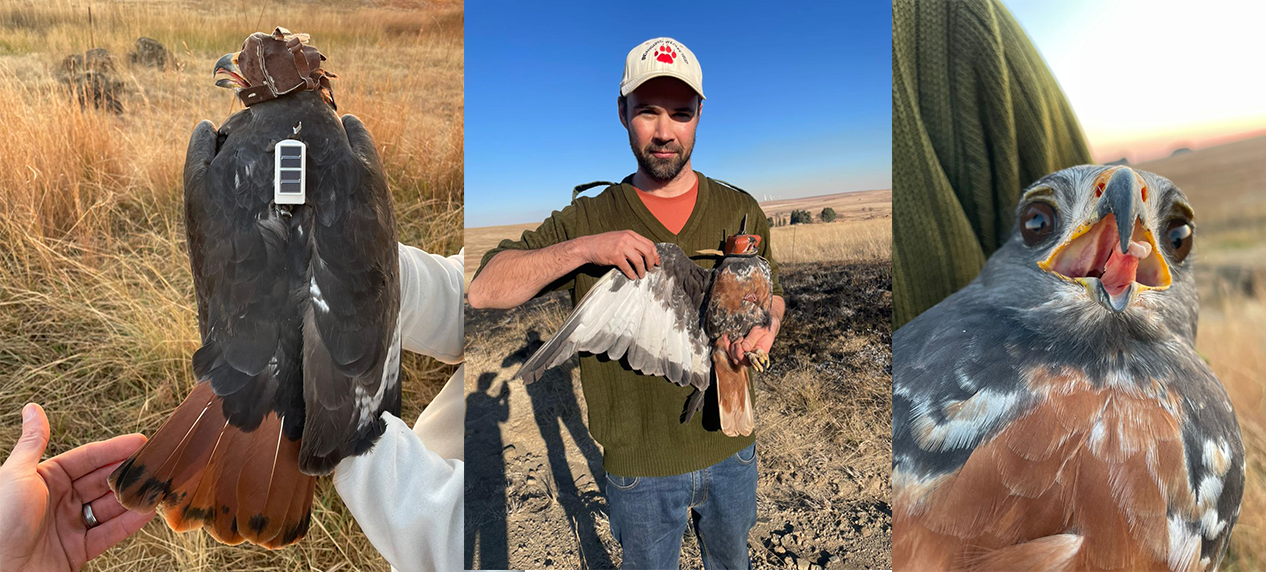
The project involves fitting lightweight GPS tracking devices to 12 priority bird species that are particularly susceptible to colliding with wind turbines. These include Greater and Lesser Flamingos, Martial Eagle, Cape Vulture, Jackal Buzzard, Grey Crowned Crane, Blue Crane, Wattled Crane, Blue Korhaan, White-bellied Korhaan, Denham’s Bustard, and Secretary Bird. Notably, three of these species—the Blue Korhaan, White-bellied Korhaan, and Denham’s Bustard—have never been tracked before, and several others have not yet been tracked in Mpumalanga.

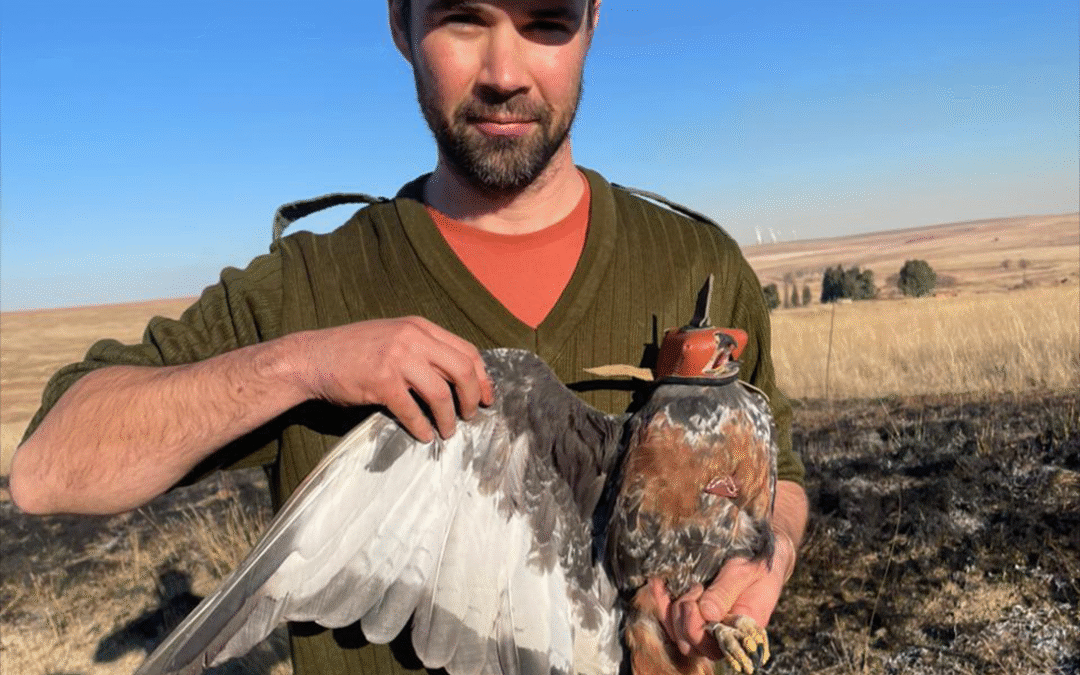
Since the project began in September 2024, 15 birds have been fitted with GPS tags, including seven Jackal Buzzards, four Greater Flamingos, two Blue Korhaans, and a Cape Vulture. These devices are already providing valuable insights into bird behaviour, revealing not only where species move, feed, and breed, but also bird flight path patterns indicating heights and patterns that these birds are following when in flight. Some species, such as Blue Korhaans, appear to remain within small home ranges, while others, such as Flamingos and Buzzards, travel widely between provinces.

These data will be used to map regular flyways and flight paths, as well as home ranges, and be used to develop detailed species-specific sensitivity models. These tools may also help decision-makers and developers avoid high-risk areas when planning new wind energy projects.

Some mitigation strategies are already being explored, such as Shutdown-on-Demand (SDOD) systems that temporarily stop turbines when birds are detected nearby. However, these systems have limitations. For example, many Flamingos fly mainly at night, and most existing SDOD systems are not capable of identifying nocturnal flights.

The Mpumalanga Bird Flyways Research Project is a groundbreaking initiative as it is the first state-funded project of its kind in South Africa. Hopefully it will serve as a model for other provinces to follow. By combining scientific research with conservation planning, the project is helping to ensure that the country’s renewable energy future does not come at the cost of its rich and irreplaceable birdlife.

Saluting Rangers across the World

Saluting Rangers across the World

Saluting Rangers across the World

By Eleanor Momberg, EWT Communications Manager
 

Armed with years of experience and a lifelong passion, rangers are the boots on the ground at the forefront of conservation.

Because they spend their entire working day – and often longer – in the field, they are the eyes and ears of management. This means they are often the first to detect unauthorised entry into a protected area by poachers, medicinal plant harvesters, or even just inquisitive persons. They are also often the first to detect wildlife diseases or other potential issues, and are integral to monitoring and maintaining infrastructure such as artificial water points and pipelines.

Rangers are integral to the daily running of any protected area, and their daily tasks are as varied as apprehending poachers, burning firebreaks to safeguard infrastructure, assisting with management burns to achieve specific ecological goals, controlling alien plants, and guiding guests to ensure an absolutely unforgettable visit to nature, among a multitude of other tasks.

On 31 July, rangers across the globe take a moment to remember and pay homage to colleagues who have lost their lives in the line of duty. This year, the pause is to honour 175 colleagues in 41 countries who lost their lives in the last 12 months. 

The theme for World Ranger Day 2025 is “Rangers, Powering Transformative Conservation.” It is a reminder, says the International Ranger Foundation, that rangers are not only protectors, but changemakers.

“They are essential to achieving the world’s biggest conservation goals — from the Sustainable Development Goals to Target 3 of the Global Biodiversity Framework: protecting 30% of the planet by 2030,” says the Foundation.

Although rangers typically work in protected areas where their primary focus is conservation, law enforcement and wildlife management, the Endangered Wildlife Trust (EWT) rangers have a different, added, task – restoring the habitats needed for species and people to survive, protecting cultural heritage, and ensuring that the impact people have on the environment does not affect the ability of communities to benefit from their natural surrounds.  

Additionally, rangers’ work has become more holistic, and has seen the introduction of new technologies into their daily routines.  This includes the use of drones.  

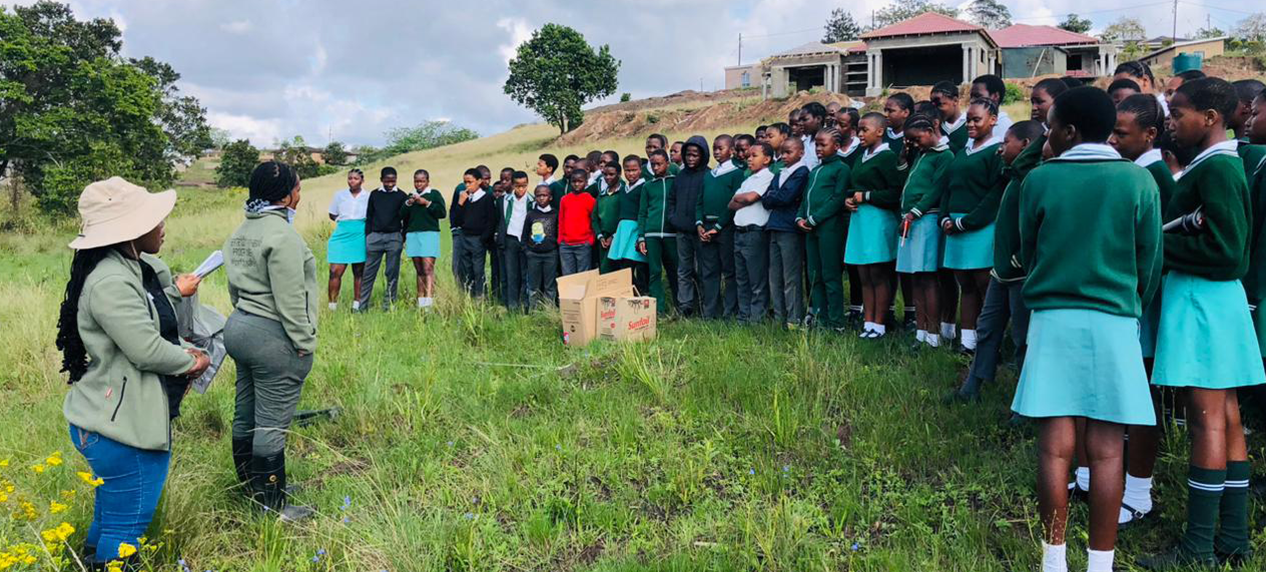
Many rangers emanate from communities adjoining, or in close proximity to, the protected areas in which they work. As such, they are ambassadors for conservation – teaching children and adults alike why it is important to conserve both plants and animals. Rangers are a key resource with which to engage communities, ensuring that communities’ voices are also heard and, together with the protected area management, ensuring that common ground can be found and that protected areas and communities can find a mutually beneficial way forward.

As agents of transformation, rangers also look to the future addressing issues such as climate change in community education drives, highlighting the need to mitigate, and adapt to, a changing environment.  

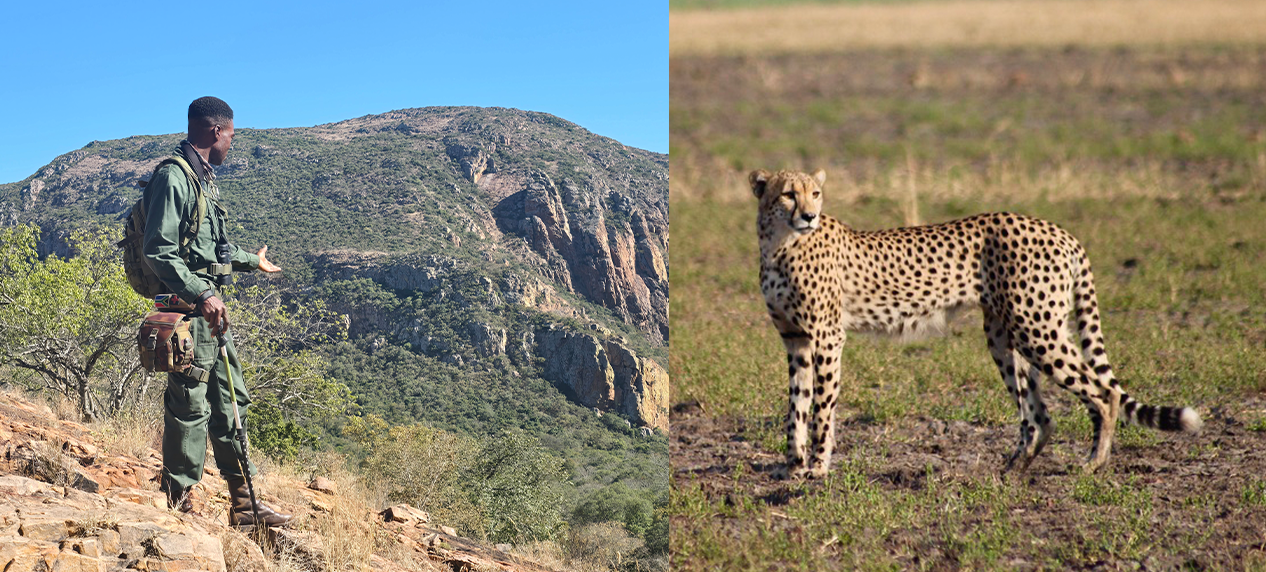
Among the rangers at the EWTs Medike Reserve in the Soutpansberg is Shumani Makwarela, a field guide in the Savanna Strategic Conservation Landscape. He says his work largely entails protecting the biodiversity of the Soutpansberg.  “I also assist to clear alien plants and then do game counts,”  he says.

The Soutpansberg, a recognised as a Centre of Endemism and Key Biodiversity Area, is also a Strategic Water Source Area for both ground- and surface water.  To address the threat of alien invasive species, a team of rangers has been working for the past seven years to remove invasive alien trees from wetlands and mountain catchment streams. 

This has required weeks of work on-site, often camping in remote locations away from their families. Many of these invasive tree strands were in extremely inaccessible areas, making the work even more challenging. Despite these difficulties, our rangers have successfully cleared over 60 hectares of Eucalyptus and Black Wattle from remote mountain areas, resulting in an estimated 30 million litres of water being replenished to the environment annually.

As part of the project, rangers have received training in invasive plant management and received accredited qualifications in First Aid, Herbicide Application, and Intermediate Chainsaw Operation.

But, EWT rangers are not limited to people.  Among these are our vulture “rangers” who, through the use of cutting edge GPS-tracking technology, assist in the location of poisoning events in order to dramatically reduce further wildlife loss, save surviving animals, and enable law enforcement to act quickly.

The Canine Conservation rangers not only work in protected areas to combat rhino poaching, but also support the police, national and provincial environmental authorities to detect illegally traded wild species of plants and animals.  In recent months, our dogs and their handlers have searches hundreds of vehicles for illegal succulents and reptiles at roadblocks, used their noses to sniff out weapons and ammunition and other illegal wildlife products at the entrances and exits to games reserves, searched thousands of parcels and detected numerous snares.

Rangers are an important cog in the business of conservation, and this International Ranger’s Day we salute the vital role that rangers play in the conservation of our natural heritage.


Poison workshop brings stakeholders together

Poison workshop brings stakeholders together

Poison workshop brings stakeholders together

By Lara Fuller, ACCP Drakensberg Coordinator, EWT/ICF partnership
 

The African Crane Conservation Program (Endangered Wildlife Trust/ International Crane Foundation Partnership) Drakensberg project is uniquely placed in the foothills of the majestic mountains of the Eastern Escarpment.

The Great Escarpment is a significant geographical feature characterised by high cliffs, steep slopes and higher inland plateaus. It separates the higher interior plateau from the lower narrow coastal strip and is an area of high biodiversity and endemism, and equal cultural diversity.

Across this landscape there are a range of focal species and non-focal species that are impacted by poison incidents or background chemical toxicity. Further to this, there are underlying health risks to human well-being associated with the illegal use of chemicals. This discipline is an understudied topic and is a very complex space to work in.

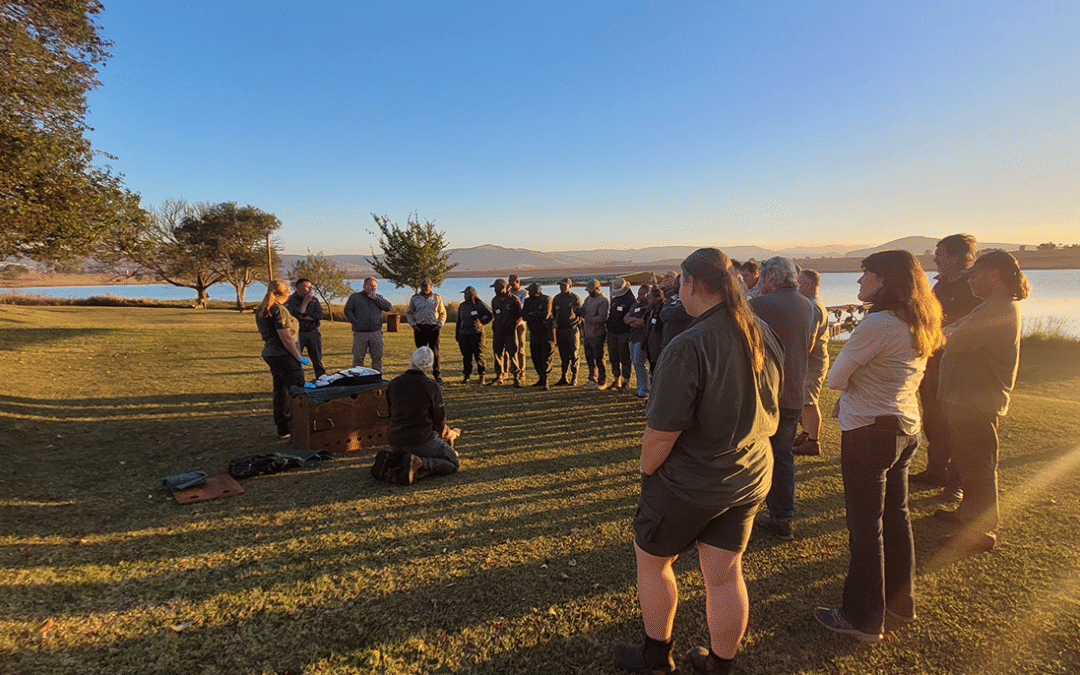
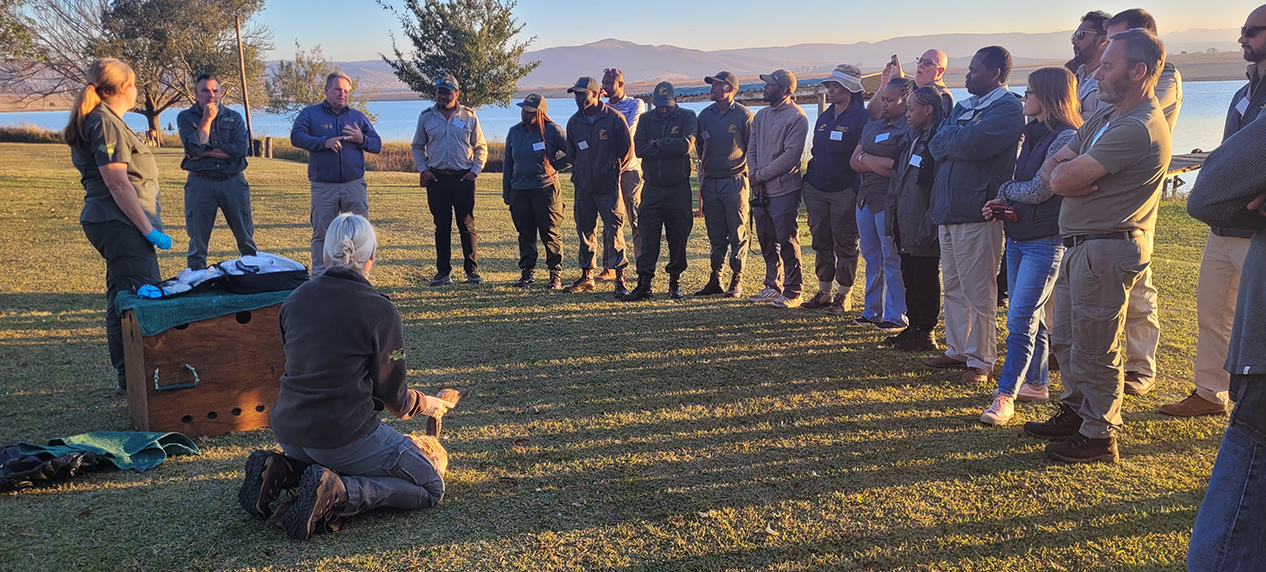
Recently, my colleague Samson Phakathi and I were invited by the Ezemvelo KwaZulu-Natal Honorary Officers (a dedicated group of volunteers committed to support EKZN Wildlife provincial Wildlife Authority) to present a wildlife poison mitigation workshop.

The three-day workshop aimed to educate attendees on the signs of wildlife poisoning, personnel protection, what action should be taken and how to collect evidence for a criminal case. The more than 40 attendees included representatives of NPO’s, KZN Wildlife Honorary officers, professional forensic experts, and Environmental Management Inspectorate members (EMI), and a couple of former law enforcers. It served as a refresher to some individuals, but the majority were there to hear about the impact of poisoning on wildlife for the first time.

As always in conservation it is paramount to ensure that the correct individuals are working together for the benefit of our landscape. Connecting individuals from diverse backgrounds is not always easy, but it is necessary for conservation success. Besides hosting a social event as a means of building working relationships, local wildlife rehabilitation centre, FreeMe, demonstrated how to respond to live wildlife poison cases, and the importance of handling during poisoning cases.  Investipol, a professional investigation and spill response unit, shared their knowledge and experience, while the Ezemvelo KZN Wildlife officials discussed the difficulties of implementing existing laws.

The outcomes of this event were multi-dimensional and included the expansion of the poison response team, new connections made for long-term collaboration, a greater understanding of localised community poisoning events and a direction to raise awareness about the incorrect use of chemicals. From this event two more workshops were requested in Northern and Central KZN.  We are grateful to every individual who participated and we look forward to seeing the difference in our landscape. 


** The EWT would like to thank the Paul King Foundation and N3tc for their support.

Modderfontein Conservation Society learns more about the law and conservation

Modderfontein Conservation Society learns more about the law and conservation

Modderfontein Conservation Society learns more about the law and conservation

By Sibongakonke Ngogodo, Legal Officer
 

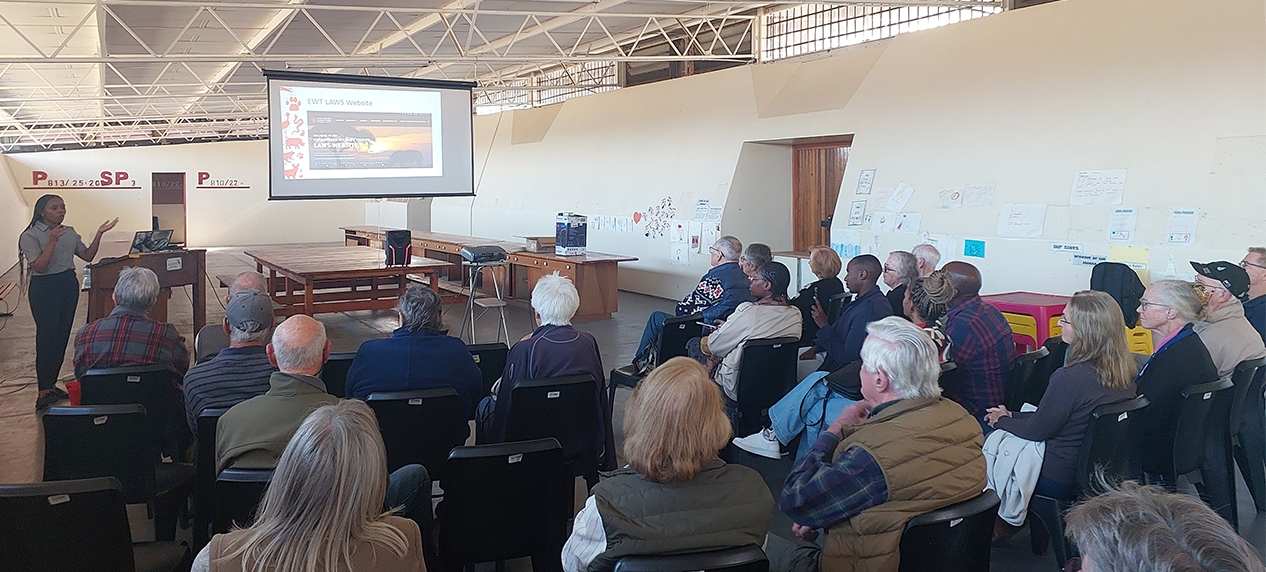
At the end of May, Ashleigh Dore, Unit Manager of the Land, Air, Water and Species (LAWS) Unit, and I joined the Modderfontein Conservation Society to explore how law can drive real conservation impact in South Africa. We were thrilled by a warm, engaged audience, particularly older conservation champions whose passion and wisdom reminded us why this work matters.

With the support of my colleagues, I had the opportunity to deliver my first public presentation, becoming an excellent learning experience for me.

In framing South Africa’s extraordinary biodiversity legislation, we discussed a variety of matters in our presentation, including the Constitutional and legislative provisions relating to biodiversity in South Africa. These include Section 24 of the Constitution which guarantees the right to an environment that is not harmful to the health and well-being of all South Africans. Our presentation examined how the Constitution underpins the National Environmental Management Act (NEMA) and the related National Environmental Management: Biodiversity Act (NEMBA), which both guide and regulate the way in which our country’s natural environment is managed to the benefit of all people, and species.

We also explained the permit system for indigenous species under NEMBA, highlighting implementation challenges that institutions and individuals may face, or are facing. We proposed forward-looking strategies to modernise our biodiversity legal landscape by harmonising national and provincial legislation, streamlining permits, strengthening institutional capacity, and fostering meaningful community participation.

What stood out most was the enthusiasm of attendees who, despite the challenges we face, remain committed to finding practical, law-driven solutions that translate into real-world conservation outcomes. Hearing firsthand about their concerns, and the wisdom they have accumulated over years, reinforced our conviction that strong legal frameworks must be paired with collaborative implementation on the ground.

We extend our gratitude to the Modderfontein Conservation Society for hosting us and to everyone who attended. If you were unable to join us but would like to learn more, please visit the LAWS Unit website at https://laws.ewt.org/ for access to resources and information on future events.

** This work is made possible through the generous support of the Lewis Foundation and the Modderfontein Conservation Society.

#EndangeredWildlifeTrust #LAWSUnit #Biodiversity #ConservationInAction #EnvironmentalRights

Njozi’s Great Escape:  Safely Back at Rietvlei Nature Reserve

Njozi’s Great Escape: Safely Back at Rietvlei Nature Reserve

Njozi’s Great Escape: Safely Back at Rietvlei Nature Reserve

By Eleanor Momberg, Communications manager, EWT 
 

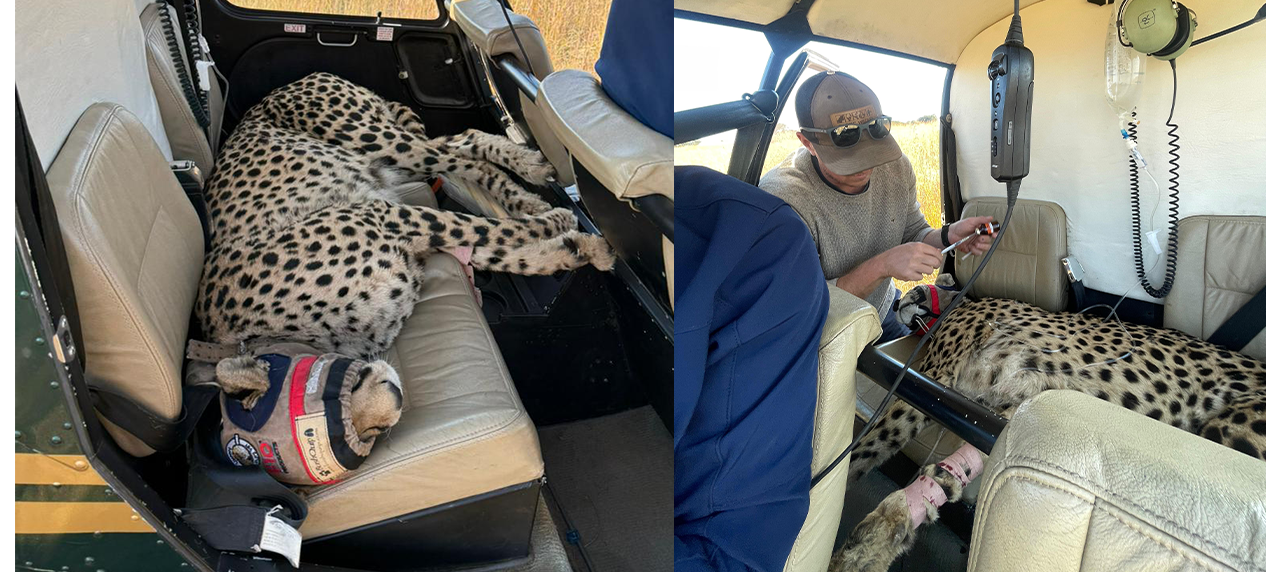
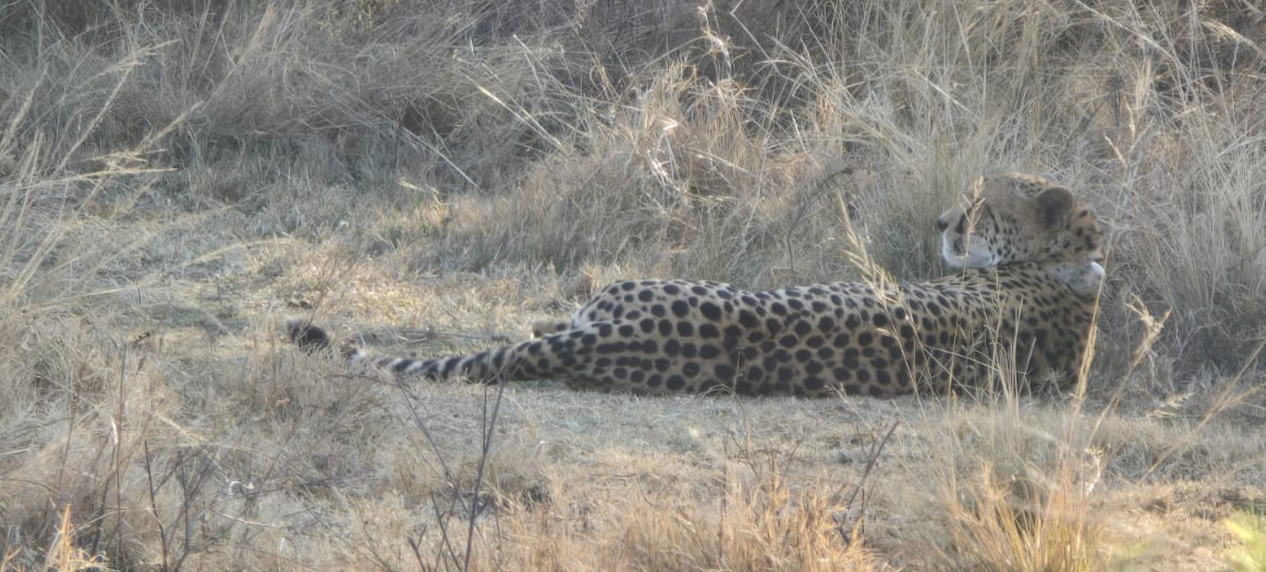
On 3 June, Carnivore Conservation Unit manager Derek van der Merwe offered the Endangered Wildlife Trust’s assistance to recapture well-known female cheetah, Njozi, who had left the confines of the Rietvlei Nature Reserve in Pretoria and had undertaken an unexpected adventure in Gauteng.

The lone resident Cheetah at Rietvlei, Njozi had left the confines of the reserve on 2 June, and it was after attempts to return her to Rietvlei that Derek had called the Rietvlei reserve management and offered the EWTs assistance to bring her home.

Njozi’s tracking collar was probably her saving grace as reserve staff were able to monitor her movements until help could arrive. During the day on Monday she had travelled 18km towards Bapsfontein.  On Monday night she travelled more than 15km towards Kameelzynkraal where Derek and a team including a wildlife vet, City of Tshwane and Rietvlei Nature Reserve officials, managed to safely recapture her, thanks to landowners Clarissa de Bruto, Monique Venter and Johan Lottering.

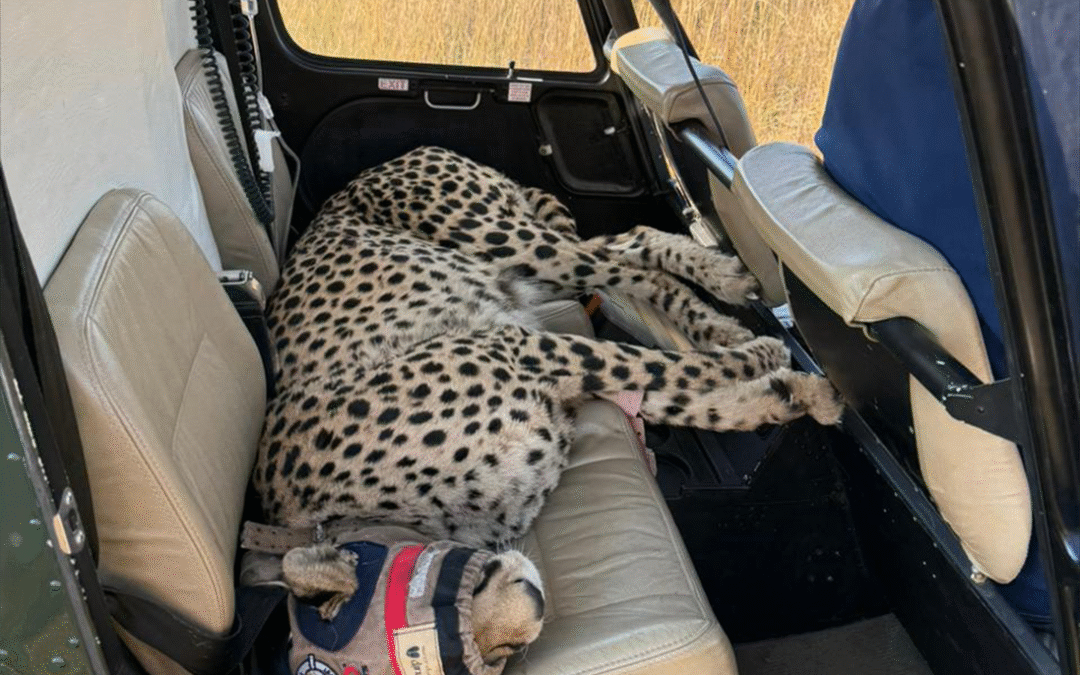
Although Njozi is usually comfortable around vehicles and a favourite among tourists at Rietvlei, she became skittish in unfamiliar territory, hiding in dense thicket and mielie fields that made initial capture efforts difficult.  A helicopter was quickly called in for a swift and safe retrieval, ensuring Njozi’s smooth return.

Cheetahs pose a very low risk to humans and are often misunderstood. Human-wildlife conflict can be minimised through awareness, proper management, and the use of technology, like tracking collars, which help us monitor and intervene at times like these. 

We would like to say a special thank you to the Aspinall Foundation for funding the helicopter search, wildlife vet Dr Shaun Beverly for the veterinary expertise and Lean from Powered Flight Charters for his chopper flying skills. We also thank our donors @metrofibre for making this rescue operation possible as well as the Rietvlei Reserve Staff and City of Tshwane for their support.

A Secretary Bird’s flight to recovery

A Secretary Bird’s flight to recovery

A Secretary Bird’s flight to recovery

By Ronelle Visagie, EWT Birds of Prey Programme
 

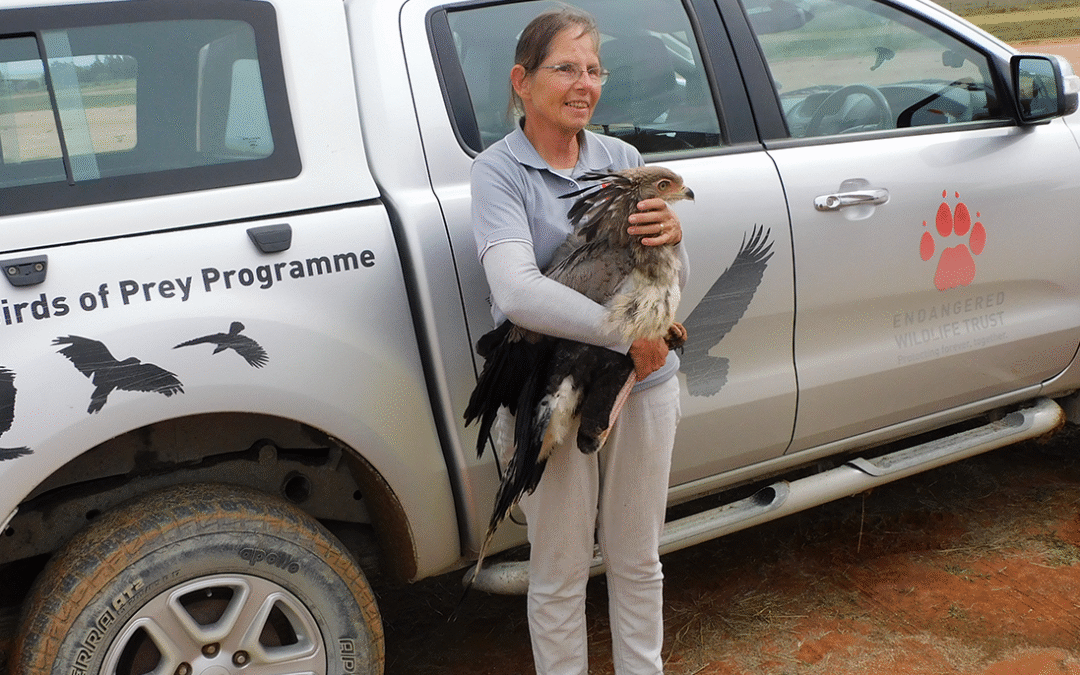
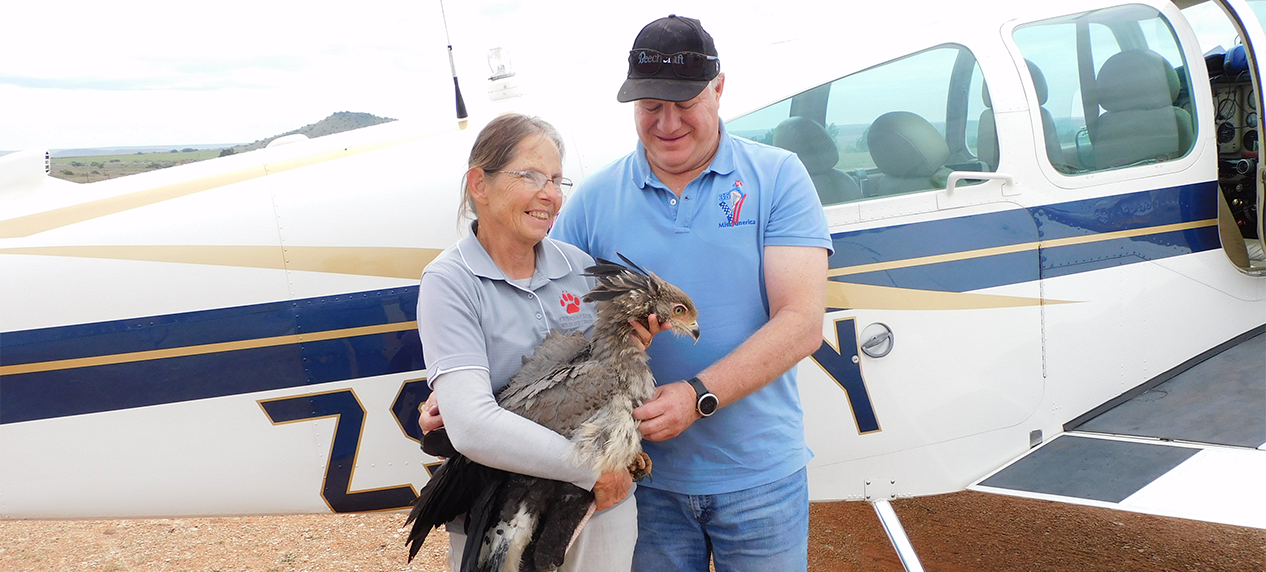
As most people settled down to enjoy the Easter Weekend this year, my husband, Stoffel, Bateleurs pilot Allan Thomson, co-pilot Nikki Bush, volunteer Abraham van Zyl, and I were watching the weather and embarking on a mission to ensure a juvenile Secretary Bird would receive the rehabilitation it needed.   It was a journey that took this young bird on a flight (by plane) from Orania in the Northern Cape to the Dullstroom Birds of Prey & Rehabilitation Centre in Mpumalanga.

It all started in February when I received a call from Megan Murgatroyd of HawkWatch International, who is doing raptor research on a farm in the Calvinia district.  She informed me about a Secretary Bird nestling that was in a deteriorating state and suffering from starvation. Birdlife SA PhD candidate, Wesley Gush, had installed a camera at the nest, which revealed that the nestling had not been fed for a minimum of nine days and had a weight of only 1.5 kg.

A day later, I retrieved the nestling from De Aar and started caring for it, observing its remarkable improvement and increasing strength with each passing day. The poor bird was so weak initially that it could not stand up or even lift its body.

Because this Secretary Bird would require training from a falconer to ensure it had the best possible opportunity for survival, a decision was made to transfer him to the closest falconer and rehabilitation centre–the Dullstroom Birds of Prey and Rehabilitation Centre.

All parties involved with the bird’s care agreed that this was the most beneficial course of action for its well-being. But, getting this Secretary Bird from the Northern Cape to Mpumalanga proved a large challenge as transporting him by road would take at least two days, and would prove very stressful for the bird, which would have to be kept in a box for the journey.

It was then that the Bataleurs stepped in.  After two months, the permits were in place and the bird was ready to go to a rehabilitation centre.   

On Sunday morning, 20 April, the sky was overcast, and rain was forecast for some time during the day.  Because I live around 70 km from the nearest airfield—in Orania—we had to wait for Allan Thomson to inform us when he would be able to depart from Johannesburg, which was also faced with bad weather.   As soon as we received the go-ahead, we carefully caught the bird and put it in a crate for the trip to Orania.  The first half of the road to Orania is a gravel road that is in poor condition and after the rain it is even worse!

This was Allan’s first ever Bateleur’s mission.   Stoffel and I arrived at the airfield about half an hour before Allan and Nikki arrived.  After a quick cup of tea, we took some pictures before loading the precious cargo on the plane. Finally, the bird was on its way to Dullstroom!

The team and the Secretary Bird were met at Walkerson’s airfield, where Magdali Theron and the team from the Dullstroom Bird of Prey & Rehabilitation Centre welcomed their new charge.

Once he has been trained to hunt and fend for itself, he will be returned to the same Karoo farm where he was rescued and released back into the wild. Before release, he will be fitted with a tracker so we will be able to follow the success of the rehabilitation.

** The EWT would like to thank the Charl van der Merwe Charitable Trust, Puy du Fou the Bateleurs for your support.

Restoring Wetlands, Empowering Communities:  A Resilient Future for Adams Mission

Restoring Wetlands, Empowering Communities: A Resilient Future for Adams Mission

Restoring Wetlands, Empowering Communities: A Resilient Future for Adams Mission

Nonkazimlo Mafa, Urban Ecology Project Manager, Threatened Endemics Programme – EWT
 

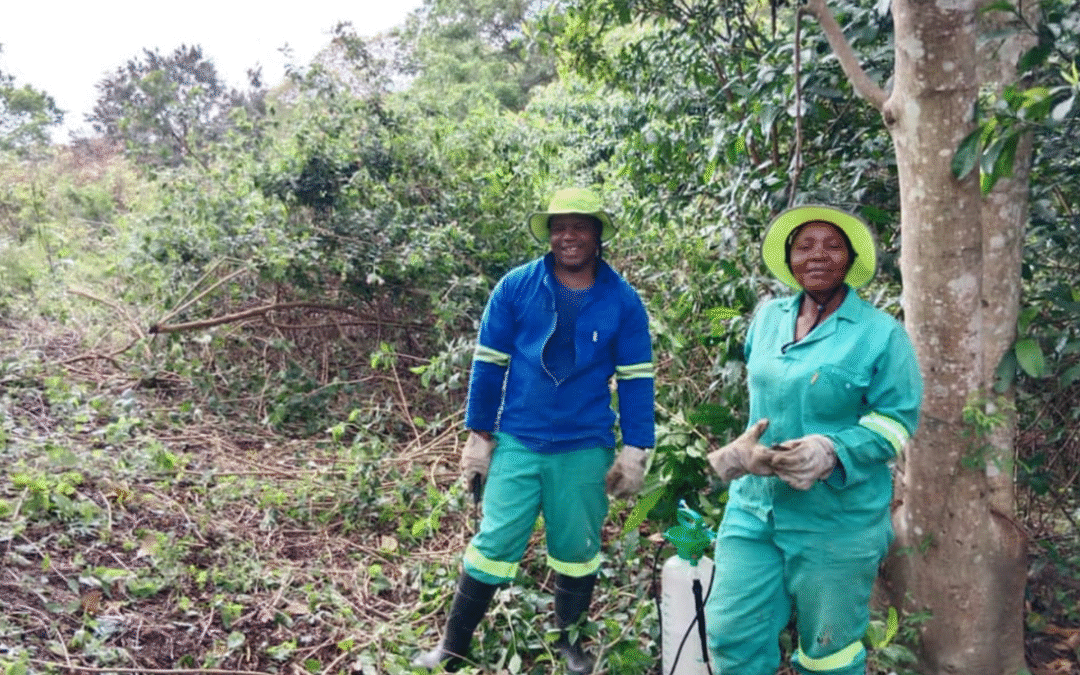
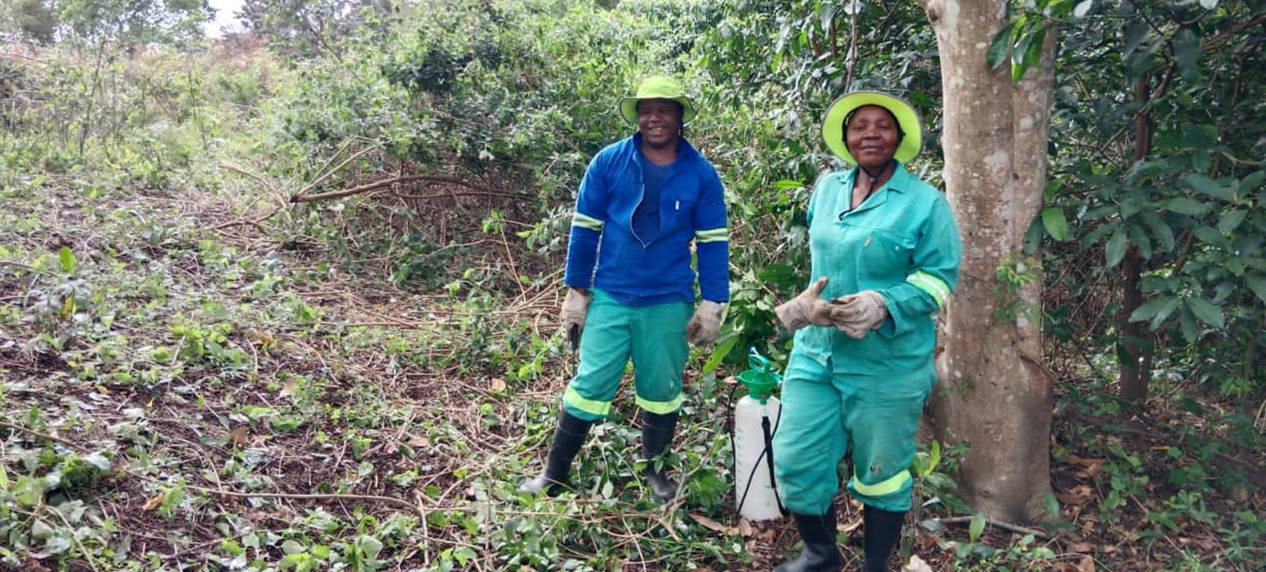
Clearing of Alien Invasive Plants in rural areas at Adams Mission, KZN

Wetlands provide invaluable ecosystem services and are often referred to as the “Earth’s kidneys” because of their high, long-term capacity to filter pollutants from the water courses that flow through them. Wetlands also provide critical ecosystem functions to surrounding areas, such as buffering these areas from floods, providing critical resilience against climate change through carbon sequestration, freely performing a vast array of other services and supplying direct resources for human well-being as well as rich biodiversity.

The EWT’s Threatened Endemics Programme (Threatened Amphibian Programme previously) has been working on improving wetland ecosystem function and management in Kwa-Zulu Natal since 2015. One of our focal wetland habitats is Adams Mission, a 400 ha wetland system located in the upper reaches of three river systems on the KZN south coast. This wetland consists of a network of Endangered habitat types characterised by coastal wetland and swamp forest and supports two  Endangered amphibians endemic to South Africa; Pickersgill’s Reed Frog (Hyperolius pickersgilli) and the Kloof Frog (Natalobatrachus bonebergi). It is also home to over 90,000 people, many of whom live near or on the wetland edge. Since 2015, the EWT’s Threatened Endemics Programme has worked to rehabilitate and monitor this system, ultimately striving to partner with the community to secure the long-term management of this important ecosystem through the mechanism of Biodiversity Stewardship.

A key component of this work has been Invasive Alien Plant (IAP) clearing, waste management, and detailed monitoring. Common Invasive Alien Plants include Lantana (Lantana camara), Peanut Butter Cassia (Senna Didymobotrya), Bug Weed (Solanum Mauritianum), American Bramble (Rubus Ceneifoius), Common Lilac (Syringa Vulgaris), Singapore Daisy (Sphagneticola trilobata), Morning Glories (Ipomonea purpuria), Maxican Ageratum (Ageratum houstonianum), Chromolyn and Mexican sunflower (Tithonia diversifolia), Yellow Bells (Tecoma stans) and Indian short (Canna indica).  Lantana make up 50% of the invasive alien species in these wetlands, and American Bramble 25%.

Our monitoring approach is twofold. The Ecological Goods and Services (EGS) assessment toolkit has been developed as a participatory approach to environmental management which encourages local understanding, opens up dialogue in developing local solutions which initiates local action. This assessment is implemented by our Biodiversity Officers, local community members employed to assess EWT’s work using a phone app. We also partner with environmental consultants to undertake detailed habitat health assessments at key wetland areas within Adams Mission. These assessments include detailed baseline habitat information for the purposes of understanding habitat/wetland unit scale impacts that require rehabilitation/management, and to inform ecological monitoring and long-term trends to support conservation intervention. The aim of the monitoring programmes has been to provide appropriate baseline information against which to measure change in the condition of the wetland systems. This will be used to assess improvements associated with rehabilitation interventions and supplement the long-term monitoring of the H. pickersgilli populations at each wetland site. Follow-up assessments are to be undertaken every 2-3 years.

The 2025 assessment report produced by Verdant Environmental shows a 0.8% deterioration in the wetland ecosystem compared to the assessment conducted in 2022. The Verdant Environmental report indicates that the wetland’s resilience towards the pressures around the wetland, an increased number of housing development on the edges of the wetland and within the buffer zones, may contribute to medium degradation in future. This implies the need for continuous and intensified Environmental Education and law enforcement measures within the community to decrease the spread of residential plots. The site has maintained the Class C ecological health status since 2022.  This means the habitat condition is still intact with a very low degradation percentage over the years. The EWT’s initiatives to educate the community is making a huge impact.


Waste Zone Containers


Waste is an ever-growing challenge at this site as local municipal services are often lacking and residents have little choice but to dump waste in or near wetland habitat. 

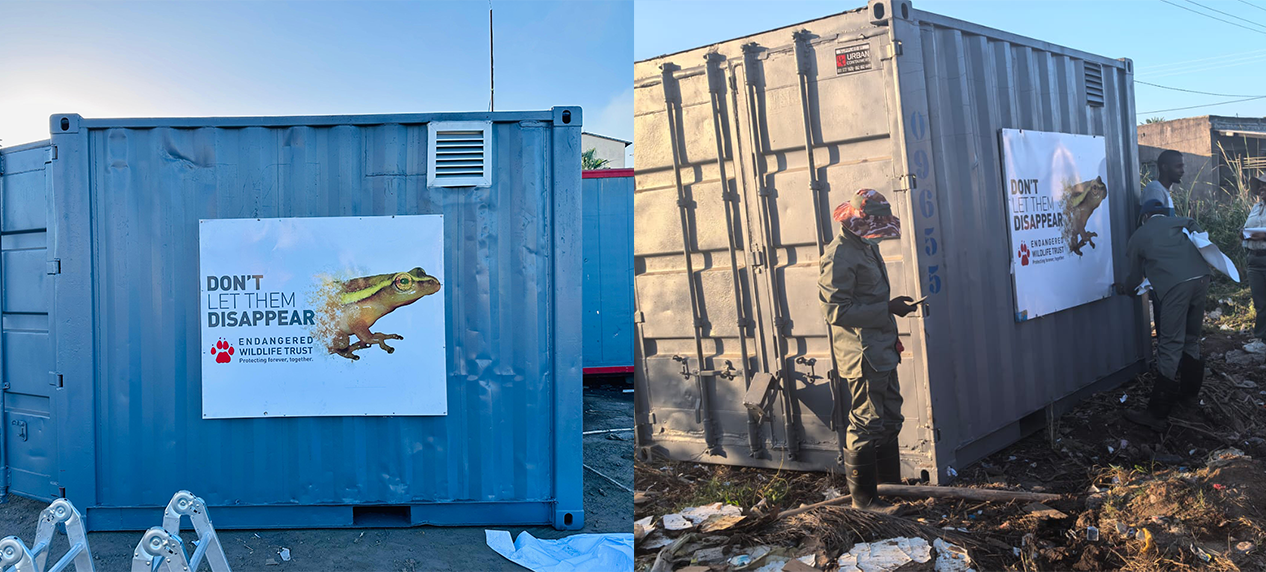
We have developed a phone application to track and report waste incidents, giving us an indication of the increase in dumping of waste in water courses, and informed our strategy to deal with waste. This approach culminated in our Centralised Waste Disposal Zone project, where we partnered with local communities and the Municipality to install four shipping containers that will act as managed waste disposal sites. Local community members are employed to manage these zones, bagging waste and coordinating with municipal contractors to service these waste zones when needed. This offers community members an alternative to dumping waste into the wetland system.

Within the two weeks since the placement of the containers, the positive impact is already visible.  Community members have been leaving their waste near the container’s door outside the operating hours rather than dumping in the wetland.  This has contributed to growing socio-ecological resilience for the rich biodiversity of the area.  It also benefits communities living adjacent to the wetlands through job creation and keeping the environment clean. Fourteen people have been employed as waste collectors and Invasive Alien controllers over a 12-month period ending in June 2025.


**  The EWT would like to thank the Moodys Foundation, Synchronicity Earth, Anglo American and the Rainforest Trust for their support.


Blue Cranes uplisted to Vulnerable: A wake-up call for conservation

Blue Cranes uplisted to Vulnerable: A wake-up call for conservation

Blue Cranes uplisted to Vulnerable: A wake-up call for conservation


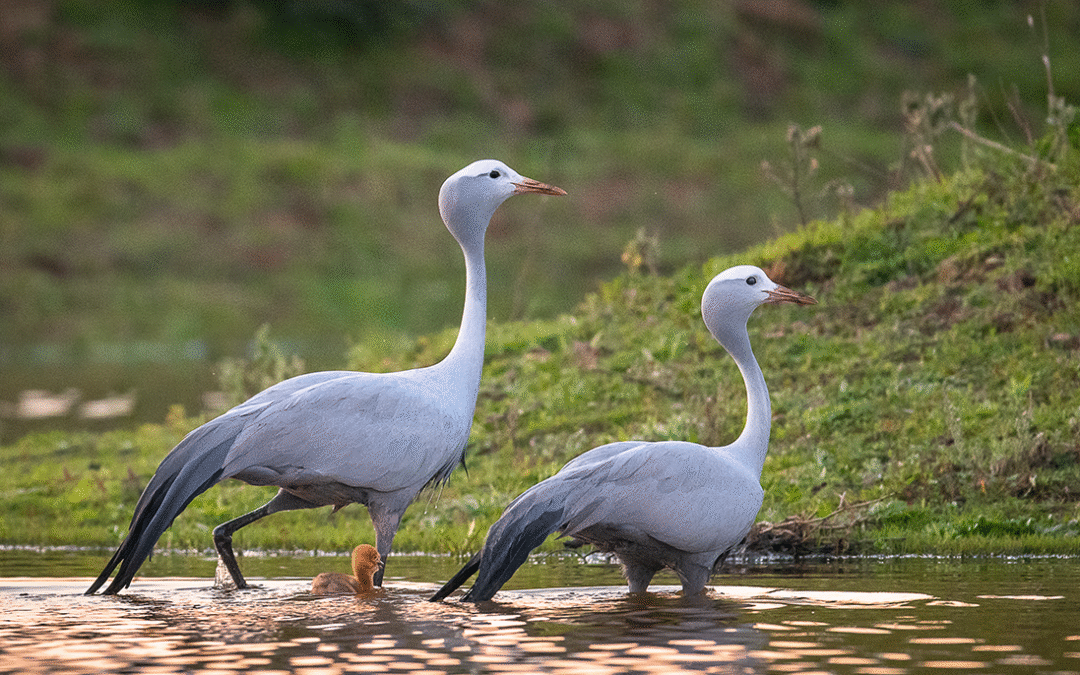
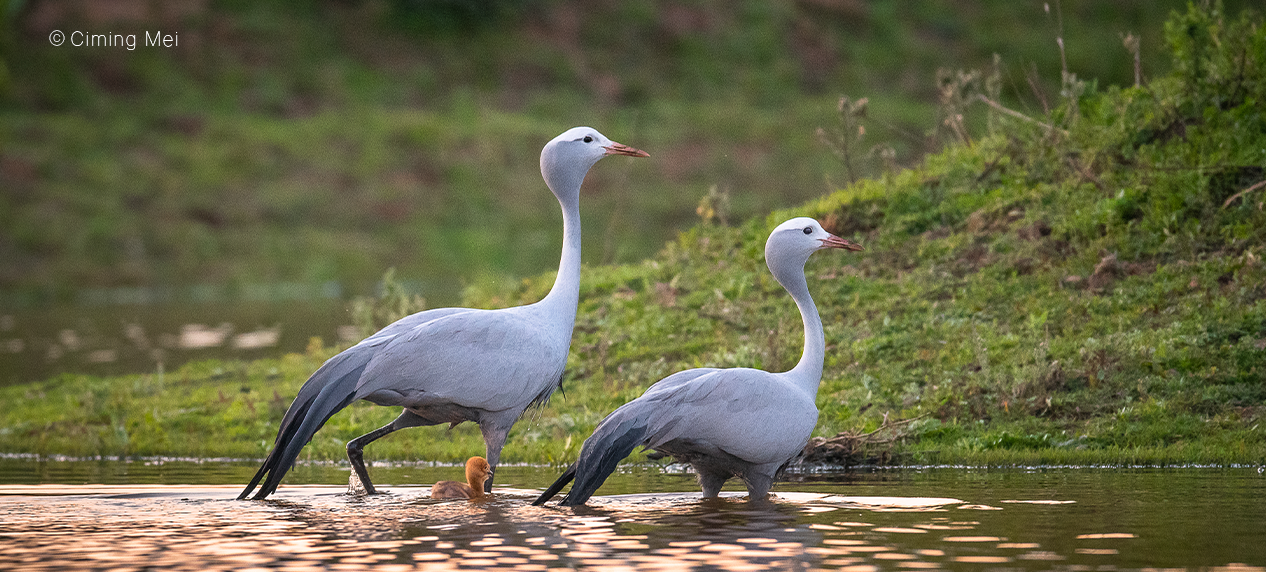
South Africa’s national bird, the iconic Blue Crane, has officially been uplisted from Near Threatened to Vulnerable in the newly published Regional Red Data Book 2025.

The uplisting of the Blue Crane to Vulnerable in South Africa means that it faces a high risk of extinction in the wild in the medium term.

This reflects growing concern about the species’ future. Although the Karoo boasts the highest number of Blue Cranes in South Africa, the species’ decline is of particular concern in the Overberg region of the Western Cape where Blue Cranes occur at higher densities than anywhere else in the country.

Data from the long-running citizen science project, Coordinated Avifaunal Roadcounts (CAR), shows that the Overberg has seen an alarming 44% decline in Blue Crane numbers between 2011 and 2025. These figures are especially concerning given that this region once had a thriving Blue Crane population.  Prior to the decline, CAR accounts indicated that Blue Crane numbers had increased by 261% between 1994 and 2010.

In the Karoo, CAR figures showed that populations had declined prior to 2017. But, this data is dated given that CAR counts are no longer done in this region. To remedy this, BirdlifeSA has formed a CAR working group with the Endangered Wildlife Trust/International Crane Foundation partnership (EWT/ICF), Overberg Crane Group (OCG) and FitzPatrick Institute to reinvigorate the project, particularly in areas like the Karoo.

The citizen science project is conducted twice annually. It relies on dedicated volunteers who count birds along fixed routes creating one of the most robust long-term datasets for large terrestrial birds in the country. This data underpins vital conservation decisions, including the recent uplisting of the Blue Crane.

Why are Blue Cranes declining?

The reasons behind the dramatic decline in the Overberg over the past 14 years are unclear, but research has revealed some clues.  Recent research by EWT Conservation Scientist, Dr Christie Craig, into the species’ long-term viability revealed that breeding success in the Overberg has halved since the last published study 30 years ago. On average, pairs now raise just 0.55 fledglings – far below what’s needed to sustain the population.

MSc student Michelle Bouwer has found that the key drivers of nest failure in the Overberg are disturbance and high temperatures. This is concerning given that climate change models predict significant drying and warming in the Western Cape. Fence entanglement also remains a threat to Blue Crane chicks that can’t fly yet.

Since 1991 the OCG, along with partners such as CapeNature and the EWT/ICF have driven Blue Crane conservation efforts in the Overberg, engaging actively with landowners to raise awareness and ensure that farming and cranes coexist peacefully. Similar programs were initiated in the Karoo and Drakensberg, under the auspices of the South African Crane Working Group. It is because of the success of these interventions that the Blue Crane population increased and was regionally downlisted to Near Threatened in 2015, based on data up until 2010.

Since the Blue Crane population was doing well, conservation efforts for Blue Cranes were reduced in the Western Cape, and Karoo. This can be attributed to the fact that conservation resources are limited, and work needs to be prioritised to species that need it the most.

The Drakensberg region features all three crane species in South Africa—the Blue Crane, Wattled Crane and Grey Crowned Crane. Because of ongoing research and conservation efforts, all three species are increasing in KwaZulu-Natal.

The uplisting of Blue Cranes has demonstrated that this species is dependent on ongoing conservation efforts, especially as they occur almost entirely outside of protected areas.

Within the Overberg, Blue Cranes occur primarily in wheatlands. As new technologies are implemented, cultivars are developed and farming methods are adapted, Blue Crane populations are being affected.  Indications are that an increase in the practice of minimum till and increased canola production may have reduced the availability of suitable feeding and breeding areas for cranes. But, more research is needed to confirm this.

Blue Cranes have also become the secondary or unintended victims of poisoning in the Overberg and Swartland regions—often from substances intended for other species, such as geese or rodents. This further highlights the importance of conservation presence in the landscape to ensure that illegal poisonings don’t go undetected, and to make certain that farmers have support to deal with crop damage problems.

Research showing that power line collisions in the Overberg had decreased in the last 15 years may be attributed to concerted efforts through the EWT/Eskom partnership to mark power lines. Nonetheless, collision with power lines remains the main threat to Blue Cranes, and ongoing mitigation is necessary, especially as new power lines are added to connect renewable energy to the grid. This is particularly a threat in the Renewable Energy Development Zones of the Overberg and Karoo.

The vital role of farmers

In order to ensure conservation success collective action including landowners, farmers, local municipalities, researchers, NGOs and community members, is required. Encouragingly, many farmers have already embraced their role as custodians of these birds, showing that agricultural productivity and biodiversity conservation can go hand in hand. Their commitment forms the backbone of South Africa’s Blue Crane conservation efforts.

It is important to note that because Blue Cranes have a strong association with agriculture across their range in South Africa, a variety of conservation expertise is required to conserve the species.

With the help of the IUCN Conservation Planning Specialist Group, the EWT/ICF has coordinated a multi-stakeholder conservation planning process for Blue Crane. The stakeholders also include the OCG, CapeNature, Wool Growers Association, Kogelberg Biosphere Rehabilitation Centre, Ezemvelo KZN Wildlife, Eskom and Birdlife SA.

This conservation plan specifies several actions that will be implemented in the coming years. Among these is mitigating the impacts of power lines and poisoning, working with the agricultural sector to reduce threats, and protecting natural habitats that support Blue Cranes. We are confident that with coordinated, evidence-driven conservation action we can turn around the environmental status of the Blue Crane.