Donate today: support our k9's 
 mission

Medike Nature Reserve has a new radio communication system

Medike Nature Reserve has a new radio communication system

In the field

Medike Nature Reserve has a new radio communication system


Radio repeater installed at Medike Nature Reserve to improve communication coverage across the Soutpansberg

Radio repeater installed at Medike Nature Reserve to improve communication coverage across the Soutpansberg


The EWTs Conservation Campus Manager, Werner Pretorius last month visited the Medike Nature Reserve in the Soutpansberg to conduct communication tests and assess possible locations for the installation of additional repeaters. These repeaters, both analogue and digital, will improve the coverage and reliability of radio communication across the reserve.

Radio communication is a vital tool for operations within the Medike Nature Reserve. It enhances coordination, improves response times, and increases overall safety for both staff and guests. Radios also play a crucial role in communicating with neighbouring reserves during emergencies, including responding to poaching incidents and coordinating fire response. This saves time and reduces fuel wastage through more efficient communication.

During his visit, Werner inspected the existing repeater system. He rewired the box, replaced old cables, and properly insulated them to protect against Sun damage. The installation and upgrading of the communications infrastructure at the reserve is to happen in phases.  These include upgrading communication within the Medike Nature Reserve and expanding the network to connect with neighbouring reserves and the broader Soutpansberg area.

First Conservation Servitude Wholly Initiated by the EWT Registered in the Northern Cape

First Conservation Servitude Wholly Initiated by the EWT Registered in the Northern Cape

First Conservation Servitude Wholly Initiated by the EWT Registered in the Northern Cape

By Zanne Brink, Drylands Strategic Conservation Landscape Manager
 

Northern Cape biodiversity conservation through Lokenburg Conservation Servitude

The first Conservation Servitude initiated by the Endangered Wildlife Trust has been registered in the Northern Cape.

The registration of the Lokenburg Conservation Servitude is to ensure the long-term protection of, particularly the Speckled Dwarf Tortoise, its habitat and the associated biodiversity on a farm that has been occupied by the same family for six generations.

The protection of dwarf tortoises is critical, especially because they occur in very specific habitat types along the West Coast of South Africa, inland to Namakwaland, and while this is a large area, they actually only occur in a few tiny remnant patches of critical habitat.

Lokenburg is situated in the district of Nieuwoudtville, widely known for its unique vegetation and springtime floral splendour. The farm is unique in two respects. It was the first farm in the area to receive Title Deeds in 1774, and it is the only farm to host a dwelling built by each one of the six generations that have lived on the property.  Situated in the Bokkeveld, an area previously known for its large Springbok population, the working farm boasts a large variety of plant species.   The owners, Nelmarie and Herman Nel, farm sheep, cattle, and rooibos tea.

It is a farm with a rich history, with numerous explorers traversing the area and documenting the rich soils and the associated fauna and flora since the mid-1700s.  The late Francois Jacobus van der Merwe (the owners’ great-grandfather) was the only one of the four van der Merwe children whose land has remained intact for his descendants. This favoured the family and ensured that the land has been occupied by the same family for six generations, all of whom have always prioritised the conservation and preservation of their area because of their love of the land.

Lokenburg is situated in the winter rainfall region and lies in the transition zone between the Fynbos and Succulent Karoo Biomes.  This makes the farm remarkable from a botanical point of view as it is also straddled by no less than four Bioregions: the North-West Fynbos Bioregion, the Western Fynbos-Renosterveld Bioregion, the Karoo Renosterveld Bioregion and the Trans-escarpment Succulent Bioregion.

Succulent Karoo Biome biodiversity at Lokenburg Conservation Servitude

The Succulent Karoo Biome, which boasts the richest abundance of succulent flora on earth, is one of only two arid zones that have been declared Biodiversity Hotspots.  The biome is home to over 6,000 plant species, 40% of which are endemic, and another 936 (17%) are listed as Threatened. This biodiversity is due to massive speciation of an arid-adapted biota in response to unique climatic conditions and high environmental heterogeneity. Lokenburg lies on the eastern edge of the Succulent Karoo Biome, within the Hantam-Tankwa-Roggeveld Subregion.

A working farm, it boasts a variety of plant species, including Iris and Ixia, as well as five springs that support the owners,  Nelmarie and Herman Nel and their son, Eduard, who farm sustainably with sheep, cattle, and rooibos tea. A more recent addition to their farming practices has been an entrance to the essential oil industry as a result of their great passion for the medicinal value of our indigenous flora.    In 2023, the owners became members of the South African Essential Oil Producers and offer products in support of indigenous essential oils, some of which are produced on the farm, such as Lavandin. Their vision is to further expand the essential oil enterprise to make it sustainable and economically viable for the benefit of the community and environment.

Over the years, the family has aimed to preserve their land for future generations through sustainable farming practices alongside the preservation of the rich biodiversity found on their land.  This has been enabled through the implementation of a Biodiversity Servitude, which ensures that the owners are not just farmers but also stewards of conservation. Through this, they can make a positive contribution to the community, economy, and environment through this step.

Sustainable farming and biodiversity protection at Lokenburg farm

Left: Lokenburg Lavender Harvest.

This Servitude has been registered across the Lokenburg farm. Specific conservation management areas have been designated within this area—a collaboration between the landowners and the EWT—and where targeted management actions and development restrictions will be in place. Additional, species-focused, conservation actions will also take place across the broader landscape and include management of the Pied Crow (Corvus albus) populations in the area, which are unnaturally high and, through excessive predation, are driving the tortoise populations to extinction.

The primary strategic management taken for the Servitude has been encapsulated in the Lokenburg Biodiversity Management Plan (LBMP).  This plan also informs the need for specific conservation actions and operational procedures, providing for capacity building, future thinking, and continuity of management, enabling the management of the Servitude in a manner that values the purpose for which it has been established. Additionally, it ensures, through collaboration, that no detrimental forms of development or agricultural activities, will take place within the designated focal areas. Key to the management plan is the conservation and protection of Chelonians (includes all tortoise and terrapin species).  These are one of the most imperilled vertebrate groups, with over 60% of the world’s 357 known species threatened with extinction. Nine of the 13 southern African tortoise species are found in the arid Karoo region where they face multiple threats, including habitat loss and degradation, predation, illegal collection and in fire-prone habits, uncontrolled fires.

This farms rich biodiversity sustains numerous other Species of Conservation Concern (SoCC) including numerous classified as Threatened in the IUCN Red List of Threatened Species.  Among these are a number of bird and plant species, such as the Non-Threatened Tent Tortoise (Psammobates tentorius) and Karoo Korhaan (Eupodotis vigorsii), and Vulnerable Species such as the Secretary bird (Sagittarius serpentarius), Southern Black Korhaan (Afrotis afra) and Verreaux’s Eagle (Aquila verreauxii), as well as the Endangered Ludwig’s Bustard (Neotis ludwigii) and Martial Eagle (Polemaetus bellicosus).

As stewards of our land, we work together to ensure long term sustainable agricultural conservation to the benefit of humans and species.  We look forward to our path together to conserve ecosystems and landscapes.

EWT and Nel family collaboration for Lokenburg Conservation Servitude

Top left: Lokenburg Family

**  The EWT’s work to secure the registration of the Lokenburg Conservation Servitude was made possible by IUCN NL, the Ford Wildlife Foundation and the Nel family.  

The Endangered Wildlife Trust mourns two former colleagues

The Endangered Wildlife Trust mourns two former colleagues

In memorium

The Endangered Wildlife Trust mourns two former colleagues


Endangered Wildlife Trust staff this month mourned the passing of two former colleagues who had played an important role not only in their personal development as conservationists, but also within their respective fields of expertise.

Dr Paul Bartels was considered a leader in the use of assisted reproductive technology for wildlife conservation. He was a pioneer in this cutting-edge field which merges science and conservation by aiming to futureproof the genetic composition of captive and wild gene pools when wildlife populations may not be able to do this naturally.

His vision led to the establishment of the first wildlife biobank in Africa—the Wildlife Biological Resource Centre (wBRC), was established in 1996 as a working group within the EWT. The wBRC was dedicated to the collection, processing, banking, use, and distribution of wildlife biomaterials for biodiversity conservation and biotechnology development.

In 1998, the wBRC made global history with the birth of the world’s first artificially inseminated wildlife baby, an eland female called Graca, after South Africa’s then First Lady. The birth of Graca showed the world that the genetics from wild species can still play a role in maintaining genetic diversity, even after the donor animal has died before collection.

Paul’s work was considered of strategic importance, resulting in the wBRC moving from the Endangered Wildlife Trust to the National Zoological Gardens under the National Research Foundation, and later became the National Wildlife Biobank under the South African National Biodiversity Institute (SANBI).

Paul worked for the EWT for more than a decade, and we are deeply saddened by the loss of this visionary leader in biotech and wildlife conservation. We are, however, eternally grateful for the legacy he leaves in the form of cutting-edge science, dozens of empowered and highly trained scientists, an African wildlife biobank and leading science that can be used to save wildlife, support ethically and sustainably food security and secure the genetic diversity and future of dozens of threatened African wildlife species.

Glenn Ramke was not only instrumental in the conceptualisation of community engagement facilitation on issues that affected cranes, but also considered the matriarch and a loved and valuable member of the African Crane Conservation (ACCP) team.   Her career at the EWT is outlined in her book My Crane Years.

Announcing her passing, ACCP manager Kerryn Morrison said that Glenn, who was a member of the South African crane team for more than 20 years, left a legacy and is now at peace.

Mwape Sishilongo said Glenn was not only gentle, funny, friendly and knowledgeable, and had showed him his first Blue Crane at Wakkestroom when he visited the area with colleagues Adalbert Aineo-mucunguzi and Bradley Gibbons.

“It was a spiritual experience for me – to have my first Blue Crane fly a full circle around us!,” he said.

Bradley Gibson said Glenn’s death had marked a sad day for him and Samson Phakathi as she had been such a big part of their lives for the best part of 25 years.

“She taught us a lot. She knew all the Wakkerstroom crane pairs and could tell us many stories about each pair. She would spend hours watching them and could monitor the growth of the chicks and the behaviour of the parents,”  said Bradley adding the most valuable lesson she taught him was that believing you could do something only became possible when you put your mind to it.

Samson said it was after volunteering for the EWT for two years at Wakkerstroom that it was Glenn who reached out to Kerryn Morrison and Kevin McCann to employ him full-time, marking the start of a relationship characterised by adventures, learnings and above all the love and appreciation for cranes, habitats, and people.

“Glenn honestly believed in me, and she would go out of her way to see to it that I receive all the opportunities and support I needed to make it into the conservation field,” he said.

It was because of their work in Wakkerstroom that an education and awareness initiative was developed in the EWT, with the two running a successful farm worker education and awareness programme, which assisted them to discover new breeding pairs of cranes.

Samson’s words echo those of his colleagues:  Glenn was a mentor, teacher, friend, mother figure and a resolute conservationist who taught the EWT’s craniacs to be critical and independent thinkers.

Unsustainable anthropogenic mortality threatens the long-term viability of lion populations in Mozambique

Unsustainable anthropogenic mortality threatens the long-term viability of lion populations in Mozambique

Unsustainable anthropogenic mortality threatens the long-term viability of lion populations in Mozambique

By Dr Samantha Nicholson, Senior Carnivore Scientist & Manager of the African Lion Database
 

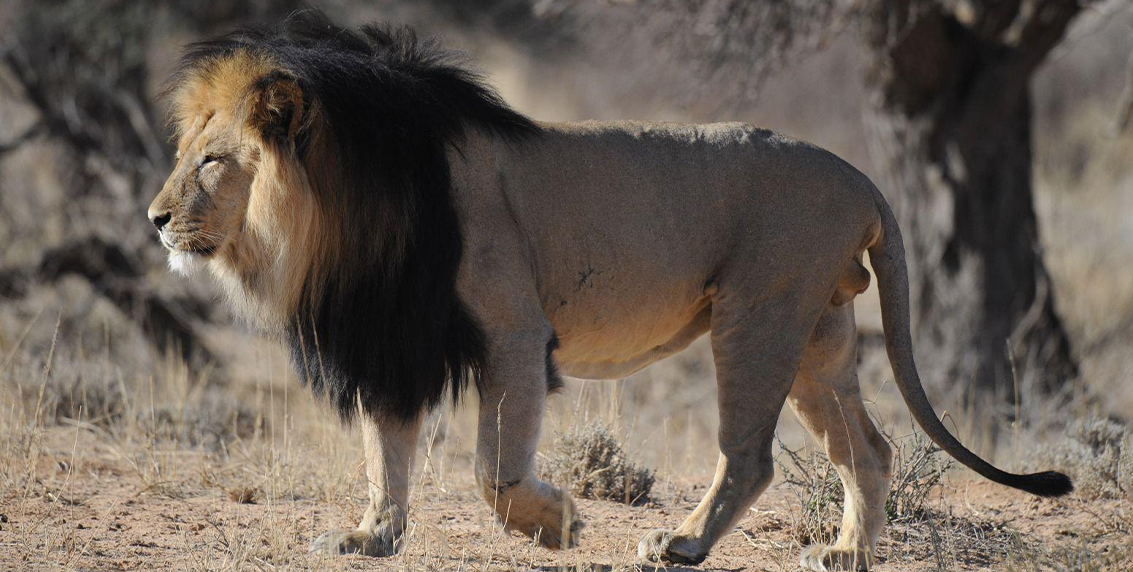
Mozambique, home to Africa’s seventh largest lion population with an estimated 1,500 mature individuals, faces a critical challenge: its lions are being pushed towards an unsustainable future.

A recent study by Almeida et al. (2025) highlighted the escalating threat of human-induced mortality to lion populations across Mozambique.  Still recovering from decades of warfare, these populations contend with ongoing conflicts, widespread socio-economic fragility, and the alarming reality of being a regional hotspot for the illegal wildlife trade (IWT), particularly for targeted lion poaching.

The study, in which the Endangered Wildlife Trust participated, set out to quantify the devastating impact of human-caused deaths – or anthropogenic mortality – on Mozambique’s lion populations between 2010 and 2023, and to project their future viability under varying detection rates of these mortalities. The researchers compiled extensive monitoring records and national population estimates to analyse these trends and predict future scenarios for these vulnerable populations.


Alarming Findings: The Rising Threat of Anthropogenic Pressures

The study alarming key findings show that between 2010 and 2023, a staggering 326 incidents of human-caused mortality, involving 426 individual lions, were recorded. This represents an average of about 30 lion deaths annually, with a concerning surge over the 13-year period, from 9 to 49 annual mortalities. Demographically, male lions were disproportionately affected, accounting for 68% of known mortalities compared to 32% for females, with adults making up the vast majority (83%) of the victims.

Illegal activities were the most common cause of unnatural mortality; responsible for 65% of all lion mortalities. These included lions caught as bycatch in snares (27%), targeted poaching for their body parts (25%), and retaliatory killings (13%). Legal trophy hunting accounted for the remaining 33% of incidents. Over time, there was a significant increase in bushmeat bycatch and targeted poaching, while legal trophy hunting incidents decreased.

The methods used for killing also shifted, with an increase in poisoning and snaring, and a decrease in shooting.

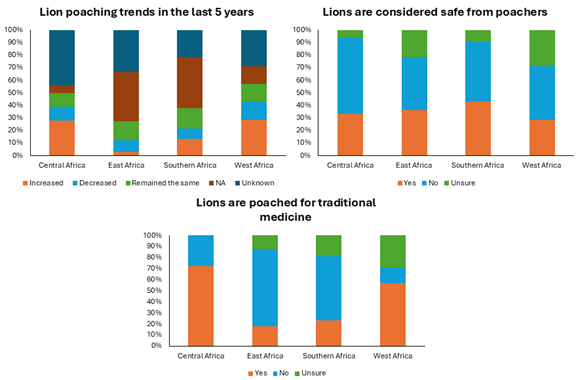
Regional differences in motives were stark: targeted poaching and retaliatory killings were most prevalent in the southern region, bushmeat bycatch dominated the central region, and the northern region primarily faced threats from trophy hunting and targeted poaching. Specifically, targeted poaching of lions for their body parts saw a dramatic rise, jumping from an average of one lion per year between 2010 and 2017 to a shocking seven lions per year between 2018 and 2023.

The study also delved into perceived threats and management capacity.

The Perceived Anthropogenic Threat Index (ATI) indicated the highest threat levels in Coutada 13 and Niassa Special Reserve (SR). Conversely, the Perceived Resource and Capacity Index (RCI), which gauges the availability of resources and management capability to reduce lion mortality, was lowest for Niassa SR, Coutadas 9/13, and the Tchuma Tchato Community Programme, indicating a significant lack of resources in these areas – Niassa having the largest lion population in the country and a known stronghold for the species.

Population viability modelling revealed wide variations in the detection rates of human-caused lion deaths across different conservation areas. Gorongosa National Park (NP), Coutadas 9/13, and the Zambezi Delta demonstrated nearly complete detection (around 100%), which instils high confidence in their population projections. This high detection rate is largely attributed to these areas having sufficient resources for monitoring and effective management strategies, such as intensive lion-specific monitoring and robust anti-poaching coverage.

However, for Niassa SR in the northern region, the detection rate was estimated to be a worryingly low 20%. This implies that its reported annual human-caused mortality rate of 3.2% is likely a severe underestimation, with the true rate potentially around 16%. Similarly, Limpopo NP had a low detection rate (20-40%), suggesting a much higher actual mortality rate, ranging from 19.8% (without the buffering effect of connectivity to Kruger NP) to approximately 40% (with Kruger NP connectivity).


Future Projections: A Bleak Outlook Without Intervention

Future projections extending to 2040 paint a stark picture: without significant interventions, most lion populations in Mozambique are predicted to either remain suppressed or face further decline. Gorongosa NP offers a glimmer of hope, showing the highest projected annual growth rate of 6.5% and expected to reach its ecological carrying capacity by 2040, thanks to its low mortality rates and effective management. In contrast, Niassa SR’s population is projected to stagnate at roughly half its ecological carrying capacity, showing a concerning tendency towards decline, a direct consequence of its high mortality and low detection rates. Most alarmingly, Limpopo NP is projected to face functional extirpation by as early as 2030 if it loses the crucial buffering effect of its neighboring Kruger National Park. This dire forecast is a result of its small population size coupled with unsustainable levels of human-caused deaths.


Recommendations: Paving the Way to Reduce the Threat

This study powerfully underscores the urgent need for national-scale action to safeguard Mozambique’s lions. To counter these critical threats, the researchers put forth several vital recommendations: it is essential to improve monitoring of lion populations and human-caused mortalities by establishing standardized systems, which will provide more accurate data for assessing trends, evaluating interventions, and establishing evidence-based quota setting. Furthermore, enhanced site security and more effectively coordinated anti-poaching operations, including the development of integrated inter-agency task forces, are crucial for bolstering regional security and alleviating pressure on local lion populations. Addressing the illegal wildlife trade necessitates targeted investigations to disrupt IWT networks and direct intervention with judiciary systems to sensitise magistrates, ensuring a robust understanding and consistent application of wildlife laws.

While acknowledging legal trophy hunting’s vital role in funding, especially in Niassa where it covers about 30% of operational costs, the authors cautiously suggest compensating for illegal human-caused mortalities within quota setting to temporarily aid local population recovery. To bridge financial shortfalls, it is recommended to develop alternative wildlife-related investment opportunities and foster tripartite partnerships among government, hunting operators, and NGOs.

Attracting greater inward investment into the conservation sector is paramount, requiring local government to create a long-term enabling environment through clear policies on public-private partnerships, simplifying bureaucracy, and streamlining engagement processes. Crucially, all conservation actions and funding models must be designed around the needs and opportunities of local communities, ensuring they become enfranchised stakeholders in lion conservation with clear incentives to coexist with these magnificent animals.

Almeida, J., Briers-Louw, W.D., Jorge, A., Begg, C., Roodbol, M., Bauer, H., Loveridge, A., Wijers, M., Slotow, R., Lindsey, P. and Everatt, K., 2025. Unsustainable anthropogenic mortality threatens the long-term viability of lion populations in Mozambique. PLoS One20(6), https://doi.org/10.1371/journal.pone.0325745

Where roads and wildlife collide: a study from south-central Uganda

Where roads and wildlife collide: a study from south-central Uganda

Where roads and wildlife collide: a study from south-central Uganda

By Erin Adams and Lizanne Roxburgh, Conservation Planning and Science Unit
 

Road networks have made it much easier for people to reach places that used to be difficult to access. However, as more roads are built, the risk of vehicles colliding with wildlife increases. One of the main ways humans and animals interact on roads is through animal and vehicle collisions. Although this happens often, it is not well-studied, especially in developing countries.

In a recent study, co-authored by EWT scientists*, road networks in south-central Uganda were examined to understand how many species were affected by collisions, and whether these incidents happened more frequently at certain times of the year or in specific locations.

The scientists studied three stretches of road, each 40km long, passing through three districts in south-central Uganda. These areas include two important wildlife habitats: the Kiyanja-Kaku wetland and Lake Mburo National Park. They surveyed these roads in the morning and afternoon once a month, focusing on both rainy (March – May) and dry (June – August) seasons. Their research took place from November 2019 to April 2024.

Each month, the scientists drove these routes at a steady speed of 15 km/h and stopped whenever they found roadkill. They recorded details like GPS location, date, time, species involved, weather conditions, season, road conditions, nearby vegetation, and how far the roadkill was from the nearest natural landscape. If they found animals that were still alive, they immediately reported them to the Uganda Wildlife Authority, who responded quickly to help.

Over the study period, the scientists recorded 161 wildlife collisions involving 178 animals. The animals belonged to different groups, including 12 mammal, five reptile, two amphibian, and 32 bird families. Some areas stood out as roadkill hotspots, where most collisions happened, and these were particularly places near wetlands and farmlands.

When researchers looked at the distance between roadkill incidents and natural landscapes, reptiles were found closest to these areas, followed by birds and amphibians. Bird and mammal collisions were more common during the rainy season than the dry season. They also noticed that animals active during the day (diurnal) were involved in collisions more often than those active at night (nocturnal). Fortunately, most of the affected animals were not considered threatened according to the IUCN Red List. However, they did record some collisions involving Near Threatened and Threatened species, and even one species listed as “Data Deficient,” meaning there isn’t enough information about it to assign a Red List Status.

The scientists emphasised that speed limits should be strictly enforced in areas with a lot of wildlife, such as wetlands and farmlands. They also suggested running driver awareness campaigns, especially during the rainy season, and installing speed bumps and warning signs on roads.

The EWT has a roadkill app called “EWT Road Watch” that can be downloaded from your phone’s app store. This can be used by the general public to submit any roadkill sightings along with the GPS co-ordinates. This will help us to figure out where the hotspots are for future interventions.

*Tayebwa, G., Nyadoi, P., Turyasingura, B., Engoru, P., & Aine-Omucunguzi, A. (2025). Wildlife–Vehicle Collisions in South-Central Uganda: Implications for Biodiversity Conservation. Conservation, 5(2), 26. https://doi.org/10.3390/conservation5020026

Green roads and highways protect biodiversity

Green roads and highways protect biodiversity

Green roads and highways protect biodiversity

By Dr Thabo Hlatshwayo, Wildlife and Transport Project, Senior Field Officer
 

Earlier this month, I had the opportunity to address around 700 delegates to the South African Transport Conference about the importance of green transport and steps that can be taken to mitigate the impact of national highways on habitat use and movement by wildlife.

This is the longest running transport conference in southern Africa serving as a forum to debate transport-related issues, including the provision of transport infrastructure, learn more about research in this field, new technological developments, and to build capacity.

During my presentation, I highlighted the fact that although transport infrastructure is critical to sustainable human economic development and society, poorly designed and built roads and highways may have negative ecological impacts.

Establishing green transport infrastructure has become an important element of sustainable development frameworks, and maintaining ecological connectivity between road-fragmented landscapes plays a significant role in conserving wildlife populations. Poorly planned transport infrastructure development can have severe impacts on ecological connectivity and species survival.

Roads can create barriers to wildlife movement, limiting the ability of terrestrial wildlife to find water, food, and mates. Furthermore, road fragmented landscapes accelerate incidents of wildlife-vehicle collisions. Whilst these incidents almost always result in wildlife mortality, they also impact populations of threatened and endangered species and pose road safety concerns for other road users (people).

These impacts are particularly relevant in South Africa, which has diverse and robust wildlife populations and is still transitioning to a greener economy. 

My recently-completed PhD studies in ecological science expand on previous research by emphasising the urgent need for adopting road development projects that optimise social and economic benefits while safeguarding biodiversity and ecosystems through the consideration and inclusion of ecological connectivity through wildlife crossing corridors. This study explored wildlife roadkill patterns and animal movement on South Africa’s national highways that intersect landscapes that are critical for biodiversity. We also evaluated the usefulness of existing road drainage underpasses not purposely built for wildlife by using camera traps at bridges, culverts and tunnels to determine whether these help animals to move across highways safely, contributing to a reduction in roadkill incidents and improving landscape ecological functionality.

The findings have been helpful in the following ways:  

  1. Guiding monitoring and modifying existing under-road culverts for reducing road-related biodiversity effects in South Africa and
  2. Offering insights into the constraining variables that influence crossing structure index by wildlife.
  3. Promoting the consideration and inclusion of ecological connectivity and biodiversity needs in road transport development sustainability frameworks in South Africa.
Biodiversity and Business Unit contributes to development of South Africa’s National Biodiversity Strategy and Action Plan

Biodiversity and Business Unit contributes to development of South Africa’s National Biodiversity Strategy and Action Plan

Biodiversity and Business Unit contributes to development of South Africa’s National Biodiversity Strategy and Action Plan

By Catherine Kühn, Biodiversity Disclosure Project Manager
 

On the 2 July, the Endangered Wildlife Trust (EWT) Biodiversity and Business Unit (BBU) team participated in continued discussions related to South Africa’s National Biodiversity Strategy and Action Plan.

This important focus group discussion with the Department of Forestry, Fisheries and the Environment (DFFE), the SA Biodiversity South African National Biodiversity Institute (SANBI), business leaders, and sustainability partners helped to continue a collaborative co-development of national targets that align biodiversity and business priorities.

These discussions are not always easy, but they are a necessary step toward national cohesion and the integration of business imperatives into core operations. They are essential to ensure that the business plan of action is inclusive and achievable, with key outcomes helping to inform the update of South Africa’s National Biodiversity Strategy and Action Plan (NBSAP), due for submission in February 2026.

Brad Nelson, Acting Biodiversity and Business Unit Manager, presented our findings from our Biodiversity and Business Action Plan (BBAP) and Business Advisory Group insights on a strategic roadmap to 2030 and business indicators to help businesses embed biodiversity into their operations, reporting, and long-term strategies.

Key reflections included:

1. The importance of contextual and relevant targets and indicators, recognising that while reporting is already happening within frameworks like the Global Reporting Initiative (GRI) and the Taskforce on Nature-related Financial Disclosures (TNFD), additional clarity and guidance are needed on the level of detail expected for biodiversity reporting.

2. There needs to be agreement on the materiality of biodiversity and the need to ensure it does not get buried within climate disclosures.

3. Strong consensus that reporting on biodiversity, including reporting around Target 15 of the Global Biodiversity Framework, should align with companies’ existing reporting processes rather than creating separate or duplicative mechanisms.

4. Recognition that more engagement is needed to develop shared guidance and clear expectations, especially on how private sector reporting will link to national targets once they are finalised.

The focus group meeting highlighted and reaffirmed the growing commitment from both government and the private sector to work collaboratively toward a nature-positive and economically resilient South Africa. As the deadline for the submission of South Africa’s revised NBSAP is almost upon us, it is important to continue these dialogue sessions and ensure that there is alignment between private sector and government.

The EWT remains committed to ensuring that business perspectives are considered and reflected in national biodiversity policy, and that companies are equipped with the tools, guidance, and support they need to adequately report and disclose. We look forward to the further outcomes from the additional sessions that were held with the other stakeholders that have also formed an important role in this whole-of-society process.

GETTING NOSY FOR TORTOISES – A CONSERVATION RACE

GETTING NOSY FOR TORTOISES – A CONSERVATION RACE

GETTING NOSY FOR TORTOISES – A CONSERVATION RACE

By Esther Matthew, Specialist Officer, EWT Drylands Conservation 
 

** Chelonians include all tortoise, turtle, and terrapin species. For the purposes of this article, we will use the term “tortoises”.

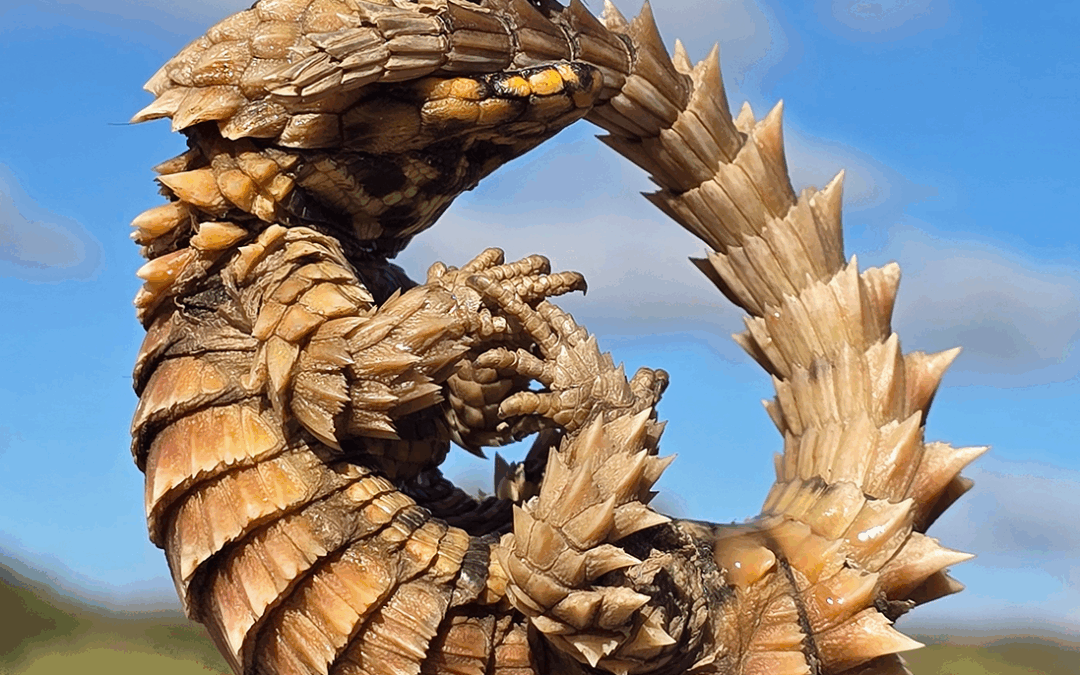
Few people are aware that South Africa holds the title as the tortoise capital of the world, boasting no less than 13 tortoise species, most of which are endemic.

Unfortunately, the statistics are damming, showing that tortoises are among the most imperilled vertebrate groups, with over 60% of the world’s 357 known species threatened with extinction (Lovich et al. 2018; Turtle Conservation Coalition 2018; Stanford et al. 2020). Approximately 52% of all assessed tortoise taxa have been classified as Critically Endangered, Endangered or Extinct (IUCN, 2020). South Africa’s tortoise species are no exception, with two species presently listed by the IUCN Red List of Threatened Species as Endangered, and one as Critically Endangered.

Multiple threats face the survival of South Africa’s tortoise species, including illegal collection, uncontrolled fires, habitat loss and degradation, and predicted changes in habitat due to climate change. In addition, the combination of climate change and electrical infrastructure has created the “perfect storm” of conditions favouring the growth of pied crow numbers in the shrublands of South Africa. Despite the decline in multiple species, there are not many proactive conservation plans and monitoring strategies for these defenceless South African species.

The Endangered Wildlife Trust (EWT), in partnership with the Turtle Conservancy (TC) and Mapula Trust, recently launched research projects focusing on conservation efforts for South Africa’s most Endangered tortoise species, the Geometric Tortoise (Psammobates geometricus). The species has a very restricted range compared to that of other species in the country. As such, there is a big need to find the tortoises in new locations, monitor existing populations and implement conservation actions.

Although these tortoises have a colourful pattern on their shells, the design helps them camouflage in the natural vegetation, making them difficult to find. However, the EWT’s Drylands Conservation Programme uses an innovative approach to help researchers find these animals—scent detection dogs.

Two Border Collies, Delta and Dash, are helping their human teammates locate these tortoises. During recent surveys, the dog team was able to increase overall finds with an average of 30%, a significantly higher detection rate of live Geometric tortoises than by their human counterparts. The dog team found an average of three live tortoises, compared to the average of 0.6 per person. That means the dogs found five times the number of live tortoises than the average human, demonstrating the value of having a dog team in the field to increase our efficiency. These canines will continue to assist our field staff for long-term monitoring of the species, to inform the conservation recommendations and to possibly assist with fire rescue missions. The hope is that Delta and Dash’s impact on the conservation of rare species will increase.

Please note: All tortoises are protected species. They are listed under the Convention on International Trade in Endangered Species of Endangered Fauna and Flora (CITES), as well as provincial legislation, such as the CapeNature Conservation ordinance of 1974 and the National Environmental Management: Biodiversity Act 10 of 2004. It is illegal to collect any tortoise species in South Africa, and they may not be kept as pets without a permit.


Conservation canines Delta (right) and Dash (left) with tortoises

Sowing Seeds of Hope – the Endangered Wildlife Trust’s Medicinal Plant Initiative

Sowing Seeds of Hope – the Endangered Wildlife Trust’s Medicinal Plant Initiative

Sowing Seeds of Hope – the Endangered Wildlife Trust’s Medicinal Plant Initiative

By Dr Jenny Botha and Phomelelo Malatji, EWT People in Conservation
 

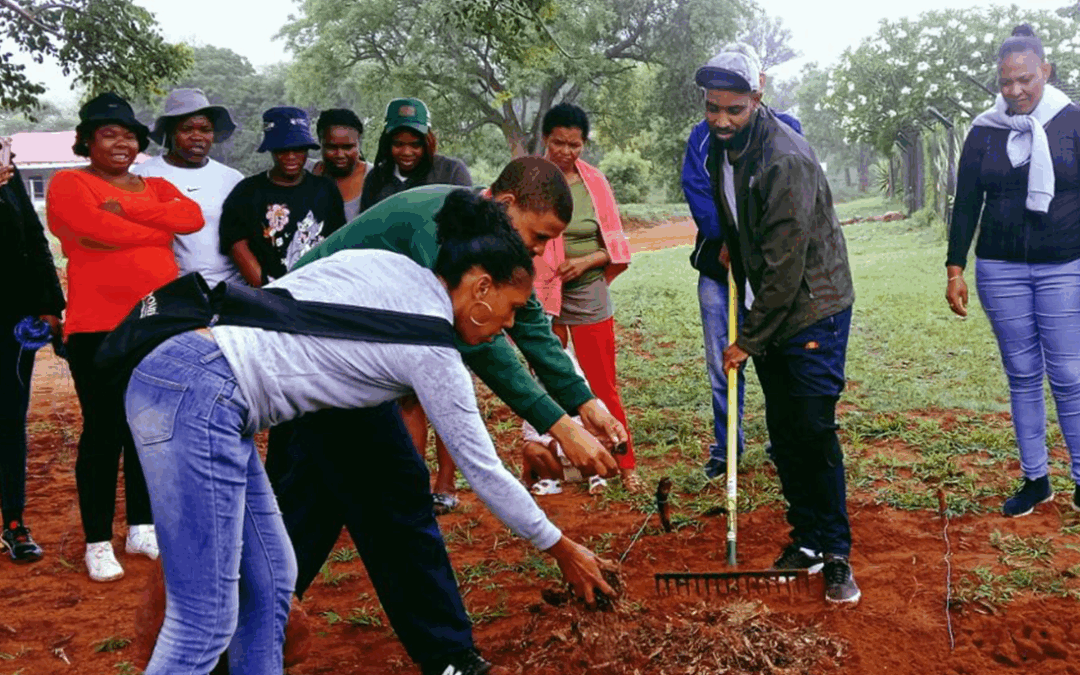
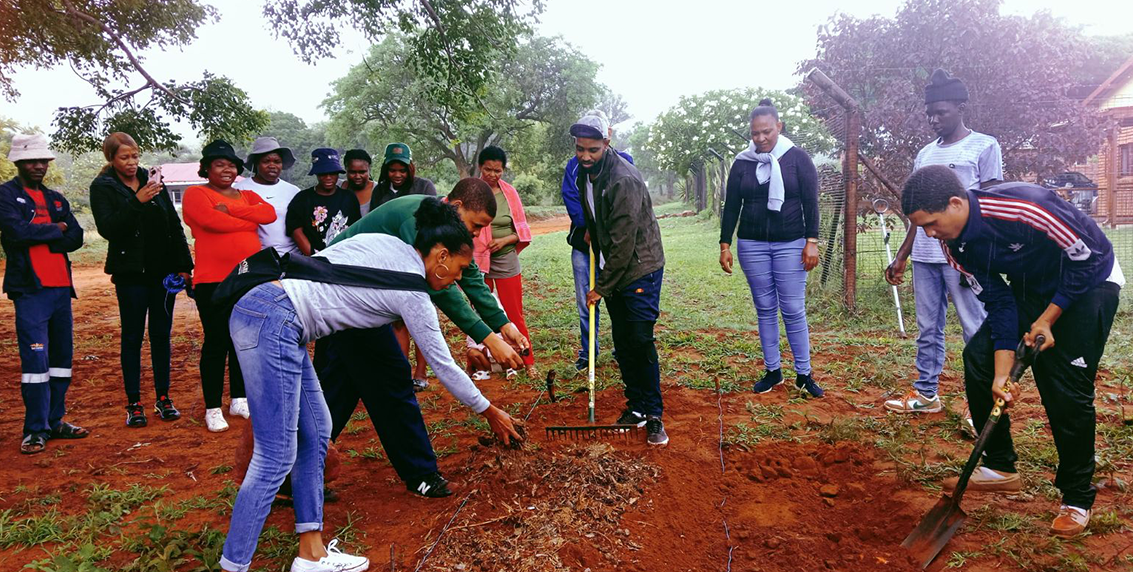
Working with traditional healers, distributing seedlings for their own cultivation

Deep within Africa’s rich and diverse landscapes, the ancient practice of harvesting medicinal plants has long sustained traditional medicine and other cultural practices, as well as livelihoods.

Historically, cultural rituals, protocols, and practices have protected plants from over-harvesting, but, as human populations have grown and rural populations migrated to urban areas, demand has increasingly outpaced available sources of many plant species. This, together with an erosion of harvesting controls and extensive transformation habitats through other human activities, has placed considerable pressure on numerous species.

In South Africa, approximately 2,062 plant species are used for traditional medicines, with about 770 species having been recorded in markets across the country. At present, 182 species are listed on the country’s IUCN Red List of Threatened Species, and 82 are believed to be at risk of extinction in the wild.

In 2019, the Endangered Wildlife Trust (EWT) launched an integrated conservation project in Limpopo to contribute to national efforts to conserve one of our most iconic medicinal plant species, the Pepper-bark Tree (Warburgia salutaris). Since then, we have expanded the scope of the project to include additional species and geographic locations in Mpumalanga, KwaZulu-Natal, and Gauteng.


Reducing threats to wild Pepper-bark tree populations in Limpopo

The Pepper-bark tree occurs in montane forests, thickets, and woodlands in the KwaZulu-Natal, Mpumalanga, and Limpopo Provinces of South Africa. It is also found in Mozambique and eSwatini. The tree is believed to be extinct in the wild in Zimbabwe.

The bark, roots, and rootbark of the tree have long been in high demand for traditional medicine across southern Africa. More recently, many of its therapeutic properties have  been corroborated scientifically. Importantly, from a conservation perspective, its leaves were found to contain the same phytochemicals as the other plant parts that were traditionally used for medicine. The substitution of leaves for bark, roots, or rootbark significantly reduces harvesting impact.

Over the past three decades, conservationists from national and regional conservation agencies have partnered with traditional healers and the private sector to reduce harvesting pressures through cultivation. Over this period, over 80,000 seedlings have been distributed to traditional healers and community members.

The EWT’s Pepper-bark tree project incorporates collaboration with traditional healers, traders, and harvesters to increase the diversity of species that are being cultivated in many areas. In addition, we are implementing strategies alongside private and communal landowners to protect and restore habitats. A seed viability assessment has also been conducted as the species germination rates in some populations are low.


Habitat protection and restoration

To secure habitat for the Pepper-bark Tree and other species, the EWT has collaborated with the Limpopo Department of Development and Tourism (LEDET) and private landowners to secure formal protection of land through South Africa’s Biodiversity Stewardship Programme. The EWT’s team of rangers has also cleared over 70 ha of invasive alien and encroaching vegetation in Pepper-bark tree habitats, which has led to what is believed to be re-emergence of Pepper-bark tree seedlings in areas where they had not previously been seen.

We are also engaging with several communities in areas where Pepper-bark trees and other medicinal species are being intensively harvested to explore opportunities to support them to improve harvesting controls and remind people of the importance of their biocultural heritage. Harvesters frequently come from outside the area and, where possible, we invite them to join this national effort to improve the sustainability of medicinal plants for now and for future generations.

Traditional healer with Pepper-bark trees in home garden

Collaboration with traditional healers, traders, and communities to cultivate and protect wild Pepper-bark trees.

The EWT has engaged with approximately 300 traditional healers from over 20 communities in Limpopo to identify strategies to reduce threats to wild medicinal plant populations. In February and March 2025, we collaborated with the South African National Biodiversity Stewardship Institute (SANBI) to develop and implement training on the cultivation of medicinal plants. This training will gradually be implemented across all our project areas to support cultivation and lay the foundation for scaling up these production efforts over time.

Following visits to SANBI’s Thohoyandou Botanic Gardens, 205 traditional healers and harvesters attended four three-day training courses in Vhembe. The training incorporated demonstrations of various cultivation and propagation techniques, discussions on legislation and the permitting system, and engagement on challenges people are facing in accessing medicinal plants.

Each participant received a starter pack and seedlings to enable them to start cultivating immediately. Our team follows up with the groups regularly to monitor the survival of plants and any challenges that they may be experiencing. We are also in the process of sourcing additional species for them to start growing.


Planting seeds of hope

Plants have been valued for their curative powers for millennia, not only as traditional medicines, but also in conventional medicine. Achieving our goals to reduce threats to species of conservation concern at scale will clearly take time and collaborative efforts across partner organisations and sectors to enable us to synergise our resources and share the knowledge, understanding, and collective effort that is required to avert extinctions.

Critically, we need to consider the needs of the poorest consumers who depend on these plants for their health care. Many simply cannot afford more expensive alternatives and it is vital that we co-develop strategies to cultivate plants that are both affordable and aligned to the cultural protocols associated with the use of these medicines so that their therapeutic values are retained or even, in some instances, restored.


Dr Jenny Botha presenting to landowners on Pepper-bark tree conservation

Fondation Franklinia has supported the Endangered Wildlife Trust’s Pepperbark tree project over the last six years and allowed our team to implement focused conservation action to safeguard this threatened species for years to come. Through this work, we have been able to secure safe space for multiple threatened and endemic species by declaring and now expanding the Western Soutpansberg Nature Reserve. Our rangers have also recovered habitats through clearing 70 hectares of exotic Eucalyptus trees from riverine and wetland mountain areas, including restoring habitat for Pepperbark trees where we are seeing natural recruitment of the species taking place.

In addition, the support of Fondation Franklinia has allowed our team to expand on critical work with traditional healers and traders, by assisting them to cultivate their own trees and distributing seedlings in three different provinces in South Africa.

We would like to thank Fondation Franklinia again for the critical support they have provided our project over this time, and congratulations on celebrating 20 years in conservation!


**  The EWT would like to thank the Fondation Franklinia for its support of this project, and for extending support to enable us to implement the second phase.  The project is also funded by the UK Government through the Illegal Wildlife Trade Challenge Fund. In addition, SANParks, through the Kruger National Park Pepper-bark Conservation Programme, which has received support from SAPPI, ARC, SANBI, SAEON and the SANParks honorary rangers, has donated Pepper-bark trees.  The Ford Wildlife Foundation has also played a key role in the success of this and other People in Conservation projects through the provision of a Ford Ranger to the EWT’s People in Conservation Unit.

Wings and Wind: Tracking Birds to Guide Safer Wind Energy Development in Mpumalanga

Wings and Wind: Tracking Birds to Guide Safer Wind Energy Development in Mpumalanga

Wings and Wind: Tracking Birds to Guide Safer Wind Energy Development in Mpumalanga

By Matt Pretorius, Project Manager Wildlife & Infrastructure
 

Mpumalanga Province is emerging as a key area for wind energy development in South Africa.

As the country accelerates its shift towards renewable energy and gradually moves away from coal, the demand for suitable locations to build new wind farms is growing rapidly. However, some of the areas with the best wind resources in Mpumalanga are also home to threatened bird species that are prone to collisions with wind turbines.

South Africa’s energy system is under pressure. Many coal-fired power stations are old and due to be decommissioned, while past delays in the completion at large-scale power projects like Kusile and Medupi made it difficult to meet rising electricity demand. Although load-shedding has become less frequent, the need for alternative energy sources remains urgent. With other wind-rich areas reaching grid capacity, developers are now turning to Mpumalanga for new opportunities.

At the same time, conservationists have raised concerns about the impact of wind turbines on birds. Some species are particularly vulnerable to collisions with turbines, as highlighted in the recent ‘Summary of Bird Monitoring Reports from Operational Wind Energy Facilities in South Africa’ by BirdLife South Africa. Some of these species of conservation concern in Mpumalanga are endemic to the region and are listed in the 2025 Regional Red Data Book of Birds of South Africa, Lesotho and Kingdom of Eswatini (Red Data Book – BirdLife South Africa).

To address this issue, the Mpumalanga Department of Agriculture, Rural Development, Land and Environmental Affairs (DARDLEA) appointed the Endangered Wildlife Trust (EWT) in 2024 to undertake the Mpumalanga Bird Flyways Research Project. This collaborative initiative, led by DARDLEA, also involves the Mpumalanga Tourism and Parks Agency (MTPA) and Birdlife South Africa (BLSA). The aim of the partnership is to gather essential data on bird movements to understand the flyways and flight patterns of birds of conservation concern in Mpumalanga in order to ensure informed decision making with regards to renewable energy projects in the province—in particular wind energy facilities.

The project involves fitting lightweight GPS tracking devices to 12 priority bird species that are particularly susceptible to colliding with wind turbines. These include Greater and Lesser Flamingos, Martial Eagle, Cape Vulture, Jackal Buzzard, Grey Crowned Crane, Blue Crane, Wattled Crane, Blue Korhaan, White-bellied Korhaan, Denham’s Bustard, and Secretary Bird. Notably, three of these species—the Blue Korhaan, White-bellied Korhaan, and Denham’s Bustard—have never been tracked before, and several others have not yet been tracked in Mpumalanga.

Since the project began in September 2024, 15 birds have been fitted with GPS tags, including seven Jackal Buzzards, four Greater Flamingos, two Blue Korhaans, and a Cape Vulture. These devices are already providing valuable insights into bird behaviour, revealing not only where species move, feed, and breed, but also bird flight path patterns indicating heights and patterns that these birds are following when in flight. Some species, such as Blue Korhaans, appear to remain within small home ranges, while others, such as Flamingos and Buzzards, travel widely between provinces.

These data will be used to map regular flyways and flight paths, as well as home ranges, and be used to develop detailed species-specific sensitivity models. These tools may also help decision-makers and developers avoid high-risk areas when planning new wind energy projects.

Some mitigation strategies are already being explored, such as Shutdown-on-Demand (SDOD) systems that temporarily stop turbines when birds are detected nearby. However, these systems have limitations. For example, many Flamingos fly mainly at night, and most existing SDOD systems are not capable of identifying nocturnal flights.

The Mpumalanga Bird Flyways Research Project is a groundbreaking initiative as it is the first state-funded project of its kind in South Africa. Hopefully it will serve as a model for other provinces to follow. By combining scientific research with conservation planning, the project is helping to ensure that the country’s renewable energy future does not come at the cost of its rich and irreplaceable birdlife.