Donate today: support our k9's 
 mission

EWT builds land and human resource management capacity in the Soutpansberg

EWT builds land and human resource management capacity in the Soutpansberg

EWT builds land and human resource management capacity in the Soutpansberg

By Dr Jenny Botha – People in Conservation Unit Manager, Endangered Wildlife Trust


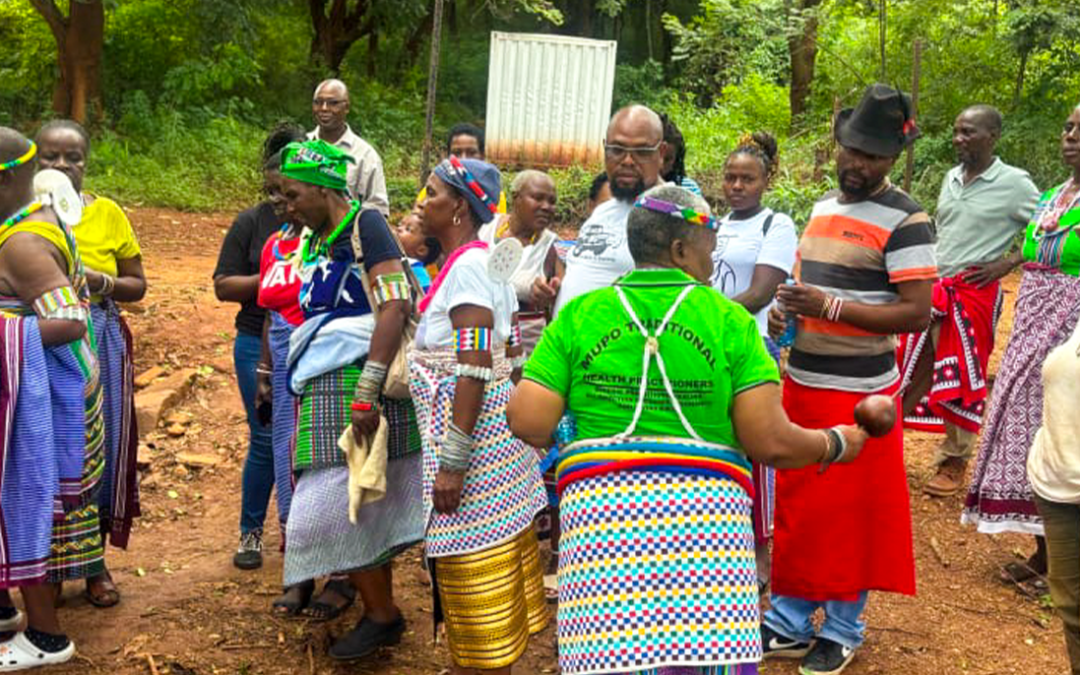
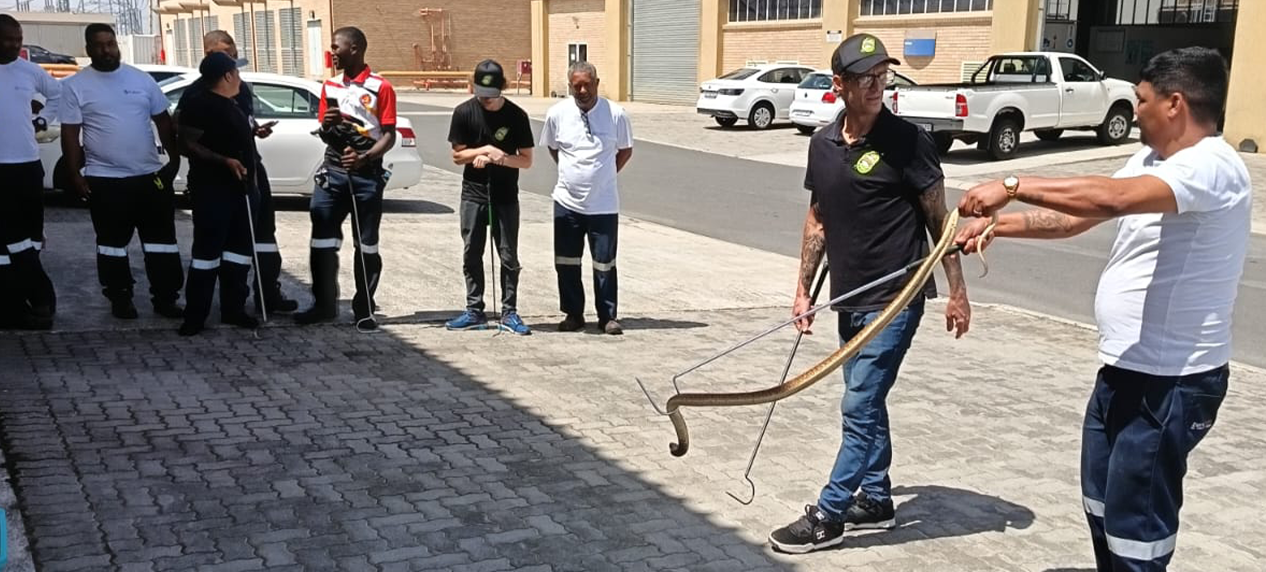
Community members in the Soutpansberg receiving fire safety training from the EWT


Given that over 80% of the earth’s land and freshwater resources fall beyond the boundaries of protected areas, it is vital that we as conservation organisations support landowners to manage their land in ways that sustain nature. 

In the Western Soutpansberg region of Limpopo, we work closely with communities and Community Property Associations (CPA’s) to build capacities and support sustainable socio-economic development. With support from a grant awarded by the National Lotteries Commission, a number of training initiatives were implemented earlier this year to build land management skills and strengthen the understanding of Occupational Health and Safety (OHS) of members of two CPAs and a community.

The training courses addressed needs previously identified by the communities, and included fire safety as well as herbicide application and brush cutter training to improve the management of bush encroachment, which is widespread in Limpopo. In addition, we implemented First Aid Level 1 training, SHE Representative,  Hazard Identification and Risk Assessment (HIRA), and an introduction to environmental and OHS legislation. In all, 61 participants benefited from the training, including 29 youth and 23 women. Some of the EWT’s Soutpansberg Protected Area rangers and managers also attended several courses. 

The fire suppression and safety training was implemented in collaboration with Working On Fire. Each group also previously received fire beaters, fire knapsacks, and cotton overalls as starter equipment. The training and equipment are already enabling communities to deploy teams to fight fires, which can pose a severe risk to both people and property. Several years ago, our Medike team assisted landowners in putting out a fire that raged for two weeks on another part of the mountain and nearly caused severe property damage.

Just as important is understanding environmental legislation and having a basic knowledge of first aid, so community members are able to help others, particularly if injuries are sustained on patrols or snare removals in the veld or on the mountain.  In addition, it is essential that they understand OHS regulations and how these need to be applied in support of the people working on properties, either formally or informally.


Farming practice

Agriculture is inherently risky, particularly in the face of climate change. In South Africa, smallholder farmers make an important contribution to food security, particularly at the local level. Many face severe challenges, however, particularly in semi-arid regions where environmental stressors are heightened. Effective fire management is essential not only to mitigate associated risks but also because fire is a valuable ecological tool for enhancing vegetation health and resilience.

Managing bush encroachment plays a key role in improving and maintaining ecosystem health and, together with rotational grazing, leads to improved grazing for livestock. In drought-prone areas, building ecosystem function and resilience is vital to ensure the long-term financial sustainability of a farm.


Occupational Health and Safety and Risk Management

Occupational Health and Safety in land management is especially important on community-owned land, which is frequently under-resourced. Common hazards include handling agricultural chemicals without adequate protective gear or training in their application, snake bite, and handling of equipment without sufficient training. These challenges are exacerbated when injuries occur in remote rural areas that lack cell networks and where people would have to walk relatively long distances to obtain help.  A basic understanding of first aid and the strengthening of OHS awareness and practices through training can significantly reduce potential risks to workers and support the long-term sustainability of land stewardship efforts. Going forward, we are supporting the CPAs and communities to develop safety plans and protocols, and ensure that low-cost, practical safety measures are considered in the event of a fire or medical emergency.

The introductory course on environmental legislation also provided people with the opportunity to improve their understanding of the rationale for legislation, which ordinarily they would not have been exposed to, particularly in a readily accessible format.


Impact

Through our Medike Reserve, the EWT has a long-term relationship with communities and other landowners in the Soutpansberg region. Our recent training courses were attended by community members as well as EWT rangers and managers, which provided a wonderful opportunity to strengthen relations and build collaboration for more effective and sustainable land management in the future.

Both CPAs and the participating community now have teams with a variety of skills that contribute to sustainable land management and human health and safety.  Several recently obtained employment in which their training could contribute to their new jobs. Clearly, this is an ongoing process but through collaboration and mutual support, it is a sound platform to grow capacity into the future.

Launch of the SADC Vulture Conservation Strategy & Action Plan (2025-2035): A Regional Breakthrough for Scavenger Birds

Launch of the SADC Vulture Conservation Strategy & Action Plan (2025-2035): A Regional Breakthrough for Scavenger Birds

Launch of the SADC Vulture Conservation Strategy & Action Plan (2025-2035): A Regional Breakthrough for Scavenger Birds

By John Davies – Birds of Prey Unit Manager, Endangered Wildlife Trust


Cape Vulture soaring above cliffs in southern Africa, symbolising regional conservation success |  Delegates at the launch of the SADC Vulture Conservation Strategy 2025–2035

Left: Delegates at the launch of the SADC Vulture Conservation Strategy 2025–2035. Right: Cape Vulture soaring above cliffs in southern Africa, symbolising regional conservation success


The 26th of August 2025 marks the day that the southern African region took a significant step forward in protecting its disappearing avian scavengers.

Working closely with the International Union for Conservation of Nature (IUCN) and BirdLife International, the Southern African Development Community (SADC) officially launched the SADC Vulture Conservation Strategy & Action Plan, a 10-year regional framework aimed at reversing the catastrophic declines of vulture populations across southern Africa.

This strategy represents a unified commitment by range states to address shared threats, coordinate data and field actions, engage stakeholders across sectors, and embed vulture conservation as a cross-border ecological priority.


Why this strategy matters

Vultures play a vital role in African ecosystems, as efficient scavengers, they remove carcasses, limiting the spread of disease and controlling populations of other scavengers (such as feral dogs) that may pose risks to wildlife, livestock and people. The precipitous decline of vulture species in Southern Africa thus rings alarm bells not only for biodiversity, but for ecosystem health and human-wildlife coexistence.
Key threats across the region include:

  • Intentional and unintentional poisoning of carcasses (often from poaching retaliation, livestock-wildlife conflict, or veterinary drugs).
  • Electrocution and collision with energy infrastructure (power lines, wind turbines) as vultures soar widely and utilise large home ranges.
  • Habitat loss, fragmentation and disturbance of nesting or roosting sites (cliffs, large trees) and changes in carcass availability.
    Without coordinated regional action, national or piecemeal efforts risk being undermined by cross-border threats, migratory behaviour, and ecological connectivity. The new SADC strategy recognises that vultures don’t respect national boundaries.


Outline of the Strategy

The Strategy & Action Plan is structured around four main strategic pillars:

  1. Reducing Threats faced by Vultures – identifying, prioritising and addressing the major direct causes of mortality and decline, including poisoning, infrastructure, and habitat loss, with specific targets of reducing poisoning-related vulture mortalities by 75% by 2035.
  2. Enhancing Data, Monitoring and Conservation Efforts – improving baseline information on vulture populations, movements, threats, monitoring change over time, and sharing data among countries.
  3. Stakeholder Engagement, Awareness & Behaviour Change – involving communities, wildlife managers, the energy sector, the veterinary sector, private landowners, and the wider public, so that vulture conservation is understood and supported.
  4. Governance, Implementation and Coordination – establishing a regional steering group, aligning national policies and legislative frameworks, ensuring resources and capacity, tracking progress through measurable targets.


Over the 10 years ending 2035, each country will develop national roll-out plans aligned with the regional framework, enabling cross-border synergies. This will include information on poisoning hotspots, energy-infrastructure corridors and migratory routes. The strategy aligns with global frameworks such as the Convention on Migratory Species and the Kunming‑Montreal Global Biodiversity Framework.

Although there are significant complexities around many of these targets and objectives, their inclusion will guide a significant amount of work in future, as well as assist in creating financial and institutional capacity to tackle these as a collective undertaking.


Countries included and scope

The strategy targets 12 vulture-range states within the 16-member SADC region. These are: Angola, Botswana, the Democratic Republic of Congo, Eswatini, Lesotho, Malawi, Mozambique, Namibia, South Africa, the United Republic of Tanzania, Zambia and Zimbabwe.

These countries collectively host a significant portion of many of these species’ global range, and species like the Cape Vulture are completely reliant on the SADC region for their range.


Benefit to vulture conservation over the next ten years

With this strategy in place, the anticipated benefits over the coming decade include:

  • Reduced mortality and improved survival: By tackling the chief causes of vulture deaths (poisoning, infrastructure, habitat loss) in a coordinated manner, we hope to slow or reverse population decline trajectories.
  • Better data and evidence base: With improved monitoring and regional data sharing, conservation practitioners will be able to identify where interventions are most needed, measure progress and adapt actions accordingly.
  • Enhanced policy and legislative alignment: National laws, energy-sector standards and veterinary regulations will increasingly reflect vulture-conservation priorities. This coordination will reduce loopholes and ensure consistent protection across borders.
  • Stronger stakeholder networks and community engagement: With local communities, wildlife managers, power utilities and veterinarians engaged, the strategy fosters behaviour change and broad buy-in, all of which are essential for sustainable impact.
  • Increased funding, capacity and partnership: A regional strategy attracts greater visibility, encourages donor investment, fosters cross-country learning and boosts institutional capacity at national and local levels.
  • Ecosystem and human-community benefits: Protecting vultures means safeguarding their role as nature’s clean-up crew, reducing carcass decomposition risks, limiting disease spread, supporting livestock and wildlife health, and maintaining ecosystem functioning.
  • A measurable “turnaround” by 2035: By setting clear timelines and measurable milestones, the strategy offers the practical possibility of reversing the vulture crisis, by restoring populations, securing safe habitat and reducing threat levels across the region.


The launch of the SADC Vulture Conservation Strategy & Action Plan marks a watershed for the conservation of these highly threatened species in southern Africa. With the strategy in place, we must now help drive national implementation, integrate vulture conservation into sectoral policies (energy, agriculture, land use), support community-level action and track impact rigorously. The next decade is critical. If we succeed, we will secure a future in which vultures continue to soar across our skies, playing their indispensable ecological role. If we delay, the window of opportunity may close.

Beyond compliance: rethinking biodiversity offsets as catalysts for conservation

Beyond compliance: rethinking biodiversity offsets as catalysts for conservation

Beyond compliance: rethinking biodiversity offsets as catalysts for conservation

By Kishaylin Chetty – Executive: Head of Sustainability, Endangered Wildlife Trust


EWT ecologist conducting habitat assessment for offset planning

Biodiversity offsets have become an increasingly important tool in environmental governance in South Africa. They are often required in Environmental Authorisations or Water Use Licenses, when residual impacts on ecosystems cannot be avoided, minimised, or rehabilitated.

But as with any tool, the design and application of offsets can either add genuine value to conservation or, if poorly managed, undermine the very systems they are meant to protect.

At the heart of responsible environmental management lies the mitigation hierarchy: avoid, minimise, rehabilitate, and only then, as a last resort, offset.

Offsets are a form of compensation for biodiversity losses that remain after every possible effort has been made to avoid and reduce harm. Too often, this hierarchy is inverted in practice, with offsets presented as a bargaining chip to justify destructive projects. This approach risks weakening conservation outcomes. Getting this right means ensuring that offsets never replace avoidance, minimisation, or rehabilitation. Instead, they should only apply to residual impacts that are truly unavoidable. Anchoring offsets within the mitigation hierarchy ensures that conservation is not treated as an afterthought, but as an integral part of development planning.

Globally, there is consensus on core principles that should guide biodiversity offsets, and the Endangered Wildlife Trust (EWT) has long championed their application in South Africa. These include:

Like-for-like or better: Offsets must conserve or restore ecosystems of the same type and ecological value as those lost or achieve a demonstrably greater gain in ecological terms.

Additionally, where offsets must deliver conservation outcomes that would not have occurred without them, they must achieve beyond what is already required under law or existing commitments.  There needs to be permanence where offset sites are secured for the long term to ensure they are legally protected and financially resourced to prevent future degradation. Measurability is required where outcomes must be quantifiable, independently verified, and reported transparently,  and Equity is vital where offsets should align with local community needs, ensuring benefits flow to those living alongside conserved landscapes.

The credibility of offsets hinges on these principles. Anything less risks “paper offsets” that look good in authorisations, but fail in practice.

At the EWT, we believe that offsets must add genuine value to conservation, not simply “greenwash” development. We play a critical role in ensuring:

  • Offsets are aligned with national and provincial biodiversity priorities, designed for measurable outcomes, and developed transparently.
  • That offsets are costed and financially modelled to calculate the realistic, long-term costs of securing and managing offset sites, avoiding the collapse of initiatives once short-term project funding ends.
  • Offset projects bring together ecologists, ESG specialists, lawyers, community specialists, and financial modelers to ensure commitments on paper translate into long-term conservation in practice.
  • That we work with government and private sector partners to strengthen guidelines, ensuring biodiversity offsets are consistent, enforceable, and credible.

Wetland restoration project site representing biodiversity offset success in South Africa

Wetland restoration project site representing biodiversity offset success in South Africa

Importantly, biodiversity offsets should never be seen as a license to destroy. They are a last resort within the mitigation hierarchy. But equally, the legal requirement to implement offsets should not discourage developers from investing in positive conservation projects outside of regulatory obligations. This is where true leadership lies. Companies can and should go beyond compliance by voluntarily supporting conservation action, even when not mandated.

Such investments can strengthen landscape resilience and water security against climate change; build trust with communities and regulators; demonstrate genuine corporate responsibility to shareholders and society; and leave a legacy of ecological and social benefits that extend beyond the life of a development project.

Positive conservation action does not only mitigate harm, but it also actively enriches the landscapes in which businesses operate.

Offsets, when poorly designed, risk becoming tick-box exercises that fail biodiversity. But when guided by science, aligned with conservation priorities, and implemented with rigour, they can secure ecologically critical habitats, mobilise private capital for conservation, and help achieve global biodiversity goals, such as protecting 30% of land and sea by 2030. The challenge now is to shift from vague conditions and under-enforced authorisations toward a system of accountable, bankable, and conservation-driven offsets. If South Africa gets this right, biodiversity offsets will not just compensate for damage, they will leave our landscapes richer, more resilient, and better prepared for the challenges of the future.

Ultimately, legal compliance should be the minimum. The real opportunity is for developers to embrace conservation as a shared responsibility, going beyond what the law requires, and becoming true partners in safeguarding Africa’s natural heritage.

Turning around the threat of extinction, one species at a time

Turning around the threat of extinction, one species at a time

Turning around the threat of extinction, one species at a time

By Yolan Friedmann – CEO, Endangered Wildlife Trust


EWT field team monitoring endangered species (Wattled Cranes)  in South African wetlands

Since our founding in 1973, the Endangered Wildlife Trust (EWT) has established itself as a leader in wildlife conservation, focusing on the African species under greatest risk of extinction. Over the decades, so-called “species conservation” became frowned upon, with a view that only ecosystem and large habitat conservation is worth the funding, focus and energy. This view is not incorrect, and the EWT has spent considerable recourse successfully conserving large tracts of grasslands, mountains, wetlands, riparian systems and drylands.

The value of this work cannot be understated, as space, intact biodiversity and ecosystem function forms the basis of all life on earth. However, there is no doubt that a strong focus on saving species, with research, monitoring and specific activities focussing on the needs to individual species or their families is just as important if we are to stem the tide of extinction that threatens to overtake numerous species whose future survival requires more than just saving their habitat.

The threats facing the survival of individual species have amplified in recent years and include targeted removal from the wild for illegal trade (dead, alive or in parts), poisoning (direct or indirect), snaring, infrastructural impacts, alien invasive species, unsustainable use, and today, more than 48,600 species face the risk of extinction at varying levels. In response, the EWT has broadened our focus and our expert teams of specialists to ensure that we cover lesser-known, but equally important and often more at-risk species that include insects, reptiles, amphibians, trees and succulent plants. This makes the EWT the most diverse and extensive biodiversity conservation organisation in the region. And, if too little is known about the species in a particular area or what may be at risk, we have a specialist team that undertakes rapid biodiversity assessment, or bioblitzes, to quickly reveal the natural secrets that may be hiding in understudied areas, but may be facing a great risk of being lost to this generation or the next.

The IUCN’s Species Survival Commission issued the Abu Dhabi Declaration in 2024, emphasising the critical importance of saving species to save all life, calling on “… diverse sectors – including governments, businesses, Indigenous peoples and local communities, religious groups, and individuals – to prioritise species conservation within their actions, strategies, and giving, recognising that protecting animals, fungi, and plants is fundamental to sustaining life on earth.”

In October 2025, as nearly 10,000 members of the world’s conservation community gathered again in Abu Dhabi for the 5th IUCN World Conservation Congress, the message was clear: Save Species, Save Life. The congress featured very powerful calls for more urgent work to be done to stem the illegal wildlife trade, halt unsustainable use and prioritise funding, research and action in order to prevent mass extinction rates. Of the 148 motions that were adopted by the IUCN Members’ Assembly, a large number focussed on the need for intensified action and policy to address the issues facing species such as:

  • Holistically conserving forests, grasslands, freshwater ecosystems and coral reefs and other marine ecosystems
  • Species recovery for threatened taxa
  • Sustainable use and exploitation of wild species
  • Invasive alien species prevention
  • Combatting crimes like wildlife trafficking and illegal fisheries
  • One Health

Species can only survive and thrive within larger, functioning and healthy ecosystems, and more space is desperately needed for our ailing planet to retain its viability as a healthy host for all life. But the life that exists in micro-habitats, and those that face ongoing persecution which threatens to decimate all chances of survival, needs rapid and targeted interventions now.

The EWT remains at the forefront of this work, having rediscovered populations of species thought to have gone extinct such as the De Winton’s Golden Mole, the Pennington’s Blue Butterfly, the Orange-tailed Sandveld Lizard, Branch’s Rain Frog and the Blyde Rondawel Flat Gecko, and effectively turning around the fate of others, such as the Cheetah, Wattled Cranes and the Pickersgill’s Reed Frog – once facing imminent risk of extinction, but now heading back to survival and expansion. Our work to discover, save, monitor and protect the most threatened, whether visible or not and whether charismatic or not, is unwavering. Together, we can turn the tide on extinction, on species at a time.

A cancelled event, storms, bad roads, no communication and vultures

A cancelled event, storms, bad roads, no communication and vultures

A cancelled event, storms, bad roads, no communication and vultures

By Danielle du Toit, Birds of Prey unit –  Field Officer


Cape Vultures soaring at Msikaba Vulture Colony in the Eastern Cape

EWT pack members never let what could be a lost opportunity go to waste.

On a recent trip to the Pondoland region of the Eastern Cape, Senior Conservation Manager Lourens Leeuwner, and I almost swore never to embark on such a journey again.

I say almost—because you never know what the universe might throw at you.

We only discovered on arrival in Mbotyi that the Eastern Cape Avitourism Roadshow had been cancelled at the last minute due to severe storms. The conditions were grim: heavy winds had lifted roofs off houses, power lines were down, and cellphone towers were out of service. To top it off, the accommodation we had managed to find was leaking, mouldy, and filled with stray dogs that insisted on following me everywhere (what’s new?).

Nevertheless, we persevered. We spent time in the surrounding forest searching for Cape Parrots, Hornbills, and other elusive species. Exploring the village—something that took all of 20 minutes—we watched the community rally to clear roads using broken chainsaws, a clapped-out 1988 Toyota Hilux, and a frayed tow rope. One young man worked barefoot with heavy machinery on a slippery tar road in cold conditions—a snapshot of the resilience (and recklessness) of local life.

With no way to book alternative accommodation online, we stumbled across a cottage during our exploration and begged the owner to take us in. Fortunately, her guests were leaving, and we found room at the proverbial inn. From there, we resumed our quest for cellphone signal. After hours of holding our phones in the air and running in circles on a cleared road, the universe humbled us yet again—no signal.

But then, luck turned. Our new home, Destiny Cottage, had satellite internet. The signal barely reached inside, but it was enough. A view of the ocean from the lounge and a supper of Salti-Crax and cream cheese (after Lourens’s half-hour mission in the Lusikisiki Spar) lifted our spirits. Using the connection, we reached stakeholders and began to reschedule the cancelled roadshow meetings.

The following day took us to the Msikaba Vulture Colony. After a long drive, a missed turn, and a detour to a random campsite, we finally arrived. Hours drifted by as we watched Cape Vultures float effortlessly between cliff faces, rising on the thermals. Over coffee and Lourens’s famous peanut-butter-and-berry-jam sandwiches, we felt the frustrations of the previous days slip away.

On our final day, before heading back to Graaff-Reinet, we met with officials from the Eastern Cape Parks and Tourism Agency in Mthatha to discuss a future Wild Coast recce.

What began as a cancelled event in the middle of storms and silence ended with vultures, resilience, and new opportunities—reminding us why we do this work, and why it’s always worth carrying on, no matter the obstacles.


Left: state of the road. Centre: Searching for signal. Right: EWT in the snow

BioBlitz Mozambique National Parks: Baseline Biodiversity Data

BioBlitz Mozambique National Parks: Baseline Biodiversity Data

BioBlitz Mozambique National Parks: Baseline Biodiversity Data

By Dr Darren Pietersen, EWT Biodiversity Survey Project Manager


EWT team conducting a BioBlitz survey in Mozambique National Parks

Limpopo River at Mapai Ferry


When you think of Mozambique, most people immediately think of the beautiful coastal resorts, the exotic foods, and the crystal-clear waters along the coastline.

However, Mozambique has another facet which much fewer people explore—the expansive hinterland. Boasting three inland national parks south of the Save River (and several more north of this river), southern Mozambique really does offer something for every traveller.

As with much of Mozambique, biodiversity data, which is detail on what species occur where, is largely lacking for these three inland national parks—Limpopo, Banhine and the Zinave National Parks. These parks are co-managed by the Peace Parks Foundation (PPF) in partnership Administração Nacional das Áreas de Conservação (ANAC – Mozambique’s National Administration for Conservation Areas).

While the occurrence and numbers of large mammals are well known, and to some extent information about bird distributions, data about the dispersal of reptiles, amphibians, fishes and insects are much less clear.

The Endangered Wildlife Trust (EWT) in collaboration with the PPF recently got an opportunity to start filling these knowledge gaps by undertaking BioBlitzes in and around these national parks. This BioBlitz falls under the Global Affairs Canada funded Restoring African Rangelands Project, implemented by Conservation International and its local affiliate, Conservation South Africa. These surveys are also being undertaken in collaboration with ANAC and the Maputo Natural History Museum.

So what is a BioBlitz? In short, a BioBlitz is a rapid biodiversity survey undertaken by a team of scientists and/or members of the public, and often involve an educational or outreach component.

BioBlitzes aim to document as much of the biodiversity (species) present in a particular area within a relatively short space of time. They are not meant to provide an exhaustive list of species occurring in an area as that would take years of continuous surveys to achieve. Rather, they provide a snapshot of the biodiversity that is present, and provide baseline data. It is generally assumed that most of the common species will be detected during a BioBlitz, and with a bit of luck at least some of the rarer and/or inconspicuous species will also be recorded.

The EWT,-PPF,-ANAC BioBlitzes are multi-taxon biodiversity surveys, meaning that we aim to document as many species at each site across nearly all of the major taxonomic groups; birds, mammals, reptiles, amphibians, plants, fishes and insects. To this end we are using both in-house expertise and external consultants to ensure that we can accurately document as much of the biodiversity that we find as possible.

During August 2025, two EWT team members undertook an initial 12-day trip through all three national parks to plan the BioBlitzes planned for September and December 2025. During this trip the team documented 1,485 occurrences of 419 species. Birds dominated the records (994 records of 211 species), although data were recorded for all the main taxonomic groups, including fungi. The team also documented the first occurrence of the Brandberg Euphorbia (Euphorbia monteiroi) in Mozambique. Also found was a population of Striped Green Spurge (Euphorbia knuthii) which indicates a range extension and partially fills the gap between the two currently known and presumed isolated populations, suggesting that this apparent isolation may be the result of incomplete survey effort rather than true isolation. Of the roughly 200 invertebrate species recorded, two are potentially undescribed: a scuttle fly (Phoridae: Aenigmatistes sp.) and a longhorn beetle in the subfamily Cerambycinae.  Other highlights included seeing a raft of more than 300 Great White Pelicans (Pelecanus onocrotalus) and a juvenile Greater Flamingo (Phoenicopterus roseus) in Banhine National Park, and another juvenile Greater Flamingo in Zinave National Park. The team also managed to capture a Mashona Mole-rat (Fukomys darlingi) in Zinave National Park, a species that is not often seen.

The EWT and PPF are planning four BioBlitz expeditions targeting nine sites across the three national parks until December and, if the initial results are anything to go by, there are likely to be several interesting discoveries in store for the team during these upcoming probes.


EWT team conducting a BioBlitz survey in Mozambique National Parks

Soil Sampling in Banhine National Park

Old Salt Trail Soutpansberg: Experience Nature and Biodiversity

Old Salt Trail Soutpansberg: Experience Nature and Biodiversity

Old Salt Trail Soutpansberg: Experience Nature and Biodiversity

By Eleanor Momberg


Diverse ecosystems encountered on the Old Salt Trail

Day 2: Hamasha Gorge

Amazing.  Mind-boggling.  Beautiful.

These are among the words used by Jo Bert, the Endangered Wildlife Trust’s Senior Graphic Designer, following their five-day hike of the Old Salt Trail in the Soutpansberg.

Jo had joined a group of hikers to experience the Trail that spans the upper reaches of the Soutpansberg Mountains in Limpopo.

“I did not have context of the trail.  I had been telling the story for months and all I had to go on was the information that had been supplied and the photos I had seen. A lot of the story so far has been conservation-focused, so going on the trail enables us to tell the story better from a marketing perspective and, through that, get more people to join,”  said Jo.

For someone who is largely deskbound at the EWTs Conservation Campus in Midrand, this was an ideal opportunity to get back to nature and to collect photos and video material needed for future projects.

“It was amazing.  I honestly love getting out away from my desk. It was so beautiful.  I think the best part is that I have looked at those photos so many times, and to actually be in that space, to stand where the photo was shot, puts the whole thing into a different perspective,”  they say.

The intrepid team of four hikers were led by the EWT Medike Reserve Rangers Tharollo Mthisi and Khathutshelo Mukhumeni.  The Old Salt Trail is a 73km, five-day, four-night slackpacking adventure traversing numerous private properties in an area that now largely comprises the Western Soutpansberg Nature Reserve.

The hike starts at the Medike nature reserve, which is owned and managed by the EWT.   On Day One, you climb 11.5km to Leshiba Luvhondo Camp.  On the second day, the hikers embark on a 15.5km hike to Sigurwana Lodge, followed on the third day with a trek of about 15km to Lajuma Wilderness Camp.  On the fourth day, the hike takes about 19km you back to Leshiba Venda Village Lodge from where you return via an 11km route to Medike on Day Five where the adventure ends.

Before the hikers set off from the bottom of the Sand River Gorge, Tharollo and Khathutshelo give a safety briefing and all luggage is loaded into a vehicle to be taken to the overnight accommodation at Leshiba.  All hikers carry with them are a day pack.

“You carry a day pack with you with your lunch in, maybe a spare jersey and your water,”  said Jo. “The first day I packed way too much, because I didn’t realise that we had so much food given to us, so I brought a whole bunch of snacks with me, and a whole lot of clothes because I didn’t know how wet we were going to get or if it was going to be super hot. I also had a bird book, but then realised that Therollo and Khathu have all the apps on their phones so we just identified with that. So every single night I was taking things out of my bag and by the last day I only had my lunch and my water and a very light jersey”.

On the first two days of the Old Salt Trail hikers not only have to tend with steep and rocky slopes, but also cross bushveld, forests, grassland and savannah beside enjoying a variety of San and Khoekhoe rock art and ancient artefacts.

“The cultural heritage in that area is so amazing.  And there are so many spots where you are in the ruins of an old village where there are bits of clay or you can see the foundations of a house. And the places with the rock paintings are fascinating,” Jo explained.

For paintings that have been damaged by years of weathering, a phone APP was used to highlight the original paintings.  “A lot of people thought that the paintings were about daily activities, but they are about special occurrences and a lot of the paintings in that area are about spirits, ancestors and trances; a lot of really spiritual stuff and not just day to day things.  And there’s a lot of giants in there that you can’t really see with the naked eye, but when put through the APP you can see them and it is amazing,”  said Jo.

On Day Three hikers head straight towards a rocky cliff and a waterfall into a Fever Tree forest before climbing to the top of Mt Lajuma, the highest point of the Soutpansberg at more than 1,727m above sea level.

“It is crazy. When I got to the top of the mountain, I looked around to see everything below and realised I had forgotten that I was actually on top of the Soutpansberg. I actually only remembered we were up on the mountain when I looked out from on top of Mt Lajuma and I saw how far down everything else was,”  said Jo.

For this adventure, hikers need to be reasonably fit.

“On Day Four there is a section where you have to climb up The Chimney as they call it. I do rock climbing and I am ashamed to admit that I needed a hand in some places.  It’s not the most insane climbing, but it is fairly technical,”  said Jo.  “I think you have to be fairly fit, but I still managed even though I was a bit ill, so it’s not an impossible thing.

Hikers have to be prepared to walk long distances.  Although there is a break for lunch and several short stops in between, it is an all-day walk across sometimes flat areas, traversing unsteady and rocky terrain, rivers and other obstacles, and scrambling up some challenging cliffs.

“You do have to be fairly confident in your ability.  If you are reasonably fit, you can do it,” they said.

The main calling card for the Soutpansberg and the Old Salt Trail is the variety of ecosystems.  Jo points out that the terrain constantly changes.

“You start on Medike where it is fairly dry … and by the time you get to Leshiba it is marshy on the side of the mountain, and on the fourth day you’re in a Yellowwood forest.  Even on the first day you start to get up into the mist belt and by Day Two you’re seeing Old Man’s Beard lichen everywhere. Some days you’re walking through grasslands or marsh and then you’re in Bracken taller than you. It changes within seconds”.

Jo added: “The amount of birds we saw was amazing.  We saw and heard birds I had never seen or heard in my life. There are so many mushrooms and there are tiny little frogs and flowers and we saw so many beautiful beetles… So many amazing things that I have never seen before, and I have seen a fair amount, but this was just blowing my mind – the amount of nature and biodiversity that I have never even seen before and it is such a small area”.

The Soutpansberg is a unique refuge.  “If you go to the Kruger National Park, you can drive for hours in the same kind of veld. Go to Soutpansberg and walk around for two hours and you have seen six different biomes, you’ve climbed a mountain, you have walked across marshy flats and it is a complete variety every five minutes.  We saw zebra and quite a couple bushbuck, klispringers, and we found several snake skins,” they said.

Jo said they did not even take much note of the iconic waterfall because there were so many butterflies and River Fever Trees.

“I was just looking at the trees and the mosses and large butterflies and the one lady that was with us knew all the species of butterfly. I learnt quite a lot.”

Accommodation

Jo has nothing but praise for the accommodation at Leshiba Luvhondo Camp and Venda Village and Sigurwana Lodge describing them as beautiful and luxurious.  Although the Lajuma Wilderness Camp was more rustic, it was comfortable, they said.

After a day of hiking, the warm facecloth at Leshiba handed to hikers and drinks and snacks served are a blessing.  Moreso the food, the comfortable huts, rondawels and tented camps with their welcoming beds—with hot water bottles—and bathrooms at the end of a day-long slog through the bush.

Jo recommends booking accommodation at Medike for the night before the start of the hike, and the last night – if you are not from nearby. This is because of the time it takes to travel there. The hike starts in the morning and ends in the afternoon.

“We stayed at the Stone Cottage at Medike, which was really nice.  If someone is coming from Joburg it is worth staying over because it is a long hike”.

Two weeks after completing the hike Jo said they were still trying to process everything seen and experienced.

“It was difficult to process in the moment and the more I think about it, I still can’t appreciate the amount we actually saw.  It was mind boggling,”  they said.


Sunset view from the Old Salt Trail Soutpansberg

Day 3: Mt. Lajuma

EWT USA: Supporting African Conservation and Tax-Deductible Giving

EWT USA: Supporting African Conservation and Tax-Deductible Giving

EWT USA: Supporting African Conservation and Tax-Deductible Giving


Tax-deductible donations to the EWT USA help protect endangered wildlife


Founded in 1973, the Endangered Wildlife Trust has championed the fight for survival of dozens of African wildlife species for more than five decades. Through its strategic pillars of saving species, conserving habitats and benefitting people, the EWT is charting a bold new path to 2050 through the implementation of a Future Fit Strategy to secure wildlife, ecosystems and work with the local communities within them.

Alongside the development of the Strategy has been the registration of the EWT USA as a 501(c)(3) non-profit conservation organisation in the United Statement with a focus on supporting conservation and community development in East and southern Africa. 

The EWT USA was registered on 4 December 2024.  

As a Section 501(c)(3) organisation registered in terms of the United States Internal Revenue Code, the EWT USA is tax exempt.  This means that donors are able to deduct any contributions made to the EWT USA under IRS Section 170. This is an incentive to individuals and business because all contributions are tax deductable. This makes it the most tangible way to support the EWT USA.

The EWT USA is led by:

  • Mr Ewan Macaulay – President
  • Ms Yolan Friedmann – Vice President
  • Mr Dirk Ackerman — Director
  • Mr David McCullough – Secretary and Treasurer


In South Africa, the EWT is registered as a Trust in accordance with the Trust Property Control Act No. 57 of 1988, with registration number IT 6247 under the Master of the High Court.

As a Section 18A Tax Exemption Institution in South Africa, individual or corporate donors are able to claim a tax deduction for their contributions to the EWT.  In order to do this, the EWT will issue a Section 18A tax deductible receipt to a donor. By receiving a tax deductible receipt donors are potentially able to reduce their taxable income. This incentivises charitable giving and encourages greater support for a conservation body such as the EWT.

Blue Crane Conservation: Protecting South Africa’s National Bird

Blue Crane Conservation: Protecting South Africa’s National Bird

Blue Crane Conservation: Protecting South Africa’s National Bird

By Dr Christie Craig, Conservation Scientist


Blue Cranes in Western Cape farmlands as part of conservation efforts

Image Credit: Pieter Botha


September is Heritage Month in South Africa, a time when we focus not only on our cultural, but also natural heritage, most notably our National Bird, the Blue Crane.

To ensure the continued survival of this species, and its growth in areas where it has shown decline in recent years, the Endangered Wildlife Trust (EWT), through our partnership with the International Crane Foundation (ICF), has increased its efforts to conserve the Blue Crane, with a strong focus on the Western Cape and Karoo.

Decades of successful conservation interventions have yielded positive results in KwaZulu-Natal and the Northern Cape, and attention is now being directed to populations in the Western Cape, with the same positive outcomes being targeted.

Blue Cranes are endemic to South Africa, with a small population found in Namibia, making these the world’s most range-restricted crane. There are less than 30,000 of these birds left in the world.

As part of our Heritage Month celebrations, and to mark Heritage Day on 24 September,  the EWT/International Crane Foundation partnership is expanding its existing activities to safeguard the future of Blue Crane populations in the Western Cape, by intensifying our focus on habitat restoration with communities and farmers, and addressing threats posed by energy infrastructure.

The Blue Crane (Anthropoides paradiseus) is an important element of South Africa’s natural heritage, serving as a flagship for conservation in agricultural landscapes, from the rolling grasslands of KwaZulu-Natal to the expansive plains of the Karoo, to the patchwork of crops and renosterveld in the Western Cape. 

Since 1994, the EWT/International Crane Foundation partnership has been committed to Blue Crane conservation in South Africa, running projects in the grasslands, Karoo and Western Cape. Over the last 10 years, the majority of our applied crane conservation work has focused on the Drakensberg region, where Blue Cranes have historically faced steep declines. With consistent conservation action, including natural habitat protection, powerline impact mitigation and community projects, Blue Crane numbers are now slowly increasing, testimony to the success of our conservation activities.

Until 2010, Blue Crane numbers were increasing and healthy in the Karoo and Western Cape. However, a recent PhD study supported by the EWT/ICF Partnership reveals that numbers have subsequently been declining in these areas, especially in the Overberg ,where counts have dropped by 44% between 2011 and 2025. For more info on the reasons for this decline, see our June press release.

This has sparked the need for renewed conservation effort underpinned by a multi-stakeholder conservation plan, which was developed with the help of the Conservation Planning Specialist Group, gathering inputs from NGO, industry, landowners, communities and government.   


The  conservation plan comprises four parts:

1: Habitat protection.

The partnership will continue its commitment to Blue Crane conservation in the Drakensberg through ongoing habitat protection and will expand this work from the Western Cape into the Karoo. 

2:  Addressing energy infrastructure impacts.

Because Blue Cranes are particularly susceptible to colliding with energy infrastructure, the relationship with energy suppliers is being expanded to address this issue through powerline mitigation and improved infrastructure routing.

3:  Crane Friendly Agriculture

Engagement with the agricultural industry is increasing to co-create solutions that allow Blue Cranes and other species using the agricultural matrix to thrive alongside agricultural production. Blue Cranes are especially dependent on agriculture in the Western Cape, but also use agricultural habitats in the Karoo and grasslands. Work in the agricultural sector will focus on addressing threats such as poisoning and breeding disturbance, as well as helping farmers address crop damage issues.

4:  Research and Monitoring:

This is an essential underpinning of any good evidence-driven conservation project. Through monitoring Crane numbers and breeding success, we will be able to gauge our impact. Without research, we wouldn’t have known that Blue Cranes’ numbers were declining or why. Through continued research, we will keep abreast of changes in the Blue Crane population and in the landscapes that they depend on.

The implementation of this four-pronged approach creates certainty for the EWT/ICF that we can reverse the decline in the Blue Cranes populations in the Karoo and Western Cape, as we have done in the Drakensberg region. 

The EWT remains committed through the implementation of its Future Fit Strategy to working with partners throughout Africa to ensure the survival of crane species, particularly the Blue Crane. Grey Crowned Crane and Wattled Cranes.


**  The EWT/ICF projects are generously supported by the Leiden Conservation Foundation, Eskom, Hall Johnson Foundation, Indwe Risk services, Jacksonville Zoo and Gardens Zoo Neuwied, Safari West, Nashville Zoo and the Paul King Foundation

IVAD 2025: Protecting Vultures, Nature’s Clean-Up Crew

IVAD 2025: Protecting Vultures, Nature’s Clean-Up Crew

IVAD 2025: Protecting Vultures, Nature’s Clean-Up Crew

By John Davies, manager of the Birds of Prey Unit


Vulture in flight over African savannah


The protection of vultures is critical for the role they play in our environment, as well as the irreplaceable ecosystem services they provide for all species.

Without vultures, Africa faces a silent crisis. These birds are nature’s most efficient clean-up crew, preventing the spread of deadly diseases that threaten wildlife, livestock, and people. Yet across the continent, vulture populations are collapsing at unprecedented rates, mainly as a result of intentional and unintentional poisoning, as well as the impacts of energy infrastructure. Species that are often thought of as widespread, such as the White-backed Vulture, have undergone population declines of between 63 – 89% over the last three generations, with much of this change having gone mostly unnoticed.

Earlier this month, the Endangered Wildlife Trust (EWT) joined organisations across the globe to mark  International Vulture Awareness Day (IVAD); a day initiated by the EWT in South Africa and the United Kingdom, and which has now grown into a global movement, shining a spotlight on these critically important, yet often misunderstood, birds. The purpose of IVAD is to raise crucial awareness about the plight of vultures and the urgent need to conserve them.

As nature’s clean-up crew, they consume carcasses quickly and efficiently, reducing the spread of deadly diseases to both wildlife and people. The Asian Vulture Crisis, spanning the 1980s and 1990s, saw declines of over 99% in the population of vultures in this landscape. Subsequent research has shown that the loss of these birds resulted in a four percent increase in total human mortality rates. Today, it serves as a warning of what may happen should Africa follow a similar path. Protecting vultures is, therefore, a matter of protecting biodiversity, ecosystems, and people.


The threats vultures face

Vultures are among the most threatened groups of birds in the world. Across Africa, their numbers are declining at alarming rates, driven largely by a range of threats. Although the impact of each of these is variable, wildlife poisoning consistently stands out as the most significant. Beyond the impacts of wildlife poisoning and energy infrastructure, additional contributing factors include:

Vultures are also threatened by: 
  • Persecution due to negative perceptions and belief-based use.
  • Loss of habitat as natural landscapes shrink under pressure from human expansion.
  • Disturbance of nest sites because of increased activity in protected areas.
  • Drowning in unsafe water points such as farm reservoirs.


Without urgent intervention, Africa risks losing these vital species within our lifetimes.

What the EWT is doing

The EWT is at the forefront of efforts to secure the future of vultures and other birds of prey in southern Africa. Our work spans a variety of focal areas, and during the last year has included:

  • Rapid response to poisoning incidents, where, with the assistance of our partner organisation, Moholoholo Wildlife Rehabilitation Centre, we have saved 104 vultures from near-certain death.
  • Through the application of technology, we have detected 20 significant wildlife poisoning incidents that otherwise may have gone unnoticed, as well as 11 poisoned bait sources that were found early enough to not result in further mortality of wildlife.
  • We’ve investigated and mitigated over 80 incidents on energy infrastructure, working towards these sites not remaining a threat within the landscape.
  • Monitoring and research to better understand vulture movements, breeding, and survival.
  • Proactively working towards improved policy and guidelines for vulture conservation, including the development of standard operating procedures for poisoning response, the treatment protocols of poisoned wildlife, and contributing to national implementation of conservation action through the National Vulture Task Force.

In the Karoo and Kalahari, we have worked with farmers to create what is known as Vulture Safe Zones.  The Karoo Vulture Safe Zone, which came into being in 2016 and includes three national parks and a protected environment, presently spans more than 700,000 ha, while the Kalahari Vulture Safe Zone now spans more than 271 204 ha.

However, the conservation of these birds is not something that should be looked at as something done by organisations in isolation. Everyone has a role to play in protecting vultures.

To join the EWT in ensuring a secure future for all vultures, one of the steps members of the public can take is to report any suspected poisoning incidents, injured birds, or wildlife crime to local authorities such as South African National Parks (SANParks), provincial nature conservation authorities or the EWT immediately.

By embarking on small but meaningful actions, members of the public can help ensure that vultures are celebrated, protected, and given the chance to thrive for generations to come.

The EWT calls on the global community to stand with us in celebrating and protecting vultures. Together, we can ensure that these remarkable birds continue to soar across our skies for generations to come.


** The EWT would like to that the Briandez Legacy Trust, Plum Foundation, Charl van der Merwe Charitable Trust, Blue Sky Society, Investec, Mohamed bin Zayed Species Conservation Fund and Global Affairs Canada for your ongoing support of our Vulture projects.