DOWN TO EARTH
Esther Matthew, Specialist Conservation Officer, EWT Drylands Conservation Programme
EstherM@ewt.org.za
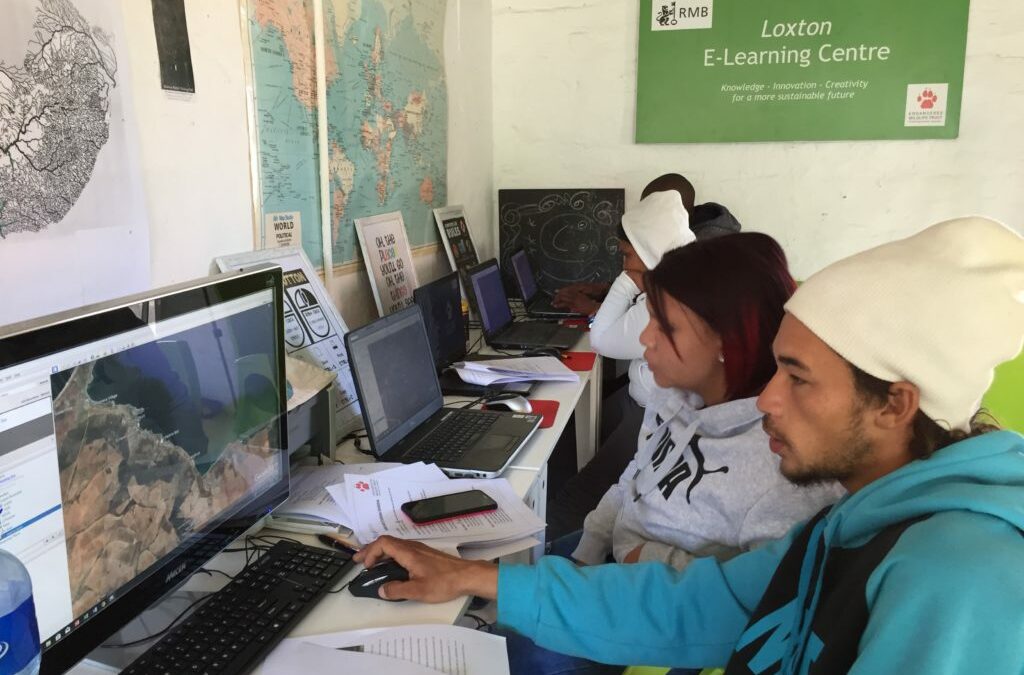
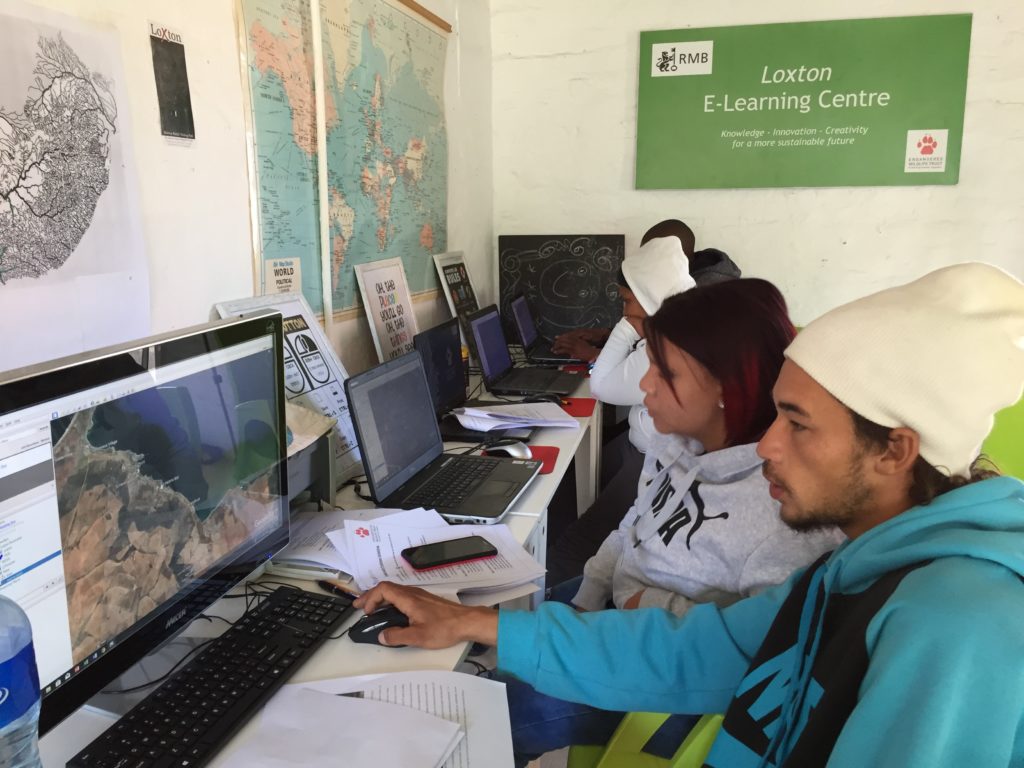
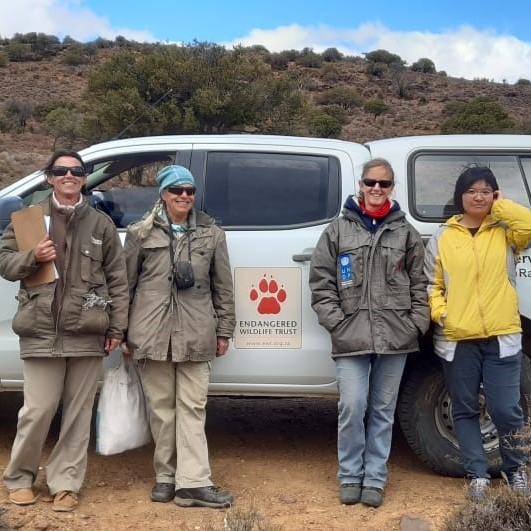
The EWT’s Drylands Conservation Programme hosted a Google Earth Pro training course at the Loxton e-learning centre, for our AgriSETA learners and two Agricultural Advisors from the Department of Agriculture, Land Reform and Rural Development working in our area. The AgriSETA students are completing their National Certificates in Animal Production through AgriSETA and facilitated by the EWT, while the International Agricultural Academy for Africa is the training implementer. The students are all part of farming families in Loxton; as such they are important entry points for access to technological literacy for these families. We referred one of the farmers back to his daughter, on the same day, when he arrived to collect her and asked us to help map his agricultural plots – we are pleased to report the impact was immediate!
This initiative forms part of the EWT’s Karoo Forever, sustainable land management, project and is funded by the Global Environment Facility through the Department of Environmental Affairs and the United Nations Development Programme.
LEAVING A LEGACY
The EWT relies on bequests both large and small to ensure that we continue fulfilling our vision of a healthy planet and an equitable world that values and sustains the diversity of all life. None of us can avoid the need to have an up-to-date will, ensuring that our last wishes are carried out and our legacy is continued in the way that we would choose. Including a bequest to an organisation like the EWT that you have supported in your lifetime, or that you would have liked to support, is a way to bring meaning and purpose to a life well-lived, and know that you have left the legacy of a better planet for future generations. We assure you that your legacy will make a lasting impact to the benefit of all who inhabit our beautiful country.
Your bequest will help us to…
- Empower communities to live and work in harmony with nature
- Increase safe space for Cheetahs and Wild Dogs in South Africa and beyond
- Conserve grasslands and wetlands to secure our critical water sources
- Ensure our iconic raptors remain in the skies
- Raise awareness and create connections between young people and their natural environment through our schools programmes, developing the guardians of the future
… and so much more!
We are proud to be working with Capital Legacy to make leaving a legacy even easier. With a wealth of knowledge and expertise, Capital Legacy provides you with client-centric and excellence-driven service when it comes to drafting your Will, taking care of the administration of Trusts and administering your Estate in the event of your death. Capital Legacy are also the innovators of the Legacy Protection Plan™, an insurance product that completely protects your beneficiaries from the legal fees and expenses that arise when you pass away. Capital Legacy is also committed to protecting forever, together, and for every Legacy Protection Plan™ referral they receive from the EWT, they’ll be making a donation to the organisation. Find out more at https://ewt.org/get-involved/get-involved-leave-a-legacy/ or contact TammyB@ewt.org.za
FROGGING FUN
Dr Jeanne Tarrant, Programme Manager, EWT Threatened Amphibian Programme
JeanneT@ewt.org.za
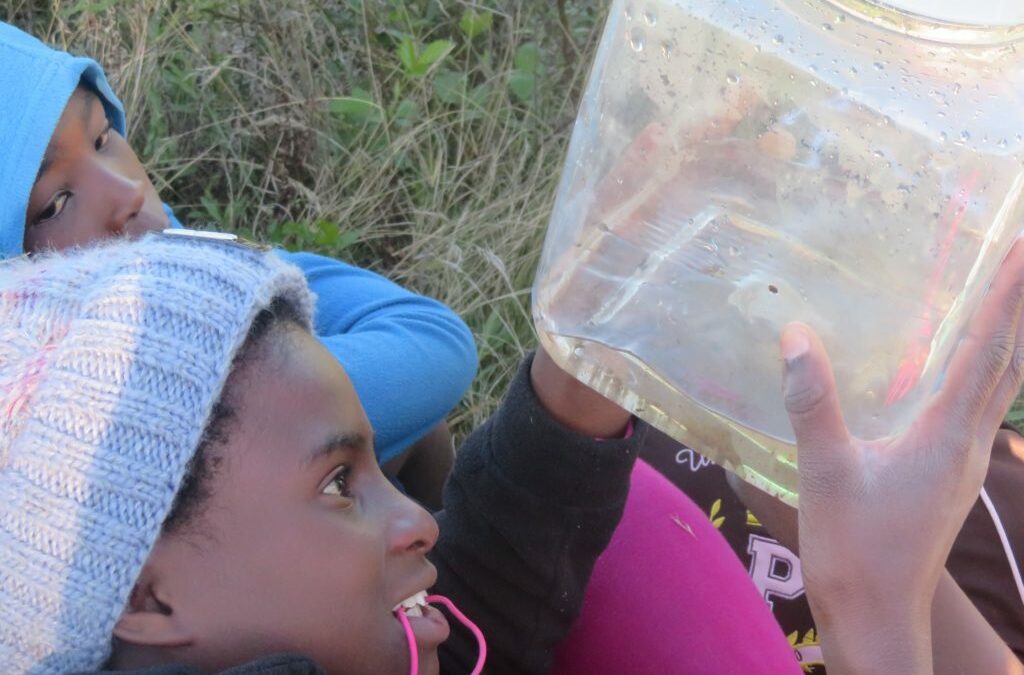
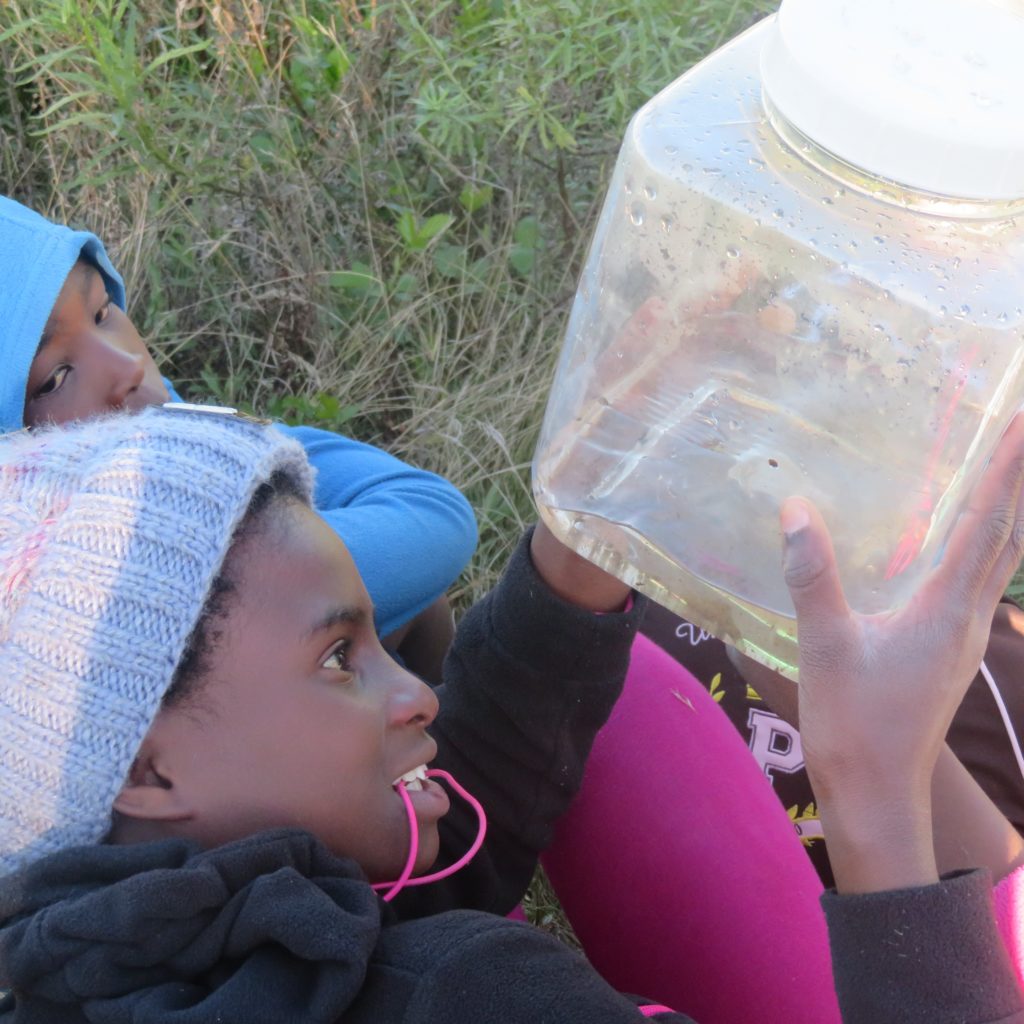
Each year, for the past three years, Jeanne Tarrant, manager of our Threatened Amphibian Programme, has participated in the Roselands Trust’s Butterfly Project at Roselands Outdoor Centre, in Richmond, KwaZulu-Natal. The Centre hosts school groups throughout the year for outings on environmental learning and team building. During the September holidays this year, 40 youth from some of the most impoverished local schools were invited to Roselands for an intensive 5-day experiential learning programme on environmental awareness. Roselands is also special as it is a Stewardship site, i.e. a declared protected area, while still being on a working farm, and it hosts several threatened species including the Endangered Mistbelt Chirping Frog and increasingly rare Blue Swallow.
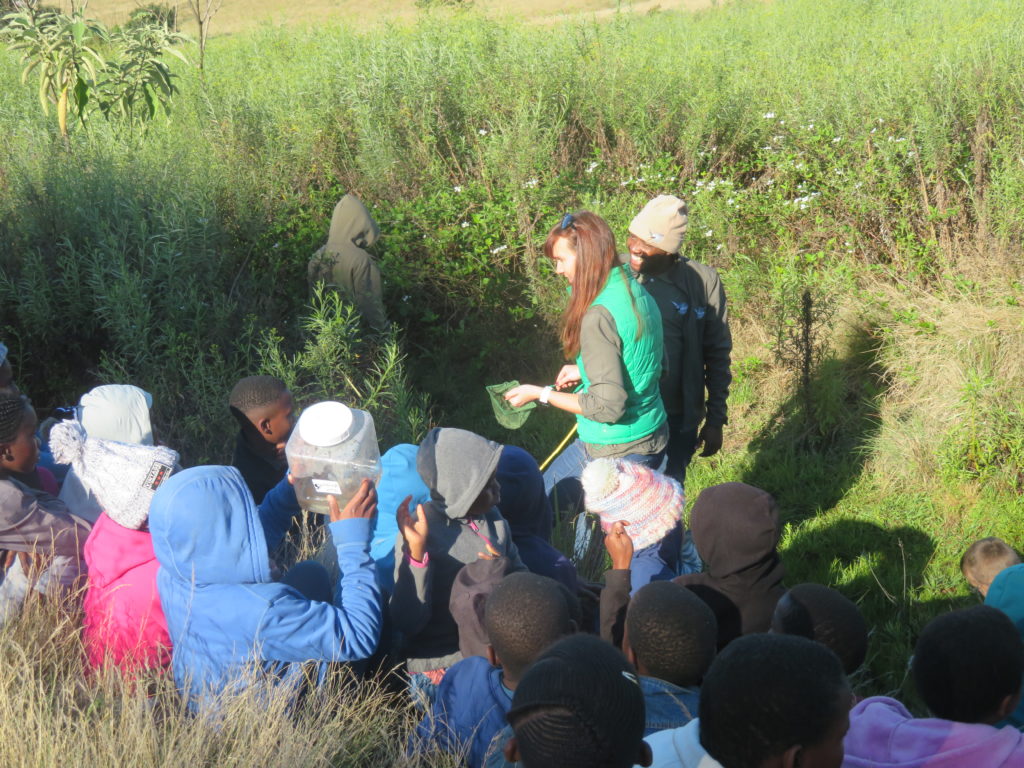
Jeanne joined the Butterfly Project group on 25 September and took them “frogging” in the catchment area close to the Centre, as well as ran through our basic “Frogs in the Classroom” junior school learning programme. This exercise is crucial in reducing fears about frogs, as many of the children are terrified of frogs. Through some hands-on observation of live tadpoles and frogs, and discussion about some of the myths associated with them, such as that frogs shoot lightning from their mouths; frogs stick to your skin if you touch them; frogs are poisonous and frogs are curses. It is great to see how after engaging with the learners the fear of frogs is visibly reduced. Listening to frog calls is one of the best ways to identify them, and in the evening Jeanne and the children spent some time listening to calls. This teaches the children to really listen for different sounds in nature – sometimes very different to what we imagine, for example, many frogs sound like birds or insects. We even managed to fit in some star gazing – a wonderful opportunity to absorb the tranquil atmosphere of this setting.
This work is made possible by Rand Merchant Bank.
OUR PACK IS ON THE MOVE! AND THIS TIME, WE ARE DENNING FOR GOOD
Yolan Friedmann, EWT CEO
YolanF@ewt.org.zaThe EWT has, for over 47 years, been a champion of conservation in southern Africa, putting a wide diversity of threatened species on the road to a secure future. Our work to successfully address human-wildlife conflict, developmental impacts, habitat loss, over-utilisation, and inadequate enforcement of our robust legal framework, has seen a number of species recover from their perilous fates and begin their journey towards a sustainable, albeit a conservation-dependant future. Our innovative spirit, based on generating new ideas and conceptualising ground-breaking solutions, and developing inclusive partnerships for collaborative thinking, supports the possibility of a sustainable future for the wildlife and communities we serve.
With a focus firmly on the future, and to ensure that the EWT remains a strong and impactful conservation force forever, we have long since recognised the need to secure our own foundation, but by achieving this ‘the EWT way’, that encompasses innovative, collaborative and future-ready thinking. The EWT has now taken a giant step towards protecting our own forever.
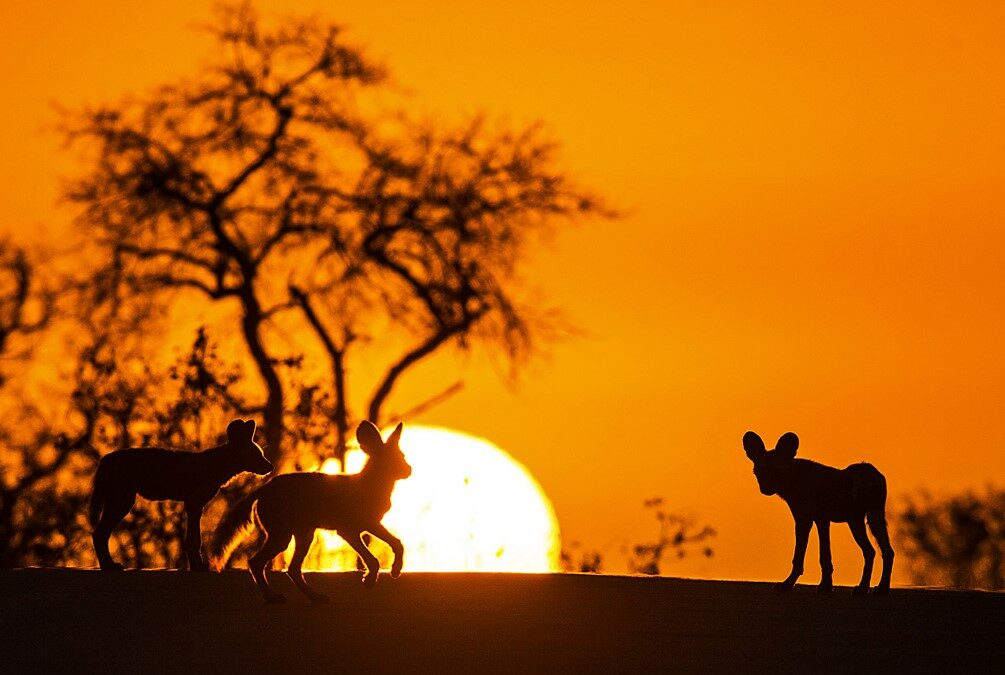
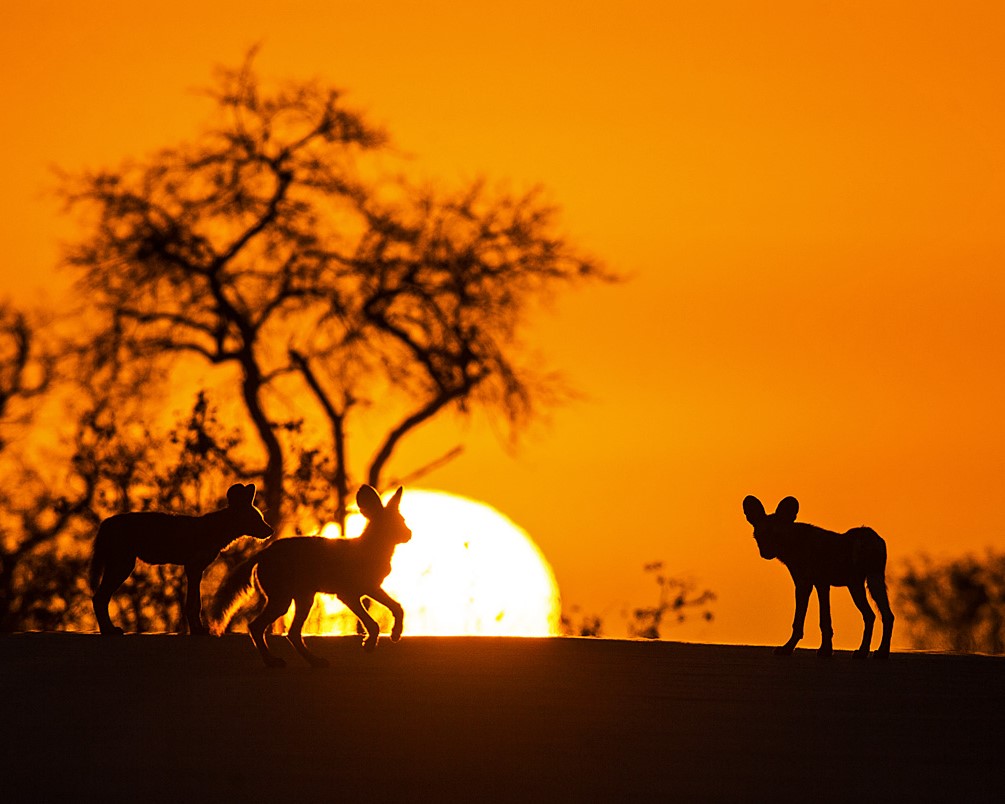
The Wild Dog pack chooses its den wisely. The best dens offer the pack – and their pups, their future leaders – a safe home, with good access to resources, security from major threats, and ease of access for pack members. A safe haven in which the future of the pack can be nurtured and developed, and where the best of the species will not only survive, but will grow and thrive.
After a long search, the EWT has found its den and will soon be relocating to our forever home in Glen Austin, Midrand. Nestled in the middle of Johannesburg’s bustling development circle, the EWT’s den offers more than 6 hectares of prime under-developed property encompassing a protected wetland and Highveld grass cover. With close proximity to all major highways and byways, the EWT’s new home is also within easy cycling distance from the Gautrain station. Set midway between Pretoria and Johannesburg, it is quite extraordinary that the EWT was able to find a 15-acre site that is not only perfect for our own dream, but also worthy of conservation in itself. The site forms part of a critical waterway connecting a series of wetlands and streams in the Glen Austin area, a suburb renowned for its high diversity of wildlife, and in particular, the rare Giant Bullfrog. Despite increasing urbanisation, this area still offers refuge to Cape Clawless Otters, Grey Herons, and even an occasional African Python.
The EWT has achieved great gains for the conservation of several threatened species and their habitats, over many years, with the support and teamwork of our great partners. With their eyes also firmly set on the future and how we will protect forever together, the Hans Hoheisen Charitable Trust, and Rand Merchant Bank have helped to secure the EWT’s future by investing in the dream of developing a Wildlife Campus in the City. Our dream is to create much more than a den for only the EWT and, in time, the true scale of our vision will be revealed.
Our future is bright and we look forward to embarking on an ambitious project that will revolutionise the way in which the EWT operates as an entity, interacts with our stakeholders, shares resources, educates and informs all people, builds capacity, initiates enterprises, embraces new partnerships, and showcases the marvels of our natural world.
Our pack is on the move and, by the end of 2019, the EWT will be setting up home for the last time. A home that offers refuge, sanctuary, and safety for wildlife and wildlife lovers far and wide, and which will catalyse life-changing moments for decades to come.
From 2020 onwards, please note our new contact information:
Physical address: 27 and 28 Austin Road, Glen Austin AH, Midrand, 1685
Phone: 011 372 3600
Several other partners have contributed significantly to making this dream a reality including Standard Bank, SpeedSpace, Wiggett Architects, Ryobi, Duram Paints and The Meter Man. We are immensely grateful to all those who share our vision and to those who will soon join us in this journey.
HABITAT STUDY HELPS SOLVE THE PUZZLE
Bonnie Schumann, Nama Karoo Coordinator, EWT Drylands Conservation Programme
BonnieS@ewt.org.za
The EWT’s Drylands Conservation Programme recently joined forces with Dr Sue Milton, Karoo ecologist and botanist, to characterise Riverine Rabbit habitat in the Succulent Karoo and Renosterveld. Our aim is to understand the exact habitat requirements of Riverine Rabbits in the southern- and eastern populations.
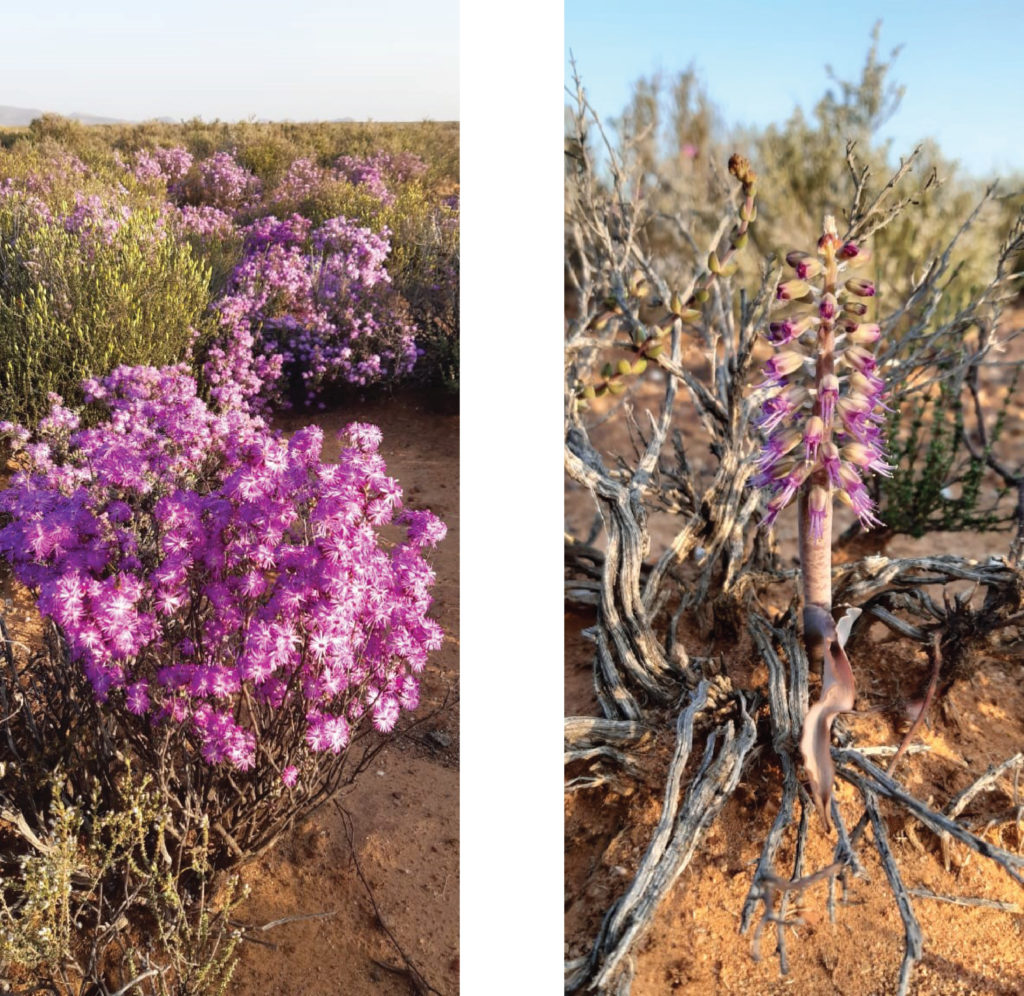
Most of the past work done on Riverine Rabbit ecology and habitat was carried out in the northern population of rabbits, which were first described and documented in the Nama Karoo in 1901. This region has been the focus of much of the research and conservation efforts to date. As such we have a pretty good understanding of rabbit behaviour and habitat requirements here. Our understanding of the southern population, in the Succulent Karoo, is less comprehensive. This is due to the fact that Riverine Rabbits were only discovered in the Succulent Karoo in 2003. Incredibly, a third eastern population remained undetected in the western Baviaanskloof area until 2018. To understand these populations better, camera trap surveys were carried out near Touwsriver and in the Baviaanskloof, yielding excellent results in terms of detecting Riverine Rabbits.
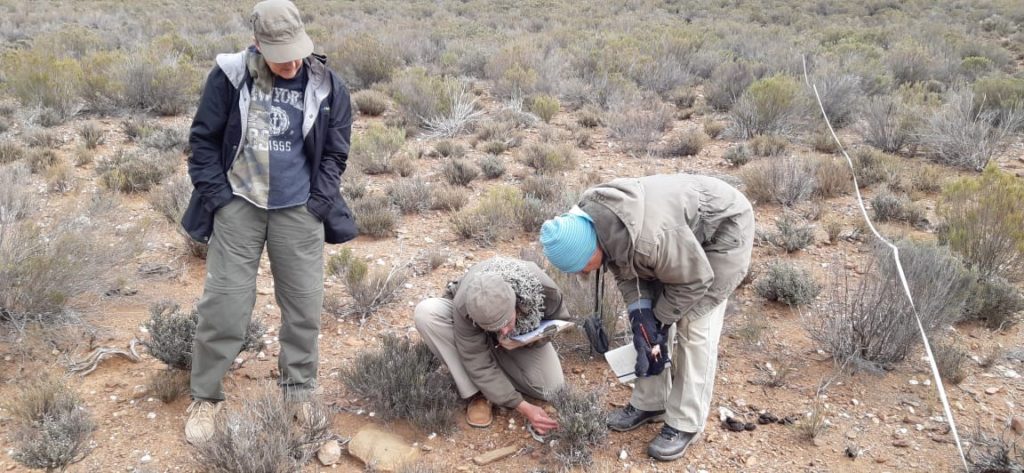
We revisited these locations in in September (spring) to describe the plant communities in the vicinity of the cameras where rabbits were detected. Plant species, the height and cover of the vegetation were recorded, as well as other factors such as slope aspect, soil type and depth and distance to nearest riparian areas. The results of this work will narrow down future search areas and assist us to identify corridors between known populations. Understanding what ideal habitat looks like will also inform how best to manage known distribution areas to maintain existing populations.
Many thanks to Dr Sue Milton (RenuKaroo) and Liesl Eichenber (Ecologist on Sanbona Nature Reserve), for their assistance and helping to complete the Riverine Rabbit puzzle.
The work was made possible with funding from Rand Merchant Bank and the Zoological Society for the Conservation of Species and Populations (ZGAP).
EXPANDING OUR CONSERVATION FOOTPRINT IN THE SOUTPANSBERG
Belinda Glenn, EWT Marketing and Communications Manager
BelindaG@ewt.org.za
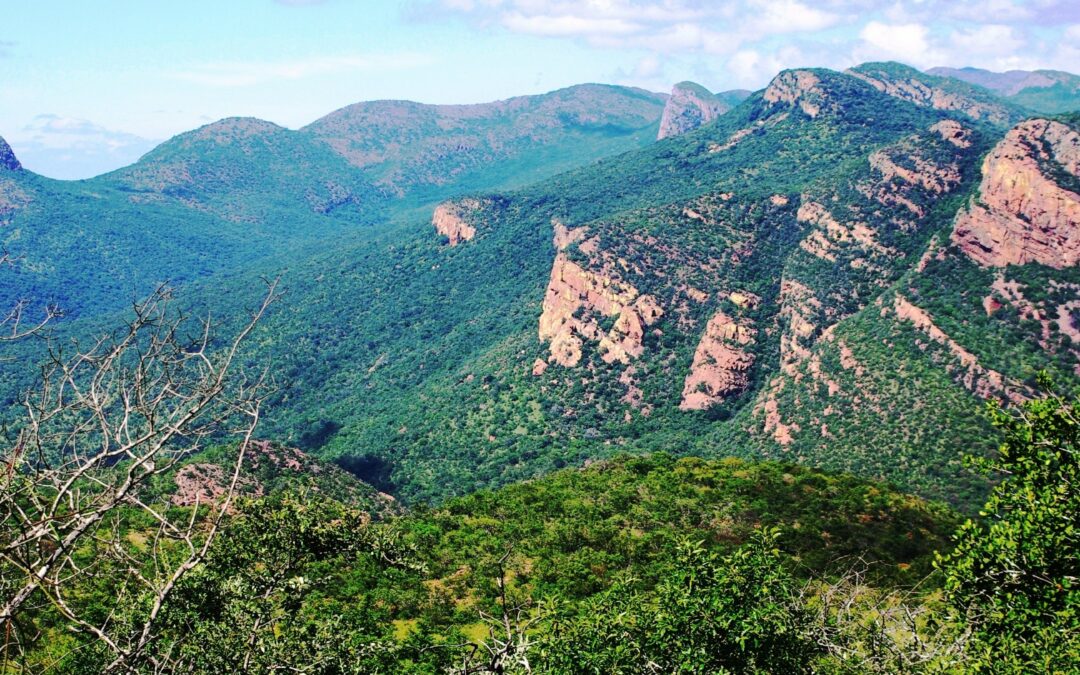
A little over a year and a half after our purchase of the Medike Nature Reserve, the EWT has acquired an additional 1,335 ha of critically important habitat in the Soutpansberg Mountains. This brings the area under EWT conservation management to around 2,800 ha. This recent acquisition borders the Medike Nature Reserve, which was acquired in 2018, a wonderful feat made possible by the generous support of Rainforest Trust (USA), the Roberts family (Australia), and James Douglas Wilson (Bahamas).
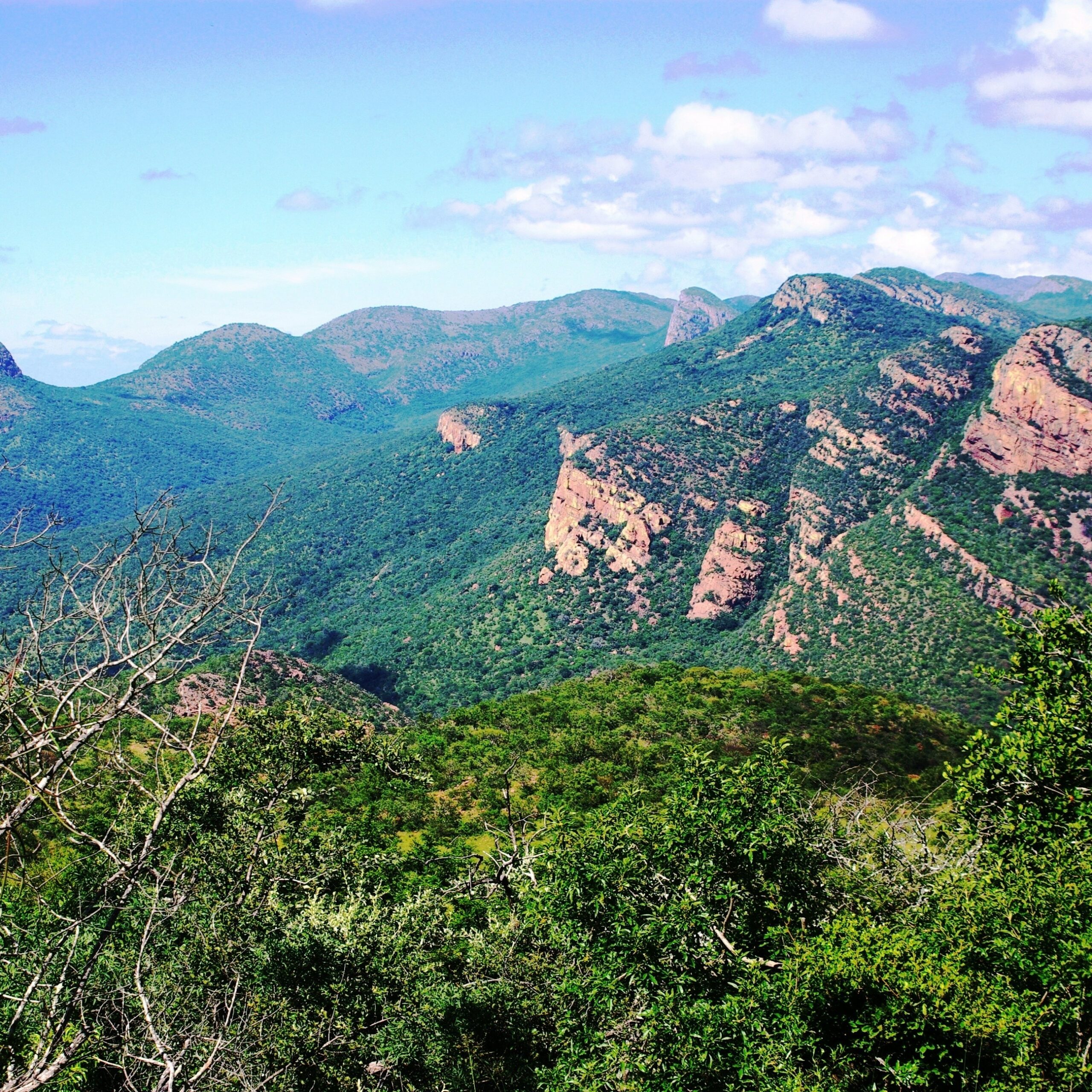
The Soutpansberg Mountains within the Limpopo Province are South Africa’s most northern mountain range and are home to thousands of species of insects, plants, birds and mammals that are found nowhere else on earth. With less than two percent of this area being formally conserved, the EWT has identified this region as being in urgent need of protection due to the high presence of threatened species, its extraordinary variety of important habitat types, its crucial role in water production, and its value as a centre of cultural heritage for many communities.
The initial purchase of the Medike Nature Reserve only the first step in a long-term project to realise the dream of establishing the Soutpansberg Protected Area, which will ultimately span in excess of 23,000 ha. Not only does the newly acquired property protect a variety of unique vegetation types such as the extremely rare Northern Mistbelt Forest, the endemic Soutpansberg Summit Sourveld, and Soutpansberg Mountain Bushveld, of which only 3.6% was previously protected, it also forms a critical link between the EWT’s Medike Nature Reserve and the existing Happy Rest Provincial Nature Reserve.
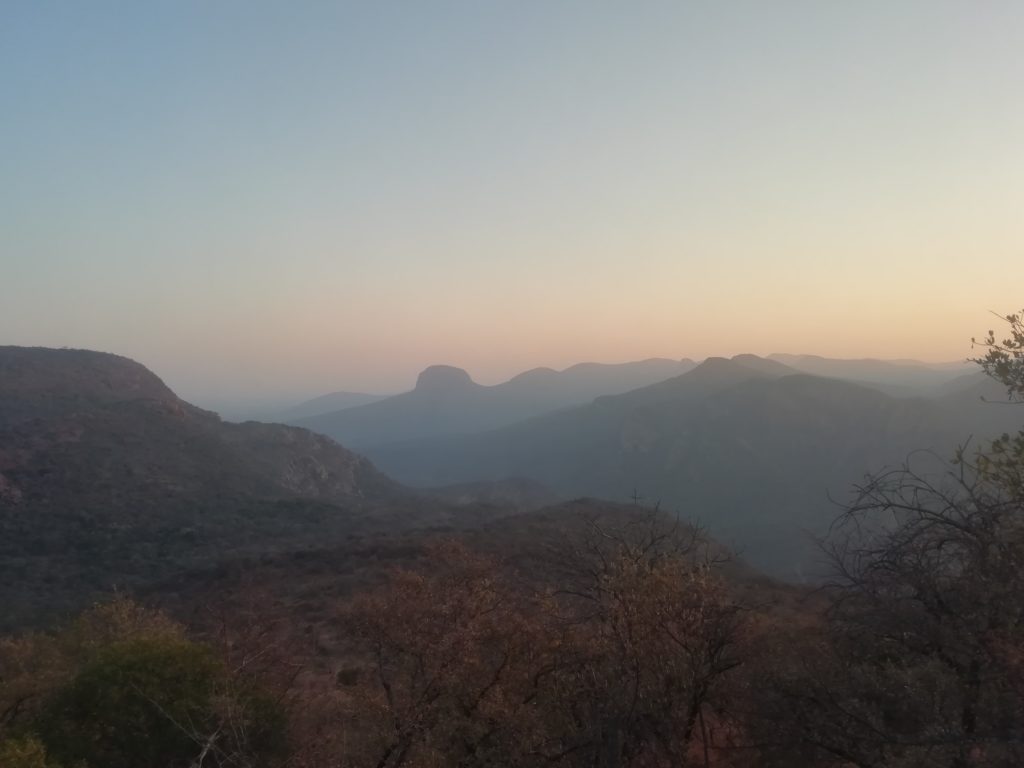
Purchasing this high-altitude property adjacent to our Medike Nature Reserve in the Sand River gorge is also an excellent example of a climate response corridor with altitudinal variation. As systems warm, it is expected that ecological niches will shift upwards in altitude and by protecting areas from valley bottoms through to hilltops it is commonly understood that this creates adaptation potential for a large number of species.
The EWT aims to safeguard the future of hundreds of threatened species through our local conservation activities, which will protect the unique biodiversity and landscapes, and support the development of sustainable livelihoods in the western Soutpansberg Mountains. We are achieving this through the establishment of a formal protected area corridor for the entire western Soutpansberg, while at the same time strategically addressing threats to species and their habitats across the region, through actions such as the control of invasive alien plant species from the mountain’s catchments and the deployment of our anti-poaching units in poaching hotspots, as well as securing critical cultural heritage and sacred sites for local Venda people
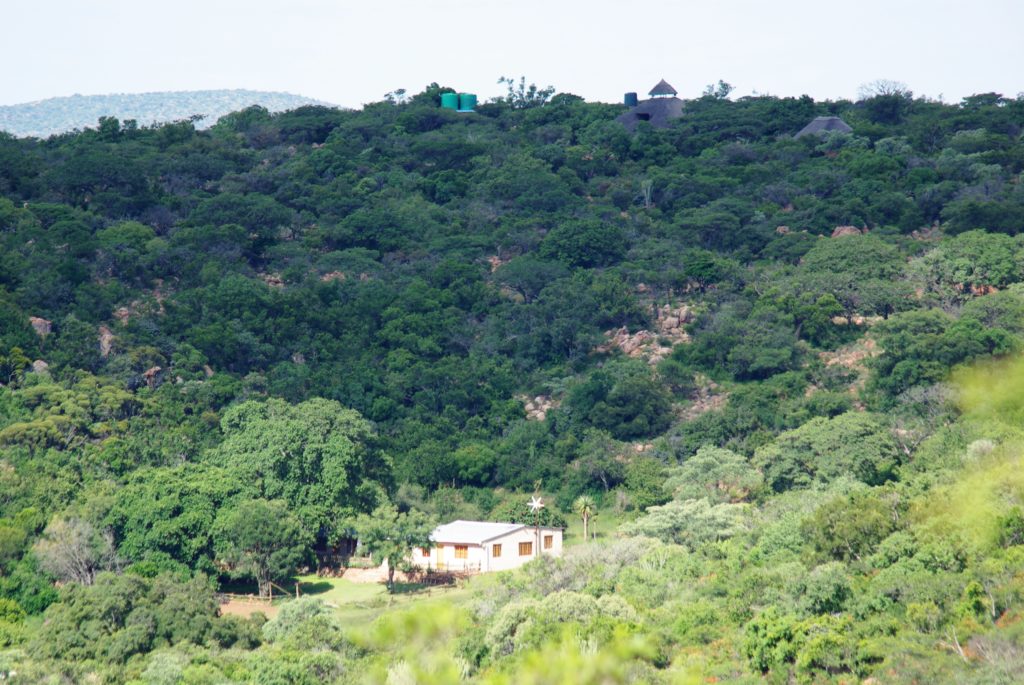
The creation of a large protected area will not only mitigate wildlife threats, but will also enhance economic activities in the area, thus promoting sustainable job creation within the eco-tourism, biological research, and education sector in and around the mountain. Our vision will see the Soutpansberg mountain become not only a refuge for the protection of amazing threatened habitats and species but also a tourism centre for people to enjoy and experience for centuries to come.
EWT CEO says, “It is significant that, during Heritage Month in South Africa, this long-awaited conservation transaction was finalised. The EWT and our partners, Rainforest Trust, the Roberts Family and James Douglas Wilson, with the invaluable support of Cliffe Dekker Hofmeyr, are creating something very special in this ancient mountainous landscape, by preserving the cultural and natural heritage of multiple communities of life, for the future. As we expand our conservation footprint in this region, the opportunities to engage local communities in sustainable, green economy enterprises that will support their livelihoods, in an area of devastating poverty and unemployment, also grows. We are excited about the potential to develop a unique conservation model that capitalises on the area’s unique biodiversity and cultural heritage to the benefit of existing and future generations and to unpack the secrets of this wondrous Garden of Eden through our ongoing discovery of new species.
SONY DSC
ENVIRONMENTAL IMPACT ASSESSMENTS ARE NOT SAVING OUR WILDLIFE AND WILD SPACES
Dr Ian Little, EWT Senior Manager: Habitats
Ianl@ewt.org.za
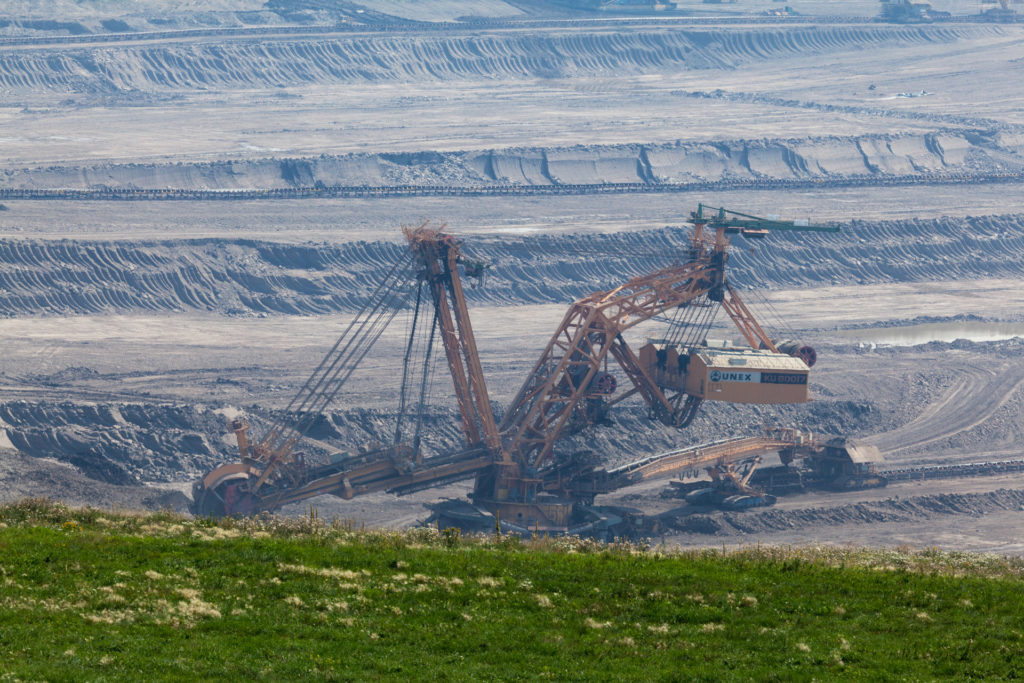
Biological diversity is a difficult thing to measure at a national scale, but regardless of how it is measured, South Africa is in the top ten most biodiverse countries in the world, and could possibly even be in the top three. We are privileged therefore, as a developing country, to be in a position to conserve our remaining intact habitat and associated biodiversity. If we strategically and carefully govern our development processes, we can do so while also achieving sustainable economic growth, development and natural capital/heritage. with associated tourism value. The conservation of our natural heritage, and prevention of loss of priority biodiversity and ecosystem assets, are regulated by the National Environmental Management Act (NEMA 107 of 1998), the National Environmental Management: Biodiveristy Act (NEMBA 10 of 2004) and more specifically by the Environmental Impact Assessment (EIA) Regulations (4 of 2014).
These regulations have proven to be ineffective in a number of ways, allowing for the loss and degradation of priority, threatened habitats. The flaws are numerous and include a lack of objectivity in terms of the process, predominately due to the fact that Environmental Assessment Practitioners (EAPs) are paid directly by developers and, until recently, have not been subject to much external evaluation; a lack of sufficient peer review of specialist reports; a lack of transparency in terms of specialist selection and report inclusion; a lack of account for cumulative impacts; inefficiency in the system where small localised applications are subjected to the same prolonged application process as large extensive ones; and, of course, ever present corruption and collusion.
The flaws in the current legislation and EIA process have likely resulted in significant and irreversible damage to our natural heritage. To address this, we have established a task team of voluntary participants who bring together a diverse and powerful set of legislative and conservation skills and, through collaborative effort and the cumulative influence of multiple organisations and stakeholders, we aim to generate a groundswell towards affecting change.
Sadly, this is the situation in most countries around the world and for a change South Africa is not an exception to the rule. In a recent article by two Australian scientists, William Laurence and David Salt wrote the following: “A tsunami of development projects is sweeping across the planet. It’s in the form of new roads, dams, mines, housing estates, and other infrastructure projects. The governments enabling these projects tell us not to worry: although the details vary from country to country, nearly all sizable projects must undergo an environmental impact assessment (EIA) to ensure no lasting harm. But the sad fact is, those assessments are increasingly not worth the paper they’re printed on. The EIA is the frontline of environmental protection in most countries. It’s a legal requirement placed on a developer to measure the impact on nature of their proposed development. If that impact includes anything the government has pledged to protect, such as a threatened species, then the development may be halted or redesigned to avoid the impact. Or that’s the idea, anyway. The only problem is that the EIAs are rarely stopping bad projects. All around the world we see a growing catalog of cases where EIAs are giving green lights to developments that should never see the light of day — projects that are destroying irreplaceable habitat or threatening the last representatives of endangered species.” They go on to describe the reasons why global EIAs are ineffective, which are essentially the same reasons that ours are failing and describe where this is going to leave the planet in the not too distant future. A scary prospect given that the one thing humans will always rely on for survival is natural resources like clean water and air. Never-the-less, the sad fact is that our wildlife and amazing natural heritage is taking a back seat to greedy development goals. For more on this article see https://ensia.com/voices/environmental-impact-assessment/.
The key to preventing irreversible damage to critical habitat and threatened species is making sure that we have enough information to guide site selection for responsible development. South Africa is advanced (one of the best in the world) in terms of our biodiversity data but we still have significant data gaps, especially for the Critically Endangered and naturally scarce species that by nature are difficult to find. In order to address this data challenge, we are driving a strategic species distribution modelling process over the next three years which will develop detailed predictive maps for all threatened and endemic (specific to South Africa) birds and animals in South Africa.
These strategic predictive maps will inform the early stages of site assessments in the EIA process by predicting the expected presence of all the sensitive species for which development applications will have the most detrimental impacts. This will guide not only early stage rejections, but also inform the selection of specialists for in-depth EIA assessments. It will allow end-users (e.g. landowners, developers, EIA consultants, conservationists and specialists) to retrieve a list of all the species predicted to occur at a proposed development site, with an emphasis on sensitive species that would normally trigger an EIA. This would form the basis of more robust scoping reports and effectively reduce the time, costs and effort committed to these assessments, whilst dramatically increasing the potential to flag sensitive species in a proposed development area.
Once trialled, our strategic predictive map will be incorporated into the national land-use screening tool (developed by the Department of Environmental Affairs, now the Department of Environment, Forestry and Fisheries). This tool was gazetted in July 2019 and will be a compulsory part of EIA processes from 4 October 2019. Linked to this all Environmental Assessment practitioners must apply to be registered with the Environmental Assessment Practitioners Association of South Africa (EAPASA) by 8 October 2019 and will not be allowed to practice if not registered by 8 February 2020. These are important steps towards regulating the EIA process.
The successful implementation of our collaborative project, generously supported by Rand Merchant Bank’s trailblazer grant, will hopefully lead to a systematic change in the functioning and efficiency of EIAs to protect sensitive species and priority habitat, with benefits to our natural heritage, the ecosystem services these provide, and the processes that govern its development. We are at the tipping point of our development agenda and it is urgent that we ensure that permanent damage to our globally significant natural heritage prevented now before we regret it forever. Ultimately the power lies in the hands of our (and the world’s) politicians. We, civil society, have the cumulative voice to drive political decisions and given that politicians generally only think in four-year cycles, we urge the public to get behind this important initiative now.
For more information contact:
Dr Ian Little (EIAs) – ianl@ewt.org.za
Dr Dominic Henry (Distribution modelling) – dominich@ewt.org.za
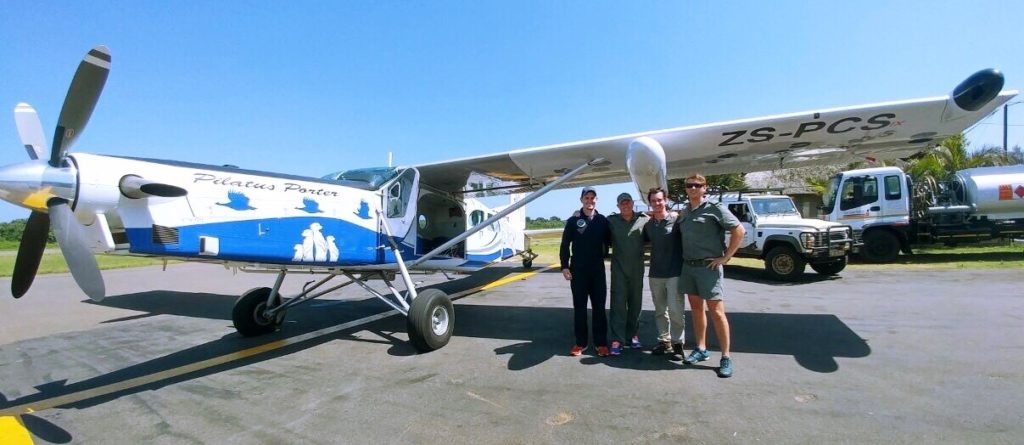
WHEELS ON THE GROUND AND WINGS IN THE AIR
The EWT’s on-the-ground work takes place across southern and East Africa, often in remote and far-flung places, where conservation action is needed most. This means that our team members must travel great distances to save species and habitats, and work with communities that rely on natural resources to survive. This would not be possible without the support of two of our most generous donors.
For over 30 years, Ford Motor Company of Southern Africa (FMCSA) has been actively involved in the conservation of wildlife and ecosystems in South Africa and Sub-Saharan Africa. To-date, FMCSA has invested almost R40 million to support more than 170 conservation projects.
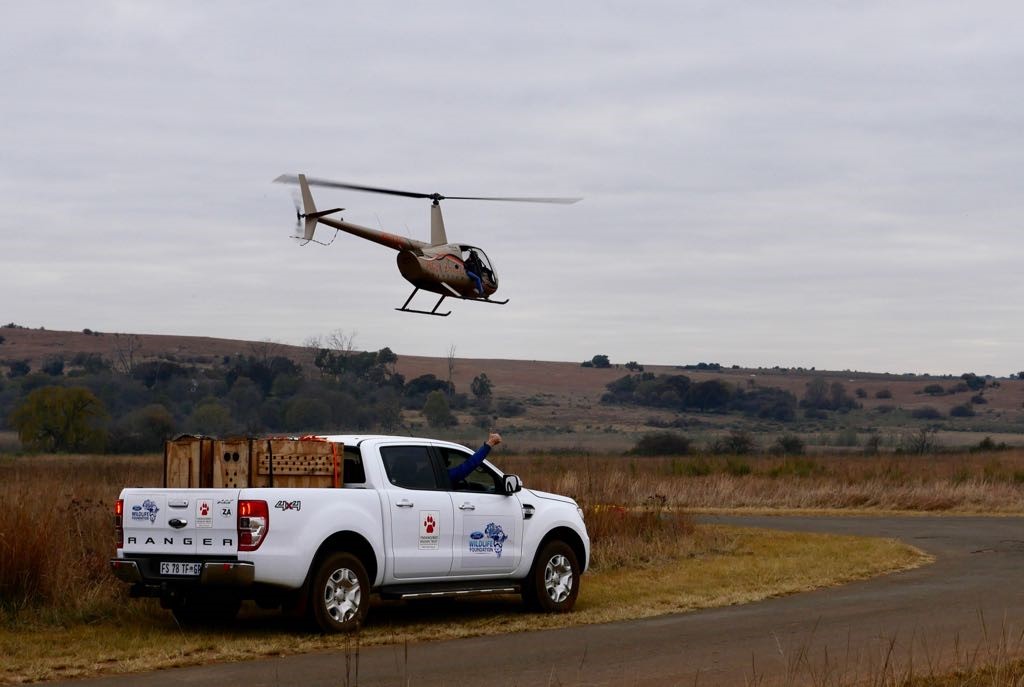
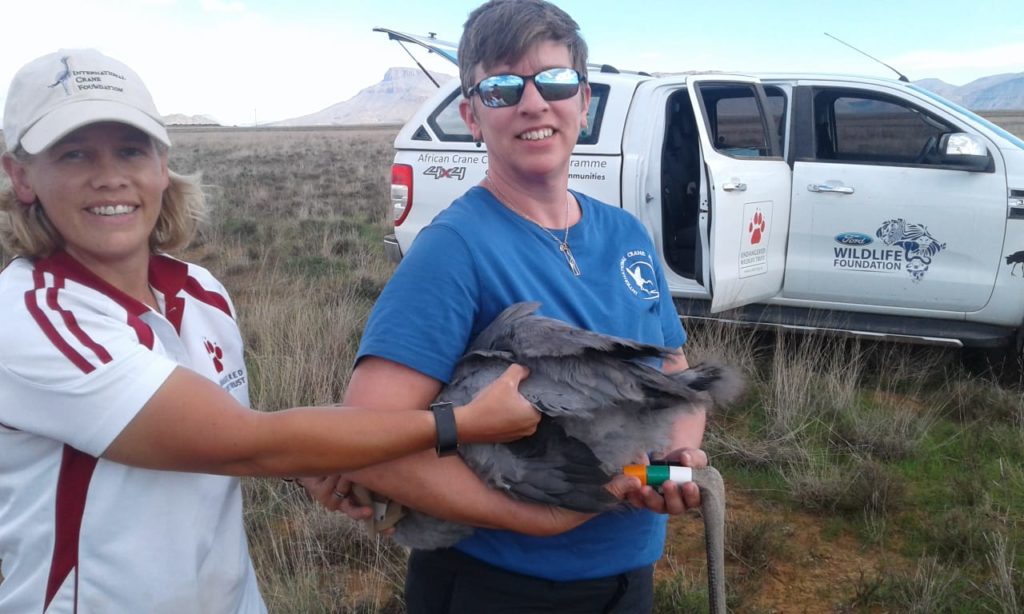
The Ford Wildlife Foundation is unique as it does not provide a cash donation to the conservation projects it supports; instead Ford’s partner organisations are equipped with Ford Rangers. The vehicles provided are used to help project operations, such as transporting field equipment, helping vets reach sick or poached animals, or translocating the animals themselves. The vehicles operating in all Ford Wildlife Foundation projects are monitored and serviced by Ford’s extensive dealer network to ensure they operate at peak efficiency. We are endlessly grateful to the Ford Wildlife Foundation for their unerring support over the years. Many of our teams rely on these donated Ford Rangers to transport animals and to work in areas they would not otherwise be able to reach. The EWT currently makes use of these vehicles for work as diverse as relocating Cheetahs, travelling to wetland restoration sites to preserve critical Pickersgill’s Reed Frog habitat, monitoring the impacts of roads on wildlife across the country, and travelling large distances to work with communities to protect threatened crane species, among others. Without the support of the Ford Wildlife Foundation, none of this would be possible.
While the Ford Wildlife Foundation has kept our team on the road, The Bateleurs take over when we need to take flight. Founded in 1998, The Bateleurs is a non-profit company, with over 200 pilots and aircrafts. It provides its beneficiaries and the public with an aerial perspective of the environment and has coordinated several diverse missions throughout South Africa and Africa, in support of environmental issues. Since 2013, The Bateleurs have supported the EWT with over 200 flights, making critical conservation work such as Wild Dog and Cheetah relocations and aerial surveys of species such as vultures and cranes possible. Had these been chartered flights, the cost would certainly have exceeded R5 million. This work is absolutely pivotal to the operations of the EWT, and would not be possible without The Bateleurs’ generous support. We are immensely appreciative of this, and place great value on this partnership.
PUPPY POWER
Derek van der Merwe, Limpopo Regional Coordinator, EWT Carnivore Conservation Programme
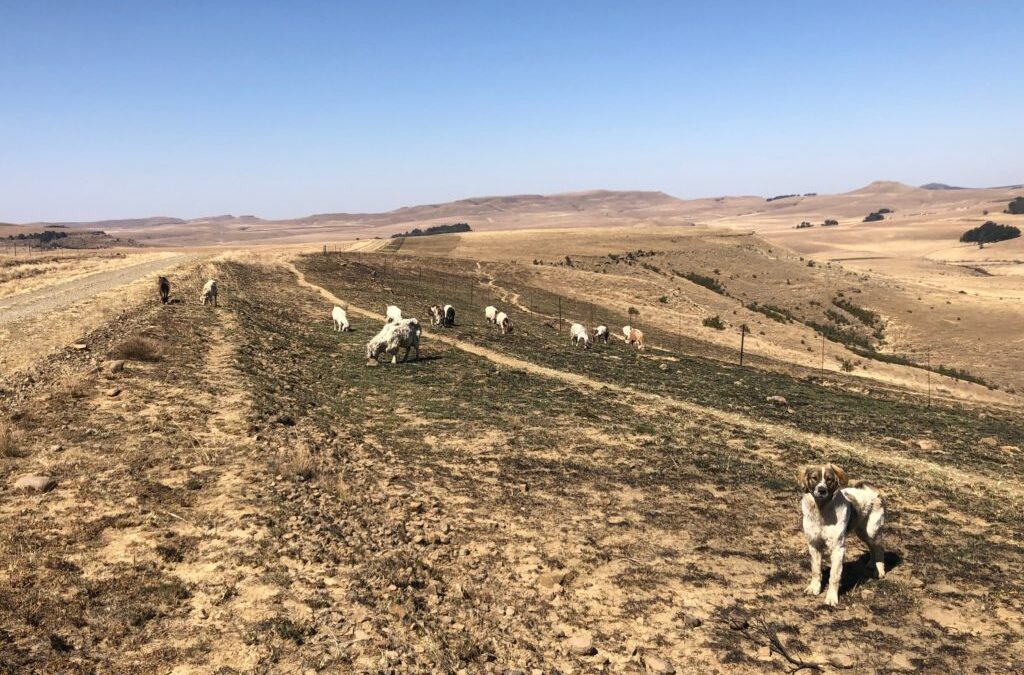
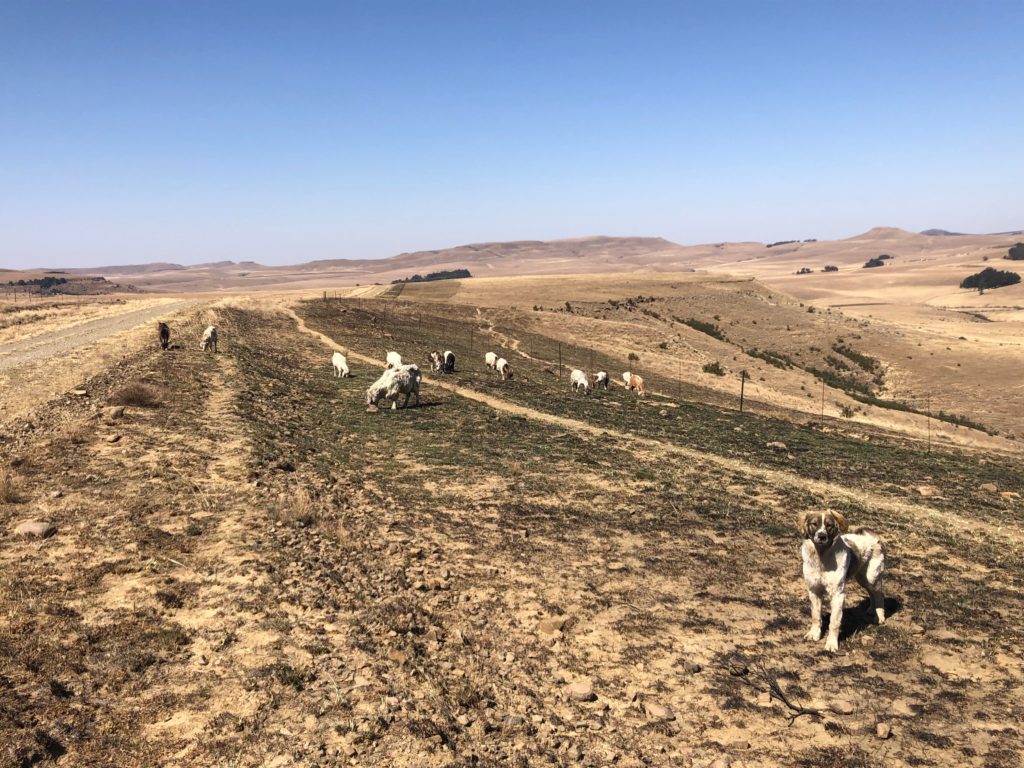
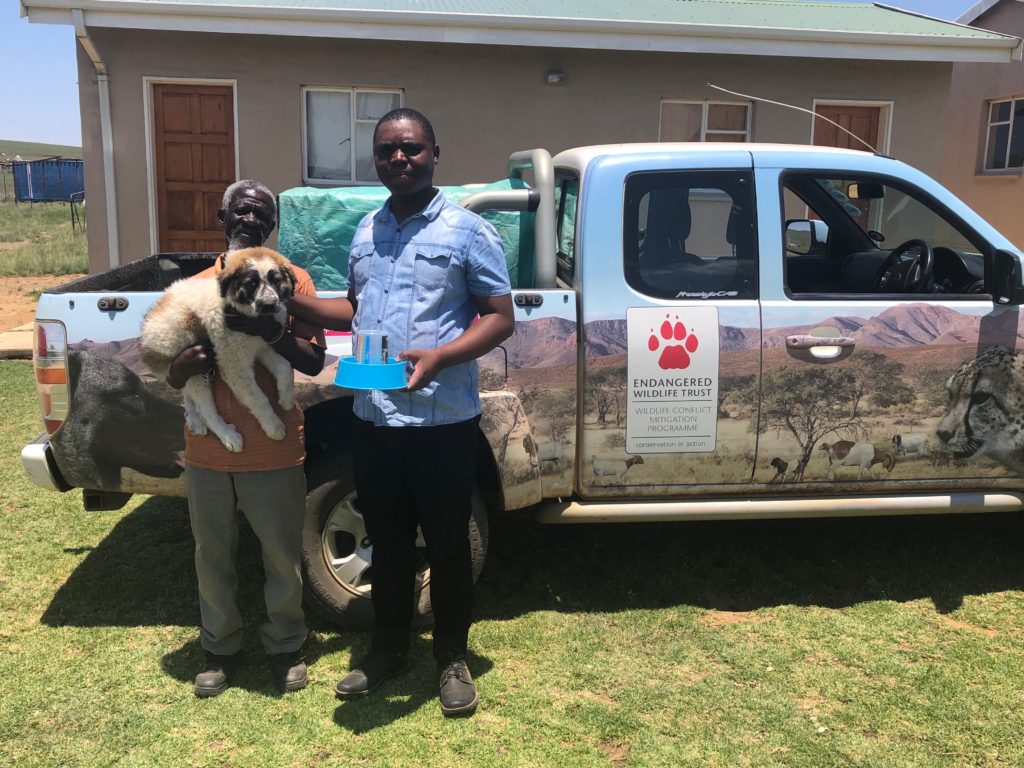
DerekV@ewt.org.za When Eskom was confronted with human-carnivore conflict issues at the flagship Ingula Pumped Storage Scheme in KZN South Africa, they approached the EWT to work together to find a solution. In January 2019, a massive step was taken to address human-carnivore conflict on the reserve due to the livestock losses resulting from carnivore predation. In order to minimise stock losses and maintain good community relations, Eskom and the EWT placed five livestock guarding dogs at five selected families residing on the Ingula site. These community members are subsistence farmers living in homesteads created by Eskom on various parcels of land surrounding the Pumped Storage Scheme.
The Ingula community was experiencing considerable losses of livestock to predation, which was affecting their livelihoods. There had been no attempt to utilise any proactive conflict mitigation measures to reduce livestock predation with this community. Moreover, very few measures have been adopted in other rural communities in South Africa. This has provided us with a unique opportunity to introduce an effective non-lethal conflict control measure into a community and to up skill community members to implement the measure themselves.
An intact carnivore guild is fundamental for healthy ecosystems. Carnivores are an important part of a healthy ecosystem, by predating on vulnerable prey, such as the old, injured, sick, or very young, leaving more food for the survival and prosperity of healthy prey animals, decreasing the chances of the spread of disease. Carnivores help limit the growth of prey populations and prevent overgrazing of ranges ensuring that other negative impacts will be negated from the Ingula offset.
Worldwide, human-carnivore conflict is a leading threat to carnivores and the EWT is dedicated to resolving this. On South African agricultural land, conflict between humans and carnivores is rife and arises mainly from carnivore predation or the perception of predation on livestock. This usually leads to retaliatory killing of the suspected predators. Livestock predation can undoubtedly have a serious economic impact on livestock owners, and a wider impact on agricultural production and rural development. This conflict often takes the form of carnivores predating upon livestock, which was seen on site wherein members of the Ingula homestead project found dead livestock and the presence of carnivore predation. As such, it was imperative to ensure that both the community on site as well as the carnivores gain a solution to foster co-existence. Our project is assisting the community to live in harmony with carnivores and make livelihoods more profitable.
The Livestock Guarding Dog Project at Ingula has been a major success thus far. The project offers a long-term solution to secure valuable habitat for carnivore populations on Ingula Nature Reserve including leopards, Brown Hyaenas, Spotted Hyaenas, Black-backed Jackals, Serval and Caracal. Since the implementation of our first five puppies in January this year only one sheep has been lost to carnivore predation. Some farmers at Ingula were losing over 20 livestock per annum to predation events before the project started. This has increased the tolerance levels of farmers towards carnivores, thus expanding the areas where these carnivores can safely roam. A win-win for both predators occurring on the Ingula reserve as well as community members who were experiencing unsustainable losses.
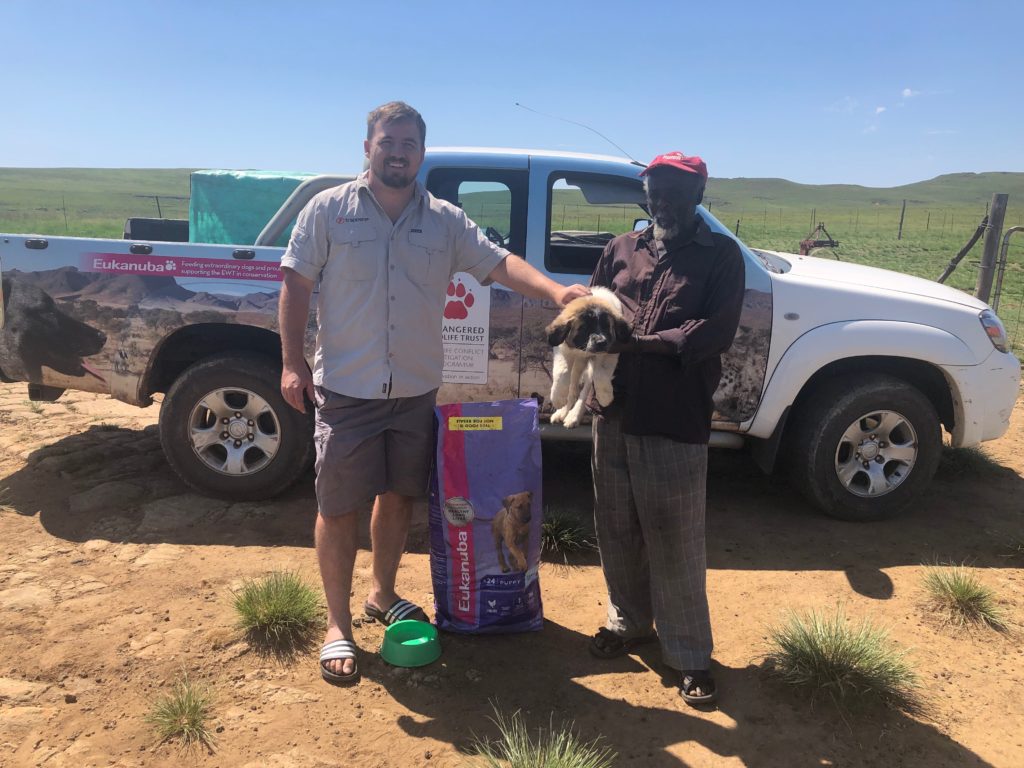
Going forward we will place another five Maluti livestock guardian dogs as well as five Alpacas to address livestock losses with community members as well as test the efficacy of these mitigation measures to determine what measures work best at Ingula. Community links are important to Eskom, as is the protection of biodiversity. This is especially important on sites such as Ingula, which was formally declared as a nature reserve in April 2018. By giving community members access to a resource such as the livestock guarding dogs as well as alpacas in the future, impacts on wildlife at the Ingula nature reserve will be greatly reduced..
This work is made possible by Eskom and Eukanuba
About the EWT’s Livestock Guarding Dog Project
The EWT has been dealing with carnivore conflict and farmers for the past 40 years and has learned valuable lessons in the arena of preventing human-wildlife conflict. The EWT believes that prevention is better than cure and the solution that evolved from this realisation was the EWT’s Livestock Guarding Dog Project which deploys livestock guarding dogs such as the indigenous Maluti (Lesotho Highland dogs) and the Turkish Anatolian Shepherd, as well as more recently Alpacas onto farms in order to prevent loss of stock. The EWT enters into a 12-month partnership agreement with the farmer that ensures the farmer’s compliance with the advice and assistance supplied by the EWT’s LGD Project staff and the health and wellbeing of the livestock guarding dog. This means that the canines are raised and integrated within the livestock herds according to proven protocols, which guarantees the success of the project.
Puppies from these breeds are taken to the farm and placed into a sheep, goat or cattle herd from a young age, where they interact and bond directly with the livestock. This introduction allows the herd to accept the puppy as one of their own and for the puppy, in turn, to grow up as a member of the flock. As the puppies grow up, they begin to fulfil their duty of protecting the herd against predator attacks by warning of predators in the vicinity and herding the animals away from the threat. These canines move and live with the grazing livestock as they traverse the farm. The dog is placed as a deterrent and guardian and not an attack dog. The majority of predators, when faced with a worthy adversary, will not hesitate to back down and leave and this is the livestock guarding dog’s key strength. Through pure size, protectiveness of its livestock, and intimidation, he is able to passively defend his herd from being the next meal.

FIGHTING FOR OUR RHINOS
Ashleigh Dore, Manager, EWT Wildlife in Trade Programme
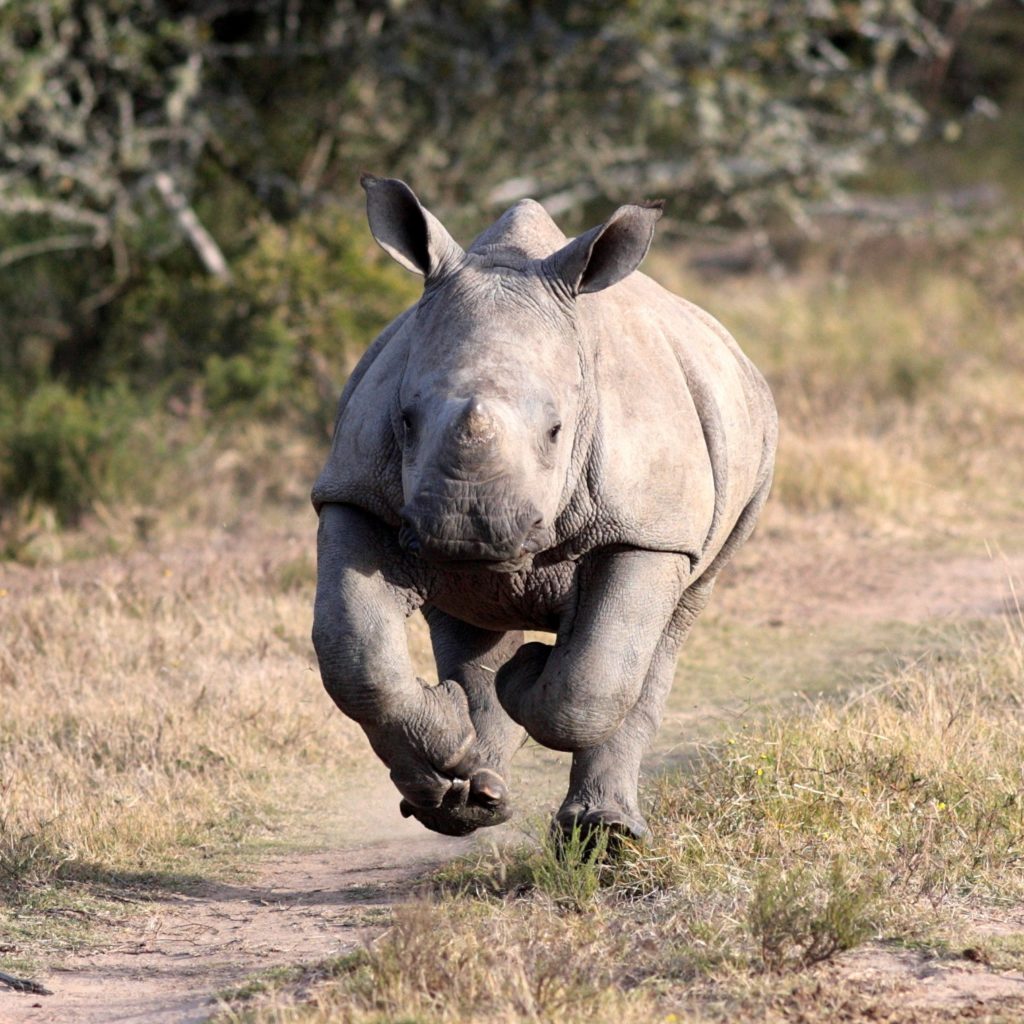
ashleighd@ewt.org.zaFew people are unaware of the rhino poaching crisis which persists in South Africa. 7,900 rhinos have been poached in South Africa since 2008 for their horns. These horns are then smuggled out of South Africa to demand countries, primarily in Asia. In an effort to combat the illegal trade and smuggling of rhino horn, the EWT will be partnering with the Department of Environment, Forestry and Fisheries to enhance detection capabilities at ports of entry and exit through the use of highly trained canines. These canines will screen cargo and luggage for wildlife products like rhino horn.
The EWT has been actively involved in addressing the scourge of rhino poaching since 2010, and this partnership is the latest of these efforts. Others include:
Patrol optimisation
Observations made by patrol teams are pivotal for monitoring poaching trends and identifying patterns. With proper analysis, these data provide enforcement decision makers with invaluable information for patrol deployments or reallocation of other resources. We have undertaken projects to enhance capacity to prevent wildlife crimes within private and state-owned protected areas through the collection of data (using CMore or other relevant platforms) and analysis of the same, thereby generating valuable information and facilitating more intelligence-driven investigations. Further, these projects facilitate the creation of predictive models that will enable law enforcement to take a proactive approach towards targeting illicit networks.
Prevention and detection
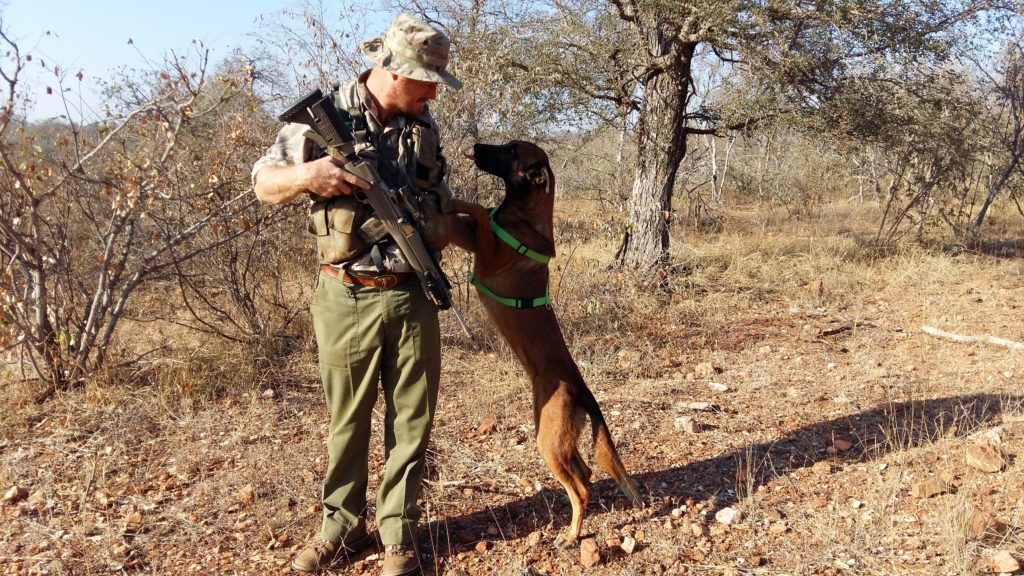
Our Conservation Canine Project continues to grow from strength to strength. Conservation Canines play a vital role in the protection of South Africa’s wildlife and offer critical support to anti-poaching efforts. The Conservation Canine Project provides three different types of service to combat wildlife crimes involving rhino including poaching and smuggling:
- Tracking Conservation Canines: these Conservation Canines are trained to follow humans through the bush. These dogs follow tracks when breaches in the reserve boundaries have been noticed or to track poachers from poaching scenes to apprehend them. Our trackers include EWT Conservation Canines Annie, Blacky Grizzly, Puk and Basil.
- Detection Conservation Canines: these Conservation Canines are trained to detect and indicate various wildlife contraband such as rhino horn and elephant ivory as well as ammunition. The dogs are used at reserve gates to search vehicles and people, to search luggage and crime scenes. Our detection canines include EWT Conservation Canines Condor, Fury, Hitsch, Heddie, Vito, Bullet, Spike and Fly.
- Conservation Patrol Dogs: The Conservation Patrol Dogs are used to support anti-poaching units such as the Black Mambas with visible policing and as a first alert system to dangerous game in the area. EWT Conservation Canine Alice is currently our only conservation patrol dog.
We have worked closely with law enforcement agencies over many years to build capacity to combat wildlife crimes, including the poaching of rhino and the smuggling of their horns. We also have undertaken dedicated awareness raising with prosecutors from the National Prosecuting Authority as to the seriousness of rhino related crimes.
We are also commencing with a new project, utilising restorative justice approaches. Restorative justice is a holistic approach to justice that aims to involve the parties to a dispute and others affected by the harm (such as the victim, the offender and the community) in collectively identifying harms, needs and obligations through accepting responsibilities, making restitution and taking measures to prevent a recurrence of the incident and promoting reconciliation. Restorative justice is a well-established approach to justice that can and will have very meaningful impacts on rhino related crimes in South Africa. It will promote enhanced community engagement, provide an opportunity to the victim to be properly heard and will contribute to a change in mind-set and reduce recidivism on the part of the offender. The Restorative Justice Pilot Project will facilitate the application of restorative justice processes to inter alia rhino related crimes in key sites in South Africa.
Governance.
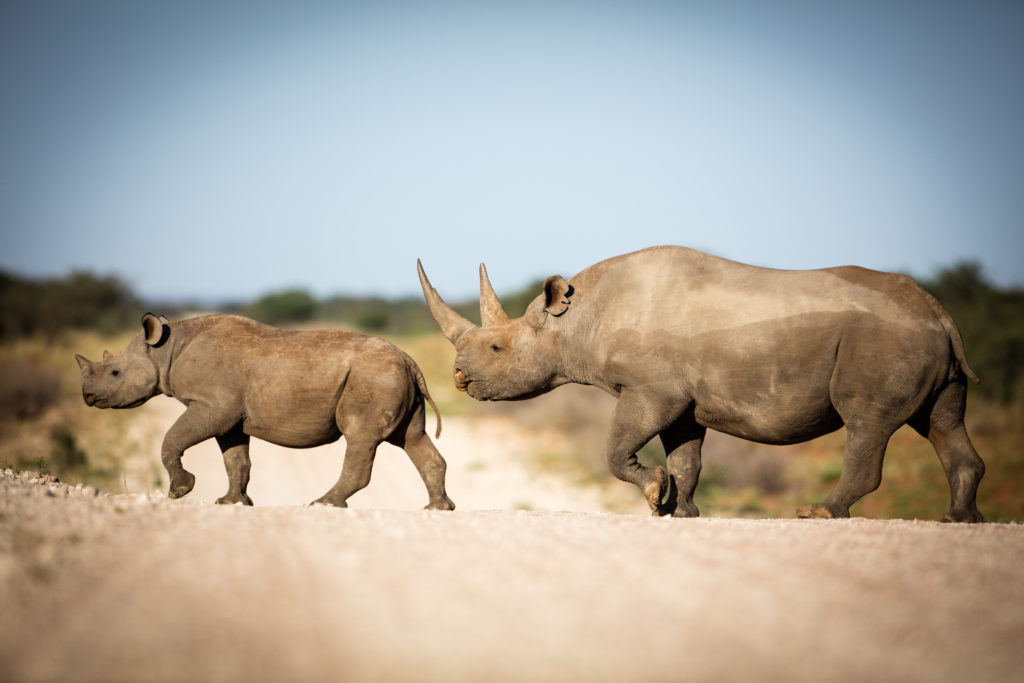
We participated in both the Commission of Inquiry to potentially legalise the trade in rhino horn and the 2016 Rhino Lab. We are also commencing a rhino horn trade analysis project. Continuous analysis of trade trends of rhino horn is vital to ensure compliance with the legal framework. Through improved monitoring of legal domestic trade, illegal trade (both domestic and international) and historic trade in rhino horn, we will be able to ensure that key threats to rhino from trade – both current and emerging –are fully unpacked and reported, thereby facilitating informed decision making and proper accountability.
This work is made possible by US Fish and Wildlife Service, Tourvest, Hans Hoheisen Charitable Trust, Greef Properties, Relate Trust, MyPlanetRhino, Platinum Life, and Royal Canin.
