WHO LET THE DOGS OUT?
Annie Dupre-Reynolds, Manager, EWT Wildlife in Trade Programme
AnnieD@ewt.org.za
The EWT Conservation Canines are sniffing and tracking their way into a busy 2020! From screening vehicles for wildlife products, to tracking in game reserves, to anti-poaching initiatives, our canines support the conservation sector in well-structured security plans.
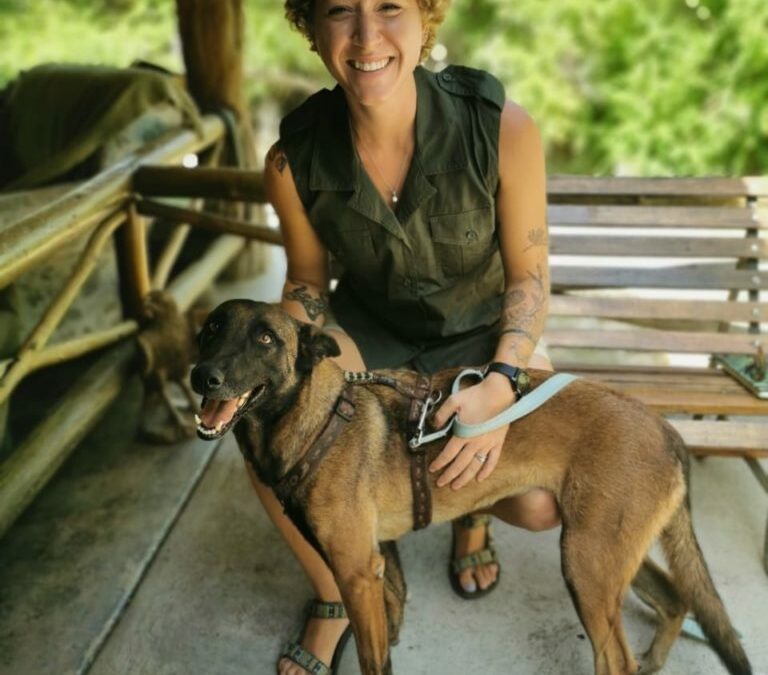
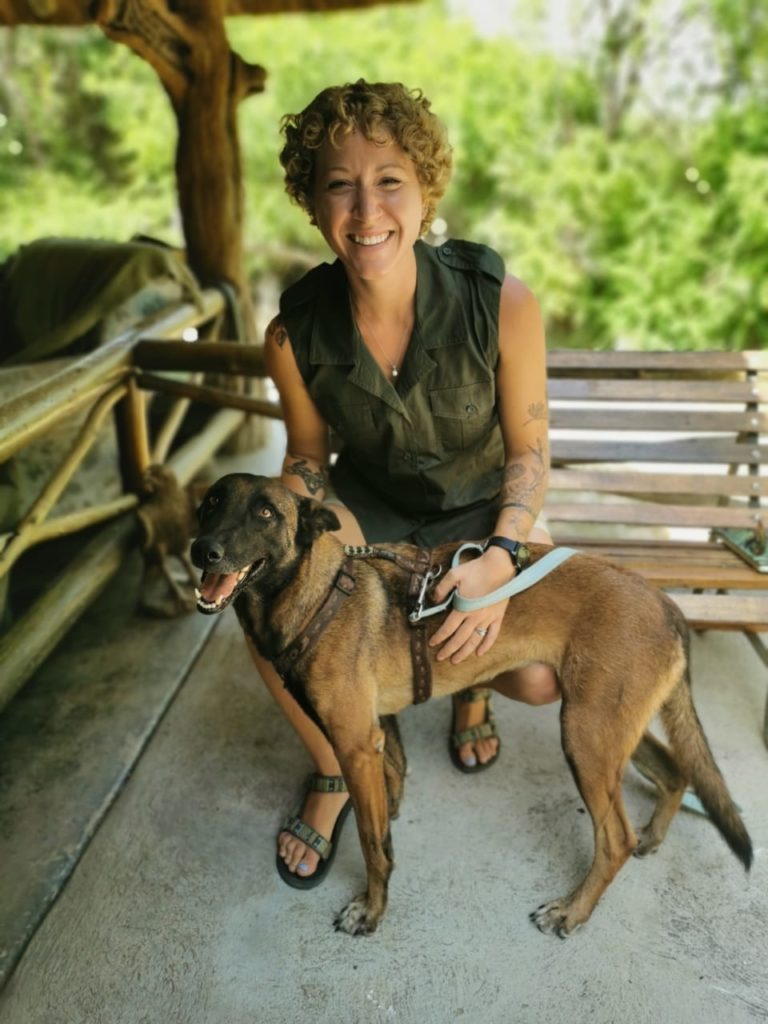
This January, Annie DuPre-Reynolds, the new Wildlife in Trade Programme Manager, got a chance to visit some of our canines in the field. Her first stop was to see Conservation Canine Annie (see photo). Annie (a Belgian Malinois) works in the lowveld where she is an integral part of an anti-poaching unit. One of our other canines, Fury, does detection work in KZN with his handler, Shay. Since their deployment in early January, Shay and Fury have screened over 375 vehicles.
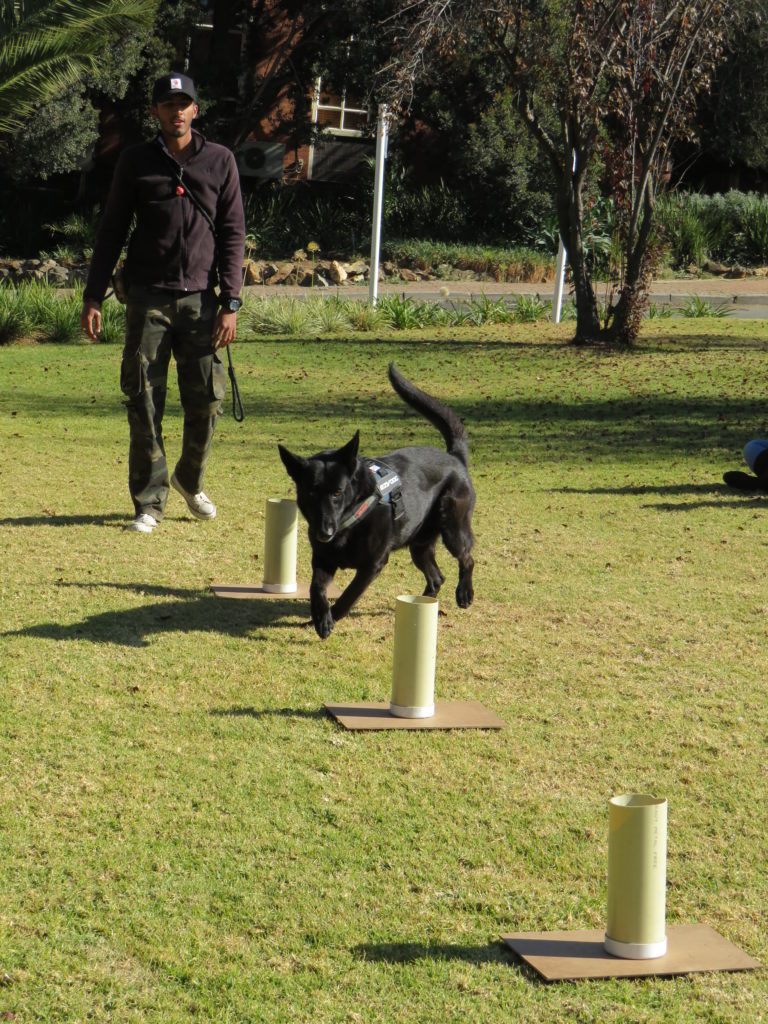
We have big plans for our Conservation Canines. Our beautiful new kennels are up and running at the new EWT Conservation Campus in Midrand. We train our canines on-site and our detection dogs can identify key wildlife products, including rhino horn, elephant ivory, and pangolin scales, among others. Our Conservation Canines Hitsch and Pirate (in training), can also identify arms and ammunition. Our Conservation Canines are strategically placed across South Africa’s private, provincial and national parks, where they can have the most impact on anti-poaching and anti-smuggling operations.
This work is made possible by U.S. Fish and Wildlife Service, Tourvest, Royal Canin, Boehringer-Ingelheim, Relate Trust and Platinum Life.
CONSERVATION GETS ITS AHA MOMENT IN 2020!
Belinda Glenn, EWT Marketing and Communications Manager
belindag@ewt.org.za
The EWT and aha Hotels and Lodges have kick-started 2020 with an exciting new venture that will boost the important work being done by the EWT to save wildlife, habitats and people around Africa.
Both the EWT and aha Hotels and Lodges (aha), a division of Tourvest Holdings, share a passion for the African wilderness and our unique natural heritage, and borne out of this shared value is a new collaboration that will raise much needed funding to support conservation and community projects across Africa.
Both organisations are driven by conservation and strongly believe in the power of the tourism sector to play an instrumental role in conserving African wildlife to the benefit of all. The overlap in the organisations’ operational areas, as well as their strategic focus on flagship species and their habitats, further makes this partnership a natural fit.
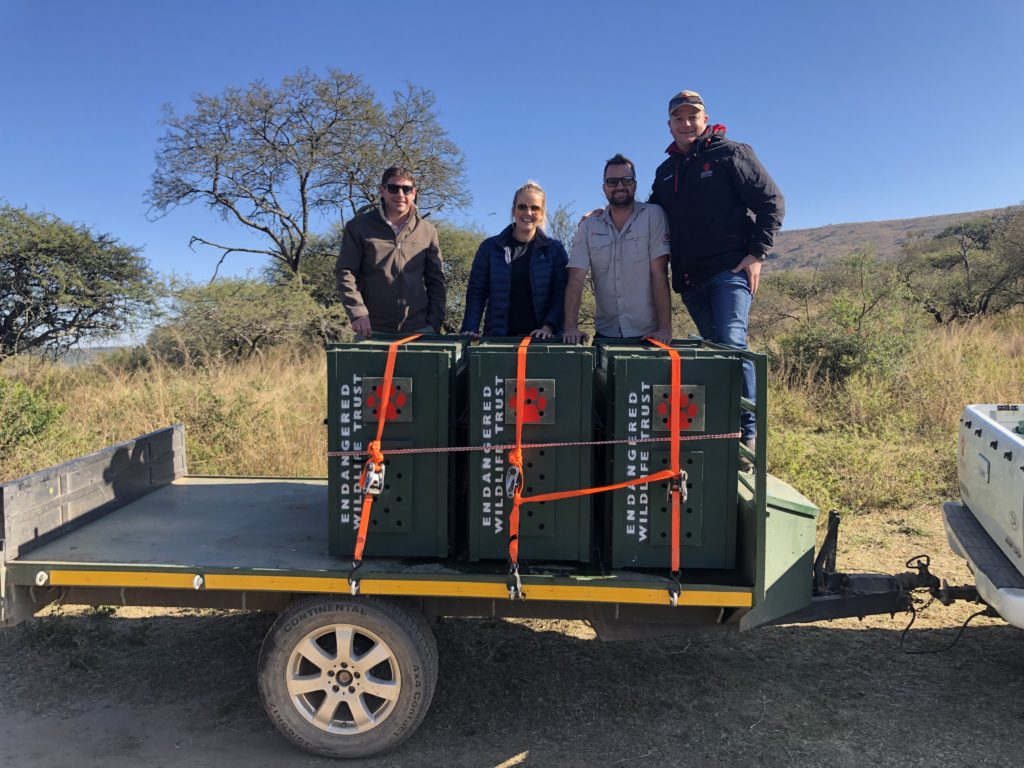
Constant Hoogstad, EWT Senior Manager: Industry Partnerships, says, “We have always known that there is a strong link between conservation and tourism. People come from all over the world to Africa, to see some of the most iconic species and habitats on the planet. The EWT has a strong focus on working with communities in areas that are home to some of our most threatened species. And stimulating local economies, particularly through the jobs that tourism operations create, which are extremely valuable to the economy.”
Graeme Edmond, CEO of aha Hotels & Lodges, added, “Conservation is the thread that binds so many of our properties together, and contributing to the protection of our ecosystem is a responsibility we can’t ignore. In getting involved, there’s also an opportunity for us to give local communities a lift. The EWT does amazing work all over the continent. We’re grateful that we are able to boost their noble efforts and honoured to be in such good company. We hope that this collaboration will make a lasting impact on the landscape and wildlife that is so important to us, and leave a lasting impression for generations to come.”
The partnership began in February 2020 and will run for an initial period of five years. During this time, aha will contribute a monthly percentage of their turnover towards projects and activities undertaken by the EWT, and strategically identified by both partners, which will benefit from a sustainable income stream. Said Yolan Friedmann, EWT CEO, “the EWT has a robust monitoring framework for all projects to measure their impact and we expect significant conservation benefit to stem from this exciting partnership. Our relationship with aha thus far has been positive and rewarding and we have already seen some of our most threatened carnivores benefit from their successful tourism services and we are eager to see how many other species will soon benefit from their input.”
At a time when conservation needs strong and committed partners, aha has stepped up and given the EWT much needed support to ensure that we keep protecting forever, together.
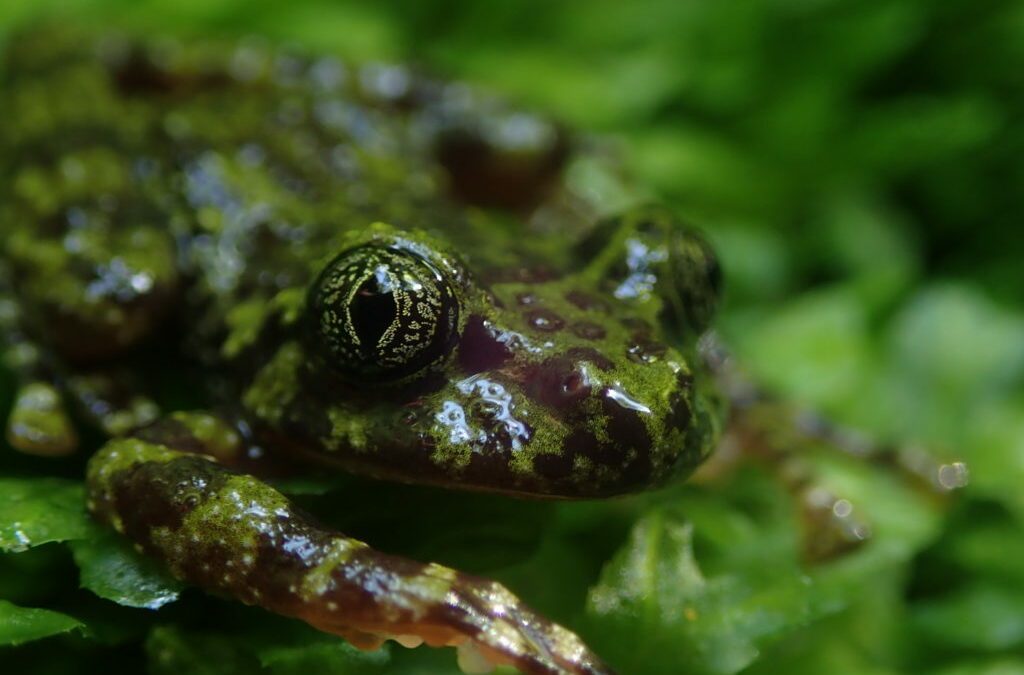
THE TABLE MOUNTAIN FRESHWATER ECOSYSTEMS PROJECT – ONE YEAR ON
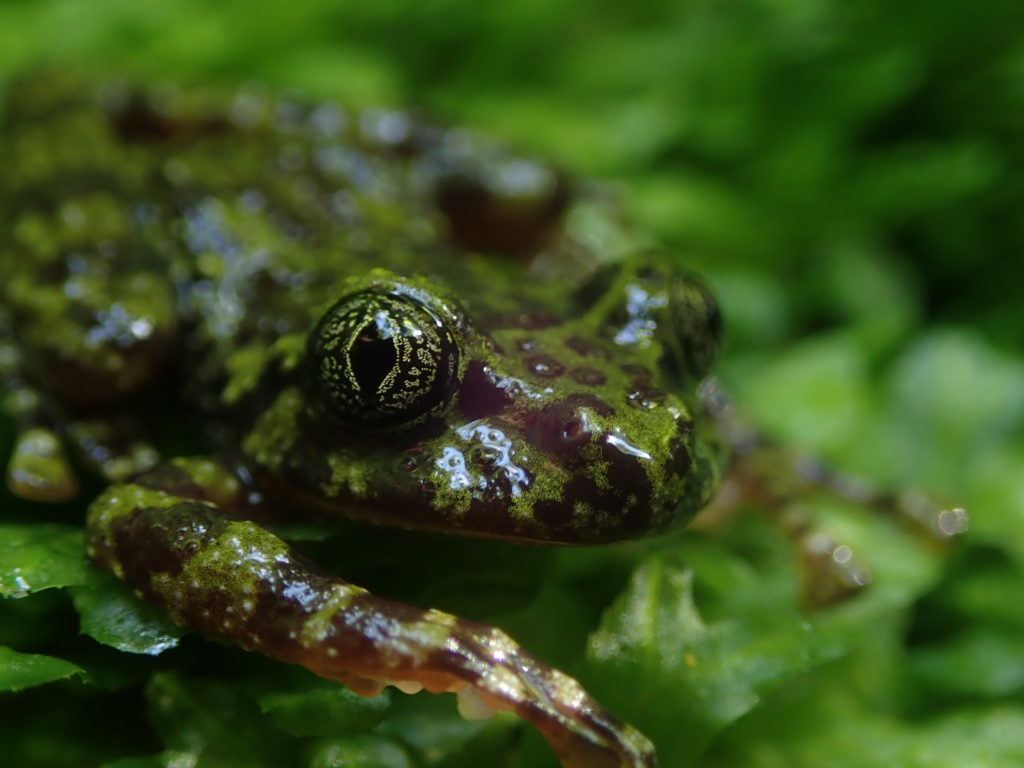
Joshua Weeber, Table Mountain Project Intern. EWT Threatened Amphibian Programme
joshuaw@ewt.org.za
The Table Mountain Freshwater Ecosystems Project has had an exciting first year, setting a strong foundation of data collection and crucial partnerships that will allow the project to continue to evolve in 2020. It has been a year filled with new discoveries, long but exciting days in the field, slightly longer days in the office and many meetings, presentations and interesting discussions in between.
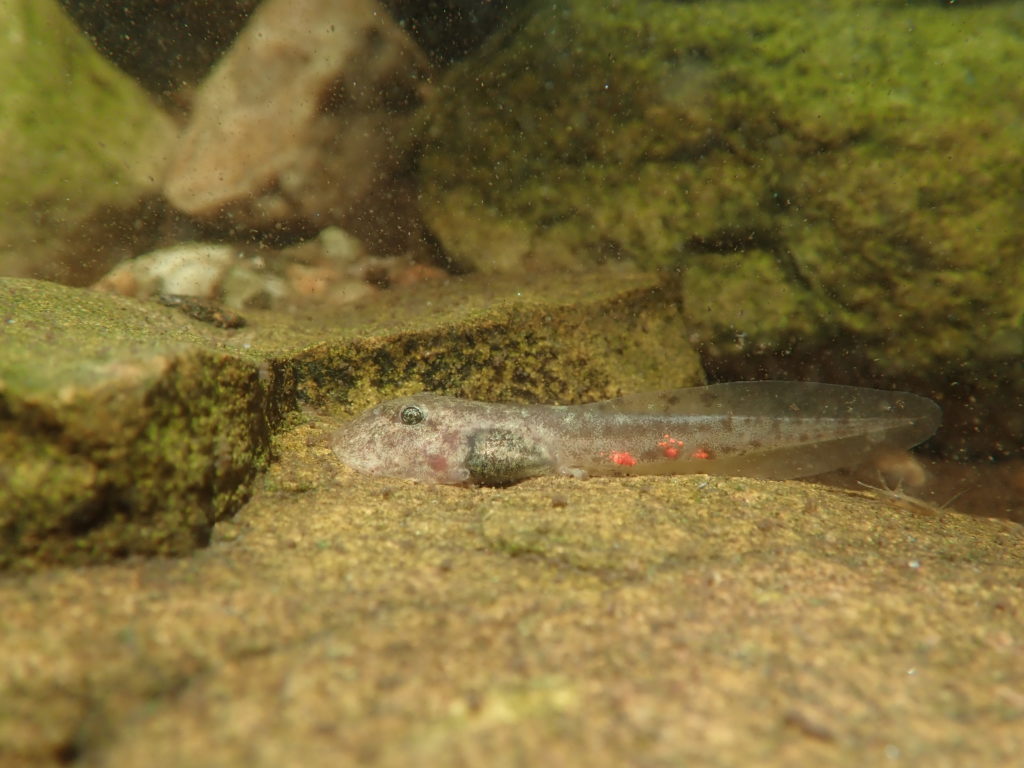
While the majority of the work has centred around the iconic and Critically Endangered Table Mountain Ghost Frog, there has also been considerable work done on the threatened freshwater ecosystem that supports this species (and many others). The project began with a flurry of activity in January 2019, a race against the onset of the Cape Town winter to install permanent temperature loggers in nine streams, design and implement detailed habitat assessments, and identify key sites to monitor Table Mountain Ghost Frog tadpole occupancy, movement and habitat preference. All before the winter storms arrived to transform these tranquil headwater streams into gushing, unpredictable torrents. For the tadpoles, this dynamic seasonal change is something they are perfectly suited to deal with, utilising their elongate sucker mouths to anchor beneath boulders and cobbles during periods of strong flow. The project is beginning to reveal just how crucial this sub-cobble habitat is for these sensitive amphibians; areas of the stream that are impacted by sediments and silt or choked by invasive Australian Blackwood rarely hold ghost frog tadpoles. In contrast, pools and riffles with deep cobbled sections, uneroded banks and indigenous riparian vegetation hold a surprising abundance of these unique animals.
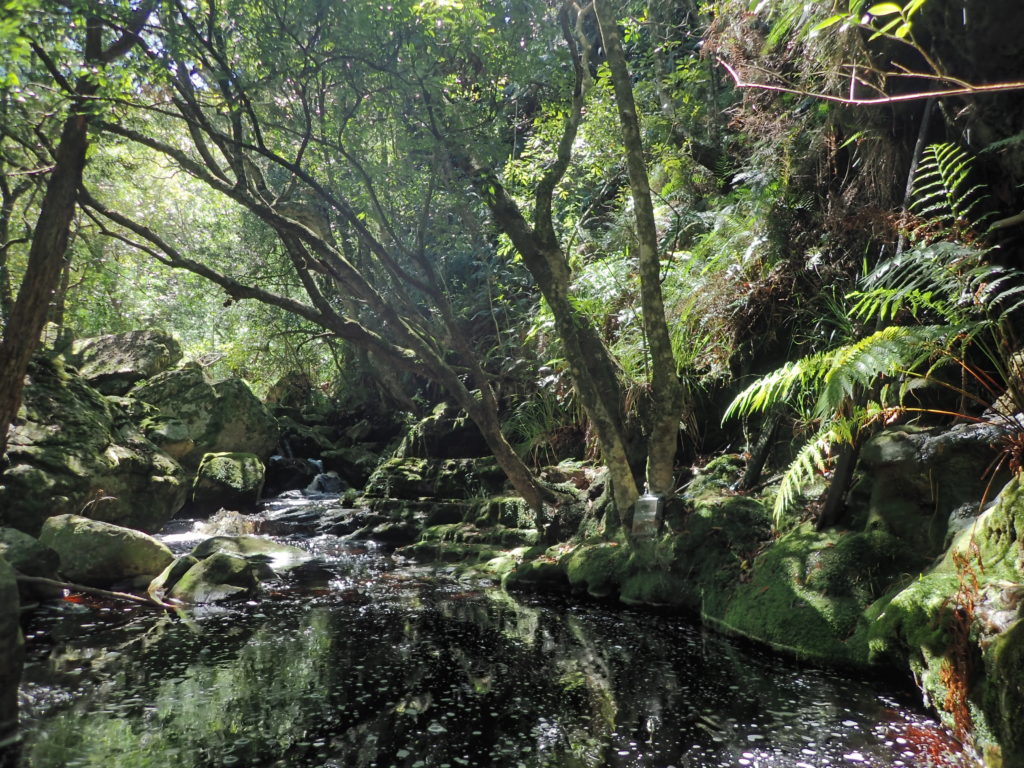
Unfortunately, many of the threats evident within this freshwater ecosystem directly impact tadpole habitat. Manipulation of flow from dams and weirs, invasive vegetation and erosion as a result of path use negatively affect stream health, changing the habitat structure of these sensitive streams. Detailed surveys over the last year have produced maps that identify the location and extent of each threat and together with extensive occupancy and habitat data are enabling the team, for the first time, to quantify the impacts of these threats to ghost frog habitat. This is a crucial step towards identifying and implementing conservation interventions and feeding this into park management decisions. The first year of the project was brought to an end with a stakeholder workshop to discuss the Table Mountain Ghost Frog Action Plan, a document that aims to galvanize research, management and awareness efforts together with all project partners to achieve a future with healthy, stable freshwater ecosystems.
A key management intervention – the removal of large clumps of Australian Blackwood in Disa Gorge – is scheduled to begin in April 2020. The team are also developing a ‘Citizen Assist’ follow up plan to provide support to Working on Fire during future clearing follow ups. Discussions are also ongoing with SANParks to address erosion issues in key habitat areas, potentially through the installations of boardwalks.

Given the novel nature of this research (almost nothing is known about the ghost frog’s biology or life history), a number of new and interesting findings have emerged during the first year. It was established that tadpoles have no upper elevation limit, occurring right at the top of the mountain (850 m above sea level) in suitable habitat. Their lower elevation limit appears to be a function of slope with tadpoles disappearing from pools when streams begin to flatten out slightly at around 250 m above sea level. The distribution of the species has also been extended to the southwest by roughly 10% with a citizen observation. This amazing record sparked a search of the kloof and confirmed the presence of ghost frogs in several pools, bringing the total number of streams in which the species occurs to eight!
OLYMPUS DIGITAL CAMERA
The first ever record of Table Mountain Ghost Frog eggs was made when 47 white-centred eggs were found in a still, shallow pond in late December. The eggs developed into tiny tadpoles just before an out of season storm swept them away. Insights into where these tadpoles spend their time and how long they remain tadpoles for were also made this past year. A pilot Visible Implant Elastomer (VIE) study showed that, in one section of a stream, tadpoles did not move between pools over several weeks of monitoring. This method also confirmed the widely accepted view that ghost frog tadpoles take several months to reach metamorphosis – a tagged tadpole was discovered in the same pool 10 months after the initial tagging event. Although the team has not as yet managed to record in situ calls, they have made amazing progress in identifying appropriate adult frog habitat, locating over 20 fully grown Table Mountain Ghost Frogs in the first year. This relatively high detection rate (for such a rare and elusive species) provides exciting new research opportunities such as individual identification through dorsal patterning and insights into adult range size and life span.
2020 has already got off to a frantic start with the summer fieldwork season commencing in February. It will be exciting to assess the presence of tadpoles, location of adult frogs and the integrity of the stream environment in relation to last year’s data. May 2020 prove to be another solid step towards ensuring the survival of this unique frog, and more importantly the freshwater ecosystem it relies upon, into the future.
This work is made possible by the Table Mountain Fund and done in collaboration with SANParks, SANBI, CapeNature, and UCT.
CELEBRATING A WORLD OF WILDLIFE IN THE CITY
Belinda Glenn, EWT Marketing and Communications Manager
BelindaG@ewt.org.za
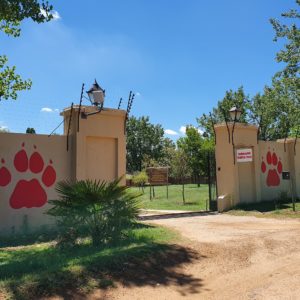
Late last year, the EWT took the leap and made the move to our forever home in Midrand, in the heart of Giant Bullfrog country. It was only fitting that we would celebrate this exciting new chapter by launching our new home in the build up to Leap Day.
On 26 February 2020, close to 100 donors, partners, members of the media, and other important stakeholders joined us in celebrating the launch of the EWT Gauteng Conservation Campus. The glorious summer day was the perfect backdrop to showcase the six-hectare property, which features a protected wetland and is home to countless species of indigenous flora and fauna. Nestled in the heart of an urban wilderness, the EWT is building a permanent home for conservation on this campus. Yolan Friedmann, EWT CEO, opened the formalities by giving guests some insight into the work of the organisation, and the vision that prompted the journey to our new home in Midrand. While we have only just moved into our new home, and there are still many exciting developments in the pipeline, it was incredible to see how much has already been done to transform the property. Guests were also treated to a few words from Clive Walker, a conservation legend and one of the founders of the EWT, who described the early years of the organisation, and his pride in seeing how far the EWT has come since it began in 1973. Yvette Nowell, from Rand Merchant Bank, one of the key funders of the property, also shared some insight into why the vision of the EWT’s new home was so compelling.
The final formalities included Dirk Ackerman, Chairman of the EWT Board, taking on ribbon cutting duties to ceremonially declare the Gauteng Conservation Campus open, and the unveiling of a young baobab tree, which symbolises the connection between our home in Midrand, and the properties the EWT owns in the Soutpansberg, as well as the longevity of the EWT’s impact and the legacy of the Conservation Campus dream which will outlive us all. Guests were then able to discover the property at their leisure, and spend time at each specially set up EWT programme station, where the work of our field staff was showcased. Liquid refreshments courtesy of Painted Wolf Wines, Rare Gin, and Outliers Coffee were most welcome in the afternoon sunshine, as the guests lingered to enjoy the special atmosphere of this wonderful environment.
The Gauteng Conservation Campus is funded by the Hans Hoheisen Charitable Trust and Rand Merchant Bank. Several other partners have contributed significantly to making this dream a reality, including Standard Bank, SpeedSpace, Wiggett Architects, Tiletoria, Ryobi, Duram Paints and The Meter Man.
BALWIN GIVES BACK
Tammy Baker, EWT Business Development Officer
TammyB@ewt.org.za
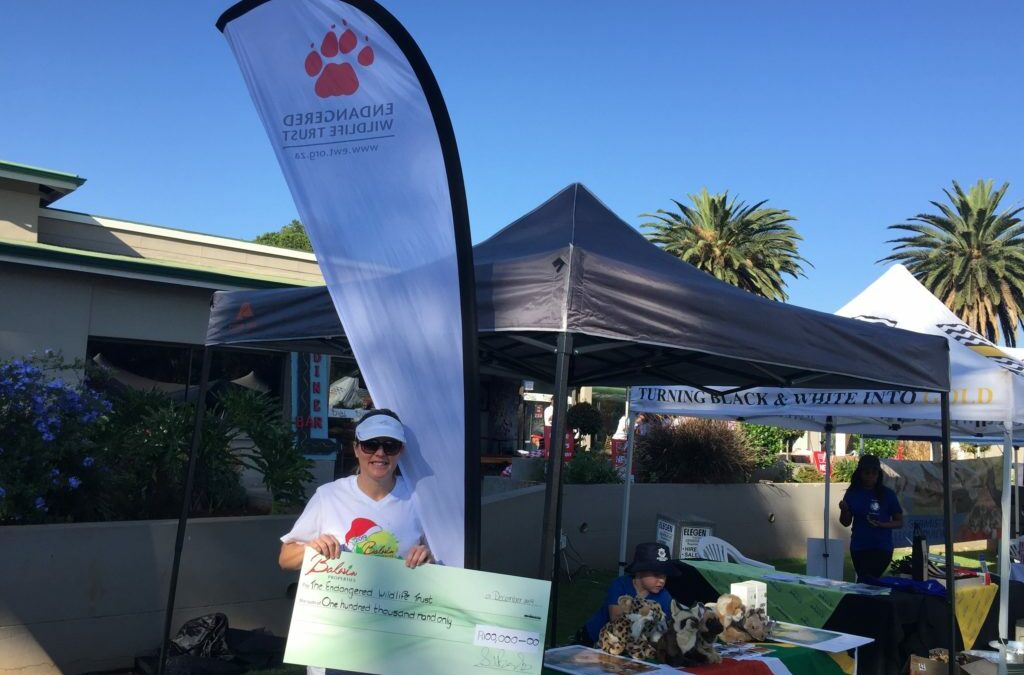
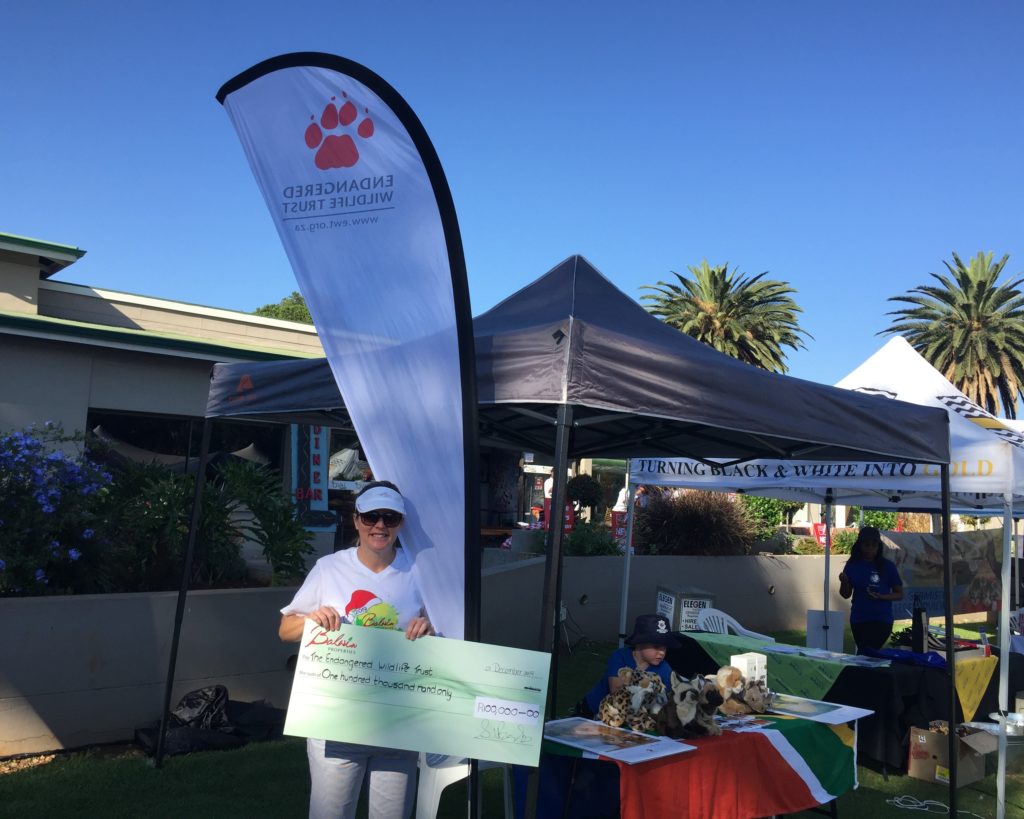
Thank you to Balwin Properties for nominating the EWT as a beneficiary at their 2019 Balwin Charity Hat Walk. We commend them for doing end of year staff functions differently – instead of another year-end party, staff and suppliers donate to and attend a charity walk at the end of every year and raise funds for charity. This is the second year that we have been beneficiaries of this exciting day out, and we were thrilled to accept a cheque for R100,000.
UNRAVELLING THE MYSTERIES OF RIVERINE RABBIT FAMILIES
Esther Matthew, Specialist Conservation Officer, EWT Drylands Conservation Programme, EstherM@ewt.org.za
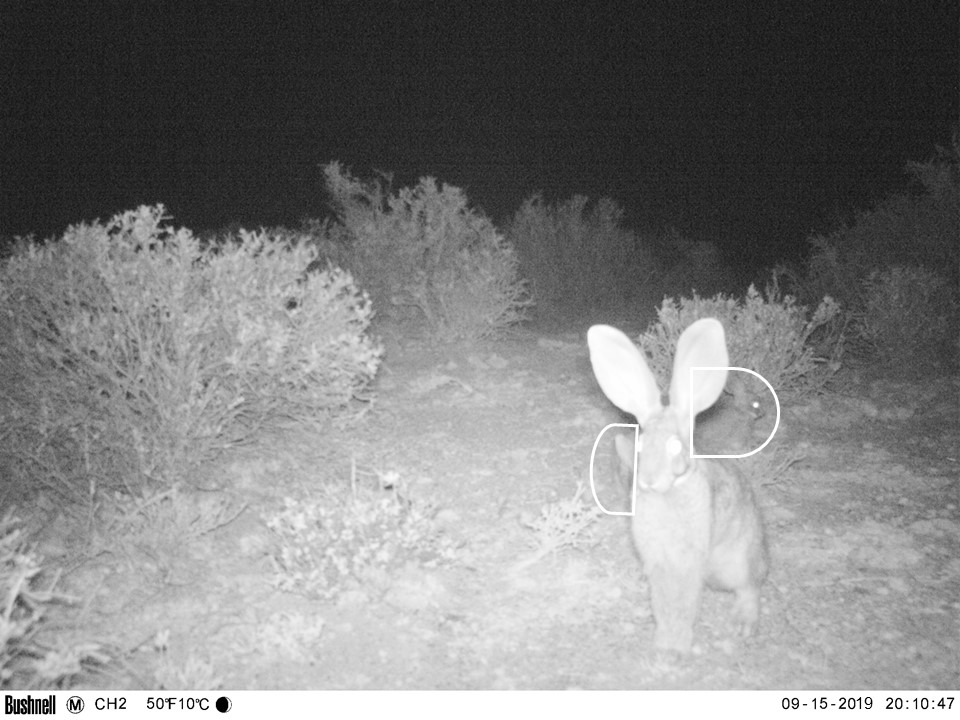
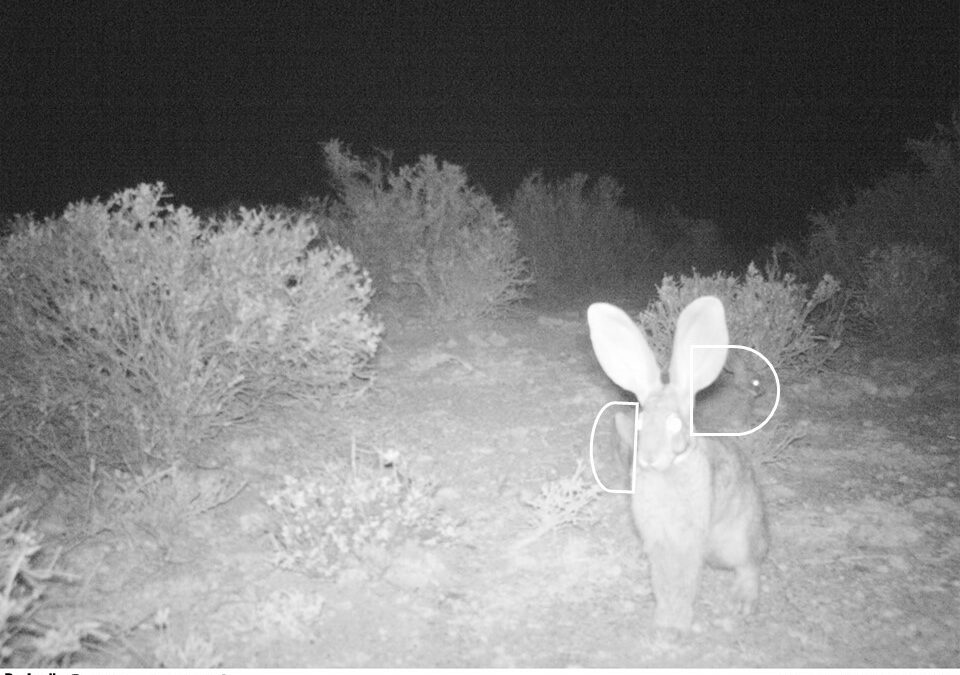
In another exciting first for conservation, the EWT has captured the first ever photographic evidence of Riverine Rabbit kits (babies) with their mother. This unbelievable image was captured on a camera trap near Loxton, and showed a mother Riverine Rabbit and two kits. This is in line with previous research that has suggested that these elusive rabbits, rather than breeding like the proverbial bunnies, tend to only have one or two kits.
To make this news even more exciting, the area where this image was captured was previously data deficient. This means that no sightings of Riverine Rabbit were previously recorded on this farm. The new discovery takes us one step closer to closing the gaps in our knowledge of the complete distribution range for the species and provides us with more information on their ecology.
The EWT’s Drylands Conservation Programme significantly increased its camera trapping activities in 2019, in both the northern and southern populations of Riverine Rabbits. This has led to several exciting developments, such as the confirmation of the new Baviaanskloof population, and a far greater understanding of the species and their use of habitat.
We would like to thank our funders, Rand Merchant Bank (RMB) and the Zoologischen Gesellschaft für Arten und Populationsschutz (ZGAP), for providing ongoing support for our innovative endeavours to uncover the secrets of the iconic Riverine Rabbit.
TO THE RESCUE
Ronelle Visagie, Coordinator: Platberg Karoo Raptor Project, EWT Birds of Prey Programme
RonelleV@ewt.org.za
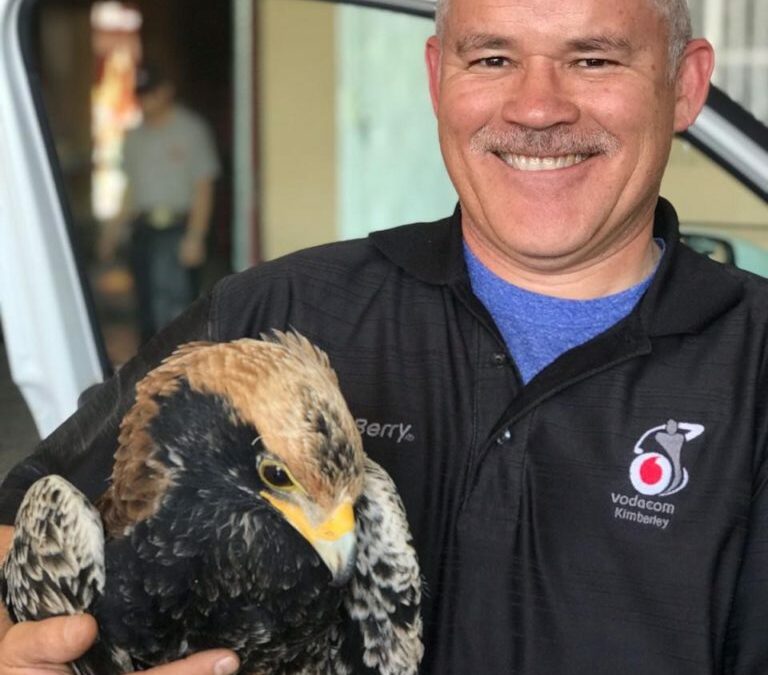
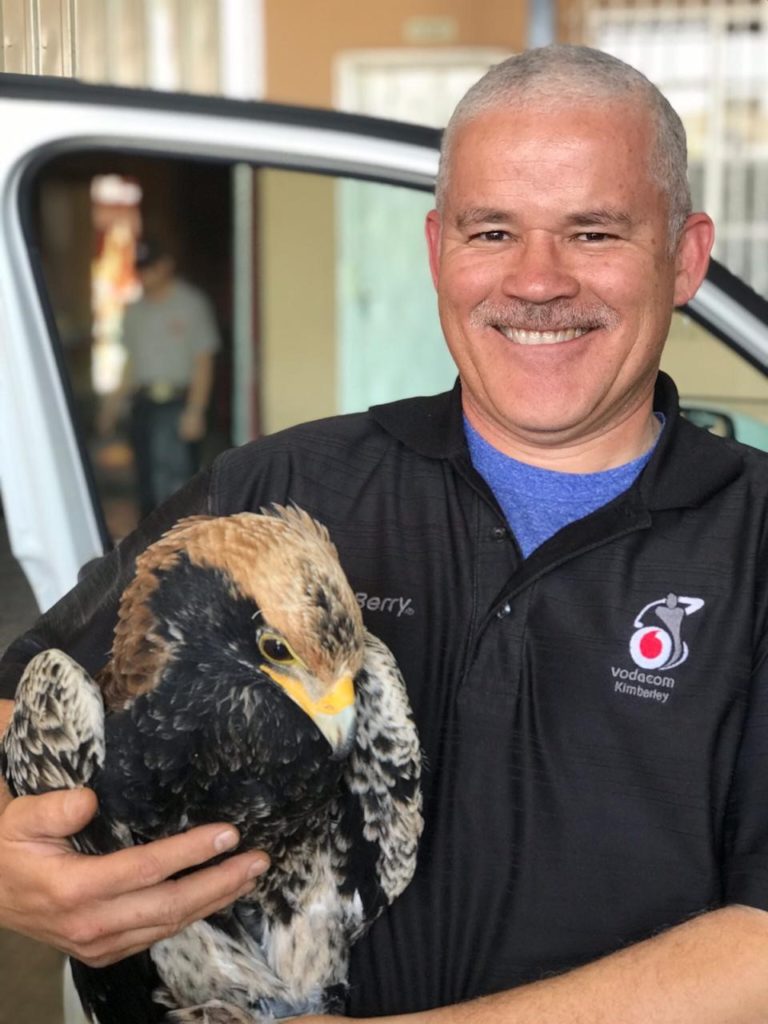
Early on a Friday morning I received a call from Gavin Williams, who works for Vodacom. He was at a mast near De Aar and saw an injured Verreaux’s Eagle under a Sentech mast, but he could not reach the eagle as it was in the camp of the Sentech mast and the gates were locked. I called a contact who works for Sentech and he helped us to reach the injured bird. We discovered that it was the chick from the nest on the mast, and had probably fallen out of the nest and injured its leg.
After spending time with a falconer, who will help this special bird to get fit and train it to hunt, it will be released back into the wild. Well done to Gavin for going out of his way to save this eagle!
SUCCESSFUL FACILITATION LEADS TO POSITIVE MOMENTUM FOR CAPE PARROTS
This article was first published by the Conservation Planning Specialist Group
Kerryn Morrison, chair of the IUCN Crane Specialist Group and Africa lead for the International Crane Foundation and Endangered Wildlife Trust, is a mentee in Conservation Planning Specialist Group’s (CPSG) Development Path. As a part of this conservation planning mentorship program, Kerryn recently facilitated a workshop for the Cape parrot, South Africa’s only endemic parrot species. The aim of the workshop was to bring stakeholders together to review the status and threats to Cape Parrots and to develop a conservation action plan for the species.
For Kerryn, the workshop was also a chance for her to strike out on her own as a facilitator, putting her developing skills to the test. Read on to hear her thoughts on the workshop and her experience as a mentee in CPSG’s Development Path.
How did you get involved in this workshop?
I have been a member of CPSG since the early to mid-2000s. I started off assisting with or leading Population Viability Assessment modelling at a number of workshops. However, I have not been an active member for several years. I then attended the online facilitation training course that CPSG Director of Training Jamie Copsey was leading and expressed my interest in becoming more involved in facilitation. When the Cape Parrot project request was received, Jamie approached me to do the workshop.
How did the workshop go? What were the results?
The workshop went well, and we achieved a lot in the very short two days that we had for the workshop. I used a hybrid CPSG/Open Standards for the Practice of Conservation approach, which I do think worked well. But I also learned a lot about where improvements could be made. The work was not completed in the two days, but commitments were made by all participants to complete the various sections by mid-October.
The outcomes of the workshop were many, but for me the following are key:
- There was a real sense of collaboration in the room and a positivity about the way forward.
- Funding and a supporting structure were offered by the Wild Bird Trust for a coordinating body to ensure that the plan and Cape Parrot conservation continues in a coordinated manner.
- There was support for the development of a Cape Parrot Biodiversity Management Plan, which will use the plan developed here as a basis for a South African legislative process that provides for conservation action for a species.
We will commence this project in March 2020 when we embark on a Lost Species expedition up the West Coast to collect samples for analysis. If the results are positive, we could not only rediscover the species, but we will also narrow down the search area for future conservation actions. Watch this space!
DEPLOYING NEW TECHNIQUES TO TRACK LOST SPECIES
Cobus Theron, Manager, EWT Drylands Conservation Programme, CobusT@ewt.org.za
The hope of finding the De Winton’s Golden Mole is almost as transient as the mist that passes through the dunes of the West Coast. This particular mole, last seen in 1937, is considered a lost species (see Lostspecies.org). The prospect of finding this creature and proving its existence is an appealing proposition but does not come without significant challenges. The EWT’s Drylands Conservation Programme is however up for the challenge. We will be teaming up with the University of Pretoria, to use new approaches and innovative technologies to attempt to find out if this species still inhabits the dunes of the West coast.
The De Winton’s Golden Mole is listed as Critically Endangered. It’s dune habitat, in the region of Port Nolloth, is under severe pressure from mining activities. Information on the species is extremely limited and the species is easily confused with Grant’s Golden Mole (which occupies similar environments) on the West Coast. Dune dwelling moles do not leave tunnels and are thus very difficult to locate or trap. Given these challenges, new approaches are required, if we want to find this species.
In November 2019, re:Wild, through their Lost Species expedition project, made a small grant available to the EWT to investigate new approaches for finding the species. The Drylands Conservation Programme will be teaming up with the Samantha Mynhart from the University of Pretoria and will pilot the use of an Environmental DNA (E-DNA) technique to sift through sand samples collected in the dunes near Port Nolloth. If successful, E-DNA techniques will allow us to detect skin cells shed by the moles as they move through the sand. This will enable us to confirm the presence of any of the golden mole species occurring here. We will commence this project in March 2020 when we embark on a Lost Species expedition up the West Coast to collect samples for analysis. If the results are positive, we could not only rediscover the species, but we will also narrow down the search area for future conservation actions. Watch this space!
CELEBRATING WORLD RHINO DAY
Ndifelani Mulaudzi, Trade Officer, EWT Wildlife in Trade Programme
NdifelaniM@ewt.org.za
The EWT and the Lapalala Wilderness School celebrated World Rhino Day earlier this year with Grade 10 learners from 23 high schools, community and NGOs, from the Waterberg region. To date, 104 Grade 10 learners have participated in debates on issues around rhino poaching. This special day provides the opportunity for learners to develop ideas and solutions to address the rhino poaching crisis in South Africa.
For the past four years, we have held our school competition with learners from the different schools in our host regions. In 2015, we held the competition in Mpumalanga (at the Timbavati) where 20 schools participated. Starting in 2016, we moved the competition to Limpopo (Waterberg Area), where over 23 schools have participated. The competition has since grown to become a community event in the Waterberg area.
While this is a one-day event, the preparation and follow-up extend far beyond the day when learners deliver what they have prepared.
This year’s competition attracted 40 children from 23 schools. Each learner had between three to five minutes to speak on the topic What are the social, political and economic impacts of rhino poaching? Develop an argument and present possible solutions to the impact and challenges.
Considering the age of the competitors, the standard was remarkably high. It was most encouraging to hear the passion and enthusiasm of the speakers for a what is a complex subject. Presentations embraced issues of community involvement, the economic importance of tourism and other values of rhinos, law enforcement (and the efficacy of sentences for poaching), biodiversity conservation, and the general lack of a political commitment to addressing rhino poaching.
While the contest offers valuable prizes in the form of laptops (complete with software and virus protection) for the winning speakers, the real prize is the engagement around these critical conservation topics. The participants go on to become ambassadors for rhinos in their local communities, speaking out against poaching, and acting as eyes and ears on the ground. The contest has a significant impact on the participants as it encourages a perception within local communities that biodiversity can deliver tangible socio-economic benefits. Through this competition, communities see the social upliftment and empowering of the younger generation to attain skills of critical thinking and being involved in solving real issues, including rhino poaching.
The prizes are very helpful to the learners, as they are then equipped with a valuable resource that aids directly with their studies. For example, some, learners have used their laptops for a candidate research project, which is part of the CAPS curriculum to teach the art of research at an early age. The learner who won the competition last year was very grateful to receive the laptop, which we observed on a subsequent school visit. There, we found the learner using the prize to do a project and research for various assignments. She has also used technology that she would have never had at her disposal prior to university. Now, when she goes off to university, she will have a head start in understanding how to use computers to further her education.
The names of the top contestants and the prizes they received are as follows:
- Mmabatho Nkae Mothoa (Ramogabudi Secondary School, Maroteng Village): Laptop, printer, mouse and laptop bag.
- Lebogang Dikgashu (Ebenezer Secondary School, Mahwelereng Township): Laptop, mouse and laptop bag.
- Koketso Augustine Mochoeneng (Ramogabudi Secondary School, Maroteng Village): Camera, 16-GB memory card and printer.
- Isabel Mohumutsi (EDL Rampolo Secondary, Mahwelereng Township): R3,000 voucher for study aid material.
- Tshepang Chauke (EDL Rampolo Secondary, Mahwelereng Township): R3,000 voucher for school uniforms.
- Ted Marothi (Sekoba Secondary School, Mapela Hans Gamasenya Village): R3,000 voucher for school uniforms.
- Marry Nkwana (Nkgoru Secondary School, Nkgoru Village): R2,500 voucher for study aid material.
Thank you to Save the Waterberg Rhino, MyPlantMyRhino Fund, Waterberg Nature Conservancy, Tintswalo Game Lodge, Waterberg Biosphere Reserve, and Waterberg Waves FM for making this competition possible.
