THE UGANDA CRANE FESTIVAL 2020 DRAWS GREY CROWNED CRANES TO THE CELEBRATIONS
Jimmy Muheebwa, Uganda Projects Coordinator, Gilbert Tayebwa, Research and Monitoring Field Assistant, and Phiona Orishaba, Community Education Field Assistant, EWT African Crane Conservation Programme
JimmyM@ewt.org.za, GilbertT@ewt.org.za, and PhionaO@ewt.org.za
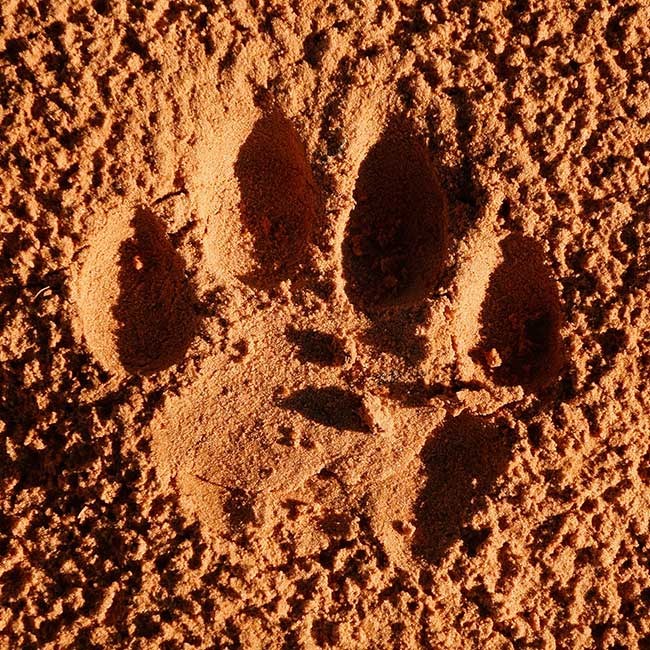
The unusual happened as the International Crane Foundation/Endangered Wildlife Trust/NatureUganda Partnership celebrated cranes on 2 March 2020 in Kabale, Uganda. The function that was held at Kikungiri Primary School and attracted hundreds of participants including primary school children, university students, conservationists, civic leaders, the media community, private sector practitioners, and politicians. Surprisingly, cranes, which were slated to be the centre of the talk during the celebrations, made an appearance, to the amazement of many.
The Uganda Crane Festival formed part of the build up to World Wildlife Day 2020, and was intended to promote partnerships and engagements with stakeholders who may be impacting on wetlands and cranes, increase crane and wetland awareness among youths in the project area, and engage communities to improve their appreciation of wetlands and their connection to Grey Crowned Cranes.
By 8:30 on the morning of the festivals, hundreds of participants had gathered at Highland Hotel Kibale, where they received t-shirts and banners. Guided by the traffic police and led on by a brass band, the procession marched through Kabale town up to the celebrations venue, Kikungiri Primary School. The guest of honour on this auspicious occasion was the Minister for Tourism, Wildlife and Antiquities, Godfrey Kiwanda, who was taken on a tour of a variety of wetlands-based arts and crafts exhibitions displayed by schools and communities to demonstrate sustainable use. The EWT’s Jimmy Muheebwa was afforded the opportunity to share project initiatives such as Crane Custodianship, “Cranes in the Classroom”, and the Conservation Agreement approach, and how the initiatives have contributed to improved crane breeding success. A “Cranes in the Classroom” school assessment had also been conducted, and the winning schools received their prizes – a plaque for first place and certificates for second and third places – at the festival. Katuna Primary School were well-deserving winners, while Rushabo Primary School and Buhara Primary School took second and third place respectively.
As Minister Kiwanda took to the podium, a flock of cranes hovered in the area, clearly considering landing in the area. The crowd had been taught how to make crane calls, and put this knowledge to good use, calling for over five minutes, which then transformed into dancing, singing, gesturing, and clapping in imitation of Grey Crowned Cranes. The minister was amused by the timing of the cranes’ appearance, just as he was about to speak, and wondered if it had been prearranged. He was glowing in his praise of the work being done by the cranes project, and paid special tribute to EWT partners, the International Crane Foundation. The minister also launched the National Species Action Plan for the Grey Crowned Crane, the development of which NatureUganda had championed, on behalf of the government of Uganda. The proceedings were closed with local communities staging a crane dance, which the minister couldn’t resist joining.
REMEMBERING CONOR TOMLIN
“You cannot leave Africa, Africa said. It is always with you, there inside your head.” – Bridget Dore, poet.
Conor Tomlin was born in Johannesburg on 28 March 1999. His life involved extensive travel and experiences of living around the world with his parents due to his mum’s career. As a boy, he lived in Egypt, Ireland, England, in the USA in both California and Nashville, and in Australia, before returning to South Africa to live in Cape Town when he was 13. There, he attended the British International School, and upon graduation, he left South Africa again to attend college in the USA, where he studied Computer Science.
Conor was a real all-rounder in life. He was an enthusiastic and strong rugby player, which he was well suited to with his 6ft3 sturdy frame. He played the tuba in the school band in Australia, and performed a leading role in two school plays; Aladdin and High School Musical. He was a capable student, achieving A grades in his A Levels in Maths, Computer Science, and Spanish.
Conor continued his love of travel by participating in Rustic Pathways projects as a volunteer in Thailand, Laos, and Peru during school holidays.
But his heart was increasingly in Africa, and he fell in love with the bush initially through trips with his family, and later through his work as a volunteer on wildlife conservation projects in the Kruger National Park and in Zimbabwe. Conor missed South Africa very much during the two years he was at college in the USA and returned every holiday, which always involved a trip to the bush. He was a keen wildlife photographer, and leaves behind him literally thousands of photos of wildlife, birds, and of the beautiful African habitats he visited. Conor was also a very capable horse rider and a special memory his family have of him was his happiness from the experience of game viewing by horseback in the Kalahari, during their last family bush trip.
Conor was known for his kindness and generous spirit; he made friends all over the world, always with an open heart, and many have written of how he helped them. He was a kind and affectionate big brother to his sister, Aoife, and a loving son to his parents, Stephen and Fiona. Conor was a special young man who planned to return to Africa after college. He talked of using his Computer Science skills to contribute to the fight against poaching. Sadly, this couldn’t be fulfilled due to Conor’s tragic and untimely death. He is greatly missed by all who knew him, who cherish their memories of him and the gifts and love he brought to their lives.
Conor’s family has decided to donate funds to the EWT Wildlife in Trade Programme Conservation Canine Project for the next five years, in honour of Conor and to memorialise his life and love for Africa’s bush.
You can leave a legacy too
The EWT relies on bequests both large and small to ensure that we continue fulfilling our vision of a healthy planet and an equitable world that values and sustains the diversity of all life. None of us can avoid the need to have an up-to-date will, ensuring that our last wishes are carried out and our legacy is continued in the way that we would choose. Including a bequest to an organisation like the EWT that you have supported in your lifetime, or that you would have liked to support, is a way to bring meaning and purpose to a life well-lived, and know that you have left the legacy of a better planet for future generations. We assure you that your legacy will make a lasting impact to the benefit of all who inhabit our beautiful country.
Your bequest will help us to…
- Empower communities to live and work in harmony with nature
- Increase safe space for Cheetahs and Wild Dogs in South Africa and beyond
- Conserve grasslands and wetlands to secure our critical water sources
- Ensure our iconic raptors remain in the skies
- Raise awareness and create connections between young people and their natural environment through our schools programmes, developing the guardians of the future
… and so much more!
We are proud to be working with Capital Legacy to make leaving a legacy even easier. With a wealth of knowledge and expertise, Capital Legacy provides you with client-centric and excellence-driven service when it comes to drafting your Will, taking care of the administration of Trusts and administering your Estate in the event of your death. Capital Legacy are also the innovators of the Legacy Protection Plan™, an insurance product that completely protects your beneficiaries from the legal fees and expenses that arise when you pass away. Capital Legacy is also committed to protecting forever, together, and for every Legacy Protection Plan™ referral they receive from the EWT, they’ll be making a donation to the organisation. Find out more at https://ewt.org/get-involved/get-involved-leave-a-legacy/ or contact TammyB@ewt.org.za
THE EWT AND THE CONSERVATION COACHES NETWORK HOST SOUTH AFRICA’S FIRST CCNET COACH TRAINING
Claire Relton, Senior Science Officer, EWT Conservation Science Unit
ClaireR@ewt.org.za
Conservation organisations, like the EWT are tackling complex and urgent environmental issues across the globe. Funders, donors, and key stakeholders are counting on us to meet our conservation goals and have positive, effective and lasting impact. To this end, conservation teams need to plan, monitor, adapt and improve their strategies while providing accurate evidence for what works and what doesn’t work. Conservation Coaches are trained facilitators that train and assist teams and their stakeholders with developing adaptive conservation plans in order to achieve the desired success. Earlier this year, the EWT hosted South Africa’s first, and Africa’s third, CCNET Coach Training at Valverde Eco Hotel, near Lanseria, Gauteng. The Conservation Coaches Network (CCNET, established in 2009) is a dynamic community of conservation planners from around the world, whose mission is to lead conservation project teams through the Conservation Standards five-step process in order to develop and adapt effective strategies and measures of success.
Three well-experienced coach trainers facilitated the course, namely John Morrison (WWF US), Genevieve Pence (CapeNature) and Erica Cochrane (International Crane Foundation). The training took place over the course of a week and included both theoretical, teambuilding and practical learning sessions, as well as an enlightening field trip to the Sterkfontein Caves in the Cradle of Humankind. Four EWT staff members participated in the course and are now certified CCNET Conservation Coaches, including Dr Lizanne Roxburgh and Claire Relton from the EWT’s Conservation Science Unit, and Kerryn Morrison and Dr Adalbert Aine-omucunguzi from the EWT/ICF African Crane Conservation Programme. Other participants included staff from CapeNature, SANCCOB, Wildlife Conservation Society, Panthera, Conservation South Africa and Peace Parks Foundation. The hugely successful event not only ignited long-term collaboration between the EWT and other African conservation organisations implementing the Conservation Standards, but also initiated participants into the larger global CCNET community. As part of the Conservation Standards movement, the EWT aims to work collaboratively towards measurable and impactful conservation for the benefit of nature and people.
TACKLING THE CHALLENGES OF LINEAR INFRASTRUCTURE IN AFRICA
Wendy Collinson, Manager, EWT Wildlife and Transport Programme
wendyc@ewt.org.za
Wendy Collinson, EWT Wildlife and Transport Programme (WTP) Manager recently joined colleagues Lourens Leeuwner, EWT Wildlife and Energy Programme (WEP) Manager, and Constant Hoogstad, EWT Senior Manager: Industry Partnerships, in Kenya at a conference workshop co-hosted by the EWT, Ewaso Lions, the Grevy’s Zebra Trust, Africa Conservation Centre, Centre for Large Landscape Conservation and the Development Corridor Partnership. The theme was Designing Linear Infrastructure for Sustainable Outcomes. Linear infrastructure concerns roads and rail, energy, power lines, canals, pipelines, and fences, and their impacts on the environment.
The three-day workshop, hosted in Nairobi, exposed delegates to the benefits of utilities and NGOs partnering together to work towards a common goal. Nearly 70 participants from five countries gathered for the workshop primarily to discuss solutions to advance ecologically-friendly linear infrastructure practices on the African continent.
Africa is currently experiencing an explosion of linear infrastructure development, with the number and extent of roads, railways, power lines and pipelines rapidly expanding. In order for this development to result in a net benefit to the economic and social well-being of Africa’s citizens, measures must be taken to ensure that transport and energy transmission infrastructure is carefully designed to avoid, minimise, and mitigate damage to the ecological and cultural resources on which both people and the economy depend. Workshop participants were from diverse backgrounds and represented a variety of stakeholders including industry practitioners, national infrastructure agencies, conservation and community groups, universities, and multilateral development finance institutions.
This inaugural engagement in Kenya is the start of a much bigger mission by both the WTP and WEP teams. One of Kenya’s current projects is the Lamu Port-South Sudan-Ethiopia Transport (LAPSSET) Corridor which comprises a complex suite of infrastructure projects intended to unlock the economic potential of oil and trade in the East Africa region.
As part of its plans under LAPSSET, the Government of Kenya is facilitating unprecedented and rapid investment in linear infrastructure in the arid and semi-arid lands of northern Kenya. The projects, in various stages of development, include highways, a standard gauge railway, a crude oil pipeline and a transmission line. These are being routed through the biodiversity-rich Ewaso Nyiro North Basin, a landscape renowned for its protected areas, community conservancies and endemic species.
Efforts to mitigate the environmental impacts of LAPSSET have highlighted the critical importance of building on existing county, project and stakeholder relationships to generate new forms of coordination for managing the Corridor’s complexity and an opportunity for the EWT to offer expert advice for intervention of the cumulative impacts, planning and implementation processes during the planning process.
Wendy also had an opportunity to visit a China-funded transport corridor, the Standard Gauge Railway (SGR) that links Mombasa and Nairobi and eventually will continue further towards Uganda. This railway controversially traverses both the Tsavo and the iconic Nairobi National Parks. Various mitigation measures have been taken to lessen the impact on wildlife movements during the construction of the railway, but emerging linear infrastructure across Africa is expected to have major implications for future development and conservation at local to continental scales.
A final outcome of the conference was the announcement of the second African Conference for Linear Infrastructure and Ecology (ACLIE). With the inaugural ACLIE hosted in the Kruger National Park, South Africa 2019, this biannual conference will be hosted in Kenya in 2021. More details to follow, but the main aim of ACLIE is to mainstream business and biodiversity by setting up partnerships between local NGOs and utilities. Through this, we hope to promote sustainable development practices in Africa, with the ultimate goal of having wildlife friendly linear infrastructure networks across Africa.
CYCLING FOR A CAUSE
Tammy Baker, EWT Business Development Officer, TammyB@ewt.org.za
EWT supporter extraordinaire, and owner of the Hoedspruit Spar, Rowan Ferreira, recently took part in the Cape Town Cycle Tour 2020 to raise funds to purchase a GPS tracking collar for a pack of Wild Dogs, helping the EWT’s Carnivore Conservation Programme to continue monitoring this Endangered species.
Rowan set himself a fundraising target of R30,000 and exceeded this by R10,530, raising R40,530 in total! This is one of many events and drives that Rowan has undertaken for the EWT, making him a true Conservation Champion, and we would like to thank him for all his efforts and commitment to the conservation of Wild Dogs.
If you’d like to undertake your own fundraising effort for the EWT, please contact Tammy Baker on TammyB@ewt.org.za
RAT DETECTIVES CONTINUE GOOD WORK
Annie DuPre-Reynolds, Manager, EWT Wildlife in Trade Programme
AnnieD@ewt.org.za
Over the past few years, we have worked with our partner, APOPO in Tanzania, to train African Giant Pouched Rats in detection work. These rats are now capable of smelling pangolin scales hidden in other substances and masking agents. The use of wildlife detection rats is very new, and we are excited to say that the proof-of-concept phase of this project was successful!
The proof-of-concept phase was generously funded by the UK government through the Illegal Wildlife Trade Challenge Fund and the US government through U.S. Fish and Wildlife Service. We’re happy to share that this work will continue, thanks to funding from the German development agency GIZ and the Wold Conservation Network’s Pangolin Crisis Fund. The next phases of the project will expand the rat’s training to include detection of other wildlife products while developing unique deployment strategies to position the rats where they are needed most.
Thank you to all of our funders – watch this space for more updates on our Detection Rats!
TAKING A LEAP FOR FROGS
Dr Jeanne Tarrant, Manager, EWT Threatened Amphibian Programme
JeanneT@ewt.org.za
The EWT’s Leap Day for Frogs campaign has been running for six years, with the 2020 iteration taking place during a Leap Year. This year our theme, ‘Take the Leap’, invited the public to take a leap of faith in doing something towards recognising the importance of our amphibious friends.
Globally, amphibians remain the most threatened back-boned animals on Earth, with the latest assessments showing 41% of species in this group as being threatened with extinction. That’s a huge proportion of an ancient group of animals that has been successful over the past 300 million years, inhibiting all corners of the planet – except in places that are too cold, too hot or too far away (amphibians can’t make it to some of the more isolated islands, for example the Galapagos have no amphibians). But now, because of loss of habitat, pollution of freshwater and a deadly fungus, amphibians are facing a very real and rapid demise. A warning that our changing planet is not able to support life in the way that it should.
These sobering statistics are not exactly cause for celebration, so why have fun in the name of frogs? Leap Day for Frogs is about highlighting the plight of these creatures, but creating an appreciation for them is the first step towards recognition of their importance. Leap Day for Frogs aims to do this, and invites members of the public to get involved in whichever way they see fit – be this frog art or poetry at schools, cleaning up a local wetland, learning more about frogs or playing a game of leap frog
We are relatively fortunate in South Africa where 20 of our 135 frog species are threatened, so not quite as high a proportion as globally. We are also blessed with an amazing diversity of frogs that inhabit our vast array of habitats from montane fynbos in the west, to coastal forest in the east and everything in between – rain frogs, ghost frogs, stream frogs, puddle frogs, Giant Bullfrogs, tree frog….the list goes on.
For Leap Year this year we had over 1,250 people taking part in activities around the country, ranging from Highland dancers doing a fling for frogs, frog tattoos, school groups learning about frogs and wetlands, to park runners dressing up as frogs. As the EWT, we partnered for the 6th consecutive year with Kloof Conservancy to run a fun day of activities and a night frog walk at Ipithi Nature Reserve in Gillitts on 29 February. Turnout was great, considering the cold and wet weather, with 120 people attending. Local artist, Giffy Duminy, also raised awareness by painting incredible frog murals under the Elizabeth Bridge in Kloof. In Cape Town, our project team there led an exciting walk in the Kirstenbosch Botanical Gardens, finding several frog species, including tadpoles of the Critically Endangered Table Mountain Ghost Frog – our flagship species for a conservation research project we are coordinating on the mountain.
It is wonderful to see this event growing in reach year after year and a genuine interest from young and old alike in what really are some of the most fascinating creatures we are lucky enough to share the planet with.
This work is made possible by Rand Merchant Bank, Disney Conservation Fund and Kirstenbosch Botanical Gardens.
COVID-19 LOCKDOWN: A TIME TO REFLECT ON OUR IMPACT ON BIODIVERSITY
Annie DuPre-Reynolds, Manager, EWT Wildlife in Trade Programme
AnnieD@ewt.org.za
The novel coronavirus, COVID-19, has brought to the forefront new challenges and, therefore, opportunities in our lifetime. While we often feel invincible with our advanced technology, it is times like these that remind us we are powerless against nature. Millions of people around the world, working from home and watching the news, are stuck inside and feel disconnected from their environment. But the reality is the opposite – our impact on this planet over the past generations has a direct connection to the spread of this disease.
Deforestation and habitat reduction have driven wild animals out of their natural homes and into areas of human habitation. Continued demand for wildlife products means people encroach further into protected areas to extract wildlife and natural resources. The illegal wildlife trade, which is driven by human consumption, sees people (especially the poor and vulnerable at the lowest level of this supply chain) risking their health and safety to make a living.
As we expose ourselves to animals and plants in the wild and bring wildlife into urban areas as part of the wildlife trade, we increase the ways zoonotic diseases can hop from animals to humans. In our crowded world, viruses with high mutation rates can (relatively) quickly switch hosts in new ecosystems. In particular, the unregulated nature of illegal wildlife trade provides easy opportunities for pathogens to spread.
In 2012, journalist Jim Robbins wrote a prophetic piece in the New York Times. Disease, he observed, “is largely an environmental issue. Sixty percent of emerging infectious diseases that affect humans are zoonotic – they originate in animals. And more than two-thirds of those originate in wildlife.”
Was the decision by the United Nations to call 2020 a “super year for nature and biodiversity” also prophetic? Perhaps amongst the devastation caused by COVID-19, we will find the time and energy to consider our impact on this planet and its biodiversity. While the pandemic has delayed important international meetings on the environment and biodiversity, an increased focus on public-awareness and campaigning could bring positive impacts overall.
In February, COVID-19 drove the Chinese government to take drastic measures to stem illegal markets and ban wildlife consumption. Yes, there are loopholes that will continue to negatively impact wildlife. No, this was not a simple solution to the problems posed by illegal and unregulated wildlife trade. What remains to be seen is if consumer behaviour will change as a result of these regulations, and if pressure will reduce on some of the world’s most threatened and protected species.
Beyond the many lessons we will learn about public health and safety, we must keep in mind the impact we have on our environment. This too shall pass – and one day soon we will look back on COVID-19 as part of history. Will our attitude towards wildlife have changed? Will we have learned our lesson, and slowed exploitation of our planet’s biodiversity? Let us not take this lesson for granted and use this time to re-evaluate our actions on this planet and make sustainable choices now.
RESPONSE TO COVID-19 PANDEMIC
The Endangered Wildlife Trust fully supports the efforts of our government to stem the rate of transmission of the COVID-19 virus and is committed to playing our part in being a responsible global citizen.
As a result, the EWT head office will remain closed from Wednesday, 18 March, and we will not be engaging in any public events, meetings or gatherings. The EWT will, however, continue to operate at full steam, albeit from different locations.
Our staff are available on email and cell phone, and will hold meetings via various platforms such as Skype and Zoom. Our field staff remain committed to providing mission critical field services and support to our partners as required.
We wish all affected people a speedy recovery over this time, and we remain committed to seeing our beautiful country prosper once this difficult time has passed.
For more information please contact ewt@ewt.org.za
FINDING GOLD IN THE DUNES
JP Le Roux, Field Officer, EWT Drylands Conservation Programme
jeanpierrel@ewt.org.za
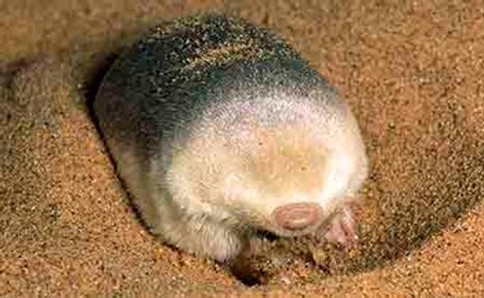
The Drylands Conservation Programme, with the help of Samantha Mynhardt from the University of Pretoria, will be taking on the exciting task of trying to find one of the most elusive animals in South Africa! The Van Zyl’s Golden Mole is known from only two locations, with the last found in 2003. More than 17 years later, we are on a quest to find them again.
We will be focusing on the Lambert’s Bay area, as this is where the species was last found. The habitat consists of mostly Succulent Karoo strand veld with low elevation, which is perfect for golden moles. On the first trip to do a reconnaissance of the area, we were amazed by the amount of activity, especially from a variety of moles. With the amazement came the realisation of the challenge we are undertaking. Finding Van Zyl’s Golden Mole in a minefield of mole activity is going to be difficult! We visited various farms around the Lambert’s Bay area, going from farm to farm trying to find specific activity associated with golden moles. Most of the mole activity in the area is linked to the Common Mole-rat, which excavates big mounds of soil along its main burrow. Because they live in colonies of up to 14 individuals, their activity can be quite extensive. The Mole-rat activity differs greatly from that left behind by the much smaller golden moles. Golden moles are solitary animals and usually dig their tunnels just below the soil surface (5-10cm deep). The activity mostly consists of a foraging trail extending out from a central point around vegetation. Some areas indicated much more activity, where it was possible to identify specific behaviour along foraging trails such as head dipping. Along with the physical signs indicating that there are golden moles in the area, other promising signs such as the presence of prey items were also found. All these findings show that there are definitely golden moles in the area, but the question still remains whether they are Van Zyl’s or one of the other mole species.
The activities of different golden mole species are relatively similar, which highlights the need for creative ideas to determine the presence of this specific species. Techniques such as scent detection, thermal imaging, and testing the soil for environmental DNA (DNA that is collected from environmental samples, such as soil, rather than from an individual organism) will be some of our methods to attempt to determine the presence of Van Zyl’s Golden Moles. If these techniques prove to be successful, it will be seen as a rediscovery of the species and will greatly benefit the conservation of the species. Golden moles face many challenges, with the main threats to the species linked to habitat loss from activities such as poor farm / land management and mining.The team’s first survey will take place in the next few months, and the progress of the project will be presented in follow up articles in Conservation Matters. So, watch this space!
Thanks to Global Wildlife Conservation, for making this project possible through their Lost Species Initiative.
