
ALARMS ARE RINGING – IS THE COVID-19 PANDEMIC A WAKEUP CALL FOR BUSINESSES?
Megan Murison, Project Officer, EWT National Biodiversity and Business Network, Angela Cherrington consultant, and Dr Joel Houdet, consultant
meganm@ewt.org.za
“Nature is sending us a message with the coronavirus pandemic and the ongoing climate crisis”.
The United Nations Environment Chief, Inger Anderson (2020)
Disease outbreaks, biodiversity loss and climate change
According to the World Economic Forum (2020), the frequency of disease outbreaks has been increasing steadily. There were 12,012 recorded outbreaks between 1980 and 2013, comprising 44 million individual cases all over the world. While these outbreaks are linked to increasing global travel, trade, connectivity, and high-density living, and although our understanding of how functional ecosystems protect us from diseases is still limited, there also appear to be strong linkages between disease outbreaks, climate change, and biodiversity loss.
Human activities have significantly altered three-quarters of the land and two-thirds of the ocean, changing the planet to such an extent as to birth a new era: The Anthropocene”. Changes in land use that result in habitat destruction for biodiversity (e.g. deforestation and agriculture) bring wildlife, domestic animals, and humans into closer contact, facilitating the spread of zoonotic diseases, including new strains of bacteria and viruses. Uncontrolled illegal and legal trade in live wild-caught animals breeds even more dangerous grounds for human-wildlife contact and the transmission of diseases. Many recent outbreaks have originated in markets selling a combination of live and dead, wild and domestic mammals, birds, and reptiles.
Climate change has also altered and accelerated the transmission patterns of infectious diseases such as Zika, malaria, and Dengue fever, and in some cases resulted in the displacement of large groups of people to new locations, often under poor conditions. Groups under these conditions are also more vulnerable to additional ailments such as measles, malaria, diarrheal diseases, and acute respiratory infections.
Business unusual: Time for pro-active biodiversity mainstreaming
Biodiversity is under severe threat globally, including in South Africa, and the private sector is one of the primary drivers behind the degradation of habitats and the loss of biodiversity. The Intergovernmental Science-Policy Platform on Biodiversity and Ecosystem Services (IPBES), an independent body established in 2012, made up of over 130 member states around the world, recently confirmed that around one million animal and plant species are now threatened with extinction, more than ever before in human history.
Business both relies and impacts on biodiversity. Biodiversity produces a wide variety of services on which businesses depend. Examples include the supply of raw material, crop pollination, genetic resources, water filtration, flood attenuation, erosion control, and many others. As such, business is critically dependent on ecosystem services to produce the goods and services it sells. Companies would not be able to operate without biodiversity.
In the context of COVID-19, countries and the private sector must not use the pandemic as an excuse to weaken environmental protection and enforcement, as argued by a UN independent human rights expert. The reverse should be the case. Governments and businesses must tackle the Covid-19, biodiversity, and climate crises with a holistic strategy – transforming the global economy to be just, inclusive, sustainable, and resilient.
If this is to be achieved, the mainstreaming of biodiversity should be done in all economic sectors: i.e. integrating biodiversity into business strategies and activities, notably in supply chains where land use changes, resource consumption and wildlife trade take place. Biodiversity mainstreaming needs to benefit both humans and nature, and businesses need to be able to assess their impacts on biodiversity and manage them effectively. This builds on a growing movement toward nature-based solutions, which harness the power of biodiversity and ecosystem services to mitigate effects of the climate crisis, unsustainable food systems, water pollution, and other socio-economic and environmental challenges. The EWT’s National Biodiversity & Business Network’s Biodiversity Disclosure Project (BDP) aims to assist companies to assess both their opportunities and their risks related to biodiversity. The BDP offers businesses an easy method to account for their biodiversity impacts, using a standardized accounting protocol. Should you or your business be interested in better understanding your impacts on biodiversity, please contact the NBBN team here.
FORD WILDLIFE FOUNDATION COMMITS TO CONSERVATION THROUGH ONGOING SUPPORT OF THE ENDANGERED WILDLIFE TRUST
Alison Janicke, EWT Head of Resource Development
alisonj@ewt.org.za
For over 30 years, Ford Motor Company of Southern Africa (FMCSA) has been actively involved in the conservation of wildlife and ecosystems in South Africa and Sub-Saharan Africa. To date FMCSA has invested almost R40 million to support more than 170 conservation projects. Generously sponsored Ford Rangers make it possible for EWT field officers to get where they need to be and make a real impact for conservation, and the communities they work with. FWF is funded by the Ford Motor Company of Southern Africa and supported by its nationwide network of Ford Dealers. The EWT would like to thank FWF for their incredible support over the years. FWF currently supports our Cheetah, Wild Dog, Amphibian, Crane and Wildlife and Roads projects, all of which require our field staff to be on the open road and driving through rough terrain for hours on end. These projects would not be as successful as they have been without the support of the FWF and their Ford Rangers.On top of their incredible vehicle support, Ford donated 120 face shields for our staff to use in the field, so that even when they are not in their Rangers, they can continue with their critical conservation work. Thank you, Ford, for keeping the EWT field officers in the field doing what they do best.
SCIENCE SNIPPET: VESSEL COLLISIONS WITH MARINE ANIMALS
Lizanne Roxburgh, Senior Scientist, EWT Conservation Science Unit
lizanner@ewt.org.za
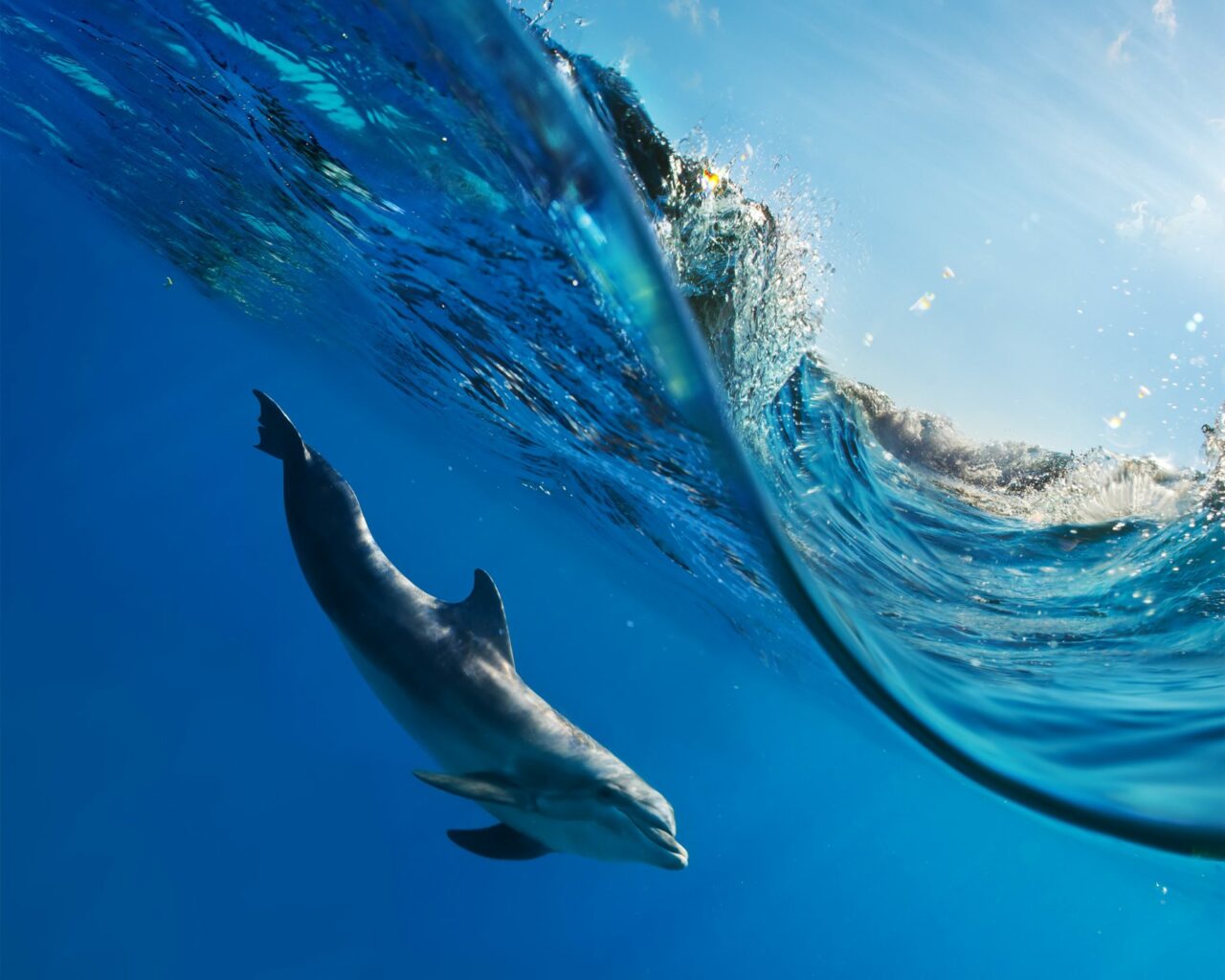
There is increasing concern globally about the effects of maritime vessel collisions with marine animals. A vehicle collision is defined as an impact between any part of a watercraft, typically a bow or propeller, and a live marine animal. Collisions often result in injury or death of an animal, and may also cause serious damage to the vessel, and injury or even death to the people on board. There is extensive and growing use of the world’s oceans by both commercial and recreational vehicles, and concern about the impact this has on marine life.
To-date, most scientific publications on maritime vessel collisions have focused on the collisions between large vessels and large whales, such as right, blue and humpback whales. In this new publication, co-authored by EWT staff member Claire Patterson-Abrolat, the authors compiled information on collisions with all marine animals, to obtain a more holistic understanding of what species are affected. They also evaluated whether our knowledge of vessel strikes with whales can assist in understanding and mitigating vessel strikes with smaller species. Lastly, they provided recommendations for priority actions to address essential information gaps.
The authors found that at least 75 marine species are affected, including smaller whales, dolphins, porpoises, dugongs, manatees, whale sharks, sharks, seals, sea otters, sea turtles, penguins, and fish. They found that collision incidents with smaller species were scarce, but this is likely a result of reporting biases, where smaller collision incidents are not reported.
The authors reviewed various mitigation measures that aim to reduce the risk of collisions between vessels and marine animals. These were mostly developed with a focus on whales, but some of these have proved effective for smaller animals. The effective measures include re-routing away from high risk areas, and speed restrictions. However, many studies have reported that particularly smaller vessels tend to ignore these restrictions, and that both education of boat skippers as well as better monitoring by law enforcement needs to be done.
Lastly, the authors recommend that an international database of vessel strikes for smaller species is established, so that we can gain a better understanding of where high-risk areas are for smaller species. This would be a valuable first step towards the mitigation of collisions with smaller species. However, we also need to move beyond just reporting mortalities, to really understand the impact of these deaths on populations of marine animals, many of which are already at risk of extinction.
Reference: Schoeman RP, Patterson-Abrolat C and Plön S. 2020. A Global Review of Vessel Collisions with Marine Animals. Frontiers in Marine Science. 7:292. doi: 0.3389/fmars.2020.00292
For more information, please contact Lizanne Roxburgh here.
A FOND FAREWELL
This month we sadly say farewell to a valued member of our pack. Belinda Glen has managed our communications unit for the last four years, creating and inspiring meaningful, eloquent, and accessible conservation content, in ever new and exciting ways. Belinda will be sorely missed, but she was offered a wonderful career opportunity and we wish her everything of the best and look forward to seeing what she gets up to next! It is going to take a few of us to fill her enormous shoes, but don’t dismay, we will still be bringing you all the great content you are used to! Conservation Matters will now be compiled by Emily Taylor and Khanya Peacock.
A WORD FROM THE CEO
Yolan Friedmann, EWT CEO
yolanf@ewt.org.za
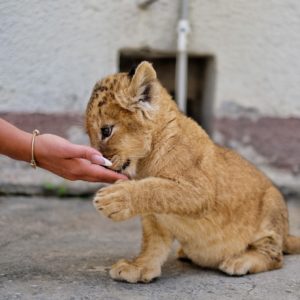
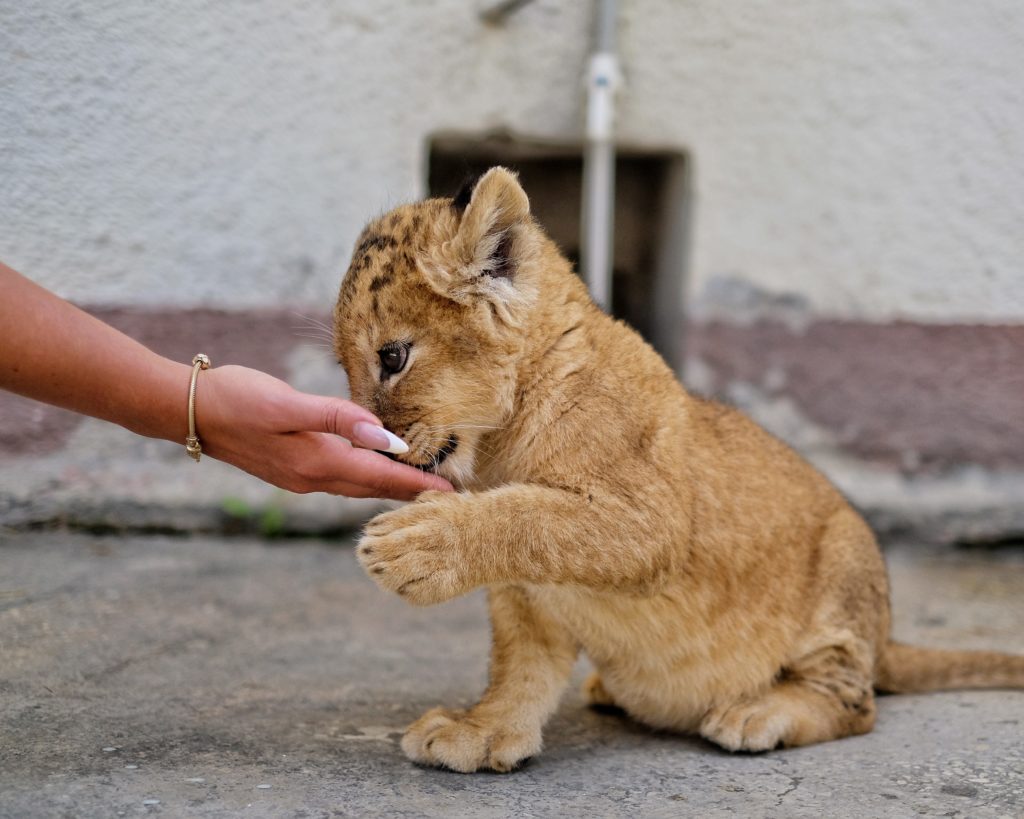
For a number of years, South Africa has seen an ongoing increase in in the number of facilities that claim to be wildlife rehabilitation or rescue centres, or even to have wildlife breeding ‘for conservation’ as their purpose. In the meantime, the majority of them are nothing more than commercial operations that masquerade as conservation centres, with financial gain for profit, being their main driver. The public has been duped into believing that lionesses frequently abandon perfectly healthy cubs, which then need to be rescued and bottle fed by well meaning, pound (or dollar) paying volunteers. The public has been paying for years to see camps of Cheetahs and Wild Dogs with the narrative being that they have been rescued from farmers who may have shot them, or from roads on which they may have been killed. The public has also been told that the always-present number of cubs and pups (and other wildlife offspring) is so that these new generations can be introduced into the wild to ‘save the species’. And for all of this, the public has been asked to pay. Whether for ‘educational’ family visits or through donations and fundraising asks, the public has been supporting a large number of these institutions for decades.
The trouble is that many of these facilities are in fact breeding and selling wildlife for commercial gain, supplying a multitude of zoos, wildlife dealers and private collectors, globally. This in itself is not necessarily a problem for the EWT, and you may in fact ask why the EWT would even care, given that we are not a welfare organisation. The trouble is, these institutions do not tell the unsuspecting public the truth and they don’t declare up front that the animals that they are paying to see are in fact often being bred or raised for sale to one of various institutions along the global wildlife supply chain. Furthermore, the so-called ‘rescue’ of animals that may have been shot or killed on roads is also problematic. The reality in South Africa today is that many wild species are exposed to being killed in human-wildlife conflict situations but removing them never solves the problem and certainly doesn’t enhance the protection of the species when increased range and tolerant landowners is what needs to be the goal. Finally, there is no conservation plan for any carnivore species and almost no other wildlife species in our country that requires the intentional breeding of additional animals, for release.
The problem is in fact a lack of space for many, already-wild animals and captive bred animals compound the situation. So, consider the truth exposed when, as a result of the COVID induced national lockdown, and the closure of the borders and airlines, which have rendered many of these facilities unable to trade in their animals. Suddenly we are seeing packs of Wild Dogs, high numbers of Cheetahs and Lions and a range of other captive bred wildlife that cannot be traded and which are costing too much to keep and who may not be sold anytime soon, being offered for ‘conservation purposes’, release or threatened with euthanasia. In some cases, the public is again being asked to help fund the upkeep of the animals. It is true that the facilities have also been hard-hit by the lack of gate takings and visitor income and it is also true that most facilities do in fact need to sell animals in order to cover costs. Again, the EWT is not necessarily against this. What we are, however, against is the lack of transparency, the lack of honesty about the destination of many of the animals being bred, the lack of accountability by some, as to the final destination of the animal (this may be at the end of its life and not just the end of its initial journey), and the ongoing misinformation to the public about the role of captive bred wildlife for genuine conservation value. What we are against is the use of wild caught animals to bolster the genetics of a captive population for commercial breeding purposes and what we are against is the rampant wildlife trade that exploits wildlife and the public, but lets everyone involved believe that they are saving a species.
If one thing stems from the COVID crisis, then let it be a more honest society that is more accountable for how we treat our natural world and its wildlife. It is not just the illicit wildlife trade that needs to be vanquished, but the legal trade must also be checked and better controlled in order to account for the impact it may have on wild populations, the impact on public funding and the impact on supporting markets that commodify wildlife with no benefit to the conservation of free living species. Until we have this in place, we urge the public to be aware that what you see may hide another truth that you also have a right to know.
The EWT is not against a legal, sustainable, and controlled trade in wildlife that benefits wild populations and their habitats. For more on our position on the matter see https://ewt.org/resources/perspectives/
THE BRAVE JOURNEY OF SMOKE AND HER PACK OF AFRICAN WILD DOGS
Cole du Plessis, Wild Dog Range Expansion Project Coordinator & KZN Regional Carnivore Coordinator, EWT Carnivore Conservation Programme
coled@ewt.org.za
In South Africa, most of our reserves (protected areas) share boundaries with dense rural community settlements or farmers – this means that the direct threat to any wild animal significantly increases when they leave a protected area. Deliberate persecution, snaring, hunting, disease, and roadkill are some of those threats.
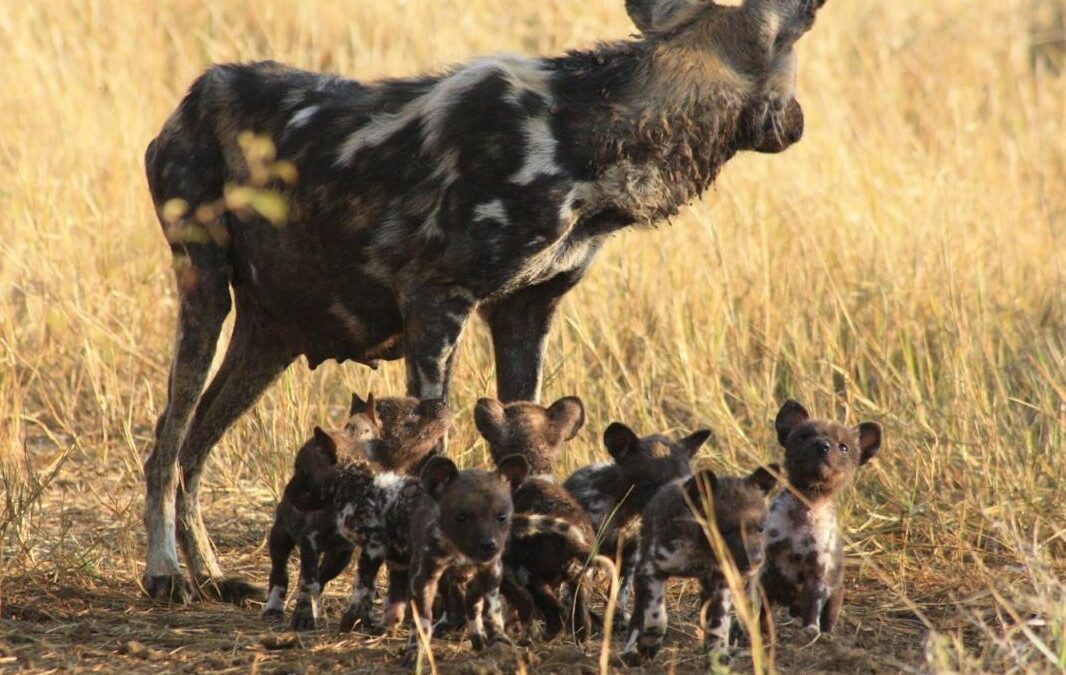
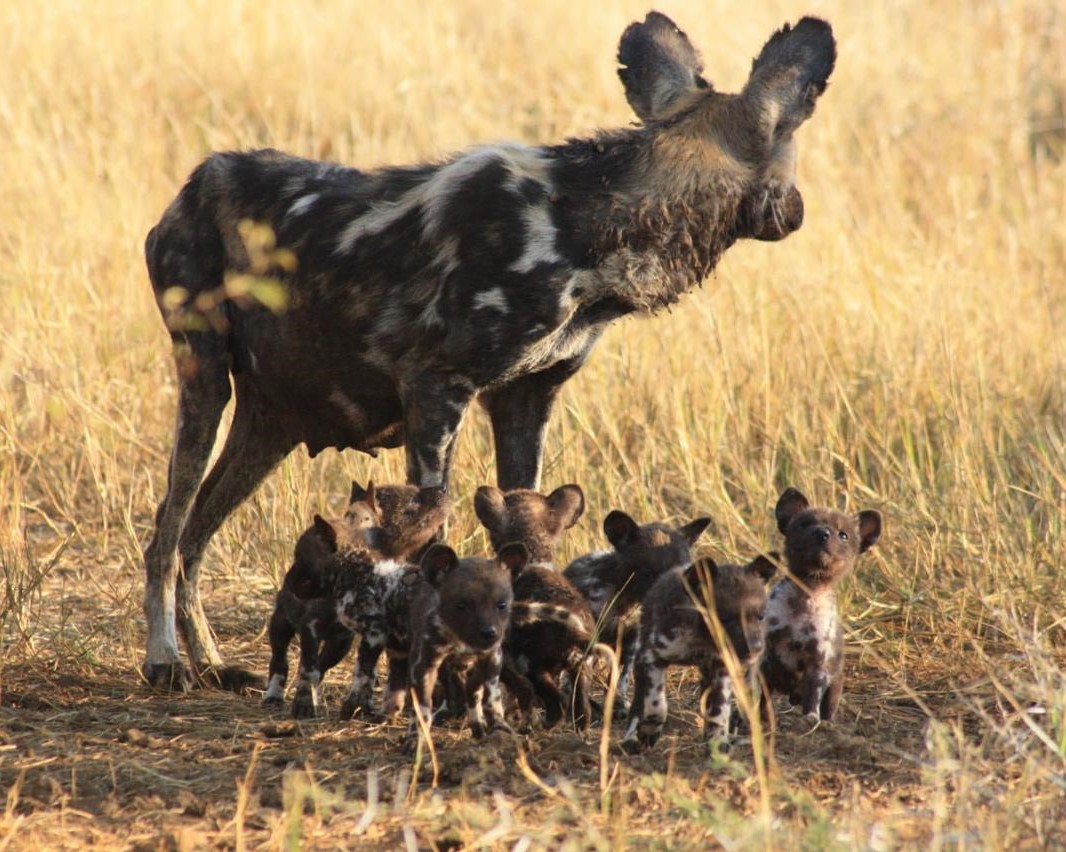
In 2018, the Nqolothi Wild Dog pack, led by a female named Smoke, left the protection of the Hluhluwe-iMfolozi Park and settled in nearby communal land. To the communities, , a predator like a Wild Dog can pose a threat to people or their livelihoods. The latter is far more likely. While there has never been a documented case of a Wild Dog killing a person, they do prey on livestock and large packs can do significant damage, particularly in rural subsistence farming communities.
Unfortunately, there was no functional tracking collar on the Nqolothi pack and monitoring them seemed like an impossible task. It was also almost like the pack had sensed the loss of their protection when leaving the reserve as they became highly elusive…only leaving the odd clue behind when they moved. When there was a sighting or report, we made a valiant effort to get there in time, but the pack was always long gone upon arrival. Tension was mounting in the community. Many goats had been reported dead and, whether there was evidence or not, it all pointed to Smoke and her pack. The community was losing patience and wanted to kill the pack to protect their livestock. It became a race against time to find them.
After almost a year of living in communal land, the pack finally exposed themselves. Smoke had fallen pregnant and went down to den. The weakness here was that the den site anchored them, and they started leaving traces. One day, community members used their hunting dogs to follow the scent back to the den and managed to dig out and kill two of the pups. When we arrived, just the carcasses of the pups remained. The rest of the pack had abandoned their den and took the remaining pups with them. We needed to intensify our efforts.
We immediately set up remotely triggered field cameras to monitor the area and spent nights in the field closer to where the Wild Dogs operated. A vet was on call and would be flown by chopper as soon as we received reports of sightings or discovered fresh signs. Eventually our luck changed. The pack made a brief appearance back in Hluhluwe-iMfolozi Park. The team responded immediately and for the first time the pack stuck around long enough for us to see them. One of the Wild Dogs was immobilised, and a satellite collar finally fitted. This was the game changer. We could now monitor the pack and plan their capture. We would normally call the pack in using recorded Wild Dog “hoo” calls and free dart them from a vehicle. Unfortunately, this pack had become far too skittish to use this method. Capturing this pack would involve careful planning and preparation, large capture nets, experienced game capture staff and a helicopter to guide them into the capture site. This operation needed to be perfectly executed, and it was. In one go, all the pack members were safely captured and transported to a holding facility nearby. At last, they were safe.
But the pack now needed a new home. Fortunately, Madikwe Game Reserve in the North West, was in a position to take them and the ever supportive Bateleurs offered to fly them there. Three months later, when all the permits were in place and preparations made, the pack was re-anaesthetised and driven to the Mkuze airstrip. The plane was prepped and ready on arrival. We carefully transferred the sedated Wild Dogs into the plane, and we were ready to begin our four-hour journey with our VERY SPECIAL cargo. Once we touched down, the pack was transferred to vehicles and driven to the boma. They had arrived at their new home. What we only realised on the plane was that Smoke had fallen pregnant again and only had a few weeks before she would have her pups. Normally, we use the soft-release method, where the pack stays in the boma to acclimatise to their new environment. This counteracts their instinct to return to their former territory and ensures that they will establish themselves in their new home. But Smoke needed time to explore her new territory and scout a safe den site. So, the pack was only in the boma for a brief period before they were released.
Using the satellite collar data, we were able to remotely monitor the pack as they started to explore their new home. And, after a few weeks, the collar data showed that the pack kept returning to the same point. Smoke had started denning and the rest of the pack was hunting and bringing food back to her. The pack was given their space to live in peace – they had the code to survival and didn’t need anyone checking in on them. But after weeks of eager anticipation, one of the researchers on Madikwe was given the green light to go in and check on the pack. Much to our excitement, they were all present and healthy, with the new offspring stumbling around at their feet.
As a result of an increasing human population and development, Wild Dogs no longer have the space that they need to thrive. South Africa is quickly approaching its relatively small Wild Dog carrying capacity. Many of the Wild Dog reserves are surrounded by farmland, so when Wild Dogs choose to expand their range or disperse, by default, they come under threat. In order to save our most endangered carnivore, we need to keep working at expanding safe space by reintroducing Wild Dogs into South Africa’s many fenced reserves. These reserves, in turn, serve as source populations as we work with partners such as African Parks, Peace Parks, and the Carr Foundation to recover former Wild Dog range across the continent.
It wasn’t ideal that we had to relocate Smoke’s pack, but we owed it to them to give them refuge. They can, once again, be at peace.
Thank you to our long-time partners Ezemvelo KZN Wildlife, Wildlife ACT, the Bateleurs, North West Parks Board and Madikwe Game Reserve, and donors Richard Bosman, Painted Wolf Wines, Tania Ihlenfeldt, Tata Consultancy Services, and the Relate Trust. It is a pleasure to work alongside you and share the common goal of conserving our most endangered carnivore.
PROACTIVE CONSERVATION IN AN ERA OF DAMAGE CONTROL
Dr Ian Little, EWT Senior Manager: Habitats
ianl@ewt.org.za
We are certainly living in unusual and unprecedented times. People all over the world are rethinking their lives, their routines, and their values as a result of the current global COVID-19 pandemic. This is no different for conservationists, but it is not limited to the impacts of COVID-19. Even without the devastating impacts of this pandemic, the Earth is going through a dramatic and unprecedented crisis. Competition for resources to support the increasing human population in the concurrent fourth industrial revolution, and the unpredictable impacts of climate change make this a critical time for the conservation of threatened species, threatened ecosystems, and the resources which are the foundation for our very existence.
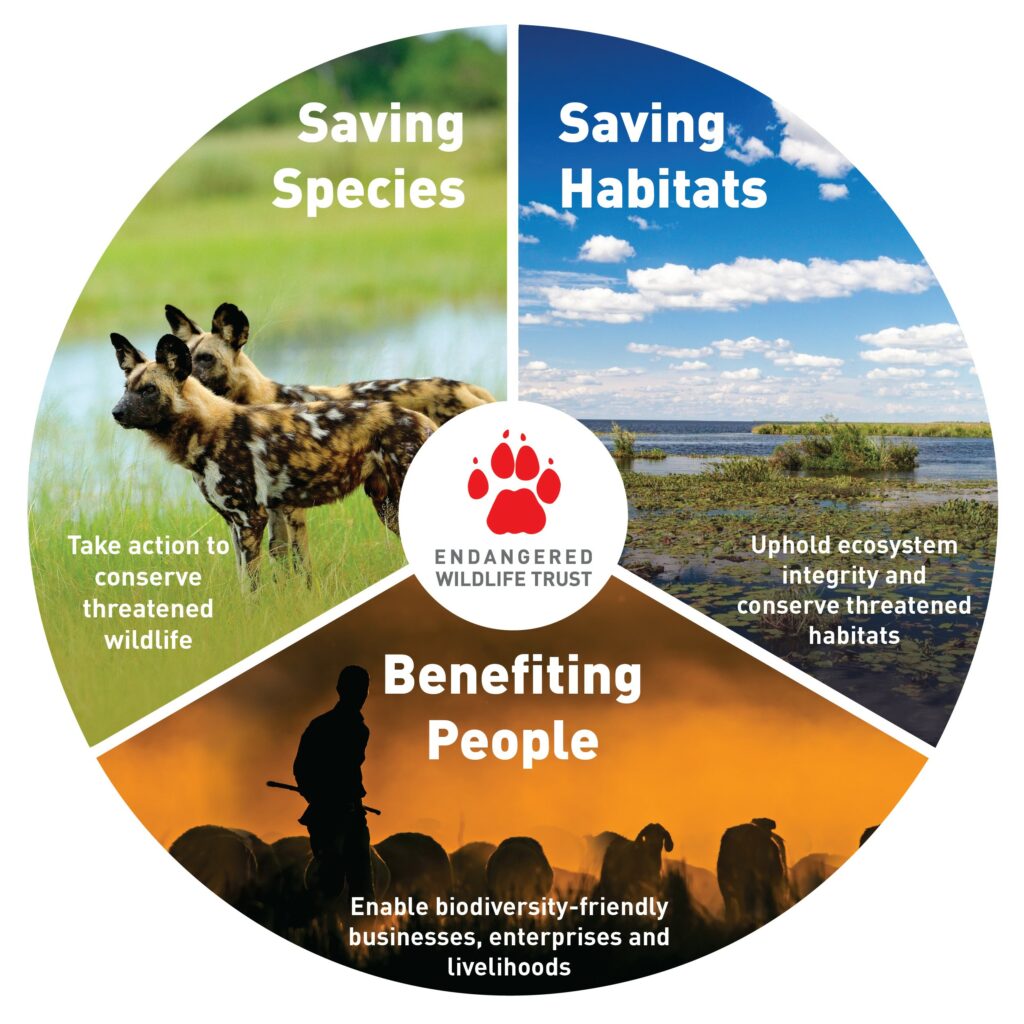
Many conservationists, young and old, have reached a point of questioning their roles, and potentially even “shifting from prevention to damage control”. While this is a sobering and frightening concept, it is real and we need to all realise that our natural heritage and for us Africans, our natural identity, is at serious risk. A large proportion of our conservation work today is focused on damage control and we are doing this on an absolute shoestring. The only thing limiting the amount of work and impact that we could have is the resources to do it, there is no lack of dedication, passion, or commitment. The financial resources afforded to the conservation sector allow us to barely scratch the surface of the conservation challenges we face. At the EWT we use what resources we have to tackle three key strategic imperatives: saving species, saving habitats, and benefiting people. In most instances, we achieve the third imperative through the targeted protection of the natural resources most needed by people. We are working hard to proactively secure large parts of Africa’s intact and threatened habitats for the benefit of the species and the people that they support. In many instances, these are priority catchment areas, critical for the protection of freshwater, without which people will suffer tremendously. Recent droughts provide a stark reminder of how important protecting our natural water factories is, but typically humans tend to forget this as soon the climate cycle reverts back to a wet period. If the transformation and degradation of our water catchments continues unabated, and climate change increases the intensity of droughts and floods, we will be in serious trouble when future drought cycles hit us.
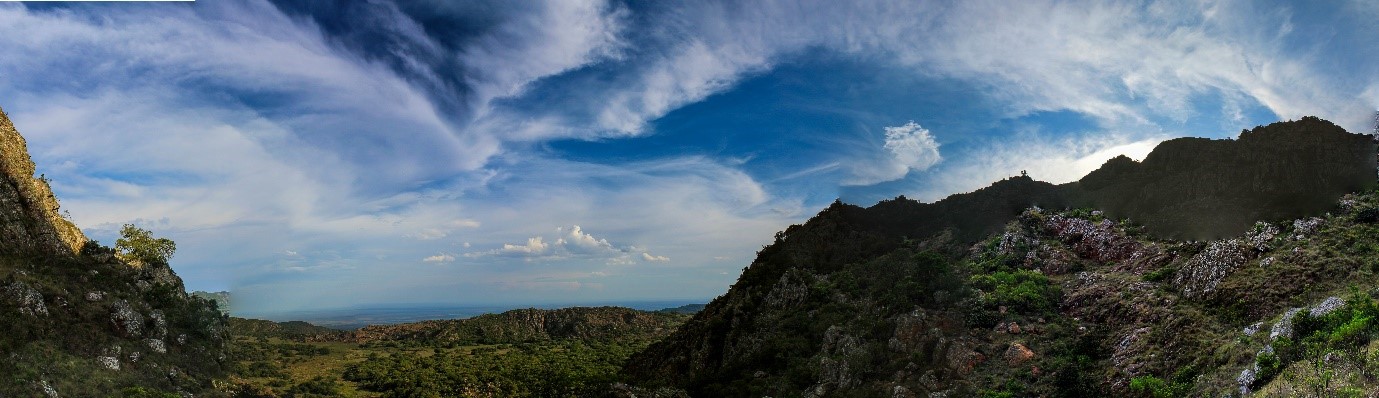
The EWT feels strongly that protecting remaining intact wilderness areas, as well as strategic agricultural areas, is a critical and urgent objective at this stage in the Earth’s battle to maintain a balance of life. To ensure that we reduce these impacts, the EWT, , has managed to formally secure more than 5,100 hectares of Nature Reserves and over 100,000 hectares of Protected Environments in priority areas over the last five years. These strategically selected protected areas secure threatened habitats, threatened species and critical ecosystem services. They fall within the nationally identified Strategic Water and Groundwater Source Areas and contribute to the National Protected Area Expansion Strategy. We are also in the process of securing a further 45,000 hectares of Nature Reserve and 96,000 hectares of Protected Environment, in a number of new potential sites that we are exploring. As it stands, we are looking at potentially securing at least 250,000 hectares of intact natural habitat over the next five years through formal agreements. All of this is enabled by our loyal and forward-thinking donors.
Linked to this, it is imperative that development is implemented in a responsible and sustainable manner. Developers often submit development applications in highly sensitive areas, which would have lasting and usually permanent impacts on wildlife and the ecosystem services that support local people and downstream urban centres. The Environmental Impact Assessment (EIA) process is intended to assess and guide these developments in order to avoid, reduce, rehabilitate and/or offset these impacts according the mitigation hierarchy. The EWT is driving a project to improve the EIA process and associated legislation. Under this project, supported by Rand Merchant Bank, we are developing species distribution models for all of South Africa’s threatened and endemic wildlife to feed into the scoping phase of EIAs and ultimately avoid any sensitive species being overlooked. We are also developing a number of key guidelines to inform the process and decision making.
In conclusion, the dedicated staff at the EWT would like to thank all our donors for their ongoing support. We would like to encourage our people to be aware of and participate in the protection and appreciation of our natural assets. We live in a beautiful country with iconic wildlife and amazing landscapes. People from all over the world travel vast distances to visit what we have to offer, and this not only defines us but also underpins our economy. After weeks of being forced to stay at home, we hope that the South African people will emerge from the lockdown with a heightened appreciation for our vast and beautiful wilderness areas. We urge you to go and enjoy our landscapes and amazing wildlife. Whilst international travel is going to take a while to recover, it provides an opportunity for us to enjoy what we have. Data from other countries has proven that domestic travel is more resilient to shocks like economic collapse, terrorism and pandemics, and domestic travel in China, the USA and many European countries is already showing a resurgence from local tourists. We expect the same here. So, plan to get out there, go and rejuvenate your spirit, support our struggling tourism sector, and most of all appreciate what it is that makes South Africa so unique and incredibly beautiful.
CONTINUING CONSERVATION’S SUPPORT FOR COMMUNITIES
Megan Murison, Project Officer, EWT National Biodiversity and Business Network
meganm@ewt.org.za
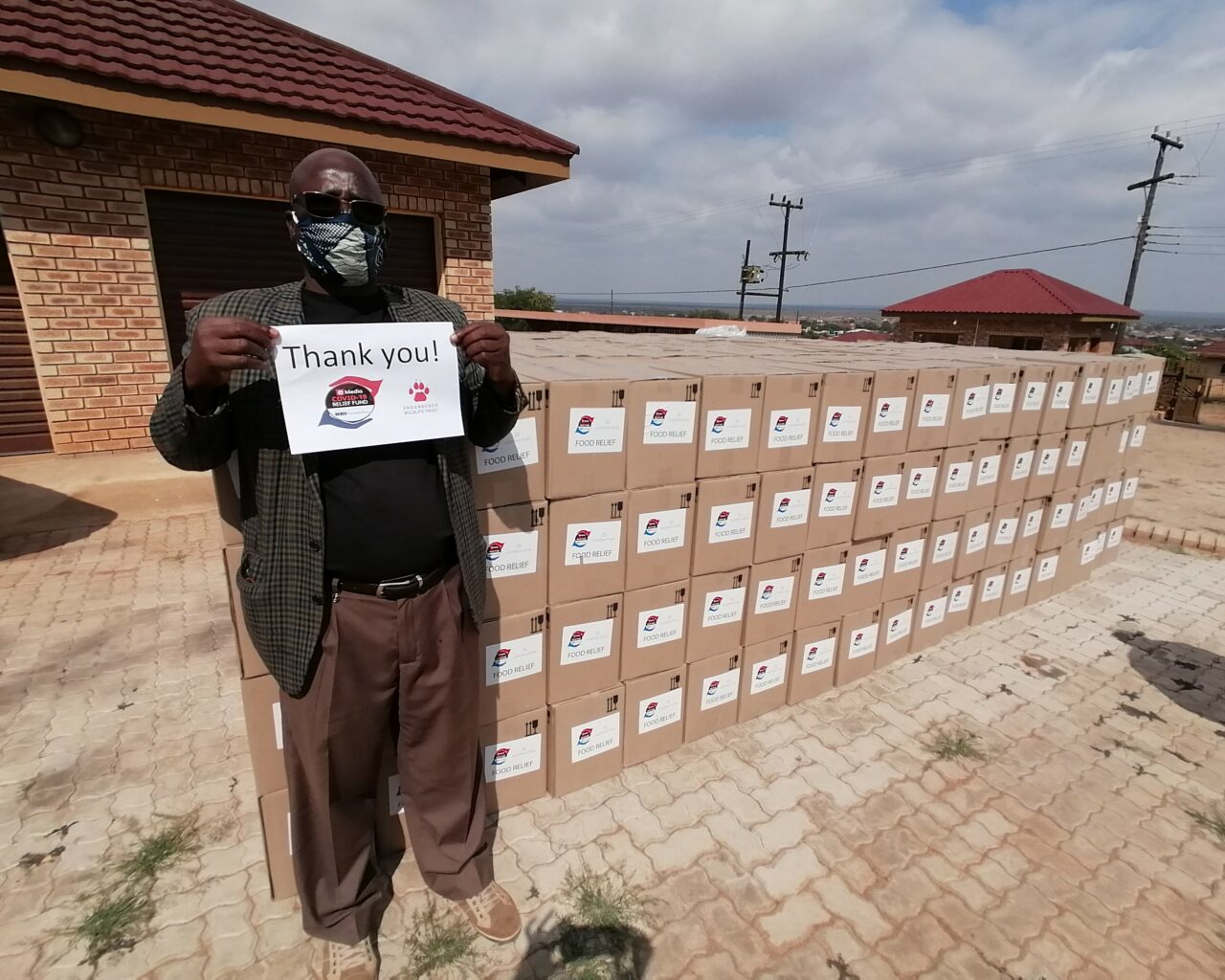
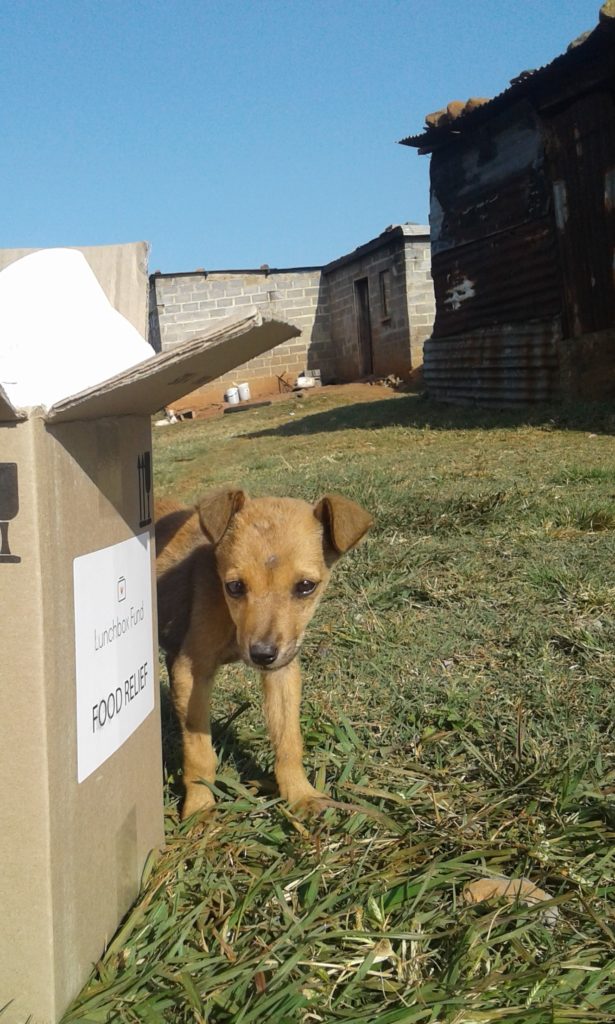
Adjusting to a new way of life during the lockdown period has been tough on all South Africans. While we are all enduring the same storm, we may not all be in the same boat. The COVID-19 crisis has hit many people hard, increasing job losses and further straining household resources. Many communities are currently experiencing extreme hardships through lack of basic resources. The Endangered Wildlife Trust (EWT) partnered with the HCI Foundation / eMedia COVID-19 Food Relief Fund to assist in eradicating hunger in vulnerable communities. The role of the EWT was to identify communities we have worked or are currently working with and ensure food parcels reached these groups.
The communities that the EWT works with range across South Africa, from the Soutpansberg, to the KwaZulu-Natal (KZN) Midlands, and all the way to Loxton in the Karoo. At the EWT-owned Medike Nature Reserve in the Soutpansberg, it was deemed essential that we play a role n help our neighbours, with the closest village being only 4km from Medike. The EWT’s Soutpansberg Protected Area (SPA) and the EWT’s People in Conservation (PIC) teams jumped into action. In collaboration with the traditional leadership structure of the Ha-Kutama Traditional Authority, we were able to provide 700 families from nine villages with food parcels, supporting approximately 3,000 people. The delivery was made to Chief Vele Prince Kutama, Mr Gilbert Muofhe, Chairperson of the Development Committee, and the headmen of the villages. We provided the members of the tribal authority with face masks and hand sanitiser, and explained the health and safety protocols to safely distribute the food boxes to the families.

The EWT’s Drylands Conservation Programme (DCP) is embedded in the Loxton community of the Northern Cape. When the opportunity arose to be involved in distributing food parcels, the DCP team hopped into action. They involved the local social worker for the Department of Social Development, Rocco Olifant, as well as Fredeline Frieslaar who is the EWT-RMB Clever Rabbit learning support project assistant. Fredeline is currently feeding children from her home as the closing of the local soup kitchen left many families unexpectedly without any way to feed their children. The local SAPS office was approached for permission to go out and they offered to assist with the distribution. Because the community is small, and distances short, the team was able to do a door to door delivery of 60 food parcels to the 60 families identified. Bonnie Schumann, the EWT’s Nama Karoo Coordinator, explained that, “The crisis the community is in is very personal for the DCP staff as this is a small community and everyone pretty much knows everyone. The people needing help are not anonymous names on a list, but well-known members of our community. There are some initiatives to help within the community, but the HCI donation was a great boost, both in terms of food and morale”. Within KwaZulu-Natal, the EWT’s African Crane Conservation Programme (ACCP) and PIC worked with local tribal authorities to distribute food parcels to communities with whom we work closely. These communities partner with us to address catchment management issues, illegal poaching or hunting with dogs, and to raise awareness about the importance of a healthy environment for all. The food parcel deliveries were just a small way we could make people’s lives a little easier, and often involved our staff carrying boxes to the most remote of homes in each village. One particular community in KZN, KwaMkhize, ensured that the EWT team got their steps in. The rugged terrain and lack of roads meant that food parcels were hiked up to the houses. Ninety parcels were delivered over one and a half days! The team was assisted by the Chief Induna, Theo Sibisi, and two community members, Zinhle Ngwane and Londiwe Susibu.
Overall, a total of 1,203 food parcels was distributed. The distribution breakdown was as follows: 150 parcels in Loxton (Northern Cape), 700 parcels in the Soutpansberg (Limpopo), 240 parcels in the KZN Midlands, specifically Bulwer and KwaMkhize (KZN), 54 parcels in Mqatsheni (Southern Drakensberg, KZN), and 59 parcels in the Normandien area (northern KZN). The EWT’s third strategic imperative, Benefiting People, sees us working towards improving the lives and wellbeing of thousands of people who are often the most vulnerable, but who also act as custodians of the ecosystems they live in and rely on. We were proud to have been part of this initiative, which enabled us to give back to those communities we work in.

CELEBRATING OUR FATHER FIGURES
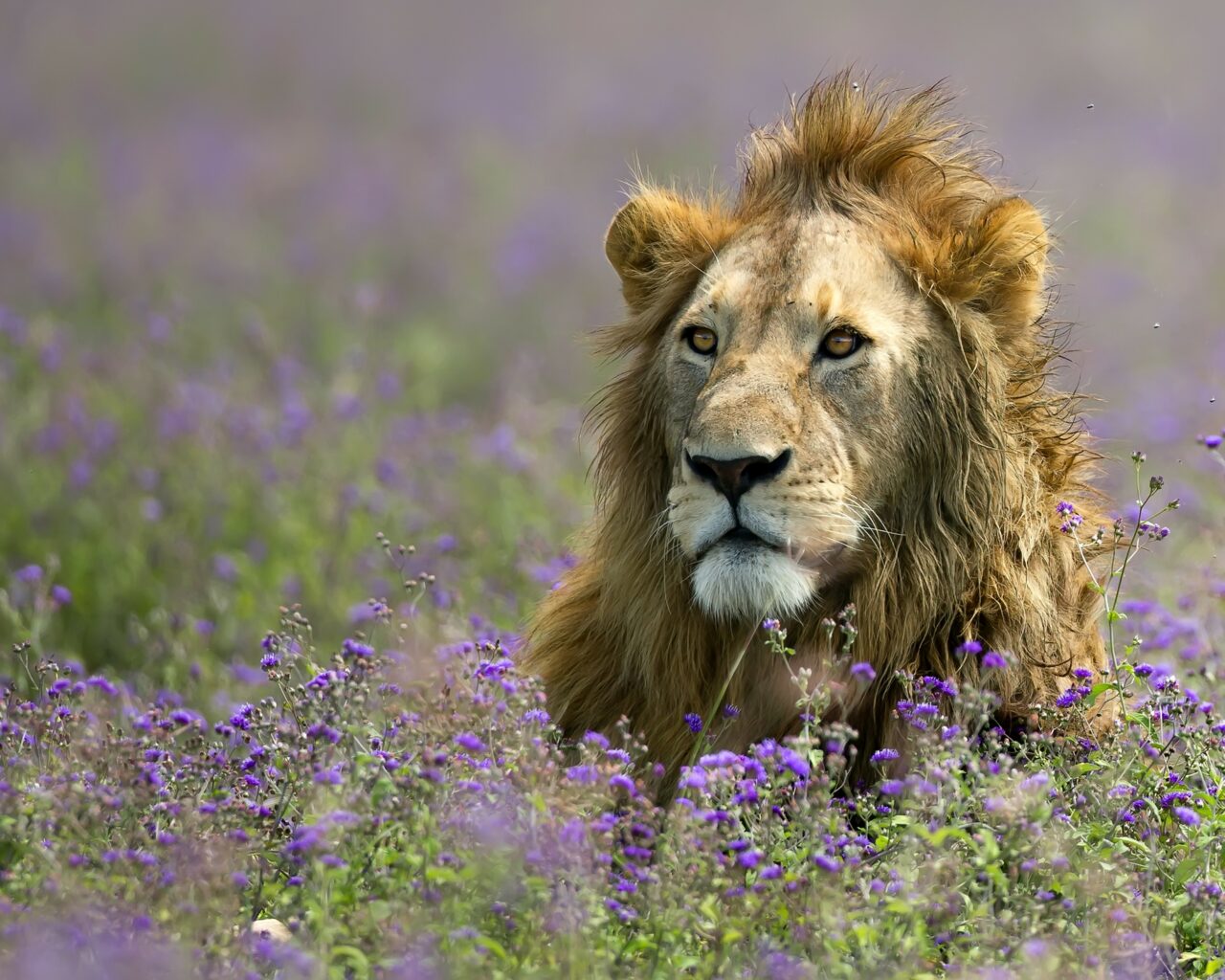
Has your dad been your lockdown hero? Whether he’s locked down at home with you, or far away, let us know if your dad deserves one of these lockdown awards
- All-round Super Dad
- Braaied every night
- Best pineapple beer brewer
- Survived without live sport
- DIY champion
- Made a mask look good
- Best lockdown haircut
- The beard has taken over…
If you’d like us to send your dad one of these special awards, it’s as simple as 1,2,3!
- Make a donation on our website or via EFT – the amount is entirely up to you – and send proof of payment to TammyB@ewt.org.za (this can be a screengrab of your donation or proof of payment from your bank). The link to donate is https://ewt.org/campaigns/ewt-donations/
EFT payments can be made to Endangered Wildlife Trust, account number: 50371564219, First National Bank, branch code: 253305, Rosebank branch 037, SWIFT code: FIRNZAJJ
- Choose your award and let us know what dad’s name is so we can personalise it.
- We’ll send the award to the email address or cell phone number of your choosing, anywhere in the world!
LOCKDOWN DOESN’T MEAN SLOW DOWN FOR THESE CONSERVATION CANINES
Shadi Henrico, Conservation Canine Project Coordinator, EWT Wildlife in Trade Programme
shadih@ewt.org.za
The lockdown has brought new challenges, but our Conservation Canines continue to work (and play) as hard as ever.
Tracking under the moon light
With the implementation of the nationwide lockdown, our tracking dogs’ efforts in reserves were increased due to the risk of increased criminal activities. In the Lowveld, EWT Conservation Canine Annie and her handler were part of an operation involving several crime prevention units. They tracked down and assisted with the capture of two suspected poachers. Annie and her handler also supported an operation in which eight suspects were caught in the possession of dried- and fresh bushmeat, knives, axes, and snares. She happily works with her handler in any conditions and adapts very quickly no matter day or night, sun, or rain.
Taking flight
Time is of the essence when tracking suspected poachers. EWT Conservation Canine Puk, based in the Lowveld, has increased his training on flying in helicopters with his handler. This is a quick way to get to work and start tracking, and reduces time available for suspects to escape. Puk is the second EWT Conservation Canine to be trained to ride in a helicopter. Once the rangers in the field discover any incursions, attempted poaching, or actual poaching in progress, they alert the canine team, which can get in the air within a very short time. Once they get closer, they can lower the handler and dog to the ground and this team can immediately track down the culprits!
Vehicle detection
It is of the utmost importance to search all vehicles entering and exiting reserves for wildlife contraband, ammunition and arms. These searches are conducted daily. In April alone, two of our EWT Conservation Canines, Spike and Fly, searched 221 vehicles at reserve entrances. Large areas and compounds are also covered by these teams. With the implementation of lockdown, certain unforeseen challenges risen. For example, Fly fell ill during this time. Thanks to excellent veterinarians, he was treated, and work resumed. Even in lockdown and with the heat of the Lowveld, we always prioritise our canines’ health and happiness!
Training during lockdown
We have two handlers, Shay Seebran and Innocent Buthelezi, staying at our Gauteng Conservation Campus in Midrand to care for our dogs and continue their training. When the lockdown was announced, we developed a plan of action that would allow for daily training to continue to take place, despite our senior handlers not being able to train in person. Our lockdown canine training involves using live video calls and regular check-ins. From her home in Pretoria, our Conservation Canine Coordinator, Shadi, video calls our handlers every day to see how both the dogs and the humans are doing in this challenging time and observe training in real time, providing instruction and feedback. Each day, these EWT Conservation Canines do open area searches, vehicle searches, building searches, and training on tyre rims. This keeps them up to date and makes sure that they do not lose their focus on the job. Just like us – they must keep their skills up to speed! Training records are completed as normal and our dogs are at their happiest when they can work.
Normal husbandry, like kennel cleaning and feeding, continues as normal. Welfare remains our top priority – we love our happy, healthy dogs – and they love long walks and getting groomed. We are very privileged to have our own dogs on our own property. Here they can still go for long walks, run free and swim. They probably have it better than most of us in lockdown!
Thanks to our funding partners, US Fish and Wildlife, Tourvest, Greeff Properties, the Tomlin family, Royal Canin, Boehringer-Ingelheim, MyPlanet Rhino Fund, Relate Trust, Platinum Life and GivenGain.
