CATCHMENTS: WHERE COMMUNITIES AND BIODIVERSITY MEET
Nkosinathi Nama
Nkosinathin@ewt.org.za
Water is a precious resource and as a water scarce country, South Africa needs to protect and manage its limited water resources, for the benefit of both people and the environment. With a rapidly growing population, emerging economy, and climate change challenges, a holistic approach to the management of our water resources is needed, encompassing social, ecological, and built infrastructure interventions to improve water availability to communities. At the same time, we need to maintain the critical services provided by rivers, wetlands and other aquatic ecosystems as well as biodiversity. These services include the mitigation of drought and floods, which can cost the country billions of Rands and lead to individual hardship and loss of life; reducing soil erosion; keeping our wetlands healthy; mitigating the impacts of pollution; and provision of food, medicine, fibre, building materials, and economic opportunities, including tourism.
Biodiversity is under threat globally with the rate of species loss higher than ever recorded before. Freshwater ecosystems, home to about 40% of fish species globally, are under threat and 20% of freshwater fish species have already gone extinct as a result of pressures such as over-extraction of water from rivers, pollution, overfishing, and climate change. In South Africa, more than 90% of our surface water is depleted or degraded by development or agriculture.
Catchment areas encompass land that is drained by a river and its tributaries, as well as other water runoff. They usually include areas with hills or mountain ranges such as the Drakensberg in KwaZulu-Natal and the Amathole Mountains in the Eastern Cape. Catchments are critical for biodiversity conservation and human survival, but are often severely impacted by mining, agriculture, forestry, and other human activities. To balance competing human needs, catchment management strategies need to take a multi-pronged and holistic approach, as mentioned above, considering both socio-economic and ecological objectives, and ensuring that the needs of communities living within the catchments are met. This approach, putting communities at the centre of biodiversity conservation within catchments, gives these ecosystems their best chance at survival, particularly if people are included in management strategies. Recognising that communities are important custodians of catchment areas, and ultimately of the biodiversity in these areas, the Endangered Wildlife Trust (EWT) has applied this approach in its projects in the Amathole (Eastern Cape Province) and Groot Marico (North West Province) water catchments, as well as through partnerships in the Mzimvubu catchment in KwaZulu-Natal.
The Amathole mountains in the Eastern Cape are recognised as a strategic water source area. Invasive alien vegetation is a significant threat to many of these ecosystems, including the Amathole, where widespread stands of species such as the Black Wattle occur. Indigenous to Australia, and without any natural control agents in South Africa, the Black Wattle is a prominent invader that is costly to manage and poses a serious threat to biodiversity and water provision. The species consumes a substantial amount of water and can alter flow rates of a river. Dense stands growing along river systems can change the ecology of the systems. For example, both water temperature and water chemistry can be altered by the shade of the trees, which in turn affects the diversity of aquatic species.
To address the impacts of Black Wattle and create much needed employment opportunities for people living in the area, the EWT collaborated with the then Department of Environment Affairs (DEA) to train and employ 150 contract workers to clear Black Wattle. The EWT also trained five local entrepreneurs as qualified Natural Resource Management contractors. They received training in computer skills, business management, plant identification, chainsaw operations, basic rangeland management, as well as health and safety, and basic first aid. Through this initiative, the EWT and the then DEA cleared 1,250 hectares of Black Wattle stands in the catchment.
To monitor the impact of alien clearing on the river health in the Amathole Catchment, the EWT implemented a biomonitoring programme in the Tyume River, one of the main rivers in the catchment. Water quality and flow rates are measured throughout the year, together with the status of indigenous and alien fish species.
Indigenous aquatic species act as good indicators of aquatic health, but many are under pressure through human activities. In the Amathole, the introduction of alien fish species such as the rainbow trout has significantly impacted indigenous fish species that they prey on. Biomonitoring has however shown early signs of improvement in the population status of two Endangered freshwater fish species, the Border Barb and the Eastern Cape Rocky, both of which only occur in this region. Local community members have also been trained in ecological monitoring techniques, equipping them to become citizen scientists. Through this and additional training, members of Tyume communities have gained insights into the dynamics of rangelands and aquatic ecosystems, as well as the need to maintain biological diversity.
As with the Border Barb and Eastern Cape Rocky, the Critically Endangered Amathole Toad is endemic, occurring only in the region. The habitat of the Amathole Toad includes Amathole Montane Grassland and Amathole Mistbelt Grassland, both of which are vegetation types that only occur in the Eastern Cape and are classified as ‘Poorly Protected’. The site also supports Drakensberg-Amathole Afromontane Fynbos, which includes patches of unique Fynbos that have not yet been mapped in the Amathole Mountains. The EWT is working with private landowners towards obtaining formal protection of this important habitat and its unique species, which also contributes to securing reliable water provision for the Eastern Cape.
To further support local livelihoods in the Amathole water catchment, the EWT also provides training on climate smart agriculture, soil erosion management, and improved management of livestock. Climate smart agriculture enables farmers to adapt to drought, seasonal fluctuations, and weather patterns, and mitigate risks to their incomes. In the Tyume valley, farmers identified improved husbandry as a critical need to build the resilience and production capacity of their herds, particularly during times of drought. These efforts all contribute to improved natural resource management.
The EWT has also trained former contract workers in beekeeping. The Tyume Valley Beekeepers Association have had four harvests to-date and are collaborating with private landowners in Hogsback to increase the amount of fodder available to the bees. Through this type of valuable local support, the beekeepers will be able to grow a much-needed micro-enterprise and provide quality honey to residents, tourist lodges and other outlets in the Amathole.
By recognising community needs and involving people who live in the Amathole Catchment in conservation management strategies, as well as sharing skills, scientific feedback, and management experiences, the EWT and its partners have developed strategic interventions for improved water and biodiversity management in the region. This critical work cannot be implemented by one organisation alone. We are grateful to the Rand Merchant Bank for financial support of the project, and extend our appreciation for our ongoing partnerships to members of the Amathole Catchment Forum, the Department of Forestry Fisheries and Environment (DFFE, formerly DEA), the Department of Water, Sanitation and Housing, the Dept of Rural Development and Agrarian Reform, and the Amathole Forestry Company, amongst many others.
DR KEITH HENRY COOPER 1937–2020
The forest is echoing with sad silence and shock at the passing of a great South African conservationist. He was passionate about our trees and forests, and it can indeed be said of Keith Cooper that a great tree has fallen.
Keith was one of a band of conservationists mentored by the likes of Dr Ian Player, Dr Ian Garland, Prof. Eugene Moll, and Dr Nolly Zaloumus, who were closely allied to The Wildlife Society (WESSA). The seeds grew.
Keith was respected by authorities, NGOs, and ordinary people, and became a legendary pioneering force in WESSA for the sustainable conservation of South Africa’s animal and plant biodiversity, and terrestrial, marine, and urban environments. He remained active in conservation and was always willing to help when asked, giving of his time and experience freely. Many of us grew into our conservation jeans or slacks at his feet. He coordinated WESSA’s Conservation Committee (CONCOM) including leading academics and conservationists; together the group formulated WESSA’s scientifically and socially sound conservation policies and kept long-standing interpersonal and inter-NGO links. CONCOM meetings were a wonderful classroom. Keith pioneered many conservation principles that are now deeply embedded in our country. He received an Honorary Doctorate from the University of KwaZulu-Natal in 2003 for his scientific and conservation work in preserving South Africa’s biodiversity, and in 2016 received WESSA’s highest award for his contribution to conservation.
He was an avid birdwatcher and, while stationed in Mtubatuba, the young Cooper fell among the local Wildlife Society members and teamed up with bird ringers. Later, as Administrative Officer of the Oceanographic Research Institute where he worked for 11 years, his interests in biodiversity conservation were further nurtured. Keith joined the Committee of the then Natal Branch of the Wildlife Society and represented them as a National Councillor. In the mid-1960s, he was asked to become a full-time Wildlife Society employee to run the National Office as the Director (1972). The position of Director did not fit comfortably with Keith, however, and he moved sideways to become the Society’s Director of Conservation in 2002 and dedicated his life full-time to biodiversity conservation, with the support of his more than able assistant Di Dold and wife Mae.
In the early days Keith and Eugene Moll produced several fieldwork reports on areas that later became Nature Reserves, and they led monthly excursions to places of interest for Natal Branch members’ families and kids (with numbers sometimes up to 100 people).
Keith was ahead of his times. During his WESSA tenure he set up many conservancies, nature reserves and protected areas around the country and helped communities next to conservation areas to develop eco-tourism and associated conservation projects. He established and developed the Society’s ACE (African Conservation Education) project (the first of its kind in South Africa, set up to educate black teachers in the field of environment and conservation); in this he worked closely with Mr Simeon Gcumisa who was later employed by the Society.
His survey of forests in KwaZulu-Natal, the Free State, Transvaal, and Transkei included all flowering plants, particularly those with medicinal value. The consummate citizen scientist, he was a prolific recorder of observations, authored two forest surveys, many WESSA field reports, and was editor with Prof. Mike Bruton of the book Studies on the Ecology of Maputaland. He drove the project to identify all important areas for conservation in Natal and Kwa Zulu in 1978 and was instrumental in the development and final production of the Kwa Zulu Natal Environmental Atlas — the first such undertaking in South Africa, and a valuable tool for Iand-use planning.
While Keith’s contributions were primarily in KZN and the Eastern Cape (Transkei), they extended significantly to other areas of South Africa and all Society regions, branches and members through direct interventions and by example. Keith was a strong, highly respected master in lobbying decision makers, politicians, State and Provincial authorities, local authorities, local communities and other NGOs; he was Chairman of the Kwa Zulu Natal Branch of the Society from 1970 to 1972 and was generous in sharing his experience and providing informed advice and inspiration to others. He surveyed the indigenous forests of the Transkei and wrote an extensive series of reports on proposed conservation areas in Kwa Zulu-Natal, Transvaal, QwaQwa, Transkei, Lebowa and other areas. The raw data he collected have been digitized by Prof Timm Hoffman’s group at UCT for future research on vegetation changes over time (something we could all consider in order to save our unique personal records for future research). Keith and Prof. John Grindley of UCT initiated proposals for marine and estuarine reserves in South Africa. Indeed, there have been few South African conservation plans that have not benefited from his insights.
After retiring Keith and Mae continued to be actively involved with black communities in both rural and urban areas in Tongaland, Maputaland, the Pondoland coast, Drakensberg, and informal settlements around Durban. He served on many conservation committees and Trusts. He completed a botanical survey of the Mbona Private Nature Reserve. His Karkloof projects doubled the area of conserved Afro-montane forest – another huge commitment over many years.
All this and more from an astute, humble, and real gentleman.
A WORD FROM THE CEO
Yolan Friedmann, EWT CEO
yolanf@ewt.org.za
In recent weeks there has been a flurry of social media posts around some proposed regulatory changes that would, if implemented, have a significant impact on the future management, wellbeing, and conservation value of our wildlife resources in South Africa. As with all news that goes viral, there will be some elements that are accurate and many that are not. Humans appear to need to amplify hard facts to get the attention that they want and perhaps in this day of extreme media overload and noise, this may well be a relevant strategy. Be that as it may, the EWT prides itself on being a science and fact based organisation whose contributions are credible, meaningful and evidence based. We have been inundated lately with messages across all platforms, asking what we are doing about, and what the public can do about, a series of proposed regulatory changes and the following is a brief description of the issues, our concern and our responses:
- The Animal Improvement Act – this act promotes the intensive and selective breeding and cross-breeding of animals. On 17 May 2019, a notice was published to include the following species as landrace breeds in terms of this Act: Lechwe, Giraffe, Zebra, White Rhinoceros, Black Rhinoceros, Lion and Cheetah. We have launched an application in the North Gauteng High Court, challenging and seeking the review of the decision to list wild animals in the Animal Improvement Act. Our grounds of review include legitimate concerns regarding the conservation value of breeding animals that are claimed to be genetically superior animals and the possible detrimental impact on natural selection and evolutionary processes.
- The Meat Safety Act – the amendment to the Meat Safety Act as read with the proposed regulations on game meat (if and when they are promulgated) aims to facilitate and regulate the processing of meat from game animals that have been hunted or culled. We have submitted extensive comments to the Department of Agriculture, Land Reform and Rural Development in this regard, holding that while we wholly support the move to create a legal framework to support the commercial sale of game meat from wild animals from natural free-living conditions, we do not support the intensive and selective breeding of wild animals in general, or for commercial meat production specifically.
- The Threatened or Protected Species Regulations of 2007 have been undergoing amendment since March 2015, when the public was afforded an opportunity to comment on proposed amendments. Early in 2020 we received information of the submission of a version of these regulations to the National Council of Provinces for their approval (the 2019 Amendments). We have extensively compared the 2015 version of Amendments with the 2019 version of Amendments, and found well over 200 changes between these two versions, 56 of which are substantial changes in our view. We have written to the Minister of Environment Forestry and Fisheries, raising concern about the lack of public participation in the finalization of the 2019 Amendments, considering this process has taken five years and the two versions are fundamentally different. We are awaiting feedback in this regard.
The EWT has an experienced and highly skilled team of experts who developed our submissions on all of these proposed regulations, and we are vigilantly watching the process to ensure that our concerns, as well as those of several other specialists, are considered. We will keep our readers updated. We cannot guarantee that our opinions will triumph, but our voice will be heard. Your support keeps the EWT in a position to engage with government and hopefully, improve the outcomes to the benefit of our wildlife. Please keep supporting the EWT during these times, every bit helps.Yolan Friedmann
CEO: Endangered Wildlife Trust
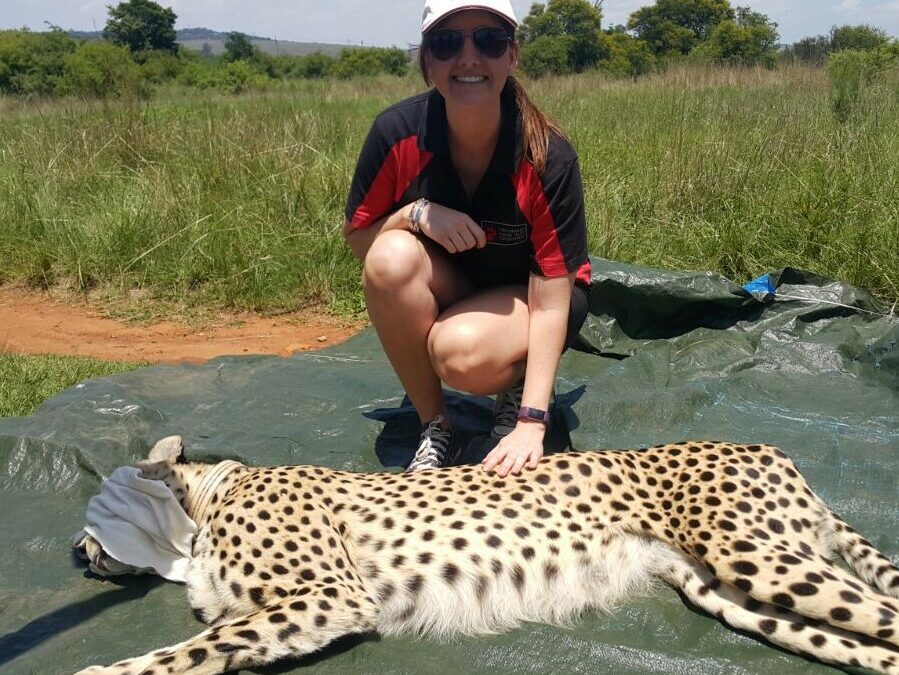
INSPIRING YOUNG SCIENTISTS – THE EWT CONSERVATION SCIENCE UNIT IN ACTION
Dr Lizanne Roxburgh, Senior Scientist, Conservation Science Unit
lizanner@ewt.org.za
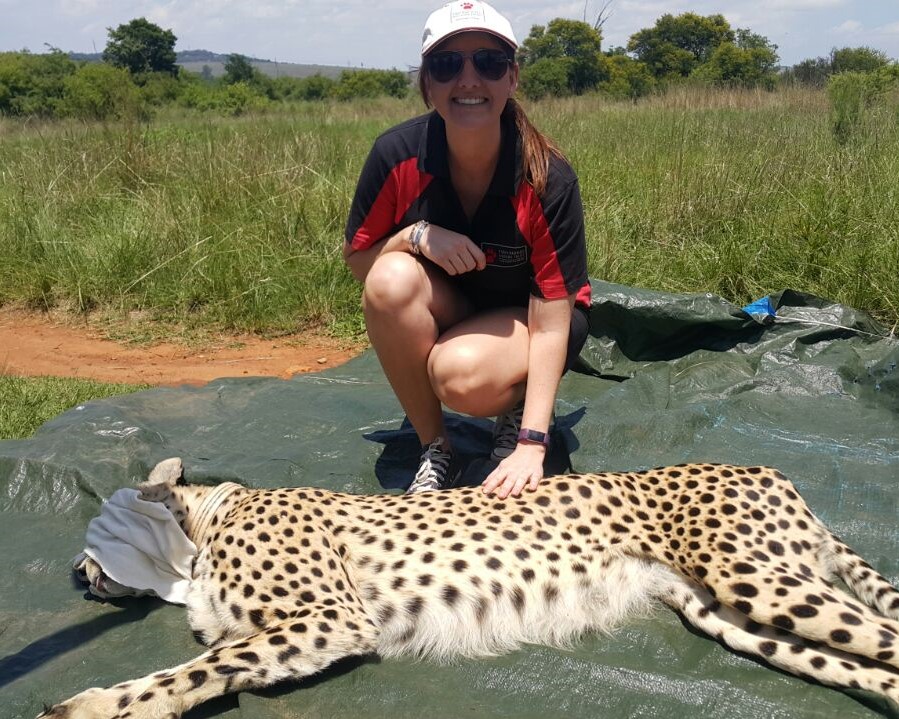
Young South Africans are the conservation champions of tomorrow. They will become the next generation of soldiers and explorers in the frontlines, fighting to conserve our biodiversity and promoting a more sustainable tomorrow. Critical to effective conservation practice is robust science, and ensuring that the scientific methods we use in all of our projects are rigorous and defendable, is the role of the EWT’s Conservation Science Unit. In celebration of Youth Day, and to provide inspiration to other aspiring conservation scientists, we would like to showcase the young scientists in our unit, and the exciting career paths they have ahead of them. However, we recognise that our team of hard-working young scientists were privileged to attend universities and had opportunities to enjoy South Africa’s wildlife and natural environments while growing up, which are opportunities that are not yet given to all South African youth.
Claire Relton – Conservation Science Officer
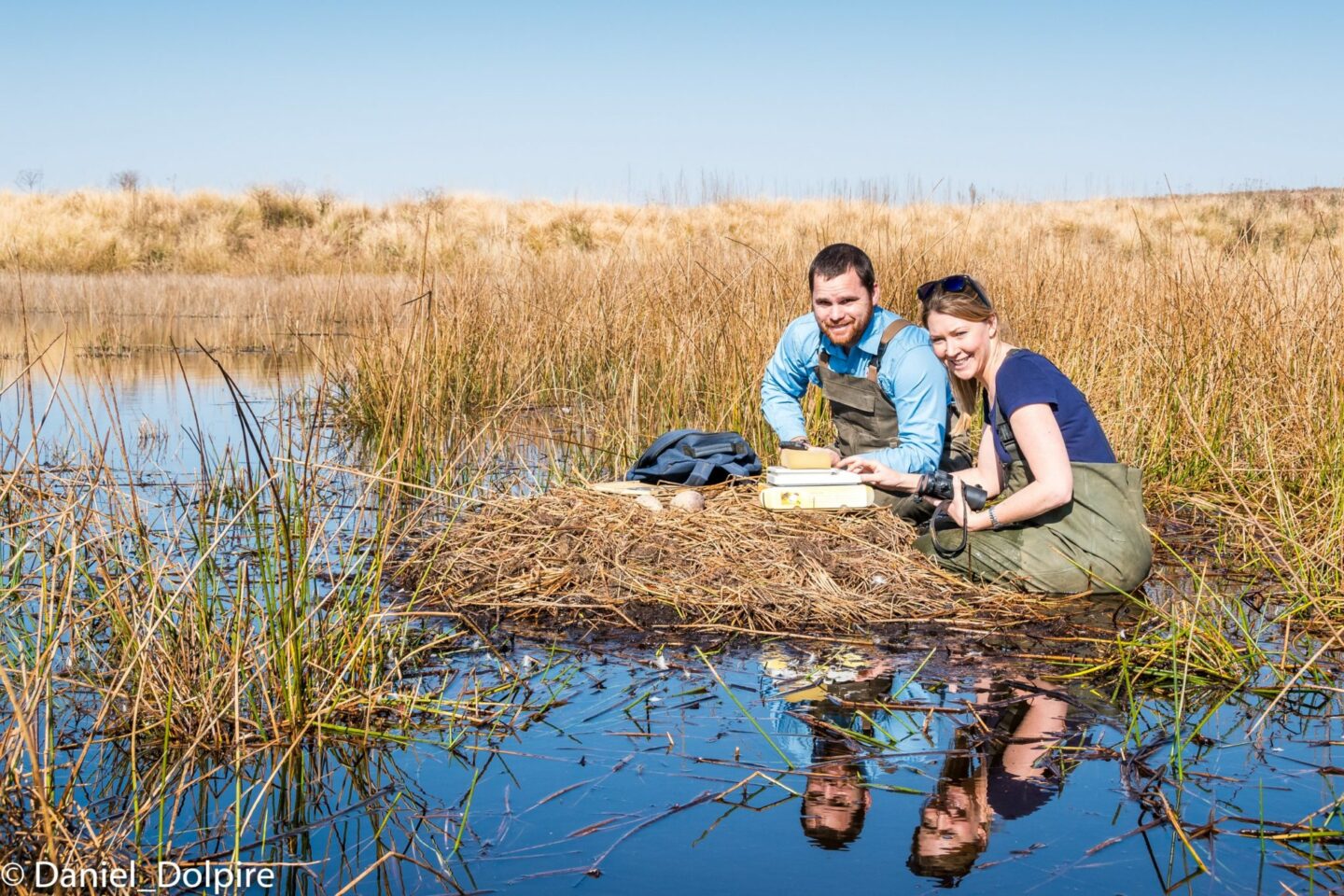
My journey to conservation began at a young age, inspired by cross-country family road trips to South Africa’s diverse and spectacular protected areas. A passion and wonder for the natural world were instilled in me during Drakensberg hikes beneath Cathedral Peak, and hippo-watching through small red plastic binoculars with my feet dangling off the edge of a wooden bird hide. During a family camping trip, I remember sleeping with my head outside of the little triangular tent, just to hear the captivating sounds of the night more clearly. After waking up with my eye swollen shut, looking as if I had crept straight out of a horror movie, I only wondered with fascination, which crawling creature had bitten me in the night. My graduate and postgraduate education in biology and environmental science took me to the Universities of Cape Town, Pretoria, and Wits. I began working for the EWT as a nervous, yet enthusiastic volunteer, and now, as a conservation scientist, I aim to assist teams to develop, monitor, and implement impactful and effective conservation projects. Although I committed to hard work and dedication throughout my education and career in the conservation field, I also deeply understand that much of my story is one of privilege, access, and opportunity. If we hope to combat the enormous and increasing threats to biodiversity that the conservation community faces in this country, it is critical that all young South Africans are provided with the opportunity to access, appreciate, and understand South Africa’s splendour of wildlife and natural spaces.
Dominic Henry – Ecological Modelling Specialist
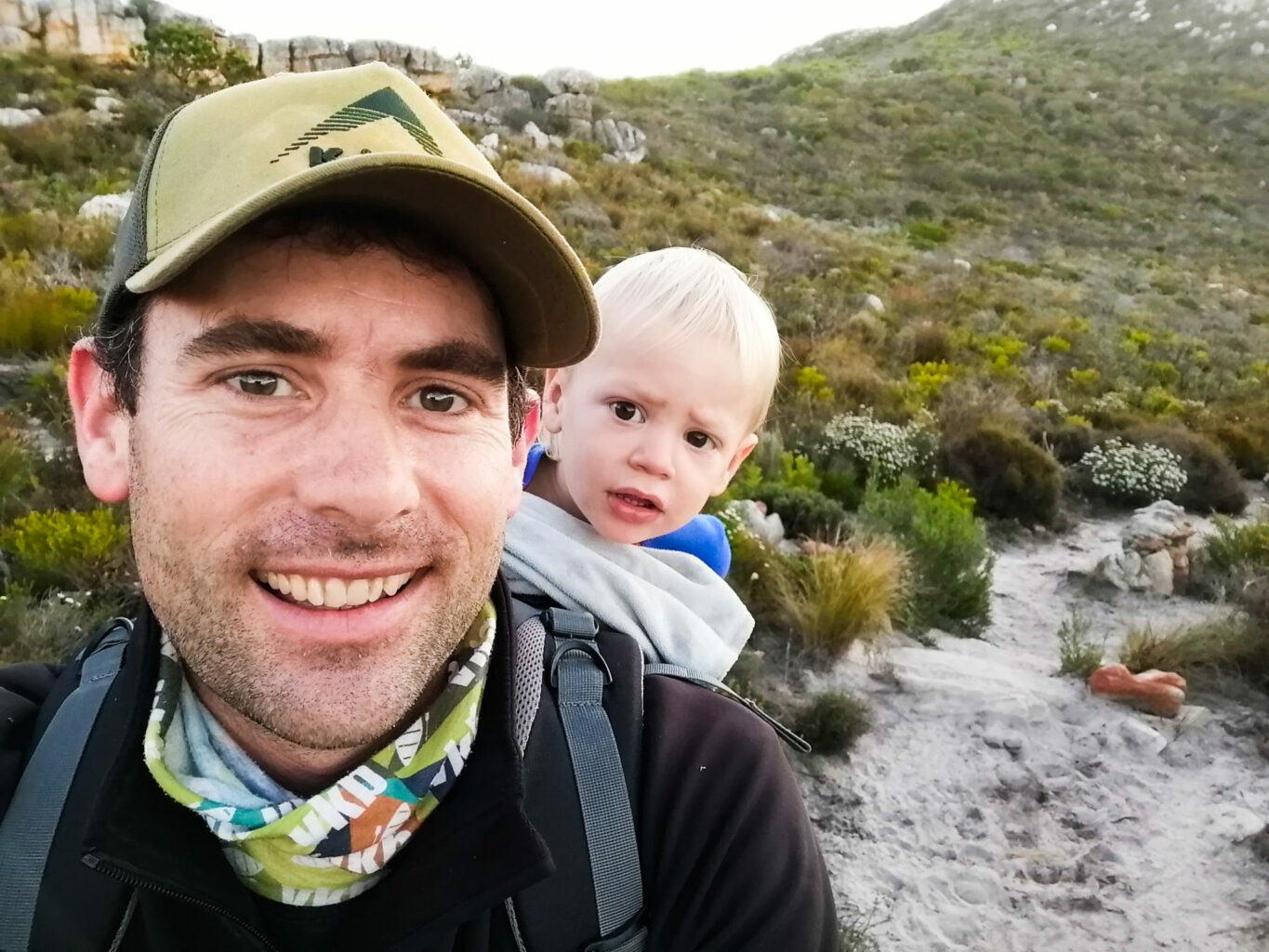
In a misguided attempt to pursue a respectable career in the financial sector, I started a Business Science degree at the University of Cape Town (UCT) in 2003. After a year and half of learning about rands and cents, following this trajectory no longer made sense (to me at least). I thought about places and times in my life where I found joy and contentment, and quickly realised that growing up on a farm had primed me for being happiest outdoors. I met with a prominent entomologist and Science Faculty student advisor who encouraged me to immediately move faculties and start a degree in Ecology. Little did I know that this meeting would lead me towards a fascinating and fulfilling career as an ecologist. During my studies, I developed a strong passion for birds and birding, and after my Honours degree, I took a year off to work as a field guide in a game reserve. I was lured back to the UCT by an offer to start a Master’s degree (which I later upgraded to a PhD) working on the movement ecology of southern African waterbirds, conducting fieldwork at 60 sites within the protected areas of Zululand). As an avid birder, this was an opportunity I couldn’t pass up. I developed an affinity for working with large datasets that led me to take a deep dive into learning quantitative ecology techniques. I then took up a postdoctoral fellowship at the Centre for Statistics in Ecology, Environment and Conservation (SEEC), in which I used statistical models to quantify patterns of species richness of birds, reptiles, mammals, scorpions, butterflies, grasshoppers, and plants in a part of the Karoo that is threatened by shale-gas exploration. This gave me a deep appreciation for biodiversity in very sensitive ecosystems. After 13 years at UCT I decided to leave academia and take up a position at the EWT as an Ecological Modelling Specialist. While I am still involved in research, my primary work now involves developing models that quantify the distribution of threatened species of reptiles, amphibians, mammals, and butterflies. These models are used to inform land-use decision making and aid responsible infrastructure development. I derive a deep sense of satisfaction knowing that I can use the skills I have learned during my scientific training to address real world conservation issues.
Samantha Nicholson – Lion Database Coordinator
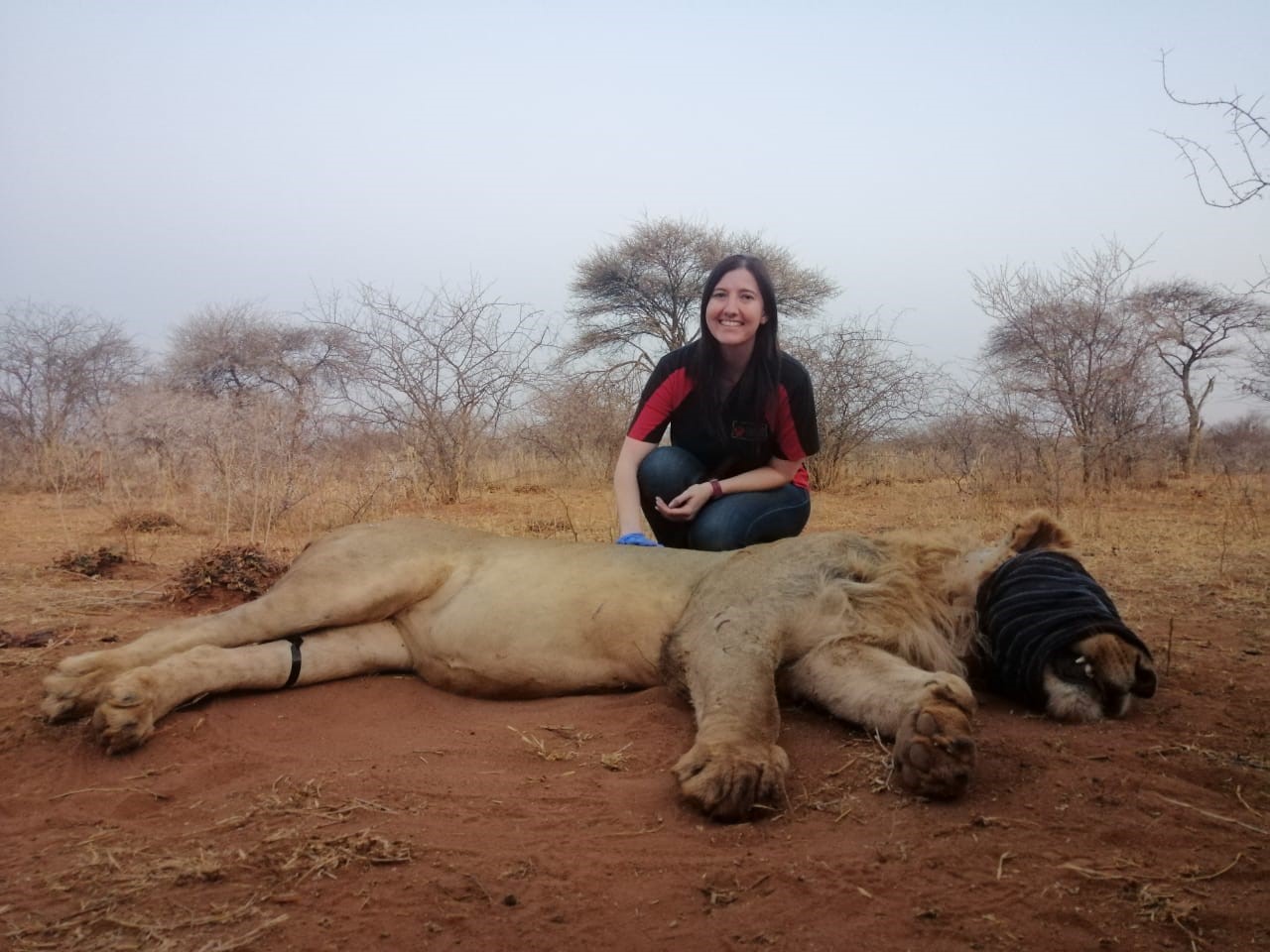
Ever since I can remember I knew I wanted to work with wild animals. For most of my primary school days I dreamt of becoming a game ranger and spending every day in the bush and being with wildlife. I then started to learn about how many species were threatened with extinction and I knew I wanted to do something to help conserve them, specifically large carnivores. In high school I came across the term ‘Zoologist’ and thought “well ok, that’s what I will be”, and off to university I went. In 2014 I graduated with my Master of Science degree with distinction in Zoology. I then began working at the Endangered Wildlife Trust as a Conservation Science Intern, and in 2018 I was appointed as the project coordinator for the global African Lion Database (ALD) initiative. This unique project aims to develop a platform to consolidate lion population and distribution data from across the African continent. This will allow us to better understand the distribution, conservation status, and population trends of this iconic African cat. I consider myself incredibly lucky to be able to have a career that contributes to species conservation.
Oliver Cowan – Conservation Science Officer
I have always been fascinated by how things work and why things are the way that they are. As a child I would want to know, for example, why flowers were different shapes and sizes. I was drawn to science as a way of understanding nature better. As my scientific curiosity increased through adolescence, so too did my comprehension that not only could science help me understand the world, but it could also be used to help correct the damage we humans have inflicted on the environment. This led me to the decision to study ecology and environmental science after I finished school. I have never regretted this decision and, after a long adventure in academia, I was fortunate to be offered a job with EWT’s Conservation Science Unit upon completing my PhD. Currently, I am working on a nation-wide project to increase the protection of species and habitats of conservation concern. I feel so fortunate to be able to combine the skills I learned in my academic career with my lifelong passion for nature, to assist in applied conservation practices that protect and safeguard our wondrous biodiversity.
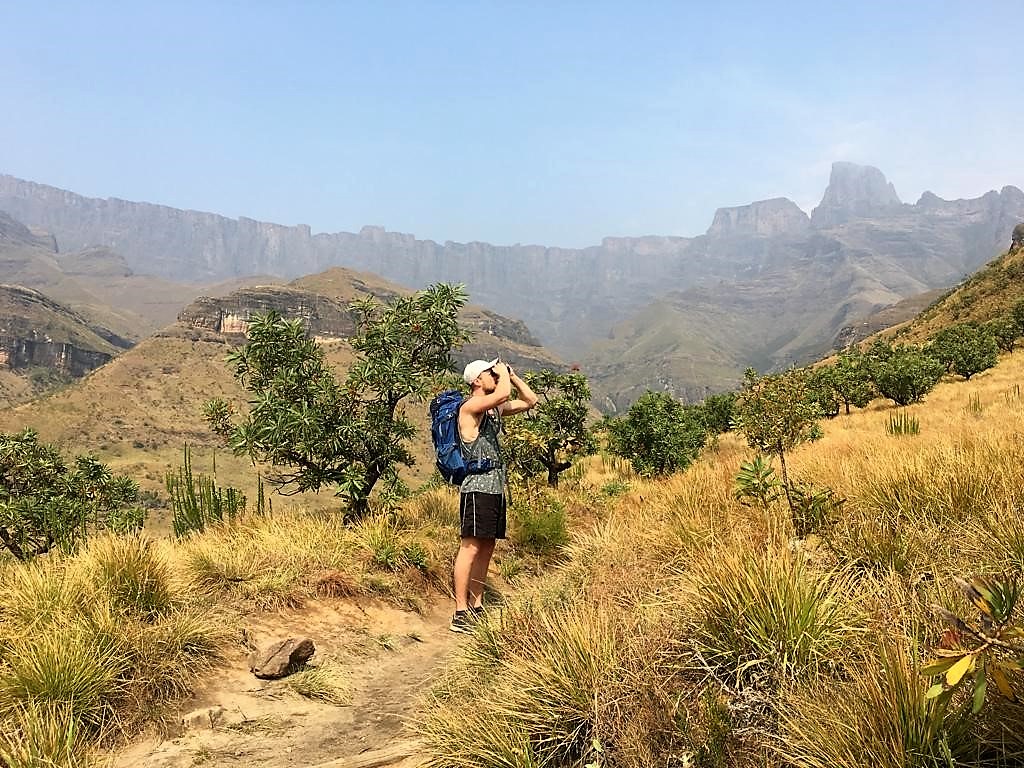
Tamsyn Galloway – Conservation Science Intern

If ever given the choice of holiday destination, it always has and always will be the African bush. There is nothing better for me than spending time in nature – watching, listening, and learning from the great teacher herself, Mother Nature. Therefore, when considering career options, I felt I had to work with wildlife, and science was an obvious choice. However, having an innately logical mind and a knack for Geographical Information Systems (GIS), I looked for a niche where wildlife conservation and GIS could meet. At the Endangered Wildlife Trust, I have been able to do just that, creating maps that show species distributions and their habitats. I also assist in the writing of research papers that aim to identify and test the effectiveness of potential mitigation measures to address the threats that power lines present to our iconic African bird species. I am eager to see where this career path takes me and look forward to growing into the role of a true wildlife conservationist of Africa. For more information about the CSU, please contact us here.
KEEPING US CONNECTED DURING COVID-19
Bonnie Schuman, Nama Karoo Coordinator, and Esther Matthew, Specialist Conservation Officer, EWT Drylands Conservation Programme
Bonnies@ewt.org.za and Estherm@ewt.org.za
The EWT’s Drylands Conservation Programme (DCP) was thrilled to receive funding from the Lewis Foundation to support communities and individuals significantly impacted by the COVID-19 lockdown in the Karoo. There were ten recipients from Loxton, and three from Nieuwoudtville, who each received a router and a data package to support their studies and community work for one year, particularly when they needed to operate from home during the lockdown.
Fredeline Frieslaar, a qualified Edu Care teacher, was the first in Loxton to receive her router. Fredeline has made a significant positive impact in Loxton over the last two years, working as a teaching assistant for the EWT-Rand Merchant Bank Clever Rabbit learning support project. She is also Loxton’s adult reading facilitator and is currently tutoring four adults who are learning to read and write. Fredeline wants to study second year foundation phase education at NWU (long distance learning) and needs internet access to complete short courses online in preparation. Fredeline and two other women in the Loxton community have also been working tirelessly to provide food to community members in need, as the soup kitchen in Loxton was closed during the lockdown.
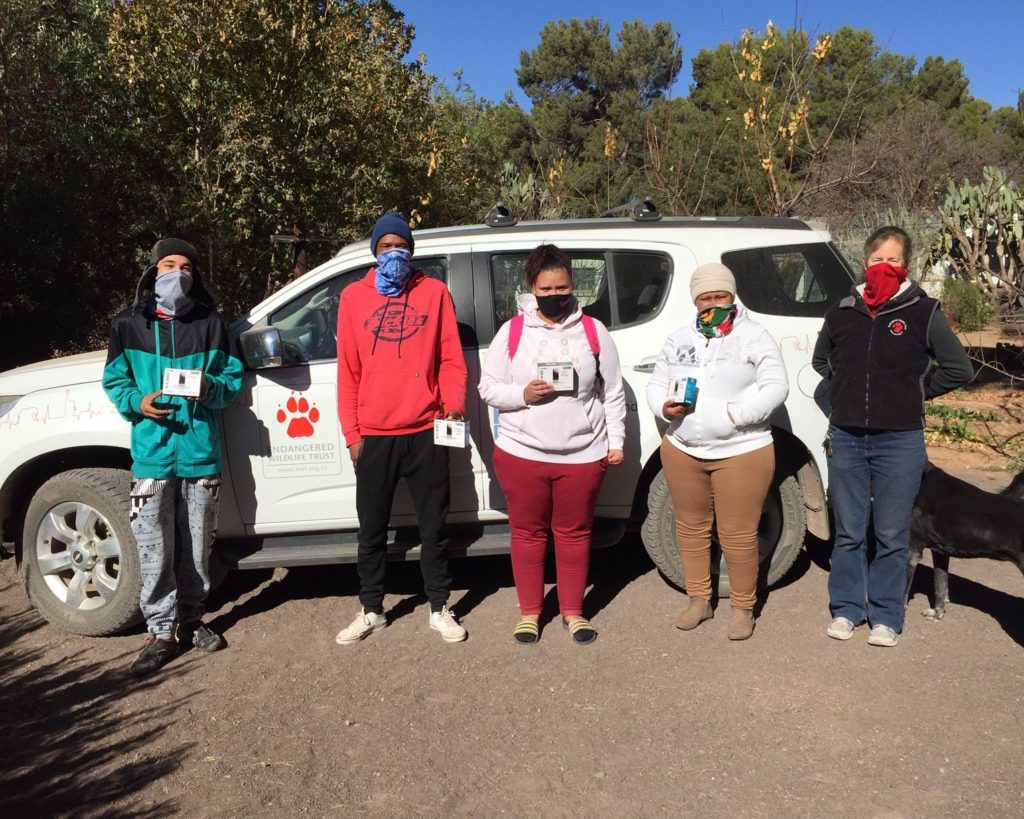
Seven young adults completing their diplomas in animal production through the DCP’s e-learning centre in Loxton also each received a router, so that they can complete their studies online. This made it possible for them to complete their assignments while the centre was closed during lockdown, and while EWT staff implemented the necessary health and safety measures before reopening the e-learning centre. The remaining router was allocated to a group of matric learners (Grade 12) to continue their education while schools were closed. Thank you to the Lewis Foundation for supporting our youth, so that they are better able to support others.
IN MEMORIAM: FAREWELL TO FURY, A CONSERVATION HERO (7 FEBRUARY 2012 – 3 JUNE 2020)
Ndifelani Mulaudzi, Trade Officer, EWT Wildlife in Trade Programme
NdifelaniM@ewt.org.za
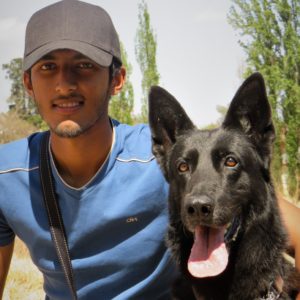
Much-loved Conservation Canine, Fury, sadly passed away on 3 June, as a result of complications arising from a twisted spleen, despite his handler and best friend, Shay Seebran, and the vet’s every effort to save him.
Fury, a German Shepherd, was an incredible conservationist, working tirelessly to protect endangered species in many public and private game reserves in South Africa. As a detection dog, he was trained to detect wildlife products such as rhino horn and ivory, as well as arms and ammunition. Over a two-year period, he and Shay conducted 5,213 vehicle searches at 27 gates in 16 game reserves. They also conducted compound, open area and cargo searches at various airports.
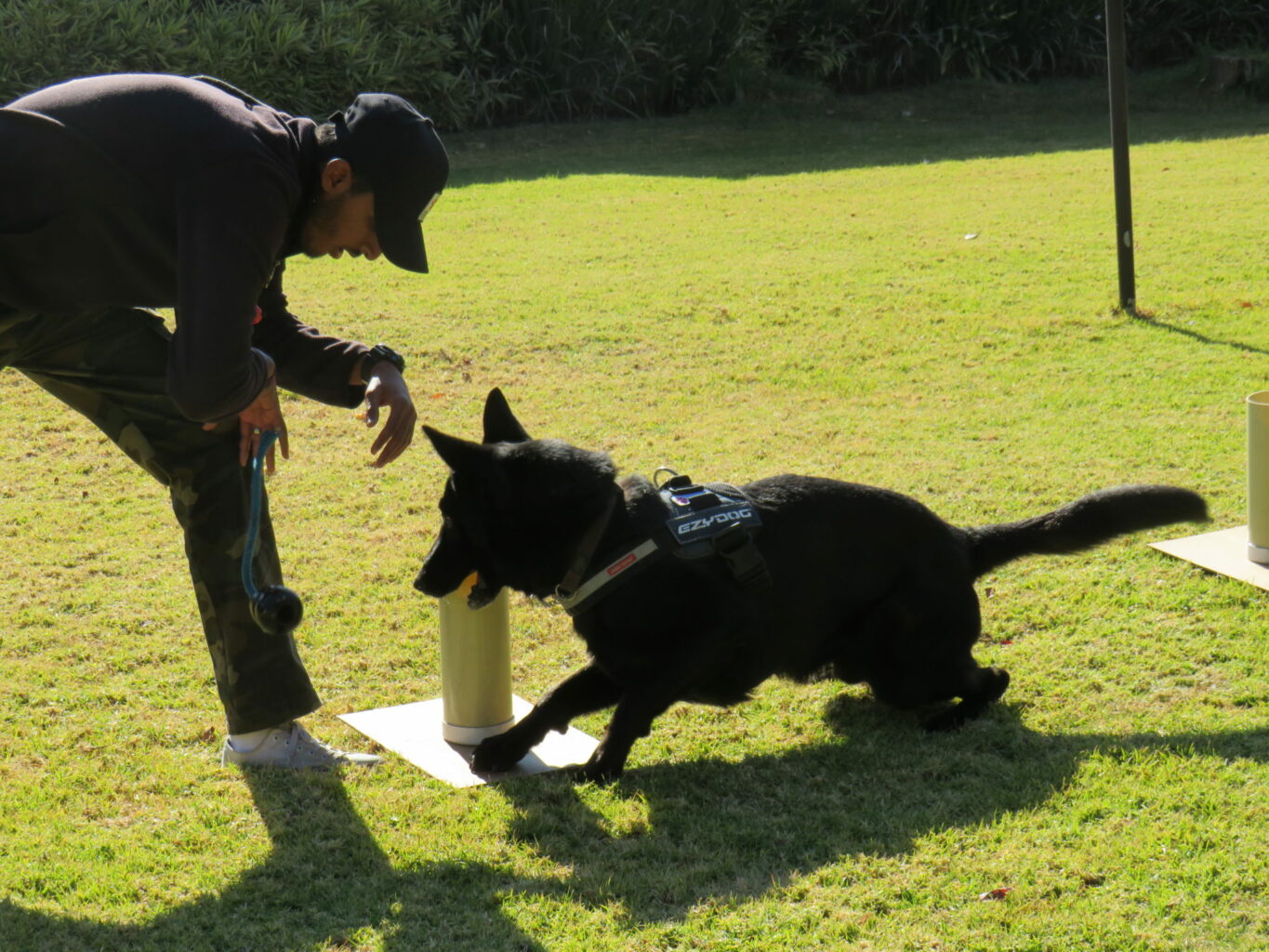
The EWT pays tribute to Conservation Canine Fury for the massive difference he has made with his successful seizures of wildlife contraband and illegal arms and ammunition, helping in the fight against illegal wildlife trade, and preventing many poaching incidents from occurring.
More than that, Fury was a constant companion and partner to Shay, whose life he saved more than once. These best friends had been working and learning together for over two years, travelling South Africa as a team, and spending every moment of their days together, trying to leave a lasting footprint in the anti-poaching world. Shay is devastated by his loss, and says, “The legend may be gone, but certainly not forgotten. I will always appreciate your service, Fury. Rest in power, son.
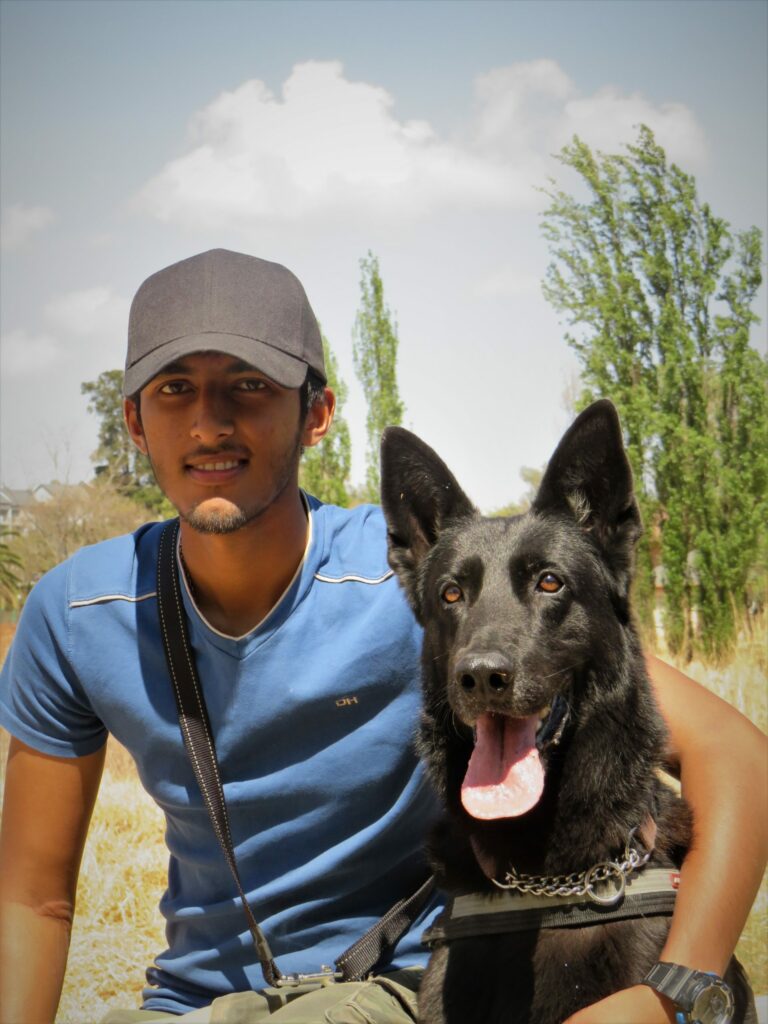
Conservation Canine Fury was indeed a legend, and well-known to many around the world. He has left an amazing legacy behind, to be carried on by many conservationists just like him. He has been laid to rest at his home, the EWT Conservation Campus.
Fury’s work was funded by U.S Fish and Wildlife Service and Tourvest, and supported by Royal Canin and Boehringer-Ingelheim.
MY JOURNEY IN CONSERVATION AND THE ROAD AHEAD
Innocent Buthelezi, Field Officer, EWT Wildlife and Transport Programme
innocentb@ewt.org.za
I was born on 27 January 1990 at Jericho Clinic. Jericho is a rural village in the North West Province of South Africa. I grew up in Johannesburg, where my mother worked as a domestic worker. During the school holidays, I would alternate between visiting my maternal family in North West and my paternal family in KwaZulu-Natal, where my parents now live in Madadeni, near Newcastle.
While my parents were growing up, neither of them had the opportunity to finish their schooling, but they were determined to build a better future for me and provide me with the opportunities that they never had. Living in Johannesburg, I was fortunate to receive a higher standard of education than many other children residing in the more rural areas of the North West or KwaZulu-Natal. At the age of seven, I discovered a love for karate, and progressed to Red Belt by the age of 13. I stopped my karate lessons when I went to high school, but continued with other sports such as soccer, rugby, and athletics. My love of rugby encouraged me to build up my strength and stamina, and I started lifting weights that I made from cement compressed into empty paint cans.
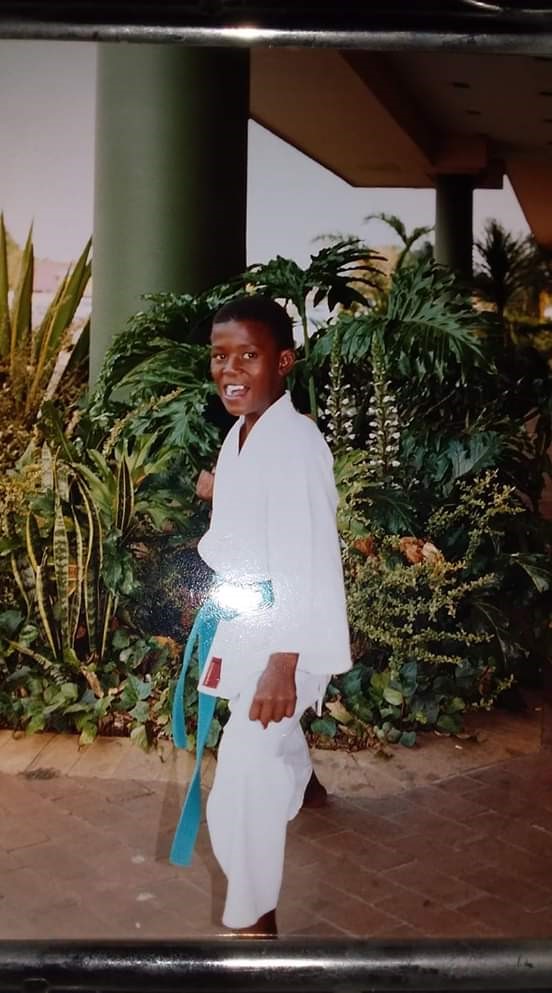
During my teenage years, while not doing sports, I developed an interest in watching National Geographic and Animal Planet on DSTV, where my passion for nature really took hold, and eventually led me to pursue a career in nature conservation. I matriculated in 2008, and I started my studies at Tshwane University of Technology (TUT) in 2009. I graduated from TUT with a National Diploma in 2012, which I would never have achieved without the generosity of my mother’s employer, who financially supported my studies. No one else in my family had completed schooling, let alone tertiary studies. After graduating I volunteered with SANBI and worked at Rand Water as an assistant until 2017, when I embarked on my current career with the Endangered Wildlife Trust’s Wildlife and Transport Programme (WTP).
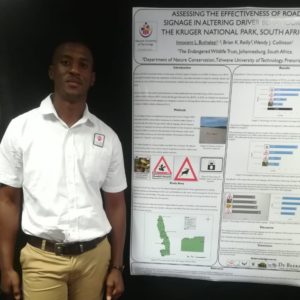
Upon joining the EWT in 2017, I felt the urge to pursue a Bachelor’s in Technology (BTech), and with support from the EWT and a generous study bursary from Trans African Concessions (TRACN4) to conduct my BTech through a research project entitled ‘Assessing the effectiveness of road signage in altering driver behaviour in the Kruger National Park (KNP), South Africa,’ based on reports on social media (specifically Facebook) that indicated levels of public concern for the number of animals being killed on the roads (i.e. roadkill) inside the KNP.
I have always been a dreamer; it is what has always kept me going throughout my conservation career, and my ultimate goal is to achieve a PhD. Despite the disruption of the academic year by the COVID-19 pandemic, I aim to complete my BTech this year and I hope to graduate in 2021.
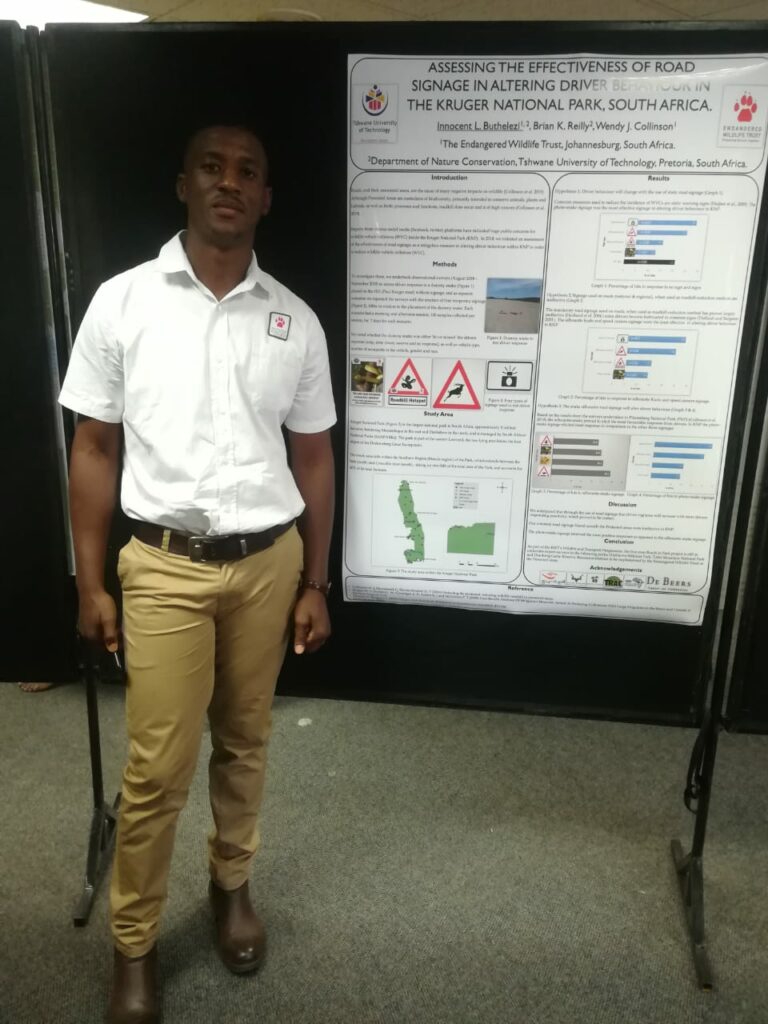
I will not deny that working full-time and studying has not been without its challenges, particularly while fulfilling the role of a husband and father. Fortunately, a lot of my studies have related directly to the work I do with TRACN4, and without the bursary it would have been extremely difficult to support my family and further my studies. I am eternally grateful for the faith they have placed in me and bringing me ever closer to my destination as a wildlife conservationist.
PAINTING A BETTER FUTURE FOR AFRICAN WILD DOGS
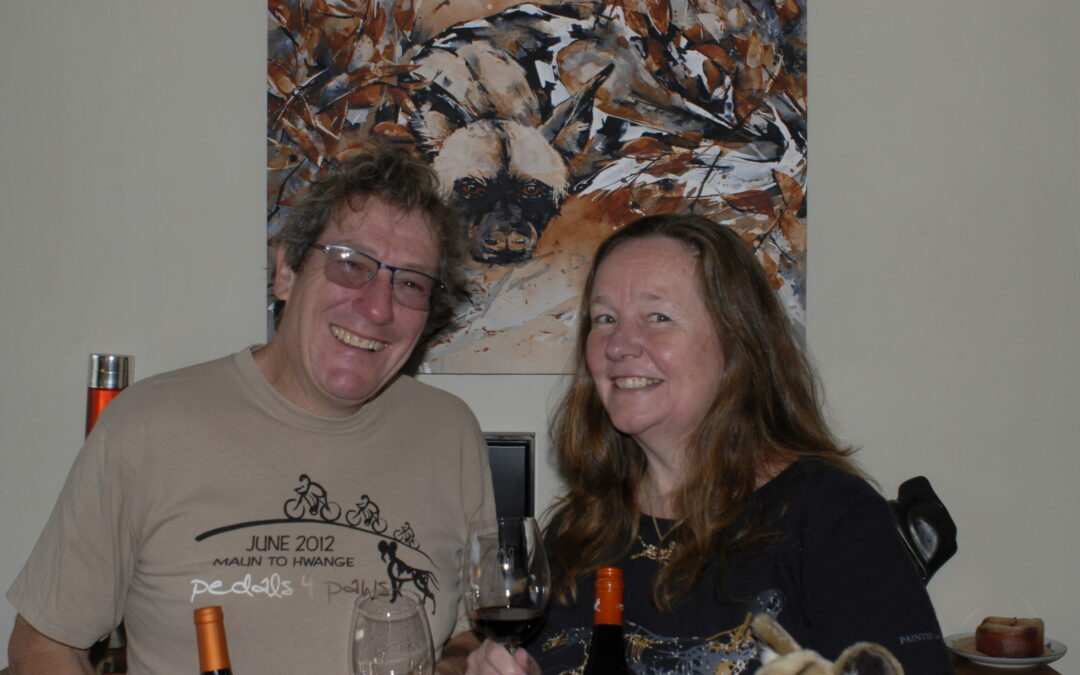
Painted Wolf Wines is based in Paarl, South Africa and was founded in 2007 by Emma and Jeremy Borg, with conservation at the core of the company. PWW is dedicated to the production of authentic, distinct, and delicious wines, and to the conservation of painted wolves (African Wild Dogs) and their natural habitat. The company donates 4–5% of their turnover to the Endangered Wildlife Trust (EWT).[/vc_column_text][vc_single_image image=”6006″ img_size=”full” add_caption=”yes” alignment=”center”][vc_column_text]The Painted Wolf Wines pack lives by the mantra ‘Remarkably persistent, persistently remarkable’. And they have once again lived up to their mantra during a very difficult time, particularly for wine makers in South Africa.
PWW received enormous support from the public during the phase four lock down period, with a significant number of orders being placed for delivery in June. Through these sales, they were able to donate R20,000 to the EWT and specifically towards our African Wild Dog project headed up by Cole du Plessis. Cole is the Wild Dog Range Expansion Project Coordinator and KZN Regional Carnivore Coordinator.[/vc_column_text][vc_single_image image=”6007″ img_size=”full” add_caption=”yes” alignment=”center”][vc_column_text]Painted Wolf Wines has been donating to conservation in southern Africa since the establishment of the company in 2007. For the past 11 years, their sales in southern and east Africa have helped to support the EWT. As a major supplier to the safari lodges and the hospitality sector, they were faced with the potential of having to reduce their donations. However, with any sales direct to the public, they were able to increase their per bottle donation, and this will be ongoing.
Cole du Plessis says “Painted Wolves (African Wild Dogs) have written their very own underdog story. A history of deliberate persecution, habitat fragmentation, snaring and disease are some of the threats that have certainly knocked away at the species, but they keep fighting back. The EWT and Painted Wolf Wines continue to work together in this fight. There are however no short-term solutions. We have to mitigate the ongoing threats, raise their profile, and expand their range to increase the population numbers. If we can create this platform for them, then we can leave it to South Africa’s most endangered carnivore to do the rest. Their intelligence, resilience and pack cohesion certainly make them capable of that. Thank you, Painted Wolf Wines, for your support in sticking by the Painted Wolves and for doing your part in saving the species.”
BIOLOGISTS COLLABORATE TO TEACH COMPUTERS TO IDENTIFY DOLPHINS
Shanan Atkins
shananatkins@gmail.com
Marine biologists from South Africa are participating in an international collaboration to improve our understanding of the conservation biology of the endangered Indian Ocean Humpback Dolphin (Sousa plumbea). They are working together to expedite and automate the process of recognising individual dolphins to facilitate a better understanding of their movements and population dynamics, and to contribute to conservation efforts.
Indian Ocean Humpback Dolphins can be found from the southern tip of Africa to the southern tip of India in a very narrow strip of shallow coastal water. This restricted distribution makes them particularly vulnerable to the negative impact of human activities on the land and in the sea. For example, they die in the large number of gillnets set in this zone to catch fish, while pollution and overfishing are degrading the quality of their habitat.
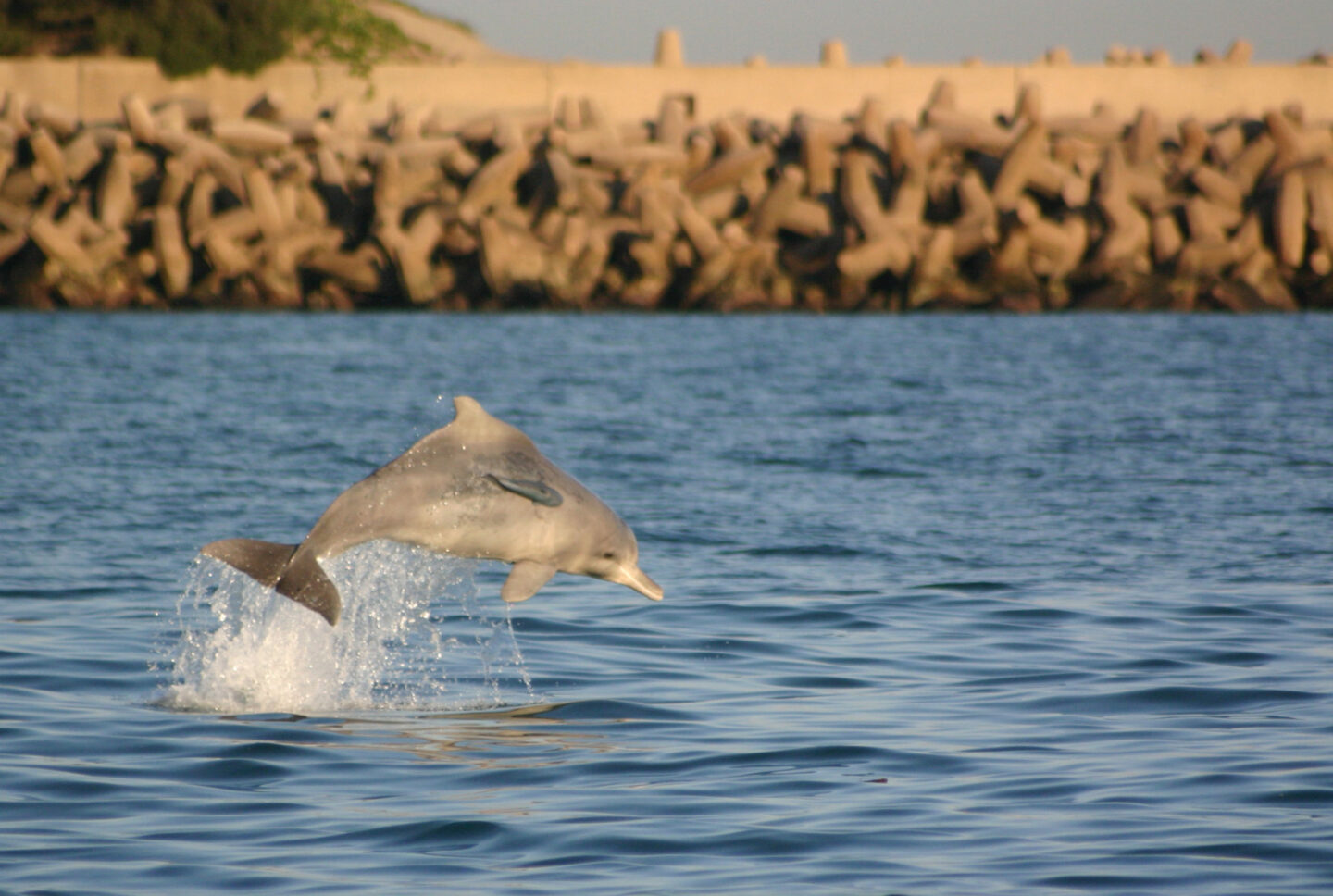
Dolphin researchers throughout their range are concerned about the extinction rate of this species and are working to understand and reverse the situation. They study the behaviour and population dynamics of these dolphins in order to contribute to the design, implementation and monitoring of conservation interventions. To do this, the biologists often need to identify individual dolphins and use a research tool called photo-ID (short for photographic-identification). They take photographs of the dolphins’ dorsal fins and use the nicks and notches, scars and colour patterns on the dorsal fin and body to tell distinctive individuals apart. Once identified, individuals like Zipper, La Linea and Finley Quaid (pictured below) who were photographed at Richards Bay can be recognised over time along the coast.
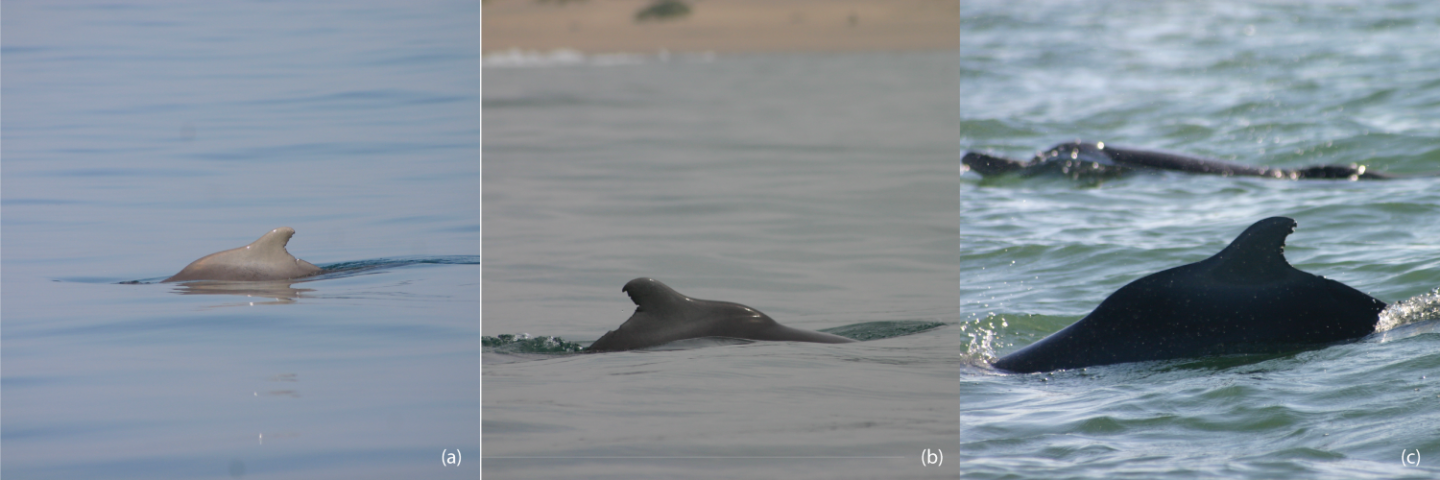
The process of photo-ID is time consuming. In recent years, photo-ID of various species, including zebras, has been automated. An automation front-runner is WildMe, a non-profit, wildlife conservation organisation, uniquely comprised of software and machine learning engineers. They have been working with leading marine mammal biologists from the Indian Ocean Network for Cetacean Research (Indocet) and the Arabian Sea Whale Network to develop Flukebook, a platform to host and match the ID photos of humpback whales, bottlenose dolphins and whale sharks. They use algorithms that examine the distinctive features of individual animals to assess similarity and identify if that particular individual has been photographed before. Humpback dolphin researchers are keen to use this platform too but for a variety of reasons, it is not so simple.
To expedite the process, they gathered all the Humpback Dolphin researchers together to share their photo-ID images. This collaboration involves 35 biologists, from 8 countries (South Africa, Madagascar, Tanzania, Kenya, Abu Dhabi, Dubai, Iran and India), who submitted more than 1,200 photographs of almost 300 distinctive humpback dolphins. This is one of the largest collaborations of its kind.
South Africa’s SouSA Consortium, a network of dolphin researchers who study Humpback Dolphins at various sites along our coastline, submitted 569 of those images (141 distinctive Humpback Dolphins). One of the dolphin research projects, the Richards Bay Humpback Dolphin Project, was initiated by the Endangered Wildlife Trust in 1998. Some of the distinctive dolphins that were photographed in that first year are still being photographed now, 22 years later.
Details of the collaboration were discussed at the recent International Whaling Commission by the Scientific Committee. They welcomed these efforts to automate photo-ID of Humpback Dolphins because they recognise the dire situation that Humpback Dolphins are in and they acknowledge the critical role that identifying individuals plays in conservation biology. They encourage funding agencies and individuals to provide support for this project.
FOSTERING SUSTAINABILITY AND SECURITY FOR BOTH CONSERVATION AND COMMUNITIES IN THE SOUTPANSBERG MOUNTAIN RANGE
Judy van Schalkwyk, Enterprise and Skills Development Officer, EWT Soutpansberg Protected Area
judithvs@ewt.org.za
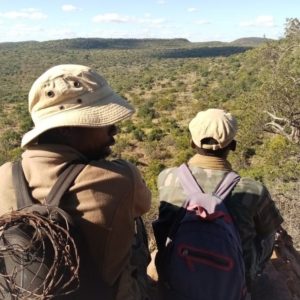
The Endangered Wildlife Trust (EWT) is at the forefront of habitat protection in northern Limpopo, purchasing and managing 2,733 ha of the Soutpansberg Mountain Range. The brave and passionate EWT field and water rangers protect this biodiversity hotspot, vital water catchment, and safe haven for solitary animals such Leopard. The field rangers perform anti-poaching activities such as the location and removal of snares, preventing illegal collection of plants, removing illegal fishing nets in the Sand River Gorge, and patrolling vast areas of mountainous terrain. The rangers also regularly conduct snare patrols of the neighbouring communal land, which protects the wildlife but also helps to safeguard the community’s cattle from being caught in snares. The water rangers clear thirsty alien and invasive plants such as eucalyptus and Black Wattle trees out of the crystal-clear mountain streams and wetlands. This increases the flow of water and life to the streams and replenishes the groundwater supply to boreholes that provide the only source of clean water for surrounding communities.
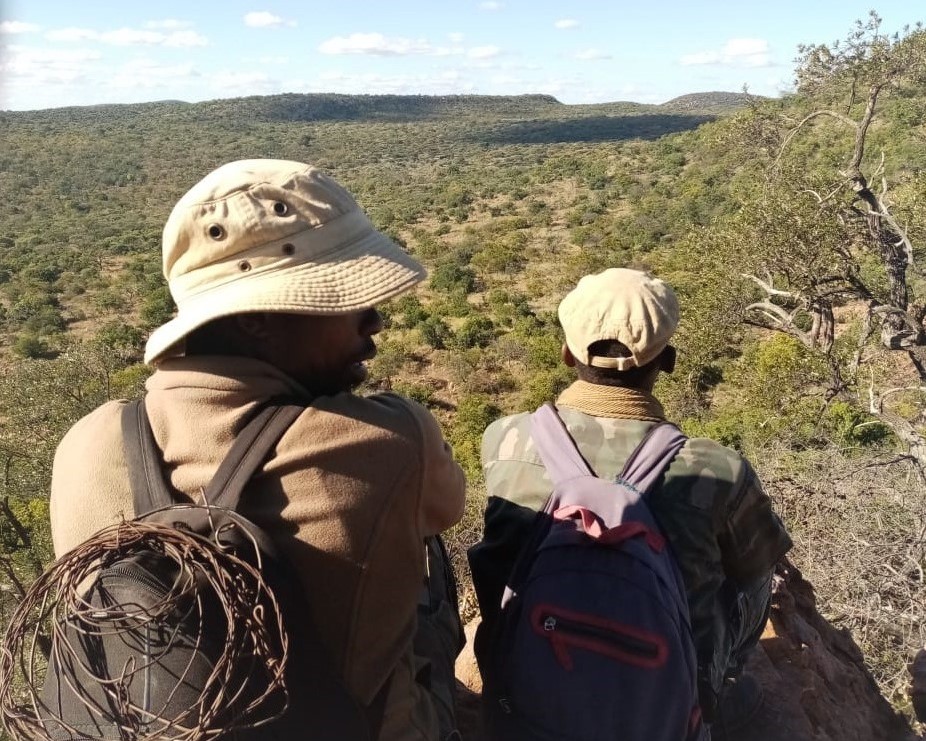
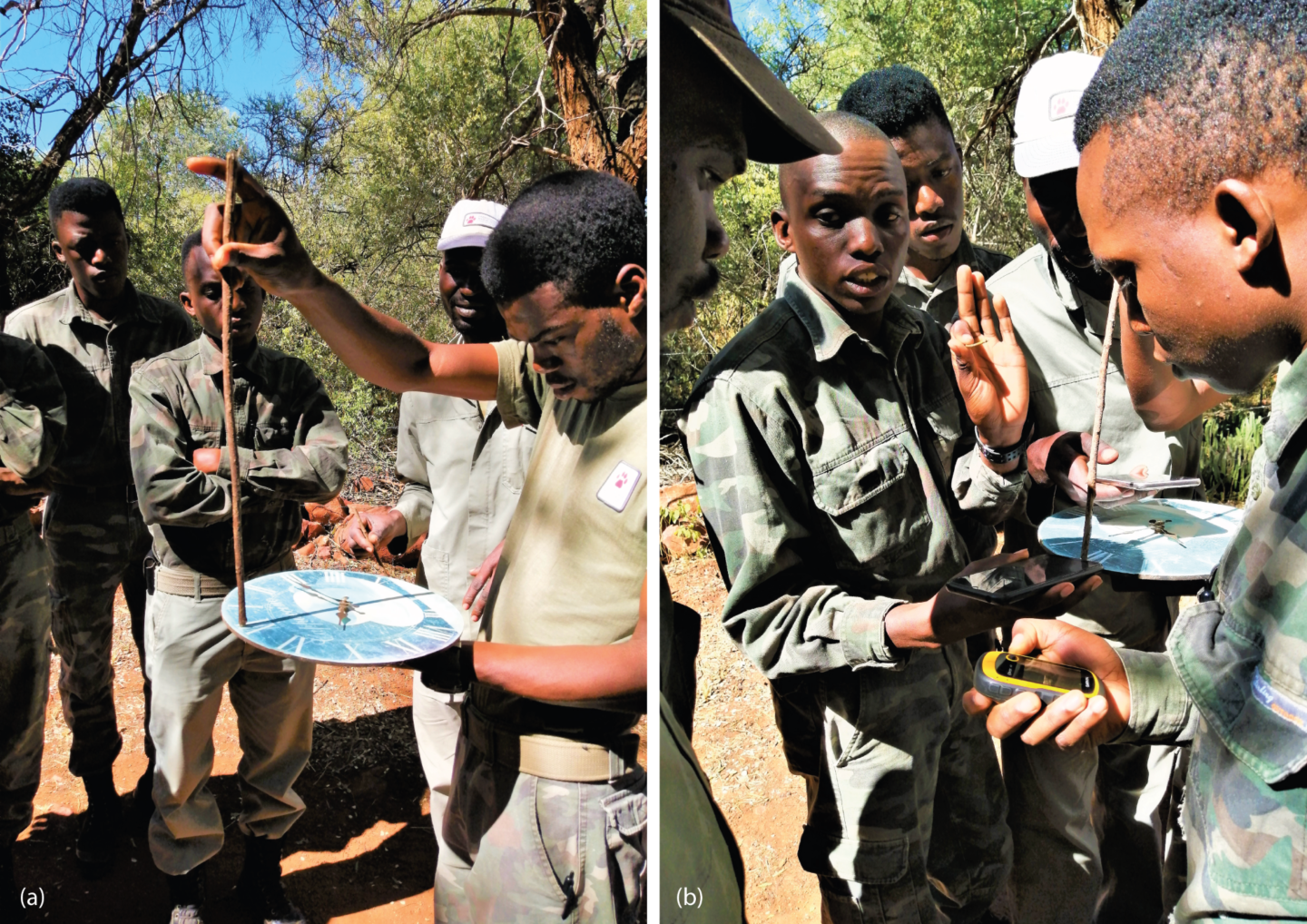
The rugged cliffs and valleys of this little-known mountain range call to the adventurous, and those who love to discover remote and mysterious wilderness. In support of the sustainability and economic growth within this protected area and surrounds, the EWT is planning the development of an epic multi-day guided trail, spanning the length of the western Soutpansberg. The EWT, with generous funding from the FE van Pletzen and L Steynberg trusts, started a pilot project in 2020, training two SPA Field Rangers and two Water Rangers to obtain the Field Guide Association of South Africa’s (FGASA) Apprentice Field Guide qualification. This course consists of 17 teaching modules, covering a broad range of topics required for creating interesting and meaningful guided experiences, and for helping to conserve the area and the wildlife within. Examples of topics include geology, climate, wildlife, ecology, conservation management, and historical human habitation. Once qualified and registered with the National Department of Tourism (NDT), the rangers will be able to operate legally as competent guides to conduct guided nature experiences in the Soutpansberg Protected Area for clients. The remainder of the nine rangers attend some of the sessions, subject to the completion of their reserve management duties, to supplement their knowledge of the environment in which they work, and better equip them to complete the course themselves at a later stage.
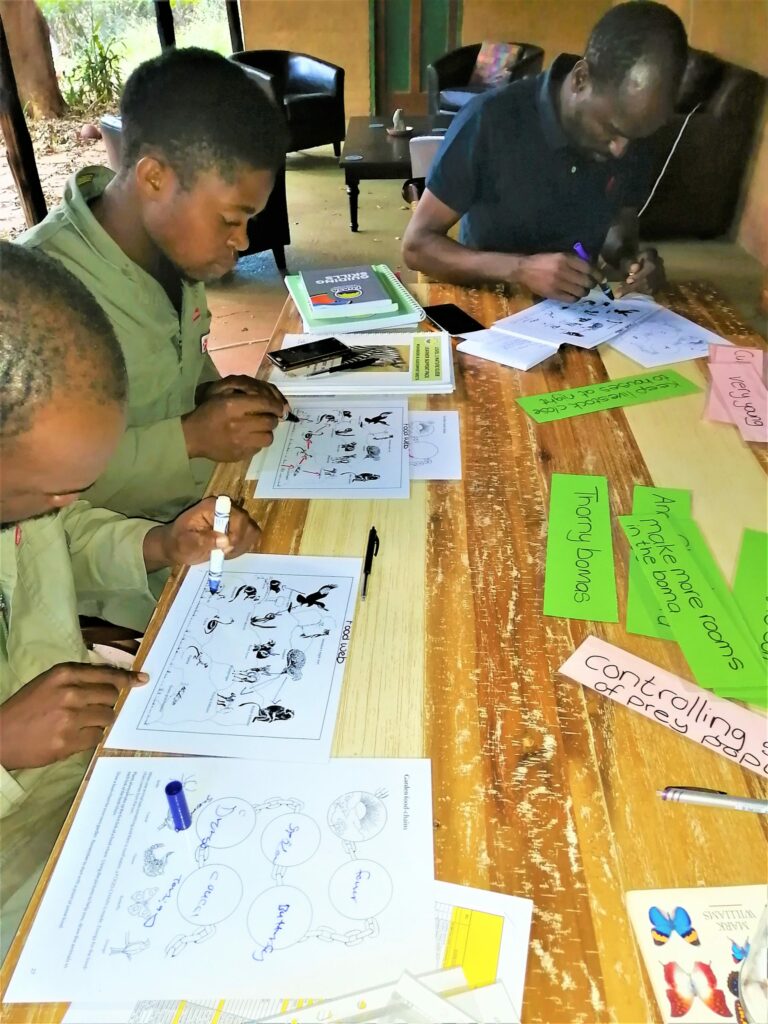
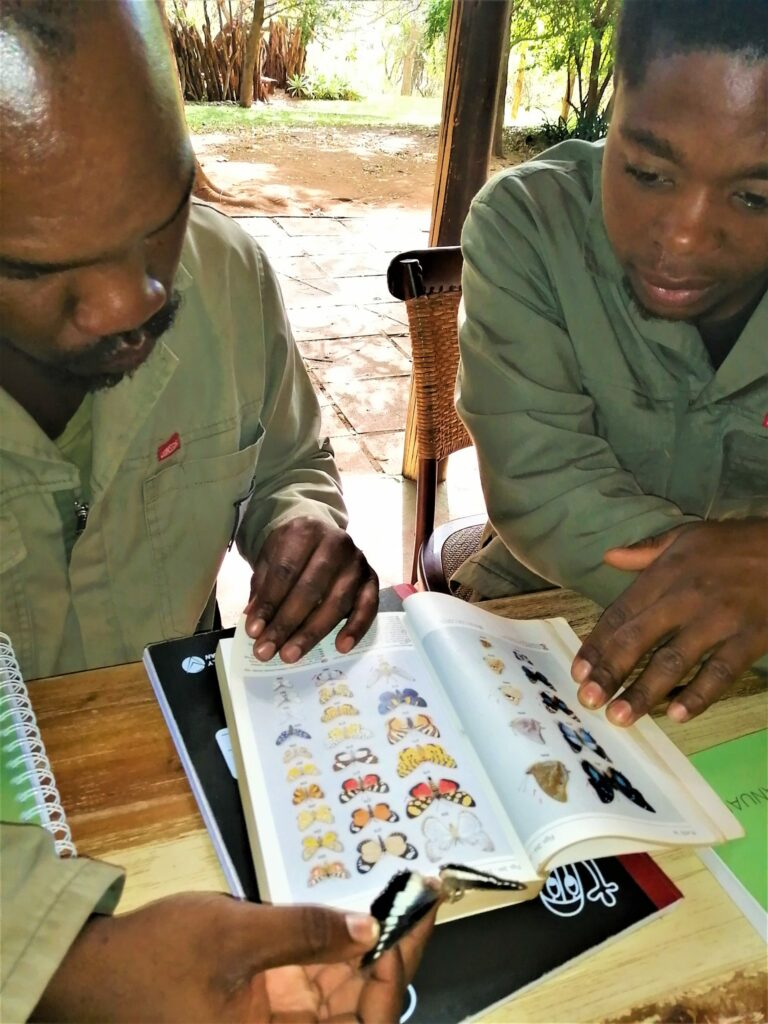
The EWT is committed to developing our field staff, as they are the face of conservation in the area. The establishment of the protected area, on Medike Nature Reserve, by the EWT and its partners created 18 new job opportunities for local community members. The employment of rangers from local communities is one of the most effective and sustainable ways to invest in the livelihoods of these communities. This investment enables the rangers to build reputable careers, support their families, and put their children through school; and the EWT continues to achieve our conservation goals of saving species, saving habitats, and benefiting people.
This multifaceted project was made possible by the financial support of (in alphabetical order) the Coca Cola Foundation’s Replenish Africa Initiative (RAIN), FE van Pletzen and L Steynberg Trusts (RSA), Fondation Franklinia (Switzerland), J. Douglas Wilson (USA), Nissan South Africa, Rainforest Trust (USA), the Roberts family (Australia) and the Weeden Foundation’s Quick Response Biodiversity Fund.
If you wish to make a lasting impact for conservation and communities, consider supporting the expansion of our protected areas. You are welcome to contact Oldrich van Schalkwyk, manager of the EWT Soutpansberg Protected Area at oldrichvs@ewt.org.za or on WhatsApp at 078 373 0288.
