INSPIRING YOUNG SCIENTISTS – THE EWT CONSERVATION SCIENCE UNIT IN ACTION
Dr Lizanne Roxburgh, Senior Scientist, Conservation Science Unit
lizanner@ewt.org.za
Young South Africans are the conservation champions of tomorrow. They will become the next generation of soldiers and explorers in the frontlines, fighting to conserve our biodiversity and promoting a more sustainable tomorrow. Critical to effective conservation practice is robust science, and ensuring that the scientific methods we use in all of our projects are rigorous and defendable, is the role of the EWT’s Conservation Science Unit. In celebration of Youth Day, and to provide inspiration to other aspiring conservation scientists, we would like to showcase the young scientists in our unit, and the exciting career paths they have ahead of them. However, we recognise that our team of hard-working young scientists were privileged to attend universities and had opportunities to enjoy South Africa’s wildlife and natural environments while growing up, which are opportunities that are not yet given to all South African youth.
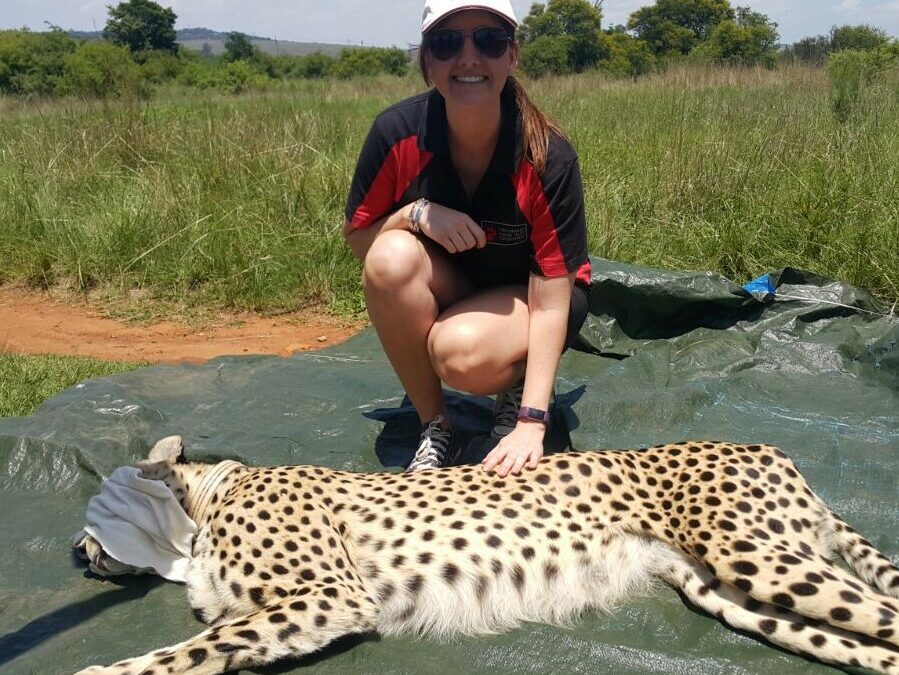
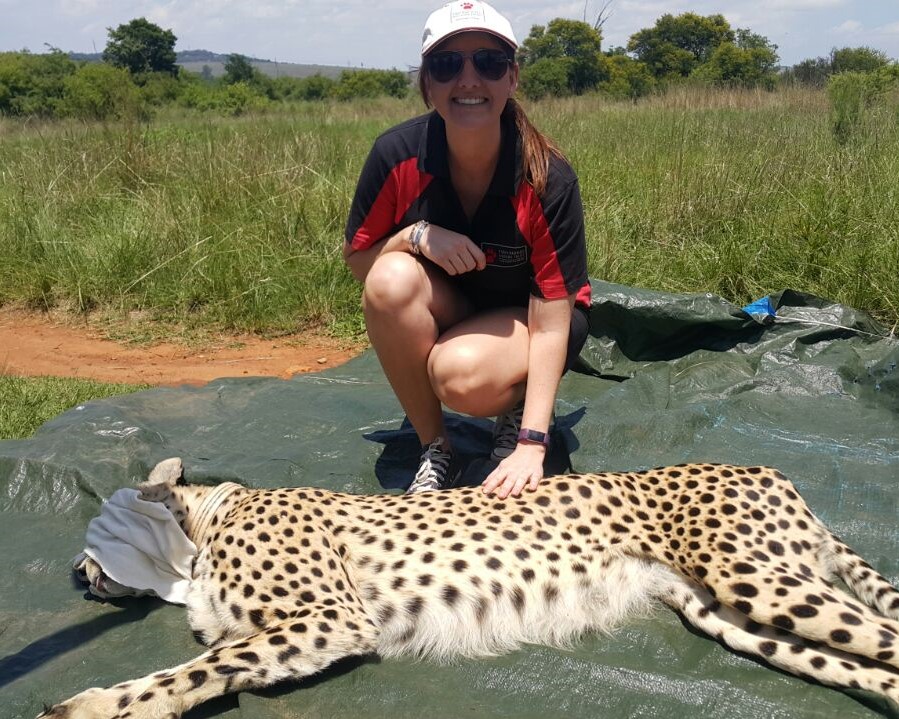
Claire Relton – Conservation Science Officer
My journey to conservation began at a young age, inspired by cross-country family road trips to South Africa’s diverse and spectacular protected areas. A passion and wonder for the natural world were instilled in me during Drakensberg hikes beneath Cathedral Peak, and hippo-watching through small red plastic binoculars with my feet dangling off the edge of a wooden bird hide. During a family camping trip, I remember sleeping with my head outside of the little triangular tent, just to hear the captivating sounds of the night more clearly. After waking up with my eye swollen shut, looking as if I had crept straight out of a horror movie, I only wondered with fascination, which crawling creature had bitten me in the night. My graduate and postgraduate education in biology and environmental science took me to the Universities of Cape Town, Pretoria, and Wits. I began working for the EWT as a nervous, yet enthusiastic volunteer, and now, as a conservation scientist, I aim to assist teams to develop, monitor, and implement impactful and effective conservation projects. Although I committed to hard work and dedication throughout my education and career in the conservation field, I also deeply understand that much of my story is one of privilege, access, and opportunity. If we hope to combat the enormous and increasing threats to biodiversity that the conservation community faces in this country, it is critical that all young South Africans are provided with the opportunity to access, appreciate, and understand South Africa’s splendour of wildlife and natural spaces.
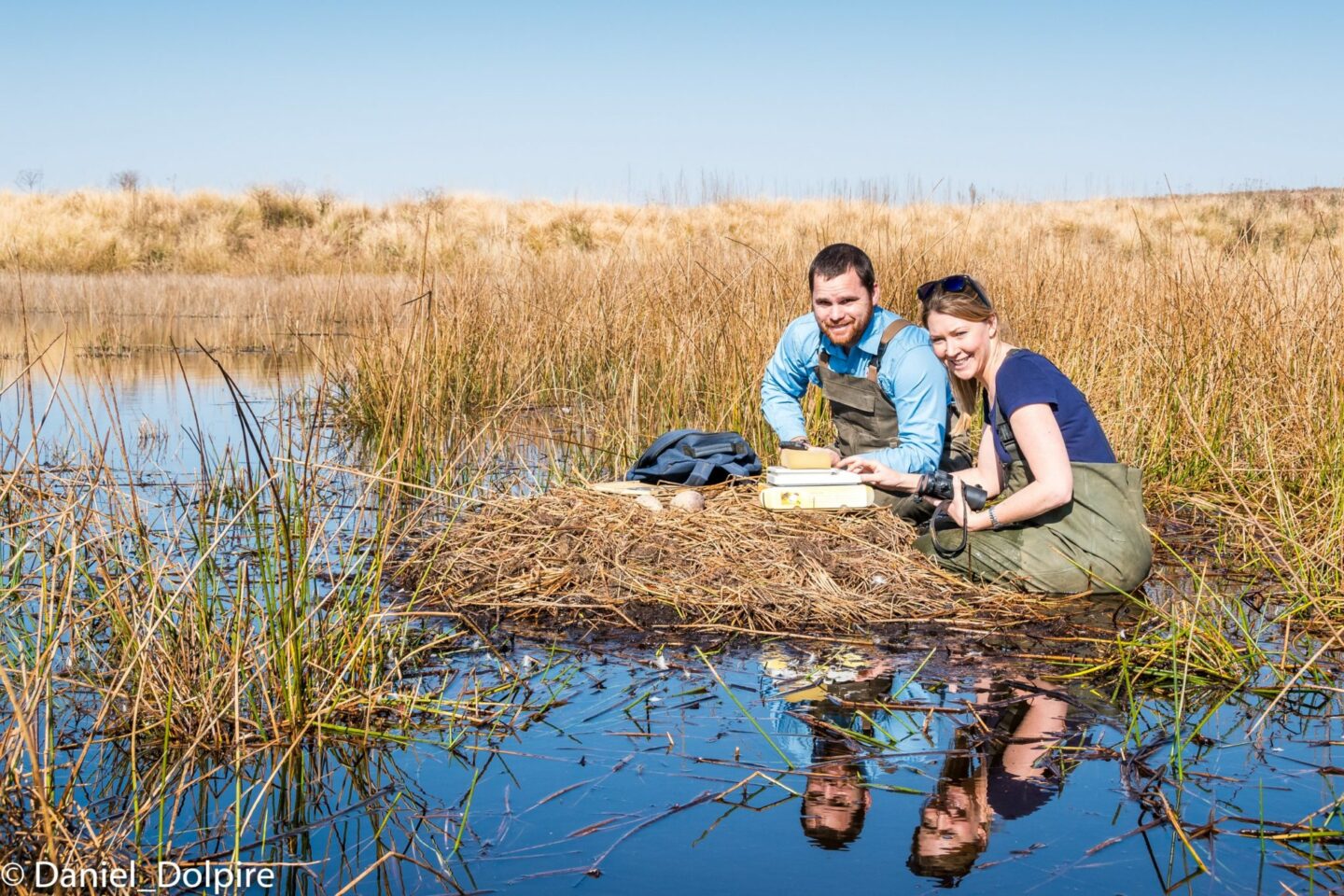
Dominic Henry – Ecological Modelling Specialist
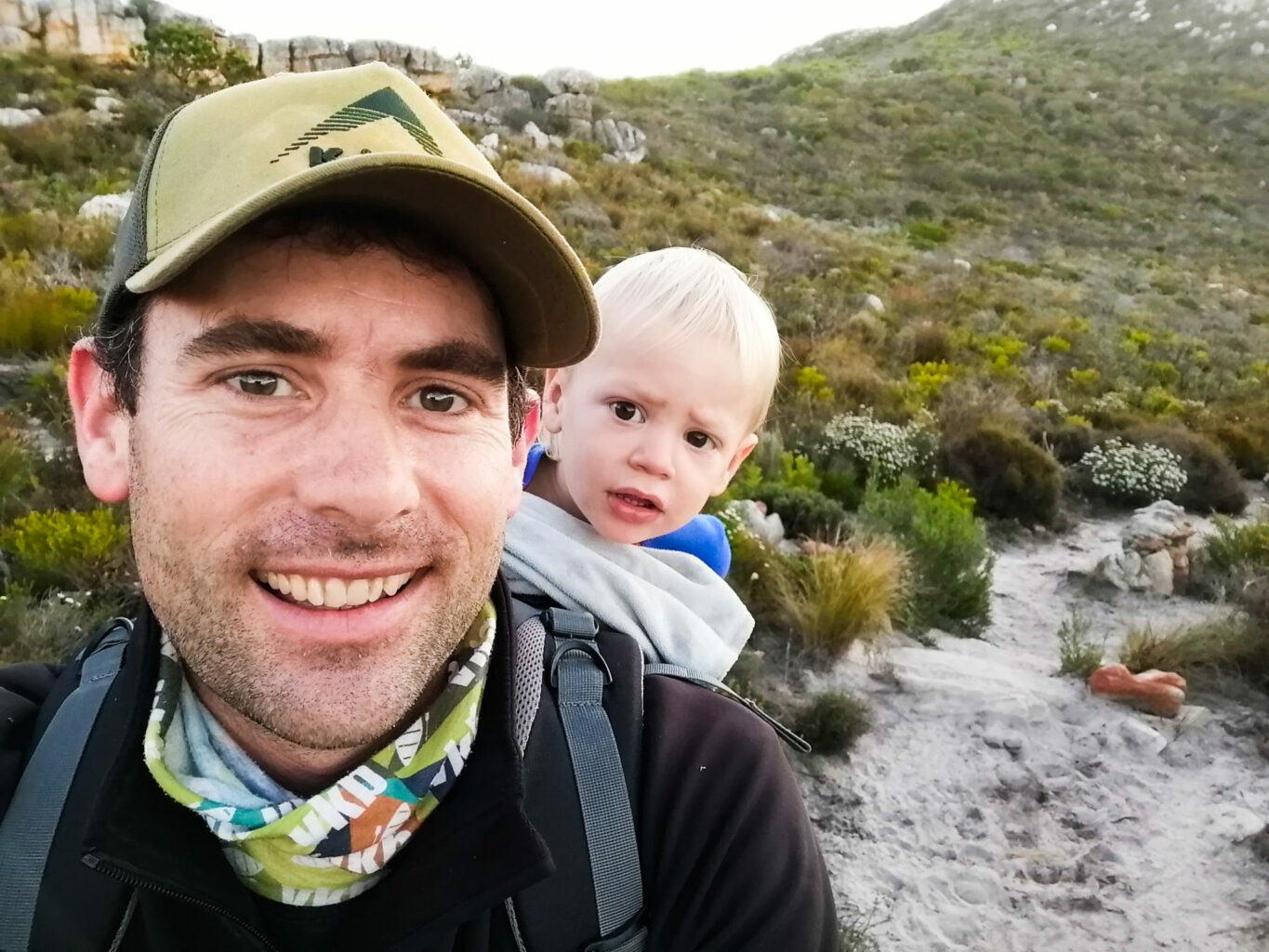
In a misguided attempt to pursue a respectable career in the financial sector, I started a Business Science degree at the University of Cape Town (UCT) in 2003. After a year and half of learning about rands and cents, following this trajectory no longer made sense (to me at least). I thought about places and times in my life where I found joy and contentment, and quickly realised that growing up on a farm had primed me for being happiest outdoors. I met with a prominent entomologist and Science Faculty student advisor who encouraged me to immediately move faculties and start a degree in Ecology. Little did I know that this meeting would lead me towards a fascinating and fulfilling career as an ecologist. During my studies, I developed a strong passion for birds and birding, and after my Honours degree, I took a year off to work as a field guide in a game reserve. I was lured back to the UCT by an offer to start a Master’s degree (which I later upgraded to a PhD) working on the movement ecology of southern African waterbirds, conducting fieldwork at 60 sites within the protected areas of Zululand). As an avid birder, this was an opportunity I couldn’t pass up. I developed an affinity for working with large datasets that led me to take a deep dive into learning quantitative ecology techniques. I then took up a postdoctoral fellowship at the Centre for Statistics in Ecology, Environment and Conservation (SEEC), in which I used statistical models to quantify patterns of species richness of birds, reptiles, mammals, scorpions, butterflies, grasshoppers, and plants in a part of the Karoo that is threatened by shale-gas exploration. This gave me a deep appreciation for biodiversity in very sensitive ecosystems. After 13 years at UCT I decided to leave academia and take up a position at the EWT as an Ecological Modelling Specialist. While I am still involved in research, my primary work now involves developing models that quantify the distribution of threatened species of reptiles, amphibians, mammals, and butterflies. These models are used to inform land-use decision making and aid responsible infrastructure development. I derive a deep sense of satisfaction knowing that I can use the skills I have learned during my scientific training to address real world conservation issues.
Samantha Nicholson – Lion Database Coordinator
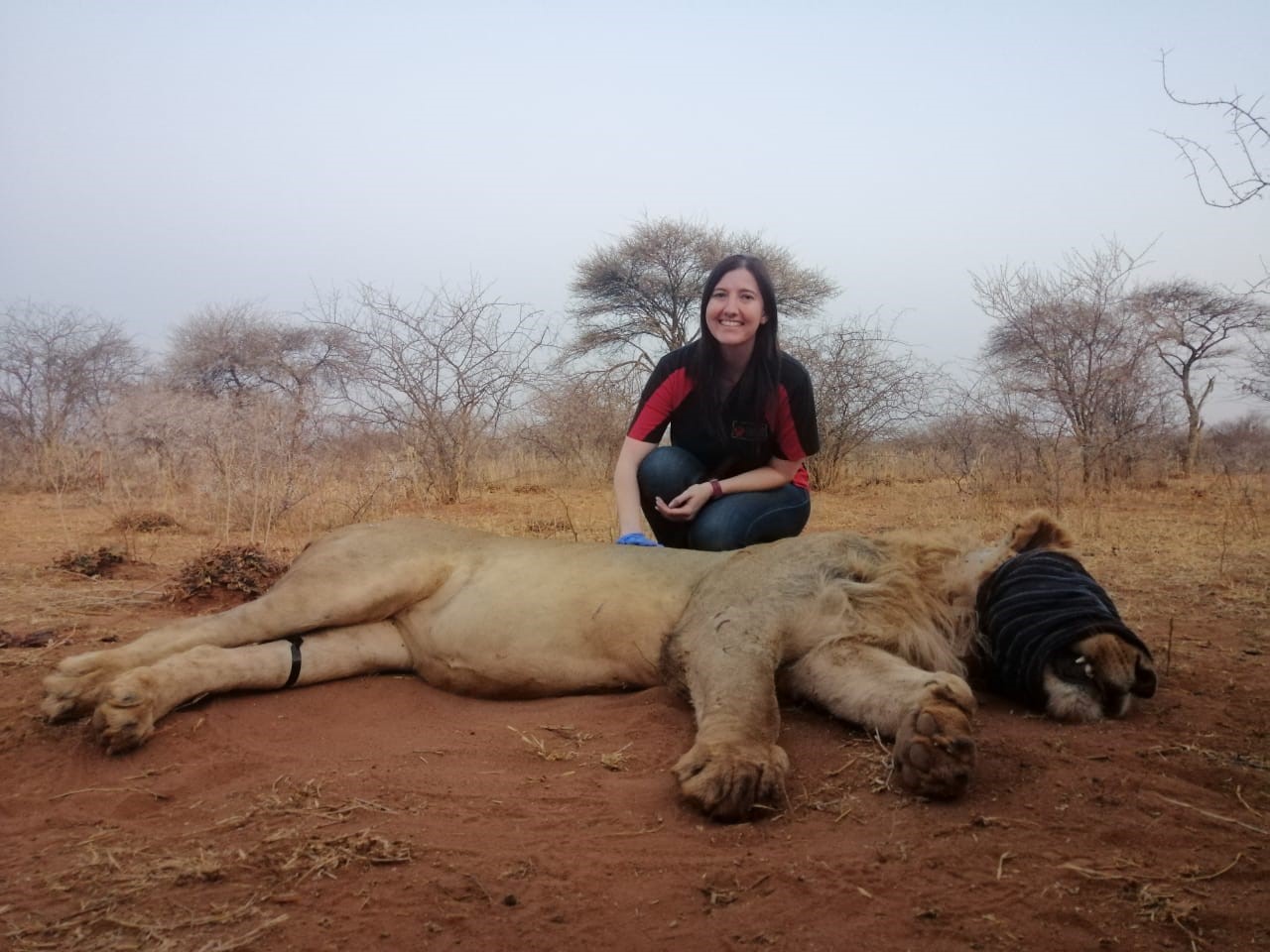
Ever since I can remember I knew I wanted to work with wild animals. For most of my primary school days I dreamt of becoming a game ranger and spending every day in the bush and being with wildlife. I then started to learn about how many species were threatened with extinction and I knew I wanted to do something to help conserve them, specifically large carnivores. In high school I came across the term ‘Zoologist’ and thought “well ok, that’s what I will be”, and off to university I went. In 2014 I graduated with my Master of Science degree with distinction in Zoology. I then began working at the Endangered Wildlife Trust as a Conservation Science Intern, and in 2018 I was appointed as the project coordinator for the global African Lion Database (ALD) initiative. This unique project aims to develop a platform to consolidate lion population and distribution data from across the African continent. This will allow us to better understand the distribution, conservation status, and population trends of this iconic African cat. I consider myself incredibly lucky to be able to have a career that contributes to species conservation.
Oliver Cowan – Conservation Science Officer
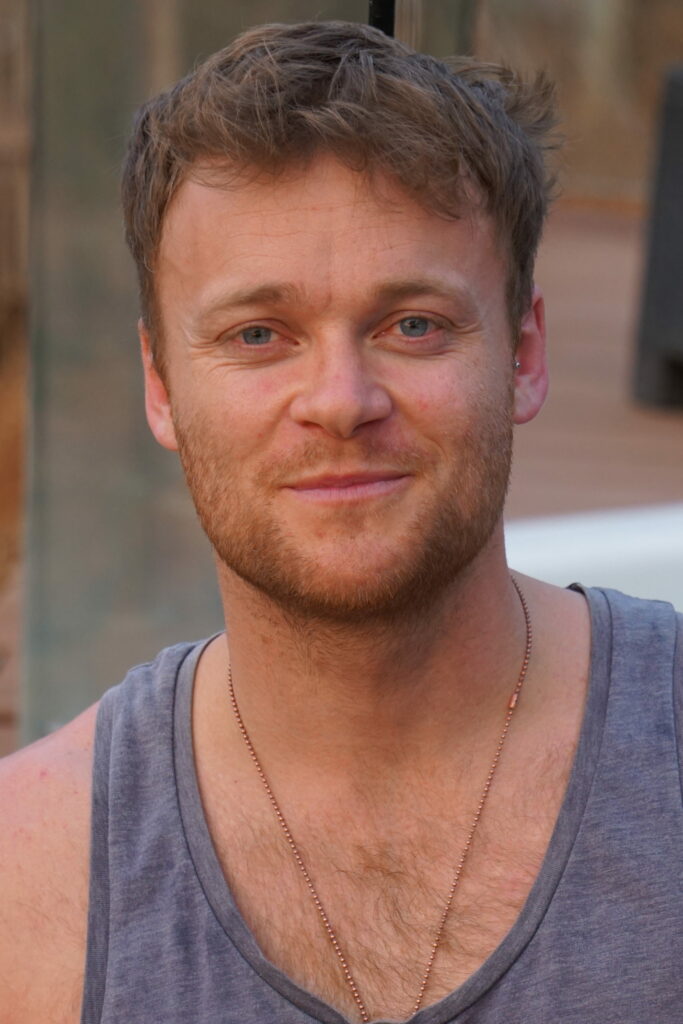
I have always been fascinated by how things work and why things are the way that they are. As a child I would want to know, for example, why flowers were different shapes and sizes. I was drawn to science as a way of understanding nature better. As my scientific curiosity increased through adolescence, so too did my comprehension that not only could science help me understand the world, but it could also be used to help correct the damage we humans have inflicted on the environment. This led me to the decision to study ecology and environmental science after I finished school. I have never regretted this decision and, after a long adventure in academia, I was fortunate to be offered a job with EWT’s Conservation Science Unit upon completing my PhD. Currently, I am working on a nation-wide project to increase the protection of species and habitats of conservation concern. I feel so fortunate to be able to combine the skills I learned in my academic career with my lifelong passion for nature, to assist in applied conservation practices that protect and safeguard our wondrous biodiversity.
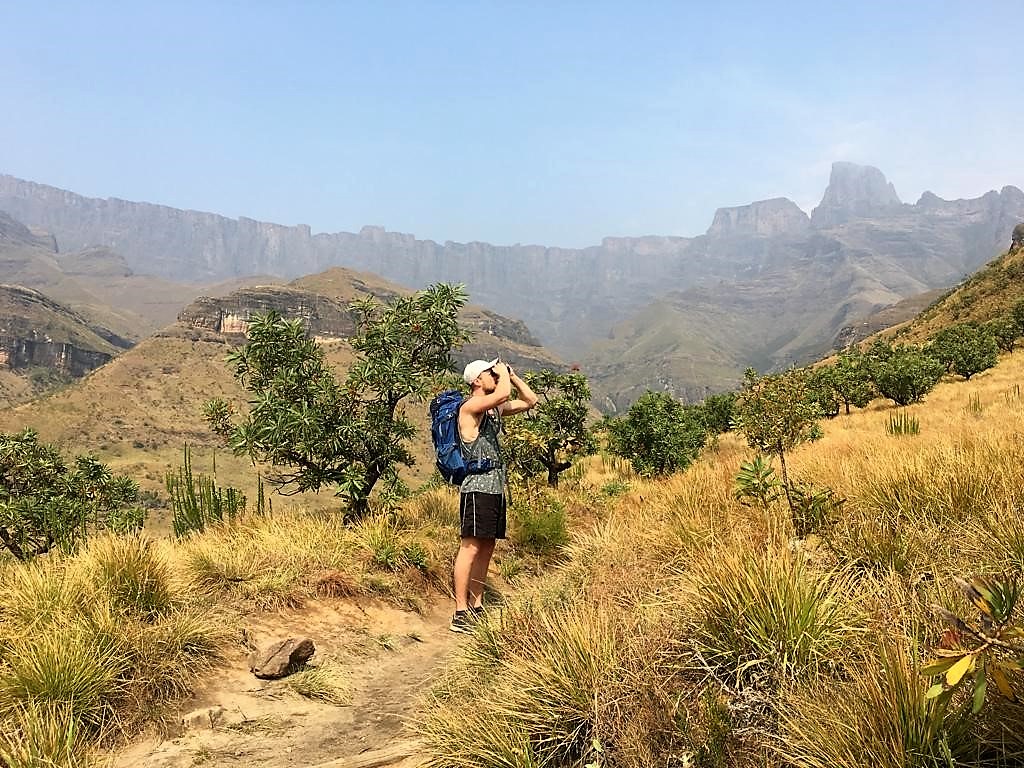
Tamsyn Galloway – Conservation Science Intern

If ever given the choice of holiday destination, it always has and always will be the African bush. There is nothing better for me than spending time in nature – watching, listening, and learning from the great teacher herself, Mother Nature. Therefore, when considering career options, I felt I had to work with wildlife, and science was an obvious choice. However, having an innately logical mind and a knack for Geographical Information Systems (GIS), I looked for a niche where wildlife conservation and GIS could meet. At the Endangered Wildlife Trust, I have been able to do just that, creating maps that show species distributions and their habitats. I also assist in the writing of research papers that aim to identify and test the effectiveness of potential mitigation measures to address the threats that power lines present to our iconic African bird species. I am eager to see where this career path takes me and look forward to growing into the role of a true wildlife conservationist of Africa. For more information about the CSU, please contact us here.
KEEPING US CONNECTED DURING COVID-19
Bonnie Schuman, Nama Karoo Coordinator, and Esther Matthew, Specialist Conservation Officer, EWT Drylands Conservation Programme
Bonnies@ewt.org.za and Estherm@ewt.org.za
The EWT’s Drylands Conservation Programme (DCP) was thrilled to receive funding from the Lewis Foundation to support communities and individuals significantly impacted by the COVID-19 lockdown in the Karoo. There were ten recipients from Loxton, and three from Nieuwoudtville, who each received a router and a data package to support their studies and community work for one year, particularly when they needed to operate from home during the lockdown.
Fredeline Frieslaar, a qualified Edu Care teacher, was the first in Loxton to receive her router. Fredeline has made a significant positive impact in Loxton over the last two years, working as a teaching assistant for the EWT-Rand Merchant Bank Clever Rabbit learning support project. She is also Loxton’s adult reading facilitator and is currently tutoring four adults who are learning to read and write. Fredeline wants to study second year foundation phase education at NWU (long distance learning) and needs internet access to complete short courses online in preparation. Fredeline and two other women in the Loxton community have also been working tirelessly to provide food to community members in need, as the soup kitchen in Loxton was closed during the lockdown.
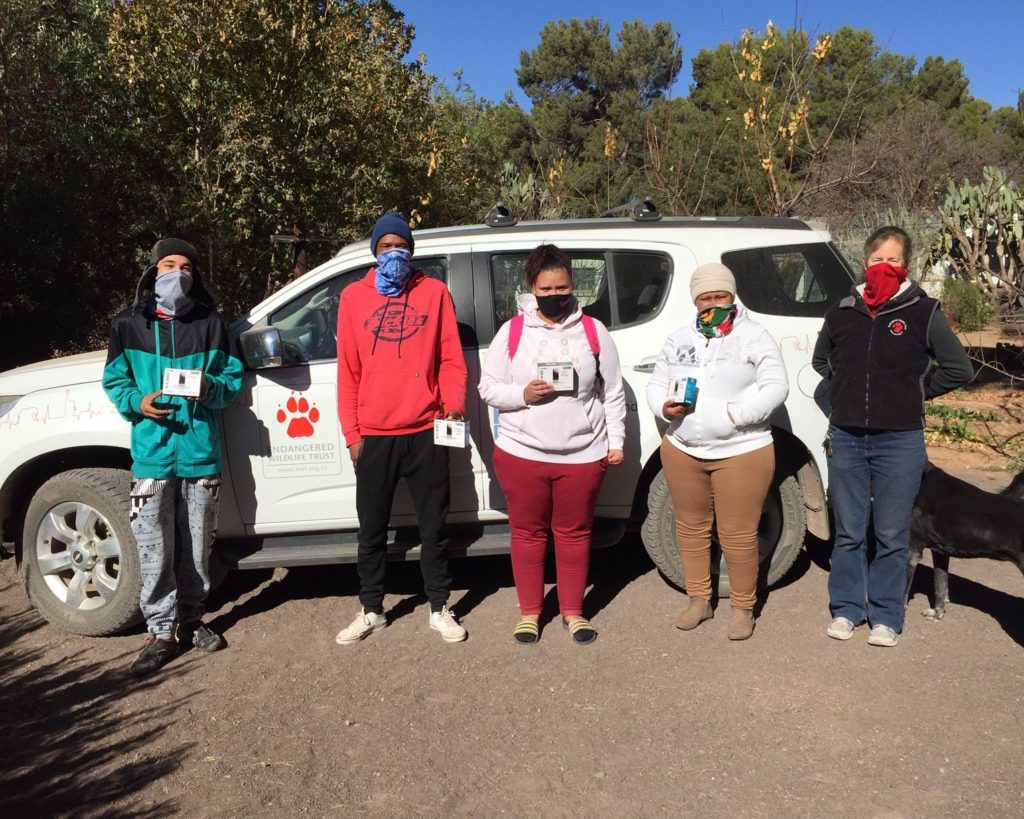
Seven young adults completing their diplomas in animal production through the DCP’s e-learning centre in Loxton also each received a router, so that they can complete their studies online. This made it possible for them to complete their assignments while the centre was closed during lockdown, and while EWT staff implemented the necessary health and safety measures before reopening the e-learning centre. The remaining router was allocated to a group of matric learners (Grade 12) to continue their education while schools were closed. Thank you to the Lewis Foundation for supporting our youth, so that they are better able to support others.
IN MEMORIAM: FAREWELL TO FURY, A CONSERVATION HERO (7 FEBRUARY 2012 – 3 JUNE 2020)
Ndifelani Mulaudzi, Trade Officer, EWT Wildlife in Trade Programme
NdifelaniM@ewt.org.za
Much-loved Conservation Canine, Fury, sadly passed away on 3 June, as a result of complications arising from a twisted spleen, despite his handler and best friend, Shay Seebran, and the vet’s every effort to save him.
Fury, a German Shepherd, was an incredible conservationist, working tirelessly to protect endangered species in many public and private game reserves in South Africa. As a detection dog, he was trained to detect wildlife products such as rhino horn and ivory, as well as arms and ammunition. Over a two-year period, he and Shay conducted 5,213 vehicle searches at 27 gates in 16 game reserves. They also conducted compound, open area and cargo searches at various airports.
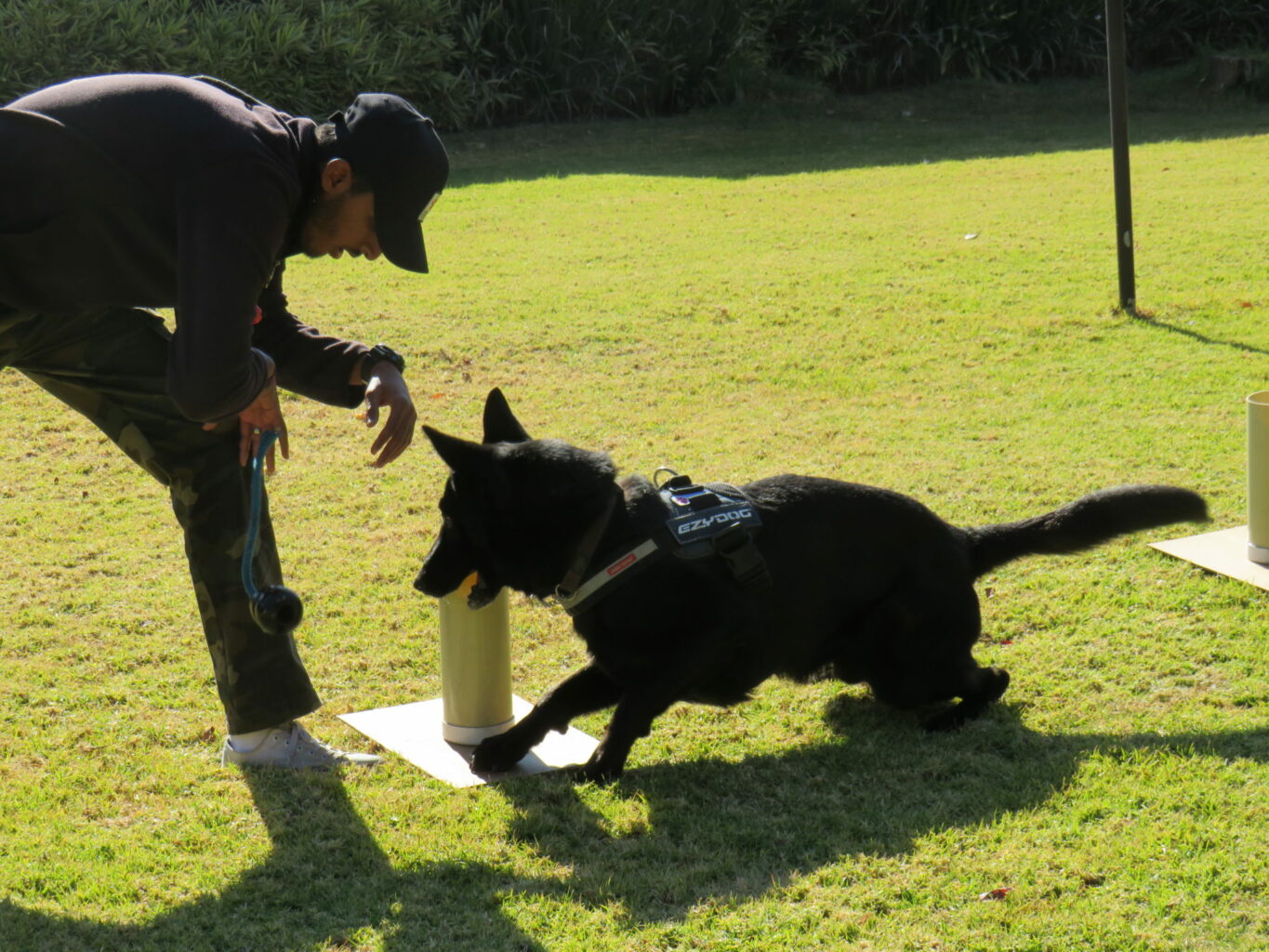
The EWT pays tribute to Conservation Canine Fury for the massive difference he has made with his successful seizures of wildlife contraband and illegal arms and ammunition, helping in the fight against illegal wildlife trade, and preventing many poaching incidents from occurring.
More than that, Fury was a constant companion and partner to Shay, whose life he saved more than once. These best friends had been working and learning together for over two years, travelling South Africa as a team, and spending every moment of their days together, trying to leave a lasting footprint in the anti-poaching world. Shay is devastated by his loss, and says, “The legend may be gone, but certainly not forgotten. I will always appreciate your service, Fury. Rest in power, son.
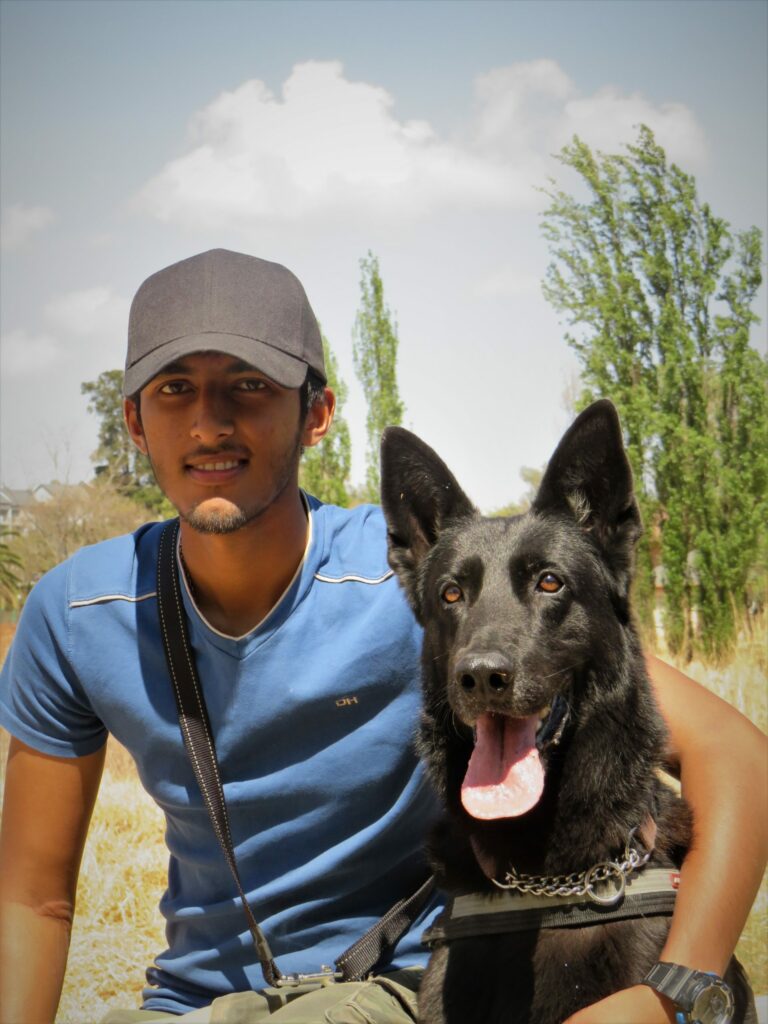
Conservation Canine Fury was indeed a legend, and well-known to many around the world. He has left an amazing legacy behind, to be carried on by many conservationists just like him. He has been laid to rest at his home, the EWT Conservation Campus.
Fury’s work was funded by U.S Fish and Wildlife Service and Tourvest, and supported by Royal Canin and Boehringer-Ingelheim.
MY JOURNEY IN CONSERVATION AND THE ROAD AHEAD
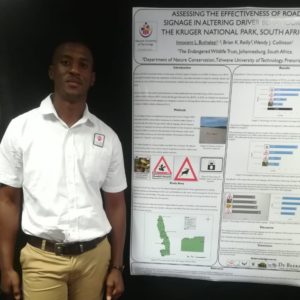
Innocent Buthelezi, Field Officer, EWT Wildlife and Transport Programme
innocentb@ewt.org.za
I was born on 27 January 1990 at Jericho Clinic. Jericho is a rural village in the North West Province of South Africa. I grew up in Johannesburg, where my mother worked as a domestic worker. During the school holidays, I would alternate between visiting my maternal family in North West and my paternal family in KwaZulu-Natal, where my parents now live in Madadeni, near Newcastle.
While my parents were growing up, neither of them had the opportunity to finish their schooling, but they were determined to build a better future for me and provide me with the opportunities that they never had. Living in Johannesburg, I was fortunate to receive a higher standard of education than many other children residing in the more rural areas of the North West or KwaZulu-Natal. At the age of seven, I discovered a love for karate, and progressed to Red Belt by the age of 13. I stopped my karate lessons when I went to high school, but continued with other sports such as soccer, rugby, and athletics. My love of rugby encouraged me to build up my strength and stamina, and I started lifting weights that I made from cement compressed into empty paint cans.
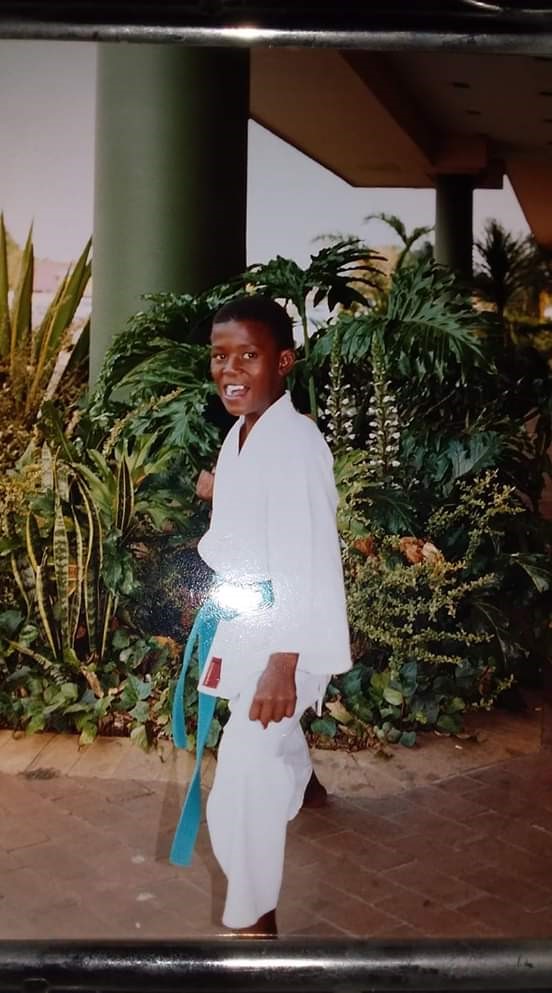
During my teenage years, while not doing sports, I developed an interest in watching National Geographic and Animal Planet on DSTV, where my passion for nature really took hold, and eventually led me to pursue a career in nature conservation. I matriculated in 2008, and I started my studies at Tshwane University of Technology (TUT) in 2009. I graduated from TUT with a National Diploma in 2012, which I would never have achieved without the generosity of my mother’s employer, who financially supported my studies. No one else in my family had completed schooling, let alone tertiary studies. After graduating I volunteered with SANBI and worked at Rand Water as an assistant until 2017, when I embarked on my current career with the Endangered Wildlife Trust’s Wildlife and Transport Programme (WTP).
Upon joining the EWT in 2017, I felt the urge to pursue a Bachelor’s in Technology (BTech), and with support from the EWT and a generous study bursary from Trans African Concessions (TRACN4) to conduct my BTech through a research project entitled ‘Assessing the effectiveness of road signage in altering driver behaviour in the Kruger National Park (KNP), South Africa,’ based on reports on social media (specifically Facebook) that indicated levels of public concern for the number of animals being killed on the roads (i.e. roadkill) inside the KNP.
I have always been a dreamer; it is what has always kept me going throughout my conservation career, and my ultimate goal is to achieve a PhD. Despite the disruption of the academic year by the COVID-19 pandemic, I aim to complete my BTech this year and I hope to graduate in 2021.
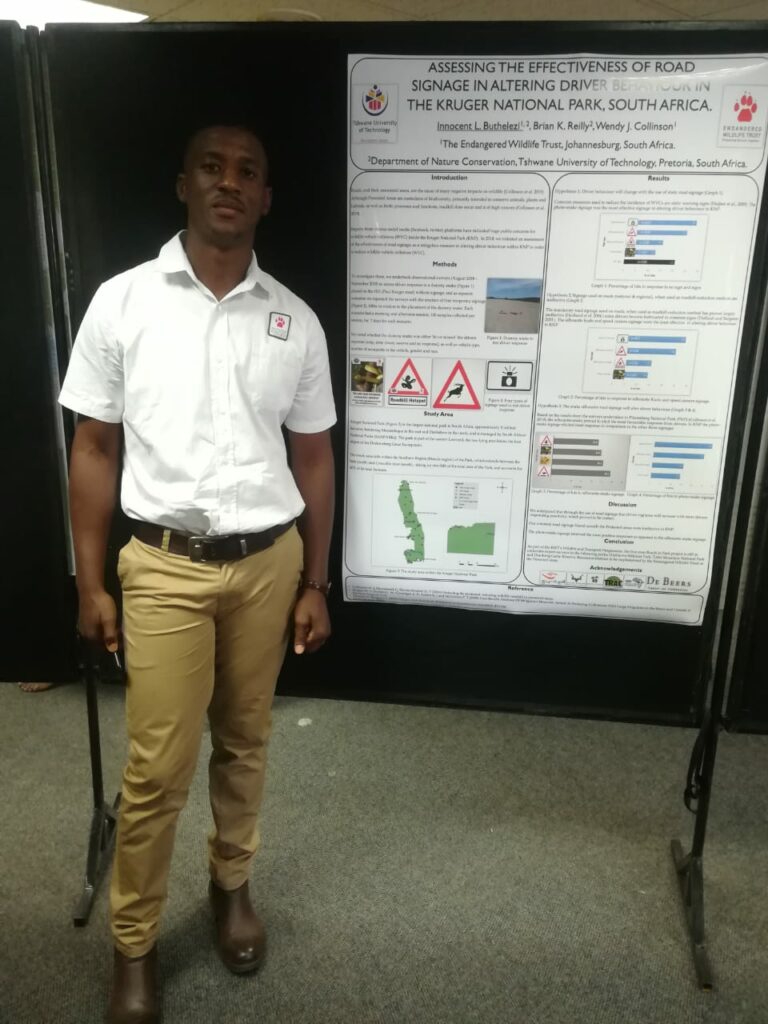
I will not deny that working full-time and studying has not been without its challenges, particularly while fulfilling the role of a husband and father. Fortunately, a lot of my studies have related directly to the work I do with TRACN4, and without the bursary it would have been extremely difficult to support my family and further my studies. I am eternally grateful for the faith they have placed in me and bringing me ever closer to my destination as a wildlife conservationist.
PAINTING A BETTER FUTURE FOR AFRICAN WILD DOGS
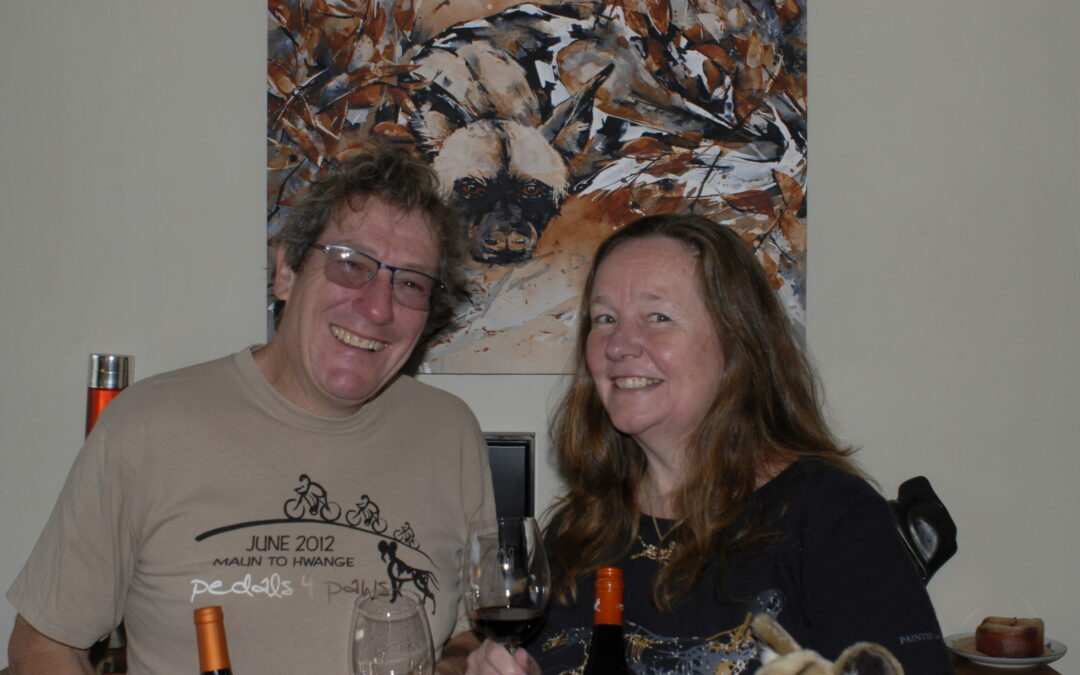
Painted Wolf Wines is based in Paarl, South Africa and was founded in 2007 by Emma and Jeremy Borg, with conservation at the core of the company. PWW is dedicated to the production of authentic, distinct, and delicious wines, and to the conservation of painted wolves (African Wild Dogs) and their natural habitat. The company donates 4–5% of their turnover to the Endangered Wildlife Trust (EWT).[/vc_column_text][vc_single_image image=”6006″ img_size=”full” add_caption=”yes” alignment=”center”][vc_column_text]The Painted Wolf Wines pack lives by the mantra ‘Remarkably persistent, persistently remarkable’. And they have once again lived up to their mantra during a very difficult time, particularly for wine makers in South Africa.
PWW received enormous support from the public during the phase four lock down period, with a significant number of orders being placed for delivery in June. Through these sales, they were able to donate R20,000 to the EWT and specifically towards our African Wild Dog project headed up by Cole du Plessis. Cole is the Wild Dog Range Expansion Project Coordinator and KZN Regional Carnivore Coordinator.[/vc_column_text][vc_single_image image=”6007″ img_size=”full” add_caption=”yes” alignment=”center”][vc_column_text]Painted Wolf Wines has been donating to conservation in southern Africa since the establishment of the company in 2007. For the past 11 years, their sales in southern and east Africa have helped to support the EWT. As a major supplier to the safari lodges and the hospitality sector, they were faced with the potential of having to reduce their donations. However, with any sales direct to the public, they were able to increase their per bottle donation, and this will be ongoing.
Cole du Plessis says “Painted Wolves (African Wild Dogs) have written their very own underdog story. A history of deliberate persecution, habitat fragmentation, snaring and disease are some of the threats that have certainly knocked away at the species, but they keep fighting back. The EWT and Painted Wolf Wines continue to work together in this fight. There are however no short-term solutions. We have to mitigate the ongoing threats, raise their profile, and expand their range to increase the population numbers. If we can create this platform for them, then we can leave it to South Africa’s most endangered carnivore to do the rest. Their intelligence, resilience and pack cohesion certainly make them capable of that. Thank you, Painted Wolf Wines, for your support in sticking by the Painted Wolves and for doing your part in saving the species.”
BIOLOGISTS COLLABORATE TO TEACH COMPUTERS TO IDENTIFY DOLPHINS
Shanan Atkins
shananatkins@gmail.com
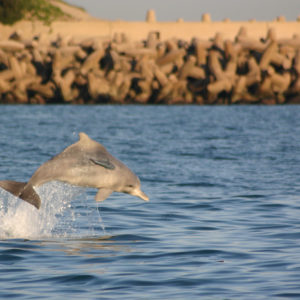
Marine biologists from South Africa are participating in an international collaboration to improve our understanding of the conservation biology of the endangered Indian Ocean Humpback Dolphin (Sousa plumbea). They are working together to expedite and automate the process of recognising individual dolphins to facilitate a better understanding of their movements and population dynamics, and to contribute to conservation efforts.
Indian Ocean Humpback Dolphins can be found from the southern tip of Africa to the southern tip of India in a very narrow strip of shallow coastal water. This restricted distribution makes them particularly vulnerable to the negative impact of human activities on the land and in the sea. For example, they die in the large number of gillnets set in this zone to catch fish, while pollution and overfishing are degrading the quality of their habitat.
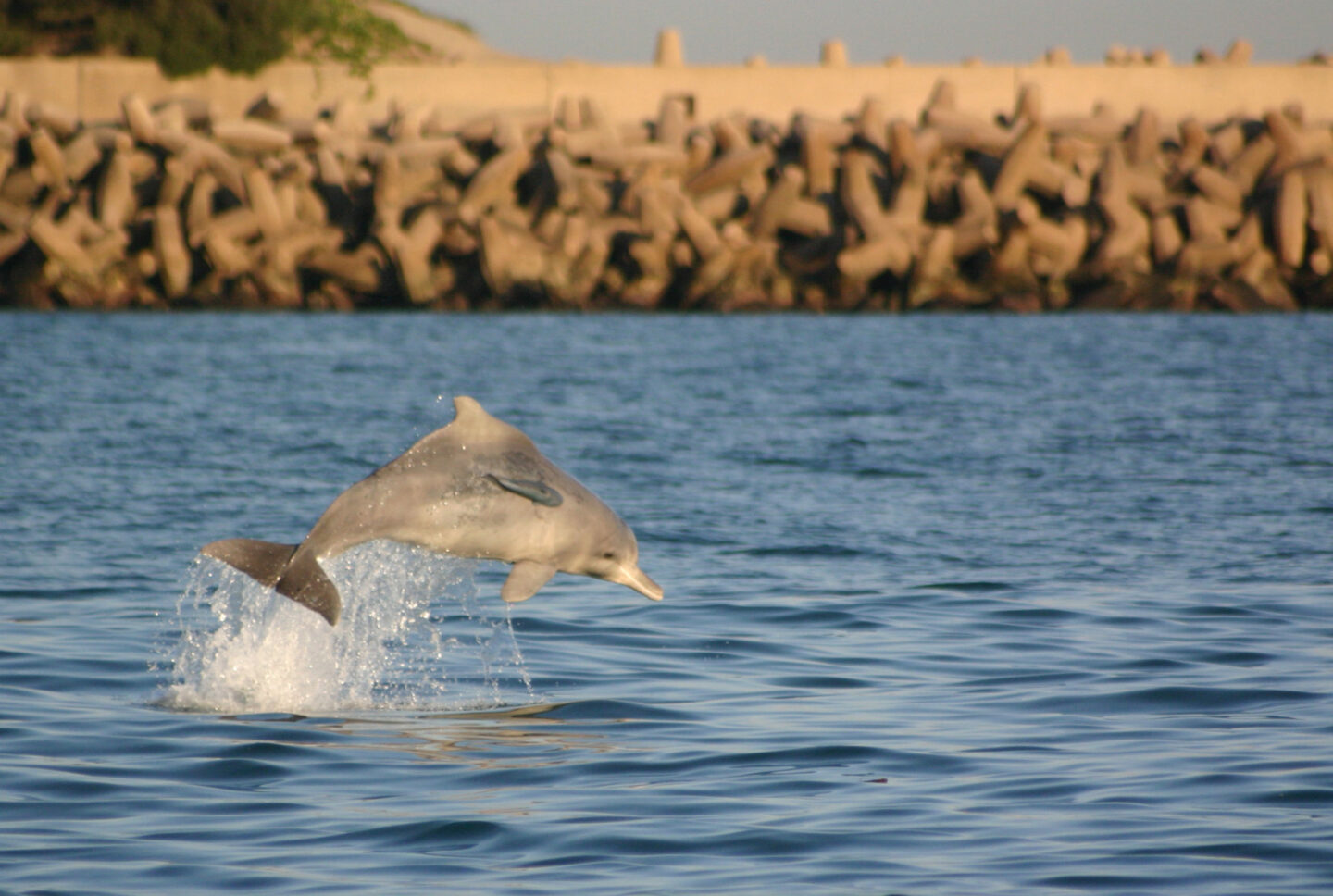
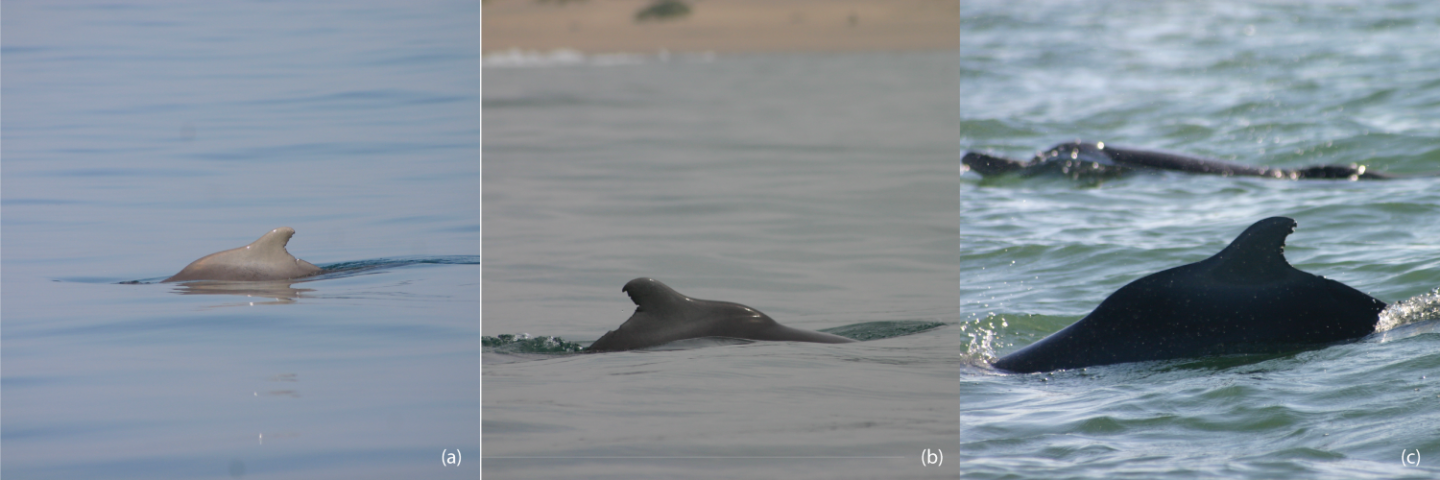
Dolphin researchers throughout their range are concerned about the extinction rate of this species and are working to understand and reverse the situation. They study the behaviour and population dynamics of these dolphins in order to contribute to the design, implementation and monitoring of conservation interventions. To do this, the biologists often need to identify individual dolphins and use a research tool called photo-ID (short for photographic-identification). They take photographs of the dolphins’ dorsal fins and use the nicks and notches, scars and colour patterns on the dorsal fin and body to tell distinctive individuals apart. Once identified, individuals like Zipper, La Linea and Finley Quaid (pictured below) who were photographed at Richards Bay can be recognised over time along the coast.
The process of photo-ID is time consuming. In recent years, photo-ID of various species, including zebras, has been automated. An automation front-runner is WildMe, a non-profit, wildlife conservation organisation, uniquely comprised of software and machine learning engineers. They have been working with leading marine mammal biologists from the Indian Ocean Network for Cetacean Research (Indocet) and the Arabian Sea Whale Network to develop Flukebook, a platform to host and match the ID photos of humpback whales, bottlenose dolphins and whale sharks. They use algorithms that examine the distinctive features of individual animals to assess similarity and identify if that particular individual has been photographed before. Humpback dolphin researchers are keen to use this platform too but for a variety of reasons, it is not so simple.
To expedite the process, they gathered all the Humpback Dolphin researchers together to share their photo-ID images. This collaboration involves 35 biologists, from 8 countries (South Africa, Madagascar, Tanzania, Kenya, Abu Dhabi, Dubai, Iran and India), who submitted more than 1,200 photographs of almost 300 distinctive humpback dolphins. This is one of the largest collaborations of its kind.
South Africa’s SouSA Consortium, a network of dolphin researchers who study Humpback Dolphins at various sites along our coastline, submitted 569 of those images (141 distinctive Humpback Dolphins). One of the dolphin research projects, the Richards Bay Humpback Dolphin Project, was initiated by the Endangered Wildlife Trust in 1998. Some of the distinctive dolphins that were photographed in that first year are still being photographed now, 22 years later.
Details of the collaboration were discussed at the recent International Whaling Commission by the Scientific Committee. They welcomed these efforts to automate photo-ID of Humpback Dolphins because they recognise the dire situation that Humpback Dolphins are in and they acknowledge the critical role that identifying individuals plays in conservation biology. They encourage funding agencies and individuals to provide support for this project.
FOSTERING SUSTAINABILITY AND SECURITY FOR BOTH CONSERVATION AND COMMUNITIES IN THE SOUTPANSBERG MOUNTAIN RANGE
Judy van Schalkwyk, Enterprise and Skills Development Officer, EWT Soutpansberg Protected Area
judithvs@ewt.org.za
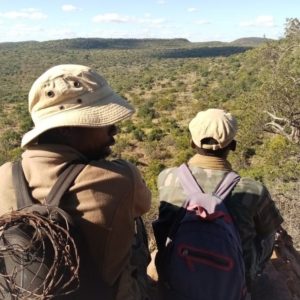
The Endangered Wildlife Trust (EWT) is at the forefront of habitat protection in northern Limpopo, purchasing and managing 2,733 ha of the Soutpansberg Mountain Range. The brave and passionate EWT field and water rangers protect this biodiversity hotspot, vital water catchment, and safe haven for solitary animals such Leopard. The field rangers perform anti-poaching activities such as the location and removal of snares, preventing illegal collection of plants, removing illegal fishing nets in the Sand River Gorge, and patrolling vast areas of mountainous terrain. The rangers also regularly conduct snare patrols of the neighbouring communal land, which protects the wildlife but also helps to safeguard the community’s cattle from being caught in snares. The water rangers clear thirsty alien and invasive plants such as eucalyptus and Black Wattle trees out of the crystal-clear mountain streams and wetlands. This increases the flow of water and life to the streams and replenishes the groundwater supply to boreholes that provide the only source of clean water for surrounding communities.
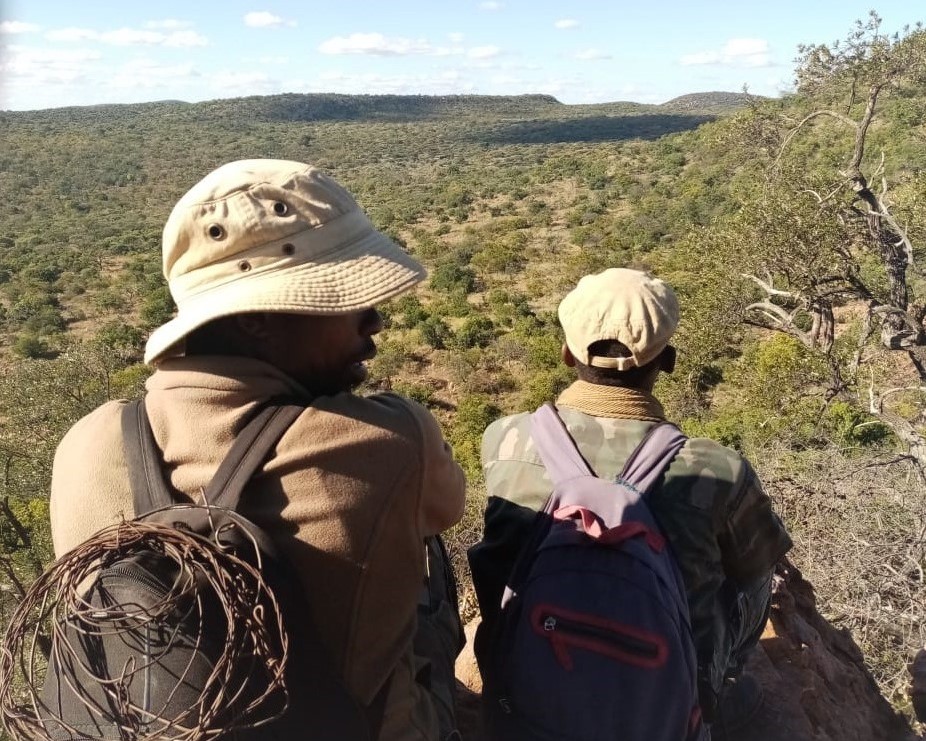
The rugged cliffs and valleys of this little-known mountain range call to the adventurous, and those who love to discover remote and mysterious wilderness. In support of the sustainability and economic growth within this protected area and surrounds, the EWT is planning the development of an epic multi-day guided trail, spanning the length of the western Soutpansberg. The EWT, with generous funding from the FE van Pletzen and L Steynberg trusts, started a pilot project in 2020, training two SPA Field Rangers and two Water Rangers to obtain the Field Guide Association of South Africa’s (FGASA) Apprentice Field Guide qualification. This course consists of 17 teaching modules, covering a broad range of topics required for creating interesting and meaningful guided experiences, and for helping to conserve the area and the wildlife within. Examples of topics include geology, climate, wildlife, ecology, conservation management, and historical human habitation. Once qualified and registered with the National Department of Tourism (NDT), the rangers will be able to operate legally as competent guides to conduct guided nature experiences in the Soutpansberg Protected Area for clients. The remainder of the nine rangers attend some of the sessions, subject to the completion of their reserve management duties, to supplement their knowledge of the environment in which they work, and better equip them to complete the course themselves at a later stage.
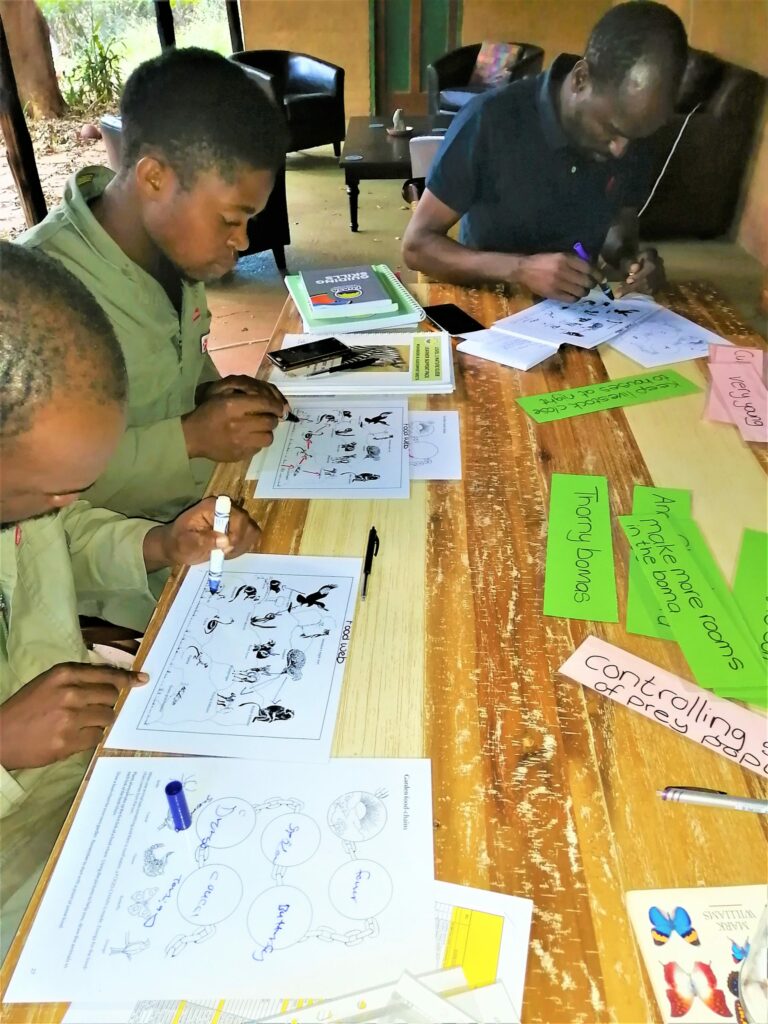
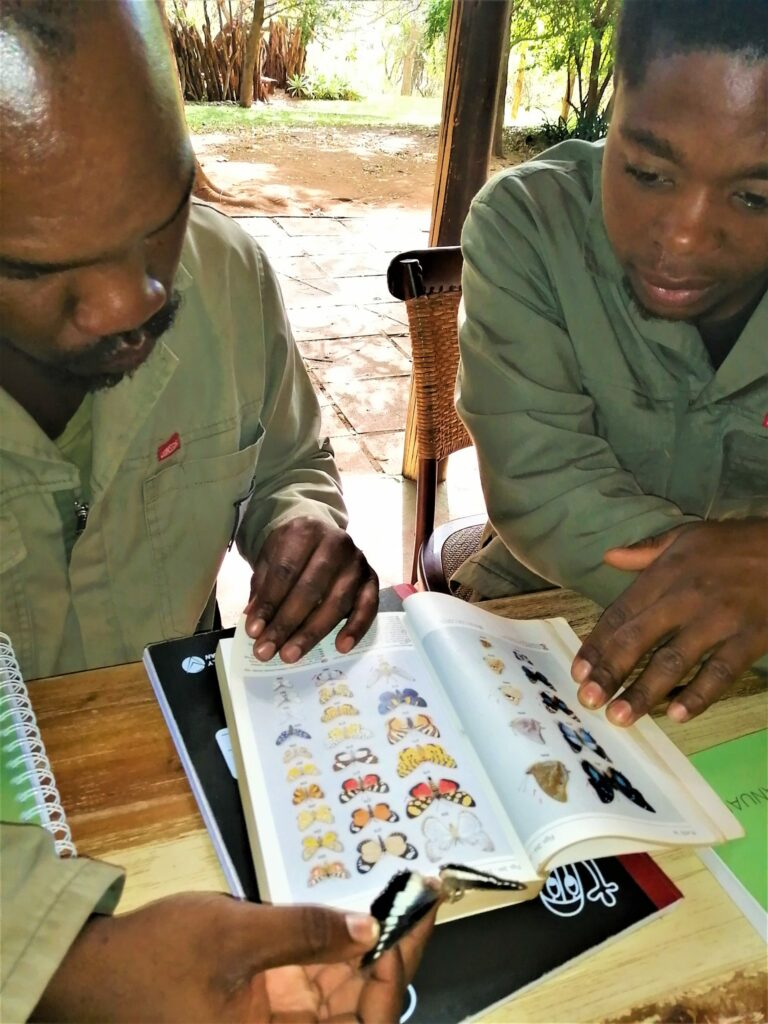
The EWT is committed to developing our field staff, as they are the face of conservation in the area. The establishment of the protected area, on Medike Nature Reserve, by the EWT and its partners created 18 new job opportunities for local community members. The employment of rangers from local communities is one of the most effective and sustainable ways to invest in the livelihoods of these communities. This investment enables the rangers to build reputable careers, support their families, and put their children through school; and the EWT continues to achieve our conservation goals of saving species, saving habitats, and benefiting people.
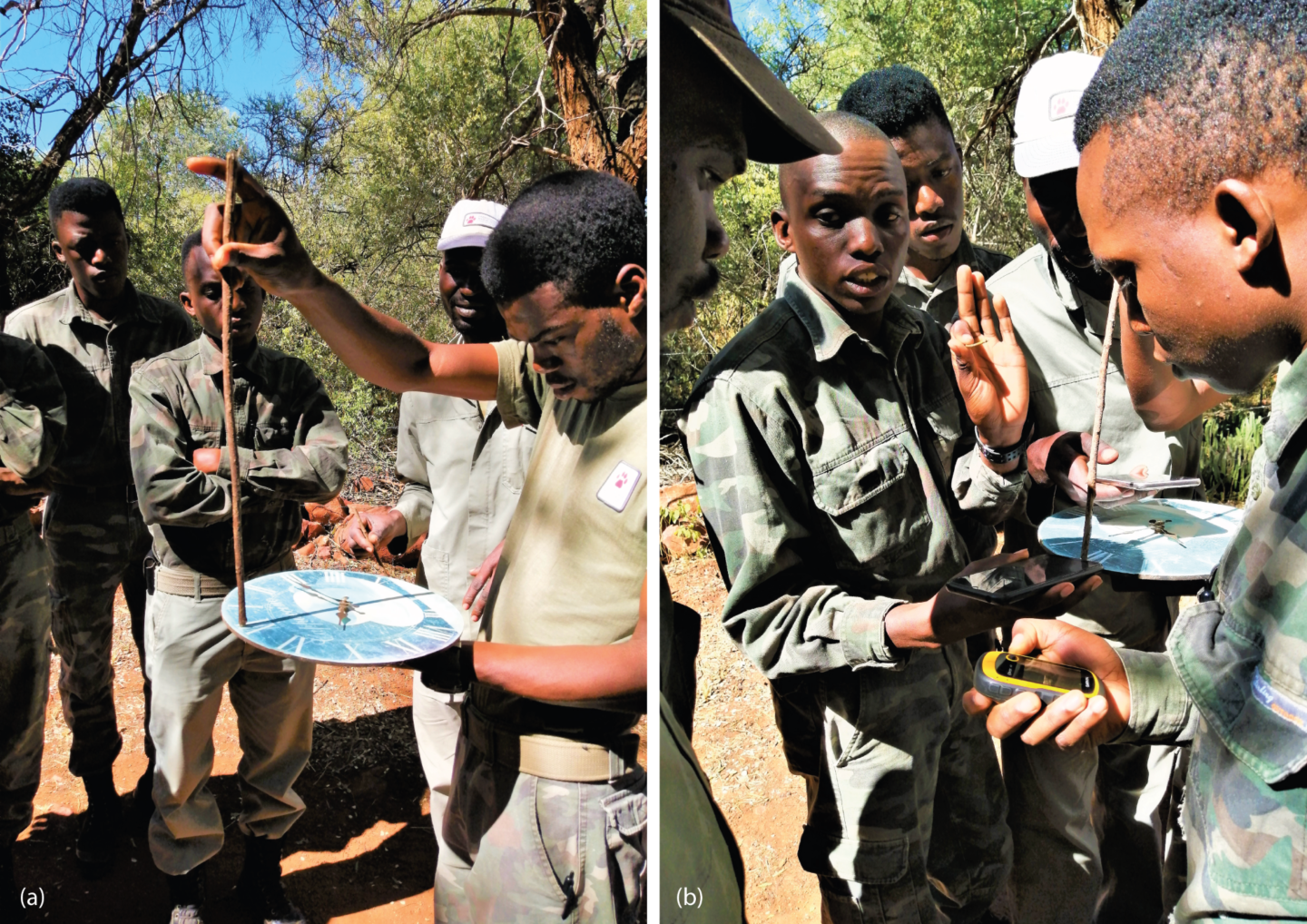
This multifaceted project was made possible by the financial support of (in alphabetical order) the Coca Cola Foundation’s Replenish Africa Initiative (RAIN), FE van Pletzen and L Steynberg Trusts (RSA), Fondation Franklinia (Switzerland), J. Douglas Wilson (USA), Nissan South Africa, Rainforest Trust (USA), the Roberts family (Australia) and the Weeden Foundation’s Quick Response Biodiversity Fund.
If you wish to make a lasting impact for conservation and communities, consider supporting the expansion of our protected areas. You are welcome to contact Oldrich van Schalkwyk, manager of the EWT Soutpansberg Protected Area at oldrichvs@ewt.org.za or on WhatsApp at 078 373 0288.

ALARMS ARE RINGING – IS THE COVID-19 PANDEMIC A WAKEUP CALL FOR BUSINESSES?
Megan Murison, Project Officer, EWT National Biodiversity and Business Network, Angela Cherrington consultant, and Dr Joel Houdet, consultant
meganm@ewt.org.za
“Nature is sending us a message with the coronavirus pandemic and the ongoing climate crisis”.
The United Nations Environment Chief, Inger Anderson (2020)
Disease outbreaks, biodiversity loss and climate change
According to the World Economic Forum (2020), the frequency of disease outbreaks has been increasing steadily. There were 12,012 recorded outbreaks between 1980 and 2013, comprising 44 million individual cases all over the world. While these outbreaks are linked to increasing global travel, trade, connectivity, and high-density living, and although our understanding of how functional ecosystems protect us from diseases is still limited, there also appear to be strong linkages between disease outbreaks, climate change, and biodiversity loss.
Human activities have significantly altered three-quarters of the land and two-thirds of the ocean, changing the planet to such an extent as to birth a new era: The Anthropocene”. Changes in land use that result in habitat destruction for biodiversity (e.g. deforestation and agriculture) bring wildlife, domestic animals, and humans into closer contact, facilitating the spread of zoonotic diseases, including new strains of bacteria and viruses. Uncontrolled illegal and legal trade in live wild-caught animals breeds even more dangerous grounds for human-wildlife contact and the transmission of diseases. Many recent outbreaks have originated in markets selling a combination of live and dead, wild and domestic mammals, birds, and reptiles.
Climate change has also altered and accelerated the transmission patterns of infectious diseases such as Zika, malaria, and Dengue fever, and in some cases resulted in the displacement of large groups of people to new locations, often under poor conditions. Groups under these conditions are also more vulnerable to additional ailments such as measles, malaria, diarrheal diseases, and acute respiratory infections.
Business unusual: Time for pro-active biodiversity mainstreaming
Biodiversity is under severe threat globally, including in South Africa, and the private sector is one of the primary drivers behind the degradation of habitats and the loss of biodiversity. The Intergovernmental Science-Policy Platform on Biodiversity and Ecosystem Services (IPBES), an independent body established in 2012, made up of over 130 member states around the world, recently confirmed that around one million animal and plant species are now threatened with extinction, more than ever before in human history.
Business both relies and impacts on biodiversity. Biodiversity produces a wide variety of services on which businesses depend. Examples include the supply of raw material, crop pollination, genetic resources, water filtration, flood attenuation, erosion control, and many others. As such, business is critically dependent on ecosystem services to produce the goods and services it sells. Companies would not be able to operate without biodiversity.
In the context of COVID-19, countries and the private sector must not use the pandemic as an excuse to weaken environmental protection and enforcement, as argued by a UN independent human rights expert. The reverse should be the case. Governments and businesses must tackle the Covid-19, biodiversity, and climate crises with a holistic strategy – transforming the global economy to be just, inclusive, sustainable, and resilient.
If this is to be achieved, the mainstreaming of biodiversity should be done in all economic sectors: i.e. integrating biodiversity into business strategies and activities, notably in supply chains where land use changes, resource consumption and wildlife trade take place. Biodiversity mainstreaming needs to benefit both humans and nature, and businesses need to be able to assess their impacts on biodiversity and manage them effectively. This builds on a growing movement toward nature-based solutions, which harness the power of biodiversity and ecosystem services to mitigate effects of the climate crisis, unsustainable food systems, water pollution, and other socio-economic and environmental challenges. The EWT’s National Biodiversity & Business Network’s Biodiversity Disclosure Project (BDP) aims to assist companies to assess both their opportunities and their risks related to biodiversity. The BDP offers businesses an easy method to account for their biodiversity impacts, using a standardized accounting protocol. Should you or your business be interested in better understanding your impacts on biodiversity, please contact the NBBN team here.
FORD WILDLIFE FOUNDATION COMMITS TO CONSERVATION THROUGH ONGOING SUPPORT OF THE ENDANGERED WILDLIFE TRUST
Alison Janicke, EWT Head of Resource Development
alisonj@ewt.org.za
For over 30 years, Ford Motor Company of Southern Africa (FMCSA) has been actively involved in the conservation of wildlife and ecosystems in South Africa and Sub-Saharan Africa. To date FMCSA has invested almost R40 million to support more than 170 conservation projects. Generously sponsored Ford Rangers make it possible for EWT field officers to get where they need to be and make a real impact for conservation, and the communities they work with. FWF is funded by the Ford Motor Company of Southern Africa and supported by its nationwide network of Ford Dealers. The EWT would like to thank FWF for their incredible support over the years. FWF currently supports our Cheetah, Wild Dog, Amphibian, Crane and Wildlife and Roads projects, all of which require our field staff to be on the open road and driving through rough terrain for hours on end. These projects would not be as successful as they have been without the support of the FWF and their Ford Rangers.On top of their incredible vehicle support, Ford donated 120 face shields for our staff to use in the field, so that even when they are not in their Rangers, they can continue with their critical conservation work. Thank you, Ford, for keeping the EWT field officers in the field doing what they do best.
SCIENCE SNIPPET: VESSEL COLLISIONS WITH MARINE ANIMALS
Lizanne Roxburgh, Senior Scientist, EWT Conservation Science Unit
lizanner@ewt.org.za
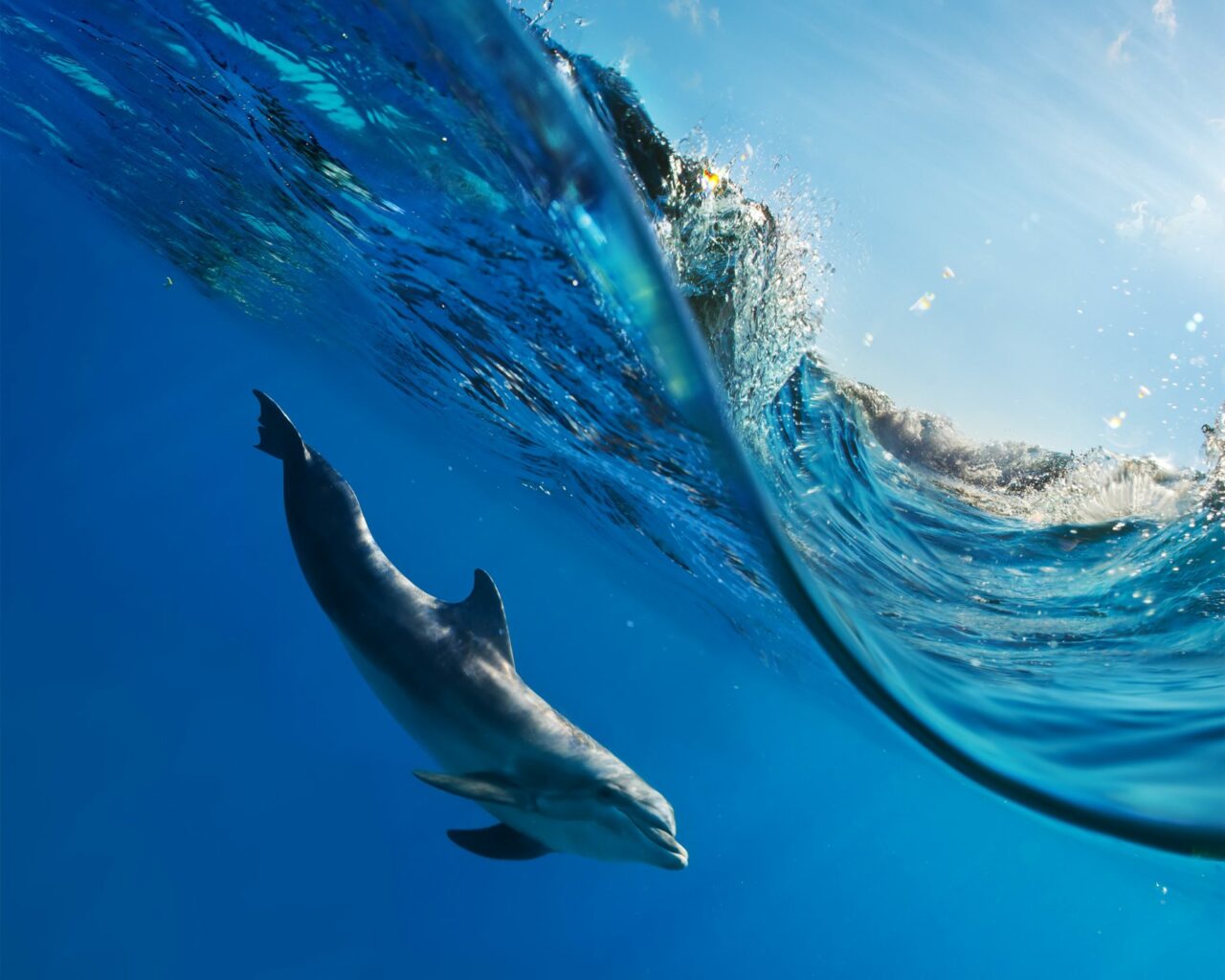
There is increasing concern globally about the effects of maritime vessel collisions with marine animals. A vehicle collision is defined as an impact between any part of a watercraft, typically a bow or propeller, and a live marine animal. Collisions often result in injury or death of an animal, and may also cause serious damage to the vessel, and injury or even death to the people on board. There is extensive and growing use of the world’s oceans by both commercial and recreational vehicles, and concern about the impact this has on marine life.
To-date, most scientific publications on maritime vessel collisions have focused on the collisions between large vessels and large whales, such as right, blue and humpback whales. In this new publication, co-authored by EWT staff member Claire Patterson-Abrolat, the authors compiled information on collisions with all marine animals, to obtain a more holistic understanding of what species are affected. They also evaluated whether our knowledge of vessel strikes with whales can assist in understanding and mitigating vessel strikes with smaller species. Lastly, they provided recommendations for priority actions to address essential information gaps.
The authors found that at least 75 marine species are affected, including smaller whales, dolphins, porpoises, dugongs, manatees, whale sharks, sharks, seals, sea otters, sea turtles, penguins, and fish. They found that collision incidents with smaller species were scarce, but this is likely a result of reporting biases, where smaller collision incidents are not reported.
The authors reviewed various mitigation measures that aim to reduce the risk of collisions between vessels and marine animals. These were mostly developed with a focus on whales, but some of these have proved effective for smaller animals. The effective measures include re-routing away from high risk areas, and speed restrictions. However, many studies have reported that particularly smaller vessels tend to ignore these restrictions, and that both education of boat skippers as well as better monitoring by law enforcement needs to be done.
Lastly, the authors recommend that an international database of vessel strikes for smaller species is established, so that we can gain a better understanding of where high-risk areas are for smaller species. This would be a valuable first step towards the mitigation of collisions with smaller species. However, we also need to move beyond just reporting mortalities, to really understand the impact of these deaths on populations of marine animals, many of which are already at risk of extinction.
Reference: Schoeman RP, Patterson-Abrolat C and Plön S. 2020. A Global Review of Vessel Collisions with Marine Animals. Frontiers in Marine Science. 7:292. doi: 0.3389/fmars.2020.00292
For more information, please contact Lizanne Roxburgh here.
