Help African Wild Dogs 

Donate today  

Careers in Conservation – Mark van Niekerk

Careers in Conservation – Mark van Niekerk

CAREERS IN CONSERVATION – Mark van Niekerk

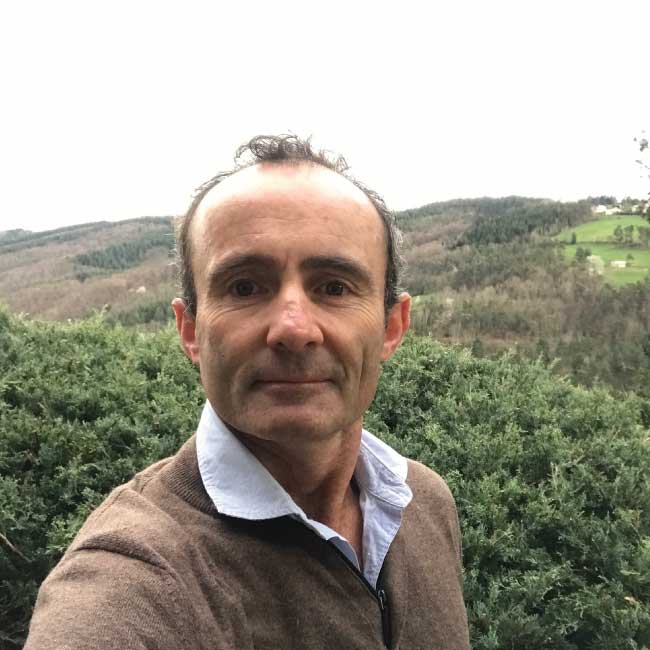
Mark van Niekerk has joined the EWT’s African Crane Conservation Programme (ACCP). Here is a little bit about Mark’s journey to a career in conservation.

Job title: Senior Project Manager, ACCP

Location: Currently, Lyon, France. Move to Africa anticipated later this year.

Where did you grow up? [MVN] Port Elizabeth. Moved to Cape Town for undergrad and never returned to Port Elizabeth, moving extensively across Southern Africa, which included working in Zambia & Botswana.

What are your hobbies/things you like to do in your spare time? [MVN] Running (Marathons & Trail); Mountain Biking; Hiking; Camping; Fly-Fishing.

Any pets? Until recently, a cat and two chickens. We think the chickens were killed by a weasel, and the cat died earlier this year due to kidney failure.

Favourite animal and why:  Hyaena. They are often seen as the ‘underdog’ and despised by most people. Yet they are full of intrigue and very socially interesting. Hunting more than most people are aware of, besides scavenging. Though in saying this, I don’t particularly have a ‘favourite’ animal. Each has its own idiosyncrasies.

Favourite food? Braaied Fish or ‘ confit de canard’

Pet peeve? People who commit and don’t stick to what they’ve committed to doing, and those that speak/ act as authorities on subjects they know little about.

Why did you want to work for the EWT? I believe in what the EWT is doing, ‘boots on the ground’ conservation. I’ve been full circle in having begun my career in conservation, worked in industry as both Environmental control officer and renewable energy developer and have a better understanding of how business thinks. I want to play more of a part in reshaping a sustainable long-term conservation agenda.

What excites you about this new position? The diversity of working across Africa and providing input into several diverse projects with many ‘touch points’ across the range.

What are you passionate about? Making a lasting conservation impact.

What’s the best advice you’ve ever received, and who did it come from? Just start!  Jump, and the net will appear when the time is right. A mentor as well as a previous MSc supervisor.

Careers in Conservation – Hannah de Villers

Careers in Conservation – Hannah de Villers

CAREERS IN CONSERVATION – Hannah de Villiers

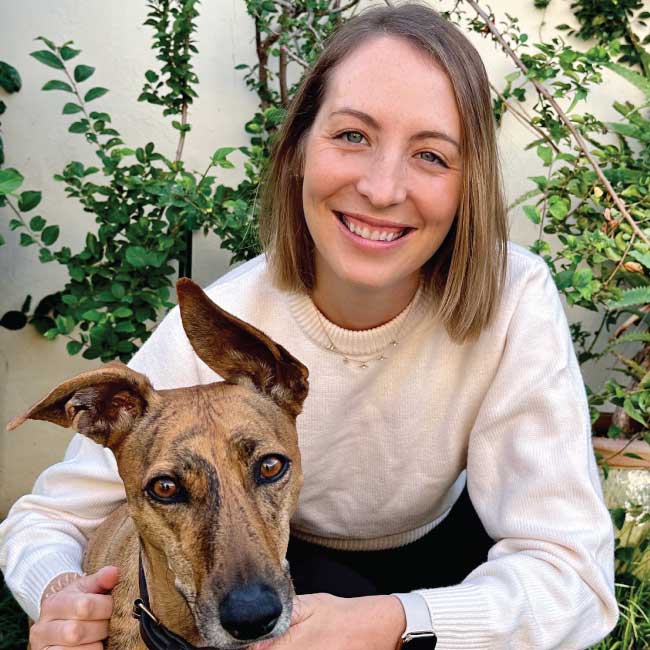
Hannah de Villiers has joined the EWT’s National Biodiversity and Business Network (NBBN). Here is a little bit about Hannah’s journey to a career in conservation.

Job title: Project Manager, NBBN

Location: Johannesburg

Where did you grow up?  Cape Town

What are your hobbies/things you like to do in your spare time? Wildlife photography, hiking & dog walks, scuba diving, twitching, avid reader of detective mysteries, occasional half-hearted running.

Any pets? Two ‘real’ Africanis dogs, Tofu & Chickpea

Favourite animal and why: Pangolin: I got to meet a pup at the Johannesburg Wildlife Vet and have been obsessed ever since. My #1 goal in life is to find one in the wild.

Favourite food? Veggie curries (with garlic naan, of course)

Pet peeve? Things are not in the place they are supposed to be.

Why did you want to work for the EWT? To work with all the passionate and interesting people that I met through my MSc.

What excites you about this new position? Such a newly developing field to be working in, and one with the ability to create meaningful, sizeable impact – both in terms of reducing biodiversity loss and increasing biodiversity funding. It feels like I am using my time to do the right kind of work for the first time in my life.

What are you passionate about? Exploring southern Africa. Mastering LBJs and waders (yes, I’ve even been to Strandfontein Sewage Works). Good food and wine. All animals.

What’s the best advice you’ve ever received, and who did it come from? ‘Trust your gut, no matter what’ – I can’t remember who, but it has stood me in good stead throughout life.

Earthly Eating: Butternut Soup

Earthly Eating: Butternut Soup

EARTHLY EATING: Butternut Soup

Earthly Eating: Butternut Soup: Each month, we bring you delicious, nutritious, and eco-friendly recipes that our staff members love! This month’s recipe is courtesy of Tamsyn Galloway-Griesel, our Senior research field officer for our EWT Wildlife and Energy Programme.

Preparation time: 45-60 minutesEarthly Eating: Butternut Soup

Ingredients

  • 45 ml butter
  • 2 onions (chopped)
  • 500ml butternut
  • 45ml cake four
  • 5-10 ml curry powder
  • pinch of nutmeg
  • 750 ml chicken stock
  • 375 ml milk
  • 1 granny smith apple
  • rind and juice of 1 orange (optional)
  • parsley chopped (optional)
  • dollops of cream (optional)

Preparation:

  • Sauté onion in butter
  • Add butternut and sauté to absorb the butter ± 3 minutes
  • Mix in the flour, curry powder & nutmeg
  • Add the chicken stock, milk, apple, orange rind, and juice
  • Simmer for 15-20 minutes
  • Liquidise
  • Season to taste
  • Serve topped with a dollop of cream and a sprinkle of parsley
Science Snippets: The impact of roads and powerlines on South Africa’s primates

Science Snippets: The impact of roads and powerlines on South Africa’s primates

Science Snippets: The impact of roads and powerlines on South Africa’s primates

Erin Adams and Lizanne Roxburgh, the EWT Conservation Planning and Science Unit

South Africa has an extensive linear infrastructure network of roads, railways and powerlines, which is essential for human connectivity. However, it is not great news for primates. Approximately 18% of the world’s primates are directly impacted by linear infrastructure. In a recent paper* co-authored by EWT scientists, the impact of linear infrastructure on South Africa’s primate species was studied.

Within South Africa, many primates are killed in road collisions and powerline electrocutions every year. To get an indication of the extent to which primates are affected by wildlife, data was collated from the EWT’s database of vertebrate roadkill**, as well as from the EWT-Eskom Central Incident Register, which is a national database of wildlife incidents on electrical infrastructure, mainly electrocutions and collisions. The focal species for this study were the Vervet Monkey (Chlorocebus pygerythrus), Chacma Baboon (Papio ursinus), Thick-Tailed Bushbaby (Otolemur crassicaudatus), Southern Lesser Bushbaby (Galago moholi), and Samango Monkey (Cercopithecus albogularis).

The authors found that Vervet Monkeys were most reported in both roadkill and powerline collision incidents (see the figure below). The Southern Lesser Bushbaby was least frequently reported. The data also showed that several incidents involved more than one individual. When it came to roadkill, 4% of incidents involved between two and four individuals killed in one collision, whereas in electrocution incidents, 13% of cases had between two and six individuals killed in one incident.

Graph showing the comparison of South Africa’s primate roadkill and electrocution mortalities

Comparison of South Africa’s primate roadkill and electrocution mortalities (from Linden et al. 2022)

The authors recommended that mitigation measures, such as canopy bridges across roads and better insulation of transformers and substations, be more widely implemented to help conserve South Africa’s primate populations. Although South Africa leads the African continent regarding roadkill and electrocution data collection, key information, such as GPS coordinates and the age and sex of individuals, is missing. Data collection protocols can be improved to better inform mitigation measures and understand impacts on populations. Future Red List assessments should acknowledge linear infrastructure as a more significant threat to primates.

* Linden, B., Cuozzo, F. P., Sauther, M. L., & Jonker, W. C. (2022). Impact of linear infrastructure on South Africa’s primate fauna: the need for mitigation. Folia Primatologica, 1(aop), 1-19.

** The EWT has a free road watch app available to record any roadkill sightings. This will help us identify hotspot areas as well as the species most at risk.

Commemorating 50 Years – Spay Campaign in the Waterberg

Commemorating 50 Years – Spay Campaign in the Waterberg

Commemorating 50 Years of Conservation Excellence – Spay Campaign in Vaalwater

Kedibone Chauchau, EWT’s PR and Marketing Coordinator

Half a century after it was founded, the Endangered Wildlife Trust (EWT) has achieved immeasurable gains for wildlife conservation. With more than 110 staff members working across 13 African countries, the EWT is arguably one of the most effective and impactful conservation organisations working across such a diversity of species and ecosystems and collaborating with all relevant stakeholders.

Often recognised for its role in conserving charismatic species like the Wild Dog and Cheetah, the EWT was one of the first organisations to galvanise serious conservation action for vultures across the region. Just as important are the benefits of conservation to thousands of people the EWT has worked with through job creation programmes, education, resource protection and provision, and empowerment of people to take control of their environment and their futures.

The EWT’s relationship with communities in the Waterberg has been strengthened through the carnivore conservation and human-wildlife conflict mitigation work that we do in the area. The Waterberg is a key area for carnivore conservation in South Africa and is home to one of the last free-roaming Wild Dog populations in the country. The EWT works hand in hand with landowners and managers to resolve any carnivore-related issues in the area and teach them and encourage them to teach others how to deal with such issues in a non-lethal way.

One of the ways in which the EWT benefits local communities is through spay campaigns, which are costly and often unaffordable for communities. These campaigns encourage people to bring their dogs in so the EWT and partners can facilitate sterilisation at no cost. In honour of the EWT’s 50th Anniversary, we ran a spay campaign to sterilise 50 domestic dogs and cats in the township of Vaalwater, Limpopo, on 29 and 30 April.

“Sterilising domestic dogs in communities helps to prevent the overpopulation of stray/feral dogs, which can pose a danger to humans. Reducing dog numbers in the area is also critical in preventing the spread the Transmissible Venereal Tumour (TVT) disease or any other diseases amongst domestic dogs and their wild counterparts such as Wild Dogs.” – The EWT’s Carnivore Conservation Programme’s Field Officer, Joseph Hlako.

The Endangered Wildlife Trust collaborated with Prime Crew Animal Rescue and the Welgevonden Environmental Awareness Programme to organise and run the much-needed campaign. With the help of 12 vets, the EWT went well above the target of sterilising 50 dogs and cats. Out of the 185 animals that were brought, 154 were sterilised, including 120 dogs and 34 cats. A special mention to the vets and the individuals that assisted with donations and their time.

The EWT also helps livestock farmers to reduce and prevent predation on their livestock by large carnivores like leopards through the Livestock Guarding Dog project. Game farmers are also assisted with various human-wildlife conflict mitigation strategies, environmental education, skills development, and other interventions implemented in the communities.

The real power for change lies within each of us – in our everyday engagements with people who learn from us, teach us, and join us in our timeless campaign to protect forever, together.

A word from the CEO April 2023

A word from the CEO April 2023

Word from the CEO

Yolan Friedmann


One of the trees most commonly associated with all things Africa is the Marula Tree, Sclerocarya birrea, a deciduous fruit-bearing tree found throughout Africa and Madagascar in various woodlands habitat types. Whilst many people associate the Marula tree with alcoholic beverages and the ‘crazy’ behaviour of monkeys and elephants after consuming large volumes of the fermented fruits in summer, their true value to the widest variety of many species is perhaps less known.

Not only does this single-stemmed, ~18m high tree provide critical shade in the blazing African sun, but every single part of the Marula tree has value and is prized by humans and animals alike. The fruits are a rich source of vitamin C, around eight times higher than an orange. Boiled marula fruit skin makes a refreshing drink, while burnt skins make a coffee substitute. Marula wood is soft and used for carving and rope, and brown dye can be made from the bark. The bark contains antihistamines and can also treat dysentery, diarrhoea, rheumatism, insect bites, and other ailments. It is also used as a preventative to malaria., while the green leaves of the marula tree are eaten to alleviate heartburn.

Caterpillars and wood-boring beetles are removed from the marula tree and roasted for consumption, and the oil is used as a skin cosmetic. Essence from the leaves is said to remedy abscesses, spider bites and burns. The tree’s large, shady respite from the Afrinca sun often serves as a village meeting place. Over centuries, dozens of wildlife species have also benefitted from this much-needed shade and derived important nutrition from the tree’s leaves, fruit, and bark. This life-giving tree is often associated with species such as elephants, rhino, baboons and monkeys, many birds, warthog, giraffe and ostriches. Over centuries, humans and wildlife have benefitted from and enjoyed the spoils of this life-giving force of nature.

A commonly asked question is, if you were a tree, what tree would you be? Would most people quickly reply with the Marula as their answer? Despite all these attributes, maybe not. Perhaps not everyone wants to be all things to all species and communities of life. However, I will bet that if the EWT staff were asked that question, the reply would be a resounding “The Marula Tree” for that very reason! For over 50 years, the EWT has been the Tree of Life for countless species, ecosystems, and communities across the African landscape. This we have done by providing refuge for species at perpetual risk of conflict with humans and nourishment for people through sustainable livelihood development with our community partners and securing safe space for wildlife populations to expand and prosper. The EWT has left its indelible footprint across  Africa’s savannahs, woodlands, wetlands, catchments, grasslands, mountains, and oceans, has benefitted communities of people, mammals, plants, birds, reptiles, insects, and amphibians, and is as much associated with all things Africa as our beloved Marula tree.

Like a tree – our power lies in our ability to convene, support, and assemble- bringing together our team’s brightest minds and most passionate hearts – and those of our partners and associates. As we forge a pathway to achieve even more over the next 50 years, it is through these people that we draw our inspiration. Inspiration for the next 50 as the race against extinction and to stem the impacts of climate change and ecosystem destruction ramp up.

To help us celebrate 50 Years of Conservation in Action, send us your thoughts on #50YearsOfEWT to help us create the next 50. Like the Marula, the EWT is here to serve our environment and has thousands more sunsets to share and sunrises to welcome. Help us craft #TheNext50 together.

Drop us a line at ewt@ewt.org.za or visit www.ewt.org.za, where you can share your vision for our planet 2073 and what the EWT will have achieved by then.

Happy Birthday, EWT.

Yolan Friedmann

A decade of frogging keeps us leaping for joy

A decade of frogging keeps us leaping for joy

A decade of frogging keeps us leaping for joy

Jeanne Tarrant, EWT Threatened Amphibian Programme Manager

In 2012, volunteer and Public Relations expert Carmen Curtayne and I wanted to do something to highlight both the importance of amphibians in South Africa and the severe threats they face. After much brainstorming, we devised the ‘Leap Day for Frogs’ campaign.

The idea was to create an annual national awareness day on 28 February – tying together the themes of Leap Year, leaping frogs, and taking a leap of faith (doing something demonstrable for frog conservation). We wanted to bring much-needed attention to frogs and their extinction threat. We also wanted to have fun in the name of frogs, encourage the public to get involved in science (citizen science), and celebrate South Africa’s incredible variety of frog species. With almost half of the world’s amphibian species experiencing some level of decline, bringing as much attention to frogs as possible has never been more important. South Africa is home to over 130 species – from the Giant Bullfrog (the size of a dinner plate!) to the Micro Frog (the size of your thumbnail), and all shapes and sizes in between. This enormous diversity is mirrored in the wide range of landscapes that frogs inhabit – from coastal wetlands to montane grasslands, gardens, forests, and even deserts.

Frogs are not just long-limbed, leapers. These water-loving amphibians play important roles in our ecosystems by feeding a wide array of other animals and eating vast quantities of insects – i.e. incredible free pest control! They are also important bio-indicators due to their sensitive skins and bi-phasic lifestyles. In other words, if they are around, our environment is healthy. These barometers of life are now the most threatened group of species on Earth, surely a sign of a planet in trouble.

To bring awareness to these very important and beautiful yet threatened creatures, we have devised annual themes over the past ten years for Leap Day for Frogs. 

Graphic showing ten years celebrating Leap Day for Frogs

Ten years celebrating Leap Day for Frogs

We celebrated the 10th Leap Day for Frogs this year, which coincides with EWT’s 50th anniversary. As part of the latter, EWT will share a fun frog fact each Friday throughout the year.

Our theme this February was #CelebrateFrogs, and we reached over 3,000 people directly through over 15 events and outings, with over 165,000 people engaged through the social media campaign. Once again, we partnered with Kloof Conservancy and Iphithi Nature Reserve in Gillitts KZN, where over 150 people participated in various fun learning activities, despite very soggy conditions. We also gave lessons on the importance of wetlands to school learners based close to some project sites, receiving pledges from over 220 children to reduce impacts on frogs and freshwater. We also enjoyed a peaceful evening at the Mount Moreland wetlands, home to the Endangered Pickersgill’s Reed Frog, with several nature lovers, and a talk and walk at Simbithi Eco-Estate. uShaka Marine World, Joburg Zoo and the National Zoological Gardens in Pretoria hosted educational stands and activities over the weekend of 25 February, engaging over 1,800 people. Other events were held in Bloemfontein, Plettenberg Bay and Howick.

We’ve designed social media filters and run citizen science observation projects, and in total, reached well over 16,000 people directly through events run either by the EWT or through several partnering organisations, including SANBI, uShaka SeaWorld, North-West University, various KZN Conservancies, University of the Free State, Bloemfontein Botanical Garden and Johannesburg Zoo Amphibian Research Project. Occasionally, we have even had international events – from Wales to Zambia! Our online reach through social media exceeded hundreds of thousands of people and hopefully inspires the next generation of amphibian conservation biologists – or at the very least, highlights some simple behaviour changes that can benefit frogs and freshwater habitats.

Check out our Leap Day for Frogs page to catch up with your Froggie Facts!

Update on the disease killing our rabbits: Rabbit Haemorrhagic Disease Virus

Update on the disease killing our rabbits: Rabbit Haemorrhagic Disease Virus

Update on the disease killing our rabbits:

Rabbit Haemorrhagic Disease Virus

Johan du Plessis, EWT’s Drylands Conservation Programme Manager

In October 2022, a report came through to the EWT of a dead Scrub Hare in the Sutherland-Middelpos area in the Northern Cape. It was not an unusual occurrence, but it was just the first of many cases of hare and rabbit (lagomorph) deaths rapidly spreading as far as Springbok and Fraserburg in the Northern Cape and the Montagu area in the Western Cape. It was clear that something was infecting and killing rabbits much faster than normal.

We knew something very worrying was out there and feared for our indigenous lagomorph species. After testing affected carcasses at the Onderstepoort Veterinary Research Laboratory, the Department of Agriculture, Land Reform and Rural Development issued a media statement on 17 November 2022 announcing what many had begun to suspect – the culprit behind the widespread mortalities of wild hares and domestic rabbits was confirmed as Rabbit Haemorrhagic Disease Virus (RHDV) – strain RHDV2. There have been more recent reports of wild hares dying in the Merweville and Beaufort West regions and domestic rabbits in Cape Town and surrounds. The presence of RHDV in South Africa, particularly in these areas, is of great concern as our indigenous Red Rock Rabbit, the Critically Endangered Riverine Rabbit, and other indigenous hare species are all susceptible to the virus, and they are far less prolific than domestic rabbits, and we cannot afford to lose too many or the populations will be under threat.

The virus originated in China in 1984 and has since spread to many countries. This virus is highly contagious but only affects lagomorphs (rabbits and hares). It spreads very easily, normally through direct contact between animals, but the virus is most likely also carried by flies and scavengers feeding on carcasses, and on clothes, shoes, and car tyres. RHDV is a controlled animal disease. We recommend contacting your nearest state veterinarian to take samples if you encounter unnaturally large numbers of dead rabbits/hares on your property. The unnecessary transport and touching of infected carcasses should be avoided as far as possible.

Poster identifying South African Dryland rabbits and hares

Poster identifying South African Dryland rabbits and hares

During the past few months, the EWT has tracked and mapped all known hare and rabbit deaths. While there have been many reports of dead hares and domestic rabbits, there have fortunately only been a few Red Rock Rabbit mortalities and no reported deaths of Riverine Rabbits. We continue to work closely with the department to record and map all reports and are pleased to note that the number of deaths reported has declined since December 2022.

We urge farmers to report any wild hare and rabbit deaths to ewt@ewt.org.za and include your name, farm name, cell number, and GPS location of the incidents (if possible). Please also contact your local state vet and request that necropsies be done and the specimens sent to Onderstepoort. Farmers with Riverine Rabbits on their farms are requested to monitor the riparian areas and immediately report any Riverine Rabbit deaths to the EWT.

Our Drylands Conservation Programme is also working closely with provincial and state veterinary departments to develop best practice guidelines on managing dead rabbits and hares on your property. These will be released as soon as possible. Until then, please get in touch with the local state vet for assistance with wild hares/rabbits, which can be identified with the help of the attached poster.

Western Cape contact details can be found here: https://www.elsenburg.com/veterinary-services/animal-health-and-disease-control/

Contact Dr Bertus Nel at 0273411045 or nel.bertus@yahoo.com or your closest state vet for assistance in Northern Cape.

Do you need help telling a rabbit from a hare? Here’s a quick reference on the rabbits and hares of South African Drylands

Tale from the field – Training to save Endangered Species

Tale from the field – Training to save Endangered Species

TALE FROM THE FIELD

Training to save Endangered species

Rotondwa Sithagu, the EWT’s Soutpansberg Protected Area Ranger

There are few opportunities for rangers in the remote Soutpansberg Mountains to travel overseas and learn from highly acclaimed international conservationists, but I was recently fortunate enough to get this chance.

Each year, students from around the world are chosen and sponsored to attend the Durrell Conservation Academy’s DESMAN (Durrell Endangered Species Management) course in Jersey, the largest Channel Island between England and France. The academy is one of the world’s centres of excellence in conservation capacity development, and I was honoured and grateful for this once-in-a-lifetime experience.

I was the first to arrive and checked into a hotel called Dolphins – right under a medieval castle called Mont Orgueil Castle, which has been standing for over 800 years near the port at Gorey village. I had a chance to visit and see the inside of the castle as there was free entrance over the weekend. I was then moved to Durell Hostel for the remainder of the scholarship period. The first week was mainly introductions to the facilities and getting to know the staff and the team.

When school commenced, we had a week of learning facilitation and communication skills led by Dan Craven, a volunteer manager for Durrell. The course was designed to equip us with skills to facilitate meetings and workshops, develop and coordinate teams, deal with internal and external conflict, and improve our teamwork skills. At the beginning of October, we were taught how to effectively plan and manage conservation projects by applying the Conservation Standards, conducting a participatory situation analysis, identifying conservation strategies, and developing a strategy-oriented project plan. In November, we learned about population monitoring techniques such as distance sampling, camera trapping, and radio-tracking, which are especially valuable for our projects researching the species and ecology of the Soutpansberg mountains. We also learned how to integrate conservation and rural development, conservation education, and communication techniques, and this struck close to home for me because there is still a major need to teach young community members about the animals found on the mountain and the importance of the mountain in terms of what its ecosystems provide.

I also had a chance to present a project proposal to Durrell staff about our work in the Soutpansberg and what I would like to implement involving assessing the effects of snaring on Leopard ecology in the Soutpansberg and how to address this issue holistically, which involved engaging with local communities. The proposal was well received despite most of the audience not being from South Africa or my part of the country.

The highlight of my trip was the opportunity to live with and be taught by Carl G. Jones, one of the leading experts in zoo conservation. He was mentored by a renowned conservationist and author, Gerald Durrell, after whom the academy is named. I learned much from him, including principles of species recovery, understanding population limiting factors, and ecosystem restoration. It was a life-changing experience for me and one I intend to put into practice to build the capacity of my colleagues and community to protect our magical mountain.

Thank you to the Jersey Government and the Durrell Academy for awarding Rotandwa this once-in-a-lifetime opportunity.


Adventurous Bateleur astounds conservationists

Adventurous Bateleur astounds conservationists

Adventurous Bateleur astounds conservationists

Andre Botha, EWT’s Vultures for Africa Programme Manager

Conservationists from the EWT and its partners, the Chuilexi Conservancy, Niassa Carnivore Project, and WCS/ANAC from the Niassa Special Reserve (NSR) in Mozambique were recently astounded when one of their tracked birds started exploring the wider Mozambique landscape.

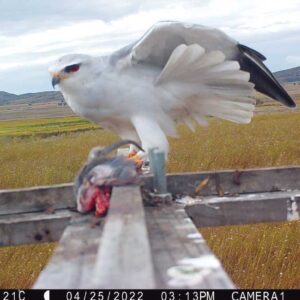
On 10 June 2022, an immature female Bateleur Eagle (Terathopius ecaudatus) was trapped and fitted with a GSM tracking unit as part of the work to establish a tracking sample of 23 vultures and other scavenging birds in this beautiful northern Mozambique landscape. Contrary to expectations that this bird would remain within the confines of the NSR, she almost immediately started venturing east from Niassa to the coast, where she spent a significant amount of time in the Quirimbas National Park northeast of the city of Pemba, and even roamed further north into southern Tanzania at times, often returning to Niassa.

In late January/early February 2023, this pattern of movement significantly altered when the bird started heading southwest, briefly skirting the Malawian border before travelling further south and passing east of Gorongosa National Park, across the Pungwe and Save rivers to where her tracking unit shows she is currently spending time in the Banhine National Park, approximately 1,200 km south of Niassa. This scale of movement is usually associated with migratory species or vultures and is rather unexpected in this less adventurous species, although adults are known to cover considerable distances within their foraging range daily.

This scale of movement emphasises how little we know about the movements of this Endangered species and the need for a more detailed study of its movement biology. As with vultures, a better understanding of Bateleur movements will enable us to identify key staging, foraging and other sites where appropriate conservation action can be focused. We will be keeping a close eye on this bold Bateleur – who knows where she may wander next?