Donate today: support our k9's 
 mission

Careers in Conservation – Jo Bert

Careers in Conservation – Jo Bert

CAREERS IN CONSERVATION – Jo Bert

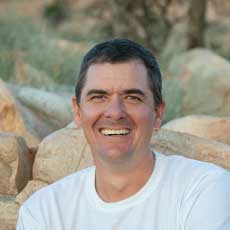
Jo Bert has joined the EWT’s Communications and Marketing Department as Graphic Designer. Here is a little bit about Jo’s journey to a career in conservation with the EWT.

Job title: Graphic Designer

What do you do in your day-day work? Assist with any graphic needs for the EWT as well as each of the programmes.

Location: Sandton

Where did you grow up? JHB born and bred.

What are your hobbies/things you like to do in your spare time?

I have so many hobbies I lose track. At the moment, I’m pretty into rock climbing (indoor and outdoor). I have also been self-studying ethnobotany for the last couple of years, so I love growing plants as well as seeing what I can make with them (so far, I’ve tried fabric dyes, cordages, bath bombs, teas…). I also love to read (currently rereading the Lord Of The Rings). I could go on forever, so I’ll stop there (:

Any pets? My horse Cerberus, my cat Strawberry, and a stray ginger cat that is trying to convince Strawberry to let me adopt him. I’ve named him Onion.

Favourite animal and why: Uloborus plumipes – As a lover of teeny tiny things, this spider is my best! Maximum 8 mm, looks like a tiny leaf, non-venomous, so easy to find, just super cute overall.

Favourite food? Spicy veg soup with some good toast.

Pet peeve? Small minded people

Why did you want to work for the EWT?

I want to be a part of something bigger than myself, and working at the EWT is a step towards that. We owe everything to this planet we live on, so it makes sense to give back in any way possible.

What excites you about this new position?

The idea that I can use my skills to make a difference in this world is what gets me up in the morning.

What are you passionate about?

This is a hard question; I am passionate about so much. The first things that come to mind are:

  •  Equality
  • Conservation
  • Going back to roots

What’s the best advice you’ve ever received, and who did it come from?

A hard question because advice is situation-specific and often says more about the giver than the receiver. In the words of J.R.R. Tolkien: “Elves seldom give unguarded advice, for advice is a dangerous gift, even from the wise to the wise, and all courses may run ill.”

Though a good friend of mine once said, “You can’t reason with the heart” (Khanya Peacock), and I think about that all the time.

What is your go-to feel-good song? Toaster – Cat Clyde


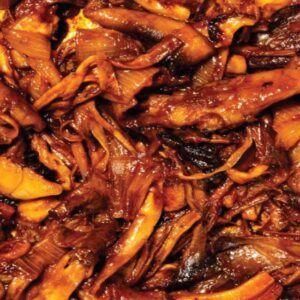
Earthly Eating: Red wine braised Mushrooms

Earthly Eating: Red wine braised Mushrooms

EARTHLY EATING

Each month, we bring you delicious, nutritious, and eco-friendly recipes that our staff members or followers love! This month’s recipe is Red wine braised Mushrooms from our People in Conservation Specialist, Jenny Botha.

Red Wine Braised Mushrooms

Braising is an easy, quick and approachable way of creating layers of flavour and texture – by searing (and therefore slightly caramelising) the exterior of a vegetable before cooking it through in a flavourful liquid. The easy process results in tender and deeply savoury vegetables that become buttery and silky in texture in under an hour. This recipe uses mushrooms which, once crisped and cooked in tomato, red wine and vegetable stock, mimic the richness and depth of meat-based ragout. I like to use a combination of portobello and oyster mushrooms, as I find they add texture and complexity to the dish, but you can also use shiitake or king oyster – make sure you shred (if using kind oyster) or slice them (if using shiitake) thinly.

Preparation time: 15 minutes

Cook time: 45 mins

Serves 4

Ingredients

  • 200 g portobello mushrooms
  • 200 g oyster mushrooms
  • 2 tbsp + 1 tbsp olive oil, separated
  • ½ tsp salt
  • 2 shallots, finely sliced
  • 2 cloves garlic, smashed
  • 50 g tomato paste
  • 60 g red wine
  • 200 ml vegetable stock
  • 1 bay leaf
  • ⅛ tsp freshly ground black pepper

To serve:

  • 10 g chives, finely sliced
  • Plant-based parmesan optional
  • Mashed potatoes, polenta, or crusty bread

Instructions

  • Start by preparing the mushrooms. Finely slice the portobello mushrooms and set them aside. Next, use your hands to pull the oyster mushrooms apart into shreds.
  • Heat 2 tbsp of olive oil in a large, heavy-set pot over medium heat. Add the mushrooms to the pot and stir to coat them in the oil. Let the mushrooms cook undisturbed, for 6-7 minutes, until golden brown on the heat-facing side.
  • Stir the mushrooms, then let them cook for 5-6 more minutes, undisturbed, until crisp and golden brown in most places. Stir in ¼ tsp salt, then transfer the mushrooms into a bowl. Set them aside.
  • Add the remaining tbsp oil to the pot and heat over medium heat. Add the finely sliced shallots, and sauté them for 7-8 minutes, until soft. Add the smashed cloves of garlic and continue sautéeing for 4-5 more minutes.
  • Add the cooked mushrooms back into the pot, and stir to coat them in the shallots. Stir in the tomato paste and cook it for 2-3 minutes – until it darkens in colour and starts sticking to the bottom of the pot.
  • Add the wine and stir to deglaze the pot. Cook the wine down for 2-3 minutes, then add the vegetable stock, ¼ tsp salt and the bay leaf.
  • Lower the heat to medium-low and simmer the mushrooms in the stock for 12-15 minutes – until the liquid has reduced and created a thick sauce.
  • Add the black pepper, then taste for seasoning and adjust to taste. Cover the pot and let the braised mushrooms sit for 5-10 minutes before serving. Remove the bay leaf and the cloves of garlic.
  • Serve the mushrooms with mashed potatoes, polenta or toasted bread, and top them with chopped chives and parmesan.
Period Poverty is real. Period equity should be too

Period Poverty is real. Period equity should be too

Period Poverty is real. Period equity should be too

Dr Jenny Botha, the EWT’s People in Conservation Programme Manager


Despite the progress made in making menstrual products available to school-going girls, approximately seven million girls in South Africa still suffer from what has been coined “period poverty”, as they don’t have access to enough menstrual products each month, according to Candice Chirwa, a prominent South African gender advisor.

Sanitary pads are expensive and can be difficult to access, particularly in remote rural areas. Under these circumstances, girls often have to make do with pads made from material or cloth, tissues or toilet paper, and other materials, many of which are not hygienic and cause the girls embarrassment and a loss of dignity and confidence. Some girls may avoid attending school on days they have their periods, hampering their education and limiting future economic prospects¹. In addition, despite efforts by educators and the Dept of Basic Education to address this, many girls still also lack access to crucial information about their bodies and women’s hygiene and health, including the types of menstrual products that they could potentially choose from. Ending period poverty and ensuring girls have access to the information they need is an important step towards achieving gender equity.

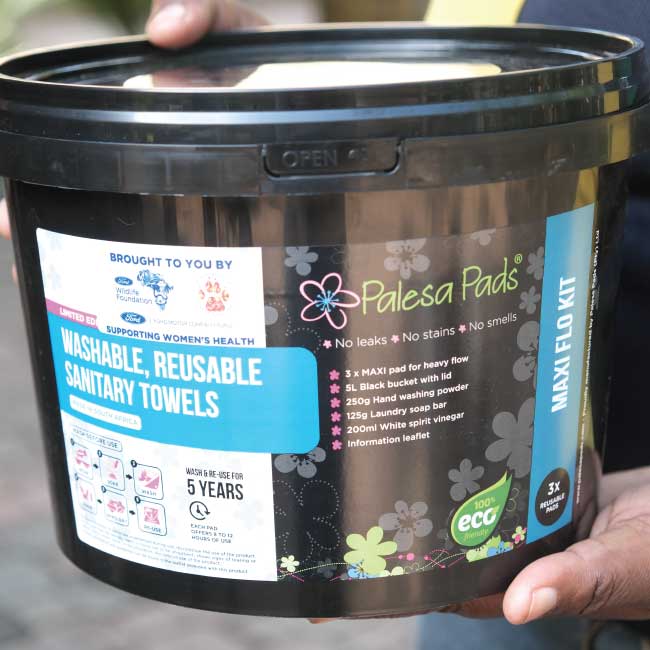
Palesa-Pads-Menstruation-Kit

Palesa Pads Menstruation Kit containing three reusable sanitary pads, a bucket, washing powder, and other cleaning materials

In May 2023, the Endangered Wildlife Trust (EWT) held awareness sessions on women’s health together with educators from two secondary schools in Kutama, Limpopo Province and, through the generous support of the Ford Motor Company Fund and the Ford Wildlife Fund, provided 635 girls with sanitary health kits. Each kit included three reusable sanitary pads, a bucket, washing powder, and other cleaning materials. In addition, thanks to generous sponsors like EMLife and Palesa Pads, we gave twenty women working at the schools packs of three reusable sanitary pads each.

Apart from the emotional and psychological difficulties experienced by girls unable to cope with their periods, the environmental impacts of single-use sanitary products are high. In the United Kingdom, an estimated 3.3 billion single-use sanitary products (pads or tampons) are used each year, resulting in 28,114 tonnes of waste², most of which is disposed of in landfills, with the remainder being flushed into sewage systems, often causing blockages. Although there is a move towards more sustainable multi-use, organic products, most still contain plastic or rayon and use harsh chemicals during manufacturing.

In South Africa, girls often have difficulties disposing of single-use pads, and resource-poor schools frequently struggle with a lack of facilities, particularly in rural areas. If incinerators are provided, learners may be reluctant to use them, or they may not work, particularly during power outages. Disposing of sanitary products such as one-use pads and nappies in the environment has become a major cause for concern in under-served communities across South Africa, potentially increasing risks to human health and undermining the environment and biodiversity. Although the latter risk may appear relatively unimportant in light of the other substantial challenges facing South Africa and the world, the severity and impacts of biodiversity loss and potential ecosystem collapse are high and thankfully becoming increasingly recognised as a global threat. In the World Economic Forum’s 2023 Global Risk Assessment, biodiversity and ecosystem loss was ranked as the fourth most severe risk facing society over the next ten years.

Specific impacts of our recent Women’s Health project

The average woman who uses single-use sanitary products will go through between 11,000 and 17,000 sanitary pads or other disposable sanitary products in their lifetime at a cost of between R27,500 and R42,500 at current prices in South Africa. In contrast, reusable sanitary pads last 3-5 years and cost R50 each, depending on the make. The reusable sanitary pads we provided the girls in Kutama can be used up to 200 times if adequately cared for³. This means that the three pads given to each girl replace 600 single-use disposable pads that would otherwise have been disposed of in toilets, domestic waste, or the environment, equating to 471,000 single-use pads (if each of the 785 girls uses them). In addition, the girls from both schools also received two reusable pads in 2021, meaning that the majority received five pads each. In the 2021 women’s health project, over 90% of the 71 girls who gave us feedback through an anonymous and voluntary survey reported using the pads.

In August 2023, we will be providing an additional 150 girls from a third Kutama school with reusable sanitary pads, and we are going to expand the project to different areas in South Africa, including some of the most remote and under-served communities the EWT works with through our different programmes. More exciting activities are planned for the project, so keep an eye on our platforms for more on how we hope to contribute to period equity.

Thank you to the Ford Motor Company Fund, the Ford Wildlife Foundation, EMLife, and Palesa Pads for supporting the project.

[1] Crankshaw T.L., Strauss M. and Gumede B. 2020. Menstrual health management and schooling experience amongst female learners in Gauteng, South Africa: a mixed method study. Reproductive Health 17:48 p.15.

[2] Panell A.G. Blair, Y. Bajón -fernández, R. Villa. 2022. An exploratory study of the impact and potential of menstrual hygiene management waste in the U.K. Cleaner Engineering and Technology 7: p7.

[3] https://www.iol.co.za/business-report/entrepreneurs/washable-reusable-pads-keep-thousands-of-girls-in-school-14fecafb-fdc3-4ca1-937e-d72e1fcef9d4

Science Snippets: Half a Century of scientific discovery

Science Snippets: Half a Century of scientific discovery

Science Snippets: Half a Century of scientific discovery

How we know where we are needed.

Erin Adams and Lizanne Roxburgh, the EWT Conservation Planning and Science Unit


The Endangered Wildlife Trust (EWT) is celebrating its 50th anniversary, and we are reflecting on our contributions to scientific discovery over this period. Formed in 1973, the EWT was made up of species-focused working groups. These groups included the Vulture Study Group, the Carnivore Working Group, and the Elephant Survey and Conservation Programme (ESCP).

In the early 1980s, the EWT focused on elephant translocation into new reserves. The ESCP played a key role in relocating elephants from conflict areas in Namibia to the Pilanesberg National Park. Another study focused on the distribution and numbers of desert elephants in north-western Namibia. Towards the end of the 1980s, the EWT started working on cranes under the Highveld Crane Group. During the 90s, the EWT’s crane work expanded throughout South Africa’s important crane strongholds.

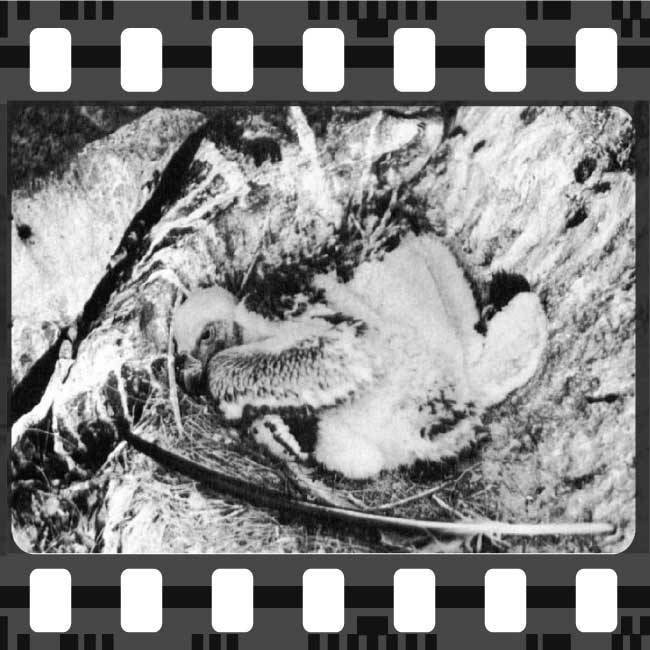
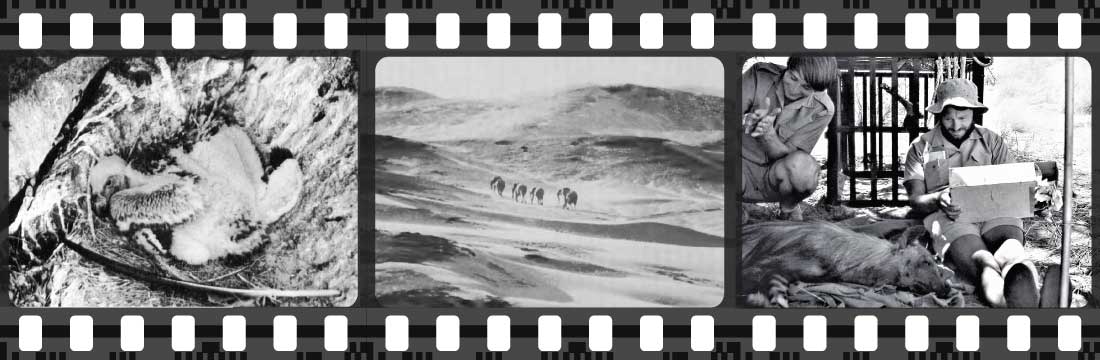
Cape Vulture-chick. Photo credit: P Richardson, P Mundy and I. Plug, 1986 (left), Desert Elephants. Photo credit: Clive Walker (center), and Gus Mills and Clive Walker conducting filed work in Kalahari National Park (right).

From the early 2000s, the EWT shifted its focus to carnivores, including Lions, Honey Badgers, Cheetahs, and Wild Dogs. Research on these species took place across southern Africa, including the Kalahari and Kruger National Parks. The EWT’s crane work has also expanded through a formal partnership with the International Crane Foundation, and the South African Crane Working Group became known as the African Crane Conservation Programme.

In the 2010s, research and publication of our results became vital for the EWT, resulting in approximately 130 publications. The species of interest expanded to include frogs, oxpeckers, Riverine Rabbits, and Ground Hornbills. The Threatened Grasslands Programme, which studied grassland ecosystems and species such as the Critically Endangered Blue Swallow and the Endangered Oribi, was also prominent during this time. Other important topics investigated were the threats to species, including road mortalities, livestock predation, wildlife poisoning, and animal-powerline collisions.

Even though it is only three years into the 2020s, the EWT has already recorded 99 publications since the start of 2020, highlighting the organisation’s commitment to conducting valuable research and ensuring the dissemination of information to our stakeholders. The focus remains on employing robust sampling techniques to benefit the survival of threatened species. The EWT provides biodiversity data for scientific research and action and reviews environmental impact assessments in South Africa. We have also studied ranchlands to understand their biodiversity and ability to sequester carbon. Furthermore, the organisation now places greater emphasis on addressing the illegal wildlife trade, the laws that protect wildlife and the environment, and the relationship between business and biodiversity. We are also expanding our focus into more cryptic but equally threatened species, such as Golden Moles, Dwarf Tortoises, Colophyton (succulents) and Colophon Beetles. Throughout its history, the EWT has consistently prioritised the conservation of vultures. These birds remain a primary focus through the Birds of Prey and the Vultures for Africa programmes.


Umgavusa Protected Environment

Umgavusa Protected Environment

Umgavusa Protected Environment

The Heart of Community-Based Conservation

Cherise Acker, the EWT’s Threatened Amphibian Programme

Umgavusa Protected Environment lies in the area surrounding the small town of Gingindlovu. Although small, Gingindlovu has a rich cultural heritage attributed to the Battle of Ndonkakusuka, in which King Cetshwayo won the struggle over his brother Mbulazi for the Zulu throne in 1856. Gingindlovu, meaning “The place of he who swallowed the elephant”, was named by King Cetshwayo in honour of his victory. In 1879, King Cetshwayo faced another battle against the British troops. This time, however, King Cetshwayo’s army did not claim victory and was defeated by the British, after which Ginginglovu was placed under colonial rule.

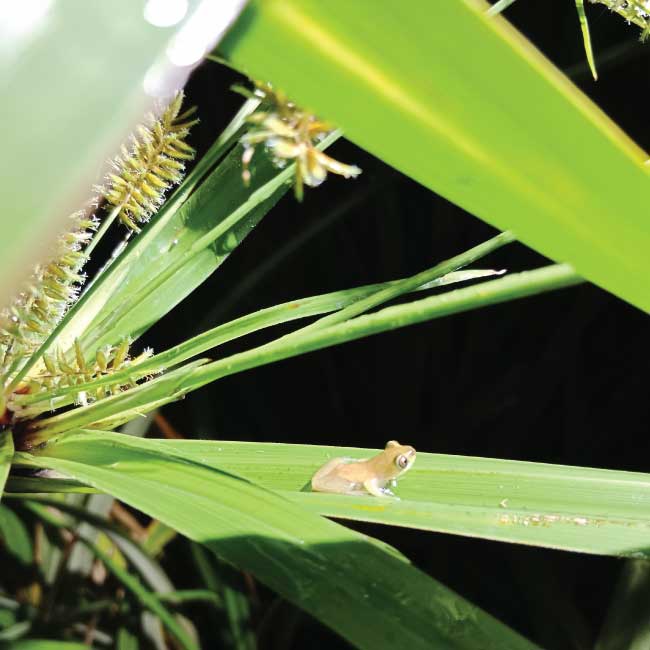
Today, the now peaceful community of Gingindlovu farms extensively in the area where generations of farming families have forged a close-knit community with a passionate appreciation for their community and environment, knowingly safeguarding future generations. One local farmer, Ian Johnson, tracked the EWT’s Cherise Acker-Cooper to a parking lot in Nyoni, where she was working with local teams clearing invasive alien plants. Ian’s curiosity to identify a ‘Mystery Frog’ he had recently photographed in a reedbed on his farm spurred his eager pursuit. From a picture on Ian’s phone, the ‘Mystery Frog’ was confirmed to be the Endangered Pickersgill’s Reed Frog, known to occur exclusively along a narrow band along the KwaZulu-Natal coastline. Ian’s excitement of knowing that his farm was home to this KZN endemic frog led him to report the record to the local Environmental Committee. Subsequently, the chair of this committee, Mr Ashton Musgrave, invited Cherise to present at their November 2019 committee meeting so they could learn not only of Pickersgill’s Reed Frog but the importance of amphibians and their conservation.

It was during this presentation and the resulting acknowledgement of the plight for amphibian conservation in South Africa that four local farmers (Mr Ashton Musgrave, Mr Jonathan Saville, Mr Bret Arde and Mr Jonu Louw) banded together and asked Cherise to visit their farms to determine if the Pickersgill’s Reed Frog was present on their farms. Song meters were rotated among the farms, followed by careful listening to hours of recordings until the Pickersgill’s Reed Frog’s quiet but distinctive call was confirmed by the EWT’s Threatened Amphibian Programme Manager, Dr Jeanne Tarrant.

Confirming their presence was enough for these enthusiastic farmers, who were keen to ‘do the right thing’ and protect them to ensure their continued presence. In this spirit, the farmers keenly agreed to pursue formally declaring the habitat of the Endangered Pickersgill’s Reed Frog as a Protected Environment through the Biodiversity Stewardship Process in 2020. However, the journey of declaration, led by Cherise, was not an easy route. Despite the numerous bends along the way, including COVID-19, the social unrest in July 2021, and the April 2022 floods, KZN MEC formally declared the Umgavusa Protected Environment from the Department of Economic Development Tourism and Environmental Affairs, Honorable Mr Siboniso Armstrong Duma, on 25 May 2023. It is the first protected area we have declared to conserve the Endangered Pickersgill’s Reed Frog and its habitat, but it won’t be the last!

The infectious drive for amphibian conservation by these local frog conservation pioneers has awakened a love for frogs and frogging within the community, who have flocked to the Umgavusa Protected Environment to catch a glimpse of the diminutive Endangered Pickersgill’s Reed Frog.

It is not just frogs that these farmers are enthusiastic about. They work tirelessly to rehabilitate wetlands, clear and maintain watercourses from invasive alien plants, and support student research on the abundant wildlife that inhabits the area. These initiatives are driven by their innate love for their environment, and it is through this that the heart of community-based conservation offers enormous opportunities towards securing the biodiversity and cultural heritage of South Africa for all.

Mr Ashton Musgrave and his son enjoying their piece of the Umgavusa Protected Environment.

Thank you to our partners, Conservation Outcomes and Ezemvelo KZN Wildlife, and to Rainforest Trust and Synchronicity Earth for supporting the project.

Following a stork named Fill

Following a stork named Fill

Following a stork named Fill


Dr Lindy Thompson and John Davies (EWT Birds of Prey Programme) and Jonah Gula (University of KwaZulu-Natal)


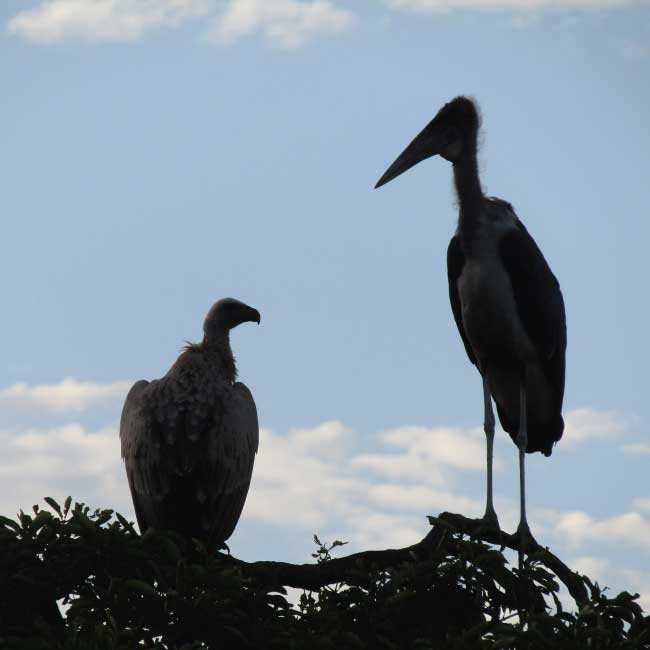
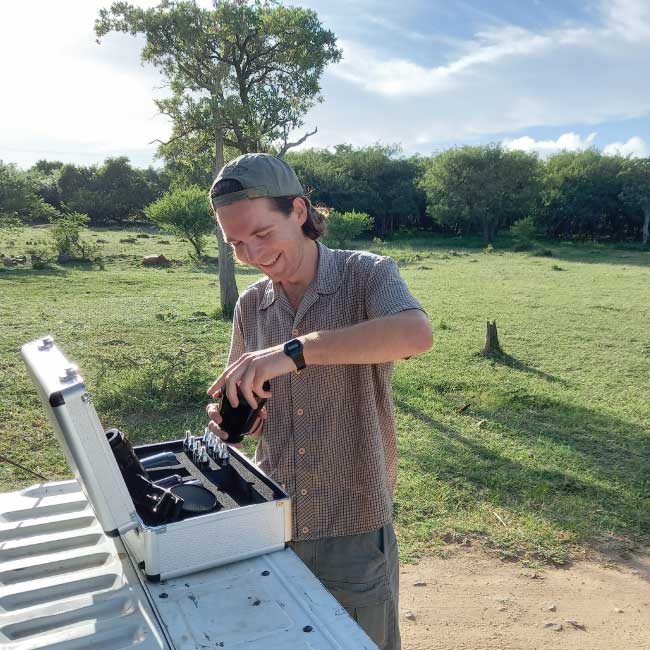
In January 2023, Lindy Thompson and John Davies (from the EWT’s Birds of Prey Programme) joined UKZN PhD student Jonah Gula for fieldwork in the Lowveld. Jonah aimed to trap four Marabou Storks and fit them with tracking devices as part of his PhD project, but first, he needed to find a site with large numbers of Marabous. We suggested he try the vulture feeding site at Moholoholo Wildlife Rehabilitation Centre, where many Marabous congregate daily. Moholoholo kindly permitted us to work on their land. We arrived early on the first morning and set our traps, with Jonah squeezed into John’s tiny hide and Lindy and John waiting nearby in a vehicle to assist when needed. And so, we waited. The Marabous proved to be much more wily birds than we initially gave them credit for. They were highly suspicious of our trap, approaching it cautiously, skirting it carefully, and rushing enthusiastically to the food on the other side. This happened repeatedly, and on one occasion, when it seemed like a Marabou might walk unwittingly into our trap, a family of warthogs would suddenly appear walking in the same direction. We could not risk catching a warthog piglet by mistake, so we would have to rush towards the trap to scare away the piglets and, in turn, the Marabous.

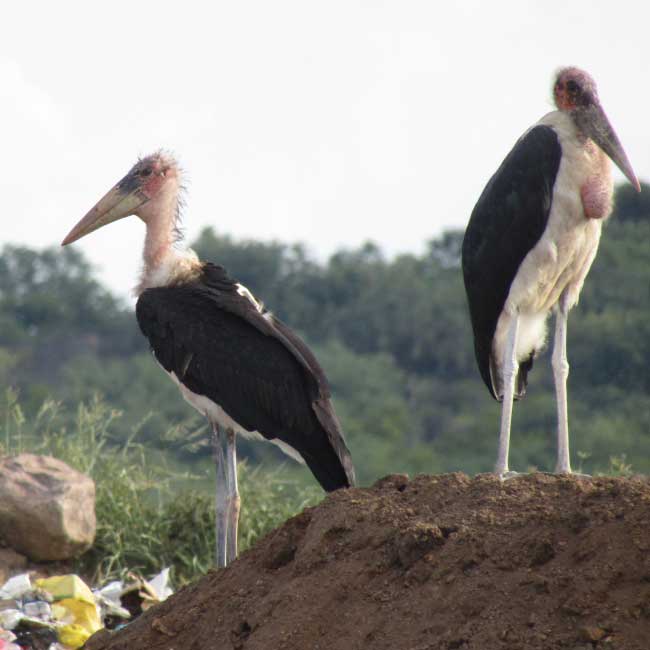
After a few unsuccessful days of trying to trap Marabous at Moholoholo, John suggested we try a different location. So we headed to Phalaborwa to check out a landfill site friends had told us about. We drove in and saw dozens of Marabous standing on the giant mounds of rubbish. The birds were slowly walking in amongst the garbage pickers, and everyone (people and birds alike) was bent over and slowly picking through pieces of trash. We felt the fact that these birds seemed much more tame might help us when trying to trap them. And so we set our trap, and again we waited at a respectful distance, sitting in the vehicle as the temperatures soared into the high thirties, waiting for some Marabous to walk towards our trap. After a few hours in the car, Jonah decided a little more encouragement was needed, and he hopped out of the bakkie and started trying to herd the Marabous towards our trap. Immediately these intelligent birds knew what he was up to, and most of the flock flew up, over the trap, and away. A few hours later, after more waiting and some more of Jonah’s persistent herding, a few birds flew towards the trap and landed there. I drove closer to Jonah so he could hop into the vehicle, and we edged closer to the trap. After a few minutes, Jonah leapt out and ran towards the trap. After 11 hours of waiting at the landfill that day, we had caught our first Marabou!

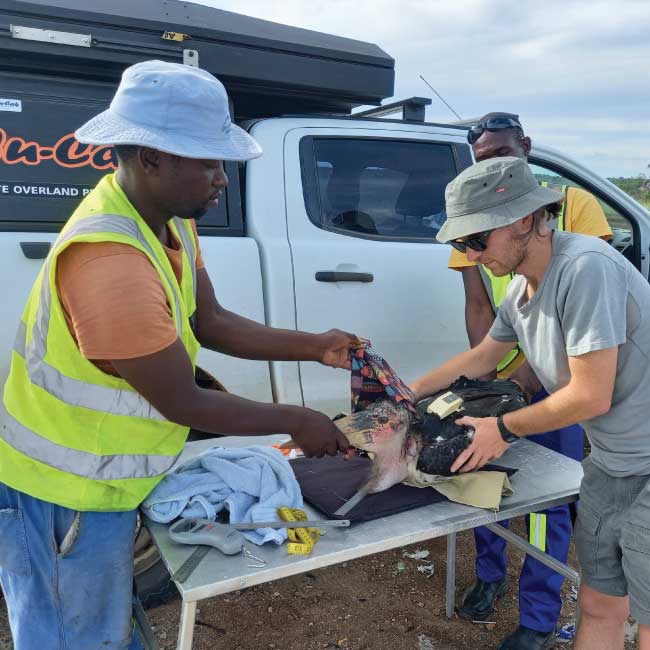
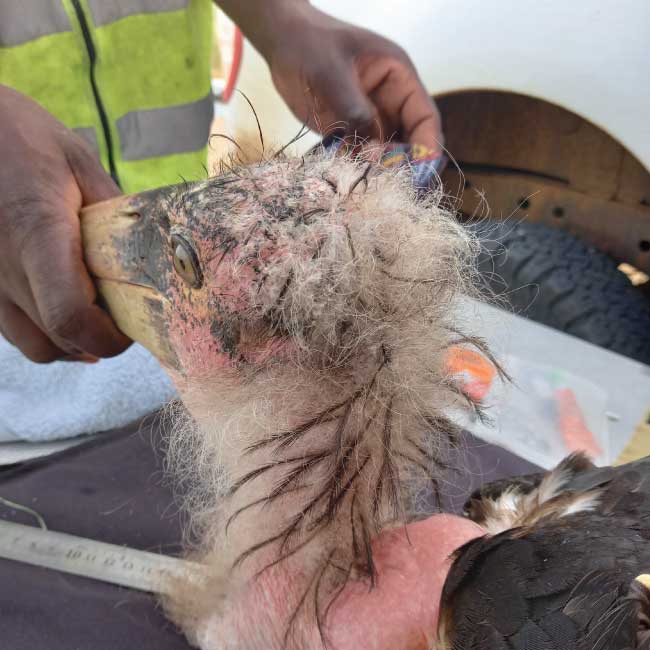
Jonah gently and firmly restrained the bird, and I asked two workers to please come and assist us as Marabous are large birds, and it takes many pairs of hands to hold them. With their help, Jonah calmly fitted the tracking device using a chest harness. A few minutes later, Jonah tucked the bird under his arm, walked a little way away from where we were working, and let the bird go. We were ecstatic to have caught our first Marabou, which Jonah named ‘Fill’ after the landfill site. We stayed at the landfill until dusk to ensure that Fill was looking comfortable and moving normally with his new tracking device, and when everything seemed fine, we finally headed off home.

Since Fill was tagged, we know he has used other waste sites, such as landfills and a slaughterhouse in Polokwane, but we hope to know more about his successes and failures rummaging in the rubbish. We look forward to following his movements and reading about Jonah’s results in the years to come.

We are extremely grateful to the staff and management of Moholoholo Wildlife Rehabilitation Centre and Phalaborwa Landfill Site for their kind support of Jonah’s work. We are thankful for our Ford Wildlife Foundation vehicle and Alu-Cab canopy, both essential to this fieldwork. This work was conducted with a Limpopo research permit from LEDET (permit no. ZA/LP/1156110).

Jonah has already published two papers on Marabou Storks, and you can find the details in the Reference List below. You can also find him on Twitter at @JonahGula. We wish him all the best with his studies.

Reference List:

Gula, J. and Barlow, C.R. 2022. Decline of the Marabou Stork (Leptoptilos crumenifer) in West Africa and the need for immediate conservation action. African Journal of Ecology 61:102-117. https://doi.org/10.1111/aje.13087

Gula, J., Clay Green, M., Fritts, S., Dean, W.R.J. and Gopi Sundar, K.S. 2022. Assessments of range-wide distribution of six African storks and their relationships with protected areas. Ostrich 93: 34-52. https://doi.org/10.2989/00306525.2022.2045642


Cycads: Prehistoric plants in peril

Cycads: Prehistoric plants in peril

CYCADS: PROTECTING PREHISTORIC PLANTS IN PERIL


Dr Kerushka Pillay, the EWT’s Wildlife in Trade Programme


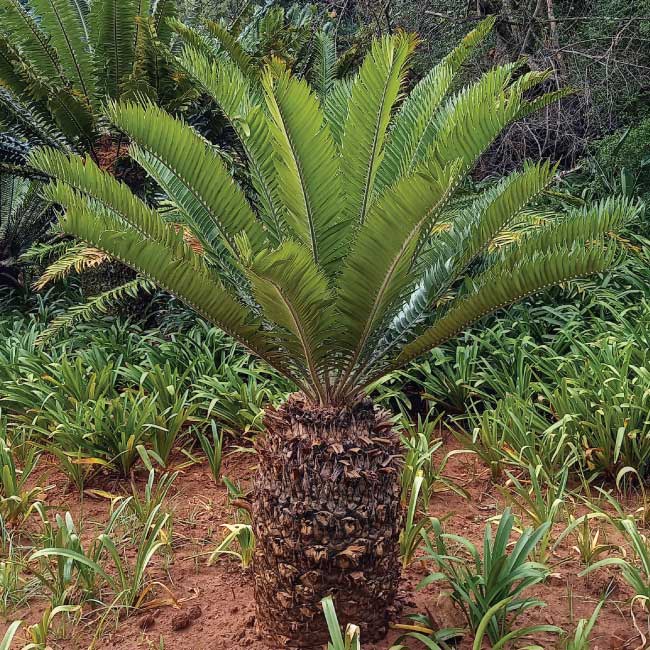
Cycads are ancient seed plants (or gymnosperms) that date back to the Jurassic period. The illegal harvesting of wild plants and habitat destruction severely threaten these prehistoric plants. Worryingly, many cycads are Critically Endangered, and others are extinct in the wild, meaning none are left within their natural range. They only occur when planted in controlled environments like botanical and private gardens. Efforts are underway to protect and conserve these plants, and a significant component of this work focuses on reducing the illegal trade in wild cycads.

Cycads are considered long-lived and slow growing, and these traits make them vulnerable to the impacts of poaching, as adults are not quickly replaced. Cycads are characterised by being dioecious, meaning that different individual plants either have male or female reproductive parts (conspicuous large cones). Cycads are also considered prehistoric because they lack some advanced features modern plants possess, such as flowers and fruits. Cycads reproduce sexually, where a male cone produces pollen, leading to the pollination of fertile seeds produced by female cones. Cycads can also reproduce asexually without pollination by forming “suckers” on the “mother” plant. Cycads display characteristics that resemble palms, with a stout and woody trunk and a crown of large, hard, stiff, evergreen, and usually pinnate leaves. If you are unsure whether you are looking at a cycad or a different plant, here is a poster that will help you identify cycads.

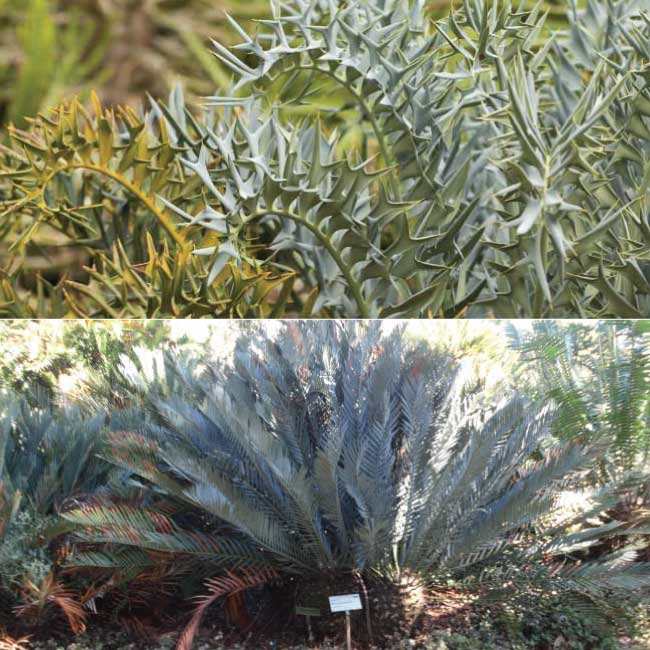
South Africa is a hotspot for cycad diversity with 38 indigenous species (37 species of Encephalartos and one species of Stangeria), which account for over 10% of the world’s cycads. Encephalartos species, each with distinct characteristics and unique appearances, are often used in landscaping and gardening. Many of these species are endemic to South Africa and play a crucial role in our ecosystems, providing habitat and food for various animals, including insects, birds, and mammals. Moreover, cycads hold cultural and historical value in South Africa, with some species used by indigenous communities for medicinal and spiritual purposes. In some South African cultures, the cycad is also considered a symbol of longevity and strength. One of the most well-known species is Encephalartos lehmannii, known for its large size and striking blue-green colour. Another species, Encephalartos natalensis, is found in the coastal regions of South Africa and is known for its ability to grow in sandy soils. Encephalartos horridus is found in the Eastern Cape and is known for its sharp, spiky leaves. These plants are a unique part of South Africa’s natural heritage, popular among collectors and enthusiasts. Overall, Encephalartos cycads are fascinating plants for anyone interested in botany or gardening.


Sadly, many cycad species are threatened in South Africa, especially the Encephalartos group, with four being classified as extinct in the wild due to poaching. One such species, Heenan’s Cycad (Encephalartos heenanii), previously listed as Critically Endangered, was reassessed as extinct in the wild in 2022 due to “persistent pressure from plant collectors”. Criminal syndicates run a highly profitable trade, connecting impoverished and desperate poachers to wealthy private collectors who value cycads as collectables. It seems the rarer the cycad, the more sought after it is.

Because of their rarity and dwindling populations, the legal sale of Encephalartos cycads is regulated nationally and internationally. In South Africa, cycad permits are regulated under the National Environmental Management: Biodiversity Act (NEMBA). Each province also has conservation laws to further protect and regulate the cycad trade. However, there are legal methods of obtaining and keeping artificially propagated cycads. If you own an indigenous cycad or plan to purchase one, you must obtain a permit. You may not need a permit for exotic cycads, but it’s always best to make sure. To find out the requirements for your area, or if you have any other queries, please visit the EWT’s cycad page or contact the Endangered Wildlife Trust’s Wildlife in Trade Programme at witinfo@ewt.org.za. It is crucial to ensure compliance with these regulations to avoid penalties and help to conserve these prehistoric plants in peril.

Thank you to US Fish and Wildlife Services for supporting this project.


May Golf Day Madness

May Golf Day Madness

May Golf Day Madness

Tammy Baker, the EWT’s Business Development Unit

Golf Days are a ton of work, but the reward is worth it. The new friendships that are formed and the relationships built are what I live for. We smashed all previous fundraising records at our two annual golf days held in May, and this is all thanks to our loyal supporters, who, like me, believe in our incredible staff and the amazing conservation work that the EWT achieves day in and day out.

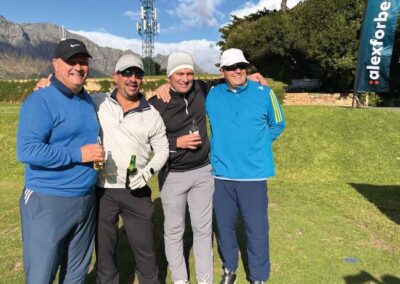
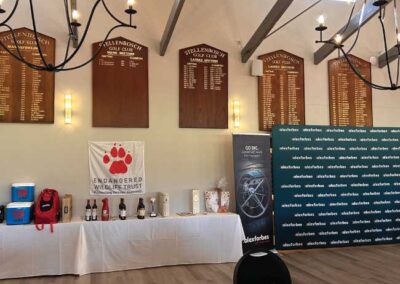
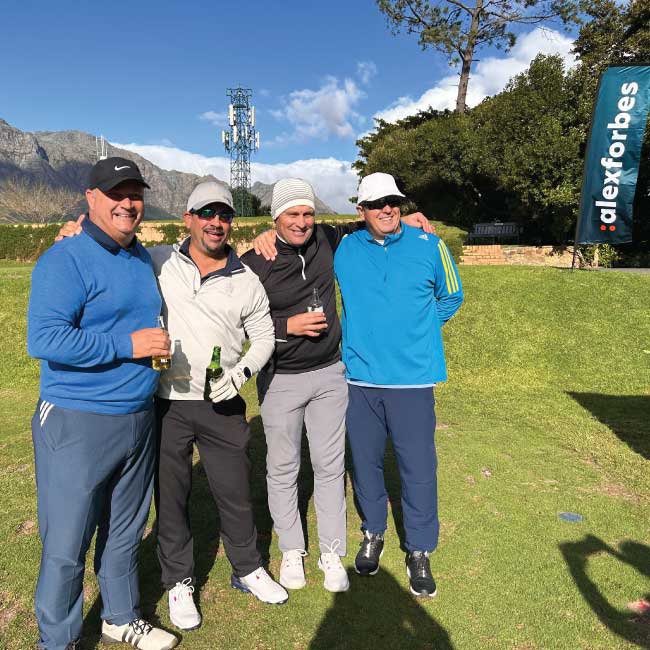
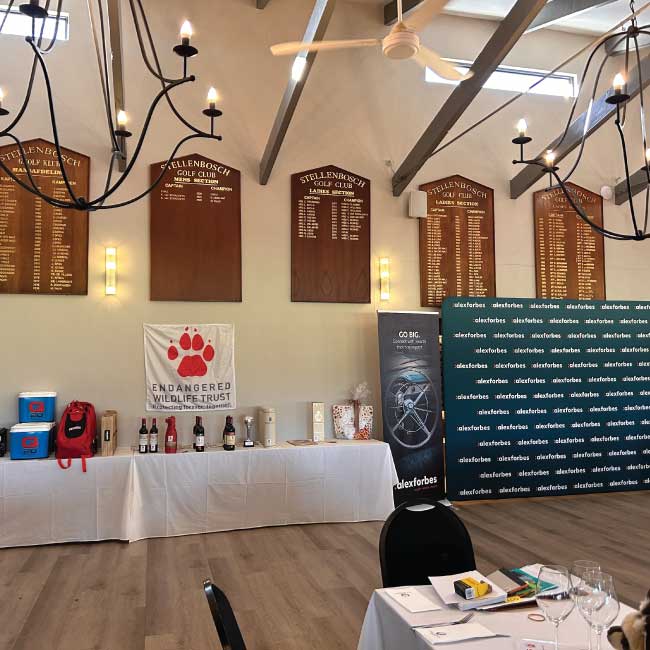
Alexforbes generously sponsored our Stellenbosch golf day for the second year. The Alexforbes staff, their clients, and our faithful Cape Town supporters made for a memorable event, despite what can only be described as gale-force winds. We lost three gazebos to the weather, but our brave golfers played on. Stellenbosch is beautiful, no matter the conditions, and I always enjoy being in this part of our beautiful country. Our prizegiving, dinner, and auction were festive, and we raised much-needed funds for the EWT, thanks to an awesome group of supporters. We introduced the EWT-Alexforbes floating trophy this year, which was taken home by the winning fourball from Alexforbes, team captain Dave Thomson.

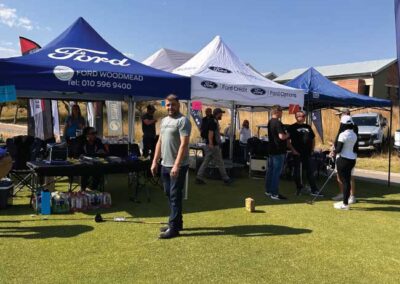
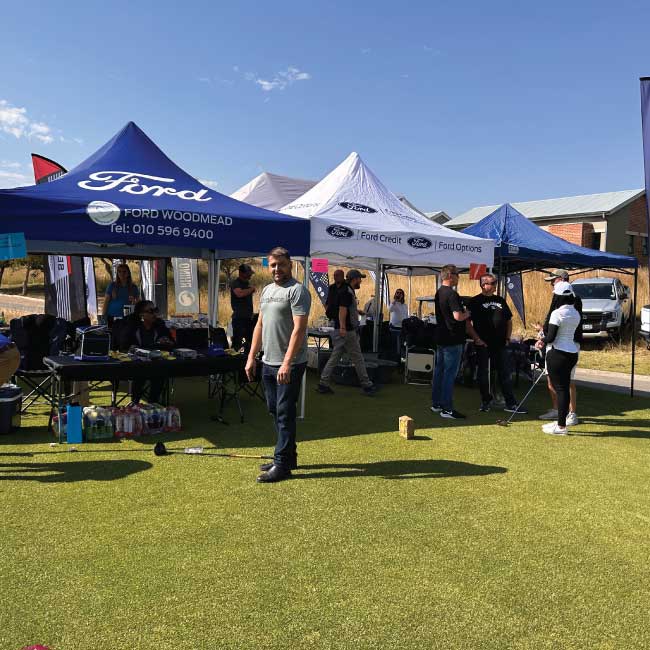
We held our second golf day for May at the beautiful Copperleaf Golf Estate, proudly supported by one of our most cherished partners, the Ford Wildlife Foundation. I had the rare stress of selling too many fourballs, and we sold out at 34 fourballs for the day. The winter highveld weather did not disappoint, with mild temperatures and beautiful blue skies. We had a record number of sponsored holes, which created an enjoyable vibe on the course for our players. The club hosted 160 golfing and wildlife enthusiasts for dinner, prize giving, and an auction. Our EWT Ford Wildlife Foundation floating trophy was taken home by the winning fourball from Intocast. As always, our MC and auctioneer, Mike Scholz, was in top form, and we smashed all previous fundraising records at this event.

This success would not have been possible without our very generous prize givers:

Alexforbes, Go2Africa and Kwande Private Game Reserve, aha hotel and lodges, Lanzerac hotel and spa, Le Pommier Wine Estate, Sky Villa Boutique Hotel Raw Africa Boutique Collection, Allee Bleue Wine Estate, The Silo Hotel Royal High Tea, Mooiplaas Manor, Wedgewood Spa, Miir, CRC Industries, Spanjaard, Ocean Golf Guest house, Painted Wolf Wines, Penelope’s Stellenbosch, Absolute Bosch guest house, Just Joey Guest House, Alto wines, Warwick wine estate, Studio Ngong, Nova Constantia, Franschhoek Country hotel and villas, Graham Beck , Simola’s golf and country estate, Remhoogte wine, Pinacle point golf club, Stellenbosch golf club, Meerlust wine, Gino’s restaurant, Spier wine estate, Anura Wine Estate, Ken Forrester Wine Estate, Simonsig Wine Estate, Westlake golf club, Noop Restaurant, Morganhof Quad Bike, Stellenbosch Hills, Le Pommier Wine Estate, Henri’s, Wedgeview Spa, La Paris, Foothills Winery, The Table at De Meye, Vredemheim drive, Mai Thai, Delheim Wine Estate, Delaire Graaf Estate, The President Hotel, Plettvale wines, Stellenbosch Vineyards, Leopards Leap, Rare earth Old Country Plett, Sol Kitchen, De vleis Paleis, Klein Welmoed, Smitten Café, Kay & Monty Wine Estate, Henri’s restaurant, Emily Moon River lodge.

Special thanks to Ford Wildlife Foundation and FordSA, as well as everyone that donated prizes: Mongena Private Game Lodge, Aha hotels and lodges, Studio Ngong, Miir, Trappers, Q20, Spaanjaard, Painted Wolf Wines, Africology Skincare & Spa, www.facebook.com/BlackHorseBrewery, www.facebook.com/olivetreefarmmagaliesburg

Juanita Hackart, Alice van Jaarsveld, Elephant Walk Retreat | Facebook, Medikwe Private Game Reserve, Fermier Restaurant, Royal Johannesburg, Bryanston Golf Club Randpark Club, Houghton Golf Club, Mahikeng Lodge, The Rock Diner, African Hills, Verdicchio Restaurant and Wine Cellar,Biru restaurant, The Grillhouse Alice Lane, Nandos, PortuGalo Montecasino, 54 on Bath Southern Sun, Cilantros.

Our awesome fourballs

Alexforbes, Grant Knowles and friends, John Goatley and friends, Norman Wallace and friends, Cluver Arend, Food Lovers and Fresh Stop, Dr Edwin Hertzog, Concessus Consulting (Pty) Ltd, Go2Africa, Gallagher Seremed, MeterMan, Ford Hatfield Group, Ford Midrand, Ford Sandton/Woodmead, Ford Woodmead, Ford Fourways, Ford William Nicol, Laetitia Steynberg and friends, MetroFibre, MSCT BEE Services, RSAdvisors, TERACO, Anchor Enginuity, Aha hotels and lodges, INDWE Risk Services, N3 Toll Concession, LEVEGO Environmental Services, Trappers, Lighter Balls, Eagle Ford, INTOCAST South Africa, 342 Logistics, Acumen Group.

And our incredible sponsors, Alexforbes and the Ford Wildlife Foundation.

A special thanks to Carel Basson, Colette Van Dyk and the Alexforbes team, Jock Green from the Ford Hatfield Group, Lynda du Plessis and Neale Hill from the Ford Wildlife Foundation, Sarah Raine, Alison Janicke, and all my EWT helpers.

Some feedback from our players:

Seremed – What an amazing and enjoyable day. So much effort into the day from everyone at EWT; well done. So well organised. The companies on the holes were excellent and contributed to the day being a very memorable one indeed. I am sure lots of money was raised for EWT, and I am sure all will want to be back next year. FORD, too, were amazing. Well done, Tammy. EWT Golf days were always fun; you have brought it back to that level again. We really enjoyed it.”

Levego – I have attended a few golf days; this one was the best so far. Thanks again.”

Laetitia Steynberg – We had such fun and thoroughly enjoyed the day. Your organisation was top-class. Congrats to you and your team. “

From Ford William Nicol – It was a great pleasure.  We really enjoyed it. “

Trappers – Thank you, it was great fun. “

From FORD MIDRAND – We also would like to thank you for the opportunity, and BIG THANKS to you and your team for the great work you are doing for our wildlife!!”

RSAdvisors –The golf day was a huge improvement on previous versions, and I hope you achieved your fundraising targets. Well done.”

N3TC – Thank you for hosting a fantastic event. Challenging course, but we all enjoyed ourselves thoroughly. Looking forward to the next one!”

Hatfield Motor Group – Happy that we could make a contribution toward the EWT and Ford Wildlife Foundation. Your passion and commitment to what you do for these organisations are inspiring.”

Thank you, Team Hatfield, for making the day a huge success.

Teraco – The event was a total success. “

TransRE –Thanks for your e-mail; it was a great day, and I am sorry we couldn’t hang around for the after-golf functions.”

Finding the albany adder

Finding the albany adder

Tale from the Field: Finding the Albany Adder – Following in the footsteps of Dr John Hewitt

 
Alouise Lynch, Bionerds PTY Ltd


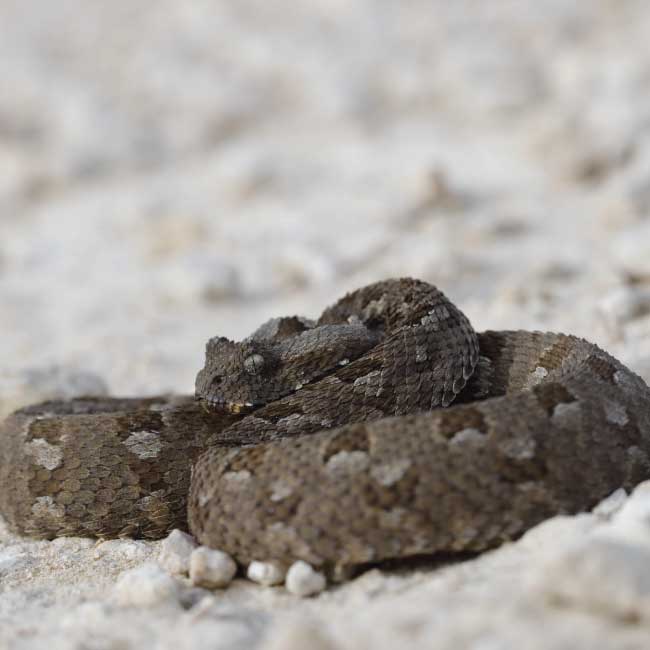
Albany Added on white sand

Dr John Hewitt was born in Dronfield, Derbyshire, England, on December 23, 1880. Between 1905 and 1908, he was the curator of the Sarawak Museum after studying natural sciences at Jesus College in Cambridge. In 1909, he was employed as an assistant curator at the Transvaal Museum in Pretoria, and in 1910, he was named Director of the Albany Museum in Grahamstown, Eastern Cape, South Africa. He was a skilled naturalist with a deep interest in herpetology, and he described, collected, and documented many of South Africa’s frogs and toads.

My husband and I recently spent a week retracing his steps on a farm outside of Grahamstown. We visited the area where he discovered, collected, and described the Albany Adder, Bitis albanica, South Africa’s most endangered snake species.

Most of us have a “bucket list,” a list of things we want to do or see before “kicking the bucket,” as it were. Some challenges are tricky, while others are as simple as trying tripe for the first (and usually last) time. Our bucket list is as nerdy as we are, a living list of 40 species we aim to see in a specific year. Discovering a needle in a haystack seems more likely than finding some of these species in the wild!

The Albany Adder, described as the holy grail of South African dwarf adders, had only been observed in the wild 12 times by 2017. That year, we collected a crew of nerds and embarked on our quest to find this uncommon snake. The Endangered Wildlife Trust discovered two specimens in the wild on a recent study trip, and we were hoping to be as fortunate as they were. NO PRESSURE!!!! We had five days to find this snake. It was cold and windy, and we had walked a long distance by day five. We had given up. We all agreed to return to the vehicles and try again the following year. I stepped around a bush to find a little brown and grey snake with tortoiseshell scallops on its back at my feet. The excitement was so great that we almost missed the snake making a “run” for it! We had discovered an Albany Adder. Number 13 in history! It was sheer enchantment.

The size of this species takes everyone we have ever shown them to by surprise. The largest adult female Albany Adder we have found was 34.6 cm long, a bit thicker than a pencil, with an extremely aggressive bity end on one end. When you are this small, you need a temper to survive in a world where everything is out to eat you. We still do not know where they shelter, how they breed, when or where they pup, or their general primary habitat use.

The Endangered Wildlife Trust allowed us to execute a research and monitoring project on the Albany Adder in 2018. We jumped at the chance and have been working on the “Averting Extinction – saving South Africa’s Most Threatened Snake” project for the last five years. The project has not only increased the known number of specimens from 13 to 43 over five years, but we have also proven that they exist in various habitat types and are working with landowners to safeguard this species in areas where we have confirmed their occurrence. This past week was a watershed point for this project.

We eventually obtained our first confirmation of prey species – a very plump Variegated Lizard – after I gathered roadkill specimens from Addo Elephant National Park. And after many years of attempting, we finally acquired access to Dr Hewitt’s old haunts. We spent three days scoping for feasible habitat in the area where he initially discovered this beautiful species. The landowners are conservation-minded and fiercely protective of their property and its fauna, which is a great plus for us because baboon spiders and snakes are indiscriminately poached in this area. We are very excited to return to this location during their next peak activity period to see if we can rediscover this species where Dr Hewitt found the first Albany Adder.

We hope to relocate these snakes at this site. If we succeed, we can begin establishing a conservation corridor from Gqeberha to Makhanda, incorporating private nature reserves, national parks, and private farmland – affording Albany Adders and many other species and habitats long-term protection.

Thanks to People’s Trust for Endangered Species (PTES), Rainforest Trust, PPC, Eastern Cape Parks and Tourism Agency (ECPTA), and Bionerds for supporting this work.


Careers in Conservation – Darren Pietersen

Careers in Conservation – Darren Pietersen

CAREERS IN CONSERVATION – Darren Pietersen

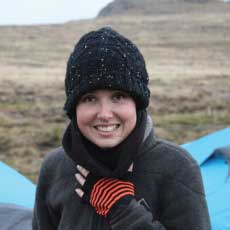
Darren Pietersen has joined the EWT’s Soutpansberg Protected Area Programme (SPA) as Reserve and Ecology Manager at Medike Nature Reserve. Here is a little bit about Darren’s journey to a career in conservation with the EWT.

Job title: Reserve and Ecology Manager

Location: Medike Nature Reserve, Soutpansberg

Where did you grow up?

Kruger National Park

What are your hobbies/things you like to do in your spare time? 

What spare time? Most weekends are spent reviewing articles for journals or reading some of the myriad scientific publications I have downloaded and don’t get time to read. But sometimes, I get out and do some birding or looking for reptiles and amphibians. And once every couple of years, I get a chance to go scuba-diving again.

Any pets?

Two rescue dogs. And my grandmother.

Favourite animal and why: Temminck’s pangolin – because they are solitary, predominantly nocturnal and rarely seen. Much like me.

Favourite food?

Boerewors and slap chips

Pet peeve?

That common sense isn’t nearly as common as it ought to be.

Why did you want to work for the EWT?

Because the EWT is one of the oldest, best-established conservation organisations in Africa, with an outstanding track record and reputation. I have collaborated with or worked with several EWT staff in various capacities and have gotten to know many of them. Working for the EWT in a practical conservation role is a wonderful privilege I am looking forward to.

What excites you about this new position?

I am looking forward to the fieldwork, the challenges, and the location. I enjoy research, but I also enjoy working physically, and above all, I enjoy being outdoors. This position promises to check all the boxes – a lot of work needs to be done on the reserve, and I look forward to tackling the various projects. At the same time, there is scope for research, and even if time doesn’t allow me to undertake the research myself, it will be nice to once again guide a student through their early scientific career. And the Soutpansberg is beautiful!

What are you passionate about? 

Conservation, particularly of the more obscure/overlooked species.

What’s the best advice you’ve ever received, and who did it come from?

Some of the best advice I received was to always be honest, which I received from my parents. Of course, I grew up in an era when parents could still use methods to drive that point home!

What is your go-to feel-good song? 

Bon Jovi’s It’s My Life.