Donate today: support our k9's 
 mission

Earthly Eating: Healthy Air Fryer Eggplant And Chickpea Salad

Earthly Eating: Healthy Air Fryer Eggplant And Chickpea Salad

EARTHLY EATING

Nachos


We all know we should be doing our part to save the planet. But what does that mean when it comes to food? It can be easy to get overwhelmed with all the different eco-friendly choices. Each month, we bring you delicious, nutritious, and eco-friendly recipes that our staff members or followers love! This month’s recipe is Air Fryer Eggplant and Chickpea Salad brought to you by our very own graphic designer Jo Bert.

Healthy Air Fryer Eggplant And Chickpea Salad

On the lookout for nutritious salads? You’re in the right place! This air fryer eggplant and chickpeas salad is jam-packed with wholesome ingredients like parsley, onion, cucumber and tomatoes. The best part? It’s high in protein and fibre.

Ingredients

Eggplant, Avocado oil, Salt,  Turmeric, Chickpeas,  Parsley,  Onion, Cucumber,  Tomatoes, Lemon, Sumac

Instructions

To be honest, most of the work goes into chopping, dicing and slicing the salad ingredients. I recommend doing all that prep work beforehand or while the eggplant is air frying to make your life easier. That way, everything is ready to go for assembly.

  • To begin with, cut the eggplant into small, even-sized cubes. I find it helpful first to cut the eggplant in quarters lengthwise and then slice it into small cubes.
  • To release the moisture from the eggplant, place the cubes on a large plate or bowl, season with salt, and let them sit for 30 minutes. This enables the salt to draw out the moisture from the eggplant.
  • After 30 minutes, you will actually notice the moisture droplets on the surface of the eggplant cubes. Use a clean dishcloth or paper towel to gently press and blot the eggplant cubes dry. This is a crucial step because if there’s too much moisture on them, they won’t air fry well – resulting in soggy eggplant.
  • Now it’s time to season! Add avocado oil and sprinkle the cubes with turmeric. Then, toss to coat thoroughly.
  • Next, place the eggplant in the air fryer baskets, making sure not to overcrowd the pieces. Air fry the eggplant at 400F for 15-20 minutes, shaking the basket halfway through cooking
  • Once the eggplant cubes are cooked, remove them from the air fryer and place them in a large bowl.
  • Now it’s time to assemble the chickpea salad. Begin by adding chickpeas, cucumber, tomatoes, parsley, onion, lemon and sumac to a large bowl and toss to combine.
Tips
  • When preparing eggplant, cut it into small cubes so that they cook evenly and don’t get soggy.
  • Season the eggplant with salt, avocado oil and turmeric (or your desired spices) for extra flavour.
  • You want to avoid overcrowding the air fryer basket. This will help ensure that they cook evenly and get crispy. You could either send the eggplant in two batches or if you have a dual air fryer, utilize both baskets for best results.
  • If you’re using canned chickpeas, drain and rinse them well before adding them to the salad.
  • Add fresh herbs like parsley, mint or cilantro (coriander) for extra flavour.
Science Snippets: Science through the 50 Years: the species we work on

Science Snippets: Science through the 50 Years: the species we work on

Science Snippets: Science through the 50 Years: The Species We Work on

Erin Adams and Lizanne Roxburgh, the EWT Conservation Planning And Science Unit

The Endangered Wildlife Trust (EWT) is celebrating its 50th anniversary, and we are reflecting on our remarkable contributions to scientific discovery over this period. Formed in 1973, the EWT was made up of species-focused working groups. These groups included the Vulture Study Group, the Carnivore Working Group, and the Elephant Survey and Conservation Programme (ESCP).
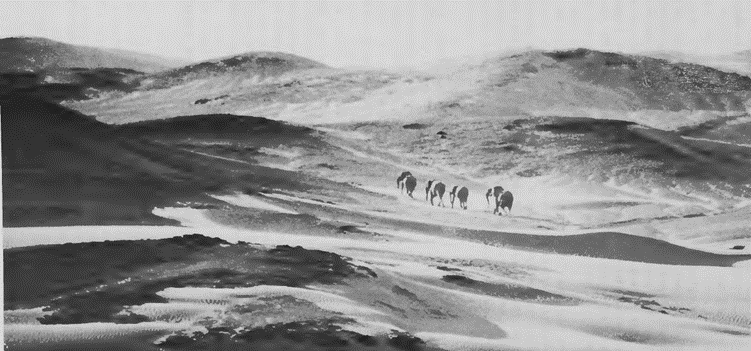
In the early 1980s, the EWT focused on elephant translocation into new reserves. The ESCP played a key role in relocating elephants from conflict areas in Namibia to the Pilanesberg National Park. Another study focused on the distribution and numbers of desert elephants in north-western Namibia. Towards the end of the 1980s, the EWT started working on cranes under the Highveld Crane Group. During the 90s, the EWT’s crane work expanded throughout South Africa’s important crane strongholds.

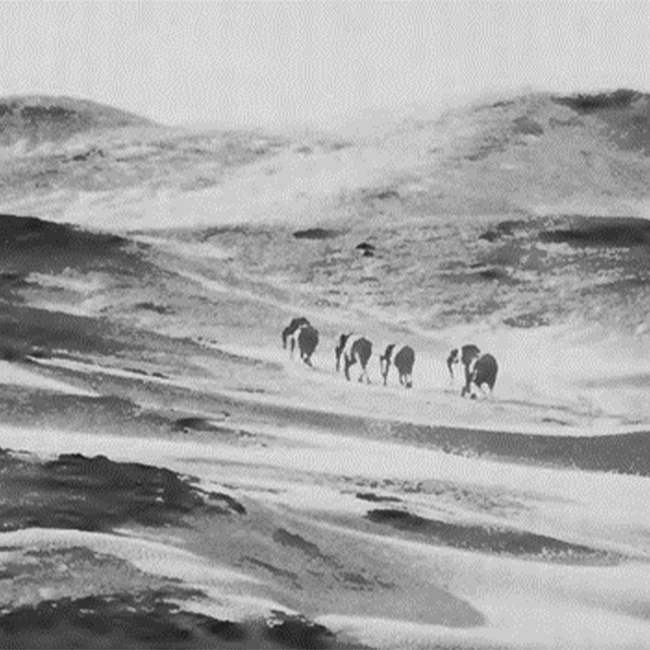
vintage photo of elephants in the desert

Figure 1. The desert-dwelling elephants of north-western Namibia (credit: C. Walker, 1982).

From the early 2000s, the EWT shifted its focus to carnivores, including Lions, Honey Badgers, Cheetahs, and Wild Dogs. Research on these species took place across southern Africa, including the Kalahari and Kruger National Parks. The EWT’s crane work has also expanded through a formal partnership with the International Crane Foundation, and the crane group became known as the African Crane Conservation Programme.
In the 2010s, research and publication of our results became vital for the EWT, resulting in approximately 130 publications. The species of interest expanded to include frogs, oxpeckers, Riverine Rabbits, and Ground Hornbills. The Threatened Grasslands Species Programme, which studied grassland ecosystems and its resident species such as the Blue Swallow and the Oribi, was also prominent during this time. Other important topics investigated were the threats to species, including road mortalities, livestock predation, wildlife poisoning, and bird-powerline collisions.
Even though it is only three years into the 2020s, the EWT has already recorded 96 publications, highlighting the organisation’s commitment to conducting valuable research and ensuring the dissemination of information to our audiences. The focus remains on employing robust sampling techniques to benefit the survival of threatened species. The EWT provides biodiversity data for scientific research and action and reviews environmental impact assessments in South Africa. We have also conducted studies on ranchlands to understand their biodiversity. Furthermore, the organisation has placed a greater emphasis on wildlife and law and business and biodiversity. It is also expanding into more cryptic but equally threatened species, such as Golden Moles, Dwarf Tortoises, and Colophon Beetles.
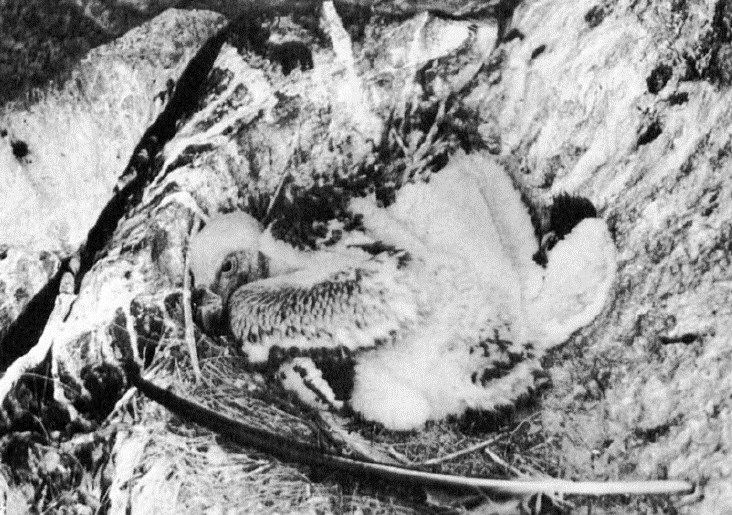
Throughout its history, the EWT has consistently prioritised the conservation of vultures. These birds remain a primary focus through the Birds of Prey and the Vultures for Africa programmes.

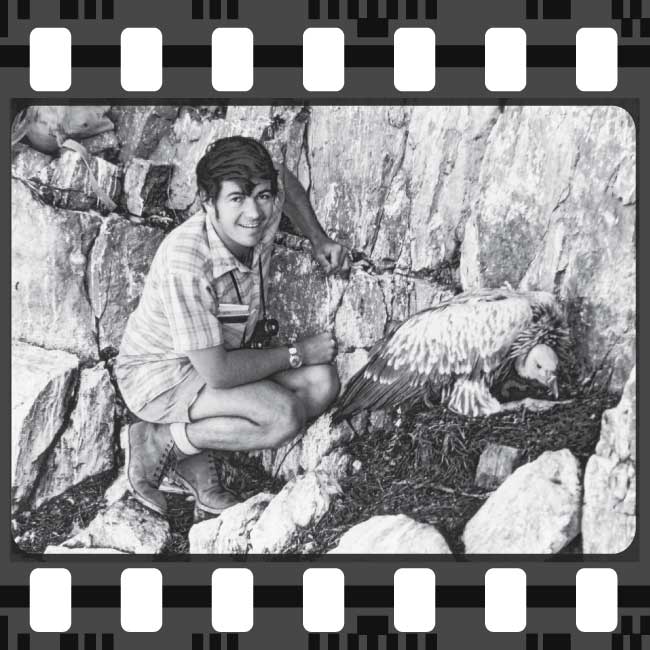
vintage photo of a cape vulture chick in the nest

Figure 2. A 51-day-old Cape Vulture chick (credit: P. Richardson, P. Mundy and I. Plug, 1986)

Tales from the Field: Dropping in on the eastern Riverine Rabbit population

Tales from the Field: Dropping in on the eastern Riverine Rabbit population

Dropping in on the Eastern Riverine Rabbit population

Dr Samantha Mynhardt and Esther Matthew, the EWT’s DRYLANDS CONSERVATION PROGRAMME
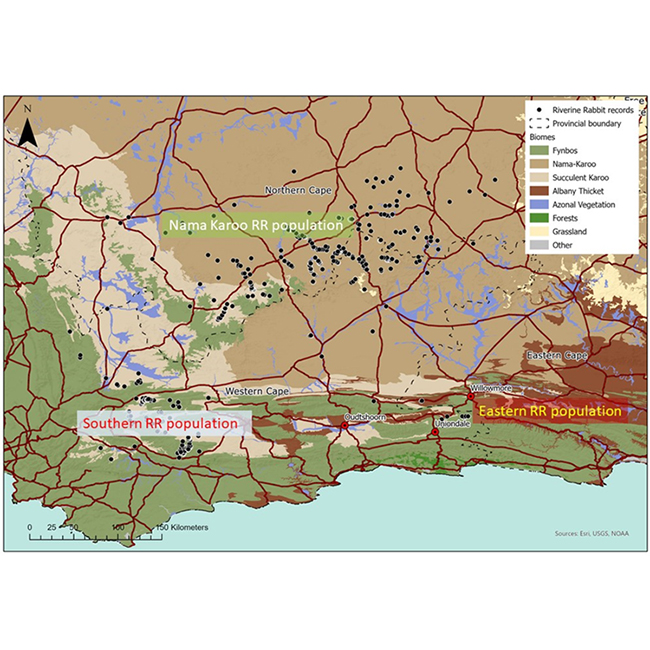
  •  The Critically Endangered Riverine Rabbit is regarded as one of Africa’s most endangered mammals, threatened predominantly by habitat transformation across the Karoo, resulting in a limited geographical distribution and seemingly small population size. The species is known from two populations: one in the Nama Karoo, where it was first discovered near Richmond in 1902, and one near Touwsriver in the Succulent Karoo, where the second population was discovered in 2003 (Figure 1). However, more recently in 2018, yet another, third population of these rabbits was discovered (through the correct identification of a roadkill specimen) just west of the Baviaanskloof, approximately 250 kilometres east of the known distribution. Research on the first two populations has been ongoing, however little to nothing is known about the third, most recently discovered population.
  • The Endangered Wildlife Trust’s Drylands Conservation Programme has been working on Riverine Rabbit conservation for over 20 years and has initiated a concerted effort to better understand this newly discovered population. Our aim is to investigate the geographic distribution of the species and any possible geographic links to the other two populations, and to gather genetic material to investigate genetic connectivity between the populations.


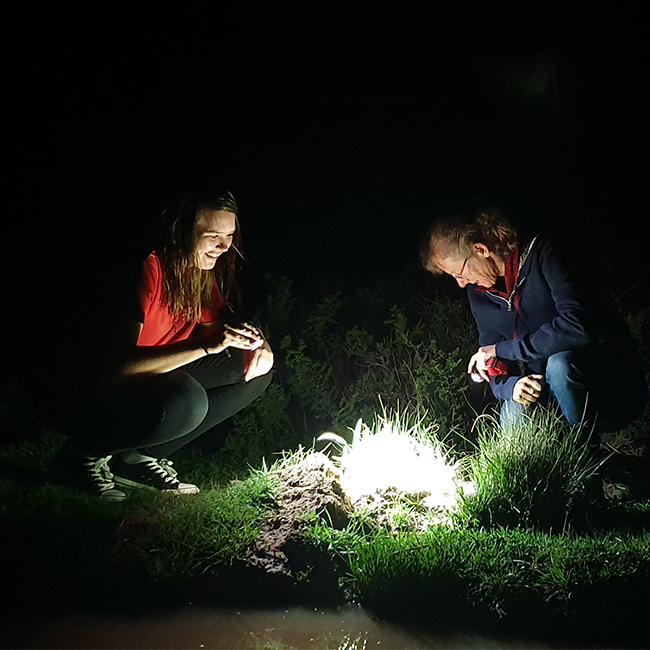
  • Earlier this month, three members of our team embarked on a field trip to collect Riverine Rabbit samples for this purpose. Dr Samantha Mynhardt is sampling rabbit scat (droppings) from all three populations for DNA sequence analysis, in order to map distributions and understand genetic connectivity, while Esther Matthew and her trained scent-detection dog, Delta, are assisting with establishing connections with farmers in the area, accessing properties, and locating (sniffing out) scat in the field. Delta, a two year old Border collie, is being trained to help us distinguish between the scat of different lagomorph species (hares and rabbits) in the field, to help increase efficiency.

Figure 1: Map illustrating the known extent of the three Riverine Rabbit populations occurring in three biomes across two provinces.

The Eastern population is located roughly between Uniondale and Willowmore, west of the Baviaanskloof. The species was described in 1902 from Nama Karoo specimens (northern population). The southern population was discovered in 2003 and the eastern population in 2018.

  • We surveyed four properties where our camera traps have detected Riverine Rabbits over the past couple of years, as well as an additional site, where the team spotted a live rabbit in the road. Rabbit scat was found at all the sites, in varying levels of abundance, and a total of 41 samples was collected from the five properties (eight distinct geographic sites). Samantha will extract DNA from a selected subset of these samples for genetic analysis. The DNA sequences will allow us to identify species, i.e. verify that the droppings are those of Riverine Rabbits, map geographic distributions, and investigate genetic connectivity between these samples and those of the other two populations.


  • Ultimately, the insights we gain from the population genetic analyses of these samples, regarding genetic connectivity of subpopulations, genetic diversity of the population as a whole, and of the subpopulations, and potentially also population size estimation, will help to inform and guide conservation management of the species. Perhaps the genetics will also unlock some of the secrets of the past distribution and origins of the populations.


  • This project is supported by our longest standing funder for Riverine Rabbit conservation work, the Zoological Society for the Conservation of Species and Populations (Zoologische Gesellschaft für Arten- und Populationsschutz – ZGAP). The team’s transport to sites is made possible by Ford Wildlife Foundation.


The Unseen Threat of Pampas Grass in South Africa

The Unseen Threat of Pampas Grass in South Africa

The Unseen Threat of Pampas Grass in South Africa

Dr Kerushka Pillay, the EWT’s WILDLIFE IN TRADE PROGRAMME

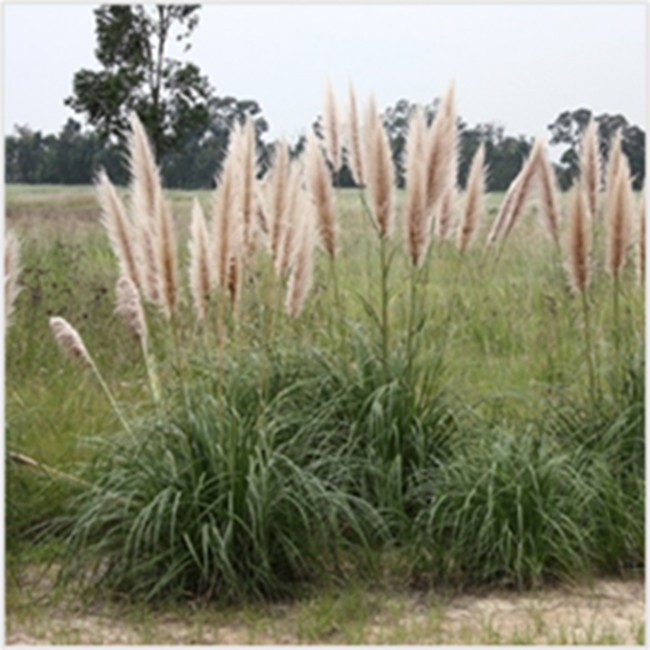
Pampas Grass, celebrated for its graceful plumes and enchanting presence, has found its way into countless South African homes and events, adorning weddings, and birthday parties and featured in bespoke interior decor. Its feathery inflorescences add an air of elegance and grace that many find irresistible. Yet, lurking beneath its captivating exterior is an ecological menace that demands our attention. The threat of Pampas Grass in South Africa is highlighted below, providing you with the basic knowledge and understanding of this unseen alien invasive species.

NB: Pictures used without permission from the internet


Pampas Grass: A Brief Overview

Common Name: Pampas Grass
Scientific Name: Cortaderia selloana, C. jubata (Poaceae family)
Alternative Common Names: Pampasgras; silwergras (Afrikaans)
Native range: South America – Argentina, southern Brazil, Uruguay, Paraguay, Argentina and Chile
Invasive Status in South Africa: CARA 2002 – Category 1a; NEMBA – Category 1b. Sterile cultivars or hybrids are not listed

Appearance and Origins

Hailing from the Pampas regions of South America, Pampas Grass is a robust tussock grass with a striking presence. Its clumps can reach impressive diameters of up to 3.5 meters, while its towering flowering stalks may soar to a height of 4 meters. The leaves of this grass are characterised by their greyish or bluish-green hues, often forming a V-shape in cross-section with rough margins. But the defining feature that captures our imagination is undoubtedly the feathery silvery-white to pink or mauve inflorescences that grace its presence from February to April.

Legislation of the Unseen Invader

In South Africa, Pampas Grass is regarded as an invasive species of serious concern. Classified as a Category 1a invasive species under the Conservation of Agricultural Resources Act (CARA) of 2002 and falling under Category 1b of the National Environmental Management: Biodiversity Act (NEMBA) National List of Invasive Species, this invasive menace has firmly established itself in the Western Cape, Eastern Cape, KwaZulu-Natal, and Gauteng provinces. According to CARA 2002, residents who fail to comply with a contravention notice could be fined R5 000 or sent to jail for up to two years, or both penalties, for a first conviction. This could be doubled at a second or subsequent conviction.

How you can help our cause:
DONATE VIA EFT:

The Endangered Wildlife Trust

FNB Rosebank (Branch code: 253305)

Account number: 50371564219

Use Reference: WIT

Historical and Present-Day Uses

In some mining areas, particularly those with soil erosion issues, Pampas Grass was employed for soil stabilisation on mine dumps. The dense root system and vigorous growth of Pampas Grass helped prevent erosion, reduce soil loss, and stabilise the soil on mining waste piles.

Pampas Grass is a highly sought-after ornamental plant with a multitude of decorative uses. Its tall stature and striking, feathery plumes make it a favourite in gardens and landscapes, where it serves as a captivating focal point, privacy screen, or windbreak. Pampas Grass plumes, prized for their beauty, are often featured in dried flower arrangements, adding elegance to interior decor and event settings, including weddings and special occasions. Additionally, its versatility extends to seasonal and holiday decor. However, while Pampas Grass is cherished for its aesthetics, it should be used responsibly, as it can be invasive in certain regions, necessitating proper management to prevent ecological harm.

Modes of Propagation and Spread

Pampas Grass employs two primary mechanisms for its relentless spread. Firstly, through seeds, the plant produces an abundance of them in an open panicle, allowing these seeds to be carried away by the wind. This ease of dispersion enables Pampas Grass to colonise new areas with astonishing efficiency. Secondly, beneath the surface, Pampas Grass extends its reach through rhizomes  (underground stems) that facilitate the formation of new clumps nearby. This subterranean network plays a vital role in its rapid expansion.

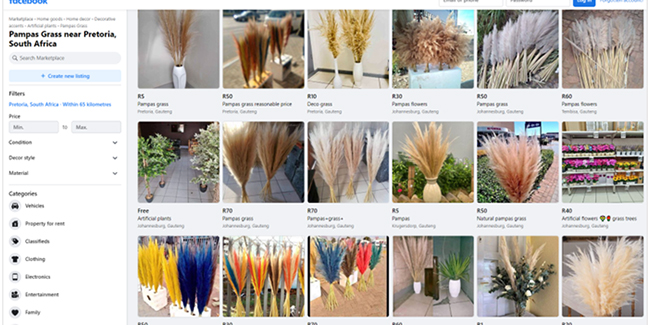
The invasive character of Pampas Grass presents a significant threat to ecosystems, causing habitat displacement as it competes vigorously with smaller indigenous grass species for vital resources such as water, sunlight, and nutrients, disturbing the delicate balance of local ecosystems. Furthermore, the sale and utilisation of Pampas Grass plumes, often laden with seeds, directly fuel the expansion of this invasive plant. This not only demonstrates environmental irresponsibility but also constitutes an illegal activity when used as decorative accessories for weddings, events, or decor.


What can you do?

  • Familiarise yourself with the legislation
  • If you manage your own land, keep it clear of Pampas Grass
  • Do not buy Pampas Grass from nurseries
  • Purchase faux, synthetic and fake Pampas for ornamental purposes
  • Report any Pampas sales to the authorities

While Pampas Grass may initially appear to be a charming addition to your home or event decor, it is imperative to recognise the potential harm it poses to South Africa’s precious natural environment. Responsible usage and a commitment to avoiding Pampas Grass are fundamental steps in safeguarding our native ecosystems. Let us make informed choices to ensure that the beauty we seek in our decorations does not come at the expense of our invaluable wildlife and habitats. Together, we can protect South Africa’s rich biodiversity from the silent threat of Pampas Grass.

Contact the EWT for more information.


Adverts featuring Pampas Grass for sale.


The Fragility of Africa’s Lions

The Fragility of Africa’s Lions

The Fragility of Africa’s Lions

Samantha Nicholson, the EWT’s Carnivore Conservation Programme


The African Lion (Panthera leo) is an iconic and culturally significant species, valued by both global public sentiment and local communities in many regions. Lions hold ecological value as apex predators, with their removal from ecosystems leading to adverse and long-lasting ecological consequences. Additionally, lions contribute to the economies of countries through tourism, attracting both photographic tourists and trophy hunters.
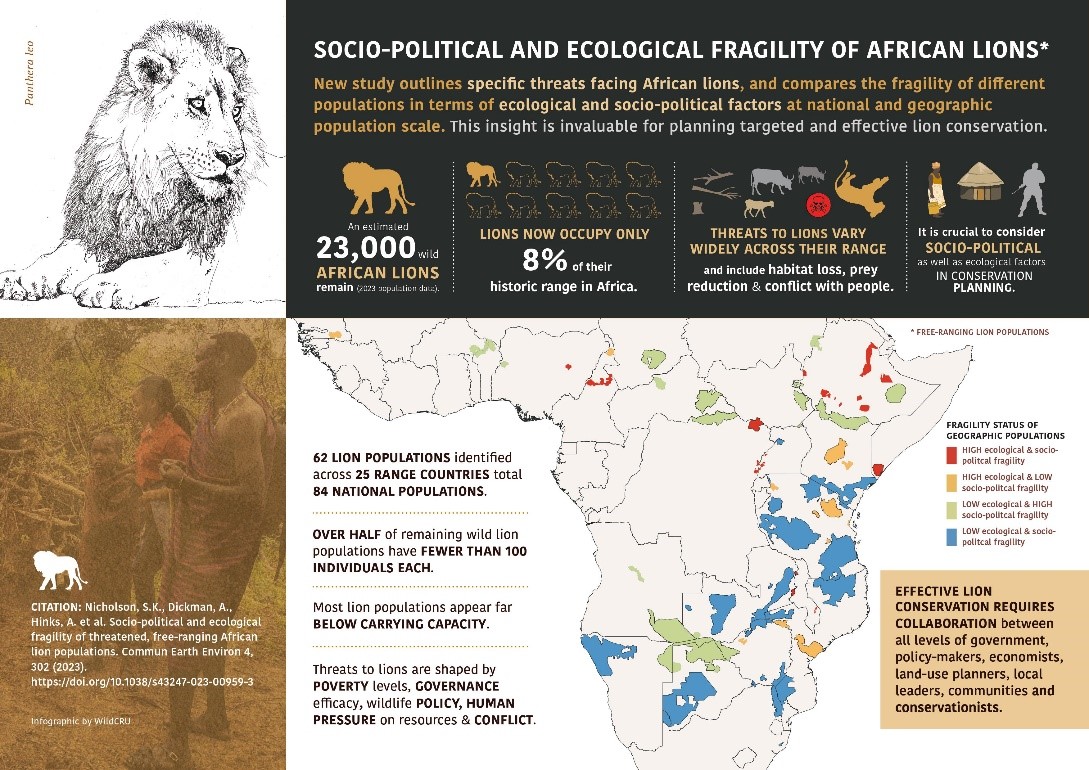
However, lion populations have dramatically declined over recent decades, with the most recent estimates suggesting 20,000 to 25,000 wild lions remaining in Africa, and they have been extirpated from 92% of their historical range. As such, effective conservation efforts are urgently needed, but the lack of comprehensive knowledge about specific threats and the socio-political contexts has hindered progress. The underlying drivers of lion threats are complex, involving socio-political factors such as poverty, governance (including corruption), wildlife policies, human pressures, and armed conflicts.
A recent study conducted a comprehensive assessment of the fragility of lion populations across their African range, considering both ecological and socio-political factors. The study first identified and mapped wild African Lion populations. The researchers then created two general categories of population fragility, ecological and socio-political, and identified factors in these two categories that may influence the survival of wild lions. For example, a smaller lion population or higher densities of people and livestock were factors contributing to higher ecological fragility, while higher corruption or lower GDP per capita would contribute to greater socio-political fragility. Once calculated, both socio-political and ecological factors were combined into a single overall fragility index, and each lion population was compared relative to all others. The fragility score does not suggest which lion populations deserve protection or funding. It does, however, highlight the varying ecological and anthropogenic pressures facing different population and which populations may require relatively more resources (financial or other) to conserve.

How you can help our cause:
DONATE VIA EFT:

The Endangered Wildlife Trust

FNB Rosebank (Branch code: 253305)

Account number: 50371564219

Use Reference: CCP LIONS


The combination of these two indices provided some interesting comparisons. Some populations may ultimately have similar fragility scores, but they are driven by different threats. Thus, while on the surface, the lone lion populations in Sudan and Benin may appear similar, they likely require different levels of investment and perhaps even different types of intervention for conservation to succeed. Pouring money into conserving Sudan’s lions may be relatively ineffective unless the socio-political factors such as the civil war are dealt with first. Thus, stakeholders, investors and conservation groups must be aware of these differences when approaching lion conservation and evaluating how much money, time or other investment may be needed to see success.
Our study revealed that Maze National Park in Ethiopia was identified as the most ecologically fragile population at both a geographic and national level. This can largely be attributed to intense edge effects from high densities of both cattle and people. When assessing at the national level, Cameroonian and Malawian lion populations were most ecologically fragile due to their small populations and isolation from other lion populations. Somalia was the most fragile lion range country from a socio-political perspective. Maze National Park and Bush-Bush (Somalia) were found to be the most fragile overall when ecological and socio-political fragility scores were combined.
Conservation is needed more than ever. Our study showed less than half of the 62 known remaining free-ranging wild African Lion populations have over 100 lions. African Lions remain in only 25 countries and nearly half of these nations have fewer than 250 individuals. Eight countries now house only a single wild lion population. Although lions are estimated at between 20,000 and 25,000 individuals, there is concern that these small populations and countries with few individuals will disappear.
These findings emphasize the need for more nuanced and precisely targeted lion conservation plans, considering both ecological and socio-political dimensions. As lions teeter on the brink of extinction, this research serves as a vital resource for informed conservation efforts. By considering ecological and socio-political factors, this model offers insights into factors affecting population persistence and successful conservation action.

Nicholson, S.K., Dickman, A., Hinks, A. et al. Socio-political and ecological fragility of threatened, free-ranging African lion populations. Commun Earth Environ 4, 302 (2023).

https://doi.org/10.1038/s43247-023-00959-3


People behind the paw: Clive Walker

People behind the paw: Clive Walker

People behind the paw: Clive Walker

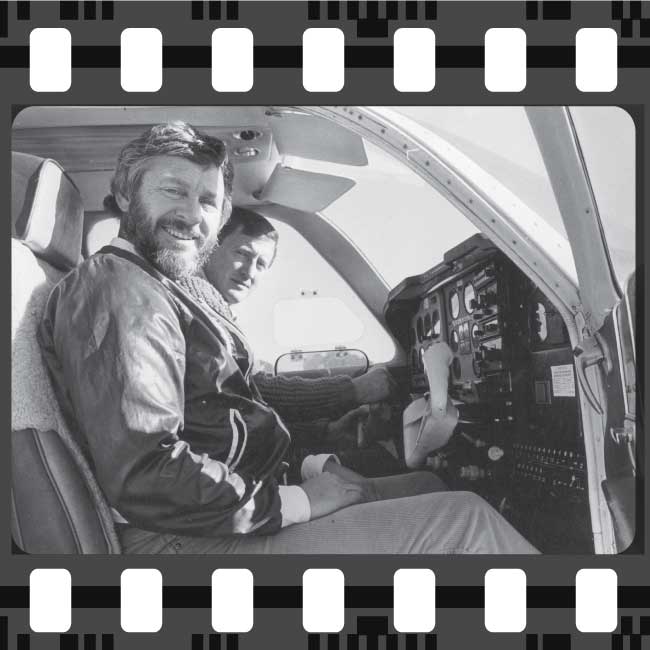
Clive Walker in a helicopter

Clive Walker in a helicopter

Clive Walker, Founder

My wildlife journey commenced as a teenager with my mother and aunt Peggy taking my brother Barrie, three cousins, and myself to the Johannesburg Zoo more than 76 years ago. My cousin Elizabeth and I were old enough to ride on the back of an Indian (Asian) Elephant. The zoo later stopped offering elephant rides, but I never got over the experience of riding on one of these amazing animals.

A few years later, after my mother purchased a 1948 Chevrolet 4-door sedan, I saw elephants and baobab trees in the Kruger National Park, both of which fascinated me and filled me with awe. My mother, grandmother, and aunt Francis, who was an ambulance driver in the Western Desert during World War II, accompanied us to the Kruger every winter for a week, camping in cottage tents with iron beds, water pitchers, iron chairs with wooden slats, and bathrooms we would have to find with a paraffin lantern in the evenings. The start of a long African safari.

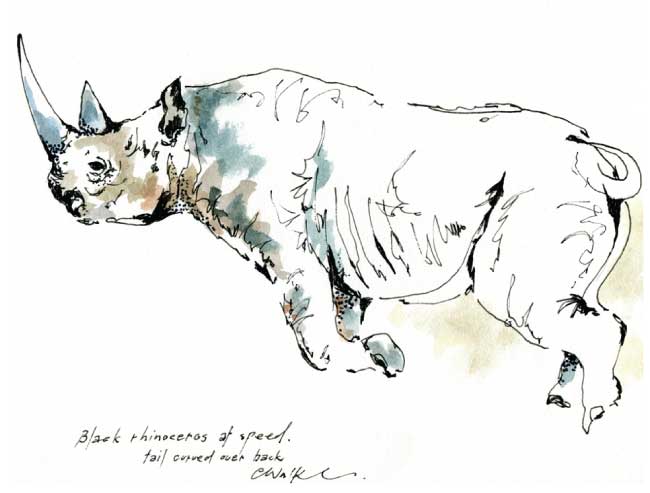
Elephants and rhinos have occupied much of my time throughout my life. In the case of elephants, I have ridden them, painted them (simply awful), witnessed them being hunted and culled, tracked them on foot as a ranger and a guide, fled from many, researched them, counted them, photographed them and in time painted better pictures of them, and devoted much energy to conserving them. My original journey into the realm of elephants commenced in the mid-1950s at the age of 21 when I accompanied my mentor and old enough to be my father, Hans Bufe, a South African of German descent on a safari into Portuguese East Africa (Mozambique) to hunt elephants. Yes, you read correctly. Over the next three years, I focused mainly on hunting and collecting – not only trophies but ‘knowledge’ gained from our Shangaan trackers, who knew even more than Uncle Hans. This knowledge proved invaluable when I was a ranger in Bechuanaland and later a ‘wilderness’ guide in elephant and lion country. The conservation world of today is not the world I grew up in, although most of my friends and my mother thought I was insane at the time and that I stood a good chance of being killed which bothered them more than my desire to shoot an elephant. Today’s world is very aware of the decline in the continent’s elephants and wildlife in general. The irony is that today we have far more elephants across Southern Africa than we ever had in the 1950s. In fact, by the turn of the 19th century, very few elephants survived outside of the Kruger National Park, which had few elephants to speak of.

When I stood in the great hall of the Natural History Museum in London one summer day in 1959 and gazed upon a fully mounted family group of elephants, a strange feeling of remorse came over me. What possessed me to think I wanted to kill one of these animals? I never again felt the urge to do so. The walking trails among elephants I led over the 20-odd years that followed were successful largely due to the knowledge I gained from my Shangaan trackers in Portuguese East Africa. I never once got into a situation where I had to kill an elephant or any other dangerous game in self-defence.

From London, I returned to Africa down the East Coast in January 1960 and realised a long-held desire to visit Kenya and, in particular, to view Mount Kilimanjaro, which I and four other shipboard companions did while staying in the Tsavo National Park. Around a million elephants still existed in Africa, and perhaps 100,000 rhinos. Twenty years later, I returned to the same park as the Director of the EWT, and it was an entirely different story I was to encounter. The park once held some 9,000 black rhinos, and all had died from drought and heavy poaching. They had become extinct, and I was devastated.

My conservation journey commenced as it did from my first ever five-day walking trail in the iMfolozi wilderness in 1972, which was to lead to a total change in my life’s direction and led to the founding of the Endangered Wildlife Trust in 1973.

On the edge of the ledge

On the edge of the ledge

The edge of the ledge – don’t look down!

Clive Walker, Founder

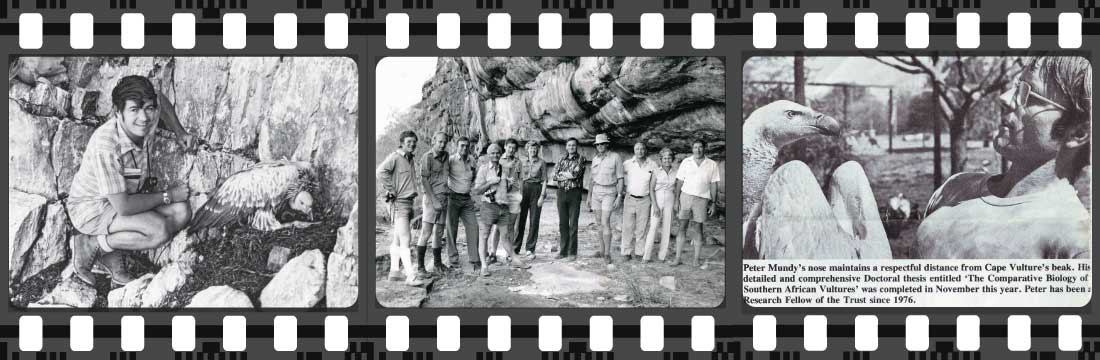
My entry into the world of vultures was at the invitation by John for me to spend a Saturday morning with the group in the Magaliesberg to the north of Johannesburg. My hosts were businessman Russel Friedman and a well-known ornithologist called Dr Peter Mundy. I had no idea what I was in for. Upon arrival at a private farm, I found a group with binoculars and telescopes sitting in deck chairs, scanning a rugged mountain landscape. Waiting for me was Russel Friedman, who was to escort me to the cliff face. I had not planned on climbing anywhere, and Russel looked like one of those disaster volunteers who rescued people in distress. I was about to be a victim. We headed to base, with me now wearing a helmet and beginning to feel I had shown too much enthusiasm.

What began as a gentle walk soon became an increasingly steep climb through grass and stunted bush, which turned into a rock face. Eventually, we reached a high running ledge with incredible views of Johannesburg in the distance and a man clad in a helmet with metres of rope wrapped around his neck. It was none other than Dr Mundy, doyen of the vulture world. Sitting on a narrow ledge flying vultures could be seen up close as they wheeled on spectacular widespread wings, and I knew then why these volunteers risked life and limb for them. However, when a large chick was pointed out to me, and I looked down, I realised, with horror, how high up we were and that the only way down was using the rope around Peter’s neck. I felt instantly ill and grateful that I wasn’t one of those volunteers.

Suffice it to say I never accepted another invitation from Dr Ledger, but after witnessing such passion and commitment from a group of volunteers for wildlife, I could not wait to get back down to earth and urge the board to support the Vulture Study Group. The board agreed, and a long and fruitful relationship took flight.


Filmstrip of members of the vulture study group in 1976

The brave volunteers of the Vulture Study Group. 1976

Why the Cheetah?

Why the Cheetah?

Why the Cheetah Paw?

Clive Walker, Founder of the EWT


Cheetah (Acinonyx jubatus)

“An Endangered species which has declined through loss of range, the insidious fur trade and shooting due to stock predation.”

The choice of the Cheetah as the EWT’s logo was an obvious one for me. My first encounter with this graceful, swift feline was as a game ranger in Bechuanaland in 1966. I came across a young, tame female in the garden of a farmer. Her mother had been killed because of predation on the farmer’s sheep before he realised she had a young cub with her. The cheetah was on a chain attached to a long wire, and she had the run of the large lawn. I got right up close to her and was deeply struck by the beautiful large eyes and the continuous purring sound.

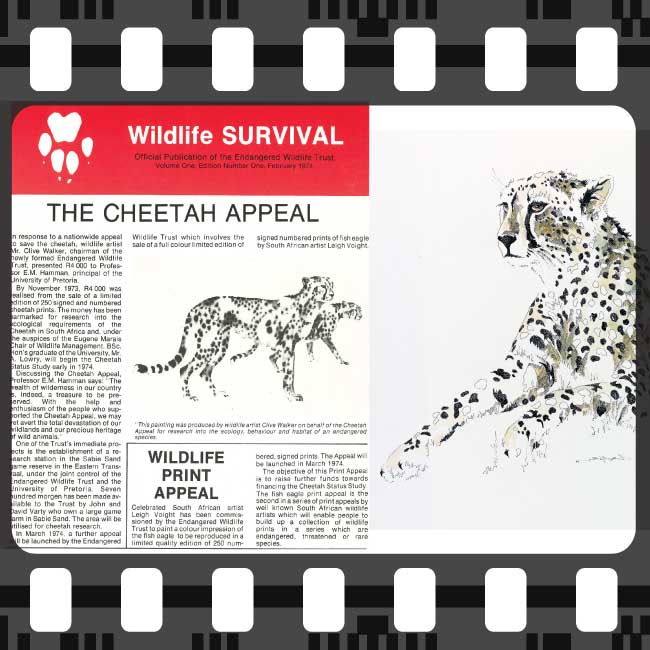
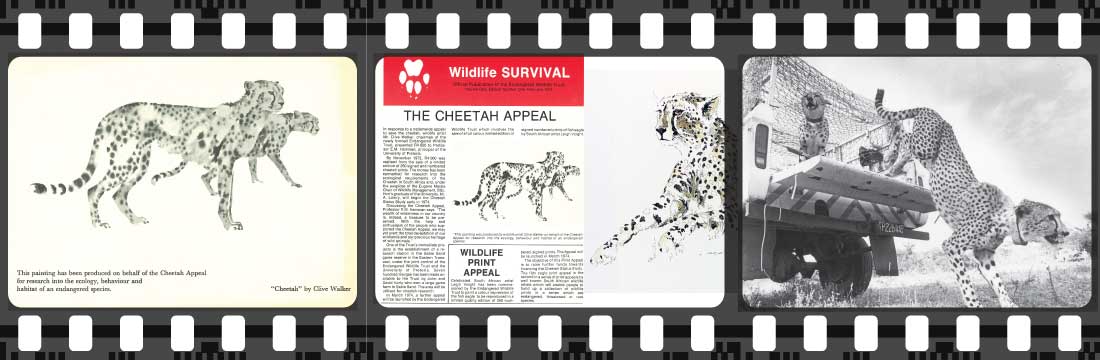
My next encounter was after visiting the Africana Library on Diagonal Street in downtown Johannesburg one Saturday afternoon in 1972. I was horrified to spot cheetah skins hanging like washing on a line in a ‘muthi’ shop. Even more so when the owner was happy to sell me one and advised me he could get more. The memory of it was etched in my brain as I thought back to my first encounter in Bechuanaland. I continued to prepare for an exhibition scheduled for October of the same year and included in my subjects a pair of cheetahs with the objective of following David Shepherd’s idea of a print appeal and at my own cost had 250 prints produced and announced as a CHEETAH APPEAL as James Clarke of the STAR newspaper opened the exhibition at the Lister Art Gallery in Bree street, Johannesburg on 1 October 1973. James was later to become a founding trustee of the Endangered Wildlife Trust. All numbered prints were sold at R20.00 each. After printing expenses, the appeal raised a nice sum of R4,500 to be donated for cheetah conservation.

As I write this today, in 2023, the cheetah is considered vulnerable, and with the transformation of the wildlife industry, it is in a far better position today than back in 1973, thanks in no small part to the work of the EWT and private landowners.

The original logo was adapted from the publication by the Late Dr Rheay Smithers, Mammals of Southern and Northern Rhodesia. Whilst accurate in dimension, the original paw lacked the small indentation between the back pad. This was rectified during Dr Ledger’s time after I retired in 1985.

Filmstrip with EWT logos over 50 years
The historical role of women in the ewt

The historical role of women in the ewt

Celebrating women in conservation

National Women’s Day draws attention to the challenges African women still face but also the ever-increasing opportunities for them to empower themselves.

In South Africa, August (Women’s Month) acknowledges these challenges and celebrates the many achievements of women in South Africa. It encourages others to learn from those who came before them and how they overcame the limitations they encountered.  Women now have louder and more powerful voices, playing a necessary role in highlighting many issues, including environmental degradation, women and child abuse, unequal pay, lack of good education for their children, and many more.

During this Women’s Month, the EWT pays homage to women in the conservation space who do their bit to save species, conserve habitats, and benefit people.

Meet these amazing women here and on social media under #EWTWomanCrushWednesday.

The historical role of women in the EWT

Clive Walker, Founder and Former Director of the EWT

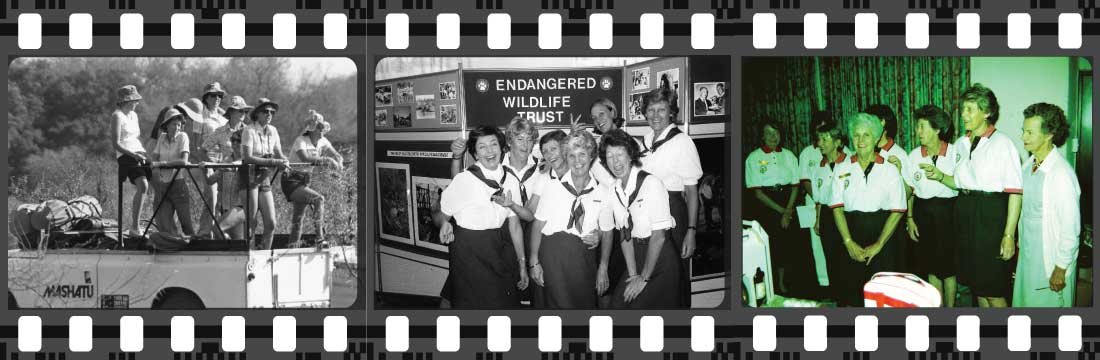
In 1975, I took a group of eight women on a walking trail in the Mashatu Game Reserve in northeastern Botswana. They had told their husbands they were off to the bush for five days, and their husbands had to take care of their kids while on ‘trail’. Among them were Wendy Farrant, whose husband was an EWT trustee, and her friend Joy Cowan. Both husbands were accountants who made up a number of the professionals who made up the board of directors. The very first afternoon, we encountered on foot some 100 elephants standing in the dry Shashe river bed that borders Zimbabwe. One can only imagine the experiences that were to follow over the next four days. On the last night around our campfire, a number asked what they could do to help the EWT as they had become so fired up by their experiences, and my response was why don’t we form a ‘ladies’ committee’ and, after discussing it with the board, we did just that. The committee consisted of Wendy Farrant, Jill Morrison, Felicity Street, Joy Cowan, Maureen McCall, Jenny Doak, and Conita Walker. As volunteers, they contributed 100s of hours in administration work, ran all the fundraising functions, organised three symposiums and various workshops during my tenure and became the flag bearers of the Trust’s work. I must commend my secretary, the late Petra Mengal, who ran the zoo office, and my PA, Jane Zimmerman, who were the only two permanently employed staff and were a tower of strength to the organisation.


Ladies accompanying Clive Walker on a wilderness trail in the Mashatu Game Reserve in northeastern Botswana in 1975 (Left) and The Endangered Wildlife Trust’s Ladies Committee , formed in 1975. As volunteers, they contributed hundreds of hours in administration work, ran all the fundraising functions, organised three symposiums and various workshops, and became the flag bearers of the Trust (Right).

FAST FORWARD TO 1999

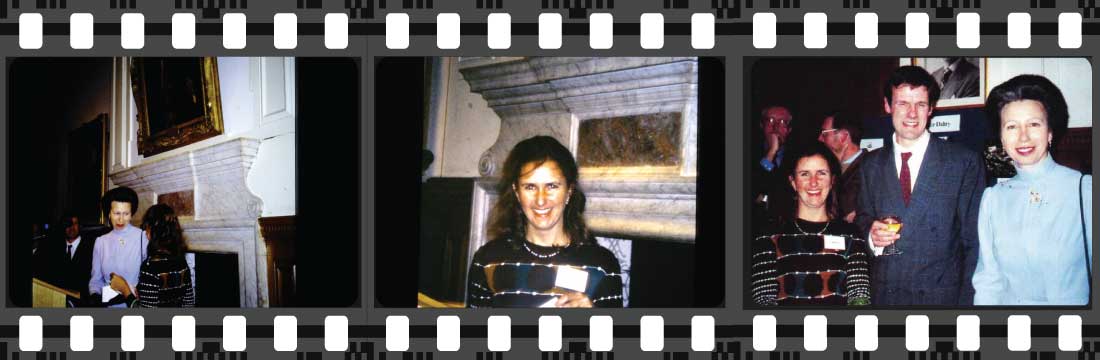
Twenty years later, another woman was trailblazing through conservation – the conservation of cranes in particular. Lindy Rodwell cofounded the EWT’s  South African Crane Working Group (SACWG) with Kevin McCann, having established and grown the Highlands Crane Group two years prior. The SACWG was formed to coordinate all crane conservation efforts across South Africa. In 1999, Lindy was the first person from the EWT, and from South Africa, to win the Whitley Award, often referred to as the ‘Green Oscars’. The award is awarded annually to individuals from the Global South by UK-based conservation charity the Whitley Fund for Nature.


Lindy Rodwell, Edward Whitley Junior, and HRH Princess Anne at the 1999 Whitley Awards at the Geographical Society in London. Lindy won a Whitely Award for her work conserving cranes.


A word from the CEO August 2023

A word from the CEO August 2023

Word from the CEO

 
Yolan Friedmann, CEO


As we mark Women’s Month in South Africa, with Women’s Day being celebrated on 9 August annually, it is worrying that a 2022 report by the UN states that gender disparities are, in fact, worsening globally and that it will take nearly 300 years to achieve gender parity at the current rate of global gender transformation. Despite efforts by NGOs, community groups and government agencies around the globe, drivers that have amplified this negative trend include the COVID-19 pandemic, conflict, climate change and a backlash against the rights of women to own and manage their own reproductive health. As a result, most countries stand no chance of achieving the targets set under SDG (Sustainable Development Goal) number 5 by its 2030 deadline.

In many countries, there are not even laws that ban violence against women or protect their rights in marriage, and it is feared that this may continue to exist for generations to come. The UN warns that at the current rate of progress, it will take up to 286 years to close gaps in legal protection and remove discriminatory laws, 140 years for women to achieve equal representation in leadership positions in the workplace, and 40 years for the same to happen in national parliaments. Instead of seeing a rapid and meaningful decline in poverty and poor education of girl children, by 2030, it is estimated that more women and girls in sub-Saharan Africa will live in extreme poverty than today.

One of the tools that needs urgent and focused attention with significantly increased resource allocation is, of course, education. Each additional year of schooling can increase a girl’s future earnings by up to 20%, according to the report, with further impacts on poverty reduction, better maternal health, lower child mortality, greater HIV prevention and reduced violence against women. A study in 2013 on education and fertility in Ethiopia estimated that an additional year of schooling in Ethiopia would lead to a 7% reduction in the probability of teenage birth and a 6% decrease in the probability of marriage. Furthermore, the same study showed that 61% of women with no schooling have a child before turning 20 compared to 16% of women with eight years of schooling.

Additionally, women with eight years of schooling would have a fertility rate 53% lower than those without schooling at all, and female education has a greater impact on the age of marriage and delayed fertility than male education.

The EWT has a range of initiatives aimed at empowering and supporting women and girls to own their own bodies, own their own lives and own their own futures. The ICF-EWT Partnership has constructed private, dignified girls-only toilets in communities in Uganda, thus supporting girl children to attend school when they have their periods. It has also handed out hundreds of environmentally sustainable sanitary ware products to girls in rural communities in Limpopo with the same objective. We run several projects to train and empower women to earn their own livings and feed and support their own families. Across many of our programmes, gender equality is supported through workshops, education drives and awareness programmes that empower girls, offering them opportunities for further education and development. We are proud that we are one of the few female-headed conservation NGOs in the country and have a ratio of 50:50 women to men in the organisation.

However, we also recognise the startling fact that this is not enough and that more needs to be done if society is to make inroads towards gender balance and the promotion of the equitable and just treatment of women. Even when women are empowered to take their rightful places in society in business, politics and academia, they remain more likely to be the subject of cyberbullying, workplace harassment, discrimination, violence, and hostility, even as educated, empowered members of society.

During Women’s Month 2023, the EWT pledges to do more to promote the fair, equitable and dignified treatment of all women. And of all men. This goes for our staff, volunteers, communities, colleagues, partners, and everyone we interact with. We pledge to do this every day and for every year hereafter, for until we have a world that values and respects all human forms of life, we cannot ever expect or hope to achieve this for our wildlife and animal counterparts.  

#TheNextFifty

Yolan Friedmann