Donate today: support our k9's 
 mission

The Endangered Wildlife Trust Ex-Chairman looks back on 15 years of leadership

The Endangered Wildlife Trust Ex-Chairman looks back on 15 years of leadership

The Endangered Wildlife Trust Ex-Chairman looks back on 15 years of leadership


As the Endangered Wildlife Trust (EWT) bids farewell to Board of Trustees Chair Dirk Ackerman, we also welcome him as Deputy Chair of the Board.
In his new position, Ackerman will be supporting newly elected Board Chair Muhammad Seedat during a year-long transition.


Ackerman, who is by no means retiring from playing a key leadership role in one of South Africa’s most loved conservation NGOs, speaks with fondness of his time as Chair of the EWT Board, assuring all that he will always remain attached to the conservation cause that is close to his heart.

Ackerman, who served as Board Chair for almost 15 years has also been a member of the Board for two decades. His passion for the natural world was developed as a child playing in the bush and accompanying his conservationist neighbour on forays into the veld to identify and locate different species.

His first acquaintance with the EWT was when, as CEO of the Airports Company South Africa at the time, he reached out to erstwhile CEO, Dr John Ledger, a keen birder, about the concerns he had at the way the bird problem at airports was being handled. Ackerman was unhappy at the methods being used by the airports company to rid the runways of birds to reduce bird strikes by planes. This led to the EWT entering a Memorandum of Understanding with the Airports Company SA to employ a variety of environmentally friendly practices to deter birds and other wildlife from ACSA airfields, one of which was the pioneering use of dogs to scare birds away from the airfield. Similar projects were also undertaken by the EWT in collaboration with the SA Air Force at military airports.

Under the leadership of Ackerman and the Board, working closely with CEO Yolan Friedmann, the EWT is today a stable and thriving organisation marked by good governance. It is an organisation that can ably compete internationally through its conservation work, as well as in terms of its credible research and work with communities.

“As we move into the next 50 years of the EWT, the aim is to ensure that as we internationalise the EWT we keep ownership of the Endangered species profile,” Ackerman said.

Ackerman speaks with pride about the decision by the Board to acquire land for conservation. This includes the Soutpansberg Protected Area in Limpopo where more than 1,800 species are now being protected; and where eco-tourism, regenerative agriculture and community development projects are underway. Another land purchase includes the EWT’s Conservation Campus in Midrand which, as a conservation hub, is showcasing South Africa’s biomes and is an example of urban conservation to all who visit.

“The old and new EWT, the EWT of the future, is like chalk and cheese. Through hard work, we have improved the capacity of the organisation so that it is now at a point where it can expand and reach new heights, fully able to meet its three objectives: Saving Species, Conserving Habitats and Benefiting People.

“The EWT has proved that it can deliver, that it is proficient and an example of good corporate governance. We can deliver at the coalface of matters of environmental importance. Our objective is to be leaders in science and environmental matters.

Mahatma Gandhi once said: “The greatness of a nation can be judged by the way its animals are treated.”

“I will continue to put my entire heart and soul into making sure that our wildlife is respected; our environment is conserved and the communities that depend on both are thriving parts of our story,” said Ackerman.



A word from the CEO February 2024

A word from the CEO February 2024

Word from the CEO

 
Yolan Friedmann, CEO


Turning 50 brings with it a level of maturity, wisdom and some well-deserved scars on your back, for most people. For the EWT, it meant galvanising action, stimulating energy and consolidating our plans for a more impactful and far-reaching future for all. We are now at an age that means we can pause for a few minutes, celebrate our numerous victories and reflect on how much we have learned from that path we took; but we are also wise enough to know what we need to learn more, reach further and aim higher if we are to ramp up our impact in the face of declining state of our natural world. Numerous reports are published every year that provide ample evidence of the devastating effect of humans and our unquenchable penchant for transforming the planet beyond the threshold of its natural boundaries, with the results being escalating extinction rates, loss of ecosystem services, the warmest days, and years on record, calamitous weather events, life threatening disease transmission and pandemics, and all in all, reduced human resilience in a world that we are changing faster than most species, humans included, can adapt to.

On 12 February 2024, the Conservation of Migratory Species of Wild Animals (CMS) released its first-ever State of the World’s Migratory Species report which read like a horror story for multiple species whose existence depends on their ability to traverse countries and continents as they have done for millennia, with the changing seasons. The report detailed how nearly 44% of the species listed under the CMS are showing signs of decline and more than 22% are threatened with extinction. Nearly 87% of the fish species listed in the CMS and are threatened with extinction, and the extinction risk for migratory species is growing globally. Humans are doing this to these species, primarily by means of our overexploitation of these species, and the loss of their habitat due to human activity. Climate change, pollution and invasive species are also profoundly impacting most migratory species. In short, humans are killing or removing wildlife from their habitat, at rates faster than they can sustain, and are destroying their habitat and/or making it uninhabitable due to our waste products and greed.

Moving over to the 2024 version of the World Economic Forum annual Risk Report where the picture is not much rosier, even from the perspective of governments and businesspeople and not just scientists. In the 2024 WEF risk report, environmental risks continue to dominate the risks landscape with two-thirds of respondents ranking Extreme Weather as “the top risk most likely to present a material crisis on a global scale in 2024”. Extreme weather has also been viewed as the 2nd most severe risk over the two-year timeframe and nearly all environmental risks feature among the top 10 over the longer term. Younger respondents tend to rank Biodiversity Loss and Ecosystem Collapse, and Critical Change to Earth systems risks far more highly over the two-year period compared to older age groups, with both risks featuring in their top 10 rankings in the short term. Perhaps because they have the most to lose.

Our natural world is not better off as we enter the new year, and with every new year, there is less time to waste. The EWT is spending the first half of our new year rigorously examining our strategic approach, and drafting a cohesive high-level strategy that will see us tackle the most pressing challenges through important goal setting across the thee pillars of saving species, conserving habitats and benefitting people. As a leading conservation agency in southern Africa for five decades, we will continue to remain at the forefront of conservation impact, but we know that our rapidly changing world continually needs new thinking and bigger plans if we are to remain ahead of the extinction tide. We are not afraid of the challenge and we invite you to join the journey of Protecting Forever, Together as you have done for the past fifty years. We cannot rewrite history, but we can influence the future and for us, saving forever starts today.  

May your year ahead be one of prosperity and peace; thank you for being part of the Next50.

Yolan Friedmann,

CEO, Endangered Wildlife Trust


Endangered Wildlife Trust welcomes new Board of Trustees Chairman

Endangered Wildlife Trust welcomes new Board of Trustees Chairman

Endangered Wildlife Trust welcomes new Board of Trustees Chairman


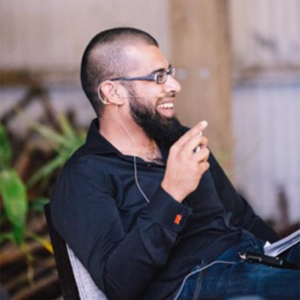
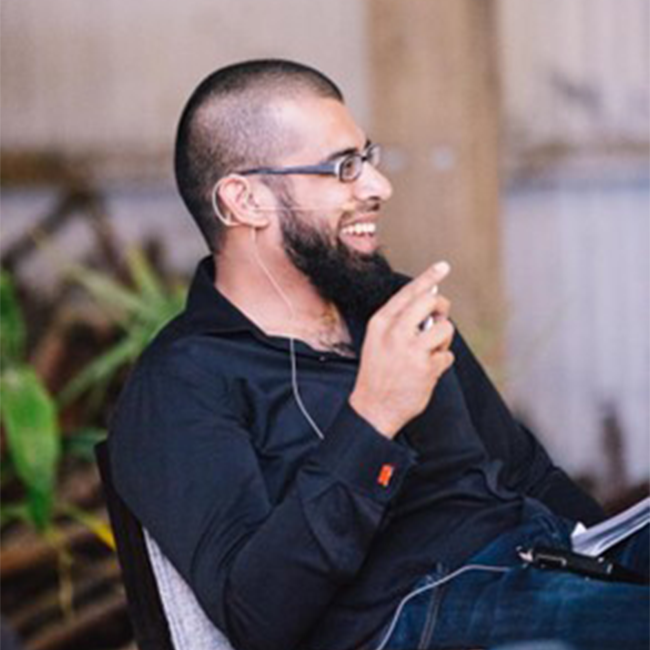
The Endangered Wildlife Trust welcomed Muhammad Seedat as the new chair of the Board of Trustees at the end of January.

Elected during the Board meeting, Seedat, enters a seat that will guide the organisation into the next 50 years of conservation and research excellence.

Seedat joined the EWT Board in 2015 and has served on the Audit and Risk Committee and

Remuneration Committee since its inception. A keen hiker, cyclist, social runner, and avid cricket supporter, he believes that the EWT is poised for exponential growth based on the strong and solid foundation built by the previous, and current, leadership and team.

“It is, and will, become a stronger global player and advocate for conservation,” said Seedat. “Speed of change in the world we live in is exponential and we need to embrace that speed to soak up the opportunities that lie before us.”

As the newly-elected chair, Seedat will embark on the EWT re-clarifying its strategy and ensure that, in simple terms, “we understand where we are going, how we are going, but, most importantly, why we are heading to the destination of conservation excellence”.

Seedat explains that Simon Sinek’s concept of the ‘Power of Why’ determines your purpose.

“Passion drives that purpose. In our pursuit of a better tomorrow, the EWT’s work is fundamental and critical to the protection of species and habitat so that those who come after us have the opportunity of experiencing what we have the ability to experience,” he said.

In his first 100 days, Seedat aims to set plans in place for a more efficient operation that is geared for growth and the execution of the many opportunities that lie before the EWT. He added that this again is based on the strong foundations that have already been laid.

Although funding remains an issue for non-government organisations, such as the EWT, he believed that the not-for-profit body is well placed to curb this due to the brand that has been built and will continue to strive and thrive.

“Sustainability will always be a concern, but the opportunity is to build diverse income stream.

Donor fatigue remains an international challenge, but it is our aim to become the donee of choice based on the value returns the EWT delivers in terms of its programs and the dream for a better tomorrow,” said Seedat.

He was drawn to the EWT through the work that was being done by the organisation and its “utter importance” within the context of the world of today.

Seedat believes in the need for a better tomorrow, for those who come after us, a better world for our children.

“It would be a travesty if we had to explain to our grandchildren why an animal and species was extinct when we had the ability to prevent such a disastrous case,” said the father of four. “It is of vital importance that we educate our children and make them aware and conscious of how we need to tread lightly on this beautiful planet, so we ensure that their children and grandchildren have the ability to experience what we experience. We also need to educate them as to what the repercussions will be should we not be consciously aware and do all that is possible to minimize the effects of climate change and resultant impact.”

To achieve greater involvement by young people in the environment, requires getting them into the wild so that they can experience the real world “rather than one in front of a screen”.

Working with communities is of vital importance, he said, especially because of the already visible effects of climate change.

“Food security will be one of the most important considerations of the future. No loss of life that is preventable is acceptable. This proves that the EWT’s community programmes play an important role in advocacy, awareness, and prevention of climate change and of further importance, preservation of our amazing world,” he said.

In every organisation he has got involved in, his aims have been simple – to leave the organisation better than he found it and to begin with the end in mind. His aim is to ensure that the EWT becomes the leading organisation and expert in conservation excellence internationally.

He firmly believes there is a need for scaling up building on the strong foundations that have been laid, and that opportunities multiply if executed efficiently and effectively.

“We need to be focused on excellence in all we do,” said Seedat. “We are on this train together and we need to be moving in the same direction. Culture eats strategy for breakfast, and I implore each and every employee to imbibe and further build the culture of the organisation.

“We need to all be working towards the common vision of the EWT. The Board and I stand behind Yolan as the leader of this organisation, having led and built it over the past years,” said Seedat.

First Cheetah swop in the EWT-led Cheetah Range Expansion Project

First Cheetah swop in the EWT-led Cheetah Range Expansion Project

First Cheetah swop in the EWT-led Cheetah Range Expansion Project


 The Cheetah Range Expansion Project has recorded a major success with the relocation of three male Cheetah from Malawi to South Africa.
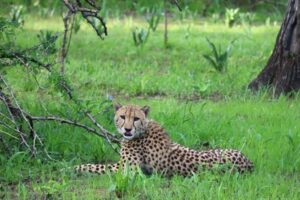
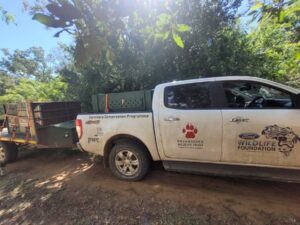
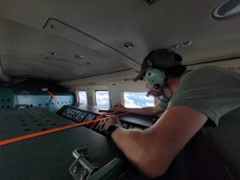
The success has also included the introduction of two female Cheetah to Malawi. These translocations are part of a project to ensure the genetic diversity of a species that is listed on Appendix I of the Convention on the International Trade in Endangered Species of Wild Fauna and Flora (CITES).

This is the first time since the start of the project to reintroduce Cheetah populations to neighbouring range states that one of these protected areas has been able to contribute back to the source population in South Africa.

The Cheetah Range Expansion Project (formally the Cheetah Metapopulation Project), launched by the Endangered Wildlife Trust in 2011, aims to increase Cheetah numbers, reduce Cheetah-human conflict and create genetically diverse Cheetah populations while protecting the demographic integrity of these populations.  The project’s focus was expanded in 2017 to include other southern African countries and, by working with African Parks to return Cheetah to Liwonde National Park in Malawi. Since then, the Cheetah metapopulation in southern Africa has recovered from only 274 cats in December 2012 to over 400 individuals in 2023.

The introduction of Cheetah to Liwonde National Park marked a return of these special cats to Malawi following their local extinction 20 years before.   Since reintroduction, the population has flourished and now sits at 21 individuals. This makes it one of the largest Cheetah populations within the Cheetah metapopulation.

In fact, Liwonde’s population has done so well that they’ve been able to send Cheetah to help build additional populations in Malawi and Mozambique.
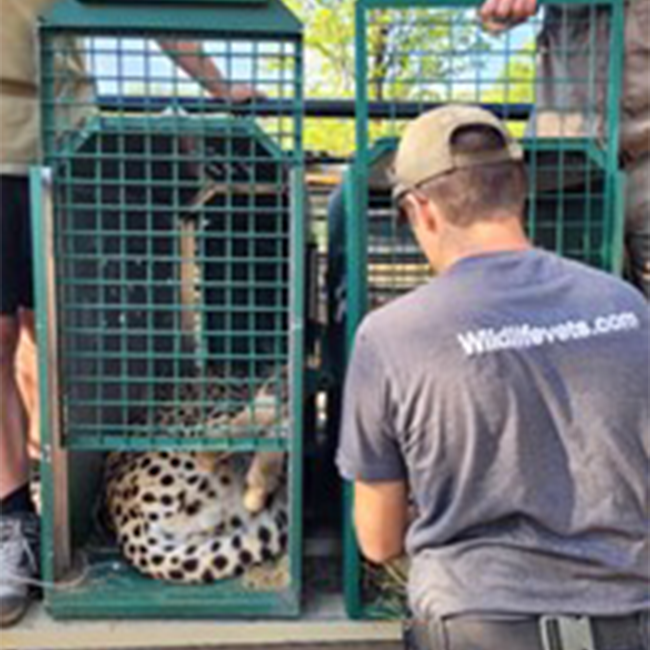
However, managing the demographics and genetics is an ongoing job. That is why in December the EWT brought two new females from South Africa to Liwonde National Park and removed a group of 3 brothers who were at high risk of inbreeding, bringing them back to South Africa.

The two female Cheetah were donated by the Manyoni Game Reserve and the Tswalu Kalahari Reserve through the EWT’s Cheetah Range Expansion Project. The three male Cheetah were born in Liwonde National Park and were donated to the Greater Makalali Nature Reserve.

During the relocations in December 2023, the Cheetah were flown to and from Malawi by The Bataleurs. On this occasion, the plane was piloted by Mercy Air’s David Schumacher.

This first continues to be a proud moment for the EWT team, given that this successful introduction and relocation of these Cheetah has set a precedent for the future of the Cheetah metapopulation. It is a testament to the success of our reintroduction efforts as well as, the ongoing management and protection of this population.

We are happy to report that the females were released on 30 December 2023 into Liwonde National Park and have settled in well. The males are soon to be released into the Greater Makalali Nature Reserve and are part of a larger Cheetah restoration effort for the reserve which hasn’t seen population growth or breeding in many years. This larger restoration project is being conducted in partnership with Ashia Cheetah Conservation and together a total of eight Cheetah will be introduced into Makalali in the next few months.
The EWT would like to thank Paul King, the Ford Wildlife Foundation, the Tandy Foundation and MetroFibre for your support of this momentous translocation.


Healthy wetlands are critical for crane conservation, says the Endangered Wildlife Trust

Healthy wetlands are critical for crane conservation, says the Endangered Wildlife Trust

Healthy wetlands are critical for crane conservation, says the Endangered Wildlife Trust

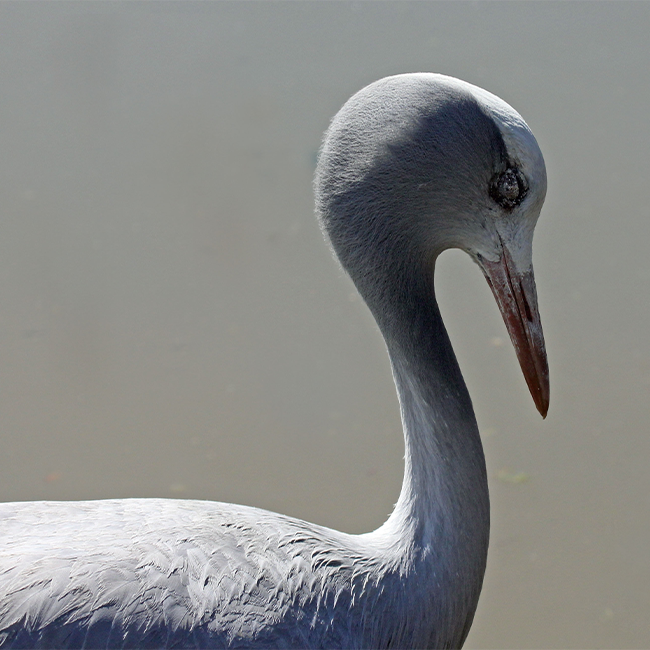
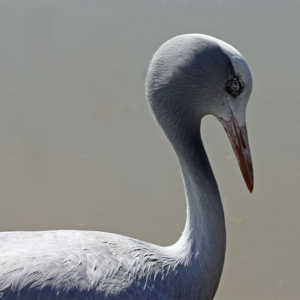
World Wetlands Day, celebrated annually on 2 February, provides an opportunity to celebrate wetlands, which are critical for people, the environment, and biodiversity – including South Africa’s National Bird, the Blue Crane.

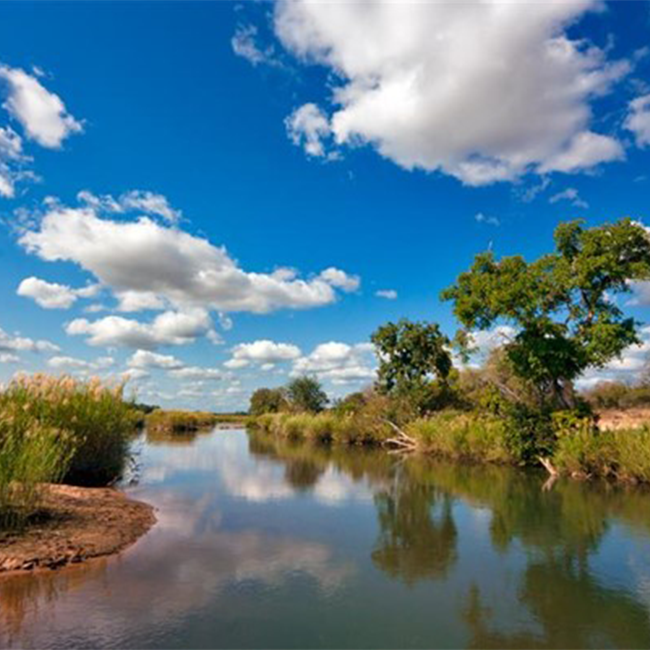
Wetlands come in all shapes and forms, from estuaries along our beautiful coastlines and high-altitude inland wetlands within the grasslands of Mpumalanga, to the hard-working wetlands within our urban landscapes. Much of our conservation effort within the EWT is centred around the protection, restoration, and management of wetlands and the catchments that feed them, and we encourage South Africans to celebrate World Wetlands Day with us each year.

Two of South Africa’s three crane species, the Grey Crowned and Wattled Cranes, are completely dependent on wetlands for their survival – yet both are threatened with extinction. Their threatened status mirrors the loss of wetlands in our country, with an estimated 50% of wetlands completely transformed in South Africa. The African Crane Conservation Programme (ACCP), a partnership between the EWT and the International Crane Foundation (ICF), has used these charismatic, long-lived birds as “flagship” species for wetland protection, restoration, and management. By securing conservation attention for conserving cranes, we not only succeed in conserving the cranes, but we simultaneously conserve the wetlands that provide cranes, people, and other species, with essential ecosystem goods and services.

Cranes are large and long-lived, elegant, birds, and their trumpeting calls and carefree, bounding courtship dances are iconic and wonderful to watch. Some people see cranes as symbols of peace, happiness, and longevity because of their lifelong devotion to their mates. But sadly, despite the love that people have for cranes, crane populations have declined globally, and in South Africa, particularly in the face of habitat change and loss. Without careful management, many crane species are doomed to extinction. Ten of the world’s 15 crane species are threatened: all four of sub-Saharan Africa’s resident crane species – Blue Crane, Grey Crowned Crane, Wattled Crane, and Black Crowned Crane – are threatened by habitat loss and disturbance, illegal wildlife trade, collisions with power lines, electrocutions, and poisoning. If we can secure their wetlands, we can improve the prospects of these species and ensure they have a viable future.

In South Africa, numerous successful partnerships have been forged by the EWT with landowners, conservation authorities and other conservation NGOs to conserve wetlands. Examples of these are areas such as the Upper Wilge Protected Environment (UPWE), the Greater Lakenvlei Protected Environment and Cedarville Protected Environment as well as in the Karkloof and Hlatikhulu Valleys where the EWT/ICF African Crane Conservation Programme has had a long-term partnership with landowners.

The EWT/ICF partnership spans more than 30 years and spans beyond South Africa’s borders to southern and East Africa. While the ICF kickstarted community-based crane conservation work in East Africa and Zambia, the EWT focussed on cranes in South Africa. However, from around 1999, ICF and the EWT started collaborating more on crane conservation efforts across the continent, and in 2005 an official Memorandum of Understanding was concluded between the two organisations.


The EWT/ICF partnership is presently operational in the Kafue Flats of Zambia, and in the wetlands of western Kenya, in northern Rwanda, and across southern and southwestern Uganda, where human activity is also placing increasing pressure on wetlands.

In Zambia, for instance, the Kafue Flats in southern Zambia is not only an internationally recognised floodplain that has been designated a Wetland of International Importance (Ramsar Site) but is also a UNESCO Man and Biosphere Reserve in recognition of the human benefits drawn from its ecological condition. The Flats is home to 30% of the world’s population of Vulnerable Wattled Cranes, as well as Endangered Grey Crowned Cranes.

But the Kafue Flats is under severe and increasing pressure from wildlife poaching, human settlements deep inside the floodplain, unregulated livestock grazing and fishing, alien invasive vegetation, drought/water stress, and other threats. Thus, the importance of the work being done through the partnership to conserve not only threatened crane species, but also the wetlands through the clearance of invasive Mimosa pigra plants under the leadership of the EWT/ICF’s African Crane Conservation Programme. This has seen the Wattled and Grey Crowned Cranes and numerous other plants and animals starting to return to the area. We have also formed 20 Conservation Clubs, including 800 pupils and 82 teachers from 13 schools near the flats, and we are deploying newly trained community scouts to protect its wildlife and create jobs.

Further afield, the wetlands of Uganda are used as a critical nesting habitat by the Endangered Grey Crown Crane, Uganda’s National Bird. These wetlands are not only critical to prevent the extinction of Endangered species, but also necessary for the health and wellbeing of the people who live in and rely on the wetland for food and water security, livelihoods, and to slow the increasing number and scale of floods, a further impact of climate change.

You can join this valuable work for cranes and other wetland species, by making a difference to our wetlands all year round in a number of ways, including:

  1. Plan a wetland cleanup in your community with local schools and parents.
  2. Reducing your waste, reusing bottles and containers you would normally throw away, use reusable shopping bags, and recycle! Our water resources like rivers and wetlands are heavily impacted by litter and waste, so these small actions can make a huge difference.
  3. Reporting any illegal dumping in wetlands and rivers to your local municipality or police station.
  4. Supporting the efforts of organisations like the EWT in protecting wetlands on your behalf.

On 27 February 2024, Uganda will host a National Crane Festival to foster awareness and education about Crane Conservation. The event, led by the EWT and ICF is an important lead-up to World Wildlife Day on 3 March. The celebrations, being held under the theme “Connecting People and Cranes” will feature diverse activities, bringing together stakeholders from various sectors — schools, local communities, policymakers, the private sector, and the media. Key partners are the Uganda Wildlife Education Centre (UWEC), Uganda Wildlife Authority (UWA) and the Ministry of Tourism and Wildlife and Antiquities (MoTWA).


Strategic Water Sources key to water security in South Africa: Endangered Wildlife Trust

Strategic Water Sources key to water security in South Africa: Endangered Wildlife Trust

Strategic Water Sources key to water security in South Africa: Endangered Wildlife Trust

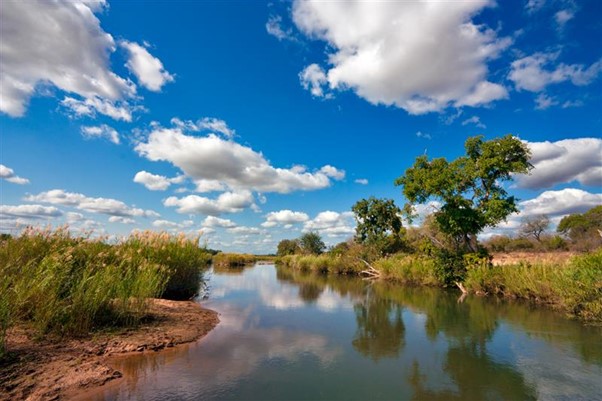
Conservation and restoration of South Africa’s Strategic Water Source Areas (SWSAs) will improve water security for the country, a report by the Endangered Wildlife Trust has shown.

The report, Assessing opportunities for protected area expansion and ecosystem restoration in South Africa’s Strategic Water Resource Areas, adds that it will also contribute significantly to preventing the loss of threatened species and habitats, reducing greenhouse gas emissions, and improving climate change adaptation for the surrounding and downstream communities.

In a month in which wetlands are being celebrated, attention is focused on wetlands and human wellbeing. This is at a time when worldwide attention is on the safety of water supplies, the conservation of biodiversity in the face of climate change and the ability of communities to mitigate and adapt to the effects of a changing environment.

The report shows that South Africa’s Strategic Water Source Areas make up just over 8.2% (10,020,780 ha) of the country’s terrestrial land surface area.

It illustrates and strategically prioritises what the actual protected area expansion opportunities are across various landscapes towards contributing to the Global Biodiversity Framework targets, specifically the 30×30 target. 

At present, only around 9.28% of South Africa’s land surface is formally protected, meaning that we effectively need to more than triple this to reach the ambitious 30% target by 2030. The protection of SWSAs is critical for securing not only water security in South Africa but also the extensive biodiversity that exists within these areas.

South Africa already has a well-established warming trend. Even under more conservative emission scenarios, it is predicted that by mid-century the South African coast will warm by 1–2°C and the interior by around 2–3°C.

As a water-stressed country that already uses its existing freshwater resources intensively, the prediction of a more arid West Coast, which includes several critical water catchments critical for human well-being, is fast becoming a reality. The West Coast also hosts several highly threatened freshwater species, and freshwater biodiversity is declining at twice the rate of that in the oceans or forests. In fact, nearly one-third of freshwater fish face extinction globally, including many South African species – the most threatened animal group in South Africa.

Strategic Water Source Areas (SWSAs) are areas of land that supply a disproportionate amount annual surface water runoff in relation to their size. Within South Africa, they are mainly located along the southern and eastern regions of the country. They are vital for water and food security and provide the water used to generate hydroelectricity. The surface water SWSAs produce just over 50% of the mean annual runoff from less than 10% of the land area. Only 11% of the surface-water SWSAs (about 18.2 million ha) are under some level of formal protection in terms of the National Environmental Management: Protected Areas Act.


The low proportion of SWSAs that fall within protected areas and the very uneven distribution of those protected areas make them highly vulnerable to unwise development and the adverse effects of existing activities.

This situation is even more alarming when future pressures on water resources are considered, given that the demand for water is predicted to escalate exponentially. Many parts of the country are expected to become drier due to climate change, threatening our water supplies.

The report, funded by the Federal Republic of Germany, finds several SWSAs suitable for further protected area expansion and restoration work. Those areas that are poorly protected, but still have large contiguous natural areas, are the Amathole, Eastern Cape Drakensberg (already earmarked for the new Grasslands National Park), Enkangala Grasslands, Mfolozi Headwaters, Northern Drakensberg, Southern Drakensberg, Soutpansberg, Waterberg and Tsitsikamma. SWSAs that have large amounts of recoverable areas (more than 20,000 hectares) are the Eastern Cape Drakensberg, Enkangala Grasslands, Northern and Southern Drakensberg, and Soutpansberg.

As a water-stressed country, climate change poses a further threat to water supplies. The research has found that ecosystems, such as wetlands, are not protected, there will be knock-on effects downstream, especially in terms of a reduction in water quality, loss of habitat for fish and other biodiversity and impaired ecosystem functioning.

South Africa thus needs targeted conservation and restoration action in all our SWSAs to conserve biodiversity, improve water security, and reduce the impacts of climate change simultaneously. Following the results of the report which was developed through the support of the Federal Republic of Germany’s Embassy in South Africa, we have been approved for funding from the International Climate Initiative (IKI) as well as from the Whitley Fund for Nature. IKI is an important part of the German government’s international climate finance commitment. With these grants we will tackle targeted protected area expansion and restoration across the Amathole, Northern and Southern Drakensberg, Soutpansberg, Waterberg and Wolkberg SWSAs over the next five years.

The EWT’s appeal to you is to continue using water sparingly.
You can also get involved by donating to support out critical conservation work in the remaining SWSA’s in South Africa, and Africa.


EWT receives R478 892 to revive Durban’s Critically Endangered Dwarf Burrowing Skink

EWT receives R478 892 to revive Durban’s Critically Endangered Dwarf Burrowing Skink

EWT receives R478 892 to revive Durban’s Critically Endangered Dwarf Burrowing Skink

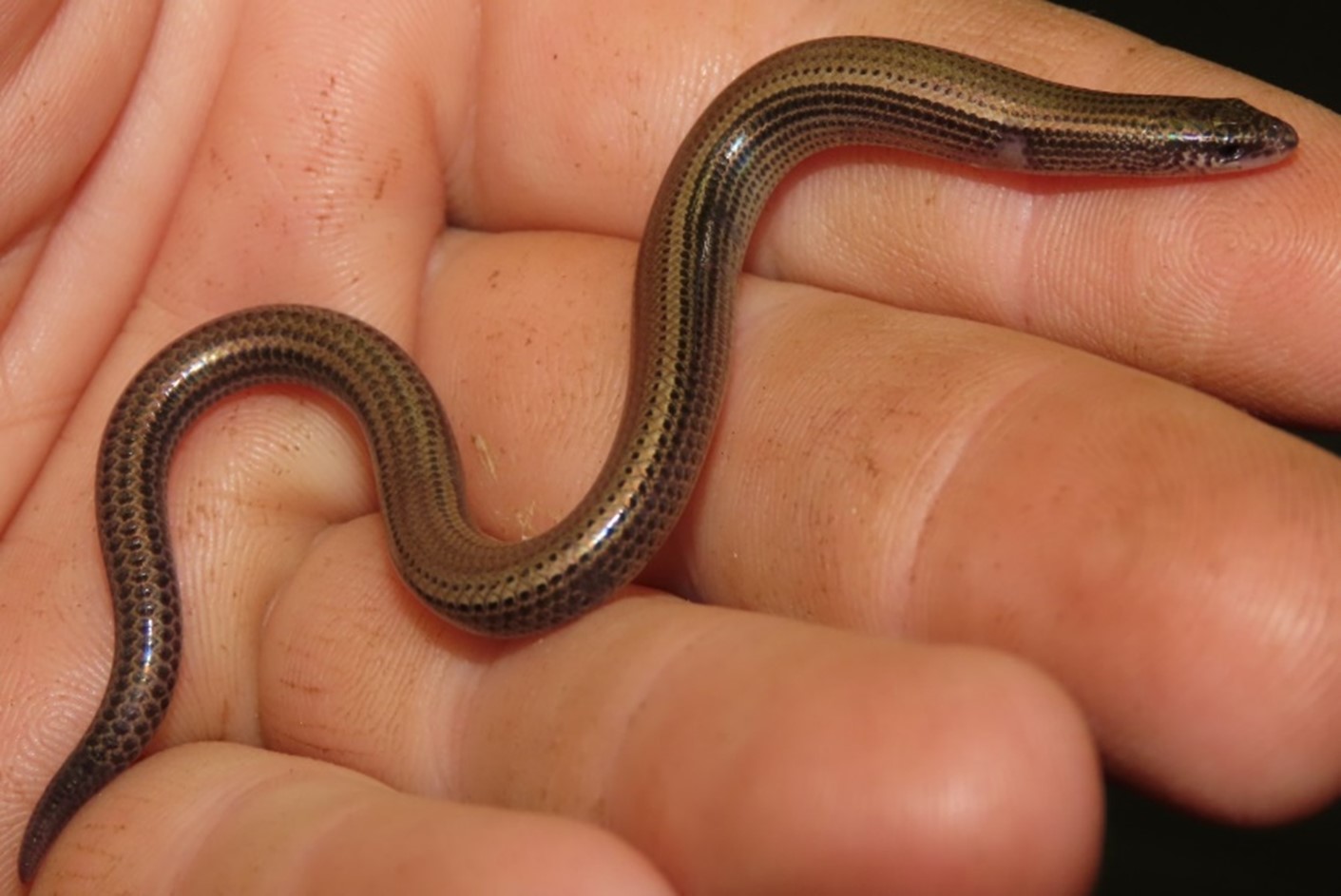
The Endangered Wildlife Trust’s Threatened Amphibian Programme has received $25 000 from the Mohamed bin Zayed Species Conservation Fund to support a project to revive Durban’s Critically Endangered Dwarf Burrowing Skink at a key habitat site within the species restricted range.

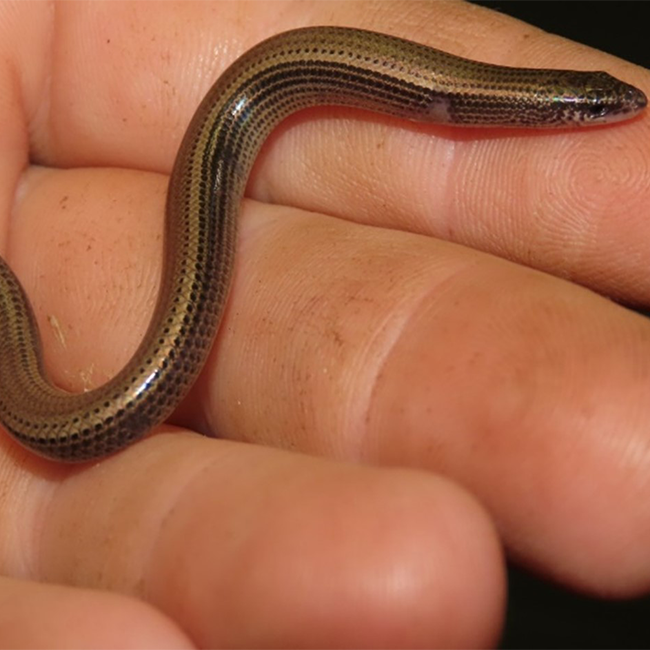
The Durban Dwarf Burrowing Skink (Scelotes inornatus) – primarily a fossorial limbless species – is one of South Africa’s most threatened reptiles. The aim of the project, which starts on 1 March 2024, is to safeguard the last known stronghold of Durban Dwarf Burrowing Skinks, ensuring the viability of species into the future.

The EWT’s Threatened Amphibian Programme (TAP) is the only NGO programme operating in South Africa to include frogs as a conservation focus. Using threatened frog species as flagships for the conservation of important freshwater and terrestrial habitats, a species and habitat monitoring exercise has been implemented alongside initiating habitat protection strategies at key amphibian areas, improving management of important amphibian habitat, using research to support conservation action, and promoting social change to galvanise behavioural change towards frogs and to recognise the importance of their habitats in South Africa.

More recently the EWT’s approach has broadened to include reptiles. The project to revive Durban’s Dwarf Burrowing Skink follows a similar initiative to protect vital habitat for the Endangered Albany Adder. The project to revive the Skinks will focus on a reptile confined to the Durban area.

Historically, it is thought that the species could be found throughout Durban’s coastline. However, the species is on the brink of extinction due to a series of anthropomorphic challenges. The historical population north of Durban is believed to be extinct, and remaining surviving populations to the south are scattered over several extremely small habitat fragments (ranging from 0.01 – 1.7 km2) and totalling a mere 5 km2. As a result of this limited distribution, the species is referred to as a ‘micro-endemic’.

Between 2015 and 2018, the EWT’s Threatened Amphibian Programme (TAP) carried out a substantial invasive plant-clearing initiative. Approximately 310 hectares of invasive plants within the coastal dune areas of Durban, including the should-be Critically Endangered Sandy Coastal Belt Grassland where the Burrowing Skink resides, have been cleared and maintained. This habitat restoration work has contributed to improving the conditions for the species, but more work is required.


In 2018, a crucial partnership emerged between Ezemvelo KwaZulu-Natal Wildlife (EKZNW), the provincial conservation authority, and the Pan African Association of Zoos and Aquaria (PAAZA)-accredited Johannesburg Zoo to breed the species in captivity to bolster the number of individuals. The project will help ensure the survival of reintroduced animals back to their natural range. This is expected to contribute to existing conservation efforts, leading also to the reintroduction of S. inornatus to protected sites, including Treasure Beach. Similarly, the EWT has previously worked with Johannesburg Zoo to successfully reintroduce the Endangered Pickersgill’s Reed Frog to wetlands through the Durban metro.

Treasure Beach falls within the National Protected Areas Expansion Strategy and neighbours the Bluff Nature Reserve, a 45-hectare formally protected area. Merging Treasure Beach with Bluff Nature Reserve to formally protect the entire area would effectively increase the protected area by 86 hectares and secure S. inornatus populations.

Merging with Bluff Nature Reserve would allow for ongoing management of the entire area by EKZNW, the management authority for Bluff Nature Reserve. In addition, through the established S. inornatus Task Team, partnerships between eThekwini Municipality and EKZNW will be formalised to further support continuous management of the area.


Tales from the Field:  EWT Conservation Campus Takes Bold Steps for Pompom Weed Eradication

Tales from the Field: EWT Conservation Campus Takes Bold Steps for Pompom Weed Eradication

EWT Conservation Campus Takes Bold Steps for Pompom Weed Eradication

Dr Kerushka Pillay, the EWT’s CONSERVATION PLANNING AND SCIENCE UNIT

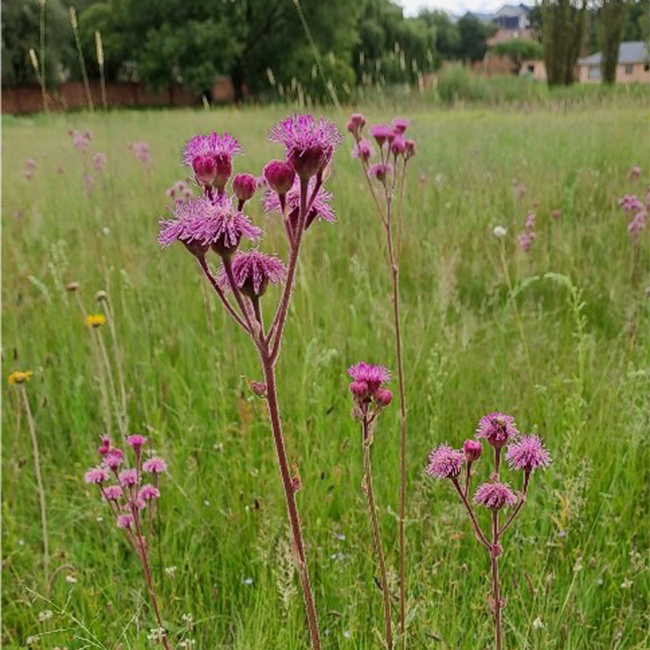
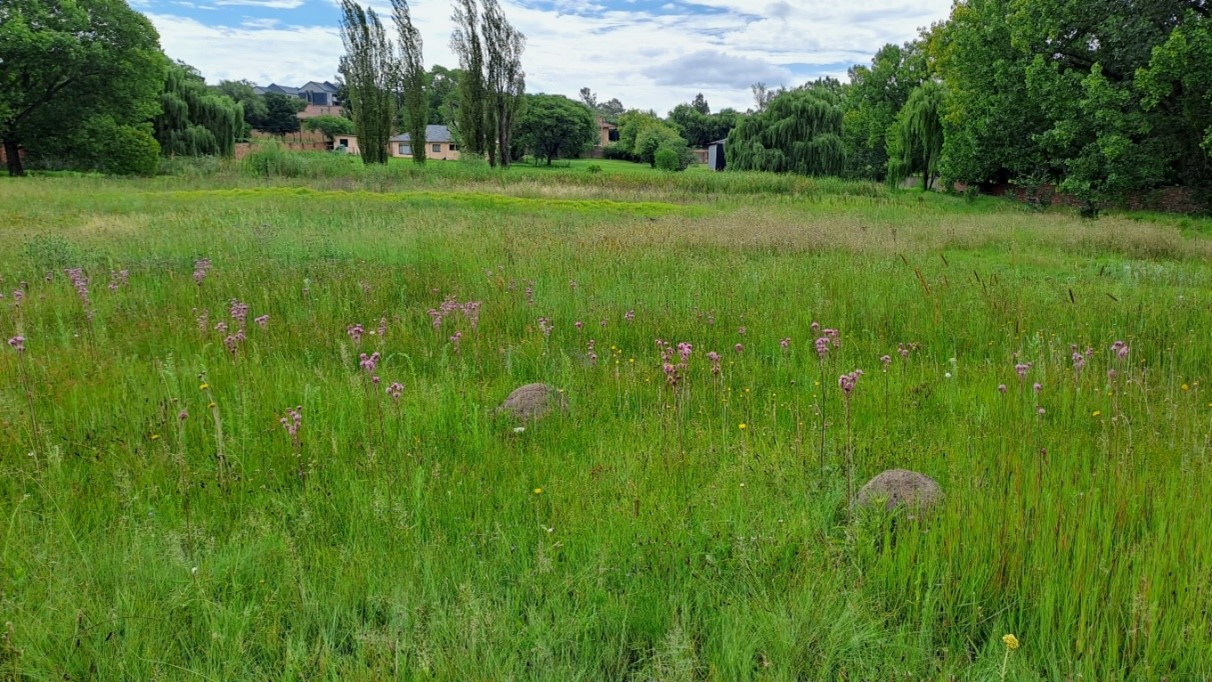
In the heart of Glen Austin, Midrand, the EWT Conservation Campus is leading the charge against the invasive Pompom weed (Campuloclinium macrocephalum), aligning with our commitment to biodiversity preservation and ecosystem health.

The Pompom weed, native to Central and South America, has become a significant concern in South Africa. The plant has been classified as invasive under stringent legislation such as the Conservation of Agricultural Resources Act (CARA), 2002, and the National Environmental Management Act (NEMBA).


The invasive Pompom poses a severe threat to our local ecosystem, particularly in grassland regions of Gauteng, KwaZulu-Natal, Limpopo, Mpumalanga, and the Eastern Cape Provinces. Leading by example in efforts to address this, the EWT Conservation Campus has implemented a comprehensive and innovative long-term eradication plan, focusing on the strategic removal of Pompom weed from our property.

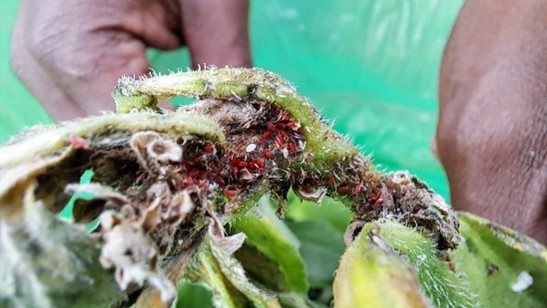
As part of our commitment to sustainable practices, we have introduced a biocontrol strategy utilising the Pompom thrips (Liothrips tractabalis), tiny insects imported from Argentina. Carefully studied and proven to feed exclusively on Pompom weed, these thrips were released on our grasslands in December 2023. Thrips play a vital role by selectively feeding on Pompom, causing damage to its vital structures, and impeding its growth. This targeted approach minimises the impact on non-target species, promoting a balanced ecosystem.


In collaboration with the Agricultural Research Council (ARC), our team will conduct regular assessments to measure the thrips’ impact on Pompom populations and overall ecosystem health. This initiative not only showcases our dedication to biodiversity preservation but also highlights the strength of interdisciplinary collaboration.

In the past, the EWT team, under the leadership of Obeid Katumba (Wildlife in Trade Programme), commenced a physical, manual removal process to kickstart Pompom eradication efforts. This involved cutting seed-containing plant sections, placing them in bags, and uprooting remaining plants. Thorough disposal through incineration was done, emphasising the urgency for effective control, especially in highly infested areas.

Our ongoing efforts, including the introduction of eco-friendly biological control, signify our commitment to long-term environmental health and sustainability. We anticipate updates on the project’s success and encourage stakeholders to reach out with any questions or queries regarding the Pompom eradication plan. For further information, please contact Dr Kerushka Pillay at KerushkaP@ewt.org.za or on 0727193741.


Birds of Prey Programme co-hosts Veterinary Poisoning Response Training in Botswana

Birds of Prey Programme co-hosts Veterinary Poisoning Response Training in Botswana

Birds of Prey Programme co-hosts Veterinary Poisoning Response Training in Botswana

Wildlife poisoning, a pervasive and insidious threat, casts a dark shadow over ecosystems worldwide, exacting a toll on biodiversity, human health, and ecosystem integrity.

Defined as the deliberate or inadvertent use of toxic substances to kill or harm wildlife, this practice poses a significant challenge to conservation efforts and environmental sustainability. Although the impact of wildlife poisoning is vastly under recorded, its repercussions often extend far beyond the intended targets, affecting non-target species, ecological processes, and human communities.

The Birds of Prey Programme, for many years, has strived to reduce the toll this is having on not only birds of prey, but all species that are affected by this pervasive, yet under managed threat. One of the key shortfalls identified has been the inadequate response to these incidents by conservation staff, not only for reducing further exposure to wildlife but also relating to the veterinary treatment and management of live animals that may be found in these incidents. Considering that wildlife poisoning almost always presents as mass casualty scenarios, it is critical that the correct structures are already in place, all veterinarians understand the species-specific treatment regimen, and that this is followed by a timeline plan for patient recovery, assessment, and release.

With all this in mind, Dr Gareth Tate and John Davies from the EWT’s Birds of Prey Programme, and Dr Jessica Briner from Briner Veterinary Services, teamed up with Dr Glyn Maude from Raptors Botswana, and Kyle Burger from Connect Trust, to host the first veterinary treatment workshop in Botswana.

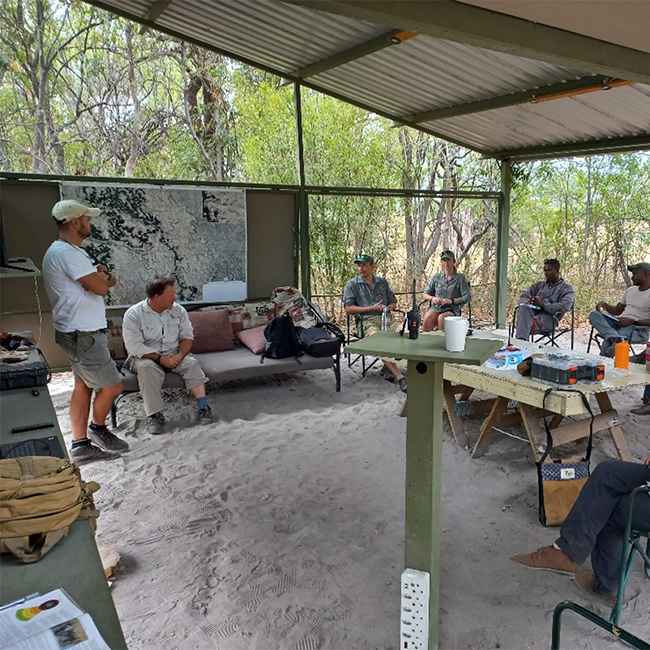
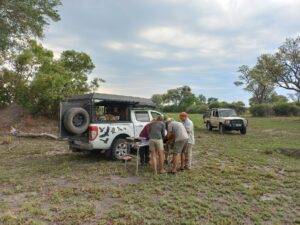
The course was held over two days in the southern part of the world-renowned Okavango Delta and was attended by seven veterinarians, mostly from the Botswana Department of Wildlife and National Parks. The course focussed on three main areas: firstly, presenting a background to the current situation with wildlife poisoning; secondly, how to treat and manage patients in a practical and effective way; and thirdly, scene management to reduce any further exposure and ensure that these events are handled and managed in a controlled manner.

Overall, the course was very successful, and in particular, we would like to thank Kyle Burger from Connect Trust for all his work to get these veterinarians together and make this a success.
Although this was a first step in the process, there is little doubt that there is much more work to be done. Fortunately, with the support of our collaborators, there is little doubt that improving the current outcome around mass wildlife poisoning events is in reach. Hopefully, we can look forward to seeing a sky filled with vultures in the near future. Our hope is that vultures will one day be seen as one of nature’s critical species by all people.


Careers in Conservation – Dave McCullough

Careers in Conservation – Dave McCullough

CAREERS IN CONSERVATION – Dave McCullough

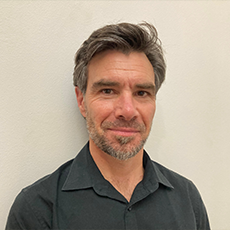
Dave is the Chief Financial Officer for the EWT. Here is a little bit about Dave’s journey to a career in conservation with the EWT.

Job Title:CFO

What do you do in your day-day work? Financial reporting to support the various business units. Financial strategy for the organisation

Location:Midrand Johannesburg EWT Conservation Campus

Where did you grow up? JHB

What are your hobbies/things you like to do in your spare time?Trail running, listening to alternative indie rock, spending time with family.

Any pets? Two old Staffies

Favourite animal and why:  Leopard – pure beauty and power

Favourite food? Steak, Egg and Chips

Pet peeve? Racism and rudeness

Why did you want to work for the EWT? I wanted to be a game ranger when I was at school. After 20 years in the advertising game, I realised I was incongruent in the industry I was working in and the way I felt about the state of the planet – I needed to switch industry and find a more meaningful and purposeful role.

What excites you about this new position? I am deeply concerned about how we are destroying nature; this position gives me an opportunity to directly make a difference to the state of the planet.

What are you passionate about? Wellbeing, creating balance in the way we live.

What’s the best advice you’ve ever received, and who did it come from? Meditate and practice mindfulness daily – Eckhardt Tolle

What is your go-to feel-good song? Just say Yes – Snow Patrol