Help African Wild Dogs 

Donate today  

Careers in Conservation – Eugene Greyling

Careers in Conservation – Eugene Greyling

CAREERS IN CONSERVATION – Eugene Greyling

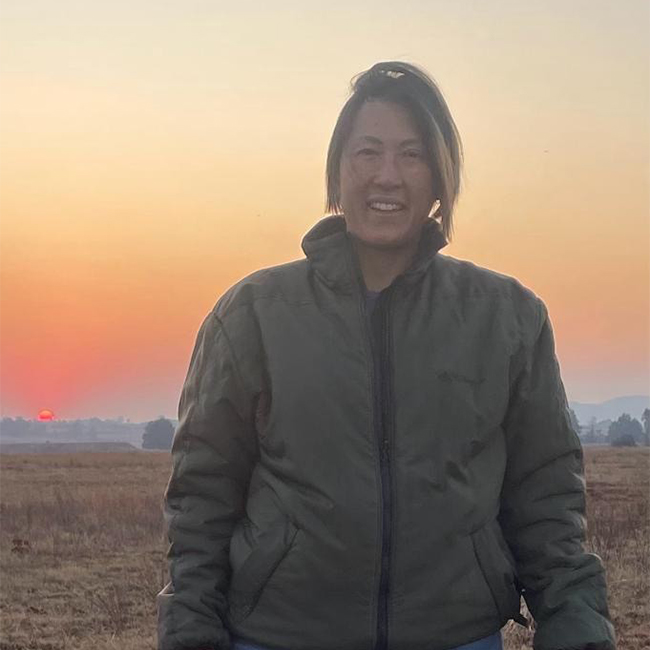
Eugene is a Field Officer with the EWT’s Carnivore Conservation Programme. Here is a little bit about Eugene’s journey to a career in conservation with the EWT.

Job Title: Carnivore Conservation Field Officer

What do you do in your day-day work? No day is quite the same. I am primarily assigned to the Range Expansion Project. My responsibilities vary between looking after predators in the EWT Holding Facility/Boma, community consultation and relations, assisting and advising with relocations, post-release monitoring of translocated predators, partner engagement, and a wide variety of other interesting tasks.     

Location: Welgevonden Game Reserve, Waterberg, Limpopo

Where did you grow up? I have been privileged enough to experience best of both worlds – I was raised in the farming community of Oudtshoorn in the Western Cape but moved to Dubai in the United Arab Emirates during my early high school years. 

What are your hobbies/things you like to do in your spare time? I volunteer as a wildland fire practitioner and enjoy working with snakes. I also never say no to a good road trip or hike, and travel as often as possible.

Any pets? I wish, if only I was allowed to have any. That’s the trade-off to living on a nature reserve I suppose.

Favourite animal and why:  I’ve spent the last couple of years working on leopards, so I think it is fair to say that I have developed a soft spot for them. However, I think this might be a slightly unfair question to ask any wildlife ecologist. 😃

Favourite food? There are very few things that can compete with a good butter chicken in my opinion. Of course, there is always a proper braai as well.

Pet peeve?  When people throw rubbish out of their car window, or anywhere else for that matter, with the expectation that someone else will clean up after them. Also, weak coffee.

Why did you want to work for the EWT? As a well-established organisation that sets the standard in innovation, research, and well-informed applied conservation across Southern Africa, I believe there is no better environment than the EWT to learn from, develop within, and contribute to as an early-career wildlife ecologist. With a holistic, integrated strategy that recognises not only species, but also landscapes and the people that share in those landscapes, the approach of the EWT is something I deeply resonate with. Ultimately, I believe that the EWT provides the ideal platform to be able to remain curious and to make a real collaborative difference, and that is what I am here for.

What are you passionate about?  I am convinced that every person has the ability within to influence those around them, be that by means of real, honest conversation or by virtue of exemplary actions. Often, I find myself standing in awe of the long-term impact that individual change can have on a community, and in turn on the natural environment. Therefore, I enjoy seeing people grow and develop and being part of that process, even though my first love has always been Mother Nature. During the past few years of studies and time spent volunteering with several conservation organisations, I came to realise that the biggest long-term influence we can have is by targeted education in communities where we can plant a seed that will drive local change from within – tackling problems using solutions crafted together that empower and benefit stakeholders for the greater good of the ecosystem. After all, conservation is about people. In order to ensure that we make a positive impact as conservationists, be that by means of education or effective adaptive management of landscapes that facilitate biological diversity, we need to be sure that the change we instil is accurately informed. Thus, I find myself in the realm of ecological research, with a particular passion for animal behaviour and socio-ecological dynamics, including human-wildlife coexistence and spatial ecology.

What’s the best advice you’ve ever received, and who did it come from? Listen with the intent to understand, not to respond” – I believe it is a quote by Stephen Covey, but my granddad was the one to share this wisdom with me.

What is your go-to feel-good song? Bubble Toes by Jack Johnson

What excites you about this new position? Every day out in the field brings new and exciting challenges – it never becomes monotonous. Having the privilege to be able to learn from a great group of experienced colleagues, as well as the opportunity to travel as part of my work, is also very exciting.

How Cheetahs got their spot in the EWT’s history

How Cheetahs got their spot in the EWT’s history

How Cheetahs got their spot in the EWT’s history

Emily Taylor


When Clive Walker raised funds for Cheetah conservation through the sale of his painting of two Cheetahs, he asked Koos Bothma, then associate professor of the Eugene Marais Chair of Wildlife Management at the University of Pretoria, if he would like to use the money for a Cheetah study. In 1973, the species was recognised as Endangered, both locally and internationally, and Koos quickly accepted. Clive was happy that the money could be channelled into a recognised institution.
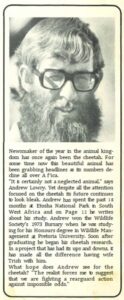
Profile of Andrew Lowry

Profile on Andrew Lowry featured on the contents page of an article about his research in African Wildlife, Volume 30, No. 6

Andrew Lowry was born and raised in Cape Town, South Africa. Having completed his BSc in Botany and Zoology at the University of Cape Town, Andrew went north to study for his Honour’s degree in Wildlife Management at Pretoria University, during which he won the Wildlife Society’s 1973 Bursary. Andrew was itching to get out into the bush and work with wildlife. He was available and in need of a research project, describing himself as a “spare” – someone without a specific project to focus on and thus available for any assignment by the department. Thus, the “spare” student was the perfect choice to be dispatched to Namibia for Cheetah research sponsored by the fledgling EWT.

At first, there was no specific location or Cheetah population to be prioritised for research. Andrew initially focused on farmland in Namibia where Cheetahs and other stock-raiding predators were being captured or killed. A game capture operator who was often called to remove Cheetahs from farms offered to share the information about where each Cheetah had come from. Andrew could then conduct Cheetah surveys in areas where Cheetahs were regularly seen. However, because farmers persecuted these predators, they were highly mobile and travelled large distances by night. It was also difficult for Andrew to cover the whole of Namibia on his own. In the three months that Andrew spent there, he saw not a single Cheetah and sought advice from James Clarke, co-founder of the EWT and wildlife expert, saying that the study was not viable, and he had nothing to show for his time and efforts. Instead, Andrew proposed a Cheetah study in Etosha National Park in Namibia. He had recently visited the park and seen Cheetahs as close as 300 metres from the gate. Etosha boasted the world’s largest free-living Cheetah population, and the then South West African (Namibian) Division of Nature Conservation and Tourism was eager to maintain this population and welcomed a formal research study in the park. Predator conservation is no easy task in a stock farming country like Namibia. Still, the awareness and concern of the authorities, coupled with information from field investigations such as this one, can help to ensure these animals’ survival. And so Andrew was tasked with conducting a census of the Cheetahs in the park, and in his words: “I rode through the gates of Etosha, and I landed in Paradise”.

For an accurate census, the first thing to do is to develop a reliable way to ensure that, when counting individual animals, you only count them once. Fortunately, each Cheetah’s spots are unique – like a human fingerprint, and once you have a record of their coat pattern, you can avoid recounting them. It is also a good way to identify animals when studying their behaviour and genetic diversity. Once an animal’s markings had been recorded, Andrew created the identity kit featured in Figure 1 to differentiate between individual animals. The EWT and other organisations still use similar methods to identify Cheetahs today. However, photos of animals are now run through software called Wildbook, ensuring identification is even more accurate than a human eye can achieve.
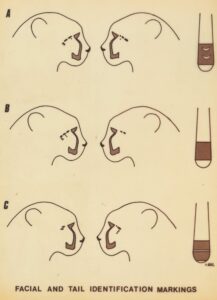
A cheetah identikit

An identikit used by Andrew Lowry in his Cheetah study in Etosha in 1974-1976


Wildlife researchers are often advised not to give study animals names to maintain a level of objectivity. While this may work in theory, we often get attached to some or all of our subjects when we follow their lives so intimately. Andrew cheated a little. He did name each of the Cheetahs that he followed using a letter of the alphabet but then gave them names starting with these letters. In an article he wrote for the Wildlife Society of Southern Africa publication at the time, African Wildlife, Volume 30, No. 6, he explained: “For ease of recording in the field, I have allocated each animal a letter of the alphabet and have then given them a name meaning Cheetah, which begins with the same letter. Duma is the Swahili word for Cheetah. Others are Chita (the original Hindu word meaning “spotted one”), Etotongwe (Ovambo), Hlosi (Zulu), and Jubatus (the Latin species name). And let’s not forget Intermedius. Acinonyx intermedius is an extinct species of Cheetah which ranged in Europe and Asia during the middle Pleistocene.”.

In addition to his investigations and observations, Andrew appealed to visitors to the park to complete surveys describing any Cheetahs they came across and where in the park they were seen (Figure 2). This information supplemented his findings when he was unable to monitor the whole park. The appeal, in the form of a pamphlet visitors received at the entrance to the park, also served as an education and awareness-raising tool. The pamphlet provided some key facts about Cheetahs and sparked a new level of engagement among visitors – enriching their experience of the wildlife they came across. The use of non-scientists to collect data is more common now than it was then. Still, it has always been a valuable tool when conducting studies like Andrew’s. The Cheetah and Wild Dog Censuses that the EWT runs in the Kruger National Park, for example, are only made possible with the help of citizen scientists.

Pamphlet and survey form visitors received at the entrance to the park to provide additional data for the Cheetah study in Etosha National Park

During his two-year study of Cheetahs in Etosha, Andrew Lowry was immersed in their world, and when speaking of his time there, much of his focus, fascination, and awe was on the role of the female animal. She faces tremendous pressure alone once mating has taken place, and the male Cheetah leaves her to fend for herself and for her helpless cubs when they are born. Not only must she provide for them – she is responsible for teaching them to hunt and survive in treacherous surroundings. One female in Etosha, named Duma, impressed Andrew above others. In his article, Andrew writes:

Duma has proved to be an exemplary mother. Not only does the survival rate of her litters appear higher than the Etosha average, but her offspring are capable hunters on parting company with her. We watched Acinonyx and her two brothers from shortly after they left Duma. If one of these Cheetahs began to initiate a hunt, the other two would perform outflanking stalks on either side of the potential prey animal. A more efficient trio I have yet to watch.”
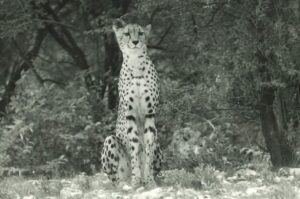
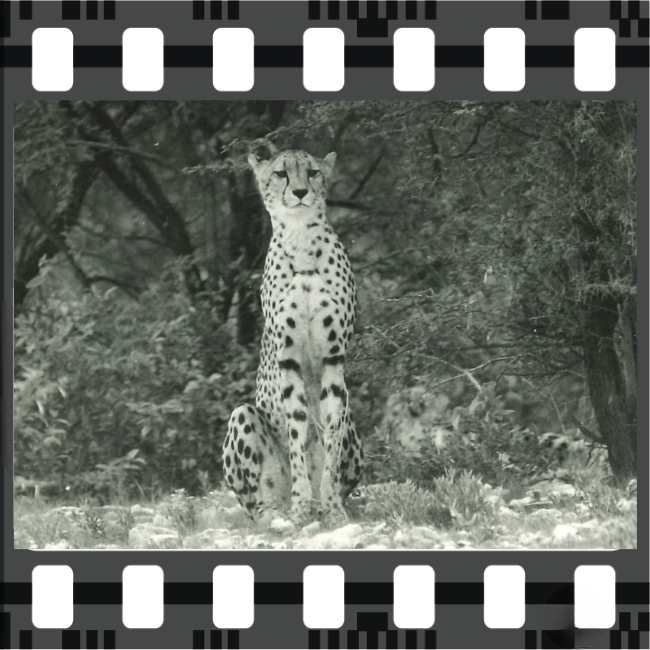
Cheetah sitting black and white

Duma, a particularly effective Cheetah mother studied by Andrew Lowry in Etosha in 1974 and 75

Read more about these cats in the full article here.

Learning much about Etosha’s Cheetahs, Andrew agrees with carnivore expert Dr R F Ewer that studies of predators are often only relevant to the time and place in which they occurred. He believes that studies of predators are usually only relevant to the time and place in which they occur and advised that the Cheetah numbers in the park were optimal at between 50 and 100 and that the low-density population would not benefit from further reintroductions – reiterating the original consensus that one of the largest remaining strongholds for Cheetahs in southern Africa should not be interfered with.

By the end of the study, the EWT had expanded. It was focused on rhino and elephant conservation while supporting other organisations also working on Cheetah conservation, such as the De Wildt Cheetah Centre. Andrew had for some time been increasingly concerned about the larger issues at play that were endangering all species, including humans. He knew where a difference needed to be made and went on to do so in the lecture halls of the Tshwane University of Technology. For 30 years, Andrew taught 21 subjects to around 3,000 students, six of whom currently work for the EWT, with many more doing so in the past. I was one of these students, inspired to work for the organisation within a month of my first year because Andrew believed in the work the EWT does so much that he included it in his coursework.
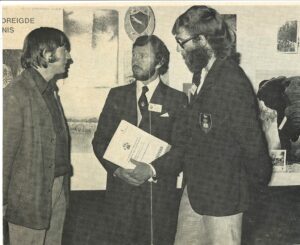
Clive Walker (centre), founder of the EWT, speaking to EWT carnivore researchers Gus Mills (left) and Andrew Lowry (right)

Now retired, Andrew makes an effort to follow the careers and personal journeys of his students, whom he considers family and fondly speaks of with pride. Refusing to have a cell phone, Andrew checks Facebook regularly, wishing students well in their personal and professional milestones. He was excited to hear from us and to visit the EWT Conservation Campus and tell us his story and catch up with those whose lives he touched so profoundly. A two-year study of a single population of Cheetahs in Etosha may not have had a significant short-term conservation impact, but it led both Andrew and the EWT to make unmeasurable and invaluable conservation impacts through their cultivation of countless conservationists who have and will still protect forever, together.



Tales from the Field: Clothes to Good

Tales from the Field: Clothes to Good

Clothes to Good

Dr Jennifer Botha, the EWT’s People In Conservation

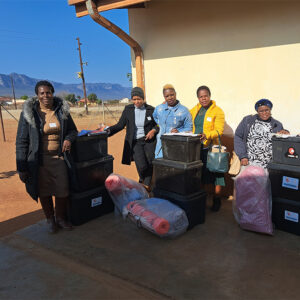
Through this project, educators from ten creches and a facility catering for vulnerable children will have the opportunity to promote Early Childhood Development through a series of fun, interactive activities.

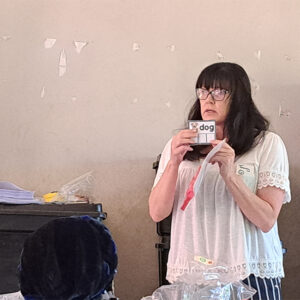
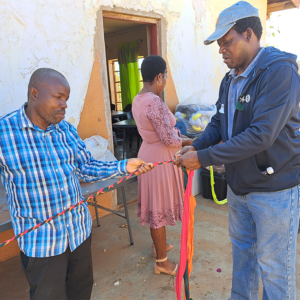
Tammy Greyling from ClothesToGood demonstrates a game to promote literacy.

Each group received an Early Childhood Development kit consisting of over 50 activities to stimulate Early Childhood Development

  • Did you know it takes 2,700 litres of water to produce a single cotton tee-shirt?[i]And that the fast fashion most of us depend on is one of the highest polluting industries globally, contributing 2 – 8% (about 1,2 billion tons) of greenhouse gases annually – higher than international flight and maritime shipping emissions combined[ii].

    In addition to the widespread loss of biodiversity and habitats during production of raw materials, the industry:

    • Produces about 20% of the world’s wastewater[iii],
    • And 24% of insecticides and 11% of pesticides globally[iv],
    • Is a major contributor to plastic pollution in oceans[v]

    At the same time, the average number of times clothes are worn before being thrown away has fallen by 36% over the past 15 years in the United States, China, and other more affluent countries – and only 13% of these largely under-utilised clothes are recycled globally. It has been estimated that 21 billion tonnes of textiles are sent to landfill each year, the bulk of which are under-utilised [vi].

    The fast fashion industry is booming and set to treble in size by 2050. Clearly, we need to rethink the largely “take – make – and waste” linear business model that is currently typical of this and many other industries.

    What are we doing?

    As part of its 50th celebration, the Endangered Wildlife Trust is implementing a series of innovative projects to reduce human impacts on biodiversity and habitats, whilst benefitting people.

    In our most recent endeavour, we teamed up with Clothes to Good to support the circular economy of the fashion industry while contributing to the well-being and development of people with disabilities and young children in Kutama, Limpopo Province. The EWT works extensively with people from Kutama as they live adjacent to the Medike Mountain Reserve, one of our flagship projects in the Western Soutpansberg.

    Through this integrated project, we aim to empower the Muthu Ndi Nyi Centre for people with disabilities by creating an opportunity for staff and parents to raise funds for the centre through the sale of high-quality second-hand clothing. The project also includes a health and well-being component through the provision of training and occupational health support to children and young people with disabilities from the centre and ECD training for ten creches and a facility that provides after-school care for vulnerable children.

    Jesse Naidoo provided business training to enable staff and parents from Muthu Ndi Nnyi to maximise the financial and social returns through the sale of clothes. In addition, Tammy Greyling, an occupational therapist from ClothesToGood met with staff and parents to work with each of them to draw up a personal development plan for each of nine children and young adults who have disabilities to improve the quality of their lives and stimulate their personal development through improved communication, physical exercise, and specific activities tailored to each of their needs and abilities.

Early childhood development

The first three years are one of the most important developmental periods of a child’s life. In South Africa, there are still wide disparities in the quality of pre-school education provided to young children across socio-economic classes, exacerbating the learning difficulties that children face when they reach school going age.

As part of this project, we held a two-day workshop for over 30 participants from Muthu Ndi Nnyi, ten local creches, and a centre providing after-school care for vulnerable children. On the first day, Tammy Greyling, ClothesToGood’s occupational therapist, introduced an ECD kit comprising over 50 activities designed to stimulate fine and gross motor skills, perceptual skills, numeracy, and literacy. Each creche and centre received one of these demonstration kits and a training manual which will enable them to reproduce the activities for the 100 – 150 children in each of their care.

On the second day, we held a toy-making workshop to demonstrate making educational toys from recycled materials such as plastic bottle caps, cardboard, old bottles and other containers, old clothes, and other materials. The nursery schools were urged to ‘play-it-forward’ by inviting parents to toy making workshops and ensuring that their colleagues also receive training in the activity kits and toy making.

What can you do?

  • Choose fashion items that will last and ensure that good quality clothes are not thrown away.
  • Care for your clothes so that they last longer.
  • Support fashion brands that are reducing their environmental and social impacts.

For example, Patagonia recently took an almost unprecedented step by committing to channel all its excess profits into a trust dedicated to the protection of the environment and support for communities[vii].

In addition, 200 brands have signed the Fashion Pact, which commits to restoring biodiversity loss, reducing global emissions, and safeguarding oceans[viii].

  • Drop off clothes you no longer wear at H&M, who are supporting ClothesToGood collect clothes to support the above project as well as numerous others.

This project is an exciting start to a creative recycling and environmental awareness initiative in Kutama but also has the potential to contribute to substantially reducing textile waste over time. In addition, people from Kutama will benefit through access to high quality, affordable clothing as well as innovative and affordable ECD strategies that build the capacity of teachers while preparing young children for school.


Making a snake puppet from old bottle lids.

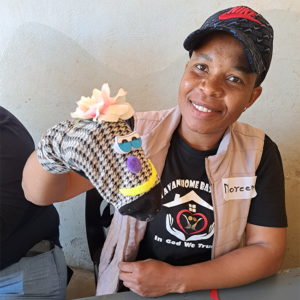
Hand glove puppets easily made from old socks can bring the magic into story telling.

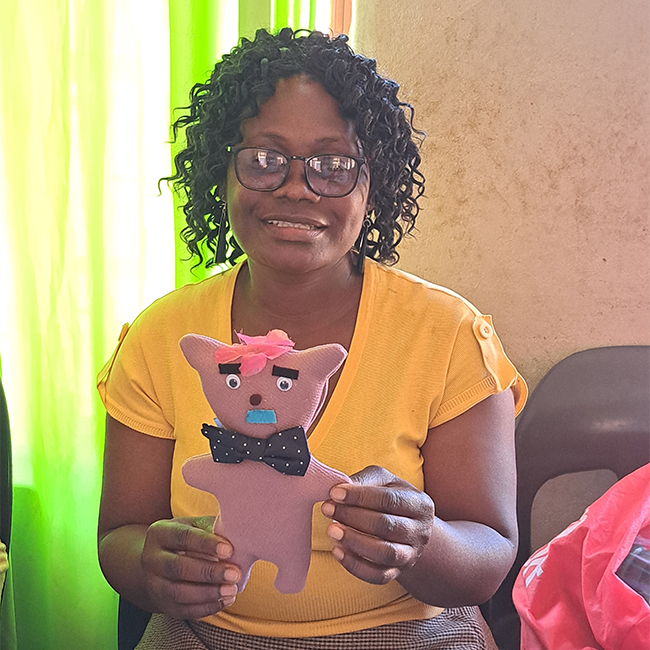
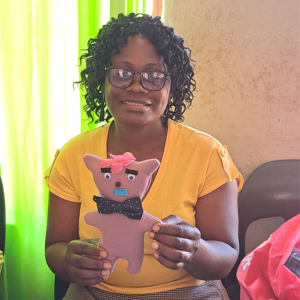
Teddy bears are expensive if you buy them but can be easily made from old fabric and fillers.

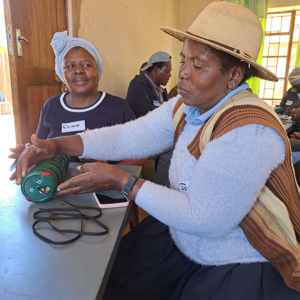
Few of the creches had skipping ropes – each group made a demonstration rope from fabric that they will be able to replicate for the children in the care and demonstrate to the parents of the school.

Careers in Conservation – Cliantha Kay

Careers in Conservation – Cliantha Kay

CAREERS IN CONSERVATION – Cliantha Kay

Cliantha is a Conservation Canine Assistant with the EWT’s Conservation Canine Unit. Here is a little bit about Cliantha’s journey to a career in conservation with the EWT.

Job title: Conservation Canine Assistant


What do you do in your day-day work?

I work hands on with our canines that are based at the head office conservation campus, assist in keeping those active minds stimulated and always ready to detect the next contraband item. We swim them, walk them, exercise them, and train them – and of course give them lots of love.

Location: Midrand Campus, but travel extensively

Where did you grow up? Johannesburg

What are your hobbies/things you like to do in your spare time? Catch up with friends and family, go walkabouts with my trusty doggos, a great day out on the lake brings me calm, reading, and hiking

Any pets? all the dogs! My beautiful German Shepherd princess Calla, and two other accomplices

Favourite animal and why:  I’d be lying if i didn’t say dog.

Pet peeve?  Rude People

Why did you want to work for the EWT? The EWT is a vibrant and dynamic organisation that provides wonderful opportunities to make meaningful differences to people’s lives and to conservation. And of course all the doggos.

What are you passionate about?  Changing the perception of the relationship between farming and conservation. I think that in the past, a few bad apples ruined it for many conservation-orientated farmers who manage their land in a way that is super beneficial to biodiversity and food security. I also really love finding different ways to approach and overcome challenges and seeing how we, as an organisation, can leave a positive and lasting impact on our environment and its people.

What’s the best advice you’ve ever received, and who did it come from? If you can’t control it – let it go. Life is short – worrying makes us old.

My parents and grandparents taught me that, and I still live by it. I always remind myself that I’m capable of anything I put my mind to, so long as I’m open to learning (and probably failing a few times) along the way! 

What is your go-to feel-good song? Robin S – Show me love

What excites you about this new position? constant learning, and the diverse and wonderful people I meet from all different walks of life. Working with Canines is a gift beyond measure.

What are you passionate about?  Being kind and genuine in everything I do – it costs nothing, yet is priceless.

Earthly Eating: Healthy Air Fryer Eggplant And Chickpea Salad

Earthly Eating: Healthy Air Fryer Eggplant And Chickpea Salad

EARTHLY EATING

Nachos


We all know we should be doing our part to save the planet. But what does that mean when it comes to food? It can be easy to get overwhelmed with all the different eco-friendly choices. Each month, we bring you delicious, nutritious, and eco-friendly recipes that our staff members or followers love! This month’s recipe is Air Fryer Eggplant and Chickpea Salad brought to you by our very own graphic designer Jo Bert.

Healthy Air Fryer Eggplant And Chickpea Salad

On the lookout for nutritious salads? You’re in the right place! This air fryer eggplant and chickpeas salad is jam-packed with wholesome ingredients like parsley, onion, cucumber and tomatoes. The best part? It’s high in protein and fibre.

Ingredients

Eggplant, Avocado oil, Salt,  Turmeric, Chickpeas,  Parsley,  Onion, Cucumber,  Tomatoes, Lemon, Sumac

Instructions

To be honest, most of the work goes into chopping, dicing and slicing the salad ingredients. I recommend doing all that prep work beforehand or while the eggplant is air frying to make your life easier. That way, everything is ready to go for assembly.

  • To begin with, cut the eggplant into small, even-sized cubes. I find it helpful first to cut the eggplant in quarters lengthwise and then slice it into small cubes.
  • To release the moisture from the eggplant, place the cubes on a large plate or bowl, season with salt, and let them sit for 30 minutes. This enables the salt to draw out the moisture from the eggplant.
  • After 30 minutes, you will actually notice the moisture droplets on the surface of the eggplant cubes. Use a clean dishcloth or paper towel to gently press and blot the eggplant cubes dry. This is a crucial step because if there’s too much moisture on them, they won’t air fry well – resulting in soggy eggplant.
  • Now it’s time to season! Add avocado oil and sprinkle the cubes with turmeric. Then, toss to coat thoroughly.
  • Next, place the eggplant in the air fryer baskets, making sure not to overcrowd the pieces. Air fry the eggplant at 400F for 15-20 minutes, shaking the basket halfway through cooking
  • Once the eggplant cubes are cooked, remove them from the air fryer and place them in a large bowl.
  • Now it’s time to assemble the chickpea salad. Begin by adding chickpeas, cucumber, tomatoes, parsley, onion, lemon and sumac to a large bowl and toss to combine.
Tips
  • When preparing eggplant, cut it into small cubes so that they cook evenly and don’t get soggy.
  • Season the eggplant with salt, avocado oil and turmeric (or your desired spices) for extra flavour.
  • You want to avoid overcrowding the air fryer basket. This will help ensure that they cook evenly and get crispy. You could either send the eggplant in two batches or if you have a dual air fryer, utilize both baskets for best results.
  • If you’re using canned chickpeas, drain and rinse them well before adding them to the salad.
  • Add fresh herbs like parsley, mint or cilantro (coriander) for extra flavour.

Science Snippets: Science through the 50 Years: the species we work on

Science Snippets: Science through the 50 Years: the species we work on

Science Snippets: Science through the 50 Years: The Species We Work on

Erin Adams and Lizanne Roxburgh, the EWT Conservation Planning And Science Unit

The Endangered Wildlife Trust (EWT) is celebrating its 50th anniversary, and we are reflecting on our remarkable contributions to scientific discovery over this period. Formed in 1973, the EWT was made up of species-focused working groups. These groups included the Vulture Study Group, the Carnivore Working Group, and the Elephant Survey and Conservation Programme (ESCP).
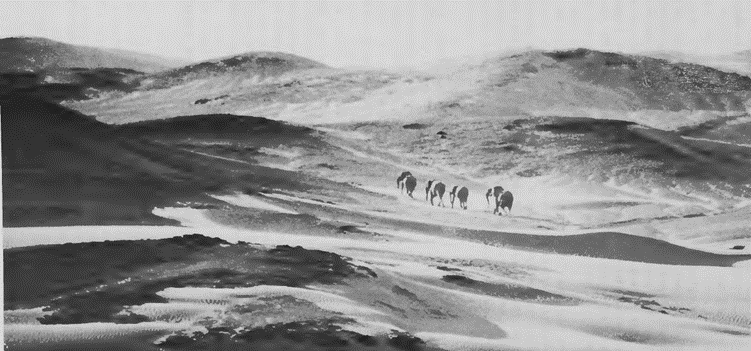
In the early 1980s, the EWT focused on elephant translocation into new reserves. The ESCP played a key role in relocating elephants from conflict areas in Namibia to the Pilanesberg National Park. Another study focused on the distribution and numbers of desert elephants in north-western Namibia. Towards the end of the 1980s, the EWT started working on cranes under the Highveld Crane Group. During the 90s, the EWT’s crane work expanded throughout South Africa’s important crane strongholds.

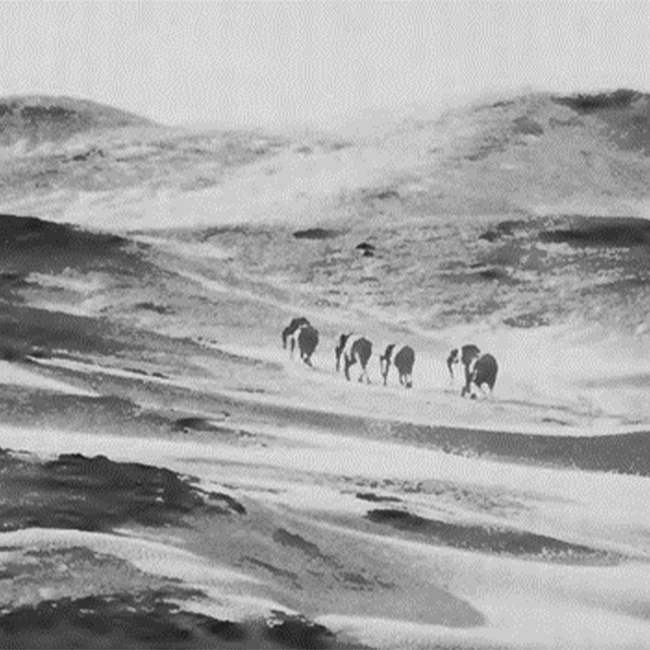
vintage photo of elephants in the desert

Figure 1. The desert-dwelling elephants of north-western Namibia (credit: C. Walker, 1982).

From the early 2000s, the EWT shifted its focus to carnivores, including Lions, Honey Badgers, Cheetahs, and Wild Dogs. Research on these species took place across southern Africa, including the Kalahari and Kruger National Parks. The EWT’s crane work has also expanded through a formal partnership with the International Crane Foundation, and the crane group became known as the African Crane Conservation Programme.
In the 2010s, research and publication of our results became vital for the EWT, resulting in approximately 130 publications. The species of interest expanded to include frogs, oxpeckers, Riverine Rabbits, and Ground Hornbills. The Threatened Grasslands Species Programme, which studied grassland ecosystems and its resident species such as the Blue Swallow and the Oribi, was also prominent during this time. Other important topics investigated were the threats to species, including road mortalities, livestock predation, wildlife poisoning, and bird-powerline collisions.
Even though it is only three years into the 2020s, the EWT has already recorded 96 publications, highlighting the organisation’s commitment to conducting valuable research and ensuring the dissemination of information to our audiences. The focus remains on employing robust sampling techniques to benefit the survival of threatened species. The EWT provides biodiversity data for scientific research and action and reviews environmental impact assessments in South Africa. We have also conducted studies on ranchlands to understand their biodiversity. Furthermore, the organisation has placed a greater emphasis on wildlife and law and business and biodiversity. It is also expanding into more cryptic but equally threatened species, such as Golden Moles, Dwarf Tortoises, and Colophon Beetles.
Throughout its history, the EWT has consistently prioritised the conservation of vultures. These birds remain a primary focus through the Birds of Prey and the Vultures for Africa programmes.

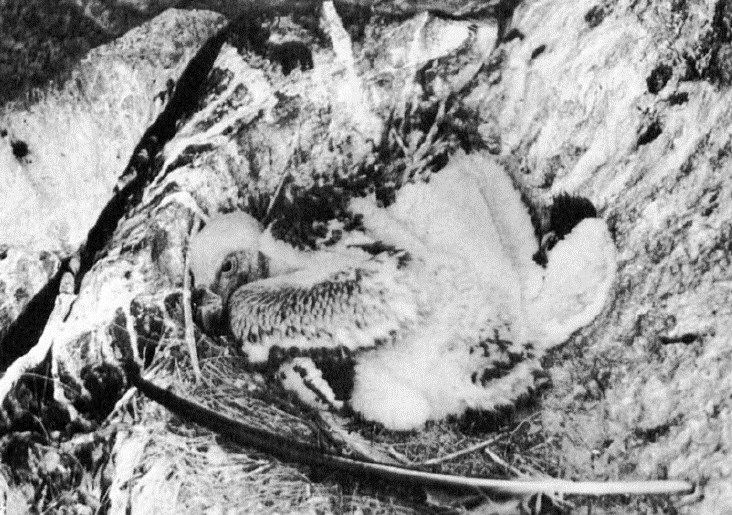
vintage photo of a cape vulture chick in the nest

Figure 2. A 51-day-old Cape Vulture chick (credit: P. Richardson, P. Mundy and I. Plug, 1986)

Tales from the Field: Dropping in on the eastern Riverine Rabbit population

Tales from the Field: Dropping in on the eastern Riverine Rabbit population

Dropping in on the Eastern Riverine Rabbit population

Dr Samantha Mynhardt and Esther Matthew, the EWT’s DRYLANDS CONSERVATION PROGRAMME
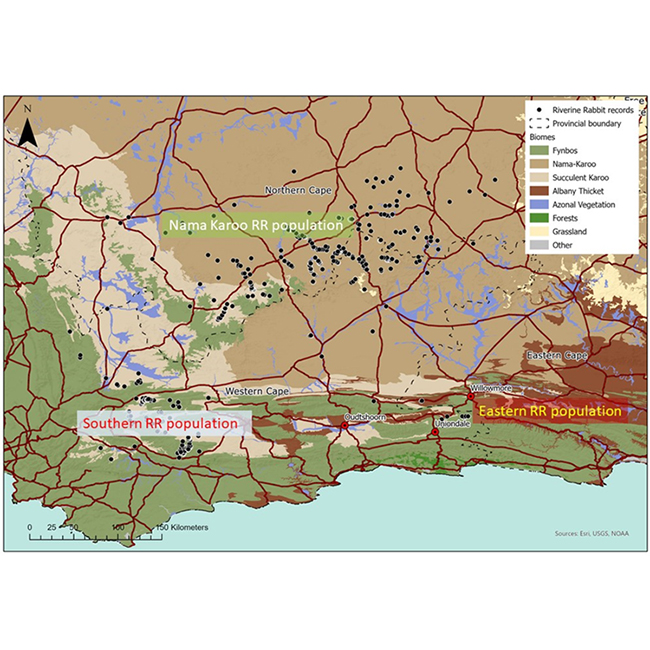
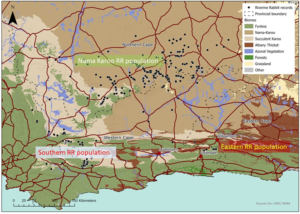
  •  The Critically Endangered Riverine Rabbit is regarded as one of Africa’s most endangered mammals, threatened predominantly by habitat transformation across the Karoo, resulting in a limited geographical distribution and seemingly small population size. The species is known from two populations: one in the Nama Karoo, where it was first discovered near Richmond in 1902, and one near Touwsriver in the Succulent Karoo, where the second population was discovered in 2003 (Figure 1). However, more recently in 2018, yet another, third population of these rabbits was discovered (through the correct identification of a roadkill specimen) just west of the Baviaanskloof, approximately 250 kilometres east of the known distribution. Research on the first two populations has been ongoing, however little to nothing is known about the third, most recently discovered population.
  • The Endangered Wildlife Trust’s Drylands Conservation Programme has been working on Riverine Rabbit conservation for over 20 years and has initiated a concerted effort to better understand this newly discovered population. Our aim is to investigate the geographic distribution of the species and any possible geographic links to the other two populations, and to gather genetic material to investigate genetic connectivity between the populations.


  • Earlier this month, three members of our team embarked on a field trip to collect Riverine Rabbit samples for this purpose. Dr Samantha Mynhardt is sampling rabbit scat (droppings) from all three populations for DNA sequence analysis, in order to map distributions and understand genetic connectivity, while Esther Matthew and her trained scent-detection dog, Delta, are assisting with establishing connections with farmers in the area, accessing properties, and locating (sniffing out) scat in the field. Delta, a two year old Border collie, is being trained to help us distinguish between the scat of different lagomorph species (hares and rabbits) in the field, to help increase efficiency.

Figure 1: Map illustrating the known extent of the three Riverine Rabbit populations occurring in three biomes across two provinces.

The Eastern population is located roughly between Uniondale and Willowmore, west of the Baviaanskloof. The species was described in 1902 from Nama Karoo specimens (northern population). The southern population was discovered in 2003 and the eastern population in 2018.

  • We surveyed four properties where our camera traps have detected Riverine Rabbits over the past couple of years, as well as an additional site, where the team spotted a live rabbit in the road. Rabbit scat was found at all the sites, in varying levels of abundance, and a total of 41 samples was collected from the five properties (eight distinct geographic sites). Samantha will extract DNA from a selected subset of these samples for genetic analysis. The DNA sequences will allow us to identify species, i.e. verify that the droppings are those of Riverine Rabbits, map geographic distributions, and investigate genetic connectivity between these samples and those of the other two populations.


  • Ultimately, the insights we gain from the population genetic analyses of these samples, regarding genetic connectivity of subpopulations, genetic diversity of the population as a whole, and of the subpopulations, and potentially also population size estimation, will help to inform and guide conservation management of the species. Perhaps the genetics will also unlock some of the secrets of the past distribution and origins of the populations.


  • This project is supported by our longest standing funder for Riverine Rabbit conservation work, the Zoological Society for the Conservation of Species and Populations (Zoologische Gesellschaft für Arten- und Populationsschutz – ZGAP). The team’s transport to sites is made possible by Ford Wildlife Foundation.


The Unseen Threat of Pampas Grass in South Africa

The Unseen Threat of Pampas Grass in South Africa

The Unseen Threat of Pampas Grass in South Africa

Dr Kerushka Pillay, the EWT’s WILDLIFE IN TRADE PROGRAMME

Pampas Grass, celebrated for its graceful plumes and enchanting presence, has found its way into countless South African homes and events, adorning weddings, and birthday parties and featured in bespoke interior decor. Its feathery inflorescences add an air of elegance and grace that many find irresistible. Yet, lurking beneath its captivating exterior is an ecological menace that demands our attention. The threat of Pampas Grass in South Africa is highlighted below, providing you with the basic knowledge and understanding of this unseen alien invasive species.

NB: Pictures used without permission from the internet


Pampas Grass: A Brief Overview

Common Name: Pampas Grass
Scientific Name: Cortaderia selloana, C. jubata (Poaceae family)
Alternative Common Names: Pampasgras; silwergras (Afrikaans)
Native range: South America – Argentina, southern Brazil, Uruguay, Paraguay, Argentina and Chile
Invasive Status in South Africa: CARA 2002 – Category 1a; NEMBA – Category 1b. Sterile cultivars or hybrids are not listed

Appearance and Origins

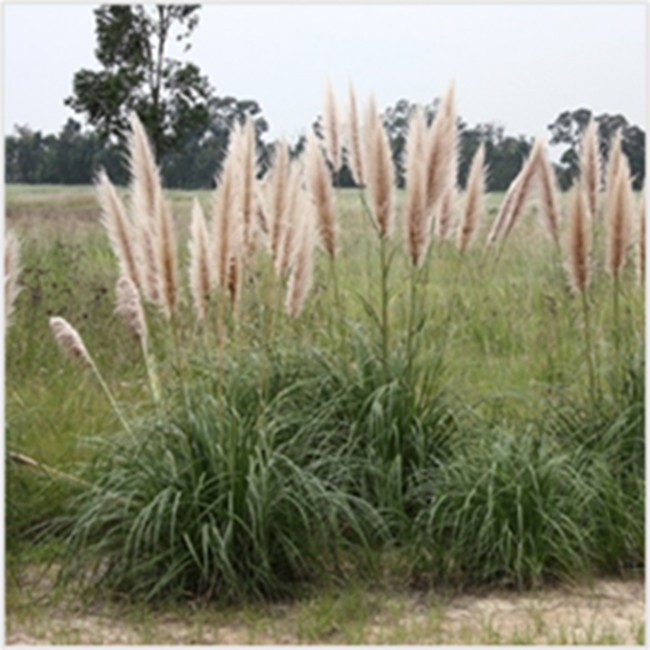
Hailing from the Pampas regions of South America, Pampas Grass is a robust tussock grass with a striking presence. Its clumps can reach impressive diameters of up to 3.5 meters, while its towering flowering stalks may soar to a height of 4 meters. The leaves of this grass are characterised by their greyish or bluish-green hues, often forming a V-shape in cross-section with rough margins. But the defining feature that captures our imagination is undoubtedly the feathery silvery-white to pink or mauve inflorescences that grace its presence from February to April.

Legislation of the Unseen Invader

In South Africa, Pampas Grass is regarded as an invasive species of serious concern. Classified as a Category 1a invasive species under the Conservation of Agricultural Resources Act (CARA) of 2002 and falling under Category 1b of the National Environmental Management: Biodiversity Act (NEMBA) National List of Invasive Species, this invasive menace has firmly established itself in the Western Cape, Eastern Cape, KwaZulu-Natal, and Gauteng provinces. According to CARA 2002, residents who fail to comply with a contravention notice could be fined R5 000 or sent to jail for up to two years, or both penalties, for a first conviction. This could be doubled at a second or subsequent conviction.

How you can help our cause:
DONATE VIA EFT:

The Endangered Wildlife Trust

FNB Rosebank (Branch code: 253305)

Account number: 50371564219

Use Reference: WIT

Historical and Present-Day Uses

In some mining areas, particularly those with soil erosion issues, Pampas Grass was employed for soil stabilisation on mine dumps. The dense root system and vigorous growth of Pampas Grass helped prevent erosion, reduce soil loss, and stabilise the soil on mining waste piles.

Pampas Grass is a highly sought-after ornamental plant with a multitude of decorative uses. Its tall stature and striking, feathery plumes make it a favourite in gardens and landscapes, where it serves as a captivating focal point, privacy screen, or windbreak. Pampas Grass plumes, prized for their beauty, are often featured in dried flower arrangements, adding elegance to interior decor and event settings, including weddings and special occasions. Additionally, its versatility extends to seasonal and holiday decor. However, while Pampas Grass is cherished for its aesthetics, it should be used responsibly, as it can be invasive in certain regions, necessitating proper management to prevent ecological harm.

Modes of Propagation and Spread

Pampas Grass employs two primary mechanisms for its relentless spread. Firstly, through seeds, the plant produces an abundance of them in an open panicle, allowing these seeds to be carried away by the wind. This ease of dispersion enables Pampas Grass to colonise new areas with astonishing efficiency. Secondly, beneath the surface, Pampas Grass extends its reach through rhizomes  (underground stems) that facilitate the formation of new clumps nearby. This subterranean network plays a vital role in its rapid expansion.

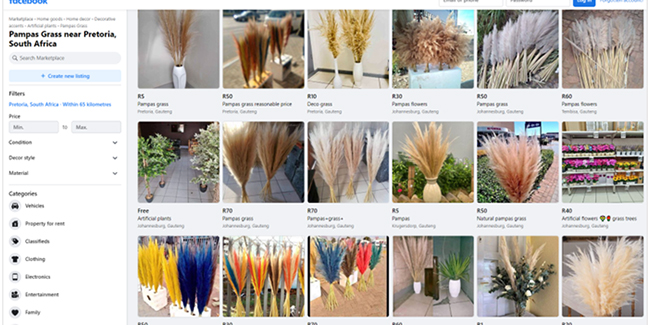
The invasive character of Pampas Grass presents a significant threat to ecosystems, causing habitat displacement as it competes vigorously with smaller indigenous grass species for vital resources such as water, sunlight, and nutrients, disturbing the delicate balance of local ecosystems. Furthermore, the sale and utilisation of Pampas Grass plumes, often laden with seeds, directly fuel the expansion of this invasive plant. This not only demonstrates environmental irresponsibility but also constitutes an illegal activity when used as decorative accessories for weddings, events, or decor.


What can you do?

  • Familiarise yourself with the legislation
  • If you manage your own land, keep it clear of Pampas Grass
  • Do not buy Pampas Grass from nurseries
  • Purchase faux, synthetic and fake Pampas for ornamental purposes
  • Report any Pampas sales to the authorities

While Pampas Grass may initially appear to be a charming addition to your home or event decor, it is imperative to recognise the potential harm it poses to South Africa’s precious natural environment. Responsible usage and a commitment to avoiding Pampas Grass are fundamental steps in safeguarding our native ecosystems. Let us make informed choices to ensure that the beauty we seek in our decorations does not come at the expense of our invaluable wildlife and habitats. Together, we can protect South Africa’s rich biodiversity from the silent threat of Pampas Grass.

Contact the EWT for more information.


Adverts featuring Pampas Grass for sale.


The Fragility of Africa’s Lions

The Fragility of Africa’s Lions

The Fragility of Africa’s Lions

Samantha Nicholson, the EWT’s Carnivore Conservation Programme


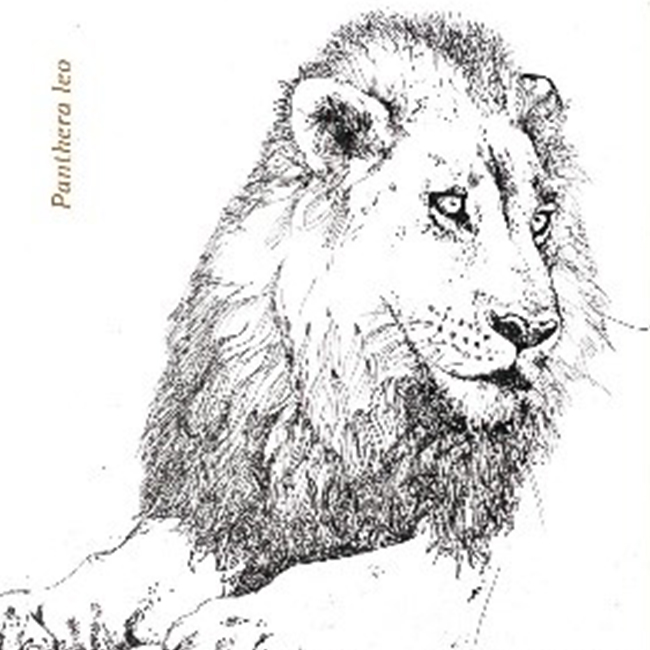
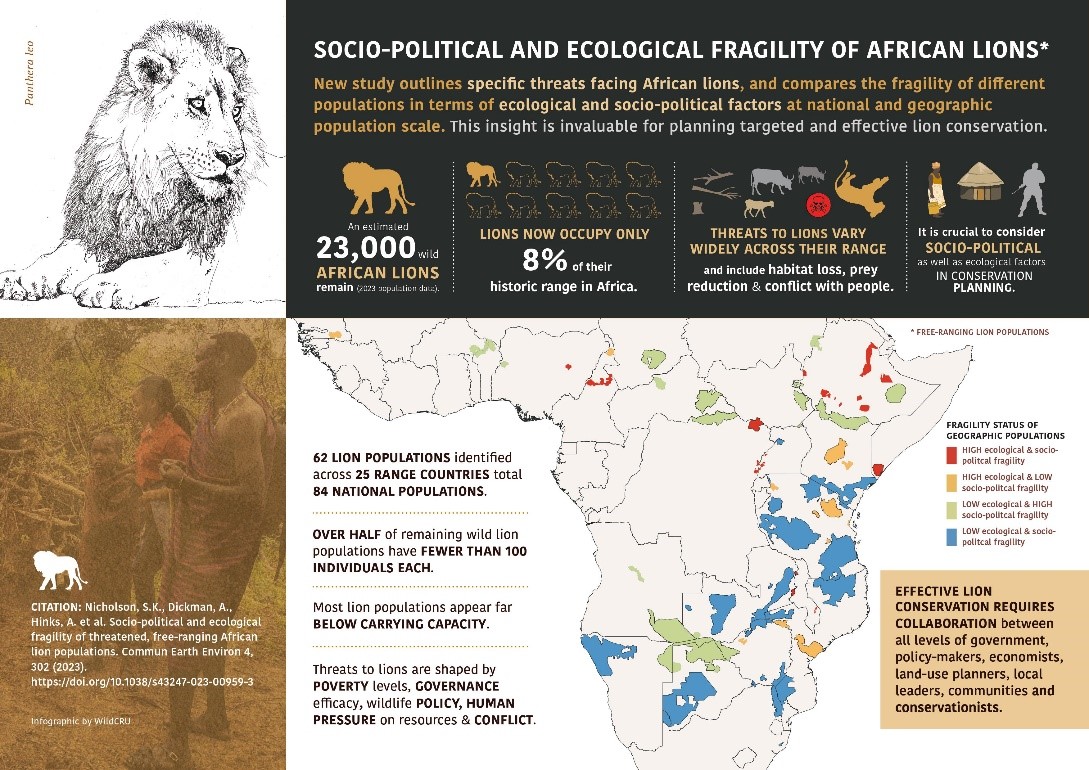
The African Lion (Panthera leo) is an iconic and culturally significant species, valued by both global public sentiment and local communities in many regions. Lions hold ecological value as apex predators, with their removal from ecosystems leading to adverse and long-lasting ecological consequences. Additionally, lions contribute to the economies of countries through tourism, attracting both photographic tourists and trophy hunters.
However, lion populations have dramatically declined over recent decades, with the most recent estimates suggesting 20,000 to 25,000 wild lions remaining in Africa, and they have been extirpated from 92% of their historical range. As such, effective conservation efforts are urgently needed, but the lack of comprehensive knowledge about specific threats and the socio-political contexts has hindered progress. The underlying drivers of lion threats are complex, involving socio-political factors such as poverty, governance (including corruption), wildlife policies, human pressures, and armed conflicts.
A recent study conducted a comprehensive assessment of the fragility of lion populations across their African range, considering both ecological and socio-political factors. The study first identified and mapped wild African Lion populations. The researchers then created two general categories of population fragility, ecological and socio-political, and identified factors in these two categories that may influence the survival of wild lions. For example, a smaller lion population or higher densities of people and livestock were factors contributing to higher ecological fragility, while higher corruption or lower GDP per capita would contribute to greater socio-political fragility. Once calculated, both socio-political and ecological factors were combined into a single overall fragility index, and each lion population was compared relative to all others. The fragility score does not suggest which lion populations deserve protection or funding. It does, however, highlight the varying ecological and anthropogenic pressures facing different population and which populations may require relatively more resources (financial or other) to conserve.

How you can help our cause:
DONATE VIA EFT:

The Endangered Wildlife Trust

FNB Rosebank (Branch code: 253305)

Account number: 50371564219

Use Reference: CCP LIONS


The combination of these two indices provided some interesting comparisons. Some populations may ultimately have similar fragility scores, but they are driven by different threats. Thus, while on the surface, the lone lion populations in Sudan and Benin may appear similar, they likely require different levels of investment and perhaps even different types of intervention for conservation to succeed. Pouring money into conserving Sudan’s lions may be relatively ineffective unless the socio-political factors such as the civil war are dealt with first. Thus, stakeholders, investors and conservation groups must be aware of these differences when approaching lion conservation and evaluating how much money, time or other investment may be needed to see success.
Our study revealed that Maze National Park in Ethiopia was identified as the most ecologically fragile population at both a geographic and national level. This can largely be attributed to intense edge effects from high densities of both cattle and people. When assessing at the national level, Cameroonian and Malawian lion populations were most ecologically fragile due to their small populations and isolation from other lion populations. Somalia was the most fragile lion range country from a socio-political perspective. Maze National Park and Bush-Bush (Somalia) were found to be the most fragile overall when ecological and socio-political fragility scores were combined.
Conservation is needed more than ever. Our study showed less than half of the 62 known remaining free-ranging wild African Lion populations have over 100 lions. African Lions remain in only 25 countries and nearly half of these nations have fewer than 250 individuals. Eight countries now house only a single wild lion population. Although lions are estimated at between 20,000 and 25,000 individuals, there is concern that these small populations and countries with few individuals will disappear.
These findings emphasize the need for more nuanced and precisely targeted lion conservation plans, considering both ecological and socio-political dimensions. As lions teeter on the brink of extinction, this research serves as a vital resource for informed conservation efforts. By considering ecological and socio-political factors, this model offers insights into factors affecting population persistence and successful conservation action.

Nicholson, S.K., Dickman, A., Hinks, A. et al. Socio-political and ecological fragility of threatened, free-ranging African lion populations. Commun Earth Environ 4, 302 (2023).

https://doi.org/10.1038/s43247-023-00959-3


People behind the paw: Clive Walker

People behind the paw: Clive Walker

People behind the paw: Clive Walker

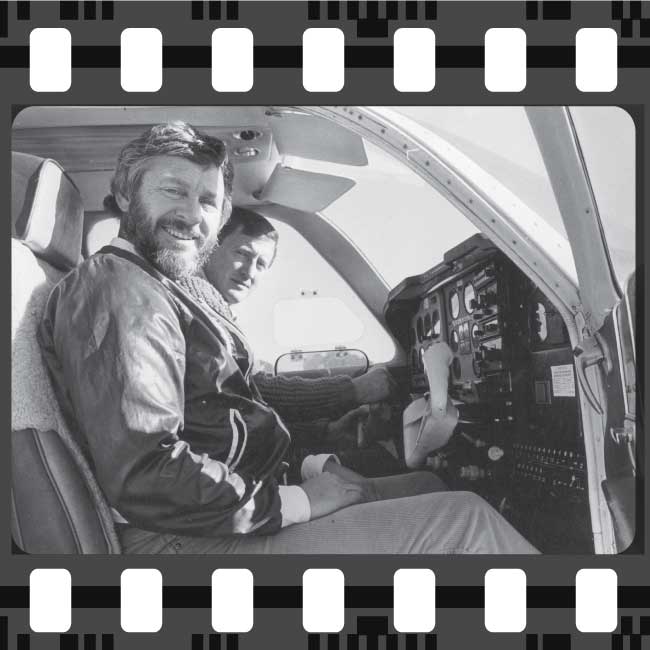
Clive Walker in a helicopter

Clive Walker in a helicopter

Clive Walker, Founder

My wildlife journey commenced as a teenager with my mother and aunt Peggy taking my brother Barrie, three cousins, and myself to the Johannesburg Zoo more than 76 years ago. My cousin Elizabeth and I were old enough to ride on the back of an Indian (Asian) Elephant. The zoo later stopped offering elephant rides, but I never got over the experience of riding on one of these amazing animals.

A few years later, after my mother purchased a 1948 Chevrolet 4-door sedan, I saw elephants and baobab trees in the Kruger National Park, both of which fascinated me and filled me with awe. My mother, grandmother, and aunt Francis, who was an ambulance driver in the Western Desert during World War II, accompanied us to the Kruger every winter for a week, camping in cottage tents with iron beds, water pitchers, iron chairs with wooden slats, and bathrooms we would have to find with a paraffin lantern in the evenings. The start of a long African safari.

Elephants and rhinos have occupied much of my time throughout my life. In the case of elephants, I have ridden them, painted them (simply awful), witnessed them being hunted and culled, tracked them on foot as a ranger and a guide, fled from many, researched them, counted them, photographed them and in time painted better pictures of them, and devoted much energy to conserving them. My original journey into the realm of elephants commenced in the mid-1950s at the age of 21 when I accompanied my mentor and old enough to be my father, Hans Bufe, a South African of German descent on a safari into Portuguese East Africa (Mozambique) to hunt elephants. Yes, you read correctly. Over the next three years, I focused mainly on hunting and collecting – not only trophies but ‘knowledge’ gained from our Shangaan trackers, who knew even more than Uncle Hans. This knowledge proved invaluable when I was a ranger in Bechuanaland and later a ‘wilderness’ guide in elephant and lion country. The conservation world of today is not the world I grew up in, although most of my friends and my mother thought I was insane at the time and that I stood a good chance of being killed which bothered them more than my desire to shoot an elephant. Today’s world is very aware of the decline in the continent’s elephants and wildlife in general. The irony is that today we have far more elephants across Southern Africa than we ever had in the 1950s. In fact, by the turn of the 19th century, very few elephants survived outside of the Kruger National Park, which had few elephants to speak of.

When I stood in the great hall of the Natural History Museum in London one summer day in 1959 and gazed upon a fully mounted family group of elephants, a strange feeling of remorse came over me. What possessed me to think I wanted to kill one of these animals? I never again felt the urge to do so. The walking trails among elephants I led over the 20-odd years that followed were successful largely due to the knowledge I gained from my Shangaan trackers in Portuguese East Africa. I never once got into a situation where I had to kill an elephant or any other dangerous game in self-defence.

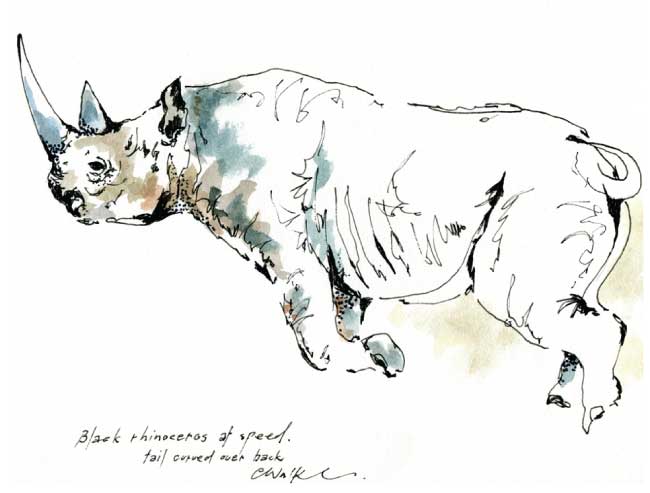
From London, I returned to Africa down the East Coast in January 1960 and realised a long-held desire to visit Kenya and, in particular, to view Mount Kilimanjaro, which I and four other shipboard companions did while staying in the Tsavo National Park. Around a million elephants still existed in Africa, and perhaps 100,000 rhinos. Twenty years later, I returned to the same park as the Director of the EWT, and it was an entirely different story I was to encounter. The park once held some 9,000 black rhinos, and all had died from drought and heavy poaching. They had become extinct, and I was devastated.

My conservation journey commenced as it did from my first ever five-day walking trail in the iMfolozi wilderness in 1972, which was to lead to a total change in my life’s direction and led to the founding of the Endangered Wildlife Trust in 1973.