Donate today: support our k9's 
 mission

Field work for the Wildlife and Energy Programme

Field work for the Wildlife and Energy Programme


Field work for the Wildlife and Energy Programme

 One of the field officers of the Endangered Wildlife Trusts’ Wildlife and Energy Programme, Ronelle Visagie, travels a lot through the Northern Cape, Eastern Cape and the western and southern Free State to investigate powerline incidents. 

Ronelle recently travelled to a powerline 100 km southwest of Kakamas for an investigation, and also surveyed  seven powerlines in the Eastern Cape and one in the southern Free State.  Driving around our beautiful country does have its advantages and grants us as EWTers an opportunity to visit and experience different parts of our beautiful country.  

This month we share with you a few photographs of Ronelle’s recent journey to investigate powerlines.
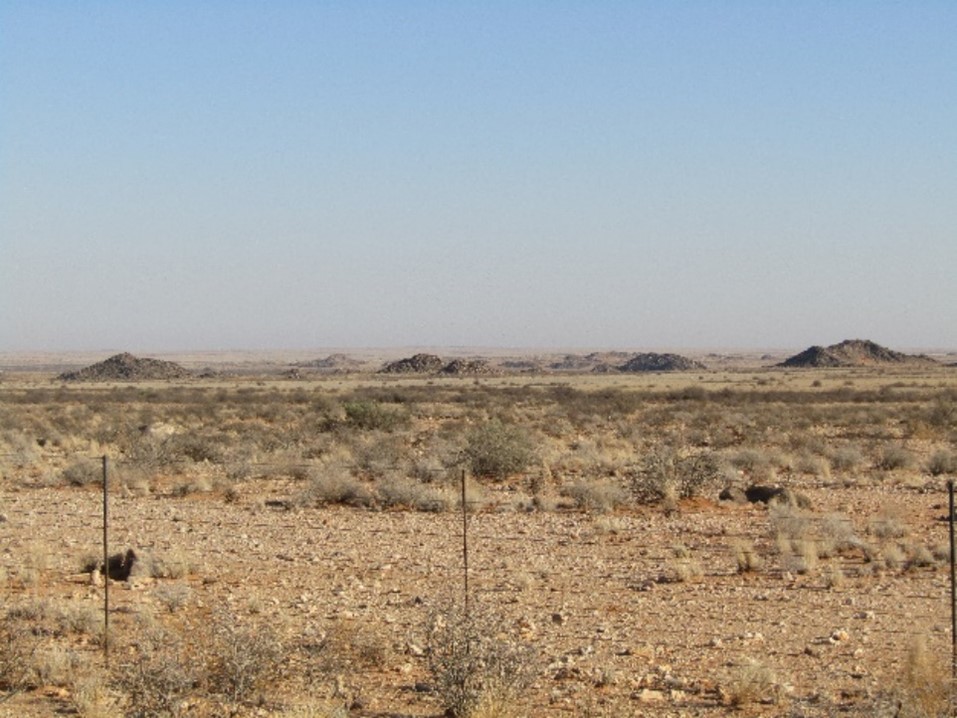
 

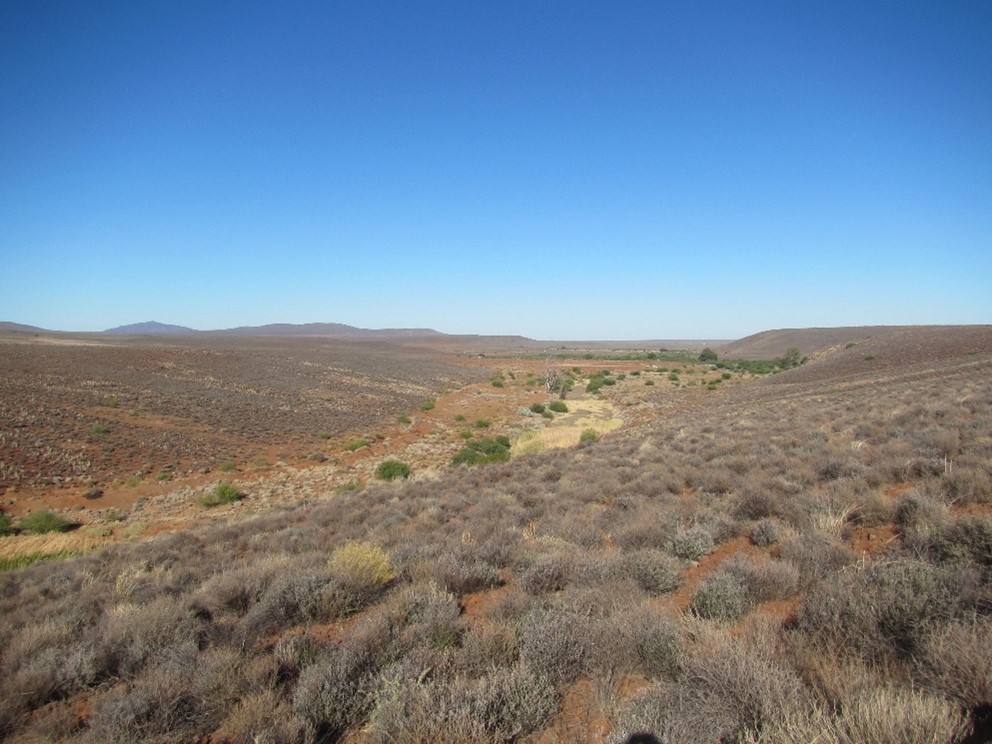
Kakamas is in Namaqualand, a desolate part of the Northern Cape. Despite being situated on the banks of the Orange River, this area is typically very dry. Most people only ever pass this area en route to Namibia or the Kgalagadi Transfrontier Park.

Believe it or not, there are White-Backed vultures in Namaqualand. This picture of three vultures sitting on an electricity pylon was taken 100 km southwest of Kakamas.

Ronelle also passed two Cape Griffon Vulture roosting sites on her journey through the Eastern Cape and Free State. The one is near Zastron in the Free State. The other was seen between Burgersdorp and Jamestown.
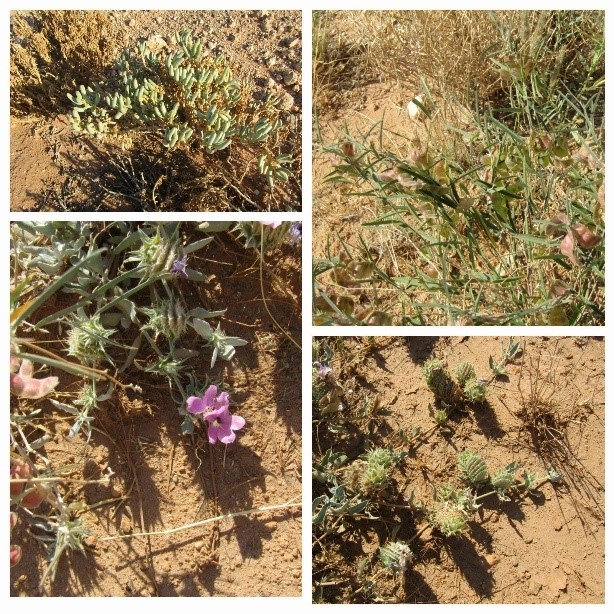
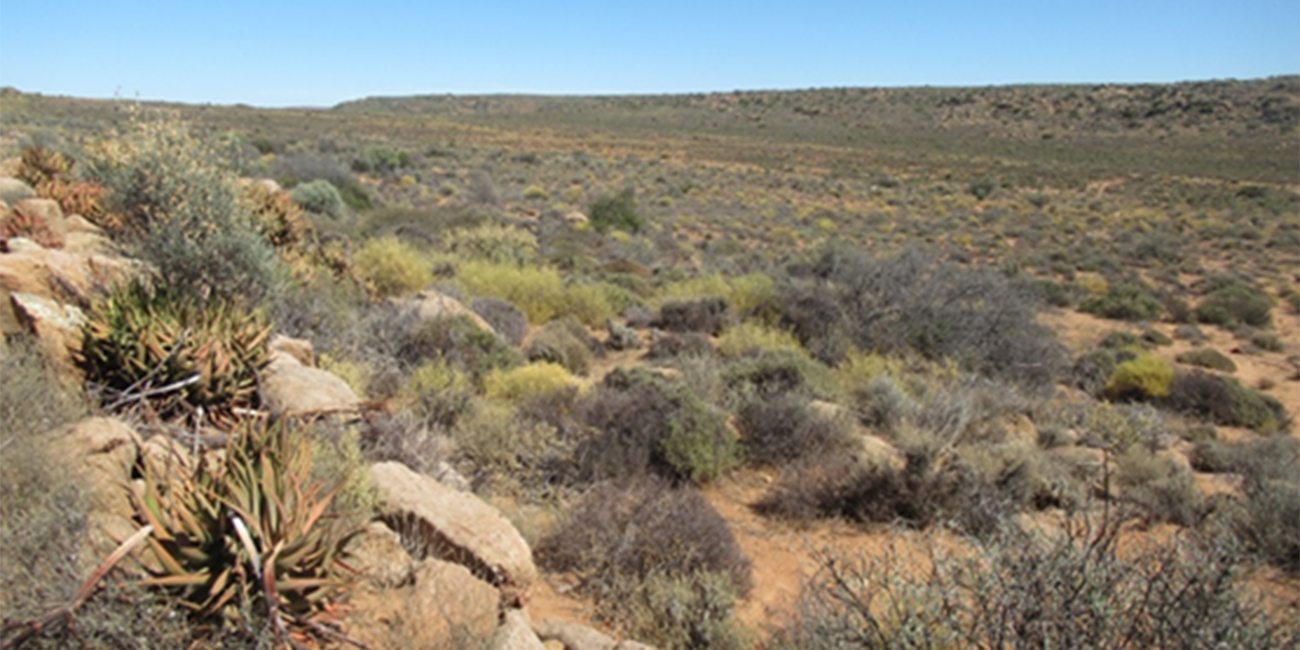
The plants in this region are something special, especially because most are unique to this part of our coutry. Even though winter was approaching, some of the veld plants in this dry habitat were flowering making this visit colourful.
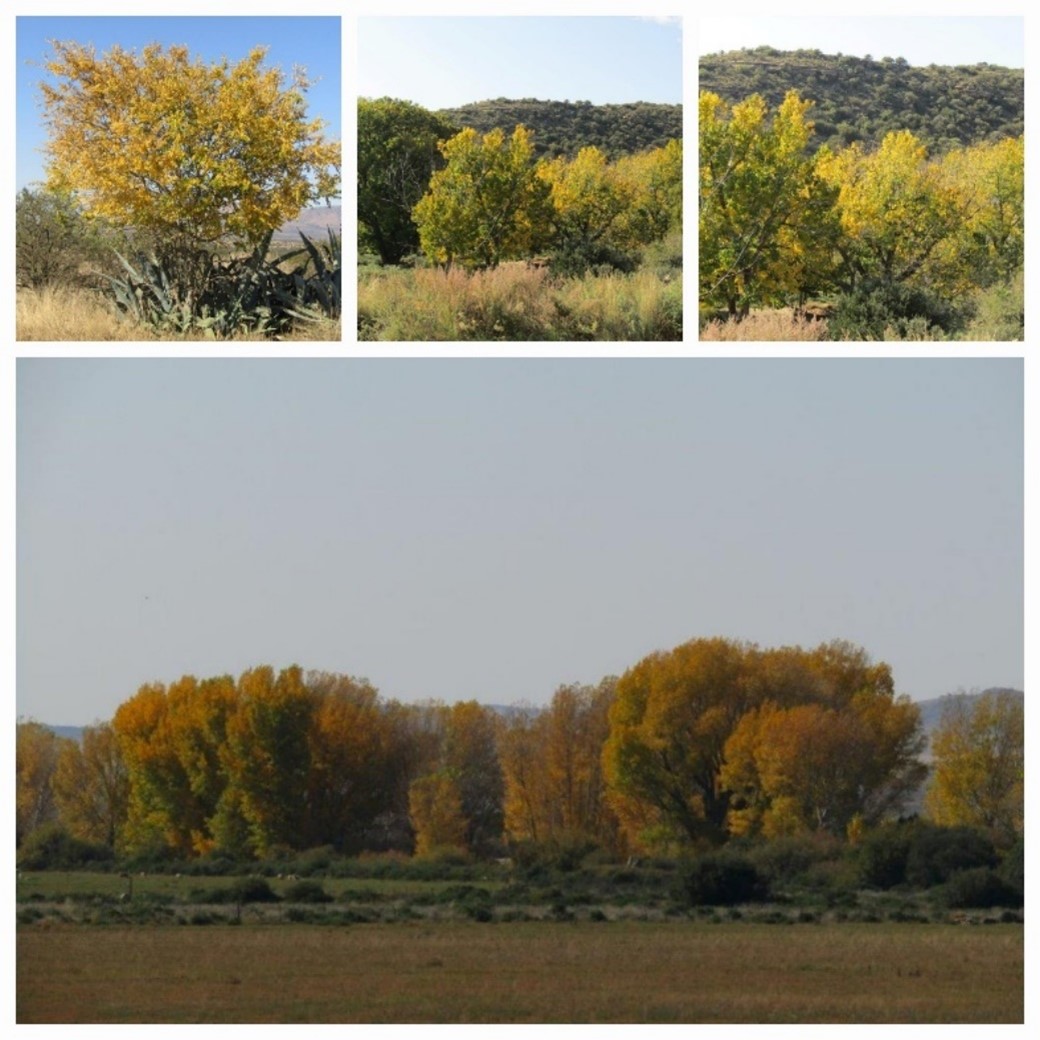
Because it was late in autumn, the Eastern Cape and Free State were beautiful. All the trees were showing off their autumn leaves, and the Orange Charmer shrubs (Pyracantha coccinia or Fire Thorn) were covered in berries. Unfortunately, the Orange Charmers are an exotic species.

A picture can tell a thousand words. Even though it was not very hot, this picture shows the importance of one tree. A flock of sheep gathered under it in the midday Sun for some shade
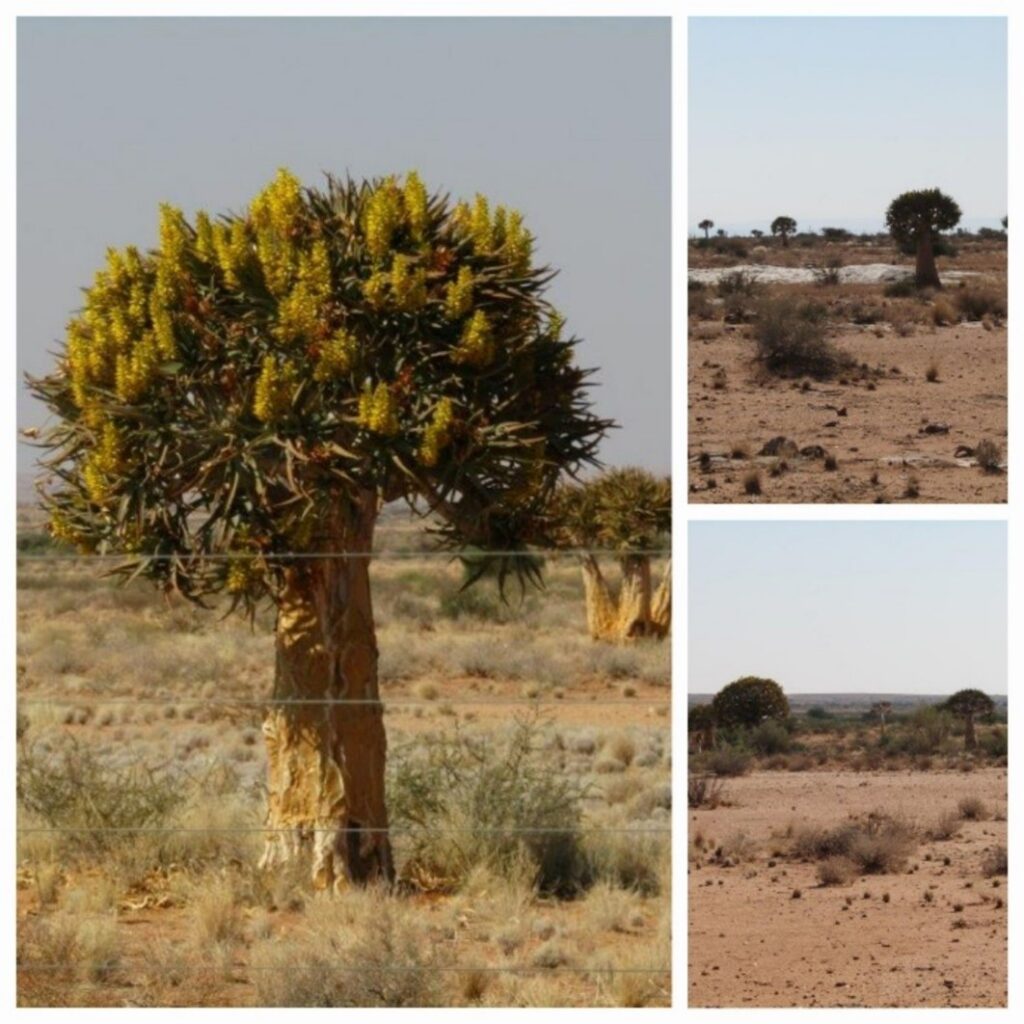
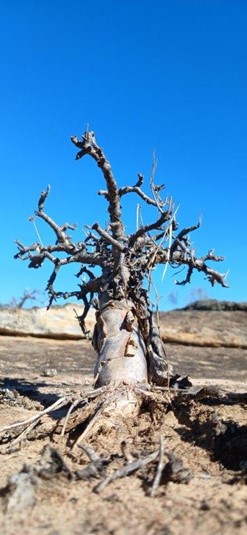
Namaqualand is well known for its Quiver Trees, which had started their annual bloom. Seeing these critically endangered giant trees flowering is a special experience, especially because they are one of South Africa’s most spectacular and rare aloe species.
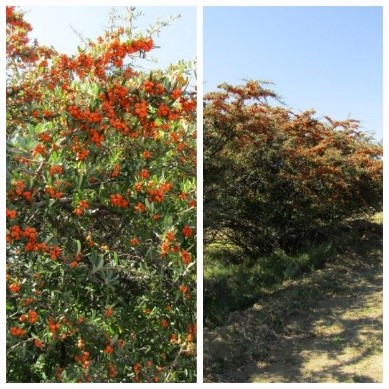
The Orange Charmers were spread out in the Free State and Eastern Cape.
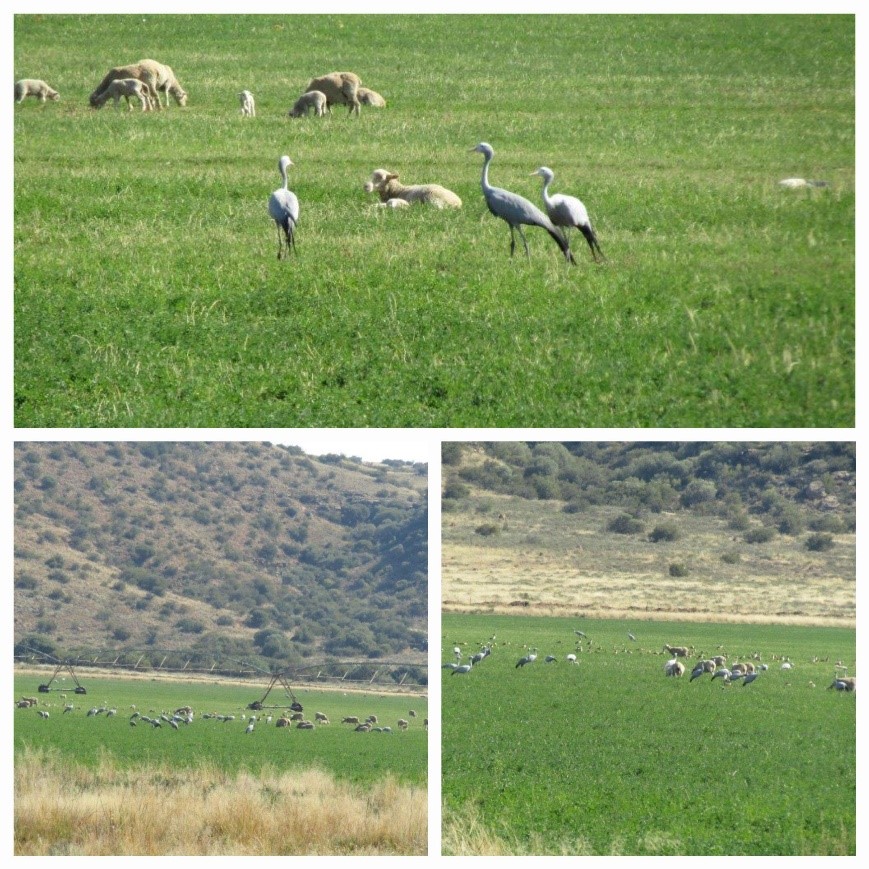
South Africa’s national bird, the Blue Crane, is the world’s most range-restricted crane. Although Ronelle did not see many Blue or Grey Crowned Cranes during her survey of the powerlines, she did come across this flock of more than 330 Blue Cranes on agricultural land near Venterstad in the Eastern Cape on her trip home.
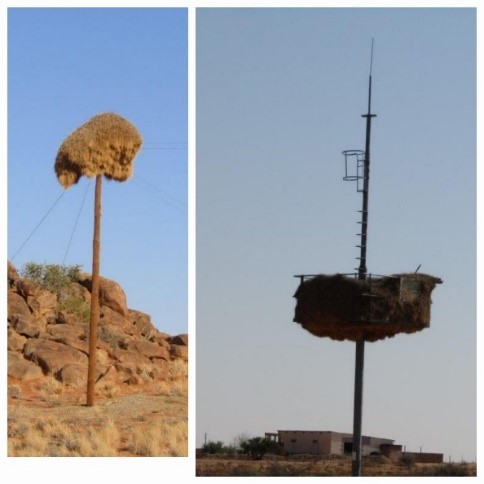
The drier western part of the Northern Cape is also very well known for its characteristic Sociable Weaver nests. Social Weavers typically build their nests in Camel Thorn trees, but also have a preference for bare manmade structures, such as telephone and electric poles. These huge nests of straw and grass can be seen for miles and are often home to colonies of more than 100 birds.
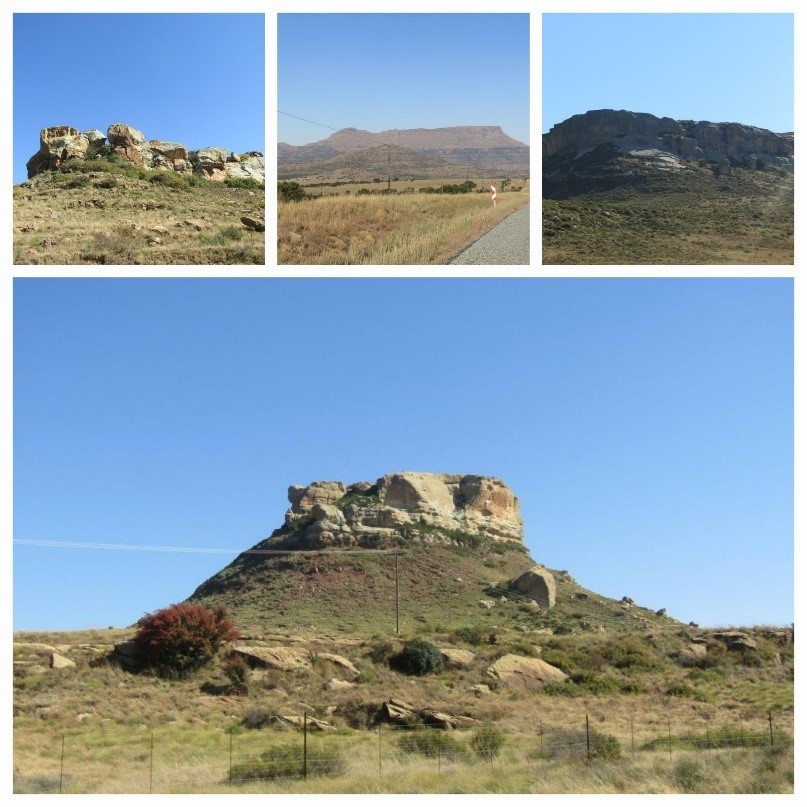
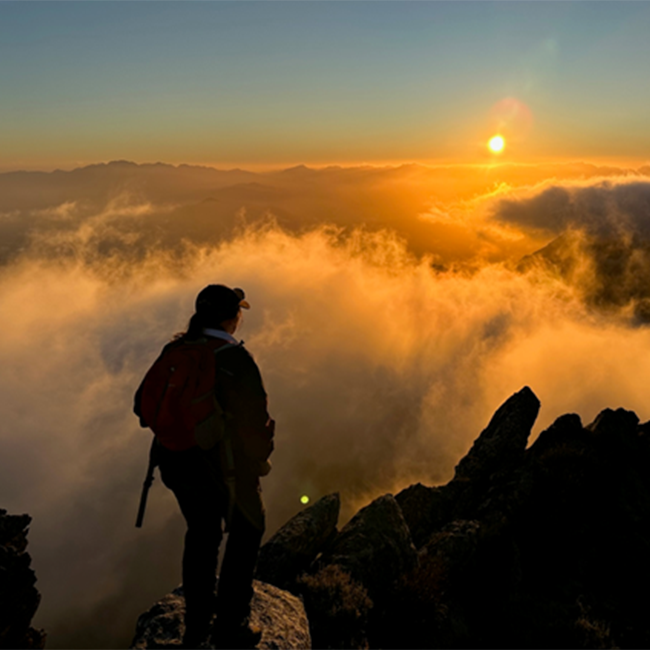
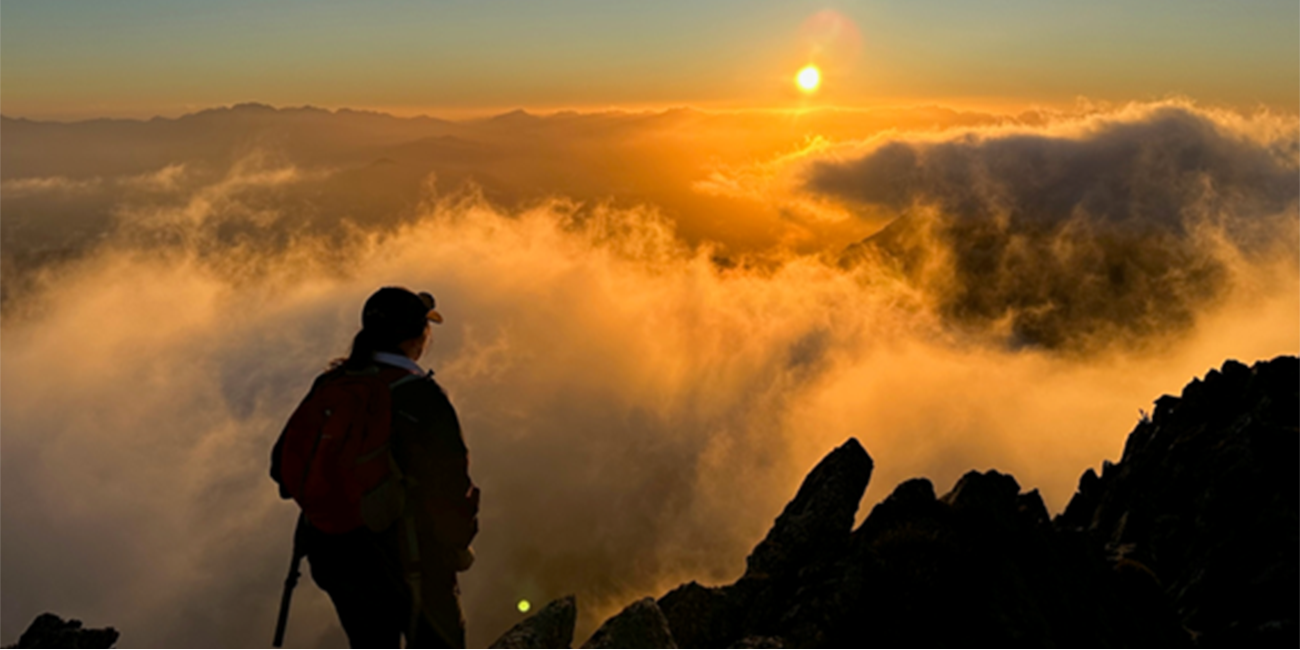
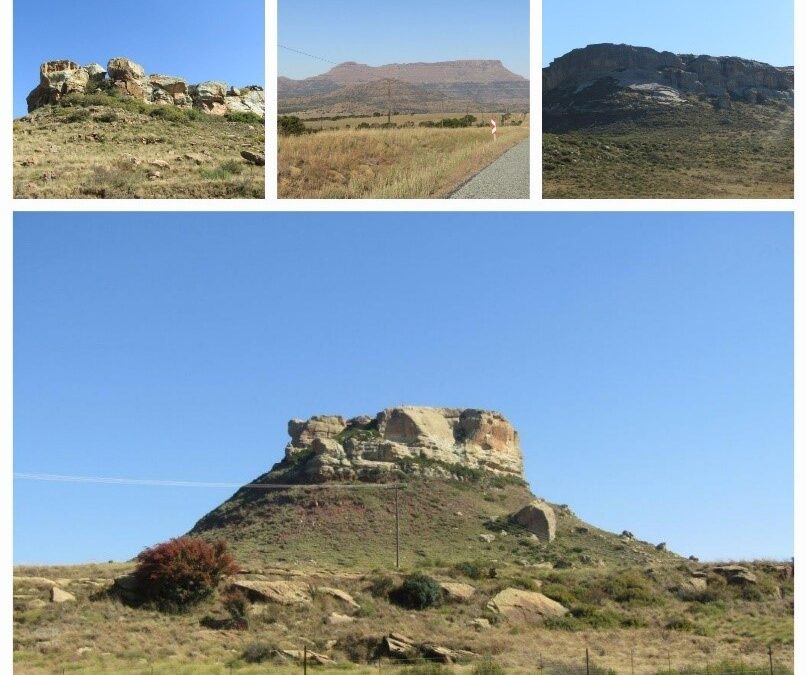
Travelling through the Eastern Cape you are able to view beautiful mountains and rock formations.
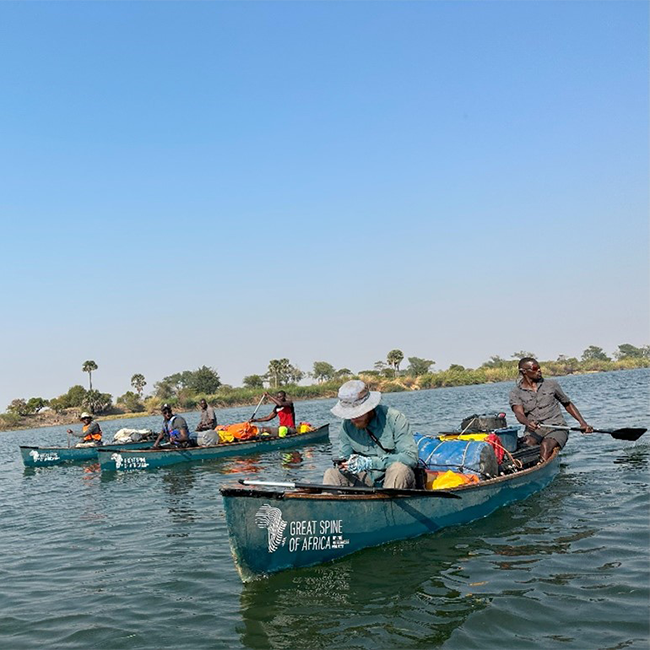
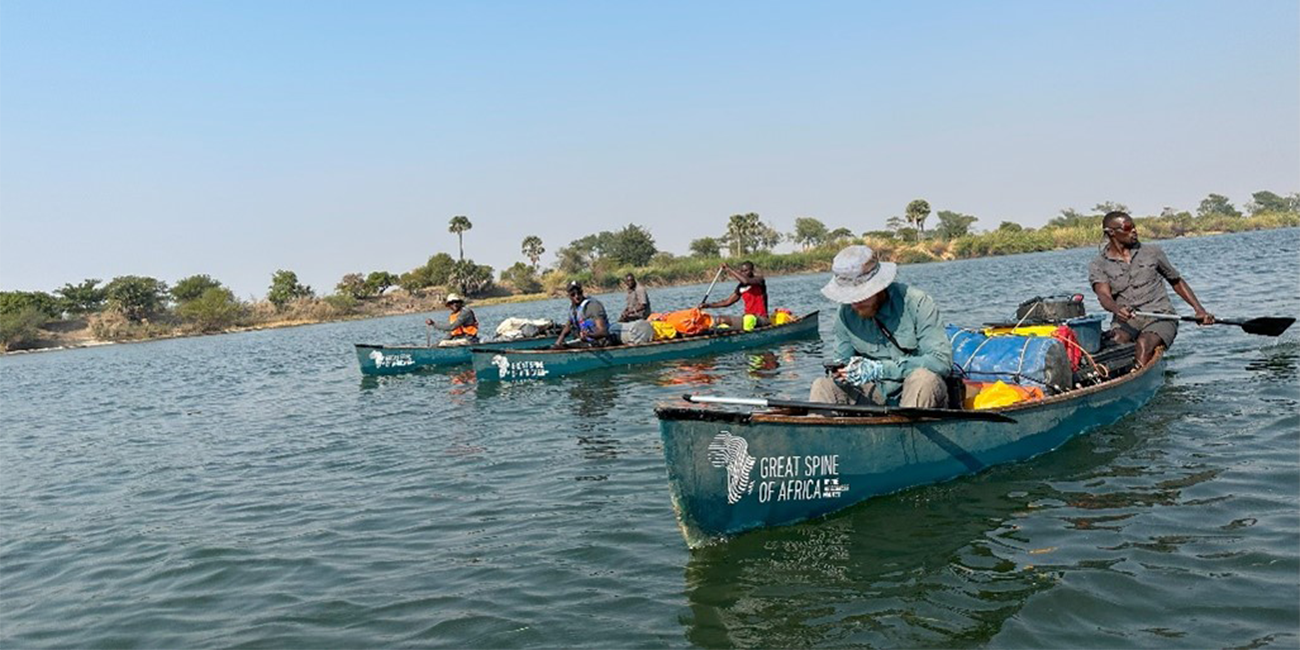
Canoeing the Kafue River for research

Canoeing the Kafue River for research


Canoeing the Kafue River for research

Kelvin Steven Floyd, Restoration Ecologist in Zambia, African Crane Conservation Programme


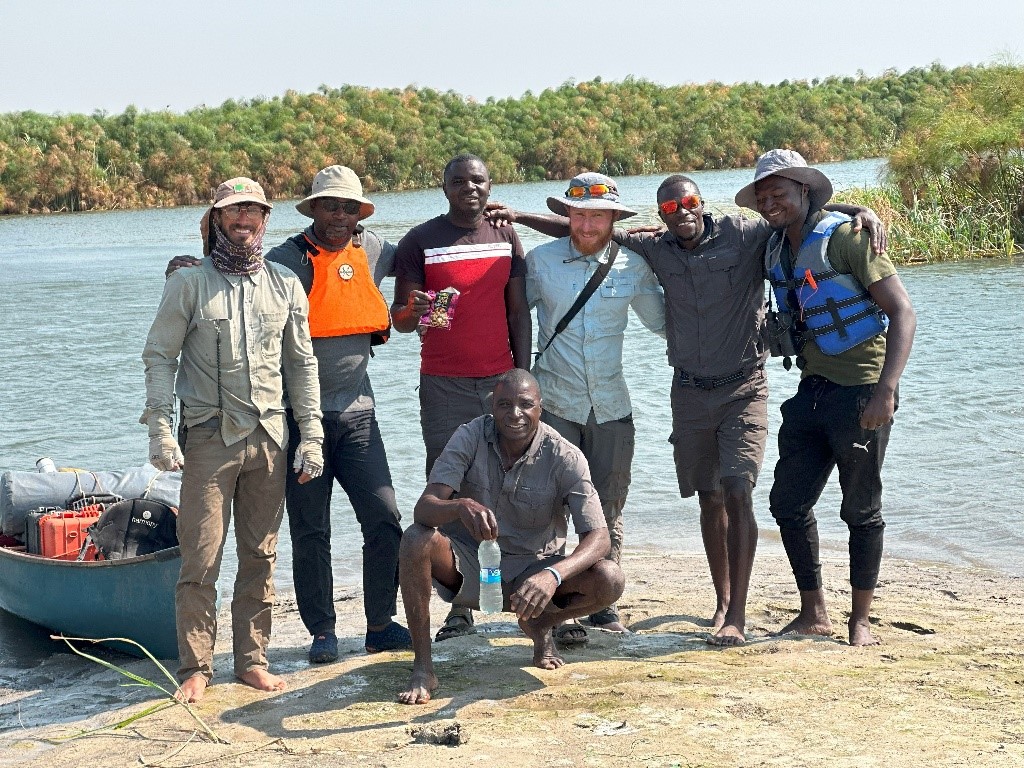
The World Bird Foundation of America has a project called the Wilderness Project to explore major rivers in Africa including the Congo, Zambezi, Luangwa, Kafue River. I was recently privileged to join one of their team exploring the Kafue River from its source to the confluence with the Zambezi River.

I joined the team led by Dr. Joseph Cutler, who is also a National Geographic Explorer, from Zambia’s bird-watching paradise at Itezhi-Tezhi to the Kafue bridge covering the Kafue Flats stretch of the journey.

We paddled over 350kms in 13 days enduring strong winds and huge waves which almost tipped our canoes over, this expedition had everything, it was tiring, exciting, frightening, adrenaline filling but most of all a great opportunity for knowledge generation.

Throughout the transect, we recorded all the waterbirds, herbivores, collected water samples for analysis of heavy metals, human activities, invasive species, Environmental DNA, invertebrates which will be key for our JRS Biodiversity Foundation project, which is part of our work within the International Crane Foundation/EWT Parthership focusing on research and monitoring under the Kafue Flats Restoration Partnership. The aim of the JRS project is to fully design and implement the much-needed ecological monitoring, assessment, and management plan for the Kafue Flats wetlands in Southern Zambia. 

The objective of this plan is to monitor important freshwater biodiversity indicators including threatened and endangered species (Wattled and Grey Crowned Crane), large mammals, waterbirds, wetland vegetation, and other wetland parameters, and human threats/ management challenges such as invasive species, fire, water, and livestock density. The results from the monitoring and assessment will inform and drive the adaptive management of the Kafue Flats, especially the conservation of vital wetland biodiversity in this globally important ecosystem. 

Lions roaming Phalaborwa darted and sent back to the Kruger National Park

Lions roaming Phalaborwa darted and sent back to the Kruger National Park


Lions roaming Phalaborwa darted and sent back to the Kruger National Park

by Marnus Roodbol, lion conservation senior field officer, CCP

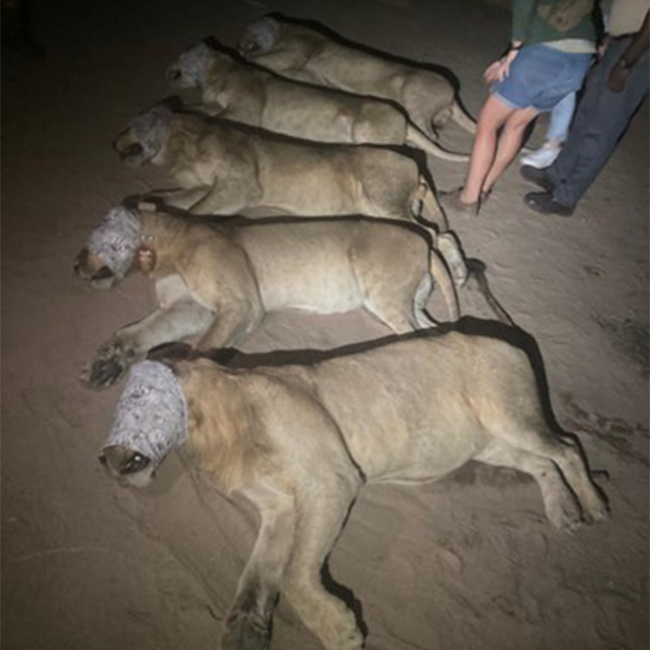
On Monday, 3 June, 2024, five young lions were spotted roaming Villa Luso in Phalaborwa. The  same lions were later spotted by the Phalaborwa horse patrols along the western boundary of the Kruger National Park, south of the Phalaborwa gate.

Later in the they moved onto the Hans Merensky Golf Course before returning to the greater Kruger area.

Although the community and stakeholders assumed that the lions had left the town and  returned to the safety of the greater Kruger, the pride was again seen in town later that night.

That was when we all sprang into action to ensure that the five lions were removed from the town limits and moved to the Kruger National Park.

Following a consultation between the Limpopo department of Economic Development, Environment and Tourism (LEDET), the Phalaborwa Heritage Foundation (PNHF), the Endangered Wildlife Trust (EWT), and the regional and section rangers of the Kruger National Park,  it was decided to capture the lions and to move them back into the safety, and security, of the greater Kruger area.

The EWT Carnivore Conservation team on site assisted in the capture and darting of the five lions – two adult females and three young males.  One of the lionesses was fitted with a GPS tracker by the EWT so that we can continue to monitor the pride’s movements.  This will also assist stakeholders should further assistance for this pride be needed in future.


The darted lions, of which one was collared, before being transported back into the Greater Kruger area.

Wild Dogs rescued from snares

Wild Dogs rescued from snares


Wild Dogs rescued from snares

By Ronja Haring, field officer, Carnivore Conservation Programme


The dangers emanating from snaring for bushmeat and the importance of monitoring wildlife for threat mitigating was again highlighted during the most recent call-out by the EWT’s Carnivore Conservation Programme’s field officers.

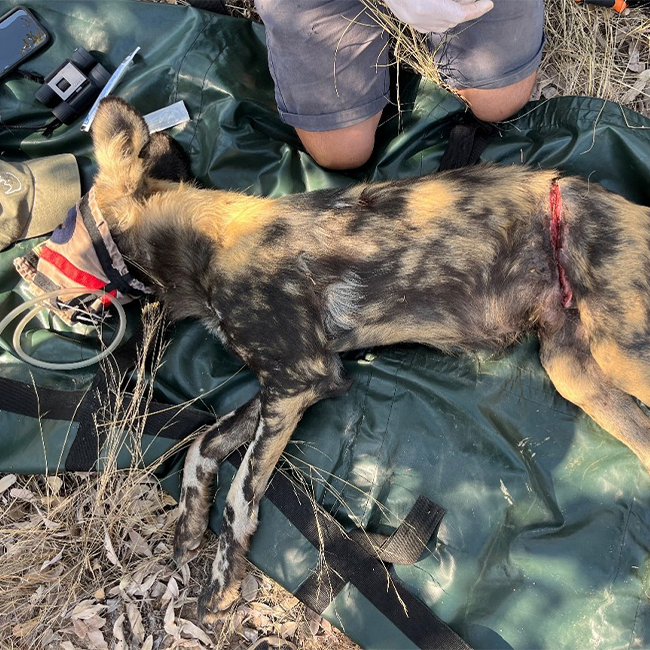
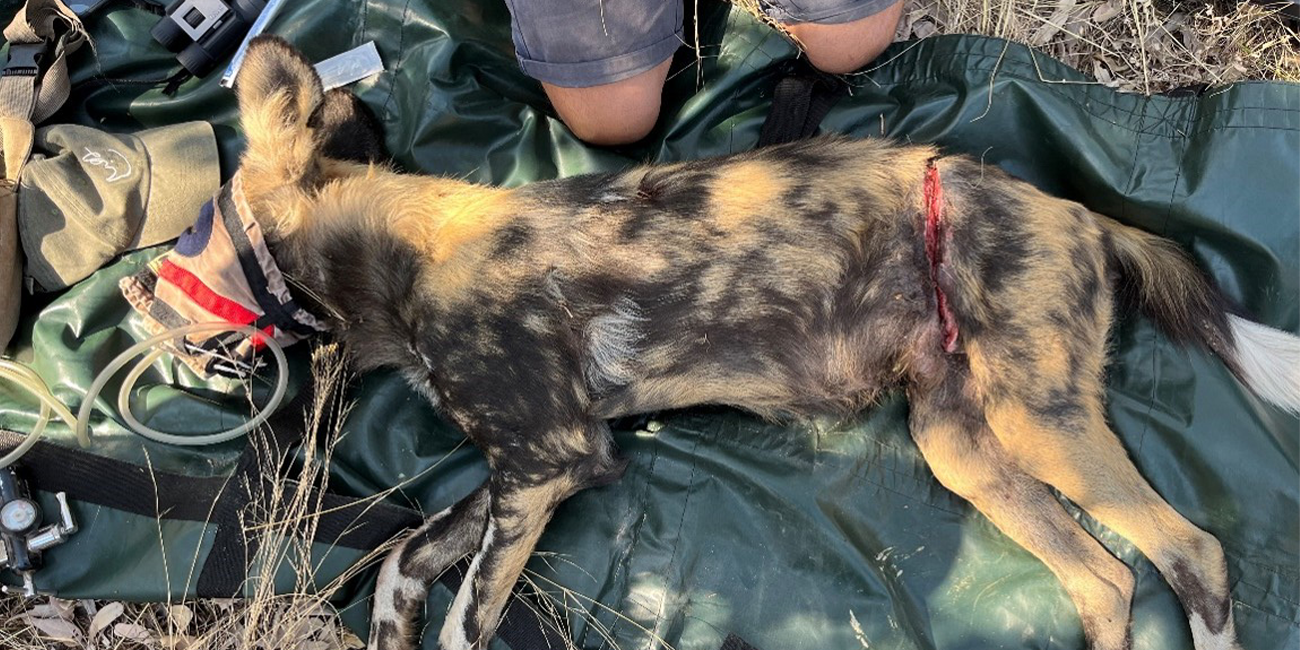
We were informed that a Wild Dog with a snare around its waist had been spotted outside the western boundary of the Kruger National Park. The dog is from one of the dispersal packs that we monitor closely and due to the GPS collar, we were able to track them down without delays.

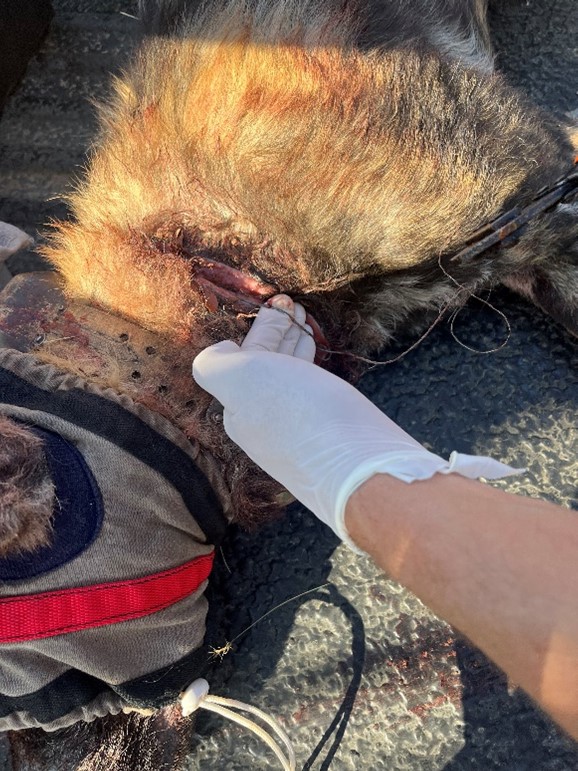
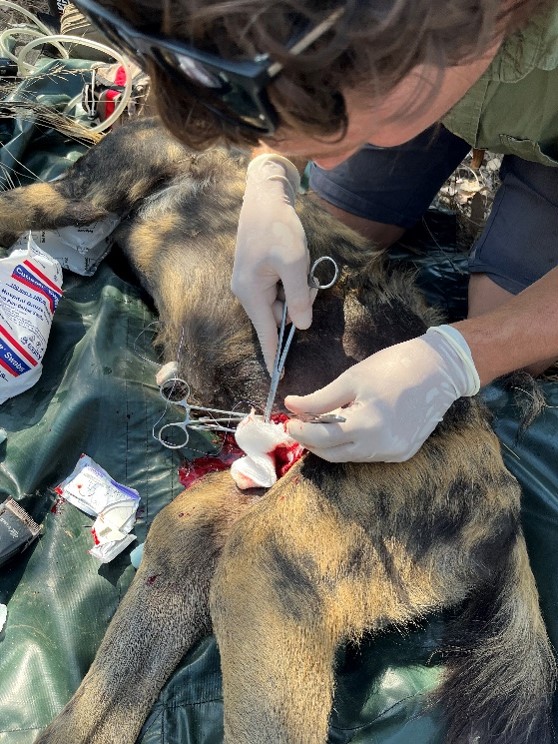
Fortunately, we could dart and free him of the snare. Although the snare cut deep and some stitches had to be put in place, no vital organs were injured.

Alarmingly though, we realised that he was not the only dog with a snare. We struggled to make out how many of the five dogs in this pack were affected as our window to act was closing. So we promised to return soon to treat the remaining dogs. 

Shortly after, we were back in the field to continue where we had left off. Once we located the dogs, we grabbed our binoculars and had a close look at each individual. It is easy to spot the big, slashing wounds. But in the beginning fresh wounds from snares are difficult to sport because they are sometimes so subtle, even though they rarely stay that way. Often, once the snare has broken through the skin, which serves as a natural protective barrier, severe damage is caused in a short time. 

We were soon facing the fact that this mission wouldn’t be an easy one because three  more dogs had to be caught and treated. Strategically and with enormous patience, we managed to dart all three of them in one go.  

Considering that 4 of the 5 dogs were affected, the entire pack could have easily been wiped out. Dedicated to protecting our endangered wildlife, we will do everything in our power to mitigate these threats and respond to emergencies.

The dogs treated by a veterinarian in the veld are all recovering well.


EWT celebrates the International Day for Biological Diversity with a business summit

EWT celebrates the International Day for Biological Diversity with a business summit


EWT celebrates the International Day for Biological Diversity with a business summit

By Catherine Kühn, EWT National Biodiversity and Business Network.

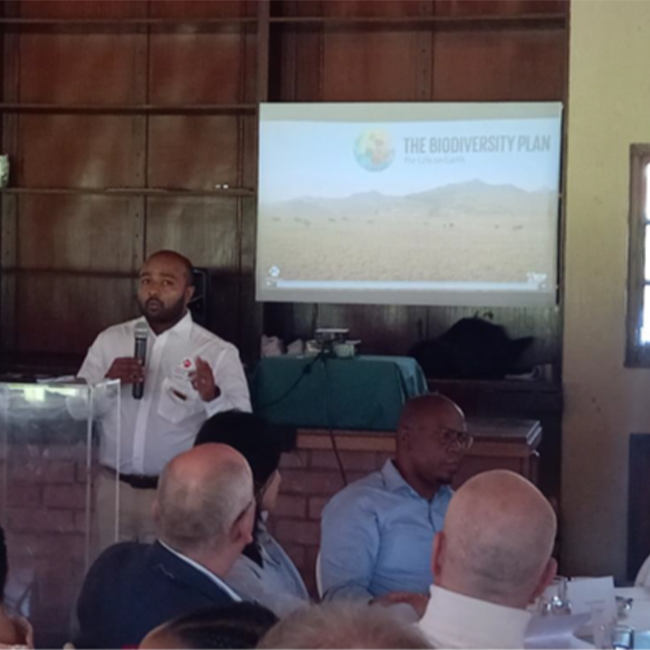
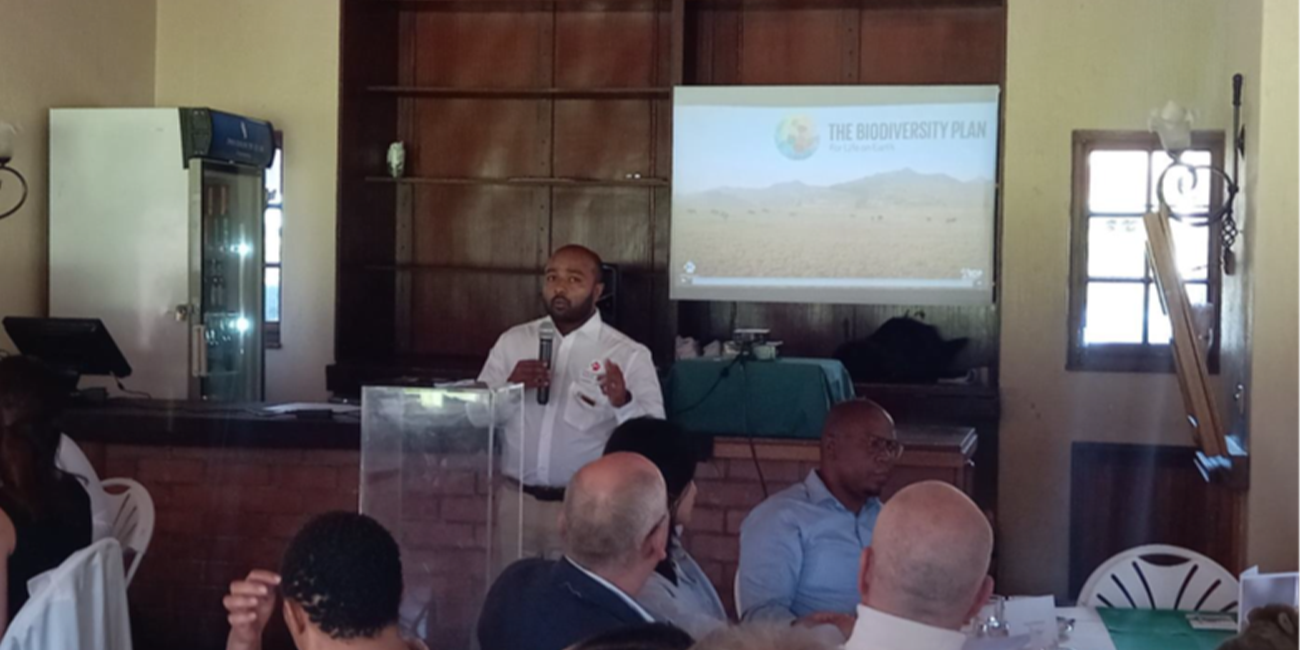
EWT Senior Manager Sustainable Financing, Kishaylin Chetty, sharing information biodiversity planning


In recognition of the International Day for Biological Diversity (IBD) on 22 May 2024, the Endangered Wildlife Trust’s (EWT) National Biodiversity and Business Network (NBBN) hosted the first of four workshops for 2024 for its Business Advisory Group (BAG) members.

This summit is part of a project spearheaded by the NBBN and supported by the international policy and advocacy group, Business for Nature (BfN).

South Africa is one of four countries to receive support from BfN as part of their Business Action and Advocacy for the Planet project, with the aim being to provide guidance to the Department of Forestry, Fisheries and the Environment (DFFE) on Biodiversity and Business-related topics. This includes how to effectively incorporate the private sector in the implementation of the goals of the Global Biodiversity Framework in South Africa.

Working with Malaysia, South Africa, Columbia and Chile, BfN supports business-government dialogues to ensure the role of business and financial institutions is fully recognised in their updated National Biodiversity Strategies and Action Plans (NBSAPs). The NBSAPs are the policy tool to ensure successful and effective implementation of the CBD. South Africa’s NBSAP currently covers 2015-2025 and is under review.

Dr Gabi Teren, Programme Manager of the NBBN, says:  “South Africa, has in many ways, an opportunity to demonstrate leadership in this space”. Because all businesses depend on biodiversity in some way, the responsibility is on business and government to ensure that transformative policy measures required for this sector to make a positive contribution to the natural world, are in place.

It is hoped that through the BAG, businesses and financial institutions will be able to contribute effectively, and meaningfully, to the 30×30 biodiversity targets which state that 30% of terrestrial and marine areas need to be formally conserved by 2030. According to South Africa’s Land Audit report, 2017, estimates suggest that about 79% of South Africa’s land is privately owned. This includes agricultural lands, game reserves, and other types of private property.

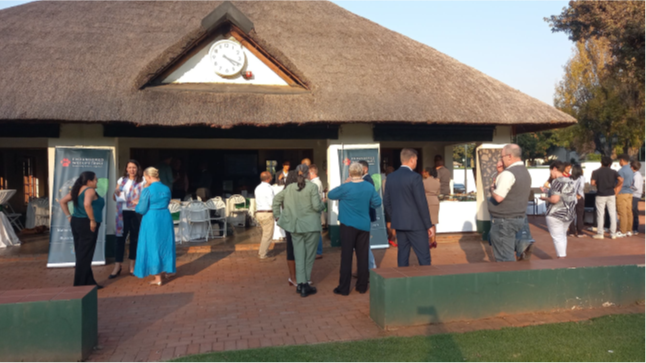
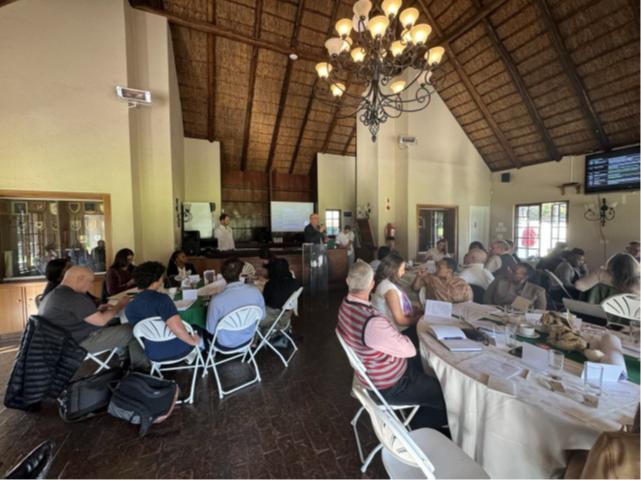
The event on International Biodiversity Day unpacked the challenges and gaps for South African businesses to successfully mainstream biodiversity into their business practices.  Around 40 delegates representing 27 businesses, State-Owned Enterprises, and advisory organisations, including SANBI and several financial institutions, participated in the BAG meeting held at the Country Club Johannesburg in Auckland Park.  The turnout was heartening as it conveyed a clear message that businesses are willing and keen to learn more about biodiversity mainstreaming and what this means for their industries.

Taking the form of an interactive dialogue, the workshop focused on Target 15 of the United Nations Convention on Biological Diversity’s Kunming-Montreal Global Biodiversity Framework which encourages businesses to assess, disclose and reduce biodiversity-related risks and negative impacts in their field of operation. This means that businesses are being urged to ensure they comply with the  Frameworks’ targets  to help them increase their positive impacts and reduce their negative impacts on the environment.


EWT Senior Manager Sustainable Financing, Kishaylin Chetty, sharing information biodiversity planning


One of the key insights that emerged at the workshop was that biodiversity often takes a back seat to climate change in business strategies.  This highlighted the role that organisations like the EWT have in helping to guide businesses in South Africa to incorporate biodiversity decision-making into their business practices. Unlike climate change, where some disclosure requirements are  mandatory, biodiversity-related disclosure practices are not. Through the awareness raising work that the EWT’s Biodiversity Disclosure Project has been undertaking with their biodiversity performance ratings of South African companies, this is beginning to change. We are also hoping that through the BAG dialogues there will be awareness raising around this very issue.

During the workshop delegates provided feedback on the outcome of breakaway sessions noting, amongst others, that there is a strong need for capacity building, training, and awareness initiatives tailored for businesses that have chosen to embark on a biodiversity mainstreaming journey. They also commented that the numerous tools available are overwhelming for many businesses, hence the need for more training on how to use these tools effectively and appropriately.  

There was a collective narrative that called for more clarity in South African policy frameworks, as well as more comprehensive enforcement of South Africa’s robust legislation. A noteworthy comment that also came out of the BAG was that Civil society, financial institutions, and investors need to realise the power-key they hold in steering the achievement of the sustainability goals through their influence.

What this means is that these stakeholders (consumers, investors, finance) should be asking for information about companies’ sustainability risk and impact management to make informed decisions. This information will help hold companies accountable, and drive demand for products and services with more positive and less negative impacts on nature.  

The in-person workshop, which was pivotal in highlighting the challenges, gaps and the needs still hindering the way forward in the biodiversity mainstreaming journey for businesses in South Africa, is to be followed by three hybrid workshops in the coming months.  One attendee pointed to the importance of the event as it provided perspective of what other industries were doing and the various approaches to biodiversity in the broad sense.

Other delegates noted that “they’ve never felt so engaged in a workshop like this before” and many agreed that the outcomes of this workshop would ultimately assist in informing national policy aligned to the GBF and ignite further conversations and actions that will pave the way towards a healthier and more positive relationship with nature.

If you feel your company should add their voice to this important dialogue, please contact Catherine at CatherineK@ewt.org.za and follow www.nbbnbdp.org for project updates.


Ntakadzeni Tshidada addressing the group on behalf of the South African National Biodiversity Institute (SANBI).

World Environment Day 2024

World Environment Day 2024

World Environment Day 2024: Restoring Land and Securing Our Future

World Environment Day 2024 marks a pivotal moment to reflect on the urgent need for ecosystem restoration. On 5 June, the Endangered Wildlife Trust (EWT) joined millions worldwide in raising awareness about land rehabilitation, desertification prevention, and drought resilience.

This year’s theme, “Our Land. Our Future,” highlights the critical role of conservation. Moreover, it aligns with the United Nations Decade on Ecosystem Restoration’s #GenerationRestoration movement, which seeks to reverse environmental damage by 2030.

The Global Crisis of Land Degradation

Recent findings from the United Nations’ Global Land Outlook Thematic Report on Rangelands and Pastoralists reveal alarming statistics—nearly 50% of the world’s rangelands face degradation due to overuse, climate change, and biodiversity loss. In South Africa, afforestation, mining, and land conversion contribute significantly to this crisis.

The EWT has taken proactive steps, establishing over 100,000 hectares of protected areas and clearing invasive species to restore vital water catchment zones. These efforts improve ecosystem services, particularly in climate-sensitive regions. However, a nationwide shift in natural resource management is essential to meet Sustainable Development Goals on land degradation neutrality.

The Human and Economic Impact of Environmental Decline

According to the United Nations Environment Programme (UNEP), over two billion hectares of land—more than 20% of the Earth’s surface—are degraded. This affects 3.2 billion people, disproportionately harming Indigenous communities, small-scale farmers, and rural populations. Droughts alone impact 55 million people annually, threatening food security and livelihoods.

If left unchecked, land degradation could reduce global food productivity by 12%, driving food prices up by 30% by 2040. Africa holds significant restoration potential, with over 720 million hectares that could be rehabilitated. The Pan-African Ecosystem Restoration Action Agenda aims to restore 200 million hectares by 2030.

World Environment Day 2024

World Environment Day 2024

Innovative Solutions for a Sustainable Future

The EWT’s Drylands Conservation Programme addresses climate change and unsustainable land use in southern Africa. By promoting eco-tourism and supporting local enterprises, the initiative fosters economic resilience while preserving ecosystems.

Governments and financial institutions must also play a role. Redirecting agricultural subsidies towards regenerative farming and small-scale producers can enhance food security without compromising ecosystems. UNEP estimates that investments in nature-based solutions must double to $542 billion by 2030 to meet global climate and biodiversity targets.

The Path Forward: Policy and Collaboration

With the Convention on Biological Diversity’s 16th Conference of the Parties (COP16) approaching in October 2024, nations must reaffirm their commitments under the Kunming-Montreal Global Biodiversity Framework. Adequate funding, particularly for developing nations, is critical to implementing National Biodiversity Strategies and Action Plans (NBSAPs).

In South Africa, collaboration between government, businesses, and communities is vital. The EWT’s carbon trading agreements in the Free State grasslands demonstrate how sustainable practices can generate revenue while protecting biodiversity.

A Call to Action for World Environment Day 2024

World Environment Day 2024 reminds us that healthy land is as vital as clean air and water. By restoring degraded ecosystems, we safeguard food security, biodiversity, and human well-being. Every stakeholder—from policymakers to private citizens—must contribute to this collective mission.

The time to act is now. Together, we can secure a sustainable future for generations to come.

Going, going… Gone…  EWT working to reverse habitat loss in South Africa’s drylands

Going, going… Gone… EWT working to reverse habitat loss in South Africa’s drylands

Going, going… Gone… EWT working to reverse habitat loss in South Africa’s drylands

By Zanne Brink, Drylands Conservation Programme Manager


“The eye of the beholder” has always been an interesting emotional sense that has dictated a person’s view or outlook on the Dry Lands of South Africa, and further afield.  Those individuals drawn to vast open spaces with its unique endemic biodiversity and specialist species, versus those individuals who dread the “nothingness”.

For the most part, “arid”, or “dry” areas are characterised by limited natural water resources and, to the layman, large open areas with plants growing relatively low to the ground, and very little cellphone reception. These arid areas receive on average between 50 to 300 mm of rain per annum, making the arid regions very sensitive to climate variability with big impacts on endemic plants and animals adapted to this environment. Survival is dependant on evading drought or harsh periods through migration or endurance in the form of soil, water and vegetation management.  No matter how you look at it, the arid areas are exposed to extreme weather and climatic occurrences, such as droughts and heatwaves. This results in these landscapes being vulnerable to rapid and devastating environmental change and land degradation.

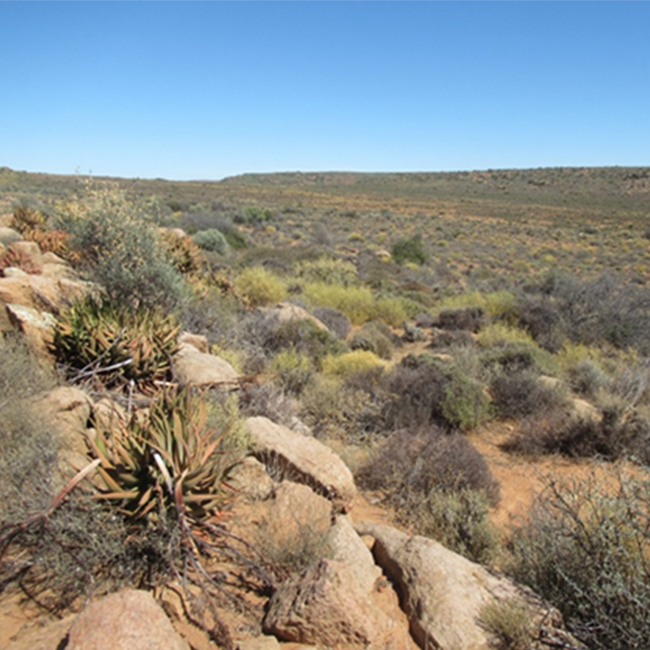
The vast open landscapes of southern Namibia, the Western and the Northern Cape Provinces of South Africa are home to three significant arid biomes: the Namib Desert, Nama Karoo, and the Succulent Karoo. Despite the harsh conditions experienced in these biomes, it is a fact that not only species, but biodiversity, and dare I say communities living in these biomes, are highly adapted and diverse.

In arid environments, mobility is the most important adaptation to extreme conditions. Animals and people can move from one area to another when plants do not spread fast enough. Increasing temperatures, shifting rainfall patterns, and more frequent extreme weather events are altering ecosystems and placing additional stress on already vulnerable ecosystems and communities. Temperatures in southern Africa are expected to rise at a rate 1.5 to 2 times that of the rest of the world, exacerbating the possibility of biodiversity loss and climate change challenges for communities.  Arid areas are also known as the most sparsely populated areas of South Africa, and in recent years these communities have been shrinking due to socio-economic drivers.

Ongoing research allows us to understand these changes brought on by both short-term droughts and climate-induced shifts. This is very important, as natural and social responses to an ever-increasing changing environment due to increased frequencies in drought occurrences is vital.  South Africa’s meat and wool ‘breadbasket’ depends on changes implemented at a farm level and through legislation, to include a different style of farming to adapt to less water and increased temperatures over extended periods.

But, it must also be understood that arid regions have a slow response rate, with long-term monitoring over several years needed to understand impacts on fauna, flora, avians and invertebrates.  Even with stringent monitoring, it does not provide answers to feed into the need for livelihood protection for communities and biodiversity.  With growing economic needs, the search for renewable energies have started focussing on areas seen as low productivity areas, and slowly started desertification through development-related damage in a sensitive landscape.


Traditionally, small livestock farming was the most widespread economic opportunity in the arid areas. However, rampant overgrazing in some areas has caused severe land degradation, leading to a compromise in the ecological resilience of the areas. Poor rural communities in these areas have a particularly high dependency on well-functioning ecosystems, and currently, their resilience to climate change impacts is very low. A recent surge in renewable energy production has fuelled development across much of the landscape, which, in most cases, has left a shameful legacy of environmental degradation in the form of vegetation clearing, water abstraction and pollution, soil compaction and road development, all in the name of growth.

There is an urgent need to manage the arid regions of South Africa more effectively, to benefit both the landscape and people living off it. This includes injecting much-needed support for ecologically based adaptation (EbA), sustainable land management (SLM) and climate-smart agricultural practices, while tackling the negative impacts of land degradation.

The EWT Drylands Conservation Programme is working with landowners to champion the conservation of this spectacular landscape. We collaborate with all stakeholders to promote alternative economies and sustainable agriculture over unsustainable developments, such as hydraulic fracturing and uranium mining.  We focus on enhancing habitat protection and improvement, and driving innovative research, to better understand the unique species in the Karoo. This has allowed us to “rediscover” lost species such as De Winton’s Golden Mole (Cryptochloris wintoni).

Through our work, it allows us to collaborate with the communities within the landscape and to undertake activities that achieve specific conservation goals in each of these. By providing guidance in Sustainable Land Management (SLM), the EWT ensures that communities in landscapes benefit along with the ecosystems and wildlife that share these spaces through the responsible use of the available natural resources.  The Karoo Forever website was developed for the Drylands of South Africa to provide a knowledge-sharing platform with downloadable resources focused on sustainable land management (Welcome to Karoo Forever).

It is not all doom and gloom, but a realistic look at our beloved fragile arid environments is crucial to allow for a united focus on how to balance nature and development.  As financial constraints impede the application and implementation of ecological practices across this arid landscape, industry and conservation along with all communities and stakeholders need to find common ground to benefit man and environment.

The need, and the potential to do things better, must be emphasised.  This can only be done through our own actions and allowing locally led research to show the way to sustainability, allowing nature to benefit, and does not limit people’s wellbeing.  We, as a community, must make climate change and associated concerns a part of our day to day thinking and planning to build resilience in livelihoods and economies, to reduce our vulnerabilities, and the associated conflict.

Give our arid regions a chance and break the cycle of nature loss. We do have huge potential to enable nature and people to thrive together in a changing climate.


A word from the CEO May 2024

A word from the CEO May 2024

Word from the CEO

 
Yolan Friedmann, CEO

On behalf of the Endangered Wildlife Trust Board of Trustees I would like to thank those who took time out of their busy schedules to spend an evening of celebration with us as we look back on our achievements of the past 50 years of conservation in action.  Among our honoured guests were Barbara Creecy, Minister for Fisheries, Forests and the Environment,  David Freeman, First Secretary for Environment, Science, Technology, Health, and Minerals, at the U.S. Embassy Pretoria, the Chair of the EWT Board of Trustees, Muhammed Seedat, past Trustees, donors, associates, colleagues, friends and partners.  But, the guests of honour were two of the EWT founders, Clive Walker and James Clarke, and our previous CEOs Dr John Ledger and Prof Nick King.  

I used to think that 50 years was an inordinate amount of time until I too turned 50 just before the EWT did. I can now assure you that 50 is the new 21 and this was not a celebration of a coming of age, but of a youthful spirit, blended with wisdom, a touch of maturity, a dash of streetsmarts, a helping of hope and a LOT of energy still to be spent to realise dreams that are still big enough to scare us, in the words of Ellen Johnson Sirleaf.

The EWT prides itself on instilling hope, and sharing a vision of what our future can be. We do not like to instil a sense of fear, loss or hopelessness when we talk about our natural world. Instead, we prefer to show, with evidence, the difference we can all make when we work together. You’ve seen firsthand how our work, and with your support, has turned South Africa into the only country in Africa with an increasing population of Cheetah. How Wild Dogs now flourish in Malawi and Mozambique where they had previously gone extinct. How lost species like the Amatola Toad and de Winton’s Golden Mole have been rediscovered and can now be protected. How rivers can flow when invasive plants are removed and how communities can use this water for their livelihoods, their crops and their general wellbeing.

How populations of Blue Cranes and Cape Vultures have been downlisted due to concerted and targeted conservation effort, and how the Brenton Blue Butterfly was the first species to trigger the declaration of a nature reserve to save just one species. How communities now run conservation-friendly enterprises on their land, and rangers, ecowarriors and businesswomen have been borne out of rural children and their mothers. How hundreds of thousands of hectares of critical habitat are now protected, spanning biomes from the Succulent Karoo to the Soutpansberg and covering the lifegiving rivers, grasslands, wetlands, forests and deserts in between.

In 1973, the world had a human population of 3.9 billion. Fast forward to 2024 and the WWF tells us that populations of globally monitored mammals, fish, birds, reptiles, and amphibians have declined by an average of 68%. In Africa alone, the percentage is 66. Our Freshwater systems show the worst, and most rapid decline in quality and species loss. 2023 was the hottest year on record, with extreme weather events causing devastation, globally.

And the world human population has reached 8.1 billion, and is still growing. That is a more than 200% increase in the number of humans and a more than 2 thirds decrease in the number of wild animals left on our planet today. The EWT has done well over the past 50 years. But we have to do more.  

Right now, in the safe havens of our national parks and in our remote wilderness areas and mountain ranges, snares are being set, poisons are being planted and rifles are being loaded. From the African savannahs and deep into our oceans, land is being ploughed up and plastic is being dumped. Rivers are being choked and skyways are stolen from the winged creatures that really do own them.

For 50 years, we have been pushing back the tide and finding solutions; this is the thread that binds us and which continues to blur the generational lines, to form one united EWT. We have literally saved species and changed lives.

As we look to #TheNextFifty, it is important to remember that the world will not be an easier place for much of the planet’s human and wildlife populations. The EWT needs to write a new chapter now, and this book will come with new challenges and opportunities. We owe it to the next generations of brilliant EWTers to continue in the footsteps of our giant founders and to stay connected to the dreams of what we know can be achieved tomorrow.

This we can all do by leaving our future teams a legacy through the establishment of a Fund for the Future that will secure the EWT, our people and our impact, for the wildlife and the communities that they will serve, for decades to still come and for generations not yet born.  

Our Fund for the Future ensures that the EWT never faces the risk of shutting its doors and ending our story, which in many ways, has just begun. We have begun developing our Future Fit Strategy; a powerful, impactful conservation strategy, underpinned by financial security and implemented by high performing teams of the best talent.  It will ensure that we channel our efforts into achieving targets that stretch us and will achieve high impact; that will galvanise cohesive, collective action towards achieving global, and national conservation priorities and which will benefit a maximum range of species, and humans, realistically.

Our Future Fit strategy will simplify our approaches, catalyse new science, engage new partners and embrace a new way of thinking. It will take the EWT into new regions where we will support new partners, and scale our impact. And building on our strengths, it will remain firmly rooted in the core principles of the EWT which are to save species, conserve habitats and benefit people.  We WILL halt the loss of biodiversity. 

Our planet may be ailing, but our spirits are not. We are powerful, passionate and energetic. We have solutions and knowledge and we CAN turn the tide. Together we CAN protect forever.

Thank you for making our birthday so special and for being part of our story.

Yolan Friedmann,

CEO, Endangered Wildlife Trust


CAREERS IN CONSERVATION – Sibongakonke Ngogodo

CAREERS IN CONSERVATION – Sibongakonke Ngogodo

CAREERS IN CONSERVATION – Sibongakonke Ngogodo

Sibongakonke is the Wildlife and Law Project Officer with the EWT’s Wildlife in Trade Programme. Here is a little bit about Sibongakonke’s journey to a career in conservation.

Job title:  Wildlife and Law Project Officer

What do you do in your day-day work?  I am primarily responsible for maintaining the EWT LAWS website, enhancing environmental governance within South Africa, and raising awareness on regulatory frameworks. I also engage in research, analyse, and provide recommendations on legal frameworks, and draft legislation and policies. Furthermore, I stay abreast of global developments impacting wildlife and environmental law collaborating closely with the Wildlife and Law Senior Project Manager.

Location:  Johannesburg, Gauteng

Where did you grow up?   Cape Town, Western Cape

What are your hobbies/things you like to do in your spare time? I enjoy spending quality time with my family and friends, participating in park runs, indulging in brunches, reading, and exploring different local markets.

Any pets?  None

Favourite animal and why:   I love Elephants! I love their gentleness, as well as their strong and valued sense of family unity, their compassionate nature resonates with me.

Favourite food?  Paella

Pet peeve? People who chew loudly and people who eat with their mouths open.

Why did you want to work for the EWT? I was drawn to the EWT by the opportunity it presents to passionately apply my expertise in environmental law to the vital cause of wildlife conservation. Being a part of this organization allows me to actively shape policies that safeguard endangered species, contributing positively to our planet’s biodiversity and ensuring a sustainable future for generations to come.

What excites you about this new position?  What excites me about this new position is the prospect of being directly involved in impactful conservation efforts where I can leverage my expertise in environmental law to make a tangible difference in protecting endangered wildlife.

What are you passionate about?  My passion lies in environmental conservation which is fuelled by a dedication to ensuring intergenerational equity and preserving the planet for the well-being of future generations.

What’s the best advice you’ve ever received, and who did it come from?  “Every challenge, no matter its difficulty, Is always an opportunity for growth and learning” This encouraging advice from my Mum has always kept me motivated and inspired to flourish and thrive in any environment.

What is your go-to feel-good song?  The Soul Cafe – Kaylow

CAREERS IN CONSERVATION – Jessel Naidoo

CAREERS IN CONSERVATION – Jessel Naidoo

CAREERS IN CONSERVATION – Jessel Naidoo

Jessel is the EWT’s Financial Accountant. Here is a little bit about Jessel’s journey to a career in conservation.

Job title:  Financial Accountant

Location Midrand

Where did you grow up?  Port Shepstone

What are your hobbies/things you like to do in your spare time? Tasting the world, one dish at a time and getting lost in another Netflix series.

Any pets? Not yet

Favourite animal and why?   Leopard, as the saying goes “Leopard spots are a reminder that beaty lies in uniqueness”- Unknown

Favourite food? Lamb Curry

Pet peeve? Being interrupted

Why did you want to work for the EWT? EWT’s vision and mission speaks to me on a personal level.

What are you passionate about? Learning and development

What’s the best advice you’ve ever received, and who did it come from? Listen more than you speak, High school teacher.

What is your go-to feel-good song? Fancy Like by Walker Haynes