Help African Wild Dogs 

Donate today  

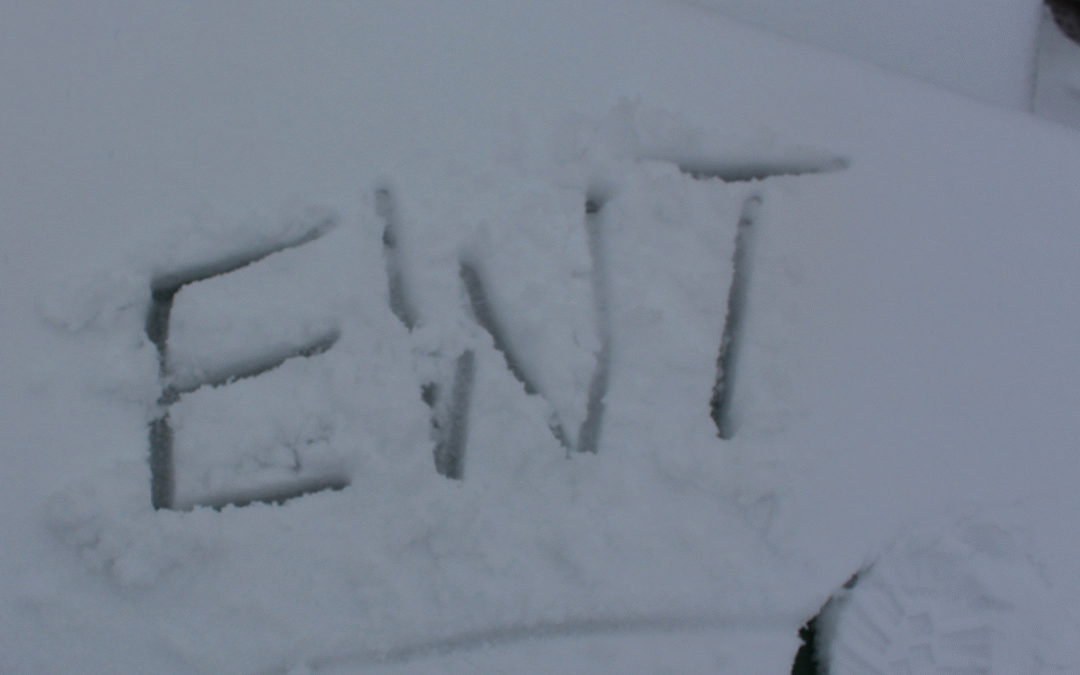
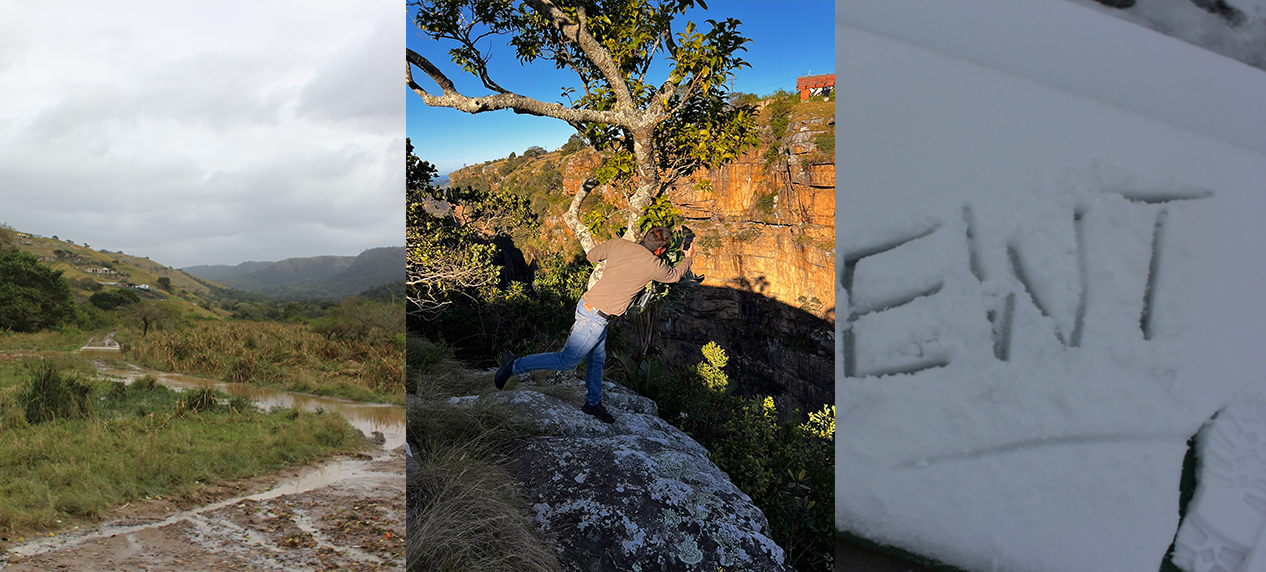
‘Lost’ Gecko Rediscovered After 33 Years in Blyde River Canyon

‘Lost’ Gecko Rediscovered After 33 Years in Blyde River Canyon

‘Lost’ Gecko Rediscovered After 33 Years in Blyde River Canyon

By Eleanor Momberg – communications manager, Endangered wildlife trust


Two Endangered Wildlife Trust researchers have rediscovered a gecko species that has not been seen for 33 years. This brings to four the number of ‘lost species” that the EWT has rediscovered through an increased focus on locating and conserving elusive, less charismatic, but critically important wildlife that are often overlooked and can slip into extinction unless urgent action is taken.

“When we discovered the first Blyde Rondavel Flat Gecko after many hours of searching (and many doubts as to whether we would be successful), we were ecstatic! For me, the biggest joy, though, is knowing that the species still exists, and apparently in healthy numbers,” said EWT ecology manager Darren Pietersen.

His friend, Birds of Prey Programme manager John Davies, was just as excited as he described a process of more than seven years that finally led to the helicopter flight to the top of one of the Blyde River Canyon Rondavels in May, and the ultimate rediscovery of the gecko.

“John is basically my partner in crime, and we have undertaken many interesting trips together over the years. We’ve known each other since we were about 6 years old, and throughout primary school, we undertook many interesting adventures together. Our earliest ‘research’ included a ‘mark-recapture’ study of Rock Monitors, and on several occasions we dragged Rock Monitors, Southern African Pythons and who knows what other creatures into his parents’ house (much to his mother’s chagrin!),”  says Darren.

“Darren is one of my best friends.  He has always been interested in Afroedura, and geckos in particular,”  says John, adding that Darren’s dad knew Dr Niels Jacobsen, who first discovered the Blyde Rondavel Flat Gecko (Afroedura rondavelica) in December 1991.

The initial discovery, says John, appeared to have happened by chance as the helicopter in which Dr Jacobsen and his colleagues were travelling had crashed on top of the Rondavel, leaving them there for two days before being rescued.  It was during this unexpected field trip that this particular gecko species was found.

“This one always stood out as a question mark.  Beyond the literature and a couple of specimens, nothing else was known about them,”  he says.

“I’ve always enjoyed studying the lesser-known or harder-to-study species – often cryptic species that occur at low densities, just aren’t as charismatic as larger species.  Having grown up and lived in the Hoedspruit region for many years, I was always aware of the presence of the Blyde Rondavel Flat Gecko on its near-inaccessible inselberg, but it never seemed plausible that I would ever be able to go and look for it,” says Darren.

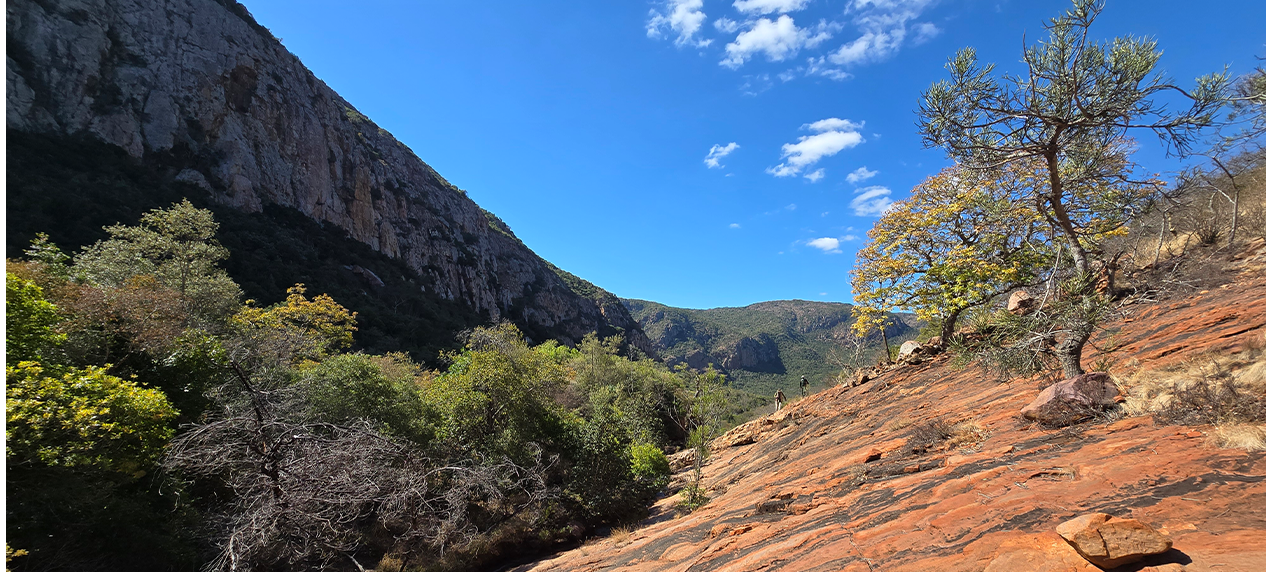
In their quest for rediscovery, Darren and John hiked up to the base of the three rondavels, where they found a number of other species of gecko.  It was then that they realised that the only way to find the Blyde Ronvadels Flat Gecko was to get to the top of the mountain.

Many different approaches to accessing the site were considered, and seven years and much paperwork and negotiation later, Darren had secured the necessary permits to go in search of the gecko.

“It took more than two years to get the necessary research permit, and in the interim I was fortunate to take up employment with the EWT, which opened additional opportunities for me,” he says adding that the EWT’s Conservation Planning Specialist Unit also assisted greatly, providing the majority of the funding for the flight.

“It was only once John and I actually had our feet firmly planted on the inselberg that I was willing to accept that the expedition was actually happening – and I was elated!”

Although the top of the Rondavel is steep (between 30 and 40 degrees), it is not unsafe.  However, it is densely vegetated, making it difficult to move around.   John says to move 300m took around half an hour.

“Our legs were shredded”.

They camped on a flattish area for four days, searching cracks in the rocks, along ridgelines and small cliffs at night to find this nocturnal gecko.

“Sitting on the inselberg peering out over the Blyde River Canyon also made me realise how much potentially suitable habitat there is in the canyon for this and other species, and how much scope there is for additional survey work in the canyon by other keen biologists,”  said Darren.

John agrees, pointing out that so much is known about larger and charismatic species, but little is known about what he calls understudied groups—the small species.  He believes many more species remain undiscovered because nobody knows where, or how, to look for them.


How does the Blyde Rondavel Flat Gecko differ from the one seen in our houses?


Flat geckos are superficially similar to Common Tropical House Geckos—the geckos that are commonly found in houses almost throughout South Africa. They differ in having uniformly small scales on their bodies and tails (house geckos have scattered large scales on their backs, and very noticeably spines on their tails).

Common Tropical House Geckos have:

  • continuous transverse lines of scansors, also known as the sticky pads under their toes that allow them to cling to walls, glass and even walk on ceilings, under their toes.
  • noticeable, large claws on their fingers and toes, whereas flat geckos lack these.
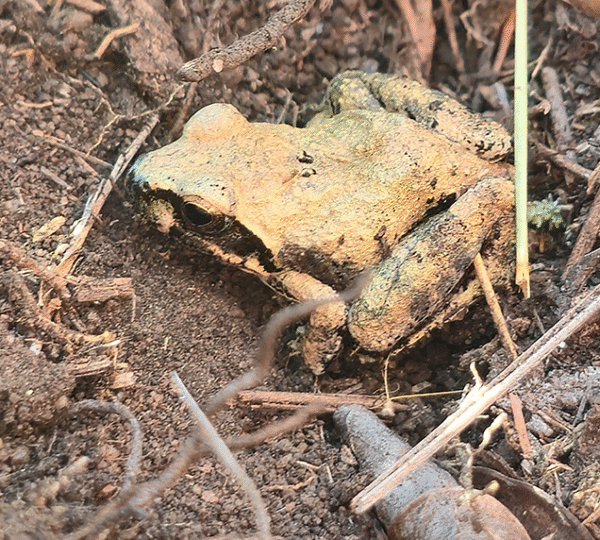
Afroedura rondavelica_Adult female

Adult female

Juvenile

Adult Female no.2

Juvenile no.2

Adult Female no. 3

Juvenile no. 3

Saving 84 Vultures: A Landmark Poisoning Response in Kruger National Park

Saving 84 Vultures: A Landmark Poisoning Response in Kruger National Park

Saving 84 Vultures: A Landmark Poisoning Response in Kruger National Park

By Eleanor Momberg, Gareth Tate and John Davies

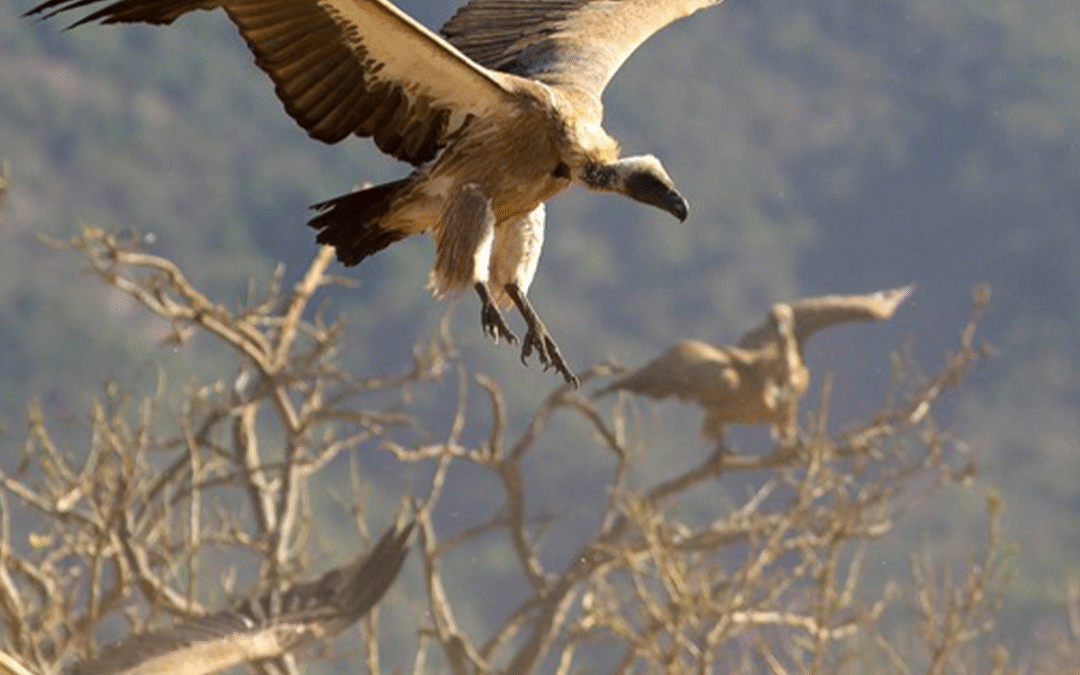
healthy vultures being release after mass poisoning event

Wildlife poisoning has become increasingly prevalent and destructive in recent years, placing pressure on conservation organisations to improve their response times in order to reduce the impact on particularly endangered species.

Because poisoning is a silent, swift, and brutally efficient killer, it not only affects specific animals but leaves a trail of collateral damage, killing thousands of unintended victims and pushing species closer to extinction.    This includes large carnivores such as lions and leopards, as well as hyenas, jackals, and avian scavengers, such as vultures.

It is because of a speedy response on 6 May that the Endangered Wildlife Trust, SANParks and our partners were able to rescue 84 vultures from a poisoning incident at the Mahlangeni Section in the Kruger National Park.

Although wildlife poisoning is an ongoing crisis, the severity of this incident was well beyond what has occurred in recent years.   When rescuers arrived at the scene, they discovered the grim reality: a mass poisoning event involving hundreds of vultures, the result of an elephant carcass laced with highly toxic poison laid by poachers.

In this specific incident, we noticed the previous evening through the EWT’s pioneering wildlife poisoning surveillance and detection system that there was suspicious activity in a high-risk area of the park.   The SANParks section ranger, who flies a Bat Hawk aircraft, was able to fly over the site at first light and immediately provide feedback, indicating that this was a serious incident.


A World-Class Wildlife Rescue Operation

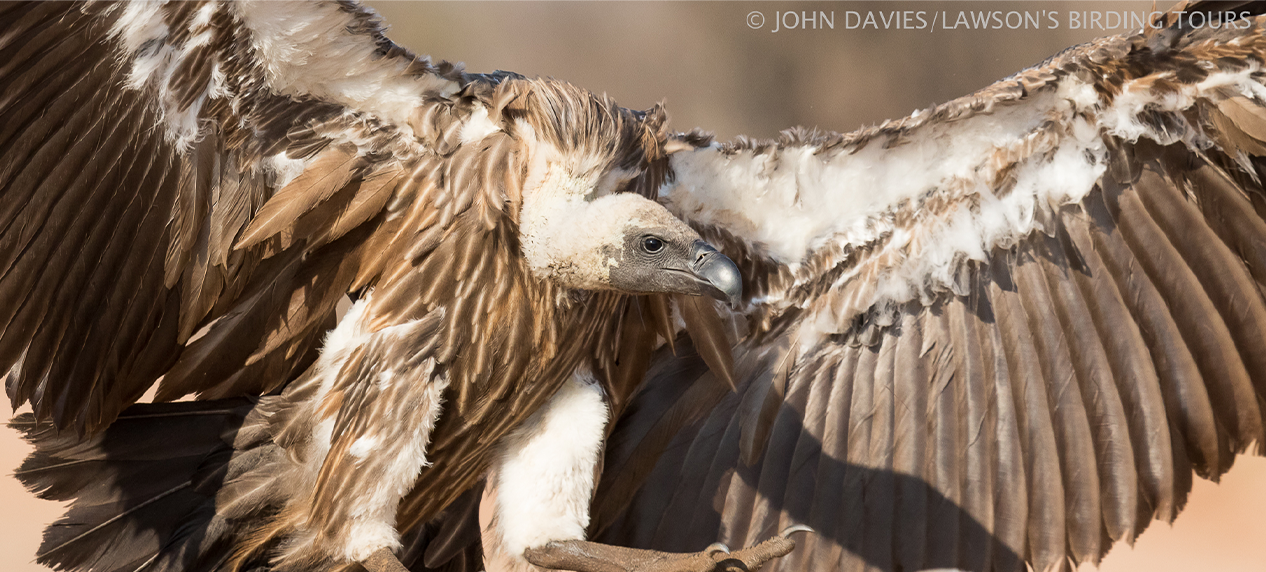
Vultures found dead and alive at the scene of a mass poisoning event

Vultures found dead and alive at the scene of a mass poisoning event

EWT field officer Kyle Walker and Birds of Prey Programme intern Dembo Jatta were ready to enter the Park by 6am and immediately made their way to the scene. In the meantime, the Programme’s senior manager, Gareth Tate, hooked up the EWT’s vulture ambulance, collected vets and rehabilitation staff and raced to an area as close to the scene as possible.

By then, we had already received two immobility alerts, which meant two of the tagged vultures had already died.

The support team included colleagues from the Moholoholo Wildlife Rehabilitation Centre, Briner Veterinary Services and Wildscapes Veterinary Services, SANParks rangers and aerial support and the Hope for Wildlife helicopter.  This was the first time that SANParks helicopters were formally used in a wildlife poisoning rescue of this scale, marking the beginning of similar collaborative rescue operations in future.


First-hand account

Kyle Walker and Dembo Jatta with vultures en-route to treatment facility

Kyle Walker and Dembo Jatta with vultures en-route to treatment facility

Although this was a very traumatic experience and crisis, the timing of everything was absolutely perfect.   There was already a helicopter on the scene, and some of the birds were being treated ahead of the arrival of Gareth and the support teams.

“When we arrived, it was almost like a movie scene when this helicopter appeared on the horizon and came bolting in and banked over us. The goosebumps I had on that day – everything just came together in a way that I could never have imagined into a worldclass rescue response,” said Gareth, adding that the helicopter collected him and the team where they had parked about 3km from the scene.

“My first experience was just live birds everywhere.  I did not even see the poison source and the event, and what Kyle and Dembo and some of the rangers who had never touched a bird in their life had done,” he said.

“Everything just fell into place – vets were treating the birds, getting the poison out of their systems, fluids were being administered, and then we were getting the vultures into the helicopters, which had never been done before,” said Gareth. “Everyone had a job and a role, and that saved 84 birds.”

The live vultures were immediately treated using emergency vulture first aid: atropine, activated charcoal, and fluid therapy.

The rescued vultures were flown either to the SANParks K9 unit in Phalaborwa for stabilisation, or directly to the vulture ambulance before being transported to the Moholoholo Wildlife Rehabilitation Centre in Hoedspruit.  En route, one of the vultures died.  Two others died subsequently.


Treatment and Rehabilitation

Ewt's Vulture Ambulance - a specialised vehicle designed to stabilize vultures en route to veterinary facilities

Ewt’s Vulture Ambulance

Fortunately, treating poisoned animals it is very simplistic, explained John Davies, Birds of Prey Programme manager, detailing the process followed by the EWT team five years ago to develop protocols for incidents such as this.  It was through that work that field officers and rangers carry poisoning treatment kits in backpacks and are able to provide initial treatment until support arrives.

“The first 48 hours are the most critical.  The birds are checked every two to three hours, which is time-consuming,”  says John, adding that he and Lindy Thompson got “bitten to shreds” overnight by birds being treated in cubicles in the ICU section.

Once they were deemed healthy enough, the vultures were released into enclosures in preparation for their release back into the wild, usually within a week.   The EWT Birds of Prey Programme boasts a 96% survival rate for poisoned vultures that are found alive in the last three to four years.

Reacting to poisoning scenes speedily remains the key to success.  This, said John, remained the only stumbling block.  And the only way to effectively respond in a practical time is through the reliance on strong collaborations, as well as technology.


Releasing the birds back into the wild

Vultures being released back into the wild


By the end of May, all the vultures had been returned to the wild.

The tracked birds are doing well, and one was back on its nest in a private reserve with its mate the next morning, and several others have returned to their nests in the Kruger National Park.

Releasing the birds back into the wild is a difficult step, but a necessary one, said Gareth and John.

“We can’t be moving towards a world where vultures are kept in enclosures in the name of vulture conservation.  These birds have gone through a lot of stress and… every bird released with a tracking unit is another layer of cover and another layer of information we can utilise to prevent this from becoming more severe.  We have a full commitment to that stance,” said John.

Fortunately, we’ve already seen an increased focus on dealing with these incidents from the government, and although conservation resources are often quite stretched, it’s an important factor, as high-level support is critical for success.

“It is little things like that that matter to us at the end of the day.  The start of the breeding season is a very risky time.  Some of the vultures haven’t laid eggs, but it is on that cusp.  May is very much the beginning of their breeding season, so a poisoning event such as this is catastrophic,”  said John.


A National Wildlife Tragedy

The scale of the tragedy was staggering: 123 vultures were found dead at the scene – 102 White-backed Vultures and one Lappet-faced Vulture, all listed as endangered or critically endangered species – and 20 Cape Vultures. Of these, 116 were already deceased when the team arrived.

This marked one of the largest vulture poisoning events in Southern Africa, and the most extensive coordinated response effort and rescues to date. Over 20 individuals across conservation, veterinary, and enforcement sectors played a role in the rescue and response. Without rapid detection by the EWT’s wildlife poisoning detection and surveillance system and the unprecedented cooperation between NGOs, rangers, vets, and SANParks aerial and ranger units, many more birds would have been lost.

Gareth and John hold their praise for not only Moholoholo’s team, but also Wildscapes Veterinary Services and Dr. Jessica Briner from Briner Veterinary Services, who has guided a lot of the EWT’s treatment protocols and continues to provide input.

“Without that sort of support, we would not be able to do the job we do.  It just gets better the bigger the pool is,”  said John.


The Growing Threat of Poison Poaching

This horrific incident is part of a broader crisis unfolding across southern Africa: the escalating use of poisons in wildlife poaching. Poachers increasingly use toxins to target high-value species – not just vultures, but also lions, leopards, hyenas and jackals

Although many believe the demand for animal parts for muthi is driving the mass killing of vultures,  the killing of nature’s clean-up crew is largely attributed to the fact that they are a sentinel species, exposing poaching scenes to rangers.  These killings are indiscriminate and ecologically devastating, wiping out entire scavenger communities, contaminating food chains, and risking human health. This is compounded by the bushmeat trade and the use of snares to target wildlife in large protected areas, also closely linked to poisoning events and use.

Police, who were on the scene, are investigating.


Urgent Call to Action

This is not just a conservation issue—it is a wildlife crime emergency. The EWT and its partners call for:

  • Stronger regulations to control the sale and storage of toxic agrochemicals.
  • Harsher penalties for wildlife poisoning offenders.
  • Increased awareness about the devastating impact of using wildlife in traditional medicine.

The public must understand the reality: poison is being weaponised in our protected areas. We are losing iconic species at a terrifying pace, with the local extinction of flagship species such as vultures becoming a sad reality in the near future.

We are heartbroken—but we are not defeated. Our teams are back on the ground, and the fight continues.

A Swing for Conservation: Recap of Our 4th Annual Stellenbosch Golf Day

A Swing for Conservation: Recap of Our 4th Annual Stellenbosch Golf Day


A Swing for Conservation:
Recap of Our 4th Annual Stellenbosch Golf Day

By Tammy Baker – Business Development Officer, Endangered Wildlife Trust

We hosted our 4th annual Stellenbosch golf day proudly sponsored by Alexforbes on the 11th of April 2025.

100 golfers enjoyed a fantastic day out on the greens at the Stellenbosch Golf Club. The weather was magic, the scenery, unbeatable, and the company, rejuvenating. We have forged some wonderfully rewarding relationships within the Stellenbosch community, and we are grateful to be in a position to host this event year after year. The day would not be possible without the incredibly generous support of Alexforbes, alongside over 70 sponsors who support the day.

The EWT hosts four golf days per year throughout the country as a way to raise funds for our conservation work, and as a way for individuals and companies to be part of and support the EWT and what we stand for. We are committed to conserving landscapes across Africa as well as the species and people who rely on them. These events offer an opportunity to network with like-minded individuals and to become involved in and support an organisation dedicated to conserving threatened species and habitats for the benefit of future generations.

A special thanks to our headline sponsors, Alexforbes, as well as go2africa, aha hotels and lodges, Dream Resorts and Hotels and the Peninsula Hotel and every single sponsor that contributed to making this day such an enormous success.

Next on our calendar, you can find us at the Copperleaf Golf Club on the 23rd of May for our Ford Wildlife Foundation and Hatfield Motor Group-sponsored day.

On the 17th of July, we head to KZN Ballito and the Simbithi Golf Club for another Ford Wildlife Foundation-supported event.

We end the golf calendar year off at Dainfern Golf Club on the 23rd of October with our Alexforbes-sponsored day.

To get involved in any way (prizes, sponsors, golfers, volunteers) please get in touch with Tammy Baker on tammyb@ewt.org. We would love to have you on board supporting these important events.


Cheetah range expanded into new Mpumalanga reserve

Cheetah range expanded into new Mpumalanga reserve

Cheetah range expanded into new Mpumalanga reserve

By Olivia Sievert – Coordinator of the Cheetah Range Expansion Project, Endangered Wildlife Trust

Left: Collaring. Right: Cheetah during transport


In March, members of the Carnivore Conservation team’s Cheetah Range Expansion Project embarked on a significant cheetah relocation from the Eastern Cape to Mpumalanga—but that’s just part of the story.

In collaboration with the Mpumalanga Tourism and Parks Agency (MTPA), we’ve been working for some time to expand the cheetah range across the province through the reintroduction of the species into suitable areas.

In 2023, the Ukuzwana reserve in Mpumalanga was identified as a key restoration site for this project—the first of many steps in this larger initiative.

Ukuzwana Witbad Foundation is a newly established initiative with conservation at its core. Its mission is to protect and preserve the entire ecosystem—from trees and insects to fish, antelope, and carnivores.

After over a year of tireless efforts by all involved, particularly the MTPA scientists and the Ukuzwana team, in December 2024, we were finally ready to select suitable cheetahs for reintroduction.

Around this time, Lalibela Game Reserve in the Eastern Cape had two male Cheetahs disperse. Born and raised in Lalibela, they were accustomed to open plains and had grown up hunting blesbok. However, they also posed a high risk of inbreeding, making it crucial for us to find them a new home and assist in their dispersal from their natal reserve via translocation. Ukuzwana, with its expansive grasslands and a population of over 1,500 blesbok, was clearly the perfect place for them.

When the time was right, I began the long journey to Lalibela to capture and relocate these males to Ukuzwana.

Fifteen hours, a few brief stops, and a couple of wrong turns later, the cheetahs arrived safely in Mpumalanga and were offloaded at their new home.


Cheetah leaving the boma


As with most translocations, they were first released into a boma. This allowed them to settle into their new surroundings, getting used to the sights and smells of their new home after the long journey.

But soon their restlessness set in—they were already attempting to hunt any bird that ventured into the boma. It was clear that the time for release had come! Four weeks after their arrival in Ukuzwana, the boma gates were opened, and within 30 minutes, the brothers eagerly set off to explore their new territory.

Since then, we’ve been keeping a close eye on them and are thrilled to report that both cheetahs have settled in wonderfully, successfully hunting within their first 12 hours of release!

Ukuzwana is now the second reserve in Mpumalanga, outside of the Greater Kruger area, to offer a safe haven for wild Cheetahs. This marks a significant milestone in the species’ restoration within the province.

“As a young organisation, we are honoured to be partnering with the Endangered Wildlife Trust through the Cheetah Range Expansion Project. Becoming only the second reserve in Mpumalanga to host cheetahs is a proud moment for us, and one that marks the beginning of our journey in supporting this critical conservation effort. We’re excited to walk this path together and contribute to a future where wildlife thrives,” the owners said shortly after the arrival of the cheetah.

The EWT are excited to continue its collaboration with MTPA and Ukuzwana on cheetah conservation and look forward to introducing a female soon to establish a breeding population. Together, we’re making crucial strides to ensure the Cheetah’s future in Mpumalanga and beyond.


Drone monitoring

The Green List: A Framework for Measuring Species Recovery and Conservation Impact

The Green List: A Framework for Measuring Species Recovery and Conservation Impact


The Green List: A Framework for Measuring Species Recovery and Conservation Impact

By Dr Samantha Nicholson – senior carnivore scientist, Endangered Wildlife Trust.

Conservation efforts are essential for conserving species, and it is important to focus on how species can recover and thrive over time with such efforts. The IUCN Green Status of Species is a new tool that works alongside the Red List to track species’ recovery and measure the impact of conservation actions. In this article, we’ll explore how the Green Status is helping shape a more optimistic approach to conservation, starting with the lion, which was recently assessed for the first time.

The IUCN Red List of Threatened Species is globally recognised as the standard for assessing the extinction risk of species. However, an optimistic approach to species conservation is also essential, providing a roadmap for recovery and measuring the impact that conservation efforts have had on that species’ status. To complement the Red List, the IUCN Green Status of Species was developed to assess species recovery and the impact of conservation efforts.

The Green Status works alongside the Red List by evaluating how species populations are recovering and tracking the effectiveness of conservation actions. These assessments are crucial, offering a clear measure of recovery and the success of conservation initiatives. While the Red List highlights species that are threatened, the Green Status provides an additional perspective by measuring how much a species has and can recover. This helps identify successful conservation strategies and areas where further efforts are needed. By monitoring a species’ recovery, Green Status assessments allow conservationists to celebrate successes, maintain support for conservation projects, and adjust strategies for better outcomes. They also emphasise the importance of long-term conservation planning to ensure that species not only avoid extinction but also thrive and reach sustainable population levels. Furthermore, the Green Status contributes to a more comprehensive understanding of biodiversity conservation by emphasising both the prevention of decline and the restoration of species to healthy populations.

In 2024, the lion’s (Panthera leo) Green Status was assessed for the first time. The assessment revealed that the species requires intensified conservation efforts. The lion’s recovery score was 30%, classifying it as “largely depleted.” We broke the indigenous range of the species into ten spatial units – a spatial unity being a distinct geographic area or boundary (Figure 1). The species is most likely absent in two of its ten spatial units, likely viable in one, and present in the remaining seven. This reflects a significant decline from historical levels. While lions may still exist in some areas, their numbers are far lower than before, and they face substantial survival threats.


Figure 1. Map of the indigenous range of the Lion delineated into ten spatial units. Current range is based on the latest Red List Assessment (Nicholson et al. 2024): Extant range = Green; Possibly Extant Range = Light Yellow Green. Spatial units are as follows: Light Blue = Indian; Dark Green = Southwest Asia; Dark Blue = North African; Yellow-Green = West African; Pink = Central African; Bright Green = East African; Purple = Tanzanian Northern Mozambique; Red = Southern Central Africa; Blue = Southern Africa; Olive Brown = South African.


A key component of the Green List is determining a species’ “Conservation Legacy,” which compares its current Green Score to what it would be if no past conservation efforts had taken place. The lion, despite its depleted state, has a High Conservation Legacy, indicating that without past conservation actions—such as protected areas and legal protections—its population would have declined even further. The species’ conservation dependence is classified as “Medium,” meaning that its long-term survival and recovery rely moderately on continued conservation efforts. While lions may not face immediate extinction without these actions, they would experience significant population declines and escalating threats across their range. Without ongoing conservation measures like protected areas, legal protections, and active management, the lion is expected to be extirpated from three spatial units within the next decade. This highlights the urgent need for sustained conservation efforts to prevent further declines and ensure the species’ survival.

The Green Status evaluation shows that human activities are obstructing the lion’s ecological functionality across its range, with significant declines in many areas and extinction in North Africa and Southwest Asia. However, the assessment also emphasises that conservation efforts have helped prevent the species’ extinction in regions such as West and Southern Central Africa, South Africa, and India. To preserve the remaining populations, intensified conservation actions are critical, especially as human settlements continue to expand across the lion’s habitat.

The Green Status assessment of the lion highlights the critical need for continued and strengthened conservation efforts to safeguard this species. While the lion’s population has dramatically declined and has vanished from parts of its former range, conservation measures such as protected areas and legal safeguards have played a key role in preventing its extinction in certain regions. Despite these successes, the species’ medium conservation dependence suggests that sustained and enhanced actions are crucial for its long-term survival.

As human development increasingly impacts lion habitats, it is essential to not only protect existing conservation areas but also to actively manage and expand them. Additionally, increasing funding and support for Conservation organisations working in the field is vital to ensure that these efforts are effectively implemented and scaled. Conservation organisations provide expertise, conduct vital research, and mobilize local communities, all of which are crucial for species recovery. Without these resources, vital conservation work may struggle to achieve lasting results. The Green Status approach is a powerful tool for measuring progress and identifying areas where further action is needed. Ultimately, the lion’s future underscores the importance of long-term commitment, adequate funding, and global collaboration in protecting biodiversity for future generations.


Nicholson, S., Aebischer, T., Asfaw, T., Bauer, H., Becker, M., Bertola, L., Breitenmoser, U., Carlton, E., Fraticelli, C., Henschel, P., Hunter, L., Laguardia, A., Loveridge, A., Ndiaye, M., Roy, S., Sogbohossou, E., Scott, C., Strampelli, P. & Venkataraman, M. 2024. Panthera leo (Green Status assessment). The IUCN Red List of Threatened Species 2024: e.T15951A1595120251. Accessed on 31 March 2025.


A new sand frog discovered in Mozambique

A new sand frog discovered in Mozambique


New Species Discovery: Sand Frog Adds to Mozambique’s Biodiversity

Eleanor Momberg (Communications manager, Endangered Wildlife Trust)

An Endangered Wildlife Trust ecologist recently joined two other South African researchers to confirm the discovery of a new sand frog species in the genus Tomopterna in Mozambique’s Banhine National Park.

A small collection of frogs from inland of Beira, Mozambique, in December 1991 included two specimens of Tomopterna that differed morphologically and genetically from all previously known species. In subsequent years a series of Tomopterna specimens was collected from Banhine National Park. Genetic results indicated that the Banhine specimens were genetically closely related to those collected near Beira, and that these sequences differed substantially from all previously sequenced Tomopterna species.

In findings published in ZOOTAXA, EWT ecologist Darren Pietersen, North West University’s Alan Channing and the SA Medical Research Council’s Abeda Dawood describe this new frog species, which they name Tomopterna banhinensis after the type locality, as a species that can be distinguished from all other described species of sand frogs by several characters.

These include that the males grow to a maximum size of 43 mm, that all individuals have two pairs of divided tubercles under the first finger, more than three phalanges free of webbing on the fourth toe, a continuous glandular ridge below the tympanum, a distinct tympanic membrane, the nostrils being situated closer to the snout tip than to the eye, the absence of an outer metatarsal tubercle, the presence of small dorsal warts, the absence of (or only weak) vomerine teeth, and barring on the limbs.

This description adds a further amphibian to the list of Mozambican frogs, which has increased significantly in recent years.

According to the published research, there are presently 18 recognised species within the genus Tomopterna.

The research shows that the species of sand frogs are very similar in overall morphology, no doubt the reason why so many cryptic species were unrecognised, or synonymised with the Cryptic Sand Frog (T. cryptotis) – which was believed to be a single widespread taxon.

Sand frogs are widely distributed in sub-Saharan Africa, excluding the rainforests of central Africa. They are usually found on sandy soils, although the Eastern Beaded Sand Frog (T. pulchra) and Natal Sand Frog (Tomopterna natalensis) are prone to inhabit more rocky habitats.

While this species is presently only known from Banhine National Park and the area around Beira in Mozambique, it is likely to be more widespread than present records suggest, occurring widely across the Mozambique plain, possibly including extreme south-eastern Zimbabwe (specifically Gonarezhou National Park), to which the sandveld and drainage systems of Banhine National Park are linked.

The research paper states that the discovery of many cryptic sand frog species using DNA sequencing suggests that there are more frog species waiting to be described. Sand frog species often occur sympatrically, but the high diversity of Tomopterna, up to five species, on the coastal plain of Mozambique is remarkable.


Research published by:

ALAN CHANNING1, DARREN W. PIETERSEN2,3 & ABEDA DAWOOD4
1Unit for Environmental Sciences and Management, North-West University, Potchefstroom 2520, South Africa.
2Department of Zoology and Entomology, University of Pretoria, Private Bag X20, Hatfield 0028, South Africa.
3Endangered Wildlife Trust, Plot 27 & 28 Austin Road, Glen Austin AH, Midrand 1685, South Africa
4Division of Research Capacity Development, South African Medical Research Council, Private Bag X385, Pretoria 0001, South Africa.


Sparking to save small vertebrates

Sparking to save small vertebrates


Sparking to save small vertebrates

By Darren Pietersen, EWT Medike Reserve Manager & Ecologist.

Fences are ubiquitous structures, especially in South Africa, but increasingly across Africa. They are used to keep wildlife in (or out, depending on the farmer) of a property. They demarcate land parcels, help to keep livestock and wildlife off of roads, prevent the spread of diseases, and are used for security.

There are also many types of fences – non-electrified fences, game fences, cattle fences, Bonnox fences and, of course, electrified fences.

Electrified fences are mainly used around protected areas to keep wildlife in, thereby minimising human-wildlife conflict. They are also found around game farms to contain animals and keep intruders out. If constructed correctly, fences work really well for their intended purpose. But, there is also a dark side to electrified fences – they are silent killers.

While working for the Endangered Wildlife Trust during his studies Wits University in the mid-2000’s, Andrew Beck examined the impact of electrified fences on wildlife across South Africa. Andrew estimated that in the region of a whopping 30,000 reptiles, predominantly tortoises, are killed on electrified fences in South Africa annually. An earlier study, and several subsequent studies, have similarly highlighted the high toll taken on tortoises by electrified fences, although not quantifying the overall threat.

And it is not just tortoises that are bearing the brunt. It has been long known that pangolins are also affected by electrified fences, but it was not until 2016 that colleagues and I quantified this threat.

Based on available evidence, we estimated that in the region of 1,000 Temminck’s Pangolins are killed by electrified game fences in South Africa annually. And that’s just part of the story, given that there are an increasing number of livestock farmers fitting electrified strands to their fences in attempts to exclude Black-backed Jackal and Caracal from their farms. If we include the mortalities on these livestock fences as well, then around 2,000 Temminck’s Pangolins are killed by electrified fences in South Africa alone every year. That is 20–40 times more Temminck’s Pangolins killed on electrified fences than by trade in South Africa annually.

This is a serious conservation concern, because electrified fences have already resulted in the local population decreases and extinctions of tortoises (and perhaps pangolins) in some regions.

Yet the solution can be bizarrely simple – and cheap. Extensive fieldwork has indicated that by raising the lowest electrified strand to 300 mm above the ground (rather than the 250 mm or lower demanded by most provincial legislation), mortalities of all species can be reduced by up to 95%. Some large, well-established Big-5 reserves such as the Associated Private Nature Reserves raised their lowest electrified strands more than 10 years ago. And not a single pangolin or tortoise mortality has been recorded along these raised sections since. Just as importantly, they recorded no increase in predators or other animals leaving the reserve.

Most provinces have legislation governing the construction of electrified fences, and discussions need to be had with the relevant authorities to get this legislation amended where necessary. A further contributing factor is that the insurance industry apparently also has their own specifications for electrified fences, and if a fence does not meet their standards then a claim for any losses incurred will be denied.

Because one solution will rarely work in all situations, we have also undertaken extensive field trials with partners including Stafix, JVA, Pangolin.Africa, WESSA and The Kalahari Wildlife Project to design smart energisers that can prevent or reduce electrified fence mortalities. We produced two prototypes – a larger unit aimed at the wildlife industry and a smaller unit aimed at livestock farmers. In short, these energisers monitor the current on the electrified wires and have the ability to automatically switch off the current to specified wires for a pre-determined period of time, affording any trapped animal time to extricate itself from the fence. Although the initial results were positive and some farms reported no fence mortalities while running these units, other farmers commented that the system was too complicated, with the result that it was not maintained or used properly. However, the EWT believes that this system does have merit, and hopefully in time a workable, cost-effective version can be designed.

Changing the fence configuration could have inadvertent negative consequences, however. This could include large carnivores (Cheetah and African Wild Dog in particular) leaving reserves, resulting in human-wildlife conflict. There is no point in solving one problem just to create another one, and finding an effective solution that works for all species will require input from the wildlife and livestock industries, species specialists, conservationists, fence manufacturers and fence installers.

Overall, though, the evidence of the threat posed by fences remains and effective solutions are known. Because of this we are working to engage with all relevant role players to try and arrive at a workable solution to protect not only our megafauna and carnivores, but also our smaller species.


Taking Flight over the Karoo Vulture Safe Zone: 5 years later

Taking Flight over the Karoo Vulture Safe Zone: 5 years later


Taking Flight over the Karoo Vulture Safe Zone: 5 years later

By Danielle du Toit, field officer Birds of Prey, Endangered Wildlife Trust.

Returning Cape Vultures (Gyps coprotheres) to their historic breeding and roosting sites has been a dream of Karoo farmers for many years.

It was through interaction with the Endangered Wildlife Trust that the Karoo Vulture Safe Zone came into being in 2019. The project, which is a practical example of landscape conservation of a species, aims to cover 23,000 square kilometers. It includes three national parks and the largest protected environment in South Africa, the Mountain Zebra Camdeboo Protected Environment. It was implemented in partnership with SANParks, the Mountain Zebra Camdeboo Protected Environment and SANParks Honorary Rangers, and has received seed funding from the Rupert Nature Foundation and further funding from Cennergi and the Charl van der Merwe Trust.

To date, 95 farmers have dedicated their properties to becoming Vulture Safe Zones, creating an area of more than 700,000 ha for vulture conservation. Dedicating or signing up one’s property for a Vulture Safe Zone means that they are committed to reducing, as far as possible, threats to vultures within the confines of land under their ownership.

In creating the Vulture Safe Zone, two options were considered—reintroducing Cape Vultures to the Karoo or creating an area that is safe for the raptors. Unfortunately, reintroduction was not an option at the time due to the exceedingly high cost of physically bringing in the birds and habituating them, without any assurance that they would stay. More importantly, however, was the need to ensure safe breeding, roosting and foraging ranges for them outside of protected areas.

Vultures are referred to as nature’s ‘clean-up crew’, and because of the importance of their role in the ecosystem and the benefit to human health, they are often used as a flagship or umbrella species through which we can conserve biodiversity. By implementing conservation interventions to support the survival of vultures across large areas, we can benefit all species. This includes other birds, mammals, reptiles, amphibians, invertebrates and even plants.

The need for large areas to be conserved and mitigated of threats as far as possible is integral to the conservation of Cape Vultures due to their characteristically wide-ranging behaviour. Studies and GPS tracking data of fledglings have shown an average maximum distance travelled per day to be well over 250km from their nests. This age group is most likely to fall victim to threats as they are not yet experienced fliers and must compete with adults for food and roosting spaces. This is why having large safe spaces, even if it is a conglomerate of private properties, communal land and protected areas, is so important to the survival of the species.


Left: Cape Vulture Sightings. Right: Cape Vultures on nest.

The project focuses on “working with people, mitigating threats, saving vultures”. This can only be achieved through community engagement, landowner buy-in and active mitigation of threats. These initiatives include covering or safe-proofing reservoirs to prevent drowning; changing to less ecologically harmful ways of predator control; removing dangerous chemicals from the property; and reporting wildlife injuries or mortalities caused by electrical infrastructure so that they can be mitigated. Some landowners have moved away from using lead ammunition as the fragments in the entrails or carcasses of animals shot with lead bullets can be harmful to scavenging species. Others have changed the active ingredient in their non-steroidal anti-inflammatory veterinary drugs (NSAIDs) to ensure that carcasses of animals that have been treated prior to their death are not contaminated with drugs that can harm scavenging bird species, like these vultures.

Besides the ecological importance of the Cape Vulture, this area also holds a special place for farmers and residents in the heart of the Karoo. Historically, Cape Vultures roamed the Karoo in large numbers. Many farmers have childhood stories focused solely on them. Whether it be how they would seek out their nests on horseback, climbing up the mountains that hugged the borders of their properties, or how they would simply looked up into the sky in search of a rain cloud and instead found these magnificent birds littering the air in the hundreds, stories are littered with memories of vultures.

The Karoo covers around 400,000 square kilometers of brittle ecosystems. It is an area known for its rich biodiversity with large varieties of plants, birds, insects and mammals that occur naturally on private and public land.

Through the Vulture Safe Zone relationships created between the EWT, private landowners and national parks, the project has been able to bridge the gap between agriculture, tourism and conservation. This promotes a sustainable business model for all sectors and decreases the potential of human-wildlife conflict through targeted conservation measures and holistic approaches.

The project is still in its infancy, but has already seen successes including an increase in sightings, repopulation of historic summer roosts and the willingness and eagerness of people to take part in this project in whichever way they can. The hope remains that through landscape- and farm-level threat mitigation, collaboration with all stakeholders and role players, and a multi-pronged approach driven by robust science and understanding of the species, region and people, the Cape Vultures will once again call the Karoo home.

For more information, please contact the Karoo Vulture Safe Zone Field Officer: Danielle du Toit, email: danielled@ewt.org or Gareth Tate, Birds of Prey Manager at garetht@ewt.org


Left: reservoir mitigation – tanks in dams. Right: drowned vulture in Namibia

Raptor protector on powerline

Roadkill remains a problem along South Africa’s major transport corridors

Roadkill remains a problem along South Africa’s major transport corridors


Roadkill remains a problem along South Africa’s major transport corridors

By Thabo Hlatshwayo, Wildlife and Transport Project: senior field officer, Endangered Wildlife Trust.


Although monitoring of the ecological impacts of transport infrastructure on biodiversity is still an emerging field of science in South Africa, it remains poorly supported in terms of funding. This is despite the fact that roads are responsible for the massive loss of biodiversity.

To determine the extent of roadkill in South Africa, the Endangered Wildlife Trust (EWT) has been facilitating and supporting various road ecology research since 2011. From the data that we have gathered, it is clear that roadkill is prevalent.

South Africa’s road network covers around 750,000km. Our database on roadkill for the BAKWENA N1/N4, TRAC N4 and N3 toll routes indicates that a total of 8,569 records of wildlife roadkill incidences were reported from the three toll companies combined between 2012 and 2024. This is an increase of 1,565 from the roadkill magnitude reported in 2023, meaning that these animals were victims of roadkill on the toll route in 2024.

This emphasises the need for advancing biodiversity loss accounting in the transportation sector and crafting national transportation policies that are ecologically sustainable and support just transitioning to green transportation in South Africa. Supporting research on understanding how our road systems impact threatened habitats, habitat use and movement by animals is critical.

The construction and operation of transport corridors, such as roads and railways, have a range of both direct and indirect negative impacts on wildlife and natural ecosystems. Clearing natural landscapes for the construction of transport infrastructure causes vegetation cover loss, often leading to degraded landscapes. In the 28 years up to 2008, South Africa reportedly lost 0.12% of its natural vegetation cover per year as a result of massive linear infrastructure development, including transport corridors. Thus, all these contributed to landscape fragmentation, reduced land cover and connectivity loss for wildlife. It is interesting to note that the country’s roads  stretch through sensitive habitats and wildlife hotspots, some of which are home to Threatened Species.

Habitat loss because of fragmentation is a primary threat to terrestrial biodiversity and could drive species extinction as it affects numerous endemic species. The fragmentation of a landscape limits the migration rates of species and its available habitat. Besides affecting migration patterns, it also contributes to inbreeding because species’ behavioural patterns, such as hunting, foraging, breeding and other home range activities have been disrupted. Habitat loss and fragmentation, because of transport corridors, also increases human-wildlife interactions. This leads to human-wildlife conflicts as animals are forced to cross roads for dispersal and migration. This further accelerates biodiversity loss through increased wildlife roadkill incidents, and numerous threatened species suffer the greatest risk from roadkill.

Small-to-medium sized mammals such as Serval, African Striped Weasel, Cape Clawless Otter, Honey Badger, Cape Porcupine, Cape Fox, African Wild Dog, several antelope and mongoose species are the most impacted mammal species. The reptiles that are most affected include Southern African Python, Puff Adder, Leopard Tortoises, Natal-hinged Tortoises, and Monitor Lizards. Among bird species, owls are the most affected, this includes the African Grass Owl, Barn Owl, Spotted-Eagle Owl and Marsh Owl.


Genet
Warthog
Various reptiles
Serval
Porcupine


However, we do come across incidents that involve large mammals like Hippopotamus and savanna buffalo along the N4, and Greater Kudu along the Bakwena N4 and N4, as well as cows. We have also recorded incidents that involved an Elephant and a Leopard along the R40 and R71 regional roads in Hoedspruit area.

Monitoring wildlife roadkill is the first step in understanding the impacts of roadkill on threatened species. By collecting data on roadkill, we can track mortality rates and distribution patterns of the roadkill of different species (where and to what extent). Studying these elements will expand our understanding of the ecological impacts of road infrastructure and traffic on wildlife movement. These will enable us to scientifically map conservation hotspots and further develop effective mitigation strategies to reduce these threats.

As much as we talk about roadkill becoming a threat to biodiversity, it is important to understand that the landscapes fragmented by road networks that intersect animal habitats are the core drivers for wildlife roadkill incidents across the globe. Changing climatic conditions influence animal movement patterns, causing numerous species to move frequently within their landscapes in search of important ecological resources. In an environment increasingly fragmented by road infrastructure, such movements could potentially result in a deathtrap for animals due to wildlife-vehicle collisions and a lack of connectivity corridors.

The EWT and the N3 Toll Concessionaire (N3TC), Trans African Concessionaire (TRAC) and Bakwena N1/N4 have trialed several roadkill-reduction methods for reducing the negative impacts on roads and highways on biodiversity. The first was to deploy temporary roadside fencing, directing wildlife to cross safely through underpasses such as drainage culverts. Camera traps were installed in several underpass structures that are located within hotspots to monitor whether wildlife used them, and we were excited to see that several mammals did. This includes Serval (Leptailurus serval), the most common animal killed on the N3. These results indicate that underpasses are a promising and cost-friendly alternative for wildlife crossing in a global south country like South Africa.

Preliminary results indicated increasing animal activity and the use of the underpass structures, with more mammal species appearing to use the structures that are retrofitted with mesh fencing; these include Serval, Southern Reedbuck (Redunca arundinum), Cape Clawless Otter (Aonyx capensis), Honey Badger (Mellivora capensis), and Common Warthog (Phacochoerus africanus). When more animals use the underpass structures to cross the highway, animal activity adjacent to the road is reduced; hence, reducing collisions whilst improving road safety.

Because owls and other raptors tend to use signboards and safety barriers along roads to perch on while hunting prey, such as rodents and squirrels, a second roadkill-reduction method has been tested. This has seen the EWT placing raptor perches 100 m from the road to encourage owls and other birds of prey to use these as safer alternatives and to reduce hunts on the roads. Cameras on the owl perches have recorded several birds of prey species using the installed perches for feeding or perching. This includes African Grass, Barn and Spotted Eagle Owls. Our findings showed that the more owls use the installed structures for hunting and feeding, their activity on the road is reduced.

South Africa’s road and rail network is essential for our socio-economic development through travel and tourism, and the transport of food and goods. It is therefore critical that solutions are found to reduce the impact of transport infrastructure on people and wildlife without hindering our transport sector.

Left: Camera Trap at Raptor Perch recording a African grass owl. Right: Black winged Kite Vs Pied Crow recorded at Raptor Perch


Modified Culverts for wildlife crossing

Wildlife and Transport Project

  • The EWT is the only African organisation with a dedicated project focusing on transport and wildlife interactions.
  • The project works across South Africa and collaborates on similar projects with colleagues worldwide.
  • Our goal is to reduce the impacts of transport infrastructure on wildlife and vice versa. We focus on improving our understanding of the threats to wildlife from transport activities and infrastructure and identifying solutions suitable to the southern African context.
  • In 2013, the EWT launched a smartphone app called “RoadWatch” – one of the first roadkill reporting apps in the world. To date, almost 30,000 data points have been reported via the app.
  • The Endangered Wildlife Trust’s National Roadkill Database for South Africa shows that mammals are the most commonly-reported roadkill (50%), followed by birds (18%), reptiles (6%), and amphibians (1%), with 24% of species being unidentifiable.
  • Large mammals, such as carnivores and antelope, are likely to cause damage or delays to trains and vehicles. Collisions with animals can be expensive with insurance claims suggesting that approximately R82.5 million is paid yearly against vehicle collisions with wild animals.

Roadkill map of South Africa

The EWT has provided support for a study that has developed a Drivers-Pressure-State-Impact-Response (DPSIR) framework of ecological connectivity in transport sustainability in South Africa. Because of the Framework, steps are being taken to help shape a sustainable transport sector that promotes robust monitoring and mapping of hotspots and the support of a consultation process to formulate policies that promote sustainable land-use planning by considering wildlife needs in green transport infrastructure planning frameworks in South Africa.

Unfortunate incidences involving large mammals

Communities and Cranes benefit from Spring Protection project in the KwaZulu-Natal Midlands

Communities and Cranes benefit from Spring Protection project in the KwaZulu-Natal Midlands


Communities and Cranes benefit from Spring Protection project in the KwaZulu-Natal Midlands

By Eleanor Momberg (Communications manager, EWT)  and Samson Phakathi (Snr Community Project Officer, Drakensberg, SA, EWT)

Left: Clean, high pressure water coming from a newly installed tap providing access to spring water otherwise accessed in a dense forest up the mountain. Right: Two women inspecting a second tap installed within the community.


Supplying water to the community of KwaMkhize in the KwaZulu-Natal Midlands not only benefits the people living in this mountainous area but also ensures that Crane species living in an adjacent wetland are protected.

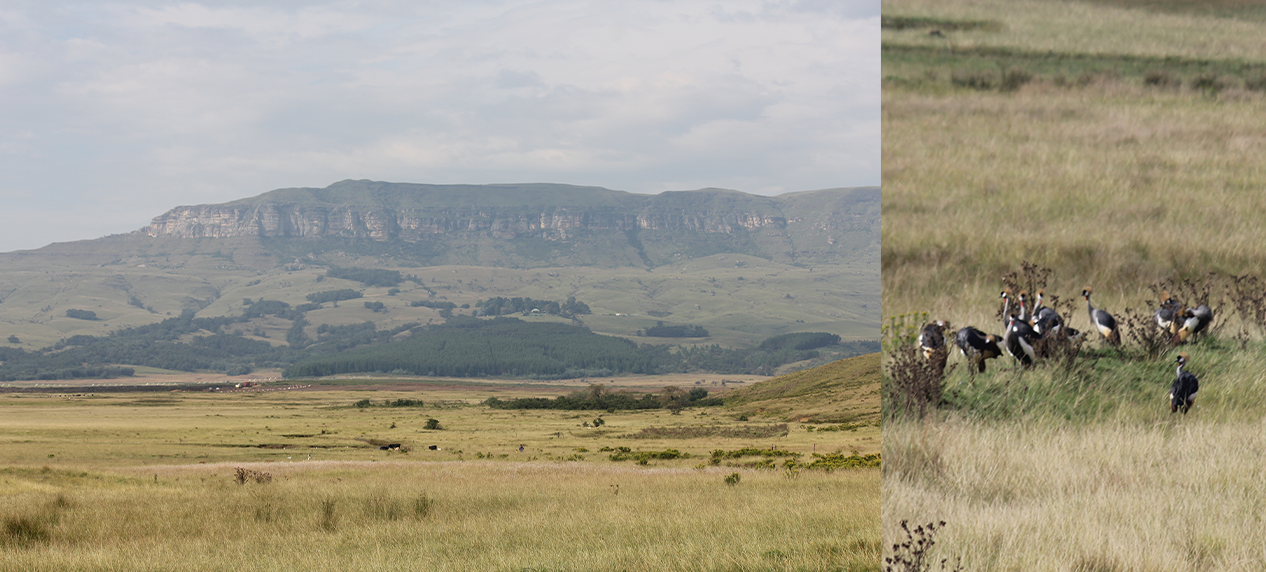
KwaMkhize lies in the shadows of the Drakensberg mountains with Giants Castle looming large in the distance. It is an area of rolling hills and lush veld. It is also an area of extreme poverty, and an area which is difficult to access, given the state of access routes, which have been under construction for some time. The extreme rainfall in recent months has also not helped. But, that rain has fed the many springs in this area ensuring a continuous supply of water to the newly-installed water points in the village by the Endangered Wildlife Trust/International Crane Foundation Partnership(EWT/ICF), and filling the nearby rivers and streams that nourish the wetland home to the Grey Crowned, recently downlisted Wattled and Blue Cranes.

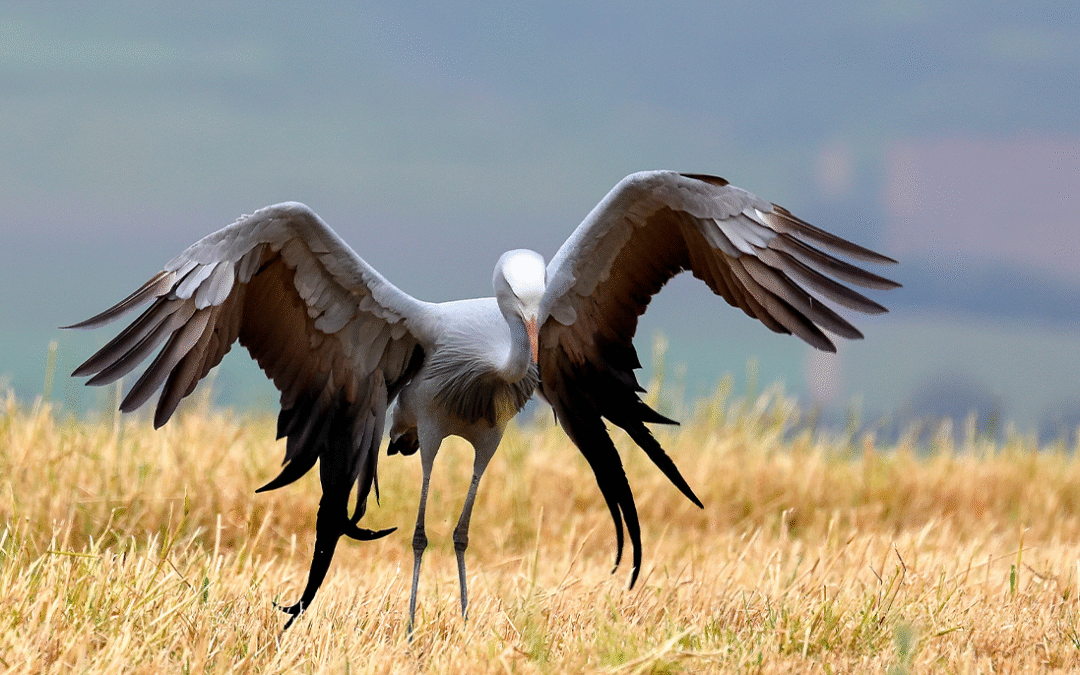
This catchment is home to an estimated 25% of South Africa’s Wattled Cranes and is a critical breeding ground for two of the three crane species – Wattled and Grey Crowned Cranes. But, Cranes are not the only reason the EWT/ICF Partnership is working in this area, also considered one of South Africa’s water factories—a source of water to cities like Johannesburg and eThekwini.
Samson Phakathi, senior community field officer for the EWT/ICF African Crane Conservation Programme, holds much praise for the KwaMkhize community, which has not only taken ownership of its water supply issues, but has, as a collective, worked with the EWT/ICF Partnership since 2016 to address numerous issues of concern. Of late, that has expanded to land use management, which includes planning to remove alien and invasive species such as the Natalie Bramble especially around rehabilitated springs and rangelands used for grazing of cattle, as well as the pollution of rivers and streams, the installation of pit latrines close to springs, and ensuring new housing developments don’t encroach on grazing lands.

Besides working as a collective to ensure all residents have access to clean potable water, the community is set to workshop a landuse plan for the area so that human development does not affect their primary activity—livestock farming.

Many rural areas receive limited access to governmentally supplied services due to the distance the communities are to main roads. Springs are, therefore, vital in these communities. Interacting with communities to better support natural resource management helps protect the landscapes in which cranes in South Africa live, primarily wetlands, grasslands and farming landscapes. Through our Springs project, the EWT/ICF Partnership has protected seven springs across two communities in the Drakensberg, KwaMkhize and Mqatsheni.

Overall, the implementation of the seven spring protection projects has served 2,445 individuals across 292 households, two schools and a clinic that services 150 people a day 365 days a year; therefore, a total of 54,750 individuals benefit from potable water at the clinic.

The key benefits of spring protection include clean potable free water, easy access, enabling children to spend more time in school, improved health of the community, especially the children and a secure water source. Furthermore, the protection prevents cattle from getting stuck in mud and either succumbing or becoming ill from polluted water.

The primary uses of springs were for potable water, cooking, cleaning and washing. However, some households use spring water for watering vegetable gardens and traditional medicines.

All the residents of KwaMkhize rely on springs as a primary source of water. Getting up the mountains to reach the water sources created an opportunity for the EWT/ICF Partnership to bring water to the community through the installation of pipes and taps in key sections of the expansive village.

Because KwaMkhize is a water factory area, it is important that the catchments are protected so that enough water of good quality can be captured to supply the cities, said Phakathi. “We thus need a constant supply of water, and this increases the importance of the area.”

One spring supplies water to hundreds of households. In the past, residents, particularly women and children, trudged to the water sources several times a day to collect water.


Community members discuss the benefits of the newly installed taps and how these have greatly impacted their lives and those of their families.


“In the past we had to wait two hours for a bucket to fill and then we had to wait because the water was polluted because livestock also drank at source, so we had to wait for pollutants to settle before could use the water,” said 20-year-old Nosipho shortly after she and her sisters had collected buckets of water from a nearby tap. “The water quality we have now is the greatest benefit.”

“This has made our lives much easier,” said an elderly woman as she inspected the recently installed tap.

Close to another spring is a spring silt box, which catches sediment before storing water for community use. This is maintained once every three years to ensure the water being supplied is not dirty.

The pipes from the spring, said Phakathi, are installed in such a way that they do not interrupt the flow of water to streams feeding the wetland. The aim is not to destroy or harm the environment while improving the lives of the community.

“This project has been an eye-opener to learn how a project of this nature has impacted people positively,” said Phakathi.

An important aspect of the EWT/ICF Partnership’s work has been to focus on encouraging the community to take the lead so that once the organisation withdraws from the area, the community is able to live sustainably and be self-reliant, critically important aspects in a rural area such as this.

“The communities are actually participating quite fully from the leadership to the people on the ground,” added Phakathi.

Projects such as this are extremely important, he said, especially since water is a human right but also forms part of one of the Sustainable Development Goals. A project of this nature not only addresses access to water, but also encourages people to sit down and discuss issues of concern and formulate measures, and draw on local capacity to solve problems through participation.
He believes this project is a step in the right direction when it comes to saving Cranes, as the EWT/ICF Partnership has not imposed its will on the people, but rather allowed the community to take the lead while the team advises on how best to manage the area and interact with their immediate environment.

“We are not here to impose on the community, but to work with them,” he said. “As much as we are a conservation organisation, when we approach communities, we don’t look at that as something that we should be pushing, but we look at the challenges that they are facing in order to address their challenges while addressing environmental issues at the same time.”

At a meeting with local indunas, access to water was highlighted as a key issue for KwaMkhize. But, the indunas pointed out, this project has brought with it a number of benefits, especially easier access to clean water. Waterborne diseases, they believe, may be a thing of the past if all community members could eventually have access to spring-fed water points.

The hope was also that the EWT/ICF Partnership could have the ability to mobilise more resources so that the entire community could be accommodated in the long term.

“A project of this nature can do a lot to improve the lives of people, and we are very thankful for a project like this,” said one local induna.

The EWT/ICF Partnership would like to extend a huge debt of gratitude to the Paul King Foundation and the HCI Foundation for providing funding for this important piece of work.

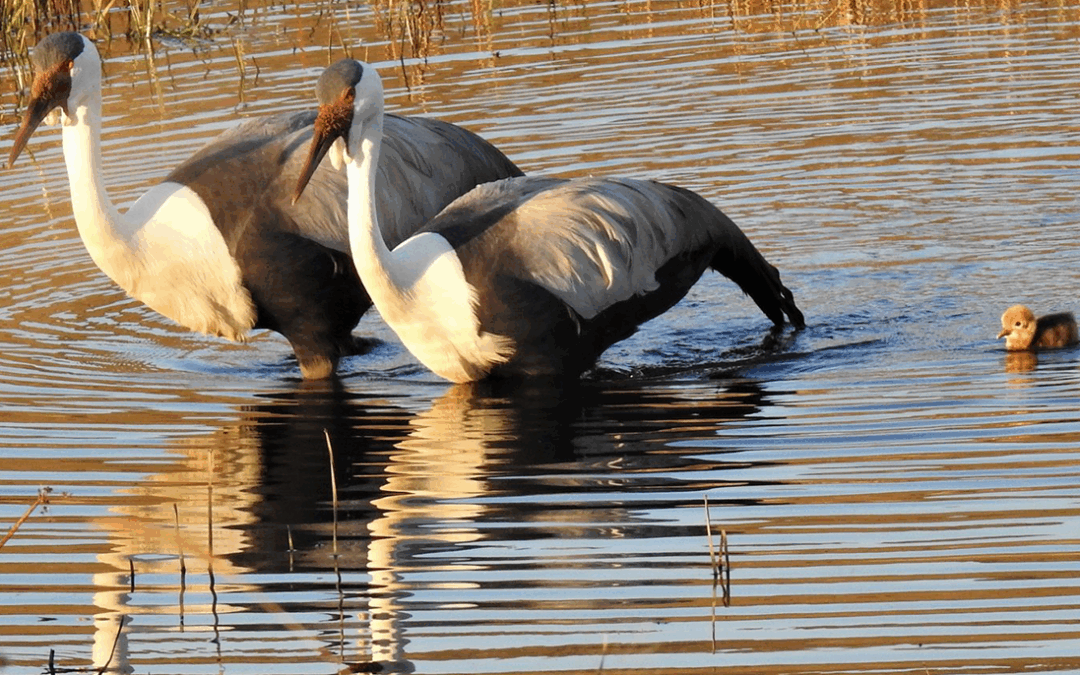
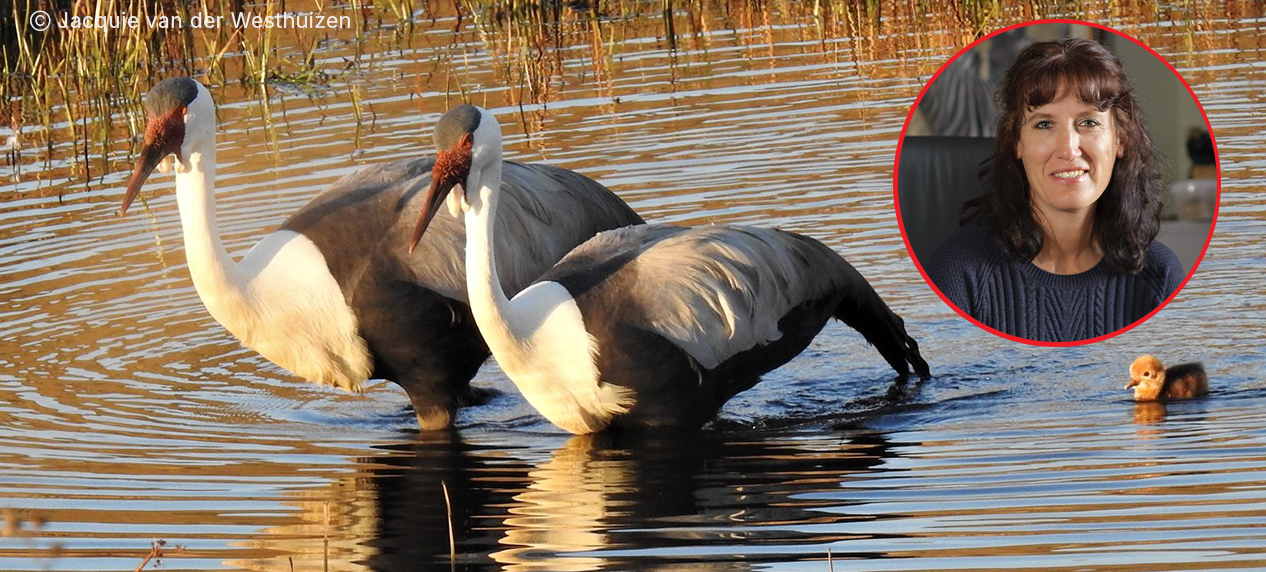
A breeding pair of Wattled Cranes just outside of KwaMkhize. 100 out of the 400 Wattled Cranes that take up residence in South Africa can be found around the KwaMkhize community.


Read more about how we are working to save cranes, conserve their vital habitats, and benefit the people living with them