
Kruger Cheetah Census 2026/27
Spotted a cheetah?
Help us count them!
From 1 September 2026 to 31 August 2027, visitors, guides, park staff and reserve teams are invited to report cheetahs seen in the greater Kruger National Park and the Associated Private Nature Reserves.
Your photographs and sighting information can help researchers build a clearer picture of this important cheetah population.
See it. Photograph it. Report it.
About the census
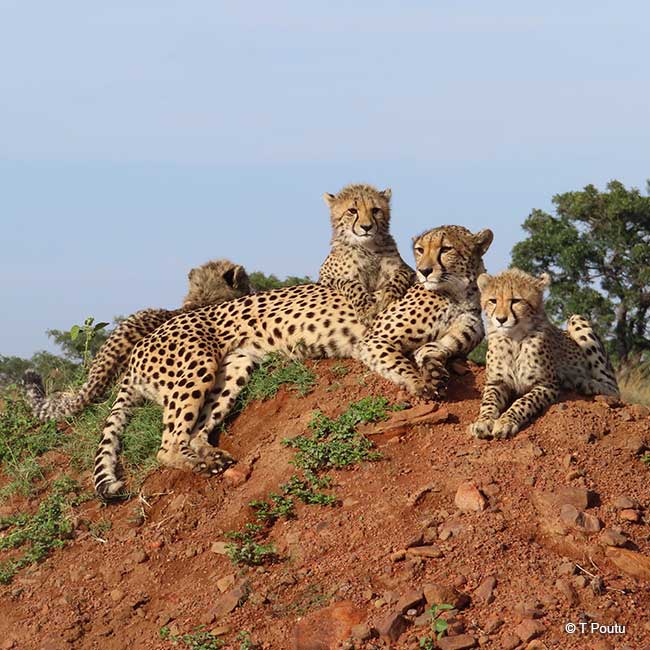
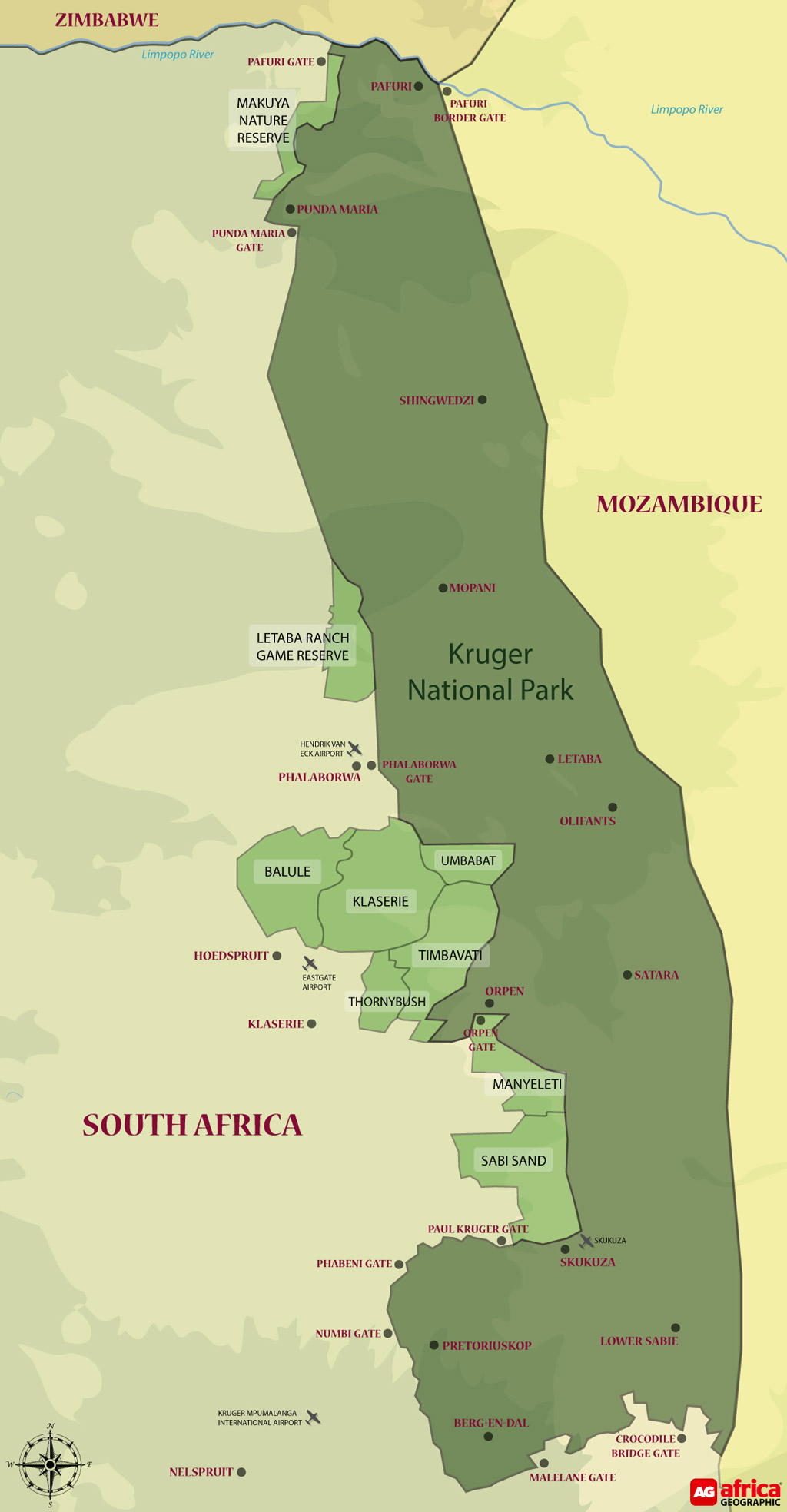
The Greater Kruger National Park forms an important landscape for cheetahs representing almost 10% of their remaining protected area range in Southern Africa. However, little is known about this population – big questions remain around their movements, how successfully they reproduce, the population size and the pressures affecting their survival.
The year-long Kruger Cheetah Census will bring together sightings from across the landscape to improve our understanding of the population.
Photographs can help researchers identify individual cheetahs from their spot patterns. By combining these identifications with sighting information and improved monitoring methods, the project can develop a clearer picture of cheetah numbers, distribution, movements, survival and reproduction.
This evidence will help inform future research and conservation action.
The Kruger Cheetah Census is led by the Endangered Wildlife Trust in partnership with SANParks.
(click on map to enlarge)
How to take part
If you see a cheetah in the Greater Kruger National Park during the census period please do the following
Please note: Whilst our census runs from 1 September 2026 and 31 August 2027 we are also welcoming historical submissions from 2000 onwards, please ensure information on the date of the sighting is included.
1.
Take clear photographs from a safe and respectful distance.
2.
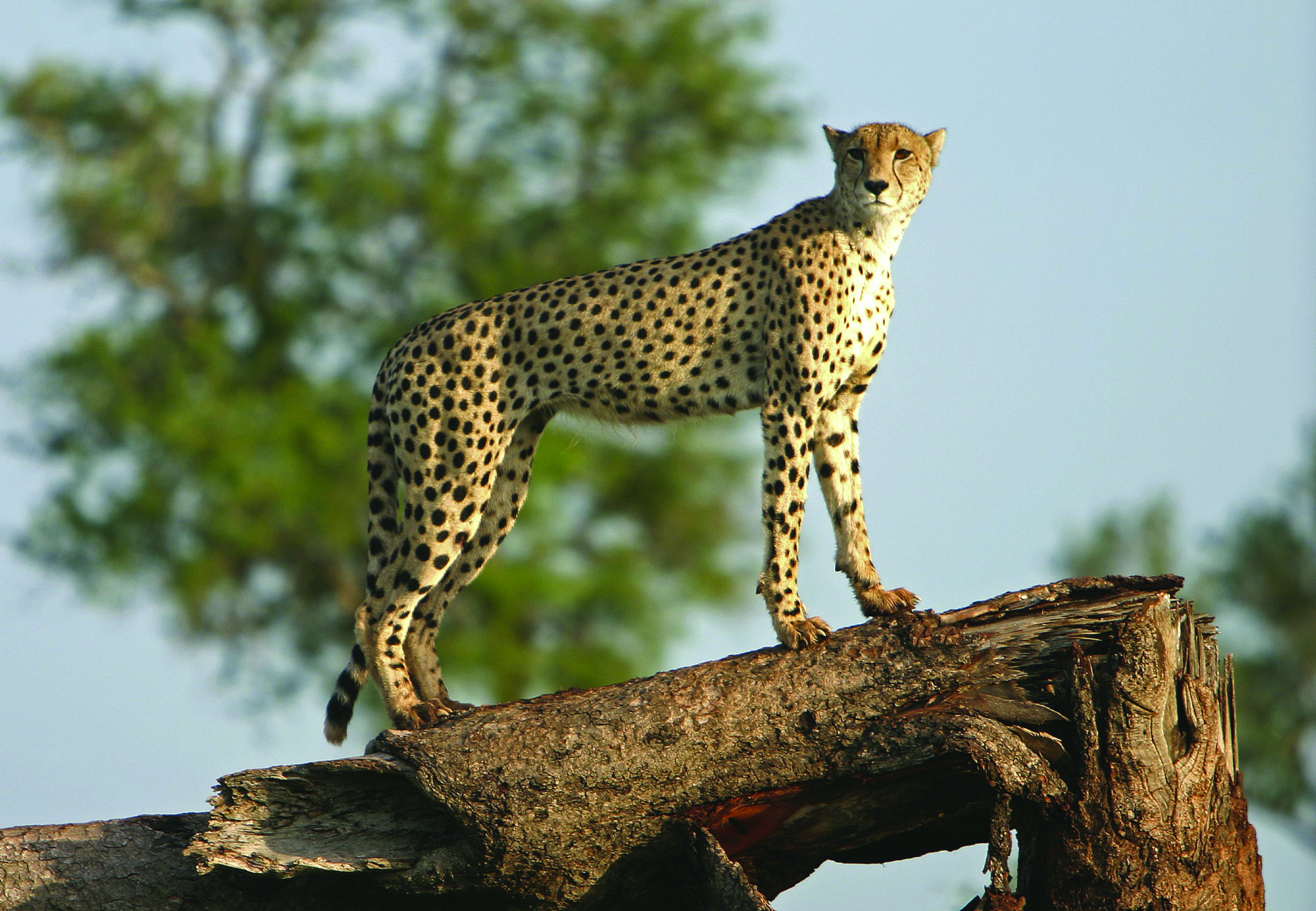
Photograph the cheetah’s full body from the left and right sides, where possible.
3.
If you see several cheetahs, try to photograph each animal individually as well as the group.
4.
Record the date, approximate time, location and number of cheetahs seen.
5.
Submit your photographs and sighting details via WhatsApp or the online form.
Photograph guidance
Clear side-on photographs provide the most useful view of a cheetah’s spot patterns.
Where possible, please submit:
- A full-body photograph of the left side
- A full-body photograph of the right side
- Individual photographs of each cheetah
- A photograph showing the full group
- Photographs are welcome even if you were unable to capture every suggested angle.
- Please submit whatever you safely obtained.
Responsible wildlife viewing
Never leave your vehicle, approach a cheetah or interfere with its natural behaviour to obtain a photograph.
Always maintain a respectful distance and follow all park and reserve regulations. The welfare of the animal and the safety of visitors must come first.
What happens after submission?
Thank you for contributing to the Kruger Cheetah Census.
Your sighting will be added to the project database and assessed by the research team. Your photographs may help identify individual cheetahs and improve our understanding of the wider population.
A member of the team may contact you if additional information is required.
Please follow us on Facebook and Instagram for updates on this project as it progresses.