My first close-up encounter with an elephant

My first close-up encounter with an elephant

In the field 

My first close-up encounter with an elephant

By Dembo Jatta, Birds of Prey Unit Intern
 

First elephant encounter in the Okavango Delta during EWT fieldwork

The drive from South Africa to Botswana felt like one long ribbon of tarmac stretching into forever, but the moment we rolled into the Okavango Delta, all thoughts of the road melted away. Our base for the start of the trip was the Anti-Poaching Unit (APU) camp, where we stayed in permanent tents. It was the kind of setup that instantly reminds you that you were properly in the bush, with just enough comfort to make you smile at the adventure ahead.

On this trip, we were collaborating with some of EWT’s long-standing partners, including Raptors Botswana, the Kalahari Research Centre, and Connect Trust. All collaborating under the shared goal of vulture conservation in the Delta.

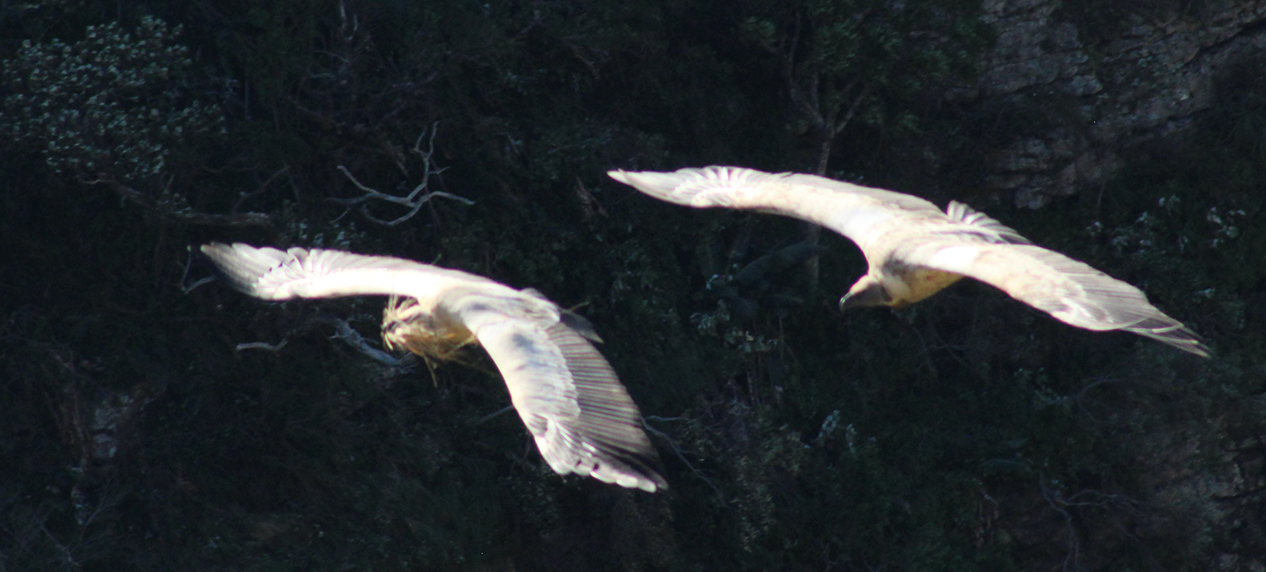
That first evening, we settled into camp, got our gear sorted, and took in the sounds and smells of the Delta under a blanket of stars. The next morning, we began trapping, catching four White-backed Vultures on day one and a few more over the next couple of days.

On the fourth day, we packed up and moved further into the Delta, just on the edge of where floodwaters from Angola spilled through the plains. This time, Kyle and I pitched our own tents, while Gareth opted for his beloved Alu‑Cab rooftop ModCAP camper. That evening, a herd of elephants wandered into camp, scattering us into the shadows as one of the laaitie browsed his way through our tents.

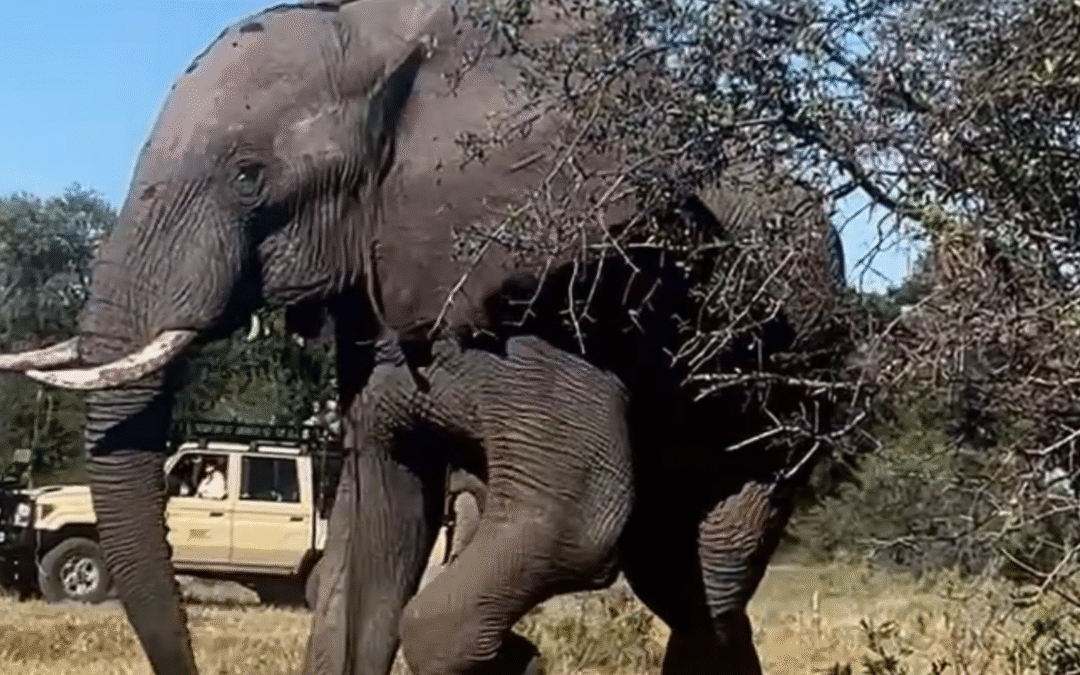
But that was not the only adventurous moment of the trip. The highlight for me came one afternoon while I was on vulture watch, tucked into a hide among the thorny branches. My radio crackled to life: “Dembo, you have got an elephant heading your way.” At first, it felt distant, but moments later, I caught movement through the fabric of the hide. About 10 metres away. That was all that separated me from several tonnes of browsing pachyderm. This was my very first encounter with an elephant while not sitting safely inside a vehicle. Not wanting to test my luck, I radioed back, suggesting a rescue mission. Maluki, in his wisdom, drove straight toward where the elephant was standing. It was almost comical watching the animal change course and head right for me instead. Strangely, I stayed calm in the hide. I even found myself filming, my phone poked out just far enough to catch the moment it stopped, sniffed the air towards me, and gave me a thorough once-over before ambling away.

Nonetheless, the nights in the Delta were unforgettable. The sky glittered with stars, lions and hyenas called in the distance, insects and frogs filled our surroundings with their own chorus, and it felt alive in every direction. I remember unzipping the top rooftop flap of my tent just to stare at the endless stars above me. It gave me chills and goosebumps, a feeling I will never forget. I had never seen so many fish eagles and bateleurs in one place in my life. It felt like fish eagle heaven, their calls and presence filling the Delta skies every day.

By the end of the trip, we had fitted GPS units and rings to 15 vultures, including a handsome White-headed Vulture. Across the days, I also added 12 new species to my life list, lifers I had never seen before. Seeing and hearing the calls of these birds amongst the floodplains was the perfect ending to what was more than just fieldwork. It was a wild, unpredictable and unforgettable chapter in my conservation journey.

World Ranger Day celebrated at the EWTs Medike Nature Reserve

World Ranger Day celebrated at the EWTs Medike Nature Reserve

In the field

World Ranger Day celebrated at the EWTs Medike Nature Reserve

By Joe Razwinani, Medike Reserve & Hospitality Manager
 

World Ranger Day braai celebration with rangers and families


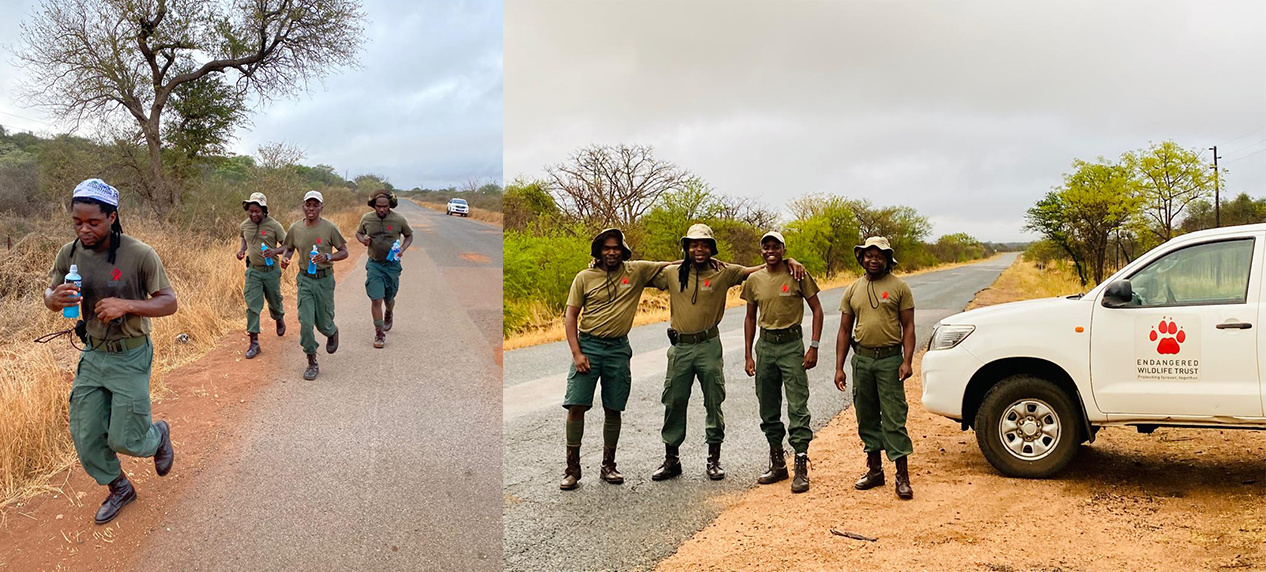
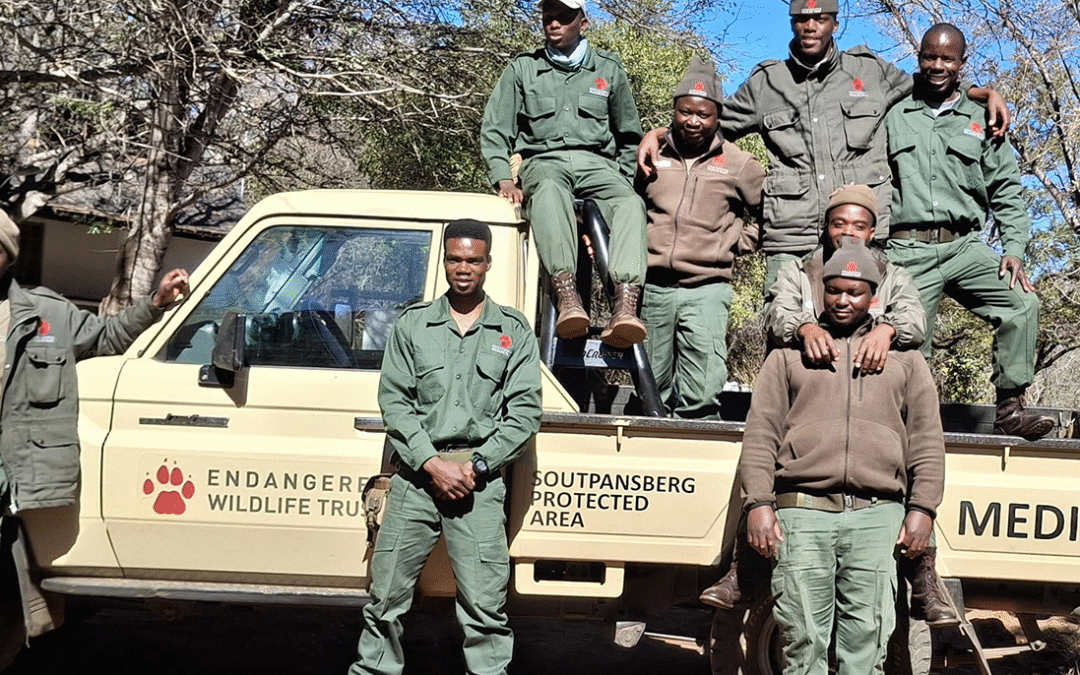
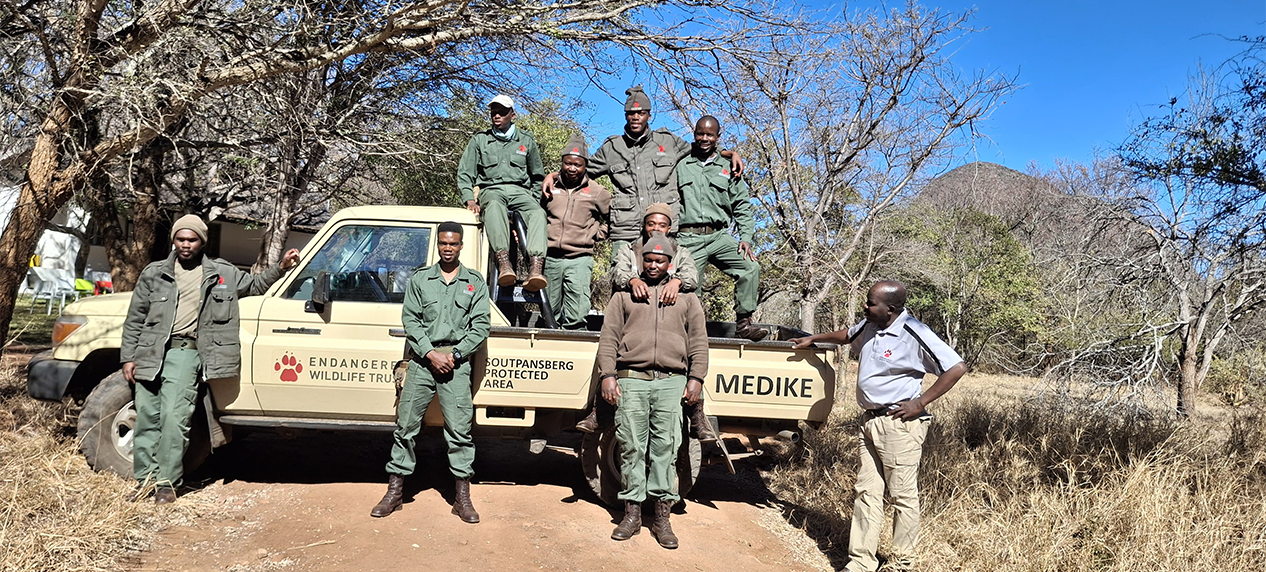
Rangers and support staff at the EWTs Medike Game Reserve in the Soutpansberg marked World Ranger Day on 31 July by demonstrating their abilities and versatility of their work, and sharing insights about their experiences.

World Ranger Day, this year held under the theme “Rangers Powering Transformation”, annually commemorates rangers who have died in the line of duty, honours the hard work and dedication of rangers, and fosters greater understanding and appreciation for the work they do among staff, their families, and local community members.

At Medike as short programme was designed to address ranger’s families and community members with the aim of educating them about the multifaceted role of a ranger. The programme aimed to shed light on daily ranger duties, promote professional growth, and strengthen the connection between conservation efforts and local communities.

The 2025 Ranger Day celebration began with a ranger drilling demonstration to showcase the discipline, coordination, and teamwork required in field operations. This was followed by individual presentations from rangers, each addressing specific topics. such as anti-poaching strategies, Veld Fire Control, Veld Restoration. Alien Invasive Species Removals, Eco-Tourism and Community Involvement. These presentations not only served as educational tools but also helped build the rangers’ confidence in public speaking. The presentations sparked meaningful dialogue and shifted long-standing perceptions regarding the work of rangers.

Visitors extended their gratitude to the EWT team at Medike for safeguarding the Soutpansberg Mountain. Many were surprised to learn that the mountain is the source of their drinking water. This discovery underscored the vital link between environmental conservation and everyday life. It also inspired greater respect for natural resources and reinforced the importance of environmental stewardship among community members.

One of the community representatives expressed his readiness to alert the EWT about the presence of poachers in nearby villages making a significant step towards integrated conservation efforts, where local residents play an active role in protecting wildlife against the illegal trade.

At the end rangers and their families enjoyed a braai courtesy of the EWTs Support Services who provided vouchers for the social gathering.

This celebration served as a powerful reminder of the transformative potential of conservation when communities are informed, engaged, and empowered.

Green roads and highways protect biodiversity

Green roads and highways protect biodiversity

Green roads and highways protect biodiversity

By Dr Thabo Hlatshwayo, Wildlife and Transport Project, Senior Field Officer
 

Earlier this month, I had the opportunity to address around 700 delegates to the South African Transport Conference about the importance of green transport and steps that can be taken to mitigate the impact of national highways on habitat use and movement by wildlife.

This is the longest running transport conference in southern Africa serving as a forum to debate transport-related issues, including the provision of transport infrastructure, learn more about research in this field, new technological developments, and to build capacity.

During my presentation, I highlighted the fact that although transport infrastructure is critical to sustainable human economic development and society, poorly designed and built roads and highways may have negative ecological impacts.

Establishing green transport infrastructure has become an important element of sustainable development frameworks, and maintaining ecological connectivity between road-fragmented landscapes plays a significant role in conserving wildlife populations. Poorly planned transport infrastructure development can have severe impacts on ecological connectivity and species survival.

Roads can create barriers to wildlife movement, limiting the ability of terrestrial wildlife to find water, food, and mates. Furthermore, road fragmented landscapes accelerate incidents of wildlife-vehicle collisions. Whilst these incidents almost always result in wildlife mortality, they also impact populations of threatened and endangered species and pose road safety concerns for other road users (people).

These impacts are particularly relevant in South Africa, which has diverse and robust wildlife populations and is still transitioning to a greener economy. 

My recently-completed PhD studies in ecological science expand on previous research by emphasising the urgent need for adopting road development projects that optimise social and economic benefits while safeguarding biodiversity and ecosystems through the consideration and inclusion of ecological connectivity through wildlife crossing corridors. This study explored wildlife roadkill patterns and animal movement on South Africa’s national highways that intersect landscapes that are critical for biodiversity. We also evaluated the usefulness of existing road drainage underpasses not purposely built for wildlife by using camera traps at bridges, culverts and tunnels to determine whether these help animals to move across highways safely, contributing to a reduction in roadkill incidents and improving landscape ecological functionality.

The findings have been helpful in the following ways:  

  1. Guiding monitoring and modifying existing under-road culverts for reducing road-related biodiversity effects in South Africa and
  2. Offering insights into the constraining variables that influence crossing structure index by wildlife.
  3. Promoting the consideration and inclusion of ecological connectivity and biodiversity needs in road transport development sustainability frameworks in South Africa.
Poison workshop brings stakeholders together

Poison workshop brings stakeholders together

Poison workshop brings stakeholders together

By Lara Fuller, ACCP Drakensberg Coordinator, EWT/ICF partnership
 

The African Crane Conservation Program (Endangered Wildlife Trust/ International Crane Foundation Partnership) Drakensberg project is uniquely placed in the foothills of the majestic mountains of the Eastern Escarpment.

The Great Escarpment is a significant geographical feature characterised by high cliffs, steep slopes and higher inland plateaus. It separates the higher interior plateau from the lower narrow coastal strip and is an area of high biodiversity and endemism, and equal cultural diversity.

Across this landscape there are a range of focal species and non-focal species that are impacted by poison incidents or background chemical toxicity. Further to this, there are underlying health risks to human well-being associated with the illegal use of chemicals. This discipline is an understudied topic and is a very complex space to work in.

Recently, my colleague Samson Phakathi and I were invited by the Ezemvelo KwaZulu-Natal Honorary Officers (a dedicated group of volunteers committed to support EKZN Wildlife provincial Wildlife Authority) to present a wildlife poison mitigation workshop.

The three-day workshop aimed to educate attendees on the signs of wildlife poisoning, personnel protection, what action should be taken and how to collect evidence for a criminal case. The more than 40 attendees included representatives of NPO’s, KZN Wildlife Honorary officers, professional forensic experts, and Environmental Management Inspectorate members (EMI), and a couple of former law enforcers. It served as a refresher to some individuals, but the majority were there to hear about the impact of poisoning on wildlife for the first time.

As always in conservation it is paramount to ensure that the correct individuals are working together for the benefit of our landscape. Connecting individuals from diverse backgrounds is not always easy, but it is necessary for conservation success. Besides hosting a social event as a means of building working relationships, local wildlife rehabilitation centre, FreeMe, demonstrated how to respond to live wildlife poison cases, and the importance of handling during poisoning cases.  Investipol, a professional investigation and spill response unit, shared their knowledge and experience, while the Ezemvelo KZN Wildlife officials discussed the difficulties of implementing existing laws.

The outcomes of this event were multi-dimensional and included the expansion of the poison response team, new connections made for long-term collaboration, a greater understanding of localised community poisoning events and a direction to raise awareness about the incorrect use of chemicals. From this event two more workshops were requested in Northern and Central KZN.  We are grateful to every individual who participated and we look forward to seeing the difference in our landscape. 


** The EWT would like to thank the Paul King Foundation and N3tc for their support.

Modderfontein Conservation Society learns more about the law and conservation

Modderfontein Conservation Society learns more about the law and conservation

Modderfontein Conservation Society learns more about the law and conservation

By Sibongakonke Ngogodo, Legal Officer
 

At the end of May, Ashleigh Dore, Unit Manager of the Land, Air, Water and Species (LAWS) Unit, and I joined the Modderfontein Conservation Society to explore how law can drive real conservation impact in South Africa. We were thrilled by a warm, engaged audience, particularly older conservation champions whose passion and wisdom reminded us why this work matters.

With the support of my colleagues, I had the opportunity to deliver my first public presentation, becoming an excellent learning experience for me.

In framing South Africa’s extraordinary biodiversity legislation, we discussed a variety of matters in our presentation, including the Constitutional and legislative provisions relating to biodiversity in South Africa. These include Section 24 of the Constitution which guarantees the right to an environment that is not harmful to the health and well-being of all South Africans. Our presentation examined how the Constitution underpins the National Environmental Management Act (NEMA) and the related National Environmental Management: Biodiversity Act (NEMBA), which both guide and regulate the way in which our country’s natural environment is managed to the benefit of all people, and species.

We also explained the permit system for indigenous species under NEMBA, highlighting implementation challenges that institutions and individuals may face, or are facing. We proposed forward-looking strategies to modernise our biodiversity legal landscape by harmonising national and provincial legislation, streamlining permits, strengthening institutional capacity, and fostering meaningful community participation.

What stood out most was the enthusiasm of attendees who, despite the challenges we face, remain committed to finding practical, law-driven solutions that translate into real-world conservation outcomes. Hearing firsthand about their concerns, and the wisdom they have accumulated over years, reinforced our conviction that strong legal frameworks must be paired with collaborative implementation on the ground.

We extend our gratitude to the Modderfontein Conservation Society for hosting us and to everyone who attended. If you were unable to join us but would like to learn more, please visit the LAWS Unit website at https://laws.ewt.org/ for access to resources and information on future events.

** This work is made possible through the generous support of the Lewis Foundation and the Modderfontein Conservation Society.

#EndangeredWildlifeTrust #LAWSUnit #Biodiversity #ConservationInAction #EnvironmentalRights

Njozi’s Great Escape:  Safely Back at Rietvlei Nature Reserve

Njozi’s Great Escape: Safely Back at Rietvlei Nature Reserve

Njozi’s Great Escape: Safely Back at Rietvlei Nature Reserve

By Eleanor Momberg, Communications manager, EWT 
 

On 3 June, Carnivore Conservation Unit manager Derek van der Merwe offered the Endangered Wildlife Trust’s assistance to recapture well-known female cheetah, Njozi, who had left the confines of the Rietvlei Nature Reserve in Pretoria and had undertaken an unexpected adventure in Gauteng.

The lone resident Cheetah at Rietvlei, Njozi had left the confines of the reserve on 2 June, and it was after attempts to return her to Rietvlei that Derek had called the Rietvlei reserve management and offered the EWTs assistance to bring her home.

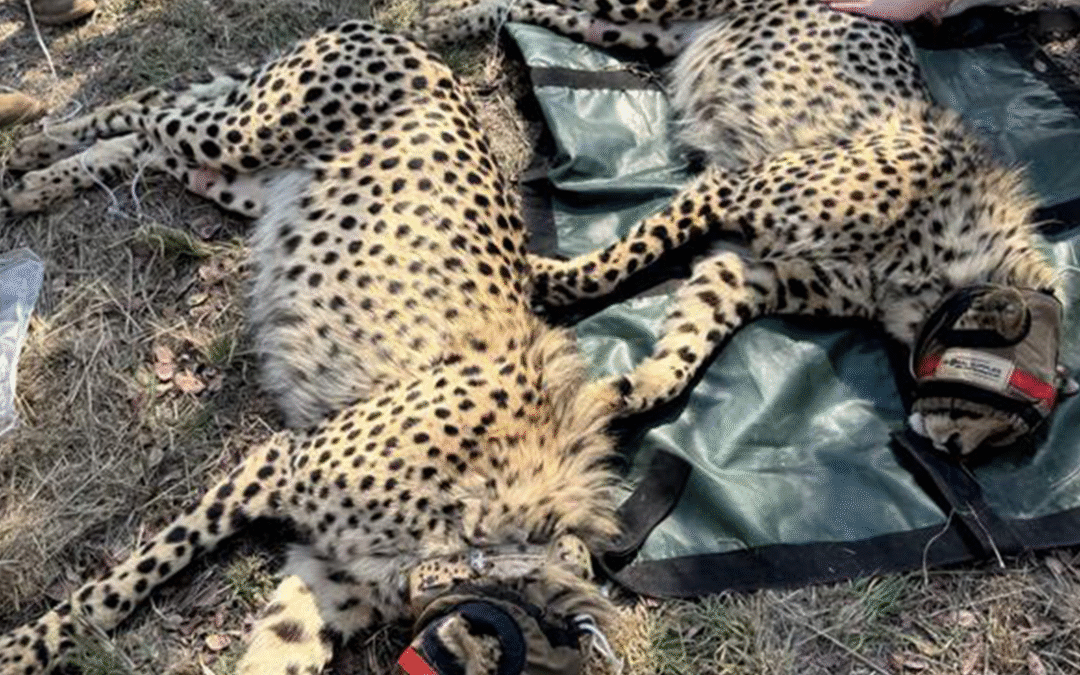
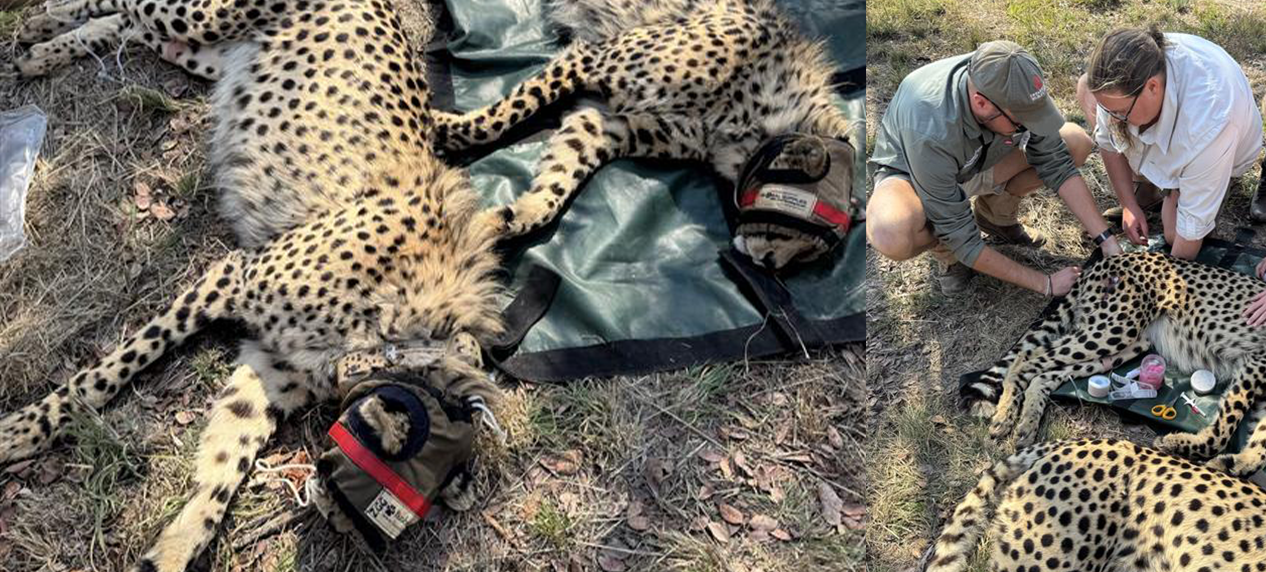
Njozi’s tracking collar was probably her saving grace as reserve staff were able to monitor her movements until help could arrive. During the day on Monday she had travelled 18km towards Bapsfontein.  On Monday night she travelled more than 15km towards Kameelzynkraal where Derek and a team including a wildlife vet, City of Tshwane and Rietvlei Nature Reserve officials, managed to safely recapture her, thanks to landowners Clarissa de Bruto, Monique Venter and Johan Lottering.

Although Njozi is usually comfortable around vehicles and a favourite among tourists at Rietvlei, she became skittish in unfamiliar territory, hiding in dense thicket and mielie fields that made initial capture efforts difficult.  A helicopter was quickly called in for a swift and safe retrieval, ensuring Njozi’s smooth return.

Cheetahs pose a very low risk to humans and are often misunderstood. Human-wildlife conflict can be minimised through awareness, proper management, and the use of technology, like tracking collars, which help us monitor and intervene at times like these. 

We would like to say a special thank you to the Aspinall Foundation for funding the helicopter search, wildlife vet Dr Shaun Beverly for the veterinary expertise and Lean from Powered Flight Charters for his chopper flying skills. We also thank our donors @metrofibre for making this rescue operation possible as well as the Rietvlei Reserve Staff and City of Tshwane for their support.