
Communities and indigenous knowledge key to Wetland conservation
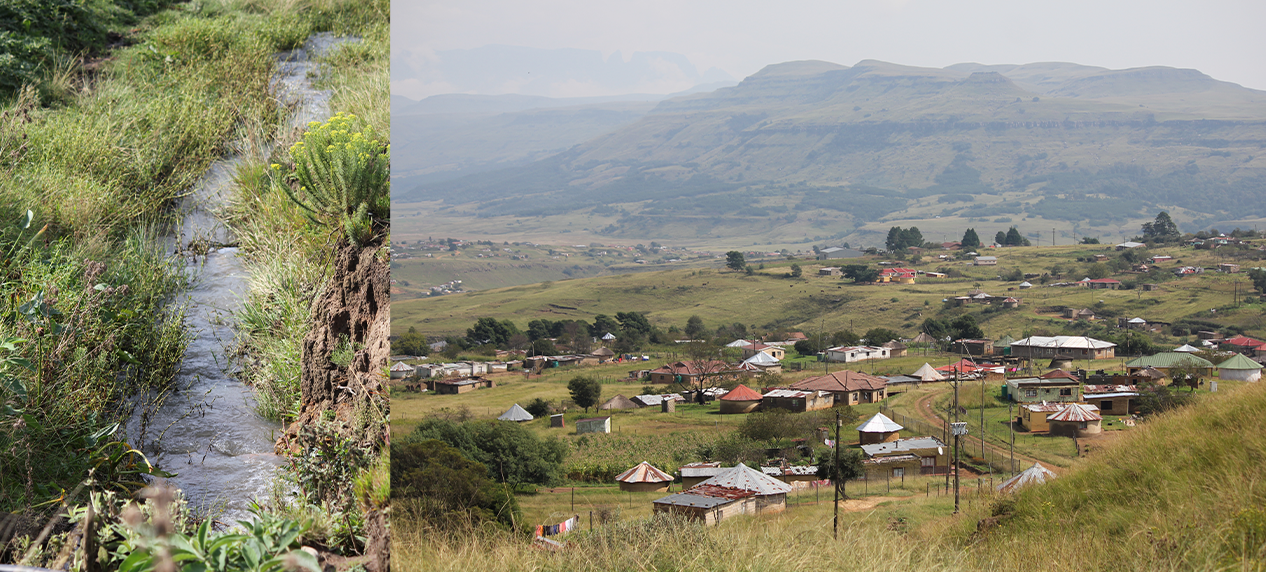
Wetlands not only sustain biodiversity, but also provide critical resources for surrounding communities. These include grazing for livestock, a source of building materials, the use of plants for medicinal purposes and cultural uses.
Alongside communal livelihood-related benefits is the importance of wetlands in the conservation of biodiversity, not only the water resource, but also the unique plants and animals that live in these important, environments.
This year the EWT marked World Wetlands Day, which linked wetlands to traditional knowledge by celebrating cultural heritage, by recognising the important role played by communities in the conservation and protection of wetlands.
These water resources are not only part of South Africa’s natural heritage, but are also part of the country’s cultural heritage. A key example is the iSimangaliso Wetland Park in KwaZulu-Natal, also known as the place of miracle and wonder. This Ramsar Site (wetland of international importance) is not only an area of biodiversity and archaeological significance; it is important to local Zulu communities who have held a deep connection with both the land and sea. The park also serves as a living landscape where local, traditional, and indigenous practices have been incorporated into modern conservation management practices.
Our project at Adam’s Mission in eThekwini is a prime example of the success of working with local communities to ensure the health of a natural habitat that underpins the life of both species and communities.
Since the inception of our monitoring programmes for selected, critical wetland habitats to support the Endangered Pickersgill’s Reed Frog (Hyperolius pickersgilli), we have initiated rehabilitation and monitoring at the Widenham Wetland Protected Environment and the Adams Mission wetland—both home to the Endangered frog species and Critically Endangered vegetation types, including the coastal grasslands, Indian Ocean Coastal Belt Wetlands and Swamp forest wetlands.
Through our Threatened Endemic Species Unit, previously known as the Threatened Amphibian Programme, our team has also focused on alien species clearing to and waste management to improve ecosystem health and associated ecosystem services. This has contributed to growing socio-ecological resilience for both the rich biodiversity and strong communities. It also benefits communities living adjacent to the wetlands through job creation and keeping the environment clean. Fourteen people have been employed as waste collectors and Invasive Alien controllers over a12-month period ending in June 2025.
The success of our education and awareness drive at Adam’s Mission has resulted in a decline in residential development in the buffer zones, agricultural practices and invasive alien plants, as well as a reduction in waste dumping within the wetland zone.
At KwaMkhize in the Drakensberg, the provision of spring water to the community through the EWT/ICF partnership benefits the people the area, ensuring that critical Crane species living in an adjacent wetland are protected.
By helping communities to better support natural resource management helps protect the landscapes in which cranes in South Africa live, primarily wetlands, grasslands and farming landscapes.
Overall, the implementation of the seven spring protection projects has serviced 2 445 individuals across 292 households, two schools and a clinic that services 150 people a day 365 days a year, therefore a total of 54,750 individuals that benefit from potable water at the clinic. This means the community no longer must rely on the rivers and streams flowing into the wetland for household water, or to water their gardens.
In the catchment of Vaal River near Harrismith in the Free State, we are implementing a restoration project to clear invasive alien plants and restore water to the environment for the benefit of people, wetlands and rivers. The project employed 24 previously unemployed people. Thus far 286 hectares of densely invaded wetland and grassland have been cleared releasing 929 megaliters of water back into the environment.
South Africa boasts 30 Ramsar Sites totalling 574 000 ha. Many are valued for their cultural heritage and traditional practices, which are incorporated into wetland conservation through initiatives undertaken by the EWT.
We collaborate with the International Crane Foundation through the African Crane Conservation Programme to conservation wetlands for species such as the Endangered Wattled Crane and Grey Crowned Crane, which are among the species that rely of wetlands as breeding sites. We also work to protect the Critically Endangered Amatola Toad, which is dependent on high altitude wetlands and adjacent moist grasslands.
Habitat transformation and climate change are among the greatest threats to wetlands, elevating the risk of water pollution or eutrophication caused by effluent discharges. In addition, overgrazing or incorrect fire management practices can result in the transformation of wetland ecosystems. This includes the presence of alien invasive species which reduce water availability and cause wetlands to become drier than anticipated. In some areas, wetlands are perceived as wastelands, resulting in their ecological importance being undervalued.
We recognise the importance of working with communities living within wetland catchments, or near to nature’s water purifiers, to safeguard these critical habitats. We will continue to support conservation efforts that will ensure our wetlands are healthy and able to withstand the risks posed by unchecked development and climate change.