WHEELS ON THE GROUND AND WINGS IN THE AIR
The EWT’s on-the-ground work takes place across southern and East Africa, often in remote and far-flung places, where conservation action is needed most. This means that our team members must travel great distances to save species and habitats, and work with communities that rely on natural resources to survive. This would not be possible without the support of two of our most generous donors.
For over 30 years, Ford Motor Company of Southern Africa (FMCSA) has been actively involved in the conservation of wildlife and ecosystems in South Africa and Sub-Saharan Africa. To-date, FMCSA has invested almost R40 million to support more than 170 conservation projects.
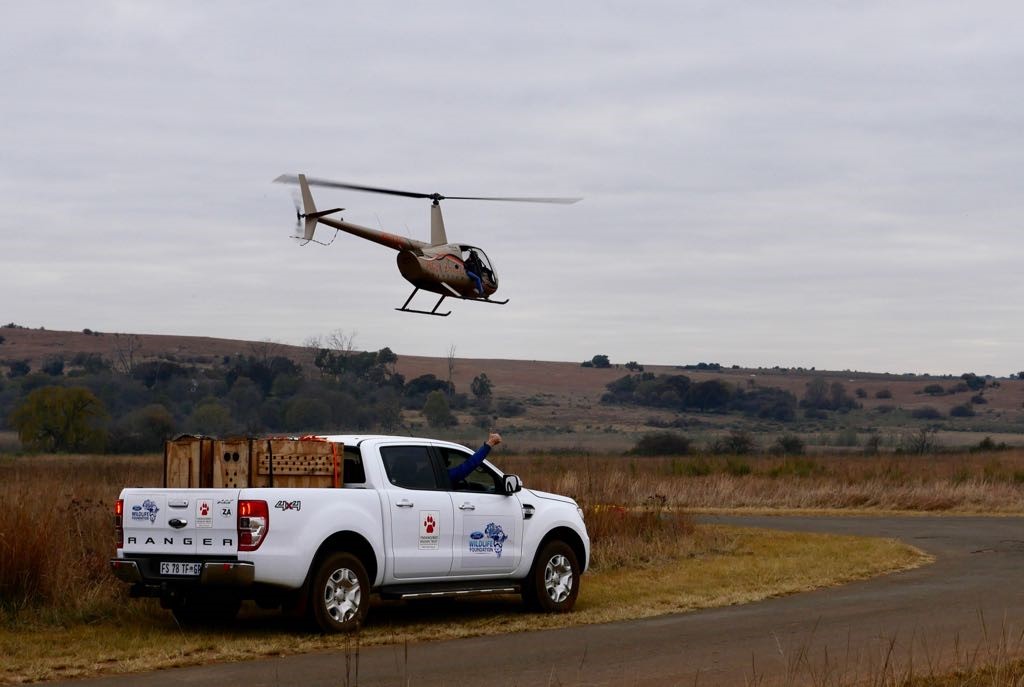
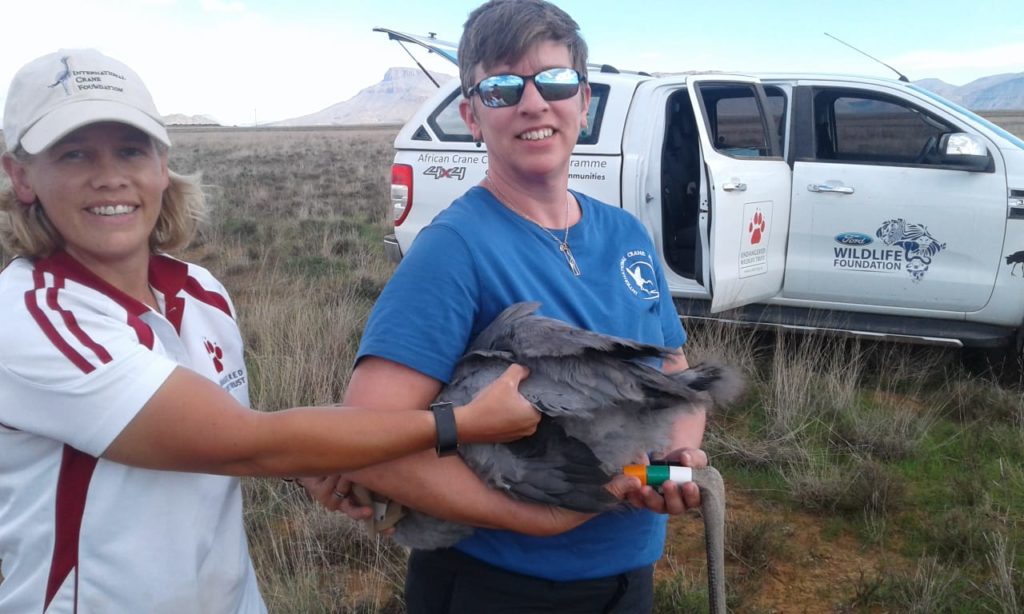
The Ford Wildlife Foundation is unique as it does not provide a cash donation to the conservation projects it supports; instead Ford’s partner organisations are equipped with Ford Rangers. The vehicles provided are used to help project operations, such as transporting field equipment, helping vets reach sick or poached animals, or translocating the animals themselves. The vehicles operating in all Ford Wildlife Foundation projects are monitored and serviced by Ford’s extensive dealer network to ensure they operate at peak efficiency. We are endlessly grateful to the Ford Wildlife Foundation for their unerring support over the years. Many of our teams rely on these donated Ford Rangers to transport animals and to work in areas they would not otherwise be able to reach. The EWT currently makes use of these vehicles for work as diverse as relocating Cheetahs, travelling to wetland restoration sites to preserve critical Pickersgill’s Reed Frog habitat, monitoring the impacts of roads on wildlife across the country, and travelling large distances to work with communities to protect threatened crane species, among others. Without the support of the Ford Wildlife Foundation, none of this would be possible.
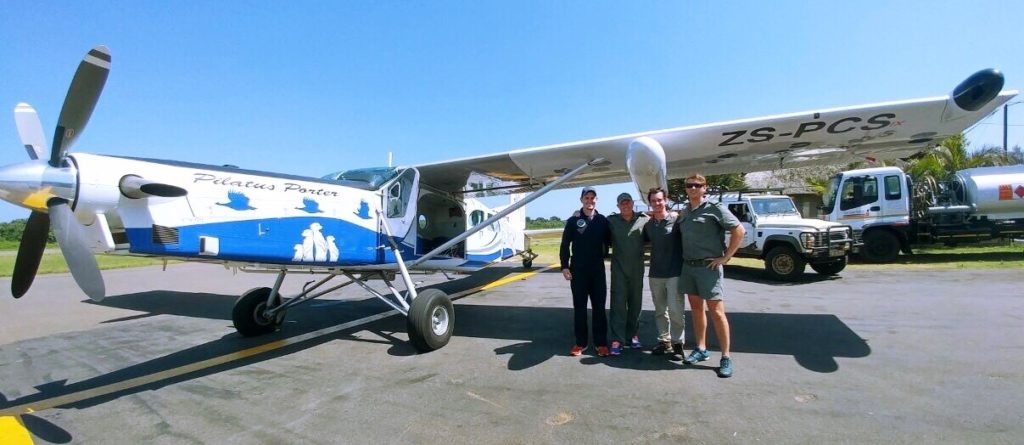
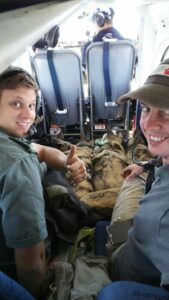
While the Ford Wildlife Foundation has kept our team on the road, The Bateleurs take over when we need to take flight. Founded in 1998, The Bateleurs is a non-profit company, with over 200 pilots and aircrafts. It provides its beneficiaries and the public with an aerial perspective of the environment and has coordinated several diverse missions throughout South Africa and Africa, in support of environmental issues. Since 2013, The Bateleurs have supported the EWT with over 200 flights, making critical conservation work such as Wild Dog and Cheetah relocations and aerial surveys of species such as vultures and cranes possible. Had these been chartered flights, the cost would certainly have exceeded R5 million. This work is absolutely pivotal to the operations of the EWT, and would not be possible without The Bateleurs’ generous support. We are immensely appreciative of this, and place great value on this partnership.
WILD DOGS ARE BACK IN TEMBE ELEPHANT PARZK

Cole du Plessis, KZN Regional Carnivore Coordinator & Wild Dog Range Expansion Project Coordinator, EWT Carnivore Conservation Programme
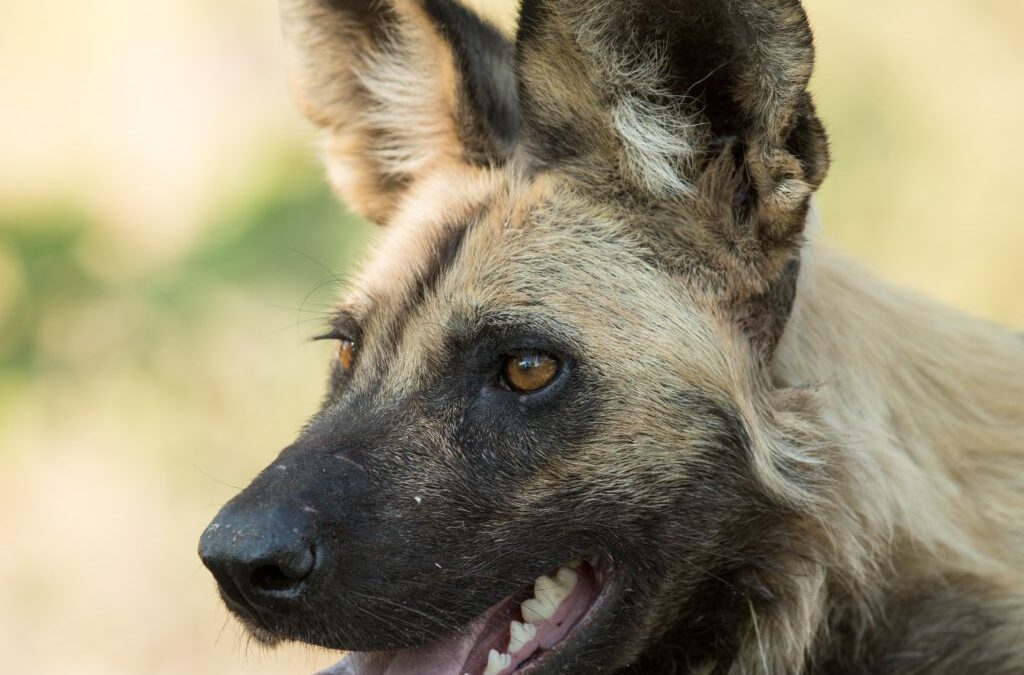
coled@ewt.org.zaThe greatest threat to the African Wild Dog is habitat loss. Twenty-five years ago, the Kruger National Park was the only safe space for the species in South Africa. Most of the population outside of this protected area had become locally extinct and the species was proclaimed the most endangered carnivore in South Africa.
In 1997, a strategy meeting was held to revive African Wild Dog conservation in South Africa by undertaking a Population and Habitat Viability Assessment (PHVA). This recommended reintroducing the species into feasible, protected sites outside of the Kruger National Park. KwaZulu-Natal, under the leadership of Ezemvelo KZN Wildlife, and with the support of the EWT and Wildlife ACT, became the frontrunners in restoring African Wild Dog populations and managing the species. Tembe Elephant Park was one of these testing grounds for range expansion.
However, the Wild Dog Range Expansion Project came with challenges. African Wild Dogs face numerous threats from people: persecution, snaring, poisoning, roadkill and disease. A further concerning challenge is that our protected areas are limited in size. As African Wild Dogs require a large amount of space, this situation can increase the risk of human-animal conflict.
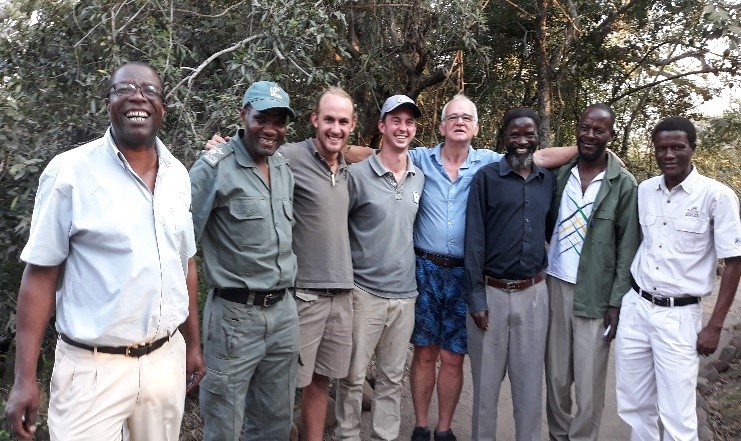
Two years ago, Tembe Elephant Park came close to losing their African Wild Dog population for this reason. The resident pack at the time continued to exit the park over a prolonged period and caused livestock losses within the community, which in turn led to extreme conflict between Tembe Elephant Park and its neighbours. The resolution lay in a gathering of all stakeholders – comprising Ezemvelo KZN Wildlife, the Tembe Community Trust, the EWT, Tembe Safaris and Wildlife ACT – to collectively find a way forward.
Together the parties were able to delegate responsibilities and put their best effort forward to sustain African Wild Dogs in the 30,000 ha of Tembe Elephant Park. A robust Memorandum of Agreement between the parties now incorporates breakout and compensation protocols, GPS collars, monitoring, research, and management tools. This document paves the way for a more modern approach to African Wild Dog conservation and will ensure that all parties will ultimately benefit by having the species present.
In South Africa, there are only 590 African Wild Dogs that are spread between 14 protected areas, and a handful of free roaming African Wild Dogs in the Waterberg region. In Africa, Wild Dogs are extinct in 25 of the 39 countries that they once roamed. As the only country with a stable population on the continent, South Africa is in a unique position to provide a source of Wild Dog packs for protected areas elsewhere in Wild Dog range, where in some cases, populations have been gone for decades. In the context of biodiversity conservation, this team victory is of the highest value to Tembe Elephant Park, South Africa and the African continent.
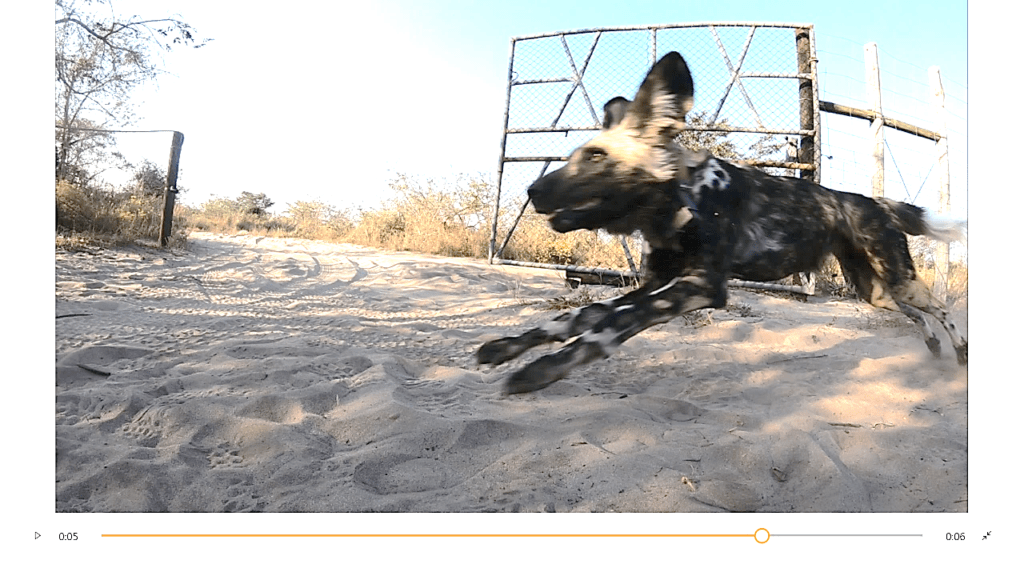
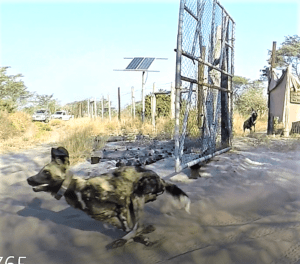
In August 2019, a newly formed pack comprising two males from Tembe Elephant Park and two females from the Kalahari were released into Tembe Elephant Park. This pack has settled well since the release and there is hope that a new generation of Tembe pups will make its appearance before year end.
This work was undertaken in partnership with Ezemvelo KZN Wildlife, Wildlife ACT, Tembe Community Trust, Tembe Safaris, and iNkosi Tembe, and with assistance from the Centre for Environmental Rights. It is made possible by Painted Wolf Wines and GCCL2 Management Services.