EWT Exploring Peru

EWT Exploring Peru


EWT Exploring Peru


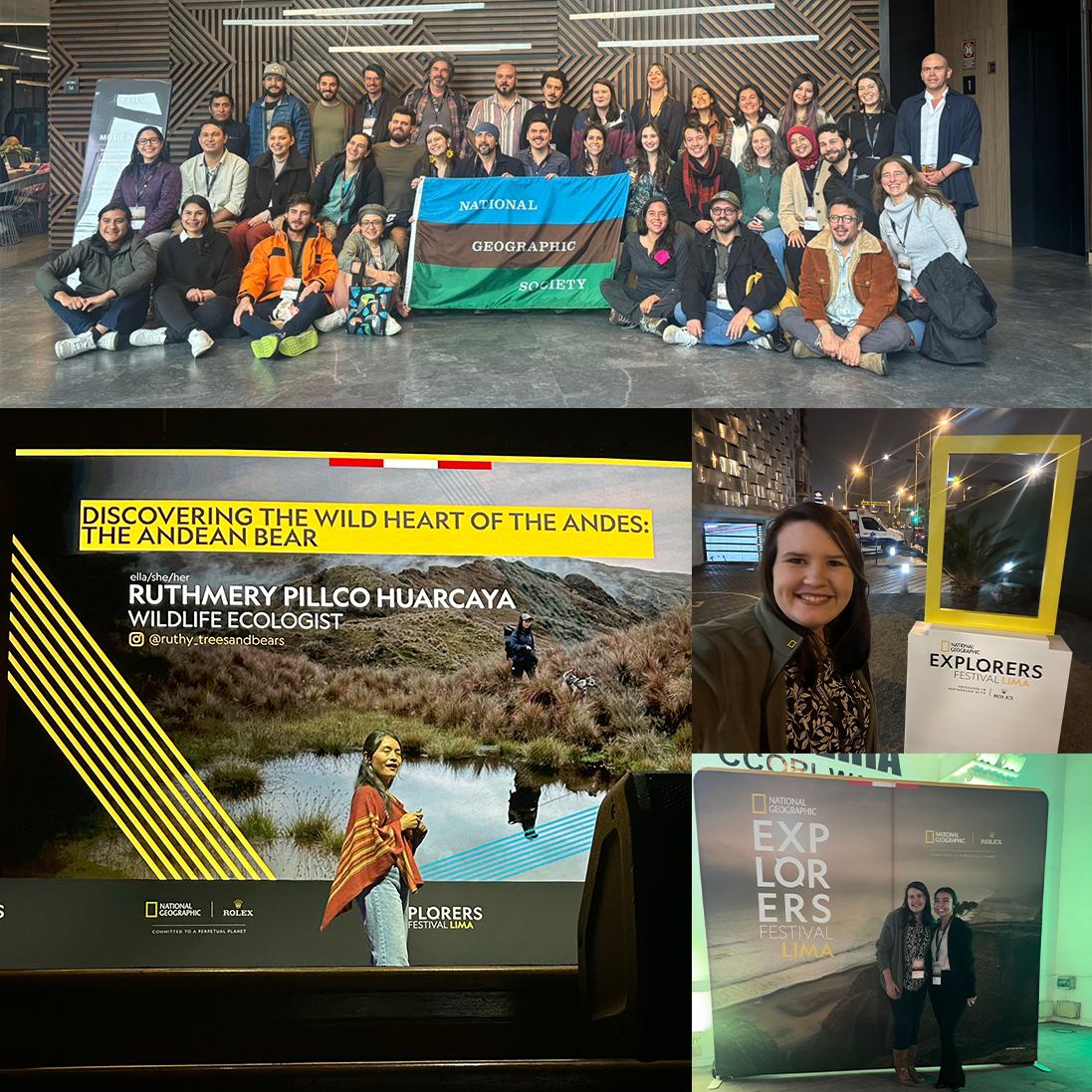
Esther Matthew, the EWT’s Senior Specialist Conservation Officer, became a National Geographic Society Explorer in 2018 for her work with a scent detection dog to help conserve the Critically Endangered Riverine Rabbit. A few months ago, Esther was selected as one of three explorers to serve as a hub coordinator for the Southern Africa Hub. The hub includes all explorers form South Africa, Lesotho, Eswatini, Mozambique, Namibia, Zimbabwe and Botswana.

As part of her new role, she received the incredible opportunity to attend a hub coordinator training workshop and Explorer Festival in Lima, Peru! Esther expressed her excitement, saying, “It was an amazing opportunity and experience I will never forget!”. This marked her first visit to South America and her attendance at an international Nat Geo Explorer Festival. The festival showcased the remarkable National Geographic explorer project in the Amazon, along with many other fascinating topics. Esther represented EWT and the Southern Africa hub at the event, where she met many explorers from around the world. She returned with more knowledge about coordinating groups and established many valuable networking contacts.
The EWT is proud to have three National Geographic Explorers on our staff. Alongside Esther, the other two explorers are Kulani Nyakane, Field Officer of our Carnivore Conservation Programme and Dr Gareth Tate, Programme Manager of the EWT’s Birds of Prey Programme.

Safeguarding Medicinal Plants for Future Generations

Safeguarding Medicinal Plants for Future Generations


Safeguarding Medicinal Plants for Future Generations

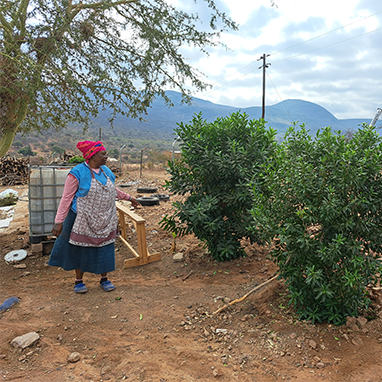
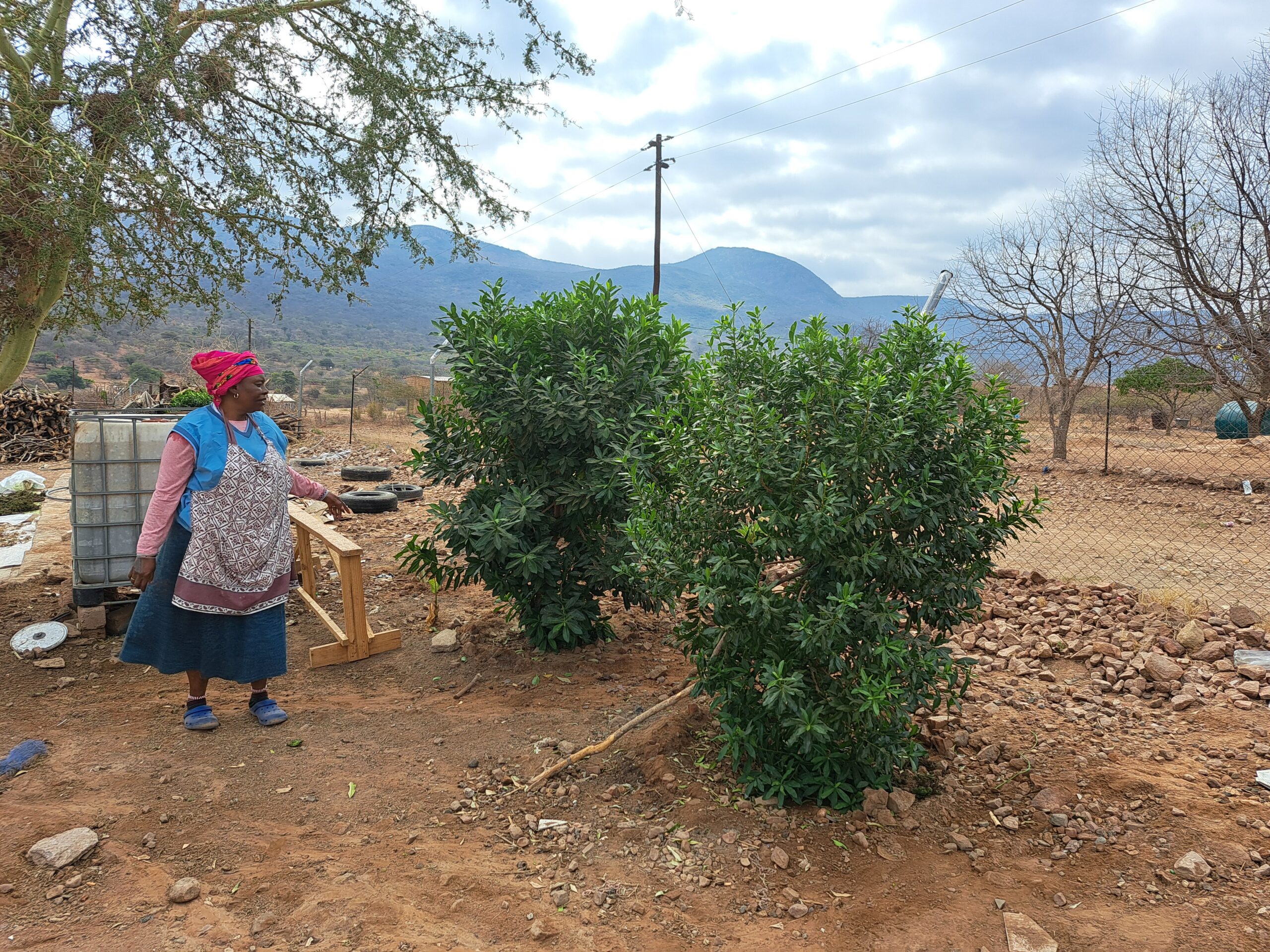
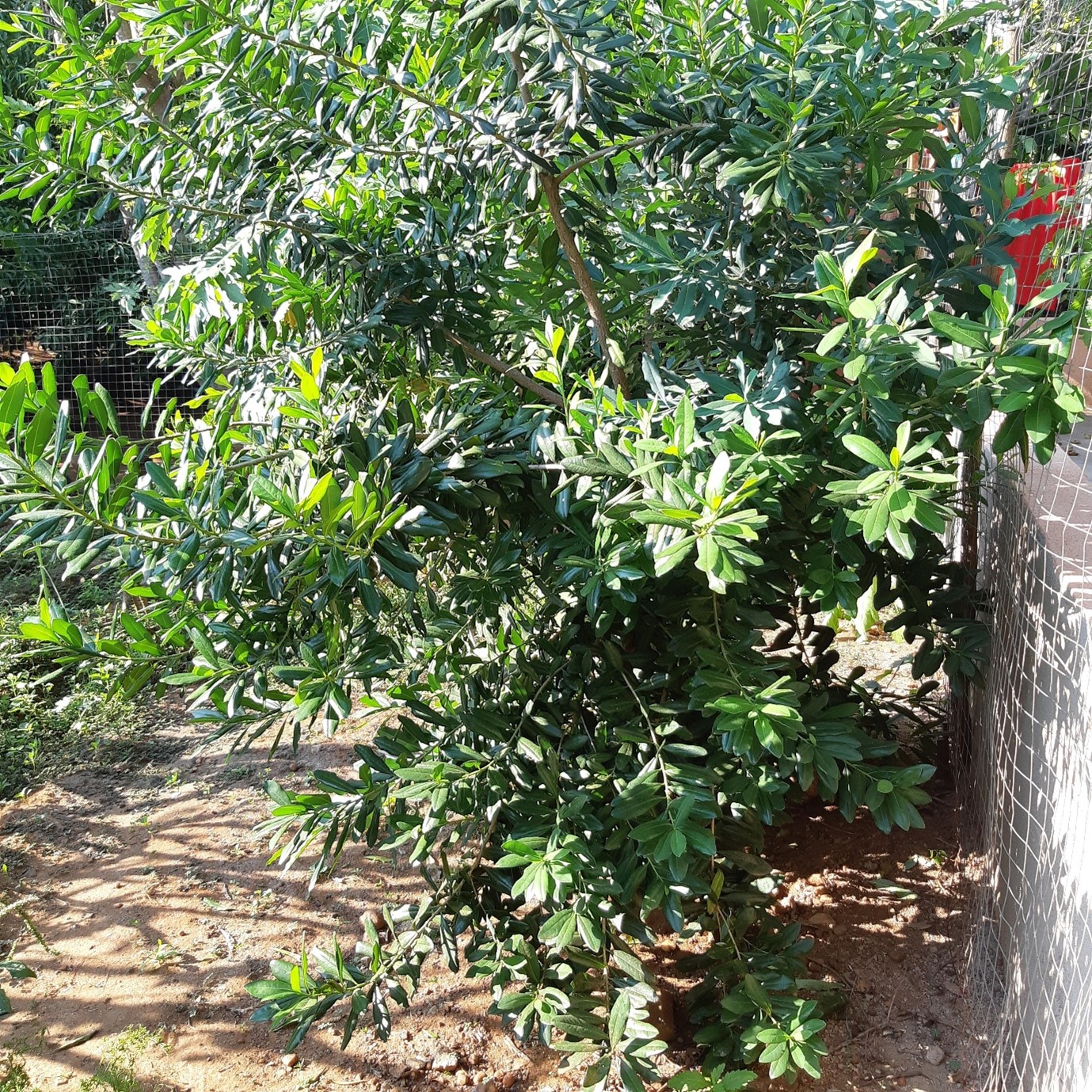
Pepper-bark trees thriving in traditional healers’ home gardens


Approximately 40% of the pharmaceuticals that are used in conventional medicine today are derived from plants, many of which were identified through traditional medicines that have been used by people across cultures and civilisations for millennia. Well-known examples of medicines sourced from nature include aspirin (Willow bark), quinine (Quinine tree), artemisinin (Sweet Wormwood), digoxin and digitoxin (Foxgloves), and codeine (Poppy), as well as atropine (Deadly Nightshade), among many others.

Traditional medicine encompasses a wide range of healthcare modalities that people have depended on for centuries. The World Health Organization describes traditional medicine as “the knowledge, skills and practices based on the theories, beliefs and experiences indigenous to different cultures, used in the maintenance of health and in the prevention, diagnosis, improvement or treatment of physical and mental illness”.

In South Africa, over 2,062 plant species are used in traditional medicine, with approximately 770 species recorded in markets across the country. Numerous wild plant populations are under severe pressure due to the high levels of harvesting combined with the loss or degradation of habitat. Two species are already extinct in the wild, and 80 species could become extinct in the short to medium term, while 100 are of conservation concern.

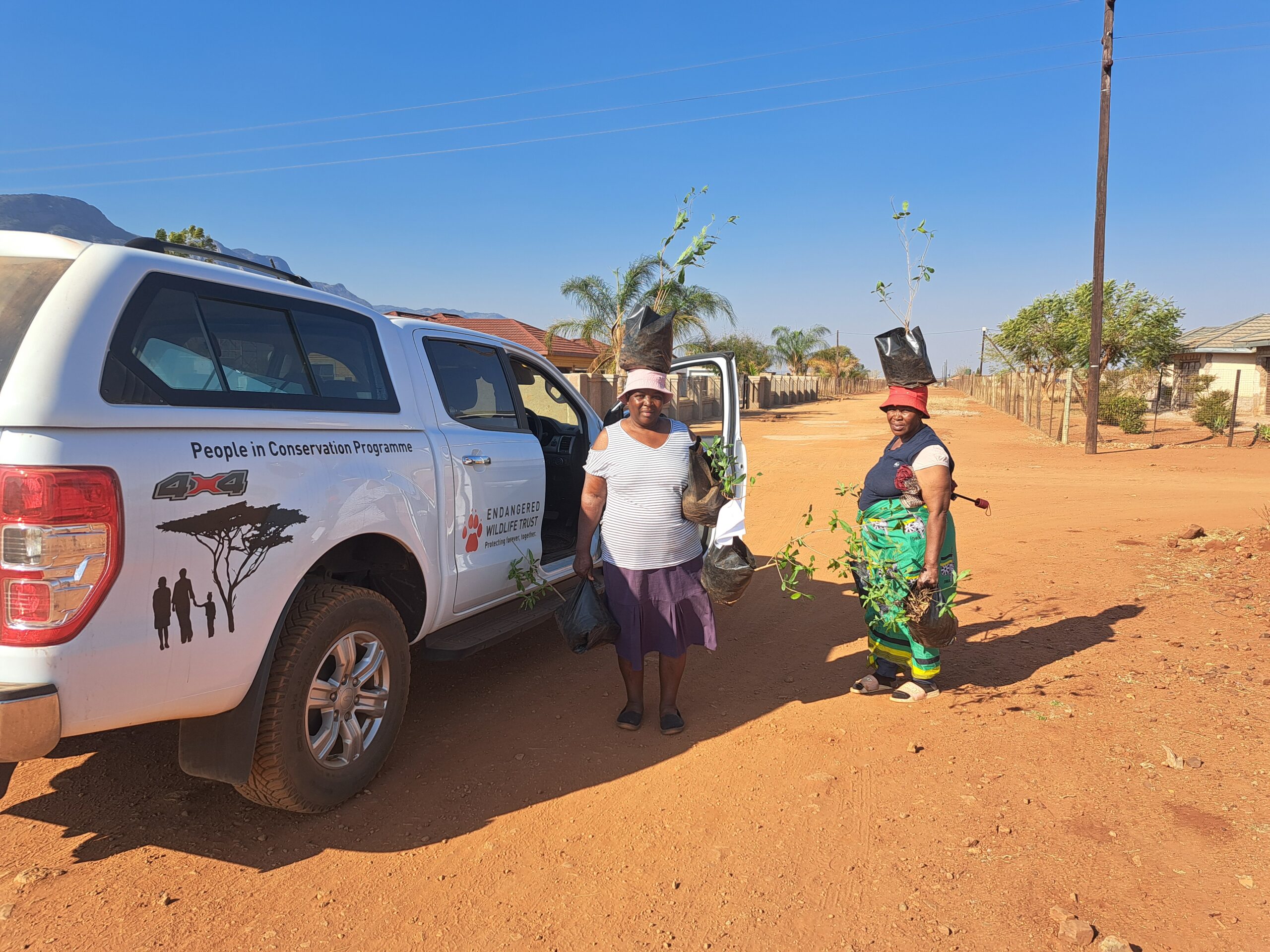
Since 2019, the Endangered Wildlife Trust (EWT) has been collaborating with landowners, traditional healers, traders, and harvesters in Limpopo Province to safeguard the Pepper-bark tree (Warburgia salutaris) and restore its habitat in the wild. The Pepper-bark is an evergreen tree in high demand for traditional medicine. As its name suggests, the bark and leaves of the tree taste like pepper or peri-peri. It occurs in a variety of habitats across Swaziland, north-eastern KwaZulu-Natal, Mpumalanga, Limpopo, Mozambique, Zimbabwe, and Malawi. Despite its wide range, the Pepper-bark tree is under severe pressure due to harvesting and the transformation and degradation of habitat through agriculture and other human activities.

To improve our understanding of the conservation status of the Pepper-bark tree, we conducted a survey of the wild populations as well as a seed viability assessment and germination trial. Although Pepper-bark trees coppice easily, seedling recruitment in some areas is severely curtailed through seed predation and low seed viability. The species’ ability to coppice allows local populations to survive, but limited sexual reproduction restricts genetic diversity, which can reduce resilience over time. In Limpopo, germination levels of seeds sourced from healthy trees in the project area were relatively high (70%) compared with those in other areas, and seed predation levels were lower, which bodes well for the survival of the populations at this stage. Continued monitoring is important to build on this baseline data and assess the species’ resilience under different conditions, including drought and potential climate change impacts.

The EWT’s team of rangers has also worked tirelessly to restore Pepper-bark tree habitat by clearing of over 60 hectares of land of alien and encroaching plants, resulting in seedlings observed on several of these sites for the first time in years!

While protecting plant populations in the wild is critical, it is equally important to ensure that people who rely on traditional medicine for their healthcare can source the plants that they need. Prior to the 1990s, numerous (unsuccessful) attempts were made to curb traditional medicine and combat its trade through law enforcement. Since then, conservationists have partnered with traditional healers and, more recently, traders and harvesters in markets to reduce pressures on wild populations while striving to ensure that people have access to the plants they need for traditional medicine. Over this period, conservation organisations, with the support of the private sector, have donated more than 80,000 Pepper-bark trees to traditional healers and communities, mainly in KwaZulu-Natal, Mpumalanga, and Limpopo. Similar initiatives are being implemented in Swaziland and other southern African countries.

The EWT is now working with traditional healers, traders, harvesters, and other growers to substantially expand the diversity and volumes of species for cultivation. We are also supporting communities in improving the management of wild medicinal plant populations and reducing illegal harvesting in their areas through better governance and controls that support the customary and traditional systems they are already implementing. Ongoing monitoring of wild populations is critical, along with forging strong partnerships with traditional healers, communities, and traders to protect this vital biocultural resource base for both current users and future generations.

___________________________

This work is funded through the Fondation Franklinia, Munich Re, and the UK Government through the Illegal Wildlife Trade Challenge Fund.

We would also like to acknowledge the SANParks – Kruger National Park Pepper-bark Conservation Programme for a donation of 2,000 Pepper-bark trees to the project. The SANParks – Kruger National Park Pepper-bark Conservation Programme has received support from SAPPI, the ARC, SANBI, SAEON, and the SANParks honorary rangers over the years.

Transport for this and other People in Conservation initiatives is made possible through the Ford Wildlife Foundation.

 
References

https://www.afro.who.int/health-topics/traditional-medicine
Williams V.L., Victor J.E., and Crouch N. 2013. Red Listed medicinal plants of South Africa: Status, trends, and assessment. South African Journal of Botany 86: 23—35.

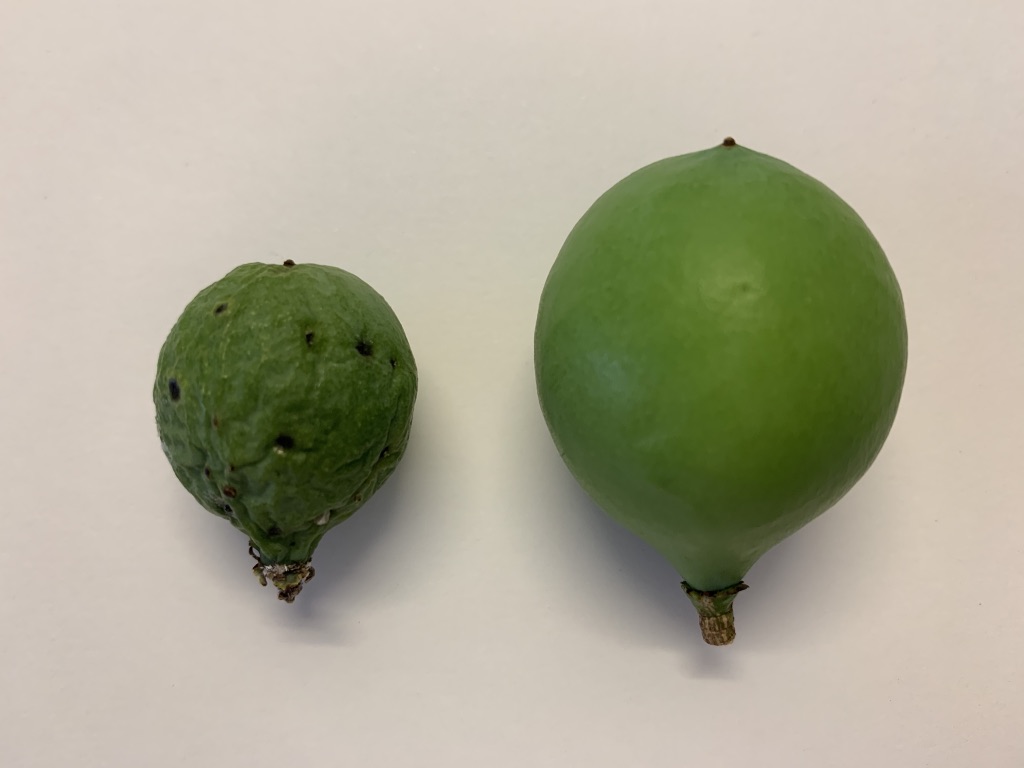
Parasitised Pepper-bark Tree fruit (left) and healthy fruit (right). Photo K. van den Bosch


Pepper-bark Tree deliveries in Limpopo


Pepper-bark tree thriving in traditional healers’ gardens 2


The Durban Dwarf Burrowing Skink: A Tiny Lizard’s Big Fight Against Extinction

The Durban Dwarf Burrowing Skink: A Tiny Lizard’s Big Fight Against Extinction


The Durban Dwarf Burrowing Skink: A Tiny Lizard’s Big Fight Against Extinction

by Ruan Stander, Field Officer: KZN Threatened Amphibian Programme

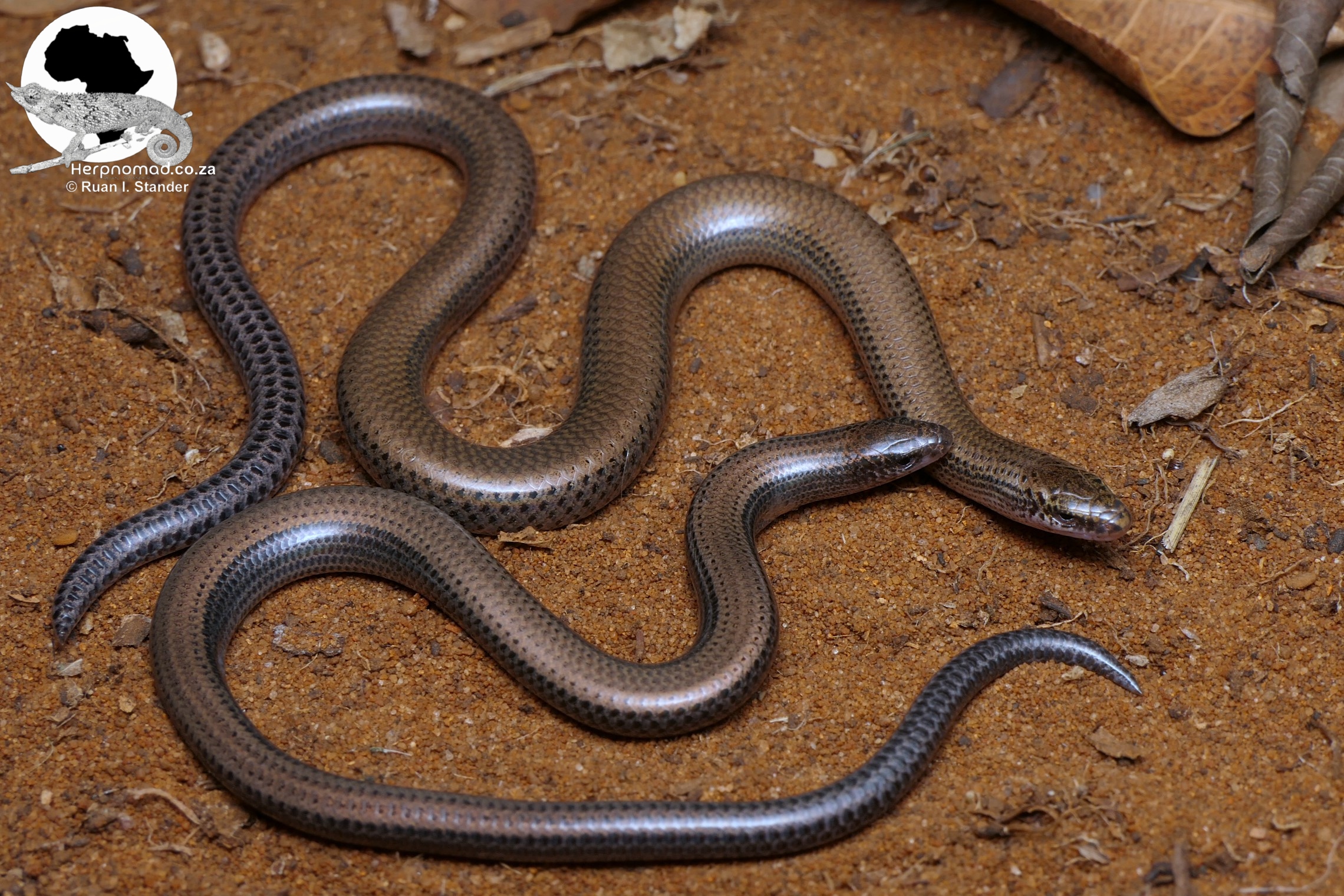
The Critically Endangered Durban Dwarf Burrowing Skink (Scelotes inornatus) is a little lizard with a big name, and it is in big trouble. Its scientific species name (which can be easier to remember than its common name) is very fitting – it means ‘unornamented’ – as these little lizards are indeed remarkably plain and inconspicuous. Unfortunately, this means that they are easy to overlook, even in the context of conservation. In fact, it was not until the mid-1990s that the scientific community resolved the taxonomic relationship of the species, allowing us to realise how localised this lizard truly is (essentially restricted to a 2 x 50 km strip of coastline). How should such a tiny, drab lizard that doesn’t even have any legs compete with wild dogs, magnificent cranes or soaring raptors? Truth is, it can’t. That is why the Endangered Wildlife Trust (EWT) has prioritised this species. In partnership with the Mohamed bin Zayed Species Conservation Fund, eThekwini Municipality, the JHB Zoo, Wits University and Ezemvelo KZN Wildlife, the EWT has launched a new project in Durban’s Treasure Beach Protected Area, dedicated to researching and developing techniques that will allow for the long-term monitoring of the species.

The Durban Dwarf Burrowing Skink seldom exceeds 9cm in length (excluding the tail), which makes it a less-than-ideal candidate for tracking collars or microchips. As reptiles do, they shed their skins periodically, which means any paint or ink-based marking techniques are temporary and unpredictable. Their bodies are cylindrical and covered in smooth, glossy scales, so there is no chance of clipping a scute to identify an individual either. To make matters even more complicated, these lizards spend virtually their entire lives under the soil surface. Their small size and fossorial habits also mean that they do not cover large distances, which makes traditional reptile monitoring techniques, such as pitfall arrays, largely ineffective for Durban Dwarf Burrowing Skinks.

Despite these challenges, something needs to be done, as the species is under tremendous pressure from development. The single greatest threat the species faces is habitat loss and transformation, with most of its natural habitat having been developed and transformed beyond rehabilitation already. Secondary threats include severe habitat fragmentation, domestic and feral cats and dogs, as well as plastic pollution and alien invasive vegetation.

As part of the newly launched project, the EWT will assist in strengthening existing conservation partnerships between stakeholders involved in the management and conservation of this species and its habitat. The EWT will also strive to improve the understanding of how the species and its habitat can best be protected in the Treasure Beach Protected Area, as well as assist in enhancing habitat integrity within the area by implementing actions such as alien invasive clearing and waste removal. Furthermore, a major component of the project will include securing and stabilising the population within the Treasure Beach Protected Area, as well as establishing long-term monitoring protocols and methodologies.

The project was launched in August 2024, and in its first two months, it has obtained nearly 40 new records of the species, including individuals from two protected areas where the species was not previously known to occur. If these efforts can be sustained, this species can be saved from sure extinction.


Reviving the Soutpansberg: Clearing Alien Species, Restoring Water, and Reclaiming Wetlands

Reviving the Soutpansberg: Clearing Alien Species, Restoring Water, and Reclaiming Wetlands


Reviving the Soutpansberg: Clearing Alien Species, Restoring Water, and Reclaiming Wetlands

The Soutpansberg is South Africa’s northernmost mountain range, stretching east-west across Limpopo, from Vivo to Punda Maria in the Kruger National Park. It is recognised as a Centre of Endemism and Key Biodiversity Area due to its rich biodiversity. The range is also identified as a Strategic Water Source Area (for both groundwater and surface water in the east), providing vital water resources to communities and agriculture. However, the range faces several threats, one of the most significant being the spread of invasive alien plants.

Invasive alien plants (IAPs) are plants introduced into an ecosystem from foreign environments. They establish themselves, spread rapidly, and negatively impact the environment by displacing indigenous species, altering habitats, and affecting water resources. Globally, invasive alien species are recognised as one of the major drivers of change in ecosystems, alongside habitat transformation and climate change. IAPs are also referred to as a ‘wicked problem’ because they can be economically valuable for other industries, complicating their removal. In the Soutpansberg, some key culprits include Eucalyptus sp. (Eucalyptus) and Acacia mearnsii (Black Wattle). These trees were originally imported from Australia for their timber value but have since spread and become highly invasive. They are known to consume significantly more water than indigenous species, having a high impact on water resources in the country.

In 2018, shortly after the Soutpansberg Protected Area Programme was initiated, we launched a water conservation project. With initial funding from the Coca-Cola Foundation’s Replenish Africa Initiative, we brought together a small team of rangers to remove invasive alien trees from wetlands and mountain catchment streams across the western Soutpansberg. This project was further supported by critical funding from Fondation Franklinia, focusing on habitat restoration.

The rangers worked tirelessly to cut down large stands of Eucalyptus and Black Wattle from numerous properties in the western Soutpansberg. This required weeks of work on-site, often camping in remote locations away from their families. Many of these invasive tree strands were in extremely inaccessible areas, making the work even more challenging. Despite these difficulties, our rangers have successfully cleared over 60 hectares of Eucalyptus and Black Wattle from remote mountain areas, resulting in an estimated 30 million litres of water being replenished to the environment annually.

As part of the project, we have also focused on upskilling the rangers. They have gained valuable experience in invasive plant management and received accredited qualifications in First Aid, Herbicide Application, and Intermediate Chainsaw Operation.

After six years of hard work, and in collaboration with landowners on the western Soutpansberg, our efforts are paying off. We conduct annual follow-ups to prevent regrowth, and we are witnessing natural regeneration of wetlands and riverine systems. This includes the natural recruitment of endangered tree species and other forest species. These results show that with continued collective effort, we can restore and protect critical ecosystems.

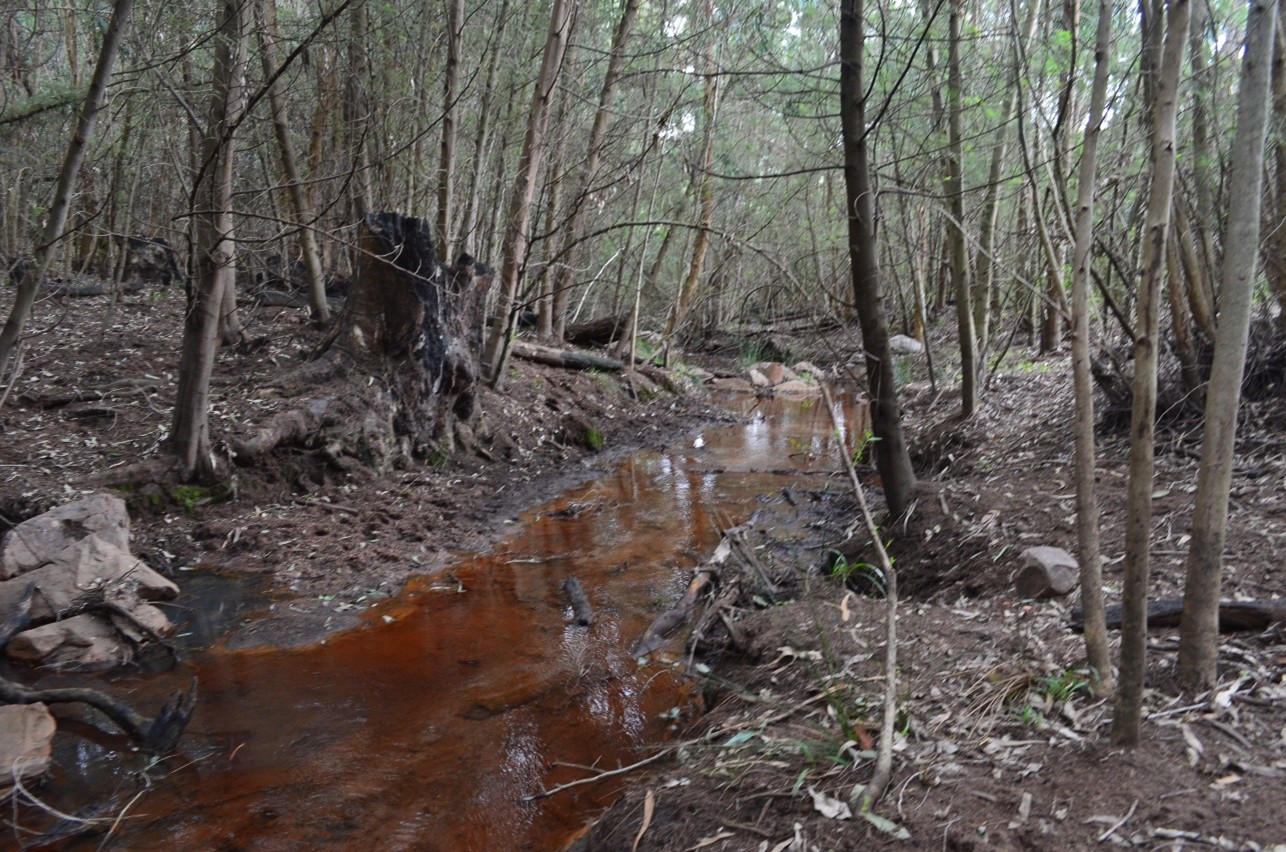
one of the alien clearing sites in 2018, showing a wetland invaded by Black Wattle. It is clearly evident that no other vegetation grows under the stands, displacing biodiversity and heavily impacting wetlands and mountain streams.


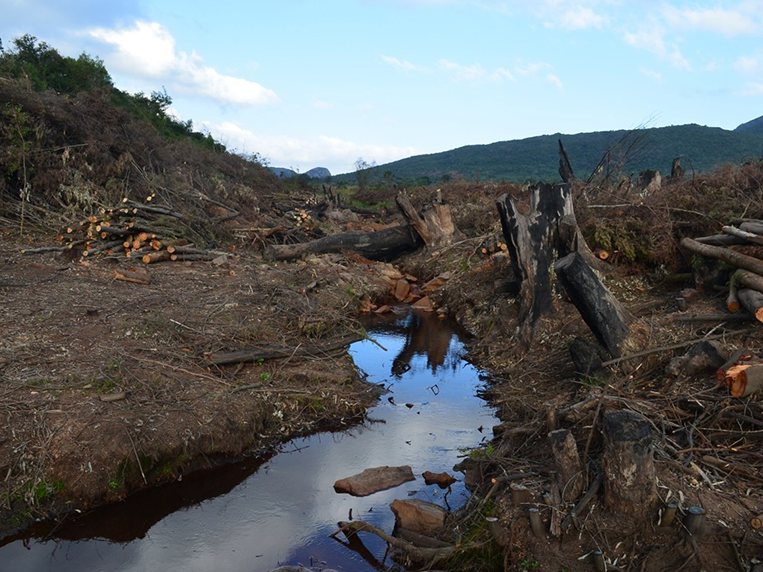
the same alien clearing site after logging in 2019, where felling and control work has been carried out by the rangers. Biomass is left in the field for the use of the landowners and is often recovered for firewood.


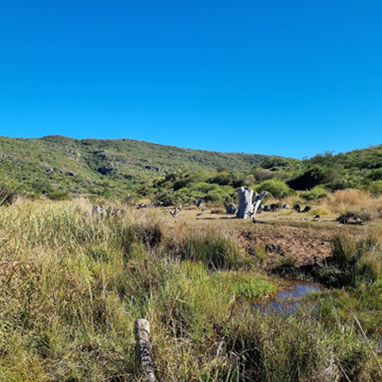
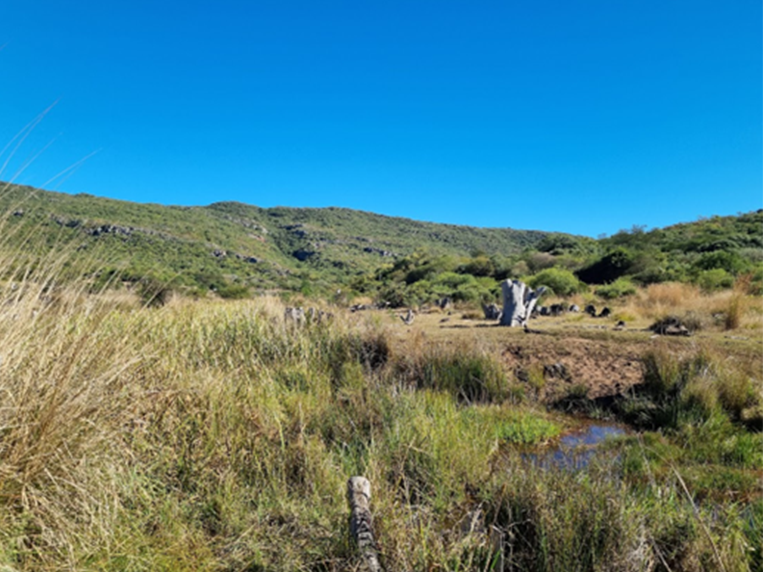
Five years later, the wetlands and mountain streams are recovering well, with sedges and grasses returning, along with other species, and water flowing downstream almost year-round – much more than before the invasions were cleared.


From Kalahari to Malawi: Cheetahs Thrive in New Home

From Kalahari to Malawi: Cheetahs Thrive in New Home


From Kalahari to Malawi: Cheetahs Thrive in New Home

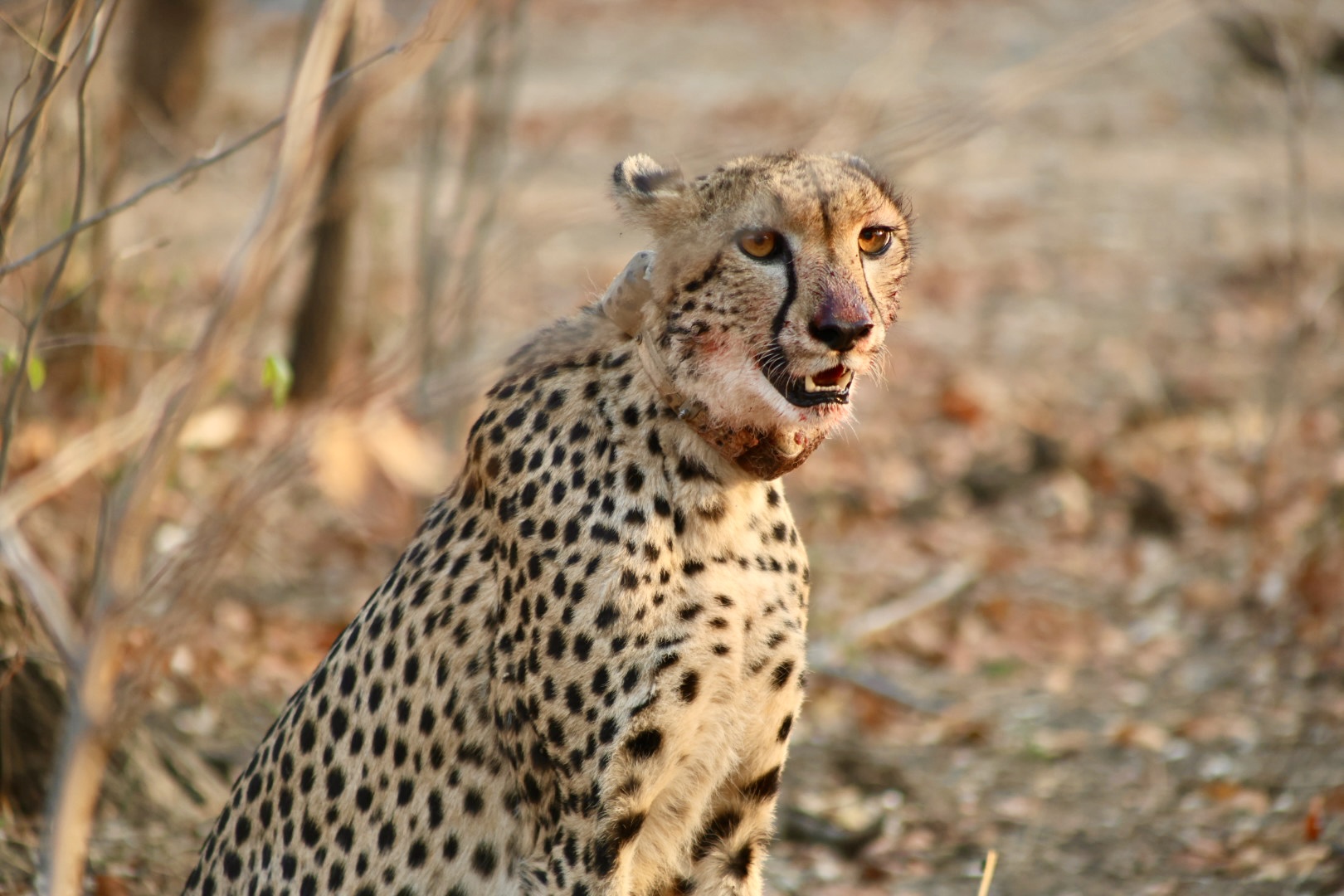
Both females relocated to Liwonde National Park (Malawi) in December are doing exceptionally well. After a brief adjustment period in the boma, they were released into the reserve on December 28th, 2023, at the height of the rainy season.

The rainy season in Liwonde can pose challenges for cheetahs, as large areas of the park occasionally flood, and the game is widespread. However, this appears to have also limited their post-release movements, meaning they had less area to explore and, as a result, settled quickly. We are pleased to report that both females have been thriving since their release. This is especially encouraging for the female who was born and raised in the Kalahari and unfamiliar with this environment – this just shows the adaptability of these remarkable animals!

One of the females exhibited denning behaviour a few months after her release. While we typically encourage den checks to enhance our monitoring and understanding of the population and breeding success, the Liwonde cheetah population has shown successful denning in good habitats over the years. As a result, we recommend minimising disturbances and instead suggest monitors check on this female from a distance using telemetry. Female cheetahs generally den for 50 to 54 days, after which they begin moving with their cubs, often caching them while hunting. By conducting daily monitoring, we can track whether the female remains at the den site, indicating that denning is still ongoing.

Regrettably, the female left the den after approximately 40 days and did not return, suggesting that her denning was unsuccessful. The exact cause of the cubs’ death remains unknown, as is often the case. However, we have recently observed denning behaviour again, and monitors have reported that the female is also showing signs of nursing! While we will watch closely to see if this litter survives the denning period, both females are first-time mothers, which often results in the loss of first litters or lower overall cub survival rates. Nevertheless, the relocation of these females has been a massive success so far, and we look forward to following their progress as they continue to explore this new environment!

We once again thank Manyoni Private Game Reserve and Tswalu Kalahari Reserve for donating these females to this important conservation project. We also thank our partners African Parks for creating a safe haven for this threatened species, and the Lilongwe Wildlife Trust for their diligent monitoring efforts, along with The Bateleurs and Mercy Air Africa for assisting us in transporting these cheetahs to Malawi!

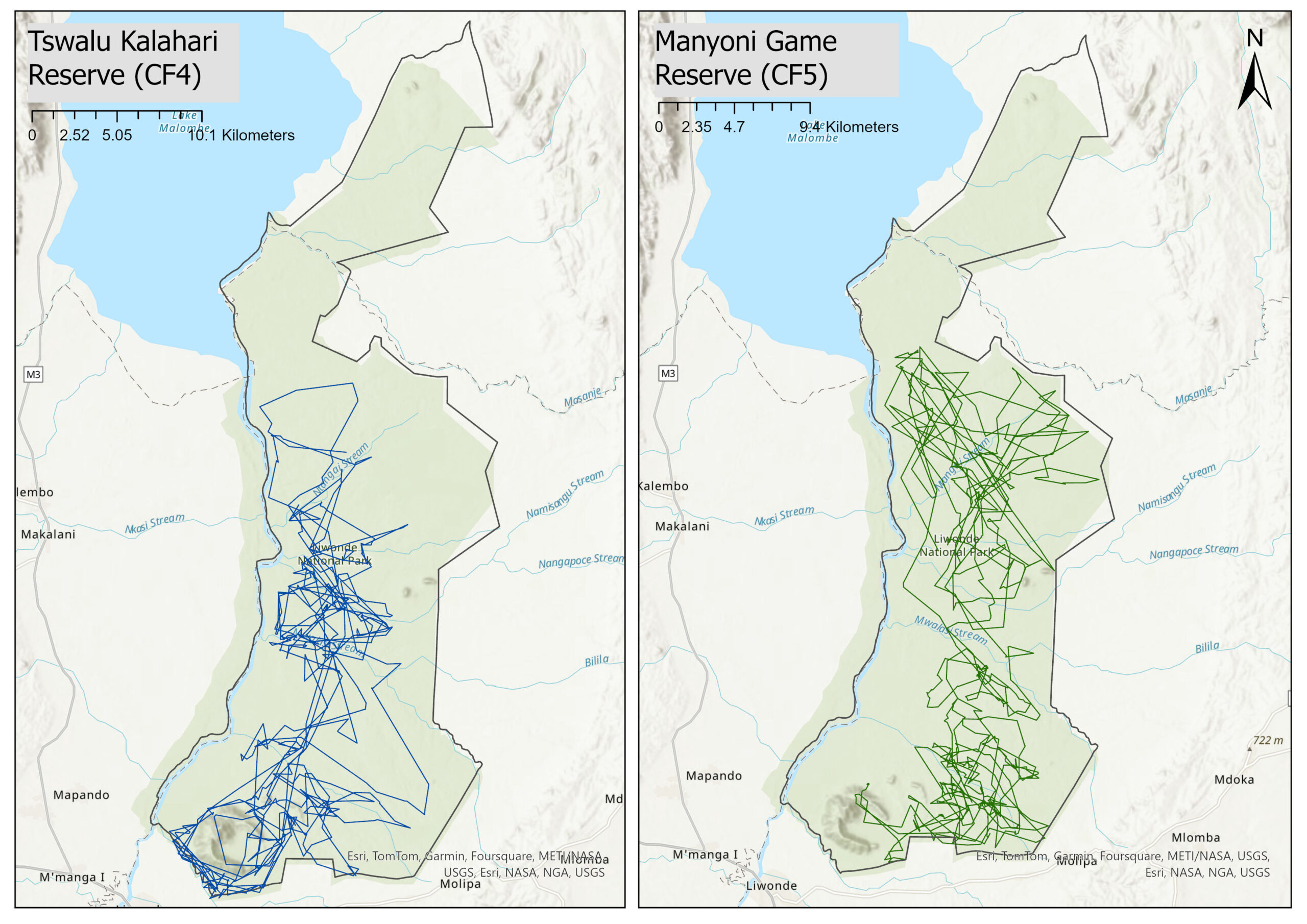
Maps showing the movements of both cheetahs (from Tswalu Kalahari Reserve and Manyoni Game Reserve) after their release into Liwonde National Park. Both females have exhibited extensive exploration behaviour, which is to be expected. Hopefully, this will help them find suitable denning areas going forward.


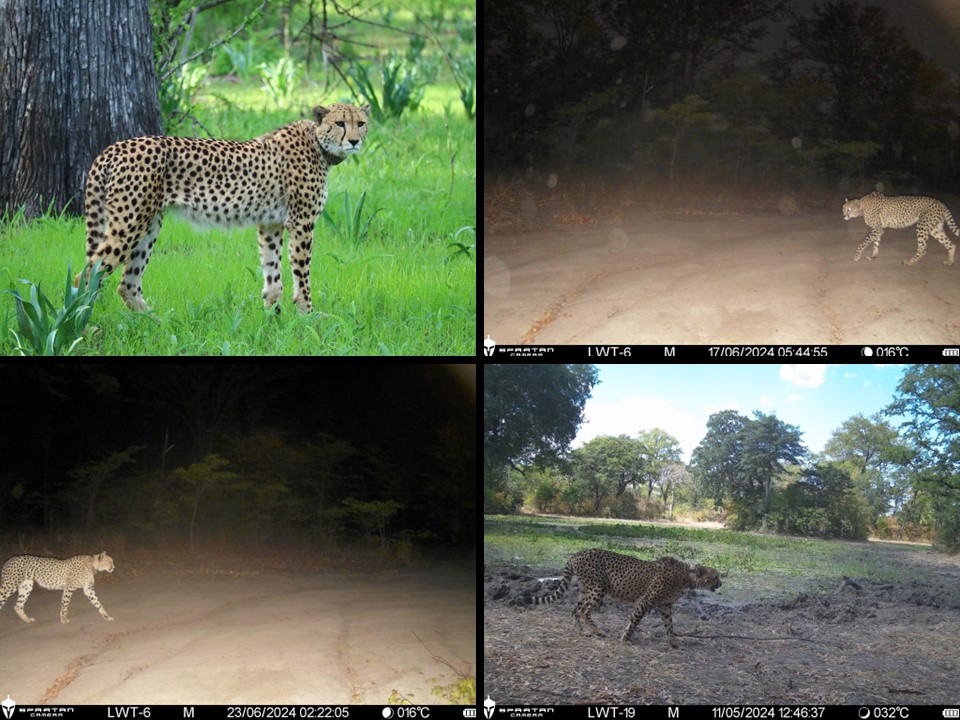
Images of the two females released into Liwonde National Park in December 2023. Due to the limited road network in Liwonde National Park, the vast majority of sightings of these females have been through camera traps placed by Lilongwe Wildlife Trust monitors. However, this can be a fantastic way to remotely monitor their body condition. Thank you to Lilongwe Wildlife Trust for providing us these images!


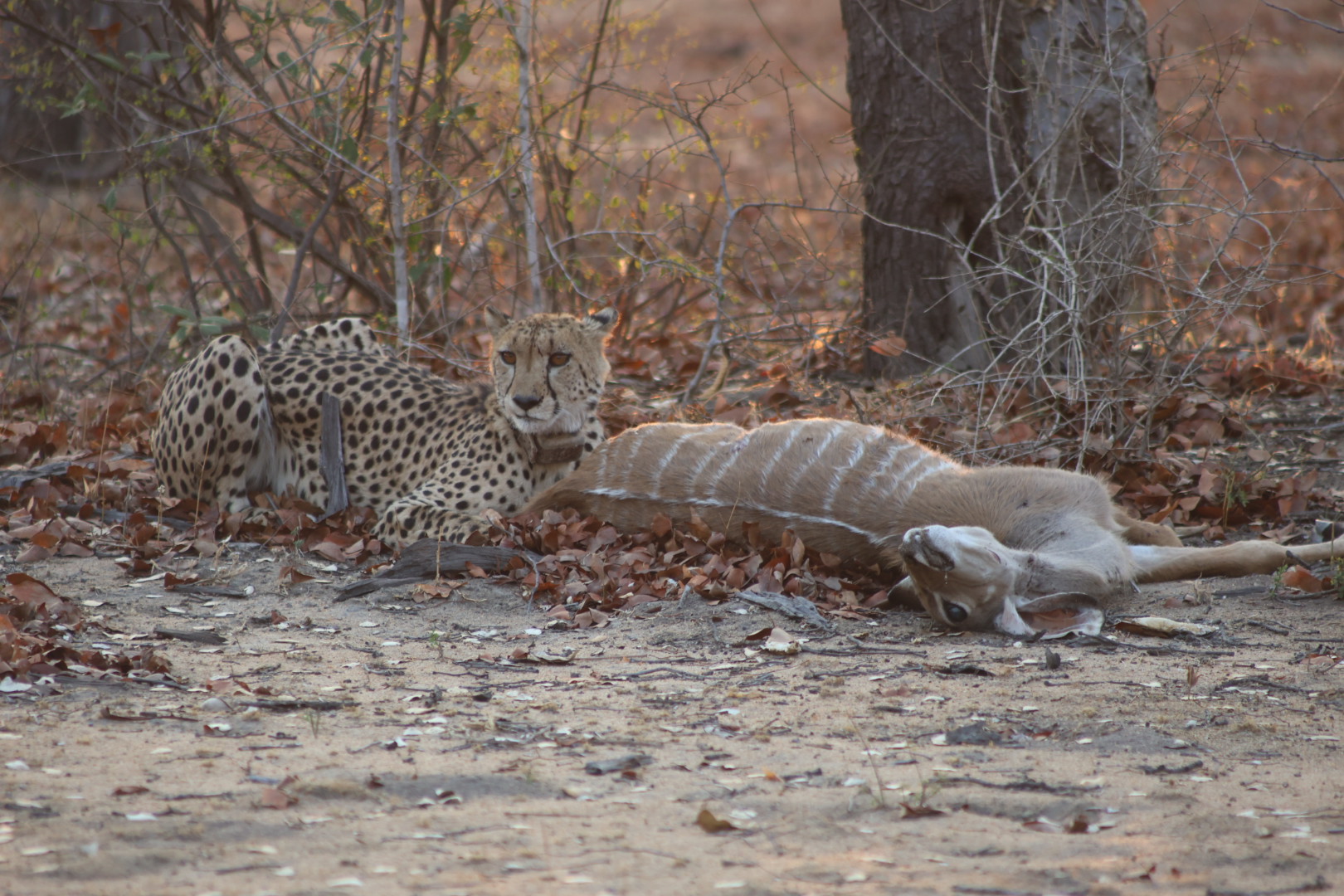
The female from Tswalu Kalahari Reserve after successfully killing of a young kudu. This female has adapted amazingly well, especially considering she was born and raised in the Kalahari. This just shows how adaptable these animals can be! (photo credit: Tilly Sant’Ana)


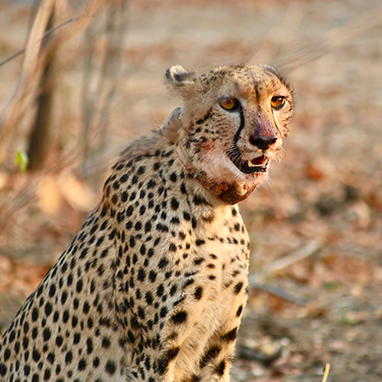
The female from Manyoni Private Game Reserve after tucking into a meal of a male impala (photo credit: Tilly Sant’Ana)