Global Risks Report 2025: A Decade of Challenges Ahead

Global Risks Report 2025: A Decade of Challenges Ahead


Global Risks Report 2025:
A Decade of Challenges Ahead

By Eleanor Momberg
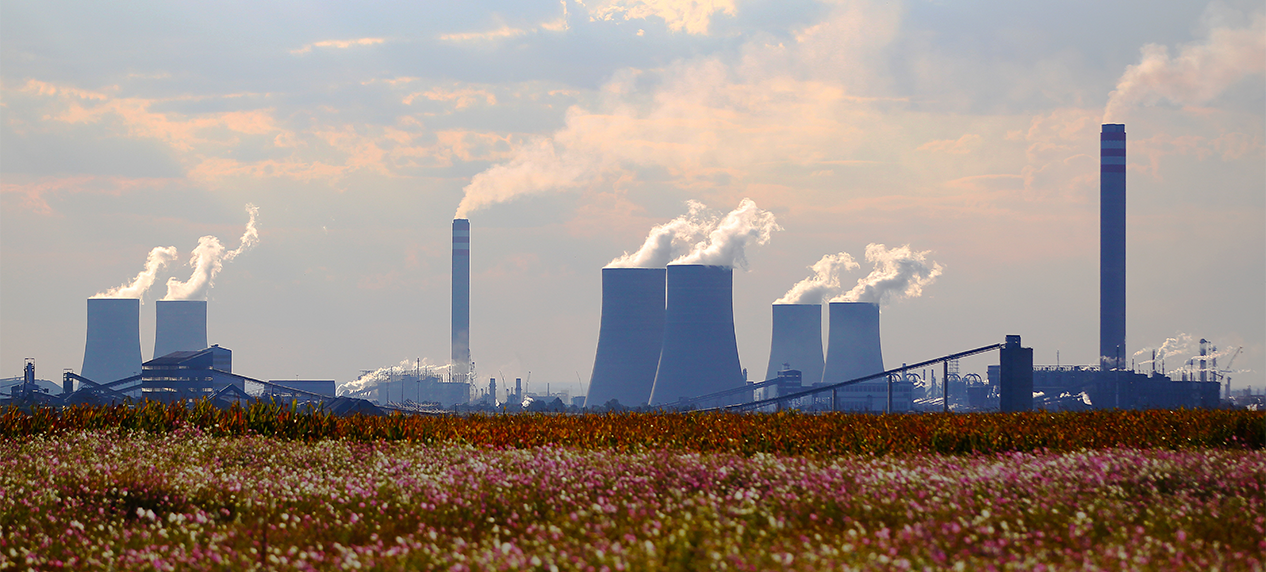
 

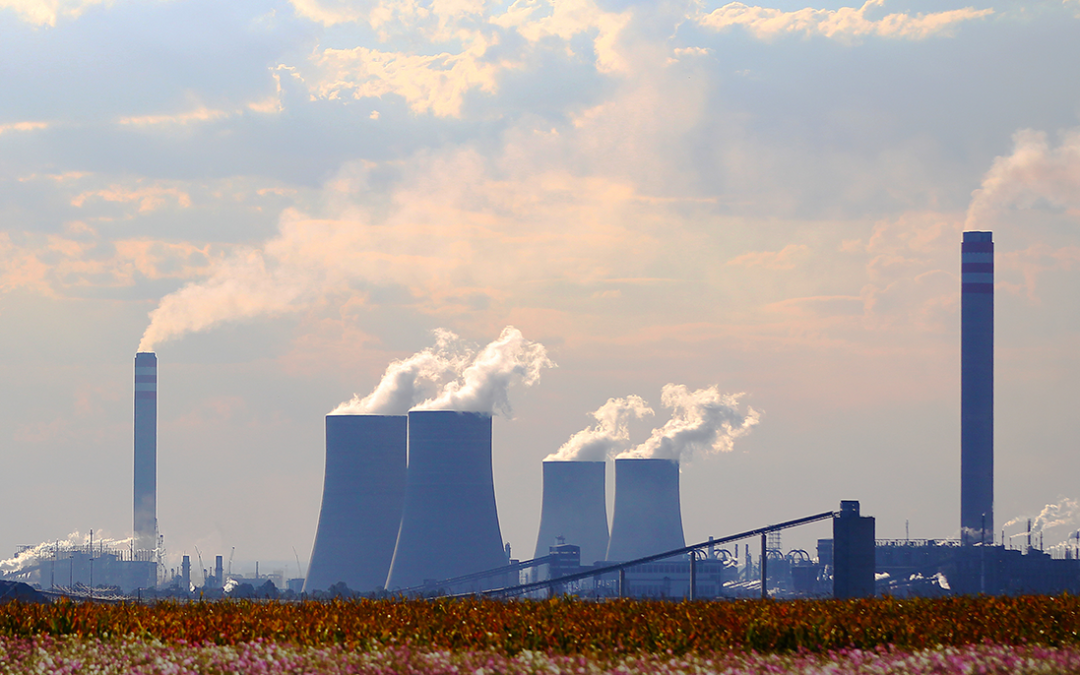
The 20th edition of the Global Risks Report 2025 (GRPS) shows an increasingly fractured global landscape where escalating geopolitical, environmental, societal and technological challenges threaten stability and progress.

The report comprises insights from 900 experts worldwide, analysing global risks through three timeframes. It assists decision-makers to only balance existing crises, but also to set their longer-term priorities.

It identifies state-based armed conflict as the most pressing immediate global risk for 2025.

Misinformation and disinformation remain top short-term risks for the second consecutive year, underlining their persistent threat to societal cohesion and governance by eroding trust and exacerbating divisions within and between nations. Other leading short-term risks include extreme weather events, societal polarisation, cyber-espionage and warfare.

Environmental risks dominate the longer-term outlook, with extreme weather events, biodiversity loss and ecosystem collapse, critical change to Earth systems and natural resources shortages leading the 10-year risk rankings. The fifth environmental risk in the top 10 is pollution, which is also perceived as a leading risk in the short term. Its sixth-place ranking in the short term reflects a growing recognition of the serious health and ecosystem impacts of a wide range of pollutants across air, water and land. Overall, extreme weather events were identified prominently as immediate, short-term and long-term risks.

The long-term landscape up to 2035 is also clouded by technological risks related to misinformation, disinformation and adverse outcomes of AI technologies.

The authors point out that the global outlook at the start of 2025 is increasingly fractured across geopolitical, environmental, societal, economic and technological domains. Besides the expansion and escalation of conflicts, there has been a multitude of extreme weather events amplified by climate change, widespread societal and political polarisation, and continued technological advancements accelerating the spread of false or misleading information.

There is clear concern about the urgent reality linked to the rise in environmental risks in the long term.

The report states that the impacts of environmental risks have worsened in intensity and frequency since the Global Risks Report was launched in 2006. The outlook for environmental risks over the next decade is alarming, says the authors. While the 33 identified risks in the GRPS are expected to worsen in severity from the two-year to the 10-year time horizon, environmental risks present the most significant deterioration.

Extreme weather events are anticipated to become even more of a concern, with this risk being top ranked in the 10-year risk list for the second year running. Biodiversity loss and ecosystem collapse ranks #2 over the 10-year horizon, with a significant deterioration compared to its two-year ranking.

The GRPS shows generational divergence when it comes to risk perceptions related to environmental issues, with younger survey respondents being more concerned about this over the next 10 years than older age groups. Take Pollution, for example, which the under 30s rank as the #3 most severe risk in 2035, the highest of any age group surveyed.

As noted in last year’s Global Risks Report, there is also divergence in how Pollution is ranked by stakeholders, with the public sector placing Pollution as a top 10 risk in the 10-year ranking, but not the private sector.

In its call to immediate action, the GRPS questions whether consensus is possible in a world where deepening divisions and increasing fragmentation are reshaping international relations, and calling into question whether existing structures are equipped to tackle the challenges collectively confronting all peoples.

Levels of global cooperation across many areas of geopolitics and humanitarian issues, economic relations, and environmental, societal and technological challenges may reach new lows in the coming years, the report states, adding that key countries appear to be turning inward, focusing on mounting domestic economic or societal concerns, just when they should be seeking to strengthen multilateral ties to confront shared challenges.

The decade ahead will be pivotal as leaders will be confronted with increasingly complex global risks. But to prevent a downward spiral in which citizens worldwide will be worse off than before, ultimately there is no option other than to find avenues for dialogue and collaboration, the report states.
 

From Climate Risks to Community Resilience: EWT’s Impactful Action

From Climate Risks to Community Resilience: EWT’s Impactful Action


From Climate Risks to Community Resilience: EWT’s Impactful Action

By Jenny Botha and Eleanor Momberg

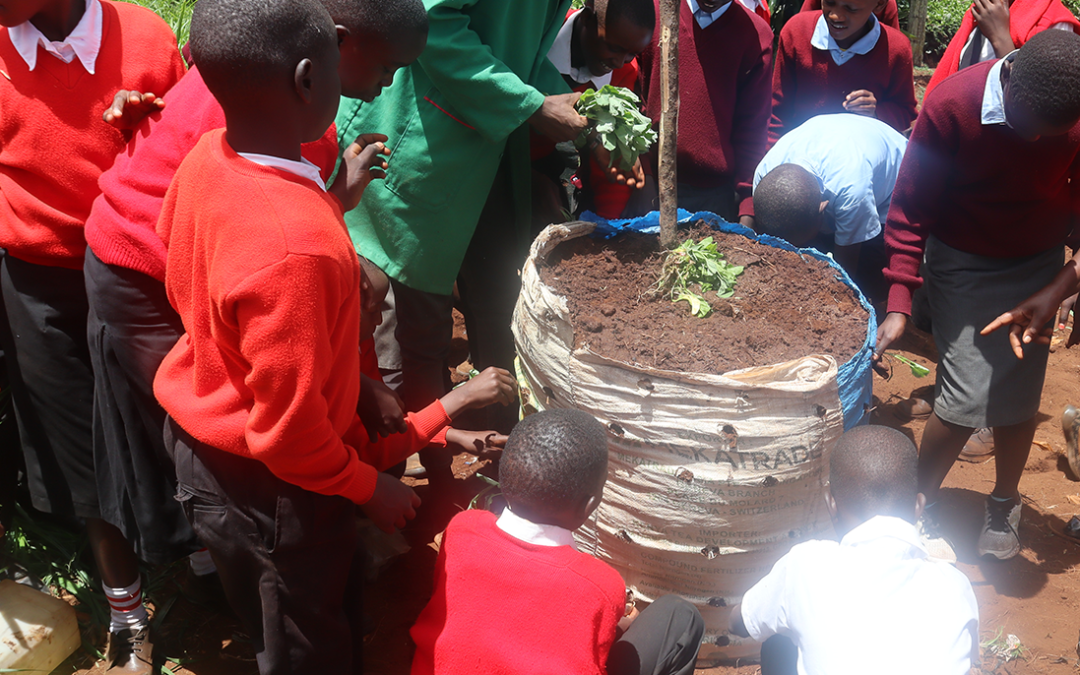
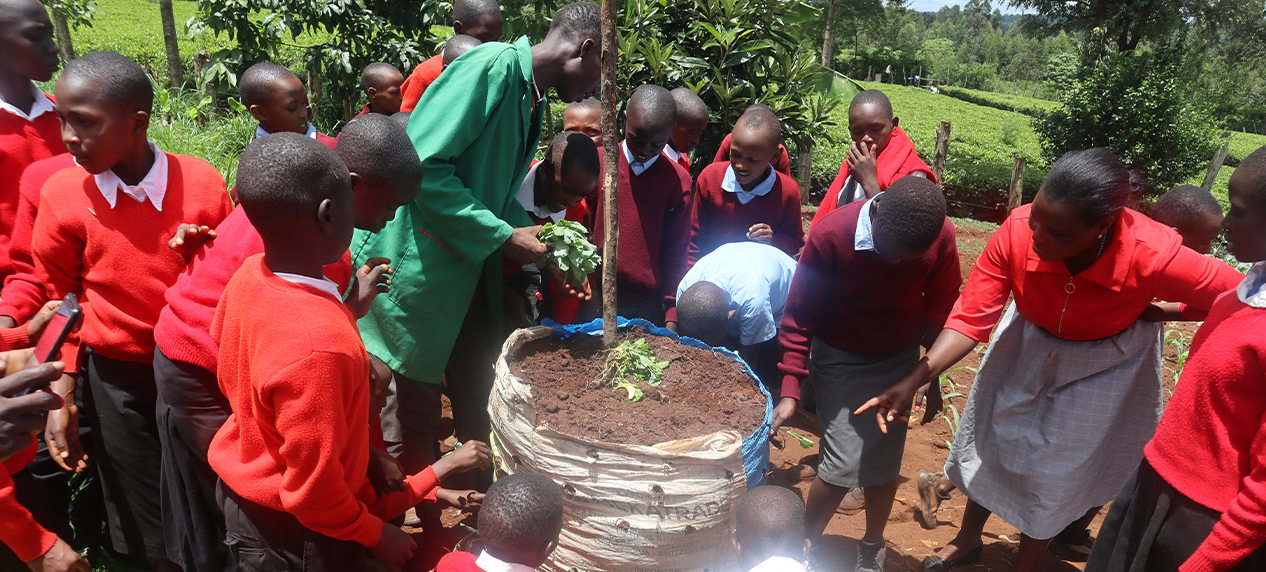
Climate smart agriculture training in schools


The Endangered Wildlife Trust (EWT) implements a range of initiatives that contribute to mitigating and reducing the impacts of climate change through our programmes across southern and East Africa. Among these are projects to address the impact of climate change on the health of communities.

Human health is inextricably linked to biodiversity and environmental health, with the World Health Organisation (WHO) confirming in a report published in October 2024 that climate change presents a fundamental threat to human health.

Climate change not only affects the physical environment and functioning of vital ecosystems that buffer us from extreme weather events and directly contribute to human health, but its effects on social and economic conditions are increasingly undermining human health and well-being. The WHO report states that climate change is a threat multiplier that is reducing and potentially reversing decades of health progress.

Humanitarian emergencies such as drought, heatwaves, wildfires, floods, tropical storms, and hurricanes are increasing in scale, frequency, and intensity. These weather and climate hazards affect health both directly and indirectly, increasing the risk of deaths, non-communicable diseases, the emergence and spread of infectious diseases, and other health emergencies.

In the past decade, extreme weather events have impacted approximately 1.6 billion people and cost the global economy over USD 2 trillion, according to a recent report released by the International Chamber of Commerce. The WHO reports an average of 489,000 heat-related deaths each year between 2000—2019, with these types of deaths having risen by 70% in people over 65 in two decades. The WHO conservatively projects 250,000 additional yearly deaths by the 2030’s due to climate change impacts, including increases in diseases like malaria.

Climate change is also exacerbating water insecurity globally, particularly as increasing populations and high demand are already stretching water allocations in most countries. Similarly, climate change heightens food insecurity, particularly in areas where people depend on dryland agriculture. In 2020, 98 million more people experienced food insecurity compared to the 1981–2010 average, with 770 million facing hunger, predominantly in Africa and Asia, undermining previous progress in addressing this challenge.

The Intergovernmental Panel on Climate Change’s (IPCC) Sixth Assessment Report (AR6) reveals that 3.6 billion people already live in areas highly susceptible to climate change. Despite contributing minimally to global emissions, low-income countries and small island developing states endure the harshest health and livelihood impacts. In vulnerable regions, the death rate from extreme weather events in the last decade was 15 times higher than in less vulnerable ones.

WHO data further indicates that 2 billion people lack safe drinking water and 600 million suffer from foodborne illnesses annually, with children under 5 bearing 30% of foodborne fatalities. Climate stressors heighten waterborne and foodborne disease risks. Temperature and precipitation changes enhance the spread of vector-borne diseases. Without preventive actions, deaths from such diseases, currently over 700,000 annually, may rise.

Climate change also adds to immediate mental health issues such as anxiety, as well as post-traumatic stress and long-term disorders, and compounds social instability, polarisation, and conflict, particularly in cases of human displacement.

Although no-one is safe from these risks, the people whose health is being harmed first and worst by the climate crisis are those who contribute least to its causes, and who are least able to protect themselves and their families against it: people in low-income communities and vulnerable countries and communities. Capturing risks like drought and migration pressures into climate modelling remains challenging, but there is little doubt that urgent, meaningful action is required at national and international level, focusing on the most vulnerable societies while also addressing the root causes of human-induced climate change.

Addressing climate change’s health burden underscores the equity imperative: those most responsible for emissions should bear the highest mitigation and adaptation costs, emphasising health equity and the priorisation of the vulnerable sectors of society.


What are we doing?

The EWT contributes to addressing climate change through multiple integrated strategies starting with the protection of critical landscapes and ecosystems that, in addition to providing habitats for diverse plant and animal species, also act as carbon sinks and contribute to water, air quality, pollination services, and other vital services that we depend on.

Across our programmes in southern and East Africa, we work with landowners and communities to improve the protection and management of their land, water, and other natural resources. These initiatives include expanding formal protection of areas of high conservation value; clearing of alien and bush encroaching plants; improved rangeland management; rehabilitation of degraded ecosystems; and supporting sustainable land use activities. In 2023-24, we supported landowners and communities to secure formal protection of an additional 180,282 hectares of land of strategic conservation importance across diverse landscapes. In many cases, this enables landowners to access carbon and other sustainable financing markets.

The EWT also contributes extensively to policy, planning, and development, including the energy sector, and implements numerous initiatives to strengthen climate resilience and adaptation. This includes partnering with communities to improve human health and resilience to climate change.

In the Western Soutpansberg, Limpopo Province, we collaborate with landowners, communities, and partners to implement diverse projects to strengthen food security and resilience to climate change, improve water management, and reduce the risk of water-borne diseases and contamination of soil and water.

Water, Hygiene and Sanitation (WASH)

The Soutpansberg mountains are highly biodiverse and play an important role in water security in the region. Less than 2% of the mountains were previously formally protected, leading to the EWT establishing the Medike Reserve in the Western Soutpansberg in 2017, and working extensively with landowners to secure protection and improve the integrity of the natural habitats through the removal of alien plants and other measures. To date, the EWT’s remarkable team of rangers has removed 70 hectares of alien and other encroaching plants from the mountains which, together with ongoing maintenance by the landowners, has led to the improved flow of streams and the restoration of a wetland in the area.

We work with primary and secondary schools to improve sanitation and hygiene through the development of interactive lessons and teaching aids on germ transmission and hand washing. As was instilled in all of us during the Covid-19 pandemic, regular washing with soap prevents diarrhea and the transmission of other diseases. To date, we have reached over 700 learners, but ongoing messaging is vital.

We work with secondary schools to reduce health risks and waste arising through the disposal of one-use sanitary pads. Through our Women’s Health project, we have provided over 800 girls and women from three schools with kits consisting of reusable sanitary pads and cleaning materials that will last them 3—5 years. Apart from the substantial reduction of these products into the environment, the project contributes to women’s dignity and helps reduce the costs of basic necessities for girls in communities where unemployment levels are high. Discussions and presentations on menstruation support the girls to gain access to accurate information and open up conversations with their teachers.

In the words of one of the girls who participated in an anonymous, voluntary evaluation of the project,

“They teach that when we going to monthly period, we shall not cry, and is helpful to us, because they teach us about our body and help us to get pads”.


Climate smart agriculture training in schools


Climate resilient agriculture

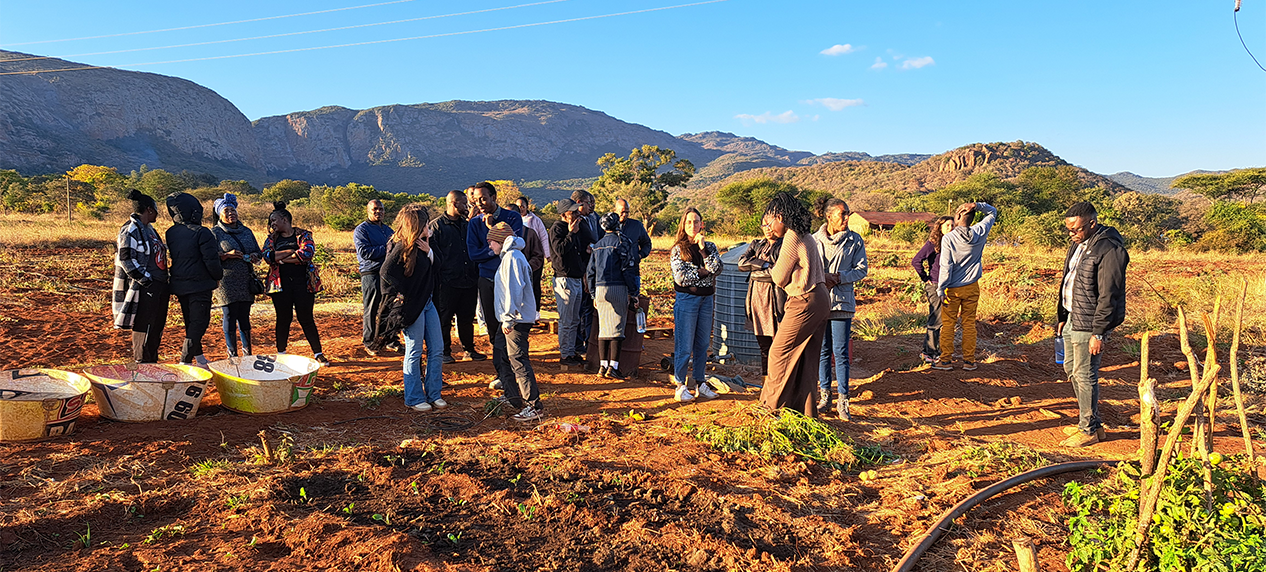
In 2023, the EWT held a five-day climate-resilient agricultural training course attended by 23 farmers from Kutama in the Western Soutpansberg. After the training course, 14 participants established the Ndouvhada Organic Farming Cooperative, and are now producing vegetables on the CPA’s land. Through this project, the Cooperative received irrigation material and other equipment as well as seeds and other inputs. The Cooperative has also been able to source funding for funding through a state grant facilitated by the Limpopo Department of Agriculture and Rural Development (LEDET).

We are also supporting a second project started by a group of young agriculture graduates in Kutama to provide Agri-Set accredited training to other community members to enable them to cultivate vegetables and improve animal husbandry. The number of participants has far exceeded our expectations, with 100—150 people regularly attending training every weekday morning over the last seven months. The EWT is supporting the group with equipment and seed packs, repair of water tanks, and other inputs, and we are exploring opportunities to strengthen this initiative in the future.

We are also supporting farmers in Buysdorp to improve the sustainability of their agricultural activities. In June 2024, we collaborated with the University of Johannesburg to hold a workshop to assess the extent of existing farming activities in the area and community members’ visions and future plans. Water security and management emerged as a key theme throughout the workshop, together with the need for training to enable farmers and other community members to reduce harmful agricultural impacts through pesticides and fertilisers, and to develop strategies to reduce loss of crops and livestock through human-wildlife conflict. We are now participating in a follow-up project with the University of Johannesburg and other partners to assess and provide recommendations to improve the sustainability and quality of groundwater in Buysdorp, particularly in light of additional demand to meet increasing urbanisation, agriculture, mining, and other human development needs throughout the region.

Working in partnership with organisations and service providers is vital to the success of all our initiatives. In addition to universities and other Not-for-Profit organisations, we collaborate with the Limpopo department of economic development, environment and tourism (LEDET) to enable us synergise resources and strengthen benefits and support to community partners over time. Building climate resilience is a long-term process and it is important to ensure that small-holder farmers are not left behind.

SEWE – Southeastern Wildlife Exposition – 14-16 February 2025

SEWE – Southeastern Wildlife Exposition – 14-16 February 2025


Inspired by our travels from the African bush to the Asian jungles. Our exhilarating encounters with wildlife within their environment are the indelible memories inspired to draw animals.

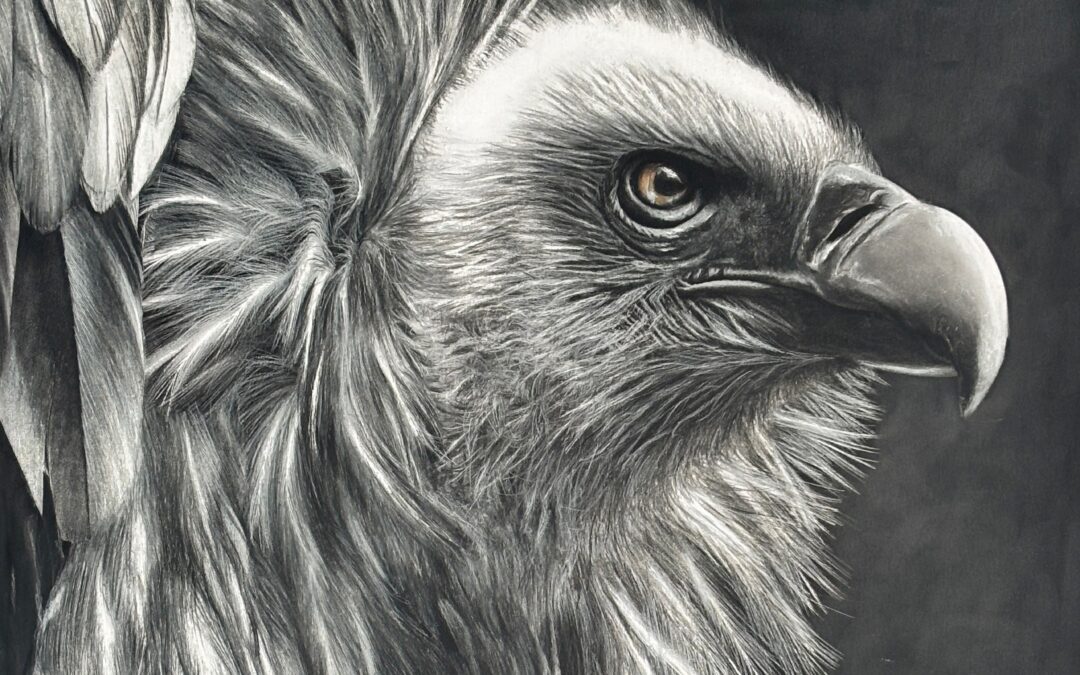
‘Drawn to Protect” is our ethos, to support organisations who protect the magnificent wildlife and ecosystems, now endangered and at risk of extinction. Our INKS captures a moment of their wild life being lived, a life worth protecting. We hope our wild INKS will bring joy to an owner with the knowledge that their INK supports conservation.

We are proud to partner with Endangered Wildlife Trust as their roots began with founders Clive & Conita Walker to exhibit Clive’s wildlife art in 1973 at a conference in Texas. This event inspired them to sell art to raise funds for wildlife and this eventually led to establishing the Endangered Wildlife Trust. This story closely aligns with Endangered Inks’ story and our inspiration to support conservation with Carroll’s detailed art which she creates using a pen and pastels. We support EWT’s mission to conserve and protect threatened species and ecosystems to the benefit of all.

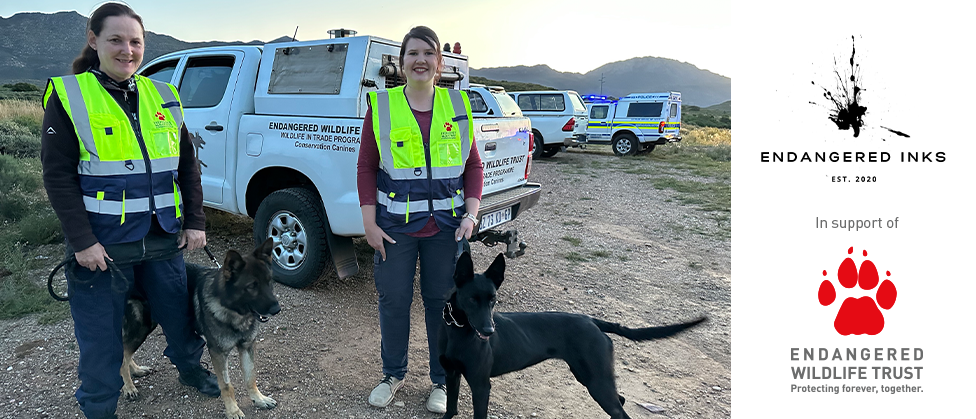
We are excited that the 20% donation from each INK sold at SEWE (SouthEastern Wildlife Exposition) in Charleston South Carolina will help grow EWT’s new initiative of Conservation K9’s anti-poaching unit and we at Endangered Inks love dogs, this was a perfect fit!

We look forward to working with EWT as Endangered Inks showcases Wildlife Art at SEWE in 2025 and to help protect endangered species.


About Carroll


An adventurer, animal lover and founding artist for Endangered Inks, Carroll is currently based between the UK and France with her Great Dane, Digby. Whilst her formative years were spent on the beautiful island of Bermuda it was clear from a very early age that her creative thinking, artistic talent and urge to explore would take her all over the world. Carroll studied for her Bachelor of Arts in Design at Parsons School of Design and at The Art Institutes. Moving to London, after leaving twelve years of working in southern and East Africa she completed her Masters of Art in Marketing & Design at Central Saint Martins.

Over the last twenty years professionally Carroll has channeled her creative talents into a successful career in marketing, specialising in luxury tourism with prestigious brands and advertising agencies. These brands include Hilton, Marriott, Ogilvy & Mather, The Royal Mint, as well as charities, Fauna & Flora International and PDSA .

Being very fortunate that her work has taken her all over the world with footprints in Africa, Australia, Europe, Asia and USA. Drawing and painting resigned to being a personal hobby during this period, sharing her works with her close family and friends. Carroll decided to focus on reconnecting with her drawing skills in 2019. Looking for inspiration she unearthed boxes of old photographs she’d taken whilst living in Africa, sifting through she realised many of the animals in her photographs are now classed as endangered, their numbers shrinking at an alarming rate. This realisation led Carroll to want to support conservation using her art, establishing ENDANGERED INKS in 2020.
Carroll’s signature style is pen and ink mixed with pastels, she likes to create realistic detail using various techniques, creating a unique work of art which we call an ‘INK’

What is the conservation canine unit?


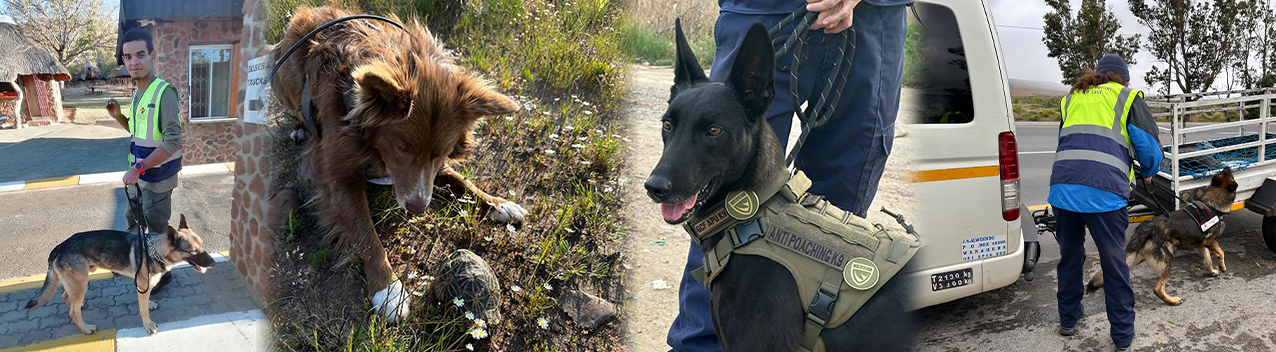
The EWT’s Canine Conservation Unit (CCU) is a special project established to support the conservation efforts of the EWT through scent detection and tracking dog services. The unit is also available as a service provider to our conservation partners, private landowners and other stakeholders, where dogs can perform a variety of priority conservation-focused tasks. This is further supported by the EWT through handler training and certification. There are two types of work done by the EWT’s K9 unit. Anti-poaching dogs are trained to track people, locate snares, find arms and ammunition, and help with the detection of evidence at crimes scenes. Our detection dogs are capable of detecting various plant and animal samples, and thus have a wide range of possible conservation benefits and applications. We are continuously exploring new roles for our conservation canines to ensure that the EWT remains recognised as an industry leader in the field of working dogs.

Word from the CEO: Year-End

Word from the CEO: Year-End

Word from the CEO

 
Yolan Friedmann, CEO

It has been a whirlwind year for the EWT and a pretty good one actually. One could lament the fact that year-on-year our planet has smashed all previous records for the hottest year globally on record, as well as the increase in species under thereat of extinction rising form 68% to 73% according to the latest WWF Living Planet Report. But we choose instead, to celebrate the fact that the EWT significantly increased the protection and status of more than 11 populations of threatened wildlife species; whilst discovering populations of other species thought to be extinct. We directly improved the wellbeing of over 6500 people in rural communities; and ensured the formal (declared) protection of nearly 10 000 ha of critical habitat with another 100 000 ha in the process of being declared.

We also reversed the declining state of nearly 4000 ha of critical habitat through rehabilitation efforts that – at the same time – provided livelihood opportunities for vulnerable people. We know that our natural world continues to suffer from the ravages of unsustainable development, increasing resource use and human population growth, and the EWT Strategy 2025-2050 is a bold and ambitious commitment to revere these trends in some of the most important landscapes across southern and East Africa. We are excited to be embarking on this new growth phase in the years ahead, and look forward to sharing the details of the strategy in the new year.

With the tremendous growth in the EWT over the past calendar year, which saw our pack increasing by 50% and our expenditure on projects and conservation activities by a whopping 12%, the EWT attributes this ability to consistently retain, and increase our positive impact on the status of thousands of vulnerable people, wildlife and the environments that they both share, to the loyalty, ongoing support and passion that our partners, donors and colleagues in the sector all share for our work. Over the past 12 months, our web of impactful partnerships has deepened and widened and now reaches across nearly 20 African countries, ensuring that we share our innovation, skills and knowledge with colleagues far and wide, who are also working to save the wildlife and people that are unique to Africa, to mutual benefit.

As we developed our Future Fit Strategy, we took time out this year to reflect on our journey thus far and benefited from the process of considering what worked for us, what challenges we encountered, what relationships were impactful and where resources could be better applied for maximum benefit. Reflection is a powerful tool that ensures continual learning and entrenches a value system that improves understanding and leads to growth. A key aspect of my own reflection when I look back over 2024, is my deep gratitude to the Board of Trustees of the EWT for their unwavering commitment, support and passion for our work. The leadership of our Chairman Muhammad Seedat and his fellow trustees has steered the ship steadfastly in the right direction, ensuring excellence in our governance, strategy and leadership right from the top. Our Executive Leadership team is a powerful, expert coalition of some of the best conservation minds in the region and we are blessed to be lead and served by them. My heartfelt gratitude goes to every one of them for the individual and collective role that they have played in taking the EWT to great heights this year. The EWT staff: the backbone of the Trust and the energy and innovation behind our tireless work that literally saves wildlife and supports people, right across Africa. You are heroes to many and our secret weapon in the race against extinction.

To all our partners and funders: you are the lifeblood that keeps the EWT at the forefront of conservation excellence. Your continued support and faith in our ability to deliver results keeps us doing what we do best, protecting together forever. Thank-you for the support this past year and always.


As we all head off for the much-needed summer holidays – we look back on a year that yielded tremendous results, and forward to a year that kickstarts our most ambitious strategy yet. We are excited about what the next 12 months will bring. We are Future Fit, we are the EWT. Thankyou for being a part of our story.

Wishing all our friends a safe, joyful and peaceful end to 2024 and may 2025 be a prosperous new year for our planet.

Yolan Friedmann,

CEO, Endangered Wildlife Trust


Small Hands, Big Impact: A Greener Future for Lesotho

Small Hands, Big Impact: A Greener Future for Lesotho


Small Hands, Big Impact: A Greener Future for Lesotho

Children Lead the Charge in Conservation Efforts

By Danielle du Toit, Field Officer: Birds of Prey Programme


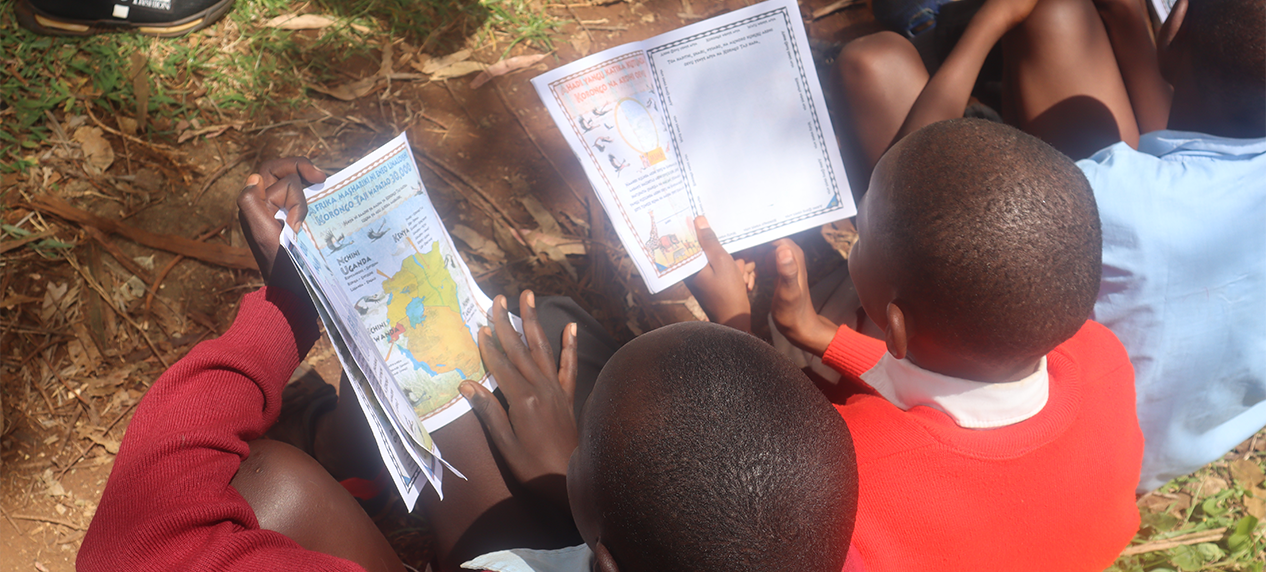
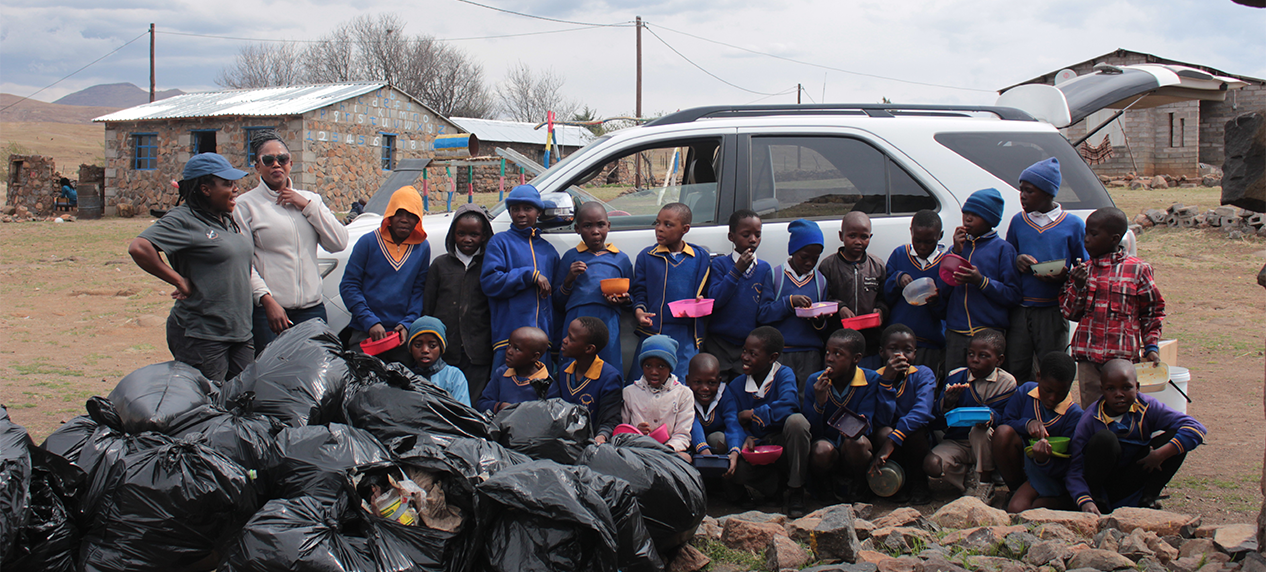
A three-day inititiative by the EWT in October brought together 65 young conservationists from grades four to six in Molumong village, Lesotho.

Led by Danielle du Toit (EWT Birds of Prey) and Mapeseka Makaoae (Bearded Vulture Recovery Programme Community Liaison), the children joined a litter cleanup aimed at fostering a cleaner, healthier environment for their community and local wildlife.

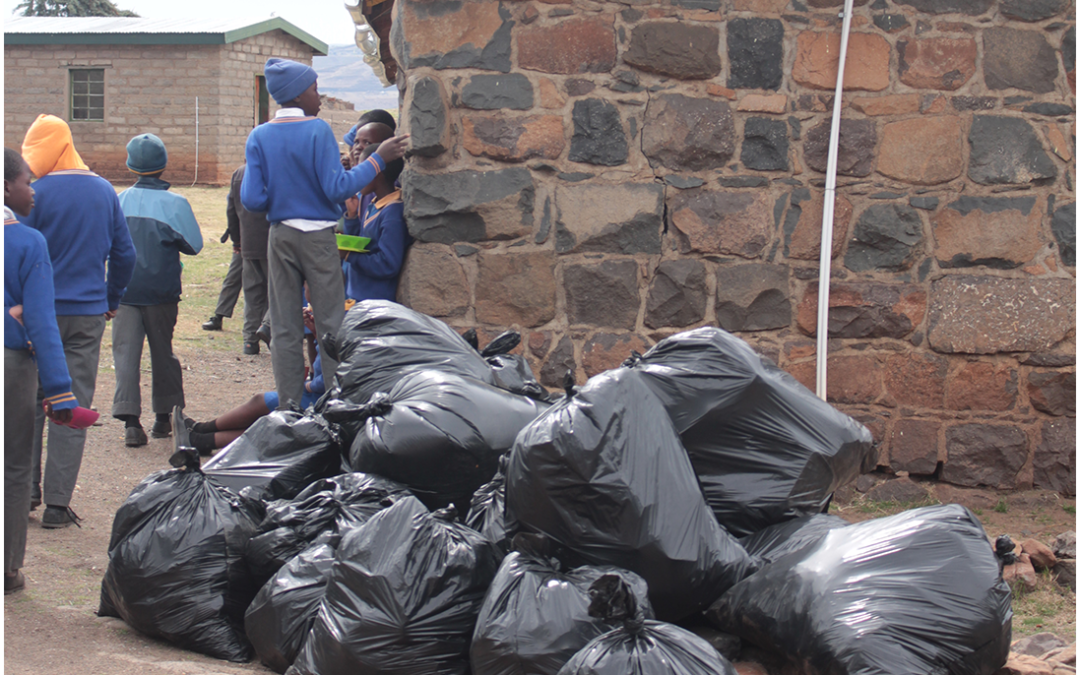
Supported by the Lesotho Highlands Development Authority (LHDA), the cleanup was initially planned to focus on rivers and waterways. However, a last-minute cancellation of transport shifted efforts to the school grounds and nearby mountain slopes, areas where litter risks flowing into rivers. Over three days, the children collected an impressive 96 bags of litter—38 on Monday, 20 on Tuesday, and 38 on Wednesday. The waste, primarily plastic packaging and tins, highlights a pressing need for proper refuse management in the village.

To address this, LHDA has committed to providing at least three rubbish bins for the school, with plans for additional bins in the broader community. Efforts are also underway to establish a regular refuse removal service to ensure long-term cleanliness.


Connecting Litter Cleanup to Vulture Conservation


The cleanup is closely tied to the broader conservation efforts for the Endangered Bearded Vulture, a species whose survival depends on the region’s health and cleanliness. In collaboration with Wildlife ACT and the Bearded Vulture Recovery Programme, a feeding site has been established to provide critical food sources for these rare birds whose diet consists largely of bones. The site, designed following strict vulture restaurant guidelines, includes fencing to deter scavengers and camera traps to monitor activity.

To complement this, a vulture hide—a small, unobtrusive structure—has been constructed to promote eco-tourism and provide researchers with a unique opportunity to study the species up close. This hide benefits the community by attracting visitors, creating opportunities for environmental education, and fostering a deeper appreciation for the role vultures play in maintaining ecosystems.


Nature’s Cleanup Crew Meets Future Conservationists


The litter cleanup served a dual purpose: improving community health by reducing waste and emphasising the ecological importance of vultures, often called nature’s “clean-up crew.” Through hands-on participation, children learned about the interconnectedness of their actions, local wildlife, and the environment, fostering a sense of responsibility and pride in protecting their natural heritage.

With such impactful initiatives, the future of conservation in Lesotho looks brighter—and it starts with small hands making a big difference.