IS THERE A PLACE FOR GENDER IN CONSERVATION?
Megan Murison, Endangered Wildlife Trust Communications Officer, meganm@ewt.org.za
Why should we, as conservationists, be concerned about gender issues? If our mandate is species and habitat conservation, why and how do we incorporate gender without overstepping our mark? While it may appear to some as if gender and conservation are two completely isolated topics, the nexus between the two is undeniable. Gender inequality and environmental degradation have been linked – in areas where human inequality is high, so is ecological degradation. The impact that gender has on conservation should not be understated nor ignored.
So, what is gender? Unlike the biology of the different sexes, gender roles, behaviours, and the relations between women and men are dynamic. Gender is quite complicated, as it determines the socially constructed assigned roles, practices and opportunities given to certain genders by society. It is also essential to note that gender issues do not mean women issues, and we must try to understand the needs of all members of communities we work with, both men and women.
Our understanding of the connections between gender and the environment is broadening as more research is bringing women into the dialogues around resource use, indigenous knowledge, and decision-making processes. Gender plays a massive role in how women and men interact with the environment around them, concerning land, resource rights, career advancement, salary opportunities at work, and opportunities to participate in and influence decision-making processes.
But why should we, as conservation organisations, care? Long-term outcomes. Women account for 50% of the population, and their voices (knowledge, opinions, experiences, perspectives) need to be included in the conservation conversation. If we were to only listen to 50% of stakeholders, our actions would never be effective or sustainable. They may even cause other harmful effects. A study by Leisher et al. (2016) shows how the inclusivity of women in forest and fishery management groups had positive impacts on conservation targets in these sectors.
Another example is the plight of period poverty. Period poverty is a global sanitation issue and a barrier to the education of girl children. Sanitation and water use are linked, and the link with education may not be as obvious but understanding this link is vital for any progress to be made. Overall, including women and providing for and enabling equal rights and opportunities for basic education, positive progress can be made on environmental issues such as climate change and climate resilience, family planning, habitat resilience, and equality in the greater social community. As they say, knowledge is power.
Conservation initiatives should not be limited in scope and consideration to species and habitats, but also give voice to gender equality and equity issues. We as conservation organisations need to effectively include gender in all of our dialogues, as without the active, equal participation of women and men in all aspects of the work we pride ourselves on, we will never be able to move forward.
STRATEGIC CONSERVATION OF THE PEPPER-BARK TREE IN THE SOUTPANSBERG
Jenny Botha, Programme Manager, EWT People in Conservation Programme, jennyb@ewt.org.za
Traditional medicine has evolved over thousands of years, resulting in the development of an extensive herbal pharmacopoeia. Some of our earliest records of ancient herbal remedies were inscribed on clay tablets in Mesopotamia dating back to about 2,600 BC (Gurib-Fakim, 2006). Traditional medicine is still widely used across the world today. African Traditional Medicine Day was celebrated on 31 August 2020. The World Health Organisation describes traditional medicine as: “the sum total of knowledge, skill and practices based on the theories, beliefs ad experiences indigenous to different cultures, whether explicable or not, that are used to maintain health, as well as to prevent, diagnose, improve or treat physical and mental illness”. Over the past 2-3 decades, there have been sustained efforts through the World Health Organisation and others to integrate traditional medicine into international and national health care systems. This health care modality is now officially recognised and regulated through legislation in South Africa, and a directorate of Traditional Medicine has been established by the National Dept of Health.
In South Africa, over 2,060 plant species have been recorded as being used in traditional medicine – approximately 10% of the total number of species that occur here (Williams V.L., Victor J.E. and Crouch N.R. 2013). Many species are facing increasing pressures in the wild through high levels of use as well as other human pressures, including loss of habitat through urbanization, agriculture, industrial expansion, and other activities. Amongst these species is the Pepper-bark tree, which is now classified as Endangered on the Red Data List.
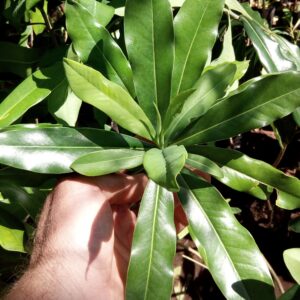
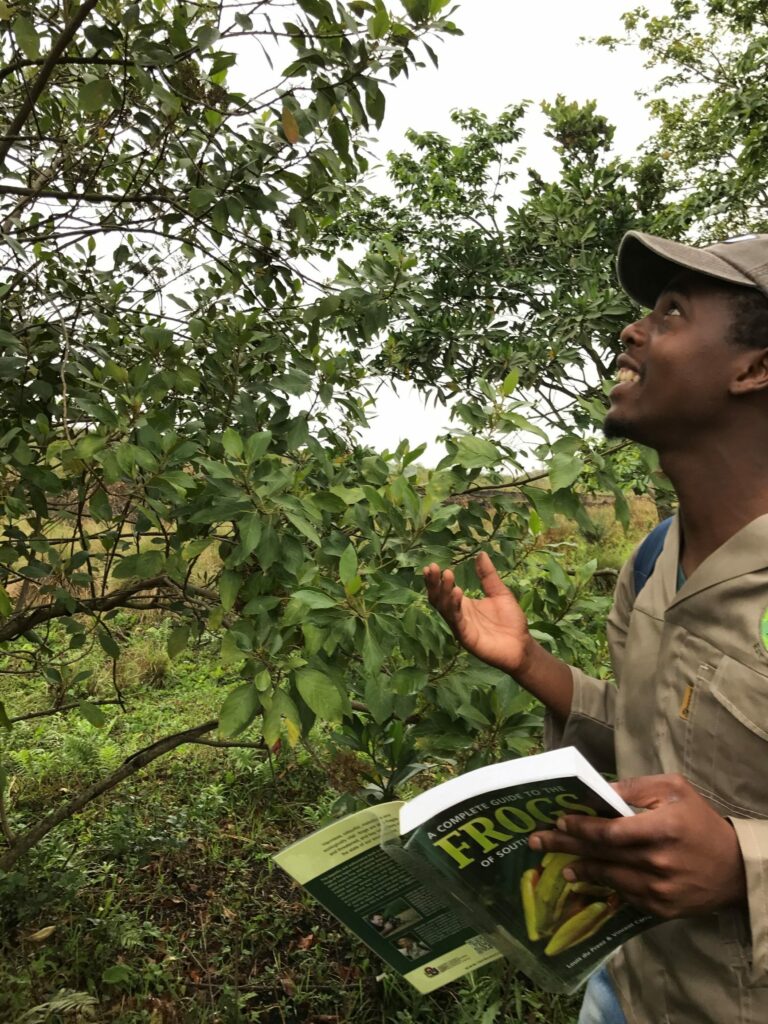
The Pepper-bark tree is an evergreen tree that typically grows to about 5-10 m in height. It occurs in temperate climates in forests and woodlands in mountains and hills in eastern and southern Africa, including parts of KwaZulu Natal, Mpumalanga and Limpopo Provinces, Mozambique, Swaziland and Malawi. Its English and Afrikaans names refer to the peppery taste of the bark and leaves. ‘Salutaris’ means ‘healthful’, alluding to the reason it is so widely sought after not only for traditional medicine but also as an alternative remedy in tablet form on the shelves of pharmacies. The scientific name of Pepper-bark tree is Warburgia salutaris. It is known as Mulanga or Manakha in Venda; isiBaha/isiBhaha in Zulu, Peperbasboom or Peperblaarboom in Afrikaans, and Molaka in South Sotho. The Endangered Wildlife Trust recently embarked on an exciting project to conserve this significant tree in the Soutpansberg, Limpopo Province. This multi-pronged project includes the monitoring of existing populations and improving the natural habitat through the removal of alien and invasive plant species that encroach on its habitat. Over 10,000 invasive Sicklebush (Dichrostachys cinerea) trees have been removed since April/May 2020. The wood was made available to local communities for firewood.
We are also assessing the extent of trade in local markets and will be working with traditional healers to encourage the cultivation of this important species in homesteads. Scientists have confirmed that the same active phytochemicals occur in the bark and the leaves of the Pepper-bark tree. This means that the leaves can be substituted for the bark in traditional medicine. Harvesting the leaves of trees more sustainable than removing bark, particularly if the tree is cultivated in homesteads. The leaves are also starting to appear in some markets, which is encouraging from a conservation perspective.
We would like to thank the Fondation Franklinia for their support of this project, which not only contributes to the strategic conservation of the Endangered Pepper-bark tree, but also ensures that people who depend on traditional medicine will continue to access this important species in the future.
References
Gurib-Fakim A. 2006. Medicinal plants: traditions of yesterday and drugs of tomorrow. Molecular Aspects of Medicine: 27: 1-93
Williams V.L., Victor J.E. and Crouch N.R. 2013. Red Listed medicinal plants of South Africa: status, trends and assessment challenges South African Journal of Botany 86: 23-25.
SCIENCE SNIPPETS: AN UPDATE ON THE AFRICAN LION DATABASE
Sam Nicholson, African Lion Database co-ordinator, Conservation Science Unit. samanthan@ewt.org.za
It is generally understood that our knowledge of the status and trends in African Lion (Panthera leo) numbers is relatively poor, and the collective ability of governments and the wider conservation community to identify priorities or to assess the impacts of interventions, is limited. This can largely be attributed to the lack of a single repository of information on Lion abundance, status, trends, and fine-scale distribution. Data that currently exist are often siloed and therefore of limited conservation value. The Endangered Wildlife Trust (EWT) was awarded a grant from the Lion Recovery Fund and National Geographic in 2018 for a project to establish such a database and work began on this in October 2018. The African Lion Database (ALD) Project is endorsed by the IUCN Cat Specialist Group (CatSG) of the Species Survival Commission, and the goal of this project is to create a database that consolidates reliable data on the population and distribution of Lions across the continent. With this database, we aim to provide an essential platform from which to assess priorities, to measure conservation progress, and to monitor trends in Lion populations and their threats in Africa.
The African Lion Database (ALD) has been capturing and recording lion related data for the last 18 months. The distribution mapping component of the project is well underway with ~29% of Lion areas included in the ALD with associated references, meaning that the sources of Lion data are reliable and traceable. In the last quarter, we have more than doubled the number of population records, with ~28% of Lion areas having population estimates in the ALD. This includes 254 protected areas and private reserves across Africa. To collect this data, we have reached out to more than 300 Lion researchers and organisations! In the last year of the ALD, we have received exciting out-of-range records of Lions in areas where they were previously thought to have been extirpated (Figure 2).
- Two male Lions were discovered for the first time at Mpem and Djim National Park in southern Cameroon.
- A male Lion has been resident in Nyika National Park in Malawi and was reported by Central Wilderness Safaris.
- We also received data from Luando Reserve, in Angola, where a small pride of Lions was seen. This is the first evidence in many decades of a successfully breeding resident Lion pride in the area.
To find out more about the African Lion Database, please email samanthan@ewt.org.za
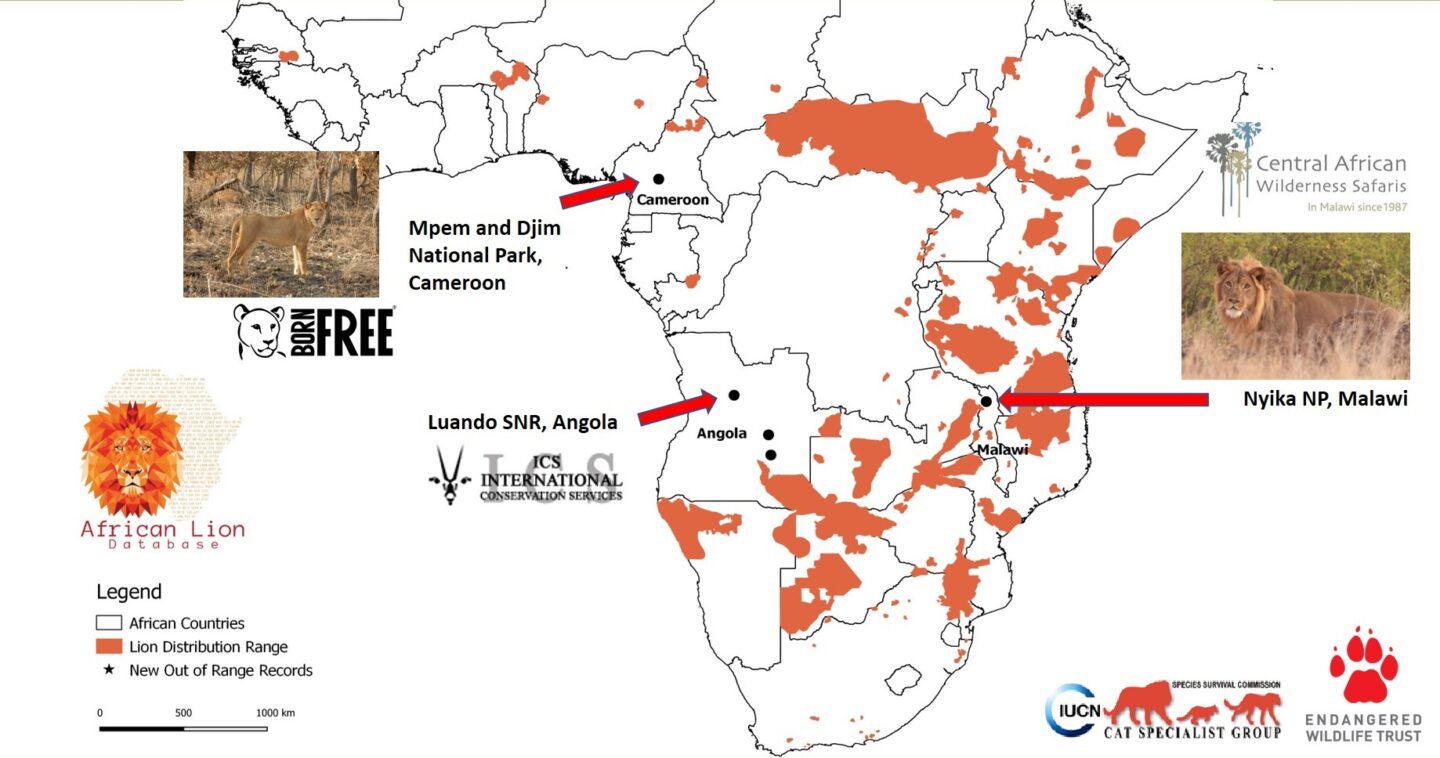
Figure 1: Map of African Lion distribution – 2020
- In the last 25 years alone, Africa has lost almost half its population of wild Lions.
- This iconic African species faces threats such as loss of wild prey, loss of natural habitat, direct persecution and poaching.
- In 2005, it was estimated that there were approximately 33,292 Lions in Africa. That number has shrunk to ~25,105 Lions.
- As many as 5 countries have less than 30 wild Lions within their borders.
- South Africa is one of six countries that has a wild Lion population of more than 1,000 individuals!
- In addition to having a significant population of Lions in large free-roaming systems like the Kruger National Park and the Kgalagadi National Park, South Africa is home to a network of almost 60 reserves that have wild populations of Lions. These populations have resulted in South Africa being home to a healthy population of wild Lions.
- World Lion Day is celebrated annually on 10 August!
A WORD FROM THE CEO: THE EWT CALLS FOR THE URGENT REOPENING OF NATURE-BASED TOURISM IN THE NO-TOUCH ECONOMY
Yolan Friedmann, EWT CEO
yolanf@ewt.org.za
The coronavirus or COVID-19 global pandemic has affected every aspect of life as we know it. There is speculation about whether the world will return to ‘normal’ or if society will ever be the same again. However, we do know that the COVID-19 virus will not merely disappear and until a vaccine becomes available, or until human beings have developed a minimum immunity response rate, the world will not return to normal, if ever.
Despite job losses in major South African industries in recent years, the tourism sector has shown resilience. In 2017 the industry created 31,752 net new jobs, which was the most number of net new jobs generated by tourism within a year in at least the previous eight years.
“Africa’s unique diversity of wildlife and habitat has the potential to radically transform the continent’s economy” (UNEP, 2019).
There were 705,871 persons (or 4,5% of total employment) directly engaged in producing goods and services purchased by visitors in 2016, 681,619 persons (or 4,2% of total employment) in 2017, and 739,657 (or 4,5% of total employment) in 2018. (Tourism Satellite Account for South Africa, final 2016 and provisional 2017 and 2018/ Statistics South Africa). Over 60% of employed people in the sector are women (mostly in the areas of catering and accommodation) with a younger mean average age than all other sectors. Furthermore, Stats SA published data in 2018 show that one in every 22 working South Africans, and more than 2,892,303 people, are employed in the tourism sector.
The tourism industry in South Africa is heavily reliant on nature-based tourism, which is one of the main attractions for travellers in South Africa, as it is for 80% of foreign tourists (Saayman, 2017).
Nature-based tourism refers to all forms of tourism, where relatively undisturbed natural environments form the primary attraction or setting. The wildlife and nature-based sector specifically, supports a vast number of associated industries and sectors such as the conservation sector through generating income for park management, wildlife protection, anti-poaching, and to some degree border control through the management of human movement in transfrontier parks. For years, national and provincial conservation agencies have been generating significant revenue through nature-based tourism that contributes substantially to conservation management. The sector generates 40% more full-time employment than agriculture and provides greater opportunities for women than other sectors. (UNEP, 2019).
Game reserves in South Africa also generate significant benefits to the surrounding communities who contribute to goods and services consumed by visitors. In the absence of economic activity in these parks, there is an increased risk of poaching, illegal resource extraction and park invasion. It has taken years of stakeholder engagement and hard work for communities to have equitable access to benefits arising from conservation and nature-based tourism, and this will be for nothing if our protected areas lose their economic value to the communities who depend on them. To survive, these communities may resort to illegal resource use. It must be noted that many people employed in the nature-based tourism sector are unskilled/semi-skilled and are usually breadwinners in their families. Reopening local tourism ASAP will contribute to securing their employment and to safeguarding livelihoods in the most vulnerable households.
SANParks, as the custodian of approximately 70% of South Africa’s state-owned protected area network, derives 80% of its income from nature-based tourism activities. A significant component of this revenue funds park management, anti-poaching, management of marine protected areas, ranger patrol, and protection services, including the aircraft and associated rhino security technologies, as well as management of wildlife. Many community-owned reserves generate income for clinics, schools, community recreation facilities and contribute many jobs linked to goods and services associated with these reserves, including catering and accommodation. A number of these community-owned reserves are related to national and provincial parks and benefit from visitors to parks, or their own concessionaire managed lodges.
“To preserve their wildlife and wild places, governments should look at protected areas not only as environmental assets but economic ones as well, with the continent’s 8,400 protected areas producing US$48 billion in revenue.” (UNEP, 2019).
Tourism, and in particular wildlife and nature-based tourism, should, therefore, be prioritised in the measures to ease the economic impact of COVID-19. Nature-based tourism is also a major outlet for people who have been confined in urban areas. Many studies have shown a close link between human wellbeing and nature-based tourism. Approximately 70% of visitors to our national parks are local tourists, and the tourism sector can continue to support thousands of livelihoods, even before our borders reopen.
Other consumptive forms of nature-based tourism such as hunting for biltong and game meat also have a local market and might contribute to food security.
The consequences of any extended lockdown for the wildlife and nature-based tourism sector, and by extension to the entire tourism industry, will be dire and potentially devastating as a result of:
- significant job losses (in particular for those with a low skill base and less likelihood of finding alternative employment);
- revenue losses for the parks’ agencies, communities, NGOs, conservation authorities, and government (through taxes);
- eroded protection of South Africa’s biodiversity and protected areas;
- eroded infrastructure (fences, road networks, camp maintenance etc.);
- an increase in poaching, wildlife crime, and illicit wildlife trade;
- reduced benefits to communities whose land has been returned to them in the land restitution process;
- over-reliance on the unsustainable use of natural resources by rural communities;
- potential negative sentiment towards the protected area network should communities lose all the benefits derived from them; and
- reduced income for conservation NGOs who play a significant role in biodiversity conservation and community conservation in South Africa, and are major employers in the sector.
Most of our parks and game reserves are in areas that have lower infection rates and where economic activity could open faster than in metros. It is possible to introduce nature-based tourism into the economic recovery now, through a phased approach that sees this form of tourism being allowed to begin operating, under stable conditions and Standard Operating Procedures. This is based on the fact that:
- guests can participate in almost all nature-based tourism activities in semi-isolation and applying physical distancing principles. People could only visit the parks and reserves within their own provinces and limited numbers can be accommodated at any given time;
- wildlife and nature-based tourism offers guests the chance to self-drive, or go on game drives in open-air vehicles with reduced numbers of guests or family members only; providing a more exclusive and interactive experience;
- adventure tourism offers guests the opportunity to undertake outdoor activities such as hiking, trail running, mountain biking, canoeing/paddling, bird guiding and more, in semi-isolation states and with expert guides, thus reducing social interactions and in low numbers.
- Standard Operating Procedures have been developed for game reserves and parks, specifying acceptable sizes of groups for different activities, and enforcing strict protocol in restaurants and reception areas
The EWT believes that nature-based tourism not only offers guests the opportunities to have enjoyable, safe, and healthy vacation opportunities but is one of the few sectors that stands to revitalise our economy and bring much-needed income back into South African households in the short term.
Allowing a limited but early phased reopening of this sector offers the opportunity to increase the economic, mental and physical wellbeing of millions of people, and sustain the conservation of South Africa’s natural resources for future generations.
FARMING FOR THE FUTURE
Bonnie Schumann, Nama Karoo Coordinator, Drylands Conservation Programme, bonnies@ewt.org.za
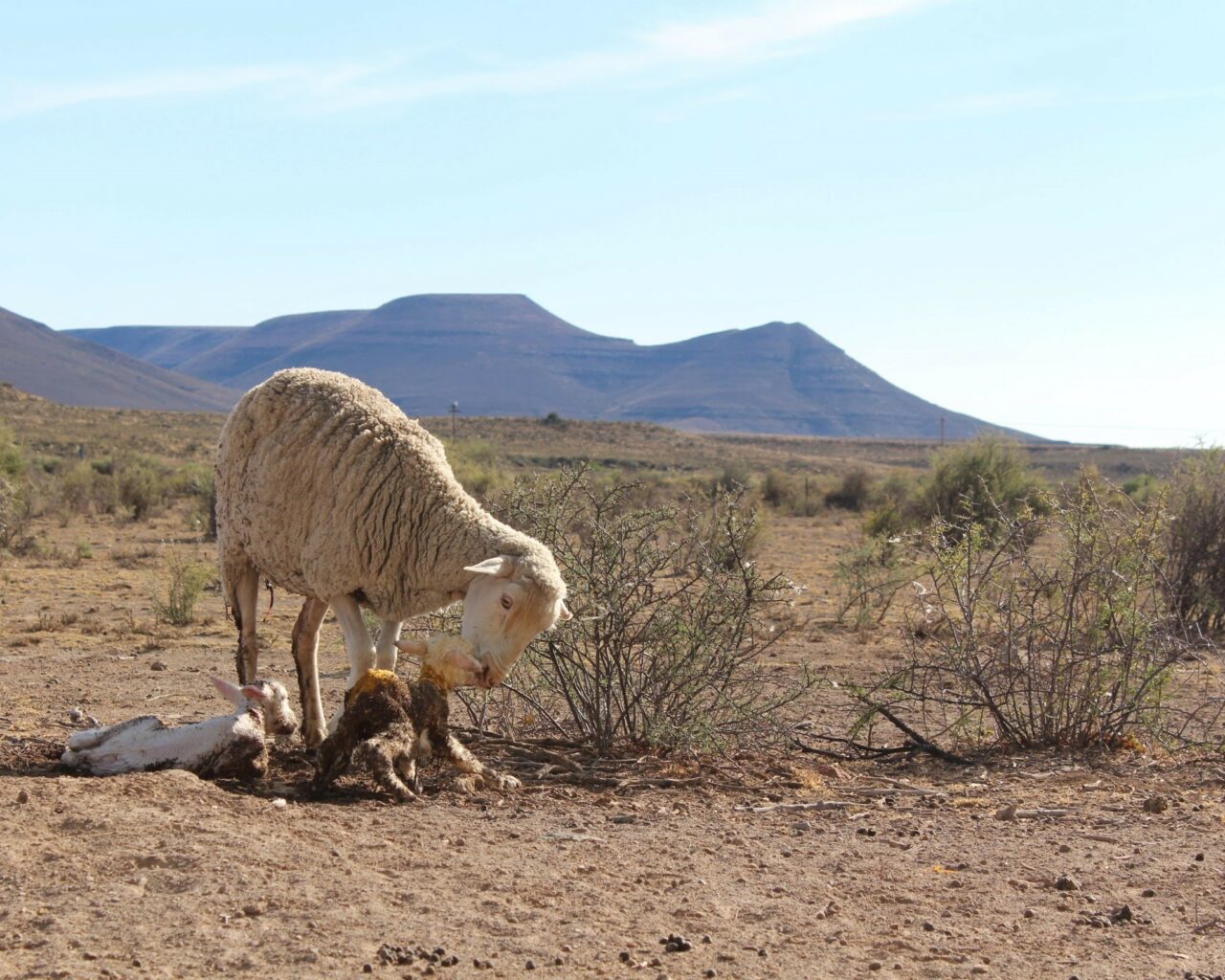
The Karoo is an iconic and timeless landscape that has been farmed for large-scale small stock production for almost 400 years. The question is, will the Karoo be able to support agriculture for the next 400 years, given the extraordinary current economic and environmental conditions? The Karoo landscape is largely intact, with natural rangeland forming the foundation for its world class small stock meat and wool production systems. However, it bears the scars of the learning curve that farmers went through to learn how best to manage this rugged but fragile ecosystem, with a loss of species diversity and soil erosion evident across the landscape.
Hard lessons have been learned. Karoo farmers are some of the most resilient, adaptable and resourceful land users in the world. The Endangered Wildlife Trust’s Drylands Conservation Programme (EWT-DCP) launched the Karoo Forever project two years ago. The project aims to capture lessons learned, spark future farming innovation, and share this knowledge far and wide. This year we launched a project specific website to make this information accessible to the broader farming community.
Both the EWT and the farmers with which we are working, believe that the Karoo can be farmed forever, and that sustainable land management and farming efficiency, including the diversification of income streams, are key to ensuring that this happens. The Karoo has the potential to sustain livelihoods in this arid ecosystem indefinitely; unlike alternative unsustainable land uses such as fracking or uranium mining – which are “flash in the pan” sources of income for a limited few, and which invariably leave devastated landscapes and impoverished communities in their wake.
With this in mind, the EWT-DCP embarked on the Karoo Forever project funded by the Global Environment Facility (GEF), and supported by the United Nations Development Programme (UNDP) and the Department of Forestry, Fisheries, and Environment (DFFE), to promote sustainable land management (SLM) in the Karoo.
The project website has links to sustainable land management resources, which include a number of topic-specific webinars. Manie Grobler, Agricultural Advisor for the Department of Agriculture (Western Cape) and Dr Louis du Pisani (all-round karoo farming expert and consultant) have each conducted a webinar series. Manie has been integrally involved in the project from the outset, helping to design the Integrated Farm Planning and Management (IFP) training course which we conducted twice for emerging farmer groups last year. The course is now also freely available online through the Karoo Forever website. The webinars form the advanced content component for the basic IFP course.
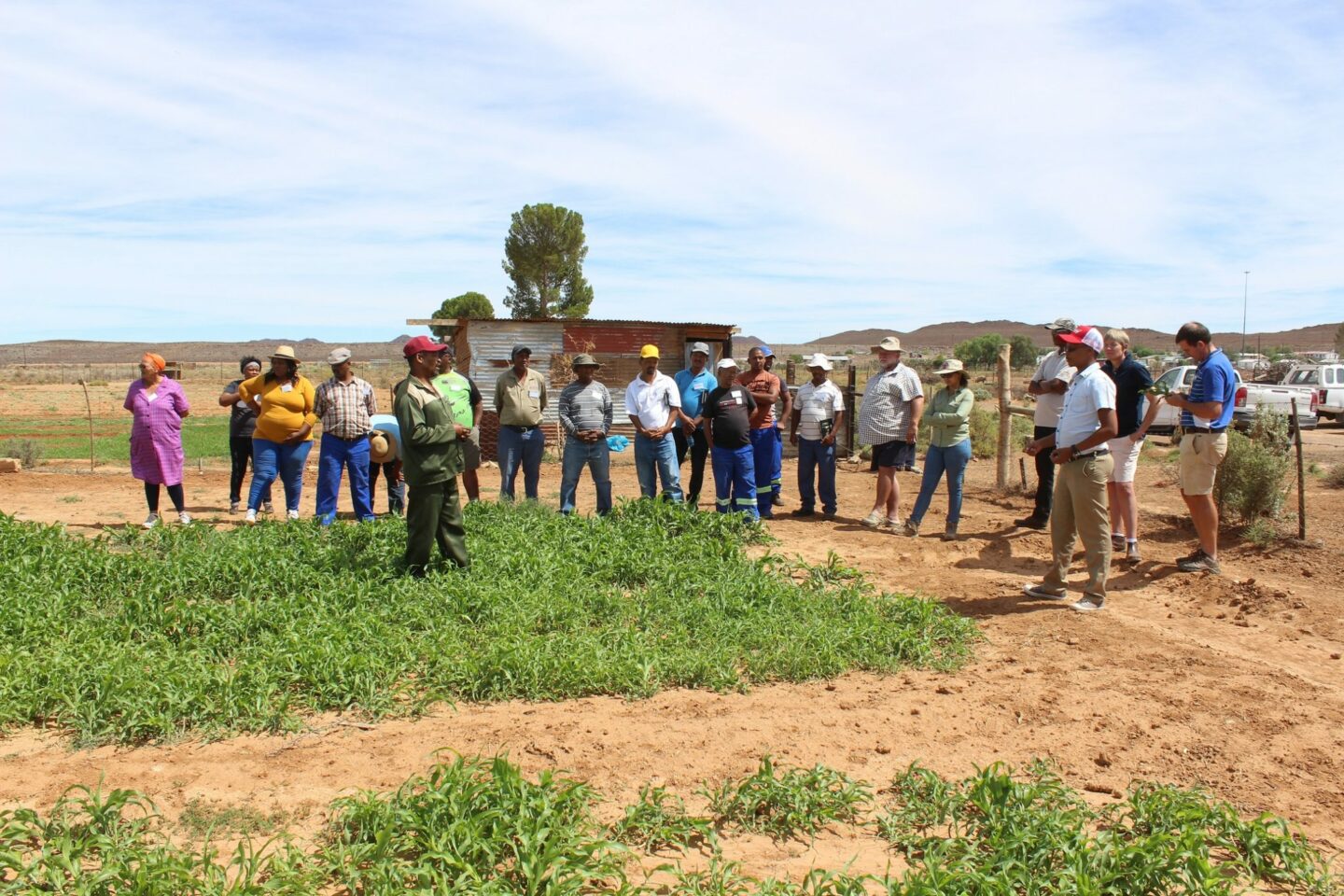
The first webinar series was conducted by Manie and focused on the Intensification of sheep production. Dr Bennie Grobler, veterinarian in Beaufort West, shared his expertise on some of the livestock health aspects as well. Intensification of sheep production has some great ecological spin-offs, in that while livestock are kraaled (periods vary according to the production system), the veld gains valuable extra rest days, and ewes lamb safely under supervision, avoiding predation during this critical period. The second webinar series focused on the Recovery of veld following drought in light of climate change. Dr Louis du Pisani, through the National Wool Growers Association, hosted this webinar series. Louis recently published a book titled Smart Drought Management for Livestock Farmers (available here). This is definitely a must-have resource for every farmer. Both Louis and Manie have a lifetime of valuable knowledge gained in the field. Their passion for all things farming is evident, and both have a great way of communicating this knowledge, which is inspiring as well as educational. Henk Cerfonteyn guided viewers through a very insightful webinar on accessing seasonal weather forecasts for South Africa, as well as understanding and interpreting these forecasts. His presentation also helped viewers obtain a perspective on the current climatic and vegetation conditions. Henk, a risk assessment scientist, worked for the Department of Agriculture (Western Cape) for many years. Although Henk has since retired, he is still sharing his passion for weather with farmers.
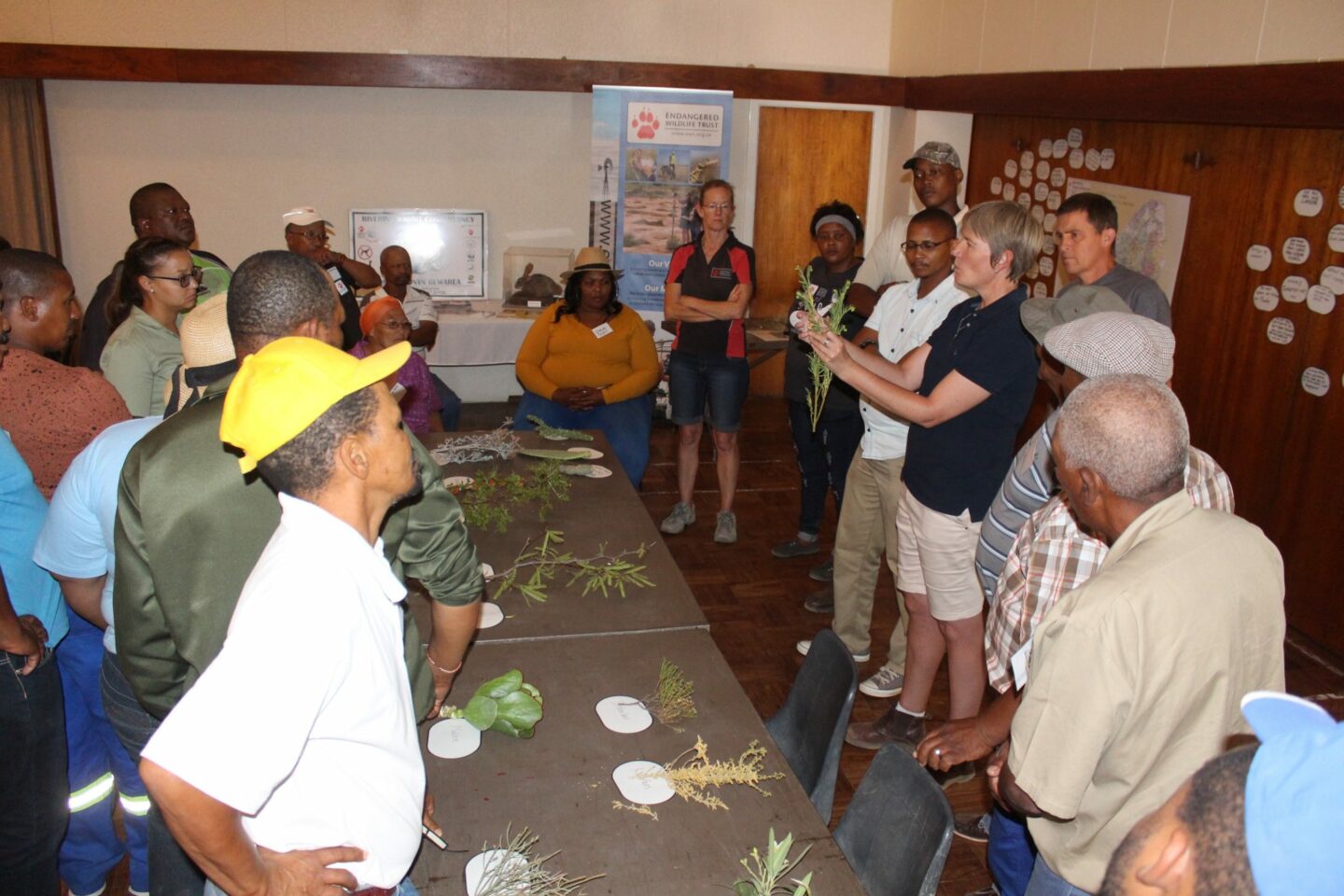
This digital approach to sharing knowledge not only reduces the carbon footprint of travel, but at this critical time in our country, allows participants to stay safe and maintain social distancing, as farmers can join in the discussions from the comfort of their homes. Fortunately, the Drylands Conservation Programme has a strong focus on technology in its approach to conservation, so we were inadvertently ready for the impact of Covid-19, with an already well-developed online platform to reach even the most remote farmers.
Thank you to the Global Environment Facility (GEF), the United Nations Development Programme (UNDP), and the Department of Environment, Forestry, and Fisheries (DFFE) for making this project possible.
Whether you have a passion for the Karoo, conservation, agriculture, or all three, please visit the Karooforever website to learn more about the exciting partnerships and project activities happening now.
