GRIET’S GHOST AND THE LONG LOST RABBIT: THE LETTAS KRAAL CONSERVATION STORY
Bonnie Schumann, Nama Karoo Coordinator, Drylands Conservation Programme, bonnies@ewt.org.za
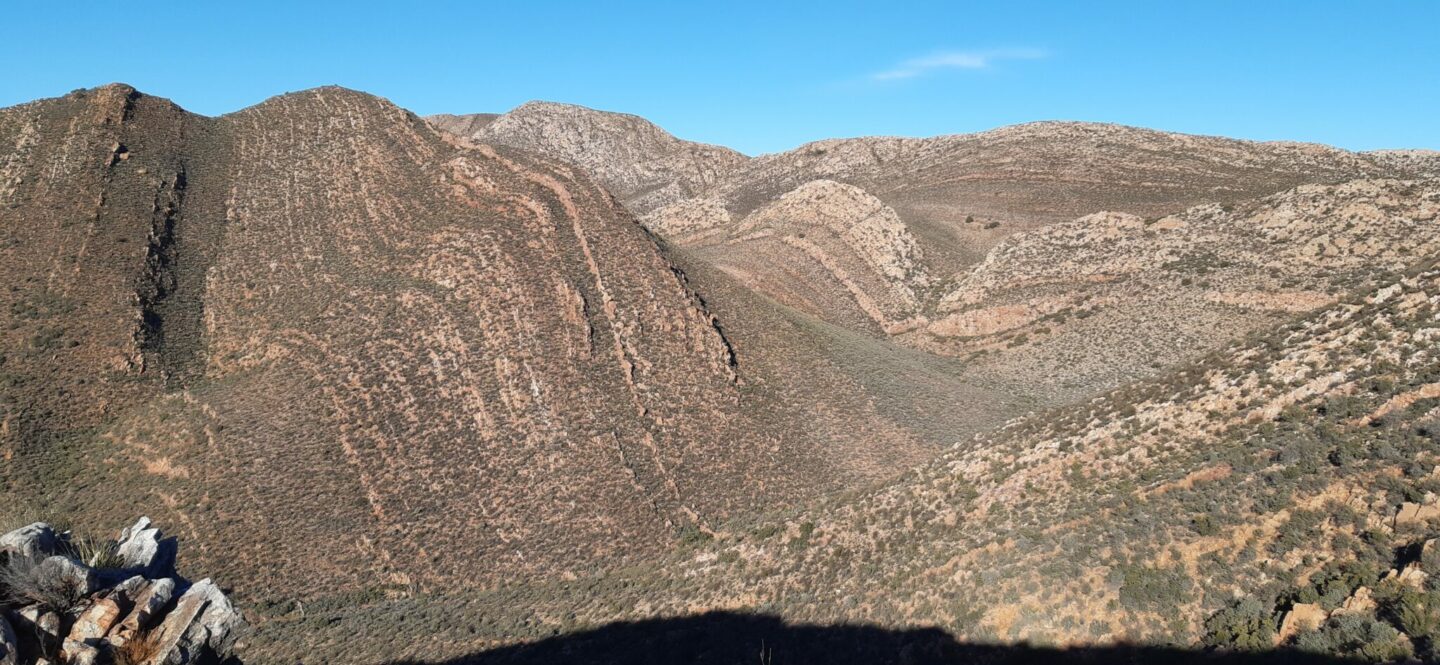
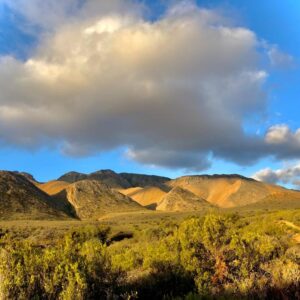
The Lettas Kraal story began a long, long time ago, with the folding of the Cape Fold Mountains that formed the spectacular landscape we see in much of the southern and western Succulent Karoo today. The ancient history of the geology of the region is written in stone, manifesting itself as the diverse, often tortured-looking, rugged topography of the Karoo.
Lettas Kraal, located in the Little Karoo near Touwsriver, has its own story to tell, not all of which has been heard. We don’t know much about Griet, the Lettas Kraal farm ghost and her little dog, who allegedly walk the road to the ruin of her old cottage regularly. Her chapter may well be lost in time. We do know that long before Griet called Lettas Kraal her home, San hunter-gatherers left their artistic legacy in the form of beautiful paintings in secret places on Lettas Kraal. Alongside the various human footprints left over time, small padded tracks, barely visible, were also being left on Lettas Kraal by one of the rarest and most historically interesting of southern Africa’s mammals. The hide-and seek-champion of the Karoo, the Critically Endangered Riverine Rabbit, remained undetected on Lettas kraal until its presence was revealed two years ago with the discovery of a Riverine Rabbit roadkill near the Lettas Kraal homestead. This elusive species has been lost and found several times since it was first discovered in the Karoo in 1901, but that’s a story for another day.
Because of a “love at first sight” encounter more than 20 years ago, this spectacular landscape with its incredible biodiversity, Griet’s story, and the survival of the Riverine Rabbit on Lettas Kraal, will be protected into perpetuity. Lettas Kraal, which has been carefully conserved and nurtured for over two decades, is at long last in the process of obtaining formal recognition as a Private Nature Reserve. This part of the story started 24 years ago.
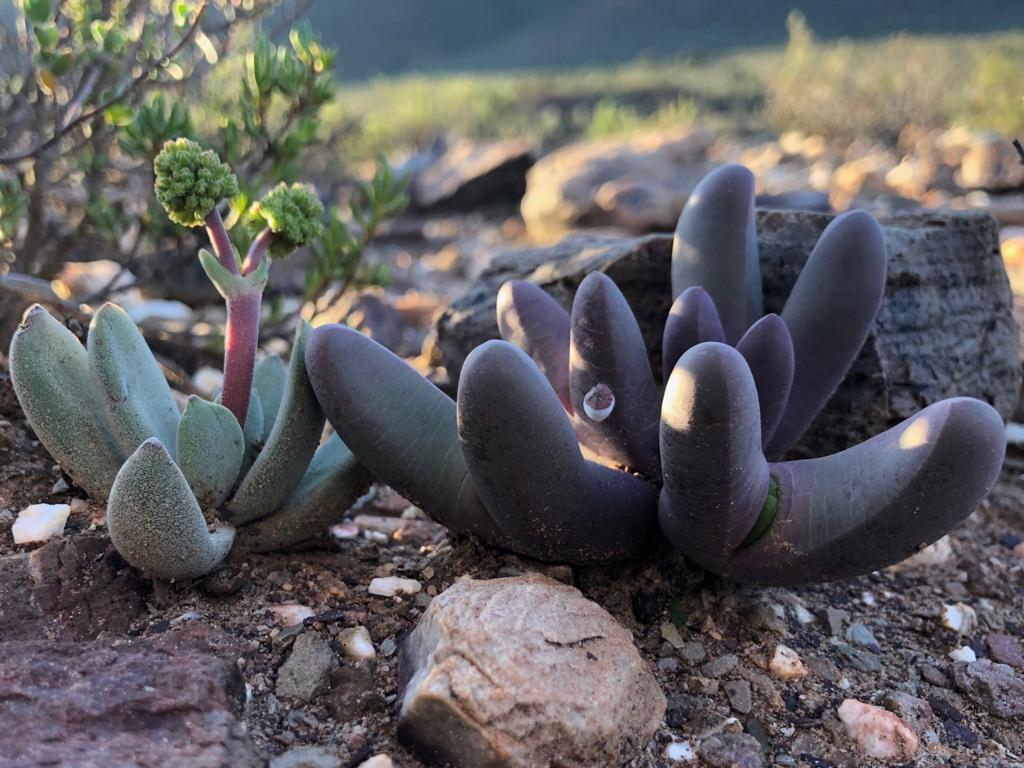
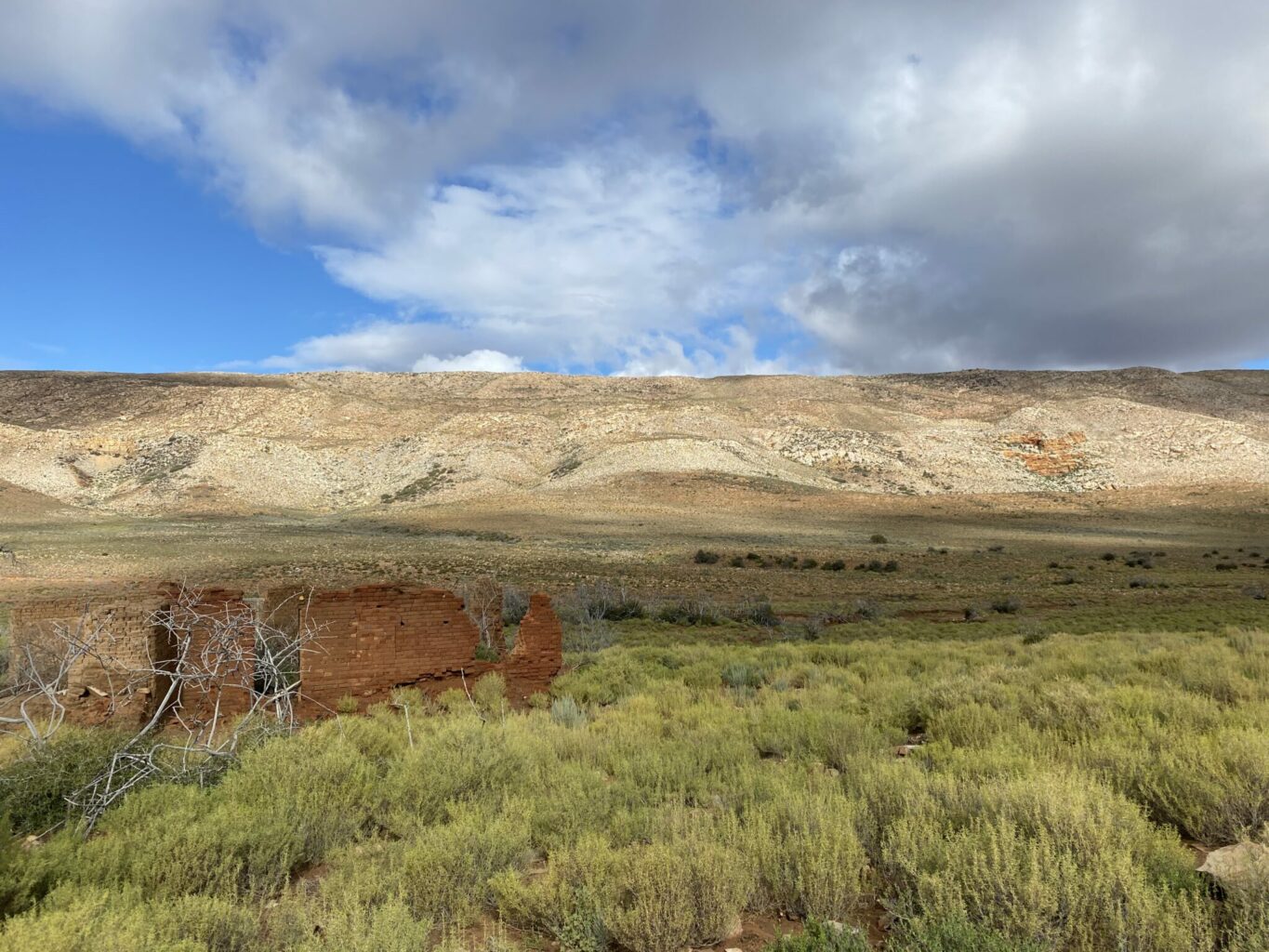
Johan Roodt, owner of Lettas Kraal, visited a neighbouring farm in 1996 and, in his own words, fell in love with the area at first sight. As fate would have it, just two weeks later, Lettas Kraal came up for sale. It was a match made in heaven. The property was heavily utilised as a commercial small stock farm in the past. However, from the start, Johan’s vision was to dedicate the property to the conservation of this region’s unique and highly threatened biodiversity. As such the veld has been rested from livestock grazing for the past 24 years. Although game, including eland and gemsbok move freely over the property, which is not game fenced, they occur at a low density. The removal of livestock and the prevailing low game numbers has allowed the vegetation to recover. Very little trampling of the veld is evident, and the healthy living soil crust comprised of tiny plants and lichens and moss is testimony to the recovery that has taken place, despite the severe drought that has plagued the region for several years. Skeletons of Karoo are proof that Lettas Kraal was not spared from the severe drought. However, following good rains this year, seedlings can be seen germinating all over, and life is rapidly returning to the veld.
The topography of the property is diverse, ranging in altitude from about 670 m above sea-level in the valleys to mountain peaks over 1,200 m high. The varied topography yields a wide variety of habitat types, in turn supporting a fascinating range of plant and animal species. The main vegetation types that occur on the property include Matjiesfontein Quartzite Fynbos, Matjiesfontein Shale Renosterveld, and Western Little Karoo. Only a small portion of the farm (less than 50 ha), is used for farming operations, including some irrigated grazing, horse paddocks, and an olive tree orchard. The farm has its own artisanal olive oil press, which produces highly sought-after olive oil for the boutique market under the Lettas Kraal label. Lettas Kraal is also the location of an approved African Horse Sickness Quarantine Station for horses moving into the horse sickness controlled area in the Western Cape, and the horse sickness free area in Cape Town. Johan also stables his dressage competition horses, which compete in the top rankings in South Africa, on Lettas Kraal. The rest of the 7,000 ha property is dedicated to conservation, and Johan approached the Endangered Wildlife Trust (EWT) and CapeNature to formally secure the protection of this unique piece of land.
Lettas Kraal lies within the Succulent Karoo Biome, recognised as a global biodiversity hotspot. In addition to the biodiversity value of the property, Lettas Kraal also borders the spectacular Anysberg Nature Reserve, and when declared, will expand the existing protected area considerably. The EWT carried out a small targeted camera trap survey in 2019 and confirmed the presence of Riverine Rabbits on Lettas Kraal. After consideration, the provincial conservation authority has given the green light to proceed with the declaration. The Endangered Wildlife Trust is partnering with Lettas Kraal to complete the declaration process, and carry out surveys to develop comprehensive species lists for the property.
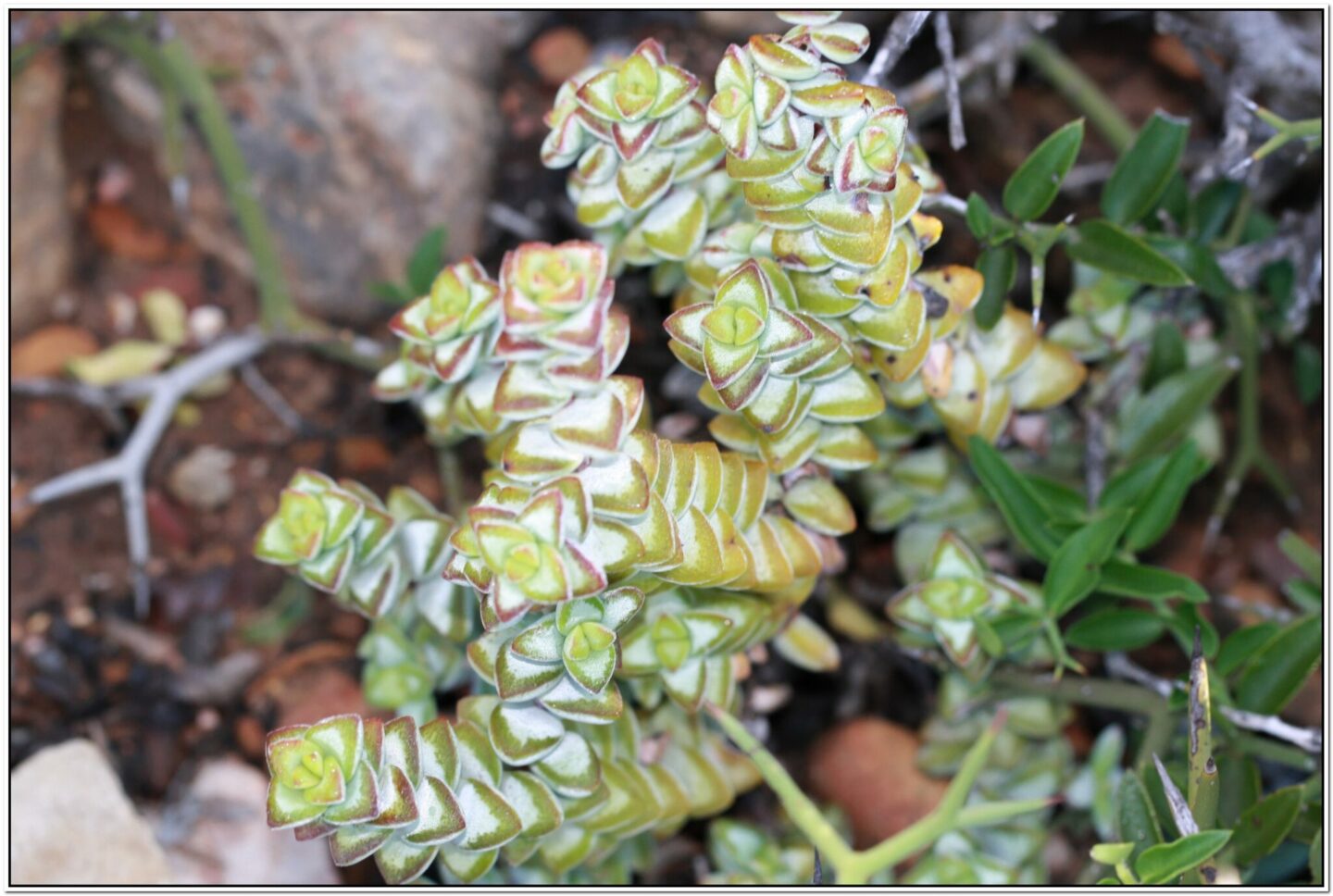
The first step to developing an inventory of all things great and small on Lettas Kraal took place in July. An intrepid group of very determined conservationists went head-on with a mammoth cold front, racing the weather to place 98 camera traps on Lettas Kraal to survey biodiversity. EWT’s Bonnie Schumann and Esther Matthew headed the expedition. Johan and his wife Tessa (who also hiked with teams), and good friends Renier Balt and his wife Millene, managed travel logistics on the farm, to ensure teams could access all the camera stations by the fastest routes possible.
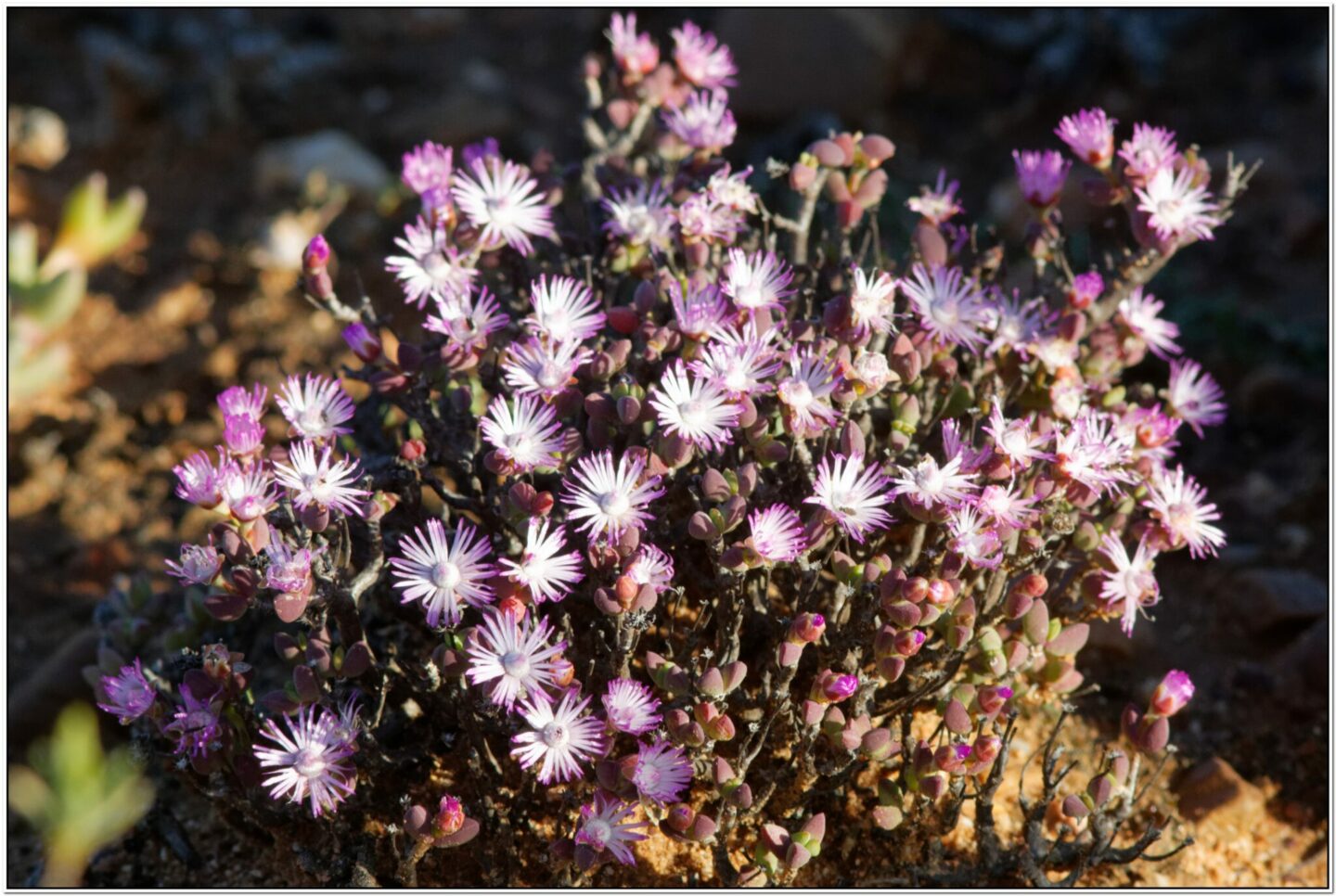
Marius Brand and his team from the Anysberg Nature Reserve lent a much appreciated neighbourly hand, helping to carry the heavy stakes for the cameras, and sharing expertise placing cameras in this rugged terrain. Certain camera stations were placed to target leopards, with two cameras being placed opposite one another, to enable individual identification of any leopards photographed. The Cape Leopard Trust’s Anita Wilkinson and Jeannie Hayward joined the expedition to share their leopard (photo) capturing expertise. Sites needed to be carefully selected to increase the odds of capturing images of these elusive carnivores. Carina Becker, Manager of the Rooiberg Breede River Conservancy (which is supported by the Leslie Hill Succulent Karoo Trust from WWF-SA), also joined the expedition, both gaining and sharing experience in camera placement. Teams hiked up to 14 km a day, through rugged terrain and in freezing temperatures, managing to finish the placements in just two full days, proving the adage that “many hands make light work”.
And so begins a new chapter in the Lettas Kraal story. Partnerships between private individuals, provincial conservation authorities, and NGOs are critical to ensuring that South Africa’s biodiversity is adequately protected. The Biodiversity Stewardship Programme is the perfect tool to facilitate this vision of extending biodiversity protection outside of the state-owned National Parks and Nature Reserves. Private and communal landowners and users are the custodians of most of our biodiversity, and the biodiversity stewardship mechanism offers the opportunity to formally recognise their valuable role in ensuring ecosystem functionality and critically important biodiversity conservation across landscapes and biomes. The EWT Drylands Conservation Programme’s work is made possible through the support of, and partnerships with, landowners.
Our broader work in the Drylands landscape forms part of the Global Environment Facility (GEF5) funded Sustainable Land Management Project at the United Nations Development Programme (UNDP), in partnership with the Department of Forestry, Fisheries and the Environment (DFFE). Projects are also supported by Rand Merchant Bank.
A TRIBUTE TO A TRUE CONSERVATION HERO
Tanya Smith, on behalf of the EWT family
“It is not length of life, but depth of life”
Ralph Waldo Emerson
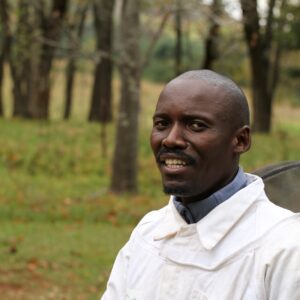
This is no truer than for Thabo Madlala, a life too short but a life so deep.
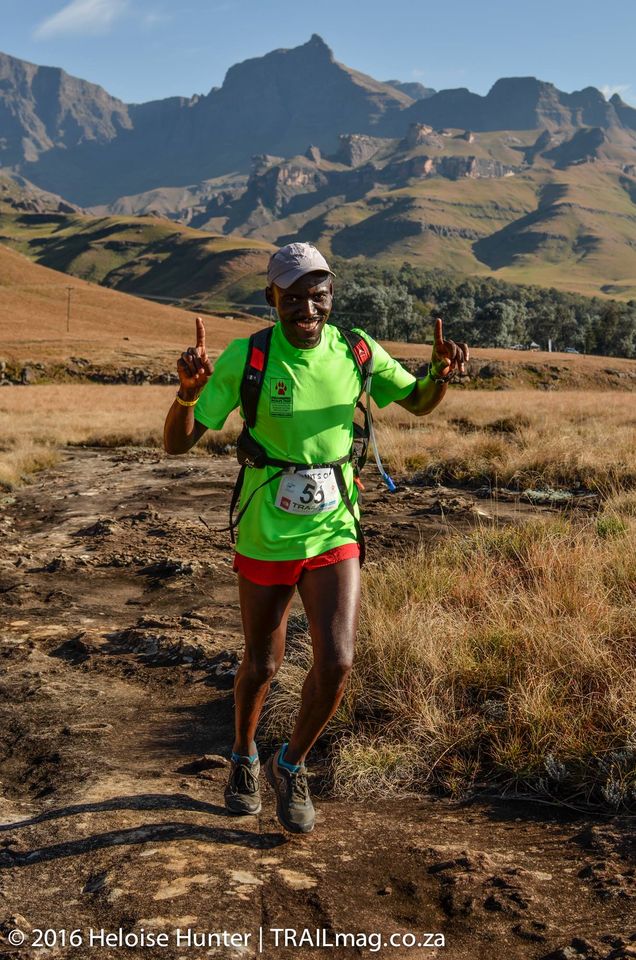
We as the EWT family are incredibly saddened and heartbroken over the passing of Thabo Madlala, our Drakensberg Community Project Officer within the Crane Programme. Thabo joined the African Crane Conservation Programme, under the EWT/ICF Partnership in 2013 as an EcoRanger, bringing with him his unwavering love of nature, passion for people and an understanding that together we can make a difference. Thabo was a humble and thoughtful man, who listened attentively and spoke truthfully – his love of the Drakensberg mountains (his home) fuelled his commitment to ensure the youth of today nurtured a love of nature, the mountains, the flowing rivers, the wild flowers and our cranes. In 2016 he initiated the Mqatsheni Hiking and Environmental Solutions club, as a way of getting youth excited about the Southern Drakensberg mountains that surrounded their homes in Mqatsheni. Please see this video shared on Thabo’s Facebook to see the impact that hiking club has had on young men and women.
Thabo was passionate about so much, his wife and his five children being his first, his passion and love for running his second, and a more recent passion being bee-keeping. Thabo was a wonderfully talented bee-keeper and developed and mentored new bee-keepers in the Southern Drakensberg, establishing the small enterprise “Drakensberg Indigenous Honey”. Thabo touched the lives of so many and has left a legacy of compassion, conservation and conversation. We share our heartfelt condolences to his family, friends, colleagues and anyone who feels the loss of his life gone too soon.
WOMEN’S MONTH INTERVIEW WITH HONOURABLE MINISTER BARBARA CREECY
Megan Murison, EWT Communications Officer, meganm@ewt.org.za The EWT had the privilege of chatting to the Minister of Environment, Forestry, and Fisheries, Barbara Creecy, for our Women’s Month campaign, highlighting strong female role models and the critical roles women play in building a resilient and equitable society. Honourable Minister Creecy spoke to EWT CEO Yolan Friedmann and Field Officer for the Wildlife and Energy Programme Ndzalama Chauke.
Minister Creecy was appointed to President Ramoposa’s cabinet approximately a year ago and has been working in the governmental space since 1994. Minister Creecy spoke to the impact of environmental degradation and how it is the most vulnerable communities who are most harshly impacted. Since becoming a mother, she is more conscious of and concerned by the threats facing the future of our planet.
Please see the full interview to hear the fascinating perspectives shared by one of our leading ladies.
It is necessary to highlight the profiles of women in positions of power as role models for the youth, particularly young women.
THE FEMALE OF THE SPECIES IS DEADLIER THAN THE MALE
Wendy Collinson-Jonker, Programme Manager EWT Wildlife and Transport Programme, wendyc@ewt.org.za
Men have dominated our society and controlled our commerce for most of recorded history. Rudyard Kipling’s poem, written in 1911, implies that women are more dangerous than men, referring to animal species in which the female is more aggressive than the male. A prime example of this is sexual cannibalism, a behaviour in which a female animal kills and consumes the male before, during, or after copulation, common amongst insects. Female dominated societies, such as matriarchal elephant herds and hyaena clans, are also observed in the animal kingdom. Does this make the female more dangerous? Highly unlikely, but it may make her more vulnerable.
Historically, women have commonly been referred to as the “fairer sex”, usually based on their apparent vulnerability and appealing looks, and it seems this stereotype is hard to escape. Women’s beauty is another trait that some believe makes her more deadly, but most of the time, it just makes her more vulnerable. In other species, however, it is often the other way around, with the males much more appealing in appearance than the females. According to Charles Darwin, this was due to two characteristics related to sexual selection: those physical traits that serve as weapons, allowing males to fight for access to females, such as the impressive horns on Kudu bulls, and those ornamental traits that attract the attention of females, such as long tails and bright colours on male birds. As a general rule, birds typically have specific breeding periods (seasonal breeding) so that offspring are born or hatch at an optimal time. The same is true for amphibians and reptiles, also reliant on ambient temperature, precipitation, availability of surface water, and food supply to breed. Mammals, fall more into the category of opportunistic breeders, and are reliant upon other conditions in their environment (aside from time of year), such as prey or forage availability, and can have multiple litters in a year.
Understanding animal behaviour such as breeding habits is critical to understanding the specific threats to our wildlife. Not only does breeding behaviour place wildlife in threatening situations, but these threats, in turn, have an impact not only on the number of live individuals but also on the breeding success of species. A Giant Bullfrog, for example, emerges from hibernation after the first rains and migrates to a different area to breed. Giant Bullfrogs in Gauteng are often required to cross multiple roads to get to their potential mates, and they get killed in their thousands by vehicles, drastically reducing the number of breeding individuals. Of course, this is one of the reasons they are what we call “explosive breeders”, having adapted to emerge and migrate in their thousands, as many simply don’t make it to the other side.
The EWT’s Wildlife and Transport Programme (WTP) has been gathering wildlife road mortality in South Africa since 2013, not only to determine which species are most at risk but also to determine what impact this may have on their populations. One of the ways by which we do this is training route patrollers from three of the toll concessionaire companies (namely, N3 Toll Concession, Bakwena N1/N4 Toll, and TRAC N4) to gather roadkill data, which helps us understand what is happening on these highways.
To date, we have almost 20,000 data points, identifying species most at risk, but most of these do not include the gender of the animal, since it is quite challenging to determine in many species, especially if the animal is very squashed. We know from research undertaken elsewhere in the world that is important to ascertain whether it is males or females being killed on the roads. But why?
We know that male amphibians are very reliant on their vocalisations to not only protect their territory but also to attract a mate. A study in Brazil in 2017 showed that traffic noise affects amphibian calling behaviour, and if a female cannot hear the male call, then breeding is compromised. A collateral effect of this is that the females may spend longer trying to locate males, and her chances of being hit on the road are increased. A study in France showed that more male snakes were killed during their breeding period (especially in species where mate-searching males travel widely), while females in oviparous species are killed during their egg-laying migrations. In North America, male bears chose to avoid roads, while females elect to cross them, but in Australia, more male kangaroos are killed on the roads than females. No matter what the species, roads effectively create “invisible” barriers between wildlife populations, which is something we as humans have experienced during the COVID-19 pandemic, social distancing creating an invisible barrier between friends and families.
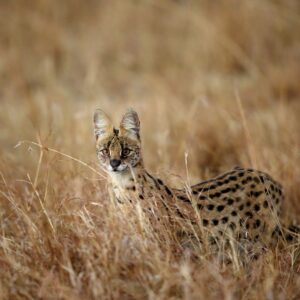
One of the mammal species most impacted on South African roads is the Serval, especially on the N3 highway, with almost 250 killed since 2014. The habitat along the N3 is very favourable for Serval, and we are working closely with N3 to implement some solutions to prevent Serval mortalities. However, information on the sex of the animals being killed is limited, and this information is key to understanding the effects of roadkill on the breeding viability of populations. For example, if more females are being killed, then this will decrease breeding success, while if it is young, dispersing males, this will have less of an impact. To expand on our knowledge and address threats to specific species. The WTP, where possible, will gather information about the sex of a roadkill specimen to understand more about species’ behaviour around roads.
Thank you to the loyal supporters of the Wildlife and Transport Programme, namely Ford Wildlife Foundation, De Beers Group of Companies, N3 Toll Concession, Bakwena N1/N4 Toll and TRAC N4.

WOMAN OF THE WIND
Megan Murison, Project Officer, EWT Wildlife and Energy Programme (WEP), meganm@ewt.org.za
Ju-Ann Joseph is a field officer for the EWT Eskom Strategic Partnership, stationed at the Sere Wind Energy Facility (WEF), located along the west coast of South Africa. The WEF became operational in March 2015, and biodiversity monitoring activities began in May 2015 by four local EWT staff members. Still working with a team on Sere WEF, Ju-Ann is one of the original four staff members and has participated in the full five-year post-construction impact monitoring at this site.
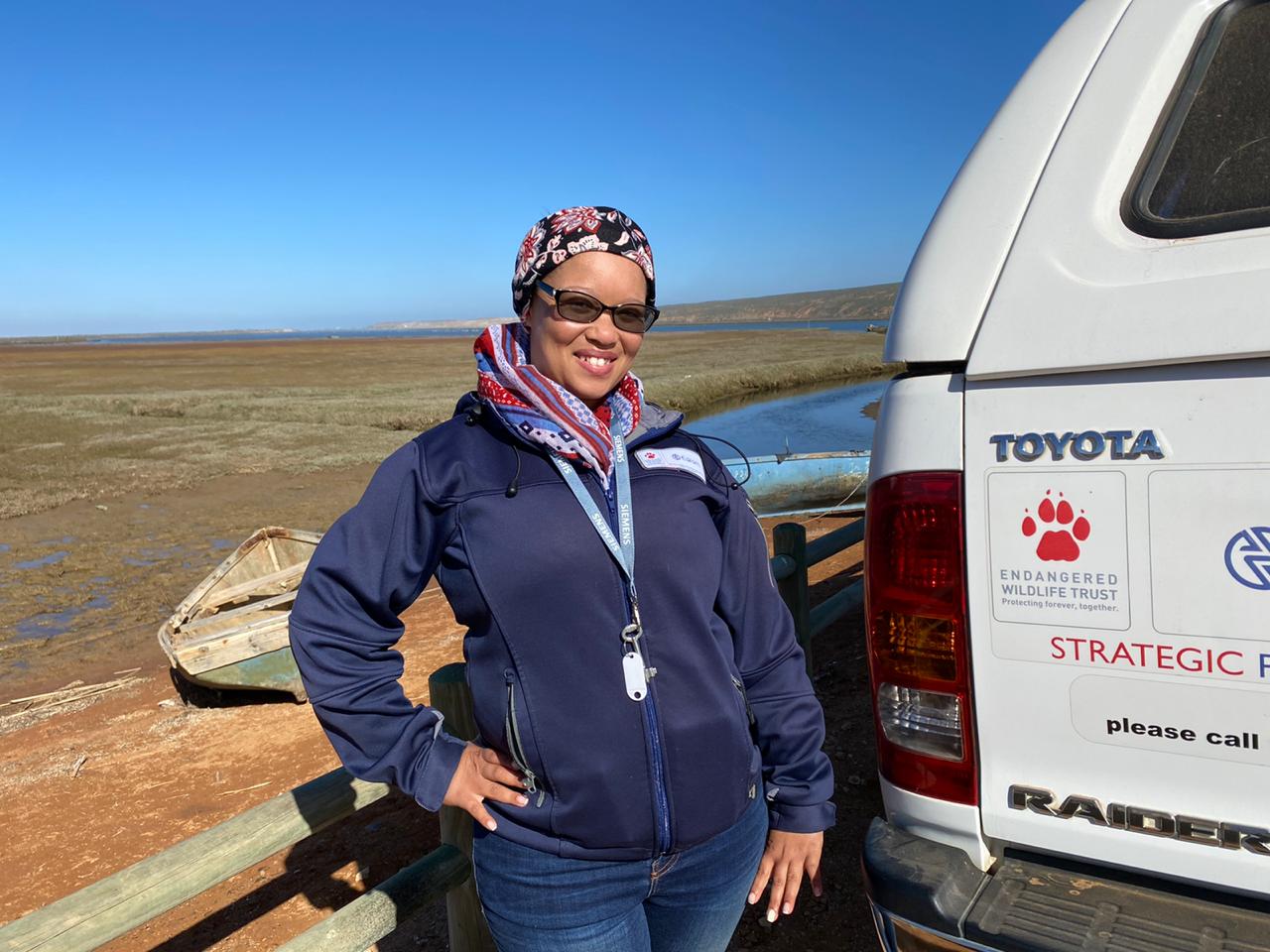
Ju-Ann hails from the small town of Lutzville and works alongside her female cohort on Sere WEF. Not only is the work being conducted by this team remarkable, but it is truly a feat in terms of the strenuous activity that the position requires. The job consists of repeated transects through dense, spiny vegetation on soft dune sand. Environmental obstacles are often encountered, such as the near-daily presence of snakes, howling wind, and extreme temperature variations (0˚C to 43˚C). But she doesn’t let this get her down. Ju-Ann’s positive attitude is evident when asked about her role at the wind farm: “We are always learning something new, and we are passionate about nature. A personal benefit is that our exercise is included in the work!” Ju-Ann’s dedication to conservation is living proof that a women’s place is everywhere and a much-needed part of conservation. As of June 2020, Ju-Ann has:
- Walked over 6,500 km under turbines during searches
- Completed 60 power line surveys (totalling 2 640 km on a sand track)
- Worked a total of 1,196 days
- Travelled 107,640 km between Sere and her home
- Completed various training courses facilitated by EWT:
- Bat and Bird Searcher Efficiency
- Snake Awareness, First Aid for Snakebites, and Venomous Snake Handling
- General office admin for computers and electronic devices
- First Aid Level One
- AND she received her Code 10 Drivers’ Licence!