THE SOURCE OF OUR SURVIVAL
Bradley Gibbons, EWT African Crane Conservation Programme, bradleyg@ewt.org.zaIf you think about water, what is the first thing that comes to mind? Is it drinking water or having a shower or perhaps washing clothes? Imagine not being able to do any of these things – a world without water. That is simply impossible to comprehend. LIFE depends on water.
When some people are asked, “where does water come from?”, often the answer is “from a tap” or these days “from a bottle”. For many city dwellers, this may seem a logical answer, but many thousands of people living in rural areas must walk, sometimes many kilometres, to the closest river or stream to do their washing and take buckets filled with water back to their homes. They are very aware of the value of water, of its source, and the consequences of a river running dry.
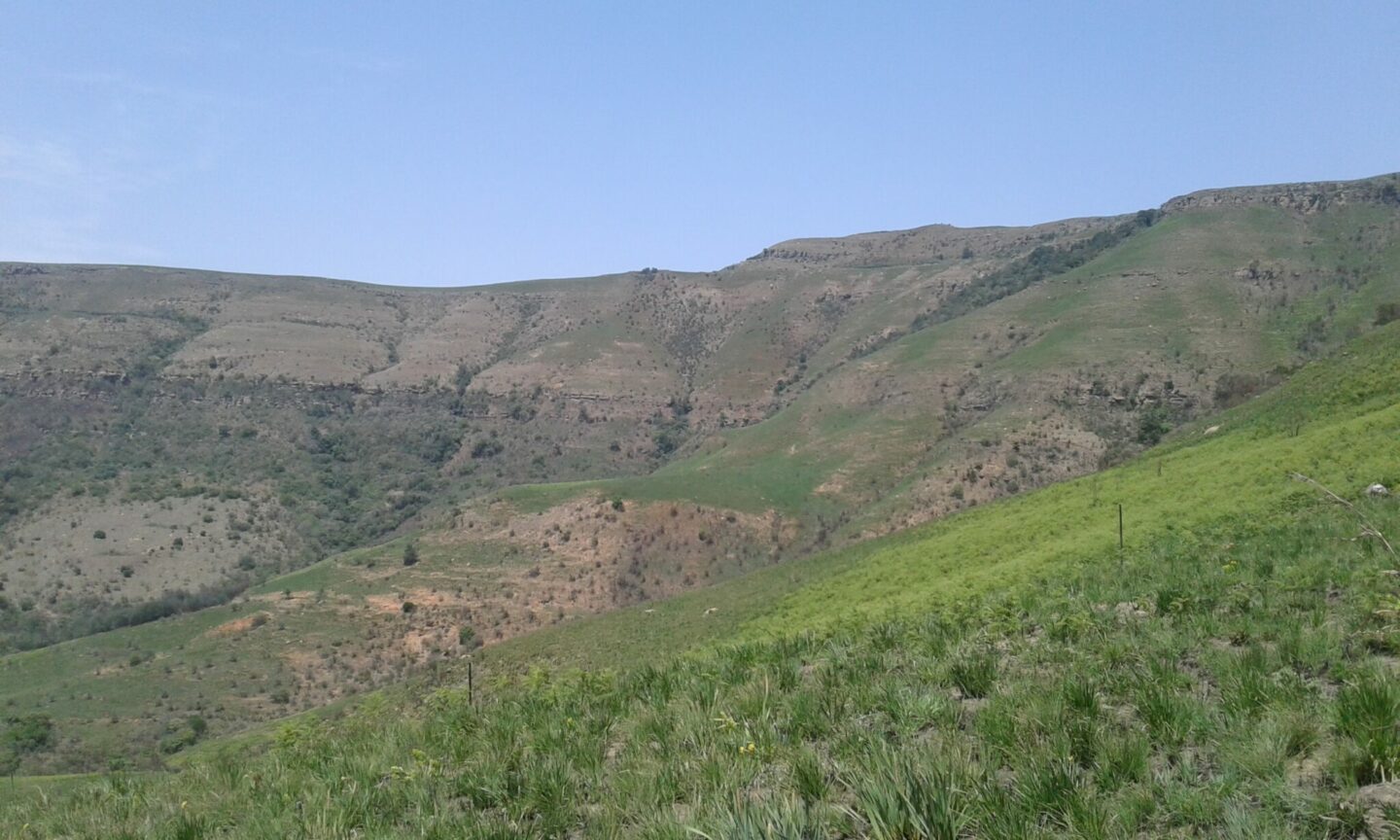
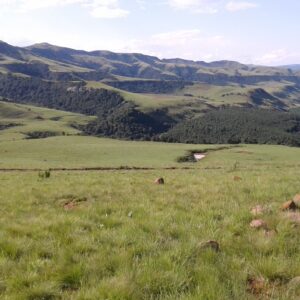
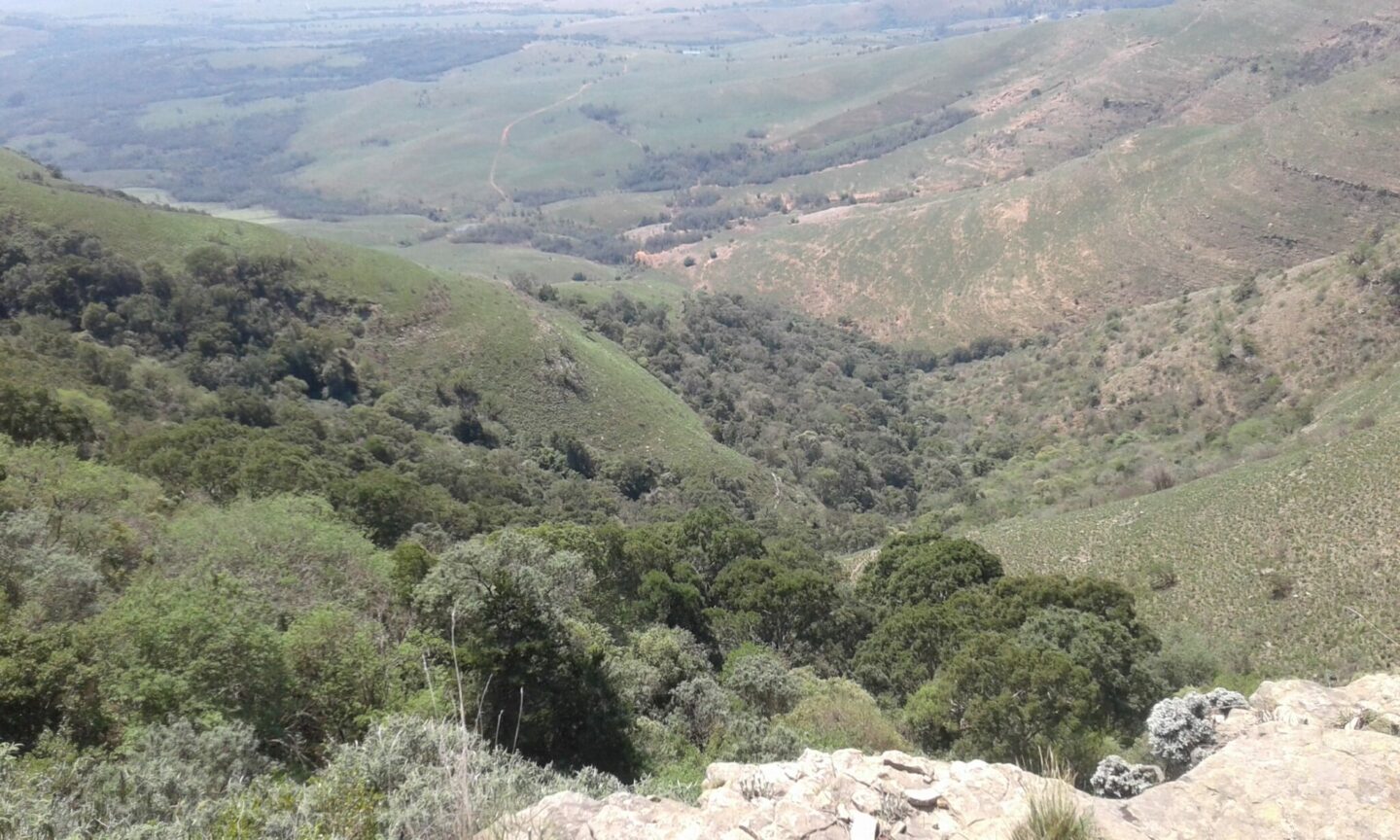
It is probably a little-known fact that mountains, approximately 10% of the country’s land area, supply water to about half of the country. These mountains are the “water factories” that feed their precious “blue gold” into rivers such as the Vaal, which carries it through the country to be syphoned off to supply towns and cities such as Johannesburg.
An example of a massive “water factory” is the Eastern Great Escarpment region found in north western KwaZulu-Natal and north eastern Free State that forms an important part of the Thukela and Vaal Rivers catchments. A water source area such as this one needs to be protected at all costs, not only for the supply of water for future generations but also for its biodiversity value. If these mountains are compromised in any way due to unsustainable developments or habitat degradation, there are massive impacts on the supply of fresh, clean water to many thousands of people.
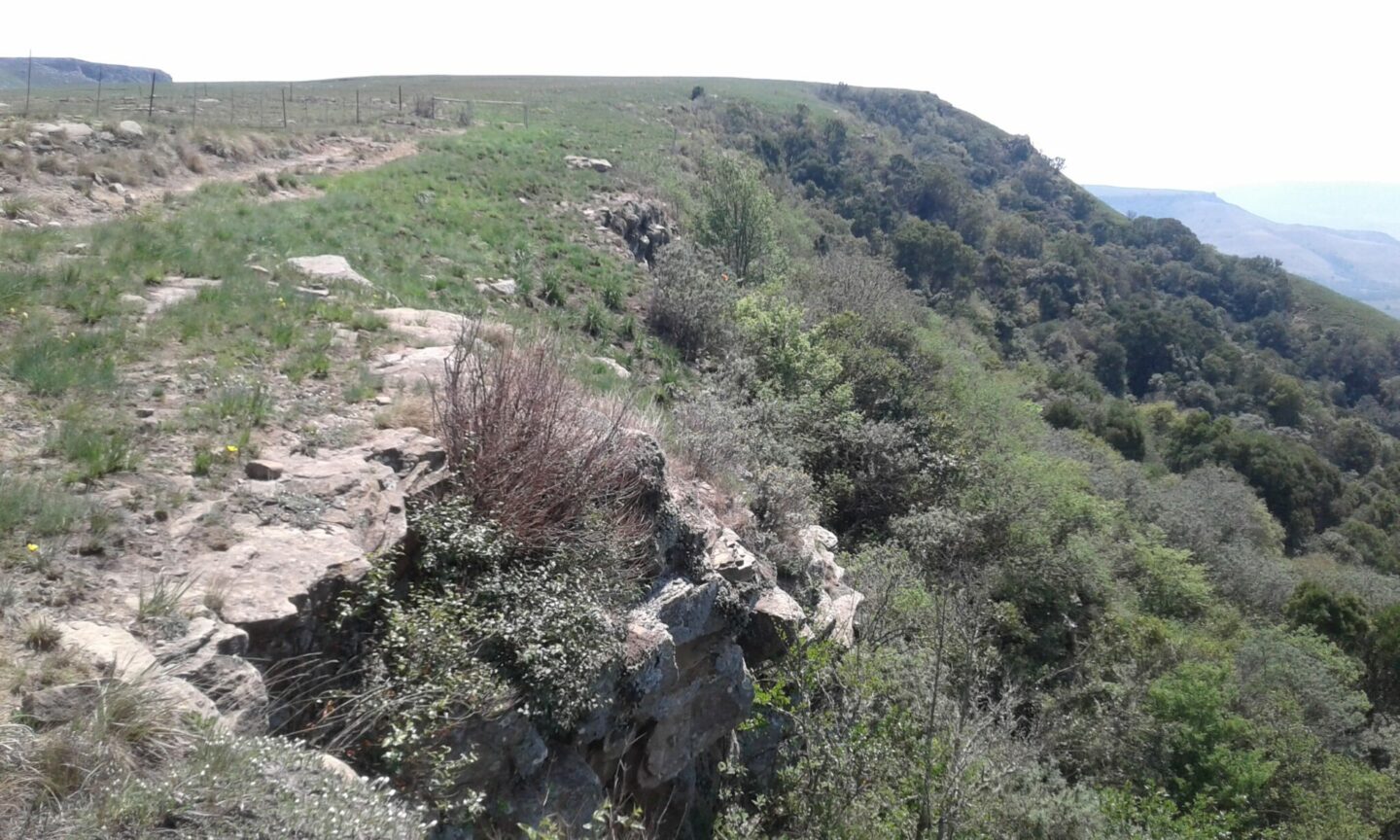
The Endangered Wildlife Trust is engaging with landowners in the Eastern Greater Escarpment to get their commitment to conserving their farms through biodiversity stewardship, whereby their farms are formally proclaimed as Protected Environments or private Nature Reserves, depending on the biodiversity value of the farm. By doing so, farmers will help safeguard these water sources into the future. A classic example of a Biodiversity Stewardship site is the uMsonti Nature Reserve proclaimed in May 2019, located south-west of Newcastle in the region formally known as ‘Holkrans’. Not only does this site safeguard the forest patches but also protects the source of the water for the Thirsti water bottling plant.
Please make use of water-saving tips to reduce your water usage and contribute in any way you can to the protection of the mountains and catchment areas that supply the water critical to our sustainability and continued quality of life in this semi-arid country.
A WORD FROM THE CEO
Yolan Friedmann, EWT CEO
yolanf@ewt.org.za As I write this, our country has moved to lockdown level one and hopefully, with that, a return to some kind of normal life for millions of South Africans as they struggle to rebuild their lives and businesses from the wreckage of the past 12 months and mourn the loss of what can never be recovered or rebuilt. What the ‘new normal’ will be is anyone’s guess, and no-one seems to want to predict life beyond the next 30 days anymore. What 12 months have done to change our world and ourselves! A year ago, human beings around the world were anxiously debating the possibility of the “Wuhan virus” ever reaching our various shores or alternatively, were bracing for millions of deaths along the lines of the Spanish Flu, whilst just as many were pretending that life would never change so why worry?
But life DID change; let’s recount just some of the ways: In just 12 months, humans the world over have witnessed complete and total economic shutdown; buried family members and friends; lost businesses and jobs, created new ones online; seen corporate giants like MSC Cruises and Victoria Secret crash whilst Zoom shares skyrocketed; learned a new language that included words like “pivot”, “unmute” and “lockdown”; we all learned to wear earphones and masks, some more stylishly than others. And some of us not, just as a political statement. COVID turned us into pandemic denialists, anti/pro-vaxers, statisticians, fake news mongers, PPE tenderpreneuers, homeschoolers, beggars, thieves, heroes, medical experts, ginger horticulturalists, cultural bigots, and social connectors, all online, of course. Essential permits were issued, and homebrew recipes were exchanged. We lambasted rules that made no sense whilst we fed an insatiable black market that grew on the side. Beachgoers became criminals, and the skies became quiet with the absence of air traffic. Our conversations transformed in 12 months from blaming China to blaming Bill Gates. We admired Sweden, and we all know more about herd immunity than our GP does. It’s a crazy world for sure, and I cannot imagine anymore what the next 12 months will bring.
But here’s the thing: all of this has only affected the human species and the crazy, artificial world that we have built for ourselves, under the guise of development and civilisation. For all the madness in our world, Mother Nature continued to pass the passage of time with very little interruption or disorder. Lions continued to hunt their prey, Southern Right Wales went south to Antarctica, and tadpoles grew from eggs into frogs, all in the perfect order of things. Rain fell on the savannahs and prairies and night stars shone (more brightly perhaps) as they have for millennia. Humans believe that our world is tough and robust and built to last, whilst in fact, the more we construct a civilisation that is removed from nature, the more vulnerable we become. We rely on governments to give us food grants and supply us with water, to remove our effluent and educate our children. We rely on businesses to feed our families, and we need strangers who may not even exist to tell us the ‘truth’. We value paper with presidents’ heads printed on it above compassion and equality, and we demean those who tell us otherwise. And all the while, we believe we have dominion over the Earth and must control everything that lives on it – whether they need us or not. It is a strange world, isn’t it, and we are a very strange species.
I hope that some people have at least learned some important things this past year. It may not be the politicians or big business, and it probably won’t even be those we most trust to lead us in times just like these. It will probably be those we write off as weird or different, or perhaps even a vegan or two. But maybe some people took note of how much better and safer and healthier our lives would be, and how more predictable our future could be if we took a few steps backwards and were a little less ‘civilised’ and a little more ‘back to nature’. I, for one, hope that the next 12 months take us back a little if it means creating a healthy planet and an equitable world that values and sustains the diversity of all life. And, as this is the Vison of the Endangered Wildlife Trust, we believe that this is the only future that we should be working towards in the 12 months to come. Either way, we will be with you on this journey as we learn from nature the most important survival lessons we will ever need.
Here’s to the 2021 ride.
Yolan Friedmann
CEO
TECHNOLOGY TAKING CONSERVATION TO NEW HEIGHTS
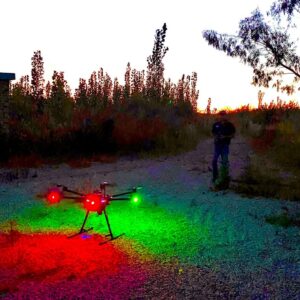
Matt Pretorius, Wildlife and Energy Senior Field Officer and RPAS pilot, mattp@ewt.org.za Whether used as toys or tools, drones are no longer a novelty. Coupled with advances in artificial intelligence (AI), drones now have a role to play in most industries, and the scope of our imagination is the only limitation. Drones deliver much-needed medicine to remote communities; scan compromised infrastructure for survivors during emergency disaster response; facilitate smart agriculture; and drop small explosives for the controlled triggering of avalanches, as just a few examples. Of course, there are more sinister potential uses for drones, from spying on your neighbour to so-called ‘slaughterbots’ – terrifying autonomous microdrone assassins with Artificial Intelligence for facial recognition. The latter may sound far-fetched; however, the line between science and science fiction may not be so cut-and-dry when it comes to drones.
Imagine what this technology could mean for conservation? Well, in truth, it has already shaped the future of our industry. Drones have been used in various scientific studies, from detecting rare animals and counting colony-nesting birds to mapping habitats and creating 3D scans of trees. The main practical advantage of a drone is its ability to go places that humans and their traditional modes of transport can’t, and the most significant benefit is that it can safely perform the same tasks by eliminating the need for people to get into dangerous situations. For people working in conservation, these benefits apply not only to airborne activities but also to those conducted in places that are hazardous for humans.
Perhaps one of the best recent examples came in early 2020 when an Endangered Griffon Vulture was killed when she collided with a power line in Israel. Conservationists monitoring the chick she had been rearing needed to find a safe way of feeding it in its mountain top nest, which was completely inaccessible on the cliff face. With the help of a technology start-up and the military, a ‘mama drone’ was deployed to deliver food to the chick, effectively rearing it until it fledged successfully. While the benefit of using the drone was significant in terms of human safety, the project ticked another box: eliminating the need to take the bird out of its natural environment to save it.
But how do wild animals respond to these flying intruders? Is it ethical to use a drone to get close to an animal when it results in a stress response? Perhaps the better question is whether using a drone is less or more detrimental to the animal than current/traditional methods. These questions must be considered before undertaking any new conservation project using drone technology.

In South Africa, drone systems are formally known as remotely piloted aircraft systems (RPAS). Realising the variety of use cases for RPAS in conservation, the Endangered Wildlife Trust set out to become a legal drone operator in South Africa in 2017. The non-profit, corporate, and commercial use of drones is regulated by the South African Civil Aviation Authority (SACAA), and organisations looking to operate within the legal framework enforced by the SACAA must obtain an RPAS Operating Certificate (ROC). Getting an ROC is quite onerous in terms of the various licences, registrations, and certifications an organisation must acquire – so much so that, unfortunately, many drone pilots are put off by this process and choose to operate illegally. The long road to obtaining an ROC culminates in a base inspection and a demonstration of operational competency. We were delighted to have passed ours in December 2020 and received our ROC in January 2021 (ROC # G1397D). An ROC holder can only operate within its operational specification, which defines the general parameters of when, where, and how it can operate its RPAS. In addition to this, a letter of intent to the SACAA, the first step of the ROC process, further specifies the activities and services a ROC holder can provide. Thus, when we started the ROC process in 2017, we had to think very carefully about all the possible applications that would fit our mandate as a conservation organisation and the uses for RPAS that would benefit the EWT in general. In the end, we opted to keep the services listed on our letter of intent broad enough to encompass a wide variety of conservation activities:
- Surveys for birds, bird nests, and mammals for conservation purposes.
- Topographical and vegetation surveys.
- Provide aerial support to conservation teams during operations.
- Assist authorities in locating injured animals, carcasses, poisoning, and poaching incidents.
- Inspect and photograph electrical infrastructure for maintenance and survey purposes.
- Use RPAS to elevate telemetry antenna to locate wildlife fitted with tracking devices.
- Attach anti-collision devices to linear electrical infrastructure (using a system developed with the help of Eskom-Research, Development and Testing)
- Operational assistance during electrical infrastructure maintenance.
- Aerial photography and videography.
- Assisting specialists with surveys relating to Environmental Impact Assessments and related audits.
We were pleased to have the opportunity to put our tech to good use in January when we provided aerial imagery support to the Gauteng Department of Agriculture and Rural Development (GDARD) for the continuous monitoring of a Hippopotamus seen moving in and around residential areas in northern Johannesburg. The EWT worked with the conservation authorities to locate and monitor the Hippo’s movements to ensure that it made its way to less populated areas safely, without coming into conflict with the area’s residents.
Should you require the services of the EWT’s drone unit for any of the activities listed above, please get in contact with our RPAS Operations Manager, Lourens Leeuwner (lourensl@ewt.org.za). Our RPAS are always ready to take flight for conservation.
IF YOU LIKE IT, THEN YOU BETTER PUT A RING ON IT
Dr Joseph Mwangi (josephm@ewt.org.za), Christie Craig (christiec@ewt.org.za), and Dr Lara Jordan (laraj@ewt.org.za), EWT’s African Crane Conservation Programme
The African Crane Conservation Programme focuses on conservation outcomes that align with scientific information and best practice. We pursue measurable conservation actions, one of which is the ringing of cranes. When ringed cranes are reobserved, we record their GPS point, habitat use, social grouping, and behaviour. This information collated over several years helps us to understand the populations we conserve on a deeper level: how many of the crane survive, how the population changes over time, their seasonal movements, and what the major threats are to populations. These nuggets of knowledge support further conservation action focused on addressing the causes of population declines.
One of the longest standing ringing programs is that of the Wattled Cranes within the Drakensberg. The ringing program started in 1986 and continues today with, on average, ten chicks ringed each year, and approximately 60 nests monitored each season. This involves intense on the ground surveys with efforts boosted by the annual aerial survey conducted by the EWT and the Ezemvelo KwaZulu-Natal Wildlife, the provincial conservation authority. Supportive landowners, farmers, and enthusiasts assist by recording resighting incidents through the Survey 123 phone app, email, or WhatsApp. This kind of community support provides vital information and has enabled us to determine survival rates of Wattled Cranes on the nest after fledging. Over the long-term, this enables us to monitor the movement, habitat, and how the species uses the landscape. This helps us pre-empt risks and assess threats that may affect the population, such as powerline collisions or land-use changes. This information, combined with nine satellite tracking units, has created focal points to target specific conservation action. This is vital to ensure the sustainable range expansion of the species.
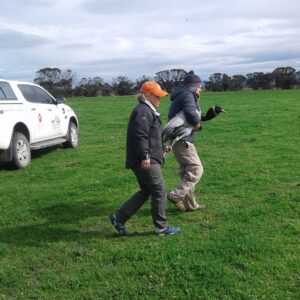
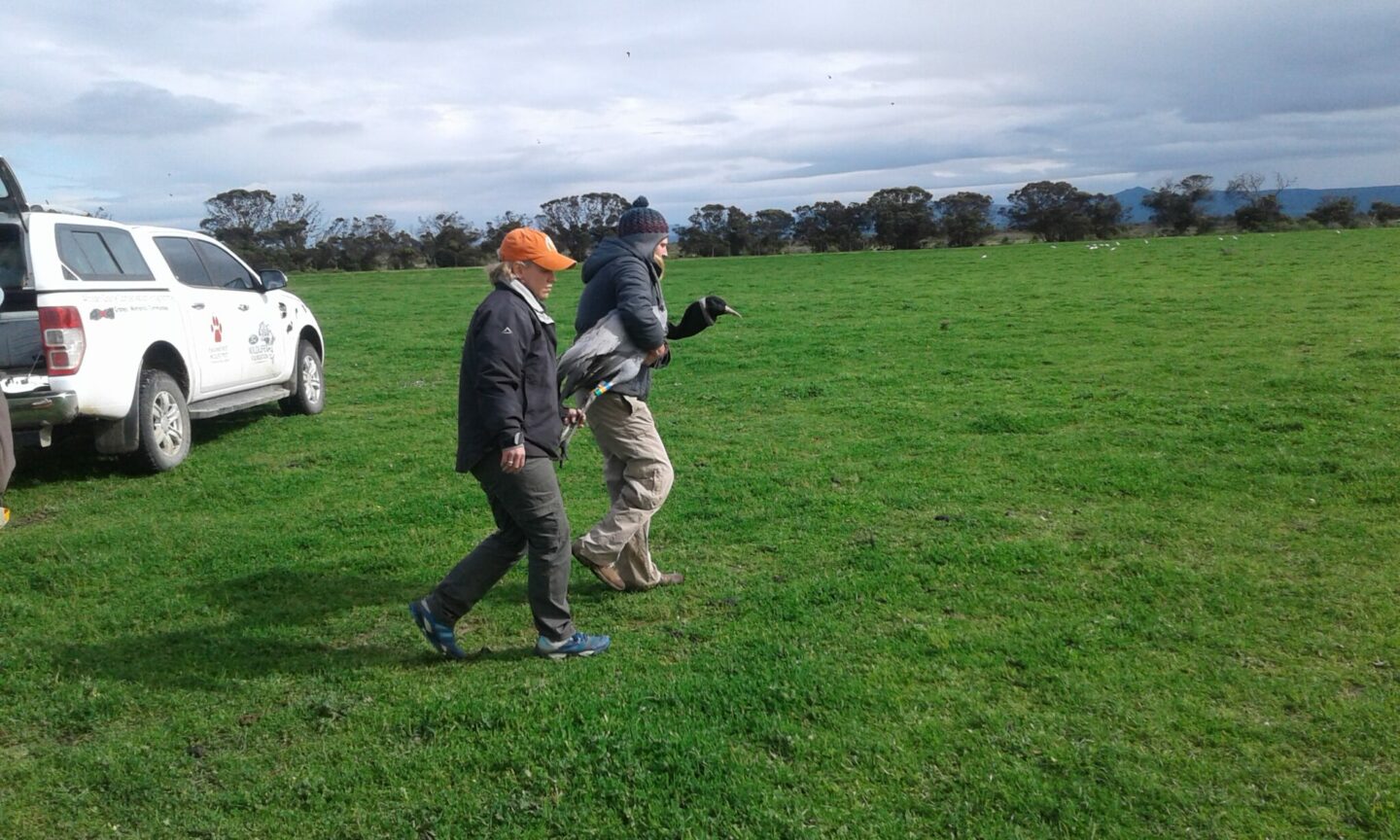
Christie Craig is also studying Blue Cranes in the Western Cape by fitting the birds with rings and satellite trackers. The colour rings on their legs allow us to recognise a crane with a tracker when in the field and record our observations of the specific crane’s behaviour to understand their movements, e.g. when they are breeding. The satellite trackers give us very detailed movement data to see where and how Blue Cranes are moving, and this data can be used in myriad ways to inform conservation strategy. Our main aim with this data collection is to look at how and when Blue Cranes are flying to better understand how their flight patterns put them at risk of colliding with powerlines. Powerline collisions are one of the main threats to the species, and being able to understand collision risk informs mitigation efforts.
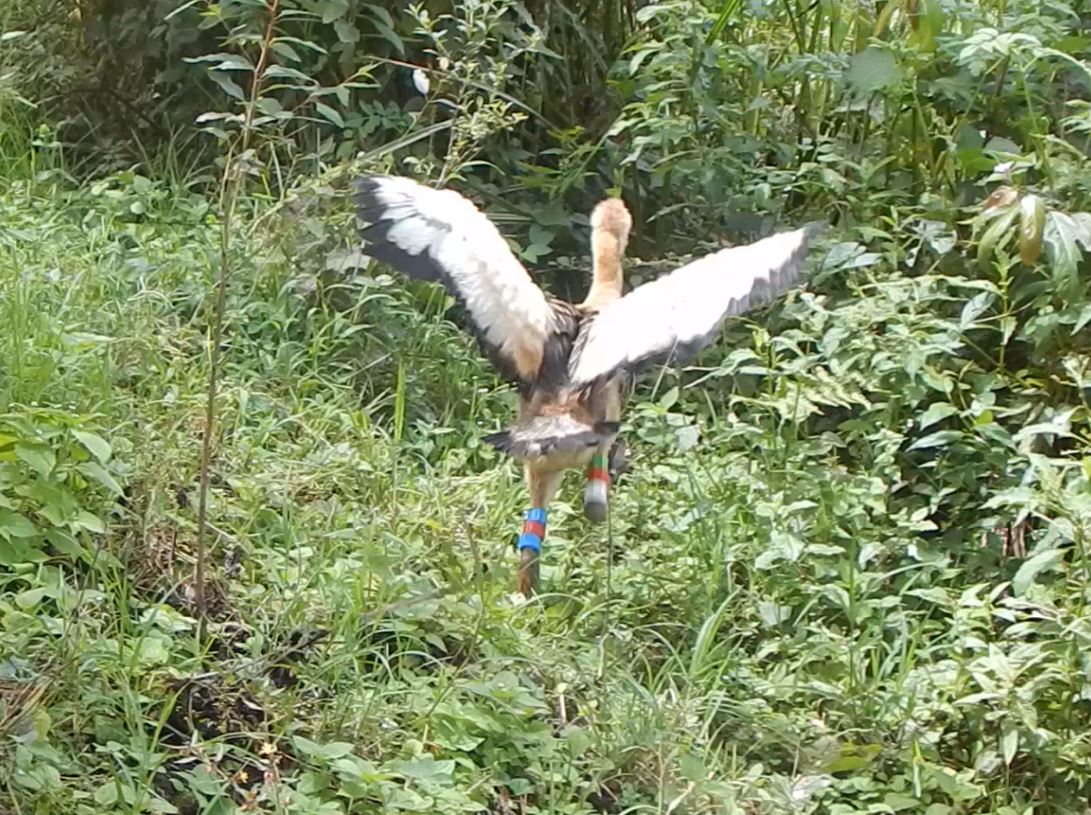
We were therefore excited to launch our Grey Crowned Crane ringing project in Kenya, which came hot on the heels of an agreement on country colour codes for coordinated Grey Crowned Crane ringing with other stakeholders working on cranes in East Africa. For the first time, we will be able to monitor chicks past the fledging stage, something we have not previously managed to do in East Africa. So far, 20 chicks have successfully been rung and fledged for the 2020/2021 breeding season. To supplement our efforts in sighting the ringed cranes, we will train and equip 30 community Crane Custodians who will assist in reporting any sightings of ringed chicks. Through these reports, we hope to better understand cranes’ dispersal from their breeding sites and map out key areas for cranes outside the breeding season.
BEGGING FOR BUNNIES
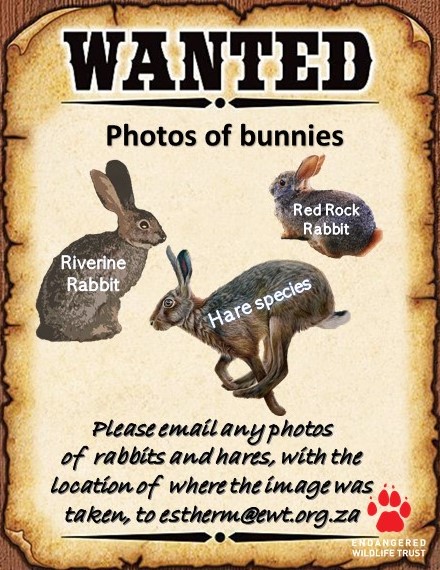
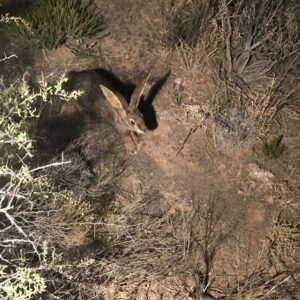
Esther Matthew, Drylands Conservation Programme Specialist Field Officer, estherm@ewt.org.za . With Easter coming up, we know you will be on the hunt for the Easter bunny, and if you see him or anyone resembling him, we want proof! The EWT’s Drylands Conservation Programme is trying to gather more information on all the South African lagomorph species (that’s rabbits and hares!). We are specifically looking at their distributions within the Northern, Western, and Eastern Cape provinces and the potential overlap of different species’ distributions in these areas. Have you seen one of our furry friends? We are looking for photos that you have taken or any camera trap images of rabbits and hares in South Africa. Become a citizen scientist by contributing your images to the study of rabbits and hares in the country. We will happily accept any images, with or without species identification, as long as it is submitted with a location, preferably a GPS point.
In the process, of course, we hope to get a few photos of our elusive Riverine Rabbits in areas where we don’t have recent records. Riverine Rabbits are Critically Endangered and very difficult to find, and we encourage the public to assist us in gathering more information on the distribution of this mysterious species. However, please note, we do not, under any circumstances, encourage the handling or capturing of any wild rabbit or hares. Please send all of your bunny photos and locations to estherm@ewt.org.za. The locations you submit will not be made available to the public to prevent poaching, but the locations will add value to datasets for research and the conservation of the species. We will use the images to identify the species and contribute to updating the distribution maps!This initiative is sponsored by The Mohamed bin Zayed Species Conservation Fund and Rand Merchant Bank.