Help African Wild Dogs 

Donate today  

Crane Festival Unites Communities to Safeguard Uganda’s Grey Crowned Cranes

Crane Festival Unites Communities to Safeguard Uganda’s Grey Crowned Cranes

Crane Festival Unites Communities to Safeguard Uganda’s Grey Crowned Cranes

By Patrick Engoru, Uganda Country Manager: African Crane Conservation Programme
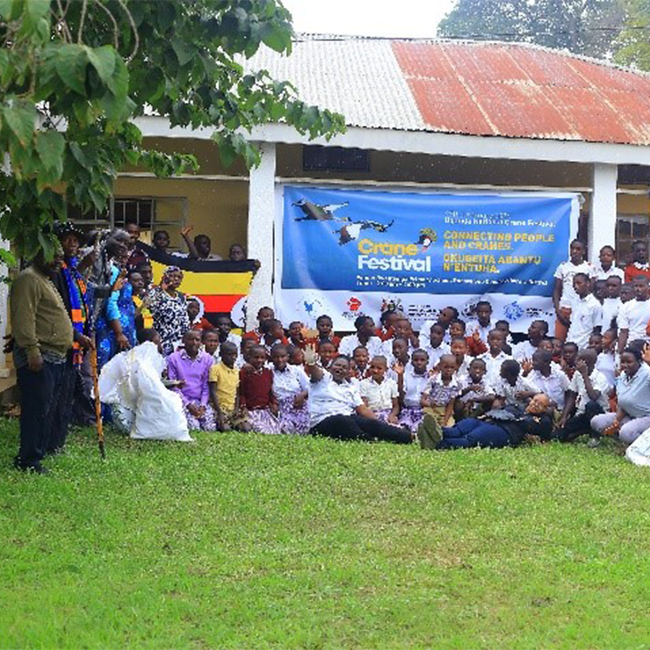
In a powerful display of unity and conservation, the annual Crane Festival brought together communities, conservationists, and policymakers to celebrate and protect Uganda’s iconic Grey Crowned Cranes. The event, held on February 27th, 2024, at Rwantsinga Primary School playground in Rubaya sub-county, Mbarara District, was a joint initiative by the International Crane Foundation (ICF) and the Endangered Wildlife Trust (EWT) in partnership with the Ministry of Tourism and Wildlife and Antiquities (MoTWA) and Mbarara District Local Government.

Expanding Reach, Amplifying Impact

This year’s festival marked a significant milestone as it made its debut in the Rwizi catchment area, a new area of operation for the ICF/EWT partnership. This expansion signifies the partnership’s growing conservation footprint across Uganda, building upon the success of previous editions in Rukiga, Ssembabule, and Lwengo districts, where solid interventions are now in place. The collaborative communication efforts of ICF and EWT teams in Uganda, South Africa, and the USA successfully propelled the event onto previously unreachable local and international platforms, inspiring audiences worldwide.

Dire Need for Intervention

Uganda’s wetlands, crucial for both human survival and Grey Crowned Crane habitats, face immense pressure from rapid population growth and agricultural expansion. Over the past 25 years, the crane population has plummeted by a staggering 80%, primarily due to habitat loss, human disturbance, and illegal trade. These endangered birds often found on private lands, struggle to breed successfully as they are forced into increasingly marginal habitats. The Crane Festival serves as a clarion call for urgent action to protect these majestic creatures and their fragile ecosystems.


Fostering Coexistence Through Engagement

The festival’s theme, “Connecting People and Cranes,” aligned perfectly with the national and global Wildlife Day theme, “Connecting People and the Planet: Exploring Digital Innovation in Wildlife Conservation.” By engaging diverse stakeholders – schools, communities, policymakers, conservationists, and the media – the event fostered a deeper understanding of the interdependence between humans and cranes.

A multitude of activities, including joint awareness campaigns with the Uganda Wildlife Education Centre (UWEC), Uganda Wildlife Authority (UWA), and the Ministry of Tourism and Wildlife and Antiquities (MoTWA), community cleaning events focusing on plastic waste, art competitions by schoolchildren, school drama and running competitions, brass band marches, music, dance, and drama by Crane Custodians and Community Conservation Groups, exhibitions, and speeches from dignitaries, captivated audiences and inspired them to become advocates for sustainable coexistence.

Hon. Col. Tom R. Butime, Minister of Tourism, Wildlife and Antiquities, delivered a powerful speech as the chief guest, emphasizing the urgency of reflecting on the impact of human actions on habitats and species. “If the current situation does not change, our grandchildren may never see cranes in the coming years,” he warned, underscoring the need for immediate and collective action.

A Beacon of Hope for Grey Crowned Cranes

The Crane Festival represents a beacon of hope for the survival of Uganda’s Grey Crowned Cranes and their vital wetland habitats. By uniting communities, fostering environmental stewardship, and harnessing the power of digital innovation, this annual celebration paves the way for a future where these majestic birds can thrive alongside human populations.

The EWT and ICF remain committed to this mission, working tirelessly to secure the future of Grey Crowned Cranes and the precious ecosystems they call home. Through events like the Crane Festival, these organizations are not only raising awareness but also inspiring action and cultivating a deep appreciation for the natural world that sustains us all.

**  The EWT/ICF Partnership would like to thank all our donors who contributed to a successful Crane Festival.   This includes the Mbarara District Local Government, Coca-Cola Beverages Uganda Limited, Brighter Smiles Dental Clinic, the Uganda Wildlife Education Centre (UWEC), Uganda Wildlife Authority (UWA) and the Ministry of Tourism and Wildlife and Antiquities (MoTWA)


EWT leads in vulture conservation at 14th COP to the Convention on the Conservation of Migratory Species of Wild Animals

EWT leads in vulture conservation at 14th COP to the Convention on the Conservation of Migratory Species of Wild Animals

EWT leads in vulture conservation at 14th COP to the Convention on the Conservation of Migratory Species of Wild Animals

By Johan Botha and Eleanor Momberg

The 14th Conference of the Parties to the Convention on the Conservation of Migratory Species of Wild Animals (CMS), recently held in Uzbekistan, saw the launch of a number of reports, most notably the first analysis on the Status of the World’s Migratory Species and the review of the Mid-Term Implementation Action Plan to Conserve African-Eurasian Vultures (Vulture MsAP).


The landmark UN report on the World’s Migratory Species showed that animals are on the decline increasing the global extinction risk. The report provides a global overview of the conservation status and population trends of migratory animals, combined with the latest information on their main threats and successful actions to save them.


It reveals that while some of the 1,189 migratory species listed under CMS are improving, nearly half (44 per cent) are showing population declines, and that more than one-in-five (22 per cent) of CMS-listed species are threatened with extinction. Globally, 399 migratory species that are threatened or near threatened with extinction are not listed under CMS.

Over the past 30 years, 70 CMS-listed migratory species – including the steppe eagle, Egyptian vulture and the wild camel – have become more endangered. This contrasts with just 14 listed species that now have an improved conservation status – these include blue and humpback whales, the white-tailed sea eagle and the black-faced spoonbill.


“The extinction risk is growing for migratory species globally, including those not listed under CMS. Fifty-one percent of Key Biodiversity Areas identified as important for CMS-listed migratory animals do not have protected status, and 58 per cent of the monitored sites recognized as being important for CMS-listed species are experiencing unsustainable levels of human-caused pressure,” the report states.

It adds that the two greatest threats to both CMS-listed and all migratory species are overexploitation and habitat loss due to human activity. Three out of four CMS-listed species are impacted by habitat loss, degradation and fragmentation, and seven out of ten CMS-listed species are impacted by overexploitation (including intentional taking as well as incidental capture). Climate change, pollution and invasive species are also having profound impacts on migratory species.

Until now, no such comprehensive assessment on migratory species has been carried out. The report provides a global overview of the conservation status and population trends of migratory animals, combined with the latest information on their main threats and successful actions to save them.

The report’s findings underline the need for greater action, for all migratory species. Among the recommendations are the strengthening and expansion of efforts to tackle illegal and unsustainable taking of migratory species, as well as incidental capture of non-target species; increased actions to identify, protect, connect and effectively manage important sites for migratory species; and the need to not only urgently address those species most in danger of extinction, but also scaling up efforts to tackle climate change, as well as light, noise, chemical and plastic pollution.


It was in the compilation of the review of the Mid-Term Implementation Action Plan to Conserve African-Eurasian Vultures (Vulture MsAP) that the Endangered Wildlife Trust (EWT) played a significant role after the organisation was contracted through a CMS Raptors Memorandum of Understanding in April 2023 to lead the process. The EWT’s Vultures for Africa Program Manager, Andre Botha being appointed as project leader. He was joined by the EWT’s Jane Doherty, representatives from BirdLife International, the Royal Society for the Protection of Birds and the Vulture Conservation Foundation, supported by the Coordinating Unit of the CMS Raptors MoU. Jane Doherty was appointed as project intern in the employ of the EWT and was invaluable during the engagement with focal points, analysis of data and drafting of the report.


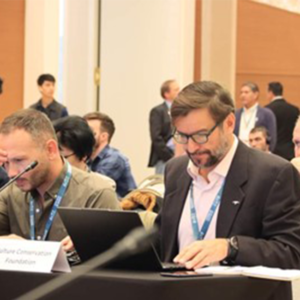
The Vulture MsAP was tabled by Andre Botha at a side-event attended by about 60 delegates from Range States, Observer Groups as well as 6 members of the drafting team on 14 February 2024.

Among its key findings are that although the threats affecting vultures have not changed in recent years problems related to intentional poisoning for belief-based use, bushmeat and trade is a more severe problem than appreciated in the past, especially in West Africa. It also found that collision risk for vultures will increase as the global shift to renewable energy increases and that mortalities from electrocution partly associated the switch to green energy is also on the rise.

Among the new threats identified are climate change, Highly Pathogenic Avian Influenza which can seriously impact critically endangered and endangered species already under pressure from other known threats.

Although some vulture populations are increasing in Europe, many are declining at a precipitous rate in Africa where data remains scant.

The report states that the amount of work done towards achieving the Results envisaged by the Vulture MsAP is testament to the efforts of many stakeholders, including the many NGOs working in the field.

The main recommendations emerging for Range States, donors and other stakeholders from this report are:

  1. Strengthen political engagement and financial support
  2. Build capacity to implement conservation actions
  3. Focus on the implementation of Essential Actions
  4. Enable the establishment of the Implementation Framework proposed by the Vulture MsAP
  5. Continue facilitating the Vulture Working Group and monitoring the Vulture MsAP
  6. Commence the review and update of the CMS Vulture MsAP – 2028/2029

The MsAP was adopted at the CMS CoP12 and is now halfway through its 12-year implementation timeframe. It is set to conclude in 2029.

The side-event was also used to announce the West African Vulture Conservation Action Plan that specifically focuses on reducing the impact of the threat of belief-based use poisoning of vultures in 15 countries in West Africa where this is the most important driver of vulture declines. The plan follows a process of engagement subsequent to the mass-poisoning of more than 2,000 vultures in Guinea-Bissau in March 2020 and a regional workshop that was held in Nigeria in 2022.

There were also a number of vulture-focused resolutions tabled for consideration, discussion and adoption by the plenary of COP14 and all of these resolutions were adopted after deliberation in the Avian Working Group of CMS.

Additionally, Botha represented the EWT at two side-events focused on mobilising conservation resources and sustained funding where he delivered presentations on achieving financial viability over time from a range of donors and other funding institutions and also reflected on the benefits, challenges and lessons learnt from four EWT projects that benefitted from funding granted by the SOS Fund.

“The COP also afforded an opportunity to meet formally and informally with a range of stakeholders from Range States, NGO’s and other institutions and also afforded the MsAP-team to discuss future plans such as the review and update of the CMS Vulture MsAP for another 12-year timeframe from 2029. These discussions often lead to opportunities for future projects and other engagements,” said Botha at the conclusion of the CoP.

Future work is mostly focused on supporting and promoting the action of the CMS Vulture MsAP in Africa and beyond with fieldwork and training that will be conducted in Chad, Malawi, Namibia, Zimbabwe, Zambia, Mozambique and Ethiopia in the coming months. The next wider international engagement will be the attendance of a workshop focused on the establishment of a population of critically endangered Rüppell’s Vultures in southern Europe which will be held in Málaga, Spain in mid-May 2024.

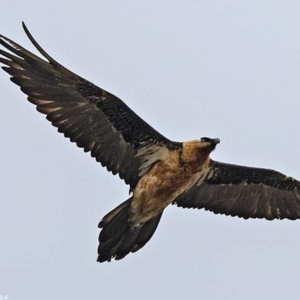
Botha said after the CMS CoP that about 20 delegates arranged their own field trip which saw them travel into the mountains to the south of Samarkand “where we enjoyed a number of views of Bearded Vultures and also saw Eurasian- and Himalayan Griffon, as well as Cinerous Vulture and Golden Eagle among an array of birds”.

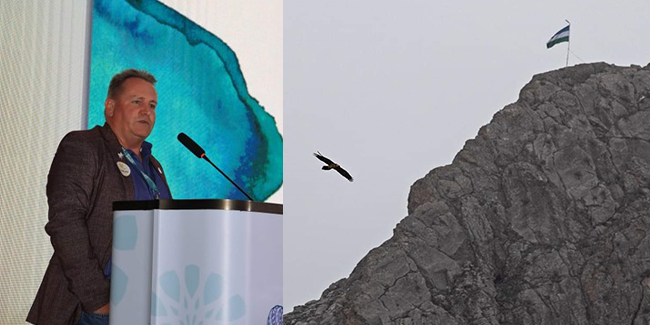
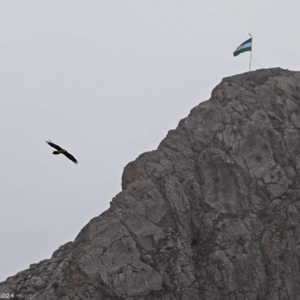
A couple of shots of one of the Bearded Vultures we found on the field-trip yesterday. This bird was circling over the town of Kitob and obligingly approached us to circle above us after gliding by a distant cliff-face with the Uzbekistan flag planted on top. It was amazing to see these birds seemingly successfully living and breeding in close proximity to human settlements. Still can’t help but liken the effortless flight of these large birds to that of albatrosses over the ocean.

Healthy wetlands are critical for crane conservation, says the Endangered Wildlife Trust

Healthy wetlands are critical for crane conservation, says the Endangered Wildlife Trust

Healthy wetlands are critical for crane conservation, says the Endangered Wildlife Trust

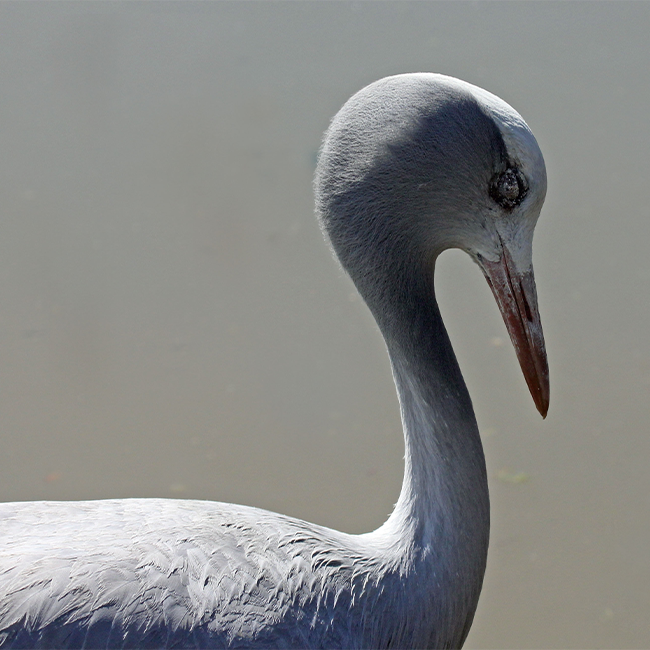
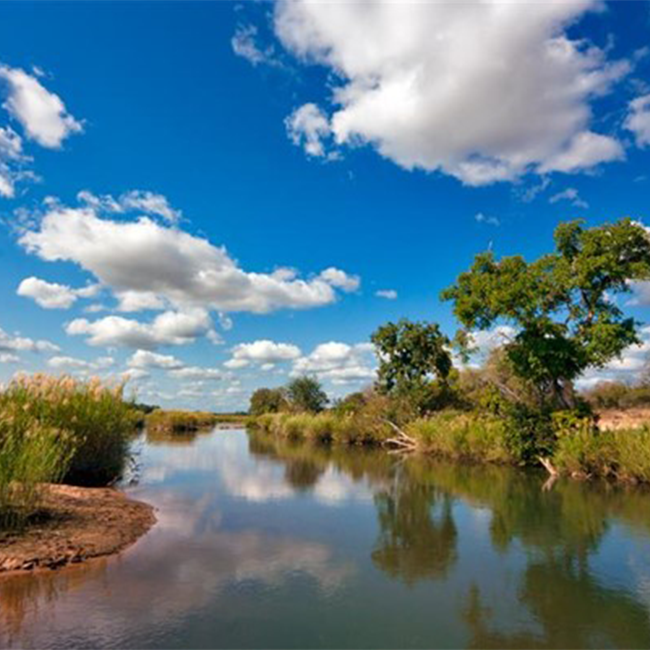
World Wetlands Day, celebrated annually on 2 February, provides an opportunity to celebrate wetlands, which are critical for people, the environment, and biodiversity – including South Africa’s National Bird, the Blue Crane.

Wetlands come in all shapes and forms, from estuaries along our beautiful coastlines and high-altitude inland wetlands within the grasslands of Mpumalanga, to the hard-working wetlands within our urban landscapes. Much of our conservation effort within the EWT is centred around the protection, restoration, and management of wetlands and the catchments that feed them, and we encourage South Africans to celebrate World Wetlands Day with us each year.

Two of South Africa’s three crane species, the Grey Crowned and Wattled Cranes, are completely dependent on wetlands for their survival – yet both are threatened with extinction. Their threatened status mirrors the loss of wetlands in our country, with an estimated 50% of wetlands completely transformed in South Africa. The African Crane Conservation Programme (ACCP), a partnership between the EWT and the International Crane Foundation (ICF), has used these charismatic, long-lived birds as “flagship” species for wetland protection, restoration, and management. By securing conservation attention for conserving cranes, we not only succeed in conserving the cranes, but we simultaneously conserve the wetlands that provide cranes, people, and other species, with essential ecosystem goods and services.

Cranes are large and long-lived, elegant, birds, and their trumpeting calls and carefree, bounding courtship dances are iconic and wonderful to watch. Some people see cranes as symbols of peace, happiness, and longevity because of their lifelong devotion to their mates. But sadly, despite the love that people have for cranes, crane populations have declined globally, and in South Africa, particularly in the face of habitat change and loss. Without careful management, many crane species are doomed to extinction. Ten of the world’s 15 crane species are threatened: all four of sub-Saharan Africa’s resident crane species – Blue Crane, Grey Crowned Crane, Wattled Crane, and Black Crowned Crane – are threatened by habitat loss and disturbance, illegal wildlife trade, collisions with power lines, electrocutions, and poisoning. If we can secure their wetlands, we can improve the prospects of these species and ensure they have a viable future.

In South Africa, numerous successful partnerships have been forged by the EWT with landowners, conservation authorities and other conservation NGOs to conserve wetlands. Examples of these are areas such as the Upper Wilge Protected Environment (UPWE), the Greater Lakenvlei Protected Environment and Cedarville Protected Environment as well as in the Karkloof and Hlatikhulu Valleys where the EWT/ICF African Crane Conservation Programme has had a long-term partnership with landowners.

The EWT/ICF partnership spans more than 30 years and spans beyond South Africa’s borders to southern and East Africa. While the ICF kickstarted community-based crane conservation work in East Africa and Zambia, the EWT focussed on cranes in South Africa. However, from around 1999, ICF and the EWT started collaborating more on crane conservation efforts across the continent, and in 2005 an official Memorandum of Understanding was concluded between the two organisations.


The EWT/ICF partnership is presently operational in the Kafue Flats of Zambia, and in the wetlands of western Kenya, in northern Rwanda, and across southern and southwestern Uganda, where human activity is also placing increasing pressure on wetlands.

In Zambia, for instance, the Kafue Flats in southern Zambia is not only an internationally recognised floodplain that has been designated a Wetland of International Importance (Ramsar Site) but is also a UNESCO Man and Biosphere Reserve in recognition of the human benefits drawn from its ecological condition. The Flats is home to 30% of the world’s population of Vulnerable Wattled Cranes, as well as Endangered Grey Crowned Cranes.

But the Kafue Flats is under severe and increasing pressure from wildlife poaching, human settlements deep inside the floodplain, unregulated livestock grazing and fishing, alien invasive vegetation, drought/water stress, and other threats. Thus, the importance of the work being done through the partnership to conserve not only threatened crane species, but also the wetlands through the clearance of invasive Mimosa pigra plants under the leadership of the EWT/ICF’s African Crane Conservation Programme. This has seen the Wattled and Grey Crowned Cranes and numerous other plants and animals starting to return to the area. We have also formed 20 Conservation Clubs, including 800 pupils and 82 teachers from 13 schools near the flats, and we are deploying newly trained community scouts to protect its wildlife and create jobs.

Further afield, the wetlands of Uganda are used as a critical nesting habitat by the Endangered Grey Crown Crane, Uganda’s National Bird. These wetlands are not only critical to prevent the extinction of Endangered species, but also necessary for the health and wellbeing of the people who live in and rely on the wetland for food and water security, livelihoods, and to slow the increasing number and scale of floods, a further impact of climate change.

You can join this valuable work for cranes and other wetland species, by making a difference to our wetlands all year round in a number of ways, including:

  1. Plan a wetland cleanup in your community with local schools and parents.
  2. Reducing your waste, reusing bottles and containers you would normally throw away, use reusable shopping bags, and recycle! Our water resources like rivers and wetlands are heavily impacted by litter and waste, so these small actions can make a huge difference.
  3. Reporting any illegal dumping in wetlands and rivers to your local municipality or police station.
  4. Supporting the efforts of organisations like the EWT in protecting wetlands on your behalf.

On 27 February 2024, Uganda will host a National Crane Festival to foster awareness and education about Crane Conservation. The event, led by the EWT and ICF is an important lead-up to World Wildlife Day on 3 March. The celebrations, being held under the theme “Connecting People and Cranes” will feature diverse activities, bringing together stakeholders from various sectors — schools, local communities, policymakers, the private sector, and the media. Key partners are the Uganda Wildlife Education Centre (UWEC), Uganda Wildlife Authority (UWA) and the Ministry of Tourism and Wildlife and Antiquities (MoTWA).


Strategic Water Sources key to water security in South Africa: Endangered Wildlife Trust

Strategic Water Sources key to water security in South Africa: Endangered Wildlife Trust

Strategic Water Sources key to water security in South Africa: Endangered Wildlife Trust

Conservation and restoration of South Africa’s Strategic Water Source Areas (SWSAs) will improve water security for the country, a report by the Endangered Wildlife Trust has shown.

The report, Assessing opportunities for protected area expansion and ecosystem restoration in South Africa’s Strategic Water Resource Areas, adds that it will also contribute significantly to preventing the loss of threatened species and habitats, reducing greenhouse gas emissions, and improving climate change adaptation for the surrounding and downstream communities.

In a month in which wetlands are being celebrated, attention is focused on wetlands and human wellbeing. This is at a time when worldwide attention is on the safety of water supplies, the conservation of biodiversity in the face of climate change and the ability of communities to mitigate and adapt to the effects of a changing environment.

The report shows that South Africa’s Strategic Water Source Areas make up just over 8.2% (10,020,780 ha) of the country’s terrestrial land surface area.

It illustrates and strategically prioritises what the actual protected area expansion opportunities are across various landscapes towards contributing to the Global Biodiversity Framework targets, specifically the 30×30 target. 

At present, only around 9.28% of South Africa’s land surface is formally protected, meaning that we effectively need to more than triple this to reach the ambitious 30% target by 2030. The protection of SWSAs is critical for securing not only water security in South Africa but also the extensive biodiversity that exists within these areas.

South Africa already has a well-established warming trend. Even under more conservative emission scenarios, it is predicted that by mid-century the South African coast will warm by 1–2°C and the interior by around 2–3°C.

As a water-stressed country that already uses its existing freshwater resources intensively, the prediction of a more arid West Coast, which includes several critical water catchments critical for human well-being, is fast becoming a reality. The West Coast also hosts several highly threatened freshwater species, and freshwater biodiversity is declining at twice the rate of that in the oceans or forests. In fact, nearly one-third of freshwater fish face extinction globally, including many South African species – the most threatened animal group in South Africa.

Strategic Water Source Areas (SWSAs) are areas of land that supply a disproportionate amount annual surface water runoff in relation to their size. Within South Africa, they are mainly located along the southern and eastern regions of the country. They are vital for water and food security and provide the water used to generate hydroelectricity. The surface water SWSAs produce just over 50% of the mean annual runoff from less than 10% of the land area. Only 11% of the surface-water SWSAs (about 18.2 million ha) are under some level of formal protection in terms of the National Environmental Management: Protected Areas Act.


The low proportion of SWSAs that fall within protected areas and the very uneven distribution of those protected areas make them highly vulnerable to unwise development and the adverse effects of existing activities.

This situation is even more alarming when future pressures on water resources are considered, given that the demand for water is predicted to escalate exponentially. Many parts of the country are expected to become drier due to climate change, threatening our water supplies.

The report, funded by the Federal Republic of Germany, finds several SWSAs suitable for further protected area expansion and restoration work. Those areas that are poorly protected, but still have large contiguous natural areas, are the Amathole, Eastern Cape Drakensberg (already earmarked for the new Grasslands National Park), Enkangala Grasslands, Mfolozi Headwaters, Northern Drakensberg, Southern Drakensberg, Soutpansberg, Waterberg and Tsitsikamma. SWSAs that have large amounts of recoverable areas (more than 20,000 hectares) are the Eastern Cape Drakensberg, Enkangala Grasslands, Northern and Southern Drakensberg, and Soutpansberg.

As a water-stressed country, climate change poses a further threat to water supplies. The research has found that ecosystems, such as wetlands, are not protected, there will be knock-on effects downstream, especially in terms of a reduction in water quality, loss of habitat for fish and other biodiversity and impaired ecosystem functioning.

South Africa thus needs targeted conservation and restoration action in all our SWSAs to conserve biodiversity, improve water security, and reduce the impacts of climate change simultaneously. Following the results of the report which was developed through the support of the Federal Republic of Germany’s Embassy in South Africa, we have been approved for funding from the International Climate Initiative (IKI) as well as from the Whitley Fund for Nature. IKI is an important part of the German government’s international climate finance commitment. With these grants we will tackle targeted protected area expansion and restoration across the Amathole, Northern and Southern Drakensberg, Soutpansberg, Waterberg and Wolkberg SWSAs over the next five years.

The EWT’s appeal to you is to continue using water sparingly.
You can also get involved by donating to support out critical conservation work in the remaining SWSA’s in South Africa, and Africa.


EWT receives R478 892 to revive Durban’s Critically Endangered Dwarf Burrowing Skink

EWT receives R478 892 to revive Durban’s Critically Endangered Dwarf Burrowing Skink

EWT receives R478 892 to revive Durban’s Critically Endangered Dwarf Burrowing Skink

The Endangered Wildlife Trust’s Threatened Amphibian Programme has received $25 000 from the Mohamed bin Zayed Species Conservation Fund to support a project to revive Durban’s Critically Endangered Dwarf Burrowing Skink at a key habitat site within the species restricted range.

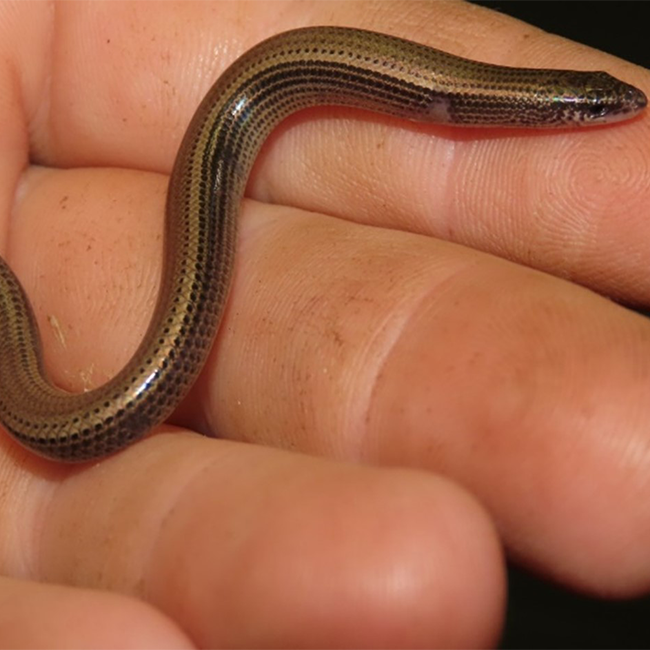
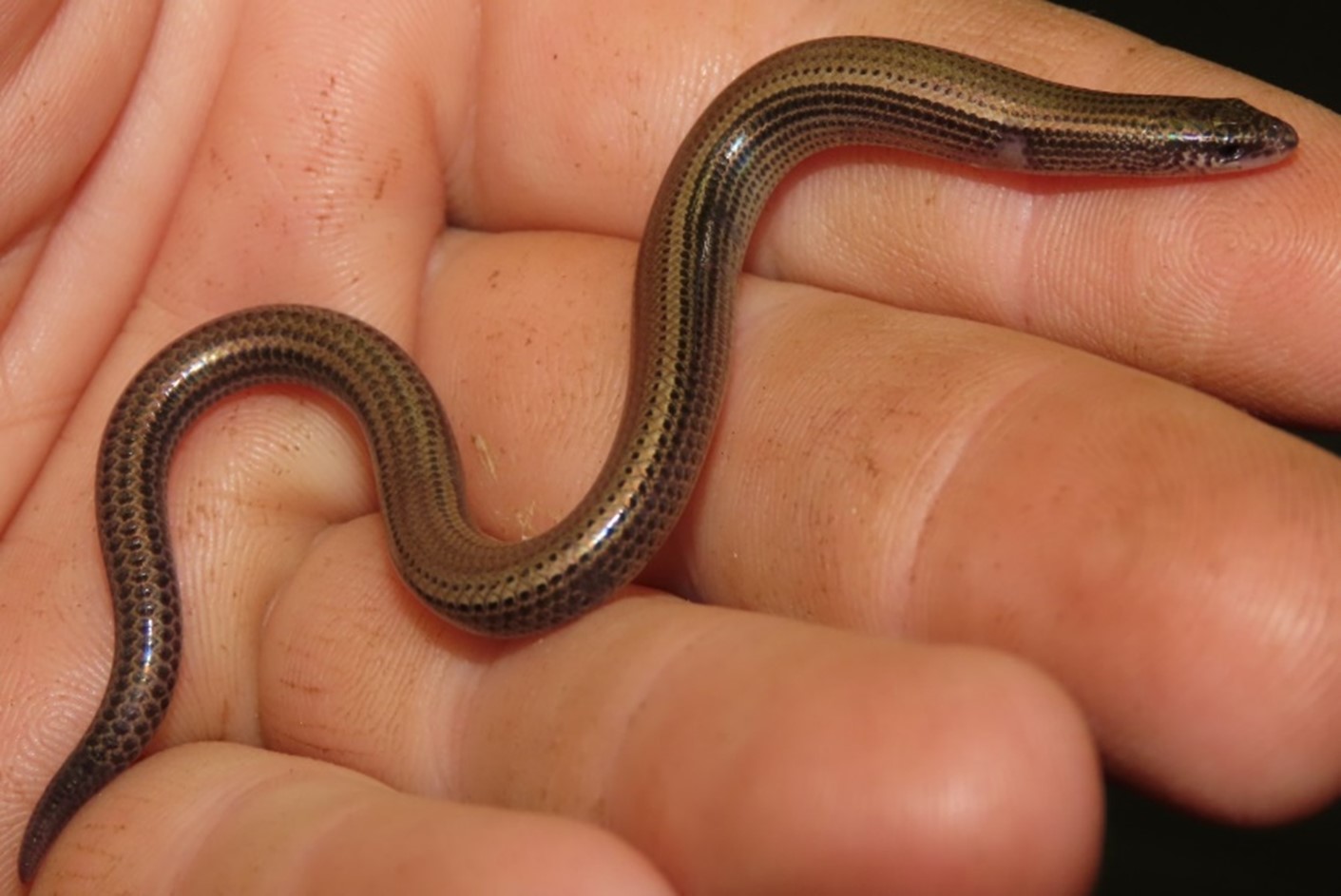
The Durban Dwarf Burrowing Skink (Scelotes inornatus) – primarily a fossorial limbless species – is one of South Africa’s most threatened reptiles. The aim of the project, which starts on 1 March 2024, is to safeguard the last known stronghold of Durban Dwarf Burrowing Skinks, ensuring the viability of species into the future.

The EWT’s Threatened Amphibian Programme (TAP) is the only NGO programme operating in South Africa to include frogs as a conservation focus. Using threatened frog species as flagships for the conservation of important freshwater and terrestrial habitats, a species and habitat monitoring exercise has been implemented alongside initiating habitat protection strategies at key amphibian areas, improving management of important amphibian habitat, using research to support conservation action, and promoting social change to galvanise behavioural change towards frogs and to recognise the importance of their habitats in South Africa.

More recently the EWT’s approach has broadened to include reptiles. The project to revive Durban’s Dwarf Burrowing Skink follows a similar initiative to protect vital habitat for the Endangered Albany Adder. The project to revive the Skinks will focus on a reptile confined to the Durban area.

Historically, it is thought that the species could be found throughout Durban’s coastline. However, the species is on the brink of extinction due to a series of anthropomorphic challenges. The historical population north of Durban is believed to be extinct, and remaining surviving populations to the south are scattered over several extremely small habitat fragments (ranging from 0.01 – 1.7 km2) and totalling a mere 5 km2. As a result of this limited distribution, the species is referred to as a ‘micro-endemic’.

Between 2015 and 2018, the EWT’s Threatened Amphibian Programme (TAP) carried out a substantial invasive plant-clearing initiative. Approximately 310 hectares of invasive plants within the coastal dune areas of Durban, including the should-be Critically Endangered Sandy Coastal Belt Grassland where the Burrowing Skink resides, have been cleared and maintained. This habitat restoration work has contributed to improving the conditions for the species, but more work is required.


In 2018, a crucial partnership emerged between Ezemvelo KwaZulu-Natal Wildlife (EKZNW), the provincial conservation authority, and the Pan African Association of Zoos and Aquaria (PAAZA)-accredited Johannesburg Zoo to breed the species in captivity to bolster the number of individuals. The project will help ensure the survival of reintroduced animals back to their natural range. This is expected to contribute to existing conservation efforts, leading also to the reintroduction of S. inornatus to protected sites, including Treasure Beach. Similarly, the EWT has previously worked with Johannesburg Zoo to successfully reintroduce the Endangered Pickersgill’s Reed Frog to wetlands through the Durban metro.

Treasure Beach falls within the National Protected Areas Expansion Strategy and neighbours the Bluff Nature Reserve, a 45-hectare formally protected area. Merging Treasure Beach with Bluff Nature Reserve to formally protect the entire area would effectively increase the protected area by 86 hectares and secure S. inornatus populations.

Merging with Bluff Nature Reserve would allow for ongoing management of the entire area by EKZNW, the management authority for Bluff Nature Reserve. In addition, through the established S. inornatus Task Team, partnerships between eThekwini Municipality and EKZNW will be formalised to further support continuous management of the area.