Addressing hunger, food insecurity, and under-nutrition through a reduction of food wastage and sustainable agriculture

Addressing hunger, food insecurity, and under-nutrition through a reduction of food wastage and sustainable agriculture


Addressing hunger, food insecurity, and under-nutrition through a reduction of food wastage and sustainable agriculture

By Dr Jenny Botha, People in Conservation Specialist

Globally, about 20% of the food that is produced each year is wasted or lost. This translates into about 1 billion potential meals a day!

At the same time, around 735 million people regularly experience hunger and a third of humanity faces chronic food insecurity. In South Africa, 15% of households did not have sufficient food in 2021, yet 10 million tonnes of food is wasted or lost each year. Furthermore, one third of human-induced greenhouse gas emissions is linked to food and 8—10% of emissions.

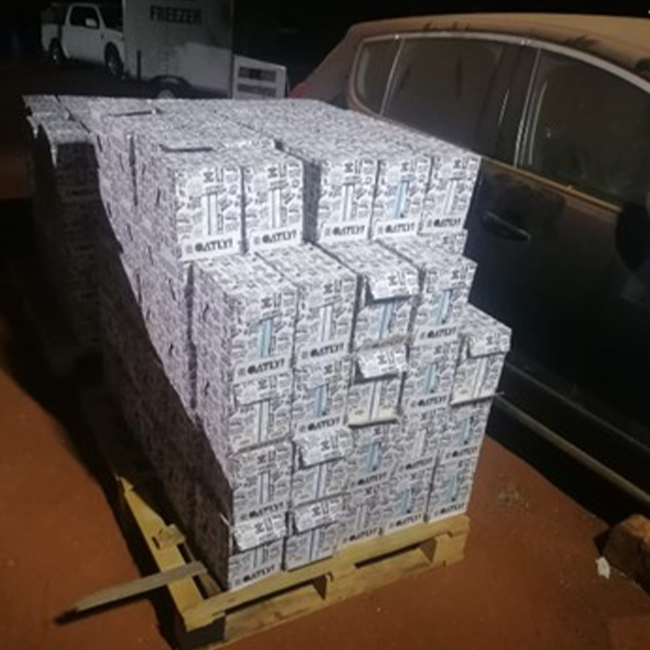
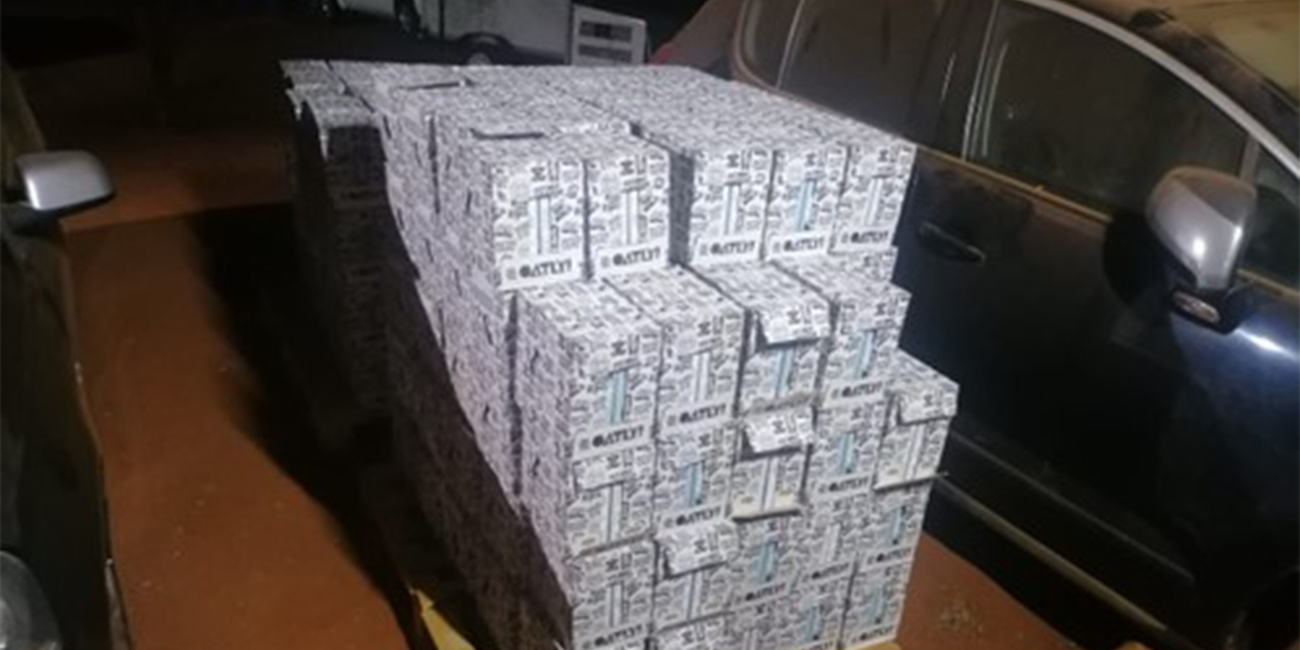
In August 2024, NEO (Natural Ethical Organic) Trading donated 1,200 litres of oat milk to families living in Kutama, adjacent to the Endangered Wildlife Trust’s Medike Reserve in the Soutpansberg Mountains. Oat milk is highly nutritious and, particularly if fortified, a good source of vitamin A, B2, B12, and D as well as calcium, phosphorous, iron, and other nutrients. It is particularly suited to vegans and lactose-intolerant individuals.
In addition, the Endangered Wildlife Trust works with local farmers in the Western Soutpansberg to transition to more sustainable agricultural approaches. Through this, we aim to strengthen local food availability and access in the region and contribute to the second Sustainable Development Goal to “…end hunger, achieve food security and improved nutrition, and promote agriculture”.

There has been limited progress in tackling hunger and malnutrition globally, but unfortunately, we still have a long way to go. For instance, before the Covid-19 pandemic, under-nutrition in children under five years of age was reduced by a third (55 million). Unfortunately, efforts to achieve Zero Hunger by 2030 have been severely curtailed since 2019 due to escalating food inflation, drought and other weather-related disasters, the pandemic, reduced production, conflict, civil insecurity, and other factors.

To significantly reduce food hunger and wastage, we need to:

  1. Transform food production and distribution systems to ensure that people across the society are able to afford and access healthy food. We also need to move to more sustainable farming practices that cut greenhouse emissions and other harmful environmental impacts, and develop or implement innovative technologies to maintain or improve water and air quality, soils, biodiversity, and the other vital ecosystem services we depend on.
  2. Reduce environmental and harmful social Impacts across distribution and value chains: Improve food storage, transportation, and retail systems and practices to reduce negative environmental and social impacts, including the exploitation of labour.
  3. Reduce food and water insecurity associated with environmental and humanitarian crises: Develop more effective emergency response systems and international policies and agreements that mimimize food and water insecurity during times of crisis.
  4. Strengthen global collaboration and cooperation across sectors to reduce poverty and inequalities: Collaborate with various stakeholders and ensure policies support food security and nutrition.

Clearly, this is a formidable task but if each of us contributes through the lifestyle choices that we make, the cumulative impact would be substantial.

How can you help?


  1. Sustainable choices when buying food
    • Plan meals, make lists, and buy seasonally available food. Support local markets and buy produce that is available locally. In addition to reducing environmental impacts, this can also decrease food bills.
    • Buy smaller amounts of perishable items to reduce spoilage.
  2. Store food properly
    • Store food in airtight containers and follow recommended refrigeration recommendations to extend the shelf life of produce
    • Try to avoid excess packaging where possible (packaging also prolongs the shelf life of food)
    • Understand Food Expiry Dates: Learn the difference between “use by” and “best before” dates to avoid throwing away still-edible food.
  3. Cooking
    • Prepare and cook appropriately sized portions only using the food that is needed.
    • Use leftover food creatively to avoid wastage.
    • Cook in bulk and freeze portions. Bulk cooking and freezing meals for later use reduces meal prep time and energy costs – a welcome relief for most of us in our fast-paced world.
  4. Adopt more conscious consumption habits
    • Start meals with smaller portions and take more if needed to reduce food wastage.
    • Increase the proportion of plant-based foods in your diet.
    • Understand food labels – understand the difference between “sell by” and “best before” labelling to ensure food safety and reduce waste.
  5. Participate in reducing food waste at a collective level
    • Share non-perishable and unopened foods with local community-based organisations, food banks, shelters or similar outreach programmes.
    • Support food rescue initiatives: Explore opportunities to support organisations that collect surplus food from retailers, restaurants, or the hospitality industry, and distribute it to those in need.
  6. Compost
    • Use vegetable scraps and other food waste to make compost and reduce the volumes of waste that reach landfill.
  7. Raise awareness and advocate
    • Raise awareness of the prevalence of hunger and food insecurity, our contribution to environmental impacts through our lifestyles and choices, and the steps we can take to change this.
    • Encourage corporates to adopt more sustainable approaches to business by buying ethically produced products as far as possible.
    • Support and advocate for policies and programs that promote food security, reduce waste, and reduce socioeconomic inequalities.
A Snaring Concern

A Snaring Concern


A Snaring Concern

By Lourens Leeuwner, Senior Conservation Manager: Business and Wildlife

Snaring for the bushmeat trade has become one of the most prominent threats to wildlife nationwide and is no longer a low-impact subsistence activity but the most common form of illegal hunting.

In other words, snaring is not necessarily driven by hunger but has evolved into a commercial business. To saturate demand, animals up to the size of an elephant are being poached. Usually set along game trails and around water points, these wire traps are set in areas with bountiful game with the intention to catch animals as they pass by. Snares are the silent drivers of extinction.

On 10 and 11 September, the EWT will be co-hosting the inaugural Snare Mitigation Symposium with the Cape Leopard Trust, the Department of Forestry, Fisheries and the Environment, SA National Parks and the SA National Biodiversity Institute in Pretoria to discuss and seek possible solutions to the pervasive threat to wildlife and the economy caused by illegal hunting with snares.

Snaring, which is essentially the use of a trap, is illegal in South Africa. Because of the nature of snaring, it is challenging trying to catch poachers red-handed and to present adequate evidence to link them to the crime and to successfully prosecute them.

Snares can be made from a variety of materials but fencing wire and cable is usually preferred. The materials are easy to obtain and snares are quick to manufacture, easy to set and difficult to detect. Their effectiveness and secret nature make them the perfect hunting tool.

Animals caught in snares experience great suffering caused by stress, injuries and mutilation, usually leading to their demise. Even when the caught animal manages to escape, the snare usually remains on its body and tightens with time. Being increasingly compromised, the animal’s condition tends to deteriorate until it can no longer continue.

Looking at the bigger picture, snaring can contribute significantly to changing the demographics and size of animal populations, ultimately contributing to the loss of biodiversity. Although, it is mostly game animals that are targeted by the poachers, the indiscriminatory nature of snares leads to what is known as bycatch: the capture of non-targeted animals such as snakes and other reptiles, mammals including predators, and even birds – many of which are Endangered.

Most conservationists and land managers find snares in the field on a regular basis and have to deal with the consequences of illegal poaching through the loss of not only valuable game, but also domestic animals along the line.

As a means to address snaring, the EWT recently undertook a project and proof of concept to determine to determine whether anti-poaching dogs could be used for snare detection. Thanks to funding from the Taronga Zoological Society in Sydney, Australia, our Canine Conservation Unit spent several days testing techniques to detect snares on Madike nature reserve in Limpopo. Using two EWT anti-poaching canines, Ruger and Kisha, the team set snares in the veld before sending out rangers to find the items. The trial was completed four times in different terrain with rangers only finding some of the snares and items dropped randomly in the veld. To prove this concept works, the rangers were again sent into the veld to find snares and the other items; this time with the dogs. In all cases, the canines successfully tracked the scent of the person who had planted the snares and other items, finding the majority of the snares. As further proof that this technique works, the dogs were taken on a routine patrol of a farm that has problems with poachers using snares to catch wildlife. During this patrol, Ruger discovered a snare that had been planted by a real-life poacher.

While there is a lot more work that needs to be done, this is proof that the concept works – an extra tool in the arsenal to combat poaching.


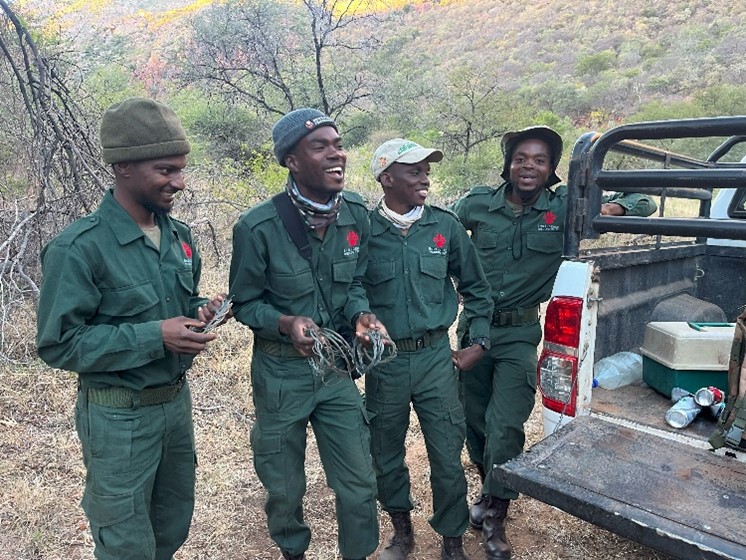
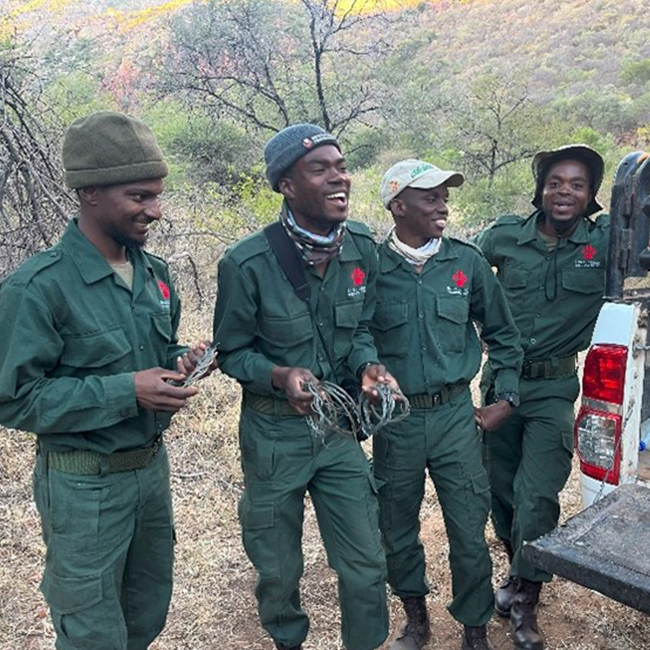
Rangers hold a variety of snares removed from the veld.

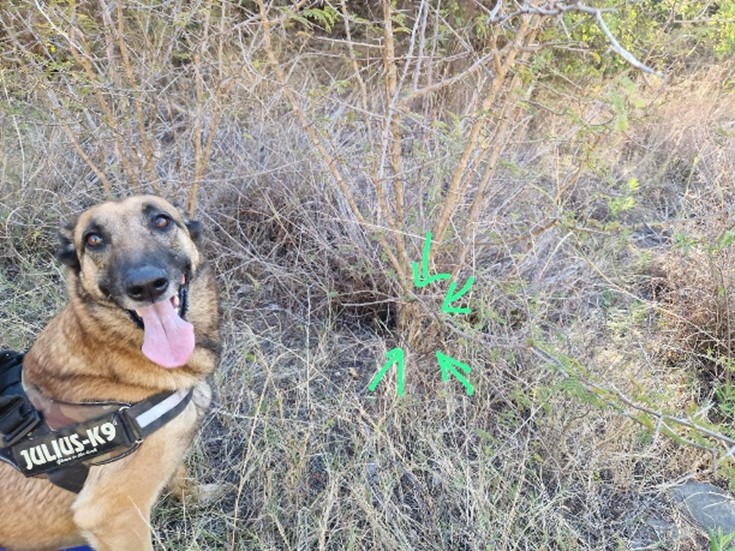
Kisha illustrating just how difficult snares are to see in the field

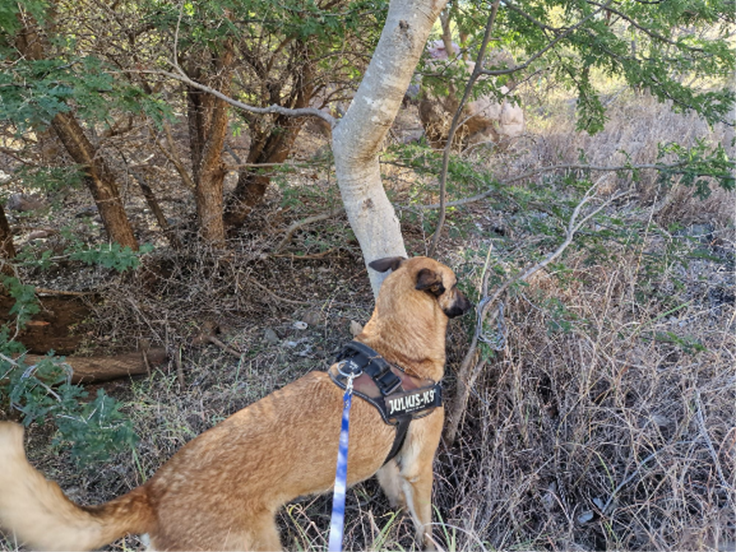
Locating a snare during the test phase of the proof of concept

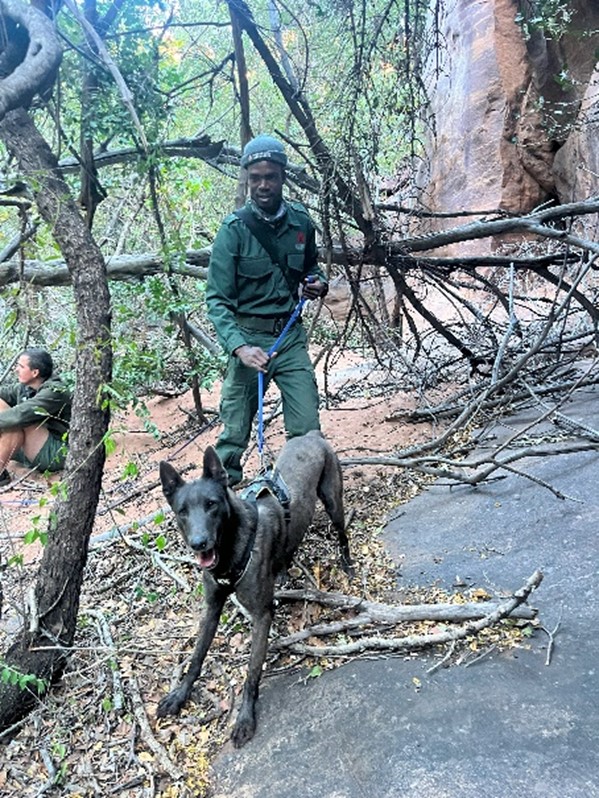
Ruger and a ranger looking for snares at Medike

First Carbon Offsetting Project for 90,000 Hectares Registered

First Carbon Offsetting Project for 90,000 Hectares Registered

First Carbon Offsetting Project for 90,000 Hectares Registered

By Jodi Legge and Eleanor Momberg

The Endangered Wildlife Trust and the International Crane Foundation have registered carbon offsetting project in the Drakensberg – one of only six registered carbon offsetting projects in the world using Voluntary Carbon Market Methodology and covering the widest geographical footprint in a country.

This is part of the EWT/ICF partnership’s long-term commitment to protect threatened crane habitat in the Drakensberg region. The project extends 90,000 ha, of which 88,500 ha is managed by the EWT/ICF partnership as the Carbon Management Entity with the developer, WeAct, from Australia. Further expansion is planned during the second half of 2024 and will be known as the second instance.

“Landowners are interested in joining at least another 45,000 ha for the second instance,” said Pieter Botha, ICF project manager.

Botha added that the partnership covered several critical areas under biodiversity stewardship agreements with crucial landowners. Information opportunities were created to discuss the project, objectives, and outcomes with our partner landowners.

The primary purpose of carbon trading is to channel finances towards a sustainable transition in limiting greenhouse gas (GHG) emissions and GHG sequestration. The cost associated with the removal of GHG needs to be recovered because the removal cost is potentially much lower than the cost of dealing with the consequences of global warming. Through the voluntary carbon market initiatives linked to the free-market principle are allowed as these achieve an incentive by pursuing the initiatives set out in the Paris Agreement reached at the UN Framework Convention on Climate Change’s talks in 2015.

Carbon offsetting is considered a sustainable financing option by providing investments that reduce or remove emissions, improve livelihoods and protect the environment. Carbon credits are sold on the market with revenue returned to landowners. Landowners are rewarded financially as they implement sustainable and improved land management practices that contribute to a healthier ecosystem, are friendly to cranes, and promote greater biodiversity.

The Drakensberg region is home to three species of threatened cranes – the Wattled, Blue and Grey-Crowned Cranes. It is a region that has been at risk from mining, infrastructure development, invasive species, uncontrolled fire and agricultural expansion. These factors have reduced habitat for cranes and other species, and pose significant challenges to landowners, threatening the livelihoods of thousands of people who live and work in this region.

“We know these are complex problems,” said Botha adding these required innovative solutions. “Exploration of the carbon trading market has been one of our key strategies to reduce greenhouse gas emissions through carbon sequestration, to improve the state of these fragile habitats.”

Botha said the cost associated with the removal of greenhouse gas emissions to improve the soil needs to be recovered as landowners cannot do it on their own. Removing CO2 from the atmosphere is a cheaper alternative than dealing with the consequences of global warming.

“Carbon trading is not frequently discussed among farmers as it is not part of their daily production cycle on the farm.,” said Botha. “For many landowners, this was a foreign idea, and careful negotiation and education is required to explain the complexities of the project. It takes a long time to engage with landowners, explain the benefits of participating in the project, and getting them to commit to an agreement.”

Farmers are custodians of large tracts of land, which is also home to many diverse species. The Foundation understands that farming has many challenges and no state assistance or subsidies are available in South Africa. This project aims to assist farmers by offsetting costs that come with conservation, creating an enabling environment for proactive conservation.

The project implemented a four-year cycle of carbon credit verification and issuance, with a goal to ensure a 30-year commitment to the project. Anticipated revenue is substantive.

“We believe this approach will mitigate the effects of global warming while creating resilient habitats for our crane population,” said Botha. “This pioneering approach will result in increased carbon in the soil, while providing relief to our resilient farmers to protect their livelihoods and create conservationists at the same time.”

The unfinished journey:  capturing Wattled Cranes for conservation

The unfinished journey: capturing Wattled Cranes for conservation


The unfinished journey: capturing Wattled Cranes for conservation

By Dr. Lara Fuller, Drakensberg Project Coordinator, South Africa for the African Crane Conservation Programme

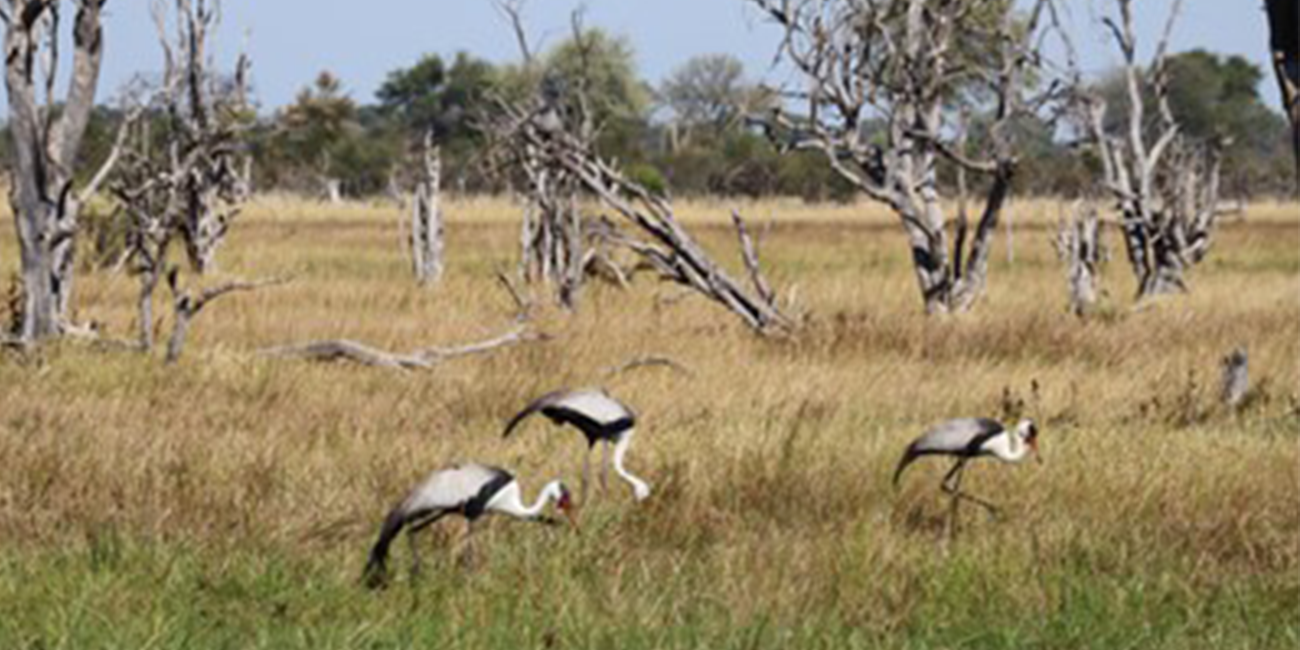
Wattled Cranes close to the camp site

Wattled Cranes are globally Vulnerable. They move with the available waters in large floodplains across south-central Africa through several countries including Botswana, Zambia, Angola, Zimbabwe, Tanzania and Malawi. It is this movement that is vital for conservationists to understand so that conservation goals can be impactful.

Wattled Cranes are notoriously difficult to catch as they have excellent vision and they are not easily coerced into an area, which most capture techniques rely on.

Charles Mpofu of Botswana Wild Bird Trust (WBT)/Okavango Wilderness Project recently approached the EWT for assistance in capturing and handling cranes. Given the synergies between our work, we accepted and I travelled to Botswana to start work on a project that will take some time to complete.

Our first step on the journey was to test the transmitter and harness design by trialling them on captive Wattled Cranes. Out of this work some modifications were made to the transmitter by its developer SpoorTrack to design the dimension specifically for the species. The second step was to understand the best technique to capture Wattled cranes in the Okavango Delta. As the environment is a wilderness with multiple natural dangers, we spoke to the only people who had attempted to catch the species in the Delta — Pete Hancock and Ralph Bousefield in Maun, and Kevin Mcann who had joined the team based in South Africa.

After much discussion the main technique advised was light trapping at a roost site. This approach allows for opportunistic capture in a dynamic and changing environment and allows a capture team to avoid predatory dangers. We had not previously used this technique and learning a new procedure in the wilderness was never going to be easy.

The third step was to find the birds in the vast flood plains of the delta. Charles narrowed this down with aerial surveys to identify a flock in accessible reach, and he spoke to lodge owners and field guides in that area.

On 13 May we started a two-week expedition on the Gomoti River, amply equipped with two Mokoros (a traditional canoe for traveling on the shallow flood plains), two Landcruisers, solar charging battery and remote camping equipment. The first two days were spent ground surveying for Wattled Cranes and learning from a local NPO ‘Connect Trust’ where the accessible roads and river crossings were. Travelling from base camp to the capture site took three to four hours a day due to the difficulty of sandy roads. Understanding where the cranes roosted was vital, and because we were losing important hours on the road, we moved to a new camp in the bush from where we could easily monitor the cranes dawn to dusk. Despite the campsite move the Wattled Cranes were incredibly elusive in sharing details of their roost sites. Flying in and out of foraging grounds in the dark, a mechanism to protect them from predators.

After a few days of 6am mornings and 9pm evenings we had identified a daylight foraging space to which the birds returned to every day. This site had recently been burned and would mark our capture attempts for the remaining expedition. Establishing safe passage across the river for night capture we set up a system using the mokoros so that we could reach the grounds safely. At this site we made numerous attempts to capture the cranes using bird hides, toe noose matts, and using the flashlight technique. Although we came within a few meters of the cranes, numerous difficulties were encountered. Lechwe hampered our attempts to capture during daylight hours by threatening to beat the cranes into the traps.

Wattled Cranes close to the camp site

During the night hours hippos were out foraging, and lions could be heard hunting. Not an ideal scenario when you’re travelling on foot. Other aspects obstructing capture was the unhelpful moon cycle, and although there were numerous breeding elephant herds they were very regimented in their movements and were easily avoided.

With a lot of experience and lessons learned we attempted our second expedition on the Boro River from 7 July 2024 for 10 days. This time we armed ourselves with some camouflaged toe noose traps, some very bright flashlights and a FLIR. One of the most difficult aspects we found during the night captures was that we could only see as far as a flashlight. This is a little discouraging when running into the night after a crane. The FLIR proved to be a valued member of the team and was excellently designed for its purpose.

The second expedition was supported by the prestigious game lodge Xigera in the heart of the Okavango permanent wetland. As we explored the reserve we were delighted to find over 20 pairs of Wattled Cranes, enabling a number of capture attempts on the same night at different sites. We were hopeful. However, although we were spending up to 19 hours in the field, observing where the pairs moved to during the day and attempting captures at night, we found that there were only four pairs that had steady territories. This was because these birds were starting to breed. Despite this the expedition attempted eight night captures. We came as close as four meters to one crane before the mud tied up Charles and the Landcruiser. We even came within couple of meters of capturing with toe noose matts, until the Buffalo and Impala decided to race the cranes to the traps.

It was T.S. Elliot who said: “It is the journey not the arrival that matters”.

As we reflect on these expeditions and consider the way forward, Charles will be joining us in South Africa along with colleagues in the African Crane Conservation Programme (ACCP) from Uganda, Kenya and Zambia, an American colleague from the International Crane Foundation and a number of South African colleagues from ACCP and Wildlife Energy Programme, to attempt to capture Grey Crowned and Blue Cranes in Mpumalanga. This will form a part of a workshop where we will share our knowledge and experience in Crane and other bird captures to create more innovative approaches to captures in especially the difficult flood plains of the south-central Africa. These will include questionnaires that will draw out the why, when, where and how Crane captures are performed across the globe. This will be compiled under the auspicious IUCN Crane Specialist Group to develop best practice guidelines for captures. In addition, we have through this process bridged a gap between generations of experienced crane catches enabling us to build on the knowledge of the past and not reinventing old new techniques. Conservation relies on collaboration and working together, and these attempts are creating a stronger team of skilled conservationist across Africa for the benefit of crane species. What better example could we have of conservation in action!


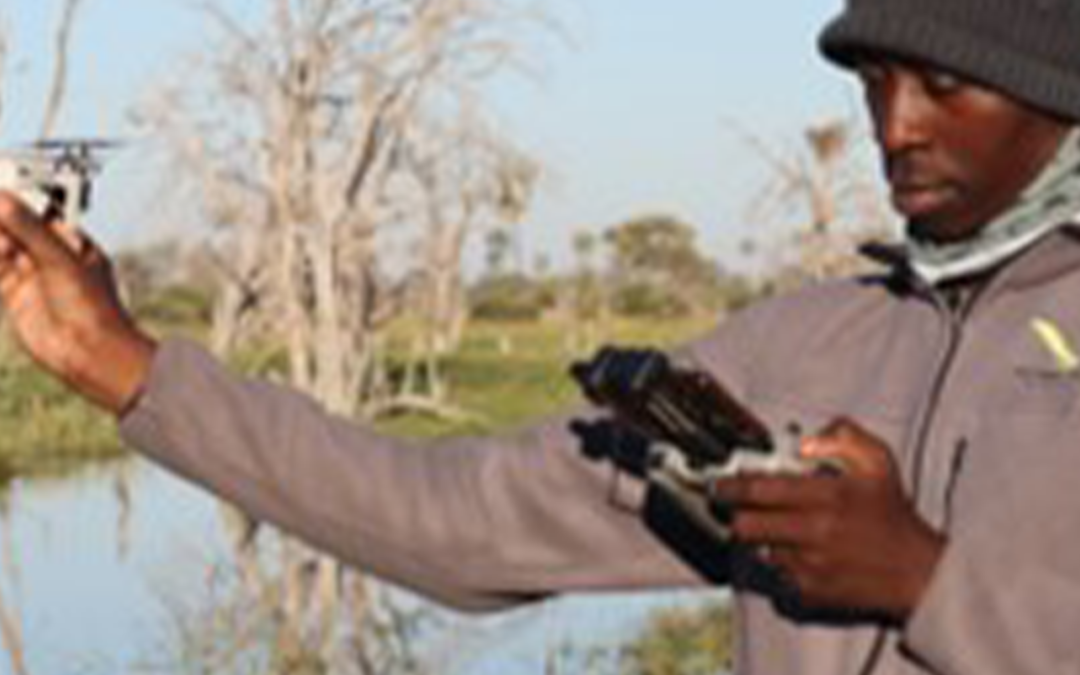
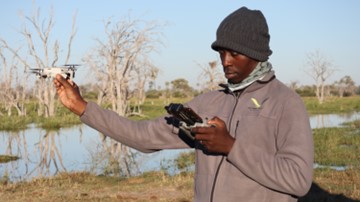
Chales Mpofu of the Wild Bird Trust Okavango Wilderness Project using a drone to survey the vast area of the Delta.

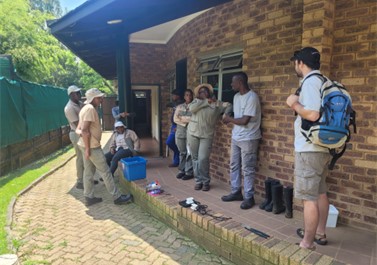
Johannesburg City Park and Zoo team with Charles Mpofu of the Botswana Wild Bird Trust and Matt Pretorious EWT who assisted with training on applying a harness.

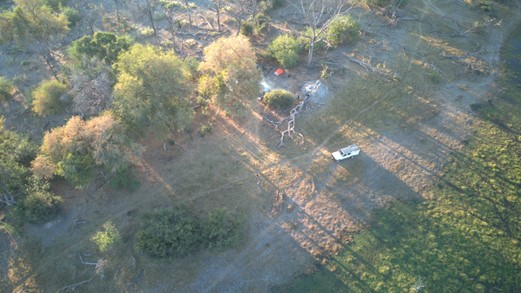
The remote campsite adjacent to the capture site.

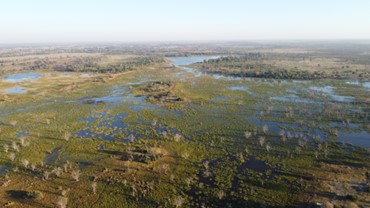
Capture site where 10 Wattled Cranes were inhabiting

African Canines in Conservation Conference

African Canines in Conservation Conference

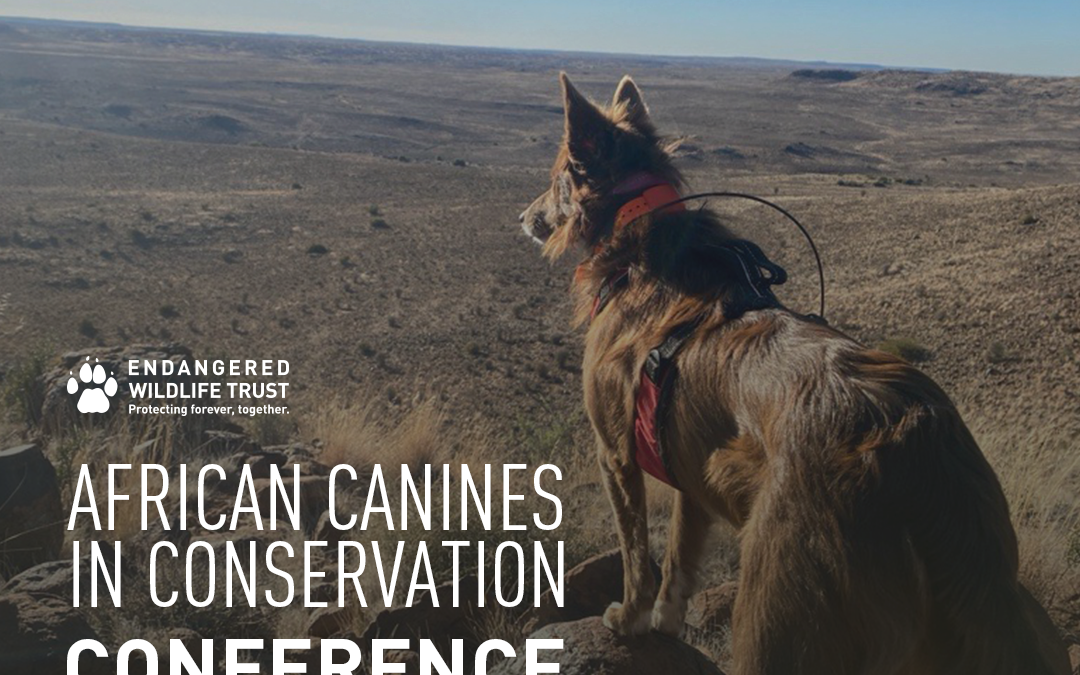
The Endangered Wildlife trust and partners are excited to reveal that we are planning our first African Canines in Conservation Conference for March 2025. The event will be hosted at the EWT’s conservation campus in Midrand (Gauteng) and will have a predominant focus on the use of dogs for conservation research projects, and all the other aspects associated with it. There will also be one session aimed at other applications for scent detection dogs, that will allow for speakers outside of the conservation field. The preliminary dates for the conference are 18 and 19 March, where the aim of the conference is to bring around 100 people from different backgrounds together to share experiences and knowledge, and to allow for networking and establish collaboration opportunities.


We are pleased to announce our keynote speakers for the event:

Full event programme at bottom of page


Kayla Fratt

Kayla Fratt is the co-founder of K9 Conservationists, a non-profit organization in the United States, and the host of a podcast by the same name. The organization aims to unite highly trained conservation detection dog teams with researchers to collect scientific data and to provide mentorship, education, and foster collaboration among scientists, novice handlers, and local communities. Kayla is currently a PhD student and NSF-GRFP Fellow at Oregon State University in Taal Levi’s lab. Her research there focuses on the combination of scat detection dogs and genetic methods to answer questions regarding diet and movement of sea wolves in southeast Alaska and the recolonization of pumas in El Salvador. In the past, Kayla has also worked in Kenya with cheetah scat detection dog teams and searched for jaguar and other felid scat in Guatemala. She is a Certified Dog Behavior Consultant and is committed to methods maximizes the welfare and efficacy of working dogs.


Esther Matthew

Esther completed her M.Sc. in Environmental Science. As part of her study that started in 2014, she successfully raised and trained a scent detection dog to locate Giant African Bullfrogs (Pyxicephalus adspersus) underground. Subsequently, she joined the EWT team and as the Specialist Conservation Officer has been using dogs to located elusive and Endangered species focusing on in situ conservation. She obtained national and international qualifications, and due to her work and research with detection dogs, Esther became a National Geographic Society Explorer. Focal species that she has worked on include the Critically Endangered Riverine Rabbit and De Winton’s Golden mole, as well as three of South Africa’s most rare tortoise species. Furthermore, she was also part of the EWT team who trained the first three succulent plant detection dogs for anti-poaching purposes, which already resulted in a few successful operations.


Louise Wilson
 

With over 20 years of international experience, Louise Wilson is a trailblazer for conservation detection dogs in the UK. As Managing Director of Conservation K9 Consultancy, she has trained canines to detect everything from cheetahs and hedgehogs, to water voles and invasive beetles. At the conference, she’ll share her expertise in ethical, efficient, and non-invasive wildlife surveys, drawing from her groundbreaking work across the globe.


Will Powell

Will Powell, CEO of KURU – the Conservation Dog, brings nearly 30 years of expertise in training over 3,500 dogs for humanitarian and conservation missions. Since 2014, his programs in seven African countries have fought wildlife trafficking, reduced poaching, and safeguarded endangered species. At the conference, he’ll discuss the tangible impact of canine units in protecting Africa’s wildlife, and the lessons he has learned along the way.


We are already excited about the experience and knowledge these speakers will bring to the event and will be announcing the other keynote speakers over the next few months.

It is important to note that participants living in Africa will get reduced fees (compared to international participants), and selected speakers of the event will also get discount. We also hope to have a few scholarships available for which participants can apply. We aim to make the event hybrid, where virtual participants can listen into talks, however in-person attendees will benefit through additional live demonstrations and panel discussions. So watch this space for more information and we hope to see many of you at the event in March!

Proudly sponsored by