Help from above: Feathered rangers take to the sky

Help from above: Feathered rangers take to the sky

Help from above: Feathered rangers take to the sky

By Dr Gareth Tate, manager: Birds of Prey Programme


A critical challenge in wildlife conservation is swiftly locating and responding to poisoning events. Early detection and prompt decontamination can dramatically reduce further wildlife loss, save surviving animals, and enable law enforcement to act quickly. To combat this threat in southern and east Africa, the Endangered Wildlife Trust (EWT) has harnessed the natural behavior of vultures and cutting-edge GPS-tracking technology to create a rapid poisoning detection system called Eye in the Sky.

This innovative system monitors the movements of GPS-tracked vultures to remotely detect poison sources and feeding events linked to poached or poison-laced carcasses. By reducing the time between detection and response, we aim to enhance the efficiency of law enforcement and response teams, ultimately protecting more wildlife.

Now in its third official year, the Eye in the Sky project leverages the extraordinary foraging lifestyle of African vultures and state-of-the-art GPS tracking technology to protect these vital scavengers and other threatened species. Our Birds of Prey Programme team monitors over 120 tracked vultures across the Greater Limpopo Transfrontier Conservation Area, using near-real-time alerts to respond to feeding events and immobility alarms. The impact of our feathered rangers has been remarkable.


The capture locations and GPS tracks of the GPS-tagged vultures, deployed as part of our Eye in the sky project, across poisoning hotspots of southern Africa.

Above: A heatmap showcasing the current coverage obtained from our GPS tracked sample of vultures deployed as part of our Eye in the sky project, across poisoning hotspots of southern Africa.

Above: Our Eye in the Sky system has reached a significant milestone with its seamless integration into the EarthRanger platform. Above is a screenshot of the EWT EarthRanger instance shared across partners, with a basic visual and geographic summary of partners set up and using the Eye in the Sky system effectively across our target project sites.


Over the past year, a significant effort has been devoted to detecting poisoning events and poison bait sources using our system’s immobility and feeding alerts. Since May 2023, we have identified 37 poison sources across our project sites. Early detection and prompt decontamination have been crucial in safeguarding many scavenging wildlife species. We have rescued, rehabilitated, and released over 80 vultures back into the wild — birds that would have otherwise succumbed to ingested poisons.

Despite these successes, challenges remain. In early March 2024, over 80 vultures were poisoned in northern Kruger National Park due to delays in response. This tragic event underscores the need for continued improvements in our rapid detection system and response protocols.


Results from follow-ups to alerts generated by our Eye in the Sky system from January 2023 to December 2023 offer compelling evidence of the system’s effectiveness in identifying crucial illegal wildlife activities and points of interest. This includes the detection of 37 poison sources/events,36 poaching camps, as well as the detection and removal of 3,049 snares across our project sites. Notably, 1,937 of these snares were found still set and untriggered, underscoring the potential threat posed to wildlife. The system has proven instrumental in mitigating harm, showcasing its vital role in conservation efforts.


However, the effectiveness of our rapid detection system has been demonstrated by our ability to intercept potential mass poisoning events. At eight vulture alert sites, poison sources were detected before any wildlife fatalities occurred, showcasing the robustness of our monitoring and alert systems in protecting wildlife.

Besides enhancing our ability to detect snare lines so they can be removed, we have in the past year also detected 36 poaching camps where rangers have seized bushmeat, equipment, and poisons, disrupting illegal activities and trade.

At a time when there appears to be an increase in the targeted snaring and poisoning of lions and hyenas for their body parts, used in traditional medicines, the Eye in the Sky system is making a significant impact on lion and hyena conservation efforts, either by augmenting or improving existing initiatives.

Throughout the past year, the Eye in the Sky system has led to the detection and removal of 3,049 snares across our project sites.

Our teams’ persistent presence in landscapes the Greater Kruger has led to a discernible reduction in illegal wildlife activities, marked by fewer instances of poisoning and snaring events. This ongoing commitment reflects our dedication to fostering a safer environment for the region’s wildlife and underscores the positive impact of sustained conservation efforts.

A significant emphasis has been placed on rescuing vultures that survive poisoning events within Kruger National Park. Thanks to a growing network of veterinarians and a partnership with the Moholoholo Animal Rehabilitation Centre in Hoedspruit, we have rescued over 120 vultures since 2017. Over the past year, we achieved a 100% survival rate for vultures rescued from poisoning events, demonstrating marked improvements in our response, treatment protocols, and rehabilitation processes. This success is complemented by our first vulture ambulance, currently deployed in the Greater Kruger.

The Eye in the Sky project is a testament to the power of innovation and collaboration in wildlife conservation, offering hope for the future of southern Africa’s endangered species.


** The EWT would like to thank our donors, the Mohamed bin Zayed Species Conservation Fund, National Geographic Society, Alu-Cab, the Charl van der Merwe Tryst and the Briandez Legacy Trust for your support on this programme.


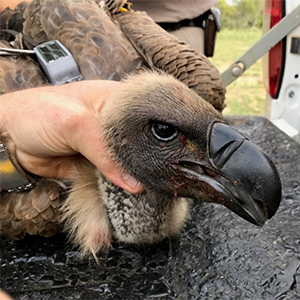
A white-backed vulture fitted with a tracking unit and deployed as one of our Eye in the Sky feathered rangers.

An adult Cape Vulture fitted with a GPS tracking device, ready to be deployed for the Eye in the Sky system

A white-backed vulture fitted with a tracking unit and deployed as one of our Eye in the Sky feathered rangers.
Collaborative Action to Address South Africa’s Snaring Crisis

Collaborative Action to Address South Africa’s Snaring Crisis


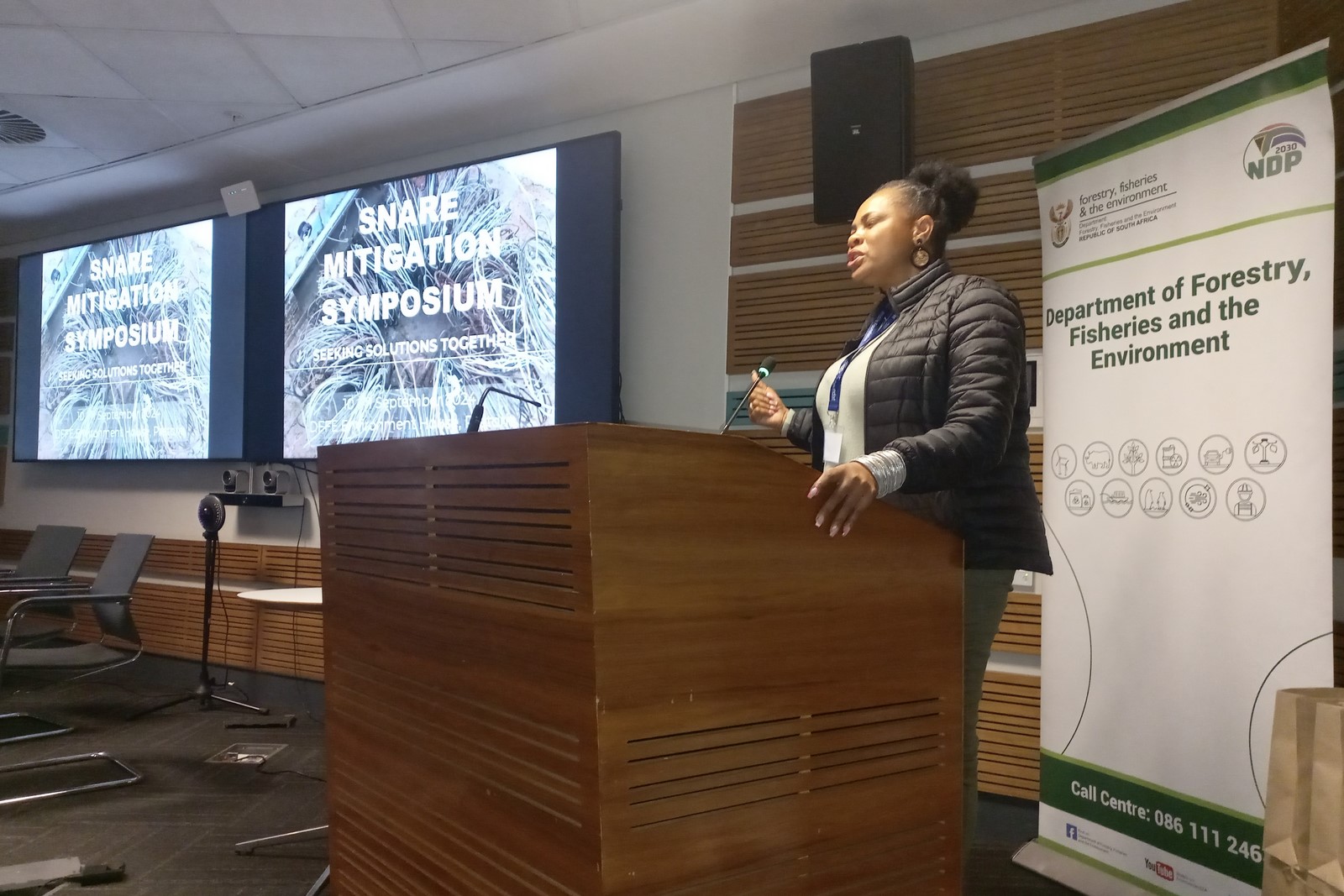
The EWT pledges less talk and more action to address South Africa’s snaring crisis at the inaugural Snare Mitigation Symposium

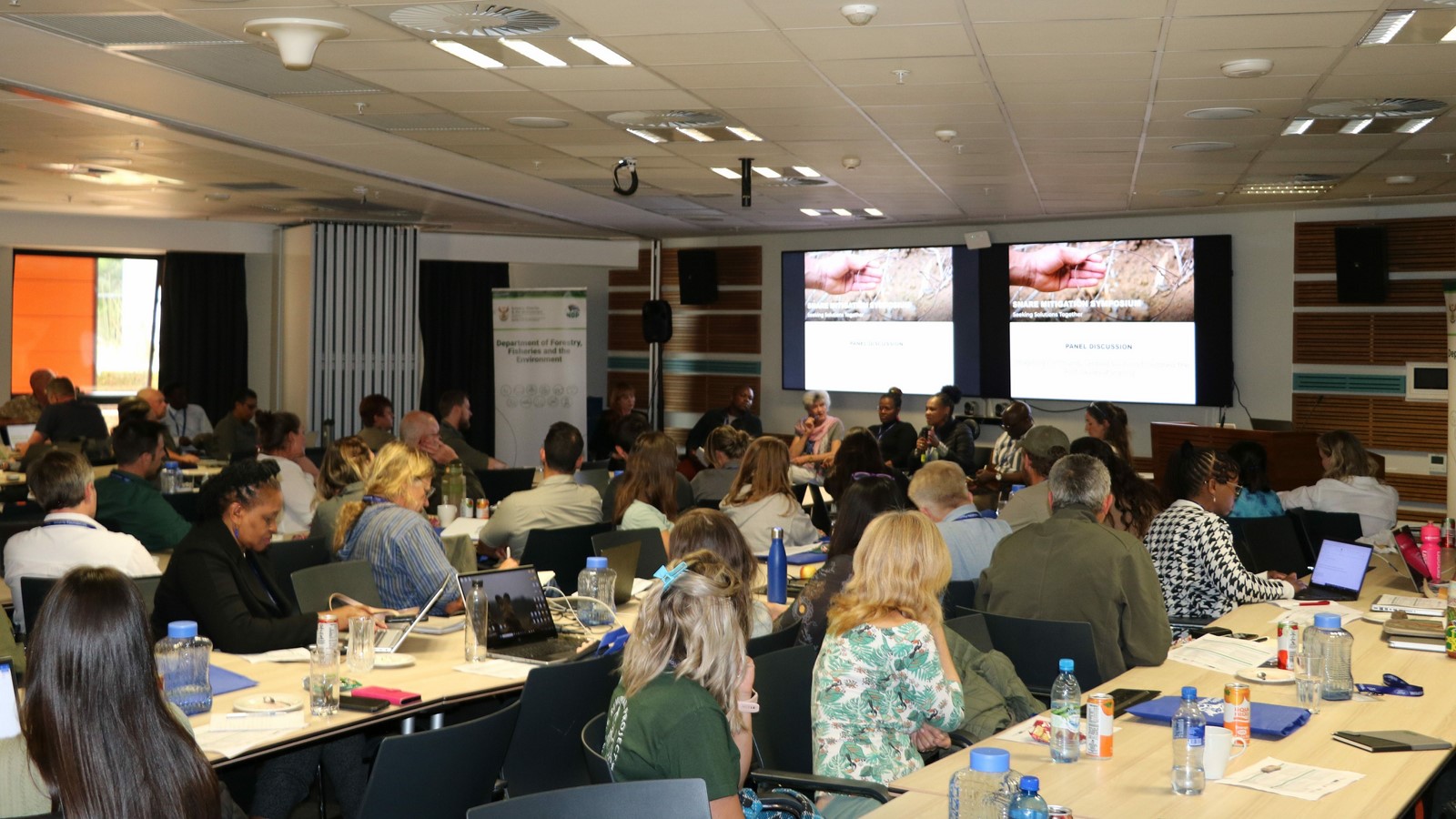
140 delegates attended the inaugural Snare Mitigation Symposium

Twenty-two speakers presented at the Snare Mitigtation Symposium

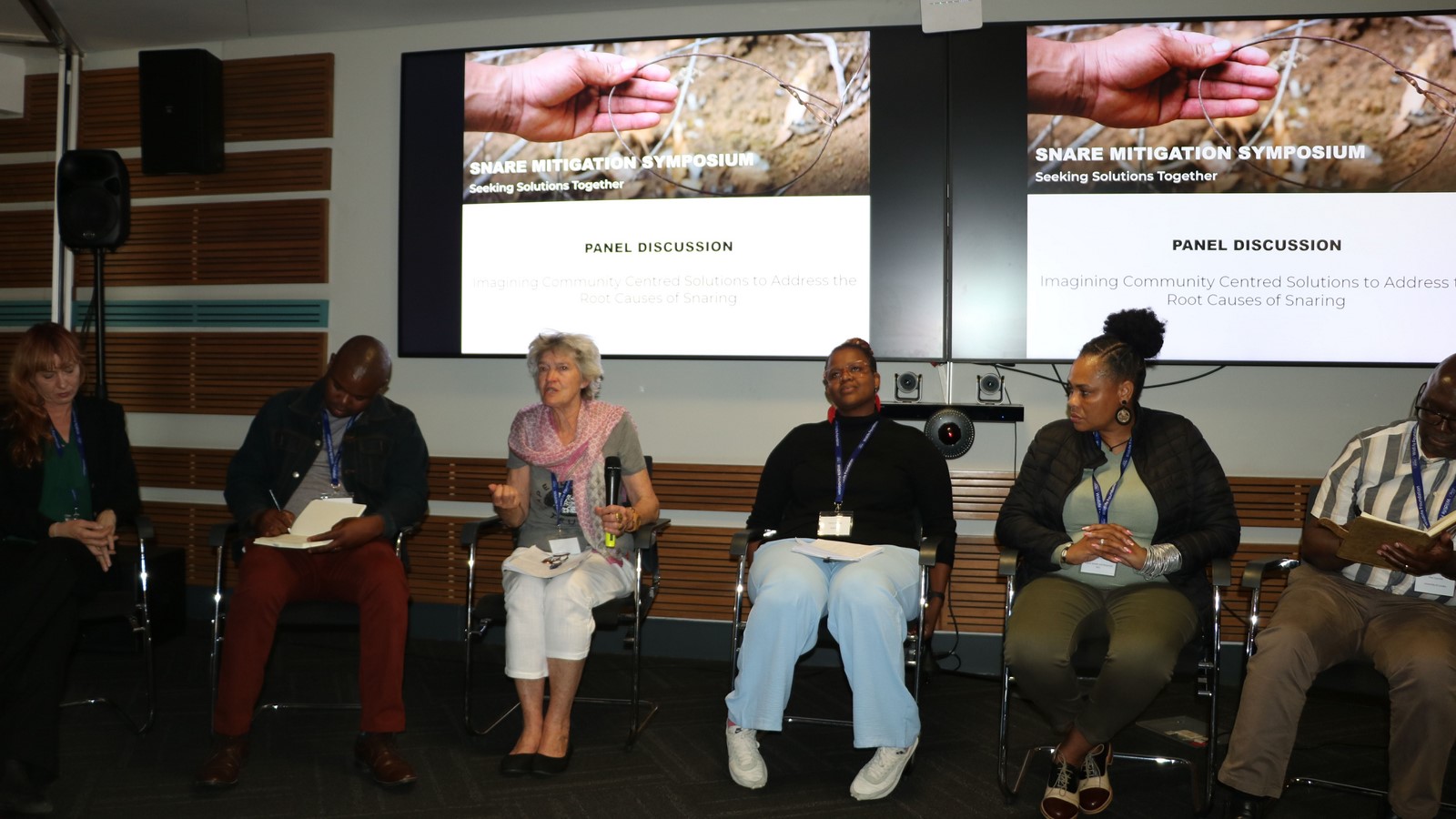
One of the Snare Mitigation Symposium panel discussions

WARNING: SENSITIVE IMAGES BELOW


The importance of less talk and more action to address the snaring crisis in South Africa is key to the conservation of all species.

This, and the need for greater collaboration and partnerships to address the negative impacts from the illegal snaring of wildlife, were among the outcomes of the inaugural two-day national Snare Mitigation Symposium in Pretoria.

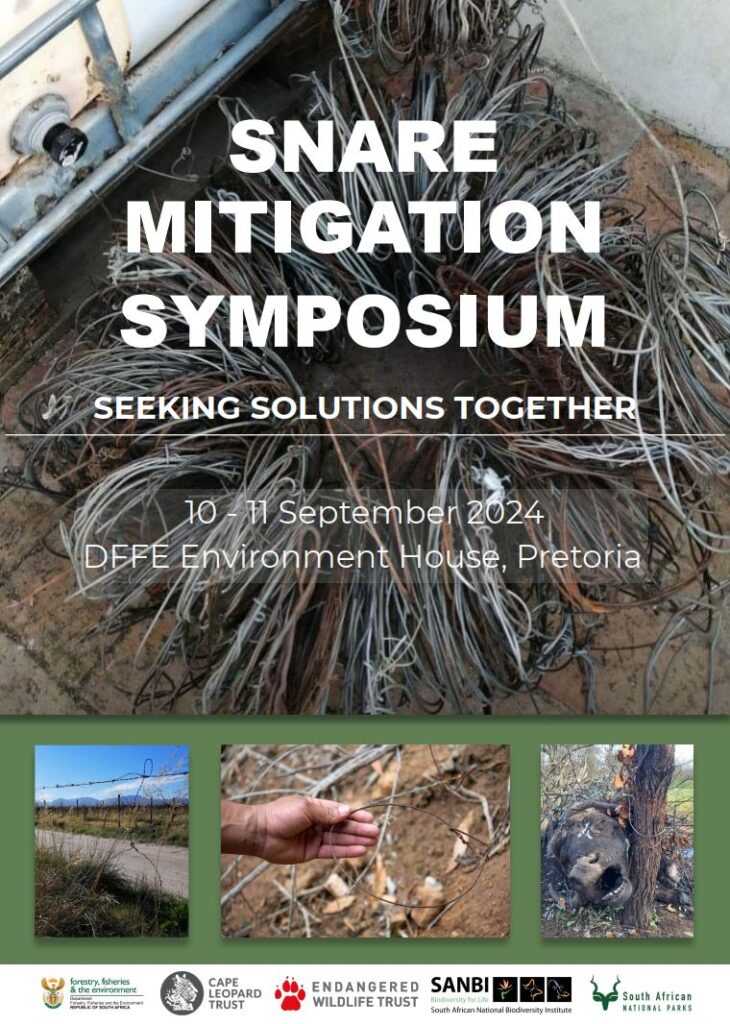
The meeting of 140 delegates delved into the impacts, drivers and solutions to this increasing threat to wildlife and the economy. Co-led by the Department of Forestry, Fisheries and the Environment (DFFE), the Cape Leopard Trust (CLT), the Endangered Wildlife Trust (EWT), the South African National Biodiversity Institute (SANBI) and South African National Parks (SANParks), the inaugural Snare Mitigation Symposium was held at Environment House on 10 and 11 September 2024.

It brought together leading experts in wildlife crime, government officials and representatives of numerous stakeholders across the sector to examine the multifaceted aspects of the snaring crisis. The purpose was to understand existing and potential new complexities, and to share experiences and knowledge to reduce the problem both inside and outside conservation areas, in order to identify and co-create workable solutions for the benefit of people and the environment.

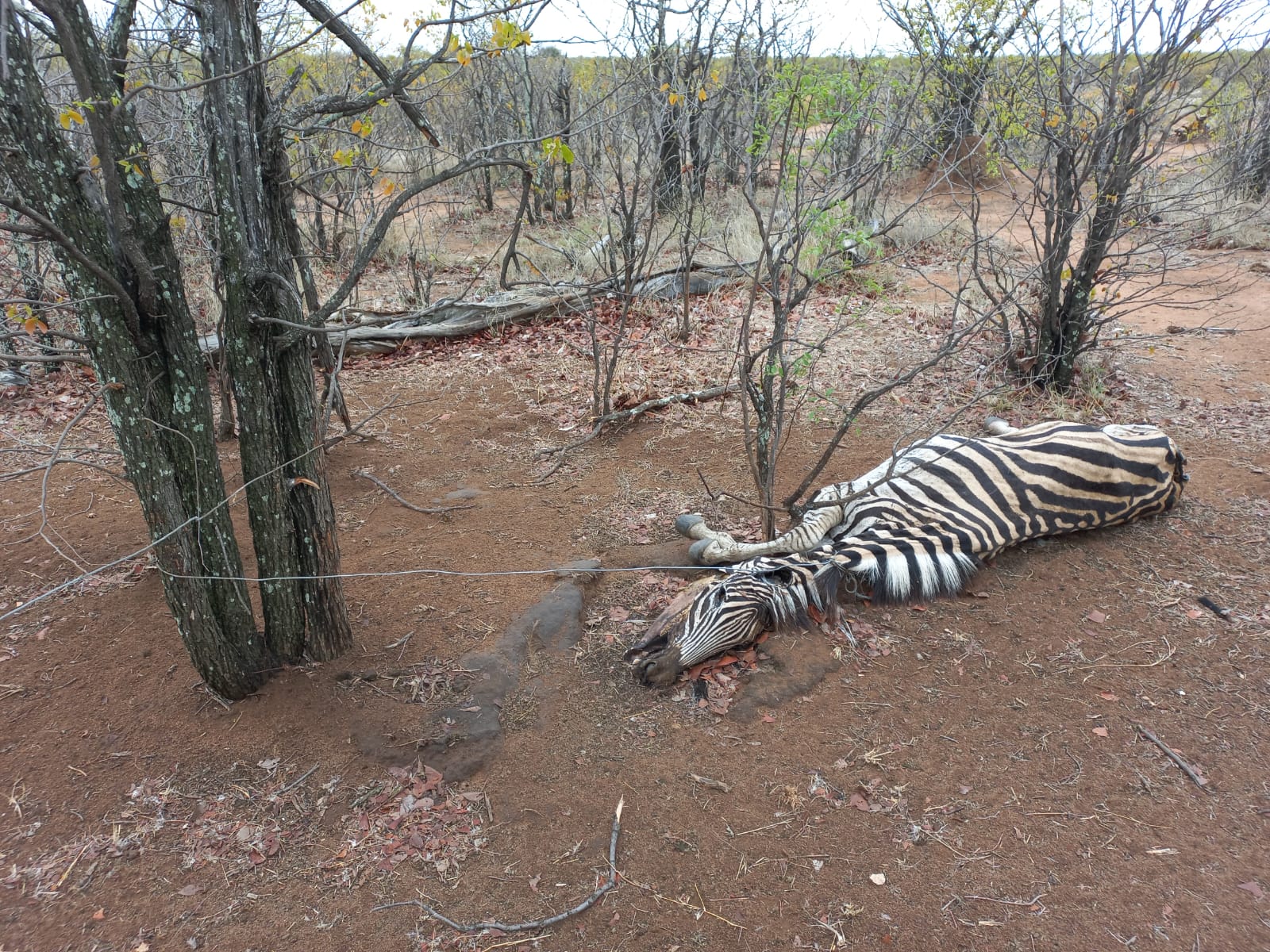
Snaring is motivated by complex socio-economic and cultural drivers and the symposium explored snaring from a myriad of angles and viewpoints. Information gained highlighted that animals are snared largely for personal or commercial use and is occurring at unsustainable rates across all provinces and in diverse landscapes. Sadly, many species including leopard, lion, hyena and other predators are killed as by-catch in snares originally set for bushmeat.

A key insight from the symposium is that we need more community interaction amongst stakeholders towards achieving positive outcomes for this threat to wildlife. Communities living with wildlife, and those linked to snaring, need to form an integral of the solutions being proposed, and to be undertaken, to address snaring.

No solution will be credible without the involvement of the relevant community voices in co-development of solutions. Solutions need to be diverse, purposely inclusive and tailored to, and by, the people living in the affected areas. Technological advances were showcased to improve snare detection and data collection.

Among the legal solutions highlighted by Ashleigh Dore, the EWT’s Wildlife and Law Project Manager, the need for legal reform to ensure laws applicable to snaring are the same across the country. Ashleigh also introduced a restorative justice approach to respond to snaring. Restorative justice is a holistic, inclusive and problem solving approach to justice that involves all parties involved in or impacted by the crime to (1) identify and respond to harm from the crime and (2) prevent reoffence.

Senior Conservation Manager Lourens Leeuwner, during his presentation on the threats of snaring countrywide, highlighted the results of the EWT’s recent project and proof of concept to determine whether anti-poaching dogs could be used for snare detection. The Canine Conservation Unit had spent several days testing techniques to detect snares in a farming and conservation area in Limpopo. Using two EWT anti-poaching canines, Ruger and Kisha, the team set snares in the veld before sending out rangers to find the items. While rangers only found some of the snares placed for the test, the canines had, in all cases, successfully tracked the scent of the person who had planted the snares and other items, finding most of the snares. As further proof that this technique works, the dogs were taken on a routine patrol of a farm that has problems with poachers using snares to catch wildlife. During this patrol, Ruger discovered a snare that had been planted by a real-life poacher. While there is a lot more work that needs to be done, this is proof that the concept works – an extra tool in the arsenal to combat poaching.


Among the key decisions adopted as outcomes included further research on the drivers and alternative livelihood solutions, more cohesive legislation to address snaring and other wildlife crimes, more centralised reporting and monitoring to ascertain the extent of the problem, and creating a greater understanding of the impact of snaring not only on biodiversity, but also on the economy and well-being of communities.

At a workshop following the event, the host organisations strategised next steps related to key themes and action points identified during the symposium that will include a wide range of stakeholders. Looking to the future, greater teamwork and communication between State, private sector and civil society will be cultivated to find sustainable long-term solutions for both people and wildlife.


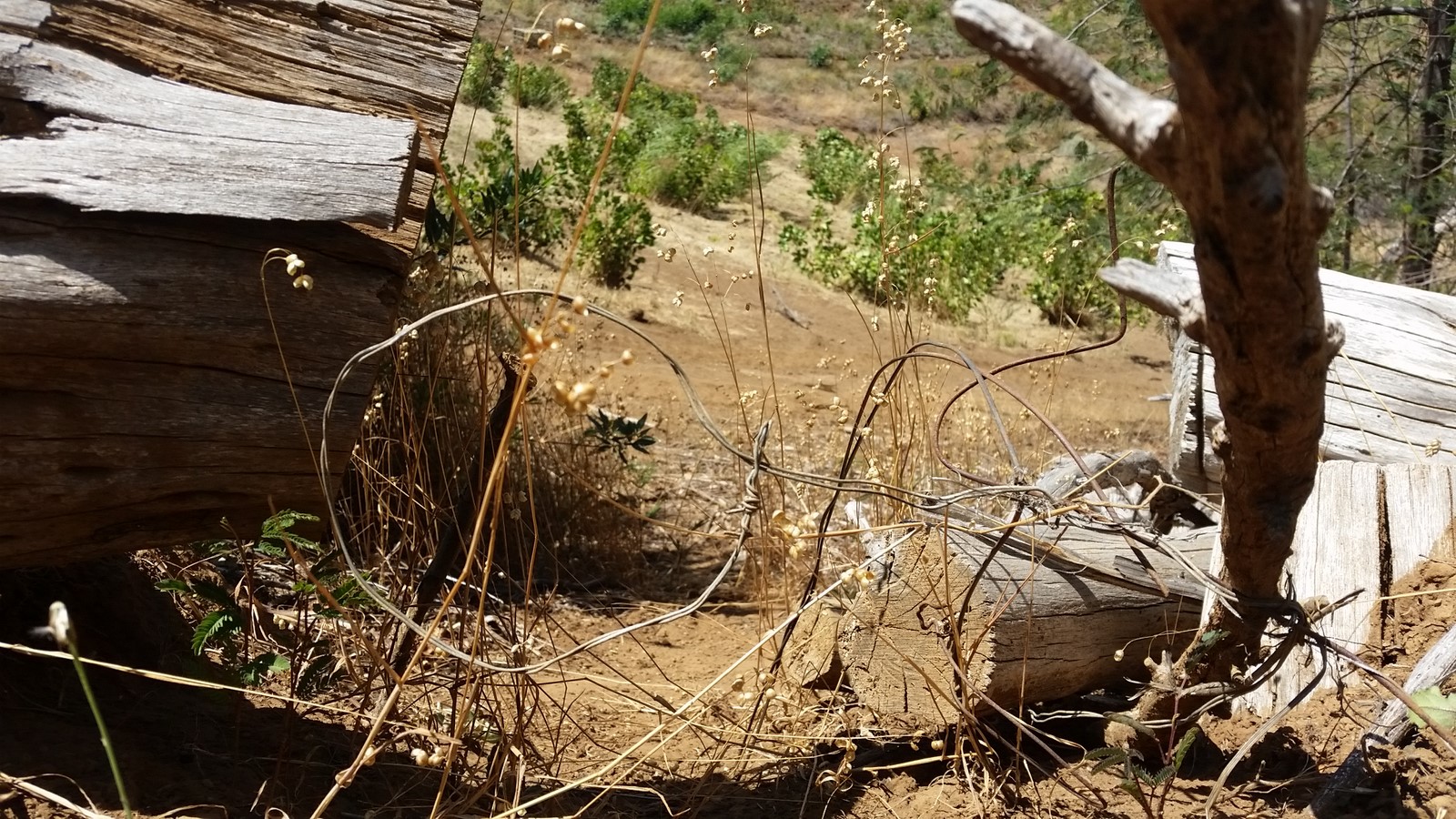
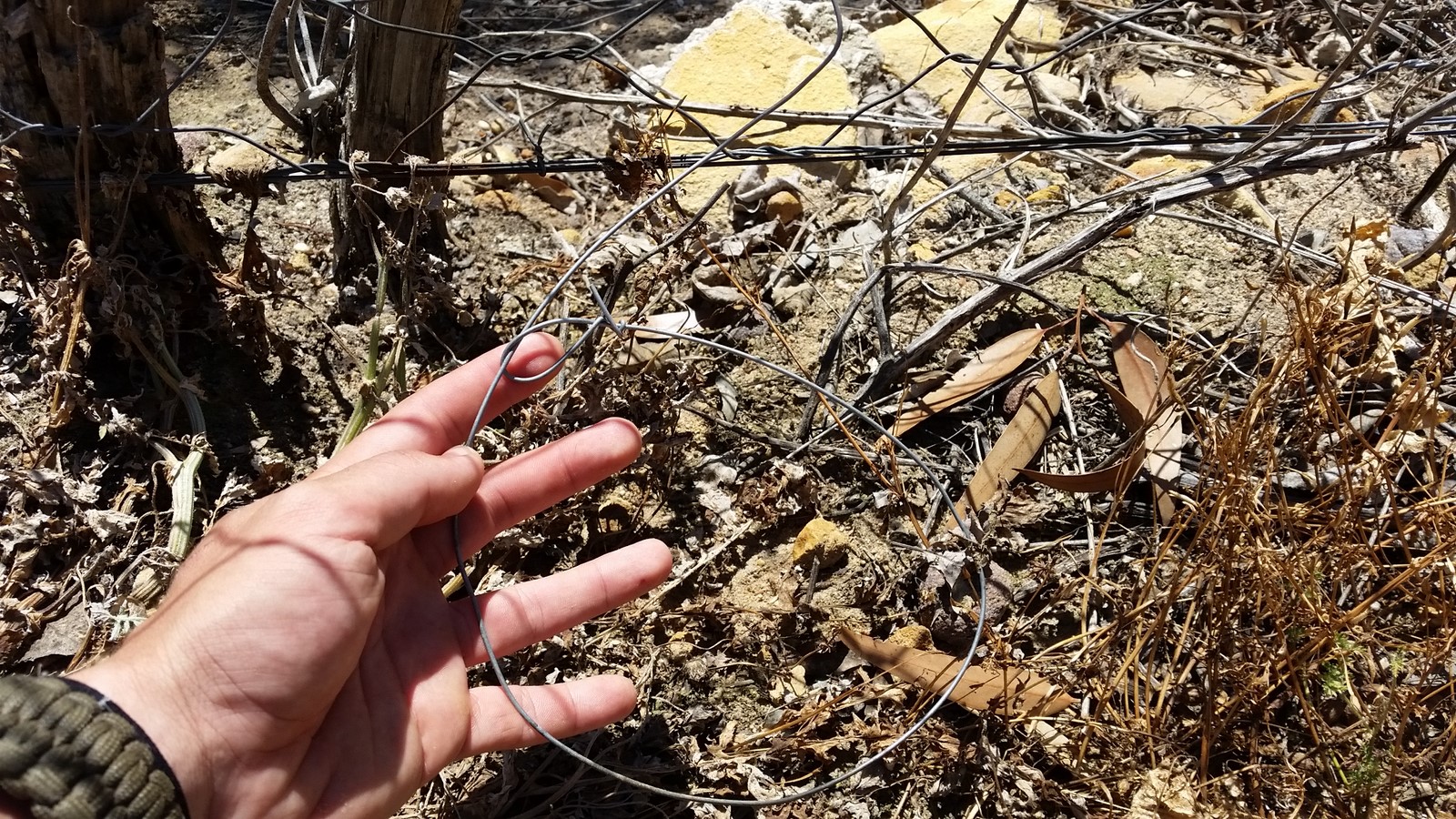
A wire snare set to catch animals by the neck. ©Cape Leopard Trust

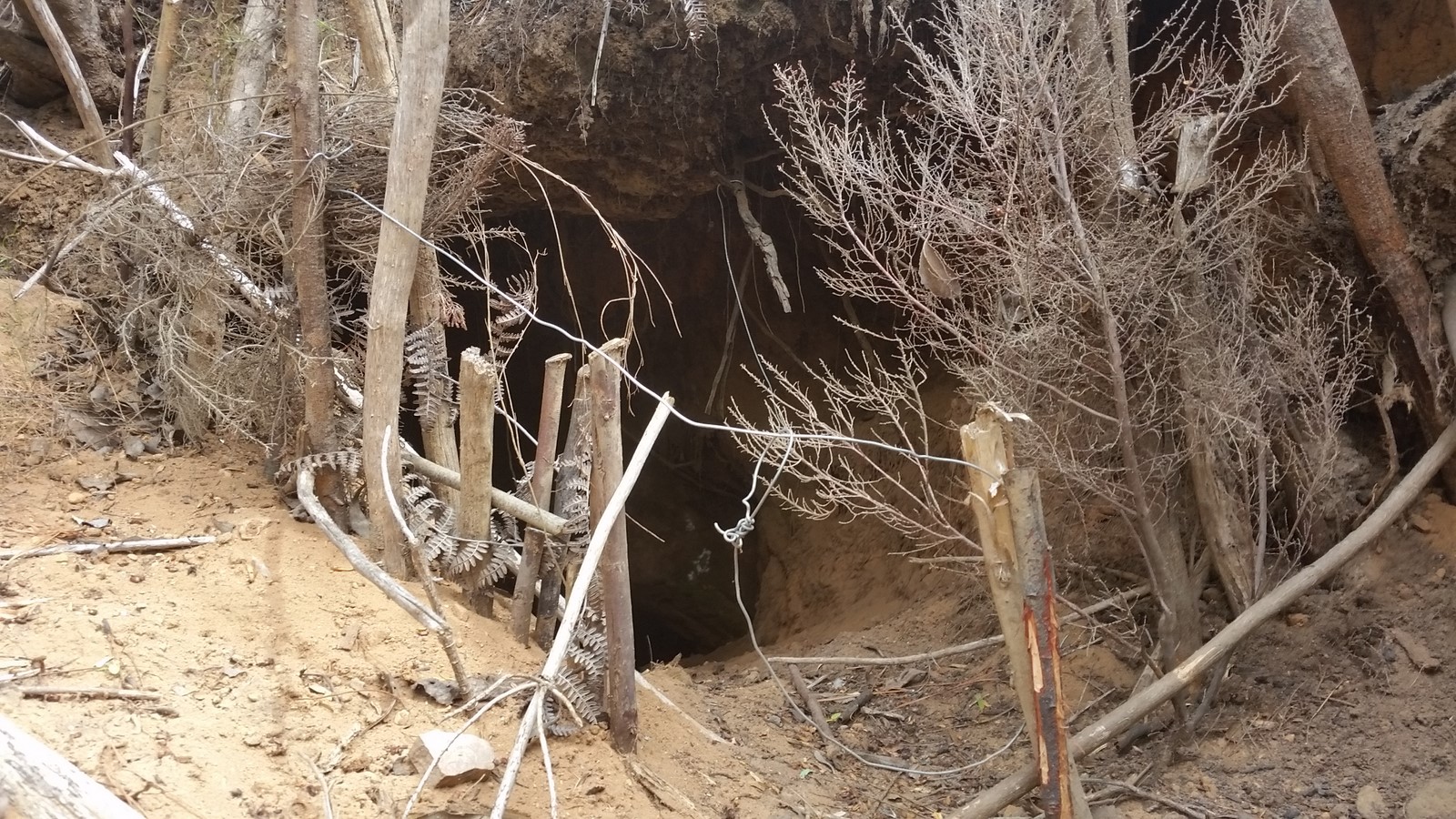
A snare setup in front of an animal burrow. ©Cape Leopard Trust

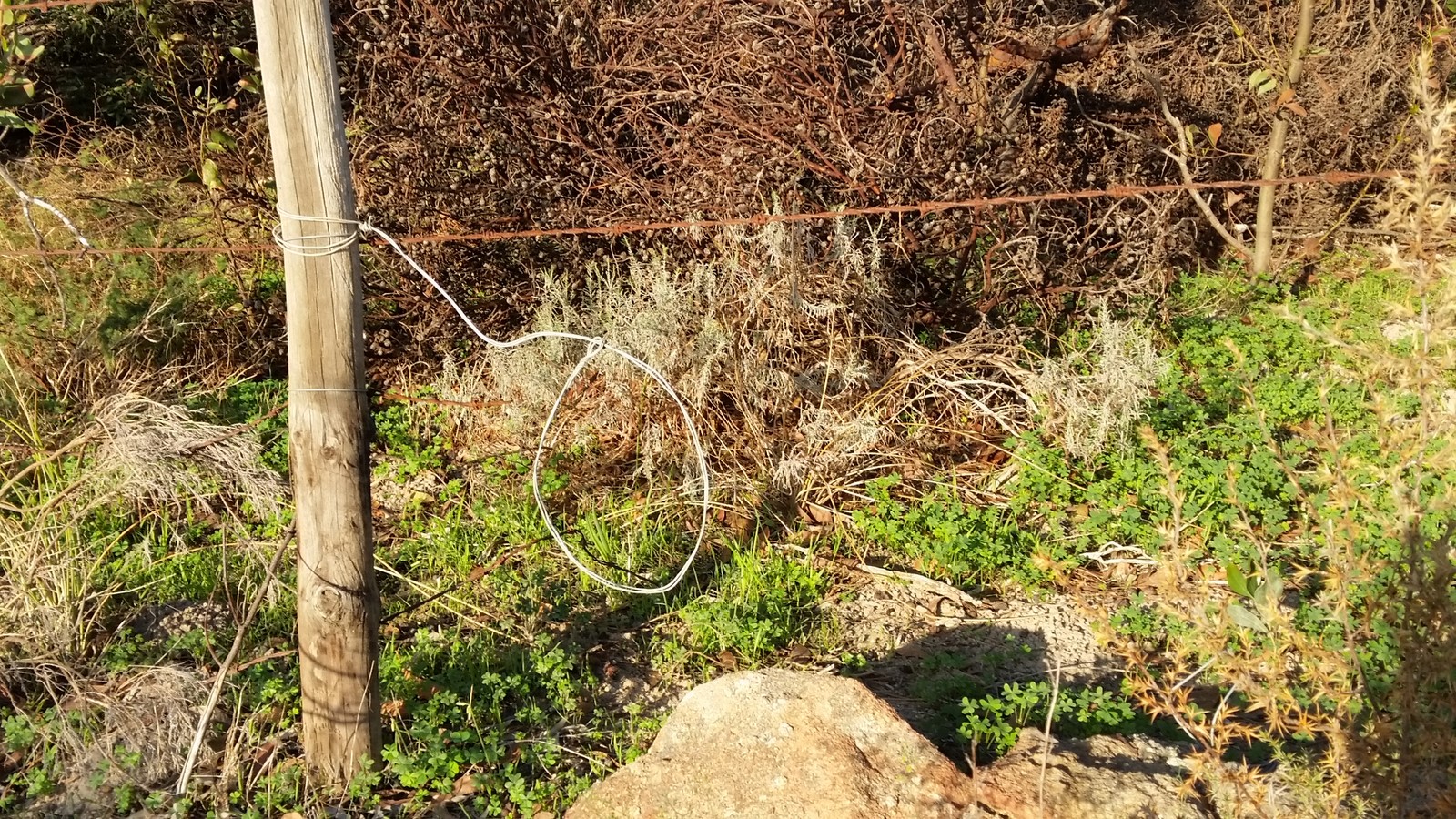
A wire snare along a fence line where many animals move. ©Cape Leopard Trust

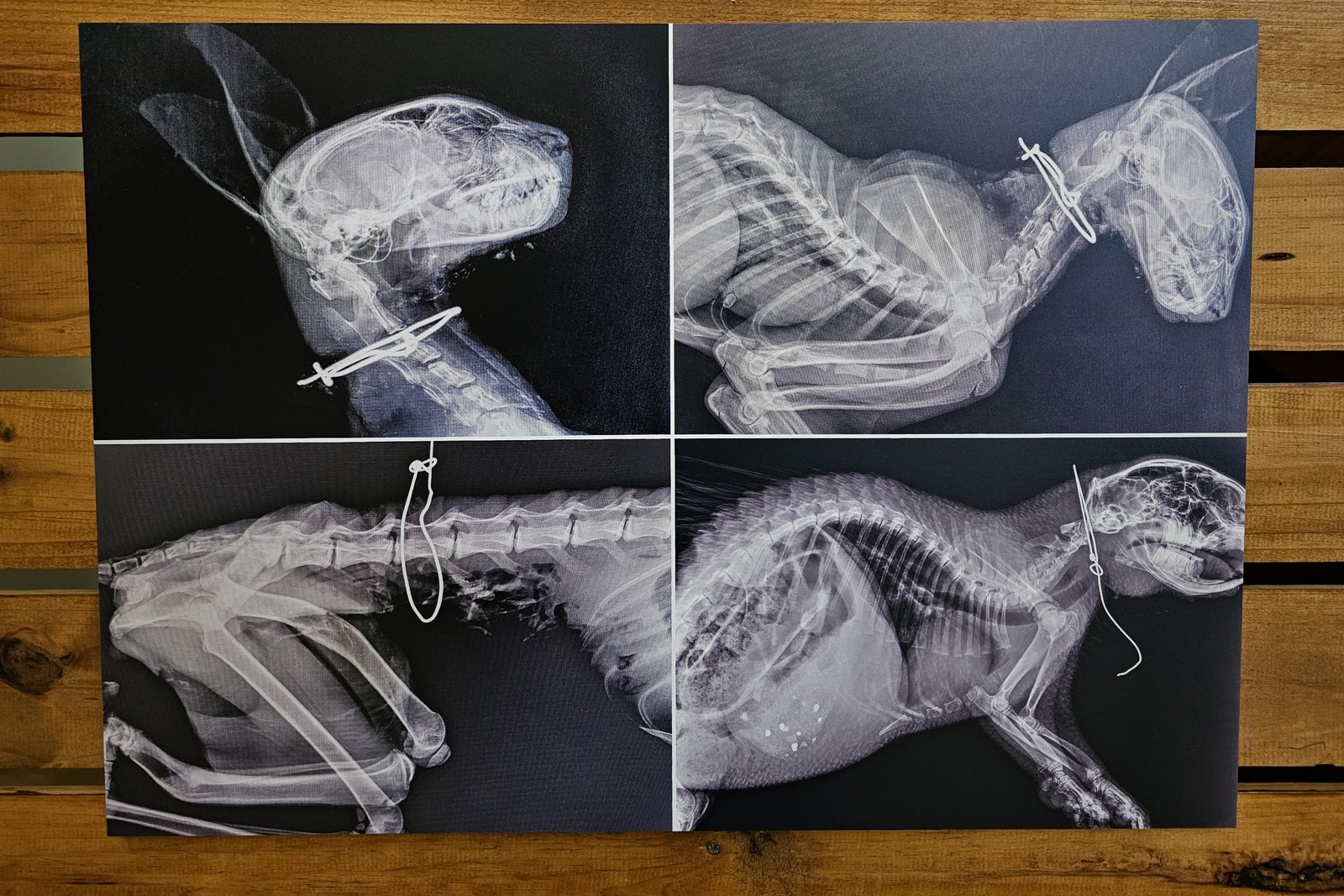
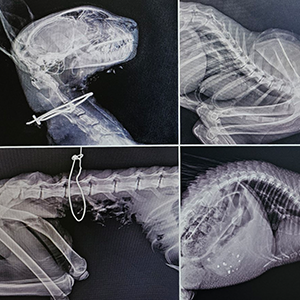
X-ray photos of a caracal and porcupine killed by snares. ©COGH SPCA

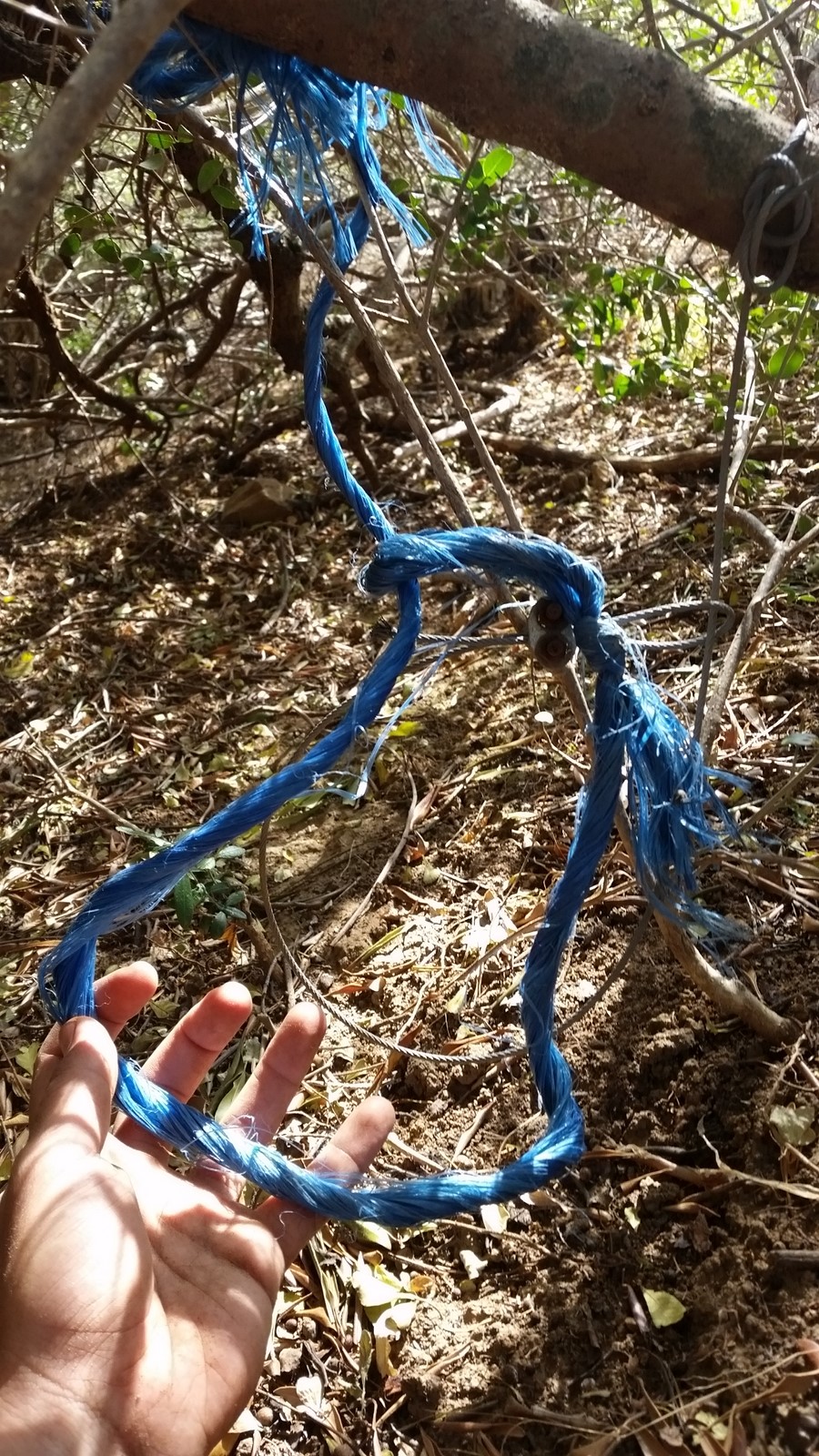
Most snares are made from wire but rope and cable are also used. ©Cape Leopard Trust

An example of a wire snare. ©Cape Leopard Trust

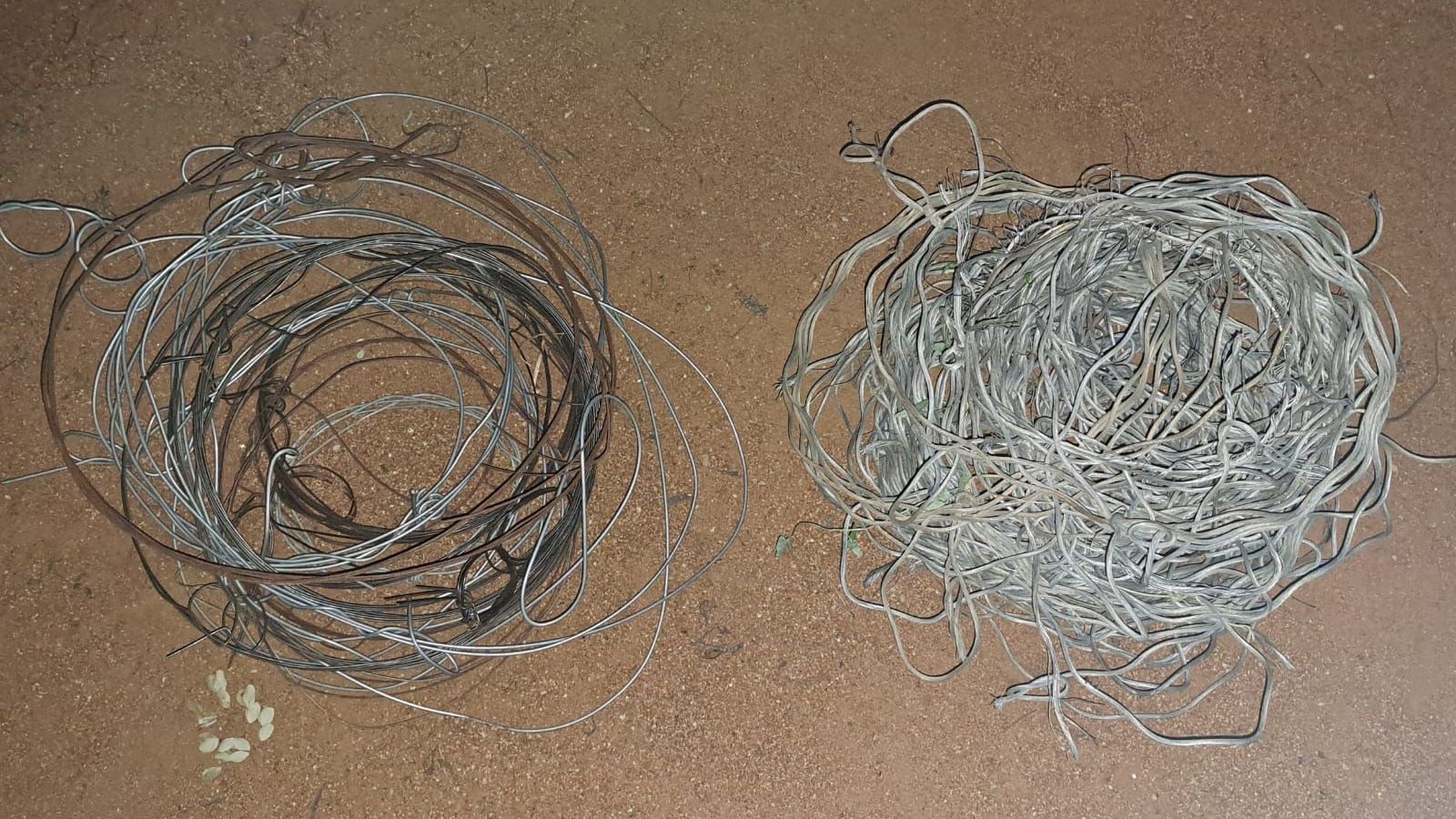
Collected snare material ©Endangered Wildlife Trust

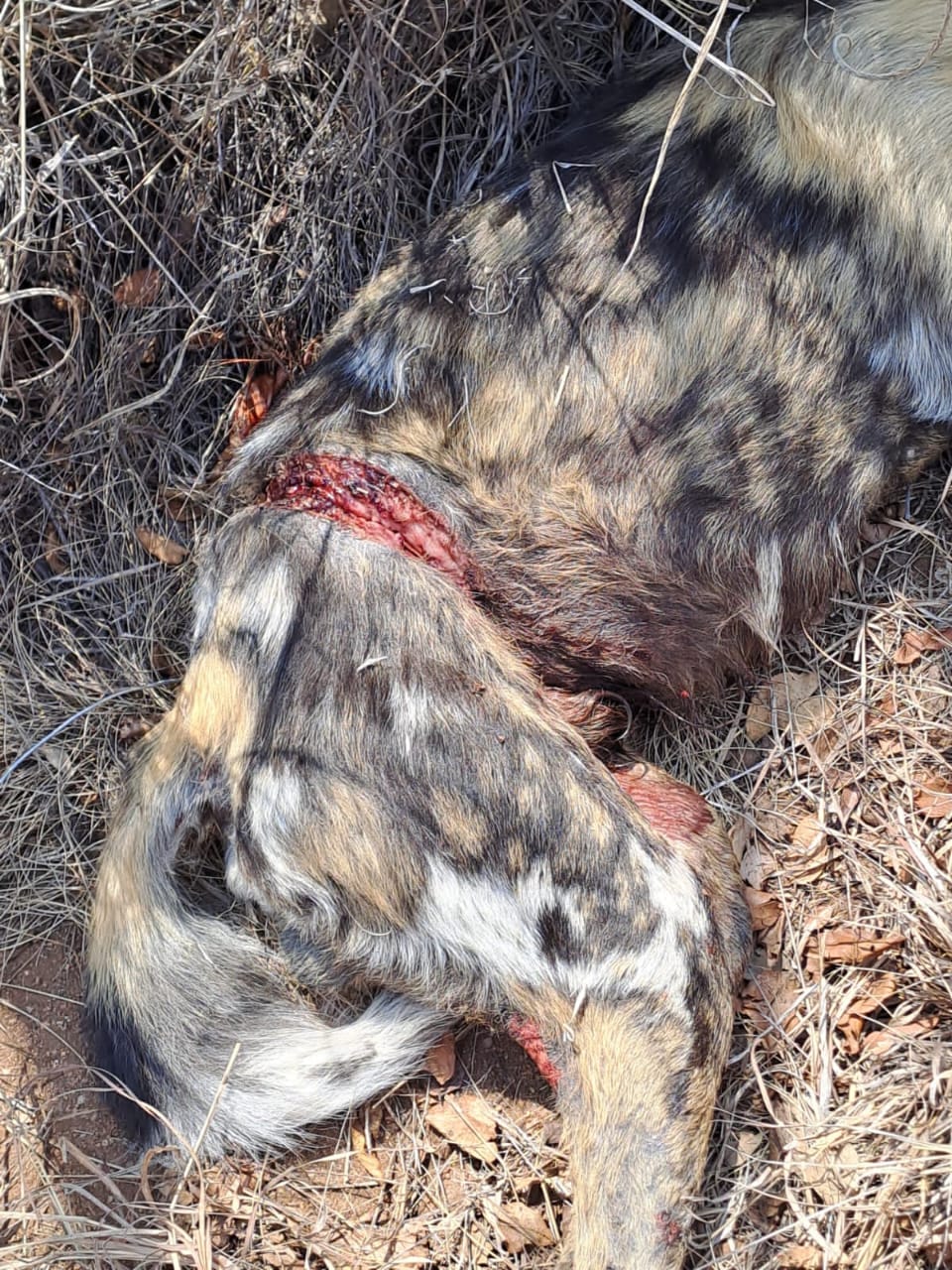
African wild dog found dead in snare ©Endangered Wildlife Trust

Spotted hyena found dead in snare ©Endangered Wildlife Trust

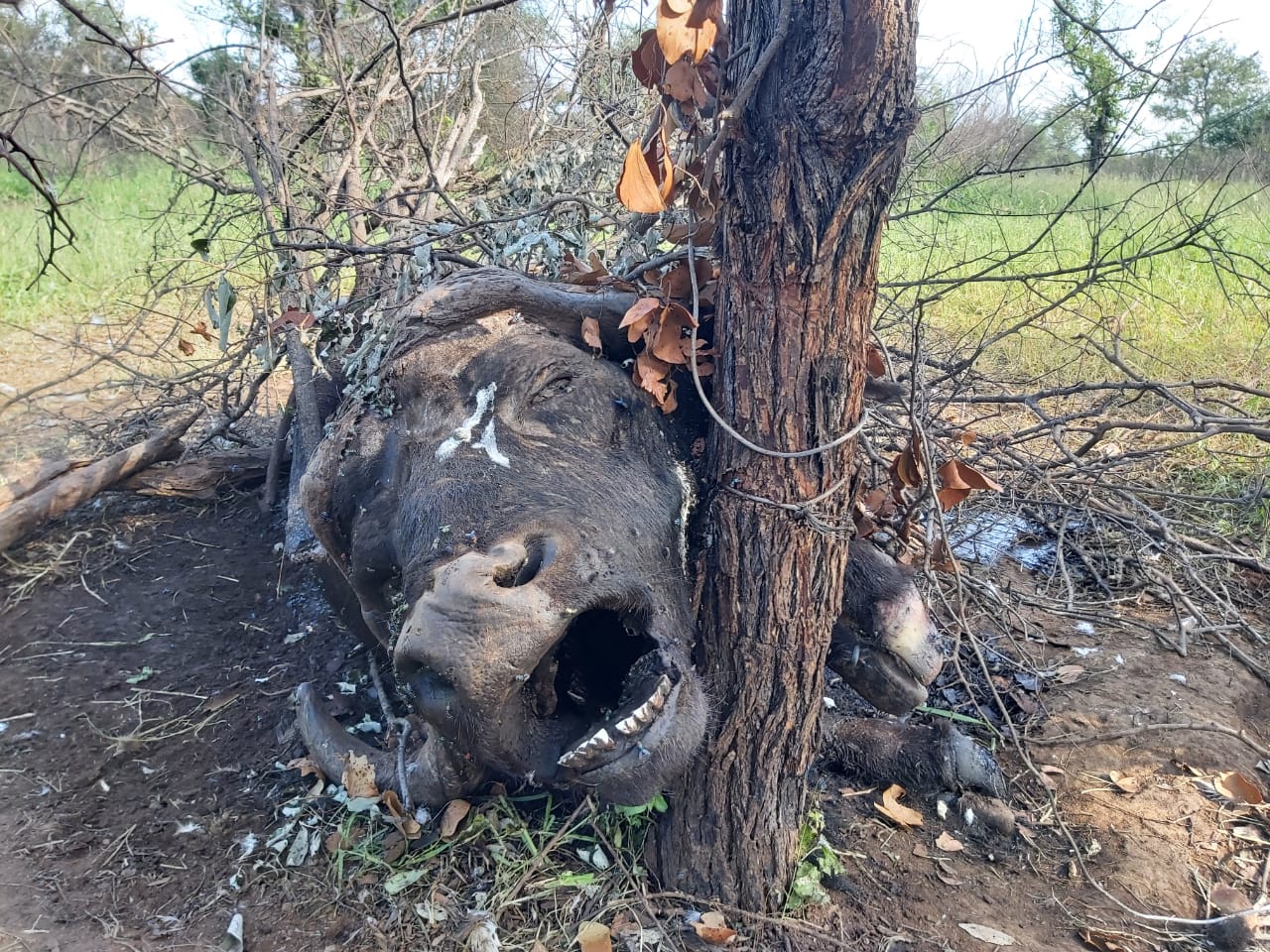
Buffalo found dead in snare ©Endangered Wildlife Trust

Painted Wolf Wines take-over the Tasting Room

Painted Wolf Wines take-over the Tasting Room

Wild dogs take over Waterkloof!

The leafy suburb of Waterkloof is in for a real treat during October when Painted Wolf Wines is the featured winery at ‘The Tasting Room” a very popular venue situated at 198 Long St,  Waterkloof, Pretoria.

For the entire month of October, the wines of this award-winning, conservation-focused winery will be available to enjoy for lunch, dinner or a sundowner drink with friends! There will also be wine available to take home with you, as the venue also holds a retail liquor licence. Many of the wines that will be on offer are not easily available in Gauteng and guests who attend the ‘new releases’ evening on Thursday 24 October will be the first to sample some exciting new vintages that will be introduced by winemaker, Jeremy Borg. The EWT will also be hosting a conservation presentation on this evening, so be sure to book early if you would like to attend – tickets for all the events are limited.

There are several other events planned for October – details are below. Please get in touch with 087 821 7708 or contact the venue directly for enquiries for bookings.

The dates to diarise are as follows :

3/10 Wine and Meze evening 6.30 for 7pm – R850 for two guests
7/10 – Sip and Print Lino printing 6pm – 9pm – R700 per person
8/10 – Sip and Print Lino printing 6pm – 9pm – R700 per person
9/10 – Sip and Print Lino printing 10am – 1pm – R700 per person
10/10 – Pinotage Dinner with Winemaker Jeremy Borg 6.30 for 7pm – R550 per person
24/10 – New releases and Conservation Dinner with winemaker Jeremy Borg 6.30 for 7pm – R620 per person

Dainfern Golf Day 2024

Dainfern Golf Day 2024

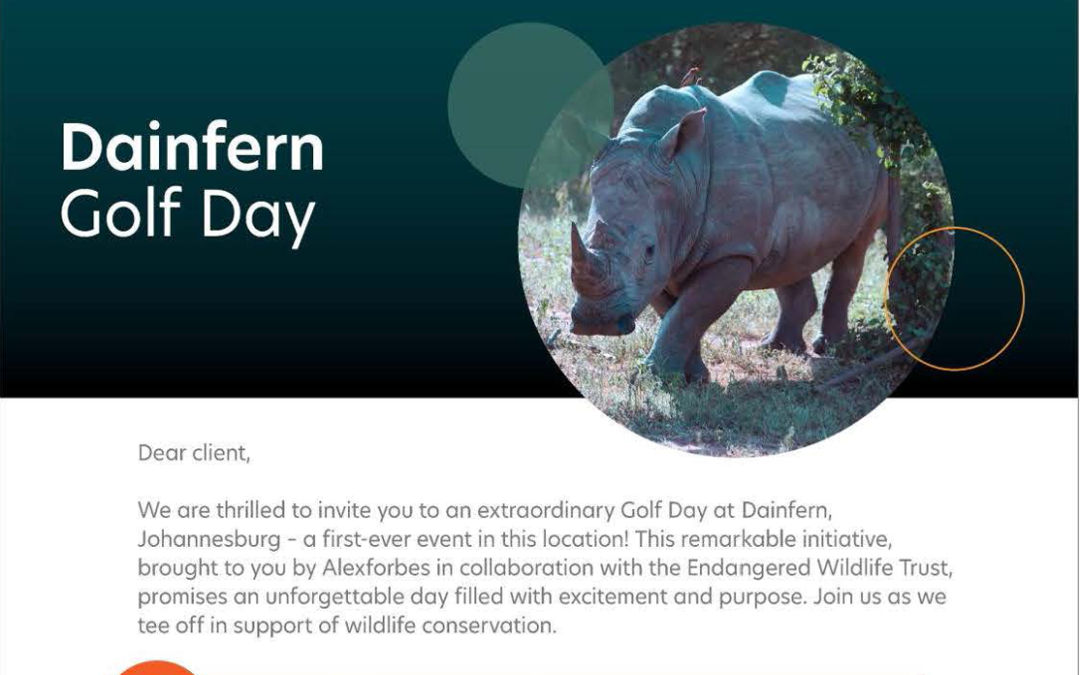
As ardent lovers of sport and the great outdoors, South Africans are often spotted supporting worthy causes through their participation in sporting days.  As part of the EWT’s fundraising efforts, we are touring our beautiful and naturally diverse country to host four golf days in the coming months.  The fourth and final event for the year, will be held at Dainfern Golf Club on the 17th of October 2024, proudly sponsored by alex forbes. This is an ideal opportunity to enjoy the outdoors, enjoy playing a few strokes and to support a great cause – the work of the Endangered Wildlife Trust.  We still have a few fourballs spots available and there are loads of incredible prizes and goodies for golfers hitting the greens in support of conservation.

Four-ball cost: R5 600 (includes halfway house, dinner and 2x golf carts)
RSVP: To secure your spot, please contact Tammy Baker at Endangered Wildlife Trust via email at tammyb@ewt.org.za or by phone on 082 903 2152.

Don’t miss out on the chance to enjoy a day of golf while supporting a great cause.

Alexforbes is the proud sponsor of this event!


EWT Drylands Conservation team participates in 2024 Fynbos Forum

EWT Drylands Conservation team participates in 2024 Fynbos Forum


EWT Drylands Conservation team participates in 2024 Fynbos Forum

By Dr Samantha Mynhardt and Insauf De Vries

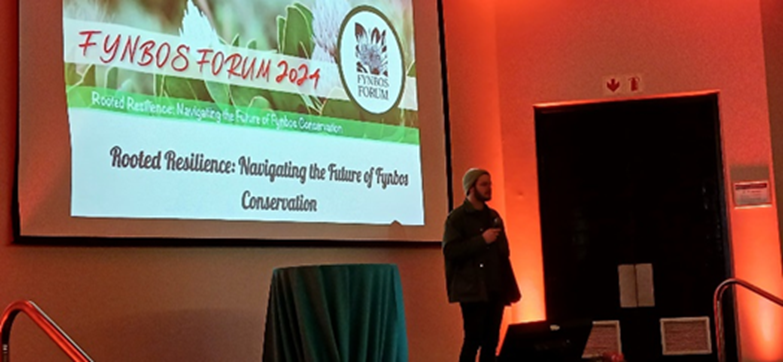
Renier Basson speaking about insects and fynbos conservation

Members of the EWT’s Drylands Conservation Programme (DCP) participated in this year’s Fynbos Forum in Stellenbosch earlier this month, sharing information about efforts to conserve golden moles and insects, and the partnership with communities to promote tourism in areas rich with Fynbos.

The forum, first held in 2020, is an affiliation of natural scientists, researchers, planners, managers, landowners and stakeholders that meet annually to discuss the collaborative production of knowledge that underpins regional conservation efforts in the Fynbos biome in South Africa. As a transdisciplinary regional learning network, the forum supports discussions on management issues and research results, and formulates priorities for future research and conservation management actions required to ensure the conservation and sustainability of Fynbos ecosystems.

Notable keynote speakers included Dr. Jasper Slingsby from the University of Cape Town, who spoke about BioSCape – The Biodiversity Survey of the Cape, and Rupert Barnard and Michelle de Bruyn from non-profit, Wild Restoration. They spoke about the collaborative action network for invasive clearing groups in the Greater Cape Floristic Region and the power of partnerships in conservation.

From the EWT’s DCP team, Dr Samantha Mynhardt presented a talk on golden moles entitled “Conserving the Golden Moles of the South African West Coast”. Golden moles are subterranean mammals that are endemic to sub-Saharan Africa, many with restricted ranges due to poor dispersal ability. These moles are highly vulnerable to population fragmentation and isolation and continue to face ongoing threats, such as habitat transformation, mining, and agriculture. Of the 21 species, ten are listed as either Critically Endangered, Endangered or Vulnerable on the IUCN Red List. A total of 6 occur in the Drylands of South Africa, some of which overlap with the Fynbos biome. Dr Mynhardt spoke about how the EWT has been working towards the conservation of the De Winton’s- (Cryptochloris wintoni) and Van Zyl’s- (Cryptochloris zyli) Golden Moles, by developing methods to track them down in the wild, better understand their distribution, and protect their habitat. Including how, after trialing various detection methods such as thermal imaging drones, scent detection dogs and environmental DNA (eDNA), we were able to rediscover the De Winton’s golden mole in 2023 – a species that had been lost to science for over 80 years. We are using eDNA to map golden mole species distributions; an approach that has the potential to revolutionise the field of conservation science.

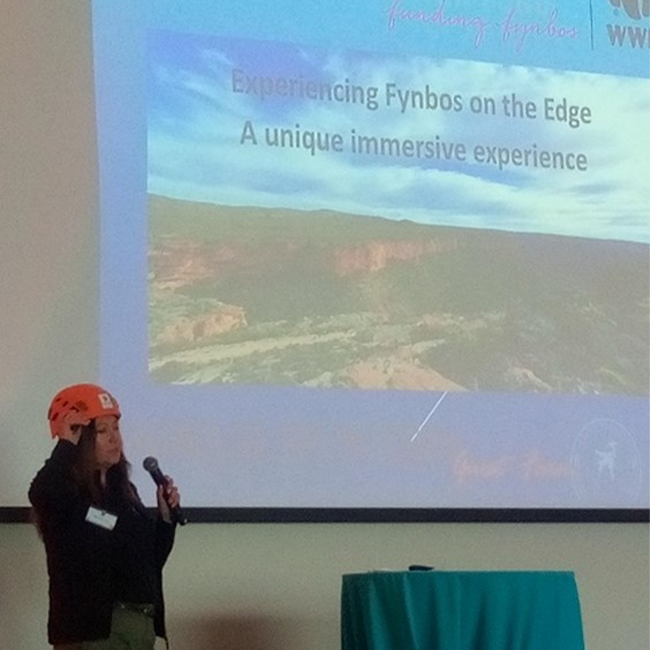
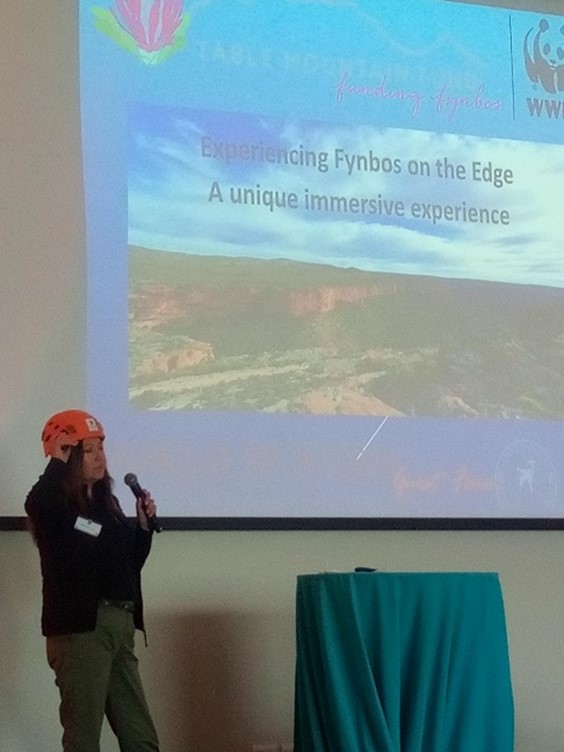
Alrie van Wyk presenting about the Papkuilsfontein initiatives

Dr Samantha Mynhardt speaks about the conservation of golden moles on South Africa’s West Coast

Team member Renier Basson presented a talk on the endemic and Endangered insects of the Fynbos highlighting unique species that are adapted to the Fynbos biome, and species that are of conservation concern. The aim of his talk was to inform the audience about the elusive biology of endemic insects , the ecological role they play, their threat status, and why they are threatened. There are approximately 9,000 Fynbos species and roughly 70% of those are endemic. Discussing threatened taxonomic groups such as Restio Grasshoppers (Betiscoides spp.), butterflies in the genera Chrysoritis, Thestor, Orachrysops and Trida, and Cape Stag Beetles (Colophon spp.), he mentioned that the biology of many of these threatened groups remain unknown, which makes decision-making in terms of conservation very challenging.

Alrie van Wyk, one of the DCP stewardship landowners, spoke about the EWT’s Via Ferrata initiative at Papkuilsfontein Guest Farm in a talk entitled “Experiencing Fynbos on the Edge”. The Via Ferrata roughly translates to iron trail – in reference to an iron cable installed along the cliffs of the Oorlogskloof Gorge at the farm. Situated on the Bokkeveld Plateau, near Nieuwoudtville, the farm contains unique Fynbos and Succulent biomes, which are both biodiversity hotspots, as well as the Nama Karoo Biome. The convergence of the various biomes results in exceptionally high biodiversity. Nieuwoudtville is known as the bulb capital of the world and is thus a popular tourist destination during the flower season. But, this season is short and, in some years, less financially beneficial due to poor flower displays. To make tourism an inclusive and sustainable future economic contributor in support of sustainable land management, partners are working together to reimagine this approach. As such the EWT-DCP team introduced the van Wyks to adventure tourism as a means to provide a much-needed opportunity to develop a sustainable income stream based on an immersive and uniquely tailored experience. This includes a Via Ferrata – a safe, guided rock-climbing experience within the Papkuilsfontein protected environment that showcases the unique Fynbos biodiversity found on the edges of the Oorlogskloof Gorge. Alrie’s presentation highlighted how this project became a pathway to community upliftment, contributed to resilience of the landscape, and allowed for financial returns to flow back into the conservation of the biodiversity on the farm. Her talk won the prize for the Best Presentation. We are extremely proud of her!

Overall, the Fynbos Forum presented a great opportunity for our team to connect with one another, and to network with the broader Western Cape conservation community. We walked away with renewed enthusiasm to contribute to future research and conservation management actions required to ensure the conservation and sustainability of Fynbos ecosystems.

The EWT projects and attendance of the event were made possible by Table Mountain Fund and Mohamed bin Zayed Species Conservation Fund.