The resilience of a Wattled Crane chick

The resilience of a Wattled Crane chick


The resilience of a Wattled Crane chick

By:Jacquie van der Westhuizen – Field Officer | African Crane Conservation Proramme – Drakensberg 


Above: The Crane family just after the chick had flown across the wetland, all big and grown up and the wetland looking beautiful and green.

Have you ever wondered what happens to a tiny, approximately three-week-old Wattled Crane chick in the event of a fire destroying the very wetland that it lives in?

This is a question that the EWT / International Crane Foundation team have been pondering for some time.

Wattled cranes are winter breeders, breeding from April to October, which also happens to coincide with fire season.

On 7 July, a runaway fire destroyed huge portions of timber plantations and wetlands on Mount Gilboa in the Karkloof, KZN Midlands. According to farmers who were fighting the fires, the fire swept through the wetlands at an alarming speed due to them being drier than usual. The devastation was huge – lives were lost, grazing was lost, animals were burnt and had to be euthanised and hundreds of hectares of forest completely destroyed. Every single wetland on Mount Gilboa was completely burnt, except for a small area of reeds about a metre wide around each pond in the wetland where Wattled Cranes were nesting.

I went up to check on the cranes a week after the fire and was totally shocked at what I saw.

At the first nest site I checked, the adults had been sitting on eggs due to hatch on about 26 June, but with the wetland being burnt, I honestly did not think a chick could have survived the fire. I found the adults foraging in the burnt wetland close to their nest site. I just sat a watched hoping to see a chick, but sadly nothing. Ever the optimist, I sat and started videoing the pair, hoping to see something on the video that I couldn’t see through my binoculars and to my utter joy, I saw this tiny little grey blob running from the one adult to the other. I’ve never watched a video so many times to get confirmation that it really was a little chick, dirty from the soot and blending in with the burnt grasses.

There have been a few theories tossed around as to how it survived the fire. One is that the adults walked it out the fire, but according to the farmers, the fire went through the wetlands too fast and they would never have got it out in time. It was definitely too small to fly out. Another theory is that the parents took it into the water, left it there hidden near the edge of the pond, maybe under some grass, while they flew to safety and returned once the fire had gone. I am going with the last theory as it is the only one that makes sense to me. We have nicknamed the crane chick Snorkel!

On the 21 September, a huge cold front hit the KZN region and we experienced heavy rain and the worst snow storms in many years. It also snowed up on Mount Gilboa – the snow was up to half a metre deep in places and freezing. Not being able to get up there myself, I was absolutely delighted to get a beautiful photo of our special crane family walking in a snow-covered pasture from a farmer friend that lives on Mount Gilboa.

This little chick had survived a devastating fire and now one of the worst snow storms in years. Can you imagine my delight when I saw it a few weeks ago, almost the same size as its parents, clumsily flapping its wings and then taking flight across the wetlands.

The knowledge that this Wattled Crane chick had survived a fire and a snow storm and had now fledged is absolutely amasing and truly heartwarming!


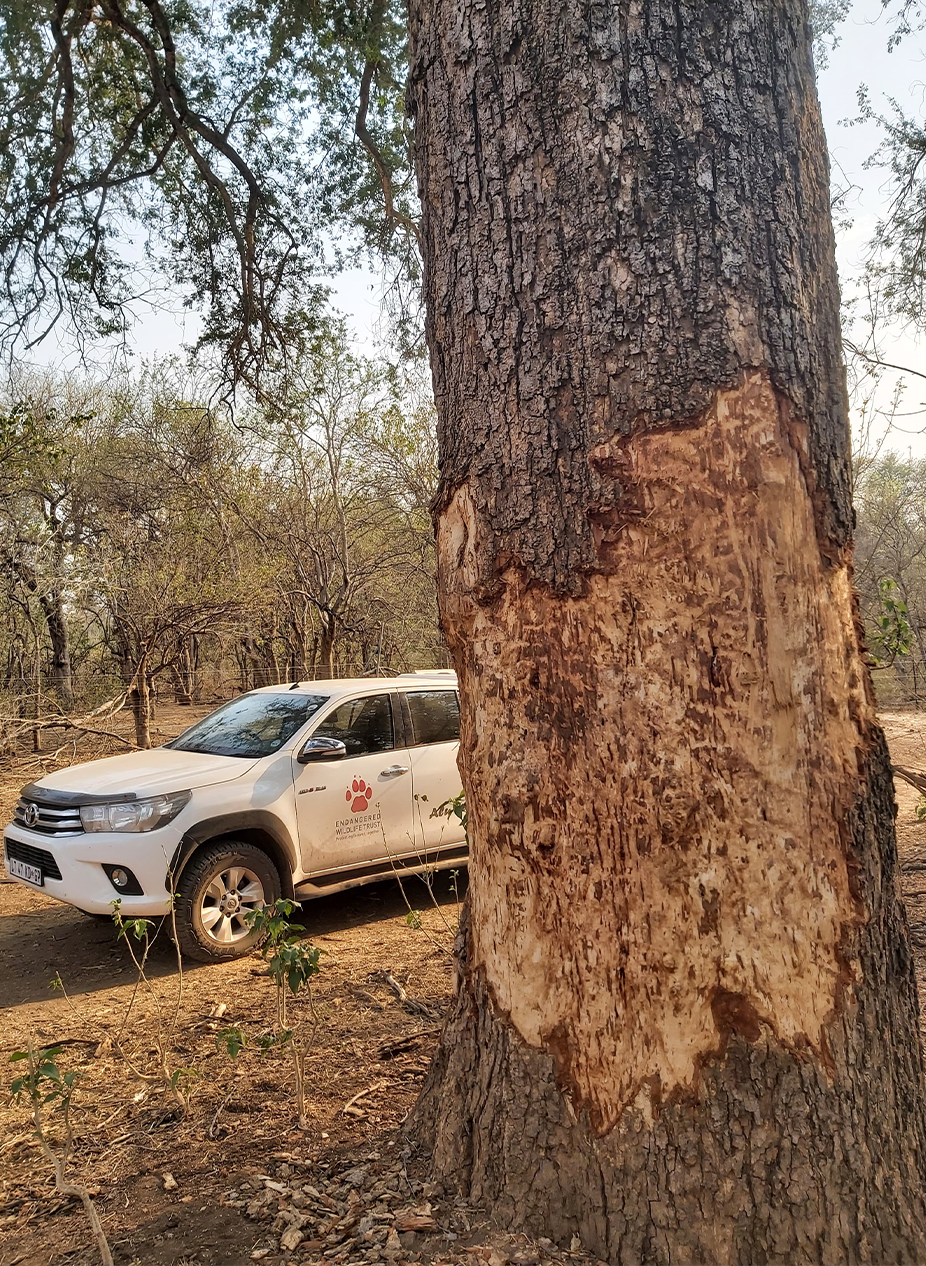
Above left: Burnt wetlands a week after the fire with bakkie in the foreground.

Above right: two week old chick so one can see how big the chick was when the fire came through.


Above: Wattled Crane family in the snow

Cheetah repopulation initiative in the Greater Makalali Nature Reserve

Cheetah repopulation initiative in the Greater Makalali Nature Reserve


Cheetah repopulation initiative in the Greater Makalali Nature Reserve

By: Mark Bishop – publisher and editor of Kruger2Canyon News

In a significant conservation effort, the Endangered Wildlife Trust (EWT), a leading conservation NGO with over 50 years of experience in southern Africa, in collaboration with the Greater Makalali Nature Reserve (GMNR), is spearheading a project aimed at revitalising the cheetah population in the GMNR. This initiative is part of the broader Carnivore Range Expansion Project, which focuses on species conservation across South Africa and neighbouring countries.


The EWT’s Cheetah Range Expansion Project Coordinator and Coordinator of Cheetah Advisory Group, Olivia Sievert says the success of the EWT’s work involves collaboration with various reserves—both private and governmental—throughout South Africa. These partnerships extend to Mozambique, Zambia, and Malawi.

“Cheetahs are facing a multitude of threats, including habitat loss, conflict with humans, and competition with other predators,” said Olivia. “Relocation efforts are crucial to maintaining genetic diversity and ensuring the species’ viability.”

Discussions began with the Makalali team two years ago, following a dramatic decline in the local cheetah population due to an overabundance of lions in the area, which had led to significant predation on cheetahs and a population crash around 2018.

A project like this one, involves carefully selected cheetahs being relocated to reserves where they can thrive and contribute to genetic diversity. There is an immense amount of ecological, habitat, predator and animal population data considered for any cheetah relocation – it’s not a matter of ‘we don’t have them, let’s put them in’.

As of 2023, with only two cheetahs remaining on the reserve, a new plan had to be developed. Antony Collett, the Warden of GMNR was already in discussion with EWT concerning relocation of cheetah onto the reserve. With only two resident individuals there was little chance that the population would bounce back. GMNR took the decision, in consultation with EWT, to initiate a program to bolster the dwindling cheetah numbers by relocating individuals from larger reserves that had experience with lion interactions.

Four cheetah – a female, her two sub-adult daughters and a male – were identified and successfully relocated from Tswalu Nature Reserve to GMNR. While the male cub tragically fell victim to a leopard, the remaining females have adapted well to their new environment and are now ready to be sired.

To strengthen the population, a coalition of four male cheetahs, led by Stompie (so called because of his short tail), was identified and moved from Inkomazi Game Reserve near Barberton, and recently released onto the GMNR. Stompie joined the coalition of three males – he is unrelated, and formerly a lone male – and they have all been together for the lasty five months. The relocation process involved a meticulous planning and execution phase, with the cheetahs being carefully transported and acclimated to their new surroundings. The hope is that the coalition will successfully integrate into the GMNR ecosystem and contribute to the growth of the cheetah population.

“We are committed to protecting the endangered species that call our reserve home,” stated Antony. “The introduction of these cheetahs is a strategic step towards restoring the balance of the ecosystem and ensuring the long-term sustainability of our wildlife.”

Cheetah cubs typically stay with their mothers for 13 to 16 months, forming strong sibling bonds until they are ready to establish their own territories. This relocation strategy ensures that the males remain a cohesive unit, promoting social stability and survival in their new home.


Collett emphasises the responsibility of reserves as custodians of endangered species, highlighting the need for sustainable land management practices. He noted that in the past the lion population was higher in the GMNR, but that between 22 – 25 lion is considered as the ultimate goal and as a sustainable lion population for the reserve. This change, part of a collaborative effort with the Lion Management Forum, also aims to maintain and contribute to ecological balance and enhance the reserve’s biodiversity.

In addition to managing lion populations, GMNR is implementing a five-year burning protocol and bush clearance program to create more suitable habitats for cheetahs and other plains animals. The long-term vision is to maintain a healthy, sustainable population of big cats, but also to ensure the survival of the cheetahs by opening up more areas, thereby creating more favourable cheetah micro-habitats.

GMNR is presently home to five females (one of which is currently in a large ‘lion-free’ zone’ and which has just given birth to cubs) and the newly introduced coalition of males to add to the one currently on the reserve, which is the father of the newly born cubs. The hope is that the introduced coalition of cheetahs will successfully breed and contribute to broader conservation efforts by helping repopulate other reserves. This marks an ambitious first step toward establishing a self-sustaining cheetah population on the Makalali.

The relocation process involves a short acclimatisation period in a boma, allowing the cheetahs to adapt to their new surroundings before full release. The EWT’s approach ensures that the cheetahs are well-equipped to thrive in their new home.

As the reserve continues to expand – soon to add 6 000 hectares (30 000 hectares in total) including two river systems – the potential for multiple cheetah coalitions becomes increasingly viable. The reserve aims to create a self-regulating population, a rarity in conservation efforts.

Collett is adamant that “as a nature reserve, we need to be protective of the land and the animals in the area.” He emphasised the importance of sustainable wildlife management and habitat preservation in supporting the cheetah population.

The successful introduction of these cheetah will be measured in several phases: their ability to adapt post-release, establish comfortable territories, breed with the existing females, and ultimately, ensure the survival of their cubs. Achieving these milestones would not only signify a triumph for the EWT and the GMNR, but also mark a pivotal moment in the conservation of this iconic species in South Africa.

“We are committed to protecting South Africa’s endangered species and ensuring their long-term survival,” said Olivia Sievert. “The cheetah relocation project is a significant step towards that goal.”


EWT TORTOISE CONSERVATION CANINES – NOSY FOR NATURE

EWT TORTOISE CONSERVATION CANINES – NOSY FOR NATURE


EWT TORTOISE CONSERVATION CANINES – NOSY FOR NATURE

By: Esther Matthew – Specialist Officer | Drylands Conservation Programme

Chelonians includes all tortoise, turtle, and terrapin species. For the purposes of this article, we will use the term “tortoises”.


South Africa is one of the most biodiversity-rich countries in the world and is home to no less than two of the world’s most well-known botanical “biodiversity hotspots”, the Succulent Karoo and Fynbos Biomes. However, few people are aware that South Africa also holds the title as the tortoise capital of the world. South Africa is home to no less than 13 tortoise species, most of which are endemic to the country.

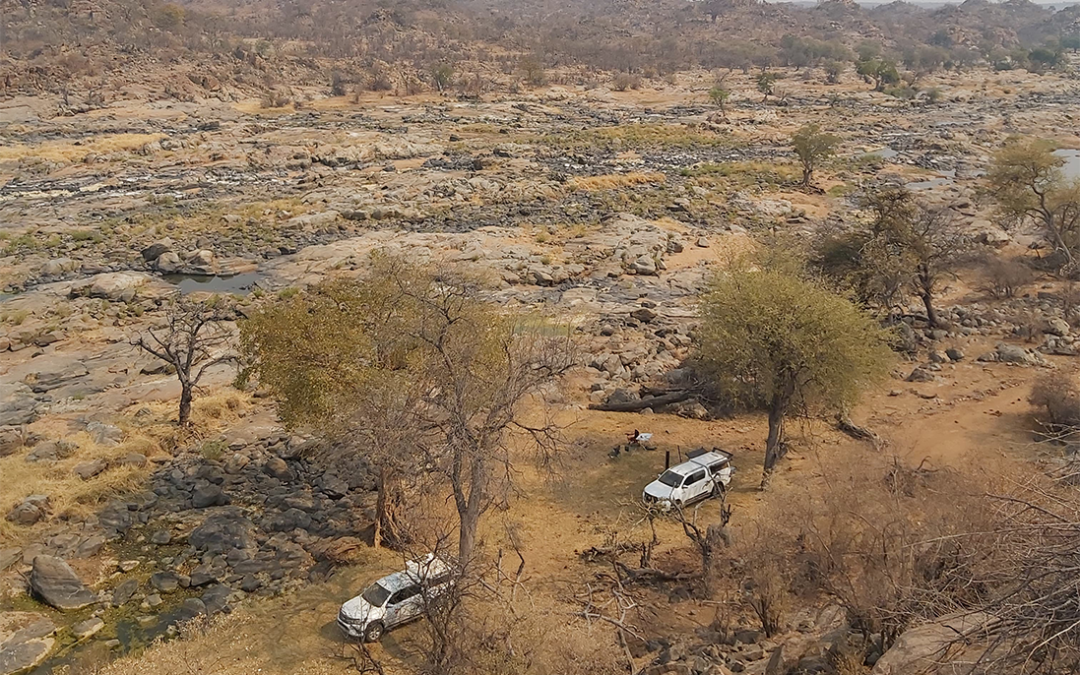
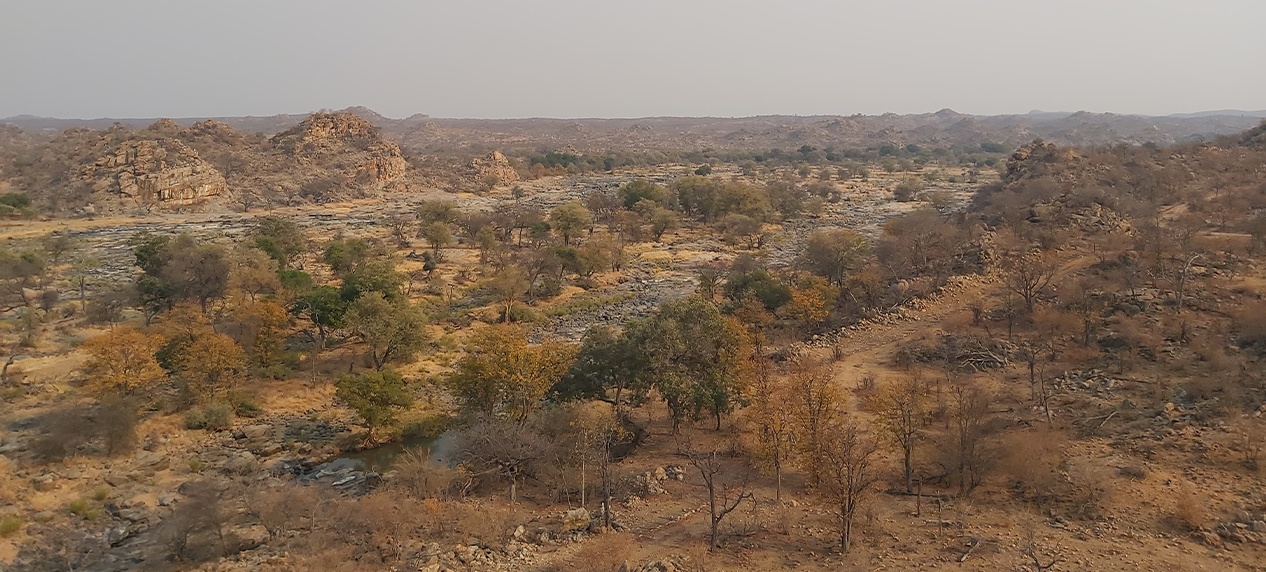
The Endangered Wildlife Trust (EWT), in partnership with the Turtle Conservancy (TC) launched tortoise conservation research projects over the last two years to locate viable populations and implement conservation action for three of South Africa’s most Endangered tortoises in the dryland areas of South Africa, including the Karoo, which is home to nine of the 13 tortoise species found in South Africa.

There are five species of dwarf tortoise globally, four of which occur in the South African Karoo and one in Namibia. As their name implies, dwarf tortoises rank amongst the smallest of the tortoise species. South Africa also has one Critically Endangered tortoise species, called the Geometric Tortoise. Unfortunately, over the last 20 years researchers have started to notice an alarming decline in population numbers for all of three of the country’s Endangered tortoise species. This significant impact can be attributed to factors like habitat loss, poaching, and crow predation that has been specifically being observed.

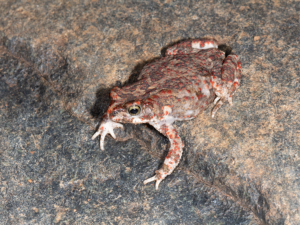
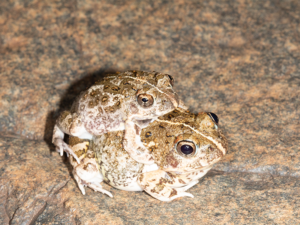
Certainly, the human teams have struggled to find a single viable population of both the Karoo and the Speckled Dwarf Tortoise over the last two years of extensive surveys. More than 20 surveys have yielded depressingly few live animals, and in most cases only shell fragments are to be found. All these species are elusive and well camouflaged, making it difficult for even the well-trained eye to spot. As such, it has been vital for us to look at other survey methods, such as using scent detection dogs.

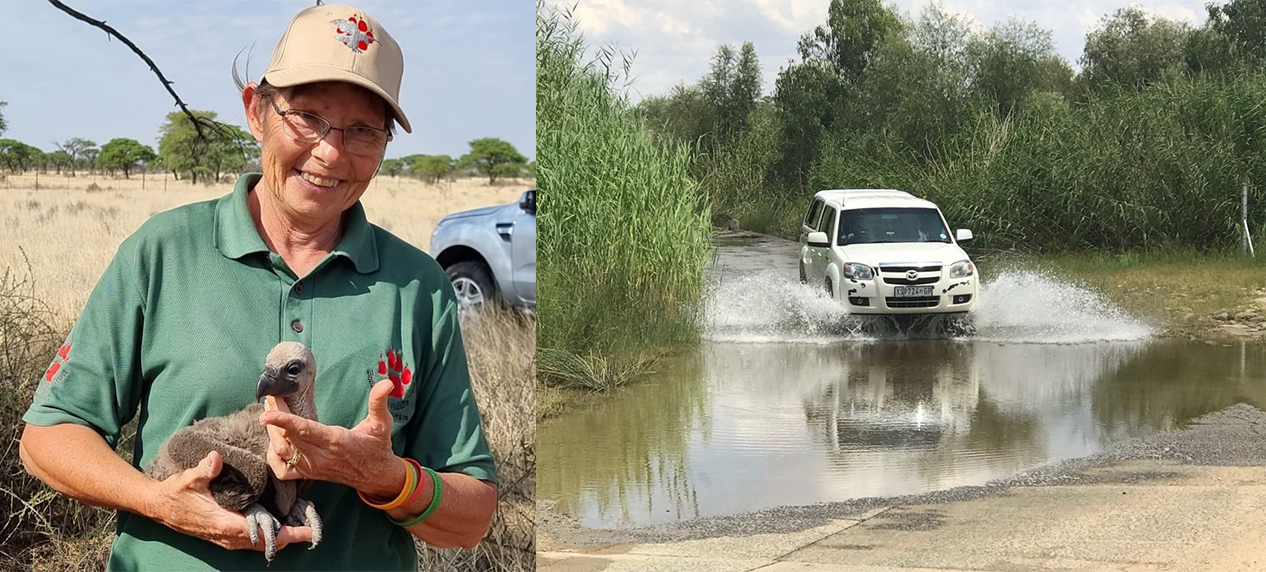
The EWT’s Drylands Conservation Programme, therefore, started training scent detection dogs to assist with tortoise fieldwork projects. Two Border collies, Delta and Dash, have been assisting our team in the field to help locate tortoises with a little guidance from their handler Esther Matthew. Delta has been contributing to this research for the last two years, while Dash only recently started helping after passing his certification. The dogs have helped increase the number of finds, with Delta almost setting a record of six tortoises found in 50 minutes for one of the species. The detection dogs make our search efforts a lot more efficient as we are able to move faster and find hidden tortoises we would likely have missed. Their assistance in the field contributes to data collection for species distribution mapping and monitoring the survival of species in the wild. We can’t wait to see how their “nose work” will continue to benefit the conservation of these unique tortoise species.

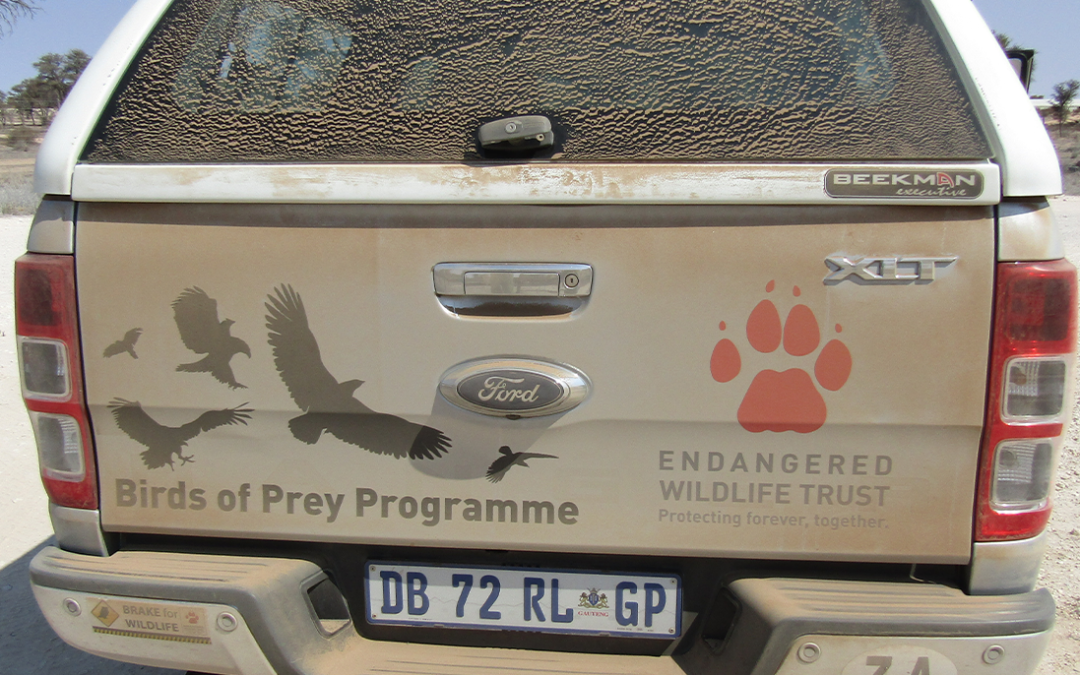
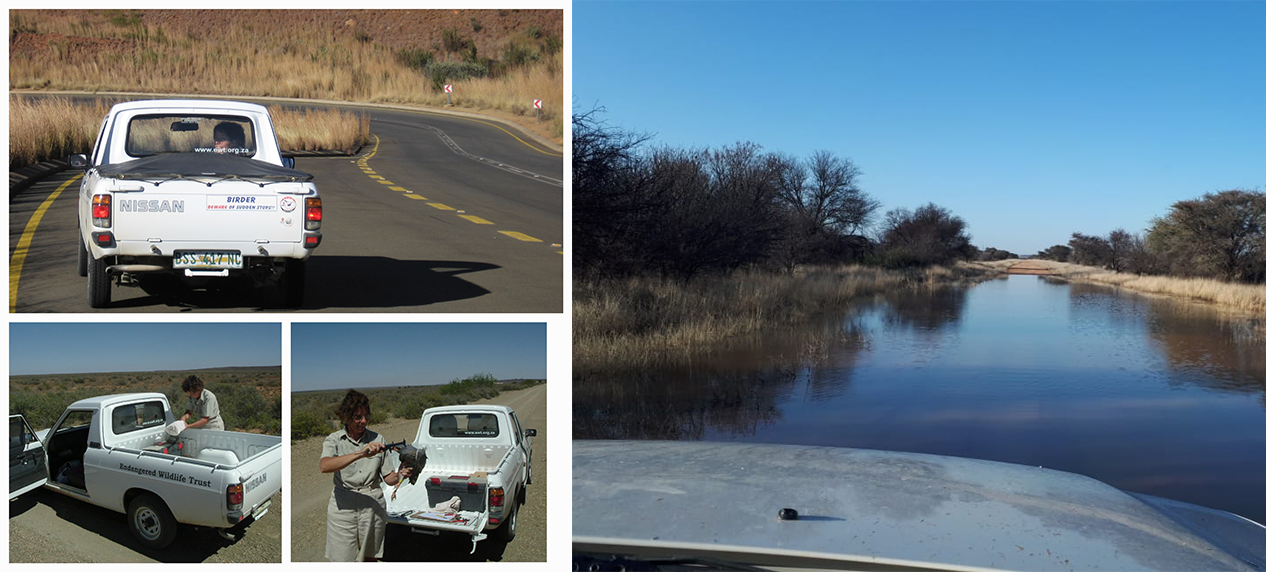
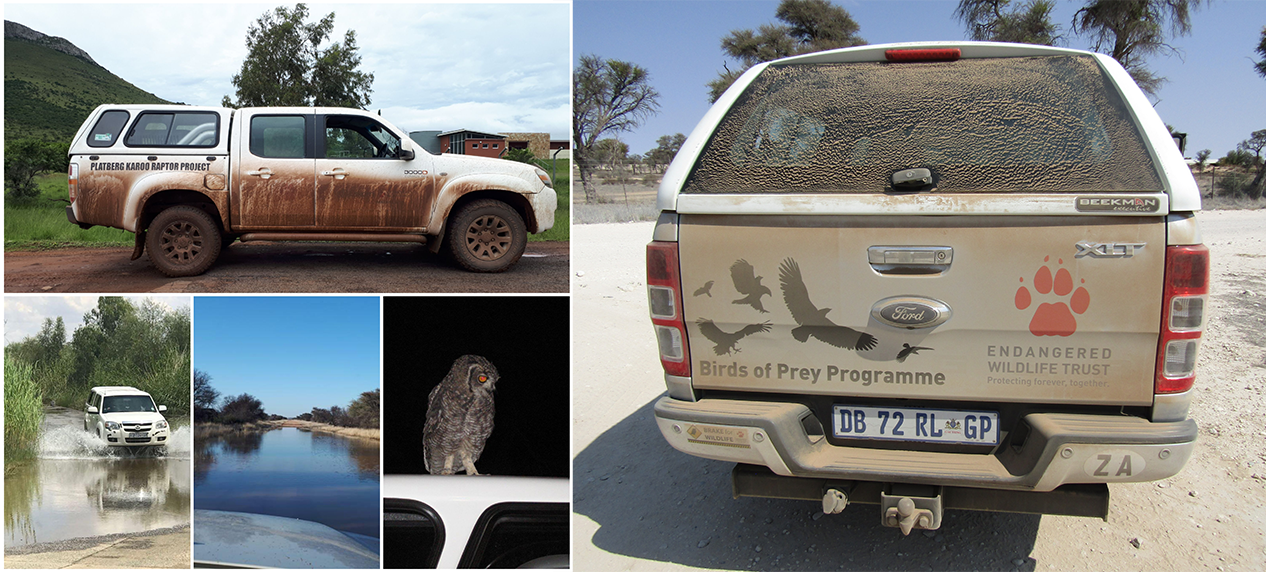
The EWT tortoise conservation work is supported by Turtle Conservancy, Dwarf Tortoise Conservation, Rainforest Trust and the IUCN NL. A special word of thanks to Ford Wildlife Foundation for the vehicles that safely gets our staff and working dogs to the remote locations across the Western- and Northern Cape, where we conduct our vital tortoise surveys.


Please note, that landowner permission and valid permits from relevant conservation authorities in each province are always required for the use of conservation detection dogs. Additionally, all tortoises are protected species and listed under the Convention on International Trade in Endangered Species (CITES) as well as provincial legislation such as the CapeNature Conservation Ordinance of 1974 and National Environmental Management: Biodiversity Act 10 of 2004. As such, it is illegal to collect any tortoise species in South Africa, and they may not be kept as pets without a permit. However, please report sightings of these rare species to us at ewt@ewt.org.za.


Targeting Hotspots: Protecting Lesser Flamingos from Power Line Collisions

Targeting Hotspots: Protecting Lesser Flamingos from Power Line Collisions


Science Snippets:

Targeting Hotspots: Protecting Lesser Flamingos from Power Line Collisions

By: Erin Adams and Lizanne Roxburgh


With an increase in human population comes a rising demand for electricity. However, this also brings the heightened risk of wildlife colliding with the structures that distribute that electricity across the landscape. Birds such as the Lesser Flamingo, which is Near Threatened on the IUCN Red List, frequently collide with power lines, often resulting in fatalities. Solutions like flashing markers on power lines can help reduce the risk, especially for birds that fly at night, like flamingos. However, these methods are costly, meaning they can’t be applied across the entire range of the Lesser Flamingo’s distribution. The best approach, therefore, is to determine where these markers would be most effective in reducing bird collisions with power lines. In a recent publication co-authored by EWT scientists*, the risk of power line collisions was modelled to address this exact need.

Three main inputs were used to create these models for Lesser Flamingos: 1) a habitat suitability index, 2) species exposure, and 3) threat exposure. The habitat suitability index included food availability, water quality, and water availability. Food availability, for instance, can be estimated based on the extent of green colouration in waterbodies, indicating the presence of the flamingos’ preferred food-cyanobacteria and diatoms. Species exposure accounted for the height at which Lesser Flamingos are likely to fly and the abundance of flamingos at a given site. Higher concentrations of flamingos increase the risk of power line collisions, especially when flamingos fly at lower altitudes. The final part of the model focused on threat exposure, including the height of the power line cables and their proximity to waterbodies where flamingos gather.


The risk of Lesser Flamingos colliding with power lines is based on the height of the power line and the flight height of the flamingo. There is no collision risk above 50 m due to the maximum height of power line cables (figure from Pretorius et al. 2023).


The scientists found that habitat suitability and flight height were the best predictors of where Lesser Flamingos are at most risk of colliding with power lines. Flamingos were only at risk of collision with power lines when flying lower than 50 meters (see Figure) and within 3 kilometers from the water’s edge. High-risk power line sections were identified within 3 kilometer buffers around waterbodies, prioritised by habitat suitability for Lesser Flamingos. This approach has significantly reduced the number of power line spans identified for proactive marking with flashing markers. As a result, marking power lines can be done cost-effectively while maximising protection for Lesser Flamingos. This modelling approach can also be adapted for other bird species at risk of colliding with power lines.

*Pretorius, M. D., Galloway-Griesel, T. L., Leeuwner, L., Michael, M. D., Durgapersad, K., & Chetty, K. (2023). Defining Collision Risk: Lesser Flamingo Phoeniconaias minor Power Line Collision Sensitivity and Exposure for Proactive Mitigation. Birds, 4(4), 315-329. https://doi.org/10.3390/birds4040027


On the Greens for Wildlife: alexforbes & EWT Golf Day

On the Greens for Wildlife: alexforbes & EWT Golf Day


On the Greens for Wildlife: alexforbes & EWT Golf Day

By Tammy Baker. Donor relations officer for The EWT.


The highveld weather was at its very best on the 17th of October at the Dainfern Golf Estate, as our fourballs lined up for their shotgun start.

The day just got better from there as we were treated to a beautiful aerial display by an African Harrier Hawk and some spirited, competitive golf under the glorious Joburg sun.

After a few good hours out on the course (which ran a bit long for some new to the game) and a some sundowners on the deck, we kicked off our prize-giving with a heartfelt address from Avishal Seeth of Alexforbes. Avi thanked everyone for attending and reminded us of the importance of conserving our precious wildlife and the landscapes that we depend on, for the next generation and many more to come.

The crowd was filled with well-known regulars and many new faces. Our skilled auctioneer and friend, Michael Scholz, aka the 40-year-old rookie, was in top form during the auction, helping us exceed our fundraising target.

A big thank you to Colette Van Dyk and the team at Alexforbes for sponsoring the day and bringing in your own fourballs. Thank you to our loyal supporters and all our new ones. Special thanks to aha Hotels and Lodges, our long-term cherished donors, as well as new partners, Dream Resorts and Hotels, for sponsoring some incredible prizes. Thank you to Painted Wolf Wines for joining us, and to ReWorx, our new supporter. Thanks to everyone who made this day such a success, including Indaba Hotel, Trappers Traders, Grill House Sandton, Dinokeng Game Reserve, Greenfinch lodge, Renaissance spa Sandton, Kloofzicht Lodge and spa, Glenburn lodge and spa and African Hills Safari Lodge.