Help African Wild Dogs 

Donate today  

EWT receives R478 892 to revive Durban’s Critically Endangered Dwarf Burrowing Skink

EWT receives R478 892 to revive Durban’s Critically Endangered Dwarf Burrowing Skink
EWT receives R478 892 to revive Durban’s Critically Endangered Dwarf Burrowing Skink

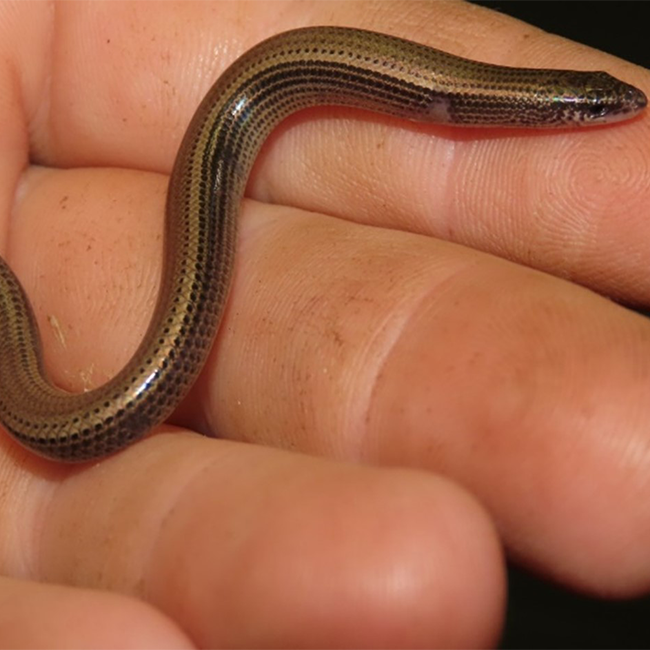
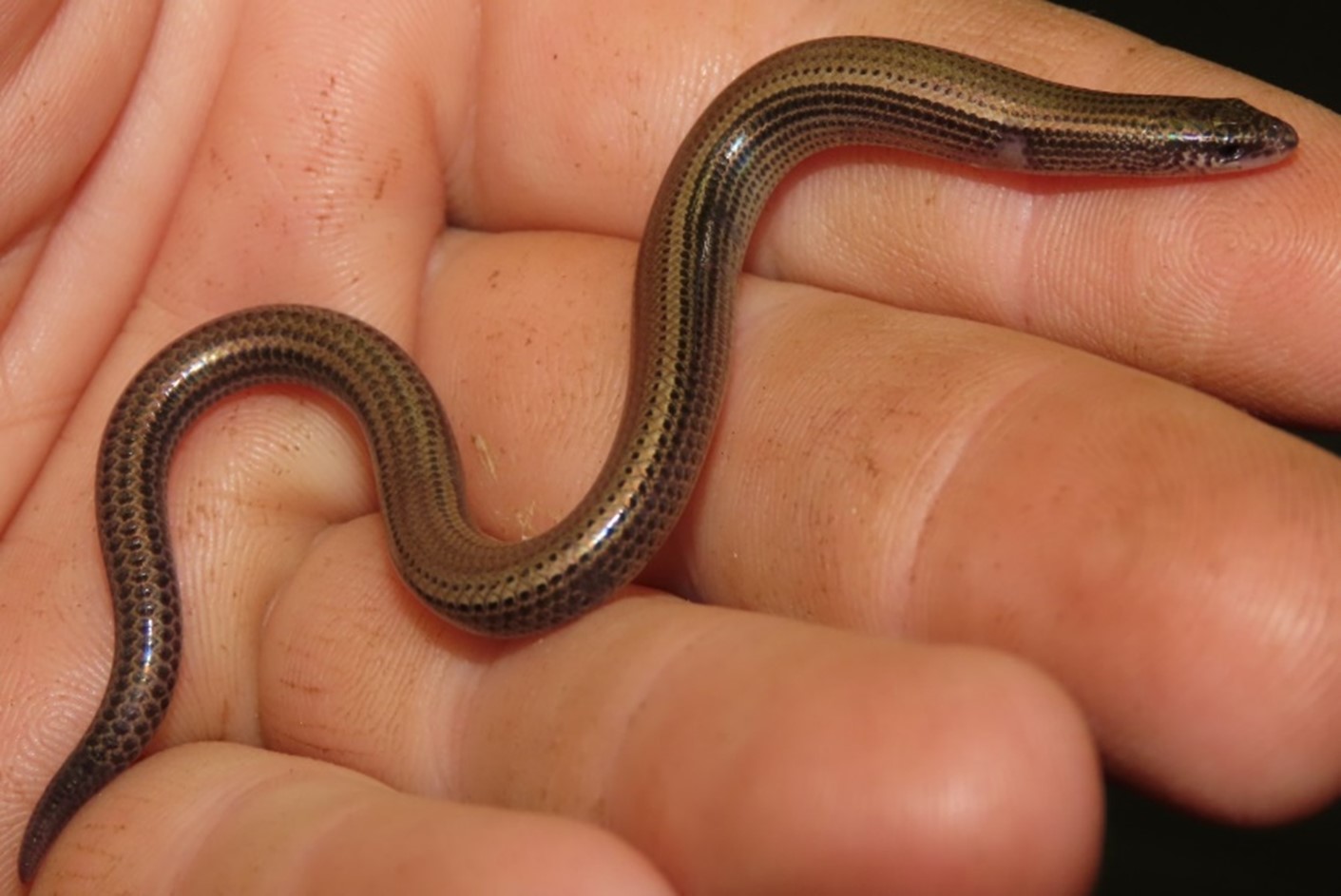
The Endangered Wildlife Trust’s Threatened Amphibian Programme has received $25 000 from the Mohamed bin Zayed Species Conservation Fund to support a project to revive Durban’s Critically Endangered Dwarf Burrowing Skink at a key habitat site within the species restricted range.

The Durban Dwarf Burrowing Skink (Scelotes inornatus) – primarily a fossorial limbless species – is one of South Africa’s most threatened reptiles. The aim of the project, which starts on 1 March 2024, is to safeguard the last known stronghold of Durban Dwarf Burrowing Skinks, ensuring the viability of species into the future.

The EWT’s Threatened Amphibian Programme (TAP) is the only NGO programme operating in South Africa to include frogs as a conservation focus. Using threatened frog species as flagships for the conservation of important freshwater and terrestrial habitats, a species and habitat monitoring exercise has been implemented alongside initiating habitat protection strategies at key amphibian areas, improving management of important amphibian habitat, using research to support conservation action, and promoting social change to galvanise behavioural change towards frogs and to recognise the importance of their habitats in South Africa.

More recently the EWT’s approach has broadened to include reptiles. The project to revive Durban’s Dwarf Burrowing Skink follows a similar initiative to protect vital habitat for the Endangered Albany Adder. The project to revive the Skinks will focus on a reptile confined to the Durban area.

Historically, it is thought that the species could be found throughout Durban’s coastline. However, the species is on the brink of extinction due to a series of anthropomorphic challenges. The historical population north of Durban is believed to be extinct, and remaining surviving populations to the south are scattered over several extremely small habitat fragments (ranging from 0.01 – 1.7 km2) and totalling a mere 5 km2. As a result of this limited distribution, the species is referred to as a ‘micro-endemic’.

Between 2015 and 2018, the EWT’s Threatened Amphibian Programme (TAP) carried out a substantial invasive plant-clearing initiative. Approximately 310 hectares of invasive plants within the coastal dune areas of Durban, including the should-be Critically Endangered Sandy Coastal Belt Grassland where the Burrowing Skink resides, have been cleared and maintained. This habitat restoration work has contributed to improving the conditions for the species, but more work is required.


In 2018, a crucial partnership emerged between Ezemvelo KwaZulu-Natal Wildlife (EKZNW), the provincial conservation authority, and the Pan African Association of Zoos and Aquaria (PAAZA)-accredited Johannesburg Zoo to breed the species in captivity to bolster the number of individuals. The project will help ensure the survival of reintroduced animals back to their natural range. This is expected to contribute to existing conservation efforts, leading also to the reintroduction of S. inornatus to protected sites, including Treasure Beach. Similarly, the EWT has previously worked with Johannesburg Zoo to successfully reintroduce the Endangered Pickersgill’s Reed Frog to wetlands through the Durban metro.

Treasure Beach falls within the National Protected Areas Expansion Strategy and neighbours the Bluff Nature Reserve, a 45-hectare formally protected area. Merging Treasure Beach with Bluff Nature Reserve to formally protect the entire area would effectively increase the protected area by 86 hectares and secure S. inornatus populations.

Merging with Bluff Nature Reserve would allow for ongoing management of the entire area by EKZNW, the management authority for Bluff Nature Reserve. In addition, through the established S. inornatus Task Team, partnerships between eThekwini Municipality and EKZNW will be formalised to further support continuous management of the area.
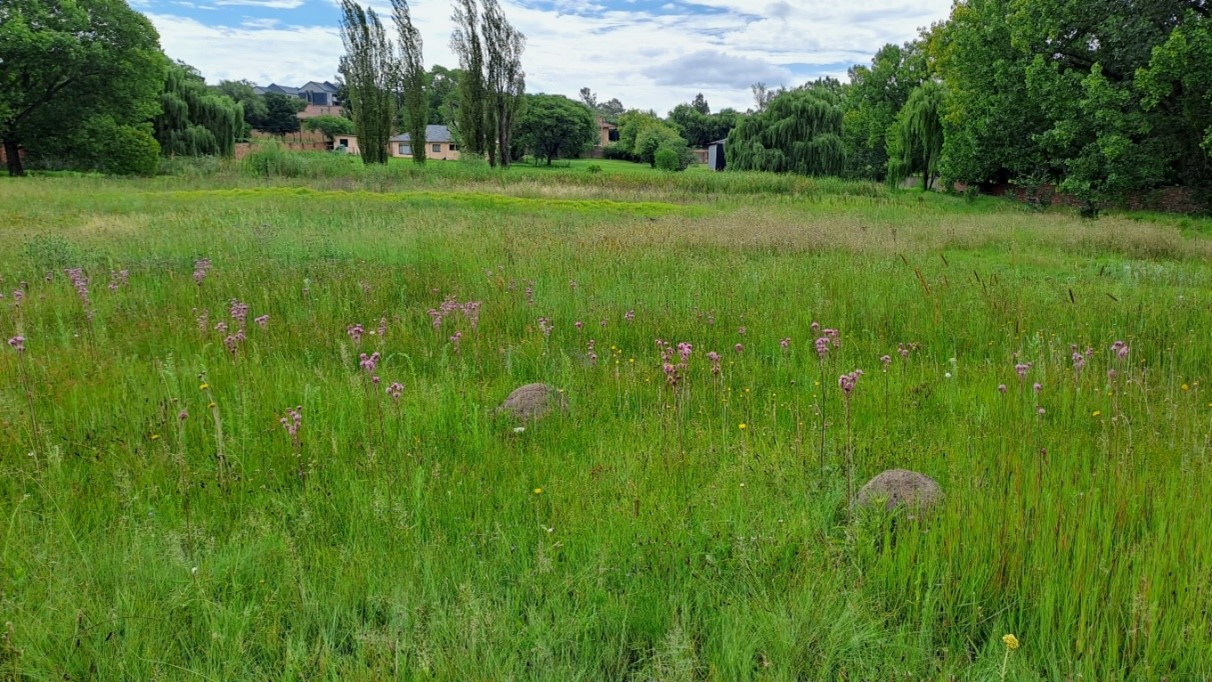
 

Tales from the Field:  EWT Conservation Campus Takes Bold Steps for Pompom Weed Eradication

Tales from the Field: EWT Conservation Campus Takes Bold Steps for Pompom Weed Eradication

EWT Conservation Campus Takes Bold Steps for Pompom Weed Eradication

Dr Kerushka Pillay, the EWT’s CONSERVATION PLANNING AND SCIENCE UNIT

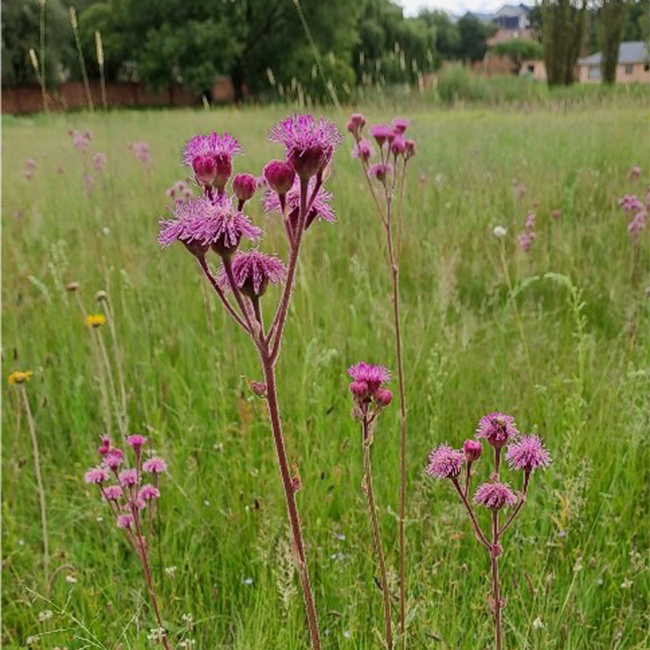
In the heart of Glen Austin, Midrand, the EWT Conservation Campus is leading the charge against the invasive Pompom weed (Campuloclinium macrocephalum), aligning with our commitment to biodiversity preservation and ecosystem health.

The Pompom weed, native to Central and South America, has become a significant concern in South Africa. The plant has been classified as invasive under stringent legislation such as the Conservation of Agricultural Resources Act (CARA), 2002, and the National Environmental Management Act (NEMBA).


The invasive Pompom poses a severe threat to our local ecosystem, particularly in grassland regions of Gauteng, KwaZulu-Natal, Limpopo, Mpumalanga, and the Eastern Cape Provinces. Leading by example in efforts to address this, the EWT Conservation Campus has implemented a comprehensive and innovative long-term eradication plan, focusing on the strategic removal of Pompom weed from our property.

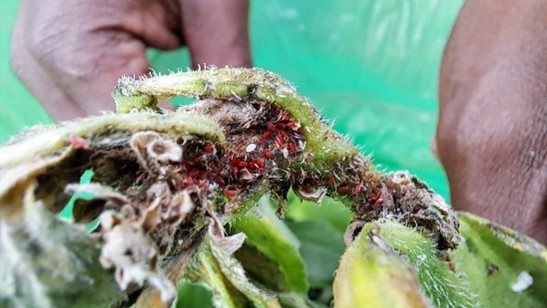
As part of our commitment to sustainable practices, we have introduced a biocontrol strategy utilising the Pompom thrips (Liothrips tractabalis), tiny insects imported from Argentina. Carefully studied and proven to feed exclusively on Pompom weed, these thrips were released on our grasslands in December 2023. Thrips play a vital role by selectively feeding on Pompom, causing damage to its vital structures, and impeding its growth. This targeted approach minimises the impact on non-target species, promoting a balanced ecosystem.


In collaboration with the Agricultural Research Council (ARC), our team will conduct regular assessments to measure the thrips’ impact on Pompom populations and overall ecosystem health. This initiative not only showcases our dedication to biodiversity preservation but also highlights the strength of interdisciplinary collaboration.

In the past, the EWT team, under the leadership of Obeid Katumba (Wildlife in Trade Programme), commenced a physical, manual removal process to kickstart Pompom eradication efforts. This involved cutting seed-containing plant sections, placing them in bags, and uprooting remaining plants. Thorough disposal through incineration was done, emphasising the urgency for effective control, especially in highly infested areas.

Our ongoing efforts, including the introduction of eco-friendly biological control, signify our commitment to long-term environmental health and sustainability. We anticipate updates on the project’s success and encourage stakeholders to reach out with any questions or queries regarding the Pompom eradication plan. For further information, please contact Dr Kerushka Pillay at KerushkaP@ewt.org.za or on 0727193741.


Birds of Prey Programme co-hosts Veterinary Poisoning Response Training in Botswana

Birds of Prey Programme co-hosts Veterinary Poisoning Response Training in Botswana

Birds of Prey Programme co-hosts Veterinary Poisoning Response Training in Botswana

Wildlife poisoning, a pervasive and insidious threat, casts a dark shadow over ecosystems worldwide, exacting a toll on biodiversity, human health, and ecosystem integrity.

Defined as the deliberate or inadvertent use of toxic substances to kill or harm wildlife, this practice poses a significant challenge to conservation efforts and environmental sustainability. Although the impact of wildlife poisoning is vastly under recorded, its repercussions often extend far beyond the intended targets, affecting non-target species, ecological processes, and human communities.

The Birds of Prey Programme, for many years, has strived to reduce the toll this is having on not only birds of prey, but all species that are affected by this pervasive, yet under managed threat. One of the key shortfalls identified has been the inadequate response to these incidents by conservation staff, not only for reducing further exposure to wildlife but also relating to the veterinary treatment and management of live animals that may be found in these incidents. Considering that wildlife poisoning almost always presents as mass casualty scenarios, it is critical that the correct structures are already in place, all veterinarians understand the species-specific treatment regimen, and that this is followed by a timeline plan for patient recovery, assessment, and release.

With all this in mind, Dr Gareth Tate and John Davies from the EWT’s Birds of Prey Programme, and Dr Jessica Briner from Briner Veterinary Services, teamed up with Dr Glyn Maude from Raptors Botswana, and Kyle Burger from Connect Trust, to host the first veterinary treatment workshop in Botswana.

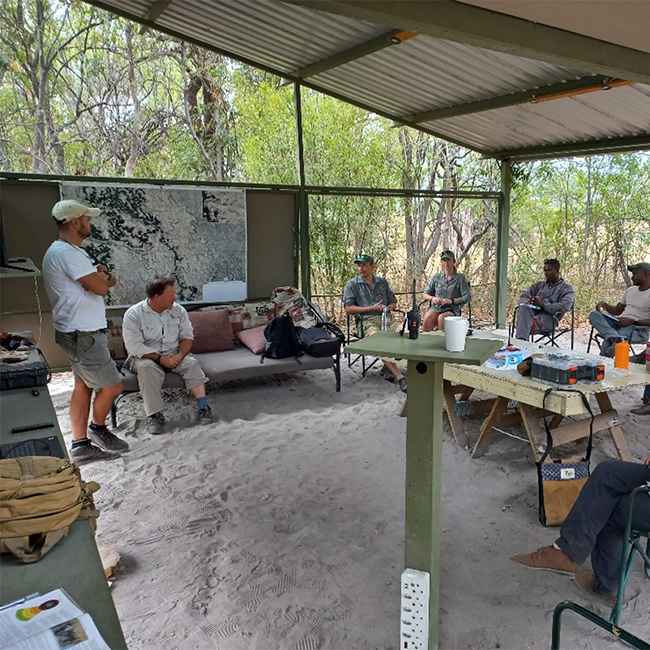
The course was held over two days in the southern part of the world-renowned Okavango Delta and was attended by seven veterinarians, mostly from the Botswana Department of Wildlife and National Parks. The course focussed on three main areas: firstly, presenting a background to the current situation with wildlife poisoning; secondly, how to treat and manage patients in a practical and effective way; and thirdly, scene management to reduce any further exposure and ensure that these events are handled and managed in a controlled manner.

Overall, the course was very successful, and in particular, we would like to thank Kyle Burger from Connect Trust for all his work to get these veterinarians together and make this a success.
Although this was a first step in the process, there is little doubt that there is much more work to be done. Fortunately, with the support of our collaborators, there is little doubt that improving the current outcome around mass wildlife poisoning events is in reach. Hopefully, we can look forward to seeing a sky filled with vultures in the near future. Our hope is that vultures will one day be seen as one of nature’s critical species by all people.


EWT’s very first Padel day

EWT’s very first Padel day

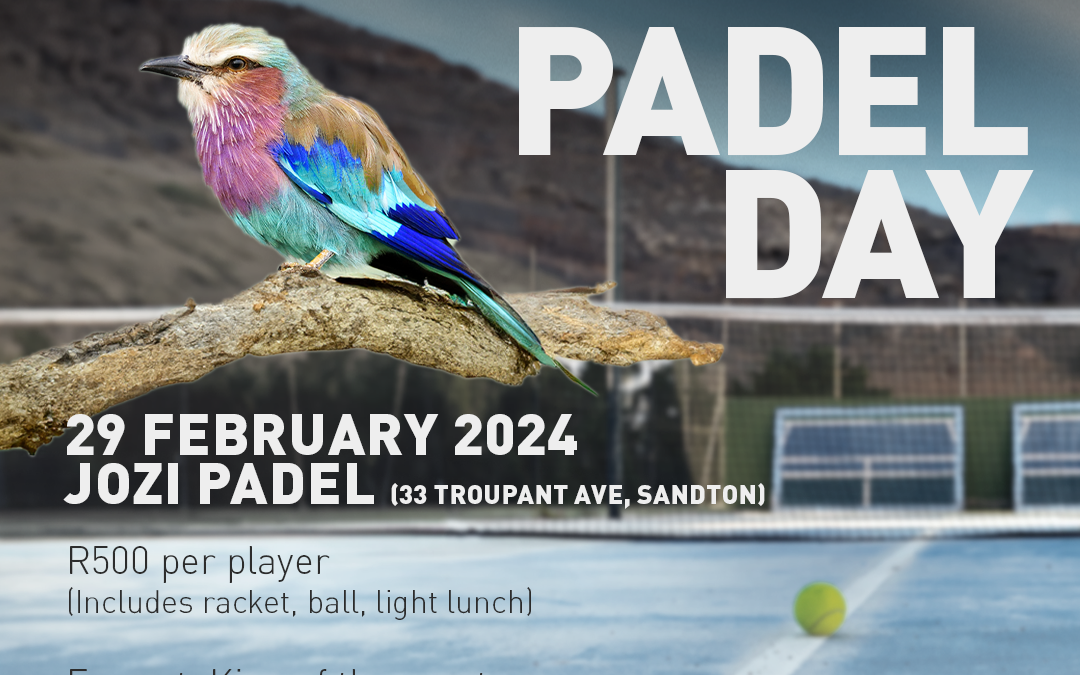
Join us on the 29th of February at Jozi Padel anytime from 1 pm – 6 pm for an afternoon of fun and fundraising with incredible prizes up for grabs.
Proudly sponsored by Gallagher Security

R500 per player (Includes racket, ball, light lunch)

Format: King of the court

Raffle, lucky draw, and great prizes are up for grabs.

Registration is from 1 pm and playtime is from 2 pm to 6 pm.

Contact tammyb@ewt.org.za

Synergies and Trade-Offs in the effort to save our natural world: the Global Biodiversity Framework, the Sustainable Development Goals and the Climate Action Goals

Synergies and Trade-Offs in the effort to save our natural world: the Global Biodiversity Framework, the Sustainable Development Goals and the Climate Action Goals

Synergies and Trade-Offs in the effort to save our natural world: the Global Biodiversity Framework, the Sustainable Development Goals and the Climate Action Goals

Namita Vanmali and Ian Little

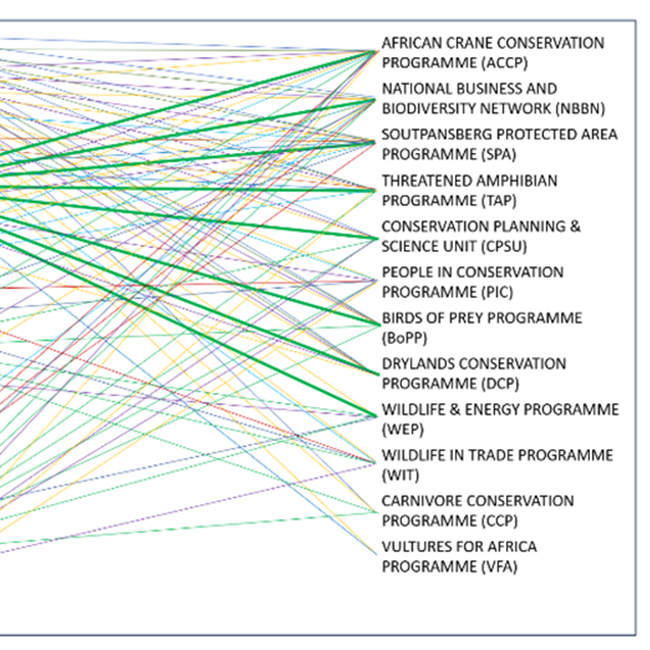
An illustration of the multiple linkages and alignment between the EWTs programmes and the Global Biodiversity Framework targets, with the specifically climate change relevant links in bold green.

Climate change is now widely recognised as a key driver of biodiversity loss, and although they are inextricably linked, historical approaches to policies addressing biodiversity loss and climate change have often treated these challenges separately. This divergence traces back to the independent conventions established during the 1992 Rio Earth Summit—namely, the Convention on Biological Diversity (CBD) and the United Nations Framework Convention on Climate Change (UNFCCC). Over time, an increasing alignment of mechanisms within these frameworks and recognition of the impacts of climate change on biodiversity has allowed for better integration of strategies and enabled a more holistic approach to addressing these associated challenges. A significant milestone in this integration occurred recently at COP27 in Sharm el-Sheikh, where specific sections were dedicated to oceans, forests, and agriculture for the first time. This cross-pollination of strategies is paramount in achieving the objectives of climate mitigation and biodiversity conservation. “Nature-based solutions” (NbS) have been put forward as a unifying mechanism for achieving conservation and climate goals, underscoring the importance of safeguarding both environmental and social interests. The IUCN defines NbS as “actions to protect, sustainably manage, and restore natural and modified ecosystems that address societal challenges effectively and adaptively, simultaneously benefiting people and nature. They target major challenges like climate change, disaster risk reduction, food and water security, biodiversity loss and human health, and are critical to sustainable economic development”.

The Global Biodiversity Framework (GBF – 2022) provides a comprehensive roadmap for biodiversity conservation for the coming decade, outlining actions to halt biodiversity loss and promote sustainable ecosystem management. Comprising 23 action-oriented global targets to be achieved by 2030, it serves as a critical milestone on the journey toward overarching biodiversity conservation goals. Targets 1-8 focus on reducing threats to biodiversity, 9-13 emphasise meeting people’s needs through sustainable use and benefit sharing, and targets 14-23 focus on providing tools and solutions necessary to implement the GBF effectively. By addressing threats to biodiversity and boosting ecosystem resilience, GBF Targets 1-8 strongly align with goals for climate change adaptation, with target eight specifically focussed on minimising the impacts of climate change on biodiversity. There is an emphasis on expanding protected areas, halting species losses and managing invasive species impacts using holistic climate strategies. GBF Targets 2, 10, 11, 15 and 16 all align with climate change adaptation goals by emphasising sustainable resource use, ecosystem restoration and improving ecosystem service provision. While GBF Targets 13-23 emphasise the integration of biodiversity considerations into various sectors, policies, and resource mobilisation efforts, which aligns with climate change mitigation and adaptation goals.

How you can help our cause:
DONATE VIA EFT:

The Endangered Wildlife Trust

FNB Rosebank (Branch code: 253305)

Account number: 50371564219

Use Reference: Climate Action

An illustration of the multiple linkages and alignment between the EWTs programmes and the Global Biodiversity Framework targets, with the specifically climate change relevant links in bold green.

While there is obvious synergy between the targets of biodiversity conservation and climate change mitigation and adaptation, there can be misalignments and tensions between the two. Conflicting land use priorities may cause trade-offs between GBF Targets and climate goals. While GBF Targets 1, 2 and 3 concentrate on spatial planning and ecosystem restoration, achieving climate goals may require land for renewable energy infrastructure and bioenergy with carbon capture and storage (BECCS) projects requiring large-scale land use, which can and does conflict with biodiversity conservation efforts. The EWT has developed a number of resources to guide and streamline decision-making to minimise these biodiversity conflicts, and strongly supports renewable energy as opposed to the continued use and extraction of fossil fuels. Further, since climate action goals prioritise carbon sequestration to meet emission reduction goals, current reforestation and afforestation practices can negatively impact biodiversity if restored ecosystems serve climate mitigation instead of biodiversity conservation. Targets 8–13, which concentrate on sustainable resource use for people, can be at odds with critical Sustainable Development Goals (SDGs). Restricting access to resources in protected areas, for instance, may impede Poverty Reduction and Zero Hunger SDGs in some communities that rely on the land for agriculture or resource extraction. This conflict is also seen within the GBF targets 5 (Ensure the sustainable use and trade of wild species) and 9 (Protect & encourage customary sustainable use), where traditional use of wildlife resources is very often difficult to manage sustainably as a result of high demand for threatened resources and socio-economic pressures on rural communities.

While GBF Targets 14-23 theoretically align with implementation methods for climate change adaptation, challenges arise in practice where socio-economic pressures and needs conflict with conservation priorities and resource allocations. These challenges include potential competition for resource allocation, funding, land use and opposing interests within various sectors. Balancing short-term economic gains with long-term environmental benefits remains a complex and nuanced task. Integrated strategies that control possible conflicts are required to navigate these trade-offs successfully. The GBF targets and climate action goals both seek a just transition towards sustainability. However, misalignment between the GBF targets, climate adaptation, and SDGs often stems from divergent priorities between emission reduction, environmental preservation and broader development objectives.

Globally the financial cost of the transition to renewable energy dwarfs the funding required for biodiversity conservation. While it is imperative that the world prioritises a move away from reliance on fossil fuels, it is equally important that we recognise the parallel importance of conserving our biodiversity assets. The global narrative around the protection of our environment and commonly used terms like “Nature-based Solutions” should not allow the energy transition agenda to overshadow the biodiversity conservation crisis in terms of financial resource allocation and ongoing global dialogue