World Environment Day 2024

World Environment Day 2024

World Environment Day 2024: Restoring Land and Securing Our Future

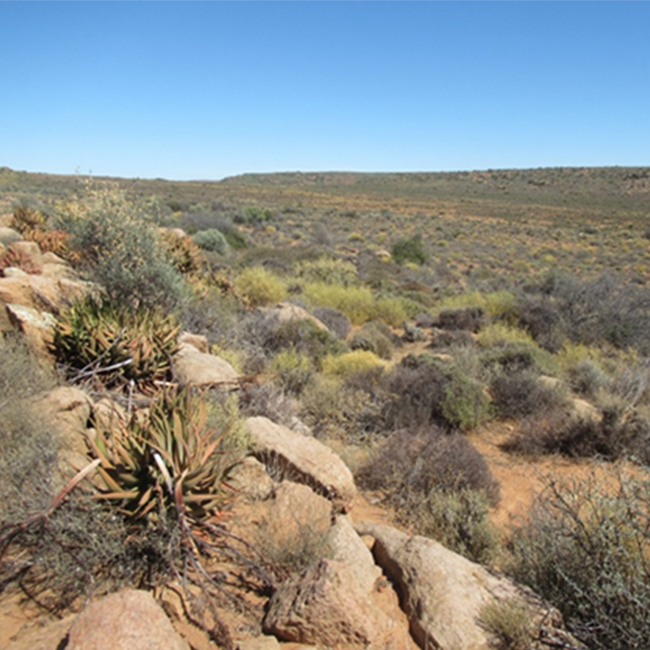
World Environment Day 2024 marks a pivotal moment to reflect on the urgent need for ecosystem restoration. On 5 June, the Endangered Wildlife Trust (EWT) joined millions worldwide in raising awareness about land rehabilitation, desertification prevention, and drought resilience.

This year’s theme, “Our Land. Our Future,” highlights the critical role of conservation. Moreover, it aligns with the United Nations Decade on Ecosystem Restoration’s #GenerationRestoration movement, which seeks to reverse environmental damage by 2030.
The Global Crisis of Land Degradation

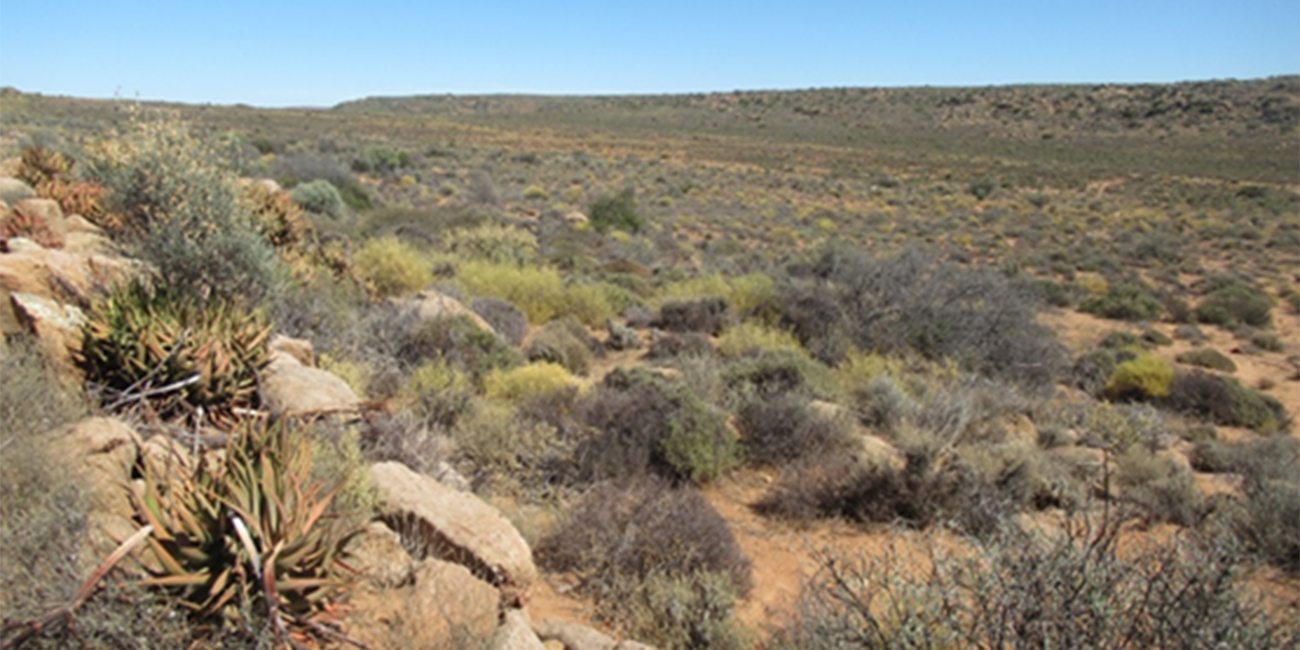
Recent findings from the United Nations’ Global Land Outlook Thematic Report on Rangelands and Pastoralists reveal alarming statistics—nearly 50% of the world’s rangelands face degradation due to overuse, climate change, and biodiversity loss. In South Africa, afforestation, mining, and land conversion contribute significantly to this crisis.

The EWT has taken proactive steps, establishing over 100,000 hectares of protected areas and clearing invasive species to restore vital water catchment zones. These efforts improve ecosystem services, particularly in climate-sensitive regions. However, a nationwide shift in natural resource management is essential to meet Sustainable Development Goals on land degradation neutrality.

The Human and Economic Impact of Environmental Decline

According to the United Nations Environment Programme (UNEP), over two billion hectares of land—more than 20% of the Earth’s surface—are degraded. This affects 3.2 billion people, disproportionately harming Indigenous communities, small-scale farmers, and rural populations. Droughts alone impact 55 million people annually, threatening food security and livelihoods.

If left unchecked, land degradation could reduce global food productivity by 12%, driving food prices up by 30% by 2040. Africa holds significant restoration potential, with over 720 million hectares that could be rehabilitated. The Pan-African Ecosystem Restoration Action Agenda aims to restore 200 million hectares by 2030.
World Environment Day 2024

World Environment Day 2024

Innovative Solutions for a Sustainable Future

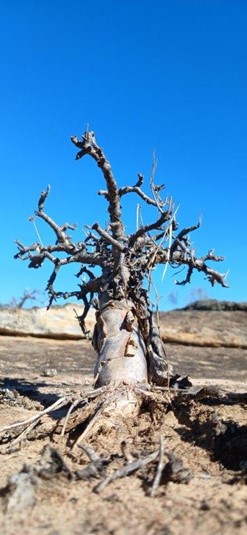
The EWT’s Drylands Conservation Programme addresses climate change and unsustainable land use in southern Africa. By promoting eco-tourism and supporting local enterprises, the initiative fosters economic resilience while preserving ecosystems.

Governments and financial institutions must also play a role. Redirecting agricultural subsidies towards regenerative farming and small-scale producers can enhance food security without compromising ecosystems. UNEP estimates that investments in nature-based solutions must double to $542 billion by 2030 to meet global climate and biodiversity targets.

The Path Forward: Policy and Collaboration

With the Convention on Biological Diversity’s 16th Conference of the Parties (COP16) approaching in October 2024, nations must reaffirm their commitments under the Kunming-Montreal Global Biodiversity Framework. Adequate funding, particularly for developing nations, is critical to implementing National Biodiversity Strategies and Action Plans (NBSAPs).

In South Africa, collaboration between government, businesses, and communities is vital. The EWT’s carbon trading agreements in the Free State grasslands demonstrate how sustainable practices can generate revenue while protecting biodiversity.

A Call to Action for World Environment Day 2024

World Environment Day 2024 reminds us that healthy land is as vital as clean air and water. By restoring degraded ecosystems, we safeguard food security, biodiversity, and human well-being. Every stakeholder—from policymakers to private citizens—must contribute to this collective mission.

The time to act is now. Together, we can secure a sustainable future for generations to come.
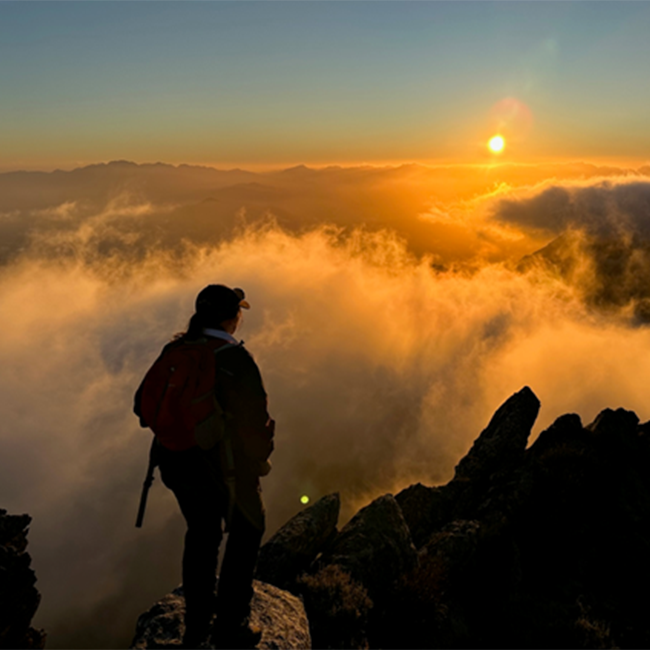
Going, going… Gone…  EWT working to reverse habitat loss in South Africa’s drylands

Going, going… Gone… EWT working to reverse habitat loss in South Africa’s drylands

Going, going… Gone… EWT working to reverse habitat loss in South Africa’s drylands

By Zanne Brink, Drylands Conservation Programme Manager


“The eye of the beholder” has always been an interesting emotional sense that has dictated a person’s view or outlook on the Dry Lands of South Africa, and further afield.  Those individuals drawn to vast open spaces with its unique endemic biodiversity and specialist species, versus those individuals who dread the “nothingness”.

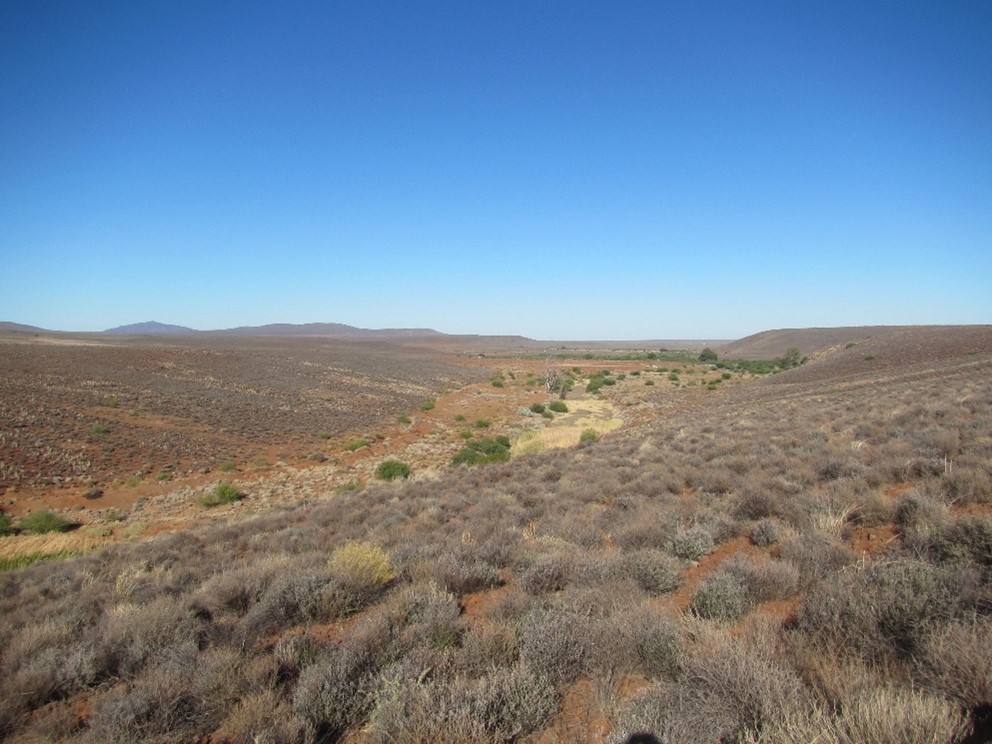
For the most part, “arid”, or “dry” areas are characterised by limited natural water resources and, to the layman, large open areas with plants growing relatively low to the ground, and very little cellphone reception. These arid areas receive on average between 50 to 300 mm of rain per annum, making the arid regions very sensitive to climate variability with big impacts on endemic plants and animals adapted to this environment. Survival is dependant on evading drought or harsh periods through migration or endurance in the form of soil, water and vegetation management.  No matter how you look at it, the arid areas are exposed to extreme weather and climatic occurrences, such as droughts and heatwaves. This results in these landscapes being vulnerable to rapid and devastating environmental change and land degradation.

The vast open landscapes of southern Namibia, the Western and the Northern Cape Provinces of South Africa are home to three significant arid biomes: the Namib Desert, Nama Karoo, and the Succulent Karoo. Despite the harsh conditions experienced in these biomes, it is a fact that not only species, but biodiversity, and dare I say communities living in these biomes, are highly adapted and diverse.

In arid environments, mobility is the most important adaptation to extreme conditions. Animals and people can move from one area to another when plants do not spread fast enough. Increasing temperatures, shifting rainfall patterns, and more frequent extreme weather events are altering ecosystems and placing additional stress on already vulnerable ecosystems and communities. Temperatures in southern Africa are expected to rise at a rate 1.5 to 2 times that of the rest of the world, exacerbating the possibility of biodiversity loss and climate change challenges for communities.  Arid areas are also known as the most sparsely populated areas of South Africa, and in recent years these communities have been shrinking due to socio-economic drivers.

Ongoing research allows us to understand these changes brought on by both short-term droughts and climate-induced shifts. This is very important, as natural and social responses to an ever-increasing changing environment due to increased frequencies in drought occurrences is vital.  South Africa’s meat and wool ‘breadbasket’ depends on changes implemented at a farm level and through legislation, to include a different style of farming to adapt to less water and increased temperatures over extended periods.

But, it must also be understood that arid regions have a slow response rate, with long-term monitoring over several years needed to understand impacts on fauna, flora, avians and invertebrates.  Even with stringent monitoring, it does not provide answers to feed into the need for livelihood protection for communities and biodiversity.  With growing economic needs, the search for renewable energies have started focussing on areas seen as low productivity areas, and slowly started desertification through development-related damage in a sensitive landscape.


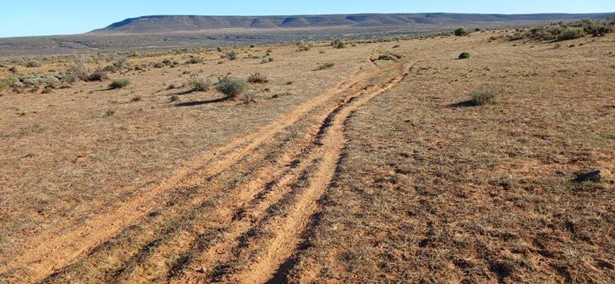
Traditionally, small livestock farming was the most widespread economic opportunity in the arid areas. However, rampant overgrazing in some areas has caused severe land degradation, leading to a compromise in the ecological resilience of the areas. Poor rural communities in these areas have a particularly high dependency on well-functioning ecosystems, and currently, their resilience to climate change impacts is very low. A recent surge in renewable energy production has fuelled development across much of the landscape, which, in most cases, has left a shameful legacy of environmental degradation in the form of vegetation clearing, water abstraction and pollution, soil compaction and road development, all in the name of growth.

There is an urgent need to manage the arid regions of South Africa more effectively, to benefit both the landscape and people living off it. This includes injecting much-needed support for ecologically based adaptation (EbA), sustainable land management (SLM) and climate-smart agricultural practices, while tackling the negative impacts of land degradation.

The EWT Drylands Conservation Programme is working with landowners to champion the conservation of this spectacular landscape. We collaborate with all stakeholders to promote alternative economies and sustainable agriculture over unsustainable developments, such as hydraulic fracturing and uranium mining.  We focus on enhancing habitat protection and improvement, and driving innovative research, to better understand the unique species in the Karoo. This has allowed us to “rediscover” lost species such as De Winton’s Golden Mole (Cryptochloris wintoni).

Through our work, it allows us to collaborate with the communities within the landscape and to undertake activities that achieve specific conservation goals in each of these. By providing guidance in Sustainable Land Management (SLM), the EWT ensures that communities in landscapes benefit along with the ecosystems and wildlife that share these spaces through the responsible use of the available natural resources.  The Karoo Forever website was developed for the Drylands of South Africa to provide a knowledge-sharing platform with downloadable resources focused on sustainable land management (Welcome to Karoo Forever).

It is not all doom and gloom, but a realistic look at our beloved fragile arid environments is crucial to allow for a united focus on how to balance nature and development.  As financial constraints impede the application and implementation of ecological practices across this arid landscape, industry and conservation along with all communities and stakeholders need to find common ground to benefit man and environment.

The need, and the potential to do things better, must be emphasised.  This can only be done through our own actions and allowing locally led research to show the way to sustainability, allowing nature to benefit, and does not limit people’s wellbeing.  We, as a community, must make climate change and associated concerns a part of our day to day thinking and planning to build resilience in livelihoods and economies, to reduce our vulnerabilities, and the associated conflict.

Give our arid regions a chance and break the cycle of nature loss. We do have huge potential to enable nature and people to thrive together in a changing climate.


CAREERS IN CONSERVATION – Sibongakonke Ngogodo

CAREERS IN CONSERVATION – Sibongakonke Ngogodo

CAREERS IN CONSERVATION – Sibongakonke Ngogodo

Sibongakonke is the Wildlife and Law Project Officer with the EWT’s Wildlife in Trade Programme. Here is a little bit about Sibongakonke’s journey to a career in conservation.

Job title:  Wildlife and Law Project Officer

What do you do in your day-day work?  I am primarily responsible for maintaining the EWT LAWS website, enhancing environmental governance within South Africa, and raising awareness on regulatory frameworks. I also engage in research, analyse, and provide recommendations on legal frameworks, and draft legislation and policies. Furthermore, I stay abreast of global developments impacting wildlife and environmental law collaborating closely with the Wildlife and Law Senior Project Manager.

Location:  Johannesburg, Gauteng

Where did you grow up?   Cape Town, Western Cape

What are your hobbies/things you like to do in your spare time? I enjoy spending quality time with my family and friends, participating in park runs, indulging in brunches, reading, and exploring different local markets.

Any pets?  None

Favourite animal and why:   I love Elephants! I love their gentleness, as well as their strong and valued sense of family unity, their compassionate nature resonates with me.

Favourite food?  Paella

Pet peeve? People who chew loudly and people who eat with their mouths open.

Why did you want to work for the EWT? I was drawn to the EWT by the opportunity it presents to passionately apply my expertise in environmental law to the vital cause of wildlife conservation. Being a part of this organization allows me to actively shape policies that safeguard endangered species, contributing positively to our planet’s biodiversity and ensuring a sustainable future for generations to come.
What excites you about this new position?  What excites me about this new position is the prospect of being directly involved in impactful conservation efforts where I can leverage my expertise in environmental law to make a tangible difference in protecting endangered wildlife.

What are you passionate about?  My passion lies in environmental conservation which is fuelled by a dedication to ensuring intergenerational equity and preserving the planet for the well-being of future generations.

What’s the best advice you’ve ever received, and who did it come from?  “Every challenge, no matter its difficulty, Is always an opportunity for growth and learning” This encouraging advice from my Mum has always kept me motivated and inspired to flourish and thrive in any environment.

What is your go-to feel-good song?  The Soul Cafe – Kaylow

CAREERS IN CONSERVATION – Jessel Naidoo

CAREERS IN CONSERVATION – Jessel Naidoo

CAREERS IN CONSERVATION – Jessel Naidoo

Jessel is the EWT’s Financial Accountant. Here is a little bit about Jessel’s journey to a career in conservation.

Job title:  Financial Accountant

Location Midrand

Where did you grow up?  Port Shepstone

What are your hobbies/things you like to do in your spare time? Tasting the world, one dish at a time and getting lost in another Netflix series.

Any pets? Not yet

Favourite animal and why?   Leopard, as the saying goes “Leopard spots are a reminder that beaty lies in uniqueness”- Unknown

Favourite food? Lamb Curry

Pet peeve? Being interrupted

Why did you want to work for the EWT? EWT’s vision and mission speaks to me on a personal level.

What are you passionate about? Learning and development

What’s the best advice you’ve ever received, and who did it come from? Listen more than you speak, High school teacher.

What is your go-to feel-good song? Fancy Like by Walker Haynes

CAREERS IN CONSERVATION – Emile Honiball

CAREERS IN CONSERVATION – Emile Honiball

CAREERS IN CONSERVATION – Emile Honiball

Al is the protected areas co-ordinator for Waterberg and Wolkberg. Here is a little bit about Emile’s journey to a career in conservation.

Job title    I am the protected areas co-ordinator for Waterberg and Wolkberg.

Location    I am located in Mokopane, Limpopo province.

Where did you grow up?   I was born and grew up in Mokopane, Limpopo province.

 What are your hobbies/things you like to do in your spare time? I love anything in the outdoors, sport, fishing, horse-riding, hunting, reading, travelling, history. 

Any pets? Yes our family has 5 dogs and 6 horses.

 Favourite animal and why? The African Buffalo is my favourite animal. I grew up on a farm loving cattle. Buffalo have similar behaviour and social structure as cattle.

 Favourite food? Mediterranean food.

 Pet peeve? Dogs on the furniture and beds.

 Why did you want to work for the EWT? I decided to work for the EWT to hopefully be able to make some kind of contribution to conservation.

 What are you passionate about? I am passionate about our country and people.

 What’s the best advice you’ve ever received, and who did it come from? Best advice is from my wife to always smile.

 What is your go-to feel-good song?   Brave Heart by Johnny Clegg